 Unearth The Voyage

Not every great destination makes the highlight reel. While millions flock to the same famous landmarks year after year, some of America’s most jaw-dropping places sit quietly off the beaten path, waiting to be discovered.
From swirling sandstone formations in the desert to car-free islands with wild horses, these hidden gems prove that the best adventures are often the ones you least expect. Pack your bags, because these 15 underrated spots are absolutely worth the trip.
The Wave — Arizona

Only 64 people are allowed to visit The Wave each day — and that number alone tells you everything you need to know about how special this place is. Tucked inside the Coyote Buttes North area near the Arizona-Utah border, this sandstone formation looks like someone painted the desert floor with giant brushstrokes of red, orange, and pink.
The swirling layers of rock took millions of years to form, shaped by wind and water into something that looks almost unreal.
Getting here is part of the adventure. There are no paved roads, no signs, and no formal trails — just open desert and a GPS coordinate to guide you.
Most hikers cover about six miles round trip across sandy washes and rocky terrain, so solid footwear and plenty of water are must-haves.
Permits are distributed through a lottery system run by the Bureau of Land Management, and competition is fierce. Applying months in advance gives you the best shot.
If you score a permit, prepare for one of the most visually stunning hikes in the entire country. Few places on Earth look quite like this.
Great Basin National Park — Nevada
Surprise — Nevada has more to offer than neon lights and slot machines. Great Basin National Park sits in the eastern part of the state near the Utah border, and it is one of the least visited national parks in the entire country.
That is honestly a gift for anyone who shows up, because the trails, caves, and skies here are breathtaking without the shoulder-to-shoulder crowds.
Wheeler Peak rises to nearly 13,000 feet and rewards hikers with sweeping views of the Great Basin Desert. Near the summit, you can find ancient bristlecone pine trees that are over 4,000 years old — some of the oldest living organisms on the planet.
Just standing next to one feels like a quiet history lesson.
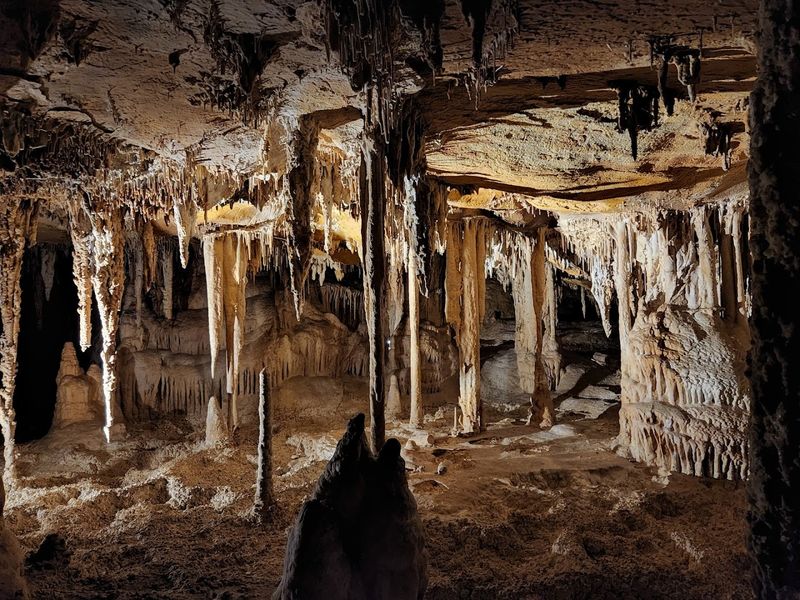
Underground, the Lehman Caves system offers guided tours through stunning limestone chambers filled with rare formations called shields, which are found in very few caves worldwide. After dark, the park transforms into one of the best stargazing destinations in the U.S., thanks to its remote location and minimal light pollution.
If you want dramatic scenery without the tourist traffic, Great Basin delivers every single time.
Mackinac Island — Michigan

Step off the ferry onto Mackinac Island and you will immediately notice something missing — the sound of car engines. Motor vehicles have been banned here since 1898, making this Michigan island one of the most unique travel destinations in the entire country.
Bicycles, horse-drawn carriages, and your own two feet are the only ways to get around, and honestly, that is exactly what makes it so charming.
The island sits in the Straits of Mackinac between Lake Huron and Lake Michigan, and the views from the shoreline are gorgeous no matter the season. Victorian-era hotels and painted storefronts line the main street, giving the whole place a storybook quality that feels refreshingly unhurried.
Fort Mackinac, perched on a bluff above town, offers fascinating history about the island’s role in early American conflicts.
Fudge shops are practically a local institution here — the island has been making and selling the stuff since the 1880s, and the smell hits you the moment you arrive. Rent a bike and circle the entire island along the scenic shoreline road.
The whole loop is only about eight miles, making it an easy and incredibly rewarding afternoon ride.
Palo Duro Canyon — Texas

Everything really is bigger in Texas, and Palo Duro Canyon is proof. Stretching over 120 miles long and dropping nearly 800 feet deep, this canyon in the Texas Panhandle is the second largest in the United States — and yet somehow, most people have never heard of it.
That means you can hike its colorful trails and camp under wide open skies without fighting for a parking spot.
The canyon walls display layers of red, orange, yellow, and purple rock that tell a geological story going back 250 million years. Sunrise and sunset paint the formations in colors so vivid they look almost fake.
Photographers, hikers, and campers all find something to love here, whether they are chasing dramatic views or simply looking for a quiet night under the stars.
Palo Duro Canyon State Park offers over 30 miles of trails ranging from easy walks to challenging climbs. The Lighthouse Trail is the most popular, leading to a tall rock spire that stands like a natural monument against the Texas sky.
An outdoor musical drama called “TEXAS” runs in an amphitheater inside the canyon each summer, combining history, music, and scenery into one unforgettable evening show.
Hoh Rainforest — Washington

Walking into the Hoh Rainforest feels like entering a world that forgot time existed. Located within Olympic National Park on Washington’s Olympic Peninsula, this temperate rainforest receives up to 14 feet of rain per year, and every drop goes toward creating one of the most impossibly green landscapes you have ever seen.
Thick moss drapes over every branch and boulder, ferns tower above your head, and a soft mist hangs between the trees like a living curtain.
Bigleaf maples wrapped in cushions of moss line the Hall of Mosses Trail, which is only about a mile long but feels like a journey through an ancient, enchanted world. The longer Hoh River Trail stretches nearly 18 miles into the backcountry, offering serious hikers access to glacier views and true wilderness solitude.
Roosevelt elk roam freely through the forest, and spotting a herd moving quietly through the trees is a genuinely unforgettable experience.
The Hoh is also one of the quietest places in the lower 48 states. Researchers have recorded near-zero human-made noise here, making it a rare sanctuary for both wildlife and visitors who need a real break from modern life.
Bring waterproof boots — the trails stay muddy year-round.
Assateague Island — Maryland and Virginia

Wild horses on a beach sounds like something out of a dream, but on Assateague Island, it is Tuesday. This barrier island stretching across the Maryland-Virginia border is home to a famous herd of feral ponies that wander freely across beaches, marshes, and campgrounds with absolutely zero concern for personal space.
Watching them stroll past your tent at sunrise is one of those travel moments you never forget.
The island has two distinct sections managed separately. The Maryland side is operated as Assateague Island National Seashore, while the Virginia side is managed as Chincoteague National Wildlife Refuge.
Both offer excellent opportunities for birdwatching, kayaking through calm back bays, clamming, and swimming in the Atlantic. The beaches here are wide, uncrowded, and genuinely beautiful.
Camping on the island puts you right in the middle of the action — in the best possible way. Falling asleep to the sound of ocean waves and waking up to find a pony grazing nearby is hard to beat.
Keep a respectful distance from the horses, though; they are wild animals and will let you know if you get too close. Bug spray is also a non-negotiable packing item here.
Jewel Cave National Monument — South Dakota
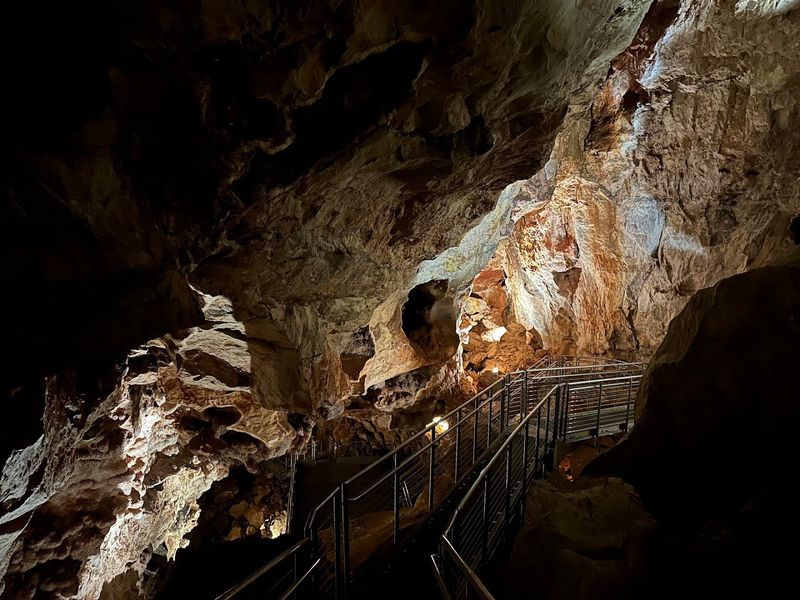
Beneath the rolling hills of South Dakota lies a secret that keeps getting bigger. Jewel Cave National Monument is currently the third longest known cave system in the entire world, with over 220 miles of mapped passages — and researchers believe less than three percent of the cave has actually been explored.
That means every year, the cave gets a little longer on the map.
The cave gets its name from the glittering calcite crystals that line its walls, catching light and sparkling like scattered jewels in the darkness. Guided tours range from easy walking routes to wild caving adventures where you crawl through tight passages with only a headlamp.
The Historic Lantern Tour offers a truly atmospheric experience, exploring the cave by candlelight just like early explorers did over a century ago.
Jewel Cave sits just outside Custer, South Dakota, making it an easy add-on to a Black Hills road trip that might also include Mount Rushmore or Wind Cave. Temperatures inside stay around 49 degrees Fahrenheit year-round, so bring a light jacket even on the hottest summer day.
Few underground experiences in the U.S. match the scale, beauty, and sense of mystery that Jewel Cave delivers on every single tour.
Marfa — Texas

A tiny desert town with a population of about 1,800 people has somehow become one of the most talked-about arts destinations in the entire United States. Marfa, Texas sits in the vast Chihuahuan Desert about three hours from El Paso, and its remote location is actually a big part of its appeal.
Getting here takes effort, which filters out the casual tourists and leaves behind a crowd that genuinely appreciates what makes this place so weird and wonderful.
The late artist Donald Judd transformed Marfa in the 1970s by converting old military buildings into permanent art installations at the Chinati Foundation. His large aluminum sculptures still sit in those converted artillery sheds, drawing art lovers from around the world.
Quirky galleries, design shops, and excellent restaurants now fill the surrounding streets, giving the town a surprisingly sophisticated cultural scene.
Then there are the Marfa Lights — unexplained glowing orbs that appear near the horizon on certain nights, visible from a designated viewing area east of town. Scientists have proposed various explanations, but none have fully cracked the mystery.
Whether you come for the art, the solitude, the incredible dark skies, or just to see those lights for yourself, Marfa has a way of staying with you long after you leave.
Spokane’s Riverfront Park — Washington
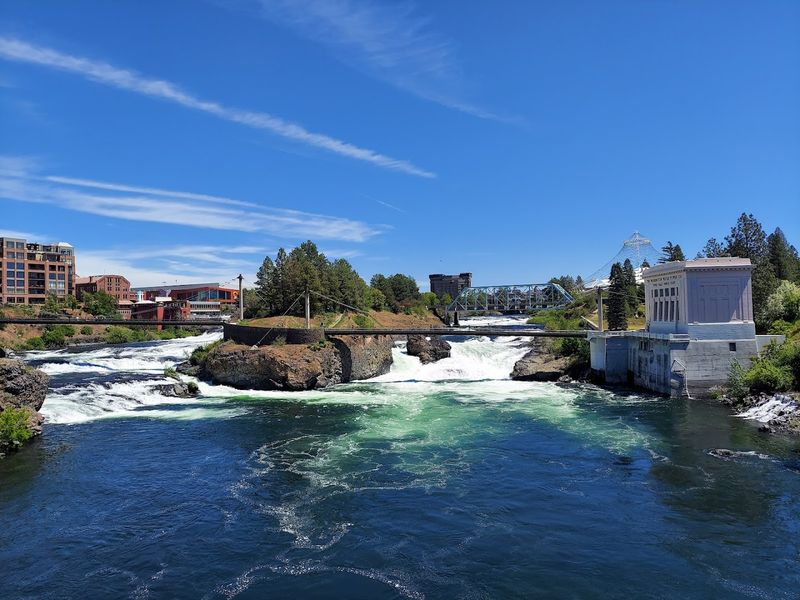
Most people fly through Spokane on the way to somewhere else, which means most people are missing out. Right in the heart of downtown, Riverfront Park sits along the edge of one of the most powerful urban waterfalls in the country — the Spokane Falls, where the Spokane River drops dramatically over basalt cliffs in a display that genuinely stops people mid-stride.
You do not expect that kind of raw natural energy in the middle of a city, and that surprise is exactly what makes it so satisfying.
The park itself was developed for the 1974 World’s Fair and has been growing ever since. A gondola ride over the falls offers a bird’s-eye view that is equal parts thrilling and beautiful.
Pedestrian bridges, sculptures, and wide green lawns make the park a favorite for locals and a discovery for visitors who stumble upon it without expecting much.
Spokane also punches well above its weight in food and culture. The city has a strong craft beer scene, excellent farm-to-table restaurants, and a growing arts community.
Combine that with the outdoor access to hiking, skiing, and lakes just minutes outside the city, and Spokane starts to look less like a stopover and more like a destination worth building a trip around.
Cumberland Island — Georgia
There is no bridge to Cumberland Island, and that is entirely the point. Georgia’s largest barrier island is accessible only by ferry from the small town of St. Marys, and the National Park Service limits daily visitors to protect its extraordinary natural and historical character.
The result is one of the most peaceful and atmospheric places on the entire East Coast.
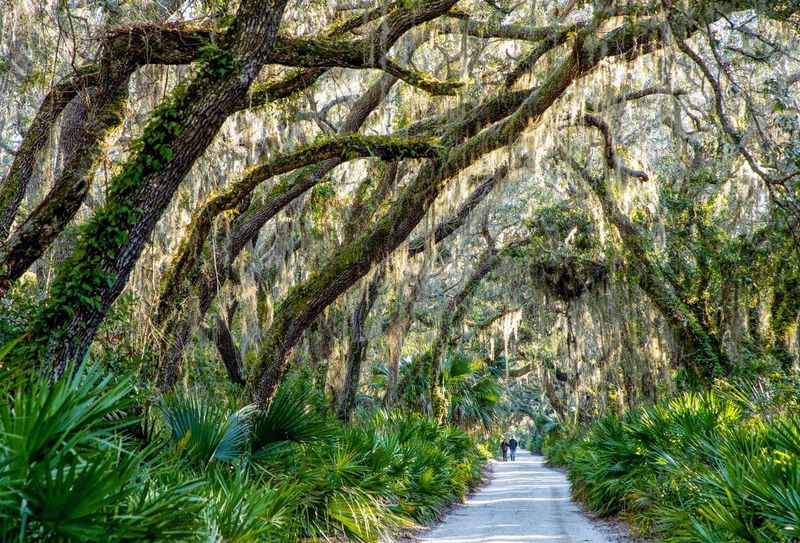
Live oak trees draped in Spanish moss line sandy paths that lead through maritime forests to wide, empty Atlantic beaches. Wild horses roam the island freely, grazing near crumbling ruins of the Carnegie family’s Dungeness mansion, which burned in 1959 and now stands as a hauntingly beautiful skeleton in the trees.
That combination of wild nature and faded grandeur gives Cumberland a mood unlike anywhere else.
Camping here is a genuine back-to-basics experience — no electricity, no stores, just ocean breezes, birdsong, and stars. Armadillos, loggerhead sea turtles, and over 300 species of birds call the island home.
John F. Kennedy Jr. married Carolyn Bessette here in 1996 in a ceremony so private that almost no one knew it happened until afterward.
Book your ferry tickets well in advance, especially for spring and fall visits, when the weather is absolutely perfect.
Bend — Oregon

Bend has a dirty little secret — it is not actually that underrated anymore among Pacific Northwest locals, but the rest of the country still has not fully caught on. Sitting on the eastern slope of the Cascade Mountains in central Oregon, this city of about 100,000 people offers a staggering variety of outdoor activities within a short drive of downtown.
Skiing, snowboarding, hiking, mountain biking, white-water kayaking, and fly fishing are all on the menu depending on the season.
Mount Bachelor, just 22 miles from downtown, offers some of the best skiing in the Pacific Northwest with over 4,300 acres of terrain. In summer, the same mountain becomes a hub for hiking and mountain biking.
The Deschutes River runs right through the city, and tubing down it on a warm afternoon is basically a Bend rite of passage.
The food and drink scene here is seriously impressive for a city its size. Bend has more breweries per capita than almost any other city in the U.S., and the quality is consistently excellent.
After a long day on the trails, settling into a patio seat with a cold craft IPA and a view of the mountains is a reward that feels completely earned. Bend is the kind of place that makes you start browsing real estate listings.
Door County — Wisconsin
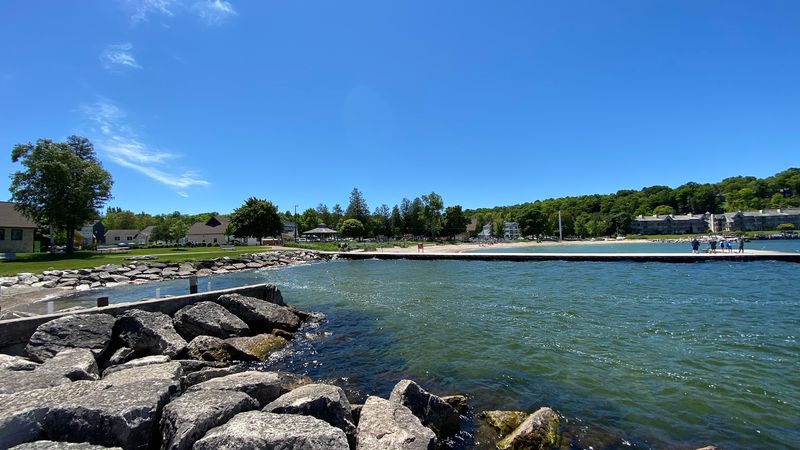
Wisconsin’s thumb-shaped peninsula jutting into Lake Michigan has been charming visitors for well over a century, yet somehow it never ends up on the same national radar as more glamorous coastal destinations. Door County stretches about 75 miles long and packs in 300 miles of shoreline, five state parks, 11 lighthouses, and more cherry orchards than you can count.
It earns the nickname “Cape Cod of the Midwest” without trying too hard.
The small towns scattered along both sides of the peninsula each have their own personality. Fish Creek is lively and artsy, Ephraim is quiet and historic, and Sister Bay feels like the kind of place where everyone knows your name.
Fish boils — a local tradition where whitefish, potatoes, and onions are cooked over an open fire — are a must-try cultural experience unique to this region.
Fall is spectacular here when the maple and birch trees turn gold and red against the blue water. Summer brings kayaking, sailing, and beachcombing.
Winter, believe it or not, draws visitors for cross-country skiing and ice fishing. Whatever season you choose, Door County delivers a genuinely restorative experience that feels nothing like a typical tourist destination.
The pace here is slower, and that is exactly what makes it so good.
Bisbee — Arizona
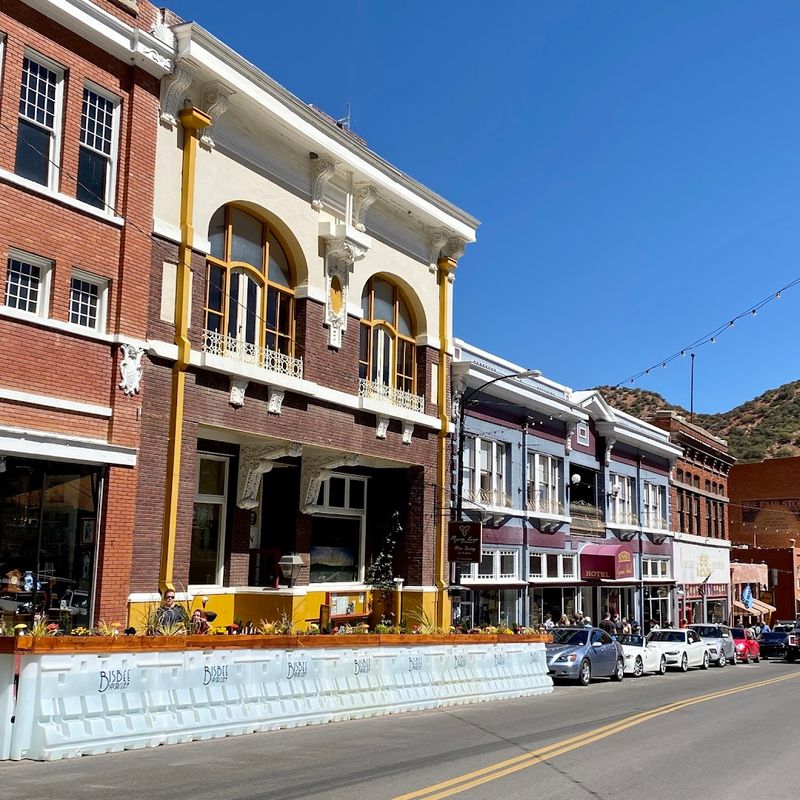
Built into the steep hillsides of the Mule Mountains in southeastern Arizona, Bisbee looks like it was designed by someone who never heard of flat ground. Streets climb and twist at improbable angles, staircases connect neighborhoods that would otherwise need a rope to reach, and nearly every building is painted a different color.
The whole town has the feel of a place that decided to stop taking itself seriously and had a much better time because of it.
Bisbee started as a copper mining town in the late 1800s and boomed so hard that by 1910 it was the largest city between St. Louis and San Francisco. The mines eventually closed, and the town nearly emptied out before artists, writers, and free spirits moved in during the 1970s and gave it a whole new identity.
That creative energy never left.
The Queen Mine Tour takes visitors underground into the historic copper mine for a genuinely fascinating look at early 20th-century mining life. Galleries, vintage shops, and excellent restaurants fill the colorful streets above.
The Bisbee Royale hosts live music and local theater. Even just wandering the staircases and stumbling onto unexpected murals counts as a worthwhile afternoon here.
Bisbee rewards the curious traveler generously.
Columbia River Gorge — Oregon and Washington
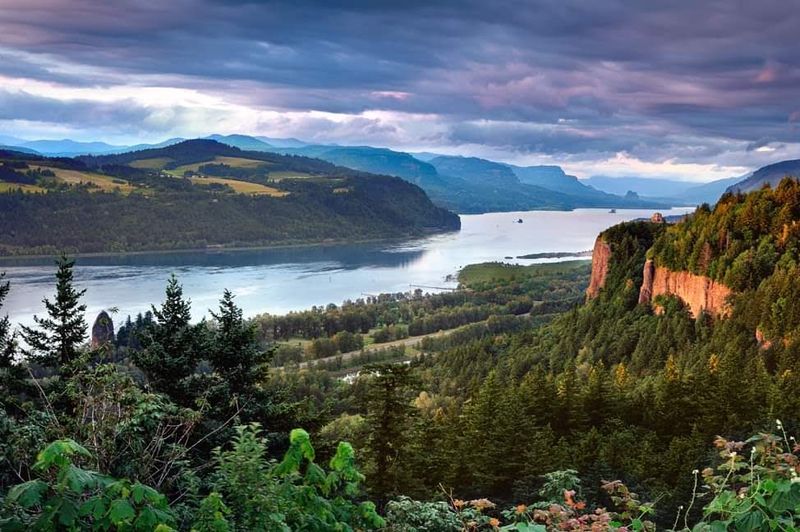
Carved by catastrophic floods at the end of the last Ice Age, the Columbia River Gorge is a geological masterpiece stretching about 80 miles along the Oregon-Washington border. Sheer basalt cliffs rise hundreds of feet above the river, and waterfalls pour off the rim so frequently that you can sometimes see multiple cascades from a single viewpoint.
Multnomah Falls alone, dropping 620 feet in two tiers, is one of the most visited natural sites in the entire Pacific Northwest.
The Historic Columbia River Highway, built between 1913 and 1922, was the first scenic roadway in the United States and still offers one of the finest drives in the country. Pullouts and overlooks appear around nearly every bend, and short hikes from the road lead to viewpoints and waterfalls that reward minimal effort with maximum payoff.
Crown Point Vista House, perched dramatically on a cliff above the river, is one of the most photographed spots in Oregon.
Hood River, a small city in the heart of the gorge, is considered one of the top windsurfing and kiteboarding destinations in the world thanks to the powerful winds that funnel through the canyon. It also has a thriving food scene, excellent local breweries, and easy access to both Mount Hood and the gorge trails.
This place genuinely has it all.
Cabbage Key — Florida

Reachable only by boat, Cabbage Key sits in Pine Island Sound off Florida’s southwest Gulf Coast, and the journey to get there is half the fun. The island is tiny — just about a hundred acres — and has no cars, no chain restaurants, and no reason to rush.
Its highest point is a 38-foot shell mound built by the Calusa people thousands of years ago, and that is where the famous Cabbage Key Inn now stands, looking out over mangroves and open water.
The inn’s restaurant has one of the most unusual interior decorating choices you will ever encounter: the walls and ceiling are completely covered in dollar bills. The tradition reportedly started decades ago when a fisherman pinned a dollar to the wall for good luck, and the habit caught on.
There are now an estimated 70,000 bills stapled up there, which is equal parts bizarre and wonderful.
Jimmy Buffett allegedly drew inspiration for “Cheeseburger in Paradise” after visiting Cabbage Key, and the menu still serves a version of that famous burger today. Dolphins frequently swim alongside the boats heading to the island.
Pelicans perch on the dock pilings. The whole experience feels genuinely unhurried and old Florida in the best possible way.
Book a boat tour from Captiva or Pine Island to visit.



