Hungary is so much more than Budapest. Tucked between rolling hills, volcanic lakes, and medieval town squares, this Central European country hides dozens of destinations that most tourists never find.
From UNESCO-listed villages to underground boat caves, the real Hungary is waiting just beyond the capital. Pack your bags and get ready to explore some of the most overlooked corners of a truly fascinating country.
Holloko – Nogad County
Step into a village where time forgot to keep moving. Holloko is a UNESCO World Heritage Site that looks and feels like a living, breathing open-air museum.
Locals still wear traditional folk costumes during festivals, and the architecture has barely changed in centuries.
Narrow cobblestone lanes wind between whitewashed houses with carved wooden balconies, and the hilltop castle looms dramatically above the whole scene. You can browse handmade crafts, taste homemade food, and learn about Paloc folk traditions that have survived wars, empires, and modernization.
It is genuinely rare to find a place this authentic anywhere in Europe.
Because Holloko stays off most tourist radars, crowds are never a problem. Visiting during Easter is especially rewarding, when the village comes alive with colorful costumes and folk performances.
If slow travel with real cultural depth is what you are after, Holloko delivers something that no city tour ever could. Bring a camera and comfortable walking shoes.
Eger – Northern Hungary
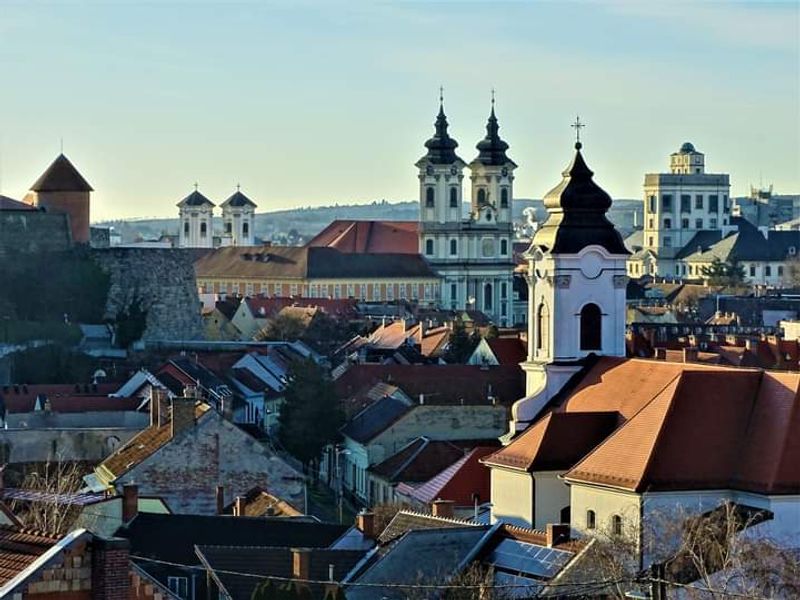
Eger punches well above its weight for a town this size. Famous for its deep red Bull’s Blood wine, this northern Hungarian gem blends centuries of history with a seriously enjoyable food and drink scene.
The wine cellars carved into the hillside of the Valley of Beautiful Women are an absolute highlight.
Beyond the wine, Eger has a beautifully preserved Baroque old town that feels like a film set. The grand Eger Castle tells the story of the 1552 siege where Hungarian defenders famously held off a massive Ottoman army.
Local guides bring that story to life with genuine enthusiasm, and the views from the castle walls are spectacular.
Thermal baths, open-air markets, and charming cafes round out the experience perfectly. Eger is compact enough to explore comfortably on foot in a weekend, yet rich enough that you will wish you had booked an extra night.
It is the kind of town that converts skeptics into superfans by the end of day one. Seriously, do not skip the wine valley.
Pecs – Southern Hungary
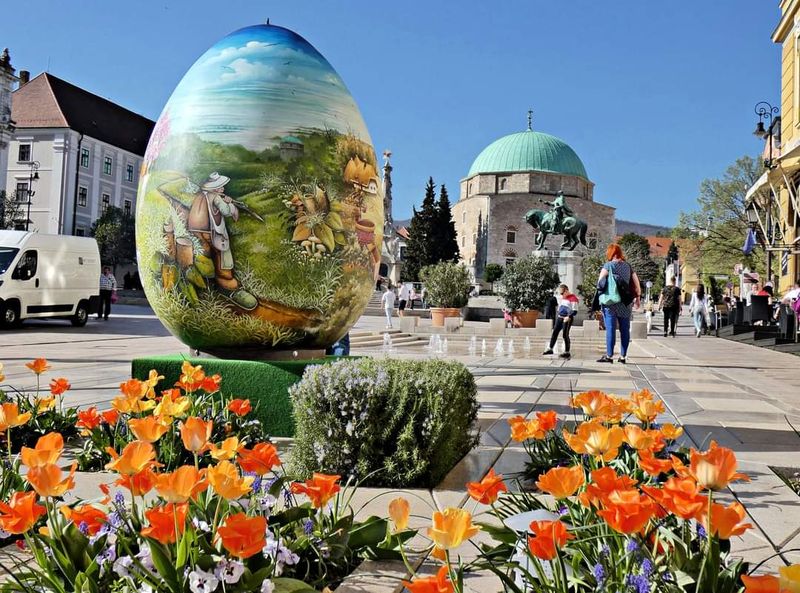
Walking through Pecs feels like flipping through a history textbook, except everything is real and you can touch it. This southern Hungarian city has been shaped by Roman settlers, Ottoman rulers, and Hungarian culture over more than 2,000 years, and all three layers are still visibly stacked on top of each other.
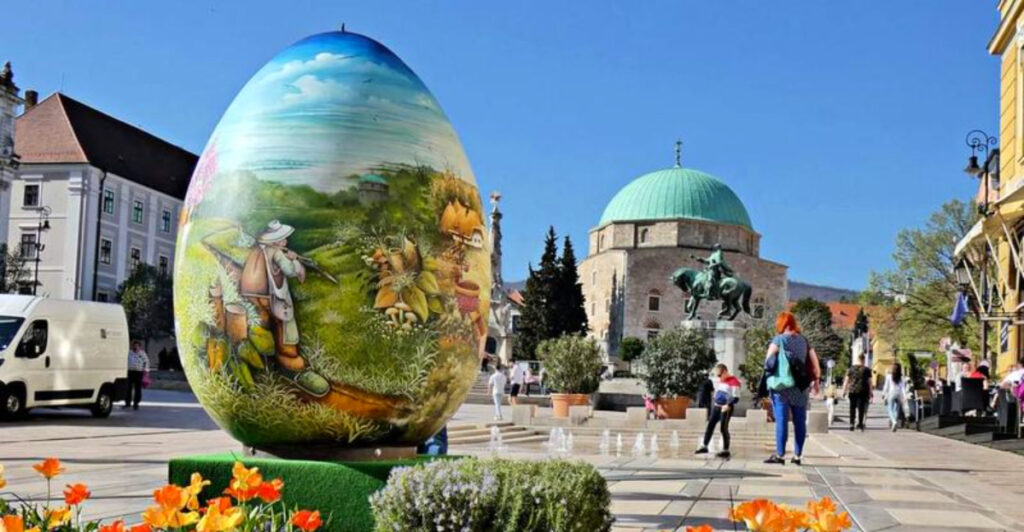
The Mosque of Pasha Gazi Kasim, now a Catholic church, stands in the main square as one of the most striking examples of architectural overlap anywhere in Europe. Roman underground burial chambers, a stunning cathedral, and a buzzing university arts scene all coexist within easy walking distance.
Pecs was a European Capital of Culture in 2010 and has been quietly thriving ever since.
The food scene here is underrated too, with excellent local restaurants serving Hungarian and regional dishes at prices far below Budapest levels. Street art pops up in unexpected corners, and the weekly markets are full of local character.
Pecs rewards curious travelers who take time to look beyond the main square. It is the kind of city that makes you wonder why more people have not heard of it.
Szentendre – Danube Bend
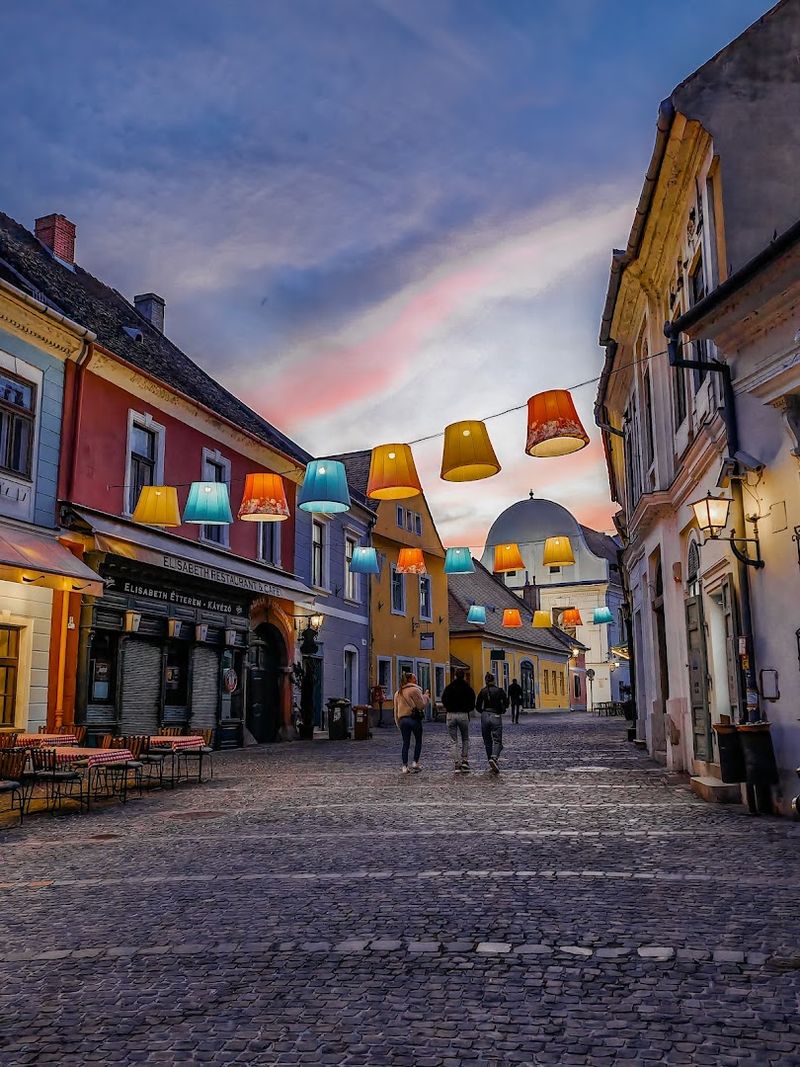
Just a 40-minute train ride from Budapest, Szentendre feels like a completely different world. This riverside town on the Danube Bend has a distinctly Mediterranean energy, thanks largely to Serbian settlers who arrived here in the 18th century and left behind beautiful Orthodox churches and a vibrant artistic tradition.
The streets are lined with candy-colored buildings, independent galleries, ceramic studios, and tiny museums dedicated to everything from marzipan to Hungarian wine. Local artists have called Szentendre home for over a century, and that creative spirit still shows in every corner of the old town.
The Saturday morning market is especially lively and full of handmade goods worth bringing home.
Szentendre is also a fantastic base for exploring the wider Danube Bend region. Day trips to Visegrad and Estergom are easy from here, and the riverside promenade is perfect for an evening stroll with an ice cream in hand.
Yes, it gets busy on summer weekends, but the town is charming enough to handle the crowds gracefully. Arrive early in the morning for the most peaceful experience and the best light for photos.
Tokaj – Northeastern Hungary
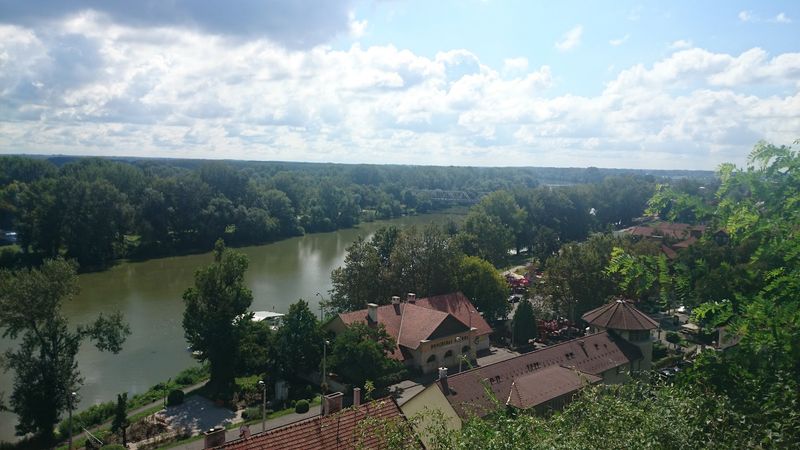
Louis XIV of France reportedly called Tokaji wine the king of wines and the wine of kings. Whether you agree with that royal endorsement or not, one sip of a proper late-harvest Tokaji Aszu and you will understand the hype immediately.
This small northeastern wine region produces some of the most celebrated sweet wines in the world, yet the town itself remains surprisingly quiet year-round.
The landscape around Tokaj is genuinely beautiful, with rolling vineyard hills, ancient stone cellars, and the confluence of the Tisza and Bodrog rivers creating a moody, photogenic backdrop. Cellar tours are widely available and usually include generous tastings that make the modest entrance fees feel like a bargain.
The region was added to the UNESCO World Heritage List in 2002, which is always a good sign.
Autumn is the best time to visit, when grape harvests fill the air with a sweet, fermented scent and the hillside colors turn golden. Summer works well too, with outdoor wine festivals drawing small but enthusiastic crowds.
Tokaj is not flashy or loud, which is exactly what makes it so appealing to travelers who prefer substance over spectacle.
Tihany – Lake Balaton
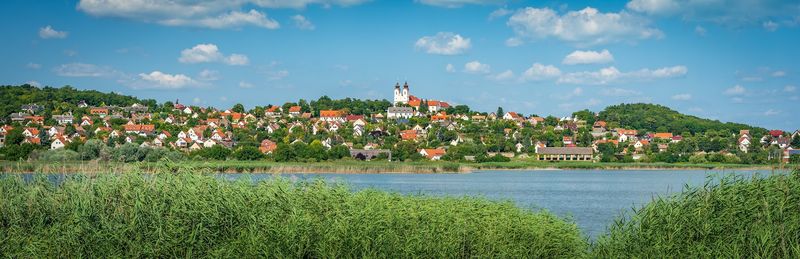
Tihany has a smell that most travel guides never mention: lavender. The peninsula jutting into Lake Balaton is famous for its lavender fields, and during June and July, the fragrance alone is worth the trip.
Add in the stunning Benedictine Abbey perched dramatically above the lake, and you have one of Hungary’s most visually rewarding spots.
The abbey was founded in 1055 by King Andrew I, making it one of the oldest surviving religious buildings in Hungary. Inside, the crypt holds the king’s tomb, which is a genuinely moving historical encounter.
The church itself is beautifully decorated, and the views from the terrace over Lake Balaton stretch for miles on clear days.
The village below the abbey is equally charming, with folk pottery shops, lavender product stalls, and excellent fish restaurants serving fresh catches from the lake. Tihany can get crowded in peak summer, but the surrounding hiking trails and inner lake area offer easy escape routes for those who prefer peace and quiet.
A visit here pairs perfectly with a broader Lake Balaton road trip. Stay at least one night to catch the sunset over the water.
Zebegeny – Danube Bend
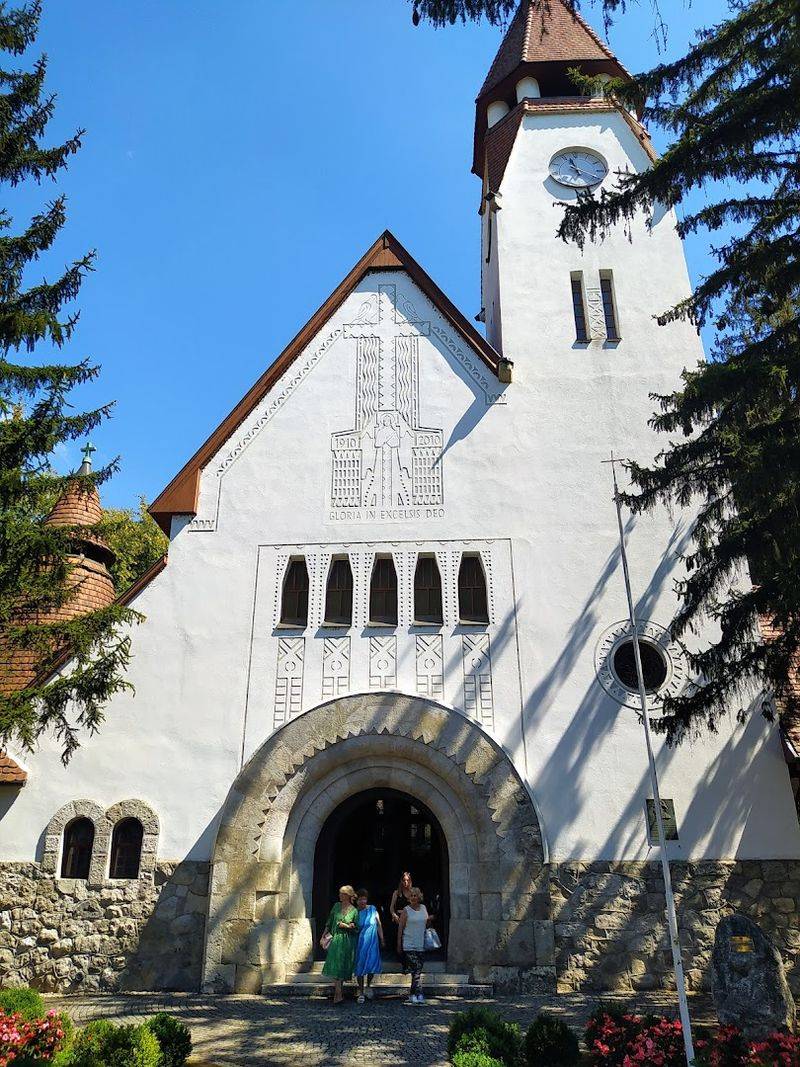
Zebegeny is the kind of place where your phone signal fades and your stress level drops at exactly the same rate. This tiny village on the Danube Bend is nestled between forested hills and the wide, slow-moving river, creating a setting that feels genuinely removed from modern noise.
Most Budapestians treat it as a weekend escape, but very few international visitors ever find it.
The village has a lovely Art Nouveau church designed by the architect Karoly Kos, which alone makes it worth a detour. Hiking trails fan out into the Borzsony Hills from the village center, offering routes for all fitness levels.
The views from the ridgelines above Zebegeny are among the best along the entire Danube Bend.
There is also a small museum dedicated to the Hungarian painter Istvan Szony, who lived and worked here for decades and found endless inspiration in the landscape. A handful of guesthouses and family-run restaurants keep things simple and local.
Zebegeny is not trying to impress anyone, and that honest, unpretentious quality is precisely what makes it so refreshing. Come here to breathe, walk, and genuinely slow down.
Pannonhalma – Western Hungary
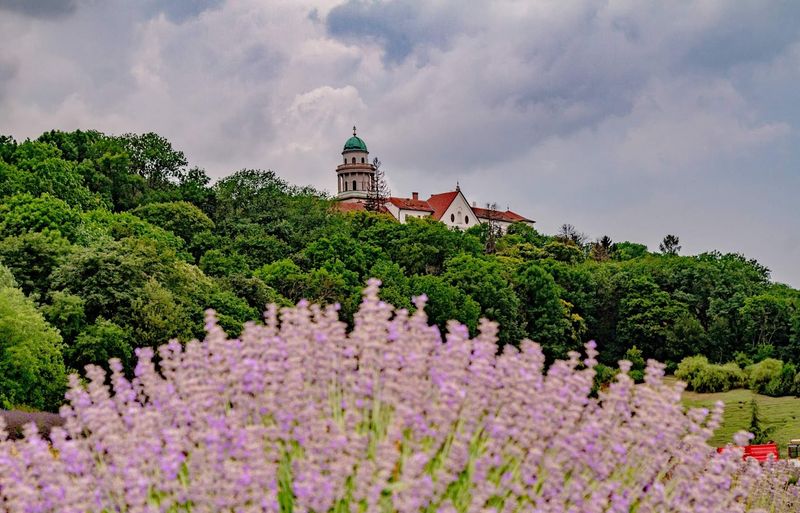
Over a thousand years of continuous monastic life have left their mark on the hilltop town of Pannonhalma. The Benedictine Archabbey here is one of the oldest and most important historical monuments in Hungary, founded in 996 AD and still home to a working community of monks today.
That combination of living tradition and ancient architecture creates an atmosphere that feels genuinely rare.
The abbey complex is open to visitors and includes a stunning Romanesque-Gothic basilica, a medieval library holding over 360,000 books, and an extensive crypt. Guided tours are well-organized and informative without being overwhelming.
The surrounding vineyards produce excellent wines under the abbey label, and the on-site wine shop is a great place to pick up a bottle or two.
Pannonhalma was added to the UNESCO World Heritage List in 1996, celebrating its 1,000th anniversary in style. The town below the abbey is modest but pleasant, with a few good restaurants and easy access to the wider Transdanubian region.
Visiting on a weekday means smaller crowds and a more meditative experience. The hilltop location gives sweeping views over the Hungarian countryside that are especially beautiful in early morning or late afternoon light.
Badacsony – Lake Balaton Region
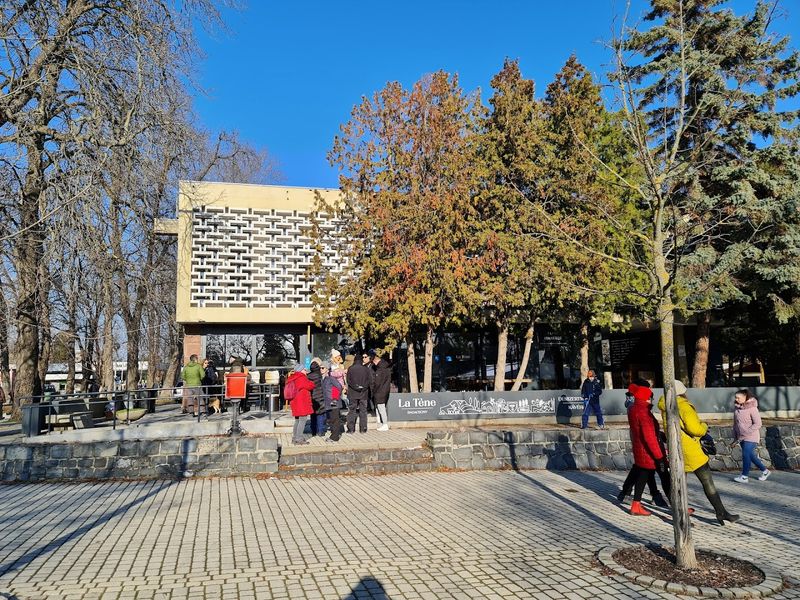
Badacsony looks like it was designed by someone who wanted Hungary to have its own dramatic wine country, and honestly, they nailed it. The extinct volcanic hill rises sharply above the northern shore of Lake Balaton, its basalt columns and terraced vineyards creating a landscape unlike anything else in the country.
The local Olaszrizling and Szurkebarát wines are crisp, mineral-driven, and absolutely worth seeking out.
Hiking up the Badacsony hill rewards you with sweeping views over the entire lake and surrounding wine villages. The trail passes through working vineyards, and stopping at a small winery terrace for a glass midway through the hike is practically a local tradition.
At the top, basalt rock formations called the Stone Gate and Kisfaludy Rock provide dramatic natural viewpoints.
The village at the base of the hill has a relaxed, slightly bohemian atmosphere with wine bars, fish restaurants, and a lovely lakeside beach. Summer brings a festive energy, but the shoulder seasons of May and September offer the same scenery with far fewer visitors.
Badacsony is one of those places that rewards travelers who take their time. Pair it with nearby Szigliget Castle for a full day of volcanic history and lake views.
Tapolca – Western Hungary
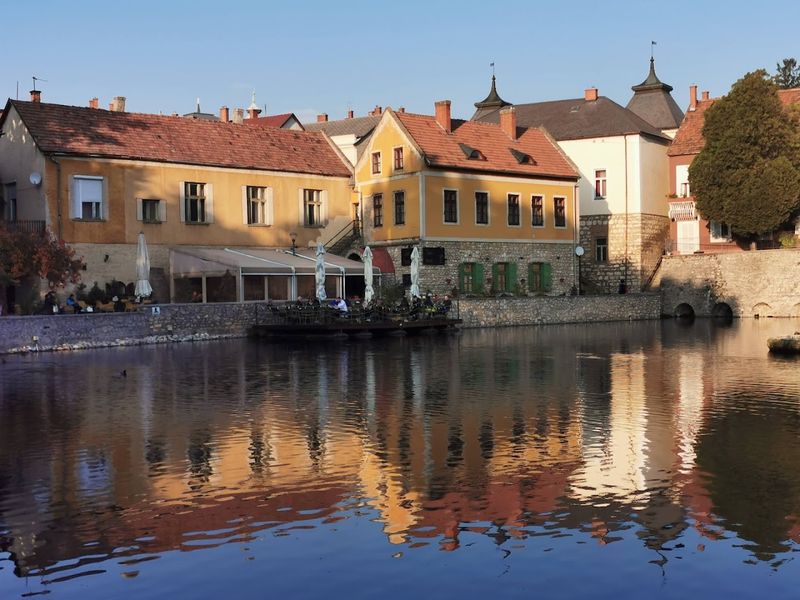
Most caves just sit there looking rocky and impressive. Tapolca’s Cave Lake does something far more interesting: it lets you row a boat through it.
This underground lake, hidden beneath the town center, is one of the most genuinely unusual natural attractions in all of Central Europe, and somehow it still flies under the radar of most international travelers.
The cave system was discovered in the early 20th century and has been open to visitors since 1938. Small rowboats navigate through narrow limestone passages illuminated by soft lighting, revealing crystal-clear water that reflects the rock formations above.
The whole experience lasts about 30 minutes and is calm, cool, and surprisingly peaceful. Children and adults both find it equally magical.
Above ground, Tapolca is a pleasant small town with a charming mill pond in the center, surrounded by cafes and restaurants. The wider Tapolca Basin is rich in geological curiosities, with several other caves and basalt formations nearby.
Combining Tapolca with a visit to Badacsony or Tihany makes for an excellent Lake Balaton region itinerary. Tickets for the cave are inexpensive, but queues can build in summer, so arriving early is the smart move.
Szalajka Valley – Bukk Mountains
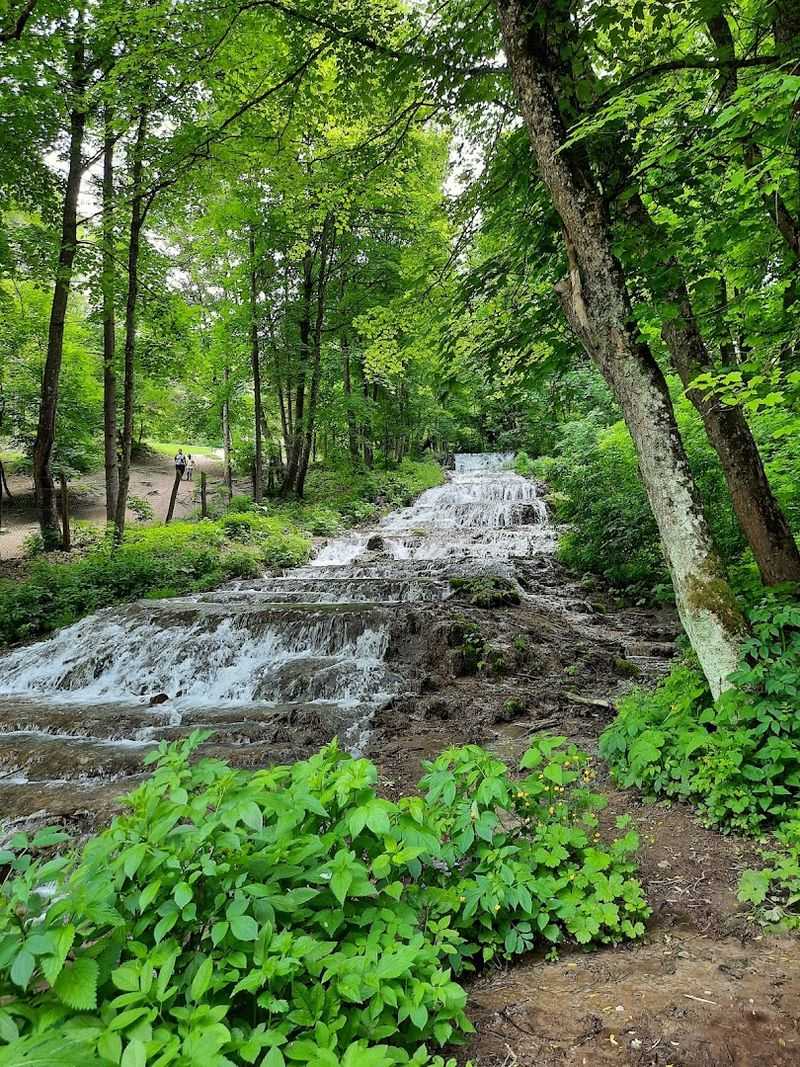
Somewhere in the Bukk Mountains, a narrow-gauge forest railway chugs through one of Hungary’s prettiest hidden valleys. Szalajka Valley is a nature lover’s dream that most foreign visitors never discover, yet Hungarians have been picnicking, hiking, and splashing in its streams for generations.
The valley stretches for several kilometers and packs in waterfalls, wildlife, and ancient trees within easy walking distance.
The Fátyol Waterfall is the valley’s most photographed feature, a wide cascade tumbling over mossy limestone steps that turns almost fluorescent green in summer light. Trout dart through the crystal-clear streams, and the surrounding forest is home to deer, wild boar, and numerous bird species.
The mini railway running through the valley is a particular hit with kids and adds a charming, old-fashioned touch to the whole experience.
A small open-air forestry museum near the valley entrance adds some educational context without feeling like a school trip. The valley is busiest on summer weekends but quieter on weekday mornings.
Autumn is arguably the most beautiful season here, when the forest turns every shade of orange and red. Pack a picnic, wear sturdy shoes, and plan to spend at least half a day exploring.
Szalajka Valley earns its reputation as one of Hungary’s loveliest natural escapes.
Visegrad – Danube Bend
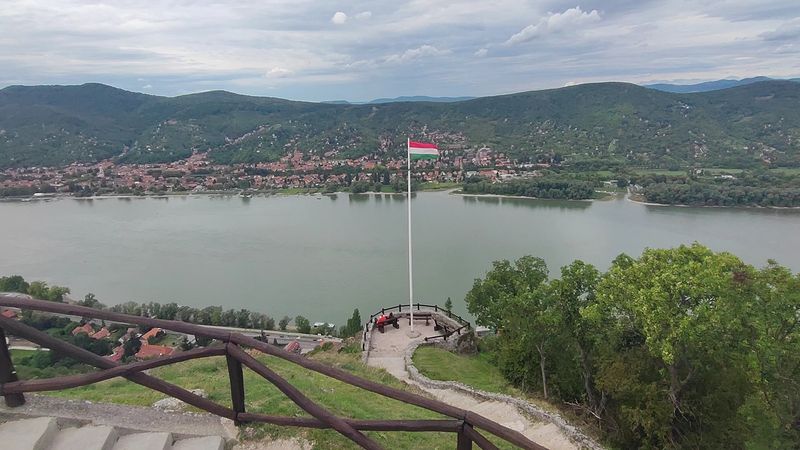
Few views in Hungary stop you in your tracks quite like the one from Visegrad Castle. Perched high above the Danube Bend, the medieval citadel looks down on one of the most dramatic river landscapes in Central Europe, where the Danube carves through forested hills in a sweeping curve that has inspired artists and explorers for centuries.
And yet, bus tours mostly skip it.
The castle dates back to the 13th century and was once a royal palace under King Matthias Corvinus, one of Hungary’s most celebrated rulers. The reconstructed palace sections offer fascinating glimpses into medieval court life, and the on-site museum displays recovered artifacts with genuine care.
The climb up to the citadel is steep but absolutely worth the effort.
Down in the town, the Solomon Tower sits near the riverbank as another well-preserved medieval landmark. Several good restaurants serve traditional Hungarian food at reasonable prices, and the ferry crossing to the Slovak side of the Danube adds an unexpected adventure to the day.
Visegrad is part of the classic Danube Bend route alongside Szentendre and Estergom, but it deserves more than just a quick stop. Give it a full day and it will completely win you over.
Sopron – Western Hungary
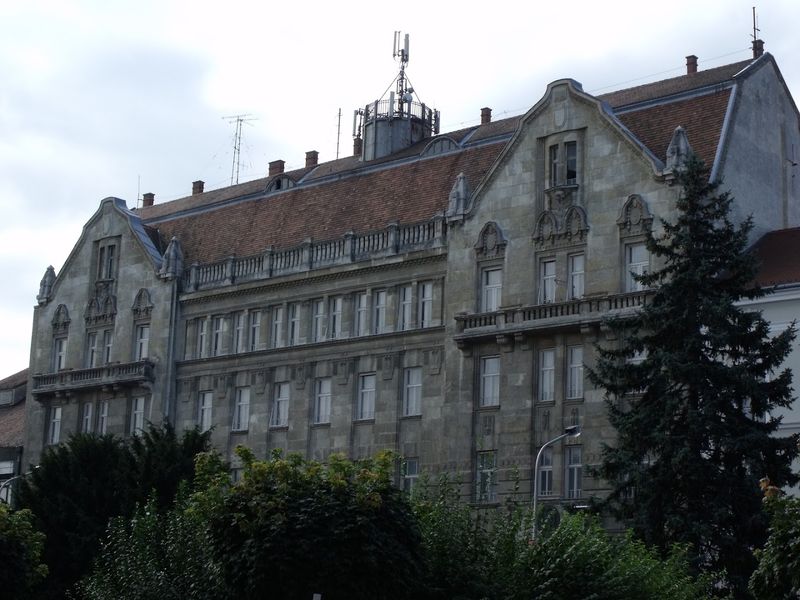
Sopron is sometimes called the most loyal city in Hungary, a nickname earned in a 1921 referendum when its residents voted to remain part of Hungary rather than join Austria. That act of civic pride helped preserve a medieval old town that today stands as one of the best-kept historic centers in the entire country.
The Firewatch Tower, rising above the main square, has become the city’s proud symbol.
The old town is remarkably intact, with Roman foundations, medieval churches, and Baroque mansions layered on top of each other in a compact, walkable area. The Fabricius House museum offers a particularly well-presented journey through Sopron’s Roman and medieval past.
Wine culture is also central to life here, and the local Kekfrankos red wine pairs excellently with the city’s German-influenced cuisine.
Sopron’s location near the Austrian border means it attracts plenty of Austrian day-trippers looking for good value shopping and dining. That cross-border buzz gives the city a slightly cosmopolitan energy that feels different from other Hungarian towns its size.
Summer concerts, wine festivals, and outdoor events fill the calendar from May through September. Sopron rewards travelers who linger longer than a single afternoon.
Stay overnight and explore the surrounding villages and wine estates at a relaxed pace.
Kali Basin – Balaton Uplands
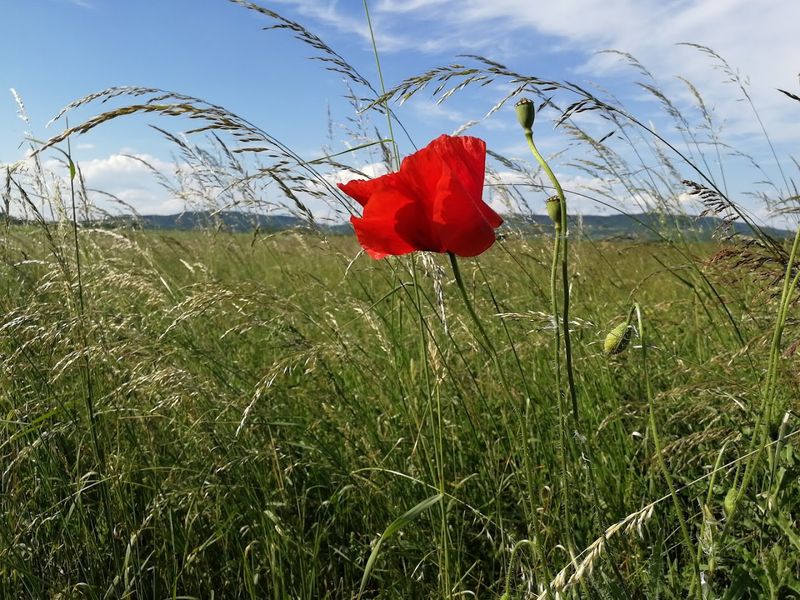
Hungary’s best-kept countryside secret might just be a shallow basin tucked into the hills north of Lake Balaton. The Kali Basin is a region of tiny villages, old stone walls, basalt hills, and organic farms that has quietly become a gathering point for artists, slow travelers, and people who simply want to eat well and breathe clean air.
It has been called Hungary’s Tuscany, though it has a character entirely its own.
Villages like Salföld, Koveskal, and Mindszentkalla each have fewer than a few hundred residents but collectively host a remarkable number of excellent restaurants, guesthouses, and artisan workshops. The weekly farmers markets and pop-up food events draw visitors from across the country.
Local chefs use the region’s produce with real creativity, making the Kali Basin a genuine food destination.
The landscape itself is endlessly photogenic, with basalt organ pipes rising from the hilltops and wildflower meadows filling the valleys in spring. Cycling routes connect the villages easily, and the roads are quiet enough to make driving a pleasure.
The Kali Basin is best enjoyed slowly, with no fixed agenda. Book a farmhouse stay for two or three nights and let the rhythm of the place take over.
You will leave wishing you had stayed longer.
Boldogko Castle – Northeastern Hungary
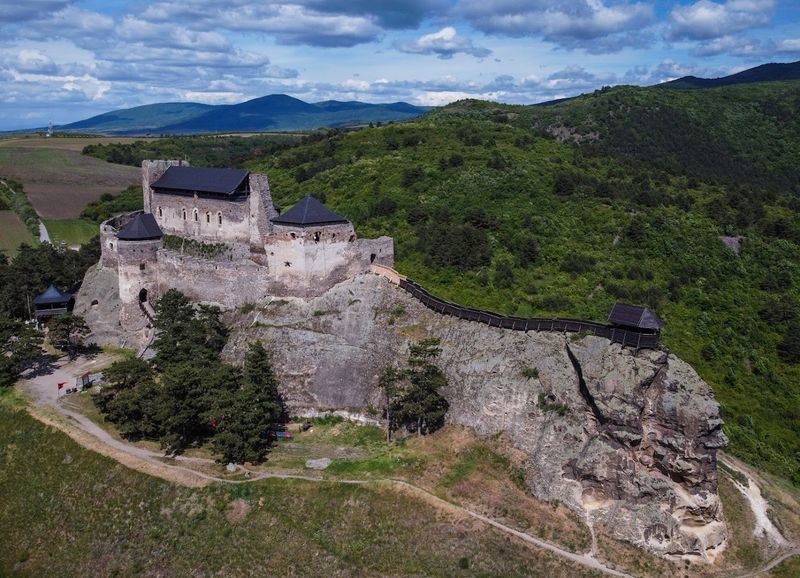
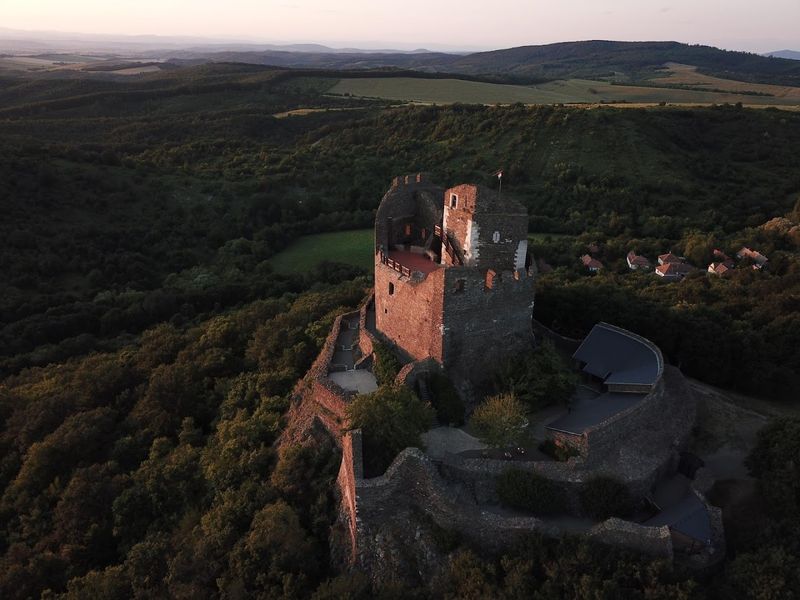
Boldogko Castle looks like it escaped from a fairy tale and decided to stay. Rising dramatically on a basalt ridge above the Hernád Valley in northeastern Hungary, this medieval fortress has a silhouette so striking that it regularly appears on Hungarian travel photography lists.
Yet visitor numbers remain surprisingly low, which means you can often have the whole atmospheric ruin practically to yourself.
The castle dates back to the 13th century and has survived sieges, fires, and centuries of weathering with remarkable structural integrity. Restoration work in recent decades has made the interior safely explorable, and the views from the upper battlements stretch across the Zemplen Hills and into the surrounding wine country.
On clear days, the panorama is genuinely breathtaking.
The nearby Zemplen region is rich with similar castles, historic villages, and excellent local wines, making Boldogko a natural starting point for a wider northeastern Hungary road trip. The village at the base of the castle hill has a small museum and a few traditional restaurants serving hearty local dishes.
Autumn is the most dramatic season to visit, when the surrounding forests blaze with color and low mist sometimes wraps around the ridge. Boldogko is the kind of discovery that makes independent travel feel deeply rewarding.
Share this story