Retirement is the perfect time to explore a life that feels both relaxed and rewarding, and Eastern Europe might just be the best-kept secret for making that happen. While famous cities like Prague and Dubrovnik attract crowds and high price tags, dozens of quieter destinations offer stunning scenery, affordable living, and warm communities.
Countries like Bulgaria, Romania, Montenegro, Croatia, and Albania are drawing more retirees every year for good reason. If you are ready to trade the hustle for cobblestone streets and fresh mountain air, read on.
Plovdiv, Bulgaria
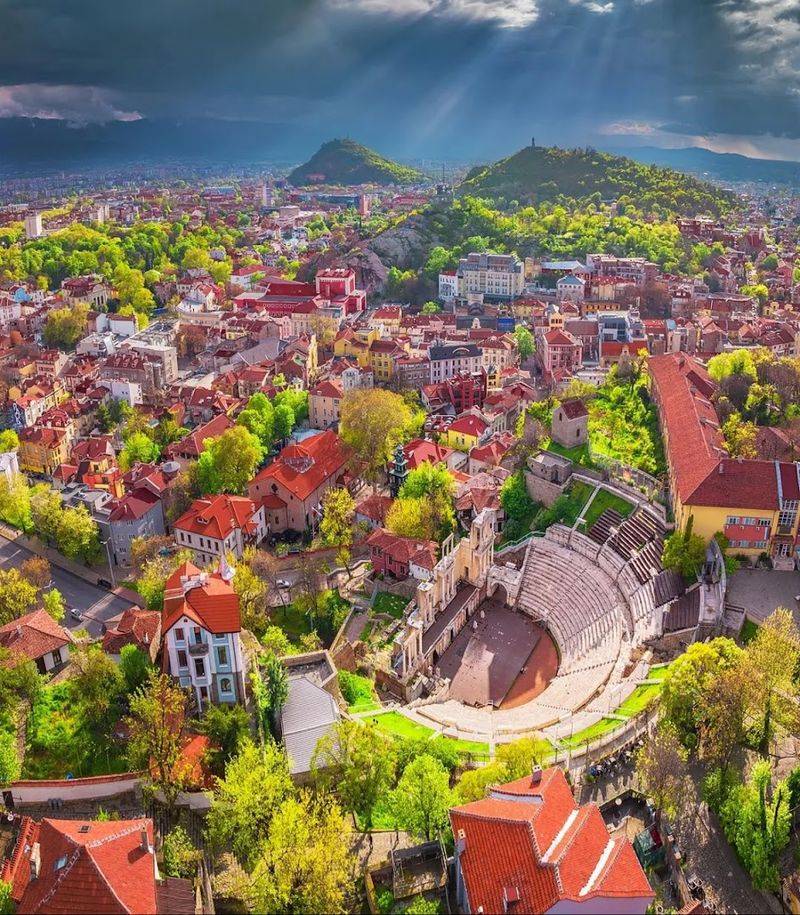
Walking through Plovdiv feels like strolling through a living history museum, except the coffee is cheap and the locals are genuinely friendly. This ancient city, said to be one of the oldest continuously inhabited places in all of Europe, blends Roman amphitheaters with colorful Revival-era townhouses in a way that never gets old.
Retirees here wake up to church bells rather than car horns, and that alone is worth the move.
Bulgaria holds the title of the most affordable country in the European Union, which means your retirement savings stretch impressively far. A comfortable apartment in Plovdiv can cost a fraction of what you would pay in Spain or Portugal.
Groceries, dining out, and healthcare are all remarkably budget-friendly.
The city has a buzzing arts scene, lively pedestrian streets, and a calendar full of cultural festivals throughout the year. English is widely spoken among younger residents, making daily life easier for newcomers.
Plovdiv rewards slow living, and for retirees seeking warmth, history, and affordability, it genuinely delivers on every front.
Veliko Tarnovo, Bulgaria
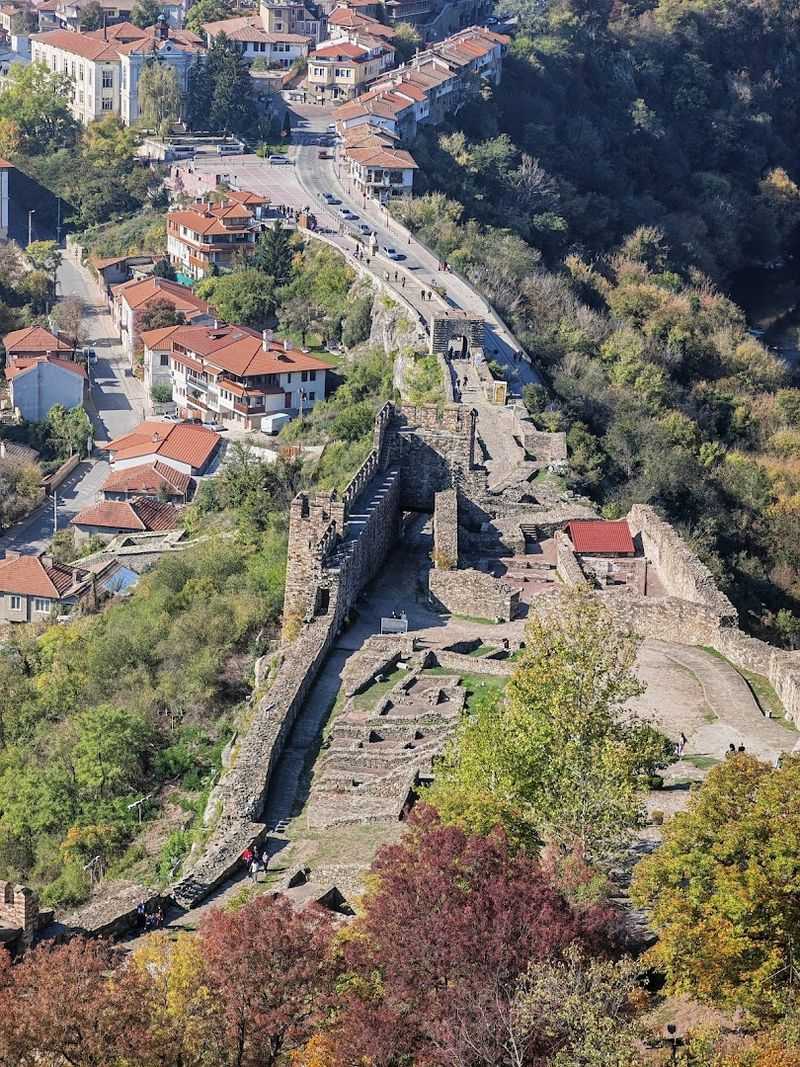
Perched dramatically above a winding river gorge, Veliko Tarnovo looks like something straight out of a fantasy novel. The medieval Tsarevets Fortress crowns the hilltop, and on summer nights, a spectacular light show illuminates its ancient walls.
Not bad for a city that most international retirees have never even heard of.
Life here moves at a pace that encourages afternoon walks and long lunches. The local market offers fresh produce at prices that will make you double-check the math, and the restaurant scene serves hearty Bulgarian cuisine without the tourist markup.
Monthly living costs for a couple can sit comfortably below 1,500 euros, including rent.
Veliko Tarnovo has a lively university population, which keeps the city feeling energetic without being overwhelming. The surrounding region offers hiking trails, wine country, and peaceful villages worth exploring on lazy weekends.
Healthcare facilities in the city are solid, and larger hospitals in Sofia are reachable within a few hours. For retirees who want history, beauty, and genuine affordability wrapped into one hilltop city, Veliko Tarnovo is a genuinely underrated choice.
Varna, Bulgaria
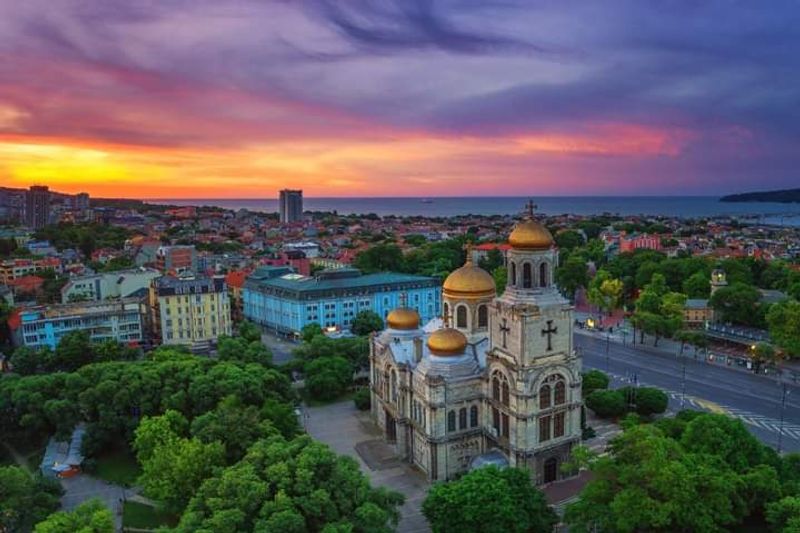
Forget paying Mediterranean prices for a beach retirement when Varna sits right there on the Black Sea, offering sunshine, sandy shores, and a surprisingly modern city lifestyle. Bulgaria’s third-largest city punches well above its weight with a wide seafront promenade, excellent restaurants, and a growing community of international retirees who have quietly discovered what locals always knew.
Healthcare in Varna is genuinely impressive for a city of its size. Several well-equipped hospitals and private clinics serve the area, and medical costs remain a fraction of Western European rates.
The city also has reliable public transport, good supermarkets, and a well-developed infrastructure that makes daily life smooth and stress-free.
Summers are warm and sunny, while winters are mild compared to inland Bulgaria. The city’s Sea Garden, a massive coastal park stretching along the beach, is perfect for morning strolls or evening relaxation.
Property prices remain attractively low, and rental options are plentiful year-round. Varna has a cosmopolitan feel without the cosmopolitan price tag, making it one of the most practical and enjoyable retirement choices in all of Eastern Europe for those who love the coast.
Sibiu, Romania
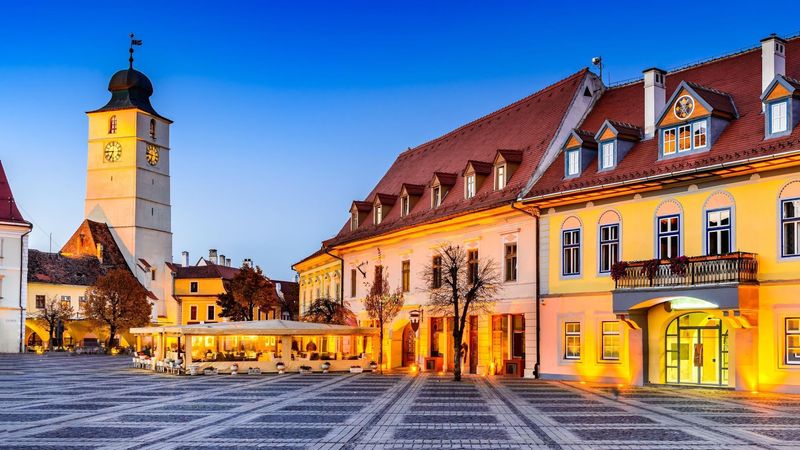
Sibiu has a quirky architectural trick up its sleeve: the dormer windows on its rooftops are shaped like eyes, giving the city a playful, watchful personality that locals call the city of eyes. Beyond that charming detail, Sibiu offers one of Romania’s finest quality-of-life packages for retirees seeking beauty without breaking the bank.
Its medieval squares are genuinely walkable, and the old town rewards exploration on foot every single day.
Romania sits well below the European Union average for cost of living, and Sibiu reflects that pleasantly in rent, food, and services. A centrally located apartment costs a fraction of comparable European cities, and dining out regularly remains an affordable luxury rather than a special treat.
The city also has a strong German heritage, with centuries of Saxon influence visible in its architecture and cultural identity.
Healthcare access is solid, with a regional hospital and several private clinics serving residents. Sibiu hosts an internationally renowned theater festival each June, drawing visitors from across Europe.
Winters bring snow and a charming Christmas market that ranks among Romania’s best. For retirees who want medieval charm, cultural richness, and genuine affordability, Sibiu is an easy yes.
Brasov, Romania
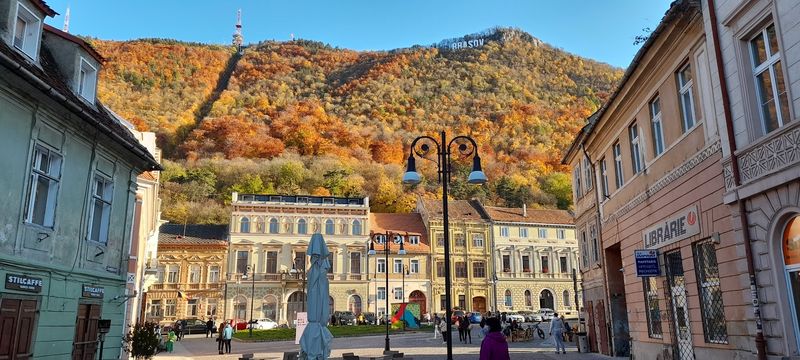
Nestled snugly between forested Carpathian peaks, Brasov is the kind of place where you can hike a mountain trail in the morning and sip espresso in a medieval square by noon. That combination of outdoor adventure and urban comfort makes it especially popular among active retirees who want more than just a park bench retirement.
The mountains are not just decoration here; they are part of daily life.
The city’s old town is a beautifully preserved collection of Gothic churches, baroque facades, and narrow streets perfect for slow afternoon wandering. Romania’s cost of living remains among the lowest in the European Union, and Brasov is no exception.
Rent, groceries, and dining out all sit at prices that allow for a comfortable lifestyle on a modest pension.
Brasov has reliable healthcare infrastructure, including private clinics that offer modern treatments at accessible prices. The city is also well-connected by train to Bucharest, making travel and medical appointments in the capital straightforward.
Winters here are genuinely snowy and picturesque, while summers stay comfortably cool thanks to the mountain altitude. For retirees who love four distinct seasons and outdoor living, Brasov delivers beautifully.
Oradea, Romania
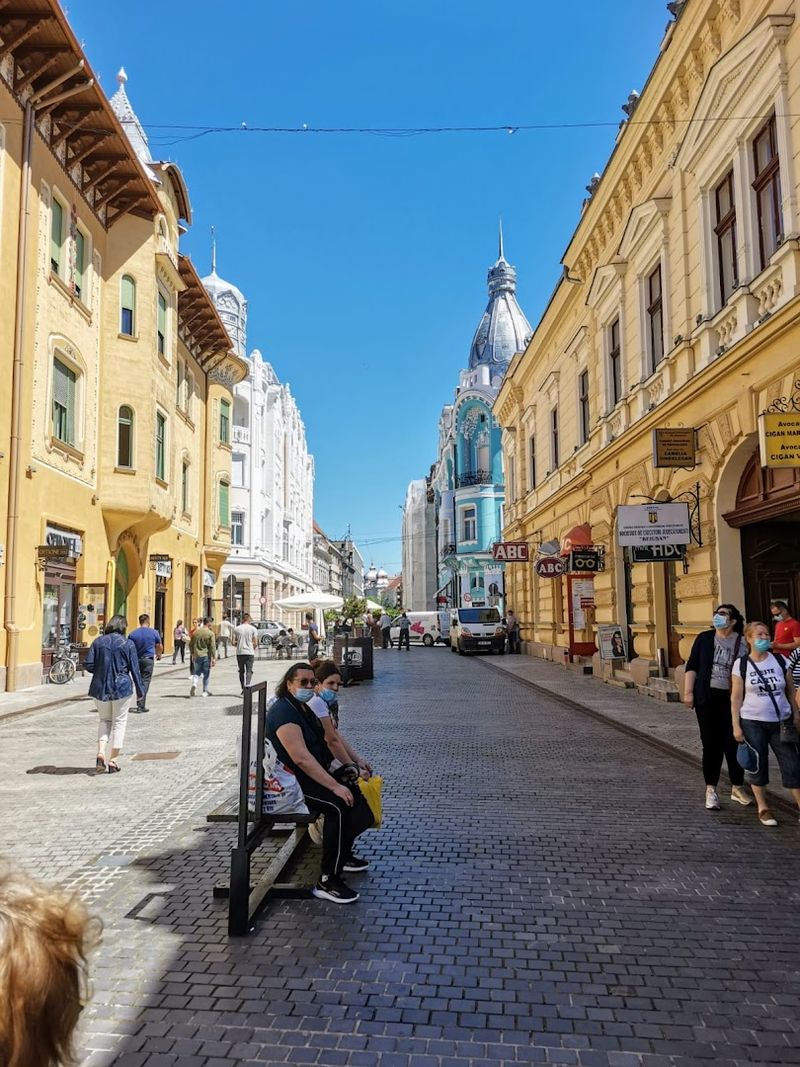
Oradea might be Romania’s most underrated secret, and expats who have already moved there seem very happy keeping it that way. The city recently underwent a stunning renovation of its Art Nouveau city center, transforming it into one of the most visually impressive pedestrian areas in all of Eastern Europe.
Walking its main boulevard feels like stepping into early 20th-century Vienna, minus the Viennese prices.
Positioned right on the Hungarian border, Oradea offers exceptional convenience for retirees who want easy access to Central Europe. Budapest is just a few hours away by train, making weekend trips and international travel refreshingly simple.
The city also benefits from cross-border healthcare options, with Hungarian medical facilities easily reachable for specialist treatments.
Living costs in Oradea are genuinely low even by Romanian standards. Rent for a well-appointed apartment in the city center sits well below what you would expect for such a beautiful location.
The local food scene has improved dramatically in recent years, with a growing number of quality cafes and restaurants catering to an increasingly cosmopolitan population. Friendly locals, a safe environment, and a relaxed pace of life round out what is quietly becoming one of Europe’s most compelling retirement destinations.
Herceg Novi, Montenegro
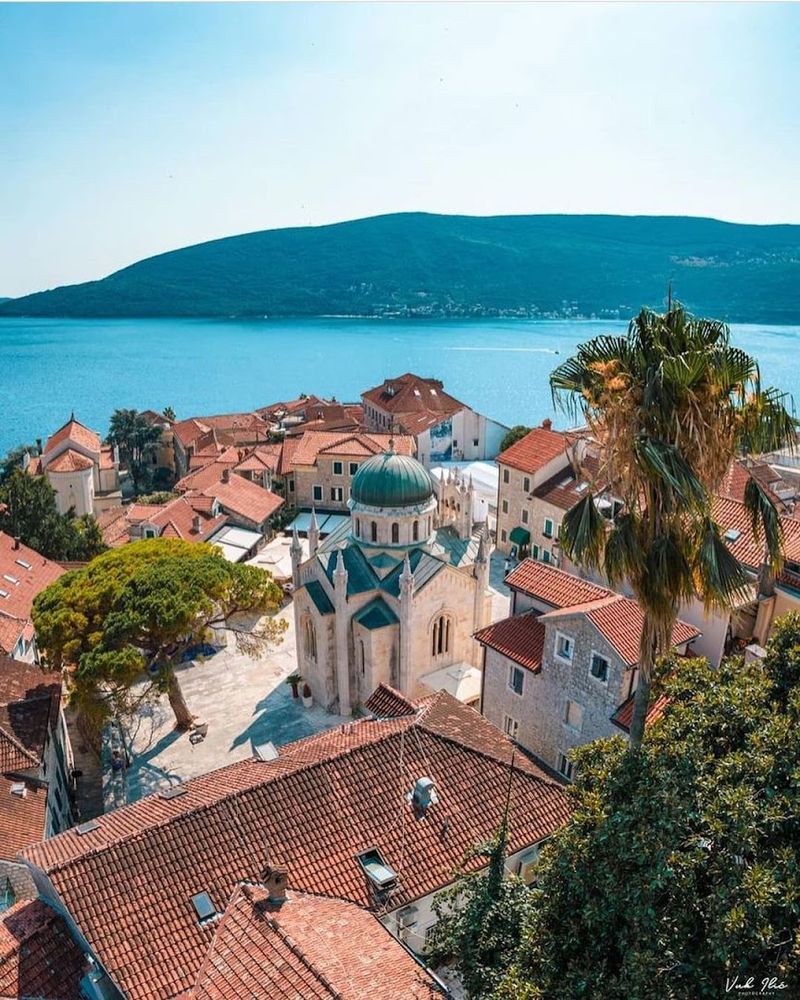
Sitting at the very entrance of the Bay of Kotor, Herceg Novi greets every visitor with a view so beautiful it almost feels unfair to the rest of the Adriatic. Lush green hills tumble down to a shimmering bay, medieval fortresses frame the skyline, and bougainvillea spills over every stone wall in the old town.
It looks like a postcard, but it costs considerably less than one from Dubrovnik.
Montenegro is not yet in the European Union, which keeps prices attractively lower than many comparable Adriatic destinations. Property in Herceg Novi is affordable by coastal Mediterranean standards, and the rental market offers good value for retirees who prefer not to buy immediately.
Daily expenses including food, transport, and entertainment remain comfortably manageable on a modest budget.
The town has a warm and growing retiree community, with Russians, British, and other European nationals settling here over the past decade. Healthcare options have improved steadily, with private clinics supplementing local public facilities.
The climate is genuinely excellent, with over 200 sunny days per year and mild winters thanks to the sheltered bay position. For retirees seeking Mediterranean beauty at a more honest price, Herceg Novi is an outstanding choice.
Bar, Montenegro
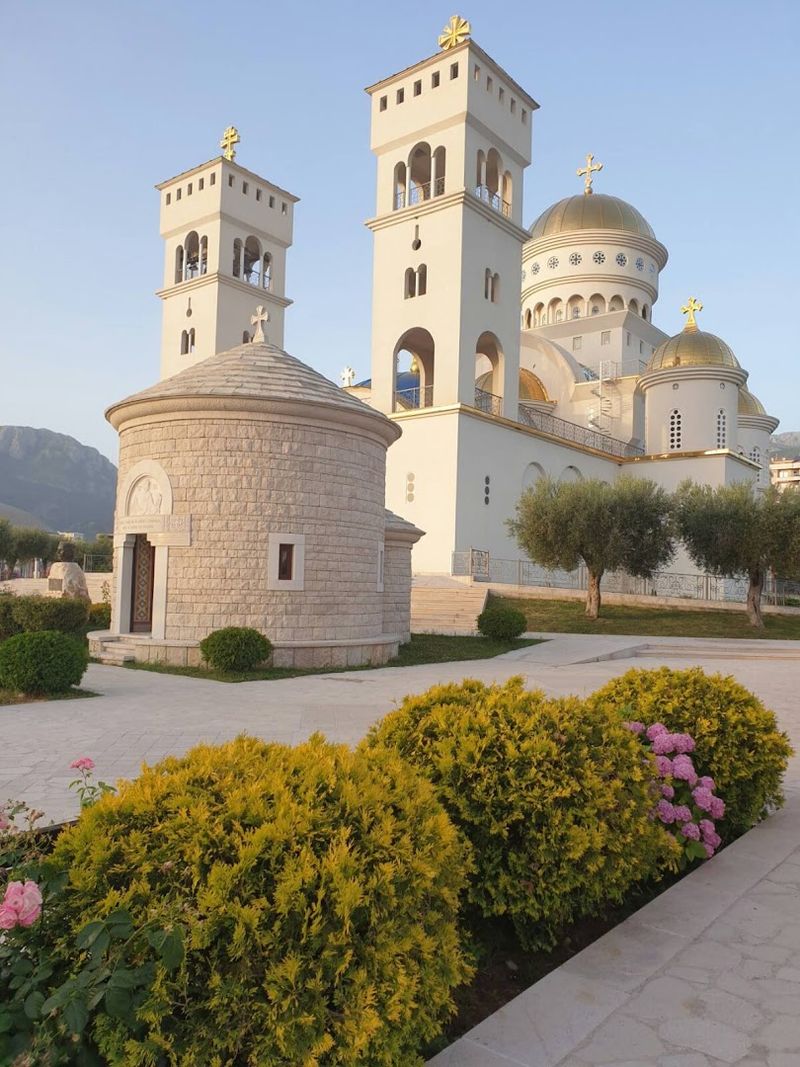
Bar holds a quietly impressive record: the surrounding region is home to some of the oldest olive trees in Europe, with some reportedly over two thousand years old. That kind of ancient, unhurried energy perfectly captures what retirement in Bar actually feels like.
This is a town that has never been in a rush, and retirees who settle here tend to adopt that same relaxed philosophy almost immediately.
Unlike the more tourist-heavy Kotor or Budva, Bar moves at a genuinely slow pace year-round. The beaches are quieter, the restaurants less crowded, and the overall atmosphere more suited to peaceful daily living than constant sightseeing.
Property prices here are among Montenegro’s most affordable, making it an excellent entry point for retirees considering Adriatic coastal living.
Bar is also Montenegro’s main port city, which means ferry connections to Italy are readily available for those who enjoy occasional European travel. The local market is well-stocked, fresh seafood is abundant and inexpensive, and the surrounding countryside offers beautiful hiking.
Healthcare facilities are present locally, with better-equipped hospitals reachable in nearby Podgorica. Bar rewards retirees who value tranquility, affordability, and a genuine connection to coastal Mediterranean life.
Ulcinj, Montenegro
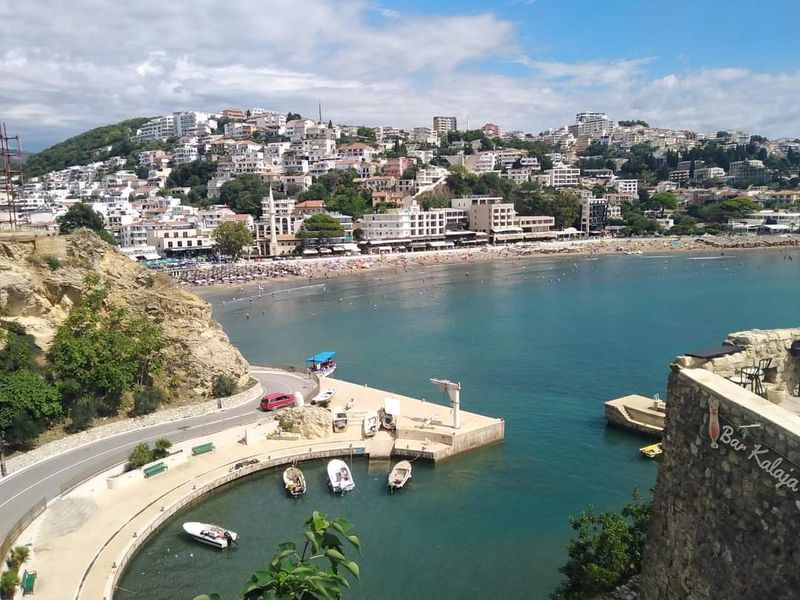
Ulcinj has the longest sandy beach in Montenegro and some of the most affordable property prices on the entire Adriatic coast, which is a combination that retirees on a budget should absolutely pay attention to. The town has a distinctly different character from the rest of Montenegro, shaped by centuries of Ottoman influence and a predominantly Albanian-speaking local population.
That cultural blend gives Ulcinj a uniquely warm and vibrant personality.
The beach at Ulcinj, known as Velika Plaza, stretches for an extraordinary twelve kilometers of uninterrupted sand. Outside peak summer months, it is blissfully uncrowded and perfect for long quiet walks or simply sitting with a book and watching the waves.
The climate here is among the warmest in the country, with a long, sunny season that extends well into autumn.
Property costs in Ulcinj are notably lower than in Budva or Kotor, making it easier to purchase a comfortable apartment close to the sea. The local food scene offers fresh Mediterranean flavors at very reasonable prices, with seafood and Albanian-influenced dishes featuring prominently.
Healthcare options are basic locally but improving, with better facilities available in nearby Bar. For retirees seeking sun, sea, and real affordability, Ulcinj is a genuinely compelling option.
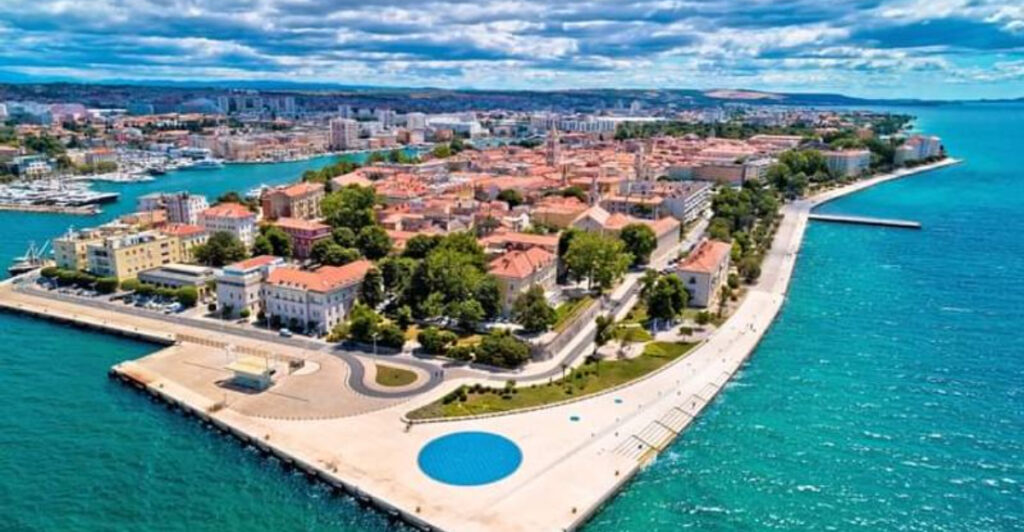
Zadar, Croatia
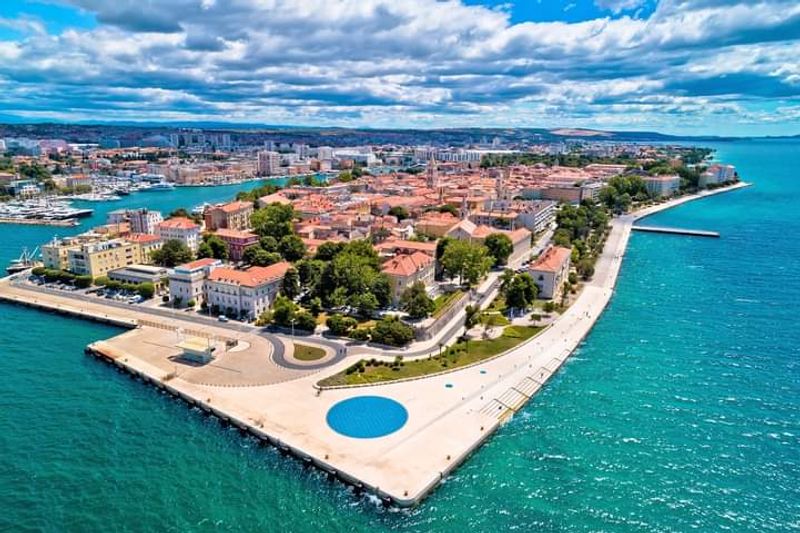
Zadar has one of the world’s most unusual musical instruments built directly into its seafront: the Sea Organ, a series of underwater pipes that play haunting, unpredictable melodies powered entirely by the movement of the waves. Sitting on the promenade at sunset listening to the sea make music is one of those retirement experiences that genuinely cannot be replicated anywhere else.
Zadar earns its quirky reputation with pleasure.
Croatia can feel expensive in peak tourist season, but Zadar remains noticeably more affordable than Dubrovnik or Split for year-round residents. Outside the summer months, the city quiets down beautifully, and retirees enjoy the old town, the markets, and the waterfront without the summer crowds.
The historic center sits on a narrow peninsula packed with Roman ruins, medieval churches, and excellent restaurants.
Healthcare access is solid, with a regional hospital serving the area and private clinics offering quality care. Croatia is a European Union member, which simplifies residency and healthcare registration for EU retirees considerably.
The Dalmatian coast climate means long warm summers and mild winters. Ferry connections to surrounding islands make for easy weekend adventures.
Zadar offers a genuinely high quality of life without the premium price tag that its more famous Croatian neighbors demand.
Split, Croatia
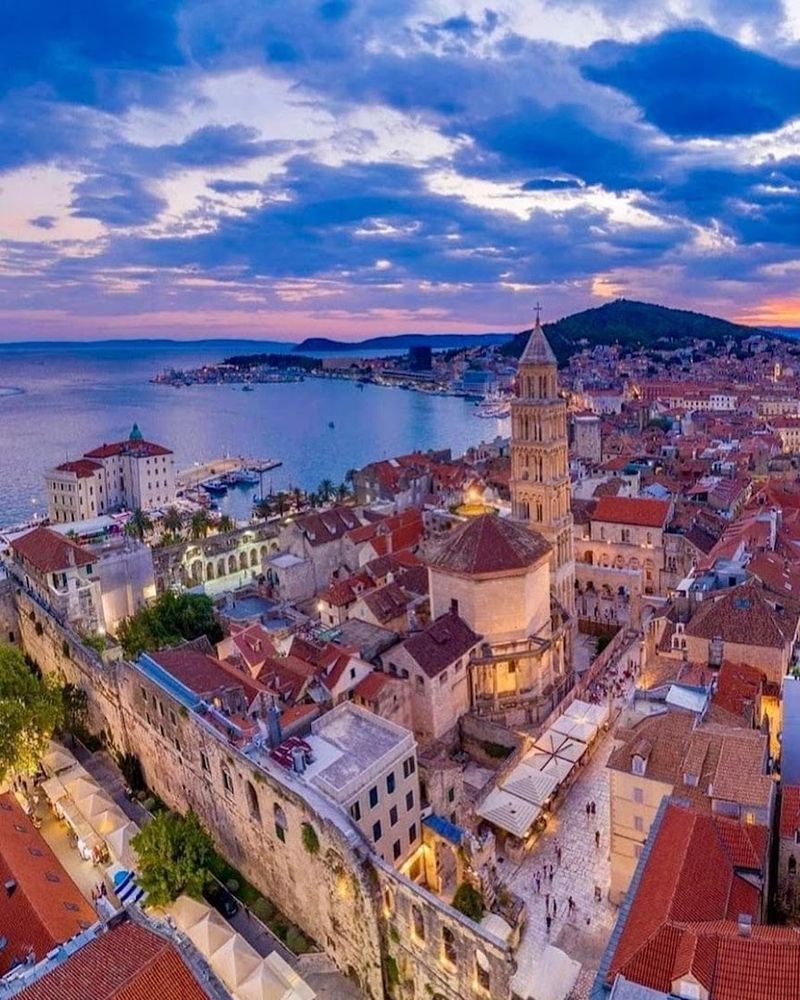
Split has the remarkable distinction of being a city where people actually live, shop, and hang laundry inside the walls of a Roman emperor’s palace. Diocletian’s Palace is not a museum roped off behind ticket barriers; it is a living neighborhood where apartments, restaurants, and bars occupy spaces built nearly two thousand years ago.
For history lovers, retiring here is genuinely extraordinary.
While Split has grown in popularity and price over recent years, it still offers dramatically better value than comparable Mediterranean cities in Italy, France, or Spain. A comfortable lifestyle here is absolutely achievable on a reasonable retirement income.
The city’s healthcare infrastructure is among Croatia’s strongest outside Zagreb, with a large university hospital serving the region reliably.
Split’s position on the Dalmatian coast means ferry access to dozens of stunning islands is available right from the city harbor. Hvar, Brac, and Vis are all reachable within an hour or two for easy day trips or longer escapes.
The local food market, known as the Pazar, operates daily just outside the palace walls and sells fresh produce at excellent prices. Split rewards retirees who want urban energy, coastal beauty, and deep historical atmosphere all in one genuinely livable package.
Pula, Croatia
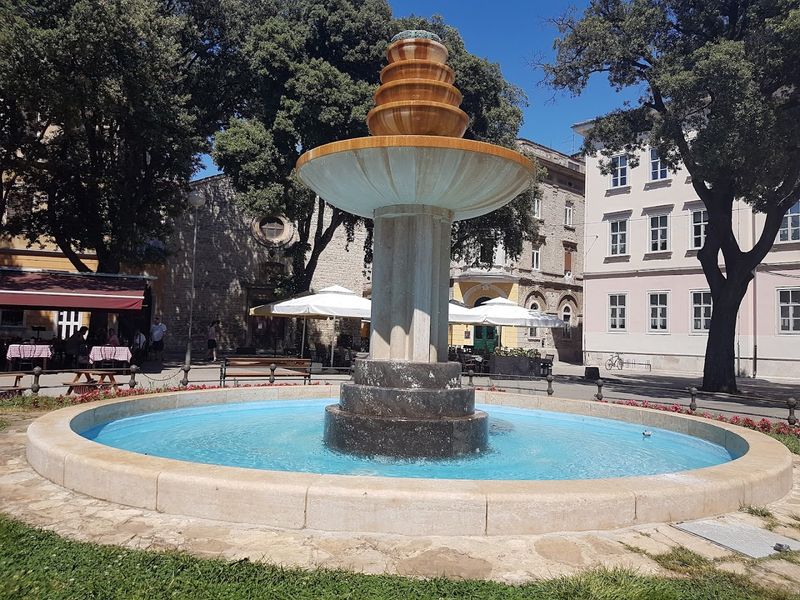
Pula casually has a nearly perfectly preserved Roman amphitheater sitting right in the middle of the city, which locals treat with the kind of relaxed familiarity that only comes from living next to a two-thousand-year-old monument your whole life. The arena still hosts concerts and events today, meaning you can genuinely attend a summer evening performance inside an ancient Roman structure.
Retirement goals, honestly.
Located at the southern tip of the Istrian Peninsula, Pula benefits from one of Croatia’s sunniest and mildest climates. The Istrian region is celebrated for its exceptional food culture, including world-class truffles, excellent olive oil, and fine local wines that make daily meals a genuine pleasure.
Dining out here is both enjoyable and affordable compared to Western European standards.
Pula is noticeably quieter than Split or Dubrovnik, especially outside the summer tourist season. The city has a steady year-round population and a well-functioning infrastructure with reliable healthcare, good supermarkets, and regular transport connections.
Property prices in Pula and the surrounding Istrian countryside offer good value, particularly for buyers willing to look slightly outside the immediate city center. For retirees who want Roman history, coastal beauty, and superb food without the summer crowds, Pula is an inspired choice.
Shkoder, Albania
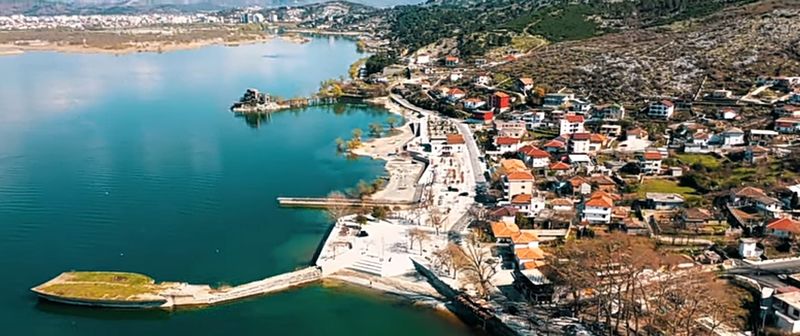
Albania is currently one of the most talked-about destinations among adventurous retirees, and Shkoder is the city that keeps coming up in those conversations. Positioned between the dramatic Albanian Alps and the shimmering waters of Lake Shkoder, the largest lake in the Balkans, this city offers a natural setting that genuinely takes your breath away on a clear day.
The price of living here takes your breath away too, in a very different and very pleasant way.
Albania consistently ranks as one of Europe’s most affordable countries for everyday expenses. Rent, food, utilities, and entertainment all cost a fraction of what retirees would pay in Western or even Central Europe.
A comfortable lifestyle in Shkoder is achievable on a very modest monthly budget, leaving room for travel and leisure without financial stress.
The city has been steadily improving its infrastructure and services over the past decade, with new restaurants, cafes, and renovated streets making it increasingly comfortable for foreign residents. The local population is famously hospitable, and the Albanian tradition of besa, a code of honor and hospitality, means visitors and newcomers are welcomed with genuine warmth.
Healthcare is improving, with private clinics offering reasonable quality at very low costs. Shkoder is a city on the rise.
Korce, Albania
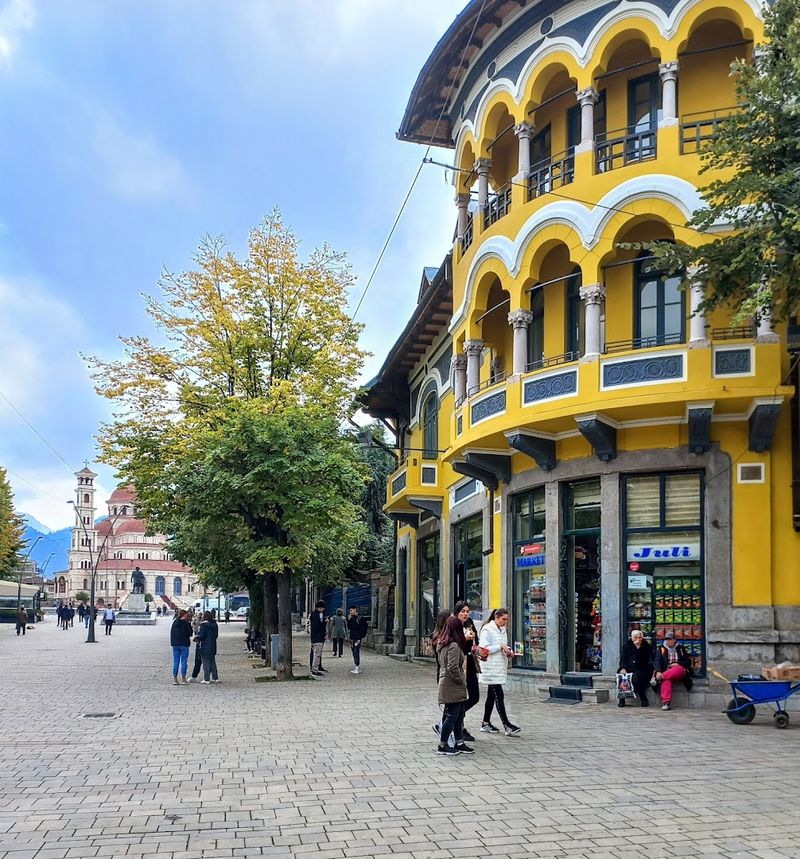
Korce has earned the nickname Albania’s cultural capital, and the city wears that title with a certain quiet pride that feels entirely earned. Known for its French-influenced architecture, strong arts traditions, and a coffee culture that takes itself seriously, Korce offers a lifestyle that feels distinctly European without charging European prices.
The city sits at a higher altitude than Albania’s coast, giving it pleasantly cool summers that many retirees find genuinely refreshing.
The pace of life in Korce is unhurried and sociable. Mornings revolve around espresso at a corner cafe, afternoons around fresh market shopping, and evenings around leisurely dinners with neighbors.
That rhythm suits retirement beautifully. The local bazaar district is charming, and the city’s museums and galleries offer genuine cultural depth for those who enjoy an intellectually stimulating environment.
Albania’s cost of living is among the lowest in Europe, and Korce reflects that comfortably. Monthly expenses for a couple living well here can be surprisingly modest.
The city is not yet heavily visited by international retirees, which means property and rental prices remain low and the atmosphere feels authentically local rather than expat-bubble. Healthcare options are basic but affordable, with better facilities available in Tirana.
For retirees who value culture, calm, and cost, Korce deserves serious consideration.
Kaunas, Lithuania
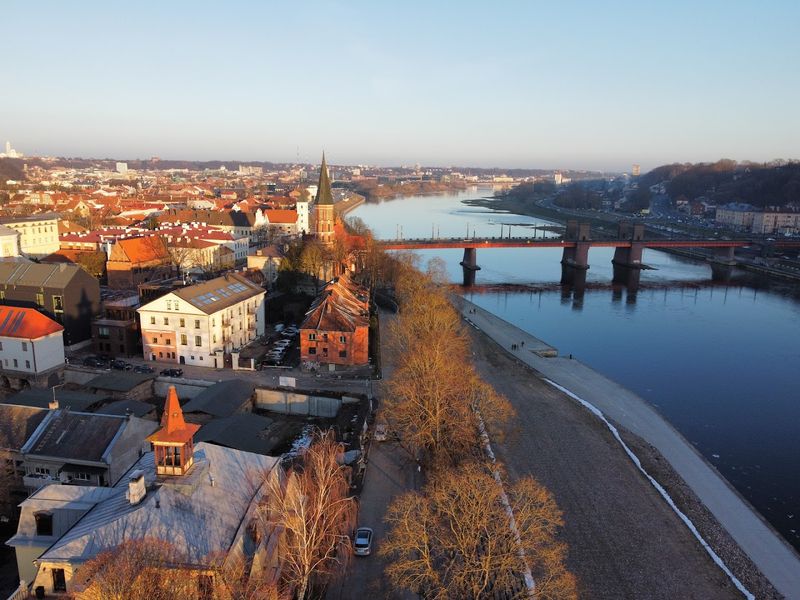
Kaunas spent most of the 20th century quietly functioning as Lithuania’s second city, but in 2022 it stepped into a well-deserved spotlight as a European Capital of Culture, finally getting the international recognition its remarkable architecture and arts scene had always deserved. The city’s old town is a beautifully preserved collection of Gothic, Renaissance, and Art Deco buildings that make every walk feel like an architectural discovery.
For retirees considering the Baltic states, Kaunas offers something genuinely compelling: the safety, public services, and infrastructure of a modern European Union country at a cost of living well below Northern or Western European norms. Public healthcare is available to registered residents, and private medical care is both high quality and affordably priced.
The city is clean, well-organized, and consistently ranked among Europe’s safest urban environments.
Lithuania has a growing English-speaking population, particularly among younger residents, which makes settling in considerably easier for international retirees. Kaunas is compact enough to navigate comfortably on foot or by bicycle, and its riverside setting along the Nemunas and Neris rivers adds a scenic quality to everyday life.
Winters are cold and snowy, which suits some retirees perfectly. For those who want EU stability, safety, and affordability in one genuinely lovely city, Kaunas is a smart and satisfying choice.
Share this story