 Unearth The Voyage
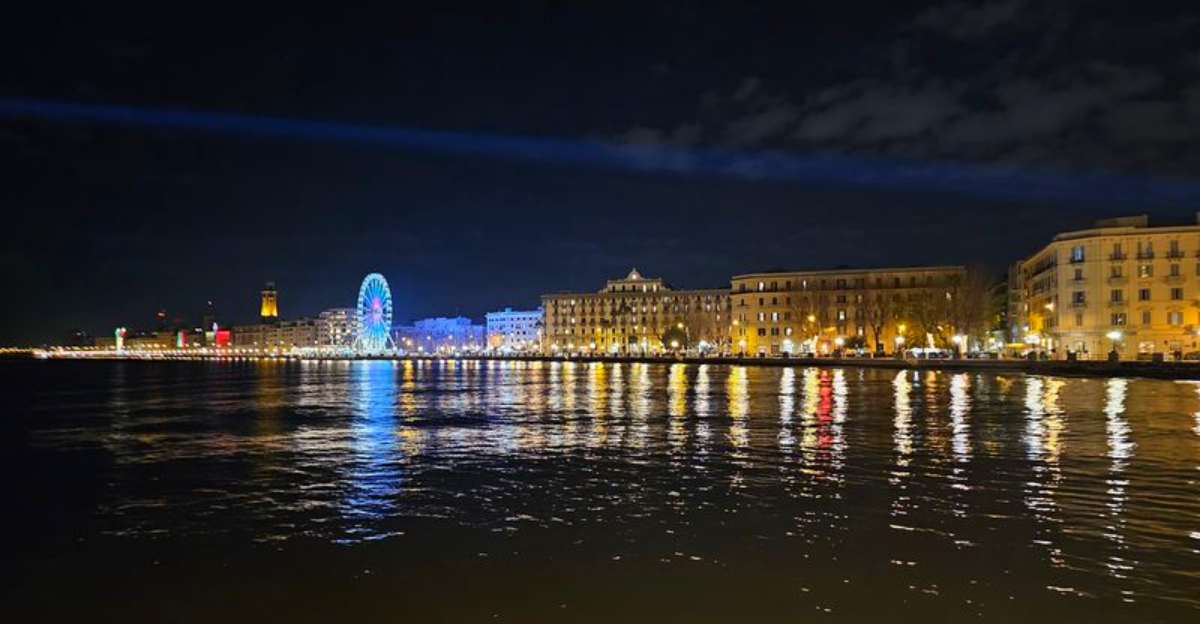
Italy is so much more than Rome, Venice, and Florence. Tucked between rolling hills, dramatic coastlines, and sun-soaked plains are cities that most tourists completely overlook — and that’s exactly what makes them so special.
From ancient cave dwellings to mosaic-covered basilicas, these hidden gems pack serious history, mouthwatering food, and authentic culture into every cobblestone street. If you’re ready to see a side of Italy that most visitors never find, these 15 underrated cities are calling your name.
Matera – Basilicata’s Ancient Gem
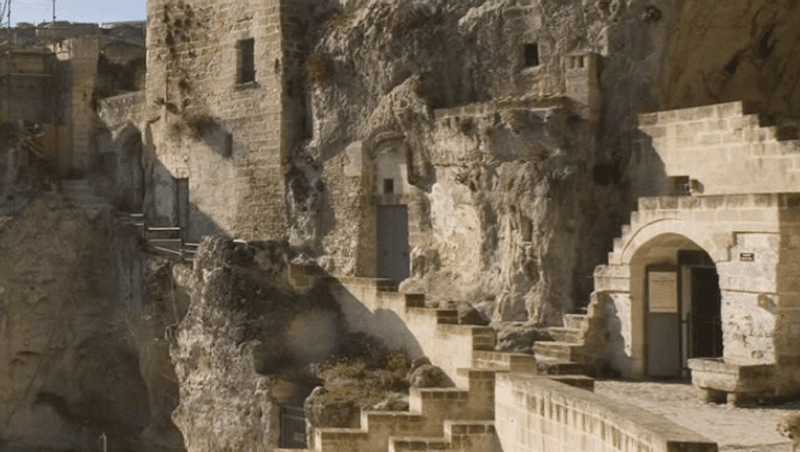
Carved straight into the limestone cliffs of southern Italy, Matera looks less like a city and more like something out of a fantasy novel. The Sassi — ancient cave dwellings that date back thousands of years — create one of the most surreal urban landscapes you’ll ever lay eyes on.
Walking through its maze of stone streets feels genuinely like time travel.
Matera was once considered one of Italy’s most impoverished places, but it has since transformed into a celebrated UNESCO World Heritage Site and even served as a filming location for major Hollywood productions. That dramatic backstory makes exploring it feel even more meaningful.
Local cafés carved into cave walls serve espresso alongside views that photographers dream about.
Cliffside churches, hidden courtyards, and panoramic lookout points reward anyone willing to wander without a map. Evening is especially magical here — golden light bounces off ancient stone and the whole city seems to glow.
Matera is proof that Italy’s most jaw-dropping destinations don’t always come with a famous name attached.
Trieste – A Seaside Crossroads of Cultures
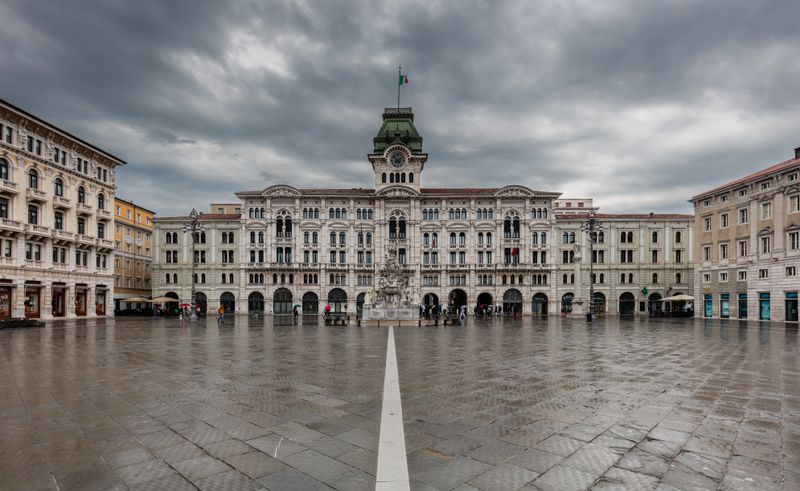
Trieste smells like sea salt, strong espresso, and a history that doesn’t quite belong to any single country. Sitting at the northeastern tip of Italy near the Slovenian border, this city has spent centuries absorbing Italian, Austro-Hungarian, and Mediterranean influences — and the result is something wonderfully one-of-a-kind.
Its grand cafés feel like they were airlifted from Vienna and placed beside the Adriatic.
Miramare Castle, perched on a rocky promontory with sweeping sea views, is one of those places that genuinely stops you mid-sentence. The gardens are lush, the views are enormous, and the history behind the castle’s ill-fated owners adds a touch of dramatic mystery.
Trieste rewards slow exploration — there’s always another hidden square or waterfront bench worth discovering.
The city’s literary credentials are equally impressive. James Joyce wrote much of Ulysses here, and Rainer Maria Rilke found inspiration nearby.
Coffee culture in Trieste is so serious that locals use a completely different vocabulary to order their drinks. Visit Caffè San Marco or Caffè degli Specchi and experience a café tradition that feels genuinely old-world and irreplaceable.
Parma – Food Lover’s Paradise
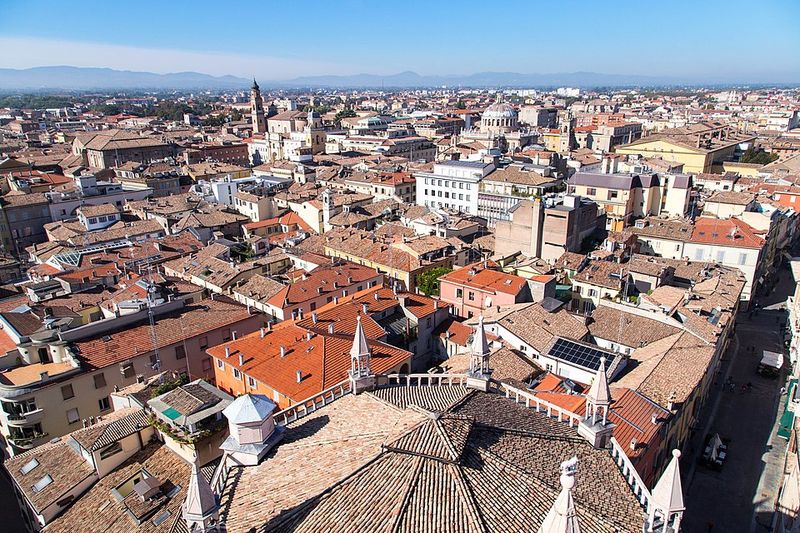
Few cities in the world take food as seriously as Parma does — and Parma takes it very, very seriously. This compact city in Emilia-Romagna is the official birthplace of Parmigiano-Reggiano cheese and Prosciutto di Parma, two ingredients that practically define Italian cuisine globally.
Visiting local producers and watching these products being made by hand is an experience that’s hard to put into words.
Beyond the incredible food scene, Parma’s historic center punches well above its weight. The Baptistery is considered one of the finest medieval buildings in all of Europe, and the Teatro Regio opera house has hosted world-class performances since 1829.
Strolling between these landmarks while snacking on fresh tortelli pasta from a market stall is peak Italian living.
What makes Parma extra appealing is its manageable size. You can cover the main sights on foot in a day, then spend the rest of your time eating, drinking local Lambrusco wine, and people-watching in peaceful piazzas.
It’s the kind of city where locals actually live well, and visitors get to tag along for the ride. Parma doesn’t need to shout — its reputation speaks for itself.
Lecce – Baroque Beauty of the South
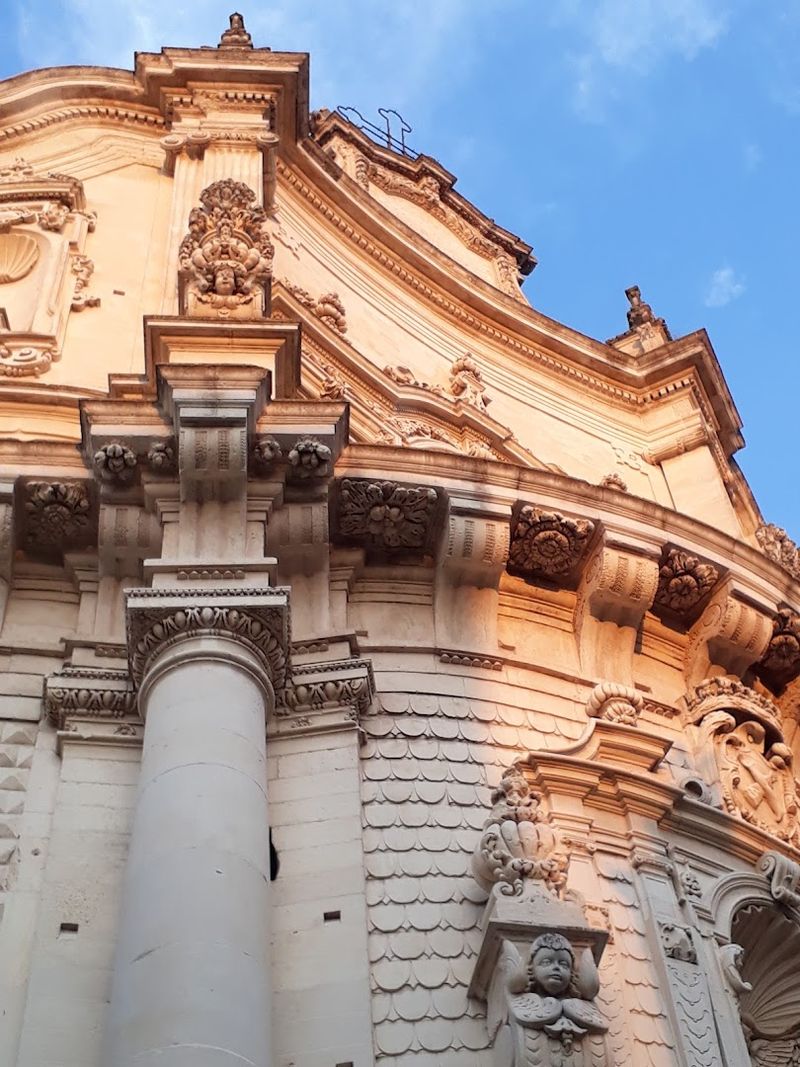
Nicknamed the “Florence of the South,” Lecce earns that title with every elaborately carved doorway, swirling column, and golden-hued church facade you encounter. The local limestone — called pietra leccese — is unusually soft and easy to carve, which is why Baroque architects went completely wild here in the 17th century.
The result is a city that looks like it was decorated by someone who genuinely couldn’t stop themselves.
The Basilica di Santa Croce is the showstopper, featuring a facade so detailed and dramatic that first-time visitors often stop dead in their tracks. But the magic of Lecce isn’t just in its monuments — it’s in the atmosphere.
Artisan workshops selling handmade ceramics and papier-mâché figures line the lanes, and the smell of pasticciotto pastries drifts out of every bakery.
Lecce sits at the heel of Italy’s boot, making it a fantastic base for exploring the Salento peninsula’s turquoise beaches and whitewashed villages. Summers are warm and lively, but spring and autumn offer a quieter, more relaxed version of the city.
Lecce is genuinely southern Italian hospitality at its most generous and unfiltered — a city that pulls you in and makes leaving feel like a mistake.
Lucca – Hidden Renaissance Treasure
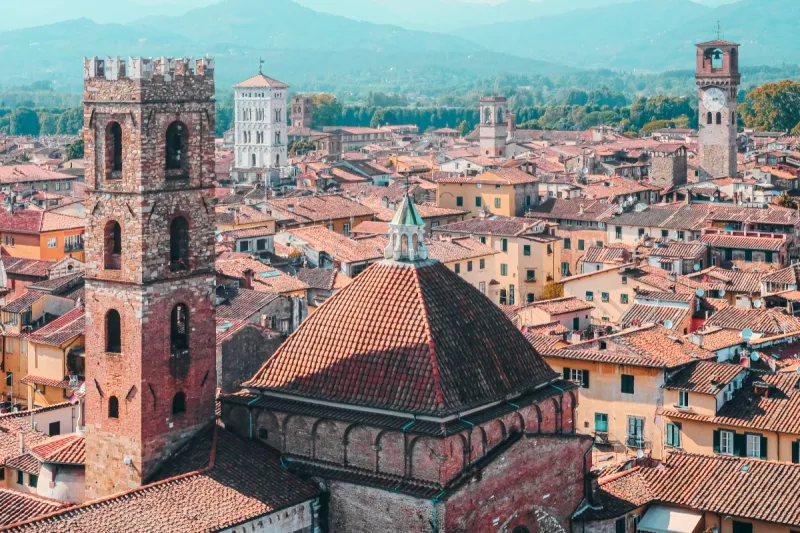
Lucca’s city walls are so wide and well-preserved that locals use the top of them as a park — and you can rent a bike and pedal the entire 4-kilometer loop while looking down at medieval towers and terracotta rooftops. It’s one of those travel experiences that sounds almost too good to be true until you’re actually doing it.
Lucca has a way of making the extraordinary feel completely ordinary.
Inside the walls, the city is a beautiful tangle of cobblestone streets, shady piazzas, and Romanesque churches. Piazza dell’Anfiteatro — built on the foundations of a Roman amphitheater — is oval-shaped and lined with cafés, making it one of the most charming squares in Tuscany.
The whole city moves at a pace that feels refreshingly unhurried.
Lucca is also the birthplace of opera composer Giacomo Puccini, and the city honors that legacy with festivals and performances throughout the year. Unlike nearby Florence or Pisa, Lucca doesn’t feel overwhelmed by tour groups — it still feels like a real, breathing Italian town.
Grab a slice of buccellato, the local sweet bread, and wander without a plan. Lucca rewards that kind of easy, unscripted exploration more than almost anywhere else in Tuscany.
Ascoli Piceno – Marche’s Medieval Marvel
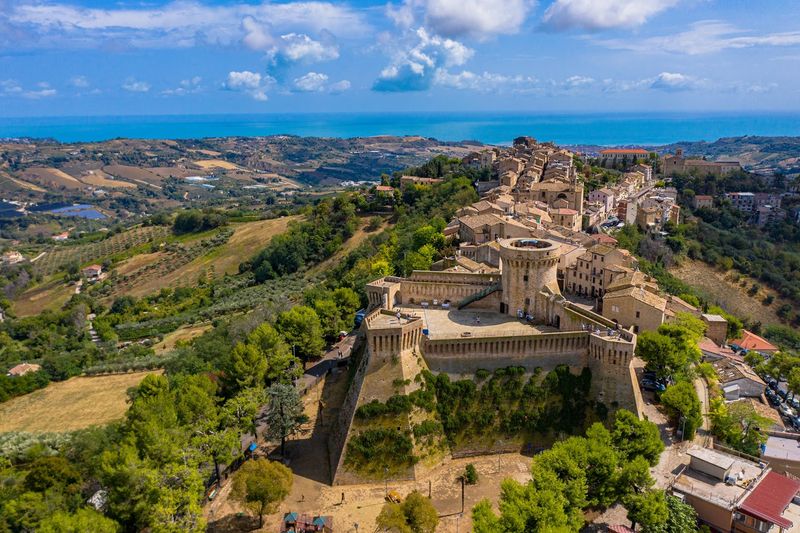
Ascoli Piceno is the kind of Italian city that makes you wonder why it isn’t more famous — and then secretly glad that it isn’t. Located in the Marche region between the Apennine mountains and the Adriatic coast, it’s built almost entirely from creamy travertine stone that gives the whole city a warm, honey-colored glow.
Piazza del Popolo, its central square, is one of the most elegant in all of Italy.
Food is a serious point of local pride here. Olive all’ascolana — large green olives stuffed with seasoned meat, breaded, and deep-fried — were invented in this city and remain a beloved staple.
Order them fresh from a street vendor and eat them while wandering past medieval towers and Renaissance loggia. This is the kind of culinary tradition that feels deeply personal to the place.
The city’s compact historic center is wonderfully walkable and genuinely lived-in. Markets, family-run trattorias, and artisan workshops give Ascoli Piceno an authenticity that’s increasingly hard to find in more tourist-heavy Italian destinations.
Weekend visitors from the coast come here for the atmosphere and food, not the selfie spots. That alone tells you everything you need to know about what makes this city special.
Orvieto – Hilltop Escape in Umbria
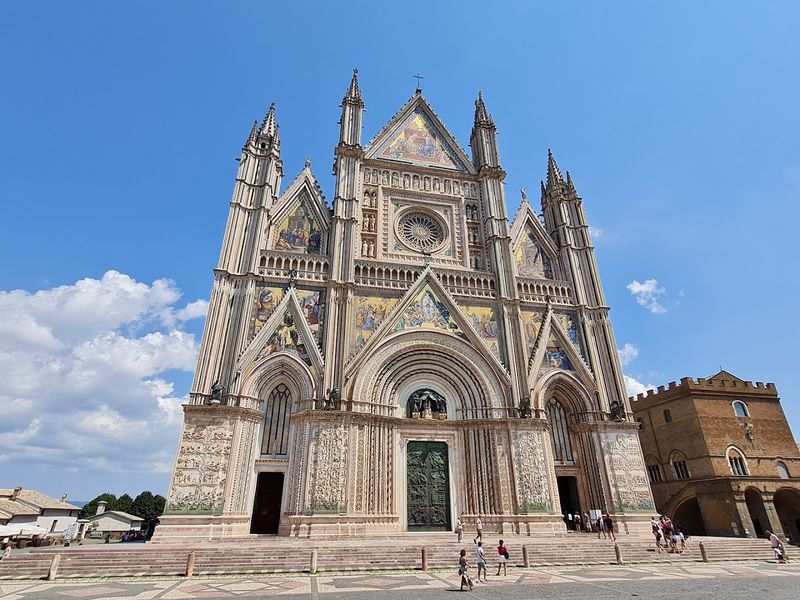
Orvieto sits on top of a dramatic volcanic plateau in Umbria, and the view of it rising above the surrounding countryside as you approach by train is genuinely one of Italy’s great arrival moments. The city’s Duomo — a Gothic cathedral covered in glittering gold mosaics and detailed stone carvings — is considered one of the most beautiful church facades in the world.
It’s the kind of building that makes you stop and stare for a long time.
Below street level, Orvieto hides another world entirely. The Orvieto Underground tour takes visitors through a network of Etruscan-era tunnels, caves, and wells carved beneath the city over 2,500 years ago.
It’s cool, atmospheric, and genuinely fascinating — especially for anyone who loves history that goes deep in every sense of the word.
Orvieto Classico, the local white wine made from Trebbiano and Grechetto grapes, pairs perfectly with the region’s truffle-laced pasta and wild boar dishes available in most restaurants. The city is small enough to explore in a day but rich enough to reward a longer stay.
Fewer tourists than Assisi or Perugia means you can actually hear yourself think — and enjoy the view without fighting for space.
Ravenna – Mosaic Masterpiece City
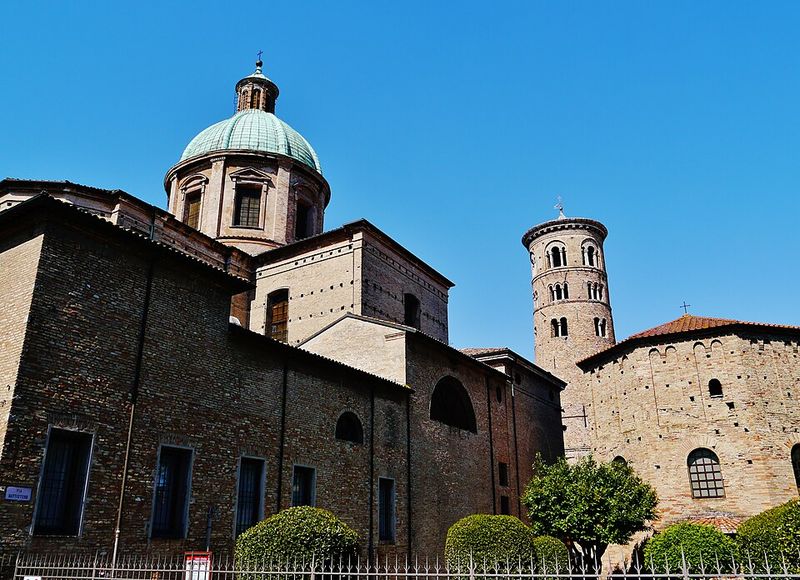
Ravenna holds a secret that most travelers haven’t discovered yet: it contains some of the most breathtaking art in the entire world, and almost nobody is talking about it. The city’s eight UNESCO-listed monuments house Byzantine mosaics from the 5th and 6th centuries that are so vivid, so detailed, and so impossibly well-preserved that they look like they were completed last week.
Standing inside the Mausoleum of Galla Placidia and looking up at a star-filled mosaic sky is a genuinely emotional experience.
Ravenna was once the capital of the Western Roman Empire, and its political importance attracted the finest artists and craftsmen of the ancient world. That legacy is visible everywhere — in basilicas, baptisteries, and chapels scattered across the city center.
Each one feels like its own quiet museum, and entrance fees are surprisingly affordable.
The city also has a strong connection to the poet Dante Alighieri, who spent his final years here and is buried in a small tomb near the Basilica of San Francesco. Ravenna’s pace is calm and unhurried, making it ideal for travelers who prefer absorbing culture slowly rather than rushing between landmarks.
A city this extraordinary deserving more visitors is, frankly, one of Italy’s best-kept secrets.
Ferrara – Renaissance Hidden Gem
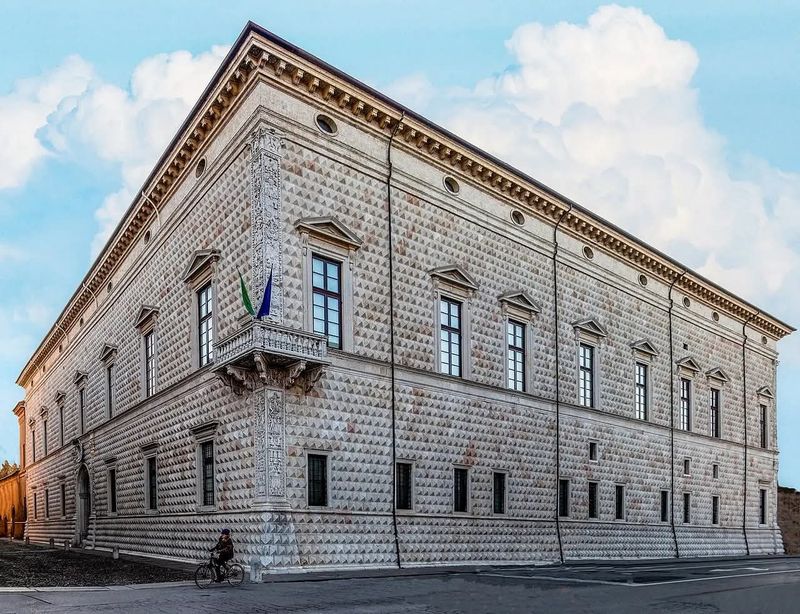
Ferrara is the city that Renaissance scholars built and then somehow forgot to tell the world about. Once one of the most powerful courts in 15th-century Europe under the Este family, it’s now a quiet, beautifully preserved city where bicycles outnumber cars and the streets feel like an open-air museum.
The massive Castello Estense — a moated medieval fortress right in the city center — sets the tone immediately.
The Este family were serious art collectors and patrons, and their legacy fills Ferrara’s palaces and galleries with exceptional Renaissance paintings and sculpture. Palazzo Schifanoja’s frescoed halls, painted with elaborate astrological and courtly scenes, are among the most underappreciated artworks in Italy.
Seeing them without a crowd feels like a genuine privilege.
Cycling culture here is deeply embedded in daily life — locals ride everywhere, and visitors are encouraged to rent bikes and explore the city walls and surrounding Po Delta landscape at their own pace. Ferrara’s food scene is equally rewarding, with dishes like cappellacci di zucca (pumpkin-filled pasta) and salama da sugo (a rich cured meat) reflecting centuries of local culinary tradition.
If you want Renaissance Italy without the Renaissance crowds, Ferrara is your answer.
Mantua – Artistic and Royal History
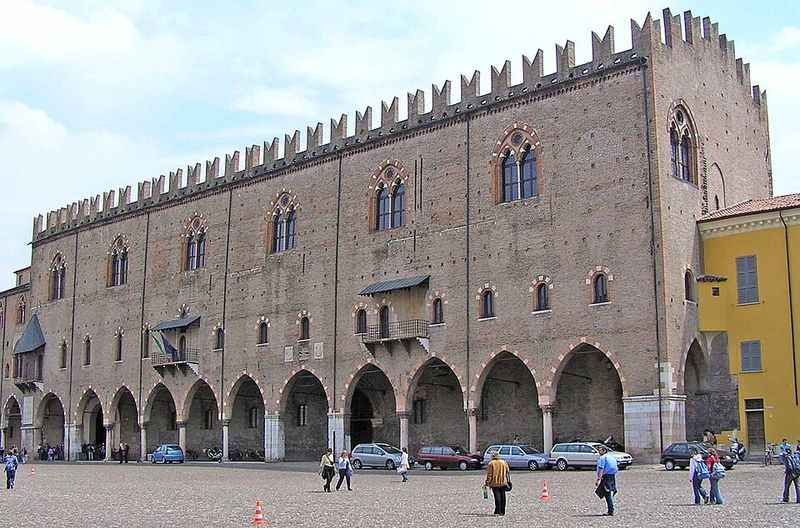
Three lakes surround Mantua on nearly every side, turning the city’s medieval skyline into a mirror-image reflection that photographers absolutely lose their minds over. This geographic quirk gave Mantua a natural moat for centuries, and it’s part of why the city feels so perfectly preserved today.
Approaching from any direction, you get the sense of arriving somewhere genuinely extraordinary.
The Gonzaga family ruled Mantua for nearly four centuries and spent lavishly on art, architecture, and culture. Their legacy includes the massive Palazzo Ducale — a complex of buildings, courtyards, and gardens that contains over 500 rooms.
The Camera degli Sposi, painted by Andrea Mantegna in the 15th century, is one of the most technically brilliant frescoed rooms in all of Renaissance art.
Palazzo Te, designed by Giulio Romano in the 16th century, is equally stunning and features the jaw-dropping Room of the Giants — a room where painted giants appear to be collapsing the ceiling around you. Mantua also claims a strong connection to Virgil, the ancient Roman poet born nearby.
Shakespeare even set Romeo and Juliet partly here. With lakes, palaces, and a literary pedigree, Mantua packs an almost unfair amount of greatness into a very small footprint.
Cremona – Violin Makers’ City
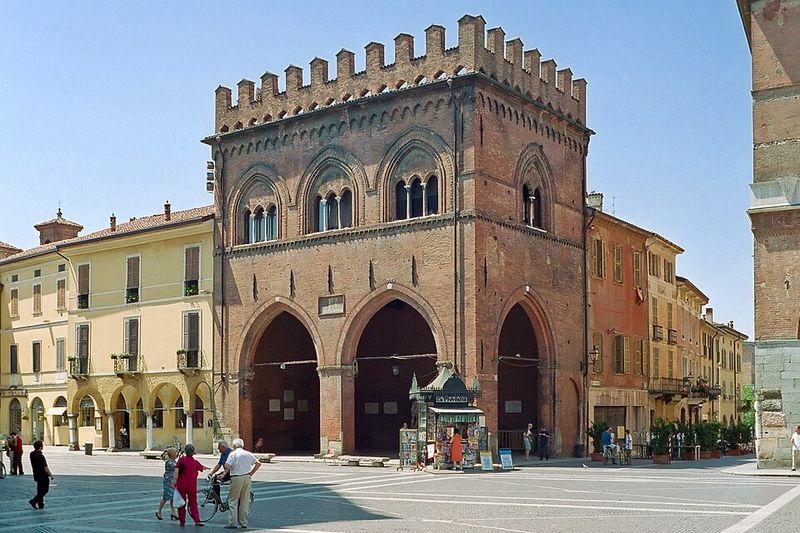
Cremona gave the world the greatest stringed instruments ever made — and it still does. Antonio Stradivari, Bartolomeo Cristofori, and the Amati family all worked in this northern Italian city, and the tradition of handcrafting violins here has continued unbroken for over 400 years.
Walking past workshops where luthiers bend over half-finished instruments, the smell of fresh wood and varnish drifting into the street, is an experience unlike anything else in Italy.
The Museo del Violino is a world-class museum dedicated entirely to the history and craft of violin-making, with original Stradivari instruments on display and regular live performances in its acoustically perfect auditorium. It’s the kind of museum that makes you appreciate a craft you may never have thought much about before visiting.
The sound of a 300-year-old Stradivarius being played live is something people describe as genuinely life-changing.
Away from the music scene, Cremona’s Piazza del Comune is one of the finest medieval squares in Lombardy, anchored by a towering 13th-century bell tower called the Torrazzo. The local sweet torrone nougat is sold in shops throughout the city and makes an excellent edible souvenir.
Cremona is quiet, cultured, and completely its own thing — a city with a very specific identity that it wears with quiet pride.
Bergamo – Old Town with Views
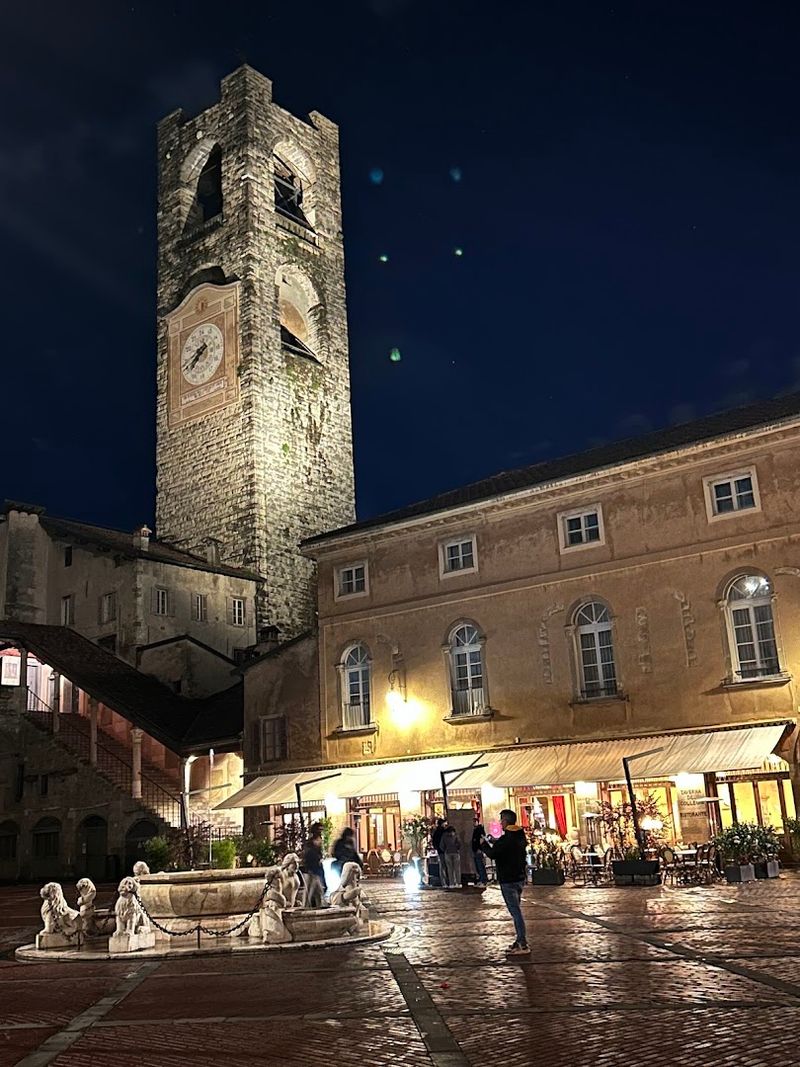
Bergamo is essentially two cities stacked on top of each other, and both halves are worth your time. The lower city — Bergamo Bassa — is modern and lively, with wide boulevards and excellent restaurants.
But ride the funicular up the hill and you enter Città Alta, a medieval walled city so well-preserved it feels like a film set, except completely real and fully inhabited by actual people going about their actual lives.
Piazza Vecchia in the upper city is the heart of Città Alta, flanked by Renaissance buildings, a 12th-century civic tower, and the Colleoni Chapel — a Renaissance jewel decorated with intricate marble inlays. Sitting at a café table here with a Bergamasque polenta dish and a local wine while watching the sun drop behind the Alps is one of those moments that makes travel feel worthwhile.
The panoramic terraces along the city walls offer sweeping views over the Po Valley and, on clear days, all the way to Milan. Bergamo’s local cuisine features hearty mountain flavors — casoncelli pasta, stuffed with meat and butter, is a regional staple worth seeking out.
Despite being just 45 minutes from Milan by train, Bergamo attracts a fraction of the visitors. That gap in tourism attention is entirely the traveler’s gain.
Bari – Bustling Southern Port
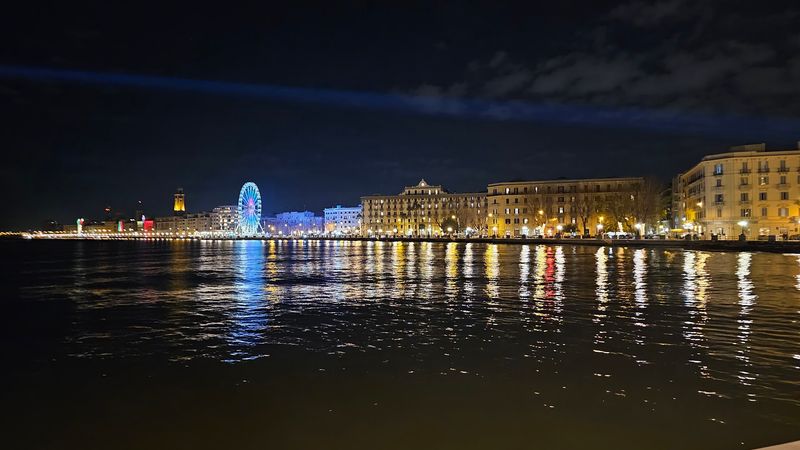
Bari’s old town is the kind of place where grandmothers sit outside their front doors making orecchiette pasta by hand, and you can stop, watch, and buy a bag fresh from the source. This is southern Italian life in its most unfiltered, unhurried form — loud, generous, sun-drenched, and completely irresistible.
The old quarter, known as Bari Vecchia, is a labyrinth of narrow lanes that rewards getting slightly lost.
The Basilica di San Nicola, built to house the relics of Saint Nicholas — yes, the original Santa Claus figure — is one of the most important pilgrimage churches in southern Italy and a masterpiece of Apulian Romanesque architecture. The seafront promenade stretches along the Adriatic, lined with fishermen, joggers, and families enjoying the sea breeze.
Fresh raw seafood — especially ricci di mare (sea urchin) eaten directly from the shell — is a local tradition that adventurous eaters absolutely love.
Bari has undergone a genuine urban renaissance in recent years, with a growing food and nightlife scene alongside its traditional character. It also works brilliantly as a base for day trips to Alberobello’s trulli houses, Polignano a Mare’s cliff-top views, and the Castel del Monte.
Bari is not just a gateway city — it’s a destination entirely worth celebrating on its own terms.
Alassio – Riviera Retreat
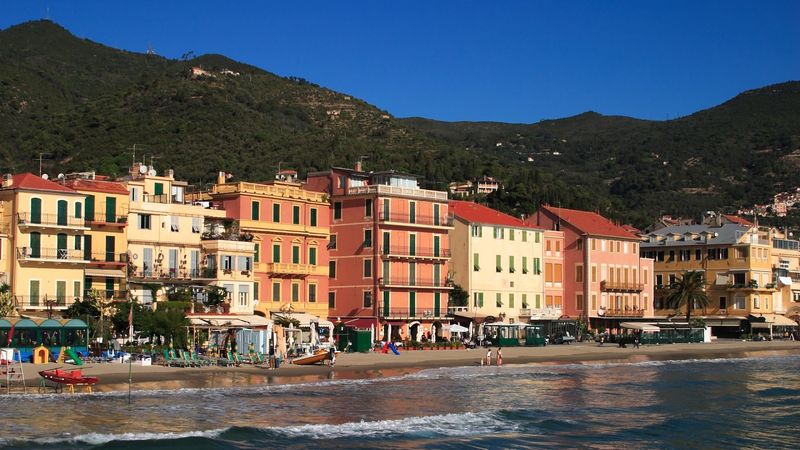
Alassio has been quietly charming visitors since the early 20th century, when British aristocrats and writers first discovered its long sandy beach and mild Ligurian climate. Unlike the glitzy, overcrowded stretch of the Riviera near Portofino or Cinque Terre, Alassio manages to feel genuinely relaxed without sacrificing beauty.
The beach here is wide, golden, and backed by a promenade lined with flowering gardens and colorful facades.
The Budello — a narrow pedestrian alley running through the heart of the old town — is one of the most photogenic streets on the entire Italian coast. Boutique shops, gelato stands, and tiny trattorias line both sides, and the whole lane buzzes with a cheerful, unhurried energy that’s hard to manufacture.
Evening passeggiata here, with locals strolling and chatting, is a ritual worth joining.
Ernest Hemingway and Winston Churchill both spent time in Alassio, which gives the town a pleasantly literary and distinguished backstory. The Muretto di Alassio — a wall covered in ceramic tiles signed by famous visitors — is a quirky local landmark worth finding.
Water sports, sailing, and coastal hiking trails add outdoor appeal to the town’s cultural charm. Alassio is the Italian Riviera without the performance — just beautiful, sun-soaked, and completely genuine.
Comacchio – The Little Venice
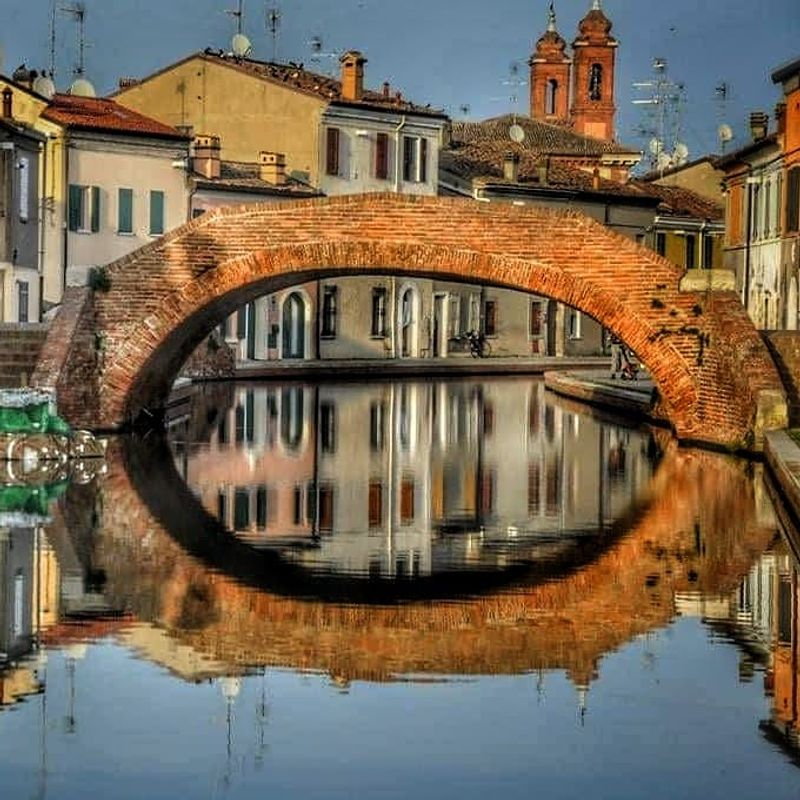
Comacchio earns the nickname “Little Venice” not as a marketing gimmick but as a genuine geographic description — the town is built across 13 small islands connected by bridges and canals in the middle of the Po Delta lagoon. Without the cruise ships or the crowds, wandering its waterways feels more intimate and quietly beautiful than its famous northern counterpart.
The reflections of pastel-colored buildings in still canal water at dawn are something special.
The Po Delta surrounding Comacchio is one of Italy’s most important natural wetlands, home to pink flamingos, herons, and dozens of migratory bird species. Boat tours through the lagoon offer a perspective on this flat, watery landscape that’s completely unlike anything else in Italy.
It’s the kind of nature experience that feels calming in a deep, almost meditative way.
Comacchio’s culinary identity is built around eel — specifically eel caught from the surrounding lagoon and prepared in a variety of traditional ways, including marinated, grilled, and stewed. The Manifattura dei Marinati, an old eel-processing factory, now operates as a fascinating museum and restaurant.
The Trepponti bridge — a 17th-century five-arched bridge — is the city’s most iconic landmark and a perfect spot for an evening photograph. Comacchio is small, unhurried, and genuinely enchanting.



