Most people think of Yellowstone, Yosemite, or the Grand Canyon when someone says national park. Those are great, but the United States has 63 national parks, and a lot of the most remarkable ones barely show up on anyone’s radar.
Some of these overlooked parks have ancient forests, volcanic landscapes, remote islands, and towering sand dunes that rival anything the famous parks offer. If you are ready to explore beyond the usual bucket list, this collection of 15 underrated national parks might just change the way you plan your next trip.
Congaree National Park, South Carolina
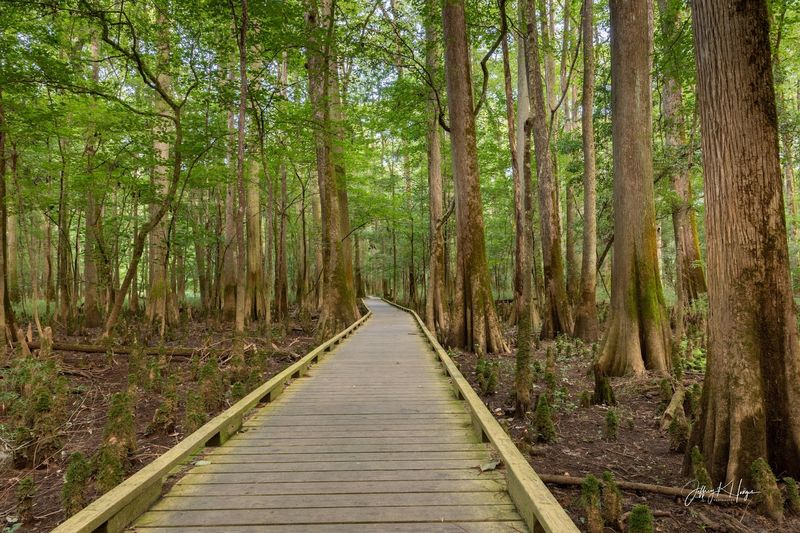
Congaree does not need a mountain range to earn your attention. This South Carolina park protects the largest intact stretch of old-growth bottomland hardwood forest remaining in the southeastern United States, and the scale of the trees alone is enough to stop you in your tracks.
The Congaree and Wateree Rivers feed a rich floodplain that supports extraordinary biodiversity, including towering loblolly pines, bald cypresses, and a dense canopy that blocks out the sky. For first-time visitors, the Boardwalk Loop is the easiest entry point, offering a flat 2.6-mile path that gives a solid introduction to the wilderness without requiring serious hiking gear.
What makes Congaree genuinely different is how ancient and undisturbed it feels. This is not the postcard version of a national park, and that is exactly what makes it worth seeking out.
It is quiet, wild, and deeply Southern in the best possible way.
Great Basin National Park, Nevada
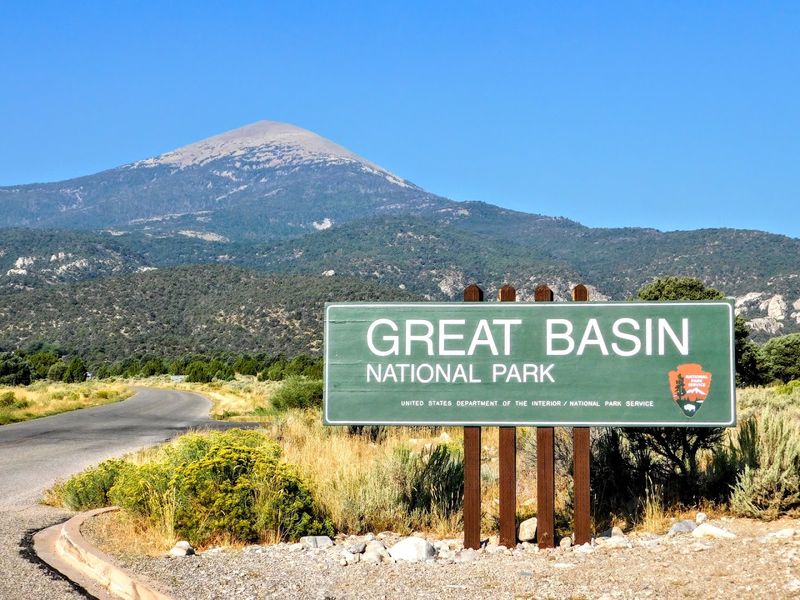
Most people picture flat desert when they think of Nevada, which is exactly why Great Basin catches first-time visitors off guard. The park rises to a 13,063-foot summit at Wheeler Peak, supports ancient bristlecone pine forests, and is recognized as one of the darkest night sky destinations in the entire country.
The combination of features packed into one park is genuinely impressive. Alpine terrain, caves, high-elevation lakes, and dramatic solitude all exist here in a state better known for neon lights and casino floors.
One current note worth knowing before you go: Lehman Caves and its visitor center have been temporarily closed for an electrical upgrade project, but the rest of the park remains open for exploration. Trails, scenic drives, and the bristlecone pine groves are still accessible.
Great Basin rewards the kind of traveler who does not need crowds to validate a destination.
Guadalupe Mountains National Park, Texas
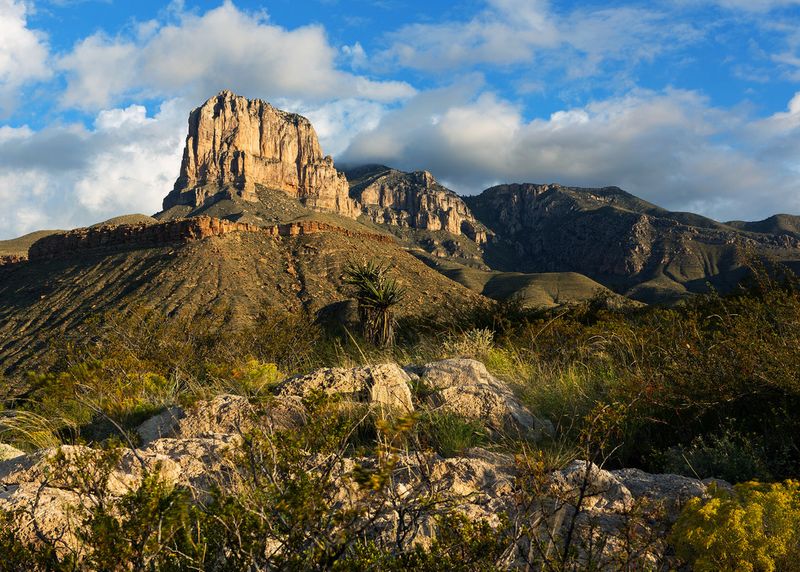
Big Bend gets most of the Texas national park attention, but Guadalupe Mountains is quietly holding its own with a landscape that is hard to match anywhere in the state. The park protects the world’s most extensive Permian fossil reef, a geological record stretching back roughly 265 million years, along with the four highest peaks in Texas.
Hikers are the ones who get the most out of this place. More than 80 miles of trails cross desert terrain, canyon floors, and high country, with the climb to Guadalupe Peak, known as the Top of Texas, standing as the signature challenge.
The views from the summit are expansive and earned.
The park is also remote enough that light pollution is minimal, making the night skies genuinely spectacular. If you want a Texas adventure that goes beyond the obvious, Guadalupe Mountains delivers rugged scenery and serious trails without the long lines.
North Cascades National Park, Washington
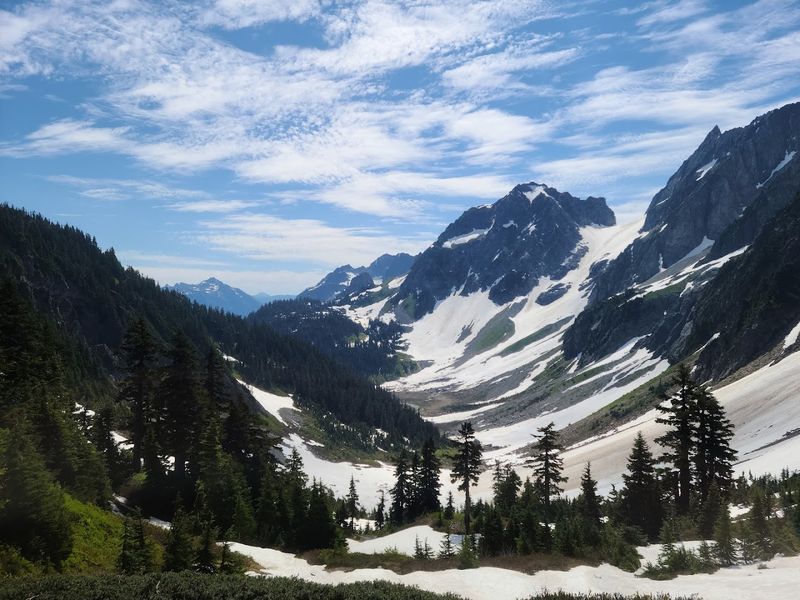
Sitting less than three hours from Seattle, North Cascades somehow still plays second fiddle to Olympic and Mount Rainier in most Washington travel conversations. That gap in recognition is hard to explain once you see what this park actually contains.
More than 300 glaciers cover the peaks here, making it the most glaciated area in the contiguous United States outside of Alaska. The terrain is steep, green, icy, and dramatic, with jagged ridgelines and forested valleys that look more like something from the Swiss Alps than a Pacific Northwest road trip.
This is a park built for people who want raw alpine scenery without a crowd waiting at every overlook. Backcountry access is significant, and the Cascade Pass trail is a popular introduction to the high country.
For travelers who feel like Washington’s bigger-name parks have gotten a little too familiar, North Cascades is a genuinely refreshing change of pace.
Lassen Volcanic National Park, California
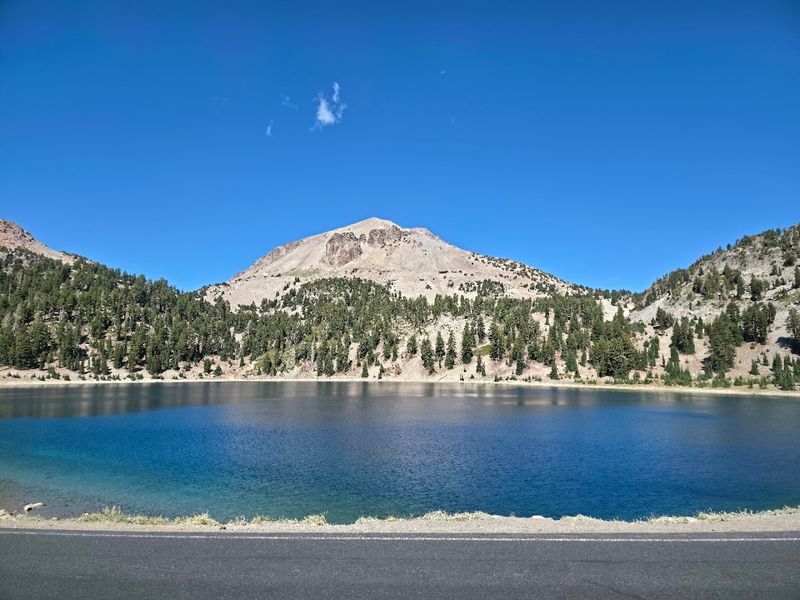
California stacks its national parks deep, which makes it easy for Lassen Volcanic to get buried under Yosemite’s long shadow. That is a real shame, because this park offers a combination of features you genuinely cannot find anywhere else in the state.
Steaming fumaroles, boiling mud pots, hydrothermal pools, multiple volcanoes, alpine lakes, and wildflower meadows all share the same park. The hydrothermal areas are among the most active and visually striking in any national park outside of Yellowstone, and the volcanic landscape gives the whole place an otherworldly character that sticks with you.
Visitors need to stay on marked trails near thermal features because the ground around them can be dangerously unstable. Outside those areas, the park opens up into beautiful mountain terrain with strong hiking and clear water.
Lassen gives you volcanic drama and alpine beauty at the same time, and without the shoulder-to-shoulder crowds that follow California’s most famous parks.
Black Canyon of the Gunnison National Park, Colorado
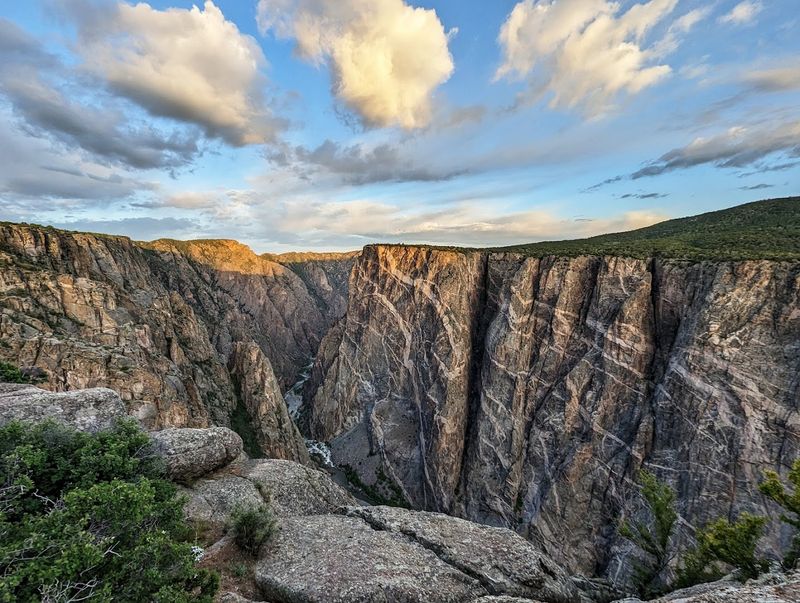
Colorado is full of dramatic scenery, which might be the only reason Black Canyon of the Gunnison does not get more recognition. In almost any other state, this canyon would be the undisputed headliner.
Here, it competes with famous mountain towns, ski resorts, and three other national parks.
The canyon walls are some of the steepest in North America, carved by the Gunnison River over roughly two million years. The rock exposed along those walls is among the oldest on the continent, with some formations dating back nearly two billion years.
The depth and narrowness of the canyon mean that parts of the gorge receive very little sunlight, giving the whole place its dark, shadowy character.
South Rim Road offers a series of overlooks where the scale hits immediately and hard. There is no gentle buildup here.
The canyon simply opens beneath you, vertical and enormous, in a way that is difficult to prepare for and even harder to forget.
Voyageurs National Park, Minnesota
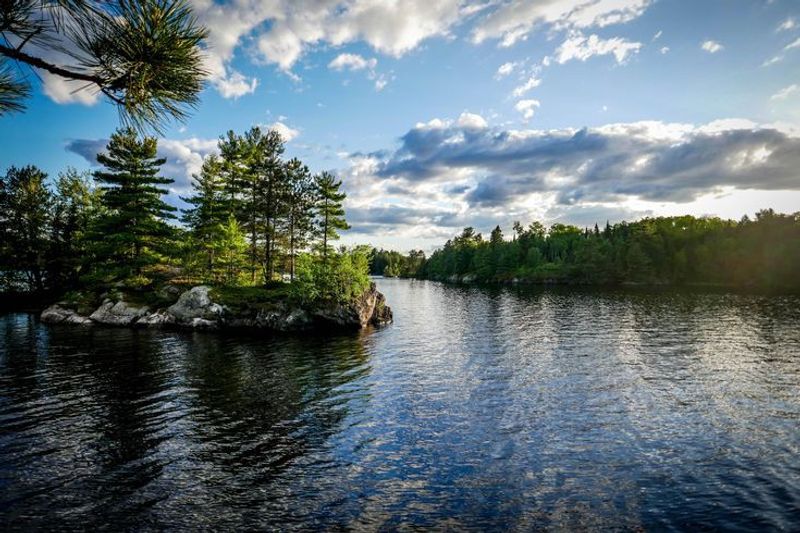
Voyageurs operates differently from most national parks, and that difference is the whole point. You cannot explore the heart of this park by car.
Water is the main highway here, and the experience is built around boats, canoes, kayaks, and the 84,000 acres of interconnected lakes that define the landscape.
The park spans 218,000 acres near the Canadian border in northern Minnesota, with more than 500 islands and 655 miles of undeveloped shoreline. It takes its name from the French-Canadian voyageurs who traveled these water routes by canoe centuries ago as part of the fur trade network across North America.
Winter brings a completely different version of the park, with snowmobiling, ice fishing, and cross-country skiing replacing the summer water activities. The night skies here are also worth noting, with darkness and northern latitude combining for strong aurora viewing opportunities on clear nights.
Voyageurs rewards travelers who want a national park experience built around nature rather than convenience.
Isle Royale National Park, Michigan
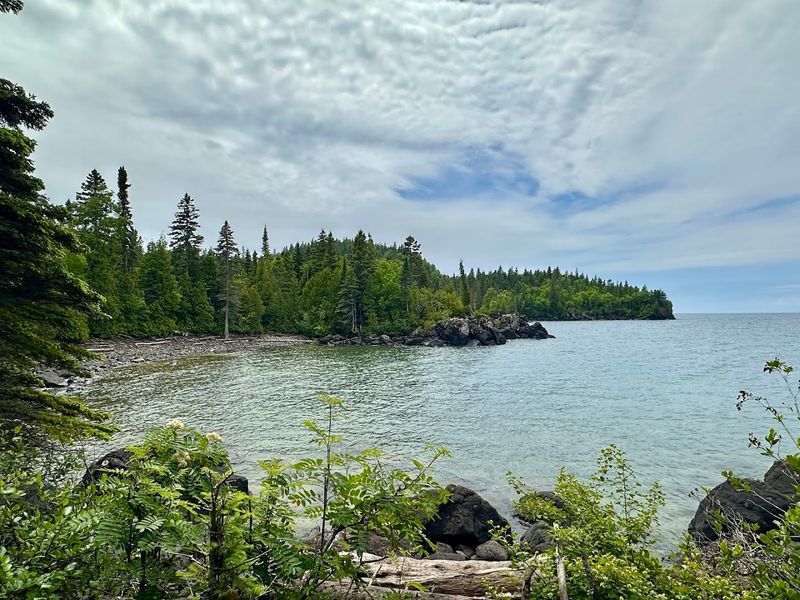
Getting to Isle Royale requires real commitment. The park sits in the middle of Lake Superior and is accessible only by ferry, seaplane, or private watercraft, making it one of the least-visited national parks in the entire system.
That inaccessibility is not a flaw. It is the feature.
Once you arrive, the island delivers a wilderness experience that feels genuinely remote. Backpackers, paddlers, boaters, and divers all find something here, with more than 165 miles of trails crossing the island and surrounding waters offering some of the best freshwater diving in the Great Lakes region.
Isle Royale is also home to one of the longest-running predator-prey studies in the world, tracking the relationship between wolves and moose on the island since 1958. The park is open from mid-April through October and closes entirely during winter.
If the idea of a national park that requires planning, effort, and a boat ride appeals to you, Isle Royale is the real thing.
Theodore Roosevelt National Park, North Dakota
Not many national parks can claim a direct connection to the president most responsible for America’s conservation movement, but Theodore Roosevelt National Park is built around exactly that story. The North Dakota badlands here shaped Roosevelt’s thinking about wild land and its value, and visiting the park today gives that history a physical context that feels meaningful.
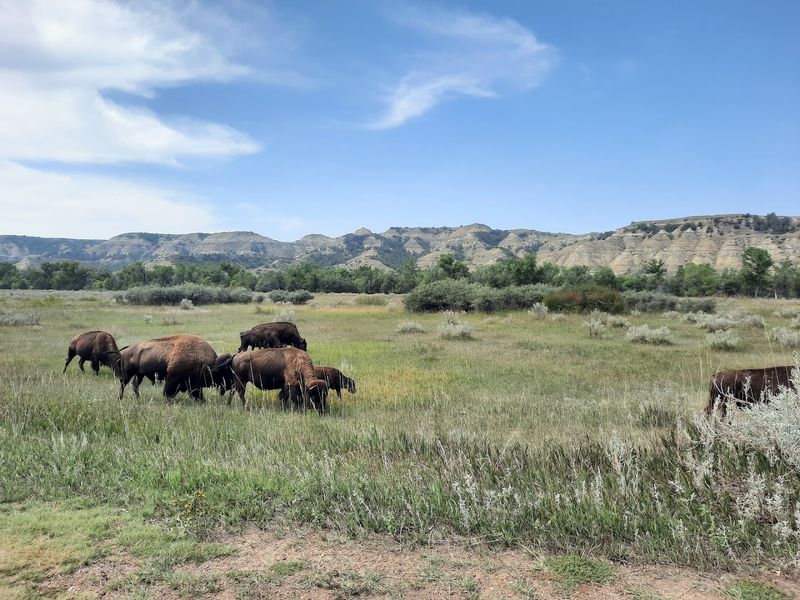
The scenery is striking in its own right. Colorful layered badlands, open grasslands, and river valleys make up a landscape that is quieter and more contemplative than the big western parks but no less impressive for it.
Wildlife is a genuine highlight, with bison, prairie dogs, wild horses, white-tailed and mule deer, and other animals frequently visible from the park’s scenic drives and trails.
The park is split into North and South Units, each with its own character and road access. Most visitors start with the South Unit near Medora, which offers a strong scenic drive and reliable wildlife sightings.
The solitude alone makes the drive worth it.
Petrified Forest National Park, Arizona
A lot of travelers treat Petrified Forest like a quick exit off Interstate 40, a stop to stretch your legs before moving on to something else. That approach misses almost everything the park has to offer.
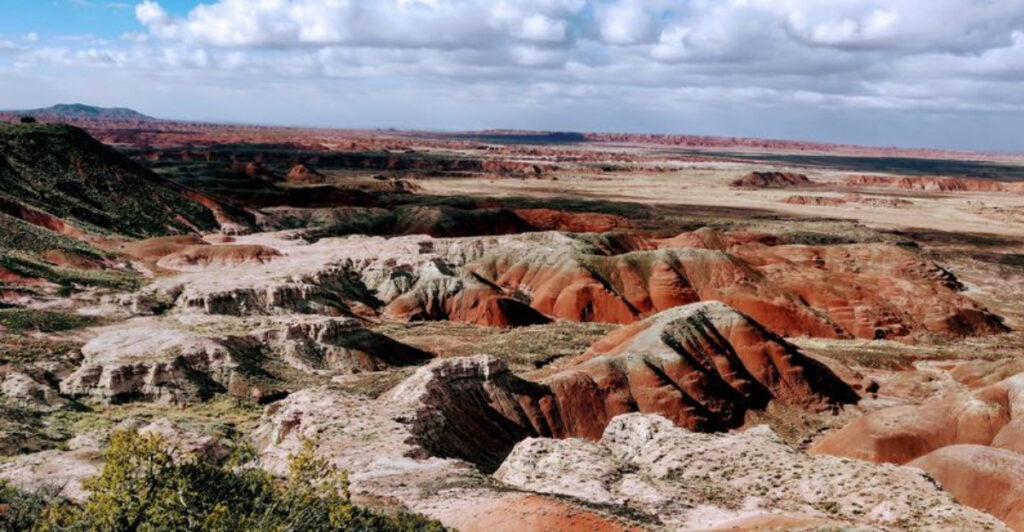
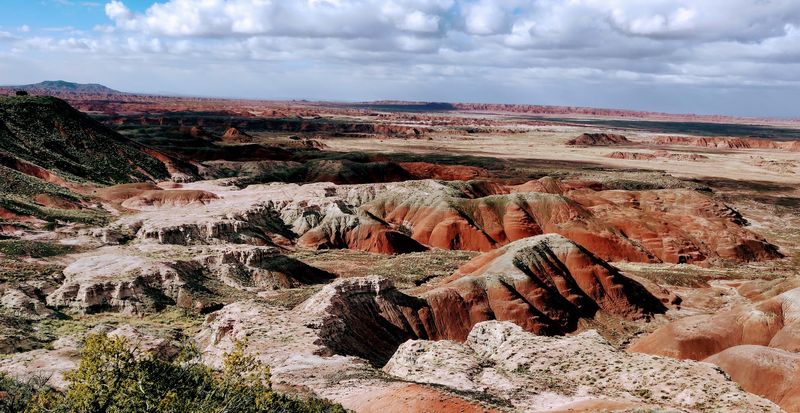
This is a place where 225-million-year-old trees have turned to stone and lie scattered across a landscape of colorful badlands that shifts in tone depending on the light and time of day.
Beyond the petrified wood, the park contains ancestral Puebloan archeological sites, a verified stretch of historic Route 66, and some of the most geologically layered terrain in the American Southwest. The Painted Desert section of the park runs along the northern edge and offers overlooks with views across layers of red, purple, and orange sediment.
The park spans more than 200 million years of geologic history, which gives the whole landscape a sense of deep time that most parks cannot match. Slowing down here pays off in a way that a quick drive-through never will.
Pinnacles National Park, California
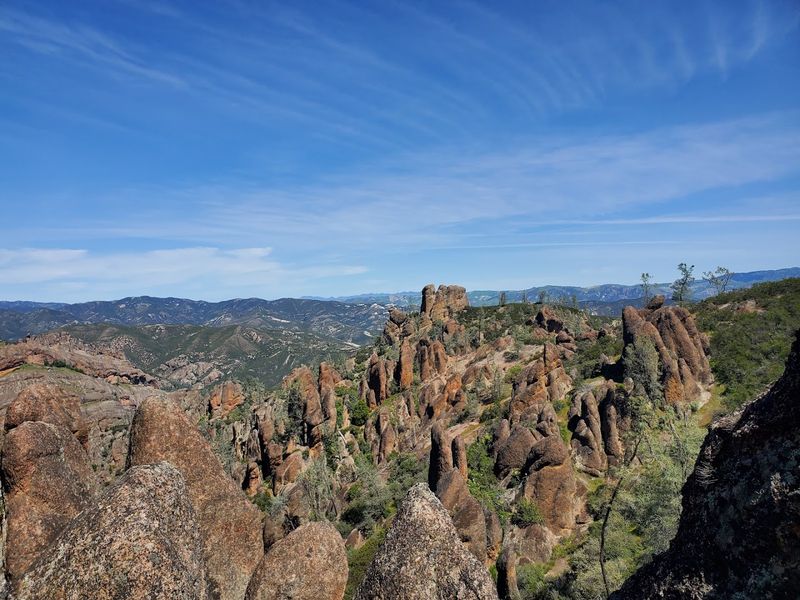
Pinnacles became California’s newest national park by designation in 2013, and it still feels like a well-kept secret compared with the state’s more famous parks. The landscape here came from volcanic activity roughly 23 million years ago, and what remains are rocky spires, steep canyon walls, and boulder-filled talus caves that create a setting unlike anything else in California.
The talus caves, particularly Bear Gulch and Balconies Caves, are among the park’s most popular features, though access can change based on flooding, rockfall hazards, bat colony protection, and other conditions. It is worth checking current cave status before planning your visit around them.
Pinnacles is also one of the key recovery sites for the California condor, and spotting one of these massive birds soaring above the rocky spires is a real possibility during a visit. The park sits about two hours south of San Jose, making it a manageable day trip or weekend outing for Bay Area and Central Coast travelers.
Great Sand Dunes National Park and Preserve, Colorado
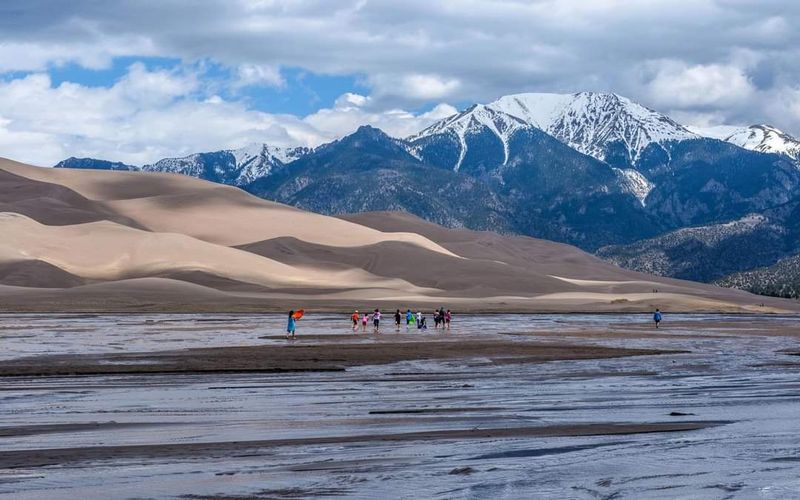
The first time you see Great Sand Dunes in person, the scale genuinely surprises you. The park protects the tallest sand dunes in North America, with Star Dune reaching over 750 feet high, and the surrounding landscape includes grasslands, wetlands, spruce and fir forests, and alpine lakes up in the Sangre de Cristo Mountains behind the dunes.
Medano Creek runs along the base of the dunes in late spring, creating a shallow seasonal stream where visitors wade and play in the sand and water at the same time. It is one of the more unusual natural features in any national park, and it draws families in particular during peak flow season.
The park is open 24 hours a day, seven days a week, year-round, with no timed entry or reservation required to enter the main dune field. Sandboarding and sand sledding are popular activities, with rental equipment available near the park entrance.
The sheer variety of terrain packed into one park makes it consistently underestimated.
Capitol Reef National Park, Utah
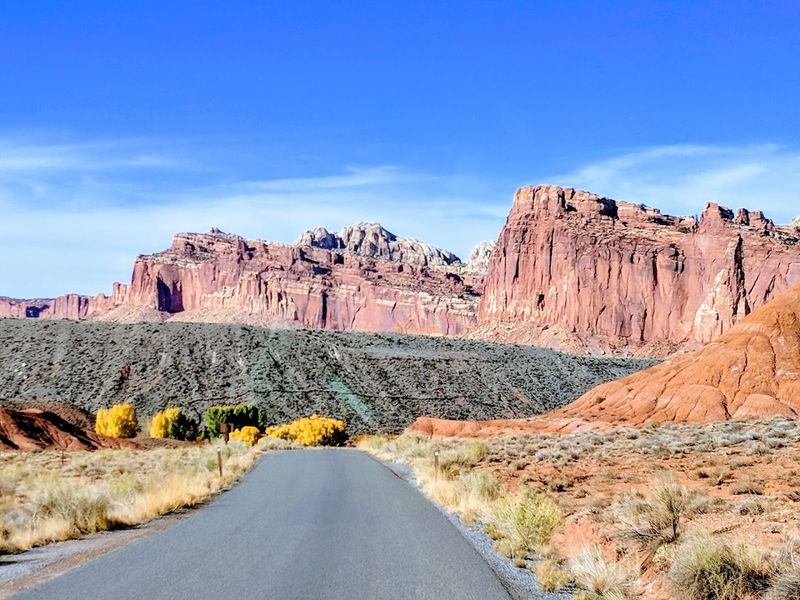
Utah’s five national parks form one of the most impressive collections of red rock scenery anywhere on the planet, and Capitol Reef is the one that most travelers underestimate. That tends to happen because Zion, Bryce Canyon, Arches, and Canyonlands carry more name recognition, but Capitol Reef holds its own against any of them once you actually arrive.
The park’s defining geological feature is the Waterpocket Fold, a nearly 100-mile-long wrinkle in the earth’s crust that exposes layers of rock spanning roughly 270 million years of geologic history. The cliffs, canyons, natural bridges, and dome formations that result from this fold create a landscape with real visual depth and variety.
The Fruita area near the visitor center adds an unexpected historical layer, with an orchard planted by Mormon settlers in the late 1800s still producing fruit that visitors can pick during harvest season. Capitol Reef is open year-round, though some services are seasonal.
In another state, this park would be the obvious headliner.
Dry Tortugas National Park, Florida
Almost 70 miles west of Key West, past the last stretch of navigable road and well into the Gulf of Mexico, Dry Tortugas National Park sits in a category of its own. The park covers roughly 100 square miles, but less than one percent of it is dry land.
The rest is open water, coral reef, and some of the clearest blue water in the United States.
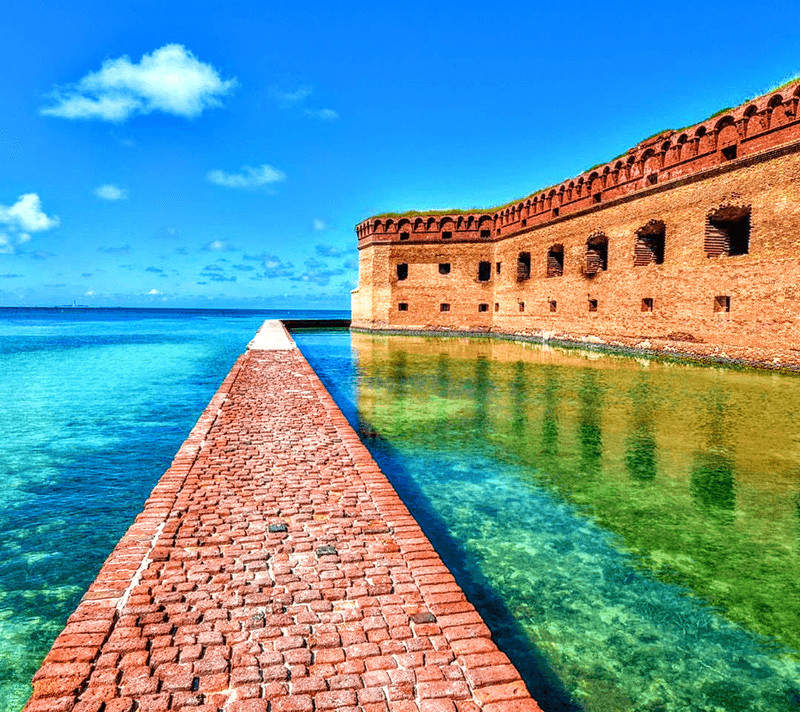
Fort Jefferson, a massive 19th-century coastal fortress built on Garden Key, is the park’s most striking landmark. Construction began in 1846 and continued for decades without the fort ever being fully completed.
It is one of the largest brick masonry structures in the Western Hemisphere, and its scale against the surrounding ocean is genuinely dramatic.
Access is by ferry or seaplane from Key West only, which keeps crowds manageable and the experience feeling genuinely remote. Snorkeling around the coral reefs, birdwatching during spring migration, and camping on Garden Key are the main draws.
Few parks in the system feel this far from the ordinary.
Channel Islands National Park, California
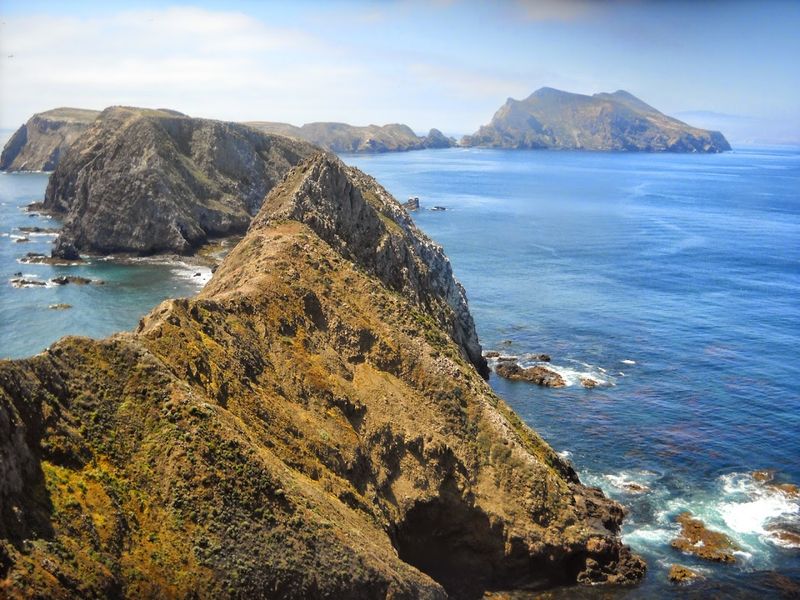
Channel Islands sits about 14 miles off the coast of Ventura, close enough to see from the mainland on a clear day but far enough to feel like a completely separate world. The park protects five islands and their surrounding ocean, and the isolation of those islands over thousands of years has produced plants and animals found nowhere else on earth.
Nearly half of the park lies beneath the ocean surface, and the kelp forests and marine life in those waters are extraordinary. Island foxes, unique to the Channel Islands, are among the most recognized examples of the endemic species that evolved here in isolation.
Kayaking through the sea caves on Santa Cruz Island is one of the more memorable outdoor experiences available anywhere in Southern California.
Getting there requires a boat or small plane, which keeps the islands quiet and relatively uncrowded even on busy weekends. Island Packers operates ferry service from Ventura and Oxnard year-round.
For anyone who thinks California’s coastline has nothing left to surprise them, Channel Islands makes a strong case otherwise.
Share this story