America is packed with famous destinations, but the real magic often hides in places most people scroll right past on a map. From desert towns buzzing with art to rocky coastlines barely touched by tourists, these spots offer something the big names rarely can: genuine surprise.
Whether you are planning a road trip or just daydreaming about your next adventure, these 15 underrated U.S. locations are seriously worth your attention.
Marfa, Texas
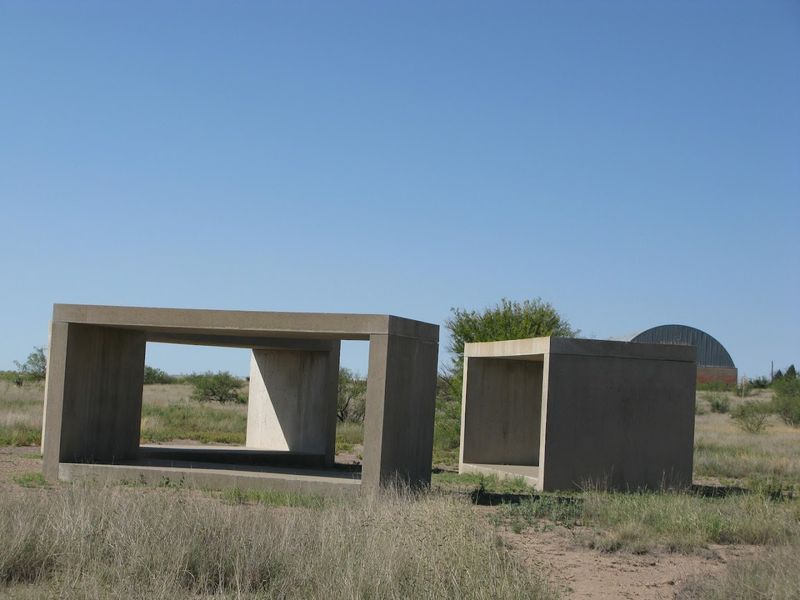
Walk down the main street of Marfa and you will immediately feel like you stumbled onto a movie set that nobody told the world about. This tiny West Texas town sits in the middle of the desert, yet somehow hosts world-class art galleries, stylish coffee shops, and a creative energy that feels completely out of place in the best way possible.
The Chinati Foundation alone is worth the drive out here.
Then there are the Marfa Lights, mysterious glowing orbs that appear near the horizon after dark. Scientists have studied them for years without a definitive answer, which makes watching them from the official viewing platform even more thrilling.
Locals talk about them casually, like spotting a neighbor walking a dog.
Sunsets here are jaw-dropping, painting the sky in shades of orange and purple over flat, endless terrain. The nights are even better, with zero light pollution turning the sky into a full planetarium show.
Marfa rewards travelers who enjoy atmosphere over packed itineraries, and it lingers in your memory long after you have left the desert behind.
Mackinac Island, Michigan
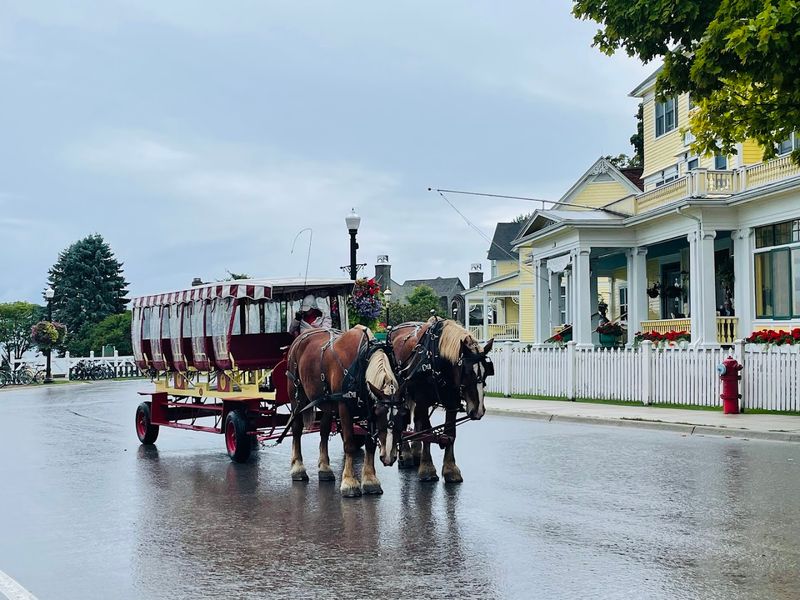
Somewhere between Michigan’s two peninsulas floats an island where the 21st century simply never arrived. Cars are completely banned on Mackinac Island, so the loudest things you will hear are clip-clopping horse hooves and bicycle bells.
That alone makes it feel like a living time capsule worth every mile of the drive to get there.
Victorian architecture lines the streets, painted in cheerful colors and stuffed with fudge shops, which the island is famously obsessed with. Locals are called “Fudgies” by some, and honestly, once you taste a fresh-cut slab of their chocolate walnut fudge, you will understand why the nickname stuck.
The Grand Hotel, with its impossibly long porch, looks like it belongs in a fairytale.
Biking the perimeter of the island takes under two hours and rewards you with sweeping lake views at every turn. Fort Mackinac sits up on the bluffs offering both history and panoramic scenery that cameras barely do justice.
Families, couples, and solo travelers all find something to love here, which is rare for a destination this small and this genuinely peaceful.
Boerne, Texas
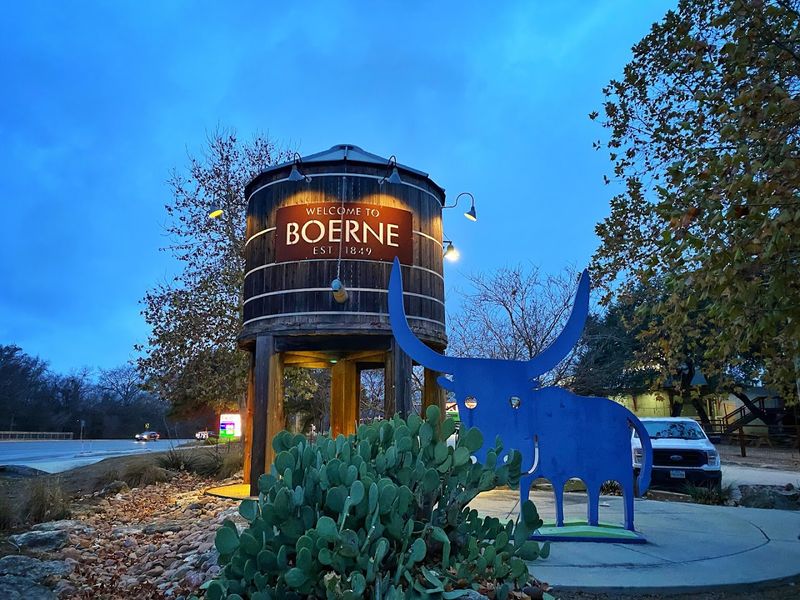
Just 30 miles north of San Antonio lies a Hill Country town that locals fiercely love and tourists somehow keep missing. Boerne pronounces its name like “Bernie,” and once you visit, you will be saying it yourself quite often when recommending it to friends.
The historic downtown is walkable, full of personality, and completely free of the tourist-trap energy that plagues bigger destinations.
The Hill Country Mile is the heart of it all, a stretch of Main Street packed with boutique shops, wine bars, and restaurants serving Texas comfort food done right. Cascade Caverns and Cave Without a Name are both nearby, offering underground adventures that genuinely impress both kids and adults.
On a warm afternoon, sitting on a patio with a local wine and a plate of smoked brisket is basically a perfect day.
The surrounding landscape adds another layer of appeal, with rolling hills, cypress-lined rivers, and wildflower fields that bloom brilliantly in spring. Boerne is the kind of town where you plan to stay one night and end up booking a second.
It moves at exactly the right pace for anyone who needs to exhale and actually relax for a weekend.
Ithaca, New York
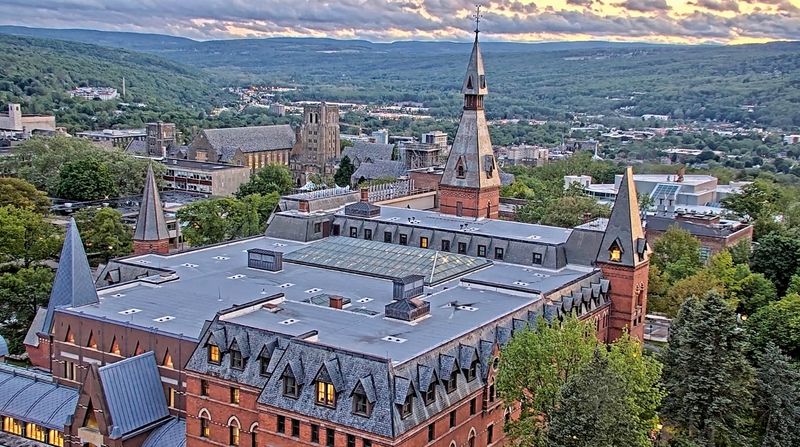
Ithaca keeps a secret that hikers and food lovers eventually figure out: it might be the most beautiful college town in America. Perched at the southern tip of Cayuga Lake in the Finger Lakes region, the city is surrounded by gorges so dramatic they look digitally enhanced in photos.
Treman State Park and Buttermilk Falls State Park both sit just minutes from downtown.
Waterfalls are everywhere here, tucked into forested ravines and accessible via trails that range from easy strolls to proper hikes. Fall transforms the whole area into a color explosion that photographers chase every October.
Even in summer, the gorge walls stay cool and mossy, making them a natural escape from the heat.
Beyond the trails, Ithaca has a food scene punching well above its weight, with farm-to-table restaurants, a vibrant farmers market running from April through December, and local wineries producing excellent Rieslings nearby. The Commons downtown has a quirky, independent-shop energy that feels refreshingly non-corporate.
Cornell University and Ithaca College give the city an intellectual buzz without making it feel stuffy, and the combination of nature, culture, and food makes Ithaca genuinely hard to leave once you have arrived.
Bandon, Oregon
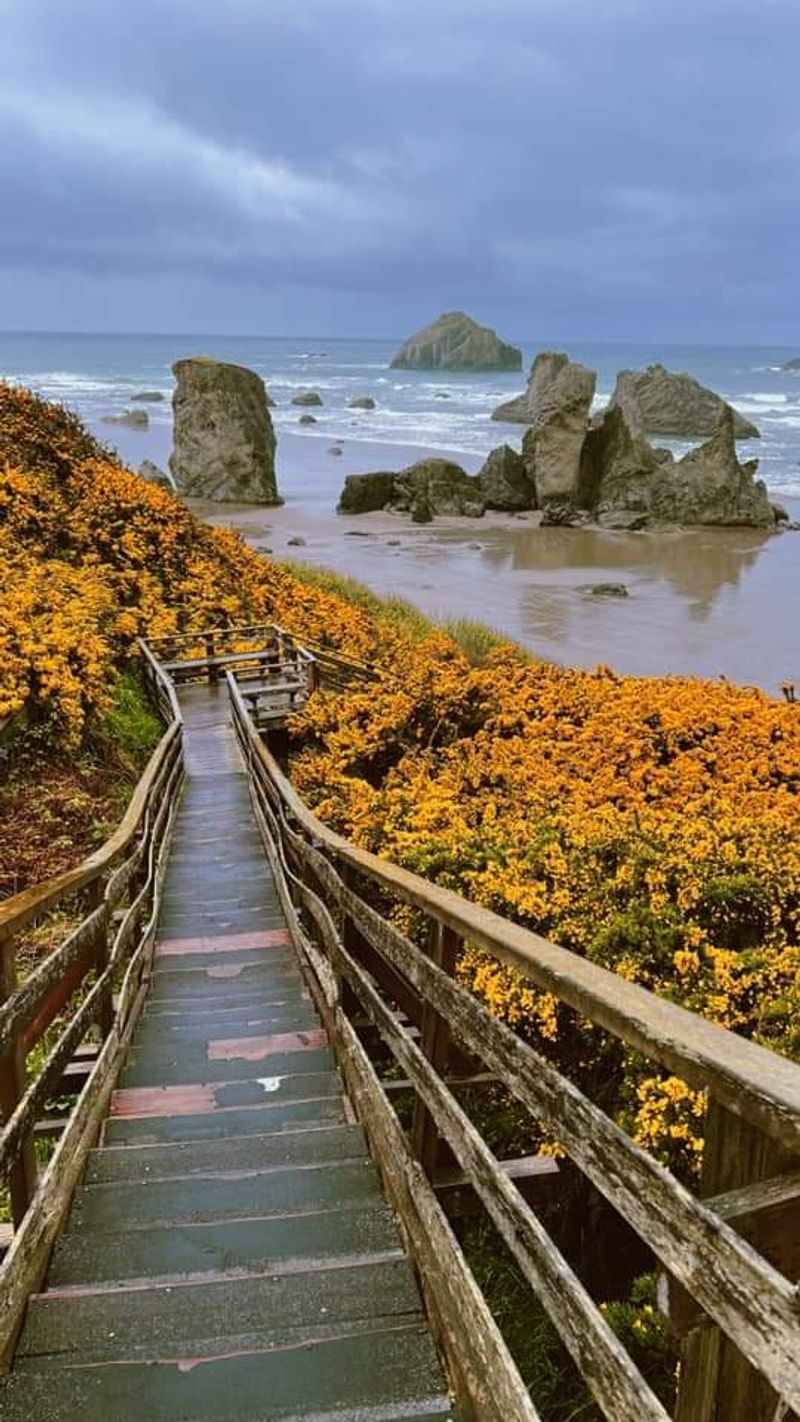
Oregon’s southern coast is not exactly unknown, but Bandon somehow stays quieter than it deserves to be. The sea stacks here are enormous, cathedral-like rock formations rising straight out of the Pacific like natural sculptures.
Face Rock Wayside is the most famous viewpoint, but honestly every beach access point in Bandon delivers something worth stopping for.
Sunset at Bandon is a full event. The light catches the rocks in a way that turns the whole coastline amber and gold, and on clear evenings, the reflections on the wet sand create a mirror effect that feels almost unreal.
Photographers know about this place, but the general traveling public has not quite caught on yet, which means you can often have stretches of beach entirely to yourself.
The town itself is small and unpretentious, with a working harbor, excellent chowder spots, and a cranberry farming culture that gives it a distinct local character. Bandon Dunes Golf Resort draws serious golfers from around the world, but you do not need clubs to appreciate the scenery.
Walking the beach at low tide, exploring tide pools, and watching pelicans cruise above the waves is more than enough to fill a very satisfying day on Oregon’s wild, underrated southern shore.
Cheaha State Park, Alabama
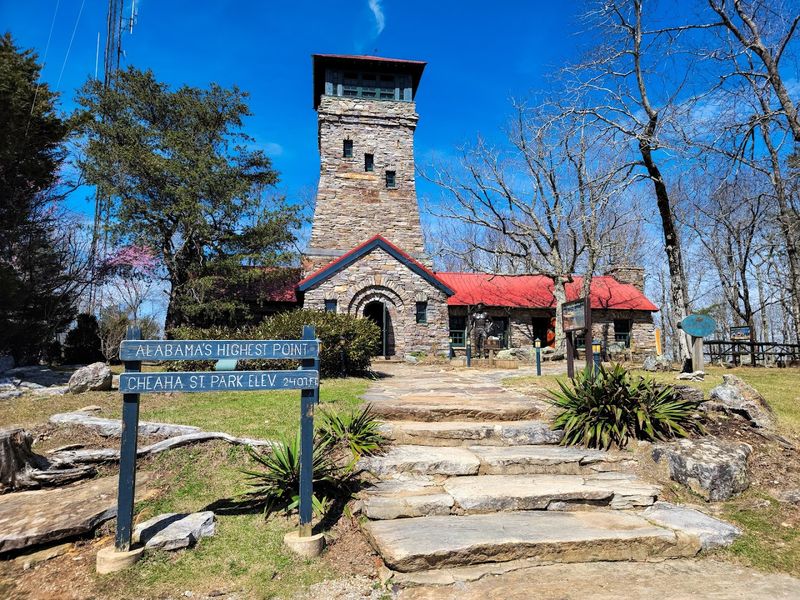
Alabama does not usually top anyone’s list of mountain destinations, which is exactly why Cheaha State Park catches people so completely off guard. At 2,413 feet, Cheaha Mountain is the highest point in the state, and the views from the granite overlooks stretch across miles of the Talladega National Forest in every direction.
It looks nothing like what most people picture when they think of Alabama.
The park has a retro charm to it, with a stone observation tower built by the Civilian Conservation Corps in the 1930s still standing proudly at the summit. Hiking trails wind through boulders and hardwood forests, passing small waterfalls and rocky outcrops that reward curious explorers.
Bald Rock Trail is a short but spectacular walk that ends at a massive flat granite slab with zero-barrier views of the valley below.
Camping, cabins, and a lodge are all available, making it easy to settle in for more than just a day trip. Fall brings serious foliage color, while spring fills the forest floor with wildflowers.
Cheaha gets busy on weekends but rarely feels crowded compared to more famous Southern parks. For anyone willing to look past Alabama’s beach reputation, these mountains offer a genuinely stunning and underappreciated outdoor escape.
Sheboygan, Wisconsin
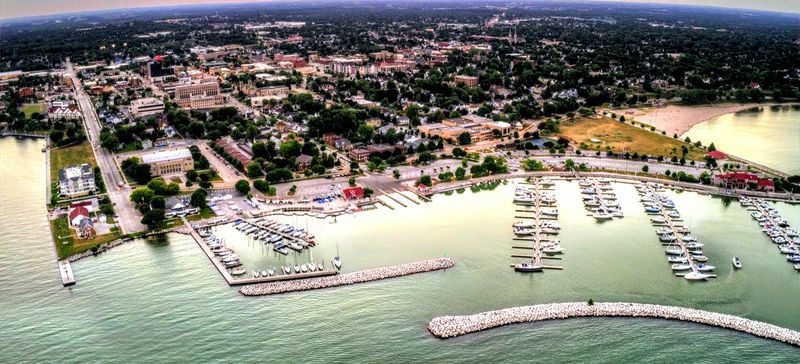
Sheboygan sits on the western shore of Lake Michigan and has been quietly building one of the Midwest’s most surprising travel reputations. Yes, it is famously the Bratwurst Capital of the World, which is already a compelling reason to visit.
But beyond the grilling culture, Sheboygan has beaches, a legitimate surf scene, world-class art, and a lakefront vibe that genuinely rivals more famous Great Lakes destinations.
The surfing part surprises most people. Lake Michigan generates real waves, especially in fall, and Sheboygan has a dedicated community of cold-water surfers who hit the water in full wetsuits even when the temperatures drop.
Watching them from the pier while eating a brat from a local stand is a deeply Wisconsin experience that is hard to replicate anywhere else.
The John Michael Kohler Arts Center downtown is a nationally recognized contemporary arts institution that feels completely unexpected in a mid-sized Midwestern city. The lakefront trail, marina, and Kohler-Andrae State Park add layers of outdoor appeal.
Sheboygan also sits close to Kohler village, home to American Club, a luxury resort that draws visitors from across the country. All of this in a city most people have only heard of in the context of bratwurst makes Sheboygan one of the Midwest’s genuinely exciting hidden gems.
Cades Cove, Tennessee
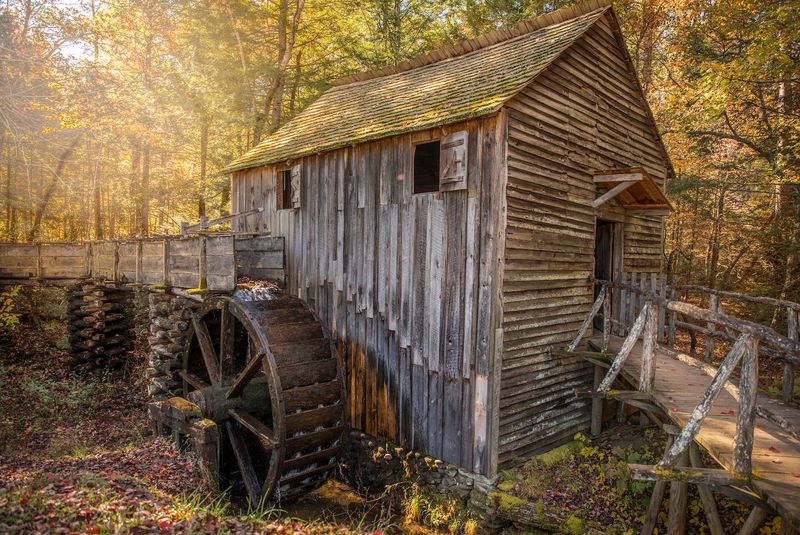
Early morning in Cades Cove feels like the world forgot to wake up alongside you. Mist hangs low over the open valley, deer graze in the meadows without a care, and occasionally a black bear ambles along the tree line as if doing a routine neighborhood check.
This 11-mile loop road inside Great Smoky Mountains National Park is one of the most atmospheric drives in the entire country.
Historic preserved structures dot the landscape, including log cabins, grist mills, and old churches dating back to the 1800s. The settlers who once called this valley home left behind buildings that still stand in remarkable condition, giving the cove a layered sense of history that feels genuinely moving rather than just educational.
The Cable Mill area is particularly well preserved and worth stopping to explore on foot.
Wildlife sightings here are almost guaranteed. White-tailed deer are constant companions on the loop, and patient visitors often spot wild turkeys, coyotes, and the park’s famous black bears, especially at dawn and dusk.
Arriving early on a weekday dramatically improves the experience since the loop can get congested by midday. For anyone visiting the Smokies who wants scenery, history, and wildlife in one unforgettable package, Cades Cove quietly delivers on all three.
Santa Fe, New Mexico
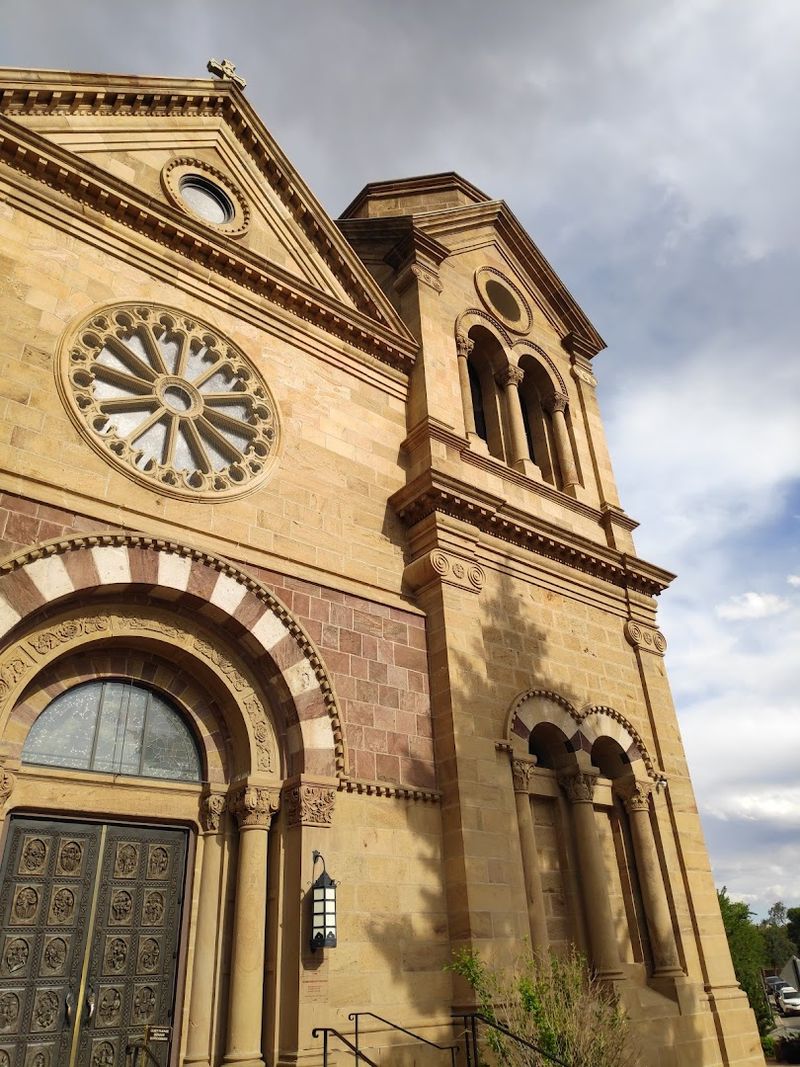
No other American city looks quite like Santa Fe, and that is not an accident. Building codes here actually require adobe-style architecture, which means the entire city maintains a warm, earth-toned aesthetic that feels both ancient and artfully designed.
Walking the narrow streets near the Plaza feels like being inside a living painting, with turquoise doors, terracotta walls, and flowering cactus gardens everywhere you turn.
The cultural depth here is extraordinary. Santa Fe blends Native American, Spanish colonial, and Mexican influences in ways that show up in the food, the art, the festivals, and the architecture all at once.
Canyon Road is lined with over 100 galleries, making it one of the densest art districts in the country. The Georgia O’Keeffe Museum draws visitors specifically to see how the surrounding landscape inspired some of the 20th century’s most iconic paintings.
The food scene alone justifies the trip. New Mexican cuisine is its own category entirely, built around roasted green and red chiles that appear in everything from eggs to enchiladas.
The question every server asks, “red or green?” referring to chile sauce, is practically a local greeting. Add in the high-desert climate, outdoor hiking, and ski slopes just 16 miles away, and Santa Fe becomes one of the most complete travel destinations in the entire Southwest.
Big Sur, California
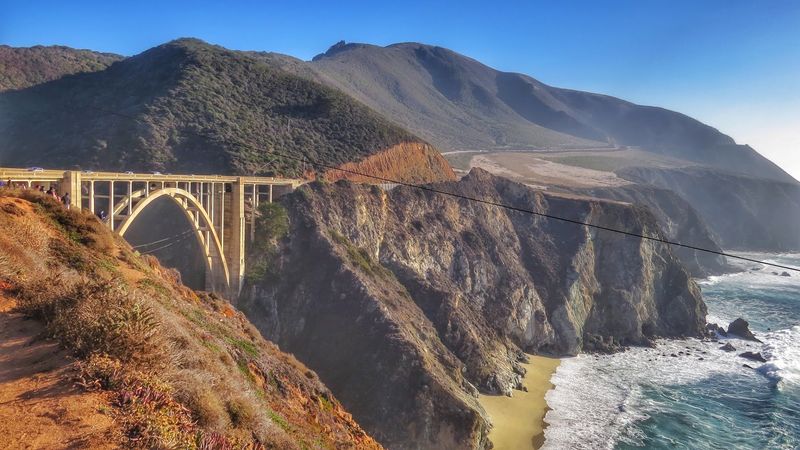
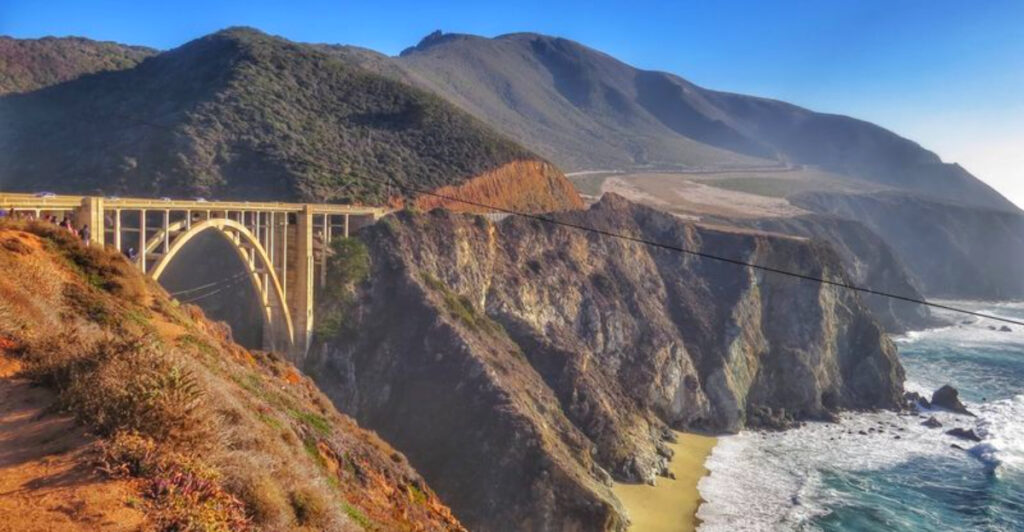
The first time you drive Highway 1 through Big Sur, your instinct will be to pull over every five minutes, and you absolutely should. Cliffs drop hundreds of feet straight into the Pacific Ocean, the road curves dramatically around every headland, and the scale of it all is genuinely hard to process from inside a car.
Big Sur is one of those rare places that photographs cannot fully capture no matter how good the camera.
McWay Falls tumbles 80 feet directly onto an untouched beach cove that you can view from a short trail but cannot access on foot, which somehow makes it even more mesmerizing. Pfeiffer Big Sur State Park offers redwood groves, river swimming holes, and campgrounds that book up months in advance for good reason.
The combination of coastal drama and old-growth forest within the same park is genuinely unusual.
Restaurants and lodges along the route are limited but memorable, with places like Nepenthe offering meals on a terrace suspended 800 feet above the ocean. Cell service disappears in long stretches, which forces a welcome disconnection that most travelers secretly appreciate.
Despite its reputation among road-trip enthusiasts, Big Sur still surprises first-timers with just how raw, vast, and breathtaking California’s central coast truly is.
Fredericksburg, Texas
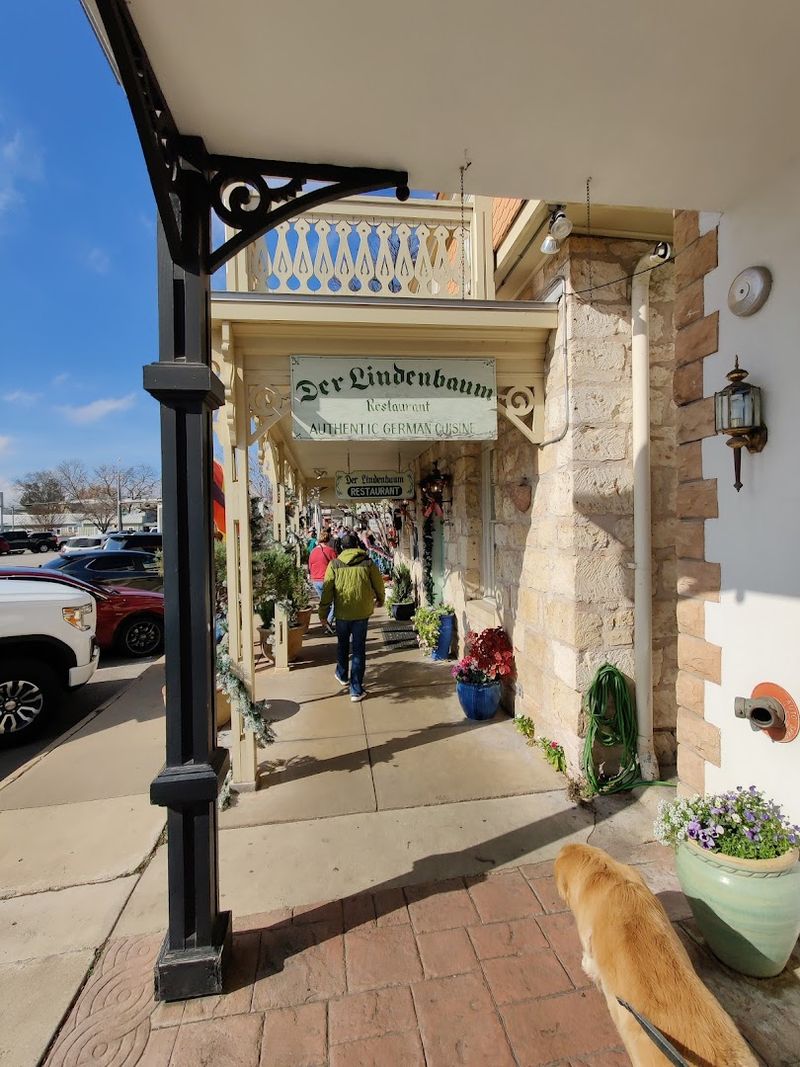
Fredericksburg is the kind of town that makes you wonder why you did not move there years ago. Settled by German immigrants in the 1840s, the town still carries its heritage proudly in its architecture, its food, and its annual Oktoberfest celebrations that draw crowds from across Texas.
The wide limestone Main Street is lined with wine tasting rooms, antique shops, boutiques, and bakeries selling strudel and kolaches side by side.
The Texas Hill Country wine trail puts Fredericksburg at its center, with dozens of wineries within a short drive offering tastings in settings ranging from rustic barns to elegant hilltop terraces. Becker Vineyards and Grape Creek Vineyards are local favorites that consistently produce wines worthy of any serious collection.
Peach season in summer brings an entirely different crowd, with roadside stands selling Hill Country peaches that taste nothing like what you find in a grocery store.
The National Museum of the Pacific War sits right in town and offers one of the most comprehensive World War II exhibits in the country, a surprising cultural anchor for such a small destination. Bed-and-breakfasts called Sunday Houses dot the town, a nod to the German tradition of keeping a small town home for weekend visits.
Fredericksburg earns every bit of its devoted following and then some.
Badlands National Park, South Dakota
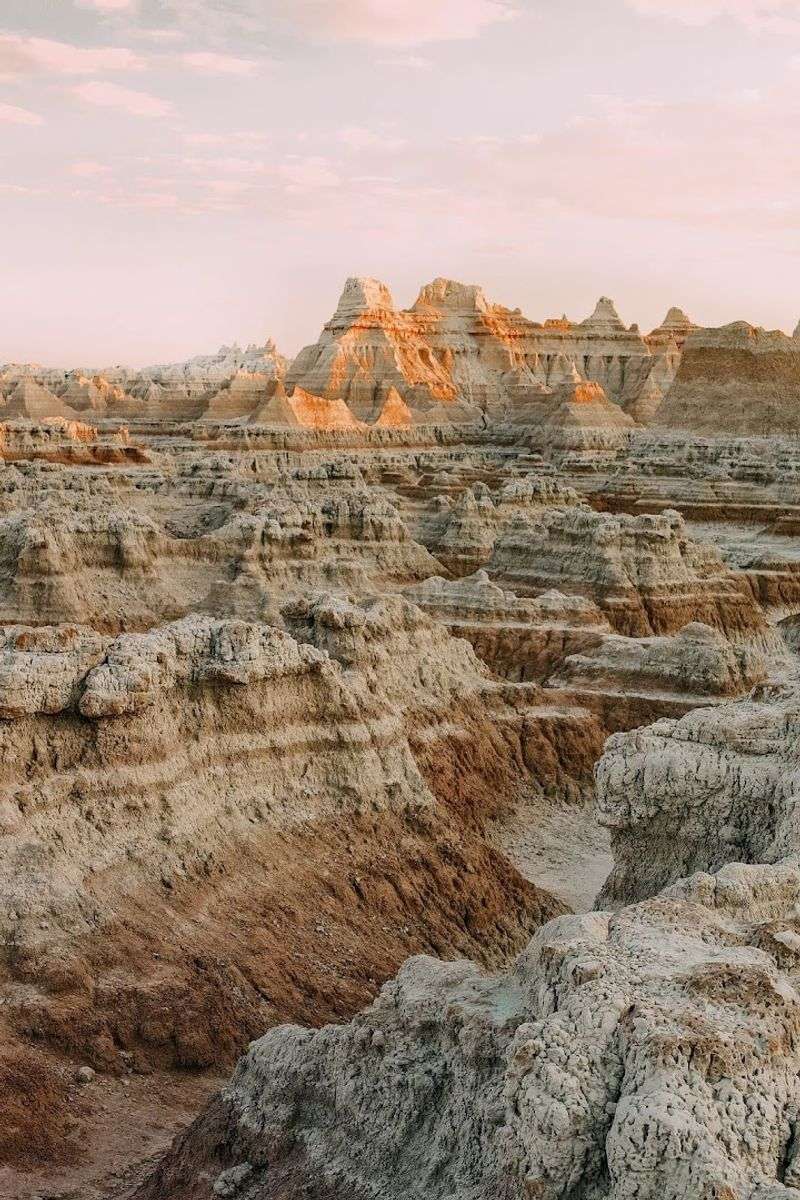
Nothing quite prepares you for your first look at the Badlands. The landscape erupts from the flat South Dakota prairie without warning, a sudden explosion of jagged peaks, eroded canyons, and striped rock formations in colors that shift from deep red to pale yellow depending on the light.
It looks like another planet dropped into the middle of the Great Plains, and the effect is genuinely startling.
Sunrise and sunset here are transformative experiences. The low-angle light catches every ridge and spire, turning the formations into something that resembles a natural cathedral.
The park road offers multiple pullouts with unobstructed views, making it accessible even without major hiking. For those who do hit the trails, the Notch Trail delivers one of the most dramatic panoramas in the entire National Park System.
Wildlife is abundant and surprisingly easy to spot. Bison herds wander through the park freely, bighorn sheep navigate the steep rock faces with casual confidence, and prairie dog towns pop up along roadsides with entertaining regularity.
The park receives far fewer visitors than Yellowstone or the Grand Canyon, which means you can often stand at a major overlook in near-complete silence. That silence, combined with the alien landscape all around you, makes the Badlands one of America’s most underappreciated national treasures.
Lubec, Maine
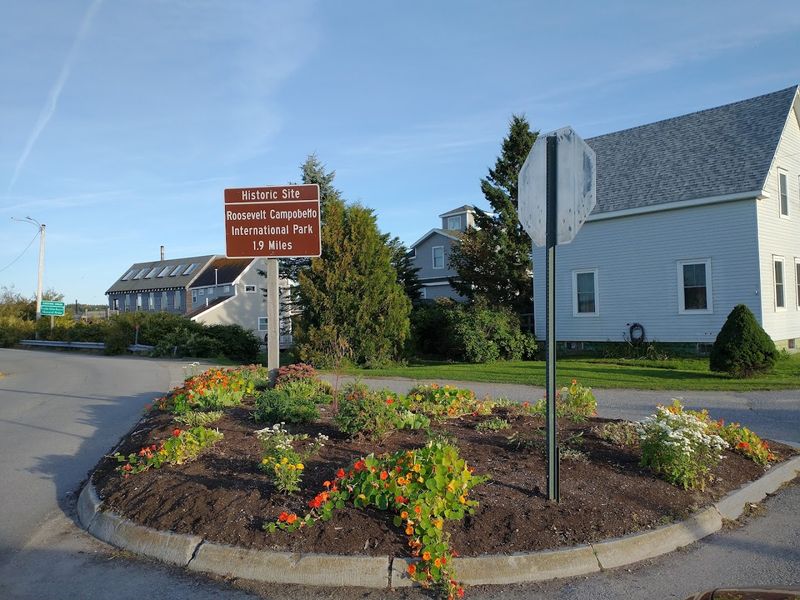
Lubec holds a geographic distinction that most Americans have never thought about: it is the easternmost town in the entire United States. Every sunrise hits Lubec before anywhere else in the country, and watching that first light spread across the Atlantic from West Quoddy Head is an experience that feels genuinely earned and quietly profound.
The red-and-white-striped lighthouse standing against the grey ocean is one of Maine’s most iconic images.
The town itself is small, weathered, and honest in the way that only real working fishing communities can be. There are no manufactured tourist attractions here, just rocky shores, salt air, lobster boats in the harbor, and the kind of authentic New England character that more famous Maine destinations have gradually lost.
Campobello Island, where Franklin D. Roosevelt had his summer cottage, sits just across a bridge into Canada and adds an unexpected historical dimension to any visit.
Cobscook Bay State Park nearby offers kayaking, camping, and tidal flats that expose dramatic seascapes at low tide. Bald eagles are common sights overhead, and the wildlife in general feels wilder and less managed than in more trafficked coastal parks.
Lubec rewards travelers who are willing to drive a long way for something genuinely quiet, genuinely beautiful, and completely free of the polish that comes with mainstream tourism.
Mancos, Colorado
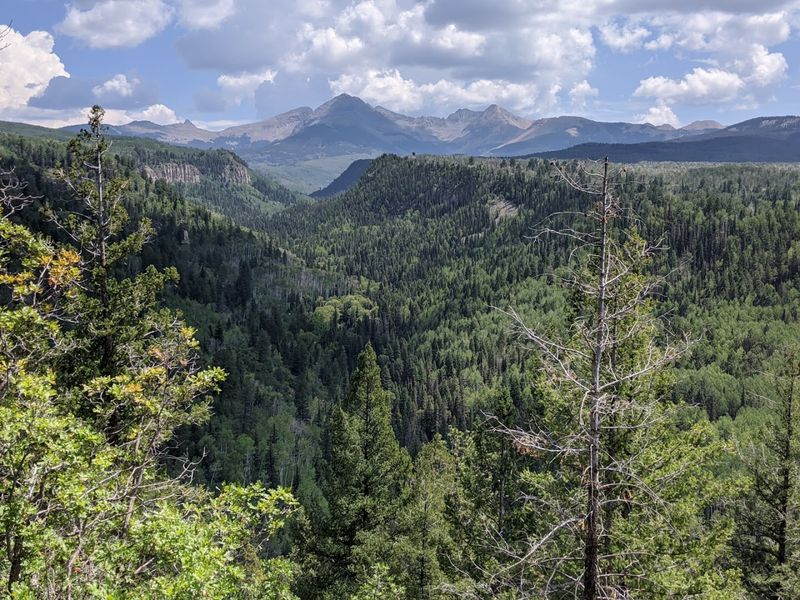
Tucked into a valley at the foot of the La Plata Mountains, Mancos is the kind of Colorado town that Aspen used to be before the money arrived. The population hovers around 1,300 people, the main street has a general store and a handful of art studios, and the surrounding landscape is the kind of rugged, high-desert mountain scenery that makes you want to sit outside and do absolutely nothing for several hours.
The town’s biggest ace is its location: Mesa Verde National Park is just 7 miles away. Most visitors to Mesa Verde base themselves in Cortez or Durango, completely missing Mancos and its charming proximity to one of the most archaeologically significant sites in North America.
The ancient Ancestral Puebloan cliff dwellings at Mesa Verde are extraordinary, and exploring them from a quiet small-town base makes the experience feel even more special.
Mancos has a growing arts community that punches well above its size, with galleries, a summer farmers market, and an annual arts festival that draws regional talent. The Mancos River runs through town, offering easy fishing and peaceful walking.
Mountain biking and horseback riding trails fan out in every direction. For travelers who want Colorado’s legendary scenery without Colorado’s legendary prices and crowds, Mancos is the answer hiding in plain sight.
Savannah, Georgia
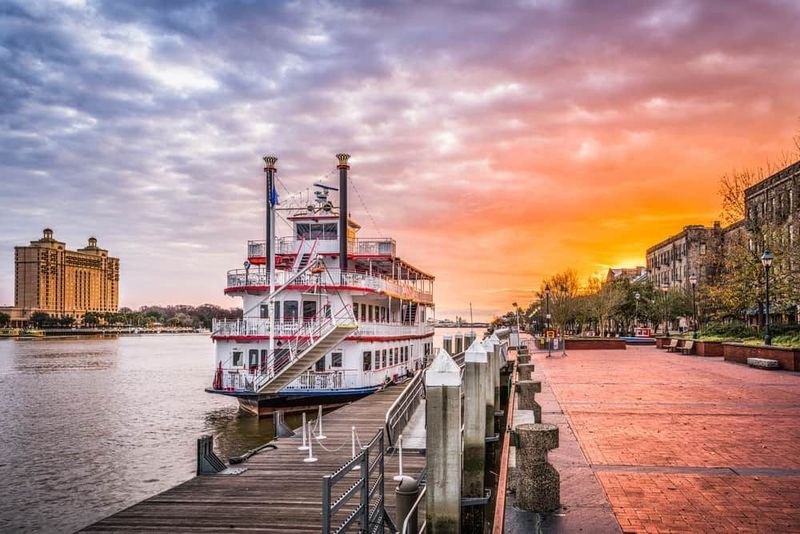
Spanish moss hangs from ancient live oaks like something out of a Southern novel, and in Savannah, that scene is not a backdrop but the actual city itself. Twenty-two historic squares are woven into the street grid, each one a shaded park surrounded by antebellum mansions, church steeples, and iron-gate gardens.
Walking between them feels like wandering through chapters of American history with a very good soundtrack of cicadas and jazz.
The riverfront adds another dimension entirely. Factor’s Walk and River Street run along the Savannah River, lined with converted cotton warehouses now housing restaurants, galleries, and shops.
Watching cargo ships glide silently past at eye level while eating shrimp and grits on a riverside patio is a distinctly Savannah experience that never gets old. The city’s culinary scene has grown dramatically in recent years without losing its soul food roots.
Ghost tours are a legitimate industry here, and the city’s reputation for being one of America’s most haunted is taken seriously by locals and visitors alike. Whether or not you believe in ghosts, the stories tied to Savannah’s cemeteries and historic homes are genuinely fascinating.
Compared to Charleston or New Orleans, Savannah still feels slightly underdiscovered, which means the crowds are manageable and the city’s extraordinary character remains fully intact and completely worth experiencing.
Share this story