 Unearth The Voyage
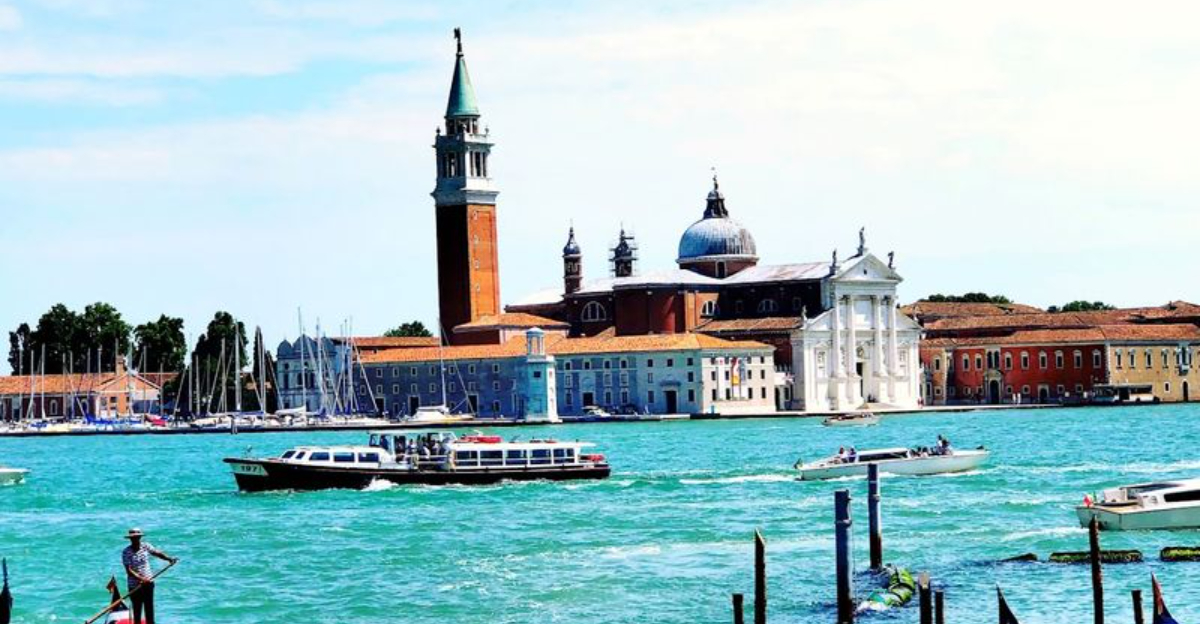
Most people visit UNESCO World Heritage Sites armed with a camera and a mission to snap that one perfect shot. But here’s the thing: the famous photo is usually just the tip of the iceberg.
Every one of these sites holds layers of history, science, and culture that most tourists completely overlook. I learned this the hard way on my first trip to a UNESCO site, when I walked right past a 2,000-year-old water channel because I was too busy looking for the perfect angle.
Machu Picchu, Peru
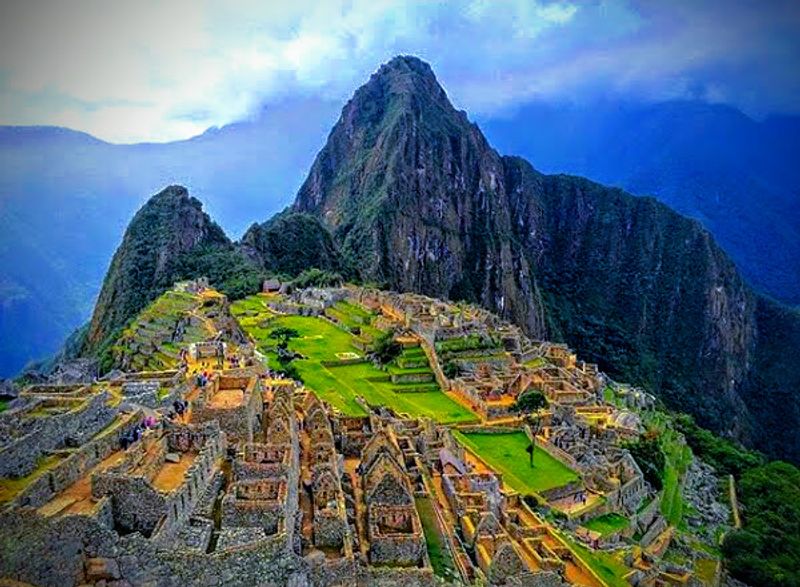
Forget everything you think you know about Machu Picchu after seeing it on a travel mug. The real experience starts long before you reach the ruins themselves.
The site sits inside a protected biosphere sanctuary, meaning the surrounding cloud forest is just as much a part of the UNESCO listing as the stone terraces.
Wildlife shows up unannounced here. Spectacled bears, Andean condors, and dozens of orchid species all share this mountain landscape with the ancient stones.
Most visitors spend their entire time at the citadel and completely miss the broader sanctuary.
The Inca Trail leading to the site passes through multiple ecological zones, each one dramatically different from the last. Booking a guided trek rather than just the final entry gives you a genuinely fuller picture.
UNESCO specifically recognized both the cultural and natural values here, and that dual status is rare. This is one place where slowing down actually pays off big.
Angkor, Cambodia
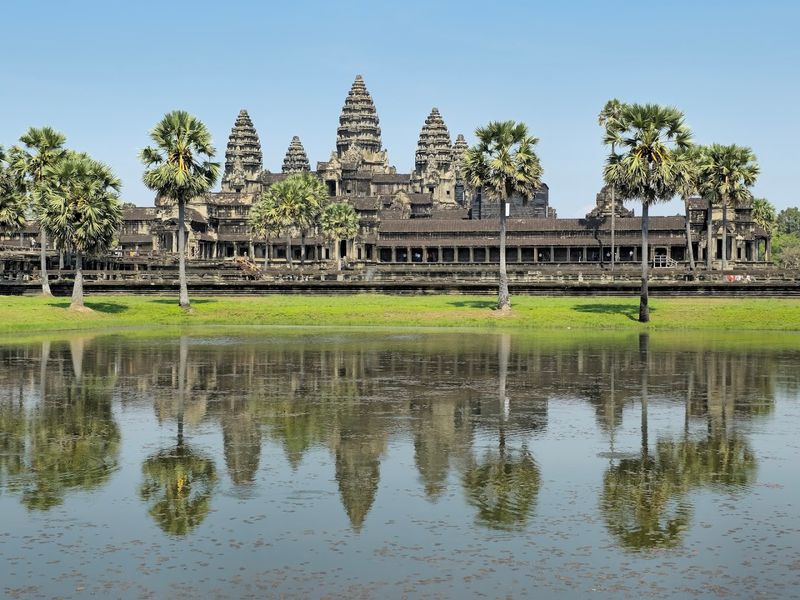
Angkor Wat’s silhouette at sunrise is genuinely spectacular, but treating it as the whole story is like reading only the first page of a novel. The UNESCO-listed archaeological park stretches across roughly 400 square kilometers, making it one of the largest religious monuments ever built by human hands.
Beyond Angkor Wat, there are dozens of other temple complexes scattered through the forest. Ta Prohm, famously swallowed by tree roots, and Banteay Srei, carved in pink sandstone with extraordinary detail, both deserve serious time.
Most visitors rush through on a one-day loop and miss both.
The park also preserves the remains of multiple successive Khmer capitals, each built on top of or beside the last. Hydraulic engineers still study the ancient water management system here, which once supported a city of over a million people.
Renting a bicycle and spending three or four days exploring beats any rushed tour bus schedule, guaranteed.
Mont-Saint-Michel, France
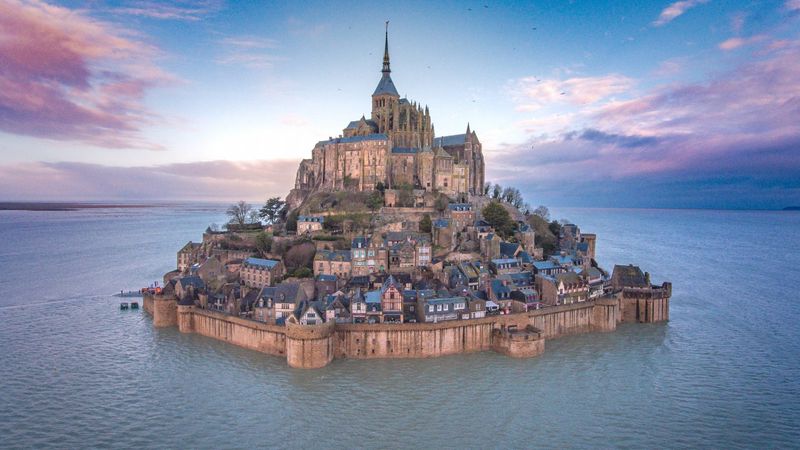
The postcard shot of Mont-Saint-Michel rising from the sea is earned, but the tides here are the real show-stopper. This stretch of coast between Normandy and Brittany has some of the most powerful tidal movements in all of Europe, with water levels shifting by up to 15 meters in a single cycle.
UNESCO’s listing covers not just the Gothic abbey crowning the island but also the surrounding bay, the sandbanks, and the remarkable engineering feat of the medieval village clinging to the rock below. The abbey itself took nearly 500 years to complete and blends Romanesque and Gothic styles in ways that still impress architects today.
Visiting at low tide lets you walk across the exposed sandflats to the island, which feels almost theatrical. Going with a guide who knows the tidal schedule is strongly recommended, since the water returns faster than most people expect.
The bay has claimed more than a few overconfident tourists over the centuries.
Cinque Terre, Italy
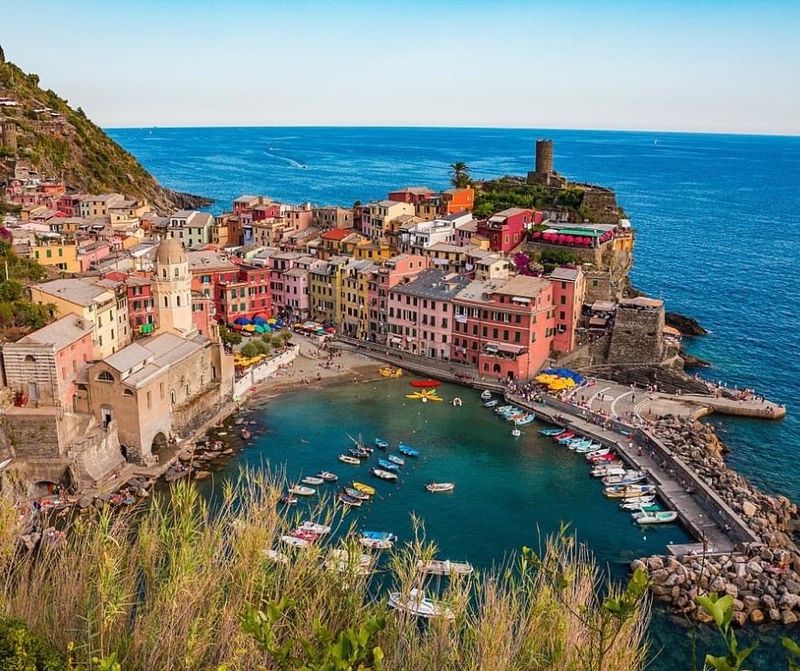
Five villages, zero flat ground, and centuries of stubbornness shaped into one of the most extraordinary cultural landscapes in Europe. Cinque Terre’s famous colored houses are charming, but UNESCO recognized this place for something deeper: the relationship between people and impossibly steep terrain over hundreds of years.
The terraced vineyards here were carved by hand into cliff faces that would make most farmers quit on day one. Dry-stone walls hold everything together, and locals have been maintaining them for generations.
When the walls crumble, so do the vineyards, and that slow erosion is actually a real conservation concern today.
The five villages, Monterosso, Vernazza, Corniglia, Manarola, and Riomaggiore, each have their own distinct personality. Hiking the coastal trail between them takes a full day and offers perspectives that no Instagram grid can replicate.
Visiting in spring or October means fewer crowds and a much better chance of actually enjoying the trails without bumping into someone’s selfie stick every three steps.
Petra, Jordan
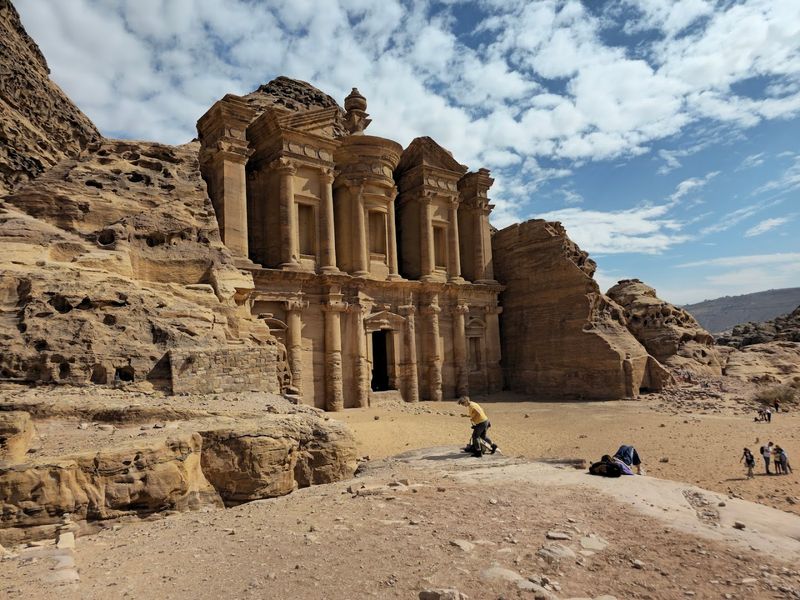
The Treasury facade is breathtaking, full stop. But here’s what the famous photo never shows: Petra is massive, and most visitors see maybe 10 percent of it before heading back to their hotel.
UNESCO describes the site as half-built and half-carved directly into rose-red rock, spread across a landscape of mountains and dramatic gorges.
The water system alone deserves its own documentary. The Nabataeans engineered an elaborate network of channels, dams, and cisterns that collected and stored rainwater in a desert environment.
This is what actually allowed a city of 20,000 people to thrive here over 2,000 years ago.
Beyond the Treasury, the Royal Tombs, the Colonnaded Street, the Great Temple, and the Monastery (even more impressive than the Treasury, just a longer climb) all wait for those willing to walk further. Arriving at opening time and staying past noon gives you a dramatically different experience from the midday crowd rush.
Comfortable shoes are non-negotiable here.
Hoi An, Vietnam
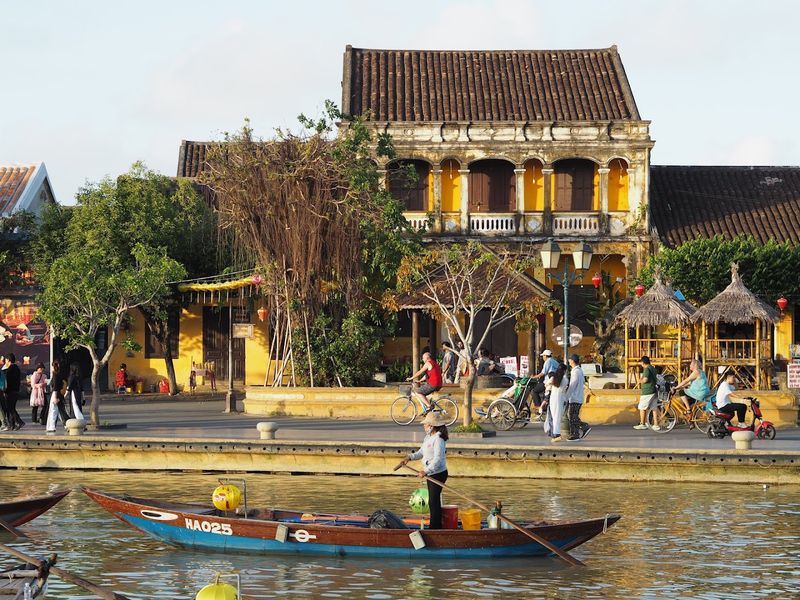
Hoi An is the rare UNESCO site where the living town and the heritage site are the same thing. People actually live and work inside the ancient core, which makes it feel less like a museum and more like a genuinely inhabited piece of history.
UNESCO recognized it as an exceptionally well-preserved Southeast Asian trading port.
The architecture tells the story of centuries of international trade. Japanese merchant houses sit beside Chinese assembly halls, and French colonial buildings share streets with Vietnamese tube houses.
Each layer reflects a different wave of traders who passed through and left something behind.
The Thu Bon River was the key to Hoi An’s commercial success, and boat trips along it still reveal parts of the town most foot traffic misses. The surrounding countryside, with its rice paddies and traditional fishing villages, is also part of the broader cultural landscape.
Renting a bicycle and cycling out to An Bang beach takes about 20 minutes and feels like a completely different world.
Galapagos Islands, Ecuador
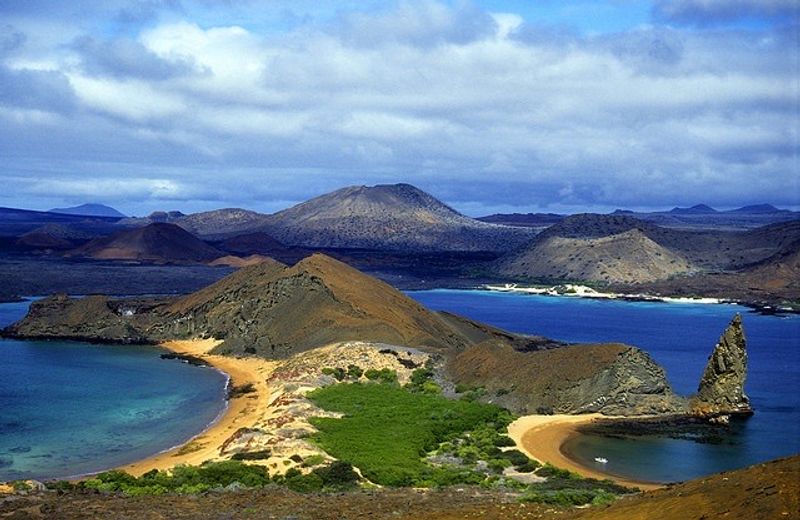
Charles Darwin’s famous notebook got a serious workout here, and it’s easy to see why. The Galapagos Islands sit at the meeting point of three major ocean currents, creating a marine environment so biologically rich that UNESCO called it a living museum and showcase of evolution.
That’s not marketing language; it’s an accurate scientific description.
The wildlife here operates on a completely different level from anywhere else on Earth. Marine iguanas, flightless cormorants, blue-footed boobies, and giant tortoises all evolved in isolation, which means they have essentially no fear of humans.
Getting close to them without disturbing them is genuinely possible.
The marine reserve surrounding the islands is one of the largest in the world and protects ecosystems ranging from tropical coral reefs to cold-water upwellings. Snorkeling with sea lions, hammerhead sharks, and sea turtles in the same session is a regular Tuesday out here.
Choosing a responsible, licensed operator matters enormously for the long-term health of this place.
Yellowstone National Park, United States
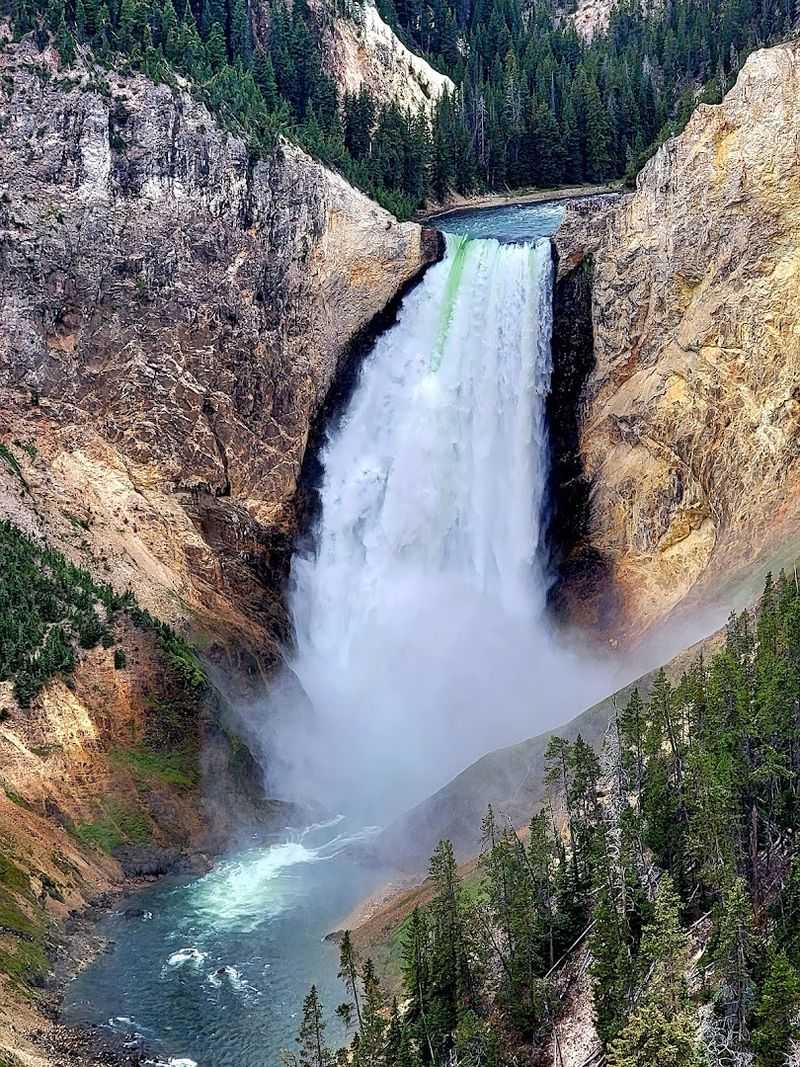
Old Faithful is great, but it represents maybe 0.01 percent of what Yellowstone actually contains. The park sits on top of one of the most geologically active volcanic systems on the planet, and UNESCO recognized it partly because it holds more than half of all known active geysers in the entire world.
Over 10,000 geothermal features are packed into this one park.
The Grand Prismatic Spring, the largest hot spring in the United States, displays colors so vivid they look digitally enhanced in photos. They’re not.
The colors come from heat-loving microorganisms called thermophiles, which are actually being studied by scientists as potential models for life on other planets.
Wolves were reintroduced to Yellowstone in 1995, and the ecological ripple effects transformed the entire park in ways that scientists still study today. The Lamar Valley in the northeast offers the best wildlife watching, especially at dawn and dusk.
Spending time away from the main geyser basin reveals a park that goes far beyond any single famous feature.
Ancient Kyoto, Japan
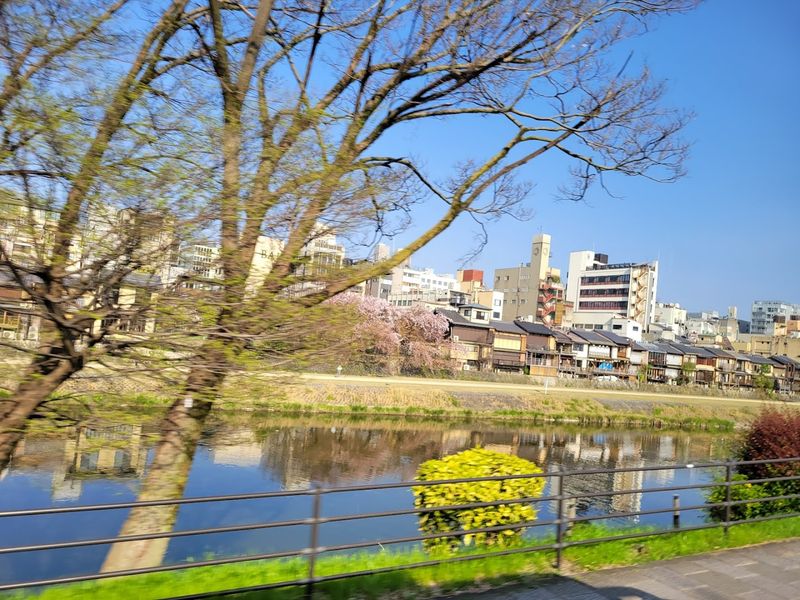
Kyoto handles 50 million visitors a year, which sounds chaotic until you realize the city has 17 separate UNESCO-listed component sites spread across it. Most tourists concentrate on three or four of the most famous spots and declare themselves done.
That’s like visiting Paris and only seeing the Eiffel Tower gift shop.
The UNESCO listing specifically highlights Kyoto’s centuries-long role as Japan’s cultural capital and its profound influence on Japanese garden design, wooden architecture, and ceremonial arts. The gardens here aren’t decorative; they’re philosophical statements about the relationship between humanity and nature, developed over hundreds of years.
Nijo Castle, Kinkaku-ji, Ryoan-ji, and the Arashiyama bamboo district each offer genuinely different experiences. Visiting in November for autumn foliage rather than spring cherry blossom season means dramatically smaller crowds with equally spectacular scenery.
The city also rewards slow walkers. Getting lost in the Higashiyama district on a weekday morning, with almost no one else around, is one of travel’s genuinely underrated pleasures.
Cappadocia, Turkiye
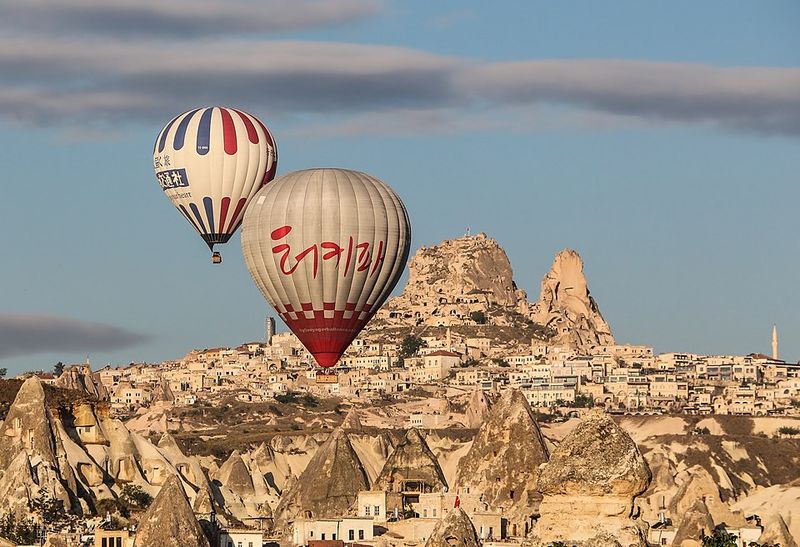
Yes, the balloon photos are worth it. But Cappadocia’s UNESCO listing has almost nothing to do with the balloons, which are a modern tourism invention.
UNESCO recognized Goreme and the surrounding region for something far older: a landscape sculpted by millions of years of volcanic eruptions and erosion into an almost alien terrain of cone-shaped rock formations called fairy chimneys.
Early Christians carved entire cities underground here to hide from persecution. Derinkuyu, one of the largest subterranean cities ever discovered, descends eight levels below ground and once sheltered around 20,000 people along with their livestock and food stores.
Walking through it is genuinely jaw-dropping.
The rock-hewn churches of the Goreme Open Air Museum contain Byzantine frescoes dating back over 1,000 years, painted in extraordinary detail inside cave walls. Hiking the Rose Valley or Pigeon Valley at midday, when most tourists are napping or shopping, gives you the landscape almost entirely to yourself.
The geology here rewards curiosity more than any balloon ride.
Dubrovnik, Croatia
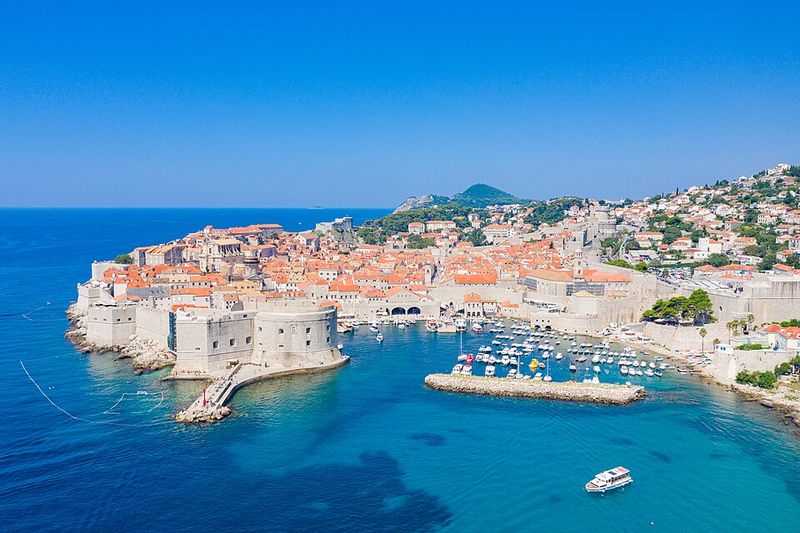
Walking Dubrovnik’s city walls is one of the great urban experiences in Europe, and the views over the Adriatic are genuinely hard to beat. But the walls themselves are only the frame around a much richer picture.
UNESCO’s listing covers an entire historic core packed with Gothic, Renaissance, and Baroque architecture all within a remarkably compact area.
The Rector’s Palace, the Franciscan Monastery with its 14th-century pharmacy (one of the oldest still-operating in Europe), the Cathedral, and multiple ornate fountains all sit within easy walking distance of each other. The city was a fiercely independent maritime republic for over 400 years, which explains why so much wealth ended up concentrated inside these walls.
Dubrovnik was heavily shelled during the early 1990s conflict and has since been painstakingly restored. That restoration story adds a layer of meaning that most visitors never explore.
Visiting in May or October instead of peak summer cuts the crowds significantly and makes the narrow streets actually navigable without constant elbow contact.
Great Barrier Reef, Australia
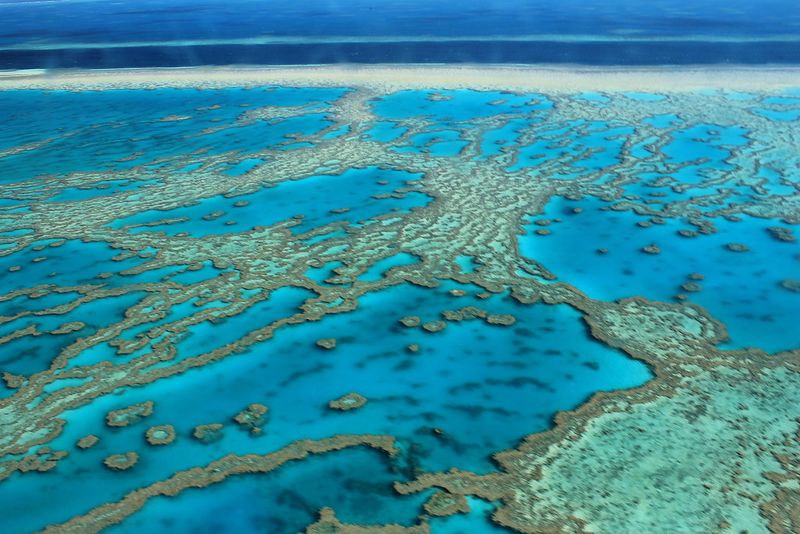
The aerial shots of the Great Barrier Reef look like abstract art, but the real complexity is underwater and it’s staggering. UNESCO recognized this as the world’s largest coral reef system, containing around 3,000 individual reefs and 900 islands stretched over 2,300 kilometers of Queensland coastline.
No single photo comes close to capturing its scale.
The biodiversity numbers here are almost comically large. Around 400 types of coral, 1,500 species of fish, 4,000 types of mollusk, and six of the world’s seven species of marine turtle all call this reef home.
Dugongs, dwarf minke whales, and dolphins also make regular appearances.
Snorkeling and diving obviously get you closest to the action, but glass-bottom boat tours and semi-submersible vessels offer genuine access for non-swimmers too. The reef is under serious climate pressure, with bleaching events increasing in frequency.
Choosing reef-safe sunscreen and licensed operators who actively support conservation research makes a measurable difference here, not just a symbolic one.
Venice and Its Lagoon, Italy
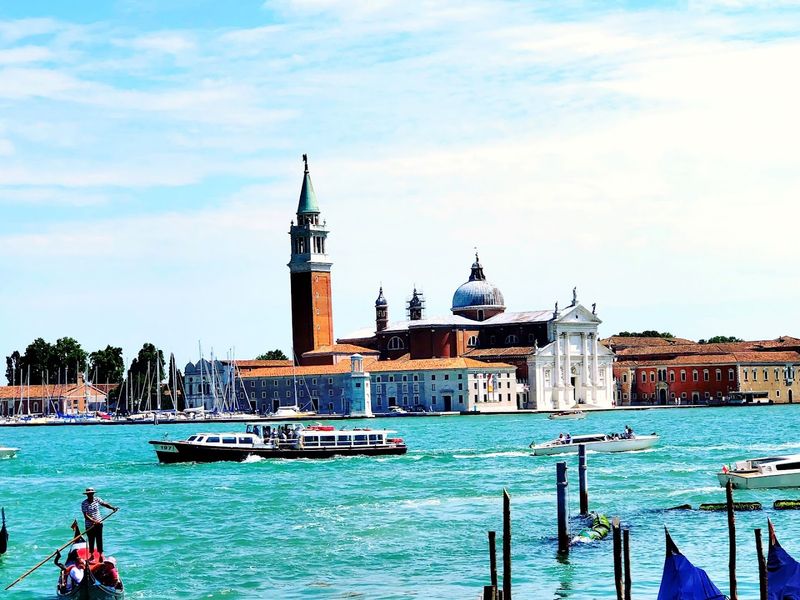
Venice is genuinely unlike anywhere else on Earth, and the UNESCO listing knows it. The site covers not just the famous canal city but the entire lagoon surrounding it, an ecosystem that took centuries to engineer and that still functions as a working relationship between human settlement and water.
Spread across 118 small islands, it was once the most powerful maritime empire in the Mediterranean.
The lagoon itself is the often-missed half of the experience. The islands of Murano, famous for glassblowing traditions dating to 1291, Burano with its brightly painted fishermen’s houses, and Torcello with its Byzantine cathedral predate much of Venice’s main island.
A lagoon boat trip connecting several of them takes a full day and feels completely different from the main tourist circuit.
Venice is sinking, slowly and measurably, and the science behind that process is fascinating. The MOSE flood barrier project, decades in the making, finally became operational in 2020.
Understanding what this city has done to survive adds a dimension to every canal view that no gondola selfie can provide.
Rapa Nui National Park, Chile
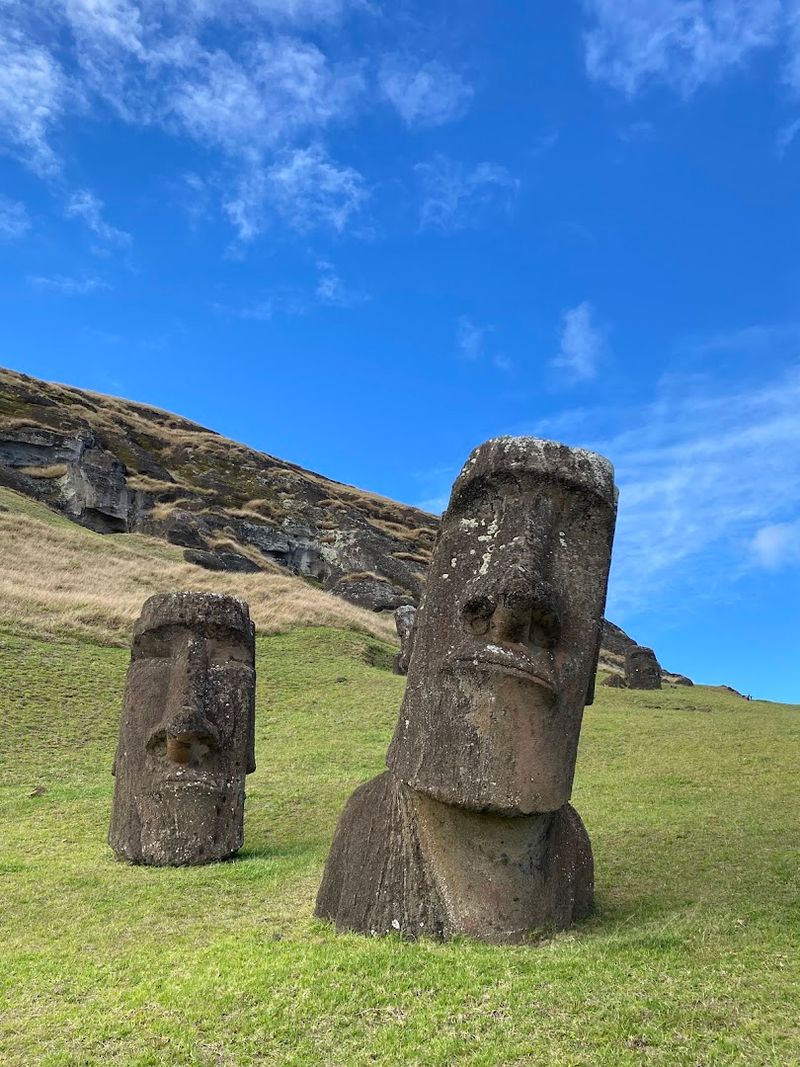
The moai statues are genuinely remarkable, but treating Easter Island as a one-trick destination misses the point entirely. UNESCO recognized Rapa Nui National Park as a testimony to a unique cultural achievement, and the listing covers far more than the famous stone figures.
Shrines, ceremonial platforms, ancient houses, rock carvings, and the remains of a whole Polynesian civilization are scattered across the island.
The story of how the moai were carved, transported, and erected without metal tools, wheels, or large animals is still not fully settled among archaeologists. Over 1,000 statues exist across the island, and roughly 400 of them are still in the quarry at Rano Raraku, abandoned mid-production as if the workers just walked off the job one afternoon.
The island’s oral history, preserved by the Rapa Nui people, adds context that no museum exhibit can replace. Hiring a local guide rather than doing a self-guided tour makes an enormous difference here.
The cultural landscape rewards those who look beyond the obvious photo opportunities scattered across its volcanic hills.
Bruges, Belgium
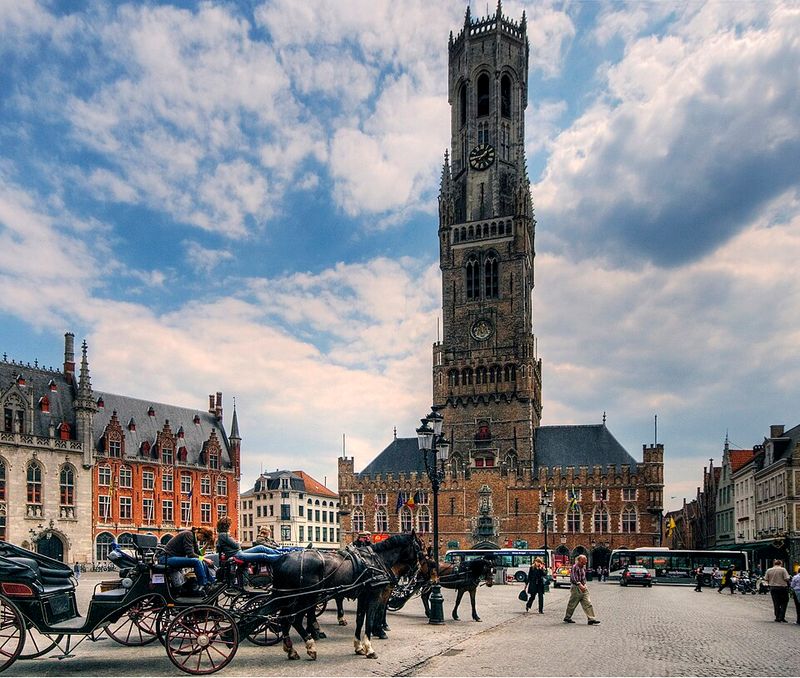
Bruges looks like someone paused a medieval city in 1400 and forgot to press play again. That’s not entirely wrong.
UNESCO recognized it as an outstanding example of a medieval historic settlement whose Gothic architecture, canal network, and commercial heritage have survived remarkably intact. The city was once one of the most important trading hubs in all of northern Europe.
The Flemish Primitives, a school of painting that fundamentally changed European art, were based here. Jan van Eyck lived and worked in Bruges, and the Groeningemuseum holds some of his original works alongside other Flemish masterpieces.
Most visitors walk straight past the museum in favor of a canal boat photo.
The beguinages, walled communities originally built for religious women in the Middle Ages, are another UNESCO-recognized feature of Belgian heritage and Bruges has one of the finest. Visiting on a weekday in February is admittedly chilly, but the city empties out completely and the cobblestone streets look exactly like they did 600 years ago.
Worth every degree of cold.



