When people think of European food travel, they often picture Paris, Rome, or Barcelona. Yet some of the continent’s most exciting culinary experiences are happening in places that rarely dominate guidebooks.
From truffle-rich peninsulas to island food cultures shaped by centuries of history, these destinations reward travelers willing to venture beyond the obvious. Pack your appetite and an open mind because this list is about to change how you plan your next trip.
Istria, Croatia
Truffles for breakfast is not a joke in Istria. This compact Croatian peninsula produces some of Europe’s finest truffles, and locals treat them the way others treat salt.
Shaved over scrambled eggs, stirred into pasta, or sold fresh at roadside stalls, truffles here are gloriously everyday.
Hilltop towns like Motovun and Groznjan add a fairy-tale backdrop to already memorable meals. Olive oil from Istrian groves consistently wins international awards, and the regional wines, especially Malvazija and Teran, pair beautifully with the food.
Croatian, Italian, and Central European influences all collide on the plate in the most delicious way possible.
Seafood pulled straight from the Adriatic rounds out a culinary picture that is hard to beat. Rovinj’s waterfront restaurants serve grilled fish so fresh it barely needs seasoning.
Istria rewards slow travel, the kind where lunch lasts three hours and nobody apologizes for ordering dessert twice.
Ljubljana, Slovenia
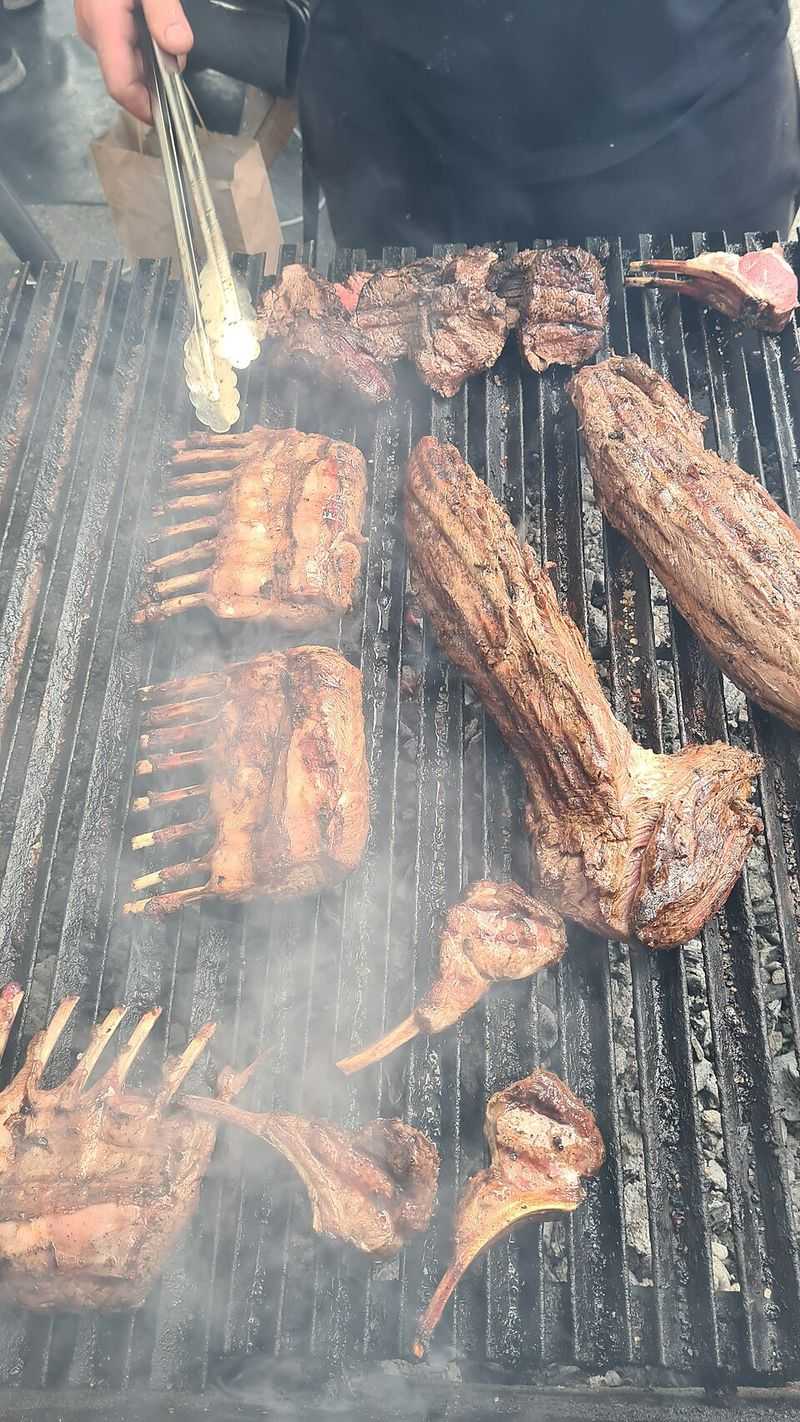
Slovenia’s capital has been quietly building one of Europe’s most impressive food scenes, and the secret is finally getting out. Ljubljana sits at a crossroads of Alpine, Mediterranean, and Balkan culinary traditions, which means chefs have an unusually rich pantry to pull from.
The results are creative, grounded, and genuinely exciting.
The city’s commitment to sustainability sets it apart from flashier European capitals. Farm-to-table cooking here is not a trend, it is a standard.
Several Ljubljana restaurants have earned Michelin recognition, a remarkable achievement for a city of fewer than 300,000 people.
The Open Kitchen market, held on Fridays from spring through autumn, is a must. Dozens of local chefs and producers gather along the Ljubljanica River to sell everything from wild herb oils to handmade dumplings.
Prices are reasonable, crowds are cheerful, and the food is genuinely outstanding. Ljubljana proves that a city does not need to be enormous to punch well above its culinary weight.
Crete, Greece
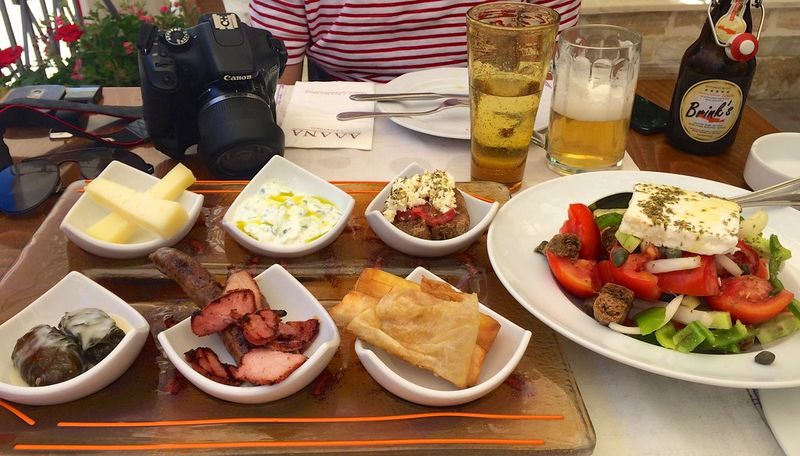
Crete does not just have good food. It has one of the most studied, admired, and copied diets on the planet.
The traditional Cretan diet inspired much of what scientists now call the Mediterranean diet, built on olive oil, legumes, greens, seafood, and seasonal produce. Eating here feels like a health decision and a celebration at the same time.
Local cheeses like graviera and anthotyros deserve far more global attention than they get. Paired with thyme honey and a glass of Vidiano wine, they make a snack that could embarrass a Parisian cheese board.
Mountain herbs grow wild across the island and show up in everything from roasted lamb to herbal teas.
The food markets in Heraklion and Chania are sensory overloads in the best possible way. Stalls overflow with dried herbs, olives in every shade, fresh fish, and handmade rusks called dakos.
Street food like kalitsounia, small cheese-filled pastries, costs almost nothing and tastes extraordinary. Crete is proof that a destination can be famous for beaches and still be secretly all about the food.
Gaziantep, Türkiye
Gaziantep has a food culture so rich and layered that UNESCO officially recognized it as a Creative City of Gastronomy. Located in southeastern Türkiye near the Syrian border, the city has been a culinary crossroads for centuries.
That history shows up on every plate.
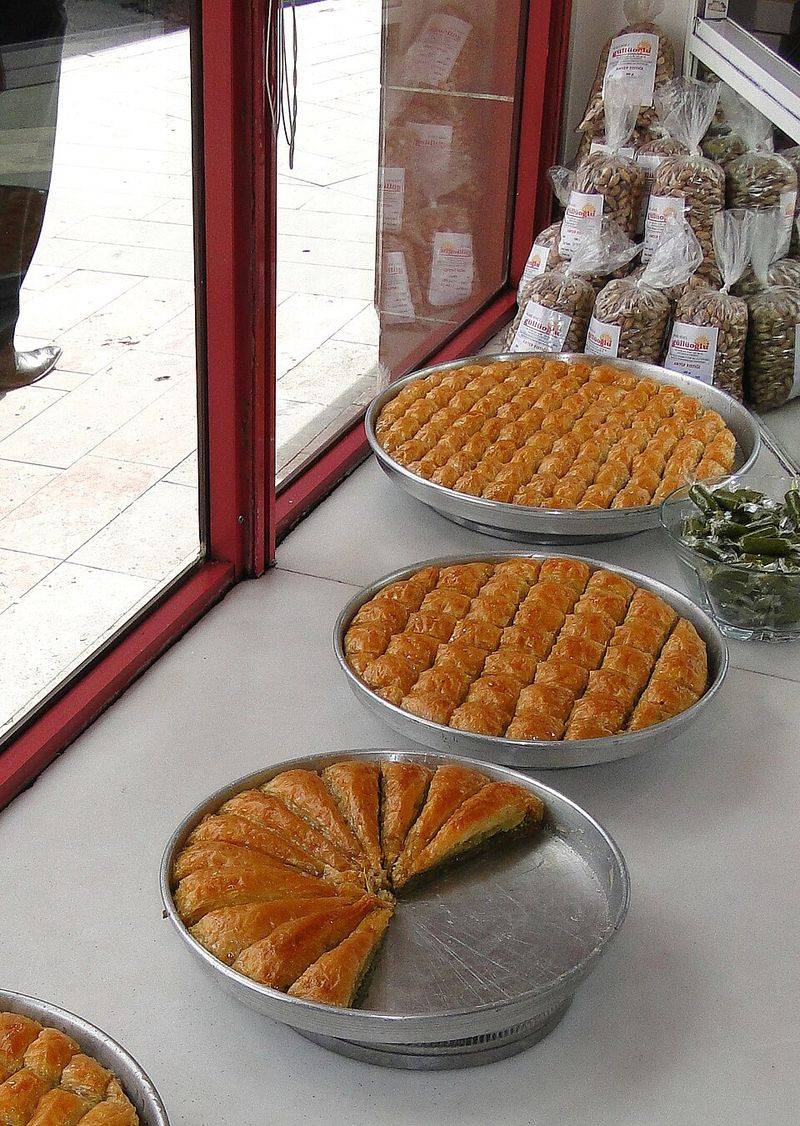
Baklava here is not a dessert, it is practically a religion. Gaziantep’s version uses locally grown Antep pistachios and paper-thin pastry, and bakeries have been perfecting the recipe for generations.
Buying a box to take home feels obligatory, though it rarely survives the flight intact.
Beyond baklava, the city offers some of Türkiye’s finest kebabs, rich stews called yahni, and a breakfast spread that would make most hotel buffets feel embarrassed. Spice shops line the old bazaar, selling dried peppers, sumac, and blends you simply cannot find elsewhere.
Food & Wine magazine recently named Gaziantep one of the world’s top emerging culinary destinations, a label that feels both accurate and slightly overdue. Serious food travelers should stop waiting and book a ticket.
San Sebastian, Spain
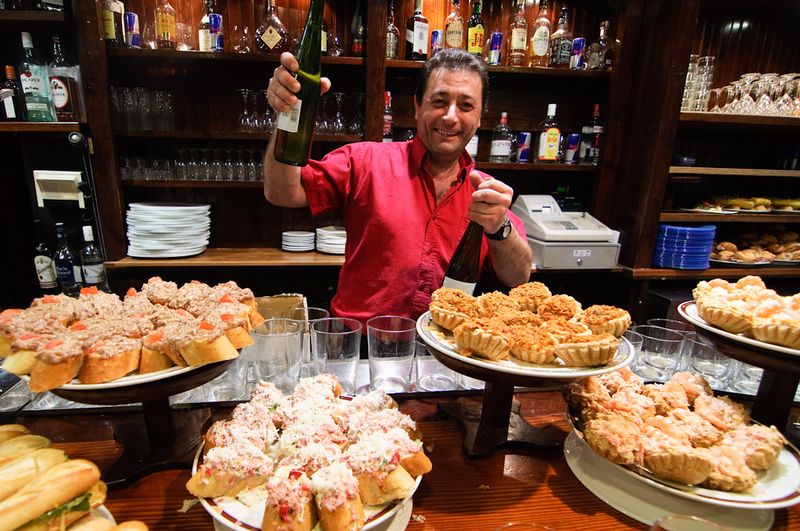
Few cities reward hungry wanderers quite like San Sebastian. The compact Basque city packs more Michelin stars per square kilometer than almost anywhere else on Earth, yet its most beloved food experiences happen standing up at a bar counter, eating pintxos with a glass of local txakoli wine.
No reservation required.
Pintxos are the Basque answer to tapas, small bites balanced on slices of bread and held together with toothpicks. Bars in the Old Town compete fiercely for the best versions, and the standard is genuinely extraordinary.
Anchovies, spider crab, foie gras, and roasted peppers all show up in combinations that feel both clever and deeply satisfying.
The city also hosts the annual San Sebastian Gastronomika congress, drawing the world’s top chefs each October. Locals take food seriously in a way that is contagious.
You will find yourself comparing pintxos bars the way others compare hotels, debating the merits of one anchovy over another with complete strangers. San Sebastian is the rare place where eating is both a sport and an art form.
Bologna, Italy
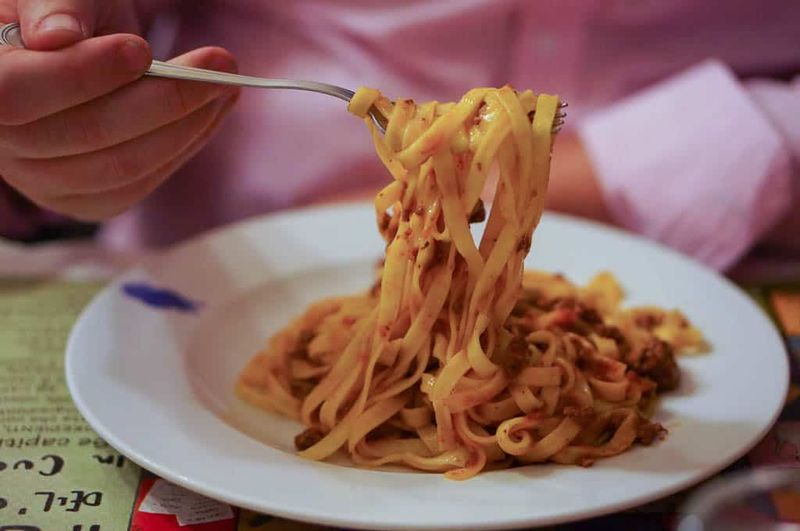
Italians from other cities quietly admit that Bologna eats better than anyone. The capital of Emilia-Romagna is home to tagliatelle al ragu, the dish the world lazily renamed spaghetti bolognese.
Locals will politely but firmly correct you on that point, usually while handing you the real thing.
Tortellini, mortadella, Parmigiano-Reggiano, and prosciutto di Parma all trace their roots to this region. Walking through the Quadrilatero market near the city center feels like touring a museum where everything is edible.
Vendors have been selling the same products from the same stalls for generations, and quality has not slipped.
Bologna’s trattorias are unpretentious, affordable, and deeply satisfying. Many are run by families who have been cooking the same recipes for decades, and that consistency is exactly the point.
The city does not chase food trends or chase Instagram fame. It just keeps making exceptional pasta, cured meats, and rich sauces the same way it always has.
For travelers tired of style over substance, Bologna is the most delicious reality check in Europe.
Isle of Skye, Scotland
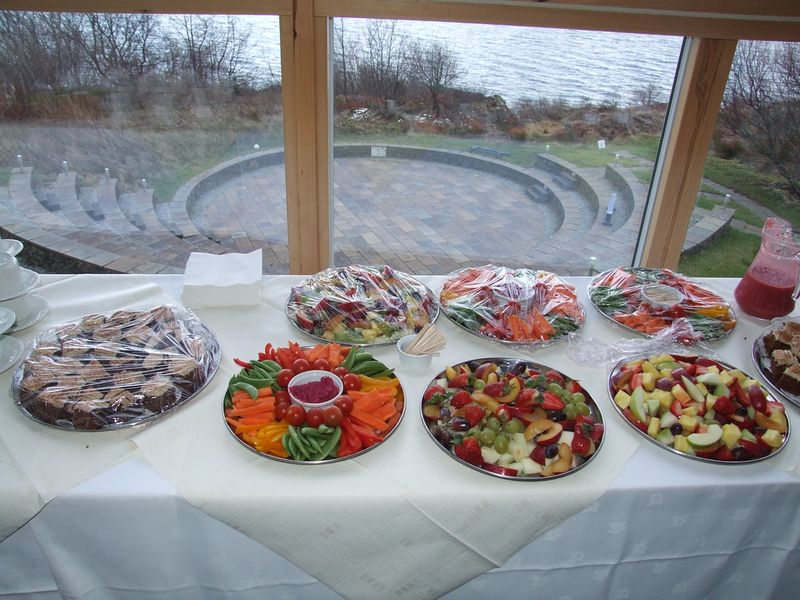
Most people come to Skye for the dramatic cliffs and moody skies. They leave talking about the langoustines.
The Isle of Skye has built a culinary reputation that feels almost improbable given how remote it is, but that remoteness is precisely the point. The ingredients here have nowhere to hide and nothing to prove.
Local chefs forage for wild mushrooms, sea herbs, and coastal plants that grow in the island’s clean, windswept environment. Seafood pulled from surrounding waters, including scallops, oysters, and crab, arrives at kitchens within hours of being caught.
The Three Chimneys restaurant has been drawing food travelers from around the world for decades.
Skye’s whisky distilleries add another dimension to any food-focused visit. Pairing a dram of Talisker with smoked salmon or aged cheese is a genuinely memorable experience.
Accommodation options range from cozy bed-and-breakfasts to boutique hotels, many of which take their breakfast menus as seriously as dinner. Skye proves that extraordinary food does not require a city, just exceptional ingredients and chefs who know exactly what to do with them.
Ghent, Belgium
Ghent has a bold culinary identity that Brussels and Bruges somehow managed to overshadow for years. That oversight is finally being corrected.
The city blends Belgian comfort food classics with genuinely inventive modern cooking, and it does so with a confidence that feels entirely earned.
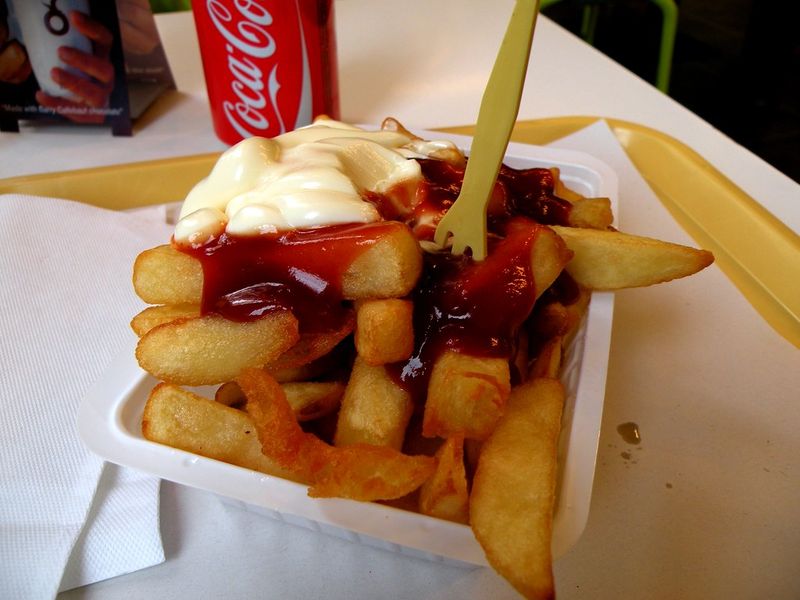
Belgium is already famous for chocolate, beer, and fries, but Ghent goes further. The city declared itself the world’s first Veggie Thursday city back in 2009, encouraging residents to skip meat one day a week.
That forward-thinking attitude helped spark a wave of plant-focused restaurants that are now some of the most creative in the country.
The Friday Market, one of Europe’s largest open-air markets, fills a grand central square with food, antiques, and local character every week. Craft breweries have multiplied across the city, producing Belgian ales with real personality and range.
Waterzooi, a creamy local stew traditionally made with fish or chicken, is the dish to order at a classic Ghent brasserie. The city rewards curious eaters who are willing to look slightly left of the obvious tourist trail.
Porto, Portugal
Porto smells like grilled sardines, fresh bread, and aged port wine, and that combination alone is worth the plane ticket. Portugal’s second city has been charming food travelers for years, but its culinary scene has recently shifted into a higher gear.
New restaurants are opening alongside century-old tascas, and both are worth your time.
The Mercado do Bolhao, recently restored to its original grandeur, is the city’s gastronomic heart. Fishmongers, cheese sellers, bakers, and wine merchants fill the two-story iron market hall with noise, color, and incredible produce.
Buying a cone of salted cod fritters and eating it on the street outside is one of the great cheap pleasures of European travel.
Francesinha, Porto’s legendary sandwich of cured meats and melted cheese drowning in a spiced beer-and-tomato sauce, is the city’s most divisive dish. Locals love it unconditionally.
First-time visitors are usually shocked, then converted. Port wine cellars in Vila Nova de Gaia, just across the river, offer tastings that pair beautifully with local cheeses and almonds.
Porto delivers world-class eating without world-class prices, which makes it almost unreasonably good value.
Kvarner, Croatia
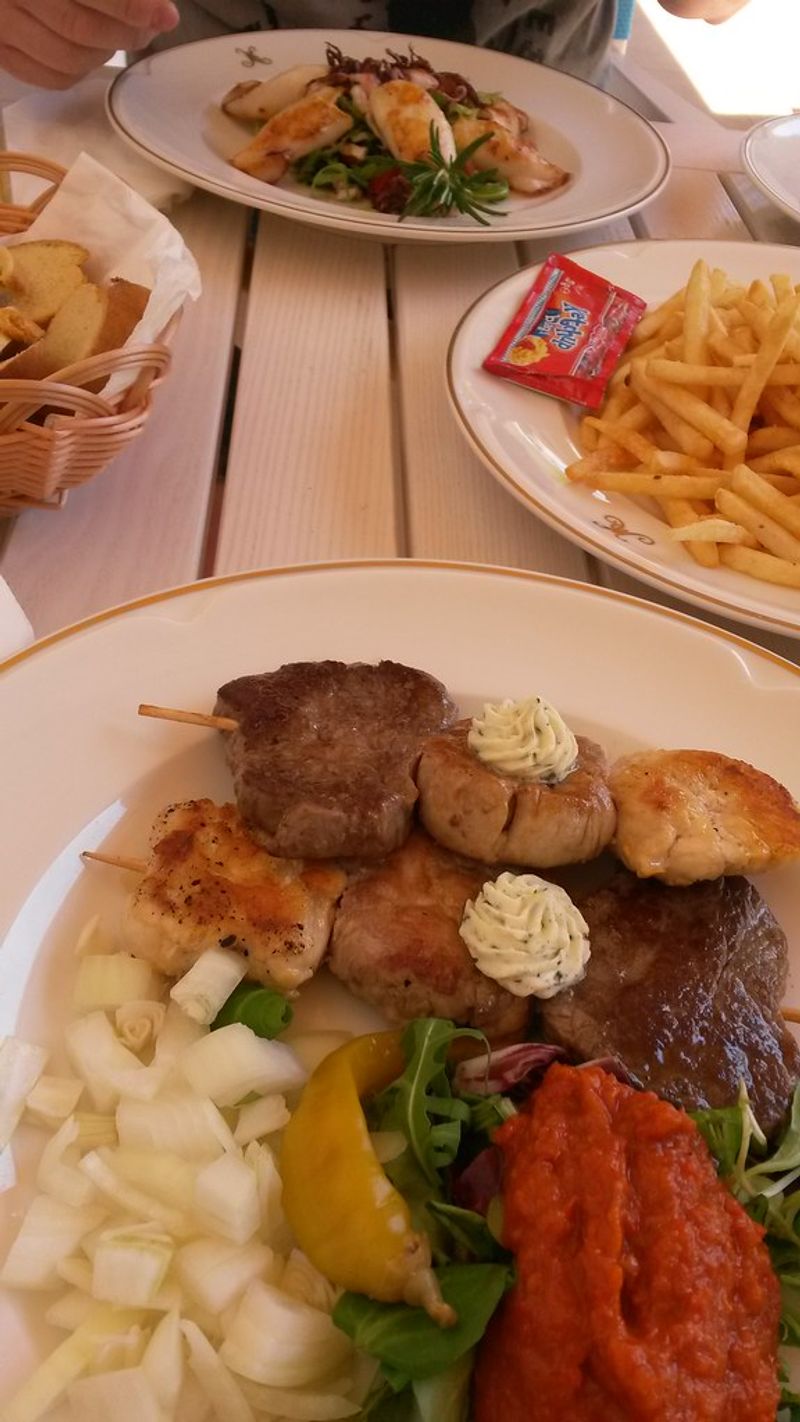
Named a European Region of Gastronomy, Kvarner sits along Croatia’s northern Adriatic coast and delivers a culinary variety that most destinations twice its size cannot match. Mountains, islands, and sea all contribute different ingredients and traditions to a regional food culture that is still largely undiscovered by mainstream tourism.
Kvarner scampi, known locally as skampi na buzaru, are cooked in white wine, garlic, and olive oil and served in portions that make the price feel almost laughably fair. The island of Krk produces its own cheese, wine, and olive oil, creating a self-contained culinary universe on a single island.
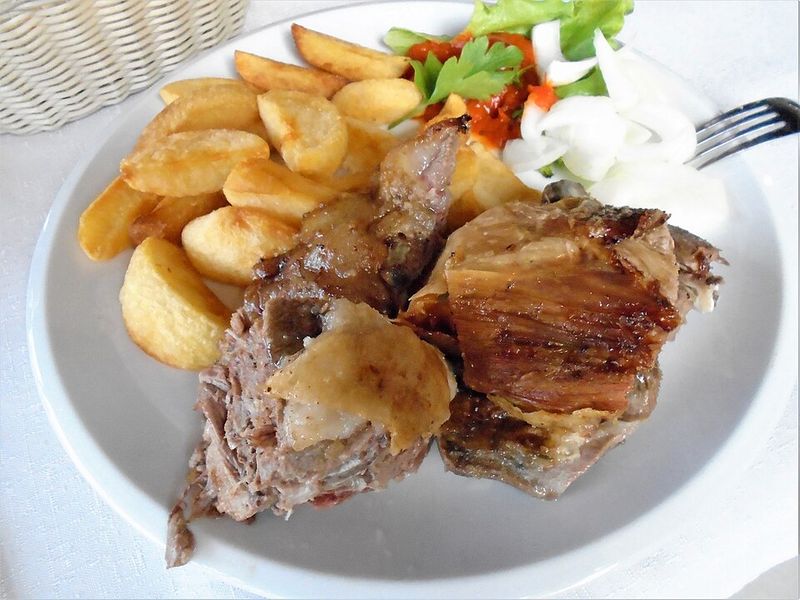
Pag island’s lamb, grazed on sage-covered karst terrain near the sea, has a flavor that is genuinely unlike any other lamb in Europe.
Opatija, the region’s elegant belle-epoque resort town, adds a layer of refined dining to the mix. Grand old hotels serve classic Central European dishes alongside fresh Adriatic catches, a combination that reflects the region’s layered history.
Kvarner rewards travelers who love exploring with a fork, moving between islands and coastal towns, picking up flavors and stories at every stop.
Lyon, France
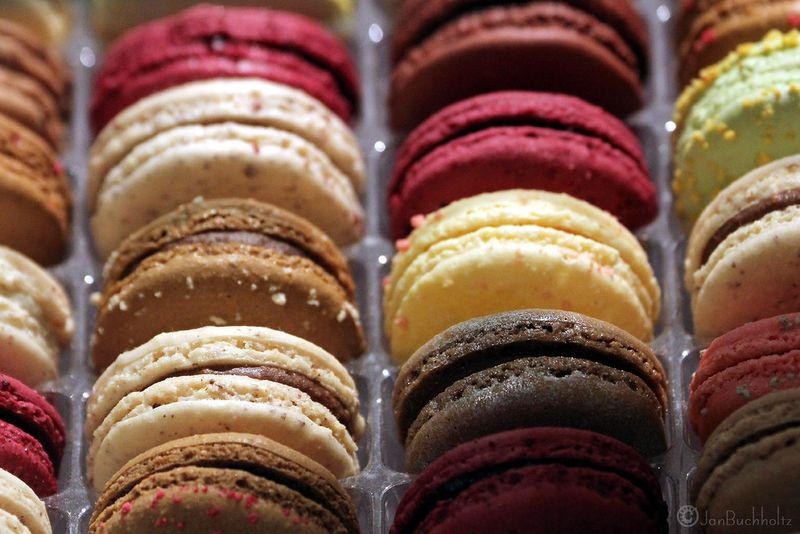
Paul Bocuse called Lyon home, and that tells you almost everything you need to know. France’s third-largest city has been considered the country’s gastronomic capital since at least the 19th century, when the legendary Meres Lyonnaises, a group of female chefs, built a dining culture so strong it still shapes the city today.
Bouchons are Lyon’s signature contribution to world dining. These small, unpretentious bistros serve rich, unapologetically old-school Lyonnaise food: quenelles de brochet, andouillette sausage, gratins, and the iconic cervelle de canut cheese spread.
The atmosphere is always warm, slightly rowdy, and completely satisfying.
The city also hosts Les Halles de Lyon Paul Bocuse, an indoor food market considered one of the finest in France. Cheese counters, charcuterie vendors, pastry makers, and wine merchants fill the hall with a level of quality that makes grocery shopping feel like an event.
Lyon does not need to shout about its food credentials because the food does all the talking. Any serious eater who skips it in favor of Paris is making a very expensive mistake.
Bay of Kotor, Montenegro
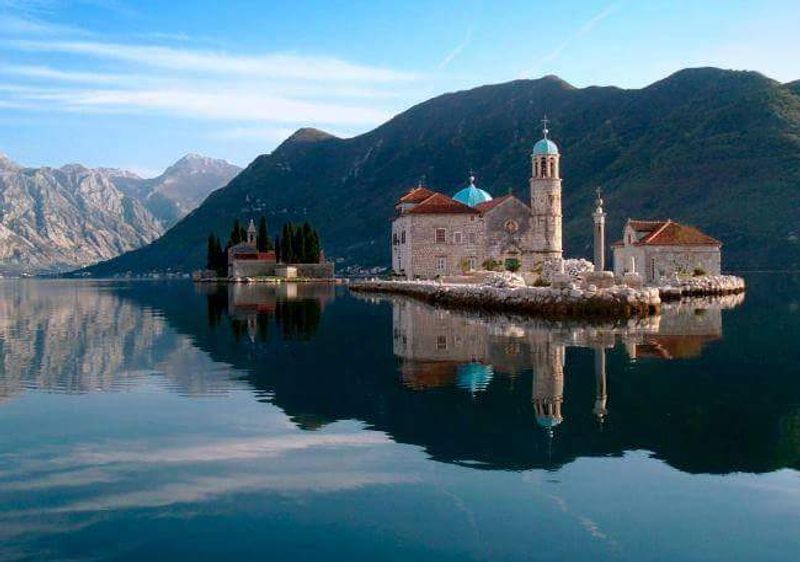
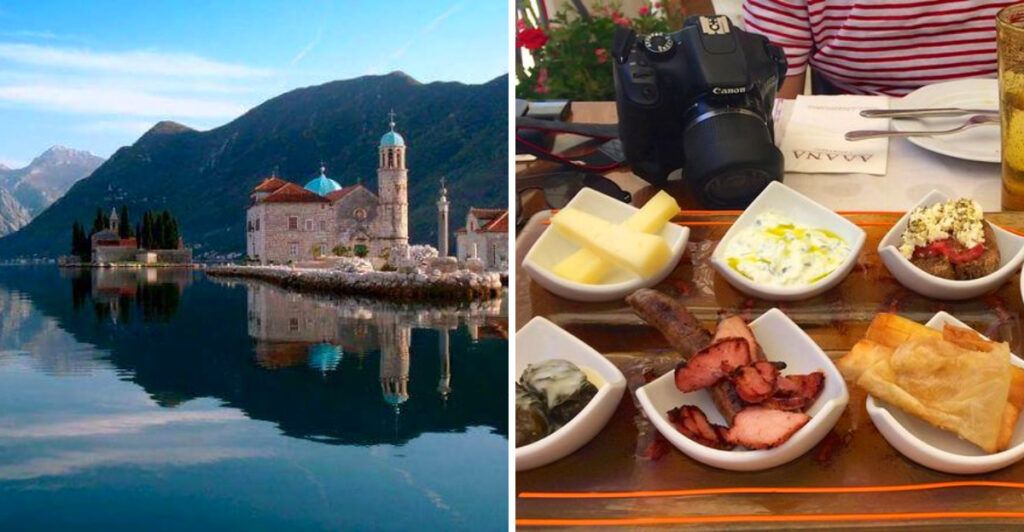
Montenegro’s Bay of Kotor looks like someone folded the Norwegian fjords into the Mediterranean and forgot to tell anyone. The scenery is jaw-dropping, but the food quietly matches it.
Travelers who linger long enough discover a culinary tradition shaped by Venetian, Ottoman, and Balkan influences all layered together over centuries.
Fresh mussels farmed directly in the bay are served simply with garlic, olive oil, and white wine, and they are outstanding. Smoked prosciutto from the Njegos plateau and aged cheese from mountain villages add a rustic depth to any meal.
Local olive oil, produced in small quantities from ancient groves, is some of the finest in the Adriatic region.
The walled town of Kotor hosts small restaurants tucked into narrow medieval lanes, where menus change with the season and the catch. Vranac, Montenegro’s signature red wine, pairs surprisingly well with grilled fish and heavier meat dishes alike.
The bay is compact enough to explore by boat, and stopping at a waterfront konoba for lunch between swims is one of those travel experiences that sounds too good to be true. It is not.
Trondheim, Norway
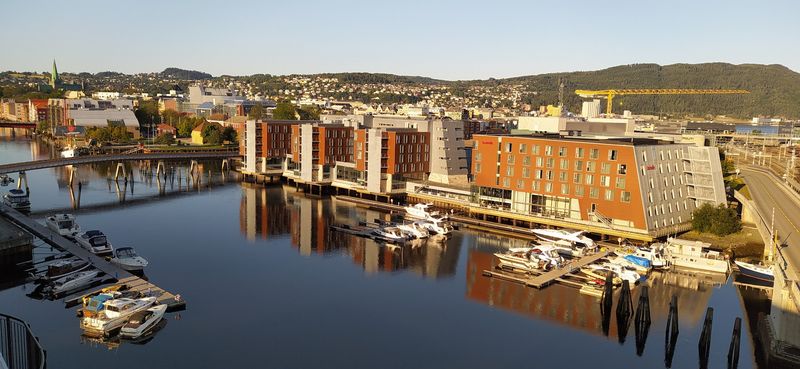
Norway’s third-largest city has developed a food scene that punches well above its modest size. Trondheim is emerging as a serious player in the New Nordic movement, a culinary philosophy built on sustainability, local sourcing, and a deep respect for seasonal ingredients.
The results are dishes that feel both innovative and deeply rooted in place.
The city sits at the edge of the Trondheim Fjord, which supplies restaurants with exceptional cod, salmon, and shellfish year-round. Wild ingredients, from birch leaves to pine shoots to sea buckthorn, appear on menus in ways that feel surprising without being gimmicky.
Restaurant Fagn earned a Michelin star for exactly this kind of thoughtful, technically precise cooking.
Trondheim’s food market, Trondheim Torg, connects chefs and home cooks directly with regional farmers and producers. The city also benefits from nearby Oppdal, a farming region supplying outstanding lamb, beef, and dairy.
Visiting in summer offers the added bonus of the midnight sun, which means late outdoor dinners with extraordinary light. Trondheim is for travelers who believe that what a place eats is as revealing as what it builds.
Tubingen, Germany
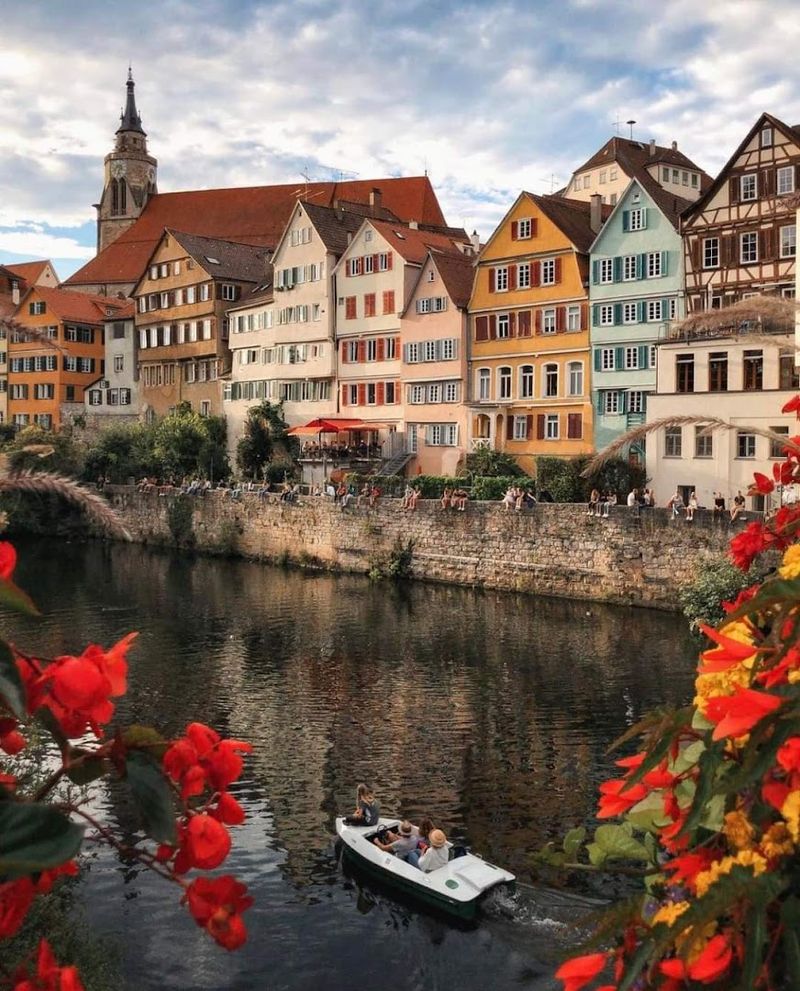
Tübingen is the kind of place that makes you wonder why it is not more famous. This medieval university town in Baden-Württemberg is all cobblestones, half-timbered houses, and a river lined with weeping willows.
It also happens to serve some of the most satisfying regional German cooking you will find anywhere in the country.
Swabian cuisine is hearty, honest, and deeply underrated. Maultaschen, large pasta pockets filled with meat, spinach, and breadcrumbs, are the region’s answer to ravioli, and locals eat them with an almost devotional regularity.
Käsespätzle, soft egg noodles smothered in melted cheese and topped with crispy fried onions, is the kind of dish that ruins lesser versions of comfort food forever.
The vineyards surrounding Tübingen produce excellent Trollinger and Lemberger wines that pair beautifully with regional food. The weekly market on the Marktplatz brings local farmers, bakers, and producers together in a setting that has barely changed in centuries.
Tübingen is proof that Germany’s food culture extends well beyond sausages and pretzels. It just requires a detour from the standard tourist route to find it.
Palermo, Sicily, Italy
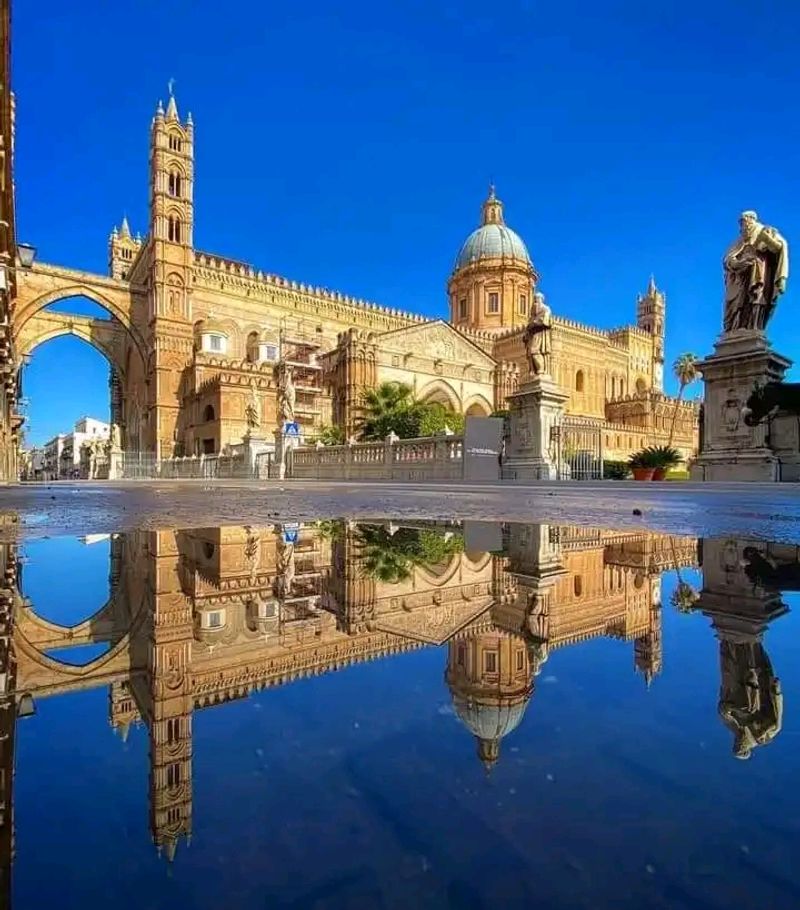
Palermo’s street food scene is so good it has been recognized by UNESCO as part of the city’s intangible cultural heritage. That is not a marketing slogan, it is a formal acknowledgment that eating on the streets of Sicily’s capital is a legitimate cultural experience.
Come hungry and bring cash.
The Balaro and Vucciria markets are where the city’s food history plays out in real time. Vendors sell stigghiola, grilled lamb intestines, alongside arancini, fried risotto balls stuffed with ragu or cheese.
Panelle, chickpea fritters tucked into a sesame roll, cost almost nothing and taste like the best thing you have eaten all week. The Arab influence on Sicilian cooking is unmistakable here, showing up in sweet-and-sour agrodolce sauces, couscous dishes, and heavily spiced meat preparations.
Palermo’s pastry culture is equally serious. Cannoli filled to order, granita served with brioche for breakfast, and cassata cake layered with ricotta and marzipan all compete for attention.
The city moves at its own pace, loud and chaotic and completely alive. Every meal tells a chapter of a story that stretches back more than two thousand years.
Share this story