 Unearth The Voyage
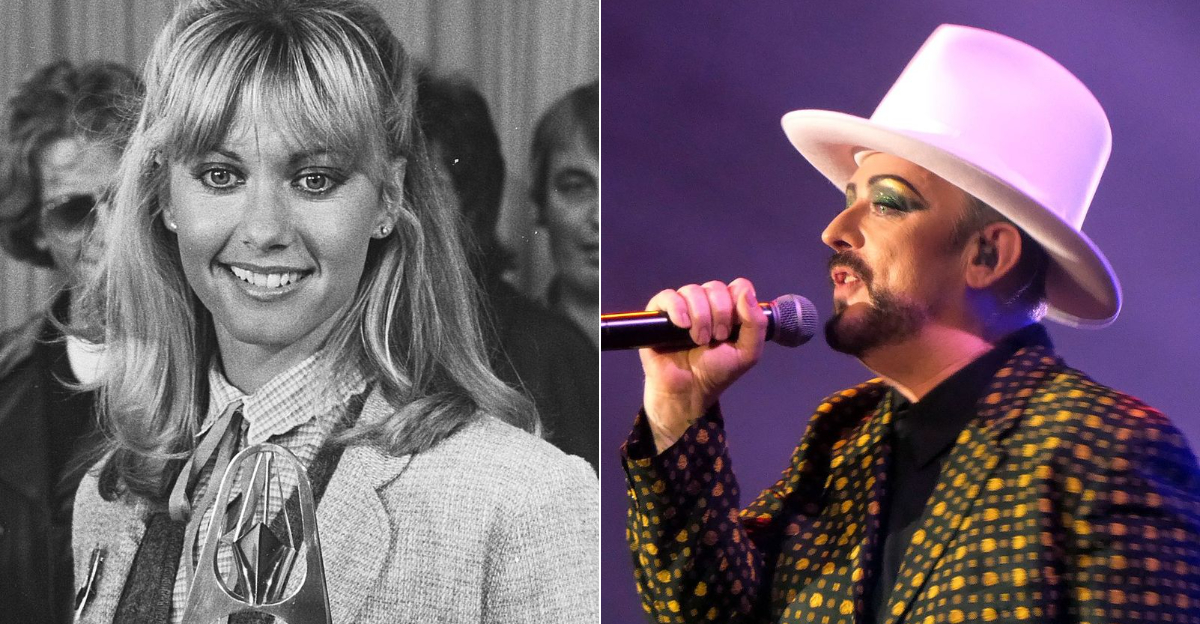
The 1970s and 1980s were wild decades for music. Artists came from all kinds of backgrounds, and some of the biggest legends started in places you would never expect.
From TV stars to models, from jingle writers to disco queens, these musicians proved that talent can come from anywhere. Get ready to discover the surprising journeys of 15 stars who changed music history forever.
1. Meat Loaf – The theatrical rocker who made Bat Out of Hell a phenomenon
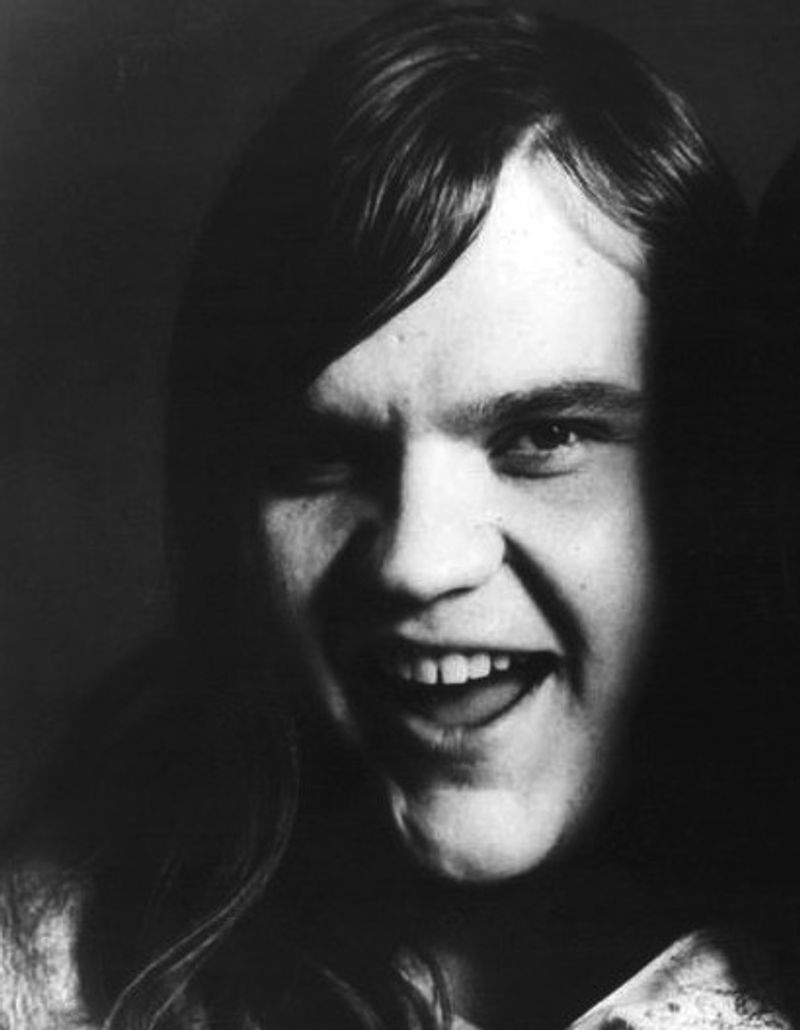
October 1977, a theatrical album full of operatic drama hits record stores. Nobody expected Bat Out of Hell to become one of the best-selling albums of all time.
Yet Meat Loaf, with his larger-than-life voice and stage presence, turned it into a phenomenon that sold tens of millions of copies worldwide.
What made Meat Loaf so unexpected was his background in theater and acting rather than traditional rock stardom. He brought a Broadway-style intensity to rock music, creating something totally unique.
His performances felt like mini-plays, complete with emotional peaks and dramatic storytelling.
The album’s massive success caught everyone off guard, including record executives who initially rejected it. Songs like “Paradise by the Dashboard Light” became cultural touchstones, with radio stations playing them constantly.
Meat Loaf proved that rock could be theatrical, emotional, and wildly successful all at once.
His collaboration with songwriter Jim Steinman created a sound nobody had heard before. The combination of piano-driven rock, operatic vocals, and epic storytelling changed what people thought rock music could be.
Meat Loaf showed that being different and theatrical could lead to legendary status, inspiring countless artists who followed.
2. Debbie Harry – The ex-Playboy Bunny who fronted Blondie’s pop-new-wave takeover

Before becoming a music icon, Debbie Harry worked all kinds of jobs to make ends meet, including a stint as a Playboy Bunny. Nobody looking at her varied work history could have predicted she would co-found one of the most influential bands of the late 1970s.
Blondie mixed punk attitude with disco beats and new-wave coolness in a way that felt completely fresh.
When “Heart of Glass” hit number one in multiple countries in 1979, it proved that new wave could dominate mainstream radio. The song blended disco rhythms with punk energy, confusing purists but thrilling fans everywhere.
Harry’s cool, detached vocal style became instantly recognizable and widely imitated.
Just a year later, “Call Me” spent six weeks at number one in the United States, cementing Blondie’s status as pop royalty. Harry’s platinum blonde hair and effortless style made her a fashion icon as well as a musical one.
She proved that women could front rock bands and dominate the charts on their own terms.
Her journey from working odd jobs to music stardom inspired countless musicians. Harry showed that persistence and creativity matter more than a traditional music background.
Blondie’s influence still echoes through modern pop and rock today.
3. Kenny Rogers – From genre-blending rock to the face of ‘The Gambler’ era
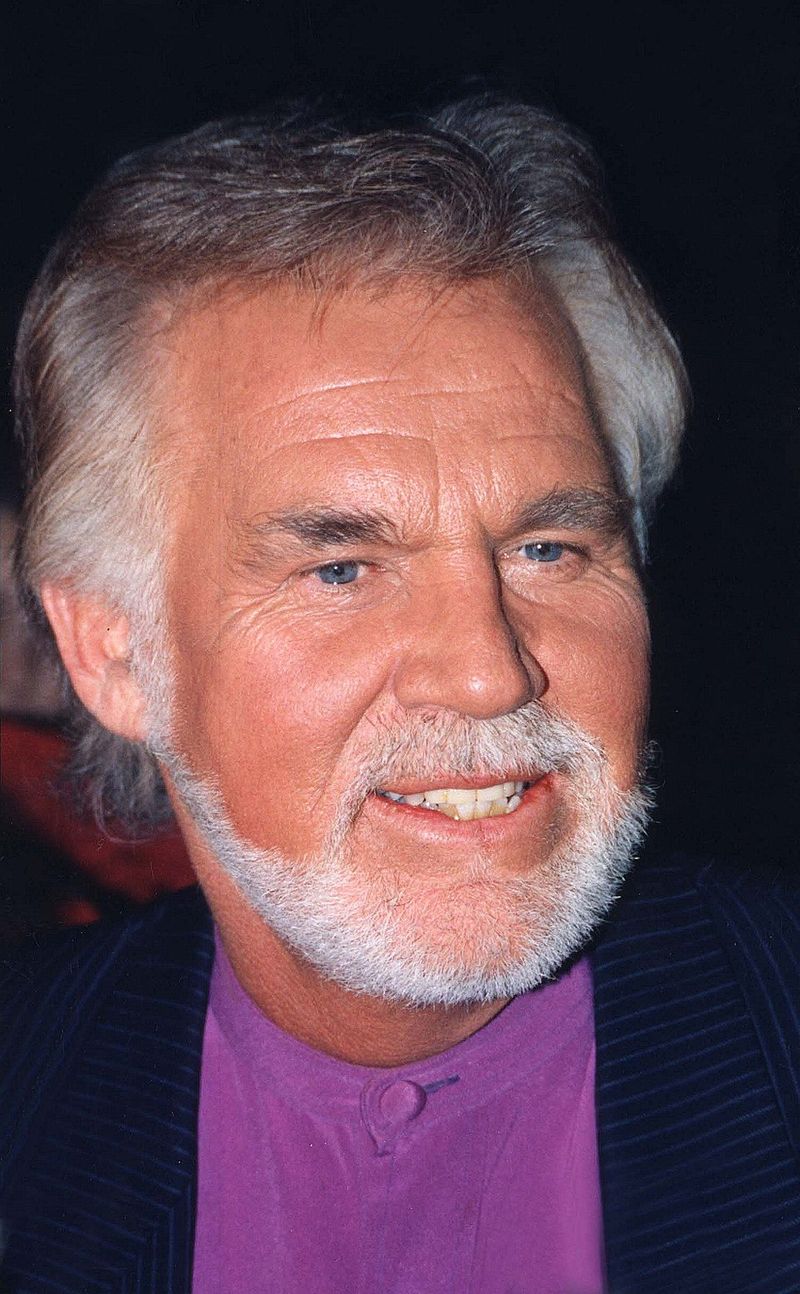
Kenny Rogers started his career fronting Kenny Rogers and the First Edition, a band that mixed country, rock, and even psychedelic pop. This eclectic musical background seemed like an odd path to country superstardom.
Yet Rogers took all those influences and transformed himself into one of the biggest country-pop crossover stars ever.
Released on November 15, 1978, “The Gambler” became his signature song and a cultural phenomenon. The song’s storytelling style and memorable chorus made it an instant classic that people still sing today.
Rogers’ smooth voice and relatable lyrics connected with audiences far beyond traditional country fans.
His ability to blend genres made his music accessible to everyone, from country purists to pop radio listeners. Rogers proved that you did not need to stick to one style to find massive success.
His crossover appeal opened doors for future country artists to experiment with different sounds.
Beyond music, Rogers became a television star and businessman, showing his talents extended far beyond singing. His friendly, approachable image made him a household name across generations.
From psychedelic rock to country legend, Rogers’ journey was anything but typical, yet it led to one of the most successful music careers of the era.
4. David Byrne – The art-school oddball behind Talking Heads’ mainstream breakthrough
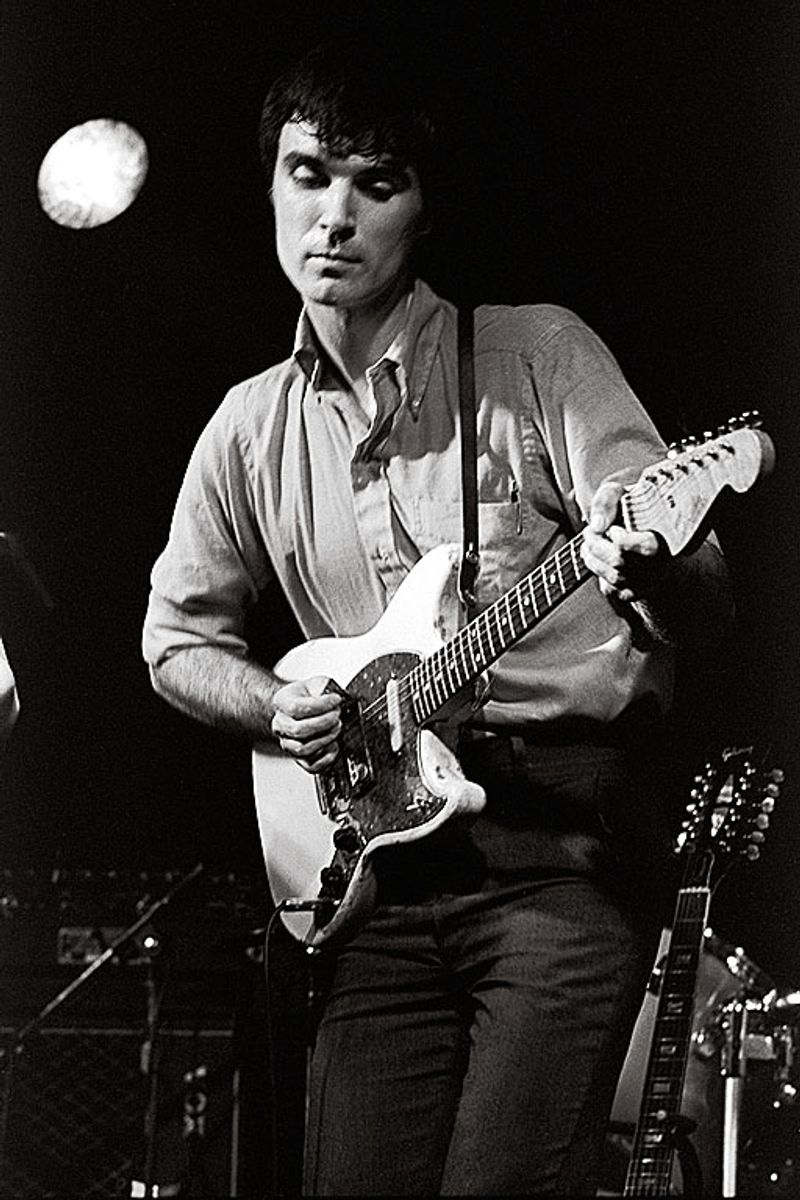
Art school and mainstream pop success rarely go together, but David Byrne made it happen. As the quirky frontman of Talking Heads, he brought an intellectual, experimental approach to music that seemed destined for college radio only.
Then “Once in a Lifetime” dropped as a single in January 1981, and everything changed.
The song turned anxious art-pop into must-play pop culture, with its strange lyrics and hypnotic rhythm getting stuck in everyone’s heads. Byrne’s jerky dance moves in the music video became iconic, showing that you did not need traditional rock star charisma to captivate audiences.
His awkward, intense stage presence actually made him more interesting and relatable.
Talking Heads proved that smart, experimental music could reach massive audiences without dumbing down the content. Byrne’s lyrics explored themes of suburban anxiety and existential confusion in ways that felt both weird and deeply familiar.
College students and mainstream listeners alike found something to love in his unusual approach.
His influence on alternative and indie rock cannot be overstated, as countless bands followed his blueprint of combining intelligence with accessibility. Byrne showed that being strange and thoughtful could lead to commercial success.
From art-school oddball to MTV staple, his journey redefined what a pop star could be.
5. Olivia Newton-John – The squeaky-clean star who went very ’80s with ‘Physical’
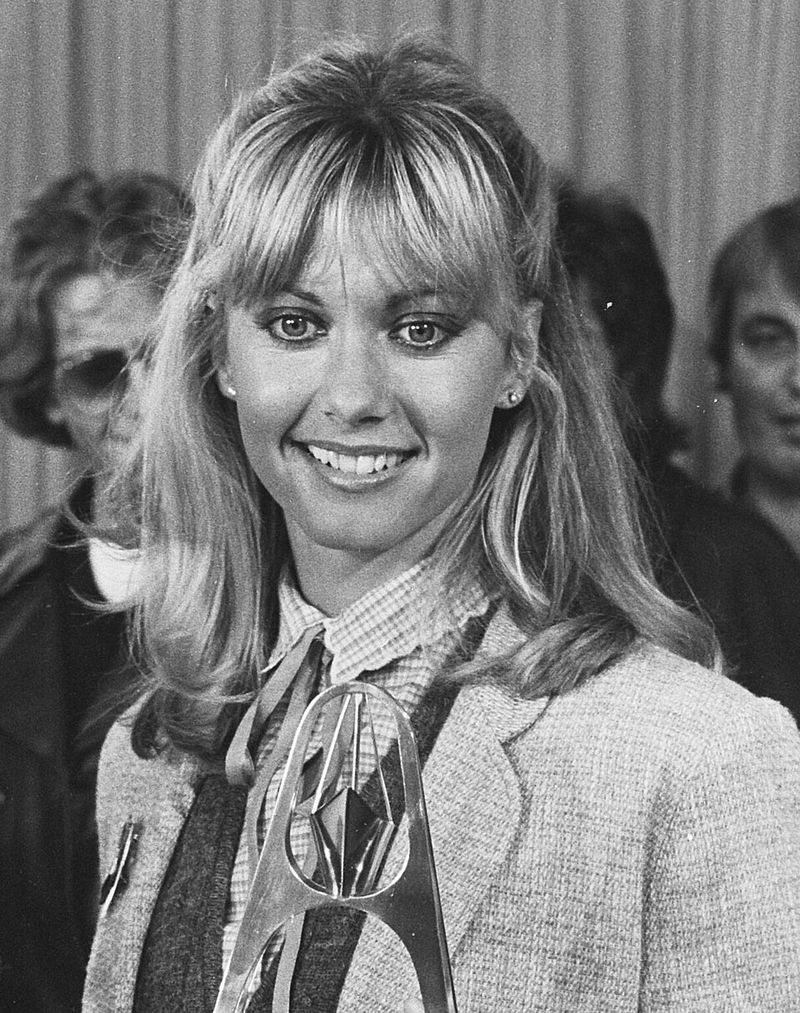
After Grease became a massive film musical moment in 1978, Olivia Newton-John seemed destined to remain the wholesome, girl-next-door type. Her sweet image and soft voice made her a safe choice for family-friendly entertainment.
Then 1981 arrived, and Newton-John shocked everyone with a total image makeover.
“Physical” was not just a new song but a complete reinvention, featuring suggestive lyrics and a bold new look. The track dominated charts and sparked controversy with its fitness-themed but flirtatious music video.
Suddenly, the squeaky-clean star was pushing boundaries and proving she could evolve with the times.
The transformation showed incredible courage and business savvy, as many stars struggle to shake their established images. Newton-John proved she was more than just Sandy from Grease, establishing herself as a serious pop force.
The song became one of the biggest hits of the 1980s, spending ten weeks at number one.
Her willingness to take risks and embrace a more mature image inspired other artists to reinvent themselves. Newton-John demonstrated that wholesome stars could grow up alongside their audiences without losing their appeal.
From sweet and innocent to bold and confident, her evolution became a blueprint for successful career reinvention in the music industry.
6. Ozzy Osbourne – The Black Sabbath frontman who launched a solo-era classic
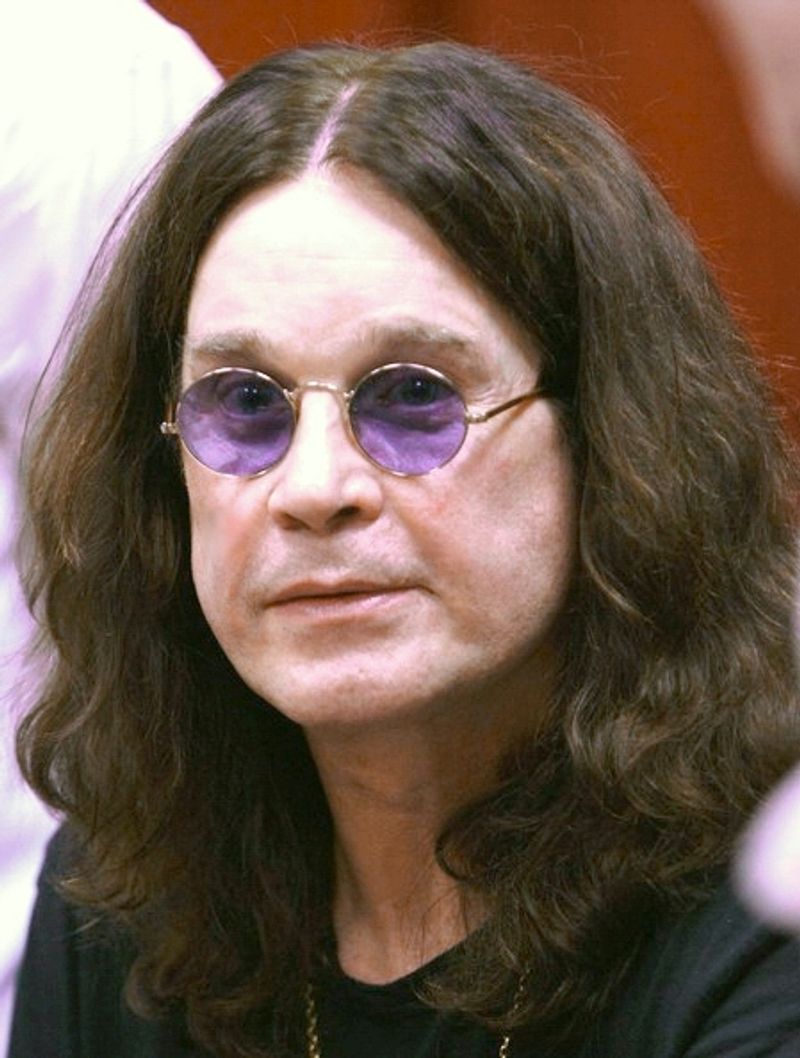
Black Sabbath formed way back in 1968 with Ozzy Osbourne as the distinctive vocalist, pioneering heavy metal as a genre. After a decade with the band, Ozzy was fired in 1979, and many people thought his career was finished.
Instead, he proved that frontmen could thrive outside their legendary bands.
His solo debut single “Crazy Train” arrived in 1980 from the album Blizzard of Ozz, immediately establishing Ozzy as a solo force. The song’s iconic guitar riff by Randy Rhoads became one of the most recognizable in rock history.
Ozzy’s solo work showed he could evolve beyond Sabbath’s doom-laden sound while keeping his signature vocal style.
The success shocked critics who had written him off as washed up and unreliable. Ozzy combined his dark Sabbath roots with more accessible melodies and production, reaching even wider audiences.
His solo career actually became more commercially successful than his time with Black Sabbath, which nobody saw coming.
Beyond music, Ozzy became a pop culture icon through his wild antics and later his reality television show. He proved that heavy metal musicians could have longevity and mainstream appeal.
From pioneering metal to solo superstar, Ozzy’s journey showed that getting fired can sometimes be the best thing that ever happens to you.
7. Donna Summer – The disco queen who crossed over with ‘Last Dance’ and ‘Hot Stuff’
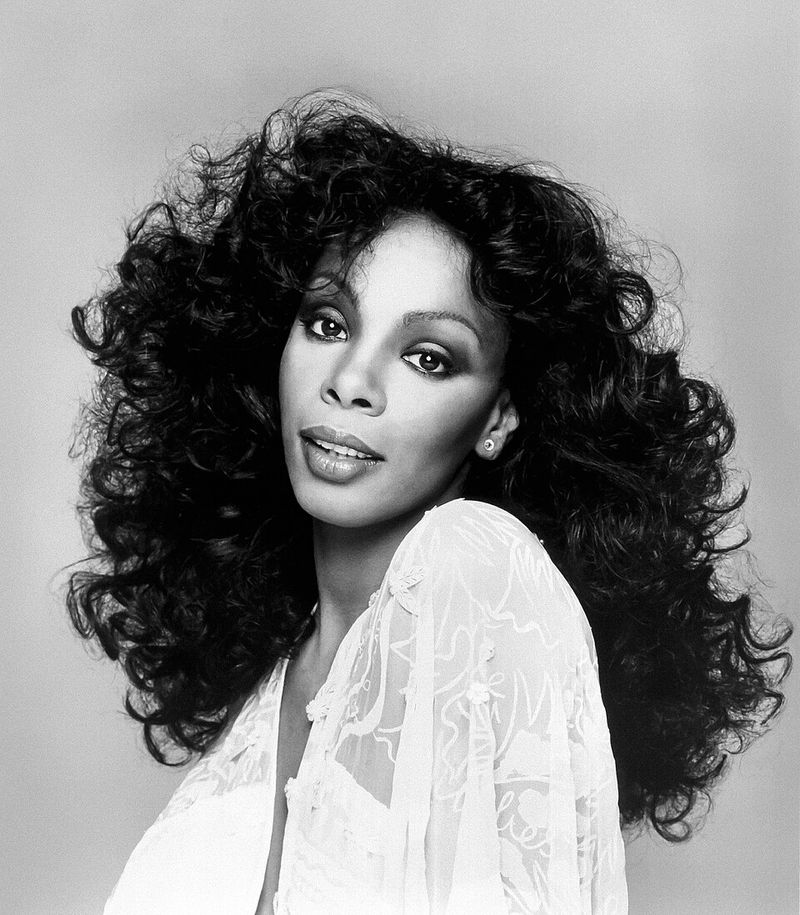
Donna Summer ruled the disco era, but many people dismissed disco as a passing fad that would disappear quickly. Summer proved she was more than just a genre novelty by creating songs that transcended disco’s limitations.
Released on July 2, 1978, “Last Dance” became an awards magnet, winning an Academy Award and a Golden Globe for Best Original Song.
The track showcased Summer’s incredible vocal range and emotional depth, proving she was a serious artist. Then “Hot Stuff” arrived as a huge 1979 single, incorporating rock guitars and a grittier sound that appealed beyond disco fans.
Summer demonstrated remarkable versatility, adapting her style while maintaining her signature powerful vocals.
Her ability to evolve kept her relevant even as disco faced a massive backlash in the late 1970s. While other disco artists faded away, Summer kept producing hits by embracing new sounds and production techniques.
She worked with legendary producer Giorgio Moroder to create electronic soundscapes that influenced dance music for decades.
Summer’s five-octave vocal range and emotional delivery set her apart from other disco singers. She brought genuine artistry to a genre often dismissed as superficial, earning respect from critics and fans alike.
From disco queen to pop legend, Summer’s journey proved that talent and adaptability matter more than any single musical trend.
8. Barry Manilow – The jingle-trained hitmaker who owned soft-rock pop culture
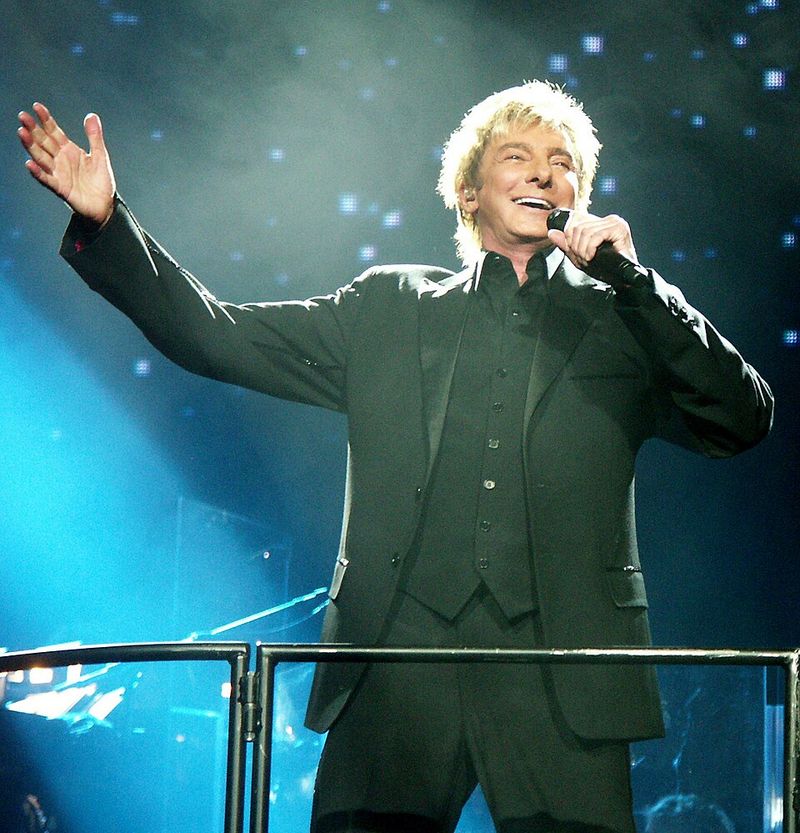
Before becoming a household name, Barry Manilow wrote commercial jingles, including the famous “I Am Stuck on Band-Aid” jingle. This background seemed like an unlikely launching pad for a legendary music career.
Yet Manilow took his jingle-writing skills and applied them to creating irresistibly catchy pop songs that dominated the charts.
“Mandy” became a defining early hit, showcasing his talent for emotional ballads with memorable melodies. Then “Copacabana (At the Copa)” was released in 1978, a story-song that became so iconic it still follows him everywhere.
The song’s narrative style and theatrical flair made it stand out from typical pop songs of the era.
Manilow’s jingle background actually helped him understand what makes a song stick in people’s minds. He crafted hooks and choruses that people could not forget, even if they tried.
His soft-rock sound became the soundtrack to countless weddings, graduations, and romantic moments throughout the late 1970s and 1980s.
Critics often dismissed his music as too sentimental or commercial, but fans loved him anyway. Manilow proved that commercial appeal and artistic success could coexist, selling millions of albums despite critical indifference.
His journey from jingle writer to pop culture fixture showed that understanding what audiences want is a valuable skill that should never be underestimated.
9. Grace Jones – The model-turned-music icon who made Nightclubbing essential
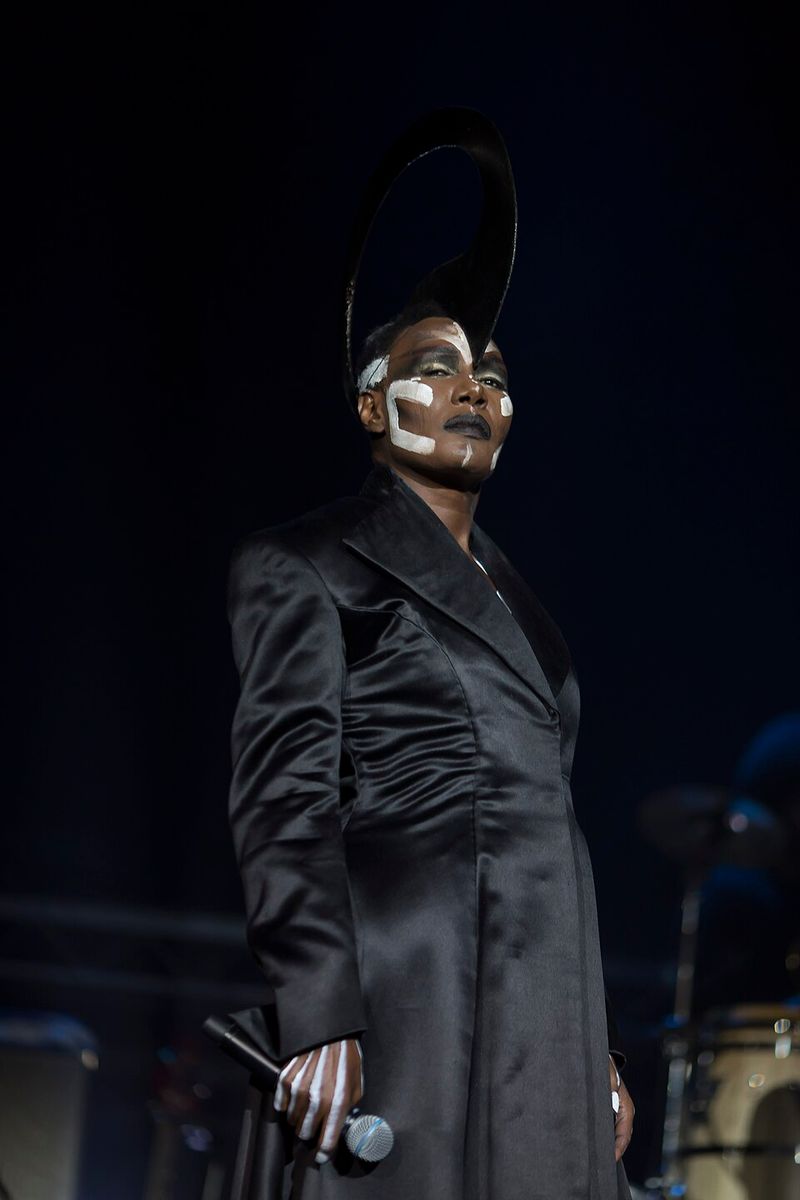
Grace Jones started as a fashion model, gracing magazine covers and runways with her striking, androgynous look. Models rarely transition successfully into music, but Jones was never ordinary.
Her album Nightclubbing was released on May 11, 1981, and it immediately established her as a serious musical force, not just a model dabbling in music.
The album produced signature tracks including “Pull Up to the Bumper,” released in 1981, which became an instant classic. Jones brought a fierce, unapologetic energy to new wave and post-disco music that felt genuinely dangerous and exciting.
Her deep, commanding voice and avant-garde style made her impossible to categorize or ignore.
Working with producers like Sly and Robbie, Jones created a sound that blended reggae, funk, new wave, and electronic music seamlessly. She was not trying to be a traditional pop star but rather an artistic statement, which made her even more compelling.
Her music videos and live performances were visual spectacles that influenced everyone from Madonna to Lady Gaga.
Jones proved that models could be taken seriously as musicians if they brought genuine artistry and vision. Her fearless approach to gender presentation and musical experimentation made her a true icon.
From fashion runways to music legend, Jones created her own category and became essential listening for anyone interested in bold, boundary-pushing pop music.
10. Rick Springfield – The TV star who scored a real rock No. 1
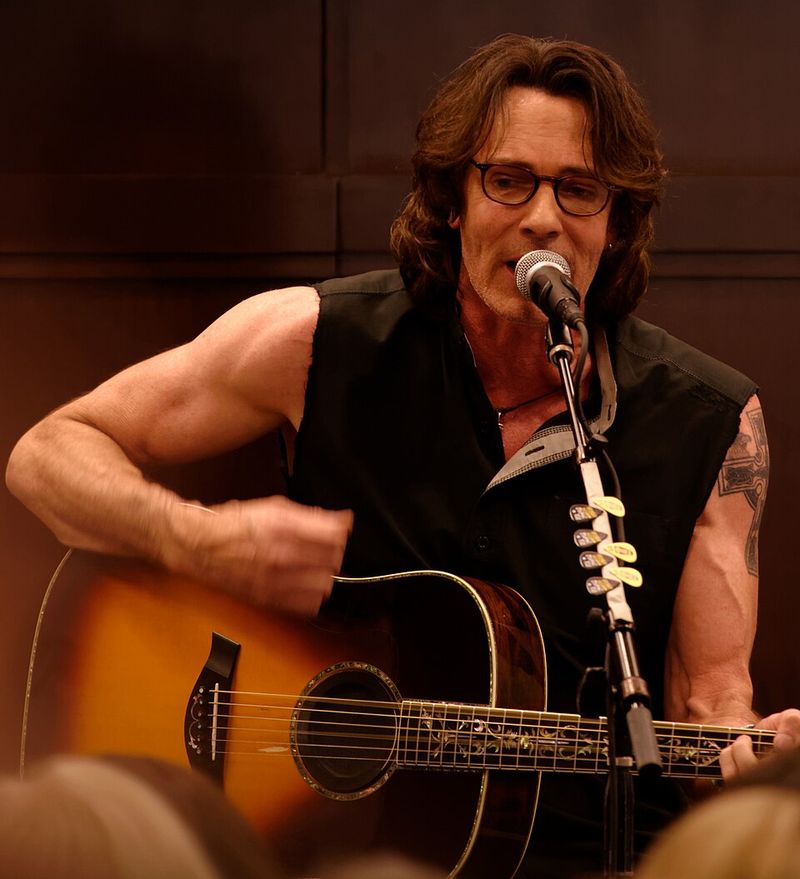
Rick Springfield was known primarily as an actor on the soap opera General Hospital when his music career suddenly exploded. TV stars attempting music careers usually result in embarrassing failures that fans try to forget.
Springfield completely defied those expectations when “Jessie’s Girl” was released on January 30, 1981, climbing all the way to number one in the United States.
The song became his defining hit, with its catchy guitar riff and relatable lyrics about wanting someone else’s girlfriend. Springfield was not just a TV star playing at being a musician but a genuinely talented songwriter and performer.
His good looks helped, but the song succeeded because it was actually great, not just a celebrity vanity project.
Balancing acting and music simultaneously, Springfield proved you could excel at both without either career suffering. His success opened doors for other actors to pursue music more seriously, though few matched his achievements.
The song won him a Grammy Award, giving him credibility that most actor-musicians never achieve.
Springfield’s guitar skills and rock credibility separated him from other pretty-boy TV stars of the era. He toured relentlessly, proving himself in front of live audiences night after night.
From soap opera heartthrob to legitimate rock star, Springfield’s journey showed that talent and hard work matter more than how you first become famous.
11. Rod Stewart – The rock voice who fearlessly went disco-pop and new-wave adjacent
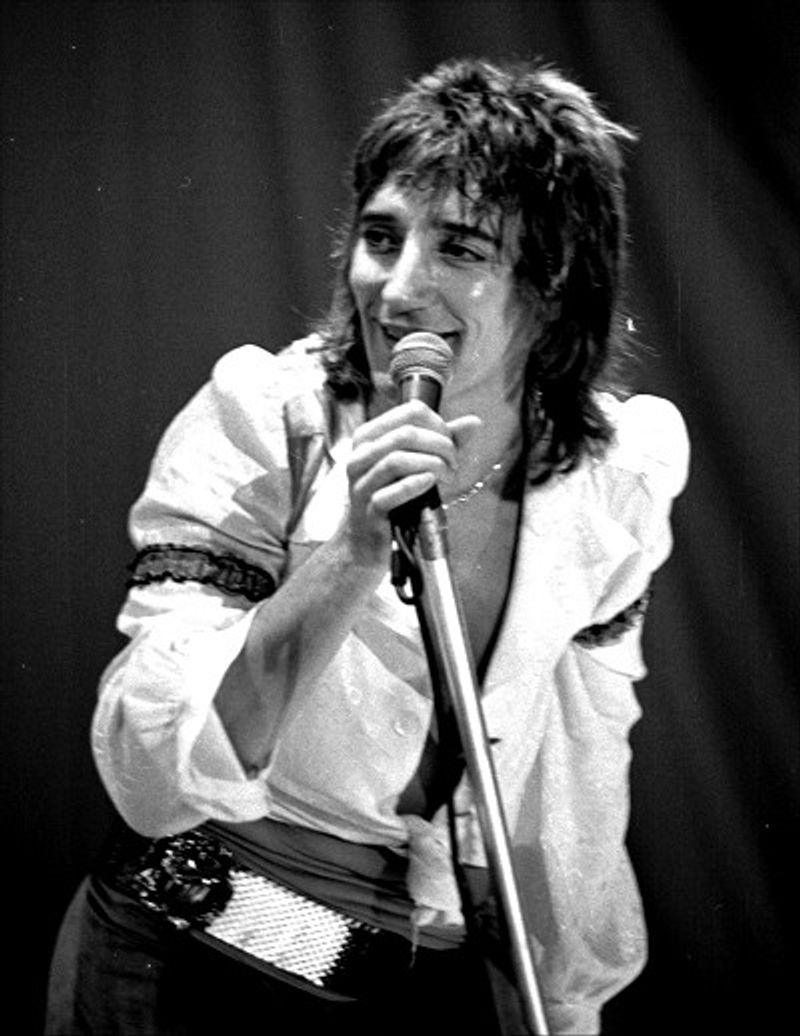
Rod Stewart built his reputation as a raspy-voiced rock singer with credibility and blues-rock roots. When he released “Da Ya Think I’m Sexy?” in November 1978, rock purists felt betrayed by his embrace of disco sounds.
The song became a massive hit anyway, proving Stewart cared more about making great music than pleasing critics.
His willingness to experiment with different sounds showed artistic courage that many established rockers lacked. “Da Ya Think I’m Sexy?” dominated dance floors and radio stations worldwide, becoming one of the defining songs of the late 1970s. Stewart proved that rock singers could embrace disco without losing their identity or talent.
Then “Young Turks” followed with a slick early-1980s sound in 1981, incorporating new-wave influences and synthesizers. Stewart kept evolving, never staying in one place long enough to become predictable or boring.
His adaptability kept him relevant across multiple decades and musical movements.
Some longtime fans criticized his commercial direction, but Stewart gained millions of new listeners in the process. His distinctive voice worked equally well on rock ballads, disco anthems, and new-wave pop songs.
From rock purist to genre-hopping superstar, Stewart’s fearless approach to musical experimentation showed that established artists could evolve without abandoning what made them special in the first place.
12. Christopher Cross – The yacht-rock newcomer who pulled off a Grammy sweep

Christopher Cross appeared seemingly out of nowhere in 1980 with his smooth, mellow sound that critics would later dub yacht rock. Nobody expected this newcomer to dominate the music industry so completely and so quickly. “Sailing” hit number one on the Billboard Hot 100 in 1980, introducing audiences to his gentle, breezy style.
Then Cross famously won the “big four” general Grammy categories in one night at the 1981 ceremony: Record of the Year, Album of the Year, Song of the Year, and Best New Artist. This unprecedented sweep shocked the music industry and remains one of the most impressive Grammy achievements ever.
Cross became the first artist to win all four major categories in a single year.
His soft-rock sound was perfect for the early 1980s, offering a relaxing alternative to punk and new wave’s intensity. Cross’s technical guitar skills and smooth vocals created an effortless listening experience that appealed to adult contemporary audiences.
His music became the soundtrack to lazy summer days and peaceful drives.
Despite his massive initial success, Cross struggled to replicate it in later years, making his Grammy sweep even more remarkable. He proved that sometimes an artist can capture a perfect moment in time.
From unknown musician to Grammy-sweeping legend, Cross’s story shows that timing and the right song can change everything overnight.
13. Pat Benatar – The classically trained vocalist who became MTV-era rock royalty
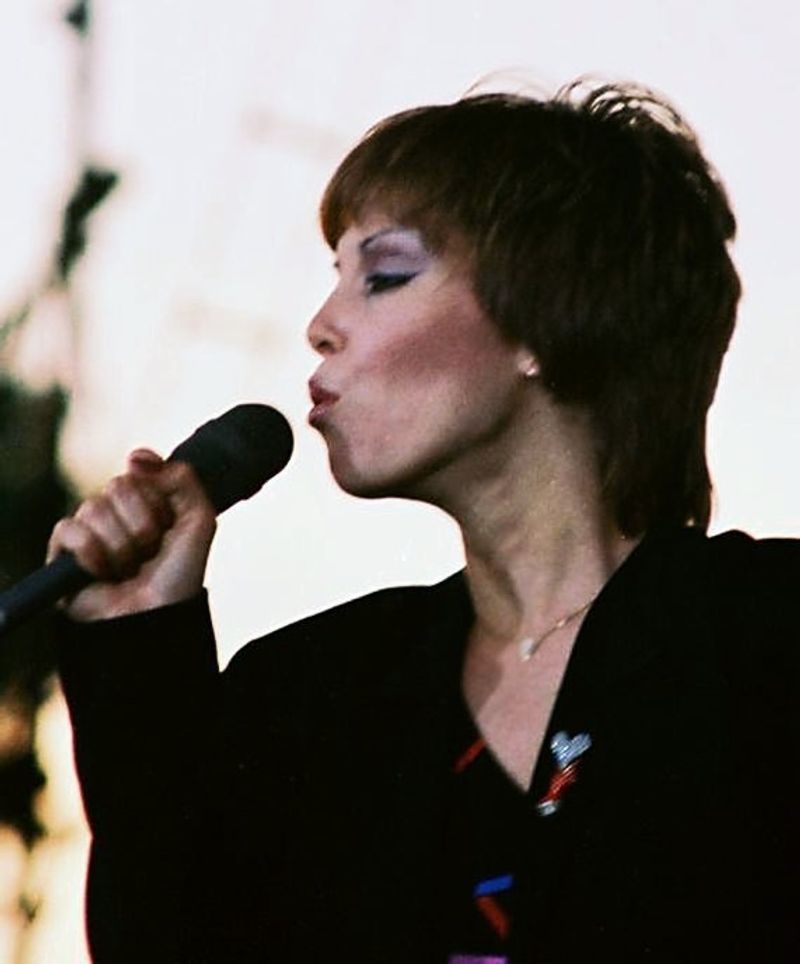
Pat Benatar trained as a classical mezzo-soprano, studying opera and musical theater in her early years. Classical training and hard-rocking MTV stardom seemed like opposite career paths.
Yet Benatar combined her powerful, trained voice with rock attitude to create something completely unique and undeniably powerful.
Her classical background gave her vocal control and range that most rock singers could not match. Benatar could hit challenging notes with precision while still delivering the raw emotion that rock music demands.
This combination made her stand out in the male-dominated rock world of the early 1980s.
Her era-defining single “Love Is a Battlefield” was released on September 12, 1983, becoming an MTV staple with its memorable music video. The song’s dramatic vocals and narrative video showcased Benatar’s ability to tell stories through both music and visuals.
She became one of MTV’s first female rock stars, paving the way for countless women in rock.
Benatar proved that technical training and rock credibility were not mutually exclusive but could actually enhance each other. Her powerful voice and fierce stage presence challenged stereotypes about what female rockers could be.
From opera student to rock royalty, Benatar’s journey showed that classical training could actually make rock music even better, not weaker or less authentic.
14. Boy George – The androgynous pop lightning bolt who made Culture Club unavoidable
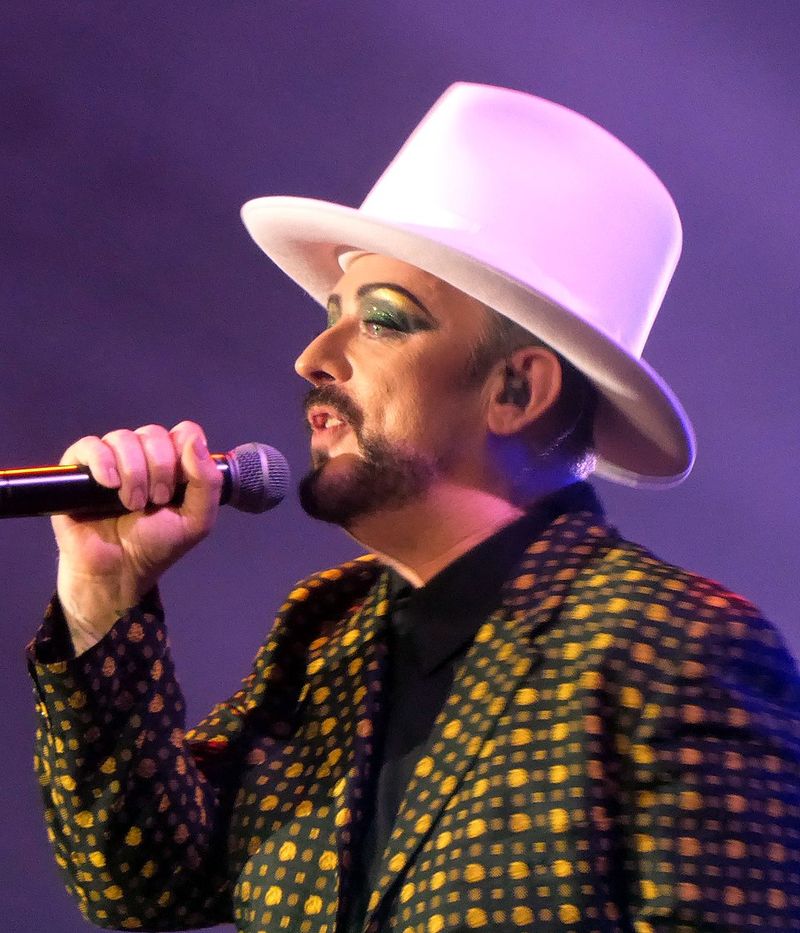
Boy George appeared on the music scene looking like nobody else, with dramatic makeup, braided hair, and flowing robes. His androgynous appearance shocked conservative audiences and fascinated everyone else.
Culture Club’s breakout “Do You Really Want to Hurt Me” was released in 1982, introducing the world to George’s soulful voice and unique style.
The song became a massive international hit, proving that audiences were ready for something different and challenging. George’s appearance sparked countless conversations about gender, identity, and what pop stars could look like.
His willingness to be completely himself, regardless of criticism, made him a hero to outsiders everywhere.
Then the monster hit “Karma Chameleon” was released in 1983, becoming one of the biggest songs of the decade. The catchy, upbeat tune contrasted beautifully with George’s unconventional image, creating a fascinating combination.
Culture Club helped define early-1980s pop with their blend of new wave, soul, and reggae influences.
George’s impact extended far beyond music, influencing fashion, makeup, and conversations about gender expression. He showed that you could be weird, wonderful, and wildly successful all at once.
From androgynous outsider to unavoidable pop star, Boy George’s journey proved that being authentically yourself could lead to massive mainstream success, changing pop culture forever in the process.
15. Joe Walsh – The ace guitarist who became an Eagles-era stadium staple

Joe Walsh was already a respected guitarist with a solid solo career when he joined the Eagles in 1975. His first album with them was Hotel California, which became one of the best-selling albums of all time.
Walsh brought a harder rock edge to the Eagles’ country-rock sound, helping them evolve and reach even bigger audiences.
His guitar work on Hotel California showcased his technical brilliance and creativity, particularly on the album’s iconic title track. Walsh’s dual-guitar harmonies with Don Felder created some of rock’s most memorable moments.
He proved that joining an established band could elevate both the individual and the group.
Walsh maintained his solo career alongside his Eagles work, showing impressive versatility and energy. His solo single “Life’s Been Good” was released in May 1978, becoming a hit with its humorous take on rock-star excess.
The song’s self-aware lyrics and catchy guitar riff showed Walsh’s personality and sense of humor.
Balancing solo success with being part of a supergroup is incredibly difficult, but Walsh made it look easy. His laid-back personality and incredible guitar skills made him beloved by fans and fellow musicians alike.
From respected guitarist to Eagles-era stadium staple, Walsh’s journey showed that sometimes joining forces with other talented people can take your career to heights you could never reach alone.



