 Unearth The Voyage
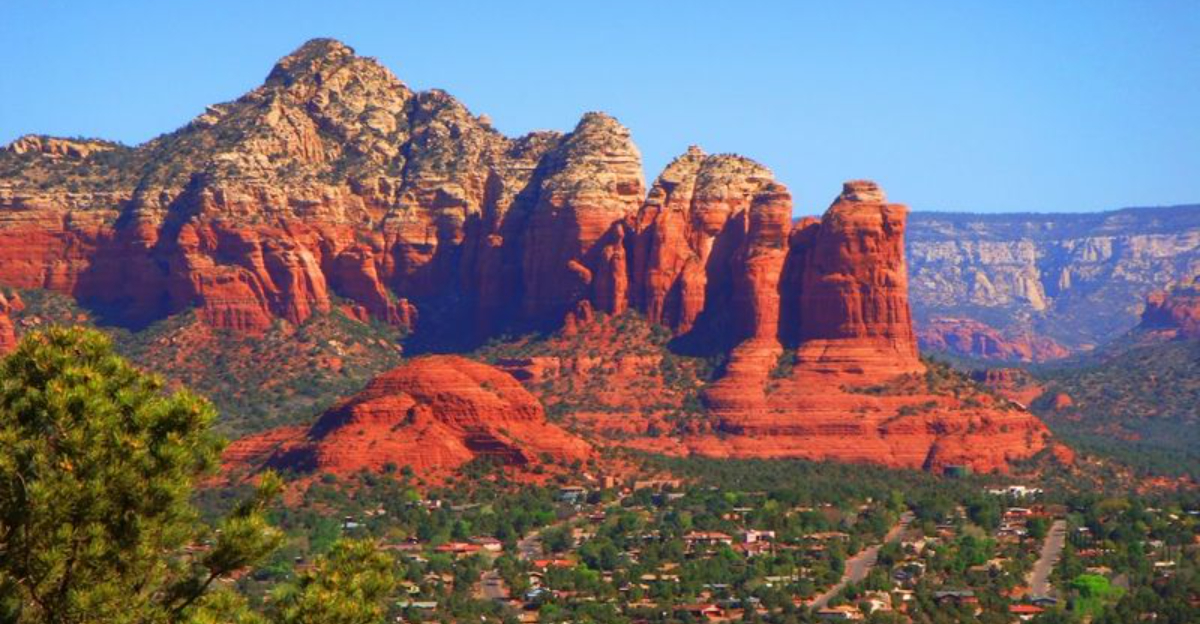
The American Southwest is one of those rare places where reality looks better than anything a movie director could dream up. From glowing red canyons to white sand dunes stretching to the horizon, every turn of the road reveals something that stops you in your tracks.
Whether you are planning your first big road trip or adding new stops to a familiar route, these 15 destinations will leave you wondering if you accidentally drove onto a film set. Pack your bags, charge your camera, and get ready for the ride of a lifetime.
1. Monument Valley, Utah/Arizona
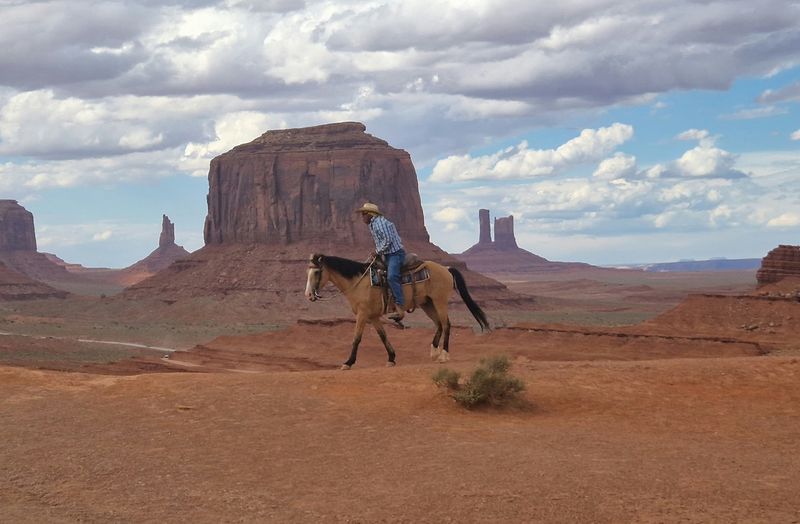
Few places on Earth announce themselves quite like Monument Valley. Those massive red sandstone buttes rising hundreds of feet from the flat desert floor have appeared in so many Westerns that your brain almost expects to see a cowboy riding past.
John Ford used this landscape repeatedly in films starring John Wayne, cementing it as America’s most iconic backdrop.
Visiting at sunrise is an experience you will not forget. The light shifts from deep purple to blazing orange in minutes, painting the buttes in colors that no camera fully captures.
The Navajo Nation manages this land, and guided tours led by local Navajo guides offer stories and history that make the scenery even more meaningful.
Drive the 17-mile scenic loop slowly, stop often, and resist the urge to rush. Monument Valley rewards patience with views that feel absolutely cinematic.
2. Horseshoe Bend, Arizona
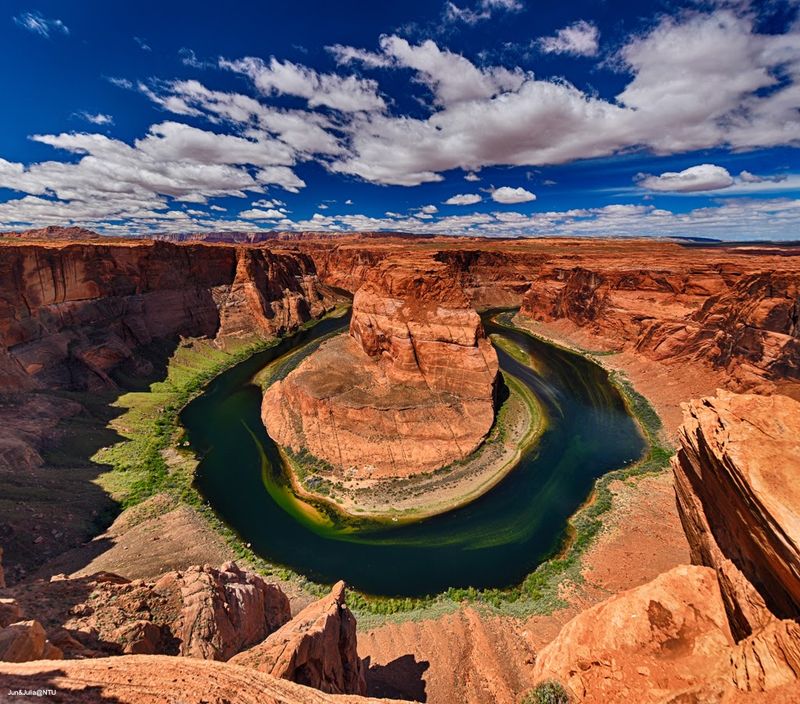
Standing at the rim of Horseshoe Bend for the first time tends to produce a very specific reaction: total speechlessness. The Colorado River wraps nearly 270 degrees around a massive sandstone peninsula, creating a natural horseshoe shape that looks almost too perfect to be real.
It sits just outside Page, Arizona, and the hike to the overlook is only about 1.5 miles round trip.
Sunset is widely considered the best time to visit because the canyon walls glow with warm amber and red tones. Photographers line the rim waiting for that perfect shot, and honestly, even a basic smartphone camera can capture something stunning here.
Bring plenty of water since the trail is exposed and dry. Arrive early during summer months to beat the crowds.
Admission is a small fee per vehicle, making this one of the Southwest’s best budget-friendly cinematic stops.
3. Antelope Canyon, Arizona
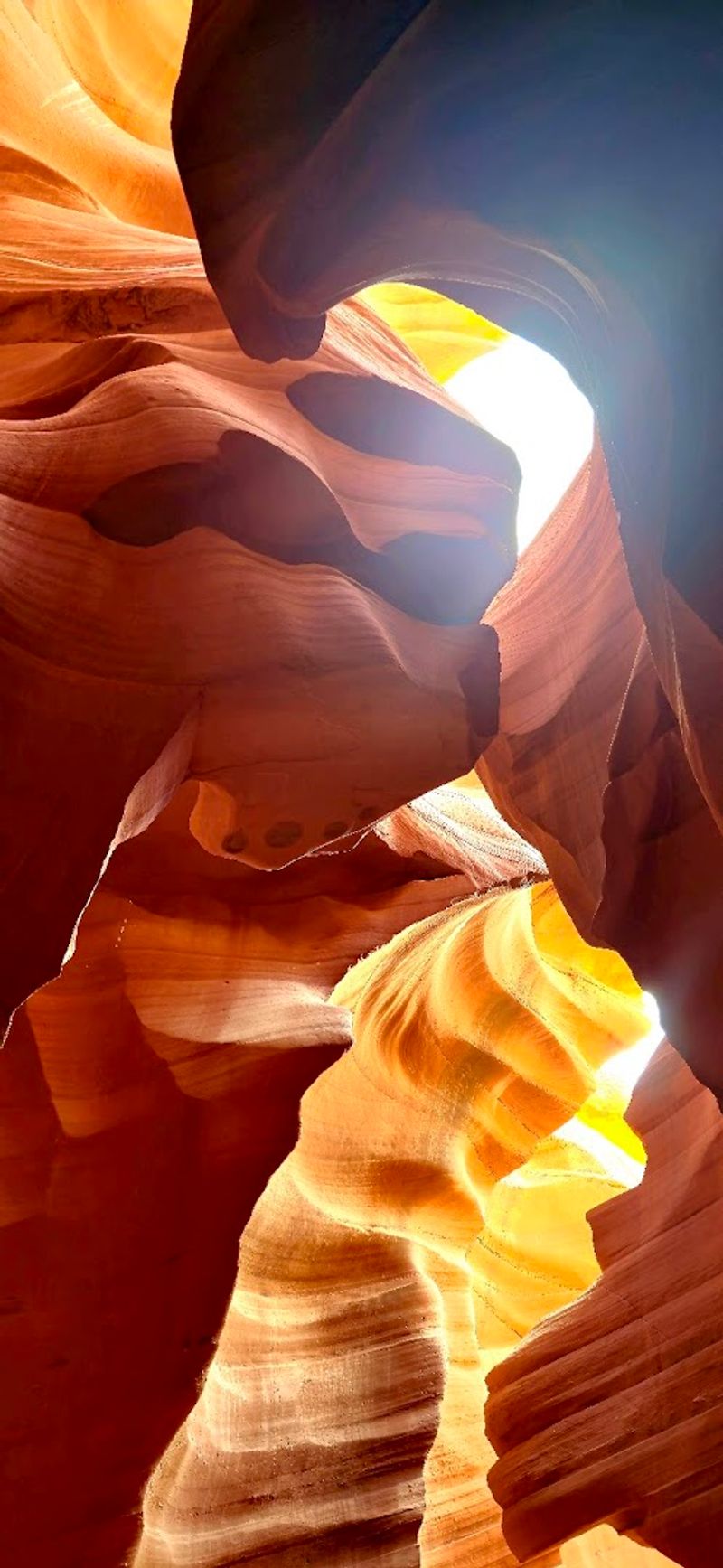
Antelope Canyon is the kind of place that makes people question whether they are looking at a photograph or a painting. The narrow slot canyon near Page, Arizona, was carved by flash floods over millions of years, leaving behind smooth, wave-like walls that swirl in shades of orange, red, and purple.
When sunlight beams down through the cracks above, the effect is almost otherworldly.
There are two sections: Upper Antelope Canyon, known as The Crack, and Lower Antelope Canyon, called The Corkscrew. Upper is more popular and slightly easier to walk through, while Lower offers a more adventurous experience with ladders and tighter passages.
Both require guided tours booked through Navajo-authorized companies.
Photography inside is extraordinary, but even without a camera, simply standing inside those glowing walls feels like being inside a living work of art. Book tours well in advance, especially during peak spring and summer months.
4. Arches National Park, Utah
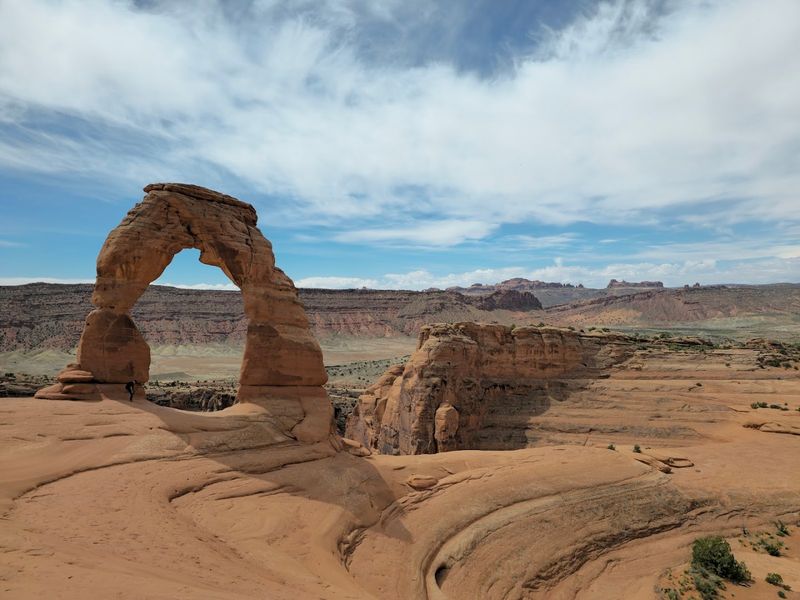
Arches National Park holds more natural stone arches than anywhere else on the planet, with over 2,000 documented formations spread across the red rock landscape near Moab, Utah. Delicate Arch is the most famous, appearing on Utah’s license plate and looking like it was custom-built for a dramatic movie finale scene.
The hike to reach it is about three miles round trip with some steep sections, but the payoff is extraordinary.
Beyond Delicate Arch, spots like Landscape Arch and Double Arch offer equally impressive photo opportunities with far shorter walks. The park is especially beautiful at sunrise and sunset when the sandstone turns deep shades of red and gold.
Timed entry permits are required during peak season, so plan ahead and book early. Moab itself is a great base camp with solid restaurants and gear shops for anyone wanting to explore the surrounding canyon country more deeply.
5. Bryce Canyon, Utah
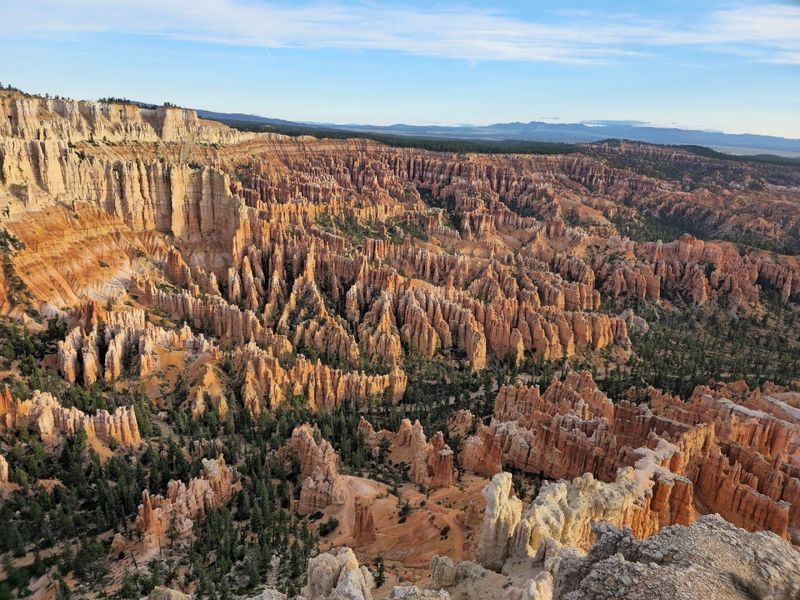
Bryce Canyon looks like someone took a fantasy novel and turned it into a landscape. Thousands of hoodoos, which are tall spiky rock formations, rise from the canyon floor in shades of red, orange, and white, creating a scene that looks genuinely magical.
The park sits at a high elevation in southern Utah, which means it often gets snow in winter, making the orange hoodoos against white powder one of the most surreal sights in the Southwest.
Sunrise Point and Sunset Point along the rim offer jaw-dropping views without any hiking required. For those willing to walk, the Navajo Loop Trail takes you down among the hoodoos themselves, which is a completely different and immersive experience.
Bryce Canyon is also one of the best places in the country for stargazing due to its low light pollution. Clear nights here reveal a sky packed with stars that will genuinely take your breath away.
6. Zion National Park, Utah
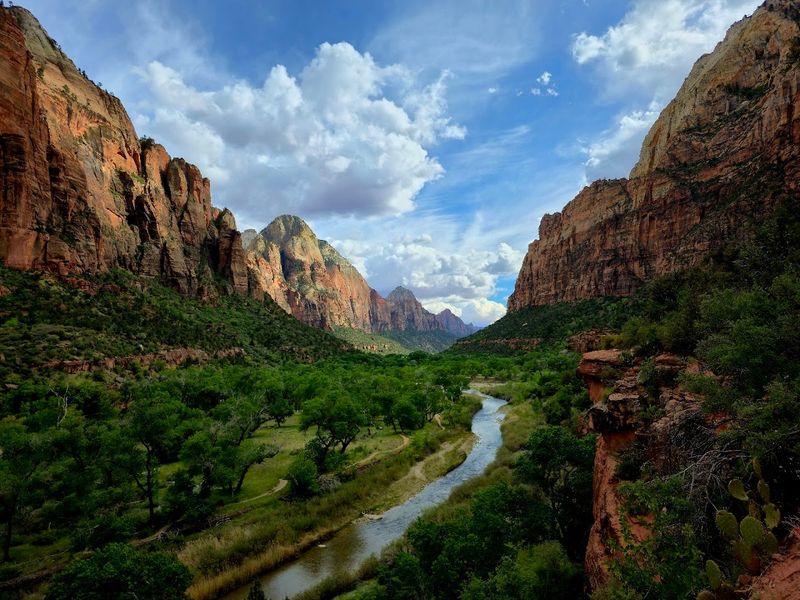
Zion National Park delivers the kind of scenery that belongs in an adventure blockbuster. Massive sandstone walls rise over 2,000 feet from the canyon floor, framing a narrow valley with a clear river running through it.
The park near Springdale, Utah, draws millions of visitors every year and for very good reason.
Angels Landing is the park’s most famous hike, a challenging trail that ends on a narrow rocky fin with sheer drop-offs on both sides. It now requires a permit due to its popularity and the need for safety management.
The Narrows is another iconic experience where hikers wade through the Virgin River between towering slot canyon walls.
Even a slow drive through the main canyon on the park shuttle offers stunning views. Spring brings wildflowers and rushing waterfalls, while fall colors reflect beautifully in the river pools.
Zion genuinely offers something extraordinary at every season of the year.
7. Valley of Fire, Nevada
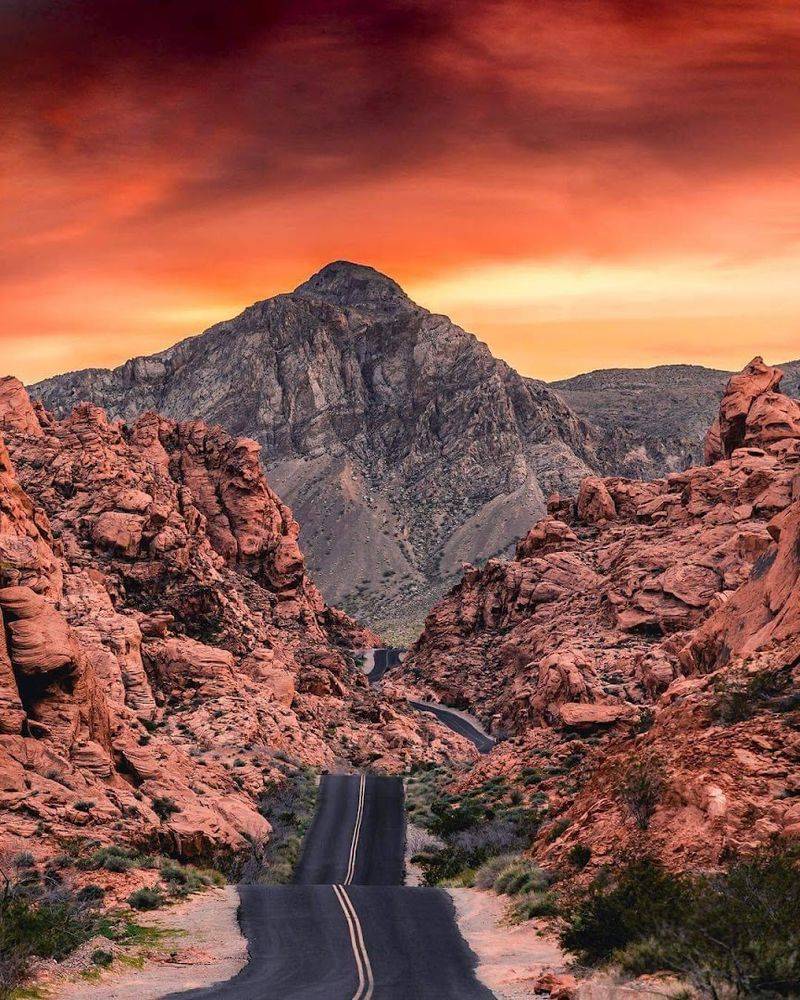
About an hour northeast of Las Vegas, Valley of Fire State Park looks like a set designer created it for a science fiction film. The sandstone formations here glow in shades of deep red and fiery orange, especially in the late afternoon when the light hits at a low angle.
The park gets its name from exactly that effect, and it absolutely delivers on the promise.
Filmmakers have used Valley of Fire as a stand-in for Mars and other alien landscapes, and once you see it, that choice makes complete sense. Elephant Rock, Fire Wave, and the Beehives are among the most photogenic formations, each offering unique textures and shapes.
Ancient petroglyphs carved by the Ancestral Puebloans can be found at Atlatl Rock, adding a historical layer to the visual spectacle. Summers get extremely hot here, so visiting in spring or fall is highly recommended for a more comfortable and enjoyable experience.
8. White Sands National Park, New Mexico
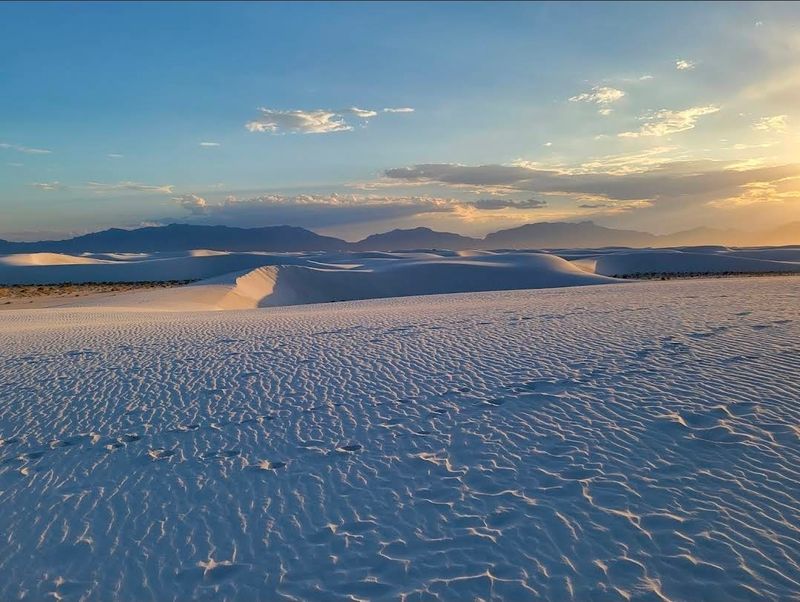
White Sands National Park in southern New Mexico is one of those places that feels like it belongs on another planet. The park protects the largest gypsum sand dune field on Earth, covering around 275 square miles of brilliant white sand that stays cool to the touch even in summer because gypsum does not absorb heat the way regular sand does.
Walking into the dune field feels surreal. The white sand reflects light in a way that makes everything look almost luminous, and on overcast days, the dunes seem to glow from within.
Sledding down the dunes on plastic sleds, which are available for rent at the visitor center, is one of the most unexpectedly fun activities in the entire Southwest.
Sunset at White Sands is something genuinely special, as the sky turns pink and lavender above the white landscape. The park is located near Alamogordo and is easy to combine with a visit to nearby Carlsbad Caverns.
9. Sedona, Arizona
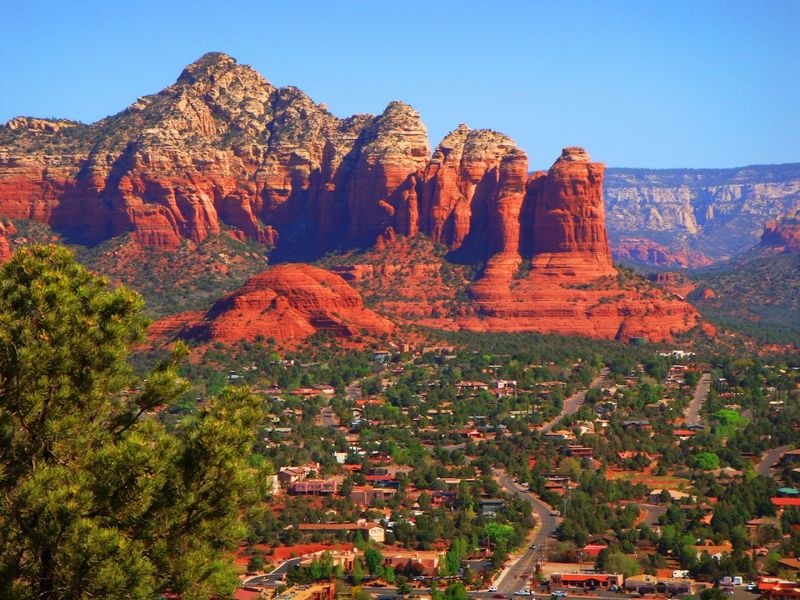
Sedona has a quality that is difficult to put into words but immediately felt when you arrive. The red rock formations surrounding the town, names like Cathedral Rock, Bell Rock, and Courthouse Butte, create a backdrop so dramatic that it has been used in dozens of films and television commercials.
The combination of deep red stone against a blue Arizona sky is visually striking in a way that photographs struggle to fully communicate.
Beyond the scenery, Sedona is known for its supposed energy vortexes, spots where visitors report feeling a heightened spiritual or emotional connection. Whether or not you believe in that, the peacefulness of the landscape makes it easy to understand why people feel something special here.
Jeep tours are a popular way to access backcountry trails and viewpoints that regular vehicles cannot reach. The town itself has excellent restaurants, art galleries, and spa retreats, making Sedona a comfortable stop for every type of traveler on the road.
10. The Wave, Arizona/Utah
Getting to The Wave requires winning a lottery. That is not a metaphor.
The Bureau of Land Management issues a strictly limited number of daily permits through an online lottery system to protect this extraordinary sandstone formation on the Arizona/Utah border near the Vermilion Cliffs. Only 64 people are allowed to visit per day, which keeps the place pristine and the experience genuinely rare.
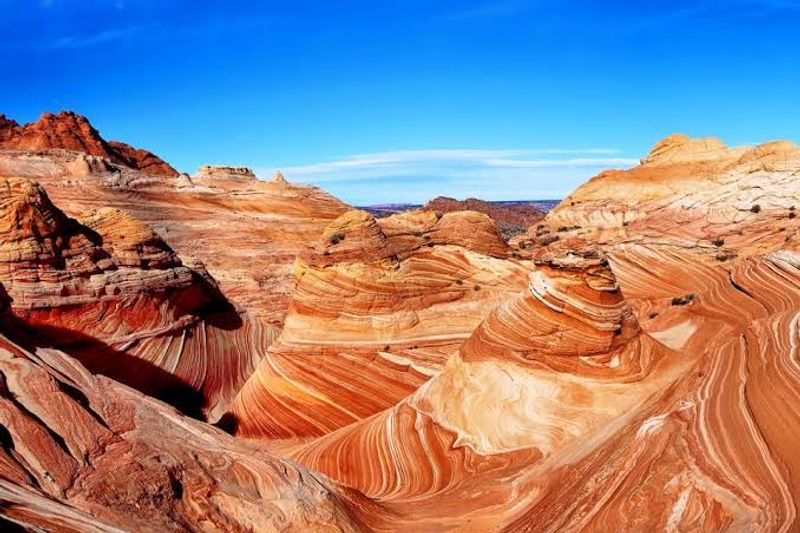
The formation itself is a swirling masterpiece of layered sandstone, with bands of red, orange, yellow, and white flowing in smooth curves that look almost like frozen waves of paint. There are no maintained trails, so navigation skills and preparation are essential for the 6-mile round trip hike across open desert terrain.
If you win the permit, treat it like the golden ticket it is. Bring more water than you think you need, download offline maps, and go on a clear day.
The Wave rewards every bit of effort with images that look completely unreal.
11. Canyon de Chelly, Arizona
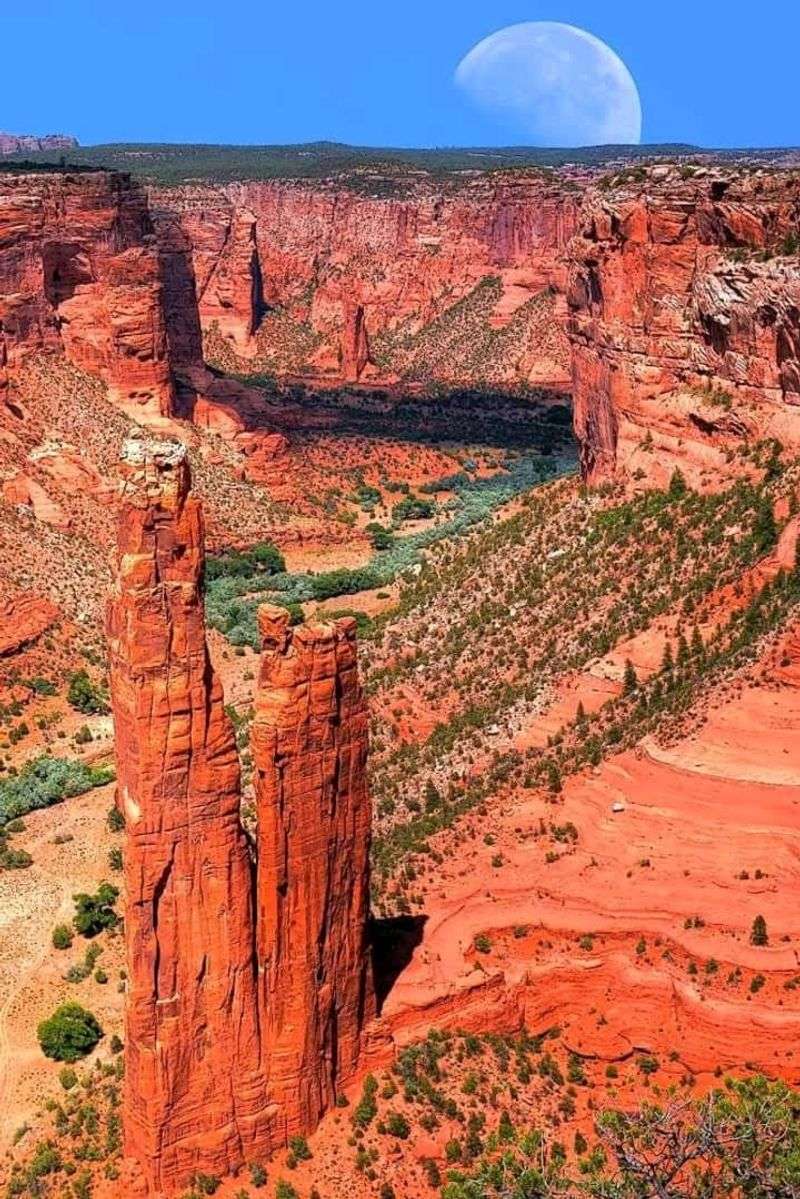
Canyon de Chelly sits in northeastern Arizona on Navajo Nation land and carries a weight that you feel as soon as you look out over the rim. Ancient cliff dwellings built by the Ancestral Puebloans are tucked into the canyon walls, some of them over a thousand years old, still visible and remarkably preserved.
The canyon has been continuously inhabited for nearly 5,000 years, making it one of the longest-occupied landscapes in North America.
Unlike many national parks, Canyon de Chelly is still home to Navajo families who farm and raise livestock on the canyon floor. Visitors can view the canyon from free overlooks along the rim drive, but entering the canyon requires a Navajo guide, which is a rule worth respecting and embracing.
Spider Rock, an 800-foot sandstone spire rising from the canyon floor, is the most dramatic viewpoint along the south rim drive. The canyon is far less crowded than most Southwest landmarks, giving it a quiet and deeply powerful atmosphere.
12. Big Bend National Park, Texas
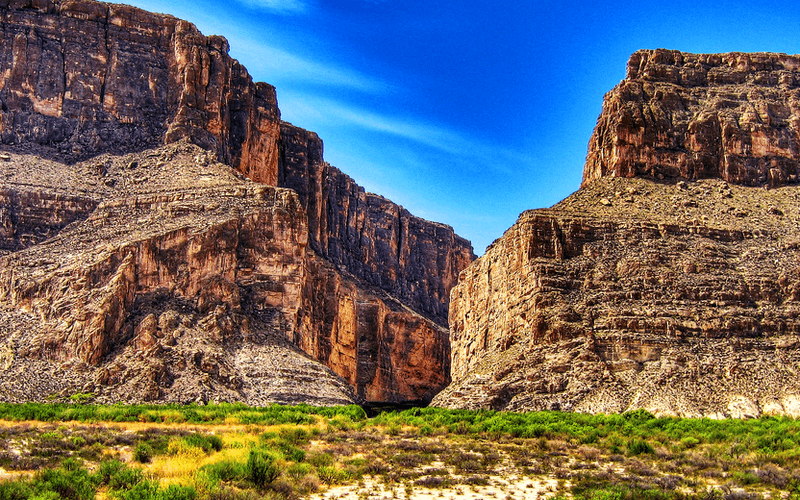
Big Bend is the kind of place that serious road trippers talk about in hushed, reverent tones. Located in far west Texas along the Rio Grande and the Mexican border, it is one of the most remote and least visited national parks in the lower 48 states, which is a big part of its appeal.
The park covers over 800,000 acres of Chihuahuan Desert, river canyons, and the rugged Chisos Mountains.
Because it sits so far from any major city, Big Bend has some of the darkest night skies in the entire country. The Milky Way is visible with the naked eye on clear nights, and the park holds a Gold Tier International Dark Sky Park designation.
Stargazing here is a life-changing experience.
Daytime offers Santa Elena Canyon, hot springs along the Rio Grande, and trails through desert landscapes full of roadrunners and javelinas. Getting there requires planning, but Big Bend rewards the effort with total, unhurried wilderness.
13. Route 66, Seligman, Arizona
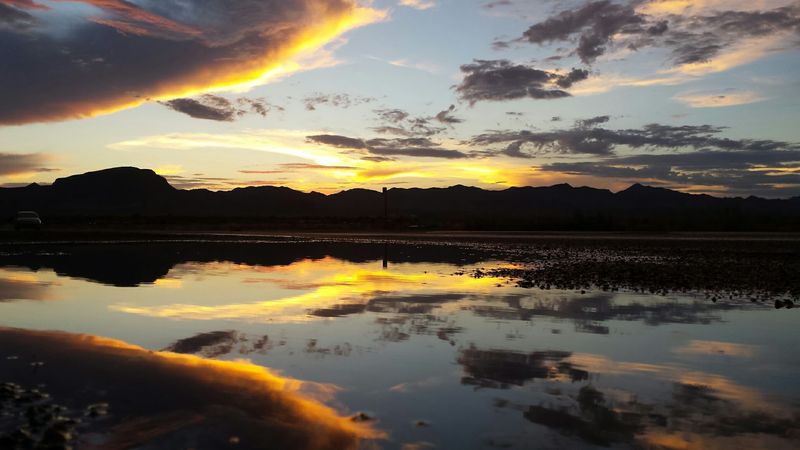
Seligman, Arizona, is the town that saved Route 66. When Interstate 40 bypassed the old highway in 1978, most towns along this stretch slowly disappeared.
Seligman survived thanks largely to Angel Delgadillo, a local barber who campaigned to preserve the historic road and helped establish it as an official Historic Route. His barbershop still operates as a landmark and unofficial Route 66 museum.
Walking through Seligman feels like stepping into a 1950s time capsule. Neon signs, vintage gas pumps, classic diners, and quirky roadside shops line the main street, giving the town a warm and nostalgic energy that feels genuinely earned rather than manufactured.
The town is widely believed to have inspired the fictional town of Radiator Springs in the Pixar film Cars. Whether you are a film fan or just a lover of classic Americana, Seligman delivers a slice of road trip culture that feels rare and completely authentic in the best possible way.
14. Grand Canyon, Arizona
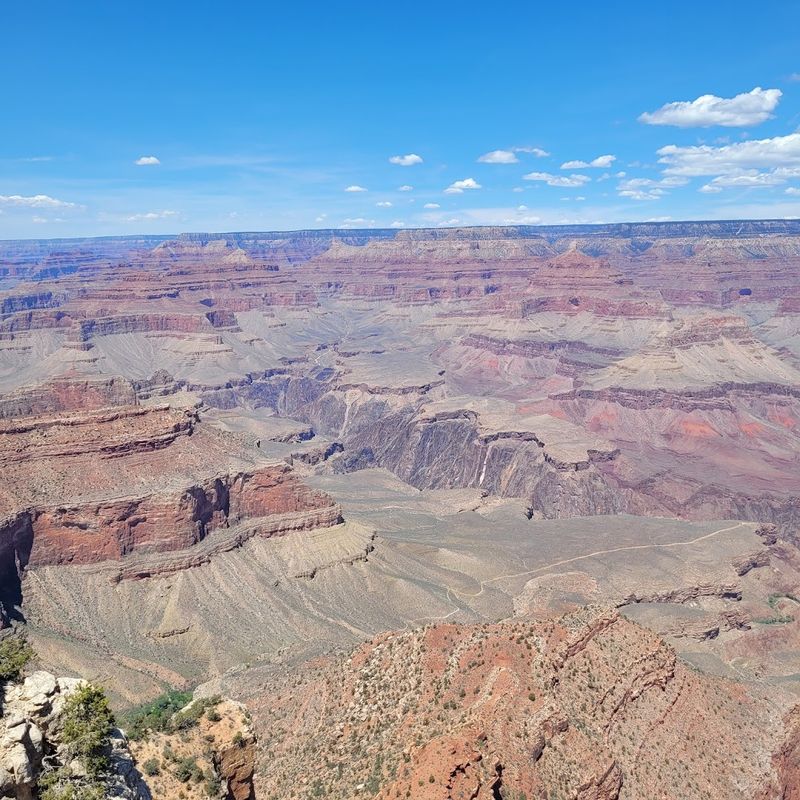
No amount of preparation fully gets you ready for the Grand Canyon. You can look at thousands of photographs, watch documentaries, and read every description ever written, and the moment you step to the rim for the first time, it still stops you cold.
The canyon stretches 277 miles long, up to 18 miles wide, and over a mile deep, exposing nearly two billion years of Earth’s geological history in its layered walls.
The South Rim is open year-round and offers the most accessible viewpoints and visitor services. Sunrise and sunset from Mather Point or Yavapai Point are among the most photographed moments in the entire national park system.
For a more immersive experience, hiking into the canyon on the Bright Angel Trail reveals a completely different world at every elevation change.
Rafting the Colorado River through the canyon is a multi-day adventure that many describe as the greatest outdoor experience of their lives. However you choose to experience it, the Grand Canyon earns every bit of its legendary status.
15. Dead Horse Point State Park, Utah
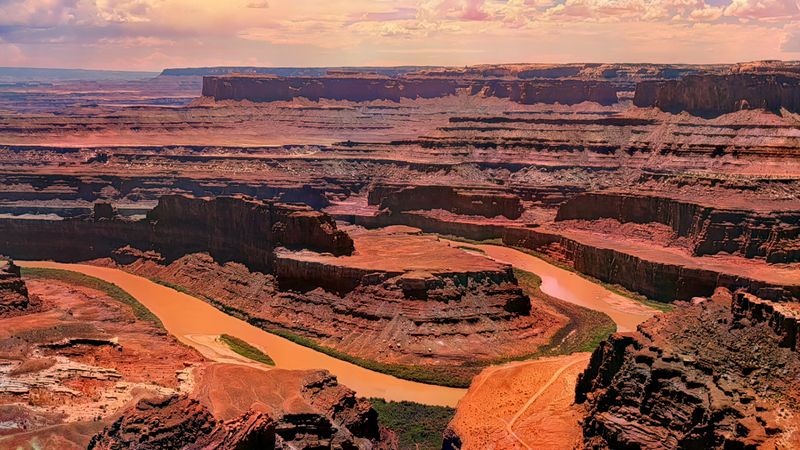
Dead Horse Point State Park sits just outside Moab, Utah, and delivers one of the most dramatic viewpoints in the entire American West without the massive crowds of its famous neighbors. From the main overlook, you stare down nearly 2,000 feet to a sweeping bend of the Colorado River, surrounded by layers of red and orange canyon walls that seem to go on forever in every direction.
The park gets its unusual name from a legend about wild mustangs that were corralled on the point by cowboys and then accidentally left without water, dying within sight of the river far below. That story adds a haunting quality to an already powerful landscape.
The movie Thelma and Louise famously used this location for its unforgettable final scene. The park also appeared in scenes from the film Westworld.
Sunrise and sunset here are extraordinary, and because the park charges a modest fee and stays less crowded than the Grand Canyon, the experience feels personal and unhurried.



