 Unearth The Voyage
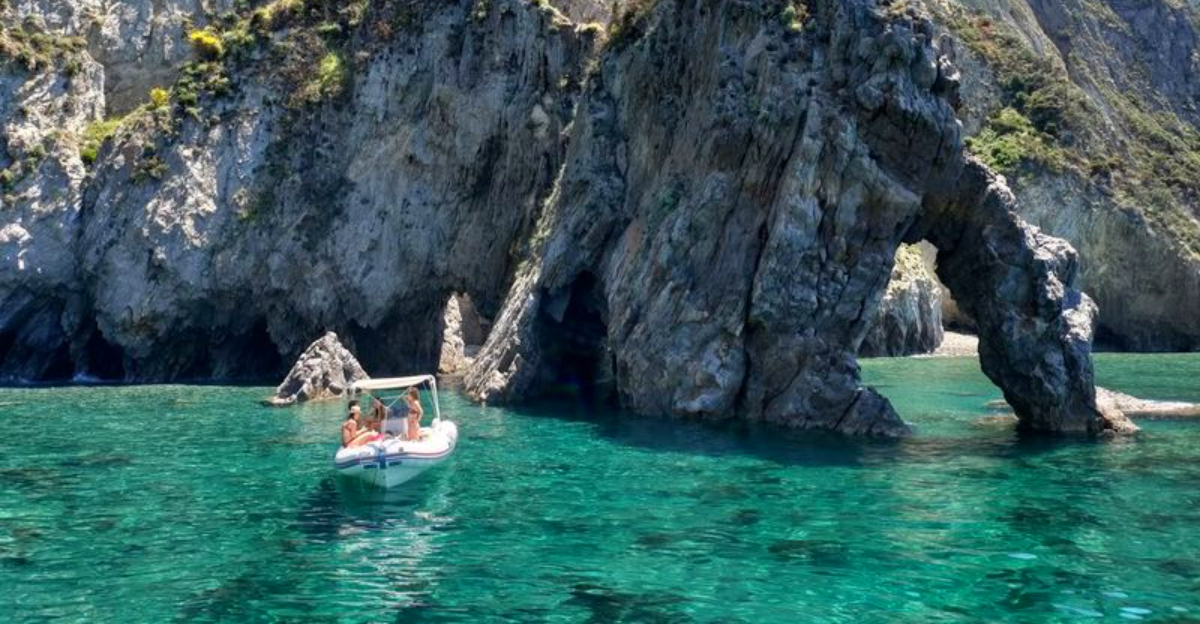
The Mediterranean Sea is home to some of the most breathtaking islands on the planet, each with its own personality, history, and charm. From ancient ruins and volcanic beaches to hidden coves and hilltop villages, these islands offer something truly special for every type of traveler.
Whether you crave adventure, relaxation, or a deep dive into culture and cuisine, the Mediterranean has you covered. Pack your bags and get ready to discover 15 islands that will leave you absolutely speechless.
Malta — Malta
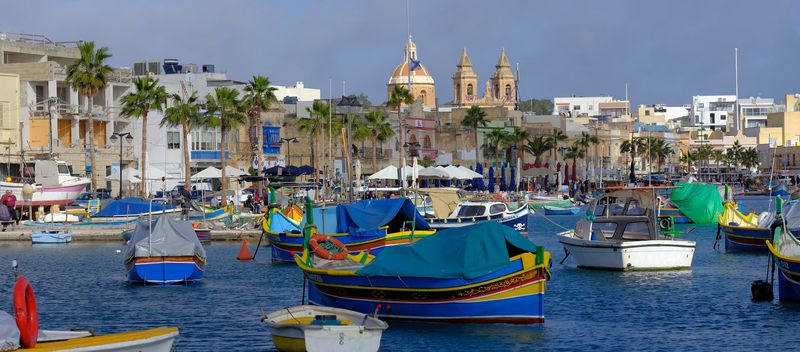
Seven thousand years of history packed into an island smaller than most cities — that is Malta in a nutshell. The capital, Valletta, is one of Europe’s smallest capital cities, yet it punches well above its weight with stunning baroque palaces, ancient cathedrals, and fortifications that once held off entire armies.
Walking its narrow streets feels like stepping into a living museum.
Beyond the city walls, Malta surprises visitors with dramatic sea cliffs, hidden sea caves, and some of the clearest water in the entire Mediterranean. The Blue Lagoon on the nearby island of Comino is so impossibly turquoise it almost looks fake.
Snorkelers and scuba divers absolutely love it here.
Malta’s food scene blends Italian, Arabic, and British influences into something completely its own. Try a pastizzi — a flaky pastry filled with ricotta or mushy peas — from a street vendor for the most authentic Maltese experience possible.
History lovers, beach seekers, and foodies all leave Malta completely satisfied.
Corsica — France
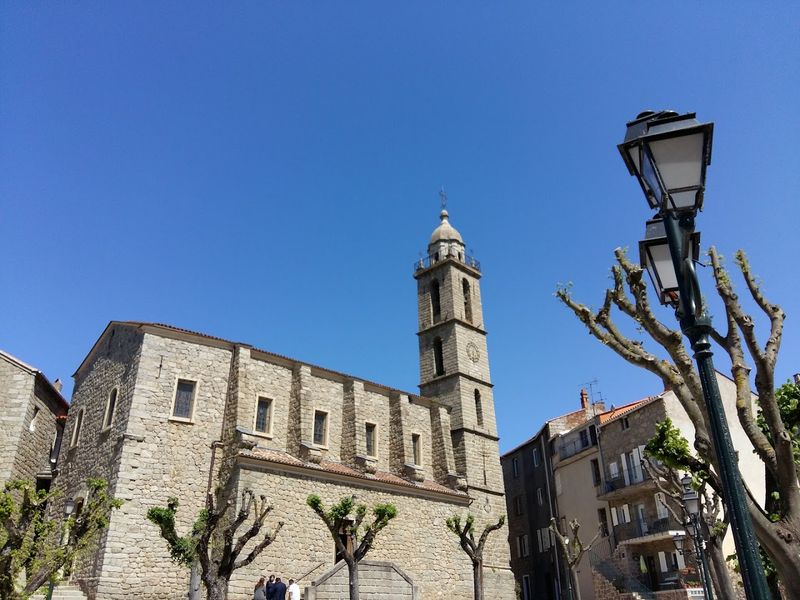
Corsica is the kind of island that makes you wonder why you ever vacationed anywhere else. Officially part of France but with a fiercely proud culture that leans heavily Italian, this island offers a personality unlike any other in the Mediterranean.
The locals will remind you of this proudly and often.
The GR20 hiking trail cuts dramatically across Corsica’s mountainous spine and is considered one of the toughest long-distance hikes in all of Europe. But you do not need to be a hardcore hiker to enjoy the island.
Gorgeous beach towns like Porto-Vecchio and Bonifacio offer sparkling water, fresh seafood, and gorgeous sunsets without breaking a sweat.
Corsica’s beaches are genuinely world-class. Palombaggia Beach features powder-white sand framed by red granite rocks and pine trees — a combination so beautiful it almost feels theatrical.
Boat tours along the western coastline reveal sea caves and hidden coves that simply cannot be reached by road. Corsica rewards curious travelers who go looking for its secrets.
Sardinia — Italy
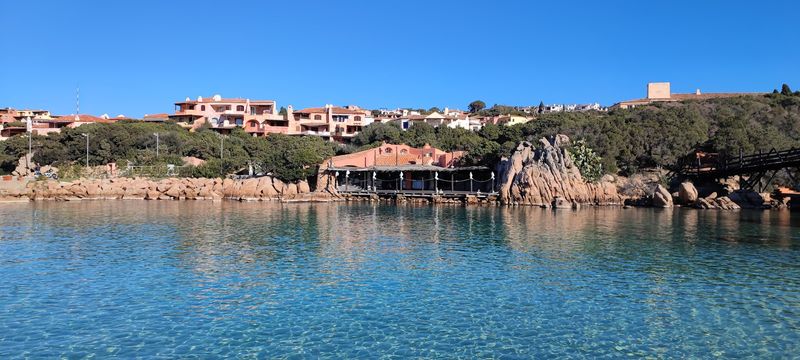
Forget the Caribbean — Sardinia’s beaches give tropical destinations a serious run for their money. The water at spots like La Pelosa and Cala Goloritzé is so brilliantly clear that you can count the pebbles on the seabed from your boat.
It is genuinely one of those places that makes your jaw drop on arrival.
What truly sets Sardinia apart from other beach destinations is its mysterious ancient past. Scattered across the island are over 7,000 nuraghe — cone-shaped stone towers built by a civilization that thrived here long before ancient Rome existed.
Nobody fully understands who built them or exactly why, which makes exploring them feel wonderfully mysterious.
Sardinia also has one of Italy’s most distinctive food cultures. Culurgiones are hand-pinched pasta parcels filled with potato and mint, sealed with an intricate braided edge that takes years to master.
Pair that with a glass of local Cannonau red wine and a view of the Gennargentu mountains, and you have got yourself a pretty perfect evening. Sardinia is not just a beach holiday — it is a full experience.
Menorca — Spain
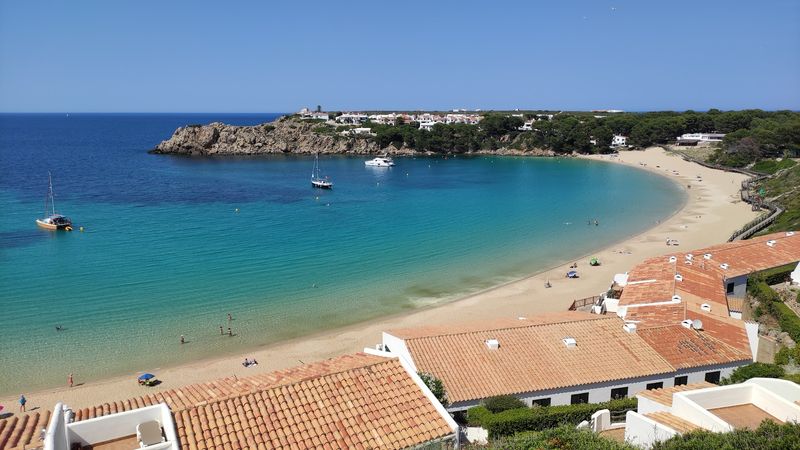
While its flashier neighbors Mallorca and Ibiza hog the spotlight, Menorca quietly gets on with being absolutely wonderful. This Balearic gem earned UNESCO Biosphere Reserve status back in 1993, meaning large chunks of the island are protected from overdevelopment.
The result is an island that still feels genuinely wild and unhurried.
Menorca’s coastline is dotted with over 200 beaches, many of them tucked into narrow limestone coves called calas that you can only reach on foot or by boat. Cala Macarella is a fan favorite — a crescent of white sand cupped by pine-covered cliffs with water so clear it looks photoshopped.
Arriving early in the morning before the crowds show up is highly recommended.
The island’s two main towns offer very different vibes. Mahon, the capital, has a deep natural harbor and strong British architectural influences from its years under British rule.
Ciutadella, on the western end, is all cobblestone streets, Gothic palaces, and romantic harbor restaurants. Menorca moves at its own pace, and once you match that rhythm, leaving becomes surprisingly difficult.
Milos — Greece
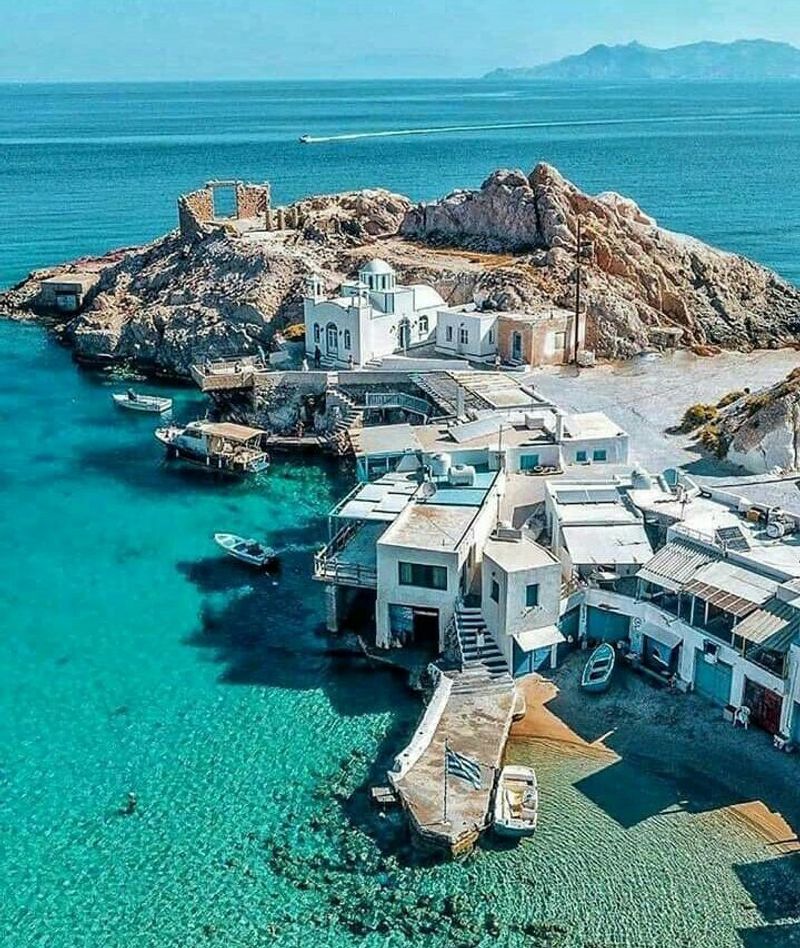
Milos looks like the moon decided to take a beach vacation. The famous Sarakiniko beach is covered in smooth white volcanic rock sculpted by wind and sea into alien-looking curves and hollows, with electric-blue water lapping at its edges.
It is one of the most photographed spots in all of Greece, and the photos genuinely do not do it justice.
The island’s volcanic origins have created a coastline of wild variety — colorful fishing villages perched on sea cliffs, hidden sea caves glowing with reflected turquoise light, and dramatic rock arches rising straight out of the water. A boat tour around the island is practically mandatory and reveals scenery that feels almost unreal.
History fans will appreciate that Milos is the island where the famous Venus de Milo statue was discovered in 1820 by a local farmer. The original now lives in the Louvre in Paris, but the island wears the connection with quiet pride.
The local archaeological museum holds fascinating artifacts from Milos’s ancient past. With about 5,000 permanent residents, Milos remains refreshingly small and personal despite its growing popularity among travelers.
Folegandros — Greece
No airport, no mega-resorts, no cruise ship crowds — Folegandros made a deliberate choice to stay small, and travelers who find their way here are extremely grateful for it. Getting to this tiny Cycladic island requires a ferry, which acts as a natural filter keeping the island wonderfully peaceful.
The journey itself, across deep blue Aegean water, sets the mood perfectly.
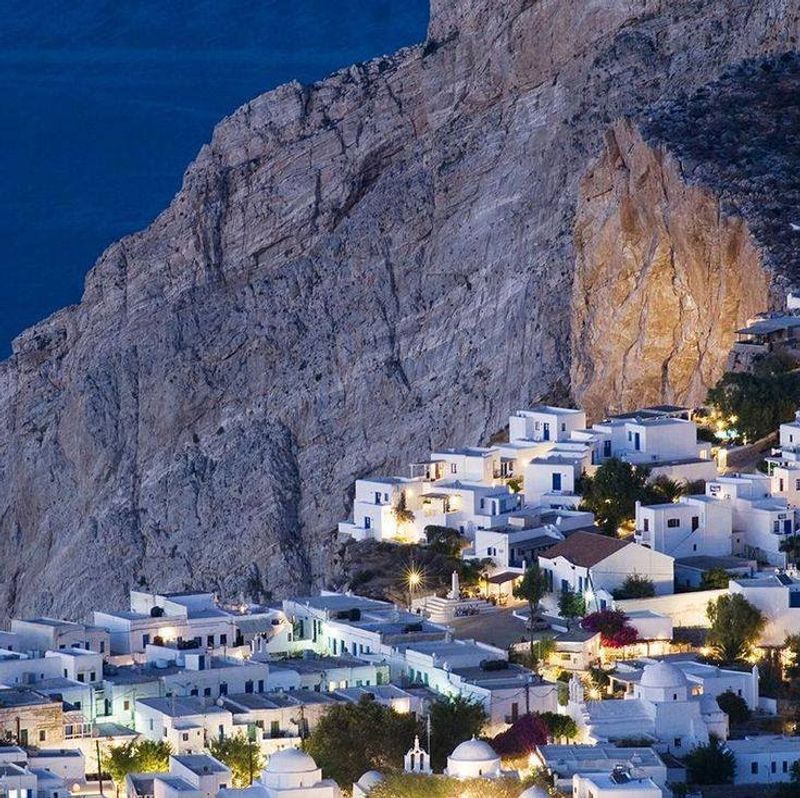
Chora, the island’s main village, sits dramatically on the edge of a cliff some 300 meters above the sea. Its Kastro neighborhood — a medieval fortified settlement — is a maze of narrow lanes and flower-draped archways that has barely changed in centuries.
Watching the sunset from a clifftop taverna here, with a glass of local wine in hand, is a moment that stays with you for years.
Folegandros has very few cars and only a handful of beaches, but the ones it does have are spectacular. Angali Beach is a favorite — a small pebble cove reached by a short walk through wildflower-covered hillsides.
The island runs on a slower clock than most of the world, and after a day or two here, that pace starts to feel completely natural and deeply refreshing.
Paros — Greece
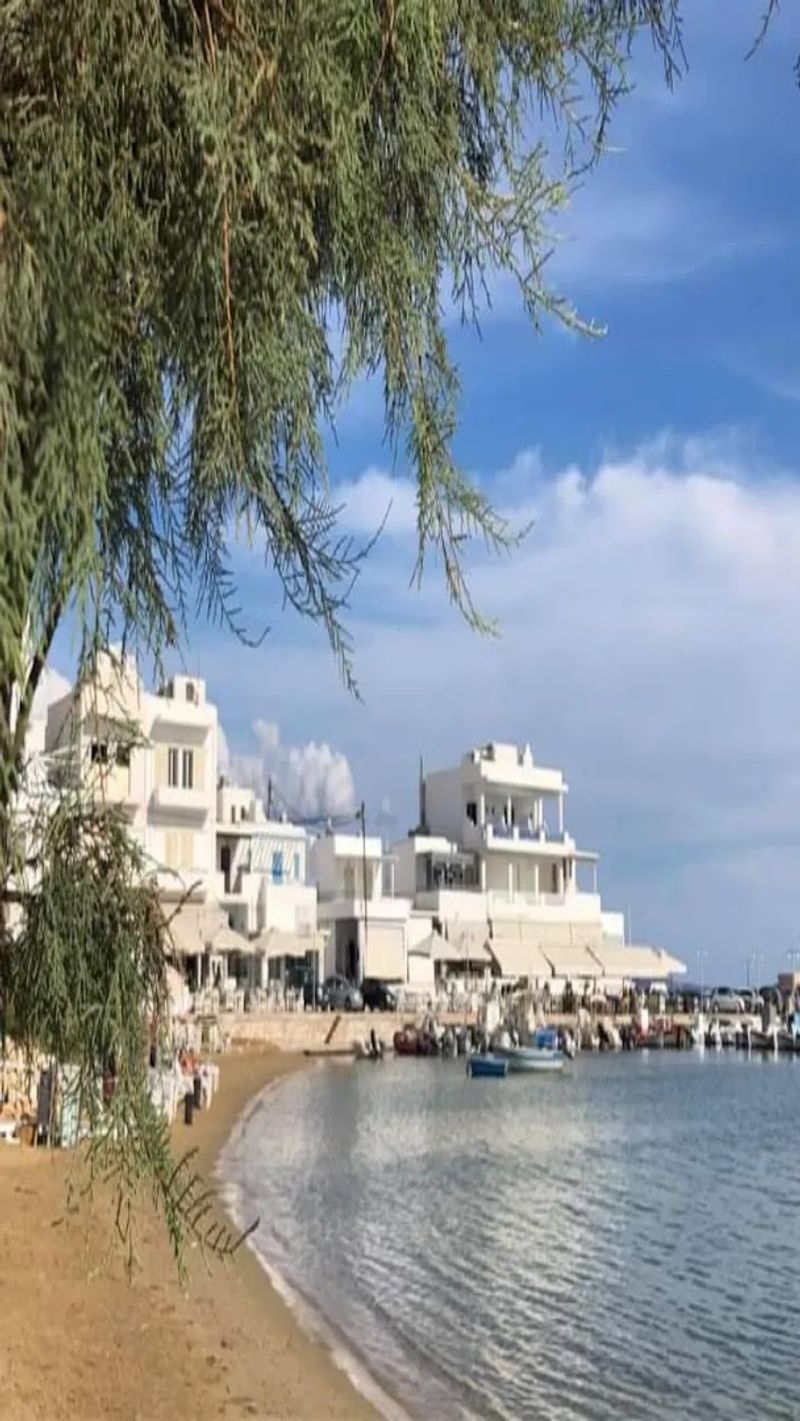
Paros somehow manages to be lively and laid-back at exactly the same time, which is a genuinely impressive trick. The harbor town of Naoussa is the island’s social heartbeat — a tangle of whitewashed alleys leading to waterfront restaurants, boutique shops, and bars that fill up pleasantly as the sun goes down.
It has the energy of a place that knows how to have a good time without trying too hard.
Golden beaches line much of the coastline, with Kolymbithres standing out for its unusual granite rock formations that divide the beach into small, sheltered swimming spots. Windsurfers flock to the Golden Beach area, which consistently delivers strong afternoon winds.
Whether you prefer action or stillness, Paros has a beach with your name on it.
The island is also a convenient jumping-off point for the quieter, less-visited island of Antiparos, just a short ferry ride away. Antiparos is home to a spectacular stalactite cave that once hosted a Christmas mass attended by King Otto of Greece in 1840 — a quirky historical footnote that makes visiting even more interesting.
Paros blends tradition, fun, and natural beauty into one genuinely satisfying package.
Sifnos — Greece
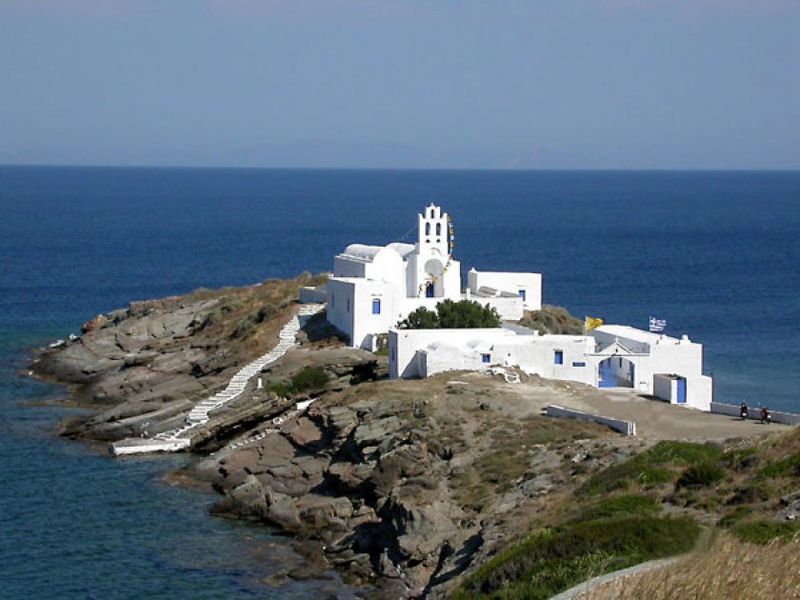
Sifnos has a reputation in Greece that goes beyond its beautiful scenery — this island is widely considered the culinary capital of the Cyclades, and locals take that title very seriously. The island gave Greece one of its most celebrated cookbook authors, Nikolaos Tselementes, and the tradition of serious home cooking has never faded.
Arriving hungry here is strongly advised.
The island’s signature dish is revithada — slow-cooked chickpeas seasoned simply with olive oil, onion, and lemon, baked overnight in a clay pot. It sounds humble, but the result is deeply comforting and utterly delicious.
Many traditional bakeries still prepare it on Saturday nights so it is ready for Sunday lunch, following a ritual that has continued for generations.
Beyond the food, Sifnos rewards walkers with an excellent network of old stone footpaths that connect its hilltop villages. The medieval village of Kastro, perched on a rocky promontory above the sea, is a particular highlight — its layered history is visible in every wall and doorway.
Artisan pottery is another island tradition, and small workshops dot the landscape. Sifnos is the rare destination where slowing down feels like the smartest thing you could possibly do.
Ikaria — Greece
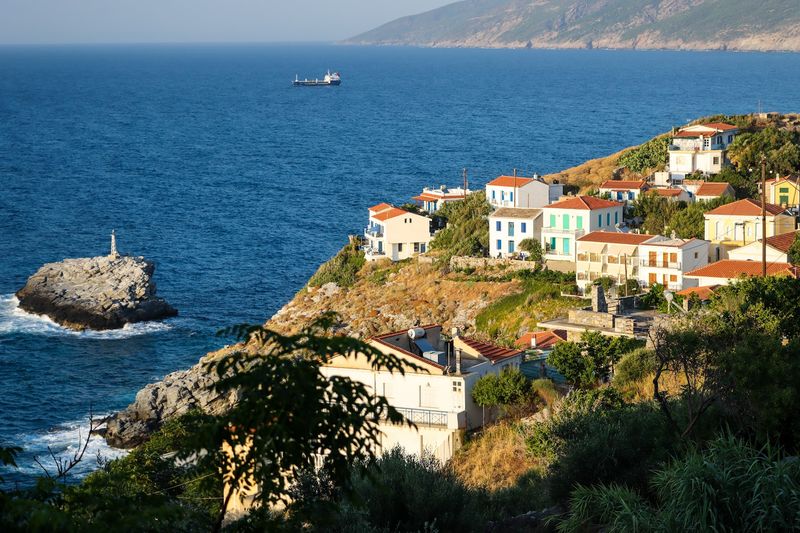
Ikaria is statistically one of the healthiest places on Earth, and the locals seem genuinely puzzled by all the fuss. People here routinely live past 90, and some well past 100, with researchers from around the world arriving regularly to figure out their secret.
The answer, islanders will tell you with a shrug, is simple: good food, afternoon naps, dancing, and absolutely no rushing anywhere.
The island’s famous panigiri festivals are the social glue that holds Ikarian communities together. These outdoor village celebrations involve live traditional music, communal dancing that goes on until sunrise, and tables loaded with local food and wine.
Tourists are not just welcome at these events — they are pulled onto the dance floor almost immediately.
Ikaria’s natural hot springs, with waters rich in radon and minerals, have been used for therapeutic bathing since ancient times. The landscape is lush and mountainous, with dramatic gorges, dense forests, and wild coastlines that feel far removed from the manicured beach resorts found elsewhere.
Getting around requires a bit of patience since the mountain roads are gloriously winding. Ikaria does not reward those in a hurry, but it generously rewards those willing to slow down and simply be present.
Gozo — Malta
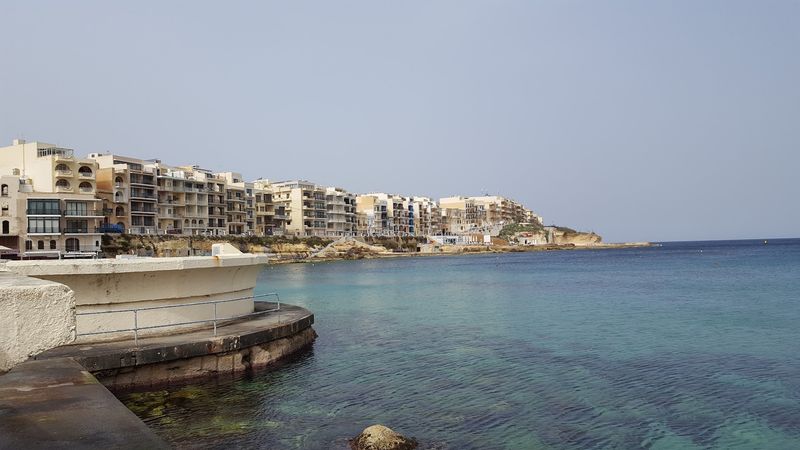
Malta’s quieter little sister island, Gozo, has a personality that is all its own. Smaller, greener, and considerably more rural than Malta, Gozo moves at a pace that feels wonderfully unhurried.
Local farmers still work terraced fields by hand, village churches dominate every skyline, and the loudest sound on most evenings is the distant ringing of church bells.
The island’s most famous landmark, the Azure Window rock arch, collapsed dramatically into the sea during a storm in 2017. While that loss was genuinely mourned, the coastline around it remains spectacular — and the collapsed arch has actually created one of the Mediterranean’s most fascinating new dive sites.
Underwater photographers now travel specifically to capture the sunken limestone formations.
Gozo is home to the Ggantija Temples, two prehistoric stone temples that are older than Stonehenge and the Egyptian pyramids. Standing beside these massive ancient stones and realizing they were built around 3600 BC is a humbling experience that puts everyday worries into sharp perspective.
The island also produces its own honey, wine, and a distinctive local cheese called gbejniet. Gozo is proof that the best things often come in the smallest packages.
Elba — Italy
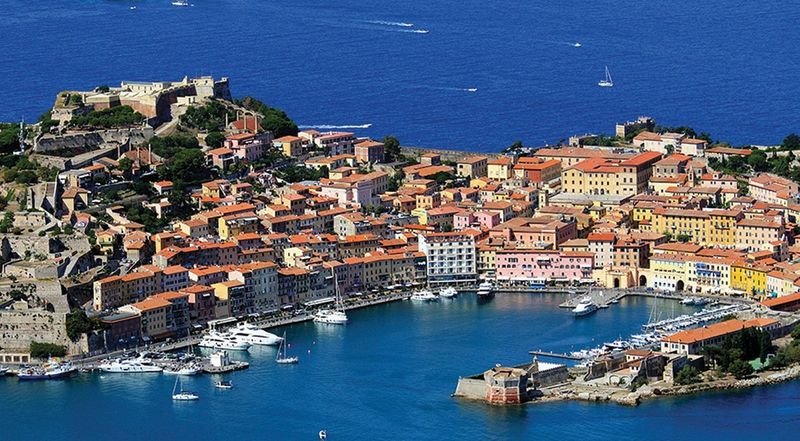
Napoleon Bonaparte was exiled to Elba in 1814, and history records that he escaped after just ten months. Having visited Elba, it is honestly a little surprising he left at all.
The island is simply gorgeous — a compact paradise of white sandy beaches, forested mountains, and charming harbor towns that would satisfy even the most demanding of emperors.
Visitors can tour Napoleon’s two residences on the island, Villa dei Mulini in Portoferraio and Villa San Martino in the hills above the city. Both are preserved as museums and offer a surprisingly intimate glimpse into his brief domestic life here.
The exhibits include personal belongings and original furnishings that make the historical figure feel remarkably human.
Beyond the Napoleonic history, Elba delivers excellent beaches — over 150 of them in total. Sansone Beach, with its brilliant white pebbles and electric-blue water, is consistently ranked among Italy’s most beautiful.
The island’s interior hides dense forests, medieval villages, and iron mines that were worked since Etruscan times. Hiking and cycling trails criss-cross the landscape, making Elba a genuinely active destination for those who want more than just a sun lounger.
It is history and nature combined in one beautiful package.
Palmarola — Italy
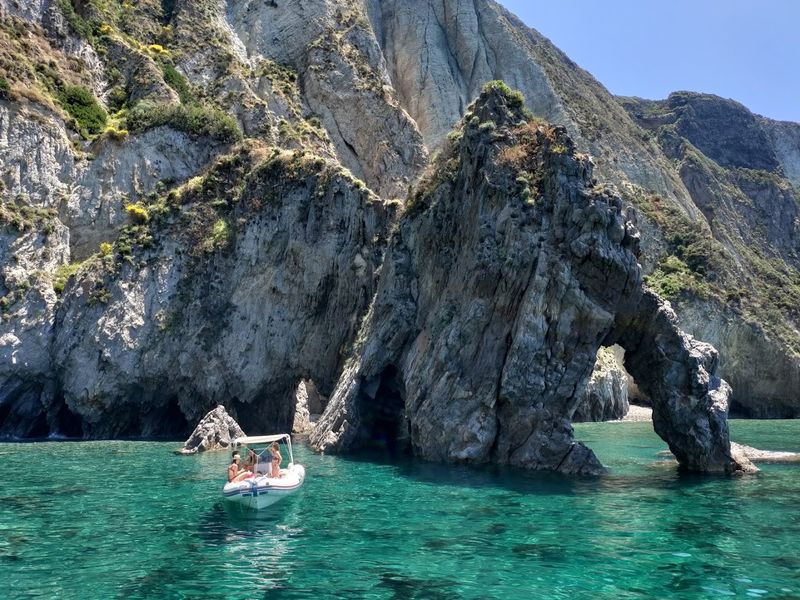
There is no electricity grid, no hotel, and no permanent residents on Palmarola — and that is precisely what makes it extraordinary. This tiny island off the coast of Lazio is one of the last truly wild places left in the Mediterranean, and reaching it by boat feels like arriving somewhere the modern world simply forgot to claim.
The silence here is the good kind — full and deep.
The cliffs of Palmarola rise dramatically from the sea in towers and arches of pale limestone, carved over millennia by waves into shapes that look almost architectural. Sea caves glow with reflected light in shades of green and turquoise, and the water is so clear that the sandy bottom is visible at impressive depths.
Snorkeling and swimming here is an experience that is very hard to top.
A handful of simple fishermen’s huts along one small cove have been converted into seasonal restaurants serving grilled fish and cold drinks to day-trippers. The menu is simple, the setting is extraordinary, and the combination is unbeatable.
Palmarola is accessible by boat from the nearby island of Ponza, which itself is well worth a visit. If untouched natural beauty is what you are after, Palmarola delivers it completely and without compromise.
Zakynthos — Greece
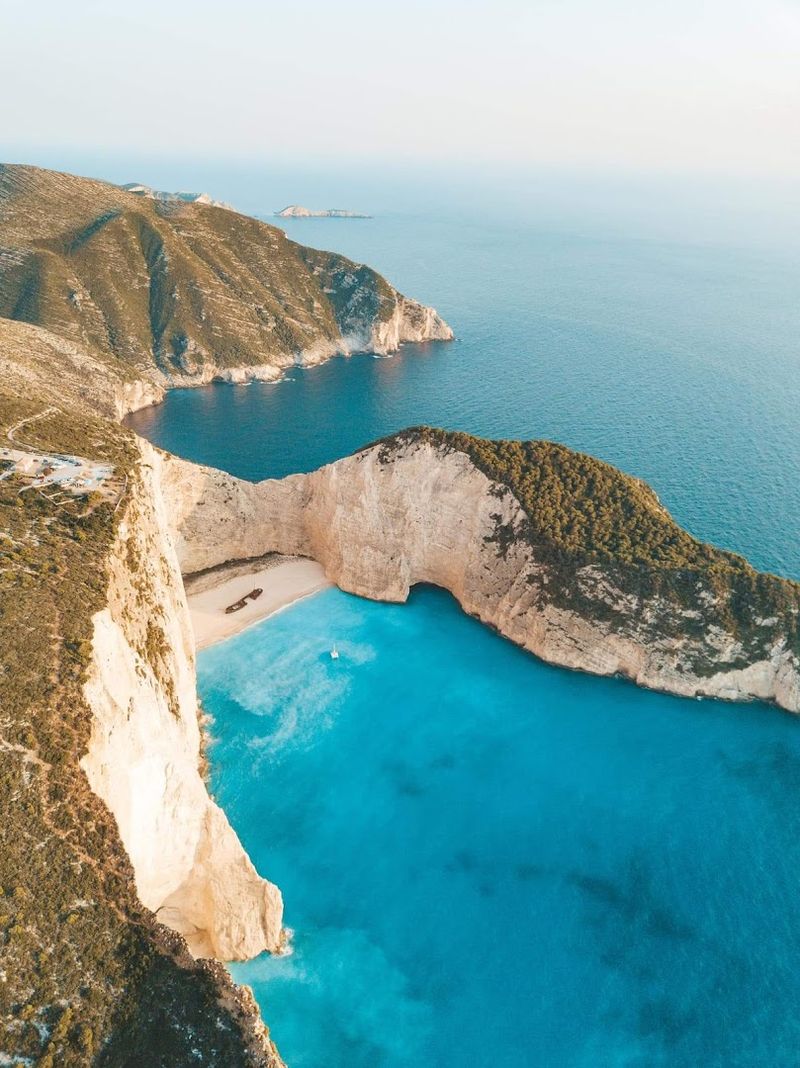
A rusting shipwreck sitting on bright white sand, surrounded by towering white cliffs and water the color of a swimming pool — Navagio Beach on Zakynthos is one of those images that seems too dramatic to be real, yet there it is. The ship, a smuggler’s vessel called the MV Panagiotis, ran aground in 1980 and has been slowly becoming part of the scenery ever since.
Boat tours from the main port run daily to reach this otherwise inaccessible cove.
Zakynthos is also home to one of the Mediterranean’s most important nesting sites for loggerhead sea turtles. Laganas Bay is protected as a national marine park, and between May and October, turtles come ashore at night to lay their eggs on the beach.
Responsible tour operators offer nighttime watching experiences that are genuinely moving to witness.
The island’s interior is greener and more lush than many Greek islands, with olive groves, vineyards, and hillside villages that feel refreshingly authentic away from the coastal tourist strips. The town of Zakynthos itself has beautiful Venetian-era architecture and a lively waterfront.
Whether you come for the dramatic scenery, the wildlife, or the culture, Zakynthos consistently delivers something memorable around every corner.
Mallorca — Spain
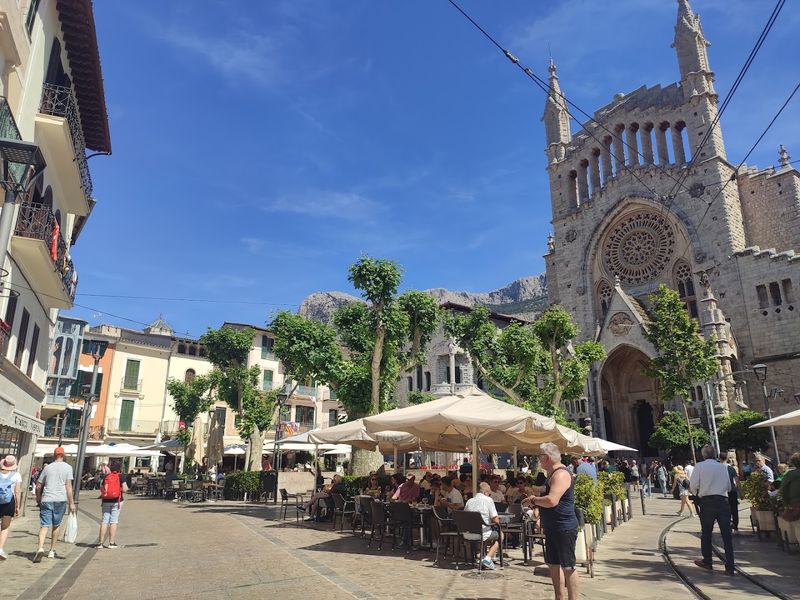
Mallorca is the kind of island that takes people by surprise. Many visitors arrive expecting nothing more than a sun-and-sangria package holiday, and then find themselves completely disarmed by dramatic mountain scenery, centuries-old olive groves, and medieval hilltop towns that look like they belong on a movie set.
The Serra de Tramuntana mountain range alone is a UNESCO World Heritage site worth the trip.
The capital, Palma, is one of the Mediterranean’s genuinely great cities. Its Gothic cathedral, La Seu, looms impressively over the harbor with an interior flooded by extraordinary colored light.
The old town is a beautifully preserved maze of sandstone palaces, independent boutiques, and restaurants serving creative takes on traditional Mallorcan cuisine.
Mallorca’s beaches range from lively resort strips to completely hidden coves that require a hike or boat ride to reach. Cala Varques and Cala des Moro are among the most beautiful hidden beaches, with crystalline water and dramatic cliff surroundings.
Cycling is extremely popular here, with professional cycling teams training on the mountain roads every spring. Mallorca quietly offers one of the most diverse island experiences in the entire Mediterranean, satisfying travelers with wildly different tastes and expectations.
Crete — Greece
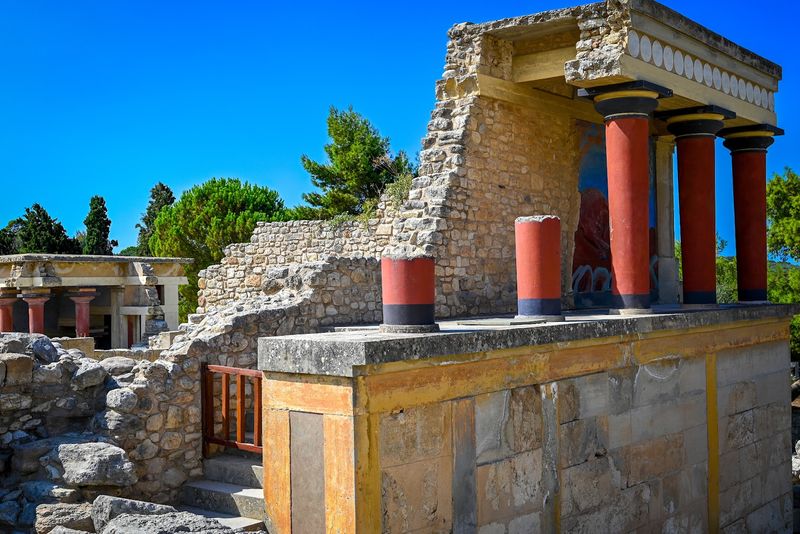
Crete is so large and so varied that most visitors leave feeling they have only scratched the surface — and they are absolutely right. Greece’s biggest island stretches across 8,000 square kilometers of mountains, gorges, ancient ruins, olive groves, and coastline so diverse it could pass for several different islands stitched together.
Planning at least a week here is not excessive; it is barely enough.
The Palace of Knossos, believed to be Europe’s oldest city, sits just outside the capital Heraklion and dates back to around 1900 BC. Walking through its reconstructed corridors and painted frescoes, it is easy to see why the ancient Greeks invented the legend of the Minotaur’s labyrinth here.
The scale and sophistication of the palace is genuinely astonishing for its age.
Samaria Gorge is one of Europe’s longest canyons and offers a legendary 16-kilometer hike through towering rock walls that narrow to just a few meters wide at their tightest point. At the other end of the energy spectrum, Elafonissi Beach offers shallow pink-tinted waters so calm and warm they feel almost tropical.
Cretan food — rich olive oil, fresh herbs, slow-roasted meats, and honey-soaked pastries — ties the whole experience together beautifully. Crete simply refuses to disappoint.



