Some lakes are so old they predate human civilization by millions of years. Over time, these ancient waters have shaped entire regions, creating destinations rich in natural beauty, history, and culture.
From Siberia’s vast wilderness to the high Andes, these lakes offer far more than scenic views. They are living landmarks with stories stretching back through deep geological time.
This list explores some of the world’s most fascinating ancient lake regions and the unique experiences that make them worth visiting today.
1. Lake Baikal Region, Siberia, Russia
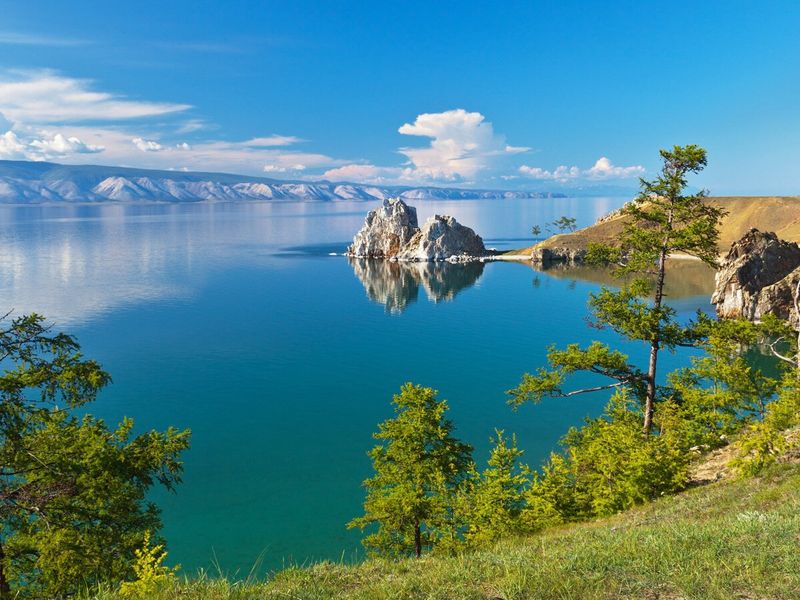
At roughly 25 million years old, Lake Baikal holds a record that no other lake on Earth can touch. It is not just the oldest freshwater lake in the world but also the deepest, plunging more than 1,600 meters at its lowest point.
The surrounding Siberian region offers a travel experience that feels genuinely off the beaten path. Visitors can ride the famous Trans-Siberian Railway to reach the lake, passing through landscapes that shift dramatically with the seasons.
Winter transforms the lake into a surreal frozen expanse, with ice so clear you can see straight through to the water below. Summer brings milder temperatures, hiking trails, and the chance to spot the Baikal seal, the only freshwater seal species on the planet.
Local omul fish dishes are a regional specialty worth trying.
2. Dead Sea Region, Jordan
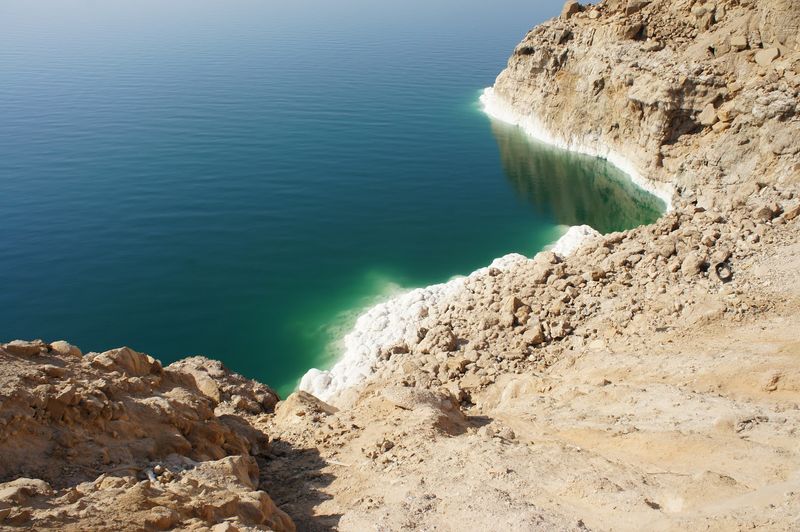
About 9.6 times saltier than the ocean, the Dead Sea is a geological marvel that sits at the lowest point on Earth’s surface, roughly 430 meters below sea level. It formed within one of the world’s oldest active rift systems, and the surrounding landscape carries the weight of that ancient history in every crumbling cliff face.
The region draws travelers for several distinct reasons. On the Israeli side, the ancient fortress of Masada rises dramatically from the desert plateau, offering both archaeological interest and sweeping views.
On the Jordanian side, the rose-red city of Petra sits within driving distance.
The mineral-rich waters have attracted visitors since the days of Cleopatra, who reportedly sourced beauty treatments from this area. Floating effortlessly in the dense water remains one of the most memorable and gravity-defying experiences any traveler can have.
3. Lake Titicaca Region, Peru and Bolivia
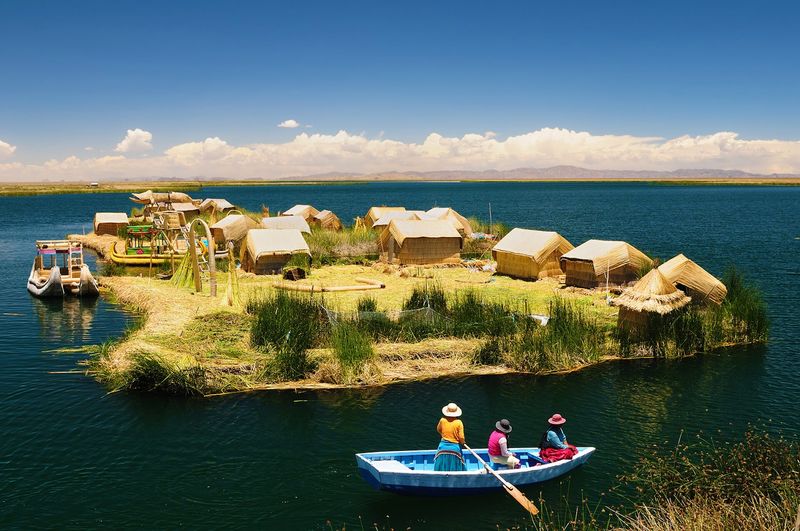
Perched at around 3,800 meters above sea level, Lake Titicaca holds the title of the world’s highest navigable lake, and just getting there feels like an achievement worth celebrating. The lake is approximately 3 million years old and was considered sacred by the Inca civilization, who believed it was the birthplace of their sun god.
The Uros people have lived on floating islands made entirely from totora reeds for centuries, and visiting their communities gives travelers a direct connection to traditions that predate colonial history. Each island is constructed and maintained by hand, and the communities are still very much active today.
On the Bolivian side, the town of Copacabana serves as a practical base, while the Peruvian city of Puno offers regular boat services to the islands.
4. Ohrid Region, North Macedonia and Albania
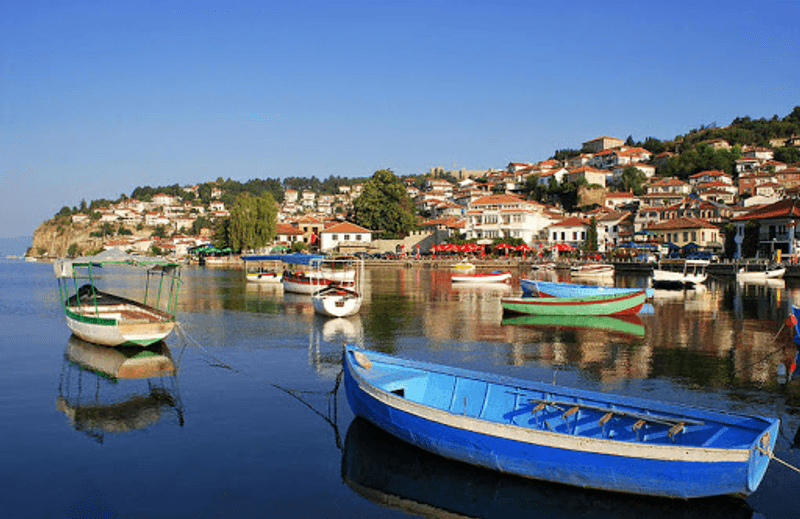
Lake Ohrid has been continuously filled with water for somewhere between one and three million years, making it one of the oldest lakes in Europe and a biodiversity hotspot unlike anything else on the continent. The lake contains over 200 endemic species, including unique fish, snails, and algae that exist nowhere else on Earth.
The town of Ohrid in North Macedonia sits right on the lakeshore and packs an impressive amount of history into a relatively compact area. Ancient Roman amphitheaters, Byzantine churches, and a medieval fortress all compete for attention within walking distance of each other.
Across the border in Albania, the lakeside town of Pogradec offers a quieter, less-visited perspective on the same stunning body of water. The lake receives around 200,000 visitors annually, which keeps the atmosphere lively without feeling overwhelming.
UNESCO recognition covers both the natural and cultural heritage of the entire region.
5. Great Salt Lake Region, Utah, USA
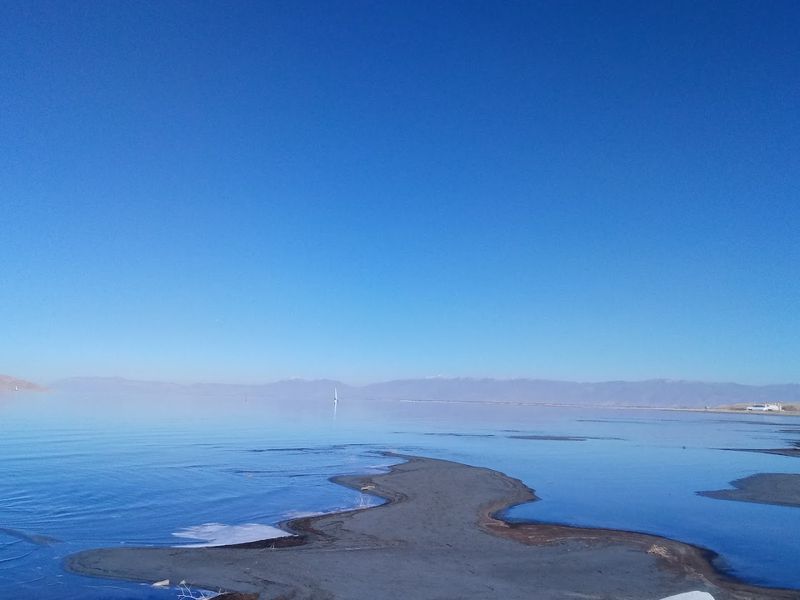
The Great Salt Lake is what remains of ancient Lake Bonneville, a massive prehistoric inland sea that once covered around 52,000 square kilometers of the American West. The salt flats left behind by that ancient body of water are so flat and reflective that NASA has used them as a landmark visible from space.
Bonneville Salt Flats, located west of the lake, have hosted land speed record attempts for decades, making the region famous among automotive enthusiasts as much as nature travelers. The dramatic scenery also draws photographers, particularly during periods when thin water layers create mirror-like reflections across the flats.
The lake itself supports a unique ecosystem, including millions of migratory birds that stop here each year. Antelope Island State Park sits within the lake and offers wildlife viewing, including bison herds that have roamed there since the 1800s.
The region is genuinely one of the most unusual landscapes in North America.
6. Lake Malawi Region, Malawi, Mozambique, and Tanzania
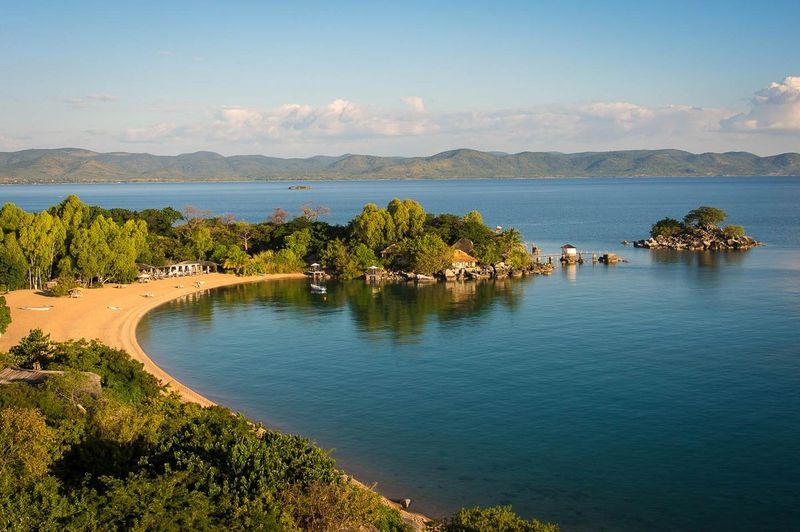
Scientists estimate Lake Malawi is between 8 and 10 million years old, and its biological diversity reflects every one of those millions of years. The lake is home to more species of freshwater fish than any other lake on Earth, with over 1,000 species of cichlid fish alone, many displaying colors that rival tropical coral reefs.
The lake forms part of the East African Rift system and stretches across three countries, though Malawi claims the largest share and has made it a central part of the national identity. Lake Malawi National Park, a UNESCO World Heritage Site, protects the southern end of the lake and its remarkable underwater ecosystem.
Traditional fishing villages line much of the shoreline, and the local economy has depended on the lake’s resources for generations. Travelers who make the trip often find the combination of clear water, accessible beaches, and cultural authenticity surprisingly rewarding for a destination that rarely tops mainstream travel lists.
7. Caspian Sea Region, Azerbaijan, Kazakhstan, Turkmenistan, Russia, and Iran
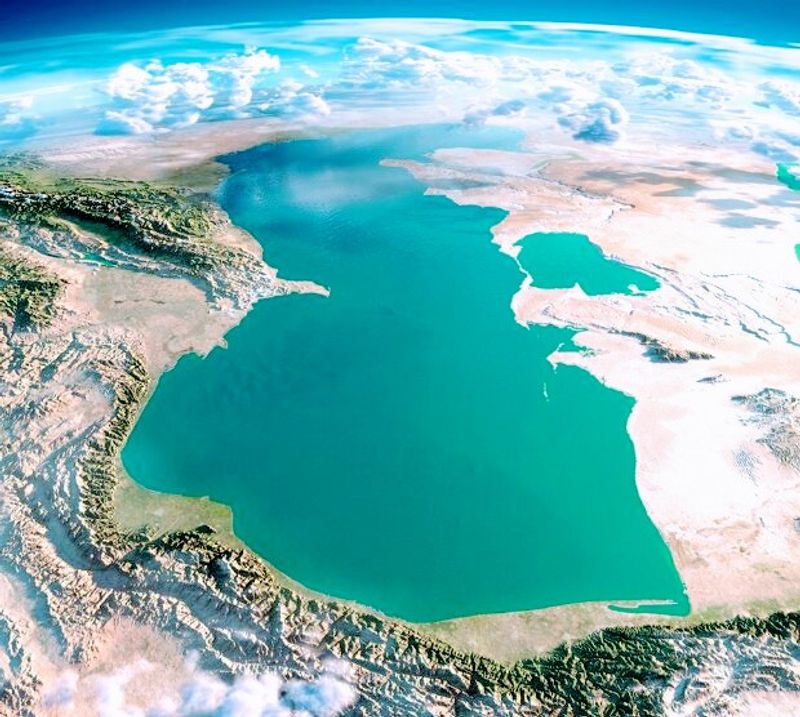
Technically a lake by scientific definition, the Caspian Sea is the largest enclosed inland body of water on Earth, covering an area larger than the entire country of Japan. It formed around 5.5 million years ago as the ancient Tethys Ocean gradually became landlocked, and its waters still carry a faint salinity that hints at those oceanic origins.
Five countries share its shoreline, each offering a completely different travel experience. Azerbaijan’s capital Baku blends medieval old city architecture with modern skyscrapers right on the western shore.
Kazakhstan’s Caspian coast features stark desert landscapes that feel remote and dramatic. Iran’s northern shore is lush and green, a sharp contrast to the country’s interior deserts.
The Caspian has been a major trade route for centuries, and the layers of history embedded in its surrounding cities reflect that long commercial and cultural importance. Sturgeon fishing has shaped the regional economy and cuisine for generations.
8. Lake Tanganyika Region, Tanzania, Democratic Republic of the Congo, Burundi, and Zambia
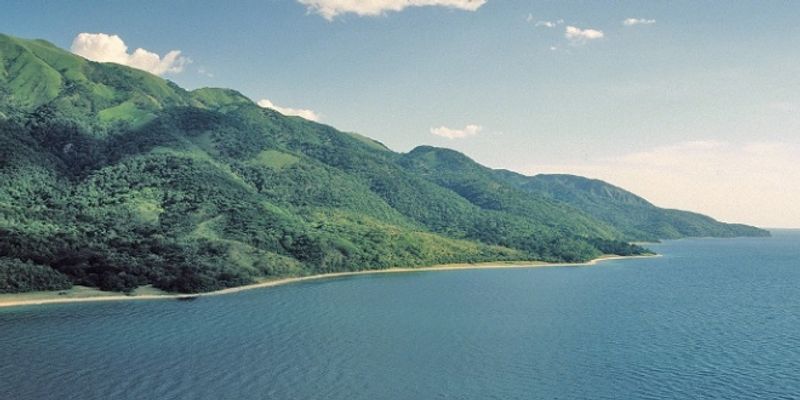
Between 9 and 12 million years old, Lake Tanganyika ranks as the second oldest lake in the world and the second deepest, reaching down more than 1,470 meters in places. Some of its deepest sections contain water so ancient and oxygen-depleted that scientists describe it as essentially fossilized.
The lake spans four countries, and the easiest entry points for travelers are Kigoma in Tanzania and Bujumbura in Burundi. Both towns have regular connections to the lake’s shores and serve as bases for exploring the surrounding region.
Over 350 fish species call the lake home, including numerous cichlids and other endemic species.
Nile crocodiles are a genuine presence along certain stretches of shoreline, which adds a layer of respect to any waterside activity.
9. Mono Lake Region, California, USA
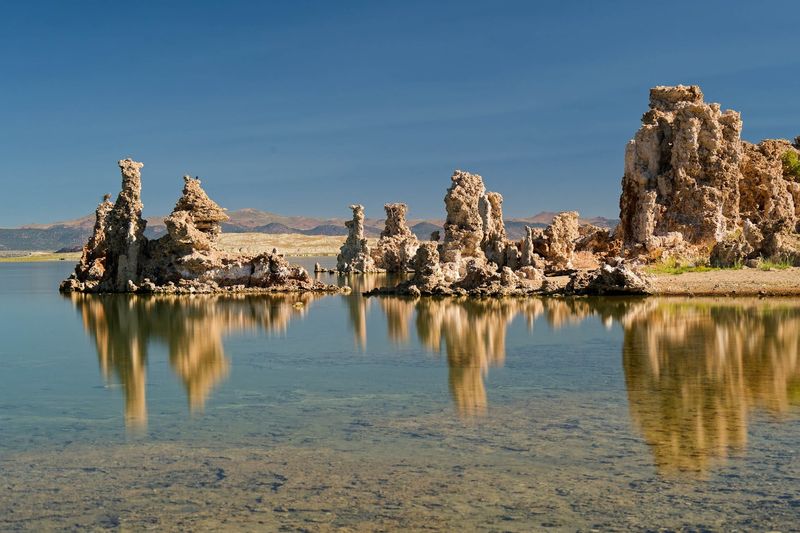
Mono Lake has existed for at least 760,000 years, possibly much longer, and its most famous feature is a collection of limestone tufa towers that rise directly from the water like something designed by a very ambitious sculptor. These formations develop when calcium-rich freshwater springs bubble up through the lake’s alkaline waters, and they can take centuries to form.
The lake sits at the eastern edge of the Sierra Nevada in California, and the surrounding landscape has a stark, almost lunar quality that makes it unlike any other destination in the American West. It covers roughly 160 square kilometers and has no natural outlet, which is why its waters have become highly alkaline over millennia.
Millions of migratory birds stop at Mono Lake each year, attracted by the dense populations of brine shrimp and alkali flies that thrive in the unusual water chemistry.
10. Lake Van Region, Türkiye
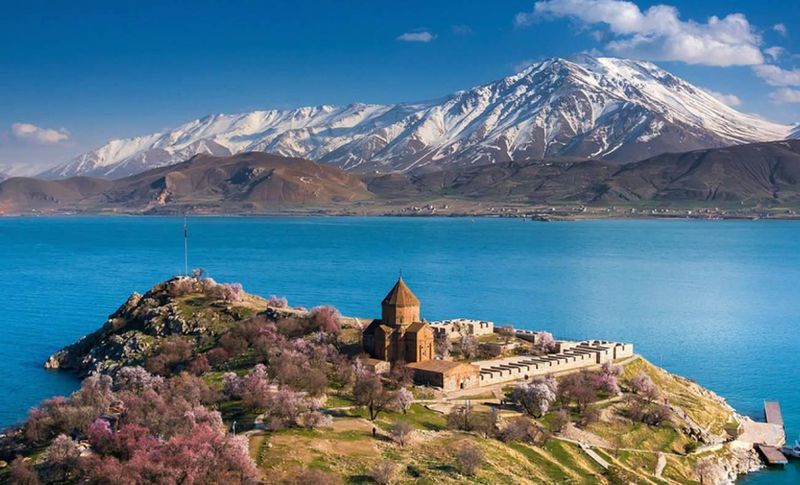
Lake Van is the largest lake in Türkiye and one of the world’s largest soda lakes, meaning its waters contain high concentrations of sodium carbonate that make it highly alkaline. The lake formed in a volcanic basin and has no natural outlet, which has gradually concentrated its mineral content over thousands of years.
The region surrounding the lake is packed with historical significance. The Akdamar Island Church of the Holy Cross, built in the 10th century by Armenian craftsmen, sits on a small island near the southern shore and remains one of the best-preserved examples of medieval Armenian architecture anywhere in the world.
Volcanic cones, including the dormant Nemrut Crater Lake nearby, add dramatic geological character to the landscape.
11. Prespa Lakes Region, North Macedonia, Albania, and Greece
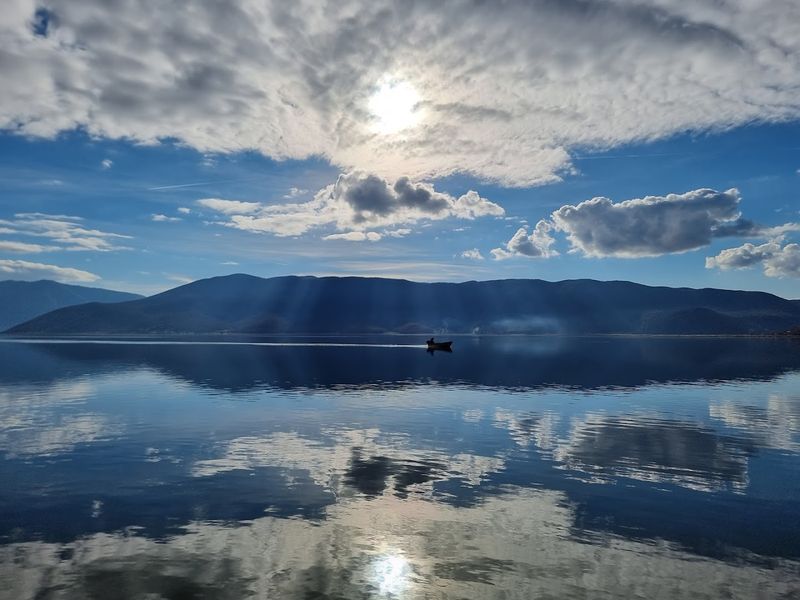
The Prespa Lakes region contains two interconnected lakes, Great Prespa and Small Prespa, shared across three countries in a corner of the Balkans that most travelers completely overlook. Great Prespa is estimated to be over 3 million years old, placing it among Europe’s most ancient lakes, and the area supports an impressive variety of plant and animal species.
The tri-border location has actually worked in the region’s favor ecologically, as cooperation between Greece, Albania, and North Macedonia has helped protect the area from heavy development. A transboundary protected area covers much of the shoreline, and the wetlands around the lakes are a critical breeding ground for Dalmatian pelicans, one of the world’s largest flying birds.
Traditional stone villages, Byzantine-era rock paintings, and quiet fishing communities dot the shoreline.
12. Lake Issyk-Kul Region, Kyrgyzstan
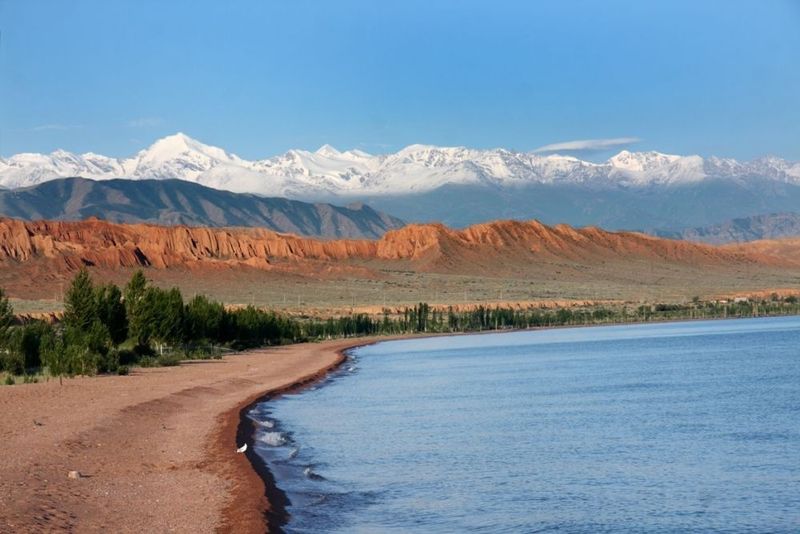
Issyk-Kul translates roughly as “warm lake” in Kyrgyz, and the name is well-earned. Despite sitting at around 1,600 meters above sea level and being surrounded by the permanently snow-capped Tian Shan mountain range, the lake never fully freezes in winter due to its depth and mild thermal properties.
Ancient Silk Road caravans passed through this region, and underwater archaeological surveys have found evidence of submerged settlements beneath the lake, suggesting a rich history of human activity along its shores dating back thousands of years. The lake is one of the largest high-altitude lakes in the world by volume.
Today, the northern shore has developed into a popular resort area for Central Asian travelers, while the southern shore remains quieter and more rugged. Horseback riding, trekking, and yurt stays are the main draws for international visitors.
The combination of mountain scenery, historical depth, and genuine Central Asian culture makes this one of the region’s most underrated destinations.
13. Lake Biwa Region, Shiga Prefecture, Japan
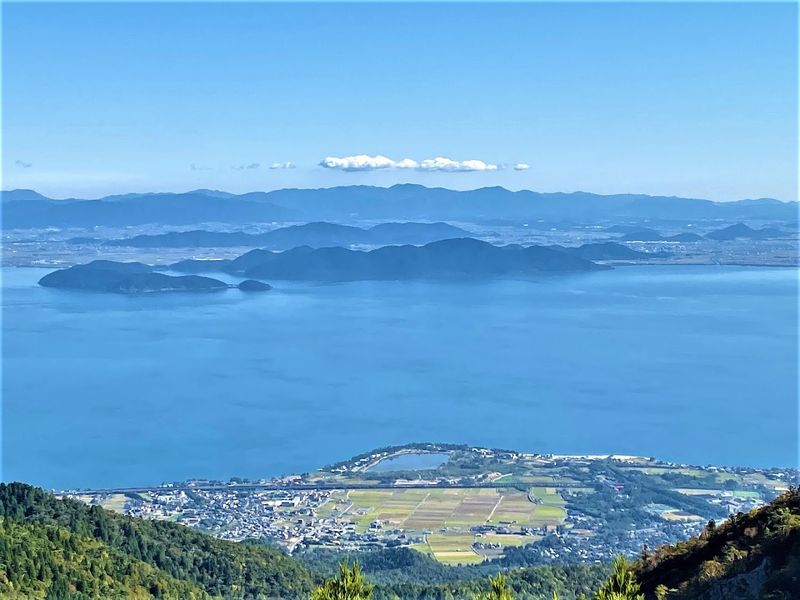
Japan’s largest freshwater lake has been around for approximately 4 to 6 million years, which puts it in rare company among the world’s oldest lakes. Lake Biwa sits in Shiga Prefecture, conveniently positioned between Kyoto and Osaka, making it one of the most accessible ancient lakes on this entire list.
The lake supports over 1,000 animal species and has long been central to the regional economy, particularly through its pearl cultivation industry and freshwater fisheries. Historic temple towns like Hikone and Nagahama line the eastern shore, and Hikone Castle, a rare original Japanese castle that survived the modern era intact, overlooks the lake from a hilltop position.
14. Lake Turkana Region, Kenya and Ethiopia
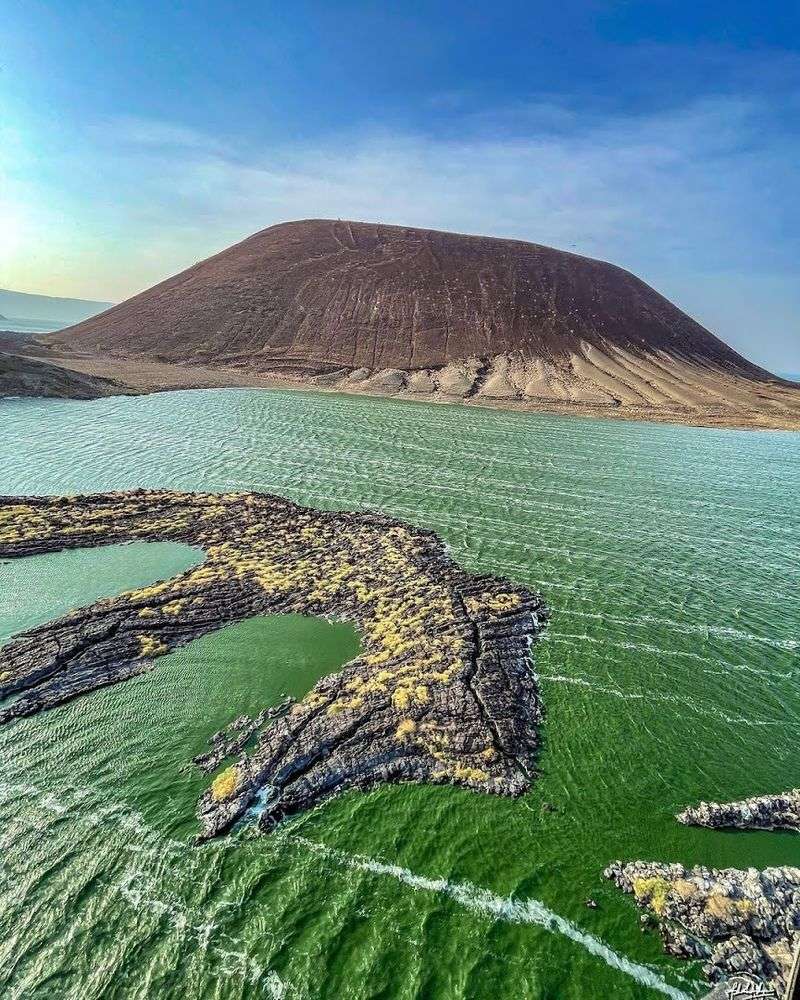
The nickname Jade Sea comes from the lake’s remarkable blue-green color, caused by algae blooms that thrive in the alkaline water, and it is one of the most visually striking natural features in all of East Africa. Lake Turkana sits in a remote desert environment on the border of Kenya and Ethiopia, and reaching it requires a genuine commitment to travel.
The region around the lake has produced some of the most significant early human fossil discoveries ever made, including remains that pushed back the known timeline of human evolution. Koobi Fora, on the lake’s eastern shore, is one of the world’s most important palaeontological sites and has its own small museum.
Three national parks protect different sections of the lake and its islands, including Central Island, which hosts one of Africa’s largest Nile crocodile populations.
15. Lake Sevan Region, Armenia
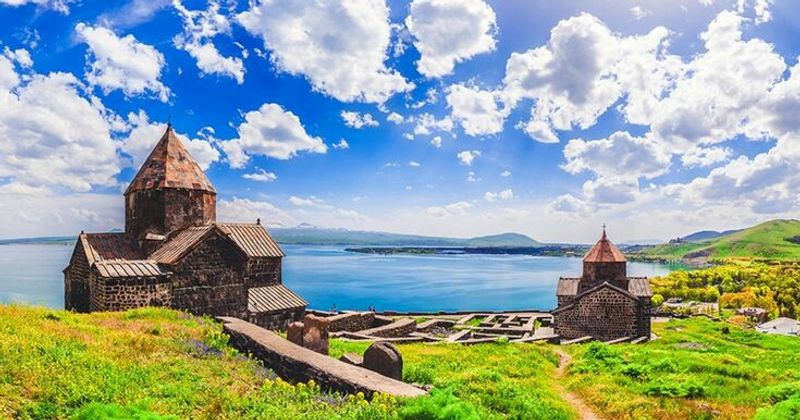
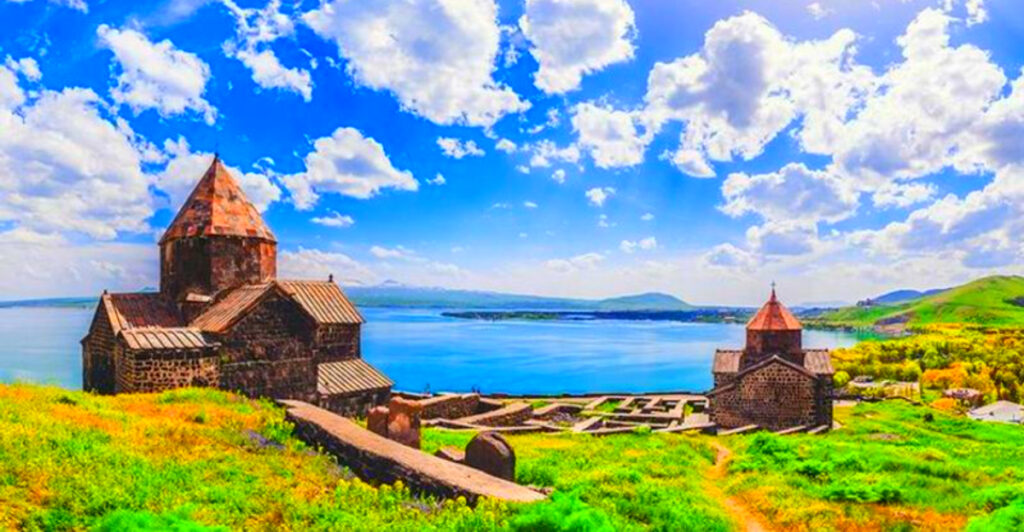
One of the largest high-altitude freshwater lakes in the entire Northern Hemisphere, Lake Sevan sits at around 1,900 meters above sea level and has been central to Armenian identity for thousands of years. The lake covers roughly 1,240 square kilometers and is fed by 28 rivers, though only one river flows out of it.
The Sevanavank monastery complex, built in the 9th century, occupies a narrow peninsula that juts into the lake and offers one of the most photogenic views in the entire South Caucasus region. Originally an island, the peninsula was created when Soviet-era water management projects lowered the lake level significantly during the 20th century.
Share this story