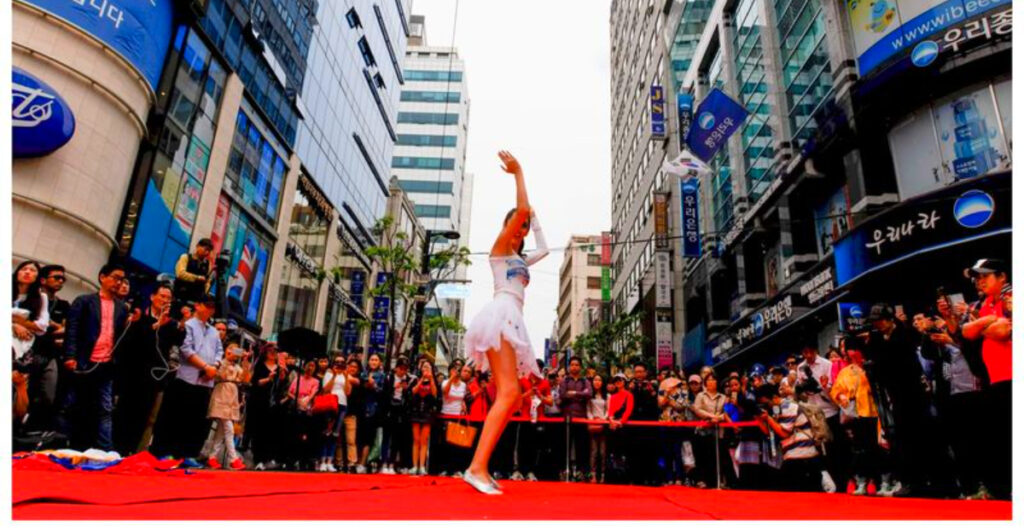
Fashion gets much more interesting when you stop chasing the usual postcard capitals and start following the places where style feels sharper, stranger, and more personal. This list is built for travelers who want more than a flagship store and a shopping bag, with destinations where design schools, local markets, independent boutiques, textile traditions, and street style all shape what people actually wear.
You will find cities where tailoring is a serious art, places where sustainable labels are rewriting the rules, and neighborhoods where the coolest outfit might come from a tiny studio hidden above a cafe. In other words, this is your shortcut to 15 trips that can upgrade your wardrobe, your camera roll, and your fashion vocabulary without sending you into the same old itinerary spiral.
1. Antwerp, Belgium
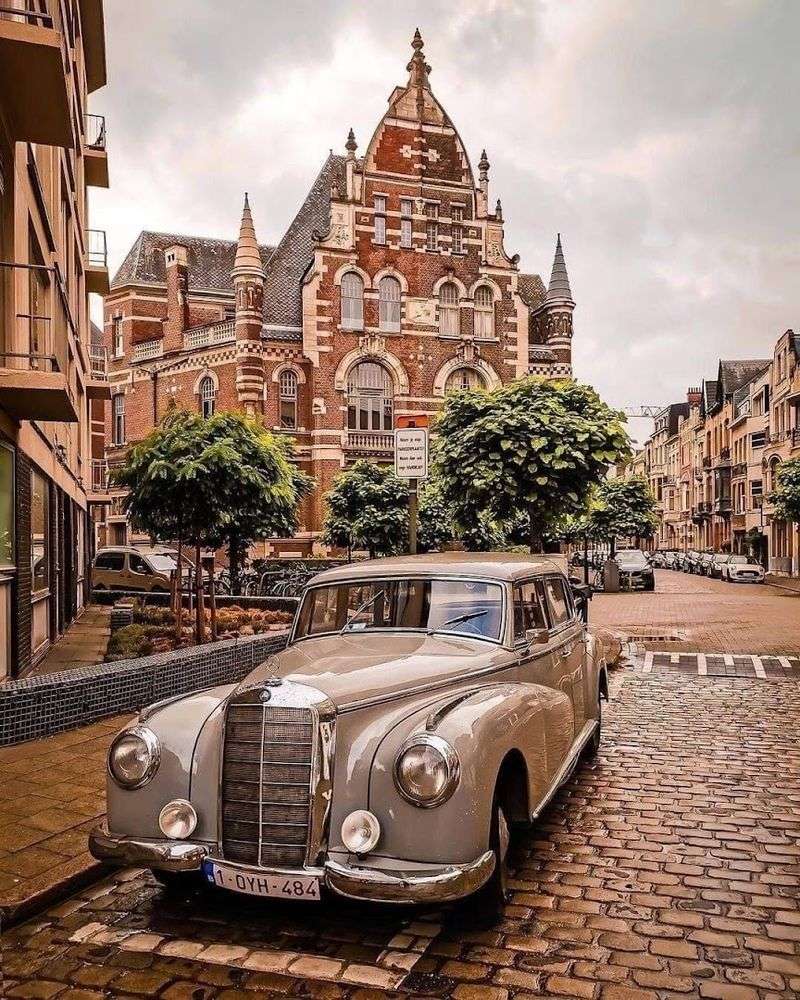
Quiet confidence is Antwerp’s best accessory, and that is exactly why fashion people keep showing up. The city helped launch the Antwerp Six, and their influence still shapes local style through sharp tailoring, unusual proportions, and a love of ideas over flash.
MoMu gives you a clear view of how seriously Antwerp takes design, while the Royal Academy of Fine Arts keeps feeding the scene with new talent. Small boutiques and concept stores are spread through compact streets, so you can cover a lot without spending your whole day in transit.
What makes Antwerp special is its refusal to perform like a glossy fashion capital. You get thoughtful shopping, strong museum programming, excellent vintage options, and a crowd that dresses with intent rather than for applause, which is refreshing for anyone tired of obvious trends.
2. Tbilisi, Georgia
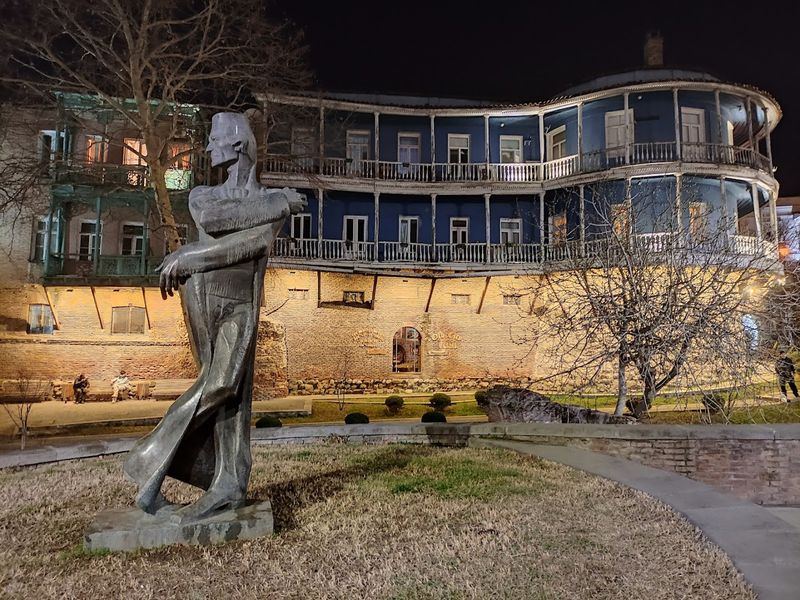
Tbilisi does not ask for your attention politely, and that is part of its appeal. The city has built a reputation for experimental fashion, helped by local labels that favor dramatic cuts, dark palettes, and styling that ignores safe choices.
You can browse independent shops, studio spaces, and concept stores that feel plugged into a fast-moving creative network rather than a polished luxury machine. Mercedes-Benz Fashion Week Tbilisi pushed the city further onto the global radar, giving emerging Georgian designers a platform that buyers and editors now watch closely.
Beyond the racks, Tbilisi offers the kind of visual contrast fashion lovers enjoy, with ornate balconies, concrete blocks, and contemporary interiors sharing the same map. It feels raw in the best way, and that makes every outfit sighting, store visit, and street corner look a little more interesting.
3. Lagos, Nigeria
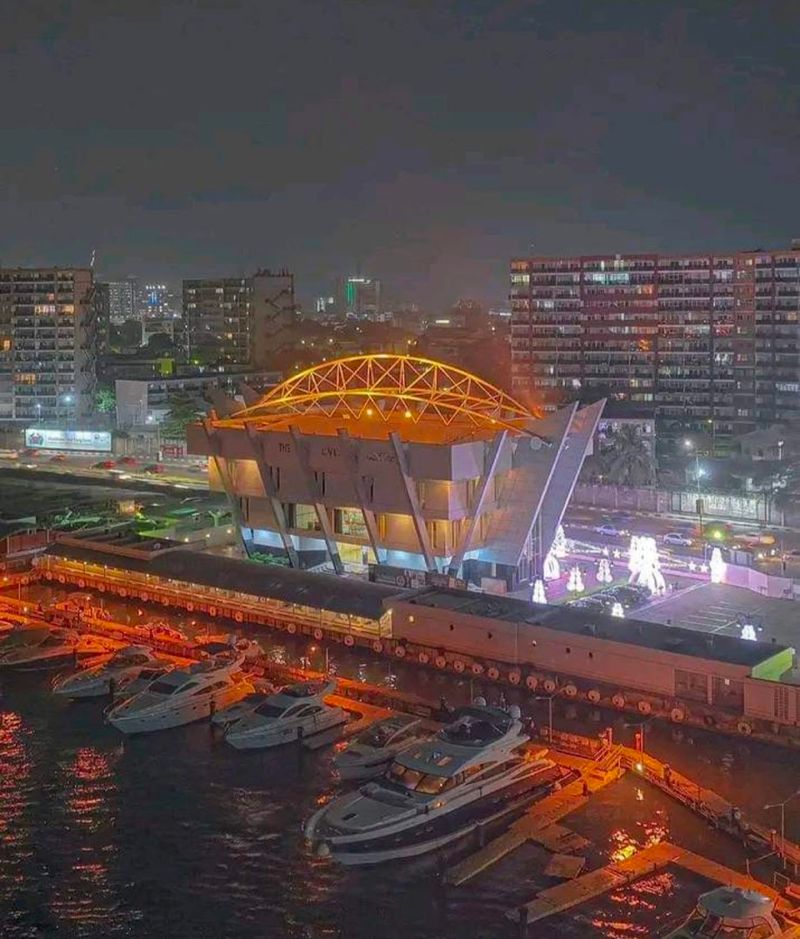
Lagos arrives dressed like it has somewhere important to be, and honestly, it usually does. This city is one of the most exciting fashion centers in Africa, with designers blending Ankara, adire, and aso-oke textiles into modern silhouettes that feel confident, current, and globally relevant.
Lagos Fashion Week has amplified that momentum by spotlighting both established and emerging talent, especially brands focused on craftsmanship and responsible production. Markets, ateliers, and boutiques give you different entry points, so you can hunt for statement fabrics, custom pieces, or polished ready-to-wear without sticking to one lane.
The best part is that Lagos style communicates identity very clearly. Fashion here is not just decorative; it often reflects cultural pride, entrepreneurial energy, and a willingness to experiment, which makes the city a smart choice for travelers who want inspiration with substance, not just pretty storefronts.
4. Copenhagen, Denmark
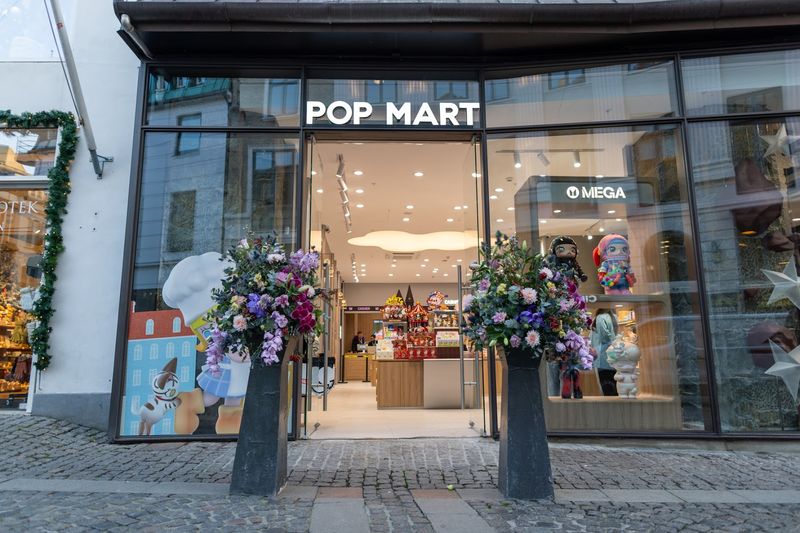
Copenhagen proves that clean lines do not have to mean boring clothes. The city has become a major reference point for Scandinavian style, pairing practical dressing with strong silhouettes, thoughtful layering, and an impressive commitment to sustainability.
Copenhagen Fashion Week deserves credit for pushing eco-conscious standards into the spotlight, but you can see the mindset beyond event season too. Boutiques highlight local labels, resale culture is strong, and many brands are transparent about materials and production, which makes shopping feel smarter instead of purely impulsive.
A walk through neighborhoods like Vesterbro or Norrebro turns into a live lesson in how people actually wear fashion here. You will spot roomy tailoring, useful outerwear, excellent shoes, and pieces that seem simple until you notice the cut, which is very Copenhagen and slightly unfair to the rest of us.
5. Seoul, South Korea
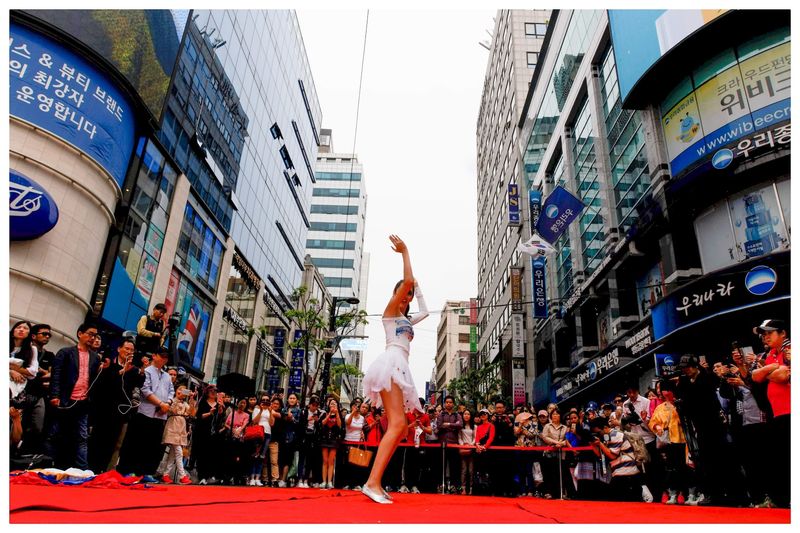
Seoul changes fashion speed the way some cities change weather, which keeps every shopping day interesting. Trend cycles move quickly here, but the city balances that pace with strong local design, polished streetwear, and retail spaces that are as curated as the clothes hanging inside them.
Districts like Seongsu, Garosu-gil, and Hannam offer different versions of Seoul style, from emerging labels to sleek multi-brand stores and flagship locations. Seoul Fashion Week continues to raise the profile of Korean designers, while beauty, accessories, and apparel often work together in a way that feels deliberate rather than overloaded.
The real pleasure is seeing how neatly people edit trends into personal uniforms. Oversized jackets, precise layering, and smart basics appear everywhere, giving you plenty of inspiration, plus the useful reminder that a strong outfit often comes down to proportion and confidence, not endless complications.
6. Marrakech, Morocco
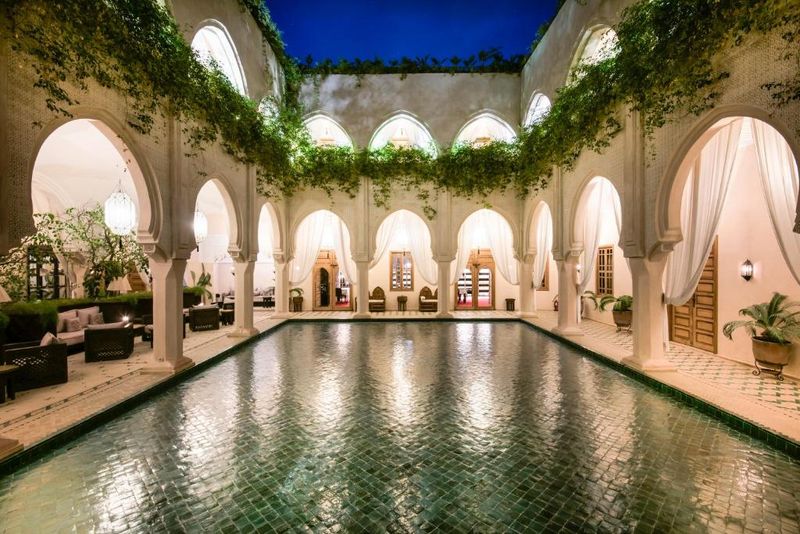
Marrakech turns shopping into a sport, and fashion lovers are happy to train for it. The city is rich with handwoven textiles, embroidered garments, leather slippers, jewelry, and homegrown craftsmanship that can easily push your suitcase into negotiations.
The souks reward patience and attention, especially if you want pieces with strong detail rather than generic souvenirs. For a more curated angle, the Yves Saint Laurent Museum and nearby Jardin Majorelle add context, showing how color, form, and local craft traditions shaped one of fashion’s most famous designers.
What makes Marrakech memorable is the direct connection between maker and object. You are not just browsing trends; you are seeing techniques that have been refined over time, then reinterpreted by contemporary brands and artisans, which gives your purchases more story, more specificity, and far fewer chances of accidental twinning back home.
7. Mexico City, Mexico
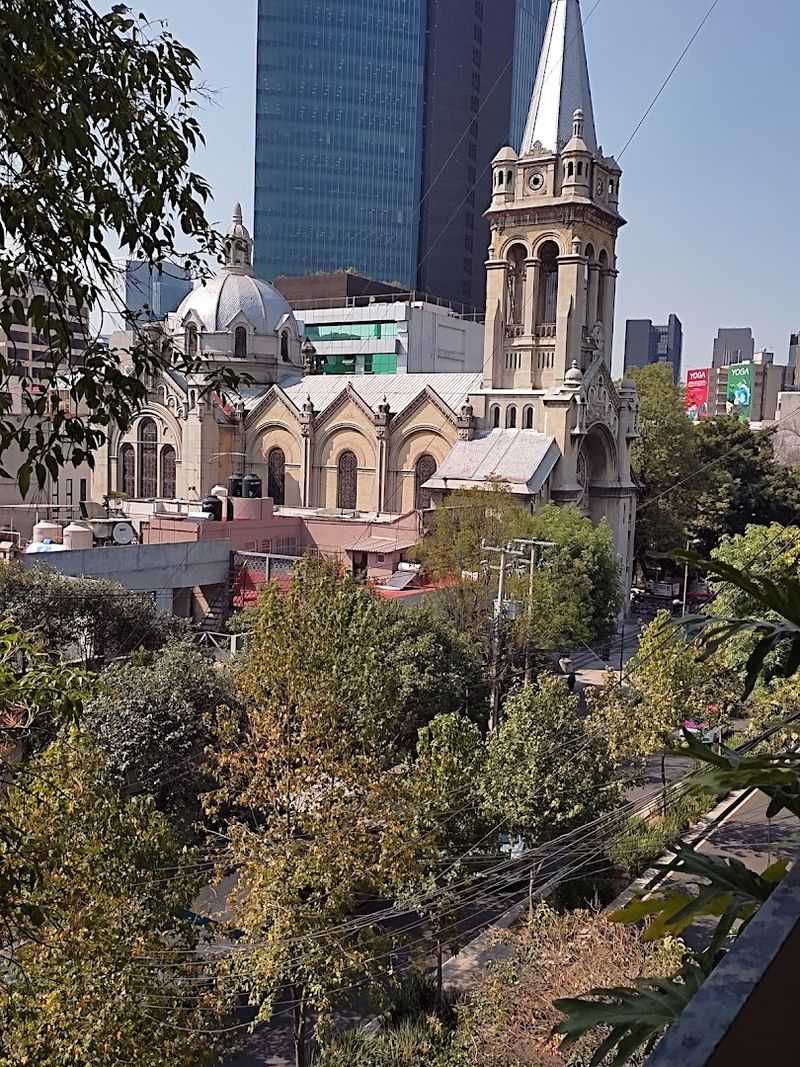
Mexico City dresses with conviction, and the result is impossible to ignore. Designers here often combine embroidery, weaving, and indigenous craft traditions with modern cuts, creating clothing that feels contemporary while staying connected to regional history and technique.
Neighborhoods such as Roma and Condesa are packed with concept stores, independent labels, and thoughtful multi-brand boutiques, while museums and cultural spaces add useful context. The city’s fashion scene also engages with identity, gender expression, and cultural representation in ways that make shopping feel more layered than a simple trend hunt.
That mix of heritage and forward motion gives Mexico City its edge. You can leave with beautifully made clothing, strong accessories, and a better understanding of how design can honor craft without freezing it in the past, which is a far more interesting souvenir than another forgettable T-shirt.
8. Berlin, Germany
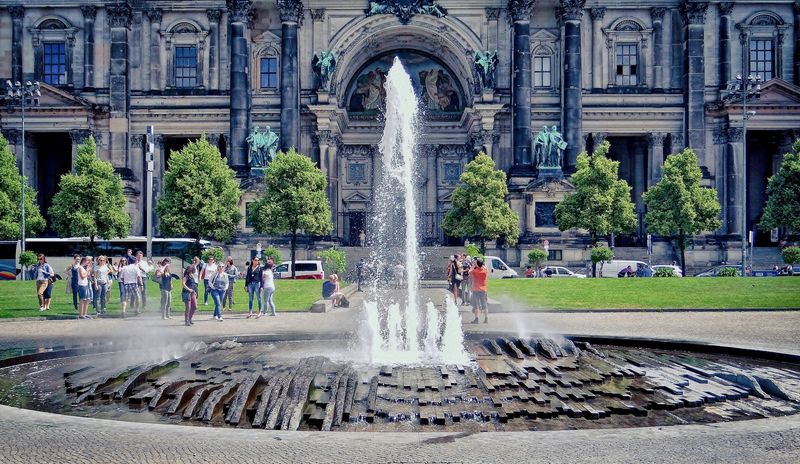
Berlin treats dress codes like optional reading, and that freedom is the whole point. The city is famous for personal style that values individuality over polish, with vintage finds, upcycled pieces, sharp black basics, and experimental silhouettes sharing the same sidewalk quite happily.
Berlin Fashion Week has helped spotlight emerging designers, especially labels working in sustainable and independent spaces rather than traditional luxury lanes. Neighborhoods like Kreuzberg and Mitte offer concept stores, resale shops, niche designers, and enough visual variety to keep even the most jaded shopper paying attention.
What works in Berlin is the absence of pressure to look expensive or perfectly finished. People dress like they made a choice, not like they followed instructions, and that creates a refreshing atmosphere for anyone who wants to rethink their own style without being chased by the same ten trends on every corner.
9. Tōkyō (Daikanyama), Japan
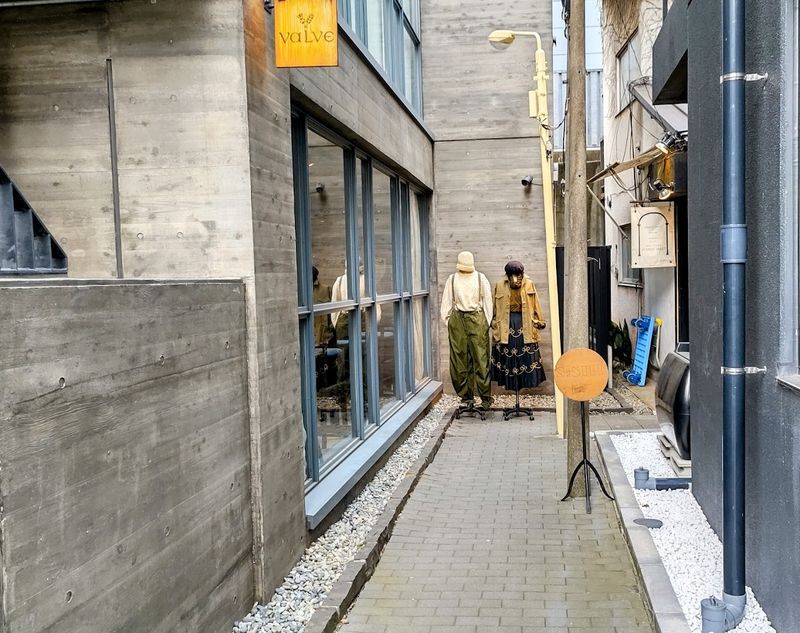
Daikanyama is Tokyo with the volume turned down and the taste level turned up. Instead of chasing the busiest fashion districts, you get a more curated neighborhood filled with refined boutiques, beautifully edited multi-brand stores, and clothing that favors precision over spectacle.
The appeal here lies in restraint. Shops often focus on Japanese labels, quality fabrics, strong construction, and everyday pieces elevated by subtle details, which makes browsing feel less frantic and far more useful if you actually want to wear what you buy.
Daikanyama also rewards slow wandering, because the area folds fashion into bookstores, cafes, and design-minded retail without feeling forced. You leave with a clearer picture of how Japanese style can be understated, practical, and quietly exacting all at once, plus a strong temptation to suddenly care much more about your jacket collection.
10. Istanbul, Turkey
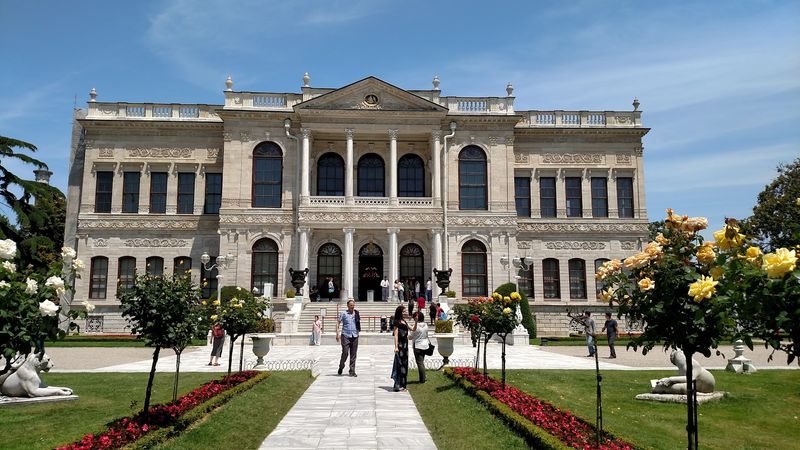
Istanbul knows how to mix references without making the outfit look confused. The city sits at a crossroads of cultures, and that shows up in fashion through flowing fabrics, detailed textiles, contemporary tailoring, and designers who borrow from tradition without getting stuck there.
You can move from grand bazaars and artisan workshops to modern boutiques and local labels within the same day, which keeps the fashion experience varied and practical. Scarves, jewelry, outerwear, and textile pieces often stand out here, especially when you look beyond tourist strips and into neighborhoods with stronger local retail scenes.
Istanbul’s strength is its layered visual identity. East and West are not abstract ideas here; they show up in cuts, patterns, and shopping habits, giving you a destination where fashion history and current design share the same conversation, which makes browsing feel much smarter than simple souvenir collecting.
11. Johannesburg, South Africa
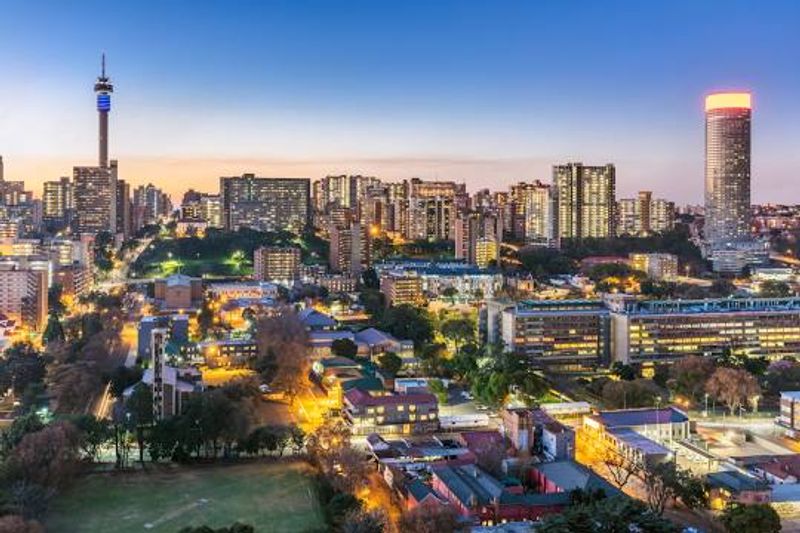
Johannesburg has the kind of style energy that keeps you checking the next block. The city’s fashion scene is evolving quickly, with designers blending sharp streetwear, tailored pieces, and African design references into collections that feel ambitious rather than predictable.
Creative districts such as Maboneng and Rosebank offer galleries, concept stores, markets, and local labels that make it easy to see how fashion connects with the broader cultural landscape. South African designers are gaining more global attention, and Johannesburg serves as an important platform for that growth through retail, media, and major events.
There is also a strong sense of momentum here. You are not just visiting a place with established style codes; you are watching a fashion city define itself in real time, which makes every boutique stop more exciting and gives you plenty of reasons to leave with new labels on your personal radar.
12. Copenhagen (Second Stop: Aarhus), Denmark
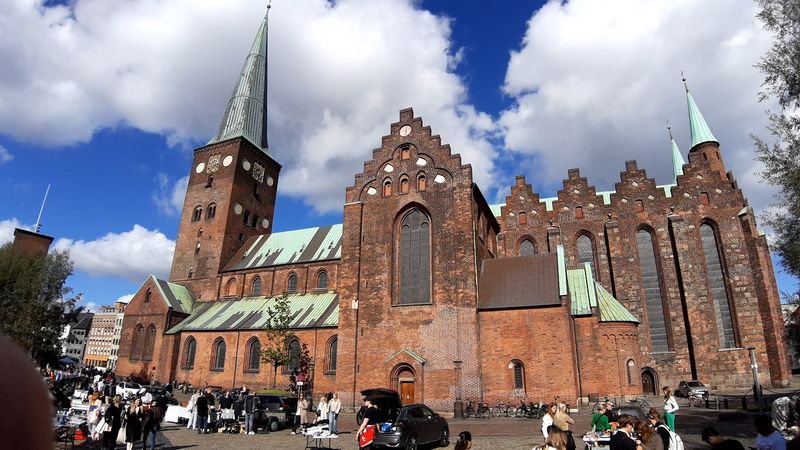
Aarhus feels like Copenhagen’s artsy cousin who borrows the same basics but styles them with more mischief. Denmark’s second city offers a quieter fashion trip, yet its independent boutiques, design shops, and younger creative scene make it especially appealing if you prefer discovery over established fame.
The local style still carries Scandinavian clarity, though it often looks a bit looser and more playful here. You can browse smaller labels, homegrown accessories, and concept stores where fashion sits comfortably beside furniture, ceramics, and graphic design, which somehow makes you want to redecorate and redo your wardrobe at once.
Aarhus works well for travelers who enjoy editing rather than overbuying. The pace is manageable, the shopping feels personal, and the city’s design culture gives even a short visit structure and purpose, which is useful when you want inspiration without the logistical drama that larger fashion capitals can bring.
13. Bangkok, Thailand
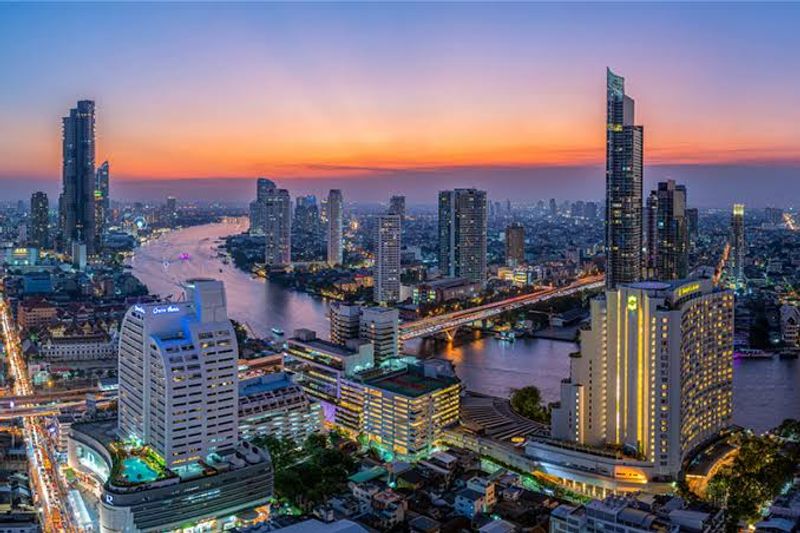
Bangkok is proof that a strong fashion trip does not need a dramatic credit card statement. The city is excellent for budget-conscious shoppers, with markets, malls, and local brands offering trend-driven pieces, accessories, and custom options at prices that leave room for round two.
Areas like Siam, Chatuchak, and various night markets give you different retail personalities, from polished retail chains to small stalls and independent sellers. That range makes Bangkok especially fun for fashion lovers who enjoy mixing affordable basics, playful statement items, and locally designed clothing into one very efficient suitcase strategy.
The city also rewards patience and comparison shopping. You might spot a great piece in one market, then find an even better cut or color two blocks later, which turns the whole experience into a practical style hunt rather than a rushed tourist exercise, and that is exactly where Bangkok shines.
14. Lisbon, Portugal
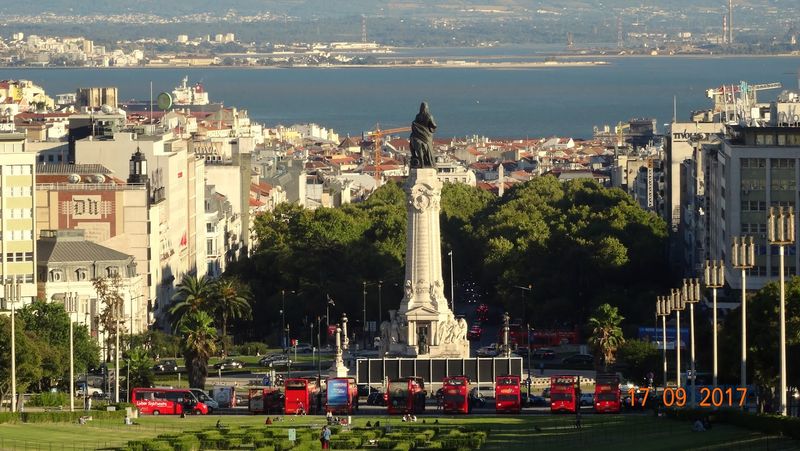
Lisbon wears relaxed elegance so well that it can make your suitcase feel underprepared. The city combines vintage charm with contemporary simplicity, and that balance shows up in breezy silhouettes, practical layering, handmade shoes, and shops that favor understated quality over loud branding.
Neighborhoods such as Principe Real and Chiado offer a smart mix of local labels, concept stores, and vintage options, while Portuguese craftsmanship adds extra appeal. You will find strong leather goods, well-made knitwear, and accessories that look polished without trying too hard, which is a useful category for almost everyone.
Lisbon’s fashion appeal also comes from its realism. The clothing feels designed for actual life, not just perfect photos, so it is easy to imagine pieces fitting into your wardrobe long after the trip ends, and that kind of practical temptation is often the most dangerous shopping influence of all.
15. Buenos Aires, Argentina
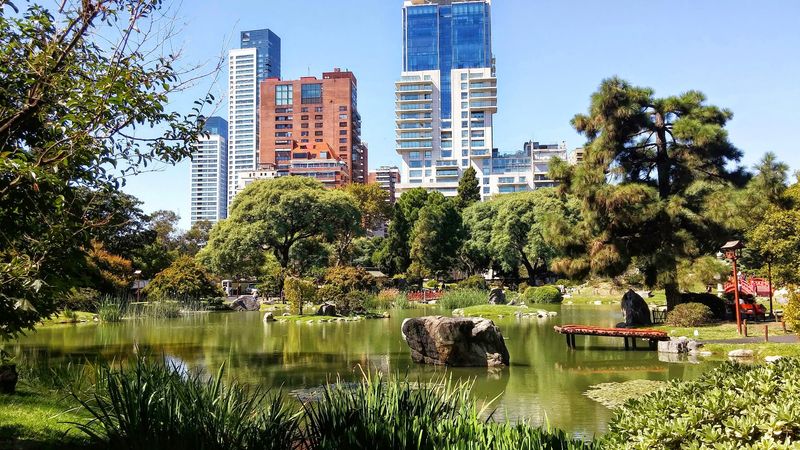
Buenos Aires enters the fashion conversation with sharp tailoring and absolutely no interest in being ignored. The city’s style identity leans elegant, but there is usually a bold detail involved, whether that means strong outerwear, sleek boots, dramatic cuts, or expertly chosen leather pieces.
Shopping areas like Palermo give you access to independent designers, local boutiques, and labels that blend classic structure with a slightly rebellious edge. Argentina’s long relationship with leather craftsmanship remains a major draw, and it is easy to find jackets, bags, and shoes that feel far more specific than generic luxury purchases.
What keeps Buenos Aires compelling is its confidence. The city understands polish, yet it rarely looks stiff, which makes it ideal for travelers who like fashion with structure, personality, and a touch of theatrical flair, minus the costume effect that can sneak into more trend-obsessed destinations.
Share this story