Some corners of the world have managed to stay beautifully untouched, even as crowds flock to famous landmarks everywhere else. These are the places where nature still runs the show, from icy Arctic plains to tropical islands bursting with life.
They are rare, extraordinary, and worth knowing about. Whether you dream of exploring them someday or simply want to appreciate what our planet still has to offer, these 15 wild paradises will leave you breathless.
Raja Ampat, Indonesia
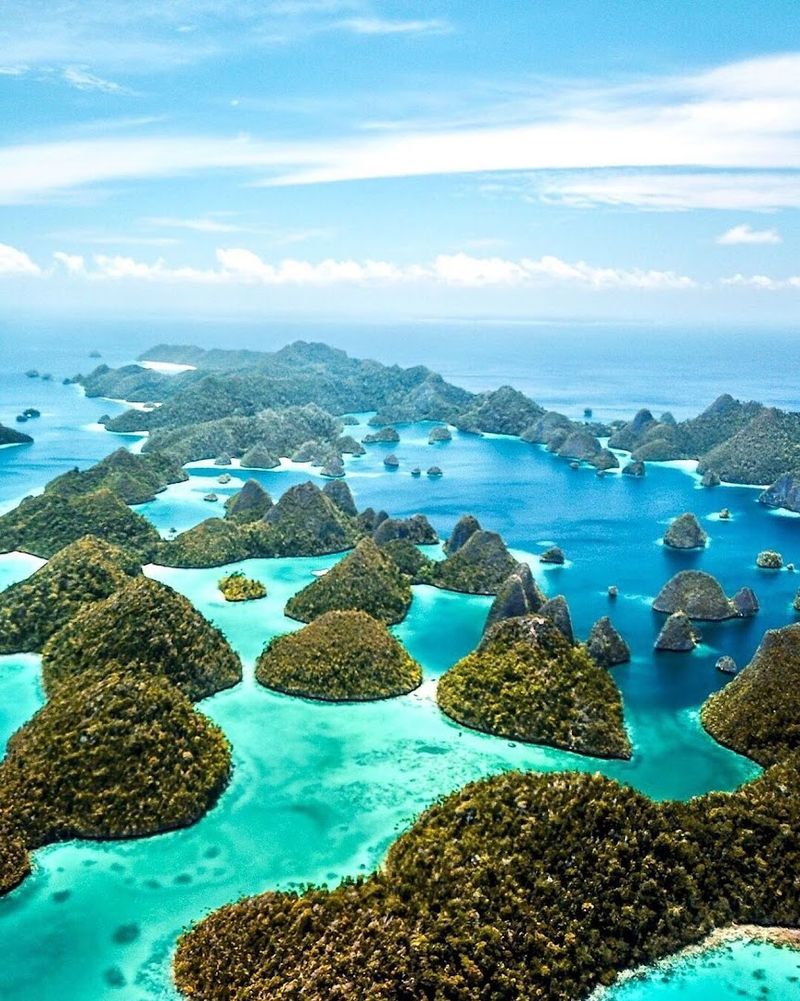
Picture a place where the water is so clear you can see coral gardens 30 feet below without even getting wet. Raja Ampat, tucked off the coast of West Papua, Indonesia, holds the title of one of the most biodiverse marine environments on the entire planet.
Scientists have recorded over 1,500 fish species and 600 coral species here, numbers that boggle even the most seasoned marine biologists.
Getting here is not easy, and honestly, that is part of what keeps it so special. Most visitors fly into Sorong and then take a boat to reach the scattered islands.
The effort is absolutely worth it. Hidden lagoons, mushroom-shaped karst islands, and underwater tunnels make every direction feel like a painting come to life.
Conservation fees collected from visitors go directly toward protecting local reefs from fishing and development. Local communities are deeply involved in protecting their waters, which has made a measurable difference.
Raja Ampat proves that when people genuinely care about a place, nature rewards them generously. If snorkeling or scuba diving is on your bucket list, this archipelago belongs at the very top of it.
Faroe Islands, Denmark
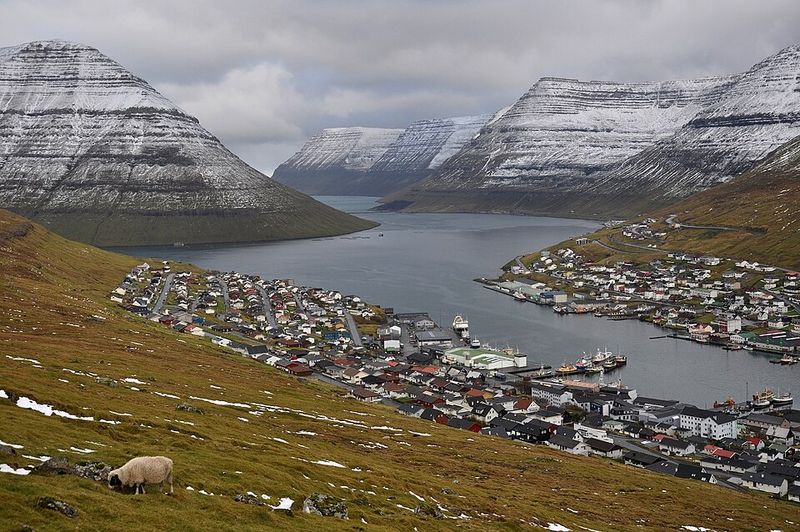
Clouds cling to the clifftops like they have nowhere better to be, and honestly, who could blame them? The Faroe Islands, a self-governing archipelago between Norway and Iceland, look like something pulled straight from a fantasy novel.
Eighteen volcanic islands rise sharply from the North Atlantic, covered in impossibly green grass and carved by centuries of wind and rain.
Despite growing attention from travel photographers and adventure seekers, the Faroes remain refreshingly uncrowded. There are no massive resort chains here, no souvenir shops on every corner.
Instead, tiny villages of brightly painted houses sit quietly beside roaring waterfalls and dramatic sea stacks. Sheep outnumber people by a wide margin, which tells you a lot about the pace of life.
Hiking trails connect villages and lead to viewpoints where the Atlantic stretches endlessly in every direction. The weather changes fast, so packing layers is non-negotiable.
Locals are famously warm and welcoming, quick to invite strangers in for coffee or share stories about island life. The Faroe Islands reward curious travelers who prefer raw, moody beauty over polished, predictable destinations.
Come ready to be humbled by the scale of it all.
Patagonia, Argentina and Chile
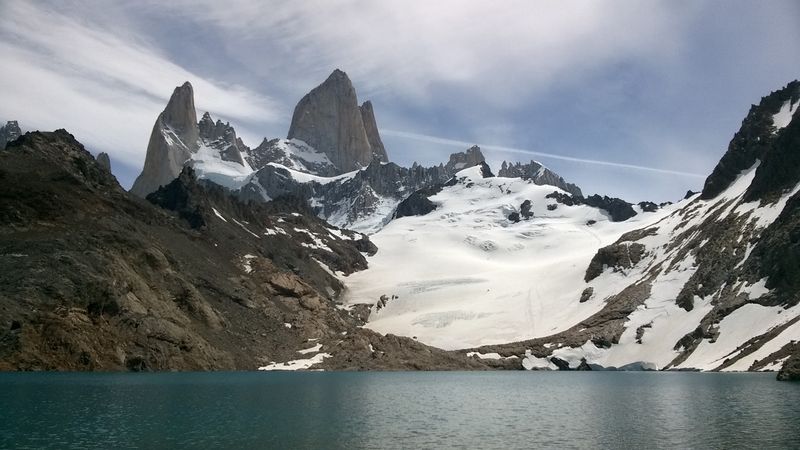
Wind so strong it can knock you sideways, glaciers the size of cities, and peaks sharp enough to pierce the clouds: welcome to Patagonia. Shared between Argentina and Chile at the bottom of South America, this region covers roughly 400,000 square miles of some of the most dramatic terrain on Earth.
It is the kind of place that makes you feel genuinely small in the best possible way.
Torres del Paine in Chile and Los Glaciares National Park in Argentina are the two crown jewels of the region. Hikers travel from all over the world to tackle the famous W Trek or stand face-to-face with the thundering Perito Moreno Glacier.
Turquoise lakes, sculpted by glacial melt, reflect colors that seem almost digitally enhanced.
Patagonia is not a destination for light packing or tight schedules. Weather shifts dramatically within hours, trails can be rugged and remote, and some areas require permits booked months in advance.
But for those who come prepared, the rewards are staggering. Condors circle overhead, guanacos graze near the trail, and sunsets paint the granite towers in shades of orange and pink.
Few places on Earth deliver this level of raw, unfiltered wilderness.
Svalbard, Norway
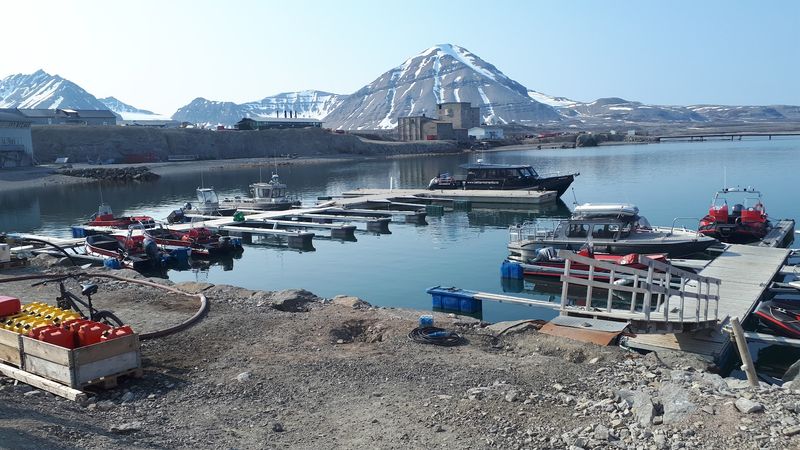
Polar bears outnumber people here, and that statistic alone should tell you everything you need to know about Svalbard. This Norwegian archipelago sits about halfway between mainland Norway and the North Pole, making it one of the most northerly permanently inhabited places on Earth.
For roughly four months of the year, the sun never sets, creating the surreal phenomenon known as the midnight sun.
Svalbard is home to massive glaciers, Arctic foxes, reindeer, and walruses. About 65 percent of the archipelago is protected as national parks or nature reserves, which means the vast majority of the land remains completely untouched.
The main settlement, Longyearbyen, is a small but surprisingly vibrant town that serves as a base for expeditions into the wilderness.
Visitors can explore by snowmobile in winter, kayak along glacier edges in summer, or join guided boat tours that weave between icebergs. Carrying a firearm outside of settlements is actually required by law as protection against polar bears, which gives you a sense of just how wild this place truly is.
Svalbard is not a casual weekend trip. It is an expedition to a frozen world that operates entirely on nature’s terms, and it is absolutely unforgettable.
Galapagos Islands, Ecuador
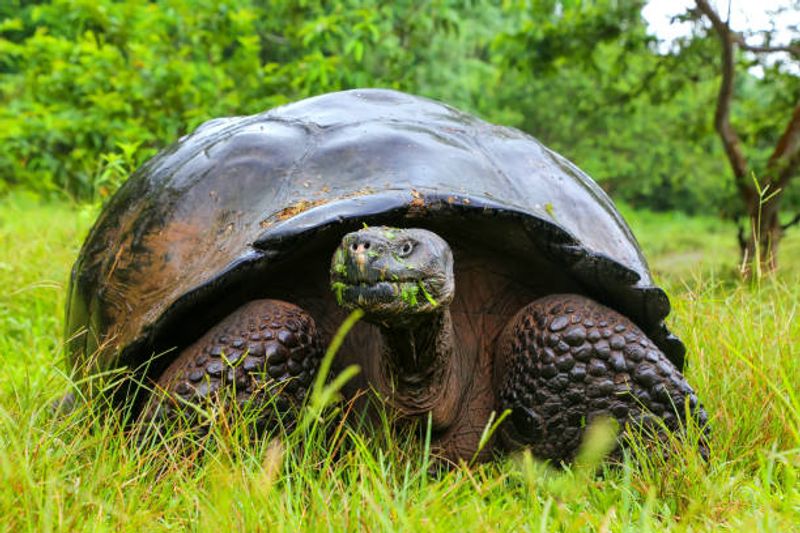
Marine iguanas sneeze salt water, giant tortoises roam freely, and blue-footed boobies perform elaborate dance routines to attract mates. Welcome to the Galapagos Islands, where wildlife encounters are so up-close and personal that animals barely acknowledge your presence.
Located about 600 miles off the coast of Ecuador, this volcanic archipelago inspired Charles Darwin’s theory of evolution during his visit in 1835.
Today, the Galapagos remain one of the most strictly protected ecosystems in the world. Ecuador limits the number of tourists allowed to visit each year, and all visitors must be accompanied by certified naturalist guides.
These rules might sound restrictive, but they are exactly what keeps the islands wild and the wildlife fearless.
Each island has its own character. Fernandina is home to the world’s largest colony of marine iguanas.
Genovesa is nicknamed Bird Island for its staggering number of seabirds. Isabela, the largest island, offers active volcanoes and penguins swimming in warm equatorial waters, a combination found nowhere else on Earth.
The Galapagos do not just show you nature; they completely rewire how you think about it. Visiting here is less like tourism and more like stepping into a living science classroom that has been running for millions of years.
Fiordland National Park, New Zealand
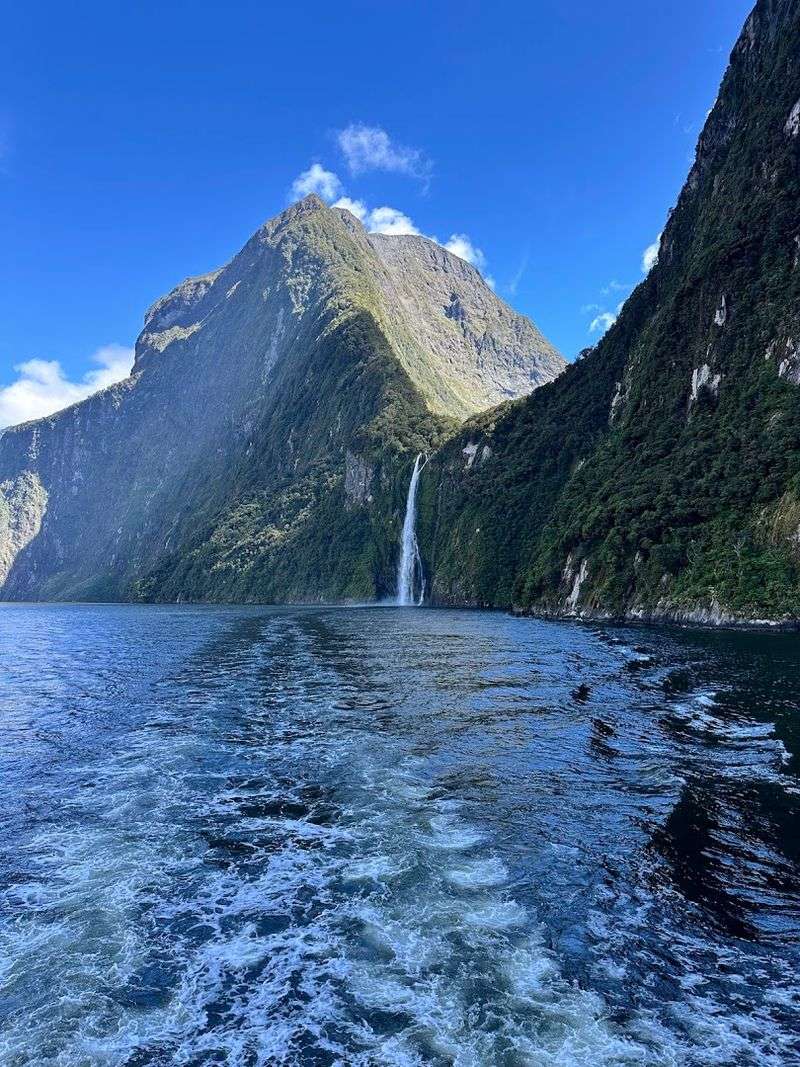
Waterfalls pour from clifftops so high they turn to mist before reaching the water below, and dense rainforest clings to every vertical surface. Fiordland National Park in New Zealand’s South Island is one of those places that photographers struggle to capture because no image ever quite does it justice.
Covering over 3 million acres, it is one of the largest national parks in the world and one of the most spectacular.
Milford Sound is the park’s most famous feature, a narrow fjord carved by ancient glaciers and flanked by walls of dark rock that plunge straight into deep, dark water. Doubtful Sound is less visited but arguably more dramatic, accessible only by a combination of boat and bus.
Both are genuinely jaw-dropping experiences, especially after rainfall when hundreds of temporary waterfalls appear seemingly from nowhere.
The Milford Track, one of New Zealand’s Great Walks, winds through the park over four days and passes through scenery that feels almost prehistoric. Kea parrots, fiordland crested penguins, and bottlenose dolphins all call this region home.
Rain is frequent and heavy, which is actually what keeps the vegetation so lush and the waterfalls so dramatic. Pack a good rain jacket and embrace the grey skies; they are part of the magic here.
Kamchatka Peninsula, Russia
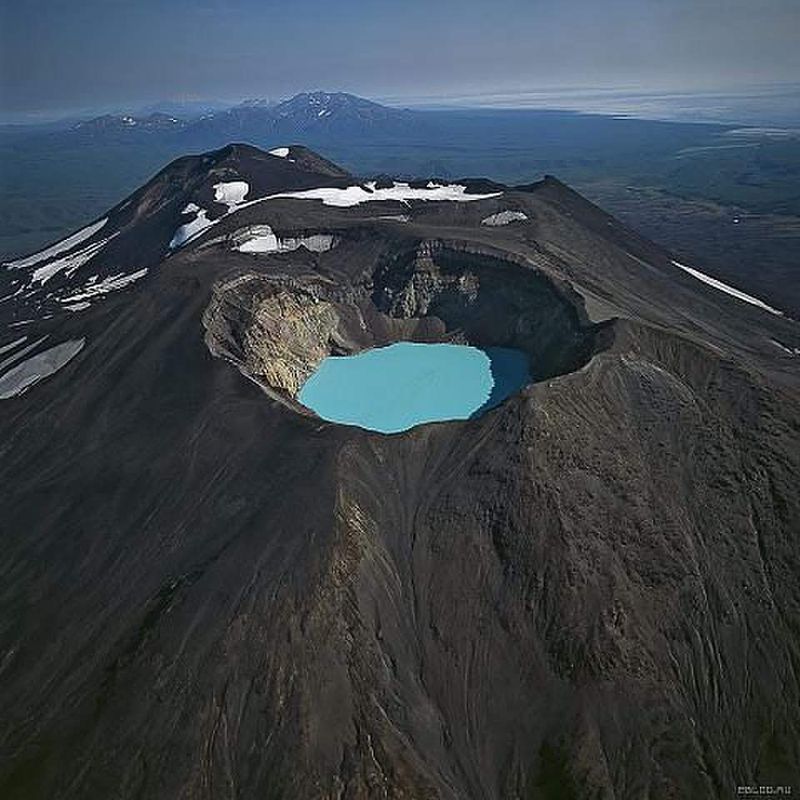
Over 300 volcanoes, hot springs that bubble out of frozen ground, and brown bears so numerous they seem as common as squirrels: Kamchatka is genuinely one of the wildest places left on Earth. This remote Russian peninsula juts southward between the Pacific Ocean and the Sea of Okhotsk, and it has been largely isolated from mass tourism due to its extreme remoteness and historically restricted access during the Soviet era.
Visitors who make the effort to reach Petropavlovsk-Kamchatsky, the main city, find themselves at the doorstep of a volcanic landscape that feels like another planet. Valley of Geysers, one of the world’s largest geyser fields, sits within the Kronotsky Nature Reserve and can only be visited by helicopter.
Watching dozens of geysers erupt simultaneously while surrounded by snow-capped volcanoes is a sensory experience that is very hard to describe.
The Kamchatka River is one of the world’s best salmon fishing rivers, which is exactly why bears gather here in massive numbers each summer. Watching dozens of brown bears fish the same stretch of river is a wildlife spectacle that rivals anything Africa has to offer.
Infrastructure is limited and travel is expensive, but Kamchatka delivers an authentically raw adventure that few other destinations can match.
Lord Howe Island, Australia
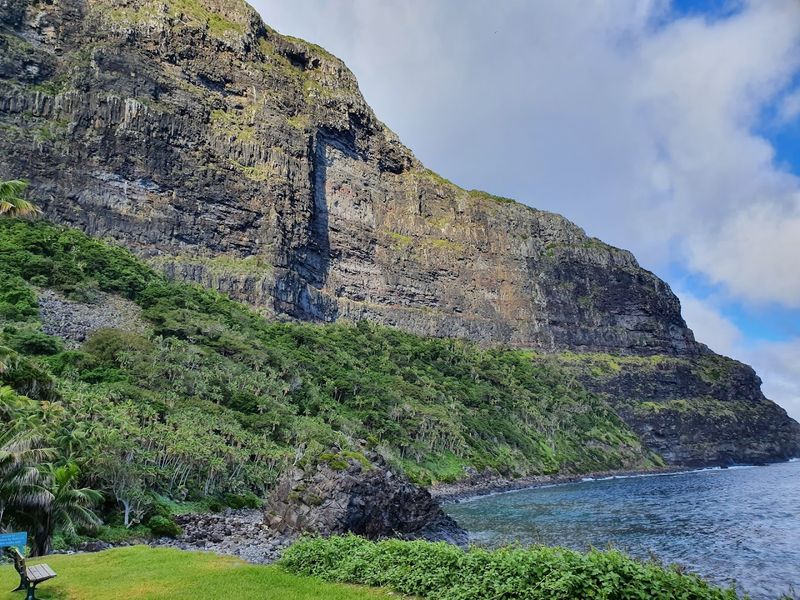
Only 400 tourists are allowed on Lord Howe Island at any given time, a rule that has essentially turned this tiny Australian island into one of the most exclusive natural sanctuaries on the planet. Sitting in the Tasman Sea between Australia and New Zealand, Lord Howe was only discovered in 1788 and has been UNESCO World Heritage listed since 1982.
Its permanent population hovers around 350 people.
The island’s twin volcanic peaks, Mount Gower and Mount Lidgbird, rise dramatically above a lagoon protected by the southernmost coral reef in the world. Snorkeling here puts you face-to-face with species found nowhere else, including the Lord Howe Island woodhen, a flightless bird once thought extinct and successfully brought back from the brink through dedicated conservation work.
There are no traffic lights, no chain restaurants, and no resort complexes. Most visitors get around by bicycle, and the pace of life reflects that simplicity beautifully.
Hiking to the summit of Mount Gower is considered one of Australia’s greatest day hikes, offering views of the lagoon, surrounding ocean, and cloud-draped peaks that are genuinely difficult to forget. Lord Howe Island is proof that protecting a place from overdevelopment is the greatest gift you can give it.
Bhutan
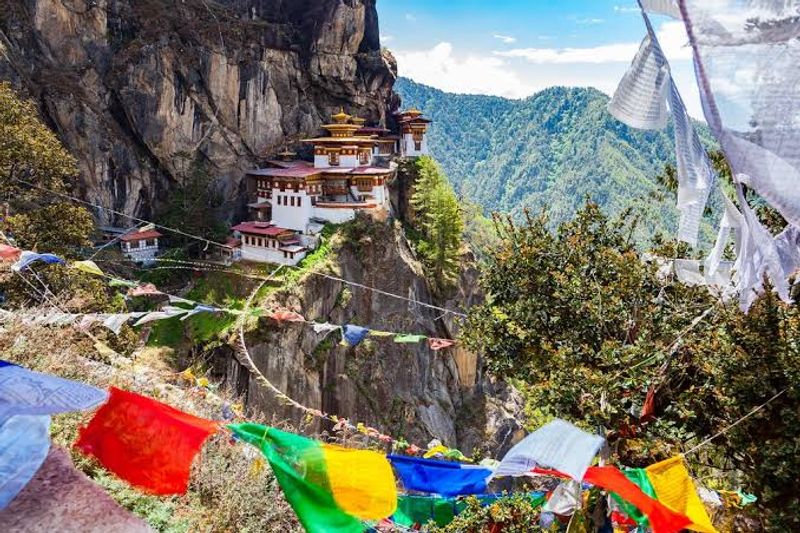
Bhutan measures its success not in GDP but in Gross National Happiness, and one glance at its pristine Himalayan forests might make you understand why that philosophy matters so deeply. Landlocked between India and China, this small Buddhist kingdom has made environmental protection a constitutional requirement.
At least 60 percent of the country must remain forested by law, and currently over 70 percent is covered in trees.
Tourism in Bhutan is deliberately limited through a daily visitor fee that funds sustainable development and conservation. This is not an accident.
Bhutan has chosen quality over quantity, preferring thoughtful visitors over mass tourism. The result is a country where snow leopards roam the high mountains, black-necked cranes winter in the valleys, and ancient monasteries perch on cliffsides without a souvenir stall in sight.
The Snowman Trek, one of the world’s most challenging high-altitude treks, crosses 11 mountain passes above 16,000 feet and takes about three weeks to complete. Even less ambitious hikes through rice terraces and rhododendron forests feel genuinely magical.
Bhutan has cracked a code that most countries are still searching for: how to grow economically without destroying what makes a place worth visiting in the first place.
Namib Desert, Namibia
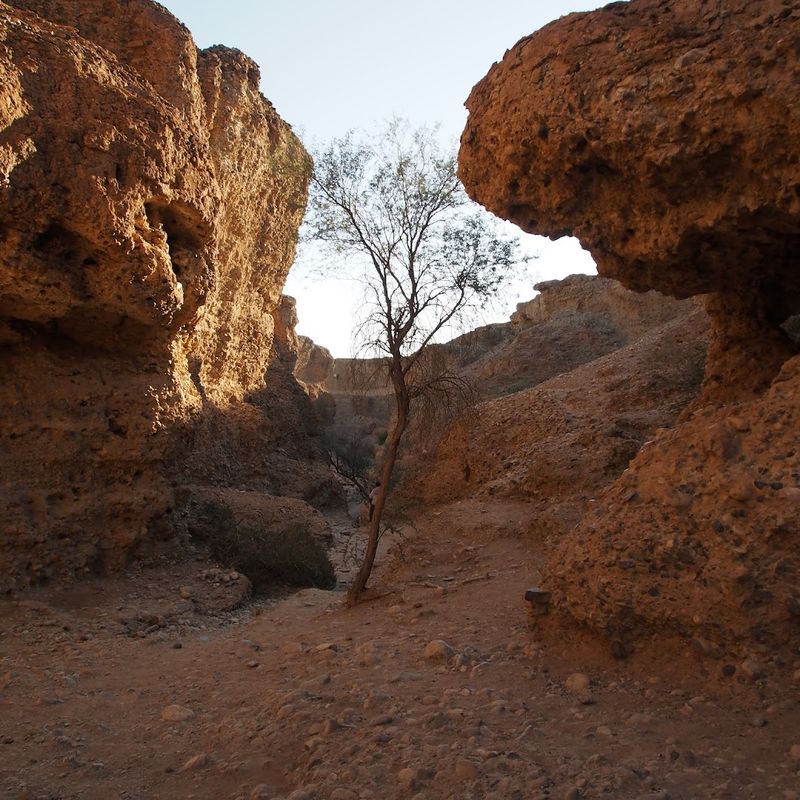
At roughly 55 million years old, the Namib Desert is believed to be the oldest desert on Earth, and it wears its age with extraordinary style. Stretching along Namibia’s Atlantic coastline for nearly 1,200 miles, the Namib is a place of staggering dunes, skeletal trees, and a silence so complete it almost has a sound of its own.
Dune 45 and Big Daddy near Sossusvlei are among the tallest sand dunes on the planet.
The Skeleton Coast, running along the northern stretch of the desert, earned its name from the bleached whale and seal bones that once littered its shores, left by the whaling industry. Today it is one of Africa’s most remote and protected coastlines, patrolled by brown hyenas, desert-adapted lions, and massive colonies of Cape fur seals.
Fog rolling in from the cold Benguela Current is the primary source of moisture for most of the desert’s wildlife.
Deadvlei, a white clay pan surrounded by towering orange dunes and filled with 900-year-old dead trees, is one of the most photographed landscapes in Africa. Getting there before sunrise rewards visitors with colors and shadows that change by the minute.
The Namib does not shout for attention; it simply exists, ancient and indifferent, and lets its sheer scale do all the talking.
South West Wilderness, Tasmania, Australia
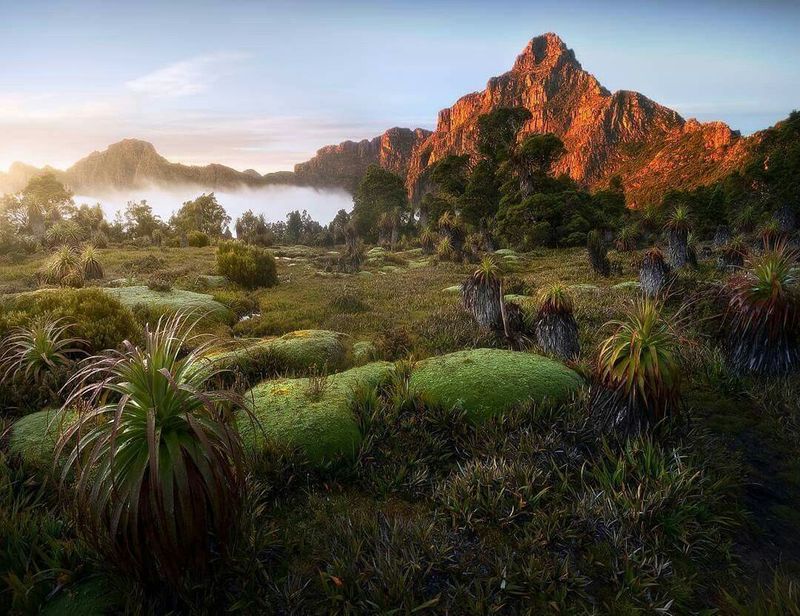
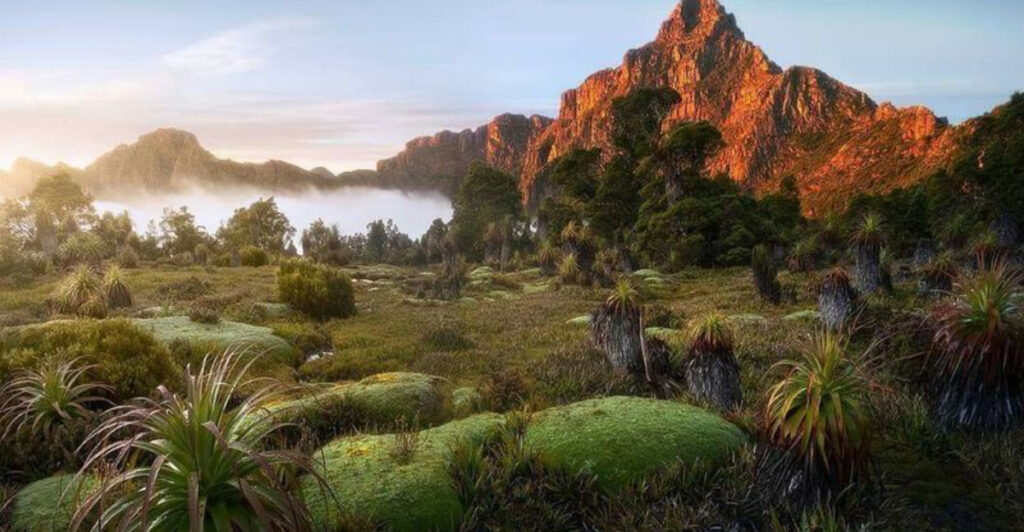
Tasmania’s southwest is so remote that some areas have never been explored on foot, and the few trails that do exist demand serious wilderness experience to navigate safely. This wild corner of Australia covers roughly 2 million acres and is part of the Tasmanian Wilderness World Heritage Area, one of the largest temperate wilderness regions in the Southern Hemisphere.
It is raw, rugged, and wonderfully indifferent to human comfort.
Ancient Huon pines growing along river banks here are among the oldest living organisms on Earth, with some individual trees estimated to be over 3,000 years old. The Franklin River, which cuts through the heart of the wilderness, became the center of one of Australia’s most significant environmental battles in the 1980s when a proposed dam was ultimately stopped by public protest and political action.
Access is genuinely limited. The South Coast Track, a 53-mile route along the remote coastline, is considered one of Australia’s most challenging bushwalks.
Hikers must ford rivers, scramble over quartzite ranges, and endure weather that can turn brutal without warning. Light aircraft and chartered boats provide the only other means of reaching the interior.
Tasmania’s southwest is not trying to impress anyone. It simply exists on its own terms, as wild today as it was a thousand years ago.
Loango National Park, Gabon
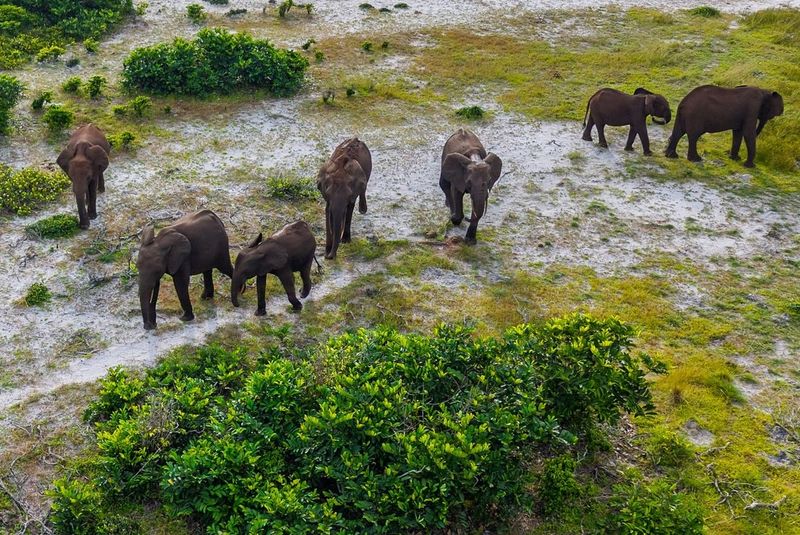
Elephants surfing is not a metaphor. In Loango National Park, forest elephants have actually been observed wading into the Atlantic Ocean and body-surfing the waves, a behavior documented nowhere else on Earth.
Gabon, one of Central Africa’s most forested countries, set aside nearly 11 percent of its land as national parks in 2002, and Loango is the jewel in that conservation crown.
The park sits where the Congo Basin rainforest meets the Atlantic coast, creating an extraordinary overlap of ecosystems. Hippos wallow in coastal lagoons just meters from the beach.
Gorillas, forest buffalo, and leopards move through the interior forest. Humpback whales breach offshore during migration season.
The diversity of wildlife packed into a single stretch of coastline is genuinely staggering.
Tourism infrastructure here is deliberately minimal, limited to a handful of eco-lodges that operate with low environmental impact. Visitor numbers remain small, which means wildlife encounters feel intimate and unscripted rather than staged.
Loango is sometimes called the Last Eden, and while that label gets attached to many places, here it feels genuinely earned. This is what Africa looked like before roads, before fences, and before the relentless pressure of development changed everything else.
It is irreplaceable.
Socotra, Yemen
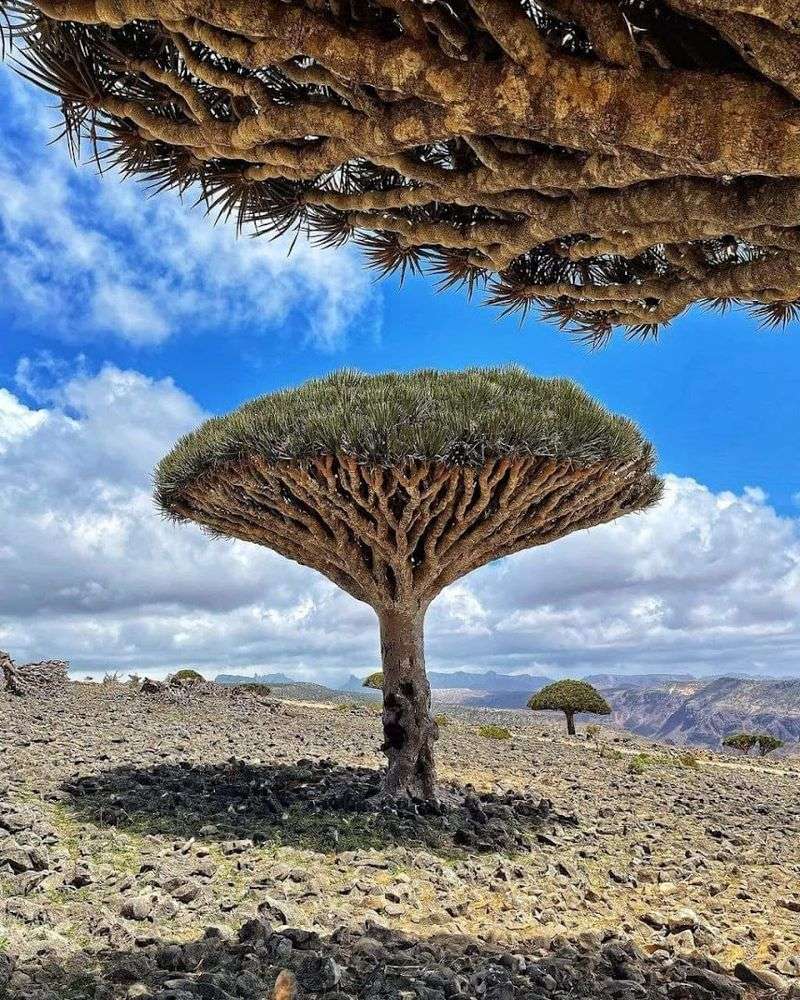
Dragon’s blood trees look like something a child would draw if asked to imagine an alien forest: flat-topped, umbrella-shaped, and dripping with dark red sap that gives them their dramatic name. Socotra, a Yemeni island in the Arabian Sea, is home to around 700 plant species found nowhere else on Earth, earning it the nickname the Galapagos of the Indian Ocean.
About 37 percent of its plants are completely unique to the island.
Socotra’s extreme isolation, sitting roughly 150 miles from the Horn of Africa, allowed its flora and fauna to evolve in splendid independence for millions of years. The result is a landscape so otherworldly that photos of it are frequently mistaken for digital artwork or science fiction concept designs.
Bottle trees, cucumber trees, and frankincense plants add to the surreal visual atmosphere.
Reaching Socotra has historically been difficult, and ongoing conflict in Yemen has made it even more complicated in recent years. Flights operate from Abu Dhabi and occasionally Muscat, but schedules are unpredictable.
For travelers who do manage to visit, the experience is unlike anything else available on Earth. Local Socotri people maintain a deep cultural connection to their island’s unique ecology, treating its strange plants not as curiosities but as living neighbors deserving of respect and care.
Antarctica
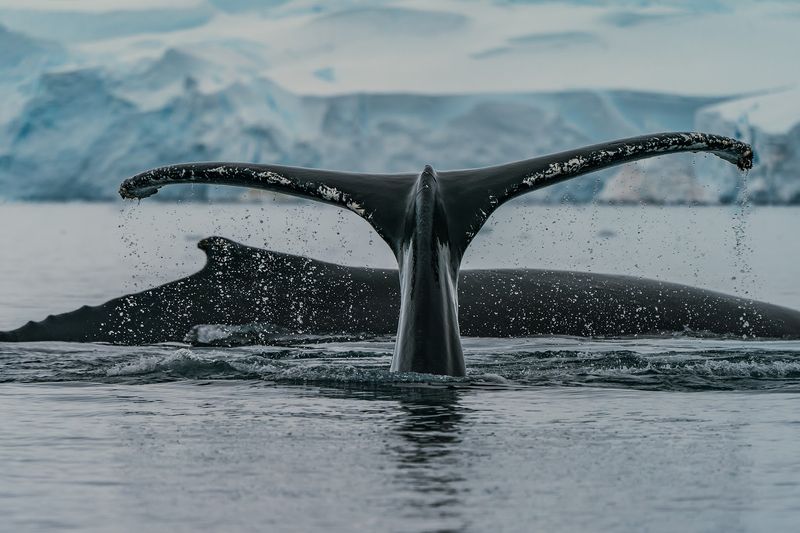
No country owns it, no one lives there permanently, and it holds about 70 percent of the world’s fresh water locked inside its ice sheets. Antarctica is simply the most extreme place on Earth, colder, windier, and drier than anywhere else, and yet it teems with life in and around its surrounding waters.
Emperor penguins march across the ice in temperatures that would be fatal to most other animals without the right gear.
The Antarctic Treaty, signed in 1959 by 12 nations and now supported by 54, protects the continent from mining, military activity, and nuclear waste disposal. Tourism is permitted but tightly regulated, with strict rules about waste, wildlife disturbance, and landing procedures.
Most visitors arrive by expedition ship from Ushuaia in Argentina, crossing the famously rough Drake Passage to reach the Antarctic Peninsula.
Icebergs the size of skyscrapers drift silently past ships. Leopard seals drape themselves over ice floes like oversized cats.
Humpback whales surface just meters from inflatable landing boats. Antarctica strips away every distraction and leaves you with nothing but the planet in its most fundamental, uncompromised form.
Many visitors describe the experience as genuinely life-changing, not because of comfort or luxury, but because of the profound and humbling silence of a place that has never needed us at all.
Islas Marietas National Park, Mexico
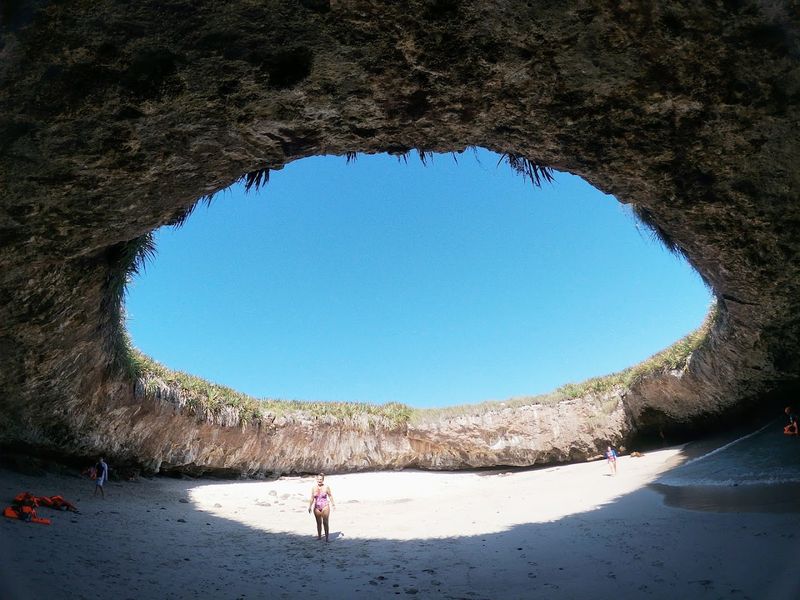
A secret beach hidden inside a collapsed volcanic cave, accessible only by swimming through a narrow tunnel at low tide: the Islas Marietas have a flair for drama that most destinations can only dream about. Located off the coast of Nayarit in Mexico’s Pacific waters, these uninhabited islands were once used as military bombing practice sites in the early 20th century.
Today they are one of Mexico’s most strictly protected marine reserves.
The hidden beach, known locally as Playa del Amor, became so popular after going viral online that Mexico’s government dramatically restricted access in 2016. Visitors now require permits, and daily numbers are capped to protect the fragile ecosystem surrounding the islands.
The waters around the Marietas are rich with humpback whales, manta rays, sea turtles, and an extraordinary variety of tropical fish.
Blue-footed boobies nest on the rocky shores in large, noisy colonies, completely unbothered by the occasional snorkeler drifting past below. Frigatebirds with their distinctive red throat pouches circle overhead.
The entire island group is a no-fishing zone, which has allowed marine populations to recover impressively over the past few decades. Islas Marietas is living proof that giving nature even a small amount of breathing room produces results that are genuinely breathtaking and well worth protecting forever.
Share this story