 Unearth The Voyage
Most road trip guides point you to the same national parks and city skylines. But tucked between the highways and back roads of America are places so strange, so wonderfully weird, that they barely make the mainstream lists.
I stumbled onto a few of these by accident, and honestly, those detours ended up being the best parts of the trip. These 15 stops prove that the real travel magic is hiding in plain sight.
House on the Rock, Wisconsin: The Mind-Bending Stop That Feels Like a Fever Dream
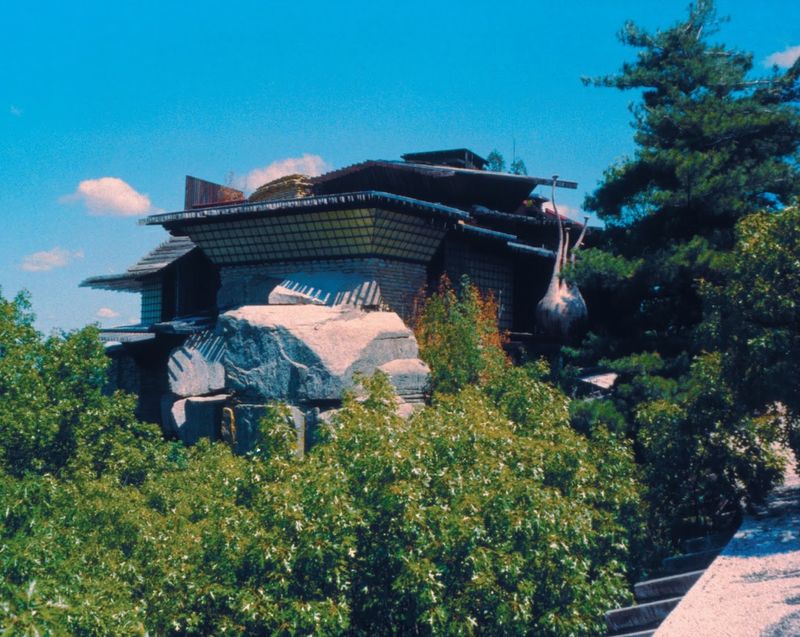
Nobody warns you that House on the Rock will rearrange your brain a little. Built by Alex Jordan Jr. starting in the 1940s, this sprawling complex sits atop a 60-foot rock column in the Wisconsin hills.
It started as a house. It became something much harder to explain.
Room after room is packed with antique collections, mechanical music machines, and a carousel so enormous it holds 269 carousel animals but zero horses. That detail alone should tell you everything.
The Infinity Room stretches 218 feet over the valley below, with no support underneath.
I walked through with my jaw basically on the floor the entire time. Plan for at least three to four hours because rushing through this place is genuinely impossible.
Tickets are worth every penny. Neil Gaiman even featured it in his novel American Gods, which tracks, because it absolutely feels like a place where gods would hang out.
Salvation Mountain, California: The Desert Art Landmark That Still Feels Hidden
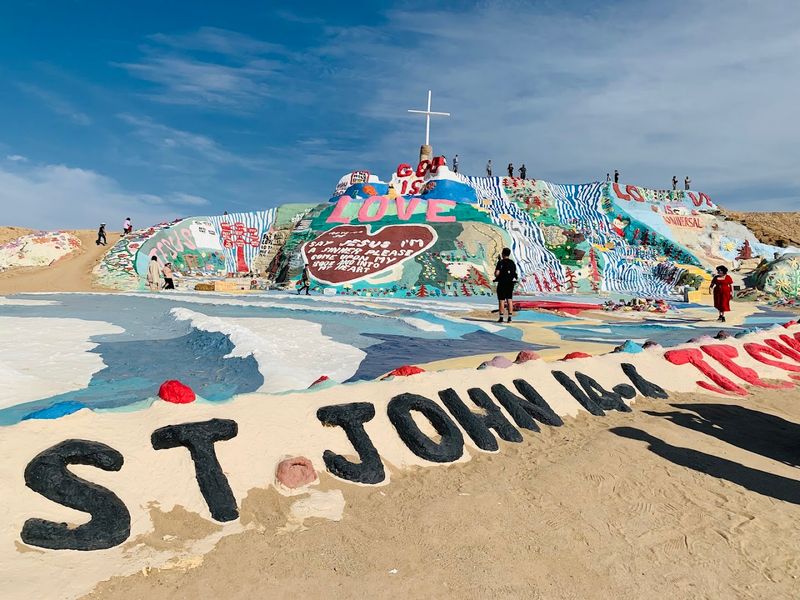
Leonard Knight spent 28 years building a mountain out of adobe, straw, and over 100,000 gallons of paint. He did it alone, in the California desert, because he wanted the world to know God loves everyone.
That dedication is hard not to respect.
Salvation Mountain sits near Slab City, a community of off-grid residents outside Niland. The mountain itself blazes with color, covered in flowers, trees, and scripture painted in reds, yellows, and blues.
It is one of the most photographed folk art sites in America, yet somehow still feels like a secret.
Getting there requires driving through some seriously remote terrain, so check your gas tank first. The site is free to visit, and donations help with ongoing preservation.
Go early in the morning before the desert heat peaks. Bring water, wear sunscreen, and take your time walking around the base.
It is genuinely moving in a way that is hard to predict.
International Car Forest of the Last Church, Nevada: The Wildest Art Stop in the Desert
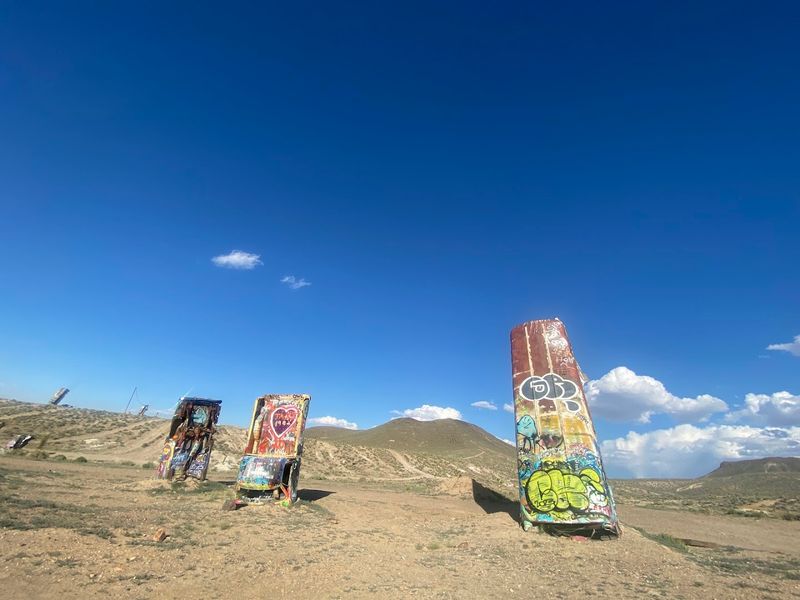
Chad Sorg and Mark Rippie planted 40 cars and trucks nose-first into the Nevada desert starting in 2011, and the result is one of the strangest sights in the American West. Located just outside Goldfield, a ghost town with fewer than 300 residents, this place has zero pretension and maximum personality.
Every vehicle is covered in graffiti contributed by visitors over the years. Bring a can of spray paint and add your mark.
That participatory element makes it feel alive rather than static, which is an interesting trick for a bunch of buried cars.
Admission is free, and the site is open around the clock. Goldfield itself is worth a short wander, with crumbling buildings and a genuinely eerie quiet.
The Car Forest works best at golden hour when the light hits those tilted bumpers just right. It is absurd, it is Nevada, and it is absolutely worth the detour off US-95.
Bubblegum Alley, California: The Strange Little Passageway Travelers Never Forget
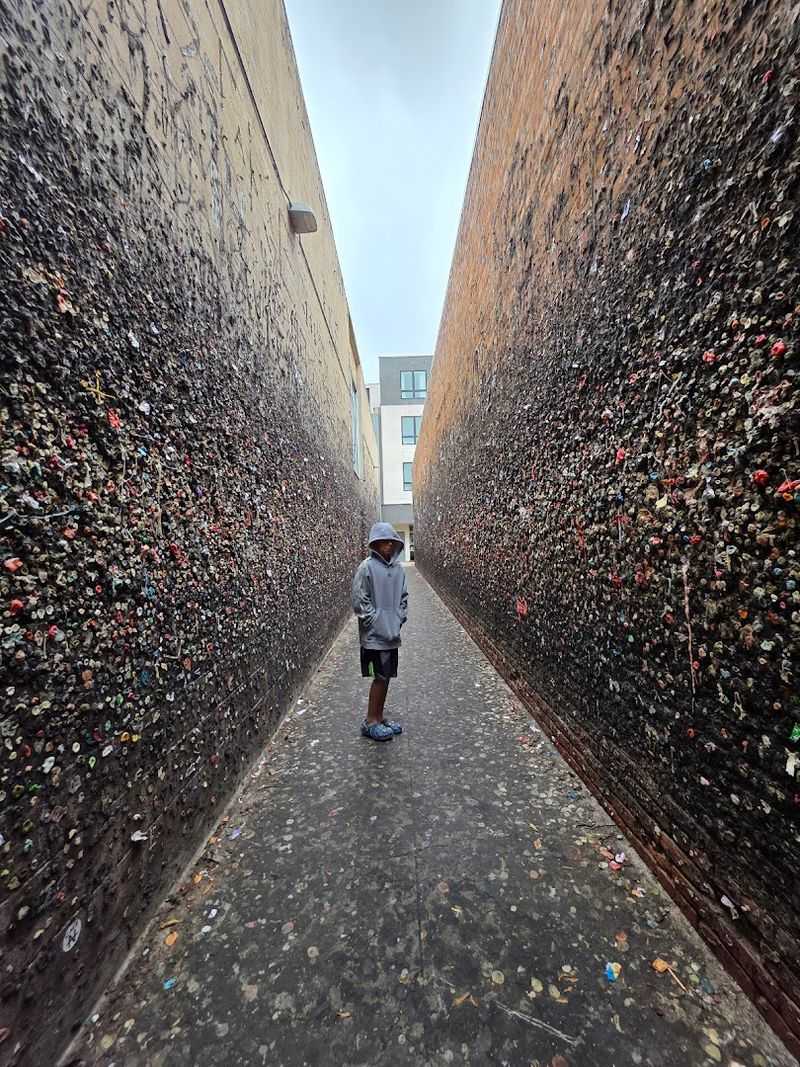
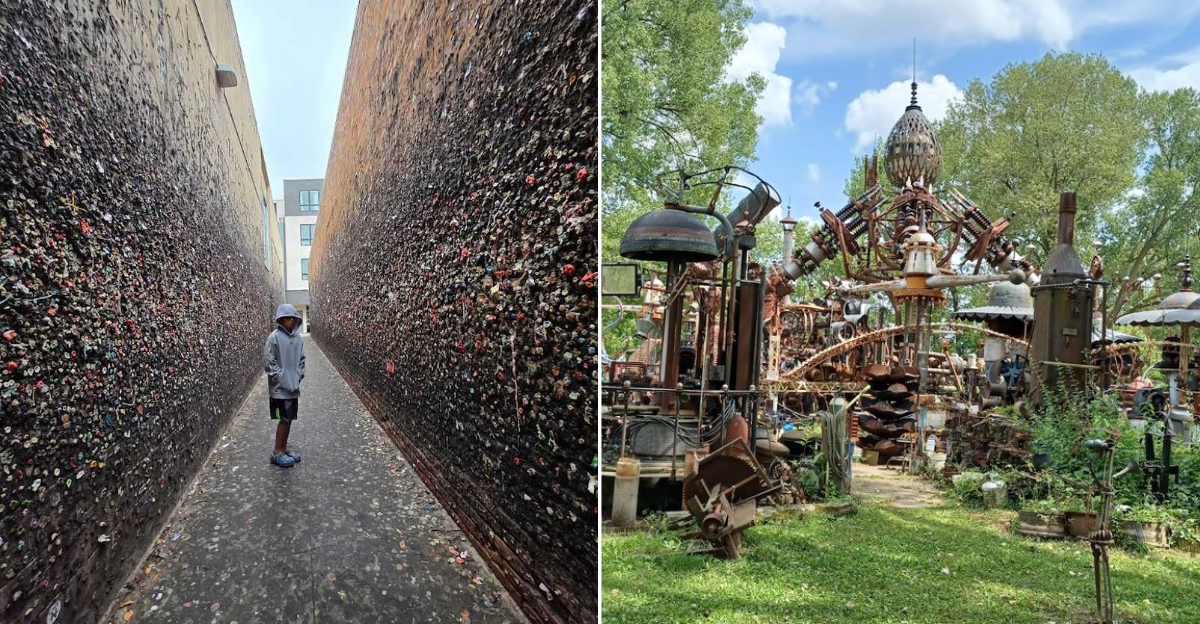
Somewhere in San Luis Obispo, there is a 70-foot alleyway where the walls are entirely covered in chewed bubblegum. Tens of thousands of pieces.
Some people spell out names. Others make little portraits.
The whole thing smells exactly like you would expect.
Nobody knows for certain who started it. The tradition likely began in the late 1950s, possibly as a rivalry between high school and college students.
The city has cleaned it twice, and both times it came right back. At this point, Bubblegum Alley is basically a San Luis Obispo institution.
Visitors are encouraged to add their own piece, which is either delightfully communal or mildly horrifying depending on your relationship with germs. Grab a pack of bubblegum before you arrive.
The alley runs between 733 and 734 Higuera Street and is open all day, every day, free of charge. It is weird, it is sticky, and it is genuinely one of a kind.
Cathedral Gorge State Park, Nevada: The Eroded Landscape That Looks Almost Unreal
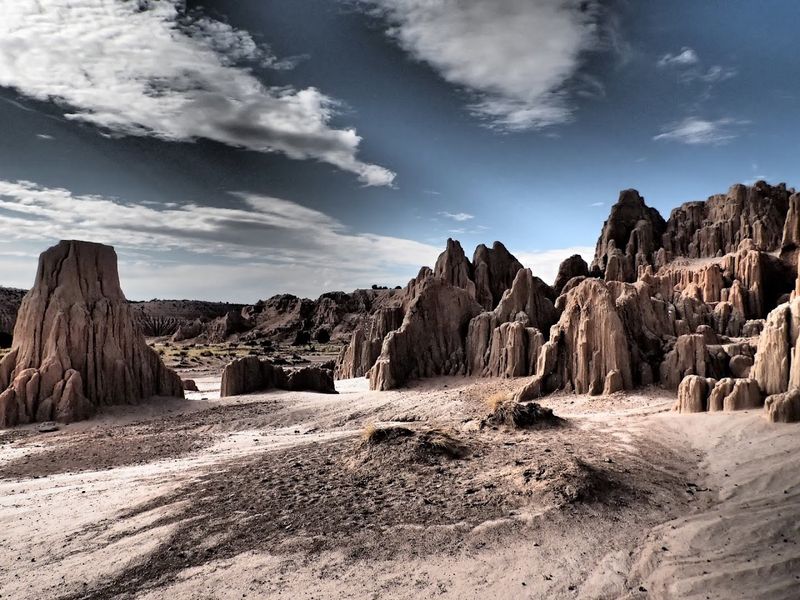
About 150 million years ago, a lake sat in this Nevada valley. Over time it dried up, and the clay sediment left behind got carved by wind and rain into something that looks like a gothic cathedral built by a very ambitious geology project.
Cathedral Gorge State Park does not get nearly the attention it deserves.
The formations are made of soft bentonite clay, which erodes into thin spires, narrow slot canyons, and cathedral-like alcoves. You can actually squeeze through some of those slots, which makes for a surprisingly adventurous afternoon.
The park sits near Panaca in Lincoln County, far from Nevada’s flashier attractions.
Camping here is excellent and cheap. The stargazing at night is outstanding because light pollution is almost nonexistent this far from the city.
Most visitors have the trails nearly to themselves, even on weekends. Bring good shoes and a camera.
The light changes the color of the clay dramatically throughout the day, so timing your visit for late afternoon pays off.
Pando, Utah: The Giant Living Organism Most Travelers Drive Past Without Knowing
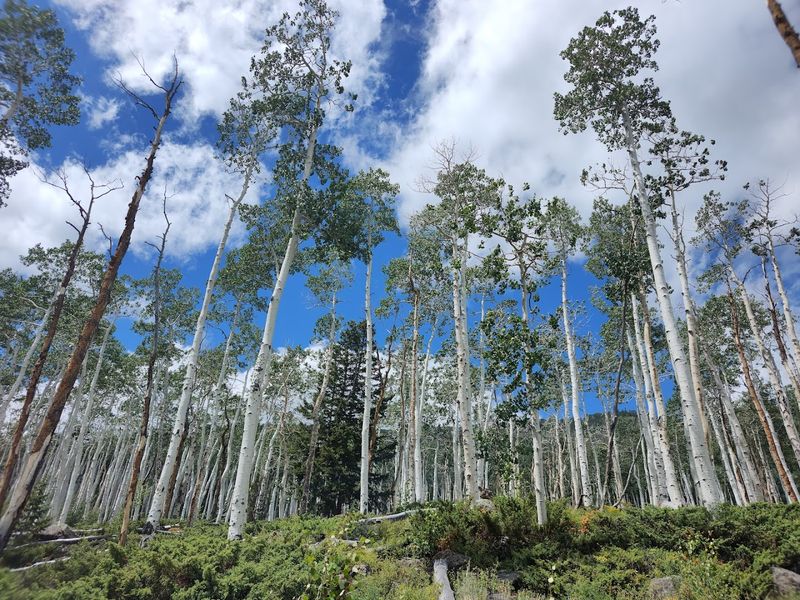
Pando looks like a forest. It is actually one single organism.
This massive grove of quaking aspens in Fishlake National Forest shares one root system, one genetic code, and one continuous underground network spanning 106 acres. Scientists estimate it weighs around 13 million pounds, making it possibly the heaviest living thing on Earth.
The trees are all clones of each other, which is both fascinating and slightly unsettling. In autumn, the whole grove turns gold simultaneously, which makes for one of the most spectacular fall color displays in the country.
Most people driving Highway 25 near Fish Lake have no idea what they are passing.
There are no admission fees and no crowds. A short interpretive trail winds through the grove with signs explaining the science.
The best time to visit is mid-October for peak color. Pando is currently under threat from deer overgrazing and aging trees, so visiting now while it thrives feels especially worthwhile.
Lucy the Elephant, New Jersey: The Seaside Landmark That’s Exactly What It Sounds Like
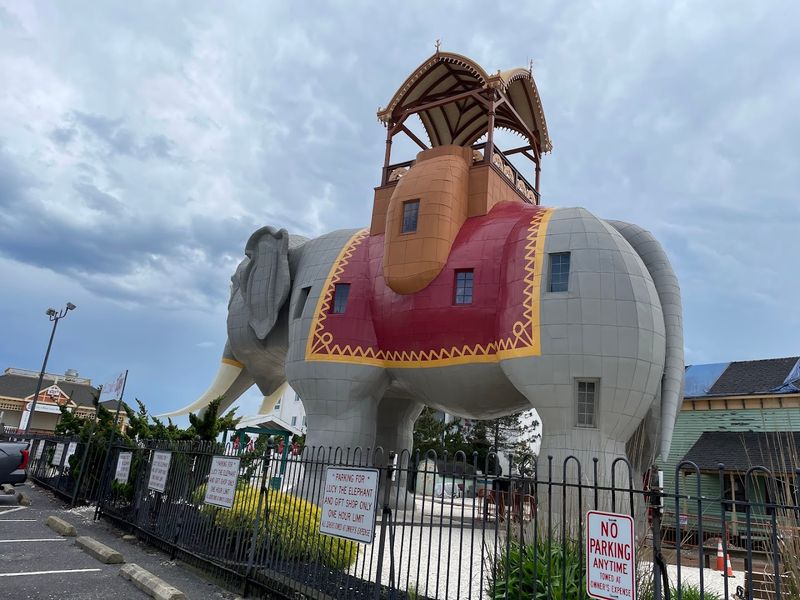
Built in 1881 by real estate developer James V. Lafferty, Lucy the Elephant is a six-story wooden elephant standing on a beach in Margate City, New Jersey.
She has been a tavern, a hotel, and a private summer cottage. Currently she works as a museum, which feels like the most respectable chapter of her career.
Lucy stands 65 feet tall and weighs 90 tons. Her skin is made of tin.
You can climb up inside her legs and stand in a howdah on her back for a view of the Atlantic. She is a National Historic Landmark, which means the government officially acknowledges that a giant wooden elephant is important.
Respect.
Tours run from Memorial Day through October. The experience takes about 20 minutes, which is just the right amount of time to spend inside an elephant.
She sits right off Atlantic Avenue, easy to find and impossible to miss. Admission is affordable, and the novelty factor alone makes it completely worth stopping.
Coral Castle, Florida: The Hand-Carved Mystery Stop That Feels Almost Impossible
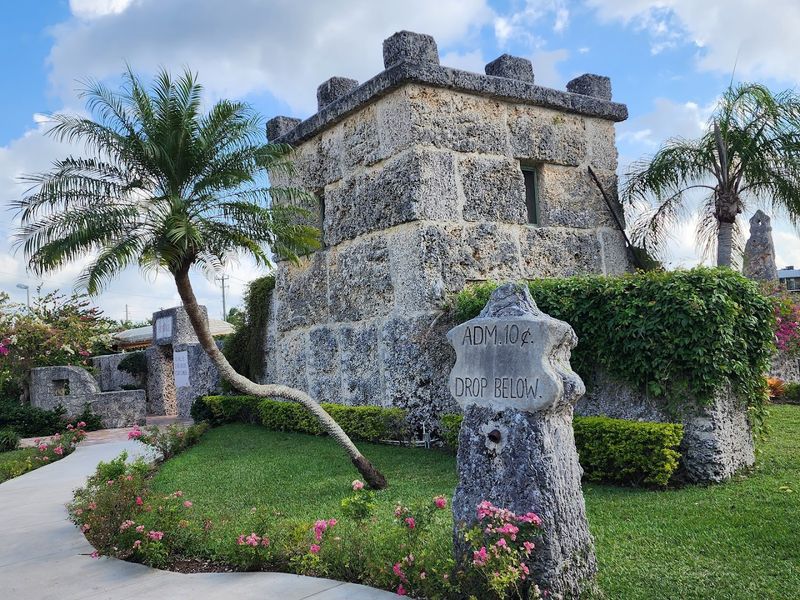
Edward Leedskalnin was a Latvian immigrant standing five feet tall and weighing 100 pounds. Between 1923 and 1951, he single-handedly carved and moved over 1,100 tons of coral rock to build an elaborate castle in South Florida.
He worked only at night and never allowed anyone to watch.
Nobody has ever fully explained how he did it. Engineers and physicists have visited and scratched their heads.
Leedskalnin claimed to have rediscovered the secrets of the Egyptian pyramids. The 9-ton gate he carved was so perfectly balanced it could be opened with a single finger, though it eventually had to be reset by a crane.
Coral Castle sits in Homestead, about an hour south of Miami. Tours are self-guided with audio.
The place is genuinely mysterious without trying to be spooky, which makes it feel more impressive than any haunted house. Go on a weekday to avoid crowds.
The engineering mystery alone justifies the trip down US-1.
Carhenge, Nebraska: America’s Oddball Stonehenge Made From Classic Cars
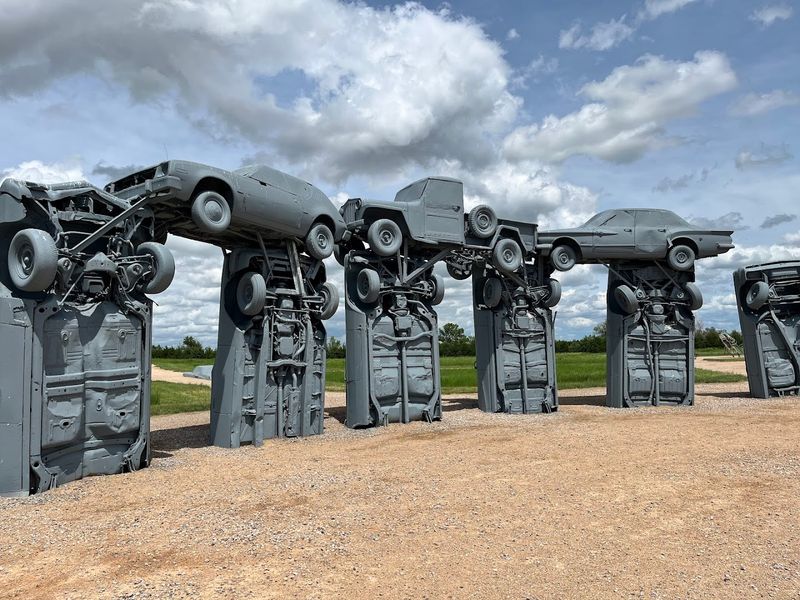
Jim Reinders built Carhenge in 1987 as a memorial to his father, using 38 vintage American automobiles painted grey and arranged to match the layout of Stonehenge in England. It sits in a field near Alliance, Nebraska, surrounded by absolutely nothing, which somehow makes it more powerful.
The cars are partially buried, stacked, and welded together with impressive structural precision. Reinders actually studied Stonehenge before building it, so the proportions are remarkably accurate.
A few additional car sculptures have been added over the years as the Car Art Reserve, expanding the site into a full outsider art destination.
Admission is free. The site is open year-round, and the remote location means the Milky Way is visible on clear nights.
Alliance is a small town but has solid diners for a post-Carhenge meal. I pulled over here expecting a quick laugh and ended up staying for an hour, walking every angle.
It earns more admiration than the initial joke suggests.
City Museum, Missouri: The Giant Urban Playground That Barely Feels Like a Museum
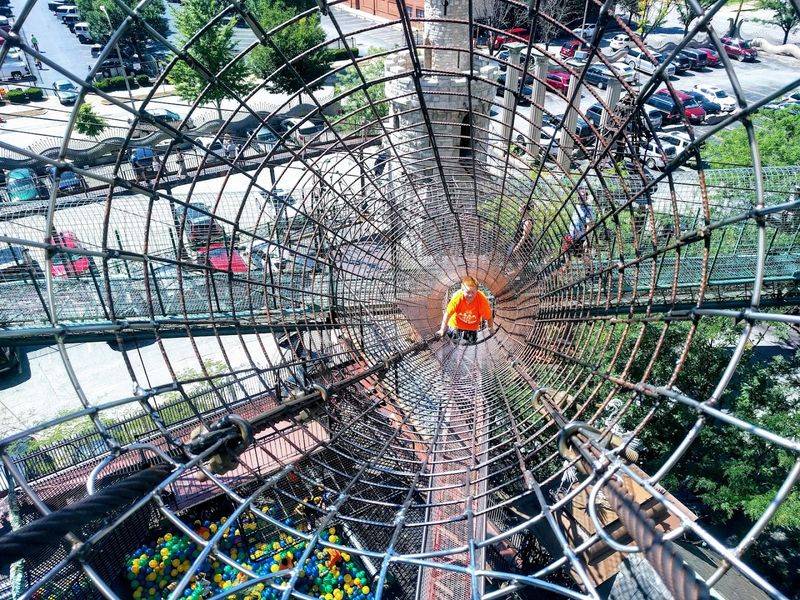
Calling City Museum a museum is technically accurate and also wildly misleading. Built by artist Bob Cassilly inside a 10-story former shoe factory in St. Louis, it is part playground, part architectural salvage yard, part fever dream, and zero percent boring.
Adults lose their minds here in the best way.
The building is filled with tunnels, slides, caves, an aquarium, a working Ferris wheel on the roof, and a school bus hanging off the edge of the building. Everything was built from reclaimed materials.
Cassilly collected industrial castoffs, old bridges, and architectural fragments and welded them into something no safety-conscious person would ever approve today.
Kids love it, but honestly adults tend to get more into it. There is a rooftop bar, which helps.
Go on a weekday evening for smaller crowds. Wear clothes you can crawl in.
The admission price is reasonable for what amounts to four hours of complete sensory chaos. City Museum is unlike anything else in America, and that is saying something.
Bonneville Salt Flats, Utah: The Blinding White Stop That Feels Like Another Planet
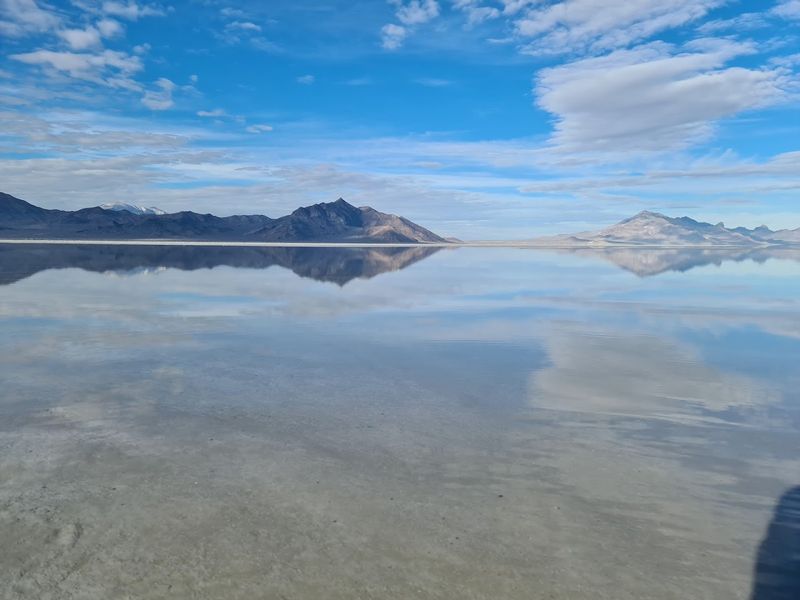
The Bonneville Salt Flats cover about 30,000 acres of northwestern Utah in a crust of pure white salt, and standing on them feels like standing on the moon if the moon had better parking. The flatness is so extreme that you can actually see the curvature of the Earth from the surface.
The flats formed from the remnants of ancient Lake Bonneville, which covered much of Utah around 30,000 years ago. Today they are best known as a land speed record venue.
Cars have hit over 600 miles per hour out here. The salt is so hard-packed it works as a natural racetrack.
Visitors can drive out onto the flats, which is a surreal experience. The best time to visit is late summer after the thin layer of water evaporates, leaving a mirror-like surface.
Exit 4 off Interstate 80 takes you right there. No admission fee.
Bring sunglasses because the white is genuinely blinding, and sunscreen is non-negotiable.
Ave Maria Grotto, Alabama: The Tiny World-Famous Village Hidden in Plain Sight
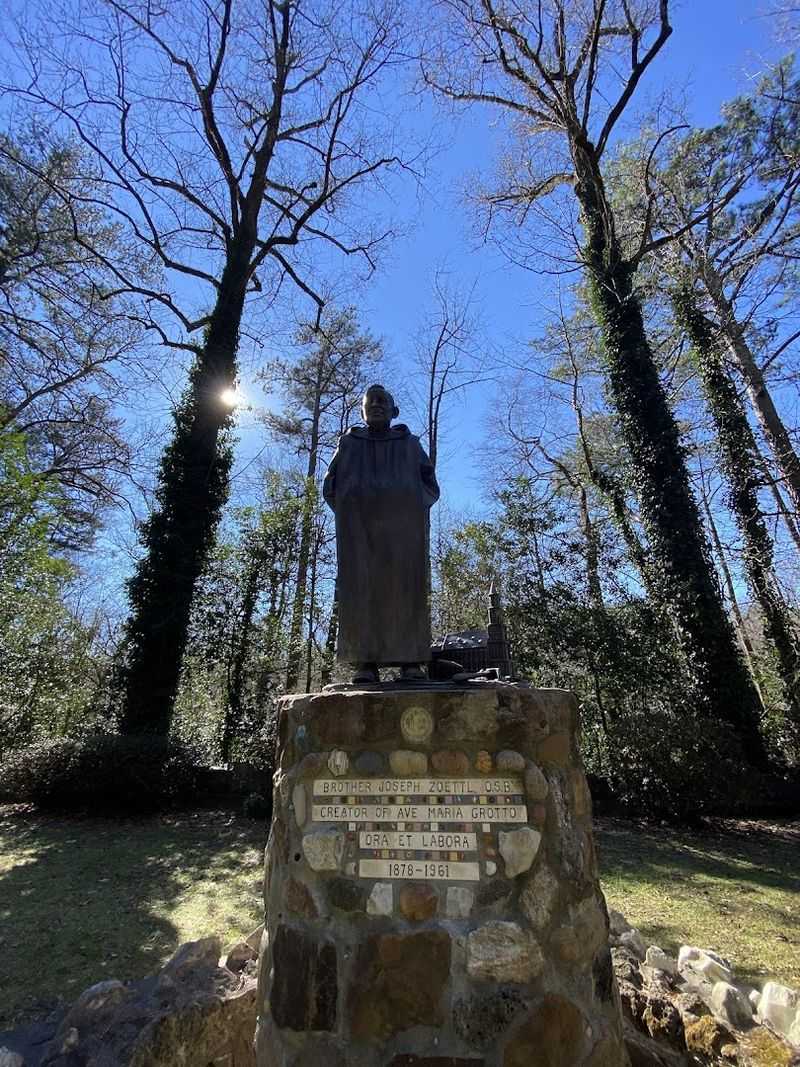
Brother Joseph Zoettl was a Benedictine monk at St. Bernard Abbey in Cullman, Alabama, who spent decades building miniature replicas of famous religious sites from around the world. He used stones, broken glass, marbles, cold cream jars, and bits of tile.
The results are extraordinary.
The grotto contains 125 miniature structures including the Basilica of St. Peter, the Colosseum, the Lourdes Grotto, and the Leaning Tower of Pisa, all tucked into a terraced hillside garden. Brother Joseph started building in 1912 and kept going until 1958.
He never traveled to any of the places he replicated.
The site is beautifully maintained by the abbey and costs a small admission fee. It sits on the abbey grounds, which are lovely for a quiet walk.
Cullman is a charming small Alabama city with good German-style food, a nod to its immigrant founding. Ave Maria Grotto is one of those places that rewards slow exploration over rushing through.
The Museum of Jurassic Technology, California: The Bizarre Museum Stop That Keeps Visitors Guessing
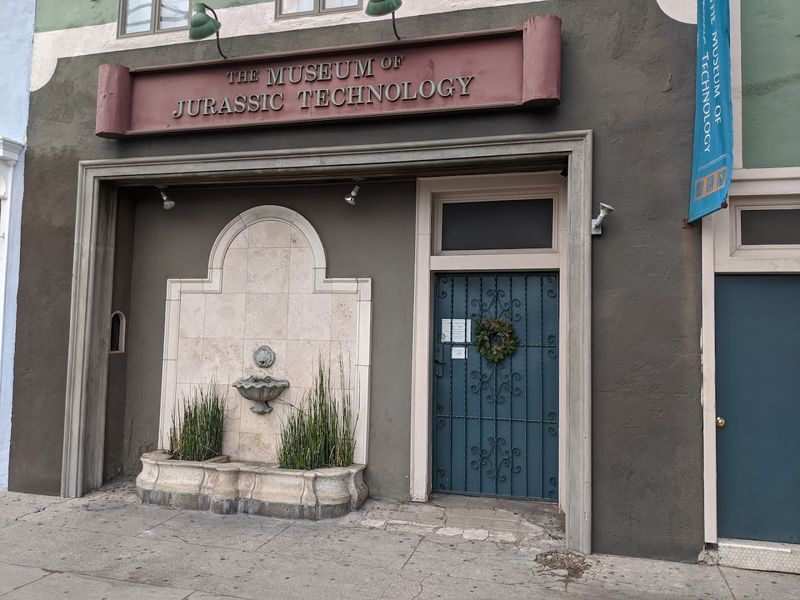
The Museum of Jurassic Technology in Culver City, California, presents itself as a serious institution. The exhibits are meticulously labeled, the lighting is appropriately dim, and the docents speak with great authority.
The only problem is that nobody can quite figure out what is real and what is not.
Exhibits include the micro-miniature sculptures of Hagop Sandaldjian, carved inside the eye of a needle, and the story of the Deprong Mori, a bat that supposedly flies through solid walls. Some exhibits are grounded in real science.
Others are elaborate, beautifully executed fiction. The museum never tells you which is which.
That deliberate ambiguity is the whole point. It won a MacArthur Genius Grant, which is either very funny or very appropriate.
Admission is cheap, and the tea room on the upper floor serves free tea and cookies. I spent two hours here arguing with my travel companion about what was real.
We both left more confused than when we arrived, and loved every minute.
Dr. Evermor’s Forevertron, Wisconsin: The Massive Scrap-Metal Fantasy Most Road Trippers Miss
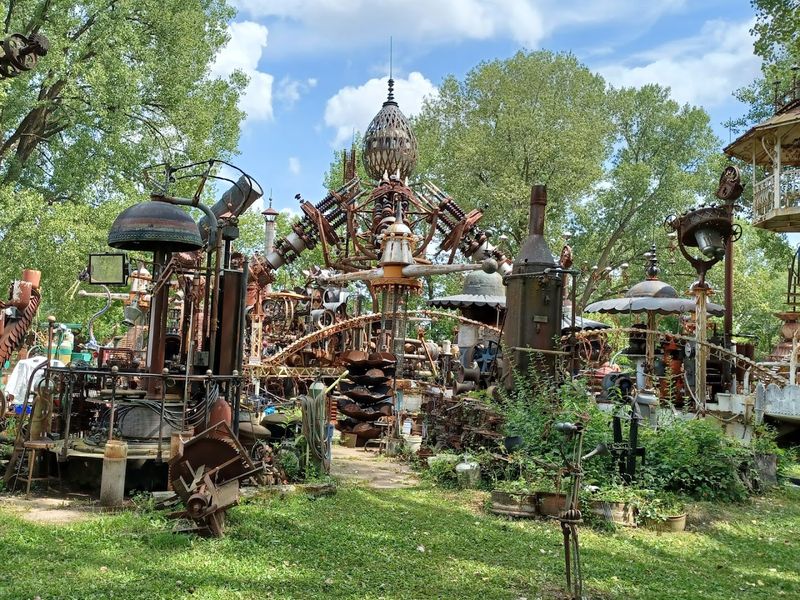
Tom Every, a Wisconsin salvage dealer who went by the name Dr. Evermor, spent decades building the Forevertron from industrial scrap and antique machinery. The centerpiece is a 50-foot-tall, 400-ton machine that Evermor claimed would launch him into the cosmos inside a glass and copper egg.
The man had vision.
The Forevertron was listed in the Guinness Book of World Records as the largest scrap metal sculpture on Earth. It incorporates equipment from actual Apollo space missions, Thomas Edison-era dynamos, and a decontamination chamber from the USS Nautilus submarine.
The surrounding field is filled with bird and insect sculptures made from gears, pipes, and springs.
The site sits along Highway 12 south of Baraboo, near the Badger Army Ammunition Plant where Evermor worked. Admission is free.
Dr. Evermor passed away in 2020, but the sculpture park is maintained by his family. It is one of the most ambitious pieces of outsider art in the country, and almost nobody outside Wisconsin has heard of it.
The Enchanted Highway, North Dakota: The Giant Sculpture Road Trip That Feels Like a Secret Detour
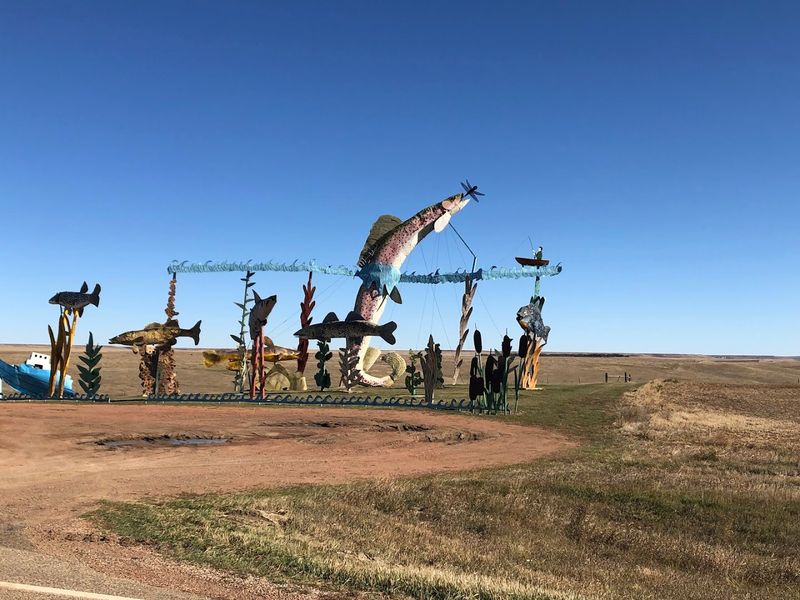
Gary Greff built seven massive scrap metal sculptures along a 32-mile stretch of North Dakota highway to lure travelers off Interstate 94 and into the tiny town of Regent. The plan worked.
The sculptures now attract visitors from around the world to a town with fewer than 200 people.
The largest piece, Geese in Flight, is the world’s largest scrap metal sculpture, stretching 110 feet tall and 154 feet wide. Others include Teddy Roosevelt and the Outlaws, Fishermen’s Dream, and the Tin Family.
Each one is enormous, detailed, and completely unexpected rising out of the flat prairie.
The drive itself is the experience. Pull over at each sculpture, walk around it, and appreciate the sheer audacity of building something that large just to save a small town.
Regent has a hotel and a diner. Greff built those too.
The whole thing is a love letter to community survival, and it is one of the most purely American stories hiding in plain sight on the plains.



