History books are full of the same familiar names, but some of the most remarkable people who ever lived rarely make it into a classroom lesson. From warrior princesses to undercover spies, these individuals changed the world in ways that deserve far more attention.
Their stories are fascinating, inspiring, and sometimes hard to believe, yet every detail is rooted in real history. Get ready to meet 14 extraordinary people who shaped our world without ever getting the credit they earned.
1. Julie d’Aubigny (La Maupin) (1670-1707) – France
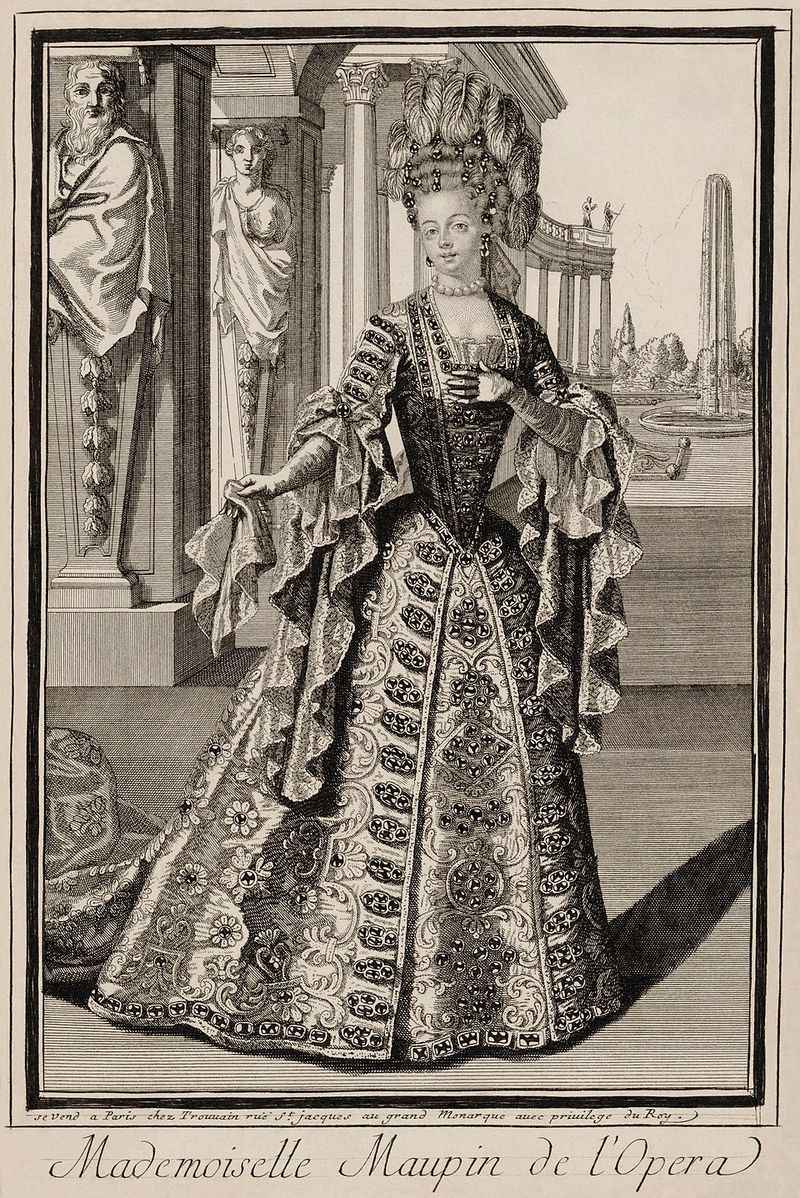
Few people in history managed to be both a celebrated opera singer and a feared duelist at the same time, but Julie d’Aubigny pulled it off with style. Born in France around 1670, she trained in swordsmanship from a young age and became genuinely skilled enough to challenge men publicly.
She reportedly fought and won multiple duels, sometimes on the same evening she performed on stage.
Her operatic career was equally impressive. She performed at the Paris Opera and was considered one of the finest voices of her era.
Audiences were captivated not just by her talent but by her reputation for living life completely on her own terms.
She defied nearly every social rule of 17th-century France, dressed as a man when it suited her, and lived boldly in ways most people of her time could not imagine. Her story blurs the line between legend and documented history.
2. Bass Reeves (1838-1910) – United States
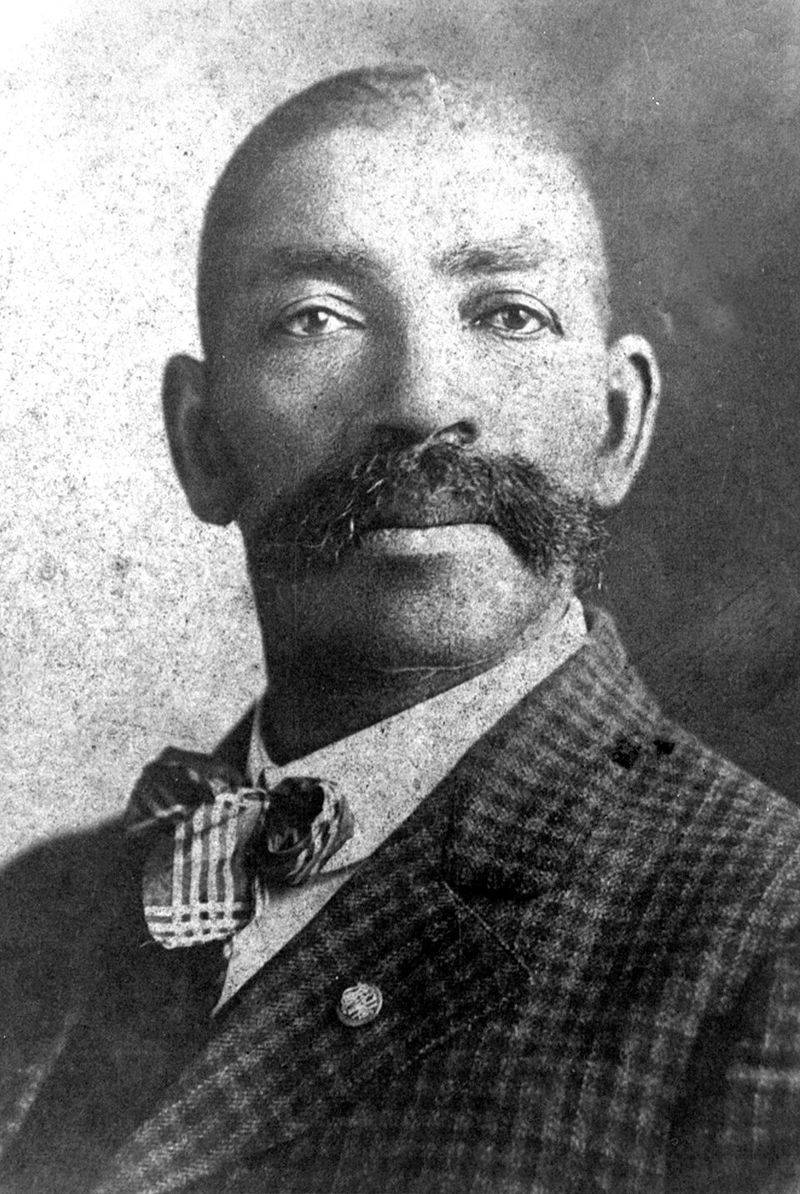
Before there was a Lone Ranger on television, there was Bass Reeves patrolling the Indian Territory with a badge, two revolvers, and a reputation that outlaws genuinely feared. Born into slavery in 1838, Reeves escaped during the Civil War and eventually built a life in the Oklahoma Territory.
In 1875, he became one of the first Black Deputy U.S. Marshals west of the Mississippi River.
Over his long career, Reeves arrested more than 3,000 fugitives and was shot at countless times without ever being seriously wounded. He was known for using clever disguises to get close to dangerous criminals, a detail that many historians believe helped inspire the fictional Lone Ranger character.
His story is one of remarkable perseverance. Rising from enslavement to becoming one of the most effective lawmen in American history, Bass Reeves deserves a permanent place in the national conversation about frontier heroes.
3. Khutulun (c. 1260-1306) – Mongol Empire
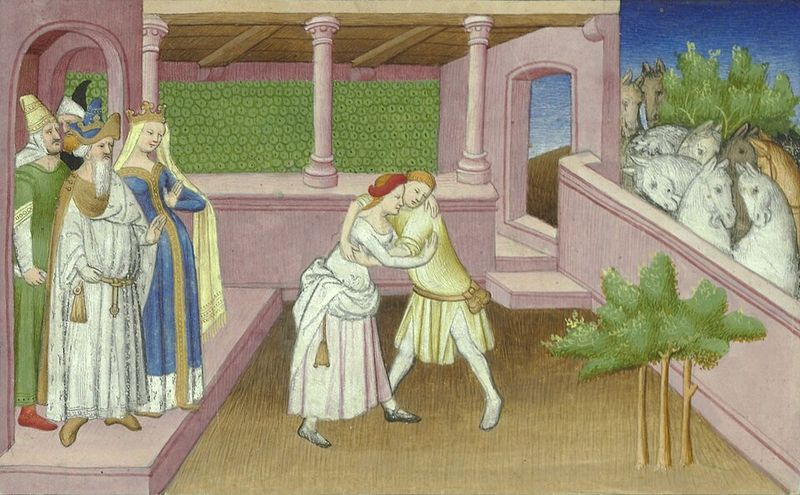
Khutulun was the great-grandniece of Genghis Khan, and she lived up to that legacy in the most unexpected way. Rather than following the quiet path expected of royal women in the Mongol Empire, she became a celebrated warrior who rode into battle alongside her father, the powerful ruler Kaidu.
She was said to be so physically strong and skilled that she could pluck enemy riders right off their horses mid-battle.
Her most famous rule was simple: any man who wanted to marry her had to beat her in wrestling first. If he lost, he owed her horses.
Historical accounts suggest she collected thousands of horses from failed suitors throughout her life, and she never lost a match.
Marco Polo even mentioned her in his travels, describing her extraordinary abilities with clear admiration. Khutulun remains one of the most remarkable warrior figures of the medieval world.
4. Nellie Bly (1864-1922) – United States
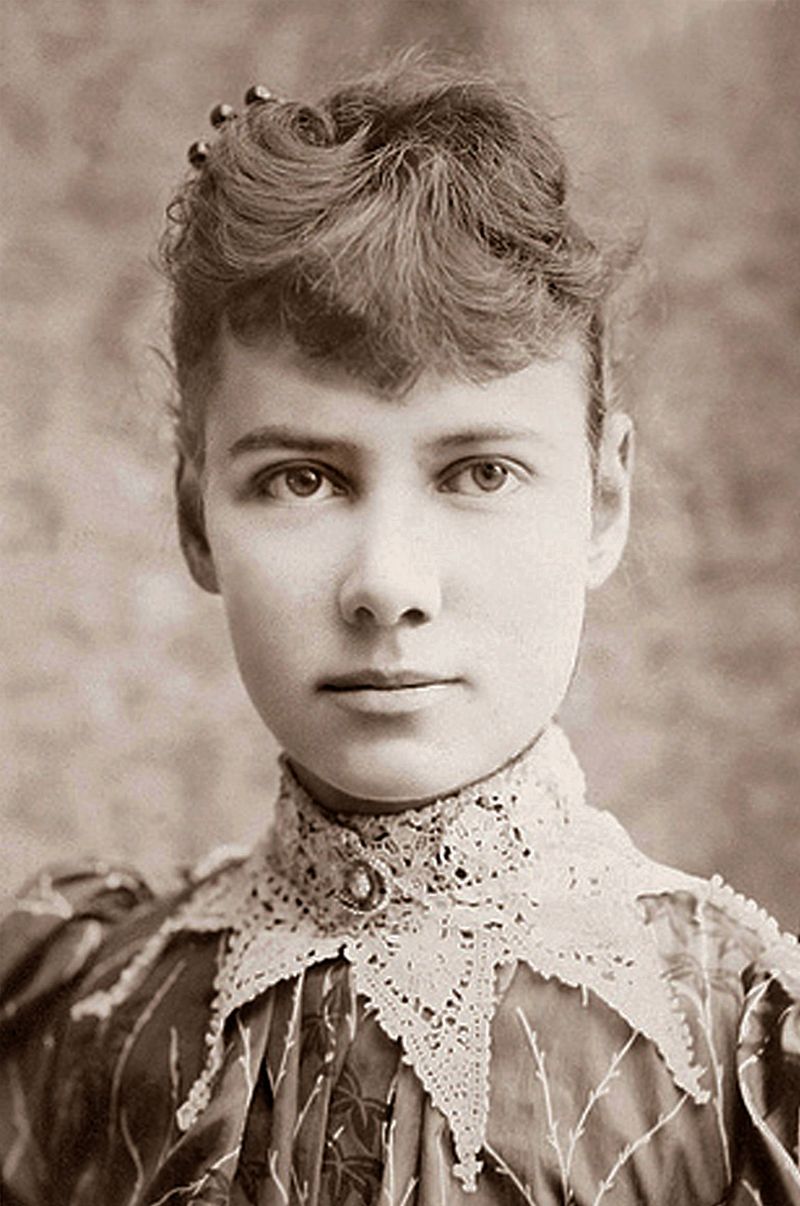
Nellie Bly was not the type of journalist who sat safely behind a desk. In 1887, she faked symptoms of mental illness to get herself admitted to a notorious New York asylum called Blackwell’s Island.
What she found inside was deeply disturbing: patients were abused, malnourished, and kept in freezing conditions. Her published report shocked the public and forced major reforms in how mental health patients were treated.
Two years later, she took on an even bolder challenge. Inspired by Jules Verne’s fictional story “Around the World in Eighty Days,” Bly set off to beat that record in real life.
She completed the journey in just 72 days, traveling alone by steamship, train, and rickshaw across multiple continents.
Her work proved that investigative journalism could genuinely change lives. Nellie Bly helped define what it meant to report with courage, and her impact on both journalism and social reform continues to resonate today.
5. Hasan ibn al-Haytham (c. 965-1040) – Iraq/Egypt
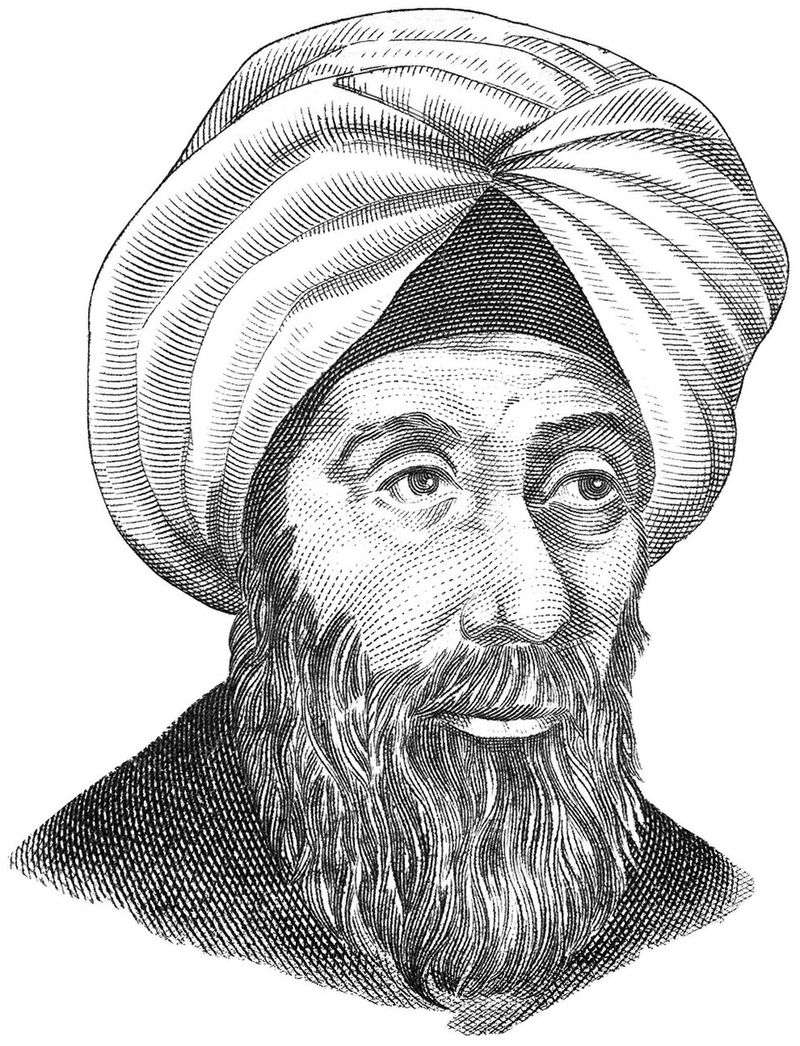
Centuries before European scientists began talking about experiments and evidence, a scholar in Cairo was already doing exactly that. Hasan ibn al-Haytham, also known in the West as Alhazen, wrote a groundbreaking work called the “Book of Optics” around the year 1011.
In it, he explained how human vision actually works, correctly arguing that eyes receive light rather than emit it, which overturned a long-held Greek belief.
His experiments with the camera obscura, a device that projects images through a small hole, laid the foundation for everything from photography to modern optical science. He tested his ideas carefully and repeatedly, insisting that observation and evidence mattered more than tradition or authority.
Many historians of science now call him the father of modern optics. His methods were centuries ahead of his time, and his influence quietly shaped the Scientific Revolution that Europe would celebrate hundreds of years later.
6. Chevalier d’Eon (1728-1810) – France
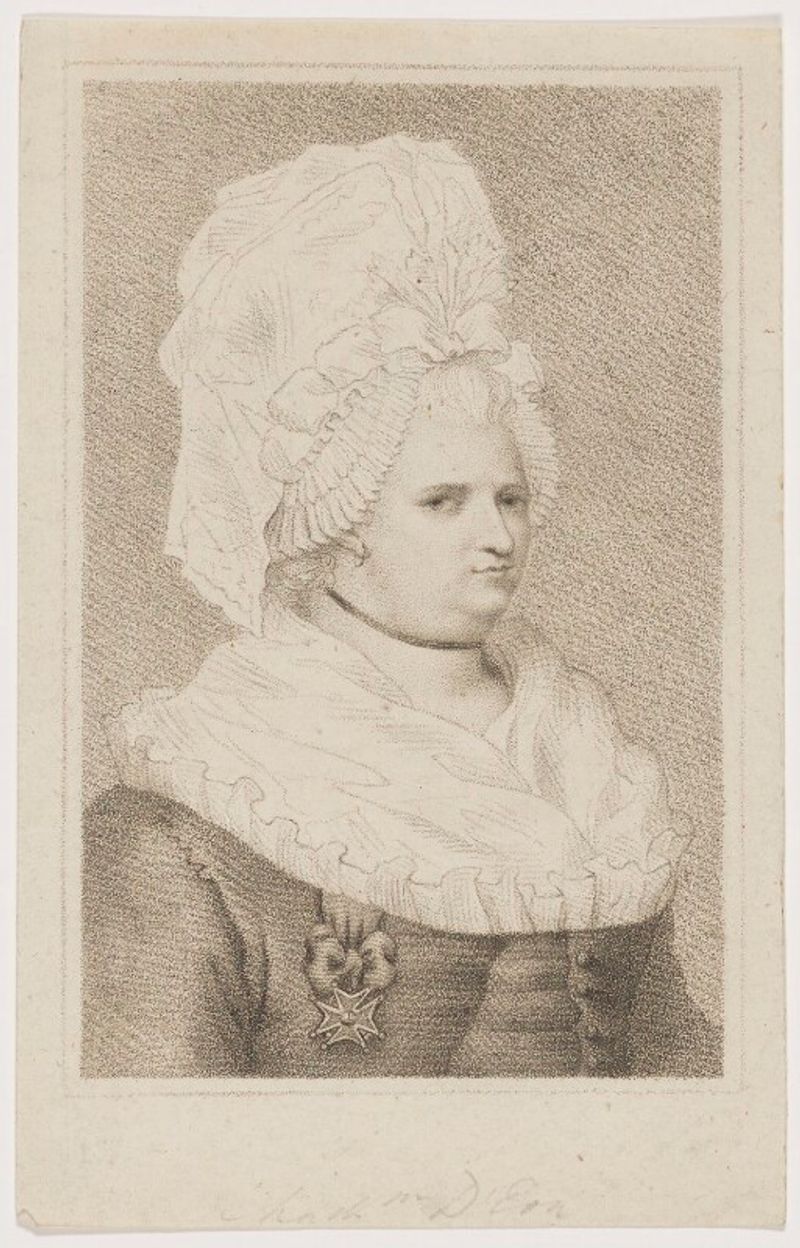
The Chevalier d’Eon had one of the most complex and genuinely fascinating lives of the 18th century. Born in France in 1728, d’Eon served as a soldier, a diplomat, and a spy for King Louis XV, carrying out secret missions that required both intelligence and nerve.
For the first several decades of life, d’Eon lived and was recognized publicly as a man.
Then, in the 1770s, d’Eon began living publicly as a woman and maintained that identity for the remaining 33 years of life. The shift caused enormous public fascination across Europe, and people literally placed bets in London gambling houses about d’Eon’s true biological sex.
Even the French government eventually officially recognized d’Eon as a woman.
Historians still debate how to best understand d’Eon’s identity by modern terms. What remains undeniable is that this remarkable person navigated the rigid gender expectations of 18th-century Europe in ways that were completely unprecedented and deeply courageous.
7. Mary Anning (1799-1847) – England
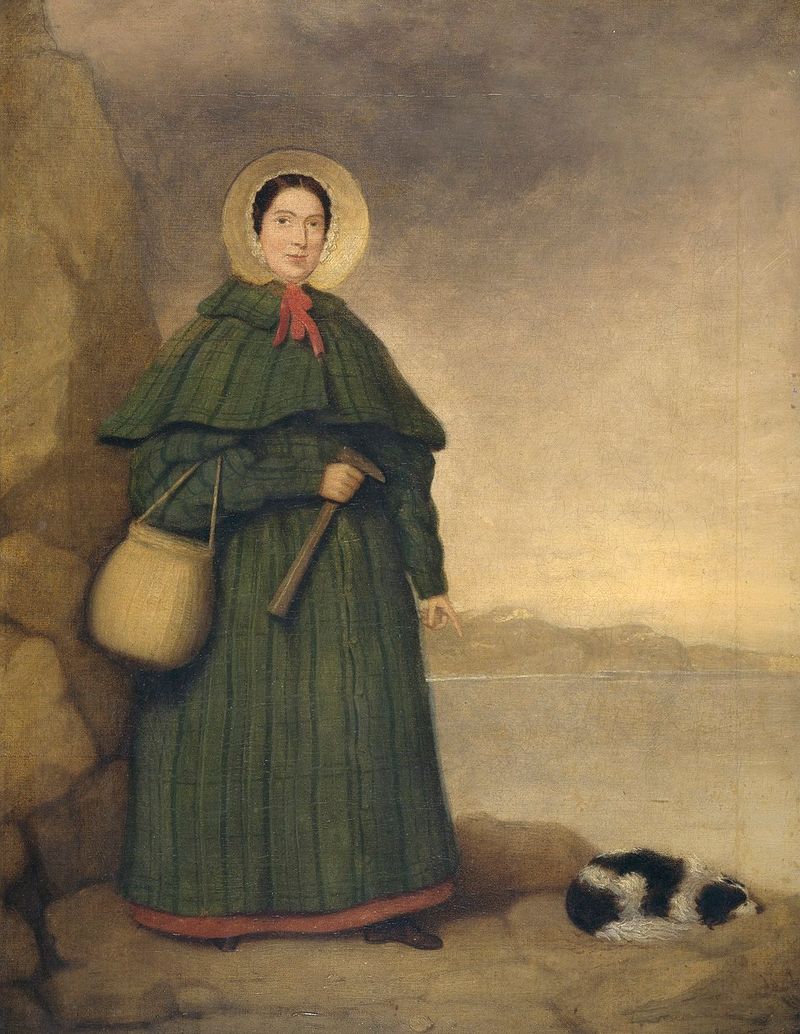
Mary Anning grew up poor in the coastal town of Lyme Regis, England, and spent her childhood searching the cliffs for fossils to sell to tourists. What started as a way to help her family survive turned into one of the most important scientific contributions of the 19th century.
By her early 20s, she had discovered the first correctly identified ichthyosaur skeleton, and later found the first nearly complete plesiosaur ever recorded.
Her finds fundamentally changed how scientists understood prehistoric life and supported emerging ideas about extinction, which were controversial at the time. Yet because she was a working-class woman, she was rarely given proper credit.
Scientific societies she could not even join published her discoveries under other people’s names.
Anning taught herself geology and anatomy through sheer determination. Her story is a powerful reminder that some of history’s greatest contributions came from people the academic world refused to fully acknowledge or welcome.
8. Abdul Sattar Edhi (1928-2016) – Pakistan
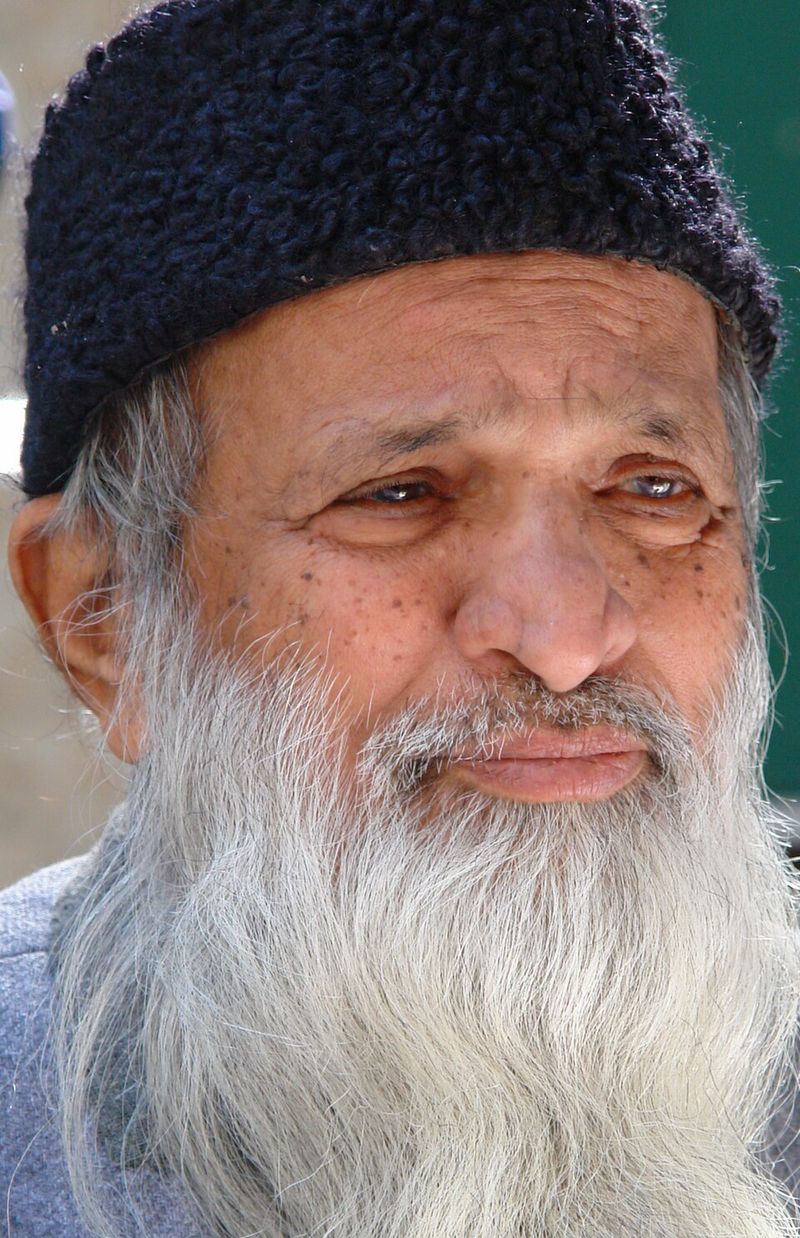
Abdul Sattar Edhi arrived in Karachi, Pakistan, as a young man with almost nothing, and he spent the rest of his long life giving everything he had to strangers. Starting with a single small pharmacy and a donated ambulance, he built the Edhi Foundation into the largest volunteer ambulance network in the world.
At its peak, the organization operated hundreds of ambulances, orphanages, shelters, and rehabilitation centers across Pakistan.
Edhi himself lived with extraordinary simplicity. He reportedly owned just two sets of clothes and slept in his office for much of his life, refusing to use donated funds for personal comfort.
He cared for abandoned infants, drug addicts, the mentally ill, and disaster victims without asking for anything in return.
Despite being nominated for the Nobel Peace Prize multiple times, he never received it. Still, millions of Pakistanis and people around the world consider him one of the greatest humanitarians of the 20th century, and his legacy continues through the foundation today.
9. John Snow (1813-1858) – England
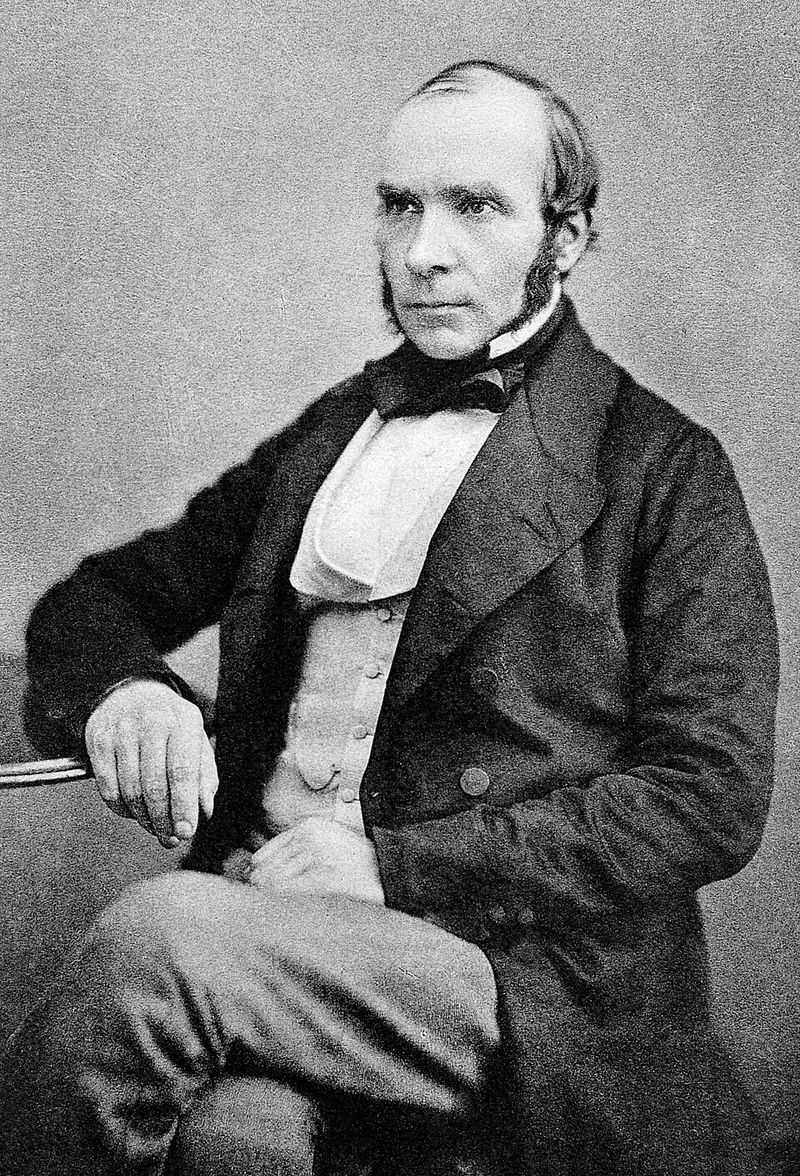
In the summer of 1854, a deadly cholera outbreak tore through the Soho neighborhood of London, killing hundreds of people in just a few days. At the time, most doctors believed diseases like cholera spread through bad air, a theory called miasma.
John Snow was not convinced. He walked the streets of Soho, knocked on doors, and carefully mapped every death to find a pattern.
What he discovered was striking: nearly all the deaths clustered around a single water pump on Broad Street. Snow convinced local authorities to remove the pump handle, and the outbreak slowed almost immediately.
His meticulous approach to tracking disease through data and geography became the foundation of modern epidemiology, the science of how diseases spread through populations.
Snow never lived to see how profoundly his methods would shape public health. He died at 45, but the map he drew that summer in Soho is still taught in medical schools around the world today.
10. Nzinga Mbande (c. 1583-1663) – Kingdom of Ndongo and Matamba
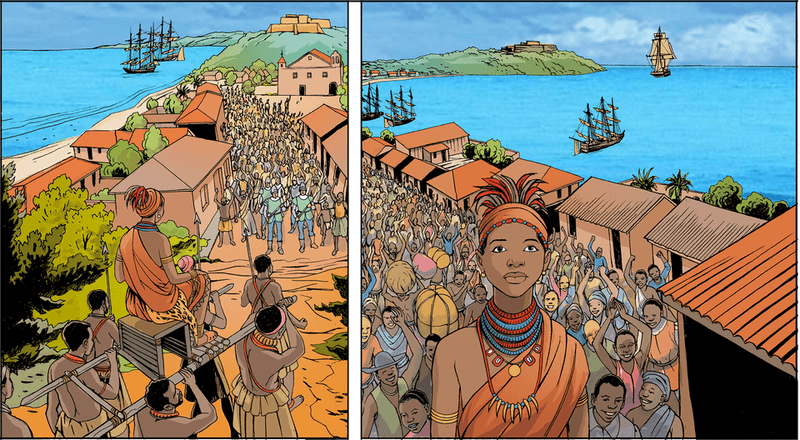
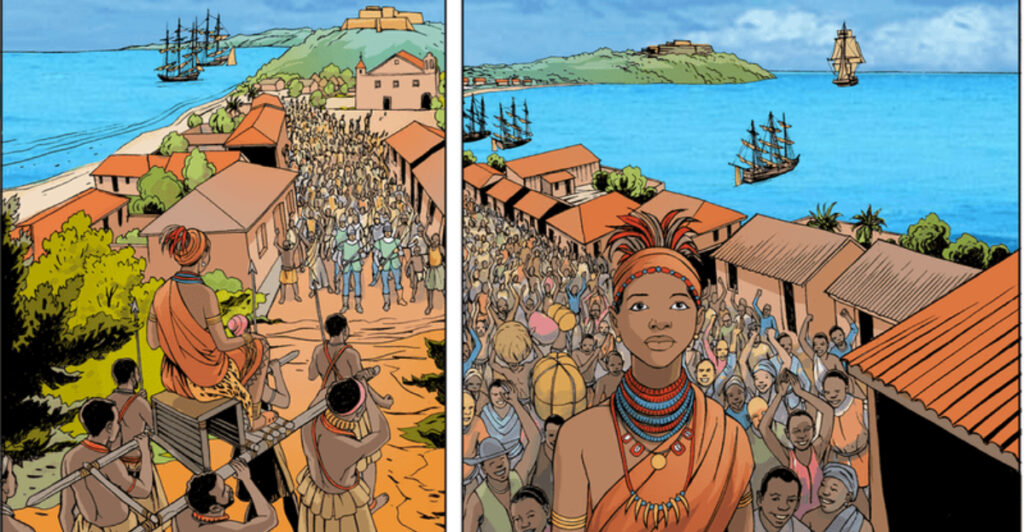
Queen Nzinga of the Ndongo and Matamba kingdoms in what is now Angola was a political genius who refused to let Portuguese colonizers simply take what they wanted. When she traveled to negotiate with the Portuguese governor in 1622, she reportedly sat on a human attendant rather than the floor, refusing to be placed in a position of submission.
That detail, whether fully accurate or embellished, captures exactly how she operated: with calculated confidence and sharp political intelligence.
She formed military alliances, adopted guerrilla tactics, and even allied with Dutch forces to counter Portuguese expansion. Her resistance lasted decades, and she remained a fighting force well into her 60s.
She also worked to protect her people from the slave trade that was devastating the region.
Nzinga is now celebrated as a national hero in Angola. Her story is a remarkable example of strategic leadership under enormous pressure, and she deserves recognition far beyond the African continent.
11. Ignaz Semmelweis (1818-1865) – Hungary
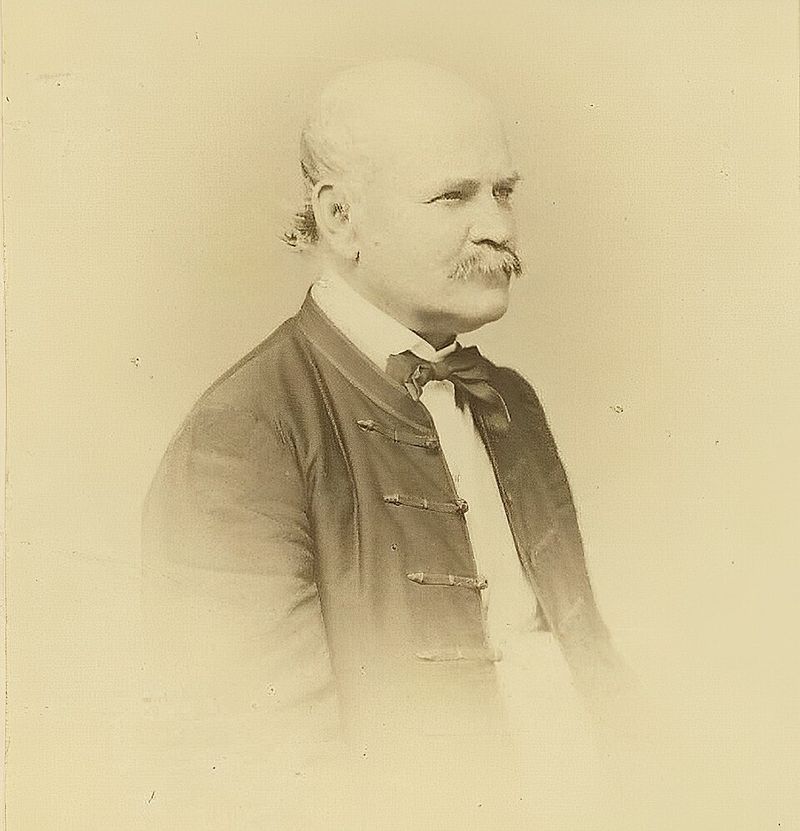
Imagine being the person who figured out how to save thousands of lives, only to have your colleagues laugh at you for it. That was the painful reality for Ignaz Semmelweis.
Working in a Vienna maternity hospital in the 1840s, he noticed that women giving birth in wards staffed by medical students had far higher death rates than those attended by midwives. The difference, he realized, was that the students came directly from performing autopsies without washing their hands.
Semmelweis introduced mandatory handwashing with a chlorinated solution and the death rate in his ward dropped dramatically. But the medical establishment rejected his findings, partly because the idea that doctors themselves were spreading disease was deeply uncomfortable.
He died in 1865 in a mental institution, his ideas still widely dismissed. Just years later, Louis Pasteur and Joseph Lister confirmed germ theory, and Semmelweis was finally, posthumously, recognized as a pioneer of infection control and modern medicine.
12. Ibn Battuta (1304-1368) – Morocco
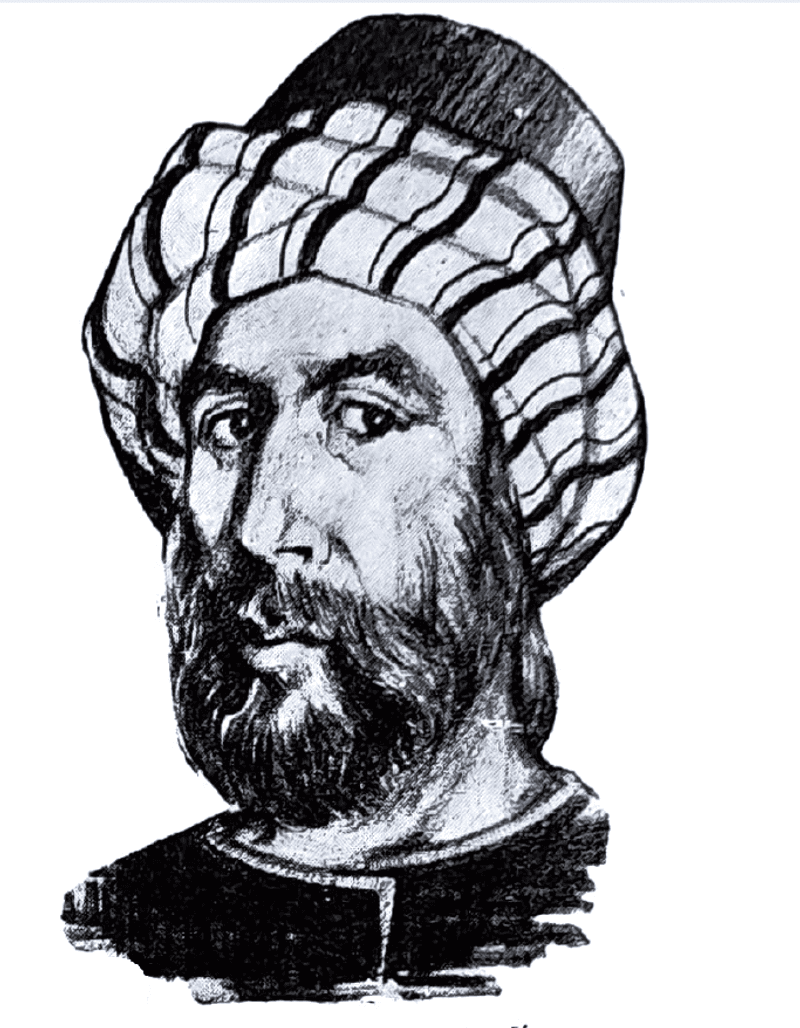
Most people have heard of Marco Polo, but far fewer know about the man who traveled nearly three times as far. Ibn Battuta set out from his hometown of Tangier, Morocco, in 1325 on what he expected to be a simple pilgrimage to Mecca.
He did not return home for almost 30 years. By the time his journeys were done, he had covered roughly 75,000 miles across Africa, the Middle East, Central Asia, South Asia, Southeast Asia, and parts of Europe.
He visited the courts of sultans and emperors, survived shipwrecks and bandits, served as a judge in the Maldives, and witnessed the devastating aftermath of the Black Death in the Middle East. His detailed account of everything he saw, called the Rihla, remains an invaluable historical record of the medieval world.
Ibn Battuta’s curiosity and endurance were extraordinary. His travels give us a picture of the 14th-century world that no European traveler of his era could have provided.
13. Josephine Baker (1906-1975) – United States/France
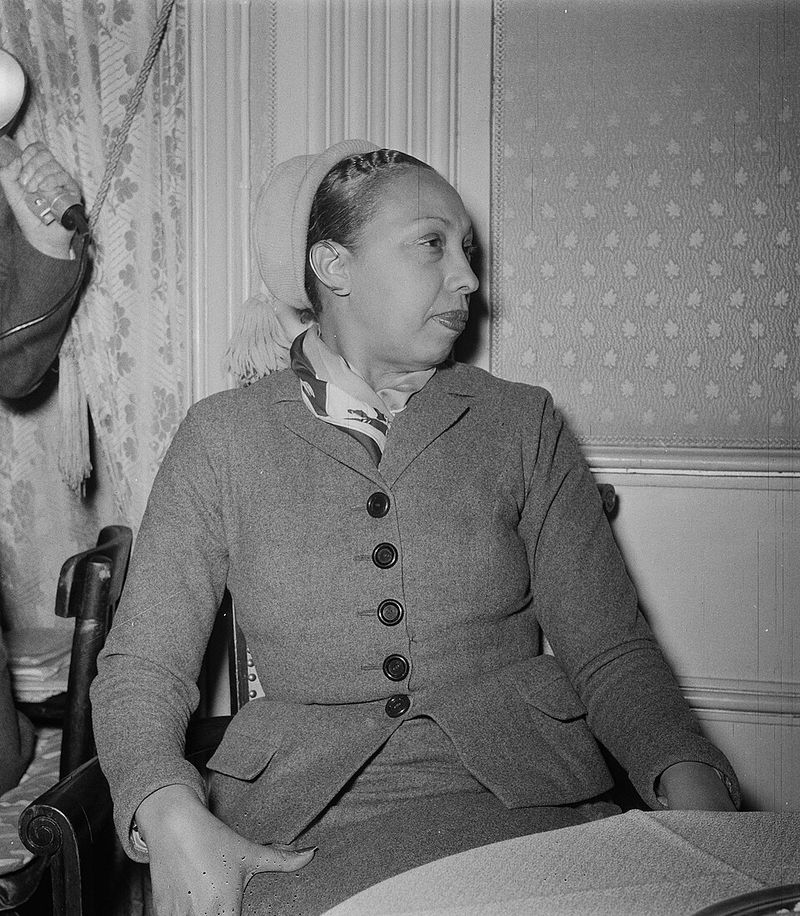
Josephine Baker was already one of the most famous entertainers in the world by the time World War II began. Born in St. Louis, Missouri, she had moved to Paris in the 1920s, where she became a sensation on stage and lived with a freedom that was simply not available to Black Americans at home.
When Nazi Germany occupied France, Baker did not flee. She stayed and joined the French Resistance.
Using her celebrity status as cover, she traveled freely across borders that others could not cross. She reportedly hid intelligence written in invisible ink on her sheet music and passed information to Allied contacts.
She also used her performances to gather information from Axis officials who saw her only as an entertainer.
After the war, France awarded her the Croix de Guerre and the Legion of Honor, two of its highest distinctions. Baker also became a civil rights activist in the United States, making her legacy truly extraordinary on multiple continents.
14. Tenzing Norgay (1914-1986) – Nepal
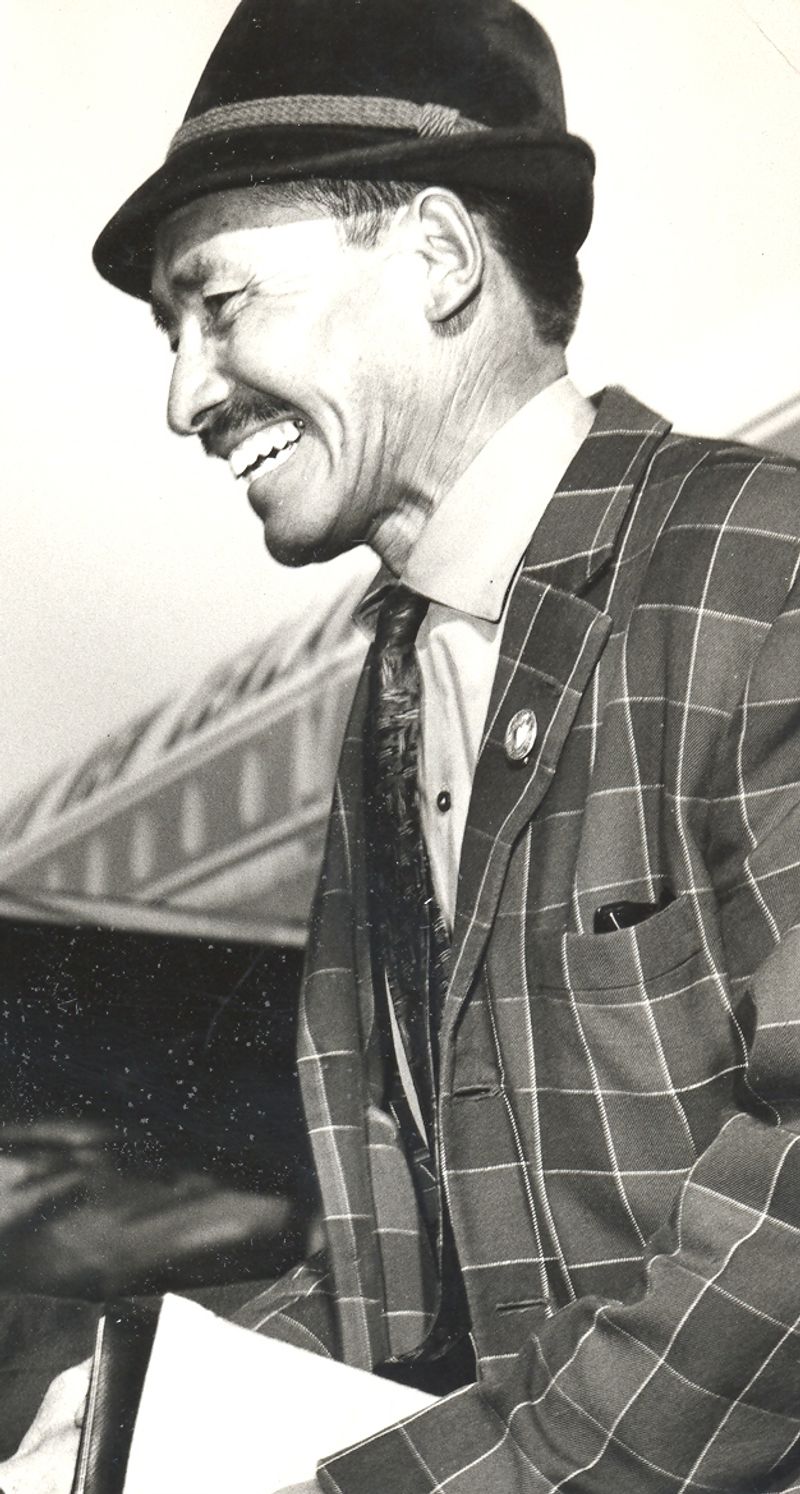
On May 29, 1953, Tenzing Norgay and Edmund Hillary became the first confirmed climbers to reach the summit of Mount Everest. The world celebrated, but the headlines that followed often reduced Norgay to a footnote in his own achievement.
The reality is that without his expertise, the expedition would almost certainly have failed. Norgay had already attempted Everest six times before that historic climb and knew the mountain more intimately than anyone else on the team.
He was the one who found the route through the treacherous Khumbu Icefall. When Hillary slipped near the summit, Norgay’s quick reaction on the rope saved his life.
His physical endurance and mountain knowledge were not just helpful; they were essential.
Norgay later said he was proud of what he and Hillary achieved together, but he never fully received equal recognition. His story is a reminder that history sometimes credits the wrong person, and correcting that matters.
Share this story