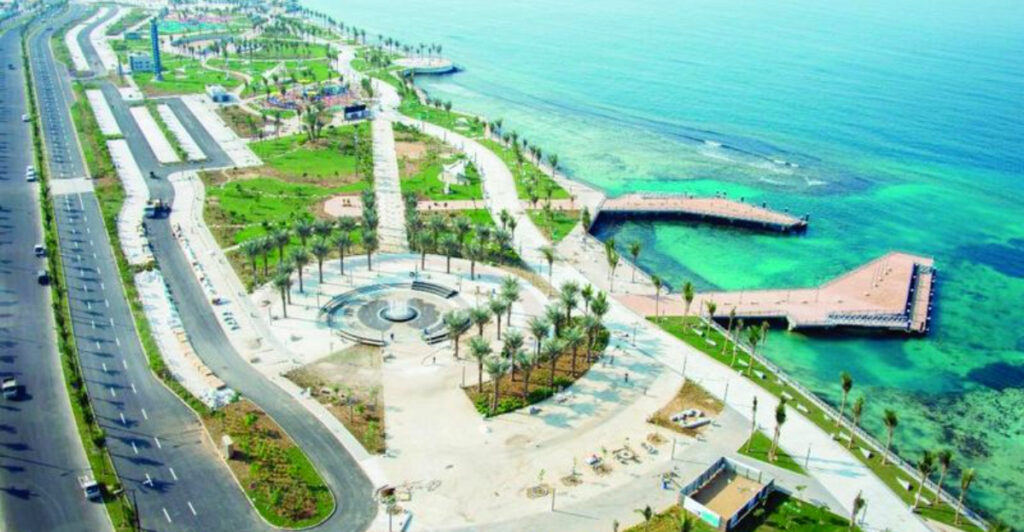
Some of the world’s most incredible places are hiding in plain sight, quietly waiting for curious travelers to show up before the tour buses do. From ancient Silk Road cities to untouched African beaches, a new wave of destinations is capturing the imagination of adventurers everywhere.
These spots offer rich culture, stunning scenery, and experiences that feel genuinely authentic rather than packaged for the masses. If you love the idea of exploring somewhere before it becomes the next big thing, this list was made for you.
Albania
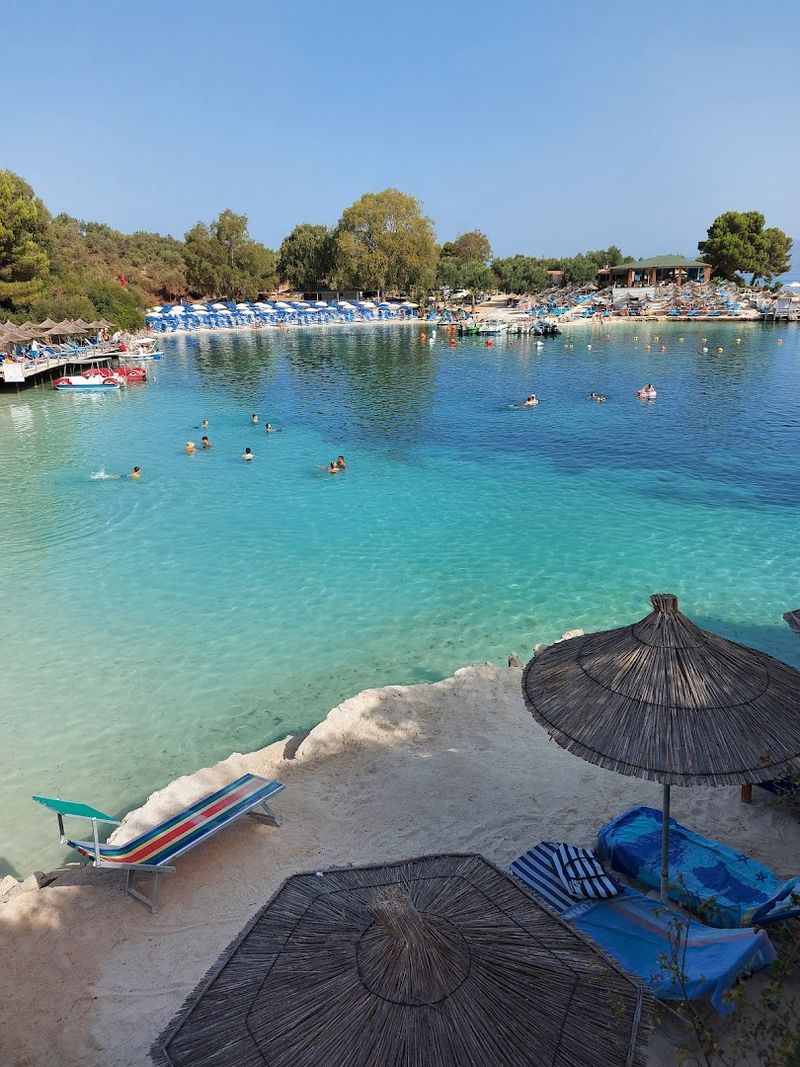
Picture turquoise water so clear you can count the pebbles on the seafloor from your boat. That is everyday life along the Albanian Riviera, and somehow, most travelers still have no idea it exists.
Albania is one of Europe’s best-kept secrets, and it is running out of time to stay that way.
Beyond the coastline, Albania hides UNESCO-listed towns like Berat and Gjirokaster, where Ottoman-era architecture clings to hillsides like something out of a storybook. The northern mountains offer dramatic hiking trails that rival anything in the Swiss Alps, but without the crowds or the price tag.
Accommodation, food, and transport are all incredibly affordable by European standards.
What truly sets Albania apart is its raw, unpolished energy. Tourism is growing fast, but the country still feels genuinely authentic.
Locals are famously warm and welcoming, often inviting visitors in for raki and homemade food. Ancient castles, hidden beaches, and lively bazaars all coexist in a country roughly the size of Maryland.
Albania is not a destination that will stay under the radar for long, so visiting sooner rather than later is the smart move.
Mongolia
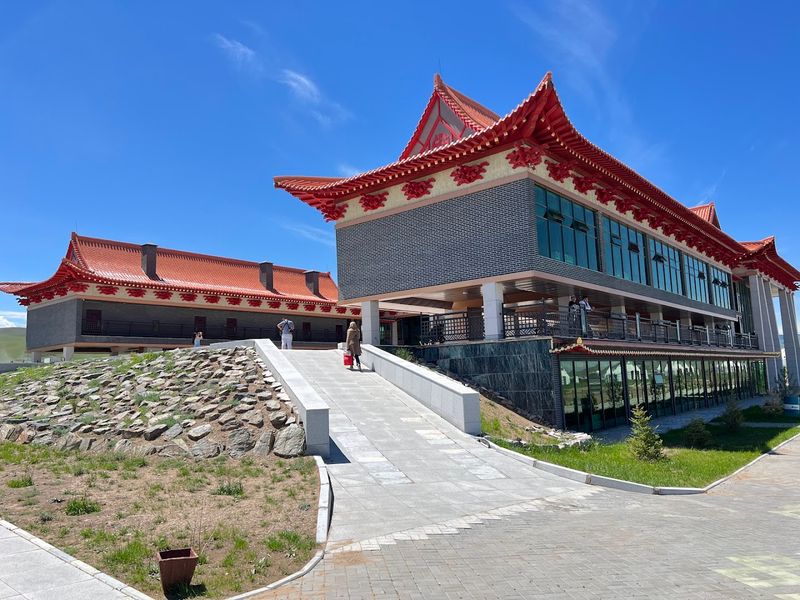
Somewhere between the endless sky and the open steppe, Mongolia does something extraordinary to the human spirit. It makes you feel genuinely small in the most wonderful way.
There are no highways cutting through the grasslands, no billboards interrupting the horizon, just pure, uninterrupted wilderness stretching in every direction.
Adventure travelers are catching on fast. Horseback riding across the steppe, sleeping in traditional gers, and sharing meals with nomadic families are the kinds of experiences that simply do not exist anywhere else on Earth.
The Gobi Desert adds another layer of drama, with its sand dunes, fossil fields, and rare Bactrian camels wandering freely. New flight routes from major Asian hubs have made getting here significantly easier in recent years.
Mongolian culture is equally fascinating, built around a deep respect for nature and a centuries-old nomadic way of life. The Naadam Festival, held every July, is a jaw-dropping celebration of archery, wrestling, and horse racing that draws visitors from around the world.
Visitor numbers are rising, but Mongolia remains gloriously uncrowded. For travelers craving space, silence, and something genuinely different, this is the destination that delivers every single time.
Sri Lanka
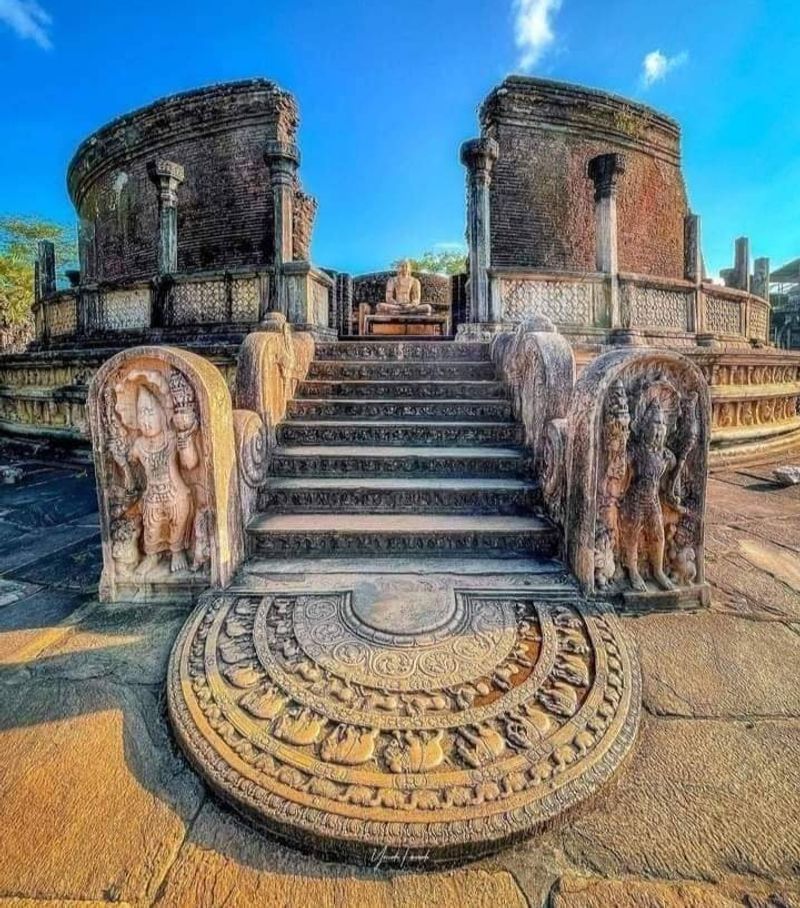
Sri Lanka packs more variety into one small island than most countries manage across an entire continent. Within a single week, you can surf world-class waves in the south, spot leopards in Yala National Park, sip freshly picked tea in the misty highlands, and explore ancient temples that date back over two thousand years.
Not bad for a country smaller than the state of Georgia.
After a difficult period that impacted tourism, Sri Lanka is staging an impressive comeback. Prices remain competitive, and the hospitality is genuinely heartfelt.
Street food culture is vibrant and delicious, with hoppers, kottu roti, and fresh coconut sambol available on nearly every corner for next to nothing.
Lesser-known spots like Jaffna in the north and the Knuckles Mountain Range are starting to attract curious travelers who want to go beyond the classic tourist trail. Wildlife enthusiasts will find that Sri Lanka’s elephant gatherings, blue whale sightings off the coast, and sea turtle nesting sites rank among the best wildlife experiences in all of Asia.
The infrastructure is improving steadily. Travelers who visit now will enjoy a destination that still feels refreshingly uncrowded and wonderfully alive.
Georgia
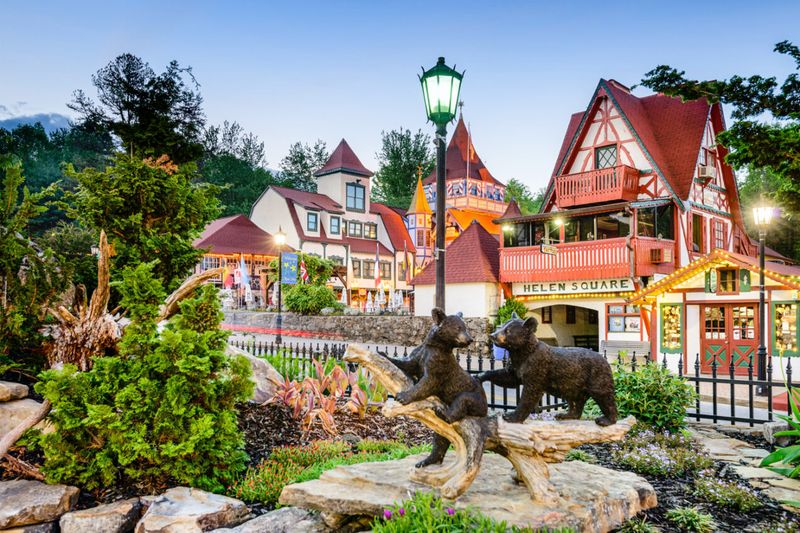
Georgia might just be the most underrated country in the entire world, and that claim is not even slightly exaggerated. Sitting at the crossroads of Europe and Asia, it offers medieval watchtower villages, cave cities carved into cliffs, ancient wine traditions dating back eight thousand years, and food so good it deserves its own travel category entirely.
Tbilisi, the capital, is a city of contrasts where ornate balconied buildings lean over cobblestone streets and modern glass architecture rises just a few blocks away. The sulfur bath district of Abanotubani is a must-visit, offering centuries-old bathing rituals at prices that feel almost too good to be true.
Beyond the city, the Caucasus Mountains deliver hiking and skiing experiences that rival far more famous alpine destinations.
Georgian cuisine deserves a special mention. Khachapuri, a cheese-filled bread boat topped with a runny egg, is the kind of dish that makes you want to move countries permanently.
Khinkali dumplings, grilled meats, and natural wines round out a food scene that is gaining serious international attention. Georgia is affordable, incredibly welcoming, and genuinely unlike anywhere else.
Travel experts have been quietly recommending it for years, and the rest of the world is finally starting to listen.
Saudi Arabia
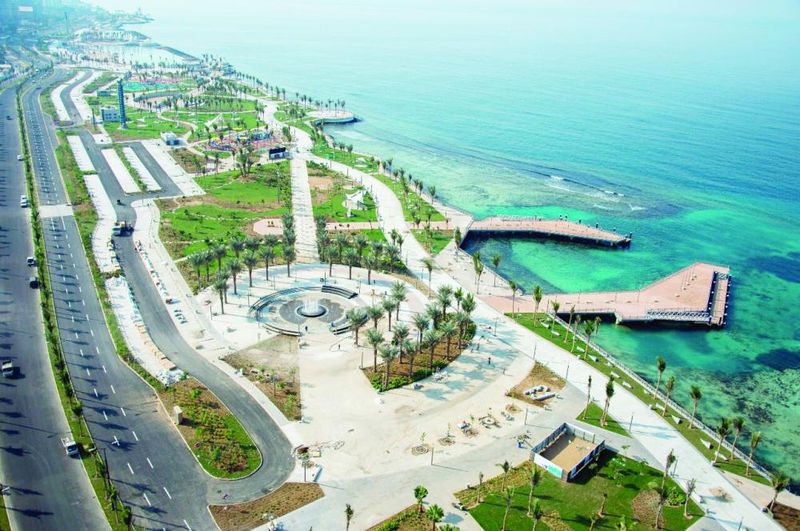
For most of history, Saudi Arabia was simply off-limits to leisure travelers. That changed in 2019 when the kingdom opened tourist visas to visitors from dozens of countries, and the transformation since then has been remarkable.
AlUla, a UNESCO World Heritage Site featuring ancient Nabataean tombs carved directly into rose-colored sandstone cliffs, is already being called one of the most spectacular archaeological sites on Earth.
The country is investing billions into tourism infrastructure through its Vision 2030 initiative. Projects like NEOM, the futuristic coastal city, and the Red Sea Project, a luxury eco-resort development, are designed to attract millions of new visitors.
Meanwhile, the historic Hejaz Railway, traditional souks, and the dramatic Asir Mountain region offer experiences that feel far removed from the glitzy mega-projects.
Saudi Arabia’s natural landscape is surprisingly diverse, ranging from volcanic lava fields and lush highlands in the south to vast golden deserts and pristine Red Sea coral reefs. Scuba diving here rivals the best sites in the world, yet remains almost entirely undiscovered by the international diving community.
As accessibility improves and cultural exchanges grow, Saudi Arabia is quickly positioning itself as one of the most compelling new destinations of the decade.
Guatemala
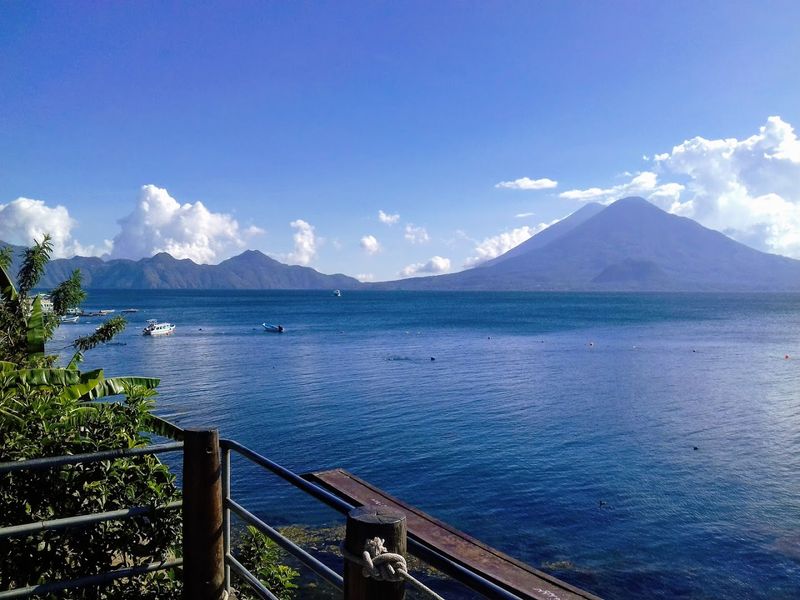
Standing at the rim of an active volcano watching lava flow at night is the kind of memory that sticks around for a lifetime. Guatemala offers exactly that experience at Volcan de Fuego, and that is just one item on a very long list of reasons why this Central American gem deserves far more attention than it currently gets.
The country is small but extraordinarily layered.
Antigua Guatemala is a colonial masterpiece, with cobblestone streets, colorful facades, and a backdrop of three towering volcanoes that makes every photograph look almost too cinematic to be real. Lake Atitlan, surrounded by indigenous Maya villages and misty highland scenery, consistently ranks among the most beautiful lakes in the world.
Travelers who make it there tend to stay much longer than planned.
Guatemalan culture is deeply rooted in Maya traditions that have survived centuries of change. Weekly markets like the one in Chichicastenango burst with handwoven textiles, ceremonial goods, and local food that connect visitors directly to living indigenous heritage.
The country is more affordable than most of its neighbors, and tourism infrastructure has improved considerably. Guatemala rewards travelers who are willing to explore beyond the guidebook highlights, offering surprises around nearly every corner.
Finland
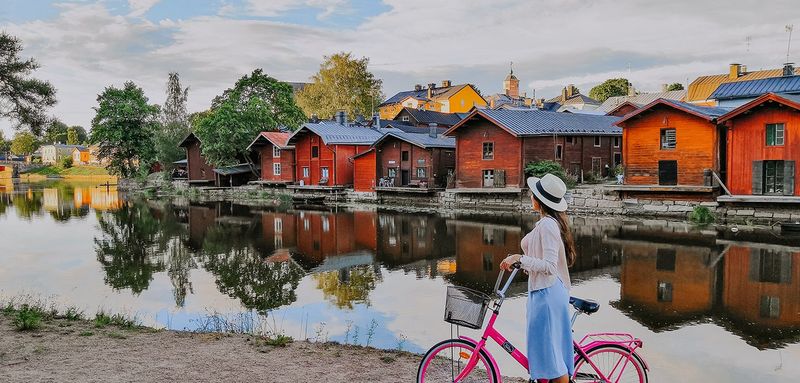
Finland is the kind of place that earns a permanent spot on your favorites list the moment you arrive. It has been ranked the happiest country in the world multiple times, and after spending even a few days there, you start to understand why.
The combination of pristine nature, genuine quiet, and a culture that deeply values personal space and wellbeing is something travelers increasingly crave.
The northern lights put on some of their most reliable performances across Finnish Lapland, especially between September and March. Reindeer sleigh rides, glass-roofed igloos for stargazing, and traditional smoke saunas on frozen lake shores give winter travel here a magical, almost otherworldly quality.
Summer flips the script entirely, with the midnight sun keeping the sky bright for weeks and outdoor festivals filling the calendar.
Finland is also emerging as a leader in sustainable tourism, with a growing network of eco-certified accommodations and wilderness experiences designed to leave minimal impact. Cities like Helsinki and Oulu have developed thriving design and food scenes that attract a younger, culturally curious crowd.
Hiking trails through national parks like Nuuksio and Urho Kekkonen offer solitude that is genuinely hard to find in modern travel. Finland is not undiscovered, but its lesser-known corners absolutely are.
Nepal
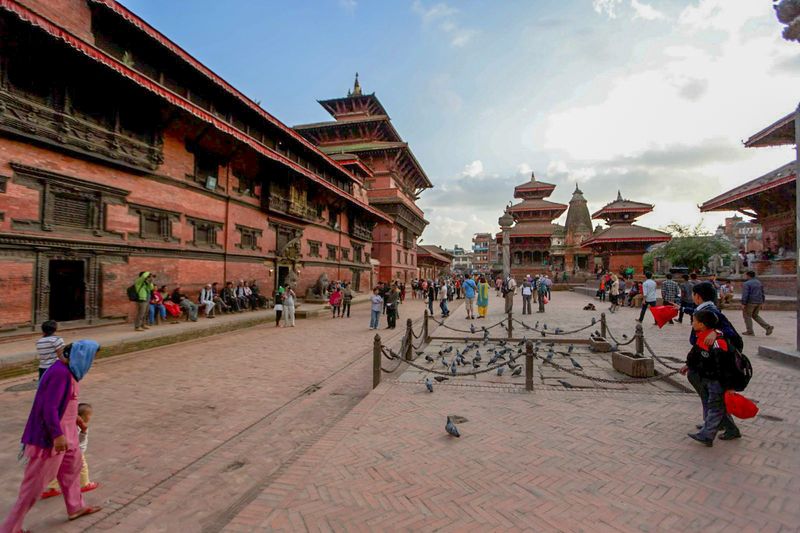
Nepal is the only country on Earth where you can stand in a subtropical jungle one day and gaze up at the world’s highest mountain range the next. That kind of geographic drama is genuinely unmatched, and it has been drawing adventure seekers for decades.
But Nepal today offers far more than Everest base camp selfies and altitude bragging rights.
The Annapurna Circuit, Langtang Valley, and Upper Mustang region each offer trekking experiences that range from moderate to seriously challenging, all set against scenery that regularly reduces grown adults to speechless awe. Ancient cities like Bhaktapur and Patan in the Kathmandu Valley are filled with medieval temples, courtyards, and living cultural traditions that have survived earthquakes and political upheaval alike.
Nepal’s spiritual atmosphere is palpable everywhere, from the spinning prayer wheels of Buddhist monasteries to the incense-filled courtyards of Hindu temples. The country is actively rebuilding its tourism sector after the 2015 earthquake, and the improvements in infrastructure and hospitality are noticeable.
Local homestays offer genuine cultural immersion that goes far beyond what any resort can provide. Nepal is also one of the most affordable trekking destinations in Asia, making world-class adventure accessible to travelers on nearly any budget.
Uzbekistan
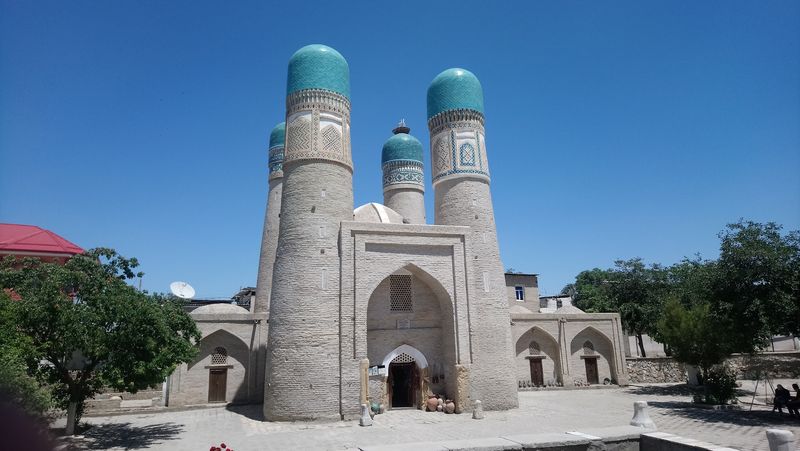
The name Samarkand alone sounds like something out of a myth, and the city itself does not disappoint. Uzbekistan sits at the heart of the ancient Silk Road, and the architectural legacy left behind by centuries of trade, scholarship, and empire building is nothing short of breathtaking.
The Registan complex in Samarkand, with its three towering madrasahs covered in intricate blue tile work, ranks among the most jaw-dropping architectural achievements on the planet.
Bukhara and Khiva are equally compelling, offering perfectly preserved medieval cityscapes that feel more like open-air museums than living cities. But they are very much alive, filled with local bazaars, teahouses, and craftspeople practicing trades that have been passed down for generations.
Uzbek cuisine is hearty and delicious, centered around plov, a slow-cooked rice dish with lamb and carrots that locals take very seriously.
Uzbekistan has made significant strides in opening up to international tourism over the past several years. Visa access has improved dramatically, new hotels and guesthouses have opened across major cities, and direct flight connections from Europe and Asia have increased.
The country remains genuinely affordable and refreshingly crowd-free compared to more established cultural destinations. Travelers who appreciate history, architecture, and authentic hospitality will find Uzbekistan utterly unforgettable.
Palau
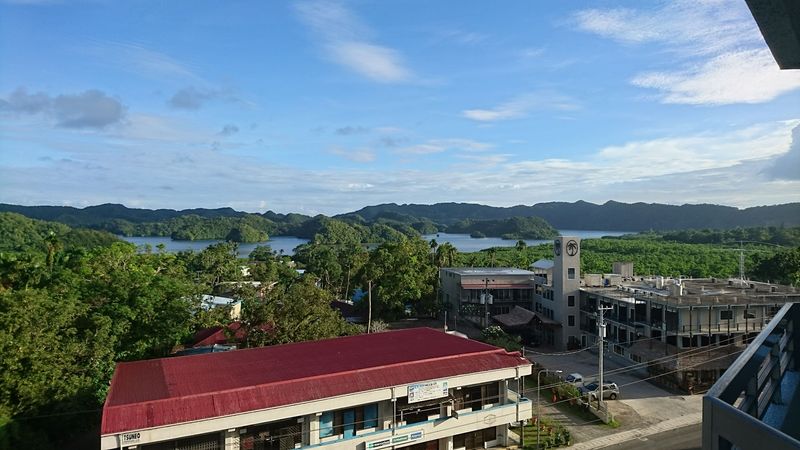
Jellyfish Lake in Palau is one of the strangest and most magical places on Earth. Millions of golden jellyfish, evolved to lose their sting, pulse gently through warm, amber water as you swim among them.
It sounds like something from a nature documentary, but it is a real experience available to visitors who make the trip to this tiny Pacific island nation.
Palau’s marine environment is widely regarded as one of the healthiest in the world. The government has established strict conservation zones and was among the first nations to ban certain harmful sunscreens to protect its coral reefs.
That commitment to preservation means the underwater world here is extraordinary, with visibility sometimes exceeding sixty meters and a density of marine life that leaves even experienced divers speechless.
Above the water, Palau’s Rock Islands, a collection of more than two hundred mushroom-shaped limestone islets covered in dense jungle, form a UNESCO World Heritage landscape unlike anything in mainstream travel. Kayaking between the islands, exploring hidden lagoons, and spotting saltwater crocodiles from a safe distance are all part of the experience.
Palau is not cheap to reach, but for travelers who prioritize natural wonder over convenience, it delivers something that very few destinations on Earth can match.
Sierra Leone
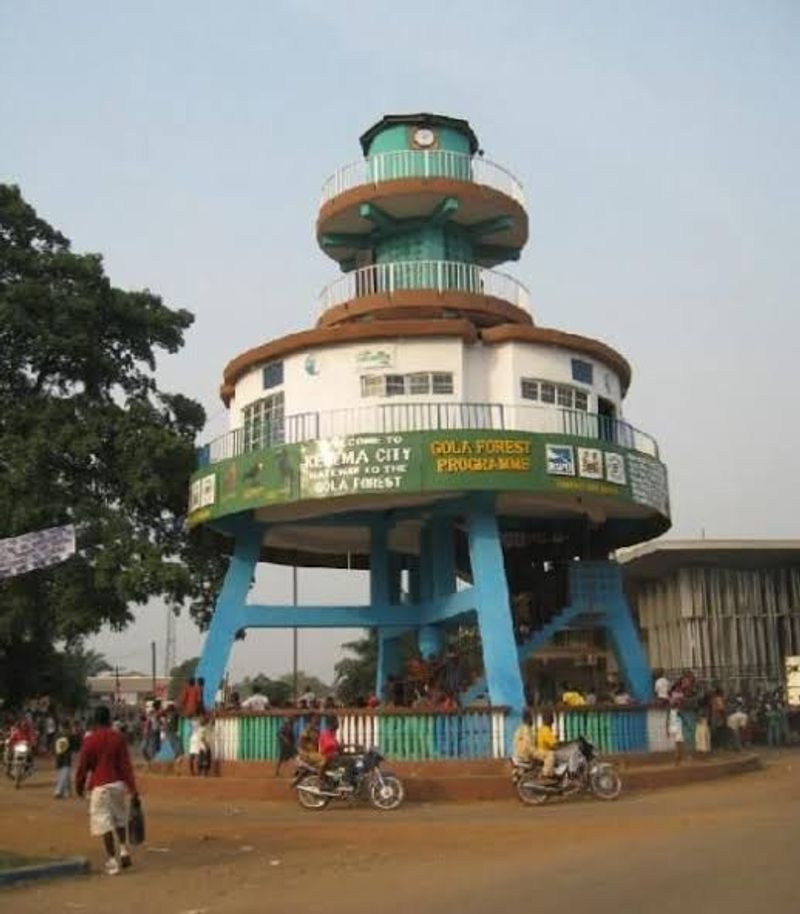
Ask most travelers to point to Sierra Leone on a map and they will hesitate. Ask those same travelers if they want an empty white sand beach, a lush rainforest full of chimpanzees, and a vibrant local culture with some of the friendliest people in West Africa, and suddenly the interest level goes way up.
Sierra Leone has all of that and more, packaged in a country that the mainstream travel world has barely noticed yet.
The Freetown Peninsula stretches along the Atlantic coast with beach after stunning beach, most of them almost entirely empty on any given day. River Number Two Beach is frequently cited as one of the most beautiful beaches in Africa, and on a weekday you might have it almost entirely to yourself.
Tiwai Island Wildlife Sanctuary offers rare encounters with pygmy hippos and eleven species of primates in a genuinely remote river island setting.
Sierra Leone is rebuilding its tourism industry with a real sense of purpose and pride. New eco-lodges, guided cultural tours, and improved transport links are making it more accessible without stripping away the rawness that makes it special.
Travelers who visit now are genuinely pioneering a destination. The country’s resilience, warmth, and natural beauty make it one of the most rewarding off-the-beaten-path experiences available anywhere on the continent today.
Greenland
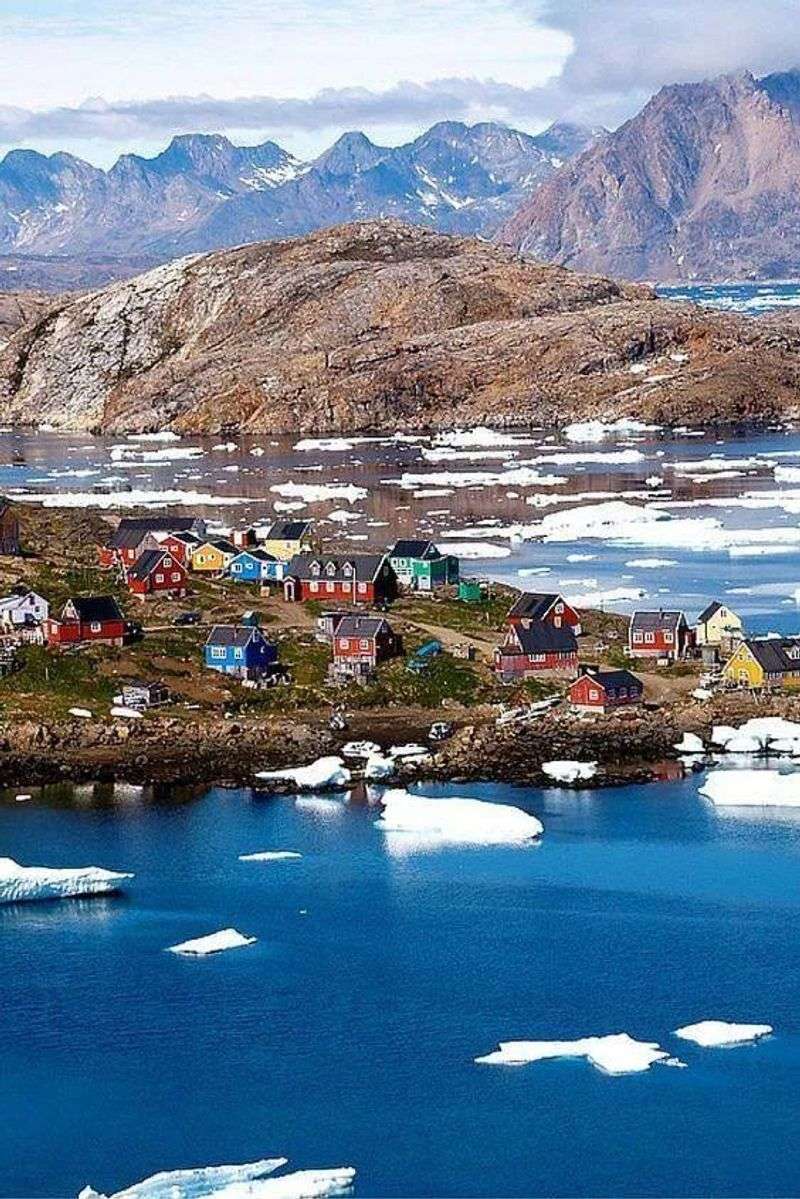
Greenland is the largest island in the world, and roughly eighty percent of it is covered by a permanent ice sheet. That fact alone should tell you something about the scale of what awaits travelers who make the journey.
This is not a destination for everyone, but for those who crave genuine wilderness, Greenland delivers experiences that are almost impossible to replicate anywhere else on Earth.
New flight routes connecting Nuuk, Ilulissat, and Kangerlussuaq to Copenhagen and Iceland have made access significantly easier than it was just a few years ago. The Ilulissat Icefjord, a UNESCO World Heritage Site, is where icebergs the size of city blocks calve from one of the world’s fastest-moving glaciers and drift slowly out to sea.
Watching that process in silence from a hiking trail above the fjord is one of travel’s genuinely humbling experiences.
Greenlandic culture, shaped by centuries of Inuit tradition and Danish colonial history, offers a fascinating and sometimes complicated story that rewards curious visitors. Dog sledding, whale watching, northern lights viewing, and hiking across tundra landscapes that have seen almost no human footprint are all on the menu.
Infrastructure is basic in most areas, which is part of the charm. Greenland is raw, enormous, and absolutely extraordinary.
Bosnia and Herzegovina
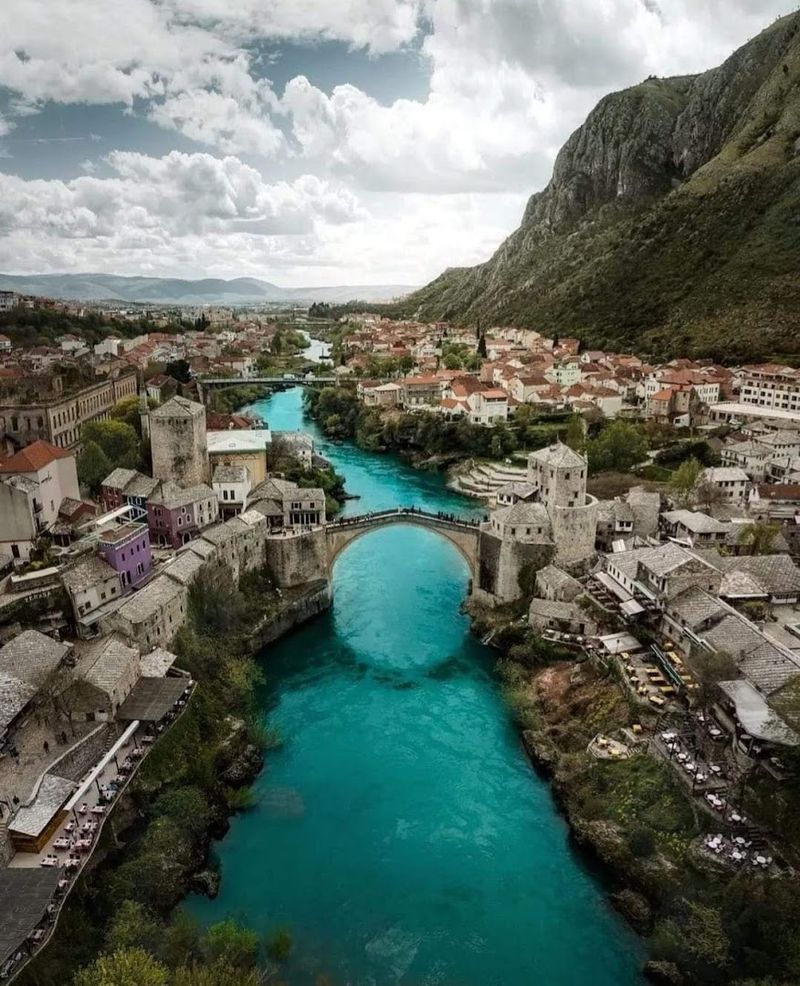
Mostar’s Old Bridge is one of those places that stops you in your tracks the moment you see it. The elegant sixteenth-century arch of pale limestone spanning the turquoise Neretva River, flanked by Ottoman-era stone buildings and the sound of the call to prayer drifting through the air, creates a scene that is almost impossibly beautiful.
Bosnia and Herzegovina has been quietly collecting moments like this for years while most travelers look elsewhere in Europe.
Sarajevo, the capital, is one of the most historically layered cities on the continent. It is the only European capital where a mosque, a Catholic church, an Orthodox church, and a synagogue all stand within a few hundred meters of each other.
The city’s complex history, including the 1990s siege that lasted nearly four years, is told honestly and movingly in its museums and through the people who lived through it.
Beyond the cities, Bosnia offers dramatic mountain scenery, medieval fortresses, and the otherworldly Kravice waterfalls, a series of cascading pools that look more like a tropical paradise than a European river. The country is among the most affordable in Europe, with excellent food, warm hospitality, and a growing independent travel scene.
Travelers who skip Bosnia are missing one of the continent’s most genuinely surprising destinations.
Vietnam’s Emerging Regions
Most travelers who visit Vietnam stick to the same well-worn route: Hanoi, Ha Long Bay, Hoi An, Ho Chi Minh City. That route is popular for good reason, but it barely scratches the surface of what this remarkable country has to offer.
Northern Vietnam’s Ha Giang province, for example, is delivering the kind of raw, breathtaking scenery that travel photographers dream about, and it is still largely off the mainstream radar.
The Ha Giang Loop, a motorbike route through towering limestone karst mountains, terraced rice paddies, and villages belonging to ethnic minority communities like the H’mong and Dao people, is increasingly being described as the most spectacular road trip in Southeast Asia. Accommodation is basic but growing, and the warmth of local hospitality more than compensates for any lack of luxury.
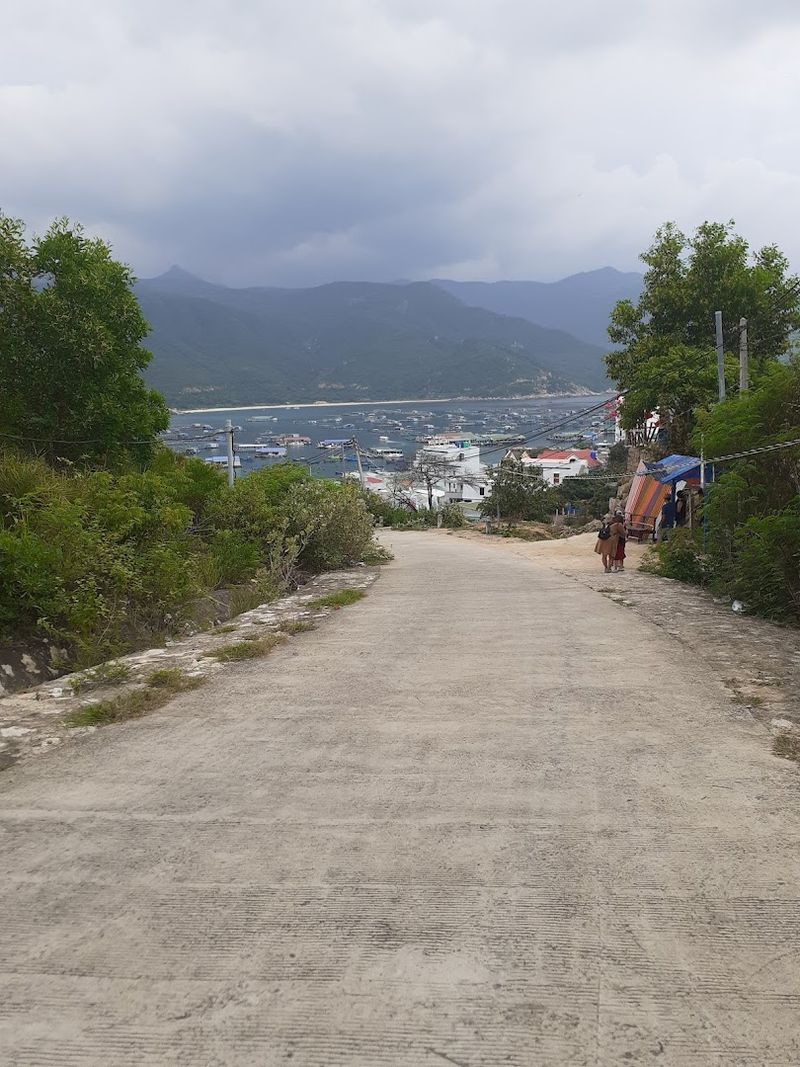
Further south, the Central Highlands region around Kon Tum and the coastal town of Quy Nhon offer a slower, more authentic Vietnam that feels genuinely removed from the tourist trail. Quy Nhon in particular has excellent beaches, fresh seafood, and an easy-going atmosphere that draws travelers who have already done the classics and want something more.
Vietnam rewards those who push past the familiar itinerary, and the country’s lesser-known corners are where the real magic tends to live.
Oman
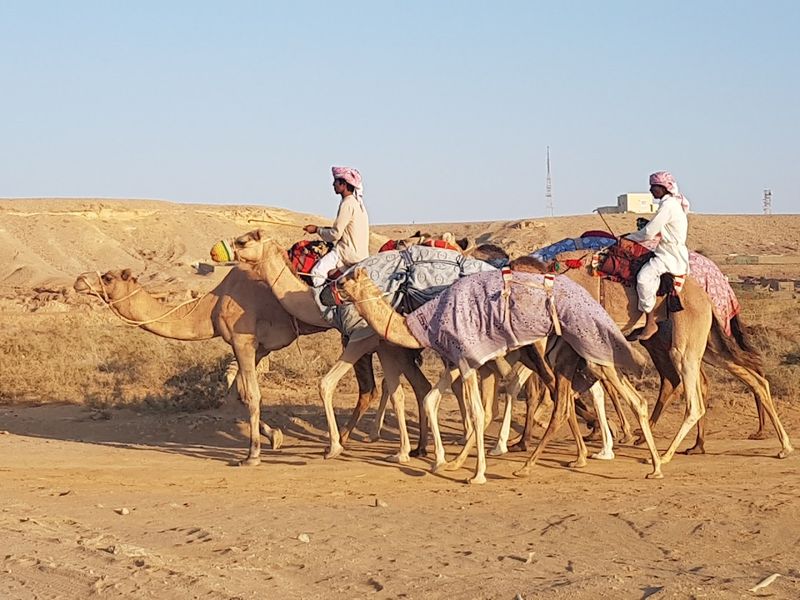
Oman is the neighbor that never gets invited to the party, quietly doing everything better than the louder countries around it. While neighboring destinations chase mega-events and viral moments, Oman has spent years building a reputation for safety, authenticity, and natural beauty that is finally starting to get the global recognition it deserves.
Travelers who arrive expecting a generic Gulf destination leave completely converted.
The landscape is wildly varied. Wadi Shab offers swimming through narrow turquoise canyons to reach a hidden waterfall inside a cave.
The Wahiba Sands provide classic desert dunes perfect for overnight camping under a sky full of stars. The Hajar Mountains deliver cooler temperatures, terraced farms, and ancient falaj irrigation systems that have kept mountain villages alive for centuries.
The coastline stretches for over three thousand kilometers, with pristine beaches where sea turtles still nest in significant numbers.
Muscat, the capital, blends traditional Omani architecture with modern comforts in a way that feels thoughtful rather than forced. The Grand Mosque is one of the most beautiful in the Islamic world and welcomes non-Muslim visitors with genuine openness.
New eco-tourism developments and luxury desert camps are raising the profile of Oman internationally. The country is growing in popularity, but it has not yet crossed the threshold into overcrowded.
Right now is genuinely the ideal time to go.
Share this story