 Unearth The Voyage
Some places stop you in your tracks the moment you walk through the gate. Botanical gardens do exactly that, and the best ones in the United States go far beyond a few flower beds and a park bench.
They offer world-class conservatories, rare plant collections, and seasonal displays that turn a regular day into something genuinely memorable. Whether you are planning a weekend trip or just looking for the best excuse to get outside, these 15 gardens are destinations all on their own.
Longwood Gardens (Kennett Square, Pennsylvania)
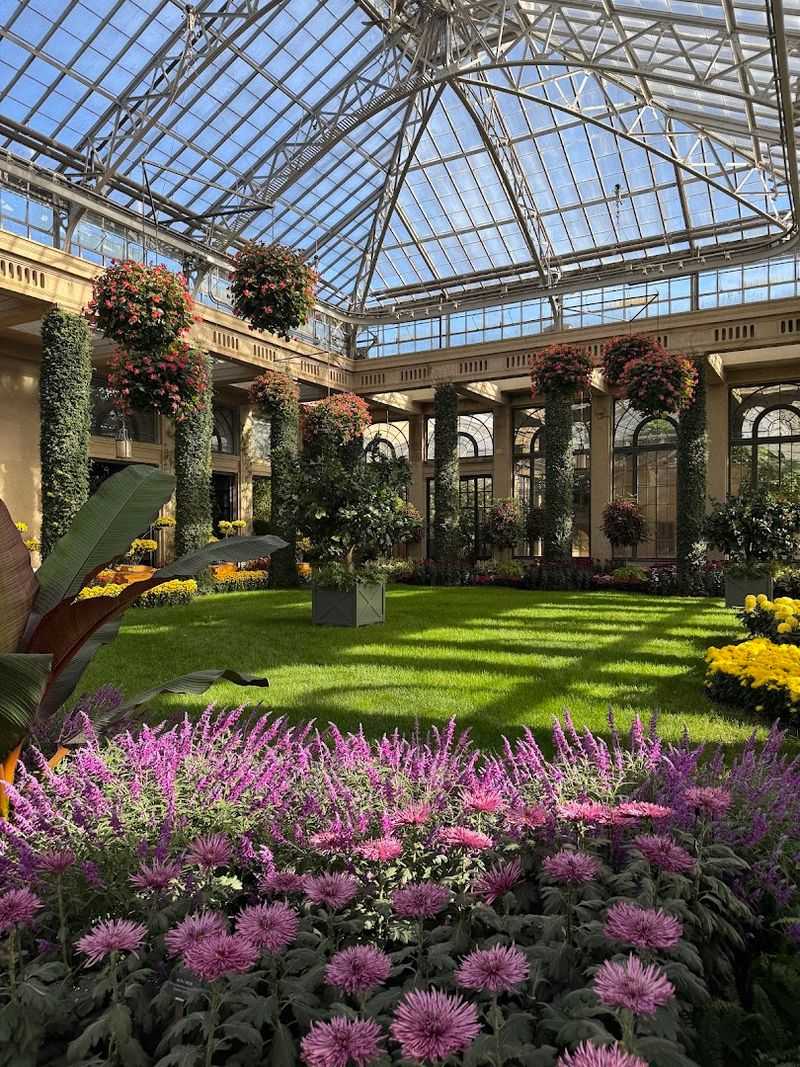
Longwood Gardens has a conservatory so massive you could get a little lost in there, and honestly, that is part of the fun. Built on land originally developed by Pierre du Pont in the early 1900s, the estate spans over 1,000 acres and somehow keeps getting better every season.
The fountain shows alone are worth the drive. During summer evenings, the outdoor fountains light up with synchronized water and light performances that draw thousands of visitors.
It is the kind of thing you watch with your jaw slightly open.
Winter at Longwood is equally spectacular, with elaborate holiday light displays transforming the entire garden. Spring brings tulips and cherry blossoms in full force.
Honestly, picking a bad time to visit is nearly impossible. Plan for a full day, wear comfortable shoes, and do not skip the indoor Orchid House.
It is small but absolutely packed with color.
New York Botanical Garden (Bronx, New York)
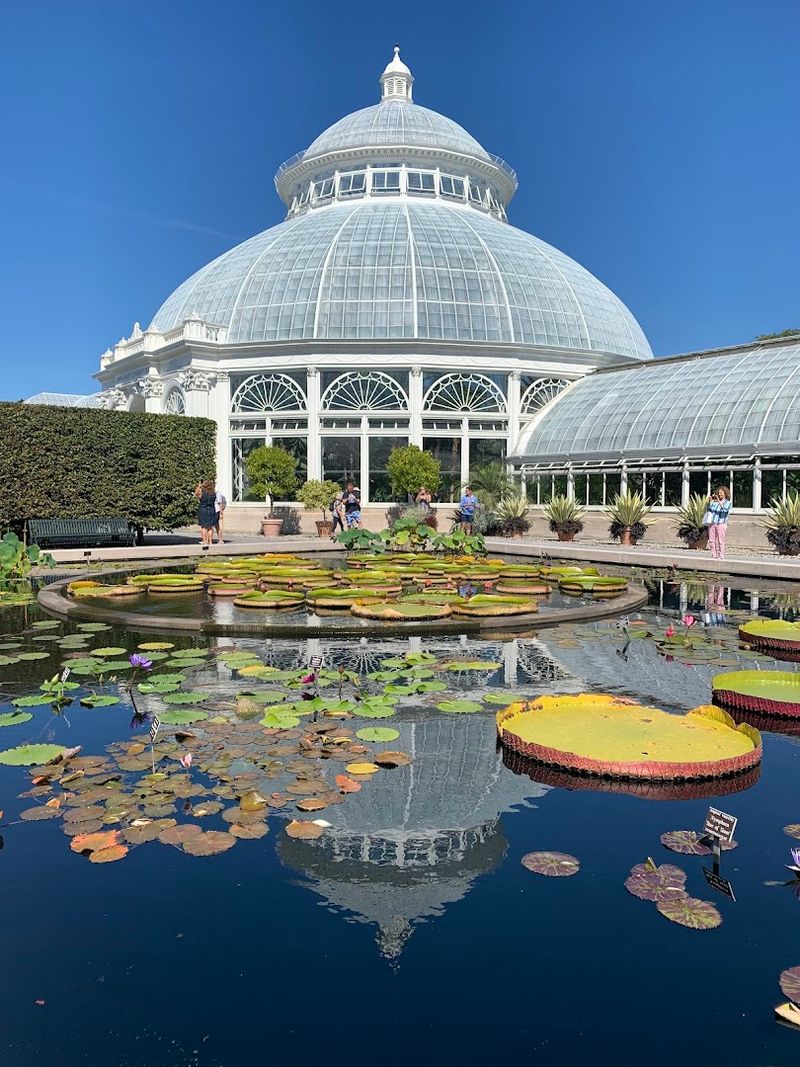
Tucked inside the Bronx, the New York Botanical Garden feels like a secret the city has been keeping from itself. The Enid A.
Haupt Conservatory, a 100-year-old glass palace, is one of the most beautiful buildings in all of New York, and most tourists have no idea it exists.
The garden covers 250 acres and includes a 50-acre old-growth forest, which is genuinely rare for any urban setting. Walking through it feels oddly peaceful for a place that is technically inside one of the busiest cities on earth.
Seasonal exhibitions here are seriously impressive. The annual Holiday Train Show, where model trains wind through miniature New York landmarks made from natural materials, is legendary.
The Orchid Show each spring draws plant lovers from across the country. If you are already visiting New York and skipping this garden, reconsider your itinerary immediately.
It earns every bit of praise it gets.
Chicago Botanic Garden (Glencoe, Illinois)
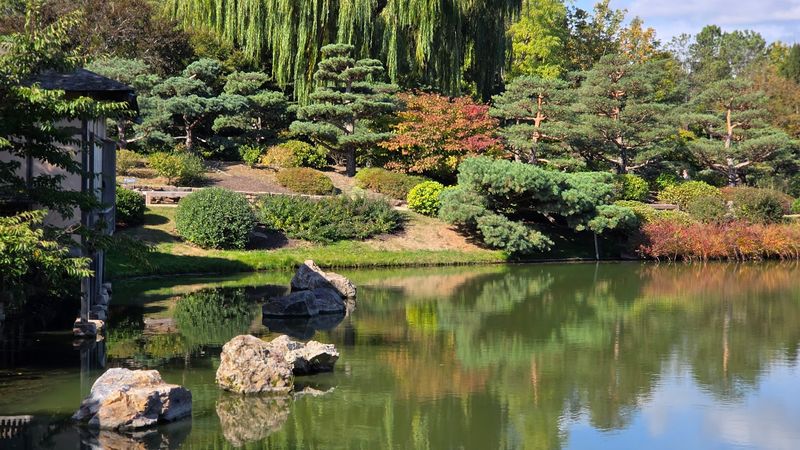
The Chicago Botanic Garden is one of those places where you look up and realize three hours have passed and you have barely covered half the map. Spread across 385 acres with nine lakes woven throughout, this garden has a layout that makes wandering feel like the whole point.
There are 27 distinct gardens here, ranging from a Japanese garden to a fruit and vegetable garden that would make any home gardener deeply jealous. The Evening Island garden, only accessible by bridge, is one of the most peaceful spots in the entire Chicago metro area.
What makes this place extra special is that admission to the grounds is free, though parking and some exhibitions cost extra. For plant lovers, the research programs here are world-class.
Scientists at the garden actively work on conservation projects for endangered plant species. So yes, your leisurely walk through the roses is technically supporting important science.
That is a great reason to stay longer.
Missouri Botanical Garden (St. Louis, Missouri)
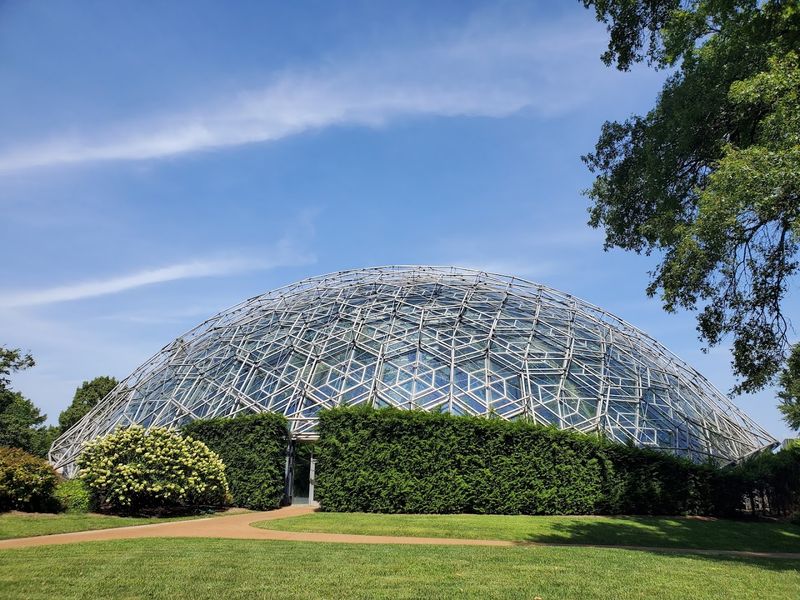
Founded in 1859, the Missouri Botanical Garden is one of the oldest botanical institutions in the United States, and it has absolutely no intention of acting its age. The Climatron, a geodesic dome conservatory built in 1960, remains one of the most visually striking structures in any American garden.
Inside the Climatron, a full tropical rainforest ecosystem thrives year-round. Banana trees, orchids, and massive philodendrons fill the space, making it a genuinely impressive indoor experience regardless of what season you visit outside.
The Japanese Garden here is the largest in North America, spanning 14 acres with traditional stone lanterns, koi ponds, and carefully pruned trees. I visited on a rainy Tuesday once and had nearly the whole thing to myself, which turned out to be an accidental stroke of genius.
Weekends get crowded, especially during the Whitaker Music Festival summer concert series held right on the garden grounds. Come early, stay late, and bring snacks.
Atlanta Botanical Garden (Atlanta, Georgia)
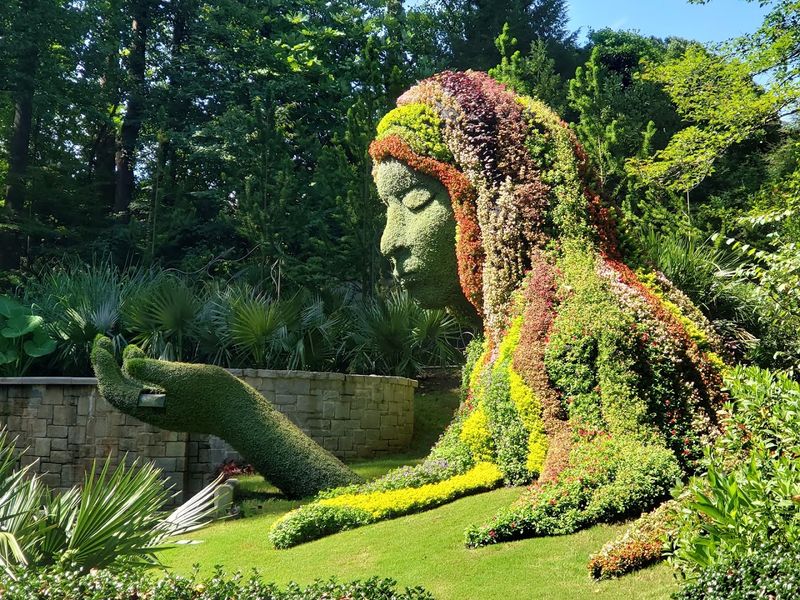
Atlanta Botanical Garden pulls off something tricky: it feels polished and special without feeling stuffy. Located right next to Piedmont Park in Midtown, it is the kind of place that works perfectly for a date, a family outing, or a solo afternoon with nowhere else to be.
The Canopy Walk is a highlight that consistently surprises first-time visitors. This elevated walkway stretches through the tree canopy above the garden, giving you a bird-level view of the surrounding forest.
It is genuinely cool and makes for excellent photos.
The conservatory houses a remarkable collection of tropical and desert plants, and the outdoor displays change dramatically with the seasons. Summer brings bold tropical plantings, while fall and winter feature the beloved Garden Lights holiday show, where millions of lights transform the garden after dark.
Tickets for the light show sell out fast, so booking ahead is not optional, it is survival strategy. The garden also runs a strong orchid and carnivorous plant program worth exploring.
Denver Botanic Gardens (Denver, Colorado)
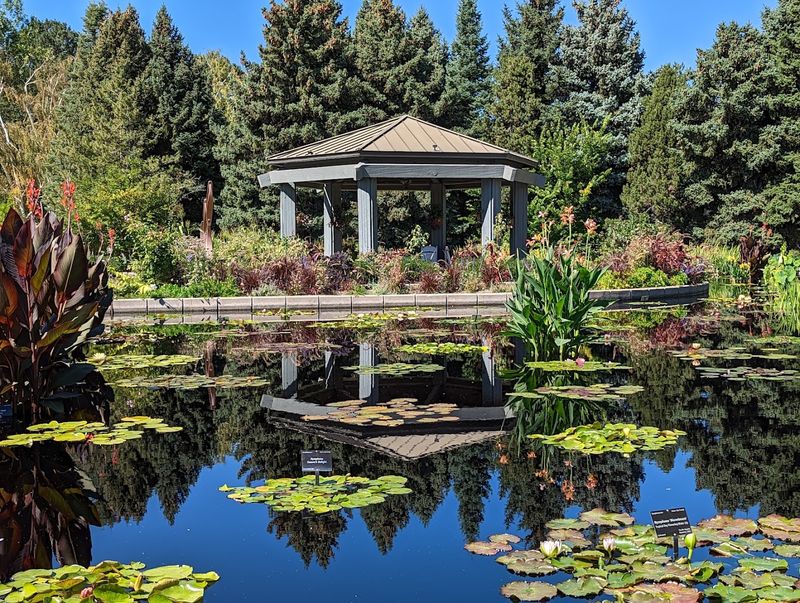
At 5,280 feet above sea level, the Denver Botanic Gardens has figured out how to make high-altitude gardening look effortless. The plant selection here is tailored for the mountain climate, which means you will see species thriving that you simply would not encounter at sea-level gardens.
The main York Street location covers 24 acres and includes a Japanese garden, a water-smart garden, and a tropical conservatory that feels like a warm hug on a cold Colorado day. The Chatfield Farms location adds over 700 acres of natural landscape if you want more room to roam.
Summer concerts in the amphitheater draw big crowds, so if you want a quieter visit, aim for a weekday morning. The autumn season is particularly beautiful here, with the garden’s plant palette shifting into warm golds and rusty reds.
For first-time visitors, the docent-led tours are genuinely informative and free with admission. Do not skip the succulent and cactus collection, it is unexpectedly fascinating.
Desert Botanical Garden (Phoenix, Arizona)
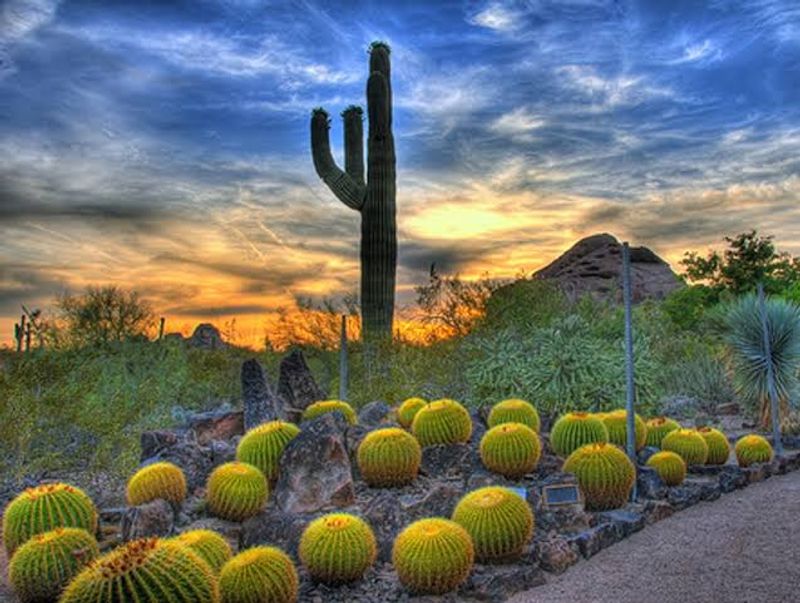
Most botanical gardens are green. The Desert Botanical Garden in Phoenix is gloriously, defiantly not.
Saguaro cacti tower overhead, ocotillo plants stretch like spindly fingers toward the sky, and the whole place looks like a landscape from another planet. A very beautiful, very spiky planet.
Set in Papago Park, this garden covers 140 acres and holds one of the world’s finest collections of desert plants. Over 50,000 plants from arid regions around the globe call this place home.
The spring wildflower bloom, typically peaking in March, is jaw-dropping and draws visitors from across the country.
Evening visits during the cooler months are particularly rewarding. The garden stays open late during special events, and the desert light at sunset turns everything golden and cinematic.
Las Noches de las Luminarias, a holiday event with thousands of candle luminarias lining the paths, is one of the most atmospheric garden experiences in the country. Comfortable walking shoes and sunscreen are non-negotiable here.
The Huntington (San Marino, California)
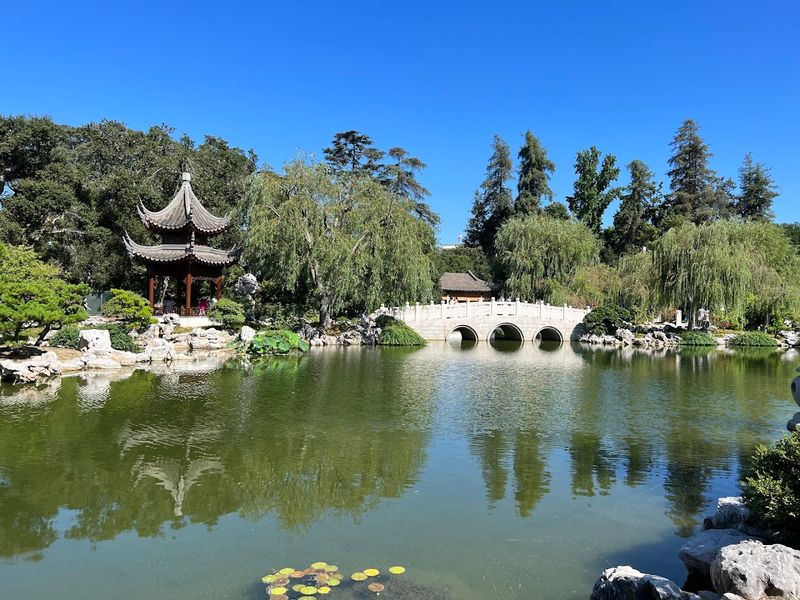
The Huntington is technically a library, an art museum, and a botanical garden all crammed onto one spectacular estate, and somehow it does all three things brilliantly. Henry Huntington assembled this property in the early 1900s, and the result is one of the most culturally rich day-trip destinations in Southern California.
The botanical gardens alone cover 120 acres and include 16 themed garden areas. The Desert Garden is among the oldest and largest collections of cacti and succulents in the world.
Walking through it feels like touring a living sculpture exhibit, but with better lighting and no admission queue.
The Japanese Garden, with its authentic teahouse and koi-filled pond, is another crowd favorite. Art lovers can pop into the galleries to see Gainsborough’s Blue Boy without leaving the property.
Timed entry tickets are required on weekends, so booking ahead saves you a headache. The Rose Garden tea room is a lovely spot for lunch if you want to lean into the full estate experience.
Fairchild Tropical Botanic Garden (Miami area, Florida)
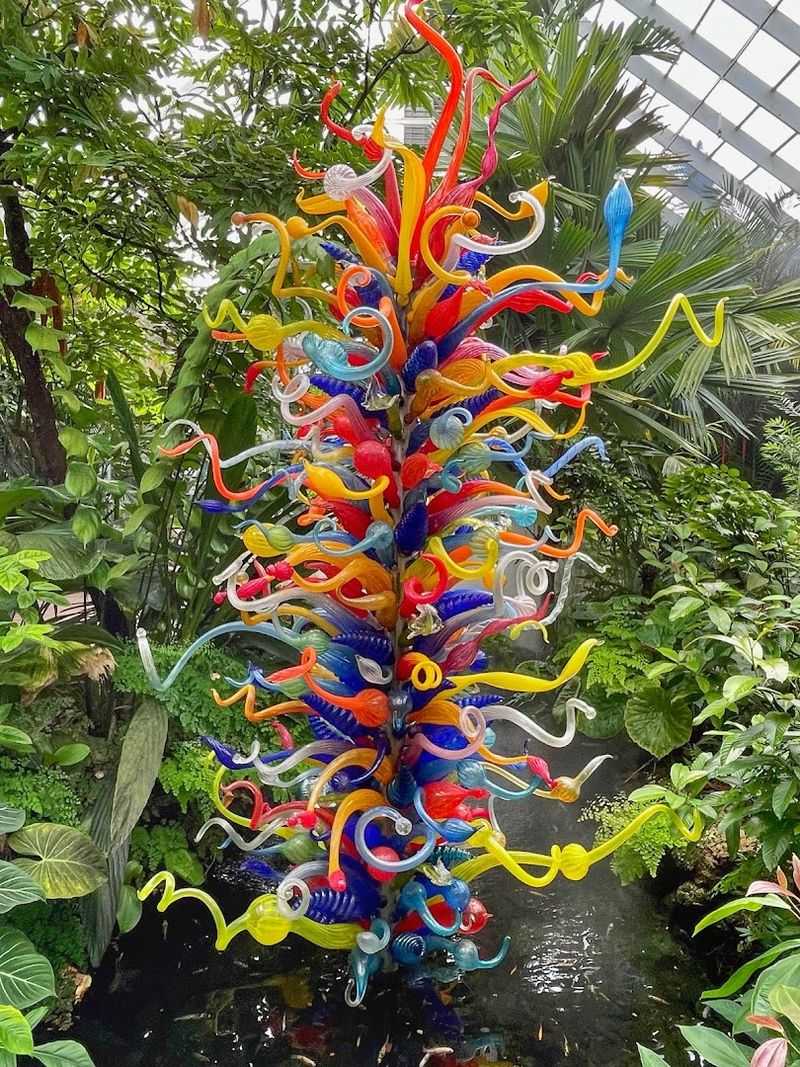
Fairchild Tropical Botanic Garden is proof that South Florida’s climate is doing something the rest of the country simply cannot replicate. Everything here grows big, lush, and a little dramatic, which is honestly very on-brand for Miami.
Founded in 1938, Fairchild covers 83 acres in Coral Gables and holds one of the world’s most important collections of palms, cycads, and tropical flowering plants. The cycad collection alone is extraordinary, with species so rare they exist almost nowhere else outside of botanical institutions.
The Wings of the Tropics butterfly exhibit is a perennial visitor favorite, featuring hundreds of live tropical butterflies fluttering through a dedicated indoor space. The garden also runs the International Mango Festival each summer, celebrating over 200 mango varieties.
Yes, mango varieties. More than 200 of them.
If that does not sell you on visiting, I am not sure what will. Arrive early on summer days before the afternoon heat peaks, and bring water.
Dallas Arboretum and Botanical Garden (Dallas, Texas)
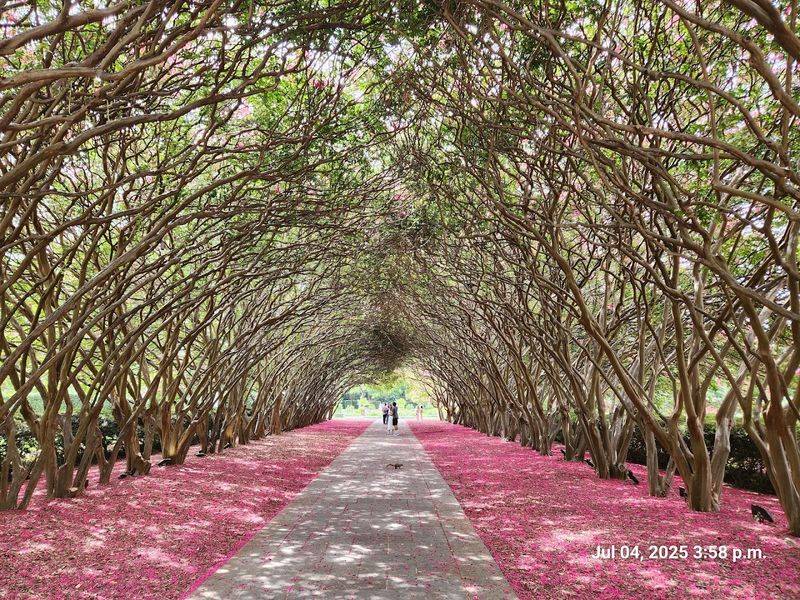
The Dallas Arboretum knows how to put on a show. Sitting on 66 acres along the eastern shore of White Rock Lake, this garden has some of the most photogenic seasonal displays in the entire South.
The spring Dallas Blooms festival features over 500,000 bulbs in bloom, which is a number that takes a moment to fully process.
Fall is equally spectacular, with the Pumpkin Village installation drawing families from across Texas. Thousands of pumpkins, gourds, and squash are arranged into elaborate structures and scenes.
It is absurdly festive and completely worth the trip if you have kids in tow.
The lake views from the garden add a scenic bonus that many visitors do not expect. Several garden areas are designed specifically for children, making this one of the more family-friendly botanical destinations in the country.
Summer gets hot in Dallas, so morning visits are strongly recommended. The garden’s food options have improved significantly in recent years, making a full-day visit very comfortable and well-fed.
Brooklyn Botanic Garden (Brooklyn, New York)
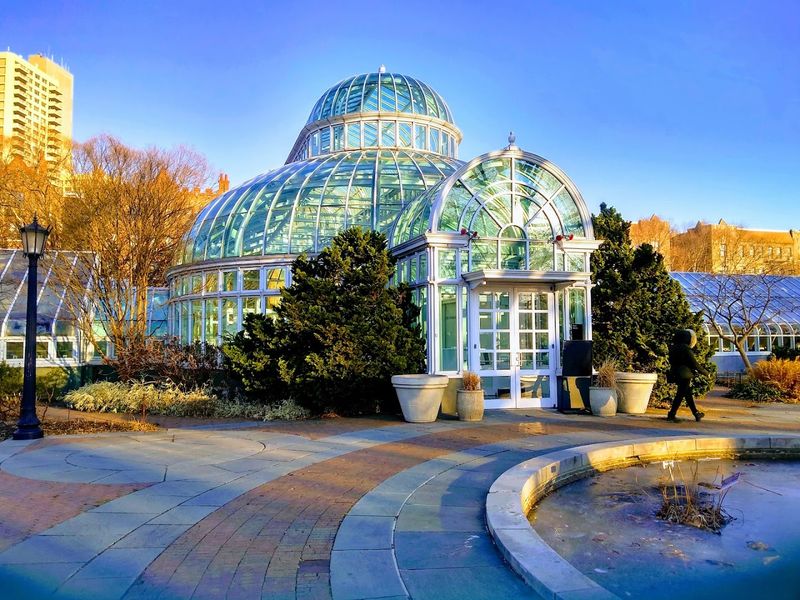
Brooklyn Botanic Garden is 52 acres of calm tucked inside one of the world’s most energetic boroughs, and that contrast alone makes it worth visiting. The cherry blossom season here, known locally as Sakura Matsuri, is one of New York City’s most celebrated annual events and draws enormous crowds every spring.
The Japanese Hill-and-Pond Garden is one of the oldest Japanese-inspired gardens in the United States, dating back to 1915. It is beautifully maintained and genuinely serene, which is a remarkable achievement given its location a few blocks from Flatbush Avenue.
Beyond the cherry trees, the garden’s rose collection, native plant garden, and Shakespeare Garden (featuring plants mentioned in Shakespeare’s plays) are all worth exploring. The Steinhardt Conservatory houses tropical, desert, and temperate collections indoors.
Admission is free on weekday mornings before noon, making it an excellent budget-friendly option. Pair your visit with lunch or dinner in nearby Park Slope for a perfect Brooklyn afternoon.
United States Botanic Garden (Washington, D.C.)
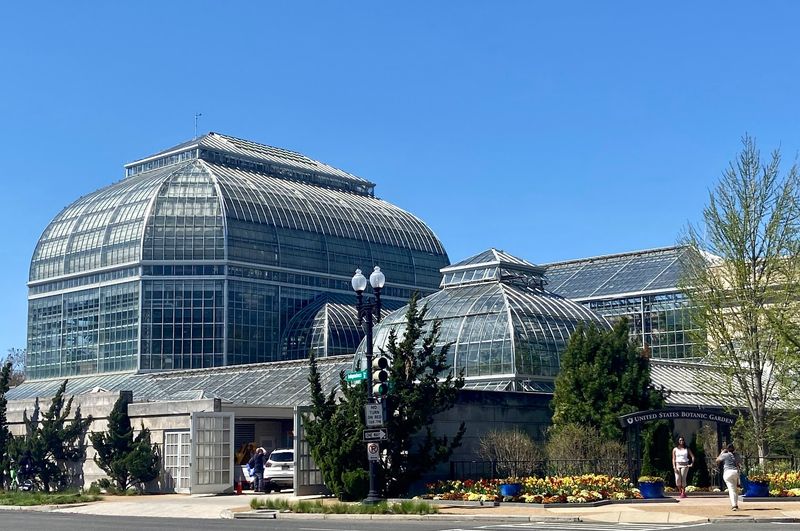
The United States Botanic Garden sits right at the foot of the Capitol building, which means you can combine plant nerd joy with a side of American history without moving your car. It is also free to enter, which in Washington D.C. feels like a gift from the federal government that actually lands well.
The Conservatory is the heart of the operation, housing plants from tropical, subtropical, and desert regions under one gorgeous glass roof. The jungle room, with its towering palms and cascading ferns, is a particular favorite for visitors who want to feel far away from the city streets outside.
The outdoor Bartholdi Park, just across Independence Avenue, features a stunning 19th-century fountain and seasonal plantings that change throughout the year. The garden regularly hosts public programs, exhibitions, and educational events.
For first-time visitors, the self-guided tour map available at the entrance is genuinely helpful for navigating the space. Weekday visits are noticeably less crowded than weekends.
San Diego Botanic Garden (Encinitas, California)
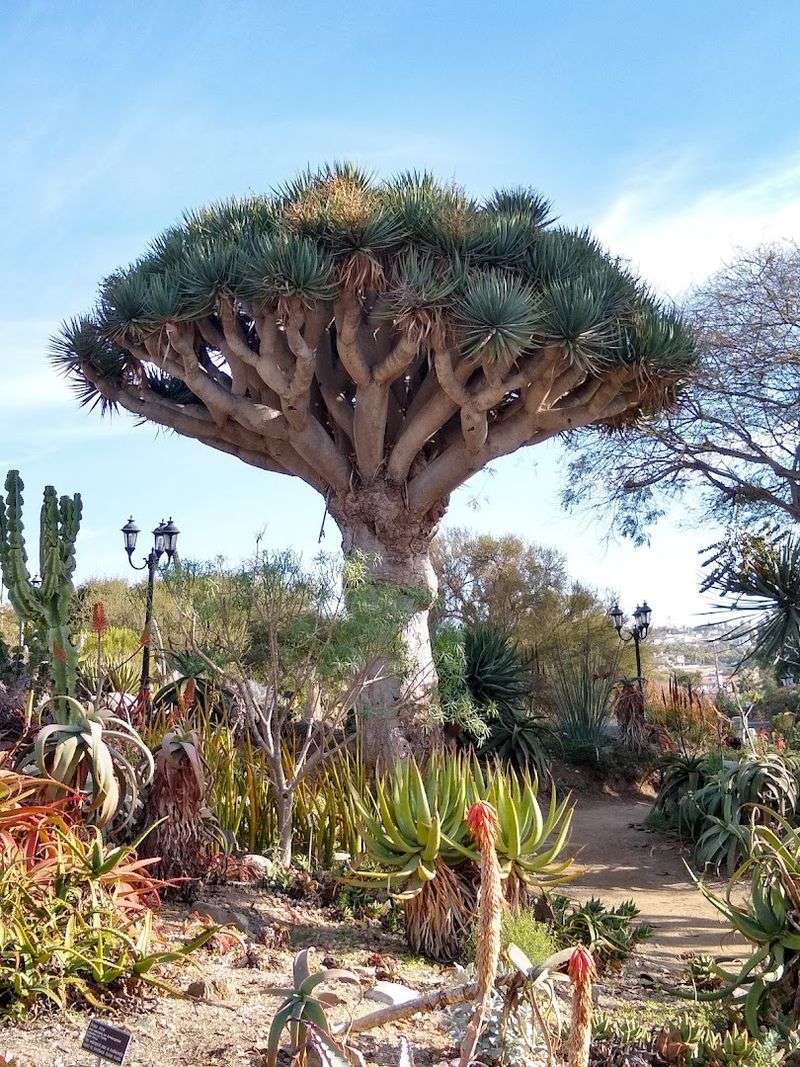
San Diego Botanic Garden in Encinitas is the kind of place that rewards slow visitors. The climate here is mild year-round, which means the garden stays green and interesting no matter when you show up.
Lucky timing is basically built into the geography.
The garden covers 37 acres and holds one of the largest bamboo collections in the United States. Walking through the bamboo grove feels surprisingly dramatic for a plant that is technically a grass.
The children’s garden here is one of the best in any American botanical institution, with interactive elements that keep younger visitors genuinely engaged rather than just tolerating the trip.
The California native plant section is excellent for anyone curious about what grows naturally in the region without irrigation or fuss. The garden also maintains a Hamilton Children’s Garden, a separate ticketed area that is worth the extra cost if you are visiting with kids.
Parking is free, which is a small but meaningful win in Southern California. Check the events calendar before you go.
Lewis Ginter Botanical Garden (Richmond, Virginia)
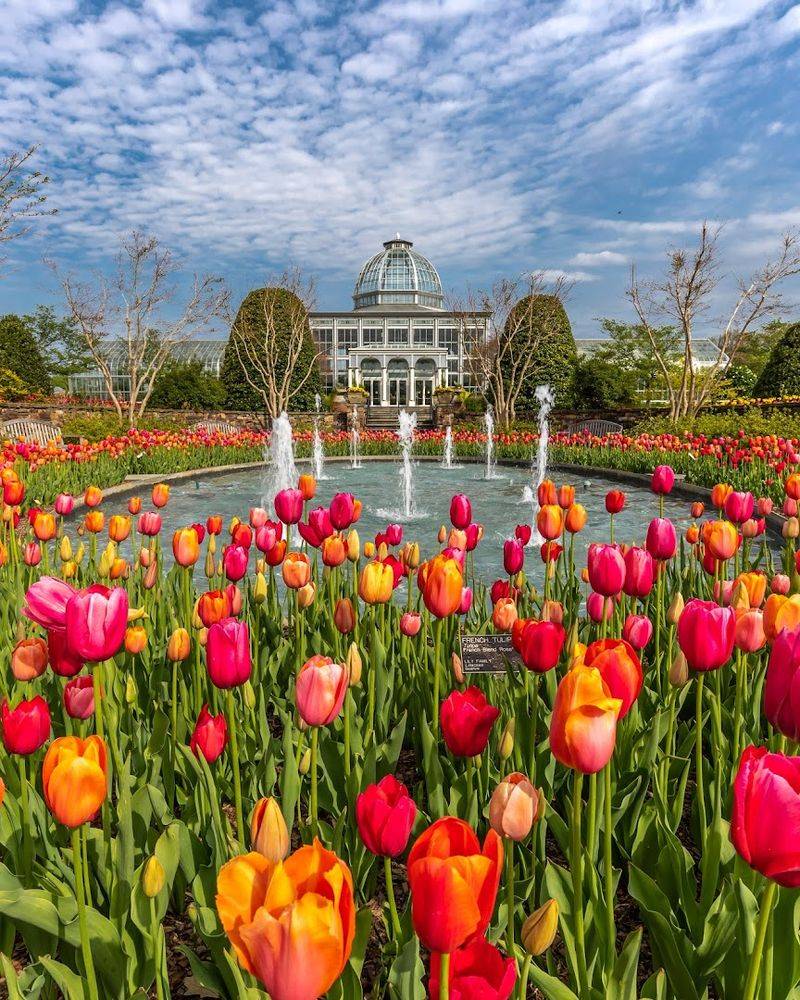
Lewis Ginter Botanical Garden in Richmond is one of those under-the-radar gems that regulars are almost protective of. Named after Lewis Ginter, a 19th-century Richmond businessman and philanthropist, the garden opened to the public in 1984 and has been quietly becoming one of the best botanical destinations on the East Coast ever since.
The centerpiece conservatory features a Victorian-style glass dome that is genuinely beautiful, housing tropical plants and rotating seasonal exhibitions throughout the year. The surrounding formal gardens are laid out with a care and precision that makes even a casual visitor stop and appreciate the effort involved.
Seasonal highlights include a spectacular spring bulb display and the GardenFest of Lights holiday event, where over a million lights decorate the garden each winter. The children’s garden is creative and well-designed.
Richmond itself is a fantastic food and culture city, so pairing the garden with a dinner in the Carytown neighborhood makes for an excellent full-day trip. Admission pricing is very reasonable compared to larger institutions.
San Francisco Botanical Garden (Golden Gate Park, California)
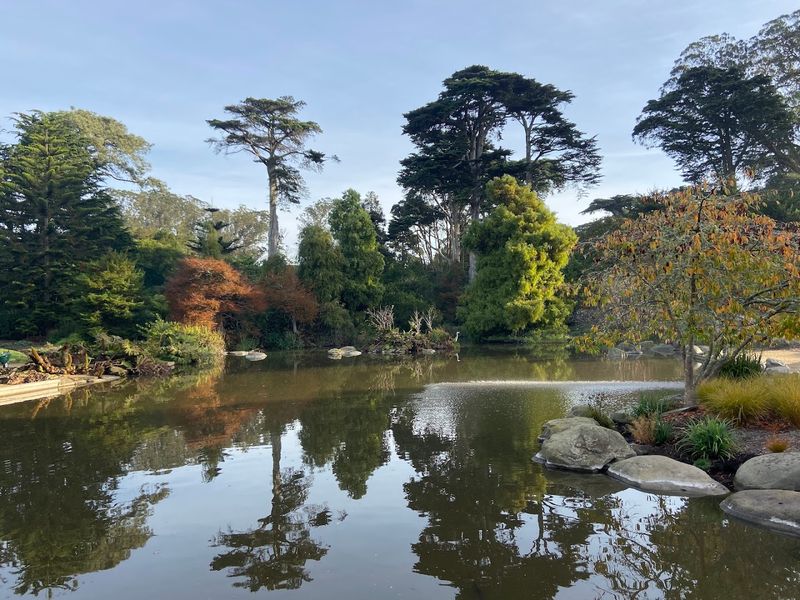
San Francisco Botanical Garden lives inside Golden Gate Park, which means it is already sitting inside one of the greatest urban parks in the world. That is a strong starting position.
The garden itself covers 55 acres and holds over 9,000 different plant species from around the globe, with a particular strength in plants from the cloud forests of South America and New Zealand.
The Ancient Plant Garden is one of the most unusual collections anywhere in the country, featuring plants whose relatives date back to the age of dinosaurs. Ginkgo trees, tree ferns, and cycads grow here with a kind of quiet authority that makes you feel slightly small in a good way.
San Francisco residents with proof of address get in free, and general admission is very affordable. The garden is open daily, making it an easy add-on to any Golden Gate Park visit.
Mornings tend to be misty and cool, which actually suits the garden’s atmosphere perfectly. Bring a light jacket regardless of the season.



