 Unearth The Voyage
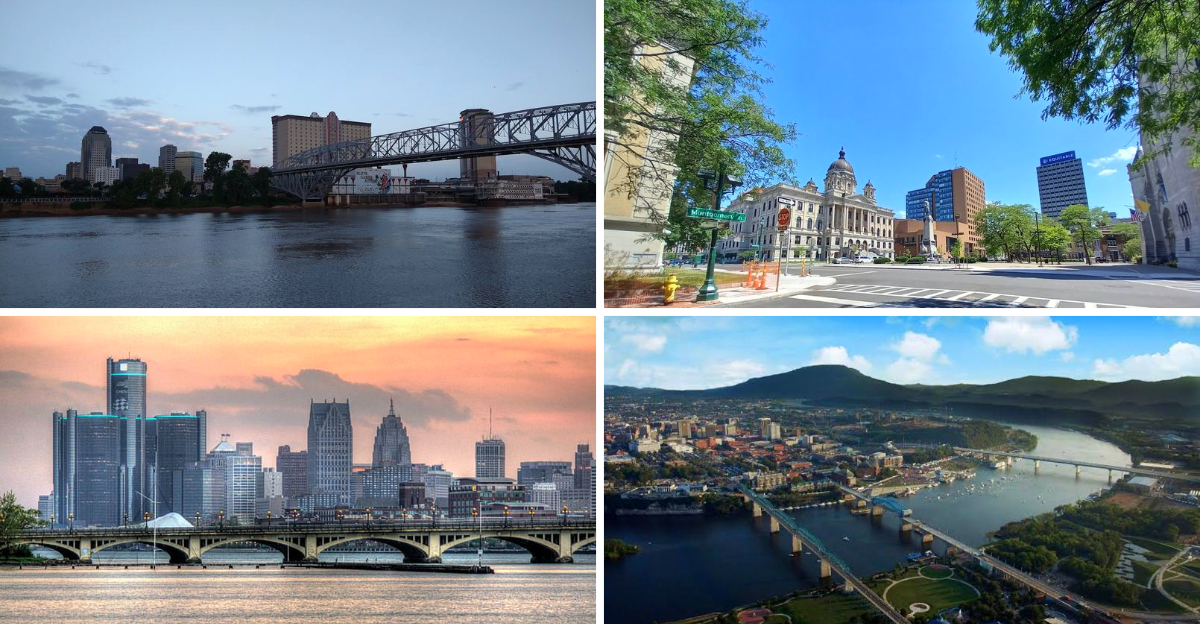
Some American cities are facing tough roads ahead, and experts are paying close attention to the warning signs. Population loss, economic shifts, and limited job growth are putting pressure on many smaller urban areas across the country.
Understanding which cities may struggle can help residents, investors, and policymakers make smarter decisions. Here is a look at 15 US cities that analysts say could face significant challenges over the next five years.
1. Baltimore, Maryland

Baltimore has been losing residents for years, and that trend is raising serious concerns. After a significant population drop over the past decade, the city saw only a slight uptick recently, which experts say is not enough to reverse the larger pattern.
Aging infrastructure, high crime rates in certain neighborhoods, and limited economic diversification continue to weigh heavily on the city’s outlook.
Job opportunities have not grown fast enough to keep younger residents from leaving for other metro areas. Many neighborhoods still struggle with vacant properties and underfunded schools.
These compounding issues make recovery difficult without major investment from state and federal sources.
Experts warn that without targeted policy changes and sustained economic development, Baltimore could continue to lose ground over the next five years. Residents looking for stability may want to watch how city leadership responds to these ongoing pressures before making long-term plans.
2. Detroit, Michigan
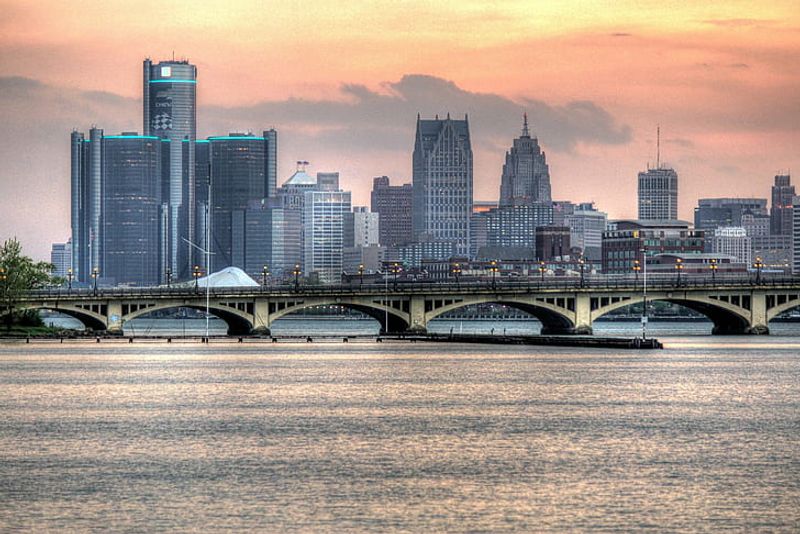
Detroit’s story is one of the most well-known urban turnarounds in American history, but the comeback has not reached every corner of the city. Outside the revitalized downtown core, many small-city neighborhoods still show signs of long-term economic weakness.
Population numbers remain far below their mid-20th century peak, and recovery has been uneven at best.
Manufacturing job losses that began decades ago left deep scars on the local economy. While tech investment and new businesses have trickled in, they have not created enough opportunities for longtime residents across all income levels.
Many families continue to relocate to suburbs or other states in search of better prospects.
Analysts point out that Detroit’s resurgence, while real, is fragile. If national economic conditions shift or investment slows, smaller Detroit neighborhoods could fall further behind.
Watching local employment data and housing trends will be key over the next five years.
3. Pawnee City, Nebraska
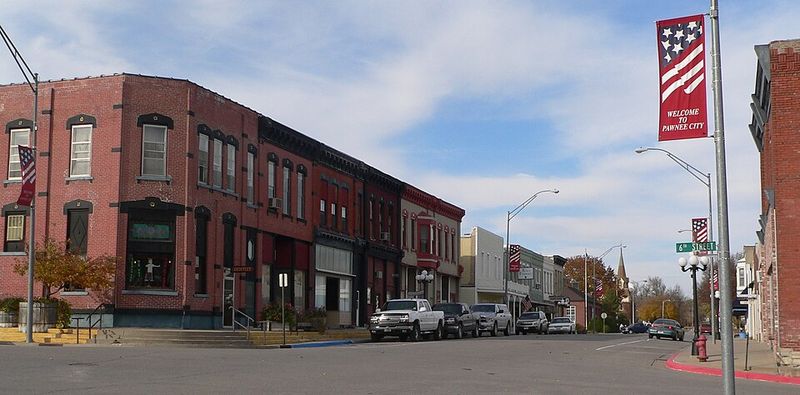
Pawnee City sits quietly in southeastern Nebraska, and for many years, that quietness has reflected something more concerning than small-town charm. This rural community has been shrinking steadily, with an aging population and a declining number of young families choosing to stay.
When young people leave for larger cities, local businesses lose customers and schools lose students.
Agriculture remains the backbone of the local economy, but farming today requires fewer workers thanks to technology and automation. That shift means fewer jobs are available for residents who want to stay close to home.
Over time, fewer jobs lead to fewer services, which makes the town even less attractive to newcomers.
Community leaders in places like Pawnee City face an uphill battle trying to attract new residents and businesses. Without fresh investment and creative economic strategies, experts say this small Nebraska community could see continued decline through the end of the decade.
4. Cleveland, Ohio
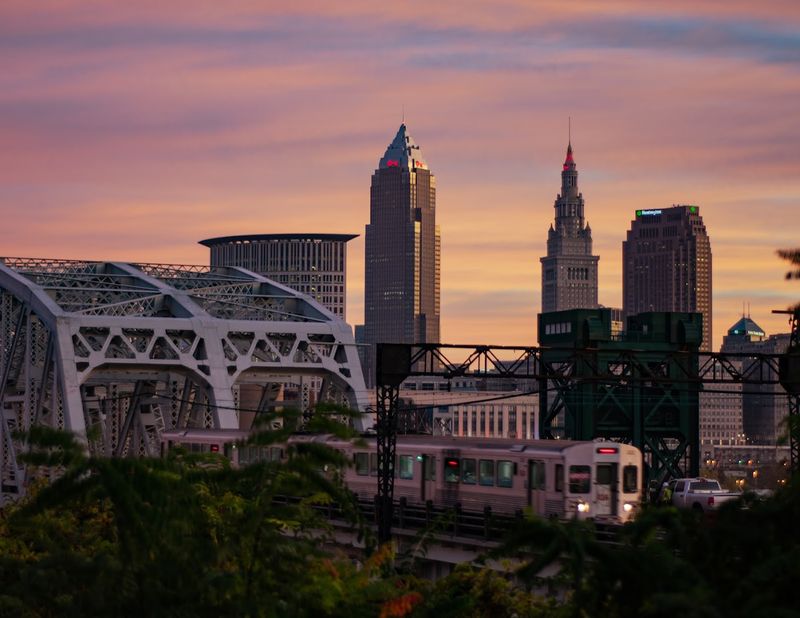
Cleveland has long been one of the Midwest’s most recognizable cities, but census data tells a sobering story. Population shrinkage and slower-than-average growth compared to national trends have placed Cleveland on experts’ watchlists.
The city has struggled to keep pace with faster-growing metros in the South and West, which have been attracting both businesses and young professionals.
Healthcare and education remain strong sectors, anchored by institutions like the Cleveland Clinic. However, these industries alone have not been enough to reverse broader demographic trends.
Many residents, particularly younger ones, have opted to relocate to cities offering more affordable housing paired with stronger job markets.
Over the next five years, Cleveland’s ability to retain and attract talent will be critical. City planners are exploring new development strategies, but experts caution that progress will be slow without significant regional cooperation and investment.
Keeping an eye on local policy decisions will matter greatly for anyone connected to this Ohio city.
5. St. Louis, Missouri

St. Louis was once a booming river city at the heart of American commerce, but decades of population stagnation have dimmed some of that historic shine. Long-term census data shows that the city proper has lost a significant share of its residents over the years, even as the surrounding metropolitan area has grown modestly.
That gap between city and suburb tells an important story about urban health.
Crime concerns, aging housing stock, and fragmented local governance have made it harder for St. Louis to compete with faster-growing cities. Businesses that might have considered setting up shop downtown have often chosen other locations instead.
That reluctance to invest creates a cycle that is difficult to break without bold leadership.
Experts believe the next five years will be a defining period for St. Louis. Efforts to consolidate city and county government could help, but those reforms face political resistance.
Residents and observers alike should watch how those conversations unfold.
6. Buffalo, New York
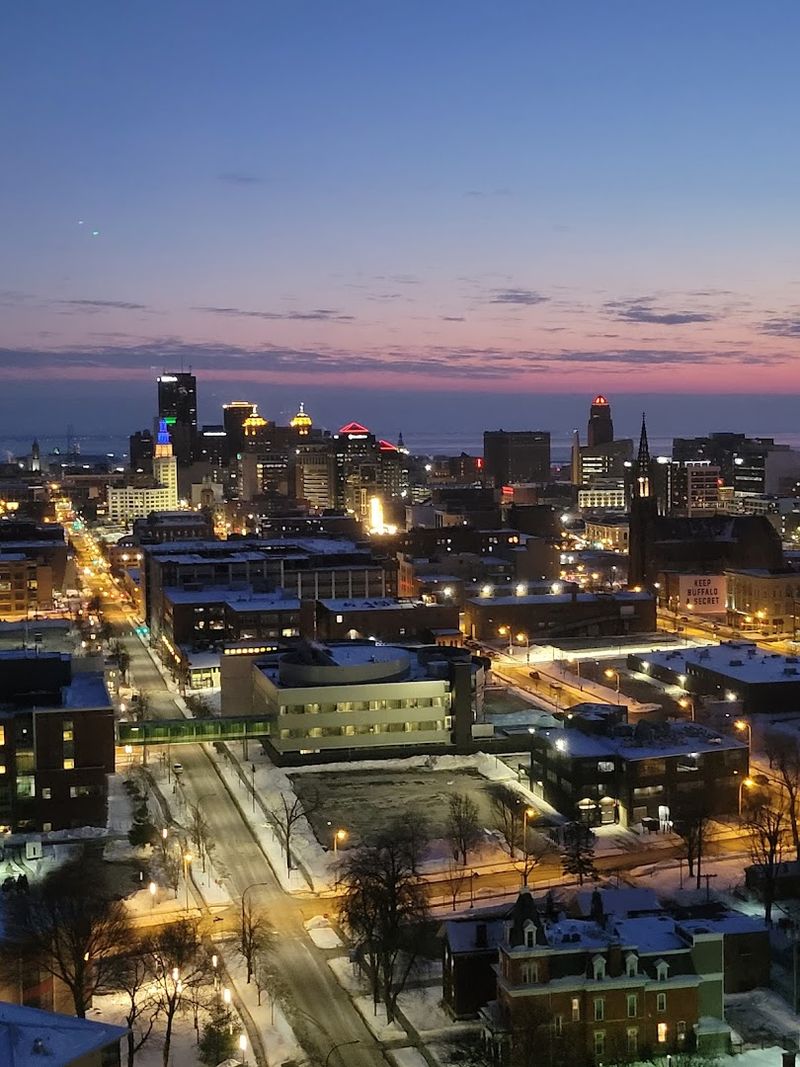
Buffalo, New York carries a proud history of industry and culture, but slower growth trends have kept it from fully competing with revitalizing cities across the country. Census patterns show that population gains have been modest at best, and the city continues to lose residents to warmer or more economically dynamic regions.
Cold winters and a shrinking manufacturing base have not helped the situation.
Recent years have brought some encouraging signs, including new development along the waterfront and a growing healthcare sector. However, these gains have not yet translated into broad-based economic growth that reaches all neighborhoods equally.
Many areas still face high poverty rates and limited access to quality employment.
For Buffalo to avoid further struggle over the next five years, sustained investment in workforce development and neighborhood revitalization will be essential. Experts say the city has potential but needs consistent follow-through on long-term plans to make meaningful progress for all its residents.
7. Youngstown, Ohio
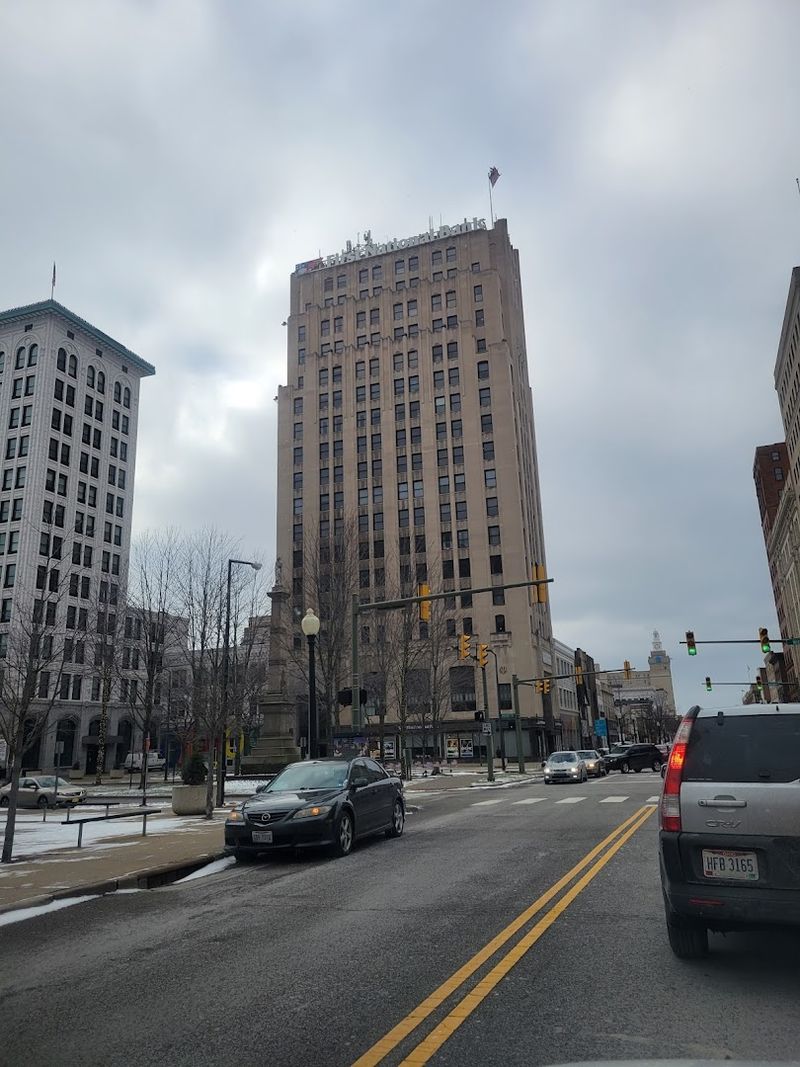
Few American cities have experienced demographic decline as dramatically as Youngstown, Ohio. Once a powerhouse of the steel industry, Youngstown has been shedding residents for decades following the collapse of manufacturing in the region.
Historical data paints a clear picture of a city that has struggled to reinvent itself after losing its economic foundation.
Today, Youngstown’s population is a fraction of what it was at its peak in the mid-20th century. Empty lots, abandoned buildings, and underfunded public services are visible reminders of that long decline.
Efforts to attract new industries have had limited success, partly because the city’s small size makes it less competitive for major corporate investment.
Youngstown has actually been studied as a model for “shrinking city” planning, acknowledging decline rather than fighting it with unrealistic growth targets. That honest approach may offer lessons for other struggling cities, but the road ahead remains challenging for residents who call Youngstown home.
8. Flint, Michigan
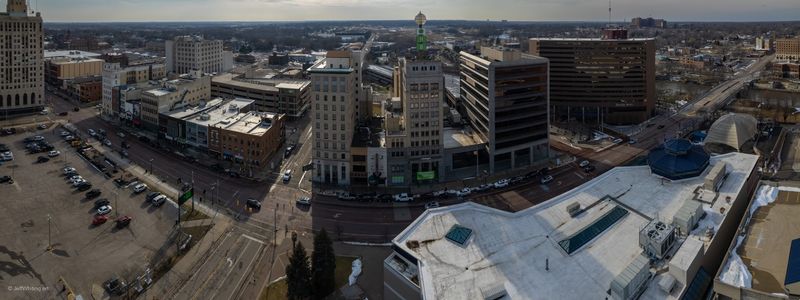
Flint, Michigan became internationally known following its water crisis, but population challenges in this city go back much further than that tragedy. Decades of manufacturing decline, particularly in the auto industry, left Flint economically vulnerable long before headlines brought it to global attention.
Census data shows persistent population loss that has yet to stabilize in any meaningful way.
Rebuilding trust in local institutions has been one of Flint’s biggest obstacles. The water crisis damaged confidence in city government and public infrastructure, making it harder to attract new residents or convince current ones to stay.
Federal aid has helped fund some repairs, but the deeper wounds take much longer to heal.
Experts are cautiously watching Flint’s trajectory over the next five years. Infrastructure improvements are ongoing, but economic revitalization remains slow.
Young families in particular are still choosing to relocate rather than weather continued uncertainty, which keeps the population outlook fragile and the path forward uncertain.
9. Rockford, Illinois
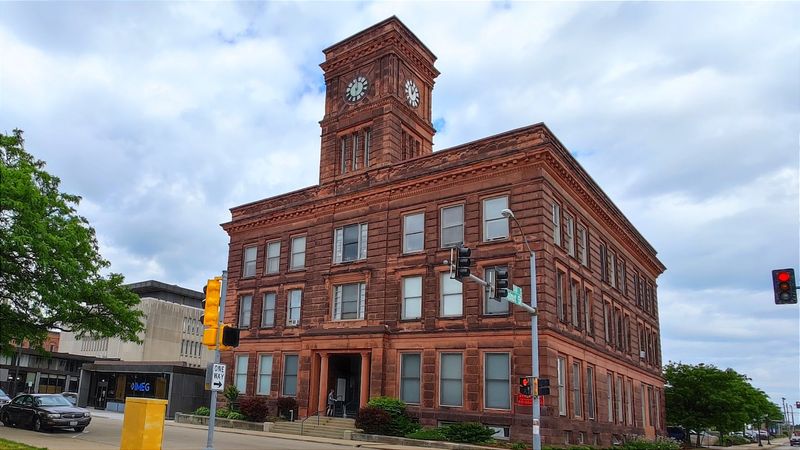
Rockford, Illinois sits about 90 miles northwest of Chicago, but it has not benefited much from its proximity to that major metro area. Federal census data shows slowed population growth that has kept Rockford from keeping up with broader national trends.
The city has long relied on manufacturing, a sector that has contracted significantly over the past several decades.
Unemployment rates in Rockford have historically run higher than state and national averages, which makes attracting new businesses more difficult. When employers see a struggling local economy, they often choose other locations with stronger workforce pipelines.
That reluctance to invest becomes a self-reinforcing problem over time.
Local leaders have worked to diversify the economy by promoting healthcare, aerospace, and logistics sectors. These efforts show some promise, but experts caution that meaningful change takes years to materialize.
Residents watching Rockford’s development should look for concrete job creation numbers rather than announcements alone as the true measure of progress.
10. Syracuse, New York
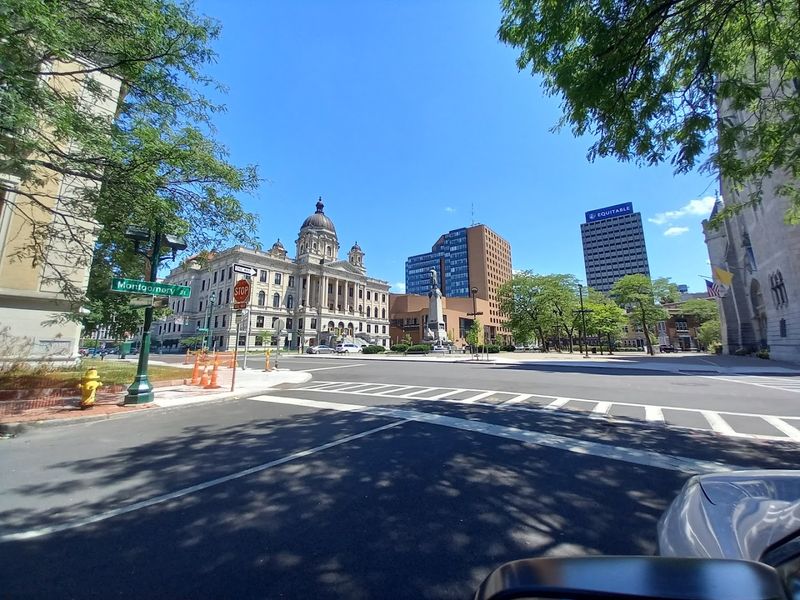
Syracuse has historically shown modest population decline and stagnation compared to broader U.S. averages, a pattern that experts say could intensify over the next several years. Upstate New York as a whole has faced headwinds from outmigration, high taxes, and limited private sector growth.
Syracuse has not been immune to those regional pressures, even with a major university anchoring part of its economy.
Syracuse University brings students, research dollars, and some economic activity, but that alone has not been enough to reverse population trends. Many graduates leave the city after completing their degrees, taking their skills and spending power elsewhere.
That brain drain is a persistent challenge for mid-sized cities tied heavily to academic institutions.
Cold winters and a relatively high cost of living compared to job opportunities also factor into residents’ decisions to relocate. For Syracuse to stabilize its population over the next five years, attracting private sector employers who can offer competitive wages will be a critical priority for city planners.
11. Shreveport, Louisiana
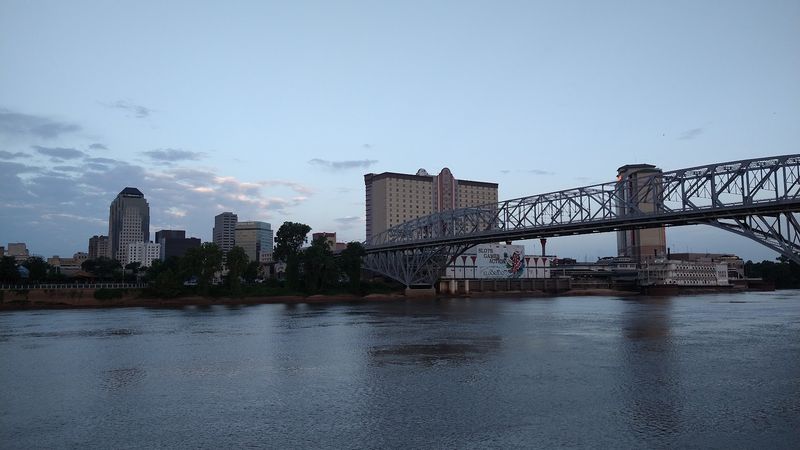
Shreveport sits in the northwestern corner of Louisiana and has long lagged behind broader U.S. urban growth trends. While Sun Belt cities across the South have boomed in recent years, Shreveport has struggled to capture that momentum.
Historical census data shows the city has not grown at a pace that keeps up with national averages, raising concerns about its long-term competitiveness.
The local economy leans heavily on gaming, healthcare, and some energy sector activity. However, these industries have not generated the kind of broad employment growth that attracts new residents.
When a city depends too heavily on a small number of sectors, it becomes vulnerable to economic shifts that can happen quickly and unpredictably.
Crime rates and infrastructure concerns have also played a role in Shreveport’s slower growth story. Experts suggest that meaningful improvement will require regional collaboration, targeted economic development, and sustained investment in public safety and education to give the city a stronger foundation for the years ahead.
12. Toledo, Ohio
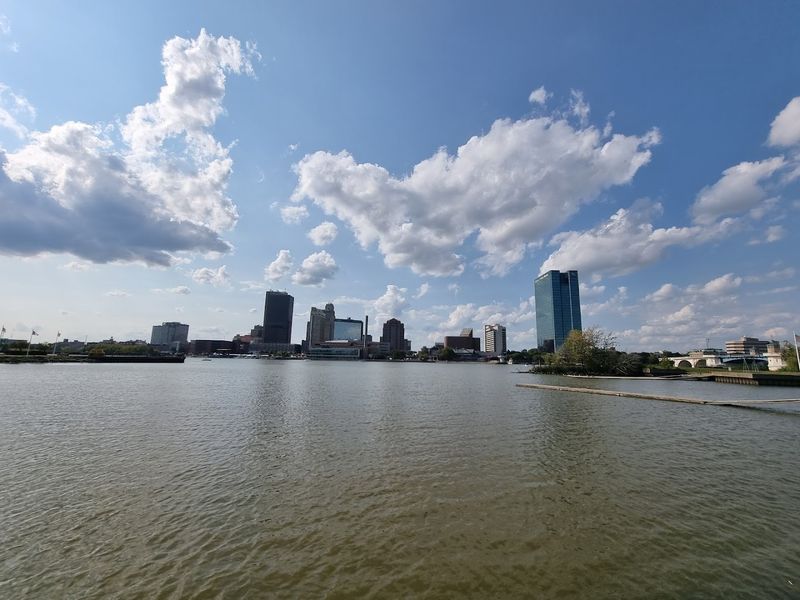
Toledo, Ohio is another Rust Belt city that has watched its population slowly shrink over recent decades. Census regional trends show slower growth compared to the national pace, placing Toledo in a category of cities that experts believe could face continued demographic challenges through the end of the decade.
The city’s economy has historically depended on manufacturing and glass production, industries that have contracted over time.
Toledo’s location near the Michigan border and Lake Erie gives it some geographic advantages for logistics and trade. However, those advantages have not fully translated into the kind of economic revival that would attract large numbers of new residents.
Many young workers still leave for Columbus, Cleveland, or out-of-state destinations offering stronger job markets.
City leaders have pursued development along the riverfront and invested in downtown revitalization, with modest results. Experts say Toledo needs a more aggressive strategy to attract employers and retain talent if it hopes to avoid deeper population losses over the coming years.
13. Erie, Pennsylvania
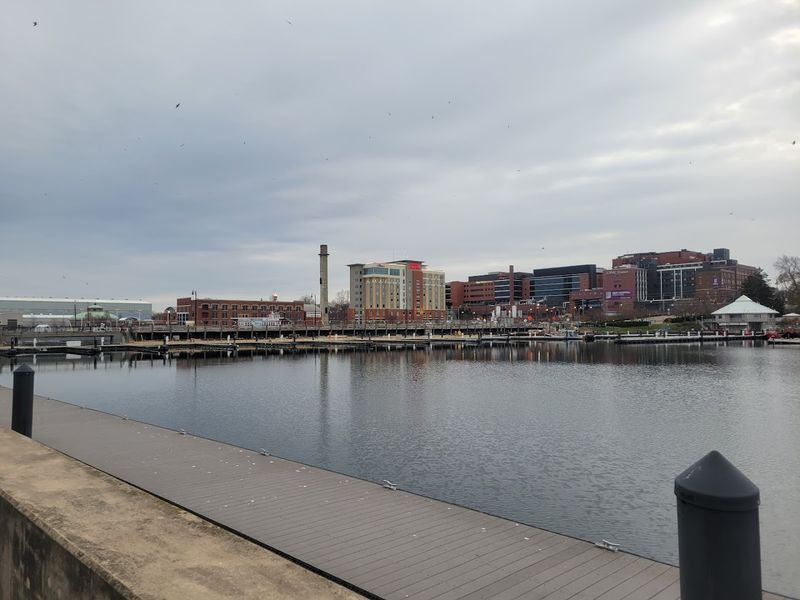
Erie, Pennsylvania has experienced slow population change for years, and historical census data suggests the city has struggled to grow at a competitive rate. Sitting on the southern shore of Lake Erie, the city once thrived as an industrial hub, but that era has largely passed.
What remains is a smaller, older population base trying to adapt to a changed economic landscape.
Healthcare and education have become Erie’s primary economic anchors, but those sectors alone have not been sufficient to draw large numbers of new residents. Like many mid-sized Pennsylvania cities, Erie competes with Philadelphia and Pittsburgh for investment and talent, often coming up short in that comparison.
Geographic isolation from major population centers also limits growth opportunities.
Local officials have worked to promote Erie’s natural assets, including its waterfront and outdoor recreation opportunities. These efforts may help stabilize the city’s appeal, but experts say that without meaningful private sector job creation, Erie’s population trajectory is unlikely to change dramatically over the next five years.
14. Chattanooga, Tennessee
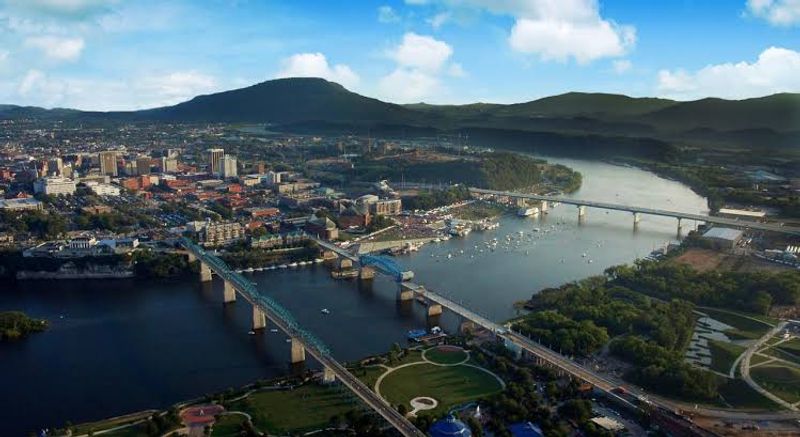
Chattanooga often gets praised for its tech-friendly reputation and scenic riverfront, but experts point out that growth outside the broader metro area has been slower than the city’s positive press might suggest. Census trend patterns reveal that when you look beyond the core tourist and tech districts, many surrounding neighborhoods have not experienced the same level of revitalization.
That uneven development is a warning sign worth watching.
The city has attracted remote workers and small businesses thanks to its affordable housing and high-speed internet infrastructure. However, income inequality remains a concern, and not all residents have benefited equally from recent economic gains.
Communities on the margins of Chattanooga’s growth story face persistent challenges around employment and access to quality services.
Experts caution that Chattanooga’s reputation as a comeback city could mask underlying vulnerabilities. If national remote work trends shift or economic conditions tighten, the city may find its growth story harder to sustain.
A broader, more inclusive development strategy will be essential for long-term resilience.
15. Mobile, Alabama
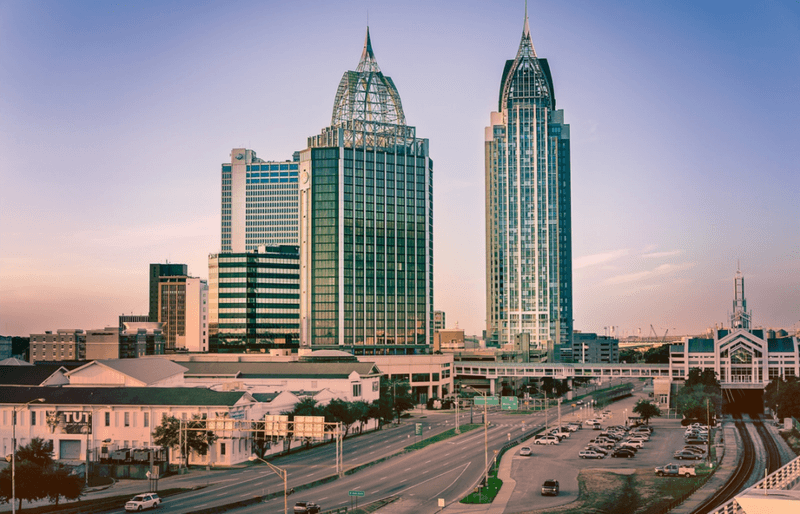
Mobile, Alabama is a city with deep historical roots and a proud Gulf Coast identity, but it has fallen behind many of its Sun Belt peers when it comes to population growth. Census patterns show that Mobile has expanded more slowly than comparable Southern cities, missing out on the kind of rapid growth that has transformed places like Nashville, Raleigh, and Austin over the past decade.
The port of Mobile is a genuine economic asset, supporting trade and some manufacturing activity. However, that sector has not been enough to drive the broader urban growth the city needs.
Limited diversification in the local economy means Mobile is more exposed to downturns in specific industries than cities with more varied employment bases.
Experts note that Mobile has the ingredients for stronger growth but needs more focused investment in workforce training, infrastructure, and business recruitment. Without those commitments, the city risks falling further behind its Sun Belt neighbors over the next five years, widening a gap that will only grow harder to close.



