 Unearth The Voyage
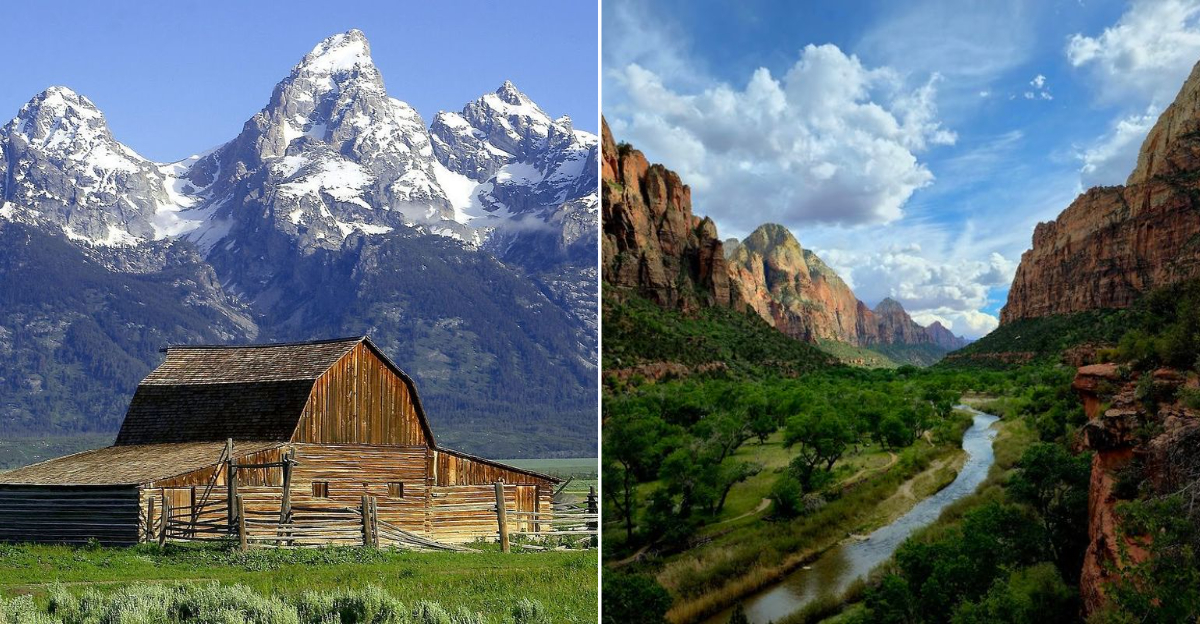
Sometimes all you need is three days, a good pair of shoes, and zero Wi-Fi signal. The United States is packed with wild, beautiful places that don’t require a two-week vacation or a trust fund to explore.
From foggy Maine coastlines to Texas desert canyons, there’s a long-weekend escape for every type of outdoor lover. Pack your bag, grab some snacks, and get ready to ditch the couch.
Acadia National Park, Maine
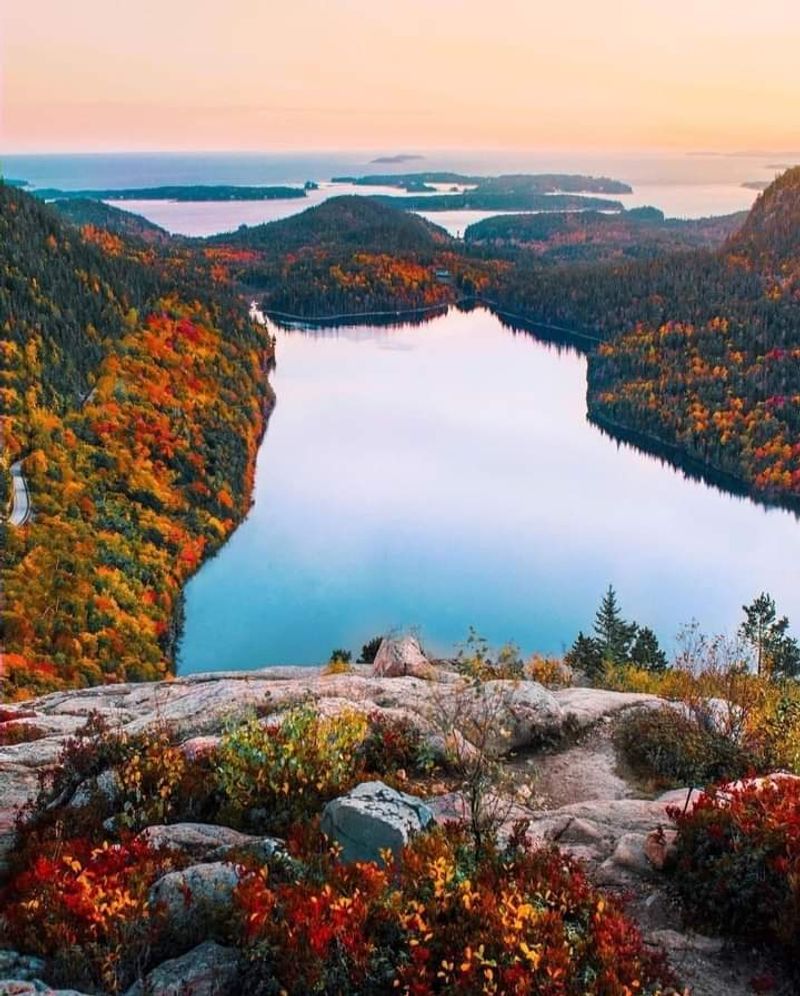
Ocean air and granite peaks in one bite-sized park? Yes, please.
Acadia is the kind of place that makes you feel like you earned something just by showing up. Perched on the Maine coast, it squeezes coastal views, forest trails, and rocky summits into a surprisingly compact area.
I drove the Park Loop Road on my first visit and spent the whole time saying “wait, is that real?” out loud to nobody. Pick one signature hike for those ocean views from a rocky summit, then reward yourself with a lobster roll in a nearby coastal town.
Seriously, the seafood alone justifies the trip.
Sunrise chasers, this park was practically built for you. Cadillac Mountain is one of the first places in the US to catch sunrise, so set that alarm.
A slow morning by the water afterward is the perfect cool-down.
Great Smoky Mountains National Park, TN/NC
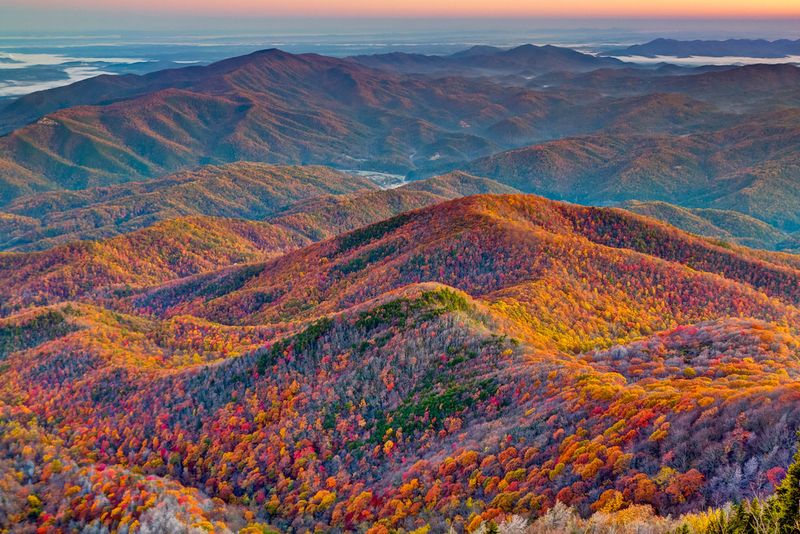
The Great Smoky Mountains are not messing around. This park sits on the Tennessee-North Carolina border and delivers misty ridgelines, waterfall trails, and more shades of green than a paint store.
It is also the most visited national park in the country, which tells you something.
The biodiversity here is legitimately wild. More tree species grow in this park than in all of northern Europe, which is a fun fact to casually drop at dinner.
Gateways like Gatlinburg, Townsend, and Cherokee each offer a different vibe, so pick the one that fits your style.
One heads-up before you go: parking for longer than 15 minutes requires a parking tag. Grab one in advance online so you spend your weekend hiking, not circling a lot.
Waterfalls are scattered throughout, and most are reachable without an all-day slog. Short legs, big rewards.
Shenandoah National Park, Virginia
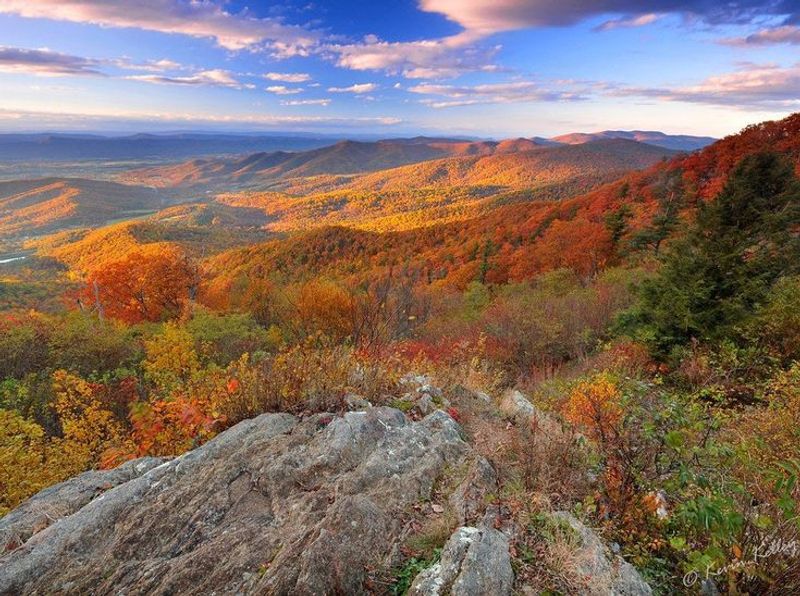
Shenandoah might be the most low-key overachiever in the national park system. Big views, easy access from the East Coast, and almost zero planning required.
Its signature feature is Skyline Drive, a 105-mile scenic road running the full length of the park with overlooks every few miles.
The smart long-weekend move is to drive a section of Skyline Drive rather than all of it at once, then stack two half-day hikes instead of one punishing mega-day. That way you get variety without destroying your knees.
Waterfalls, ridge walks, and meadow strolls are all on the menu.
Fall color here is genuinely spectacular, and the park gets busy during peak foliage weekends, so book lodging early if you’re planning an October trip. Spring wildflower season is a quieter alternative that doesn’t get nearly enough credit.
Either way, Shenandoah delivers without asking much in return.
Olympic National Park, Washington
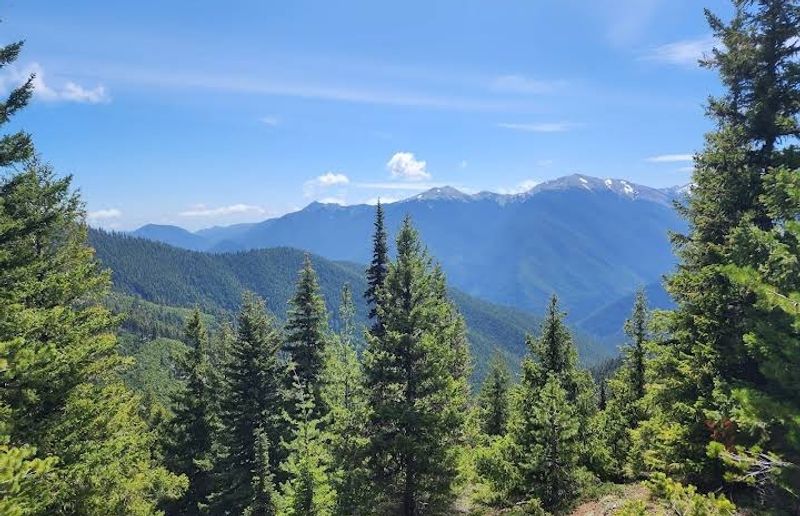
Olympic National Park is basically three parks in one, and that is not a marketing exaggeration. Temperate rain forests, glacier-capped mountains, and a rugged wild coastline all exist within the same park boundary.
It is genuinely one of the most ecologically diverse places in North America.
The Hoh Rain Forest alone is worth the trip. Moss hangs off every surface, trees grow to absurd sizes, and the whole place feels ancient in the best possible way.
If mountains are more your speed, Hurricane Ridge offers jaw-dropping alpine views without requiring a serious climbing background.
Here is the key strategy for a three-day visit: pick one main zone and commit. Trying to hit the coast, the rain forest, and the mountains in a single weekend means spending most of your time in the car.
Choose your vibe, go deep, and leave the other zones for next time. There is always a next time.
Yosemite National Park, California
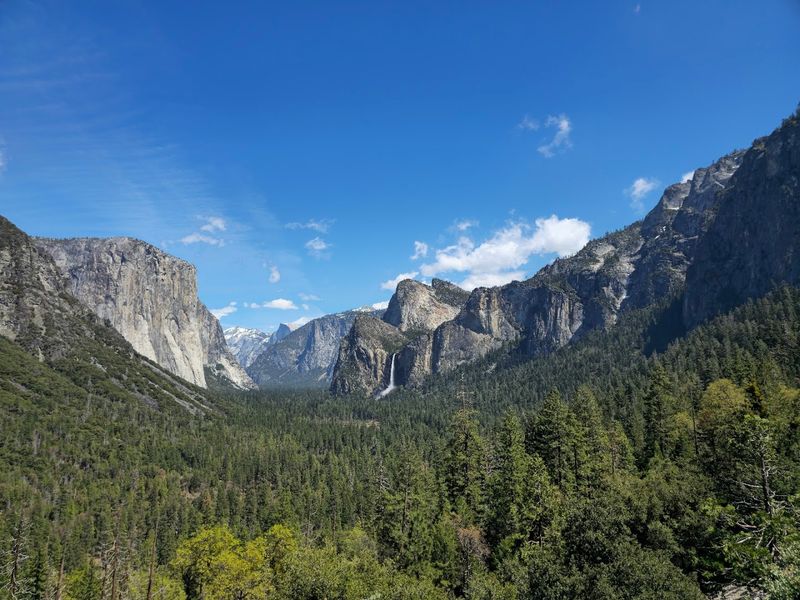
Yosemite has a reputation, and it earns every bit of it. Glaciers carved this valley into something that looks like a screensaver, except it is completely real and you can walk through it.
El Capitan, Half Dome, and Yosemite Falls are all within the same valley, which feels almost unfair to every other park.
The classic long-weekend formula works well here: spend one day hitting the valley’s big viewpoints, one day on a longer hike with some elevation, and save your last morning for a relaxed scenic stroll along the valley floor. You will not run out of things to look at.
One practical note: Yosemite requires reservations during peak season, so check the NPS website well before your trip. Early mornings are the move for popular spots before the crowds arrive.
Tunnel View at sunrise is the kind of thing that makes you reconsider every career decision that keeps you indoors.
Joshua Tree National Park, California
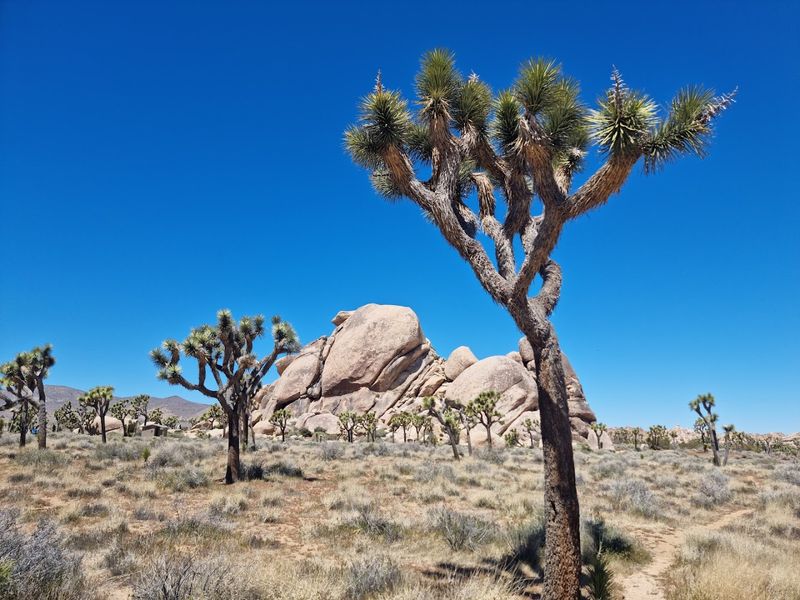
Two deserts walk into a park, and the result is Joshua Tree. The Mojave and Colorado deserts collide here, creating a landscape of twisted trees, massive boulders, and geology that looks like it was designed by a very creative alien.
The place has a personality unlike anywhere else in the Southwest.
Stargazing here is legitimately world-class. The park sits far from major city lights, which means the Milky Way shows up in full force on clear nights.
Bring a blanket, lie on a flat rock, and stare upward for an hour. It costs nothing and it will absolutely wreck you in the best way.
A Joshua Tree weekend needs minimal planning: one boulder scramble, one desert hike, and one full night under the stars. That is a complete trip.
The park is also close to Palm Springs if you want a comfortable base with good food nearby. Desert life, upgraded.
Zion National Park, Utah
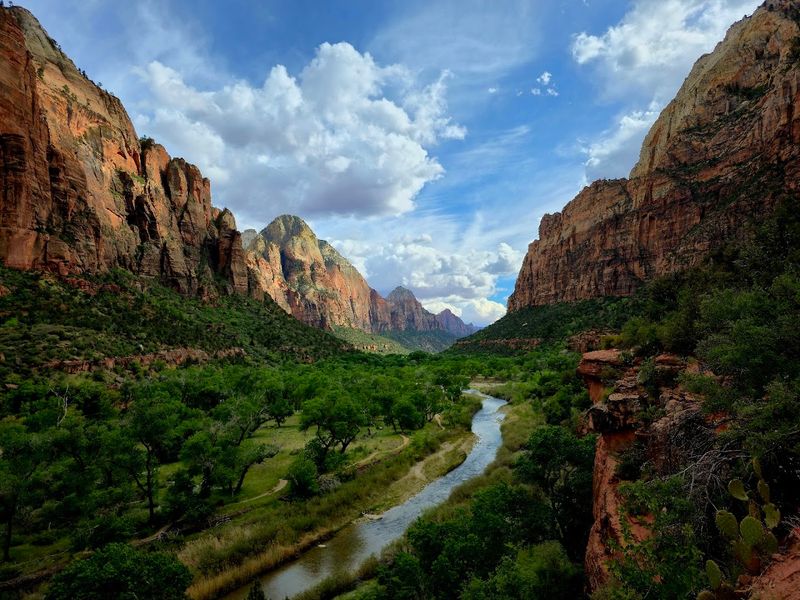
Standing at the bottom of Zion Canyon and looking up is one of those experiences that genuinely makes you feel small, and somehow that feels great. The canyon walls rise over 2,000 feet in places, and the red and orange sandstone glows at golden hour like something out of a fantasy novel.
Zion is famously popular, and the park manages that with a shuttle system through the main canyon. The Zion Canyon Shuttle is free when operating and is honestly the best way to move through the park without traffic headaches.
Plan your hikes around shuttle stops and you will flow through the day smoothly.
The pro move is to stay close to the park entrance and start early. Crowds build fast by mid-morning, and the most iconic spots fill up quickly.
Angels Landing and The Narrows are both bucket-list worthy, but even casual walks along the canyon floor deliver serious scenery without breaking a sweat.
Bryce Canyon National Park, Utah
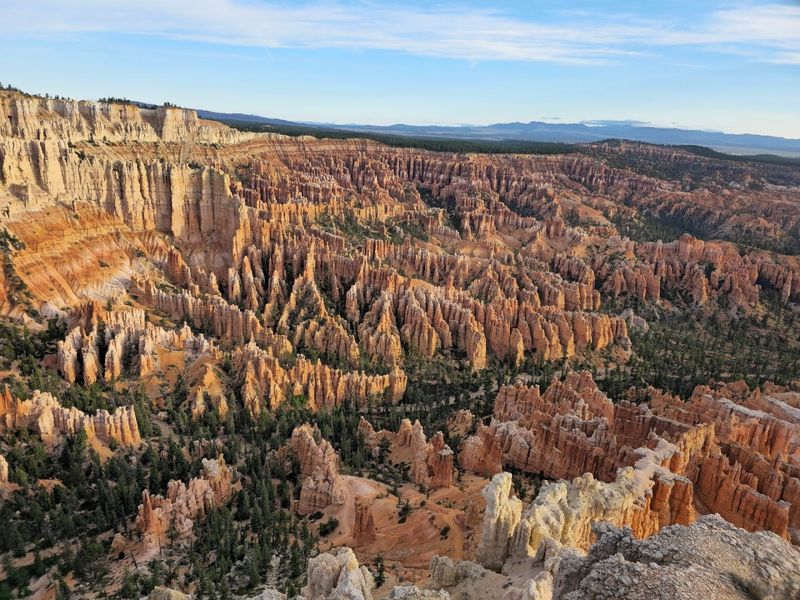
Bryce Canyon looks like someone filled a giant bowl with thousands of orange stone spires and forgot to clean it up. Those formations are called hoodoos, and they are the reason people drive hours into rural Utah just to stare at the ground from above.
The rim overlooks near the park entrance are genuinely stunning.
Sunrise at Bryce is a full event. The light hits those hoodoos at low angles and turns everything pink and amber, and the whole amphitheater seems to glow from within.
Set your alarm, grab a coffee, and get to Sunrise Point before the tour buses arrive.
The long-weekend formula here is simple and satisfying: morning viewpoints from the rim, one loop hike below the rim among the hoodoos, and a slow afternoon exploring the scenic stops along the park road. Navajo Loop and Queen’s Garden Trail combine into a classic hike that takes you right through the heart of the stone forest.
Rocky Mountain National Park, Colorado
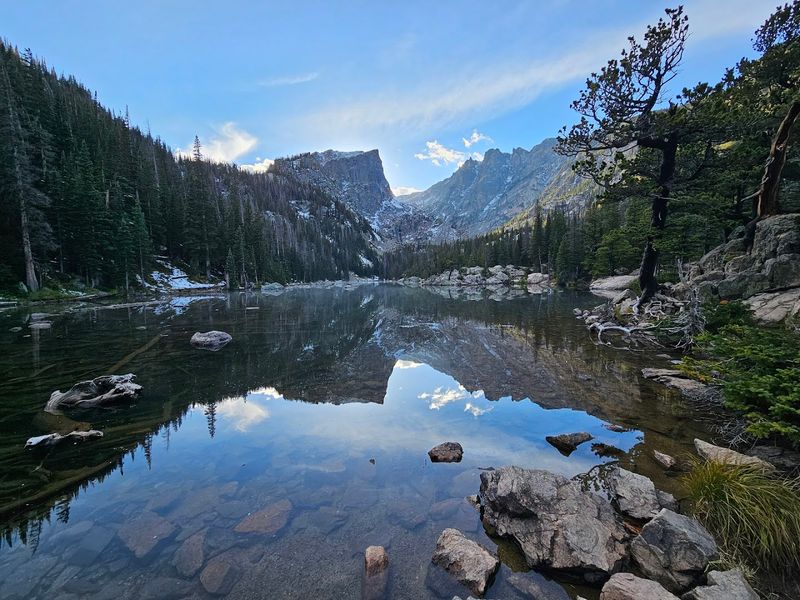
Rocky Mountain National Park has a secret weapon: elk. You can be mid-hike, minding your own business, and suddenly a massive elk is just standing in a meadow ten feet from the trail like it owns the place.
Because it does. Wildlife viewing here is as good as any park in the country.
The park spans a massive range of elevations, from forested valleys to alpine tundra above 12,000 feet. Trail Ridge Road, one of the highest paved roads in the US, crosses the Continental Divide and offers views that require no hiking whatsoever.
It is basically a scenic drive with a side of altitude awe.
Weekend-friendly is the right word for this park. Short hikes punch well above their weight class in terms of payoff, especially around Bear Lake and the surrounding lakes loop.
Weather shifts fast at altitude, so layer up and keep an eye on afternoon storm clouds. The mountains do not negotiate.
Grand Teton National Park, Wyoming
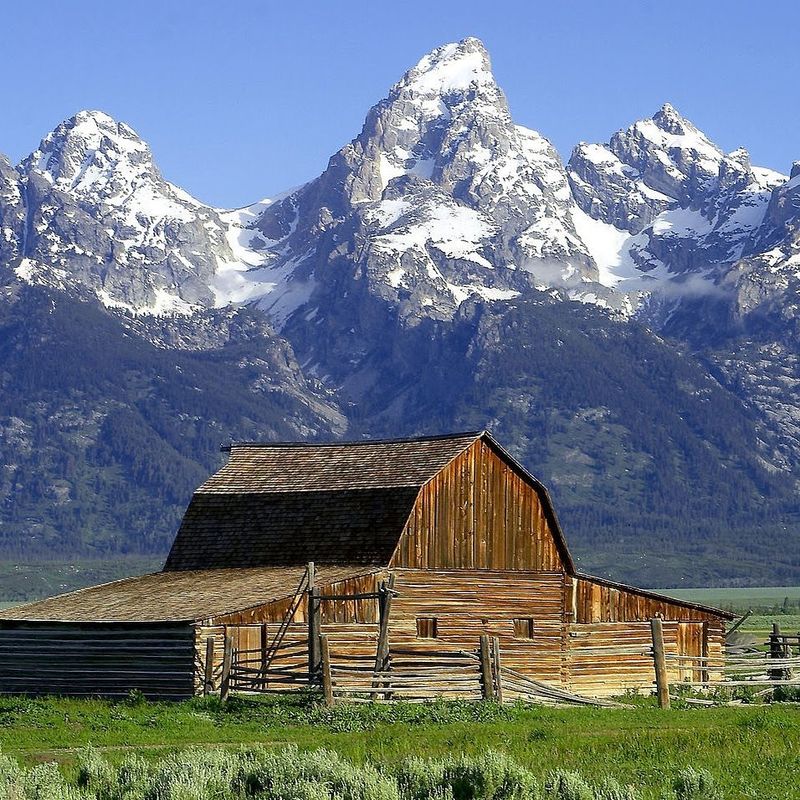
The Tetons are not subtle. These peaks shoot straight up from the valley floor with almost no foothills to ease the transition, creating one of the most dramatic mountain profiles in North America.
The range looks best reflected in one of the many glacial lakes at its base, which is basically the postcard everyone has seen.
Jackson Hole valley surrounds the park and adds a lively base camp with good restaurants, gear shops, and lodging options for every budget. Moose, bison, and bears all call this area home, and wildlife sightings along the main valley roads are genuinely common.
Keep your camera ready and your snacks inside the car.
A solid three-day plan includes scenic drives along the Teton Park Road, one lake hike like Leigh Lake or Jenny Lake, and at least one sunrise or sunset session at a viewpoint. Schwabacher Landing at sunrise is a photographer’s dream and requires zero effort to reach.
Just show up and look west.
Glacier National Park, Montana
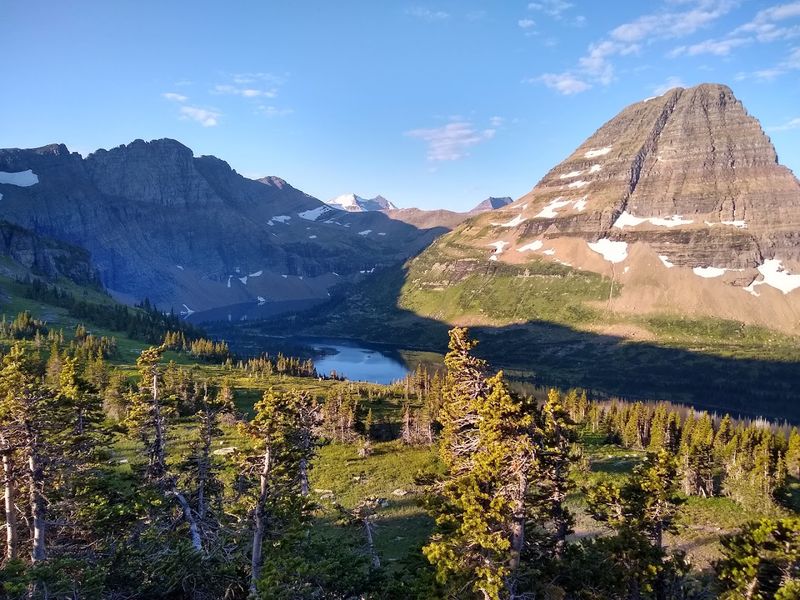
Glacier National Park has a road so famous it has its own fan club. Going-to-the-Sun Road crosses the Continental Divide through some of the most dramatic alpine scenery in the country, and driving it feels like a reward you did not fully earn but will absolutely accept.
Historic lodges and turquoise lakes round out the experience.
Fair warning: during peak season, Glacier requires vehicle reservations for specific corridors, including Going-to-the-Sun Road. Check the NPS website well before your trip and secure your spot early.
The park is remote, and showing up without a plan can mean a lot of waiting around in a parking lot.
Grinnell Glacier Trail is one of the most rewarding hikes in the park, passing two lakes and delivering views of an actual glacier at the top. Many Glacier area is worth a full day on its own.
Montana gets cold fast, even in summer, so pack layers and treat every sunny hour like the gift it is.
Big Bend National Park, Texas
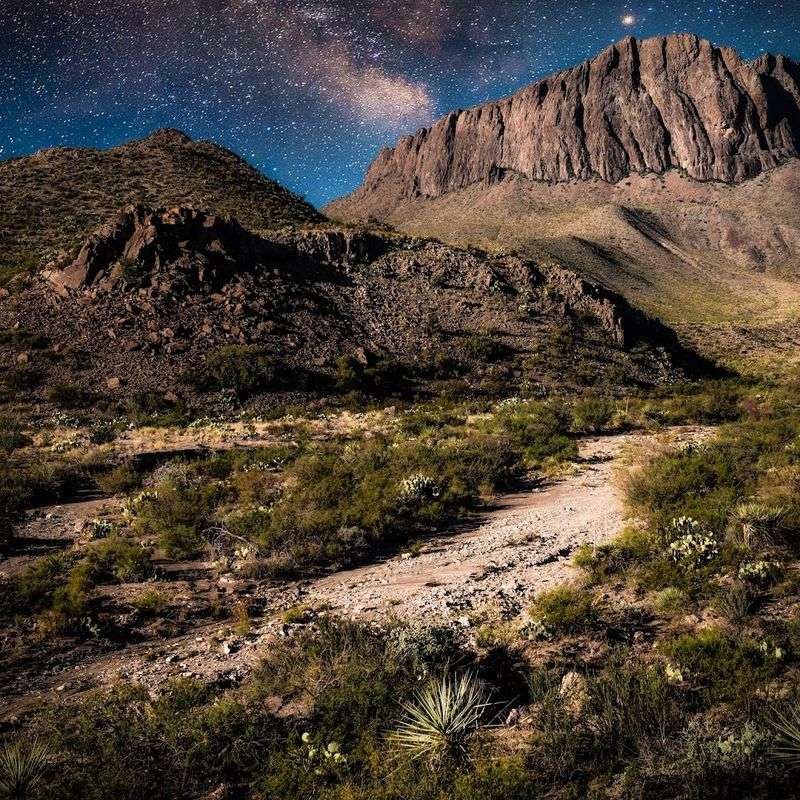
Big Bend is the park you go to when you actually want to feel alone in the wilderness. It sits in the far southwest corner of Texas, bordered by the Rio Grande and the Mexican state of Chihuahua, and it is genuinely remote in a way that most parks are not.
The nearest major city is hours away.
That remoteness is also the point. The Chisos Mountains rise unexpectedly from the desert floor, offering cool temperatures and shaded trails when the lower desert is baking.
The Rio Grande forms the southern border, and a float or a riverside walk adds a completely different dimension to the trip.
The smart long-weekend strategy is to pick one core zone for hiking, plan one sunrise drive through the desert, and leave one slow day for a scenic soak or a leisurely explore. The park covers over 800,000 acres, so trying to see everything will only exhaust you.
Big Bend rewards patience over ambition.
Everglades National Park, Florida
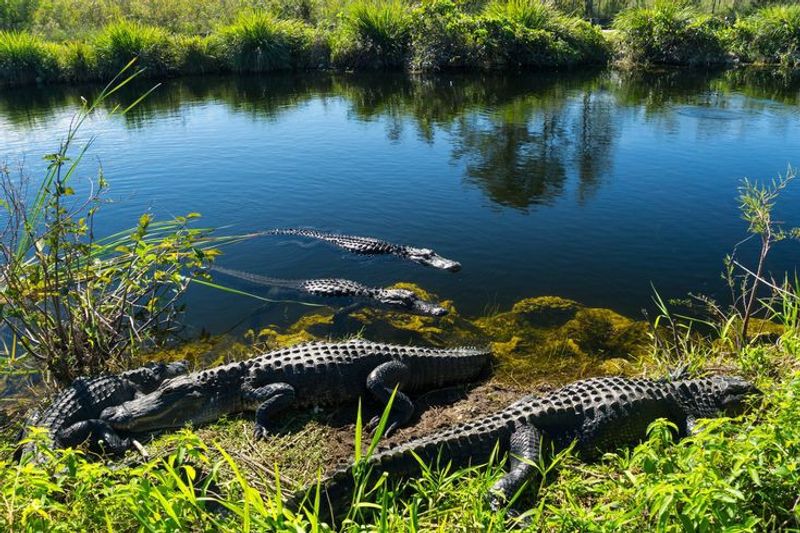
The Everglades is not the kind of nature trip where you summit something or chase a waterfall. It is slow, flat, watery, and absolutely teeming with wildlife in a way that sneaks up on you.
Alligators sunning on a boardwalk three feet away? Completely normal Tuesday here.
The park protects 1.5 million acres of wetland and subtropical habitat, making it one of the most biologically unique places in the US. Birding here is world-class, with hundreds of species passing through or nesting in the park.
Bring binoculars and a field guide and you will not be bored for a second.
Paddling through the mangrove tunnels is the ultimate Everglades experience. Canoe or kayak rentals are available at several spots within the park, and guided tours are worth considering if you want the full story behind the ecosystem.
This is a totally different kind of nature trip, and that is exactly what makes it worth doing.
Sedona Red Rock Country, Arizona
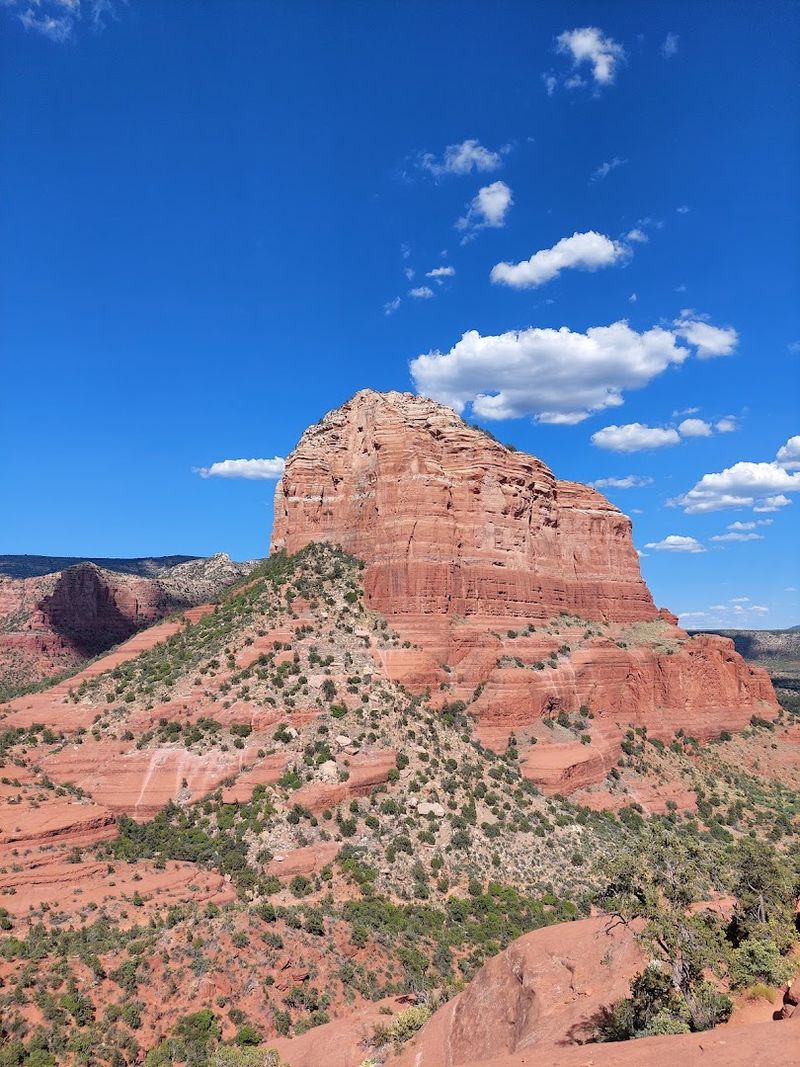
Sedona has the kind of scenery that makes first-time visitors stop their cars in the middle of the road. The red rock formations surrounding the town are so vivid and so vertical that they look digitally enhanced even when you are standing right in front of them.
The Red Rock Ranger District manages the trails and recreation here.
The weekend formula practically writes itself: one big-view hike for the full panoramic experience, one mellow trail for a relaxed morning, and one scenic drive along Red Rock Loop Road or through Oak Creek Canyon. End at least one day at a sunset viewpoint like Airport Mesa.
You will not regret it.
Sedona also has great food, spa options, and a lively arts scene if your travel partner needs a non-hiking day. The town is small but well-stocked with places to eat and recover.
Red rock yoga classes exist here, which is either very Arizona or very inspired, depending on your perspective.
Adirondack High Peaks, New York
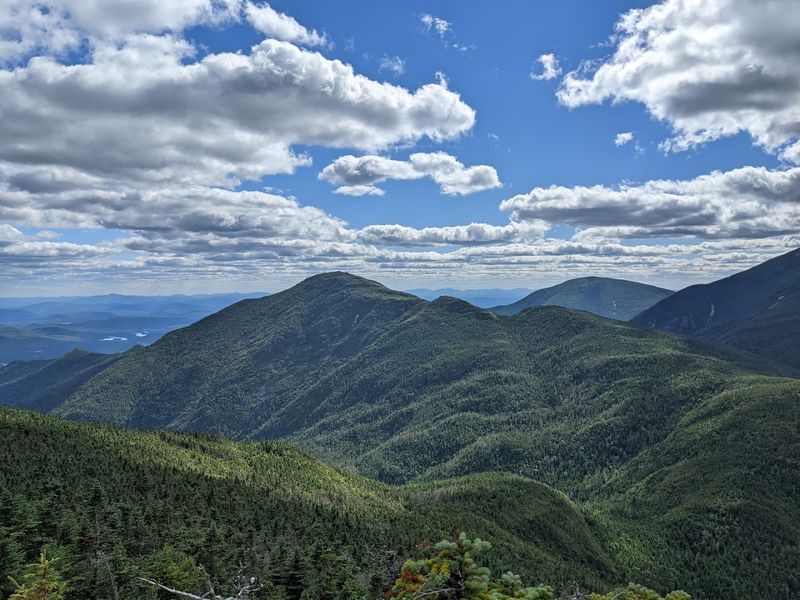
The Adirondacks are what happens when New York decides to get serious about wilderness. The High Peaks Wilderness is the largest wilderness area in the state and one of the largest east of the Mississippi River, covering a landscape of rugged summits, remote lakes, and genuine backcountry terrain.
Forty-six peaks rise above 4,000 feet here, and peak-baggers have been obsessively checking them off since the 1800s. You do not need to climb all 46 in a weekend, but knocking off one or two gives you a real sense of what this region is about.
Mount Marcy, the highest point in New York, is a full day but deeply satisfying.
Before heading out, check the NYSDEC regulations. Certain zones require bear canisters during specific seasons, and backcountry rules are enforced.
Lake Placid nearby offers solid lodging and good food after a long trail day. The Adirondacks are rugged and proud of it, and that is exactly the appeal.



