 Unearth The Voyage
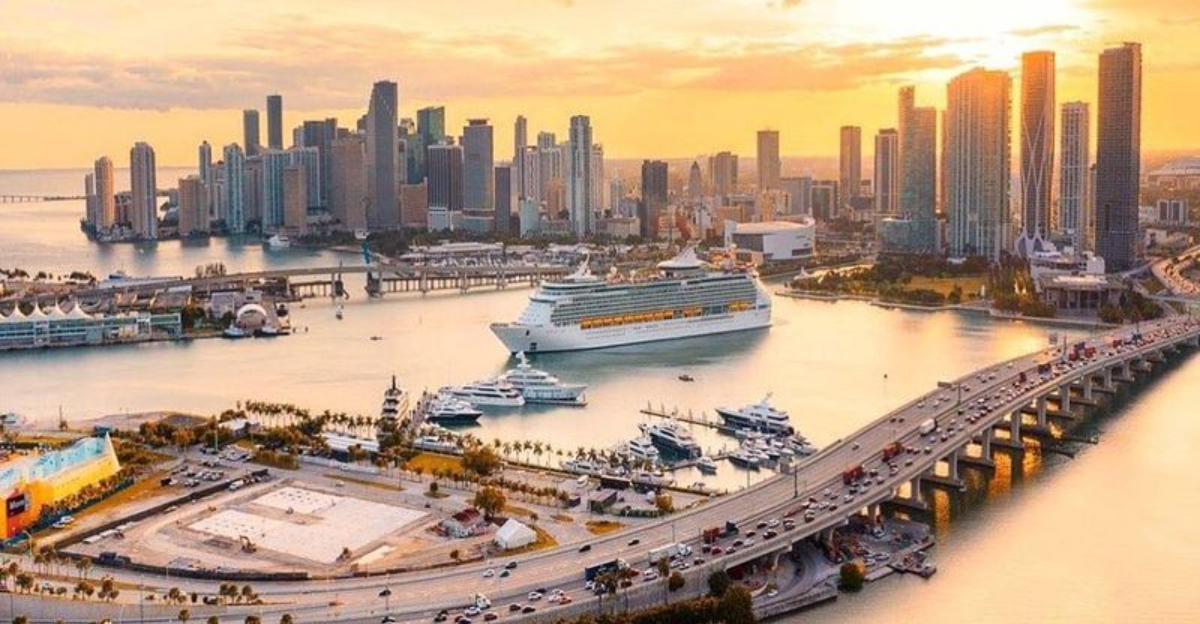
Renting a car on vacation sounds great until you’re circling a parking garage for 40 minutes and paying $30 a day just to store it. Plenty of American cities are perfectly set up for car-free exploring, with solid public transit, walkable neighborhoods, and airport rail links that make a rental totally unnecessary.
I skipped the car on my last trip to Washington, DC, and honestly never missed it once. Whether you love subways, streetcars, or just a good pair of walking shoes, these 15 cities have you covered.
New York City, New York
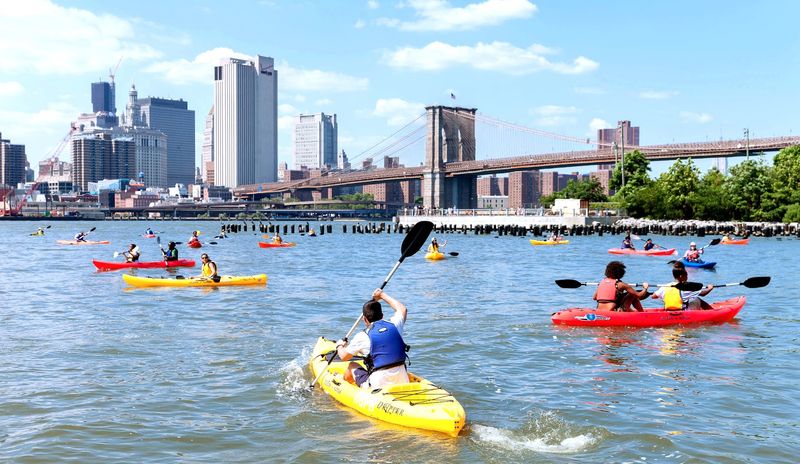
New York City’s subway system runs 24 hours a day, 7 days a week, which is basically a travel superpower no other city can match. Over 400 stations connect nearly every neighborhood worth visiting, from the High Line in Chelsea to Coney Island in Brooklyn.
A single MetroCard tap gets you moving.
The bus network fills in any gaps the subway misses. Cabs and rideshares are everywhere for late-night convenience.
Tourists who rent cars in Manhattan quickly discover that traffic and parking costs eat their entire vacation budget.
Walking is often the fastest option between nearby stops, especially in Midtown. I once walked 30 blocks because the street grid made it faster than waiting.
NYC rewards walkers generously with food carts, street performers, and zero dull moments. Skip the rental counter entirely here.
Washington, DC
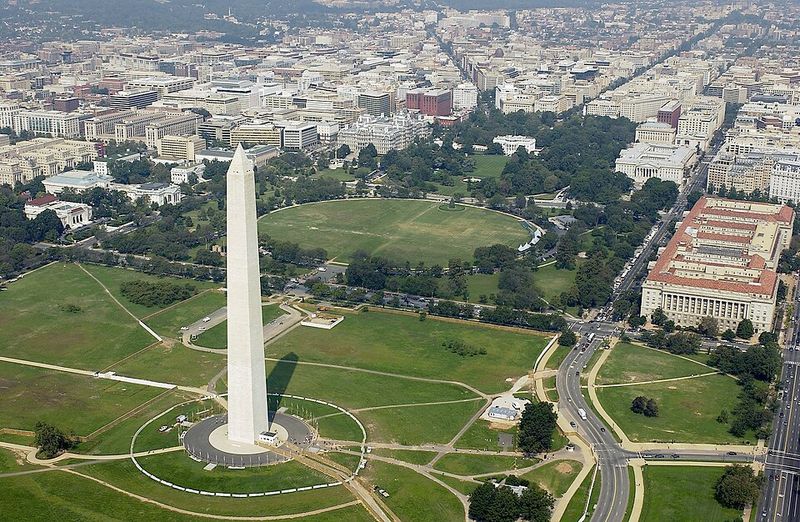
The National Mall stretches nearly two miles and sits within easy reach of multiple Metrorail stations. Smithsonian museums line both sides of the Mall, and every single one of them is free.
That alone makes DC one of the best car-free weekends in the country.
The Metro system is clean, reliable, and well-labeled, which is genuinely refreshing compared to some cities where deciphering the map feels like solving a puzzle. Reagan National Airport has its own Metro stop, so you can land and be at your hotel in under 30 minutes flat.
Georgetown is a short bus or rideshare ride from the nearest Metro station and absolutely worth the extra step. Most major monuments and museums cluster tightly enough that walking between them is totally realistic.
I covered four Smithsonian buildings in one afternoon without once touching a car. DC rewards the car-free traveler generously.
Boston, Massachusetts
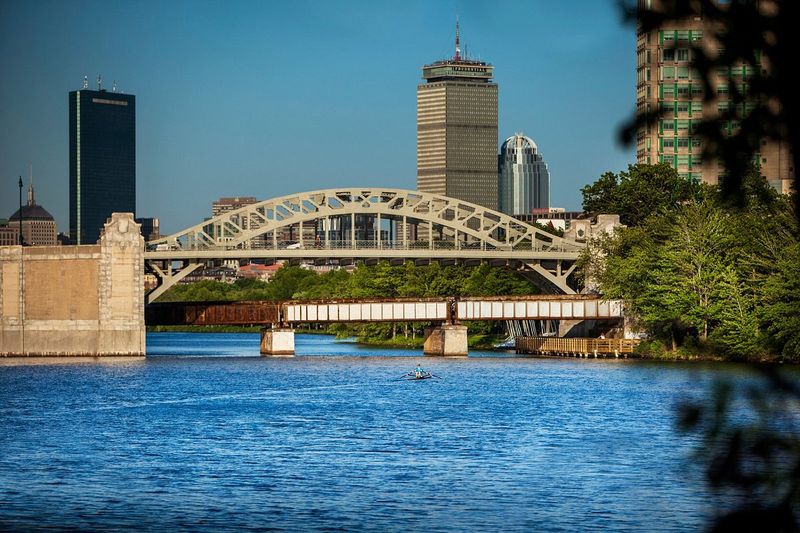
Boston is one of those rare cities where being car-free actually gives you an advantage. The streets downtown were designed long before cars existed, which makes driving genuinely confusing.
Walking the Freedom Trail, however, is straightforward, scenic, and completely free.
The MBTA, affectionately called “The T,” connects Logan Airport to downtown via the Silver Line bus at no extra charge. From there, the Green, Red, Blue, and Orange lines fan out across the city.
Fenway Park, Harvard Square, and the North End are all reachable without ever touching a steering wheel.
Boston’s core neighborhoods sit remarkably close together. Beacon Hill, Downtown Crossing, and the waterfront are practically walking distance from each other.
The city even has a well-developed Bluebikes bike-share system for those who want to cover ground faster. Compact and loaded with history, Boston practically begs you to leave the car at home.
Philadelphia, Pennsylvania
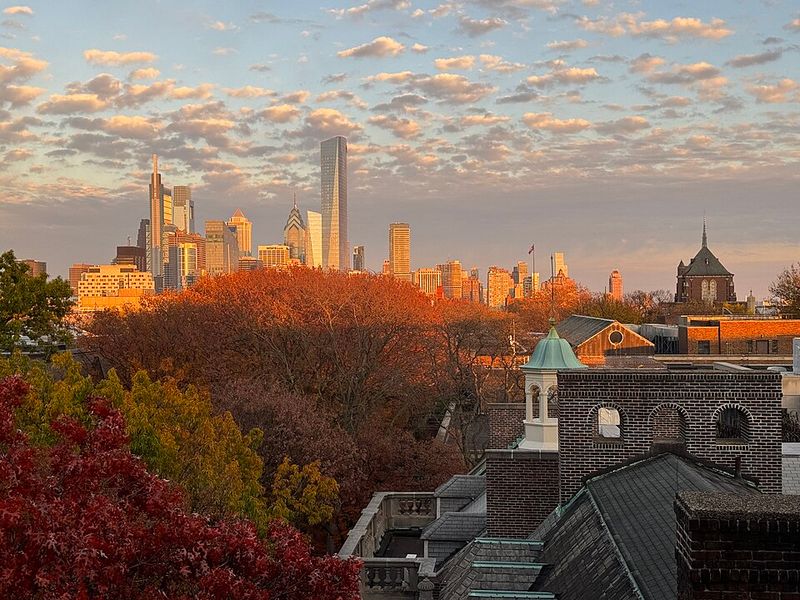
Philly has a secret weapon for car-free travelers: Center City. This densely packed neighborhood puts you within walking distance of the Liberty Bell, Reading Terminal Market, and dozens of restaurants worth the trip alone.
Based here, you barely need transit at all.
SEPTA runs buses, trolleys, and subway lines throughout the city. The Market-Frankford Line and Broad Street Line are the two main subway routes, and together they cover a surprising amount of ground.
Philadelphia International Airport connects directly to Center City via the SEPTA Airport Line in about 25 minutes.
South Street, Fishtown, and Rittenhouse Square each have their own personality and are all reachable by transit or a decent walk. Philadelphia is also one of the most bike-friendly cities on the East Coast, with an active Indego bike-share network.
Honestly, renting a car here just adds parking headaches to what should be a really fun trip.
Chicago, Illinois
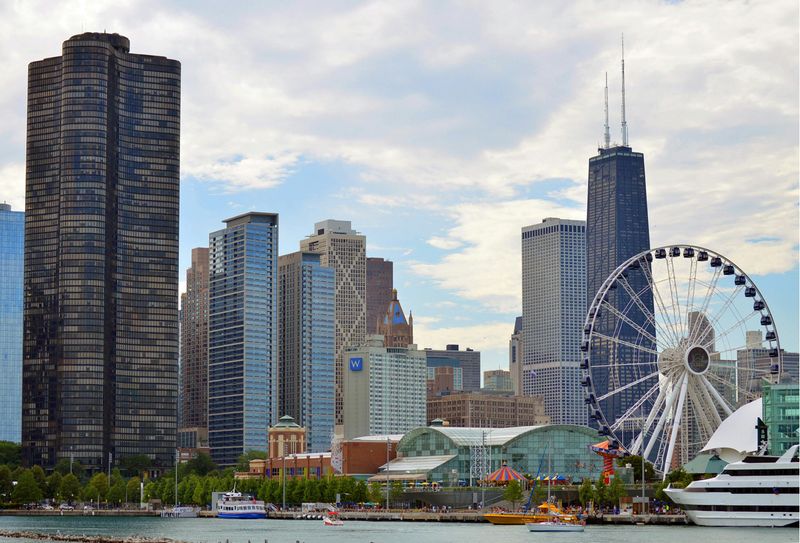
Chicago’s elevated train system, known simply as the L, is one of the most recognizable pieces of urban infrastructure in America. Eight color-coded lines crisscross the city, and the famous Loop downtown acts as the central hub connecting them all.
Getting around feels almost like a game once you figure it out.
Both major airports have direct rail connections: the Blue Line runs from O’Hare, and the Orange Line serves Midway. Either way, you step off your flight and onto a train within minutes.
No shuttle buses, no rental car queues, no fuss.
Millennium Park, Navy Pier, the Museum Campus, and Wicker Park are all easy L rides from downtown. Chicago also runs an extensive bus network that covers neighborhoods the train misses.
The Lakefront Trail is perfect for a rented Divvy bike on a sunny afternoon. Chicago proves that bigger cities can still be beautifully easy to navigate without a car.
San Francisco, California
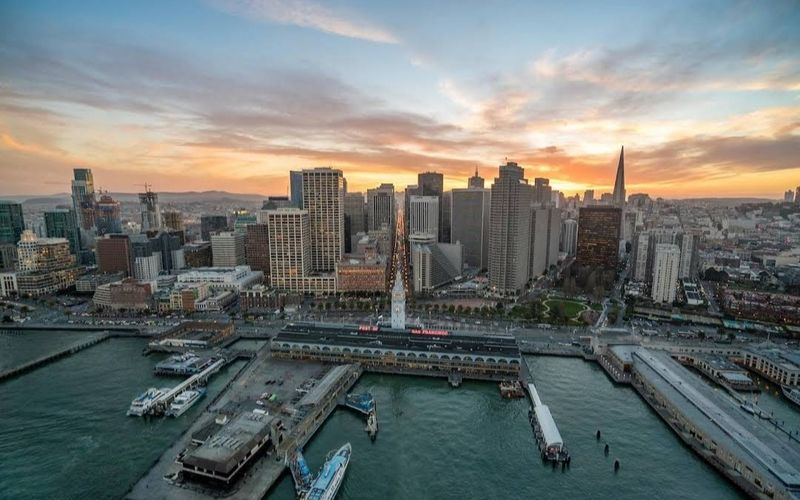
San Francisco packs an almost absurd number of transit options into 49 square miles. Muni buses and light rail cover the city grid, BART connects neighborhoods and reaches the airport, and ferries cross the bay to Oakland and Sausalito.
The cable cars are not just a tourist gimmick; they are an actual part of the transit network.
Getting from SFO to downtown takes about 30 minutes on BART and costs around $10. That beats any taxi or rideshare price by a wide margin.
Once downtown, you can hop between the Ferry Building, Fisherman’s Wharf, the Mission, and the Castro without ever needing a car.
The hills are real, and some of them are steep enough to make you question your life choices. Muni Metro handles the worst climbs for you.
A Clipper card covers all transit modes in one tap, which keeps things simple. San Francisco is hilly but very much conquerable without a rental.
Seattle, Washington
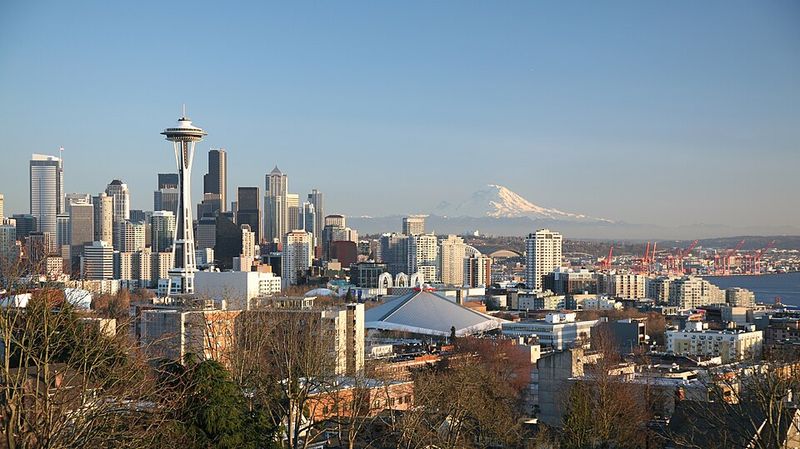
Seattle used to have a reputation for being hard to navigate without a car, but the expansion of Link light rail changed that story completely. The 1 Line now runs from SeaTac Airport all the way through downtown to the University of Washington and beyond.
Landing and heading straight to your hotel by train feels surprisingly civilized.
Downtown Seattle is compact and walkable once you arrive. Pike Place Market, the waterfront, and Capitol Hill are all within reasonable walking or transit distance from each other.
The Seattle Center, home to the Space Needle, is a quick monorail ride from Westlake Center downtown.
King County Metro buses fill in the gaps across the broader city. Water taxis also connect downtown to West Seattle, which is a genuinely enjoyable way to cross the harbor.
Seattle rewards curious walkers with hills, views, and excellent coffee shops at every turn. The car can stay home on this one.
Portland, Oregon

Portland is arguably the most car-free-friendly city on the West Coast, and it leans into that identity with pride. Travel Portland actually publishes a dedicated car-free itinerary, which tells you everything you need to know about the city’s attitude toward transit.
They want you to leave the rental counter behind.
The MAX Red Line runs directly from Portland International Airport to downtown in about 40 minutes for just $2.50. From there, the MAX network, streetcars, and buses connect you to neighborhoods like Pearl District, Mississippi Avenue, and Division Street.
All three are worth your time and your appetite.
Portland is also one of the most bike-friendly cities in the US, with dedicated lanes on most major streets and a solid BIKETOWN bike-share system. The city is flat enough in most areas that cycling is genuinely enjoyable rather than a workout.
Portland makes car-free travel feel less like a compromise and more like the obvious choice.
New Orleans, Louisiana
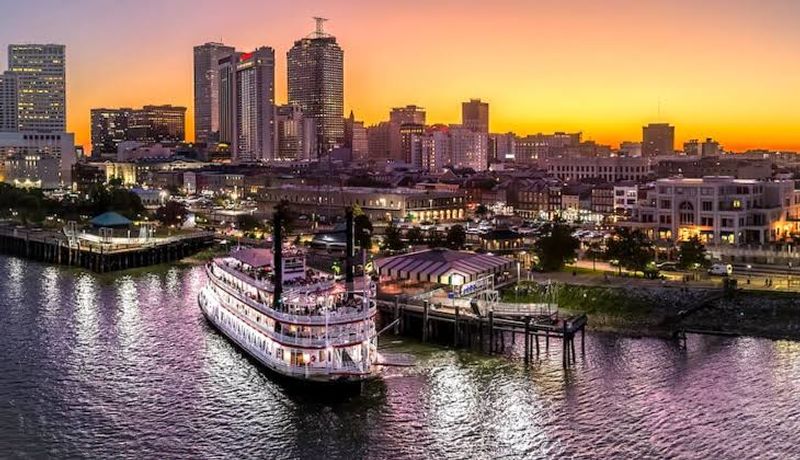
New Orleans has been doing car-free tourism long before it was trendy. The French Quarter is so walkable that a car would actually slow you down.
Bourbon Street, Jackson Square, and Cafe Du Monde are all within a few blocks of each other, which is great news for your feet and terrible news for your diet.
The St. Charles streetcar is one of the oldest continuously operating streetcar lines in the world, and it runs straight through the Garden District. Riding it feels like stepping into a living postcard.
NewOrleans.com even maintains a full guide to getting around without a car, which is a rare and useful thing.
The Riverfront streetcar and buses extend your reach further along the Mississippi and into Mid-City. Rideshares are plentiful for late nights when the streetcar schedule gets spotty.
New Orleans rewards slow, wandering exploration on foot more than almost any other American city. A rental car here is just extra stress you do not need.
Las Vegas, Nevada
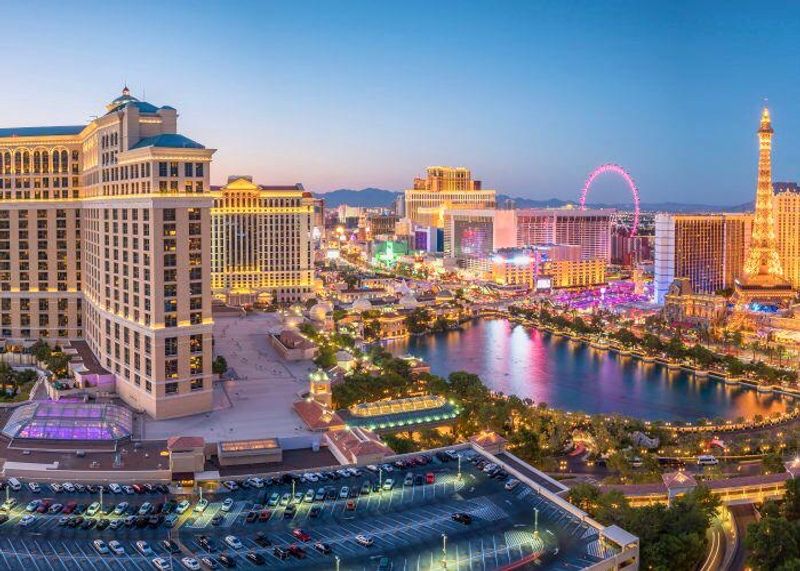
Most people assume Las Vegas requires a car, but the Strip is actually a self-contained world that you can navigate entirely on foot, by bus, or by monorail. The Las Vegas Monorail runs along the east side of the Strip, connecting MGM Grand to the Sahara in about 15 minutes.
It is fast, air-conditioned, and a relief from the Nevada heat.
The Deuce bus runs 24 hours along the Strip and reaches Fremont Street downtown for just a few dollars. That covers the two main tourist zones without any parking drama.
Visit Las Vegas lists multiple transit options specifically because so many visitors want to skip the rental car hassle.
Most major hotels are connected by walkways, trams, and sky bridges, so you can move between properties without stepping outside. I once spent three days on the Strip and logged over 20,000 steps daily without ever leaving the main corridor.
Las Vegas is surprisingly walkable when you stay centered.
Miami, Florida
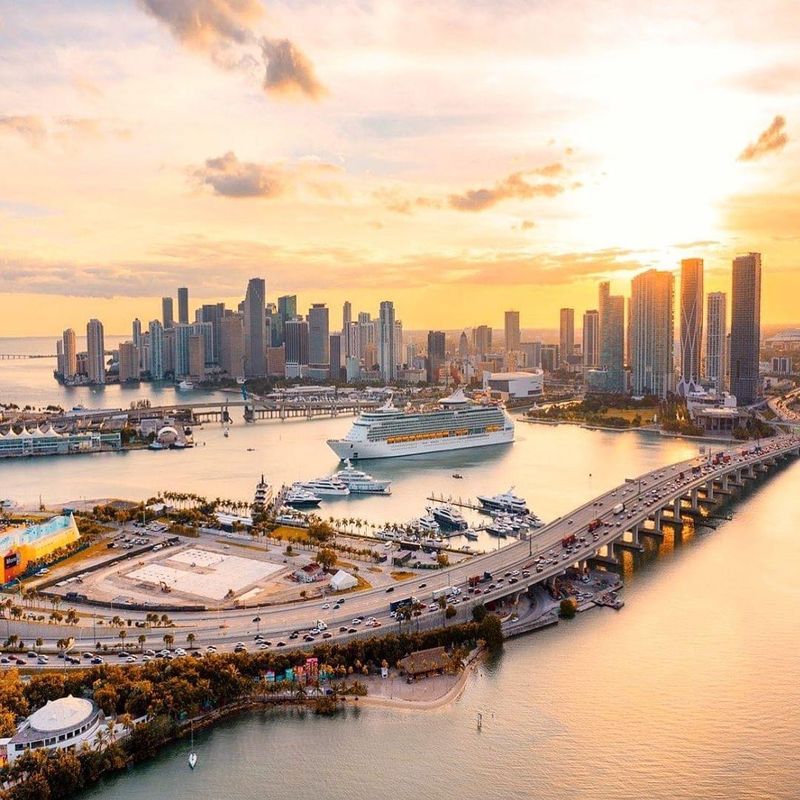
Miami has a reputation for being car-dependent, and in the suburbs that is mostly true. But if you plan your stay in downtown, Brickell, or the Omni district, the city’s free Metromover system handles your daily movement with zero cost and zero parking stress.
Free transit is not something most cities offer, so take advantage of it.
Metromover is an automated elevated people mover that loops through downtown and connects to Metrorail at Government Center. From Metrorail, you can reach the airport, Coconut Grove, and Coral Gables.
Miami Beach is accessible via the free Metrobus routes that cross the MacArthur Causeway.
South Beach itself is extremely walkable, with Ocean Drive, Lincoln Road, and the Art Deco Historic District all packed into a compact stretch. Citi Bike Miami has stations throughout South Beach and Brickell for easy two-wheeled exploration.
Miami rewards travelers who pick the right neighborhood as their base and leave the rental car at the airport.
Denver, Colorado
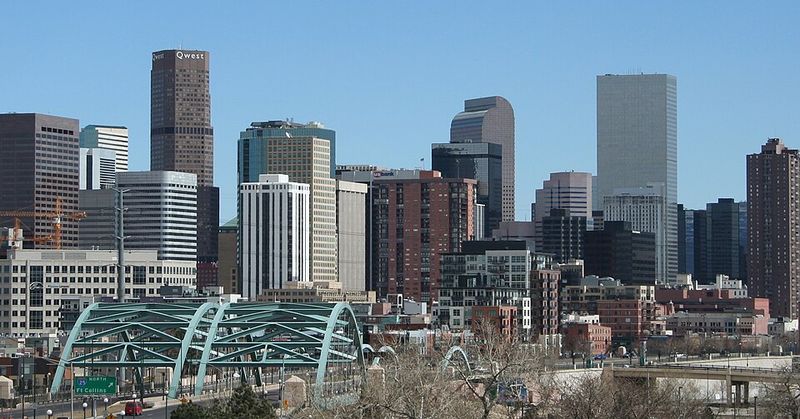
Denver’s Union Station is one of the most beautiful transit hubs in the country, and it happens to be the starting point for a car-free adventure through the city. RTD’s A Line connects Denver International Airport directly to Union Station in about 37 minutes.
Step off the plane, hop on the train, and arrive at a building full of great restaurants and bars.
From Union Station, the light rail and bus rapid transit network fans out across the metro area. The 16th Street Mall runs through downtown and offers a free shuttle bus along its entire length.
Larimer Square, RiNo, and the Highlands neighborhood are all reachable by rail or a short walk.
Denver is also one of the sunniest cities in the US, which makes walking and cycling genuinely enjoyable for most of the year. B-Cycle bike-share stations dot the downtown area.
For a Rocky Mountain city, Denver’s urban core is remarkably easy to explore without ever unlocking a rental car app.
Minneapolis-St. Paul, Minnesota
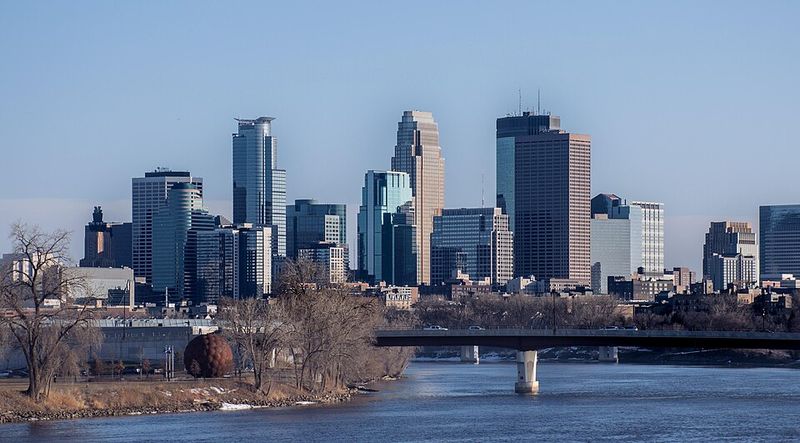
The Twin Cities might surprise you as a car-free destination, but Metro Transit runs a genuinely useful network connecting two downtowns, an international airport, and the Mall of America on a single light rail line. That is a lot of ground covered for one transit system.
The Green Line alone links Minneapolis and St. Paul in about 50 minutes.
Minneapolis-St. Paul International Airport sits right on the Blue Line, so you land, board a train, and arrive downtown without touching a car. Metro Transit emphasizes frequent service between all four of those key destinations, which makes trip planning straightforward and stress-free.
Minneapolis also has an impressive enclosed skyway system connecting over 80 blocks of downtown buildings. During winter, this is not just a convenience but a genuine survival strategy.
In summer, the Chain of Lakes area is bikeable via Nice Ride bike-share. The Twin Cities reward car-free travelers who do a little planning before they arrive.
Salt Lake City, Utah
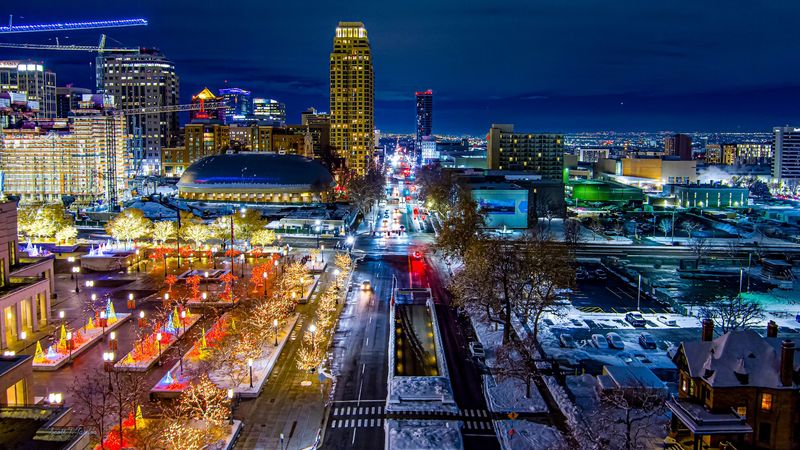
Salt Lake City does not always make the car-free travel shortlist, but it absolutely should. The city’s TRAX light rail system connects directly from the airport terminal area to downtown in about 20 minutes on the Green Line.
UTA, the Utah Transit Authority, operates the service, and the airport itself confirms the connection on its official transportation page.
Downtown Salt Lake City is compact and walkable, with Temple Square, the Natural History Museum, and the City Creek shopping area all close together. The TRAX network also reaches the University of Utah, which hosts a fantastic natural history museum and a beautiful campus worth exploring.
FrontRunner commuter rail extends north to Ogden and south toward Provo for day trips beyond the city. Bus routes cover neighborhoods that TRAX misses.
Salt Lake City’s grid street layout, famously wide from its pioneer-era planning, makes navigation easy and walking feel less daunting. This city is a genuinely underrated car-free destination.
Honolulu (Waikiki), Hawaii

Hawaii might seem like the last place you would skip a rental car, but Waikiki and Honolulu are a legitimate exception to that rule. TheBus, Oahu’s official public transit system, covers the entire island with over 100 routes.
It is real, reliable, and costs just $3 per ride, which is a bargain compared to what rental cars cost on the islands.
Waikiki itself is a very walkable neighborhood. Kalakaua Avenue runs the length of the beach strip and connects hotels, restaurants, shops, and beach access points in a single continuous stretch.
Diamond Head is reachable by bus, and so is the North Shore if you are feeling adventurous.
The Ala Moana Center, the largest open-air shopping mall in the US, sits just a short walk or bus ride from Waikiki. The Biki bike-share system also covers central Honolulu for those who prefer two wheels.
For a beach vacation, Waikiki is remarkably self-contained and genuinely easy to enjoy without ever renting a car.



