 Unearth The Voyage
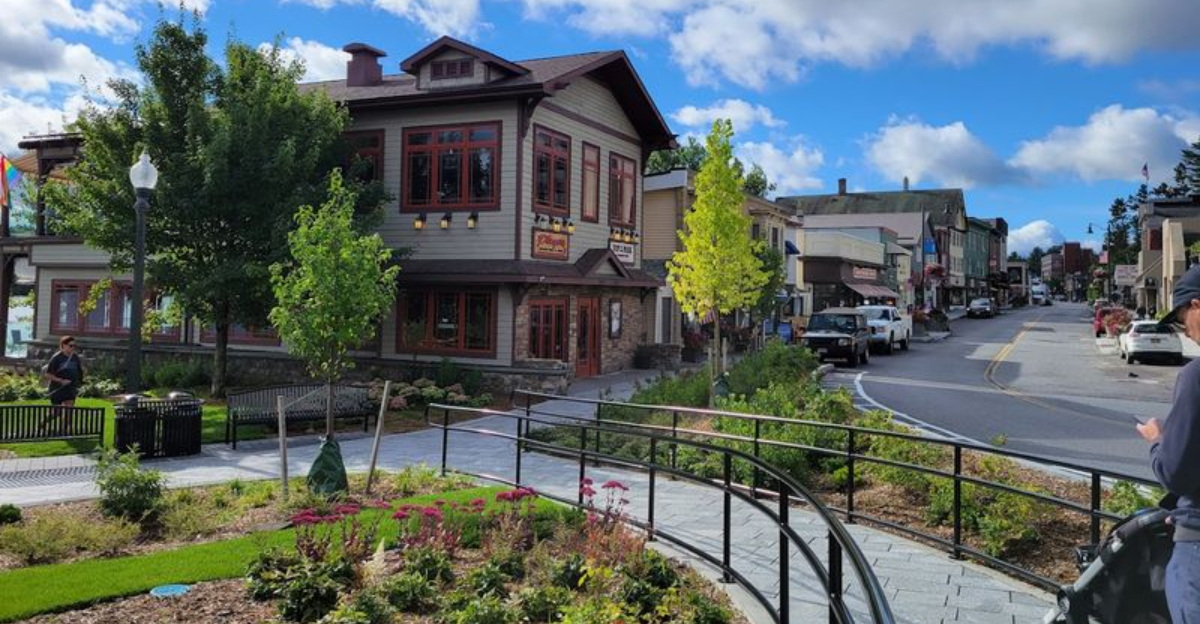
Some of America’s most beautiful small towns are quietly waving a white flag – not in surrender, but in exhaustion. From Vermont’s winding backroads to the red rocks of Arizona, locals are pushing back against the flood of visitors that clogs their streets, drives up housing costs, and strains their communities.
These towns never signed up to be theme parks, yet millions of tourists treat them like one. Here’s a look at 15 US towns that have genuinely, officially, and sometimes loudly had enough.
1. Sedona, Arizona
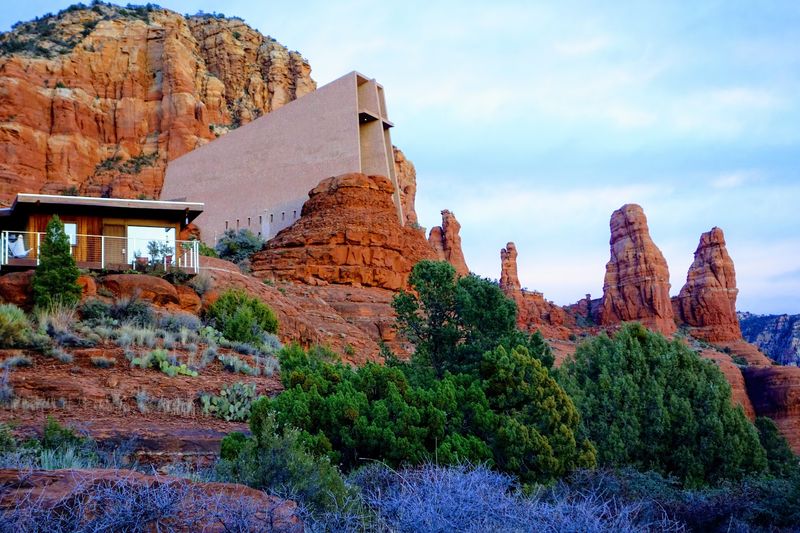
The red rocks are stunning – the traffic, not so much. Sedona attracts around 3 million visitors a year, and the town’s roads, trails, and parking lots were never built for that kind of pressure.
Bell Rock and Cathedral Rock now feel less like nature escapes and more like outdoor shopping malls on a Saturday afternoon.
Residents have watched their quiet desert community transform into a gridlocked tourist corridor. Local officials have introduced timed parking permits, shuttle systems, and trail fees to try to regain some control.
Some neighborhoods report bumper-to-bumper traffic on streets that used to be peaceful.
The irony? The very tranquility that made Sedona famous is being destroyed by the people who come looking for it.
Locals are not shy about saying so, and new visitor management policies are rolling out fast.
2. Key West, Florida
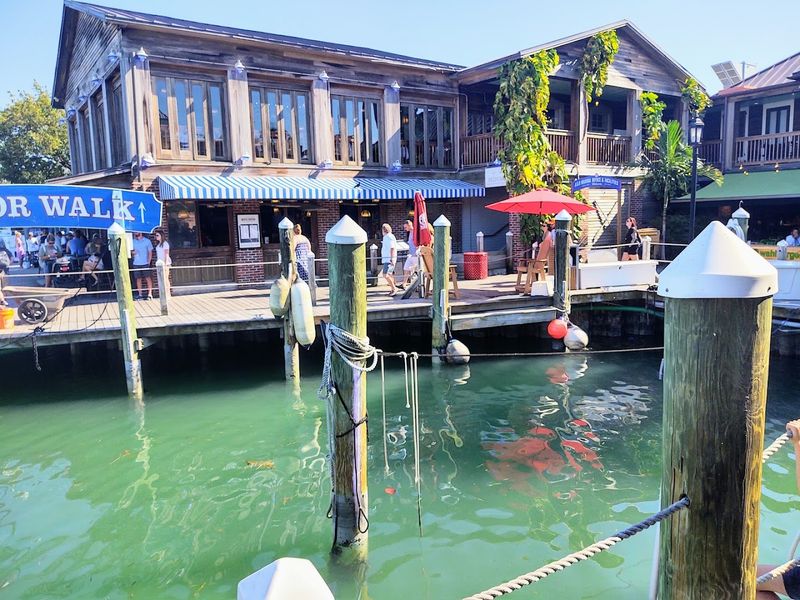
Roughly two miles wide and four miles long, Key West is essentially a sandbar holding up a party – and locals are tired of cleaning up after it. The island sees millions of visitors annually, many arriving on massive cruise ships that dump thousands of day-trippers onto streets too narrow to handle the rush.
City commissioners have repeatedly debated capping cruise ship arrivals. In 2021, voters actually passed a referendum to limit large cruise ships, though legal battles have complicated enforcement.
Meanwhile, residents deal with packed grocery stores, overflowing trash, and sky-high rents driven by short-term rentals.
Key West has a famously laid-back culture, but even paradise has a breaking point. Longtime residents describe a town that barely recognizes itself anymore, with local businesses and affordable housing steadily disappearing under the weight of relentless tourism dollars.
3. Bar Harbor, Maine
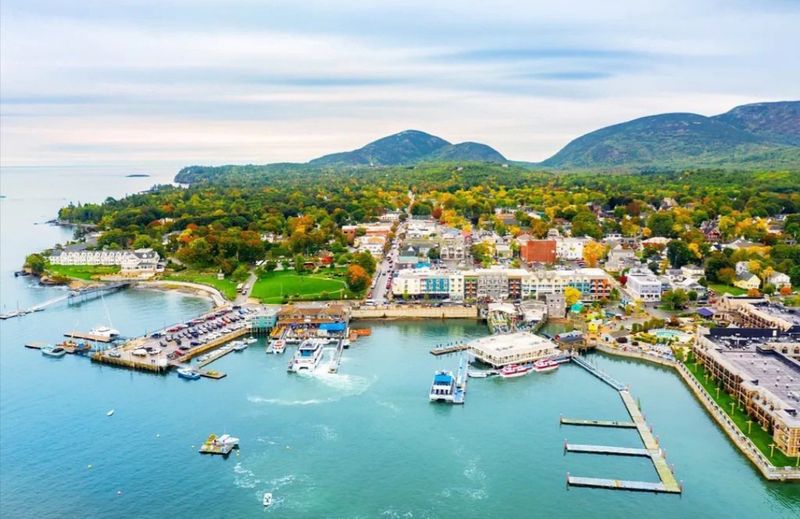
On peak summer days in Bar Harbor, cruise passengers outnumber permanent residents by a ratio that makes locals feel like guests in their own town. The tiny coastal village – home to about 5,500 year-round residents – can receive upward of 12,000 cruise visitors in a single day.
Town officials have responded with real action. Bar Harbor passed caps limiting cruise ship passenger disembarkations and tightened rules on vacation rentals.
Residents championed these measures after years of watching their Main Street become essentially a cruise ship annex.
Acadia National Park nearby draws its own massive crowds, compounding the pressure on roads, restaurants, and parking. Some locals joke that summer used to be their favorite season – past tense.
The town is now seen as a national model for how small communities can fight back against tourism overload with actual policy teeth.
4. Jackson, Wyoming (Jackson Hole)
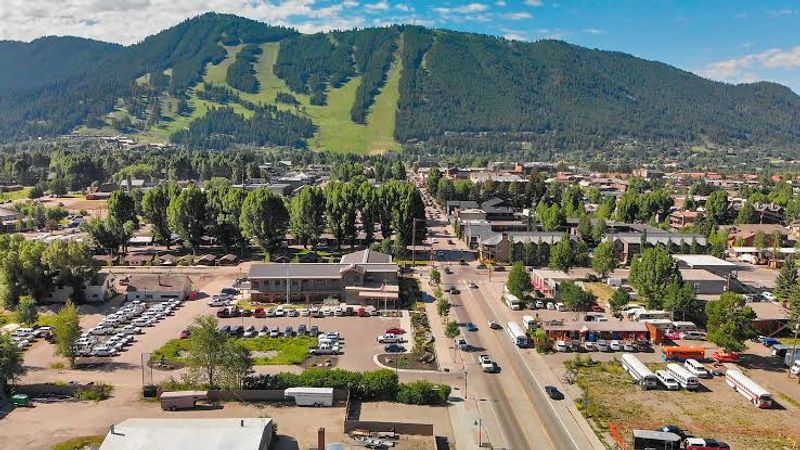
Jackson Hole is breathtaking, and the tourism industry knows it – which is exactly the problem. The valley draws millions of visitors each year for skiing, wildlife watching, and access to Grand Teton and Yellowstone National Parks.
But that flood of money has a brutal side effect: housing costs have become some of the highest in the entire country.
Local workers, teachers, and service staff simply cannot afford to live in the community they support. Many commute over mountain passes for hours each day just to show up to their jobs.
The workforce housing crisis has become a full-blown emergency.
Residents and advocacy groups have been vocal about the imbalance between catering to wealthy tourists and preserving a livable community for everyone else. Jackson is a case study in what happens when a small town becomes too desirable for its own good.
5. Moab, Utah
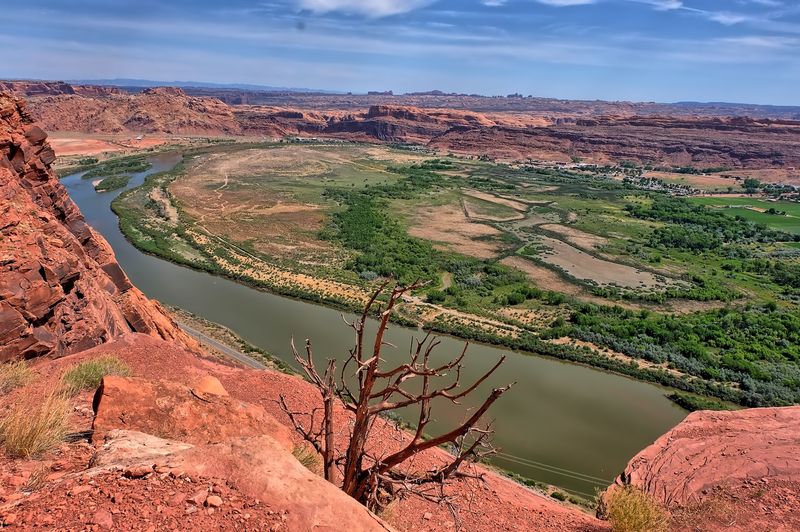
Moab sits at the doorstep of two national parks – Arches and Canyonlands – and the town of roughly 5,000 people is absolutely buckled under the weight of it. Visitor numbers to the area surged past 4 million annually in recent years, turning a once-rugged desert outpost into a year-round traffic jam.
Trails are being loved to death. Cryptobiotic soil crusts – the fragile living ground cover that takes decades to form – are being trampled by hikers who wander off marked paths for the perfect photo.
Waste management, water supply, and emergency services are all strained beyond their intended capacity.
The National Park Service now requires timed entry reservations for Arches during peak season. Moab itself has pushed for stronger visitor controls and conservation funding.
Locals describe a town caught between economic dependence on tourism and the slow erosion of everything that makes it worth visiting.
6. Pomfret, Vermont
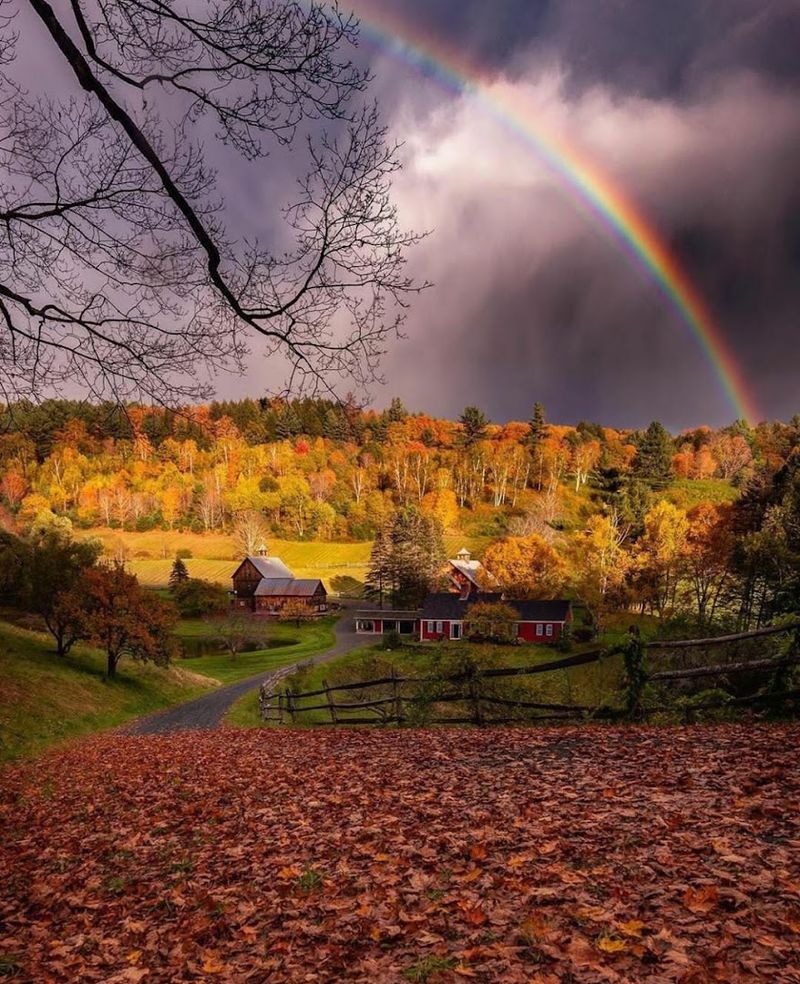
Cloudland Road in Pomfret, Vermont, is one of those postcard-perfect autumn scenes that looks like it was painted by hand. Unfortunately, social media made sure the whole world found out about it.
Every fall, the narrow backroad becomes a slow-moving parade of out-of-state cars, with drivers stopping mid-road to snap photos of the foliage.
Pomfret officials took the unusual step of restricting access on Cloudland Road to nonresidents during peak leaf season. It is one of the most direct anti-tourist measures any small American town has enacted, and it made national headlines.
Residents were simply done watching their road turn into a photo op at their own expense.
The Pomfret situation became a symbol of a broader Vermont problem: the state’s fall foliage is world-famous, but the communities that host the spectacle are tiny, underfunded, and exhausted by the seasonal crush.
7. Stowe, Vermont
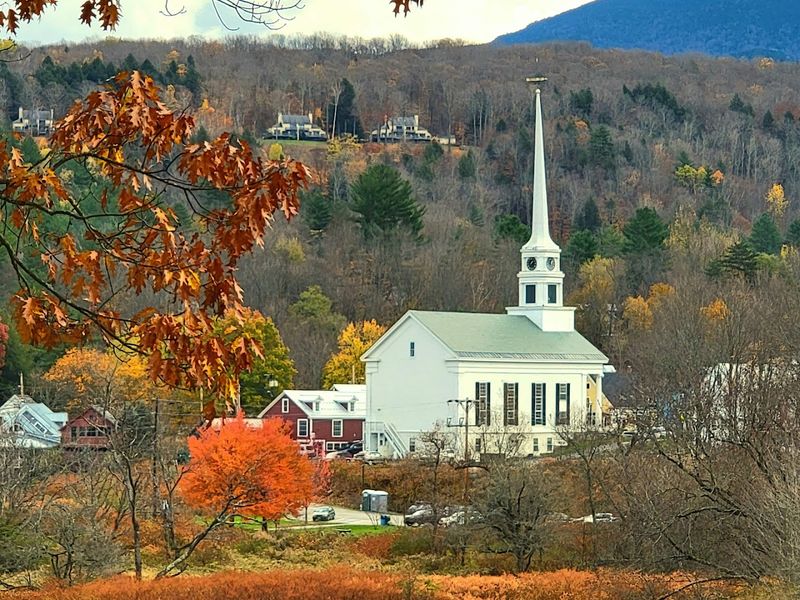
Stowe is Vermont’s version of a resort town that got too popular for its own residents to afford. Known for world-class skiing at Stowe Mountain Resort and jaw-dropping fall foliage, the town draws visitors year-round – and that relentless foot traffic has a steep price for locals.
Short-term rental platforms have consumed a huge chunk of Stowe’s available housing. Homes that once sheltered working families now sit empty most of the year, rented out for premium rates during ski and leaf-peeping seasons.
Long-term residents find themselves priced out of a place they have called home for generations.
Downtown Stowe gets genuinely gridlocked during peak weekends, with parking lots overflowing and restaurants stretched thin. Local officials have debated short-term rental caps and infrastructure improvements, but solutions move slowly while the crowds keep coming.
Stowe is charming, no question – it is just charming at a cost that locals increasingly cannot afford to pay.
8. South Lake Tahoe, California/Nevada
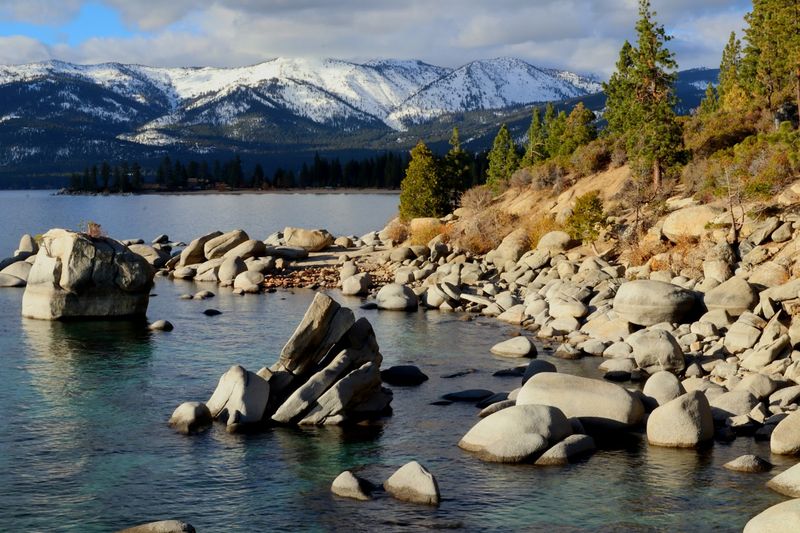
South Lake Tahoe sits on one of the most beautiful lakes in North America, and on a summer weekend, you might spend two hours in traffic just trying to reach it. The region was built to accommodate a modest resort community, not the millions of visitors who now descend on it every single season – summer, winter, spring, and fall.
Parking lots fill before 8 a.m. on peak days. Beaches become so crowded that visitors cannot find a square foot of sand.
Emergency services are stretched across a geography that was never designed for this volume of people. Lake Tahoe’s water clarity, one of its most treasured features, has been declining for decades partly due to development and runoff tied to tourism growth.
Residents have grown increasingly frustrated, pushing for visitor quotas, reservation systems, and better transit options. The lake is stunning – getting to enjoy it as a local is another story entirely.
9. Lake Placid, New York
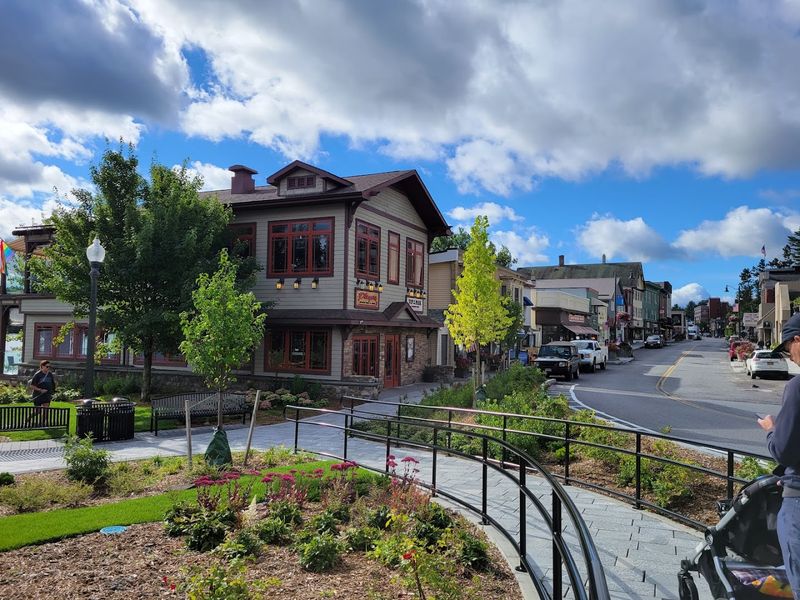
Lake Placid hosted the Winter Olympics twice – in 1932 and 1980 – and the town has been trading on that legacy ever since. It works, maybe too well.
Peak season weekends bring wall-to-wall crowds to a Main Street that is genuinely charming but genuinely tiny, with Mirror Lake on one side and boutique shops on the other.
The housing crunch here mirrors what you see across tourist-heavy small towns. Short-term rentals have gobbled up available units, leaving service workers with almost nowhere affordable to live.
Some employees commute from towns 30 to 40 minutes away because Lake Placid itself is financially out of reach.
Local voices have grown louder about managing growth more thoughtfully. The town wants visitors – the economy depends on them – but residents are increasingly clear that there is a difference between welcoming guests and being overwhelmed by them.
That line has been crossed repeatedly.
10. Forks, Washington
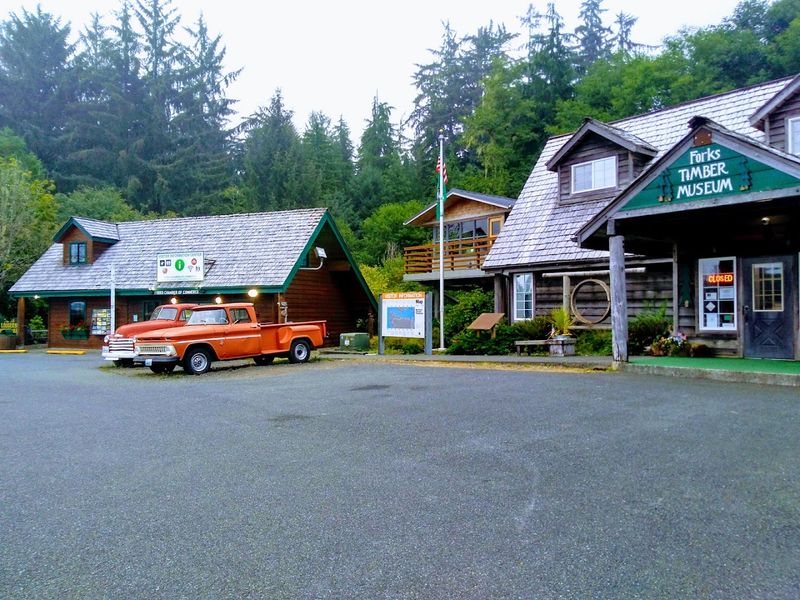
Before Stephenie Meyer set her Twilight novels in Forks, it was a quiet logging town of about 3,500 people in the rainy northwest corner of Washington State. Then the books became blockbuster films, and suddenly Forks was on the pop-culture map whether it wanted to be or not.
Twilight fans began making pilgrimages to see the high school, the hospital, and other real-world locations mentioned in the story. Businesses quickly rebranded to cash in – Bella’s Diner, vampire-themed merchandise, the works.
For some locals, it was a lifeline for a community hit hard by the decline of the timber industry.
But others found the transformation unsettling. The town’s actual identity – its logging heritage, its rugged Olympic Peninsula character – started feeling like a backdrop for someone else’s fantasy.
Plenty of Forks residents still greet Twilight tourists with polite smiles, but the eye-rolls behind those smiles are well-documented.
11. Marfa, Texas
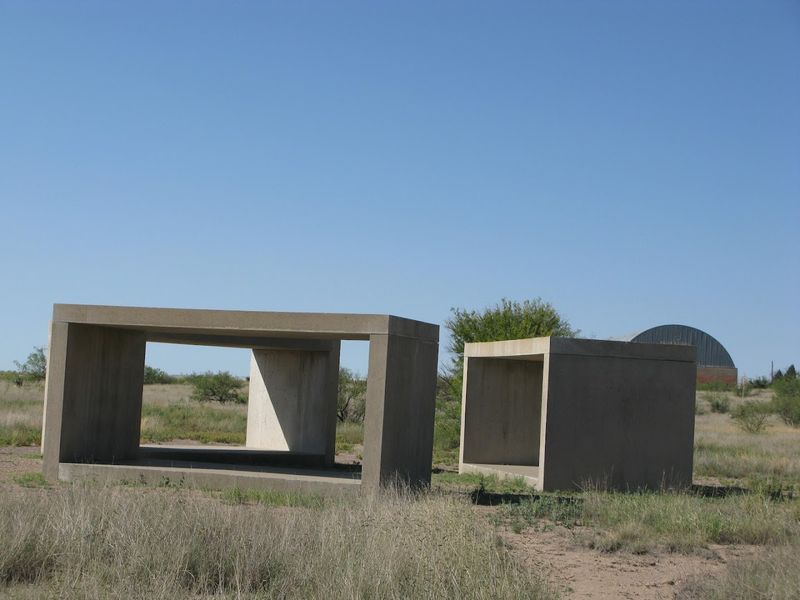
Marfa does not exactly roll out the welcome mat. This tiny West Texas art town of about 1,800 people built its reputation on minimalist art, weird mystery lights, and a certain cool detachment that feels deliberately anti-tourist.
And yet, tourists keep showing up anyway – drawn precisely by the mystique.
The tension in Marfa is unique. Some residents and business owners are openly chilly toward visitors who treat the town like an Instagram backdrop without engaging with its actual art scene or culture.
There is a running joke that Marfa welcomes serious art lovers and politely tolerates everyone else.
Donald Judd’s massive permanent art installations at the Chinati Foundation remain the town’s cultural anchor. But as Marfa’s profile has grown – fueled by celebrity sightings and viral travel content – locals worry the soul of the place is being diluted.
Marfa wants to be discovered, just not quite this much.
12. Big Sur, California
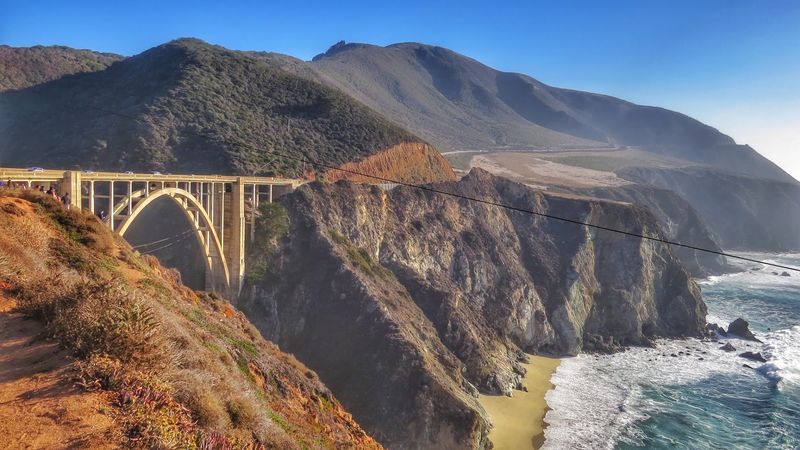
Driving Highway 1 through Big Sur is one of the most dramatic road experiences in America – and also, increasingly, one of the most chaotic. The two-lane coastal road has no real towns, no traffic lights, and almost no public restrooms, yet millions of visitors treat it like a scenic theme park every year.
The results are predictably bad. Cars stop in the middle of the highway for selfies.
Unofficial pullouts get trampled into erosion zones. Trash piles up at viewpoints that have zero waste infrastructure.
Locals and advocacy groups have publicly criticized what they call selfie tourism, where the photo matters more than the place.
Big Sur has no city government, making coordinated responses difficult. A loose coalition of residents, environmental groups, and county officials has pushed for better signage, composting toilets, and visitor education campaigns.
The landscape is genuinely irreplaceable – and it is being chipped away, one Instagram post at a time.
13. Woodstock, Vermont
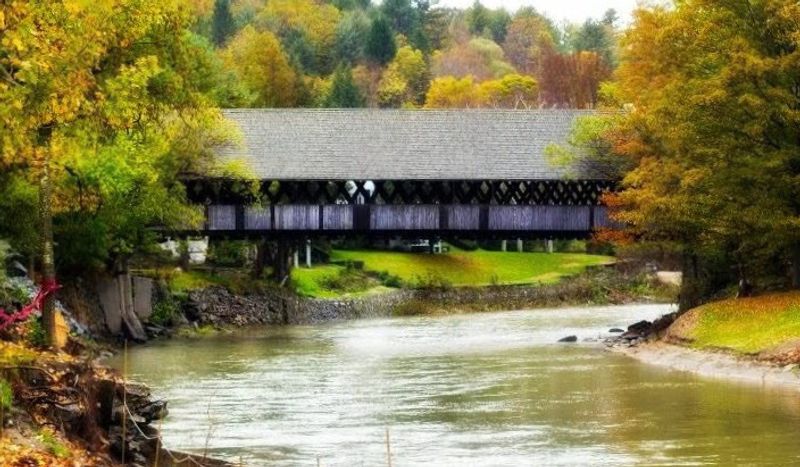
Woodstock, Vermont, looks like someone designed the perfect New England village in a computer simulation and then made it real. Covered bridges, a tidy village green, church steeples, and autumn colors that seem almost too vivid to be natural – it is genuinely gorgeous, and leaf-peeping season makes it genuinely unbearable for locals.
Every October, the roads in and around Woodstock clog with out-of-state drivers moving at a crawl, windows down, phones out. What takes a local five minutes to drive can stretch into a 45-minute ordeal.
Local authorities have explored access restrictions similar to what nearby Pomfret implemented on Cloudland Road.
The challenge is that Woodstock’s economy leans heavily on fall tourism, making aggressive crowd control politically tricky. Residents are caught between needing the seasonal revenue and resenting the seasonal chaos.
It is a very Vermont problem: too beautiful for its own good, and increasingly too popular for its own peace.
14. Nashville, Tennessee
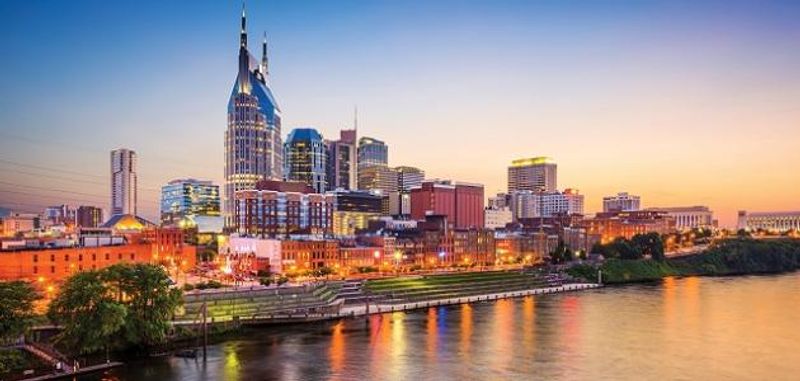
Nashville is a big city, but the pain of overtourism is concentrated in a very small area – and the people who live near it are at their absolute limit. Lower Broadway, the honky-tonk heart of the city, has transformed into a round-the-clock bachelor and bachelorette party destination that never really sleeps or quiets down.
Pedal taverns weave through downtown traffic while passengers shout over loudspeakers. Rooftop bars blast music into residential neighborhoods until the early hours.
Residents near the tourist corridor describe a quality of life that has measurably declined as Nashville’s tourism machine has grown into a multi-billion-dollar industry.
City leaders have fielded complaints about noise, trash, public intoxication, and the general feeling that downtown Nashville now exists purely to entertain visitors. Some locals have started calling it “Nashvegas” without affection.
The live music scene that made Nashville iconic is increasingly overshadowed by a party scene that has little to do with music at all.



