 Unearth The Voyage
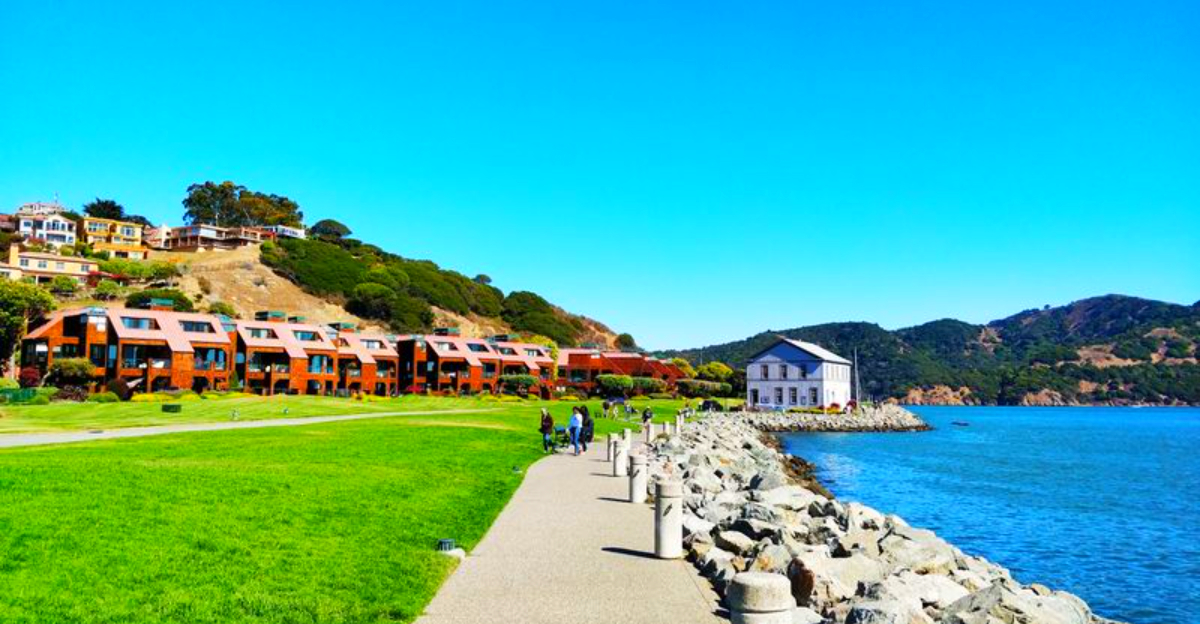
American zoning can read like a dry stack of ordinances until you discover towns where rooflines, paint colors, hedges, and even the visual rhythm of a street are treated with almost ceremonial seriousness. Many of these rules grew out of 20th century preservation campaigns, postwar planning ideals, resort branding, and long fights over growth, traffic, and property values.
What looks charming on a postcard often comes with a detailed code book behind it, shaping everything from cottage proportions to waterfront sightlines. Keep reading and you will see how local identity, history, and a very determined planning board turned ordinary land-use rules into something much stricter.
1. Palm Beach, Florida
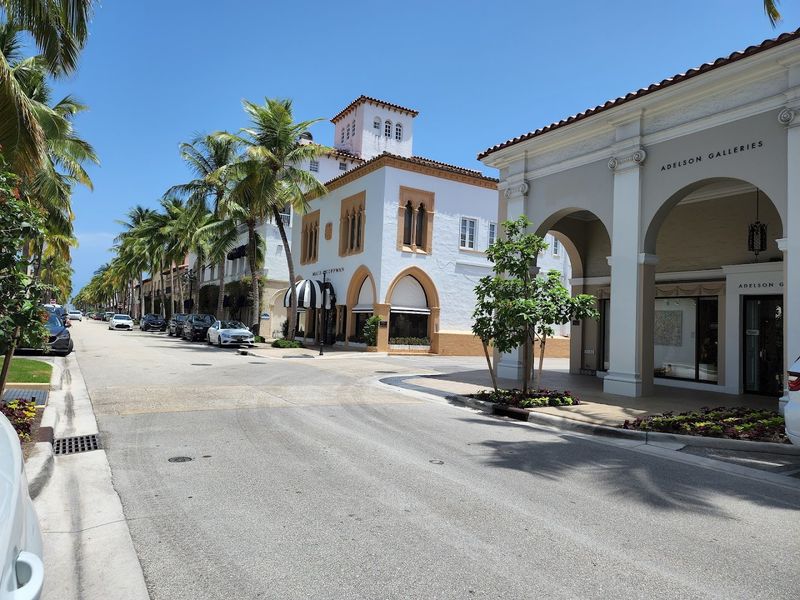
If a town could hire a stylist, Palm Beach already did it decades ago. Its zoning and architectural review process work together to maintain a tightly curated visual identity shaped by Mediterranean Revival estates, formal landscaping, and a polished streetscape that has defined the community since the early resort era.
Renovations, additions, and even details that seem minor elsewhere can face serious review here.
That strictness is not accidental or new. Palm Beach spent much of the twentieth century refining codes that protected its luxury image, limited intrusions on neighborhood character, and kept development from disrupting the town’s carefully managed profile.
Roof forms, setbacks, lot coverage, and landscape treatment all matter because the community treats appearance as part of its civic economy. The result is a place where zoning does more than separate uses.
It acts like a preservation tool, a branding strategy, and a reminder that in some wealthy enclaves, regulation is considered part of the landscaping.
2. Nantucket, Massachusetts
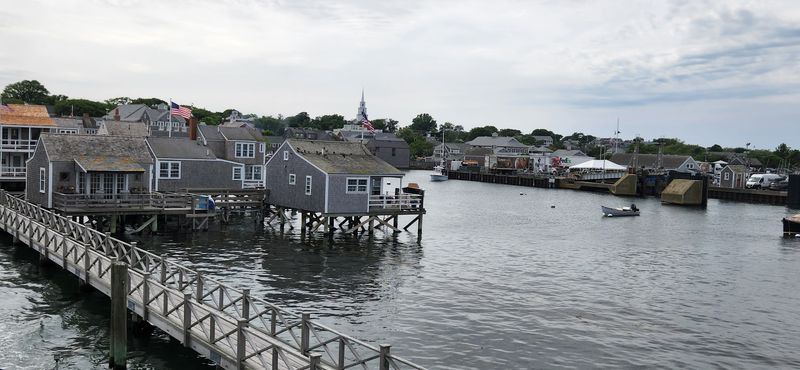
Few places treat exterior changes with the seriousness Nantucket brings to a shingle and a window sash. The island’s historic reputation depends on a remarkably consistent building tradition, and local review boards have spent decades making sure new work fits that long-established pattern.
Gray shingles, restrained trim, and measured proportions are not casual preferences here. They are part of a preservation system with real force.
The modern rules grew from a desire to protect one of the nation’s most recognizable historic environments from visual drift and oversized development. Property owners often need approval for work that would pass unnoticed in many towns, because alterations can affect the broader historic fabric that supports tourism and local identity.
That can slow projects and test patience, but it also explains why the island still reads as a coherent place rather than a collage of design experiments. Nantucket shows how preservation zoning can shape not only architecture, but also the pace and tone of everyday development.
3. Santa Barbara, California

One earthquake helped decide what Santa Barbara would look like for generations. After the 1925 disaster, civic leaders and planners pushed hard for a unified rebuilding vision, and Spanish Colonial Revival became more than a fashionable choice.
Over time, zoning, design review, and preservation rules reinforced that look so thoroughly that the city’s architectural identity feels almost constitutional.
White stucco walls, red tile roofs, arcades, and carefully scaled facades remain part of a civic script that new projects are expected to follow. The city’s review process can be exacting because officials see visual continuity as essential to Santa Barbara’s economy, cultural image, and historic character.
That discipline did not appear overnight. It reflects decades of policy choices that favored coherence over architectural free-for-all experimentation.
Critics sometimes call it restrictive, and supporters call it beautiful planning with a long memory. Either way, Santa Barbara proves a zoning code can function like an editor, trimming away discordant ideas until an entire city reads in one recognizable architectural voice.
4. Carmel-by-the-Sea, California

A town can look like a children’s book and still run on an impressively serious rulebook. Carmel-by-the-Sea built its identity around cottages, winding lanes, and a deliberate resistance to standard suburban clutter, so zoning and design review became central to protecting that image.
New construction faces close scrutiny for scale, materials, rooflines, and landscaping, all meant to preserve the village look that drew visitors throughout the twentieth century.
The town’s quirks became part of its legend, including its unusual approach to street addresses and the old permit rule for very high heels on certain uneven sidewalks. Beneath the folklore, the deeper story is about land use control in a place that long treated aesthetic uniformity as civic policy.
Carmel’s planning choices show how tourism, preservation, and local pride can merge into regulations that are far stricter than the average American town, and residents generally know the charm is carefully managed.
5. Aspen, Colorado

Mountain glamour meets municipal math in Aspen, where square footage can become a civic debate. The town and surrounding county have long used zoning, growth controls, and review standards to limit impacts on scenery, infrastructure, and neighborhood scale in a place with enormous development pressure.
In practice, that means some large homes face tight size formulas even on valuable land.
Aspen’s regulations reflect the collision of ski-town fame, environmental concerns, and the reality that luxury construction can overwhelm a small mountain community fast. Height limits, massing rules, energy requirements, and site review all work to restrain what money alone might otherwise build.
These policies also grew alongside a broader Western planning movement focused on land conservation, view protection, and resource management. The result is not a ban on expensive architecture, far from it, but a carefully managed version of it.
Aspen shows how a resort town can welcome wealth while still insisting that homes, no matter how grand, answer to a code shaped by geography, politics, and public patience.
6. Beverly Hills, California

In Beverly Hills, even privacy has a planning framework. The city’s zoning rules for estates and residential neighborhoods go well beyond ordinary setbacks, touching mansion scale, lot coverage, landscaping, and how imposing a house appears from the street.
That level of control reflects a long effort to keep wealth from turning into visual excess, which is a very Beverly Hills problem to have.
As property values climbed through the postwar decades, pressure to build ever larger homes pushed the city toward stricter formulas and design oversight. Residents wanted prestige, but many also wanted tree-lined streets and houses that did not dominate every neighboring parcel.
Zoning became the balancing tool, setting limits on mass while preserving the polished image that made the city famous in film, television, and real estate lore. The irony is useful: a place associated with limitless luxury often draws hard lines around how luxury can look.
Beverly Hills proves exclusivity is not only about price. It is also about rules, committees, and a local determination to keep grandeur carefully edited.
7. Key West, Florida

Colorful does not mean carefree when it comes to Key West zoning. The island city protects its historic districts with regulations that closely monitor building materials, roof shapes, porches, windows, and exterior alterations, especially in areas tied to the old Conch house tradition.
Owners can discover quickly that island charm comes with paperwork.
Those controls emerged from preservation efforts that gained momentum in the twentieth century as tourism expanded and historic architecture became a major civic asset. Officials wanted to avoid the kind of hasty redevelopment that could flatten local character in favor of generic resort design.
As a result, even seemingly modest changes may require review to ensure they fit established patterns and neighborhood context. The city’s standards help preserve a streetscape shaped by maritime history, Caribbean influences, and a compact urban form unlike much of mainland Florida.
Key West therefore offers a clear lesson in zoning with a cultural memory attached. The rules are strict because the place is distinctive, and local government knows that distinction is part of the economy.
8. Jackson, Wyoming
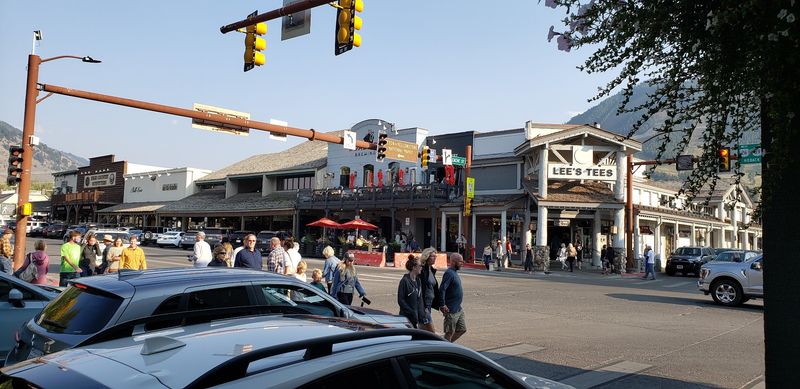
Some towns regulate for traffic or height, but Jackson often regulates with elk, migration routes, and open land in mind. Development in and around Jackson has long faced strict oversight meant to preserve scenic character while limiting sprawl in a valley under intense pressure from tourism and second-home wealth.
The codes are shaped as much by landscape as by buildings.
Rules on density, setbacks, design compatibility, and open space help keep growth from swallowing the very environment that made the area famous. Wildlife corridor concerns have also influenced planning choices, reflecting a regional approach that treats land use as part of ecological stewardship rather than pure real estate arithmetic.
That does not mean development stops. It means proposals are often asked to fit into a narrow civic vision where mountain views, habitat continuity, and small-town scale carry real regulatory weight.
Jackson’s zoning can surprise newcomers because the restrictions are broader than style alone. Here, strictness comes from a decision to defend a whole visual and environmental system, not just a postcard downtown.
9. Greenwich, Connecticut
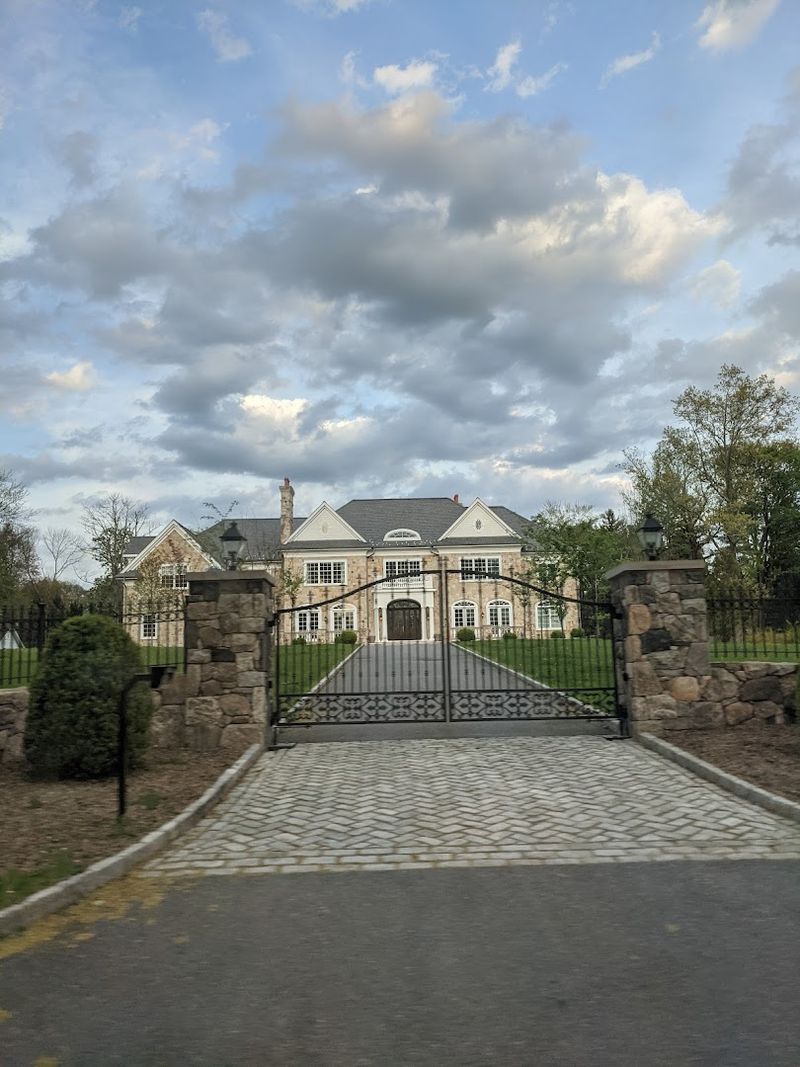
A large lawn in Greenwich is not just a landscape choice. In many areas, it is the direct result of zoning rules that require substantial minimum lot sizes, limiting how many homes can occupy prime suburban land.
Those regulations have helped preserve the town’s estate character while also making development patterns unusually exclusive.
The roots of these policies stretch through the twentieth century suburban era, when many affluent communities used zoning to separate land uses and maintain low-density residential environments. In Greenwich, that translated into rules that shaped neighborhood identity around spacious parcels, private setbacks, and a built form associated with wealth and privacy.
Supporters argue that such controls protect infrastructure, scenery, and property values. Critics note their effect on housing supply and cost.
Both points are relevant, because zoning here has consequences far beyond aesthetics. Greenwich demonstrates how strict land-use policy can quietly define who gets to live in a town and what kinds of homes can be built there.
Sometimes the strongest statement in a zoning map is simply how much space one house is allowed to claim.
10. Boulder, Colorado

Boulder has spent decades proving that height limits can become part of local mythology. The city’s land-use rules are famous for protecting mountain views, curbing outward growth, and preserving a physical scale that residents have defended through planning battles since the late twentieth century.
Few places have turned the phrase view corridor into such a recognizable civic principle.
Growth boundaries, open space protections, and low height caps work together to prevent the skyline from overwhelming the Front Range backdrop. These choices came from a mix of environmental politics, citizen activism, and a strong local belief that unrestricted development would dilute what made Boulder distinctive.
The result is a built environment with clear limits, along with recurring debates about affordability and housing supply. That tension is part of the town’s modern identity.
Boulder is admired for disciplined planning and criticized for the side effects of that discipline, sometimes in the same conversation. Still, its zoning legacy is unmistakable.
Here, regulation is not hidden in a code manual. It is visible every time a building stops short of the mountain view people decided was worth protecting.
11. Sedona, Arizona
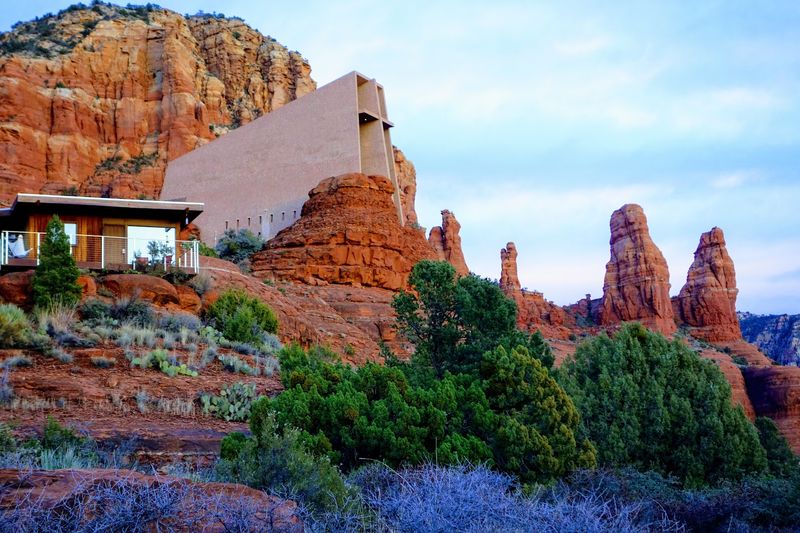
Bright red rocks created one of America’s most recognizable landscapes, and Sedona’s zoning rules make sure buildings do not compete for top billing. The town has long emphasized low profiles, earth-toned colors, and site planning that reduces visual intrusion against the surrounding terrain.
In other words, local code tries hard to keep architecture from becoming the main character.
Those regulations reflect the reality that Sedona’s scenery is its economic engine and cultural signature. Officials and residents have pushed for design standards that blend structures into the desert setting, while also limiting sprawl and preserving important sightlines.
That means color palettes, building mass, and placement on the land can matter in ways that surprise people used to looser Western development patterns. The strategy is practical as much as aesthetic.
If the red rock vistas are the town’s public image, then zoning becomes a way to defend that image parcel by parcel. Sedona shows how landscape preservation can produce highly specific architectural expectations, turning what might seem like a simple paint choice into a matter of community planning.
12. Honolulu, Hawaii

Space is limited in Honolulu, so zoning there has always carried unusually high stakes. On an island with intense housing demand, major tourism pressures, military land uses, and sensitive coastal areas, the city relies on detailed land-use regulation to manage density, shoreline development, and neighborhood change.
Every parcel seems to arrive with competing expectations attached.
The strictness comes partly from geography and partly from decades of planning around growth management, environmental concerns, and infrastructure limits. Building near the coast can trigger careful review, while rules on height, use, and density shape where expansion is allowed and how it fits existing communities.
View corridors and urban form matter too, because development affects both daily life and a globally recognized city image. Honolulu’s zoning is therefore more than a technical framework.
It is a constant attempt to reconcile scarcity, tourism economics, housing needs, and natural constraints without letting any one force dominate entirely. The result can feel highly regulated, but it also explains why land-use decisions in Honolulu are rarely simple.
In a place with finite room, zoning becomes a public negotiation over priorities.
13. Lake Forest, Illinois
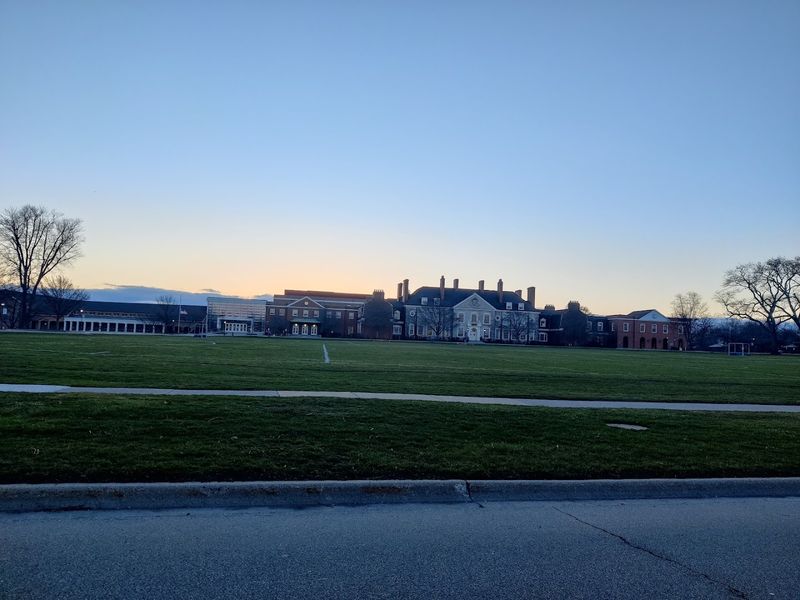
Lake Forest looks orderly because it was planned to be, and zoning helped keep that script intact. This North Shore suburb developed with a strong estate tradition, carefully arranged streets, and long-standing expectations about lot size, setbacks, and architectural compatibility.
The result is a place where suburban calm owes a great deal to regulation rather than chance.
Over the twentieth century, local rules reinforced a low-density pattern that protected both property values and a specific visual identity. Home placement, lot dimensions, and review standards all helped preserve the spacious, curated character that distinguished Lake Forest from more intensely developed suburbs around Chicago.
These policies fit a broader suburban planning history in which zoning was used to manage class identity, growth pace, and neighborhood continuity. That history is not unique, but Lake Forest remains a clear example of it.
The town’s regulations can seem strict because they are designed to keep gradual change from accumulating into something more dramatic. In practical terms, Lake Forest shows how suburban form is often less organic than it appears.
Behind the quiet streets is a long record of deliberate control.
14. Charleston, South Carolina
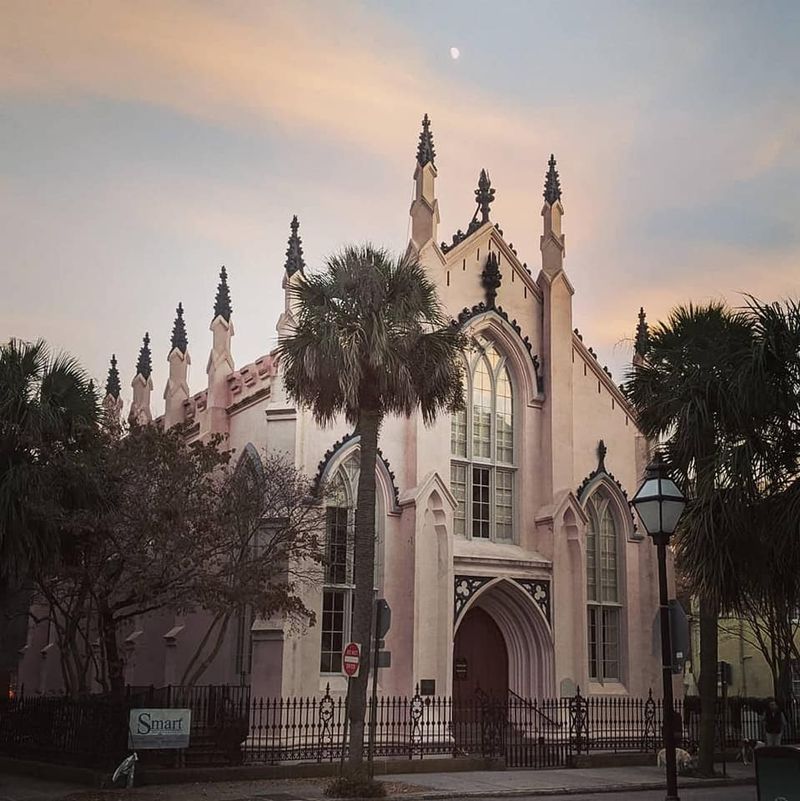
Charleston can make a porch railing feel like a matter of civic destiny. Its historic district regulations are among the most closely watched in the country, requiring review for exterior changes that many homeowners elsewhere would handle with a quick contractor call and a weekend schedule.
Paint colors, materials, additions, and facade details can all invite careful scrutiny.
The city’s approach grew from one of America’s earliest preservation movements, which recognized that Charleston’s historic streetscape carried cultural and economic value worth defending. Over time, boards and commissions gained an influential role in shaping how buildings change, especially in older neighborhoods where even small alterations can affect a larger historic pattern.
That has preserved an urban fabric tied to colonial, antebellum, and nineteenth-century development, while also creating a reputation for rigorous oversight. Some residents admire the consistency, while others have learned that historic ownership comes with homework.
Charleston’s zoning and preservation system show how a city can turn architectural stewardship into everyday governance. Here, history is not framed only by plaques and tours.
It is enforced, line by line, through local approval processes.
15. Tiburon, California
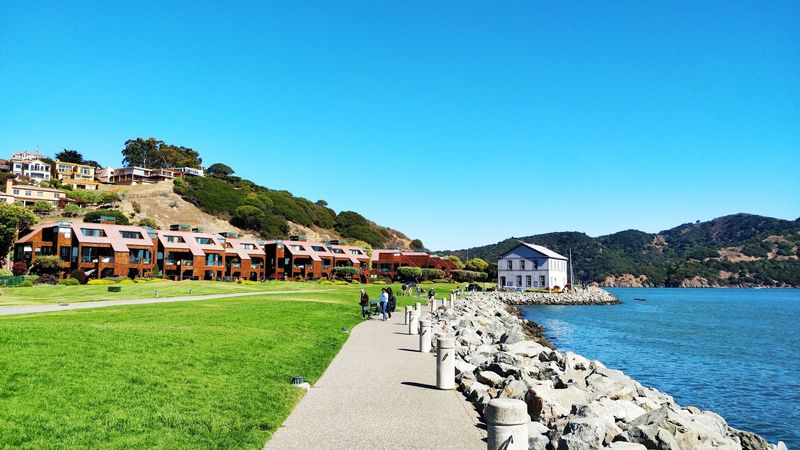
Waterfront views can turn zoning meetings into serious local theater, and Tiburon knows the script well. This Marin County town uses land-use rules to protect sightlines, limit building heights, and encourage designs that fit a visually sensitive setting overlooking San Francisco Bay.
In a place where scenery helps define property value, regulation follows the contour lines closely.
Tiburon’s strictness reflects a familiar Bay Area pattern: high demand, limited land, environmental concerns, and residents deeply invested in preserving community character. Hillside development, massing, and placement all matter because one oversized project can alter views from multiple properties and public spaces.
That gives zoning a community-wide dimension beyond the boundaries of a single lot. The town’s design expectations also aim to keep new construction from clashing with the landscape that draws people there in the first place.
Tiburon therefore offers a textbook case of scenic preservation through local code. The rules may frustrate ambitious builders, but they also reveal how much some towns value visual continuity.
Around the bay, a good view is not just scenery. It is policy.



