History is full of surprises, and some of the strangest involve countries that most people have never heard of. From tiny islands to disputed border zones, real nations once existed in the most unexpected places and for the most unusual reasons.
Some lasted only a single day, while others survived for centuries without anyone really noticing. These forgotten countries offer a fascinating look at how borders, politics, and human ambition can create truly bizarre chapters in world history.
1. Republic of Cospaia (1440-1826)
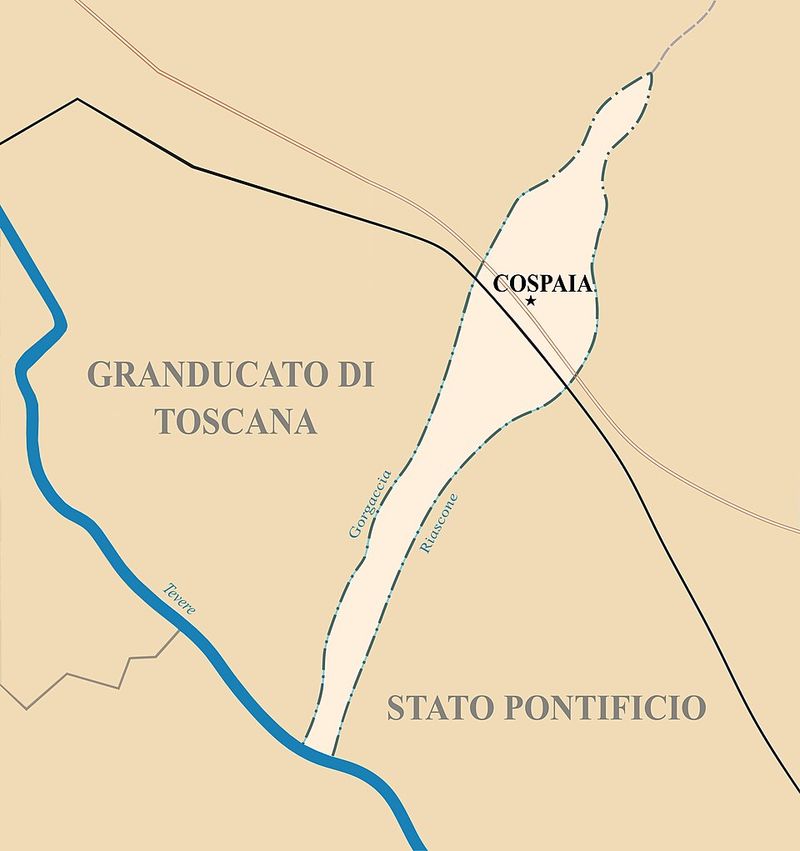
A cartographer’s mistake changed everything for one tiny Italian village. In 1440, a border error during a land sale between the Pope and Florence left a small strip of land unclaimed by either side.
The residents of Cospaia noticed the oversight and quietly declared themselves independent.
For nearly 400 years, this micro-republic operated with almost no formal government at all. There were no taxes, no army, and no real laws to speak of.
The community governed itself through a council of family elders, meeting occasionally to settle disputes.
Cospaia became famous for growing tobacco, which was banned in surrounding Papal territories. Merchants traveled from across the region to buy it legally there.
The republic finally ended in 1826 when the Pope negotiated its peaceful absorption, giving every resident a small pension as part of the deal.
2. Neutral Moresnet (1816-1920)
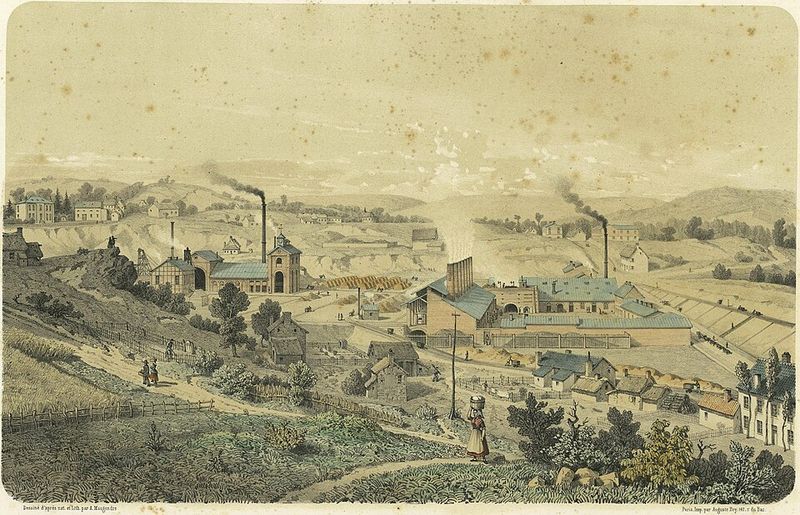
When Belgium and Prussia could not agree on who owned a productive zinc mine in 1816, their solution was surprisingly simple: nobody owned it. The result was Neutral Moresnet, a tiny wedge-shaped territory of roughly 3.5 square kilometers that belonged to neither country.
Life in Moresnet was unusually relaxed. Because neither nation had authority there, residents avoided military conscription and paid very low taxes.
The territory attracted people looking to escape obligations in their home countries.
At its peak, Moresnet had around 3,000 residents and even developed its own postage stamps. A local doctor once proposed making it the world’s first Esperanto-speaking nation, calling it Amikejo, meaning “place of friendship.” World War I ended that dream when Germany occupied the area, and the 1919 Treaty of Versailles formally handed Moresnet to Belgium for good.
3. Free State of Fiume (1920-1924)
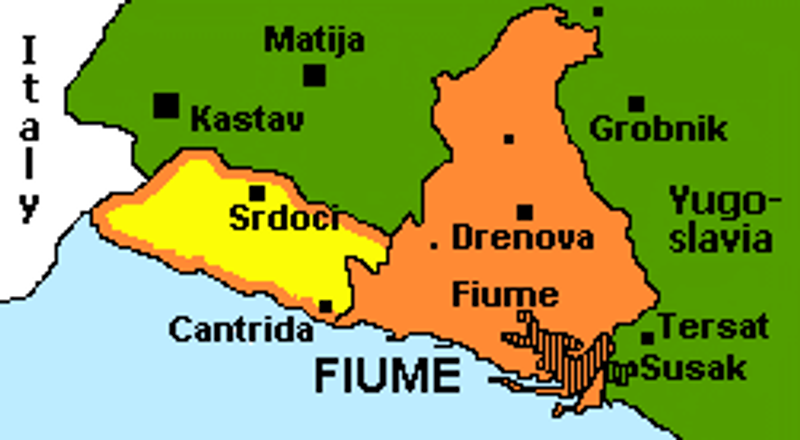
Poet, pilot, and war hero Gabriele D’Annunzio marched into the city of Fiume in September 1919 with around 2,000 armed followers and simply took over. He was furious that Italy had not received the city after World War I, and he decided to fix that himself.
The move shocked the entire world.
D’Annunzio ruled Fiume like a theatrical performance. He delivered dramatic speeches from balconies, wrote the state’s constitution himself, and introduced rituals that historians later identified as early influences on European fascism.
The city became a magnet for radical artists, anarchists, and adventurers.
Italy eventually grew tired of the embarrassment and bombarded the city in what became known as the “Bloody Christmas” of 1920. D’Annunzio was forced out, and Fiume briefly became a formally recognized free state before Italy absorbed it completely in 1924.
4. Free Territory of Trieste (1947-1954)
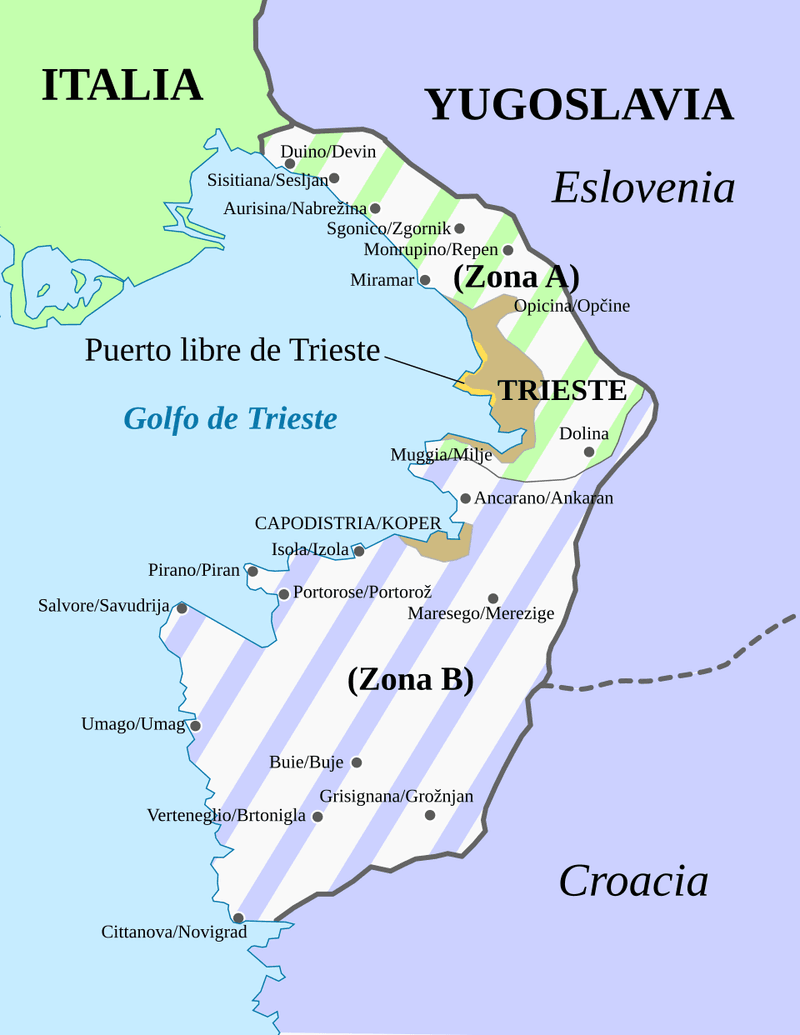
After World War II, the city of Trieste sat in an awkward position. Both Italy and Yugoslavia wanted it badly, and neither the United States nor the Soviet Union could agree on who should have it.
The solution was to make it nobody’s country, at least for a while.
The Free Territory of Trieste was officially created by the United Nations in 1947 and divided into two zones. Zone A, including the city itself, was administered by British and American forces.
Zone B, to the south, was controlled by Yugoslavia.
Residents lived in a strange limbo, holding passports from a country that most of the world barely recognized. The territory had its own governor position that was never actually filled.
In 1954, a practical agreement quietly divided the territory, giving the city to Italy and Zone B to Yugoslavia, ending the experiment without much ceremony.
5. Republic of Indian Stream (1832-1835)
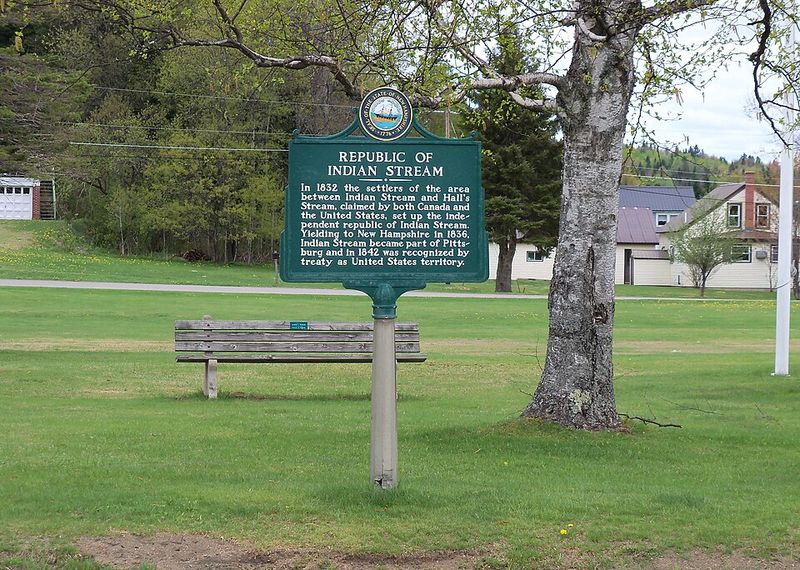
Living on the border between the United States and Canada sounds confusing enough, but for the settlers of Indian Stream, it was genuinely maddening. Both countries claimed the area, which meant both tried to collect taxes and enforce laws simultaneously.
The frustrated residents had a bold response.
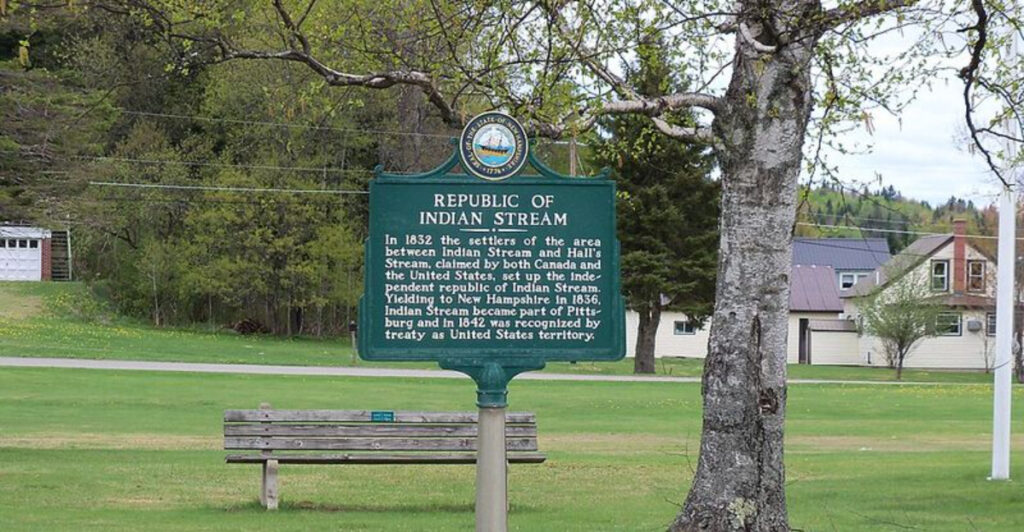
In 1832, roughly 300 settlers voted to declare themselves the Republic of Indian Stream, drafting their own constitution and forming a small militia. They elected a legislature, set up courts, and tried to manage their own affairs independently of both neighboring nations.
The republic lasted only about three years before things unraveled. A dispute over an arrested man led to a small armed confrontation with New Hampshire authorities.
By 1835, the settlers agreed to accept American jurisdiction, and the Webster-Ashburton Treaty of 1842 officially settled the border, formally ending any claim to Indian Stream’s brief independence.
6. Republic of West Florida (1810)
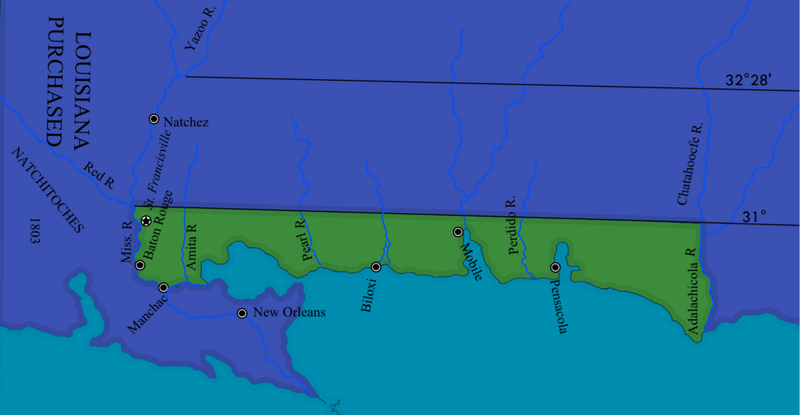
Lasting just 74 days, the Republic of West Florida holds a strong claim to being one of the shortest-lived nations in American history. In September 1810, a group of American settlers living in Spanish-controlled West Florida had grown impatient waiting for the United States to acquire the territory through diplomacy.
They took matters into their own hands by storming the Spanish fort at Baton Rouge and raising their own blue flag with a single white star. The republic declared independence on September 26, 1810, and immediately asked to be annexed by the United States.
President James Madison obliged quickly, claiming the land was already part of the Louisiana Purchase anyway. By December 10, 1810, the republic was absorbed into Orleans Territory.
The lone star flag of West Florida is believed by some historians to have influenced the later flags of Texas and other Southern states.
7. Republic of Formosa (1895)
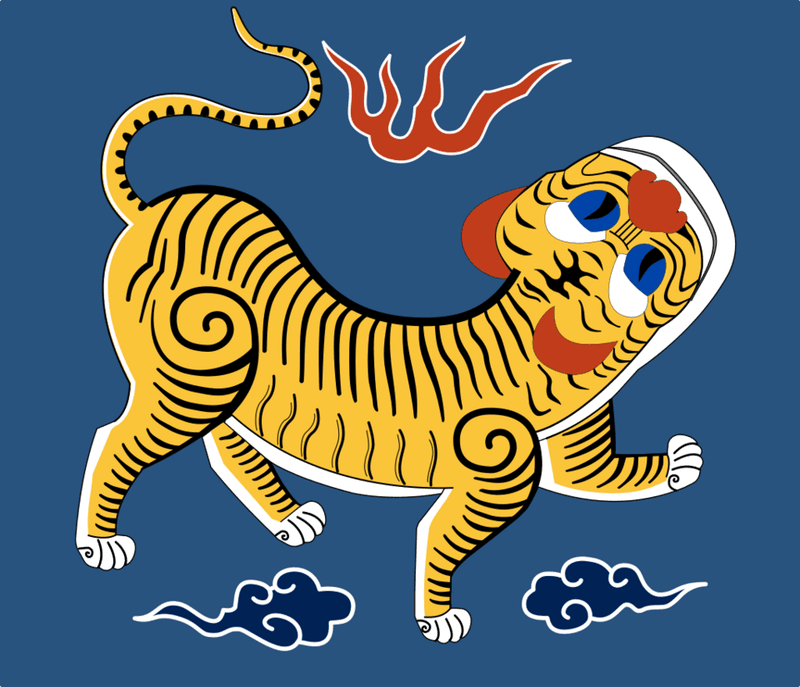
When China handed Taiwan over to Japan following the First Sino-Japanese War, the residents of the island were not consulted. Facing the prospect of Japanese rule, local leaders and Qing dynasty officials made a surprising decision: they declared Taiwan an independent republic on May 25, 1895.
The Republic of Formosa was Asia’s first democratic republic, at least on paper. It had a president, a flag featuring a blue tiger, and even issued postage stamps.
The new government appealed desperately to Western powers for help but received none.
Japanese forces landed on the island in late May and met fierce resistance. Fighting continued for several months as Taiwanese militias and irregular forces tried to defend their new country.
By October 1895, organized resistance collapsed, and Japan took full control. The republic had survived less than five months, but its story remains an important part of Taiwanese historical identity.
8. Carpatho-Ukraine (1939)
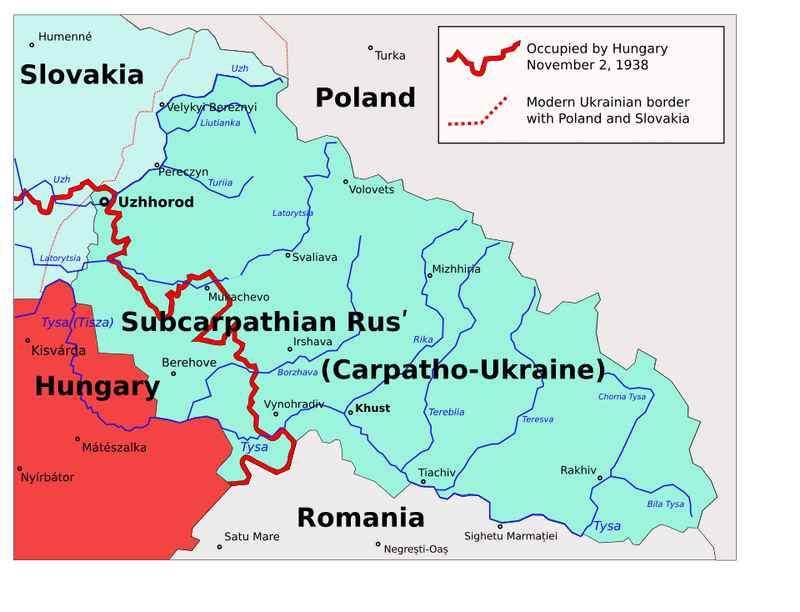
Few countries in history have had a shorter lifespan than Carpatho-Ukraine. Tucked into the eastern end of what was then Czechoslovakia, this small mountainous region declared independence on March 15, 1939, a day that turned out to be catastrophically badly timed.
On the very same day, Nazi Germany dismembered the rest of Czechoslovakia, and Hungary saw the moment as an opportunity. Hungarian forces invaded Carpatho-Ukraine almost immediately after the declaration of independence was made.
The new government barely had time to celebrate.
Fighting lasted only a matter of days. Ukrainian nationalist fighters, known as the Carpathian Sich, resisted bravely but were vastly outnumbered.
By March 18, Hungary had fully occupied the territory. The entire existence of Carpatho-Ukraine as an independent state is sometimes measured in hours rather than days, making it one of the most dramatic and tragic micro-nations ever to appear briefly on the map.
9. Republic of Rose Island (1968)
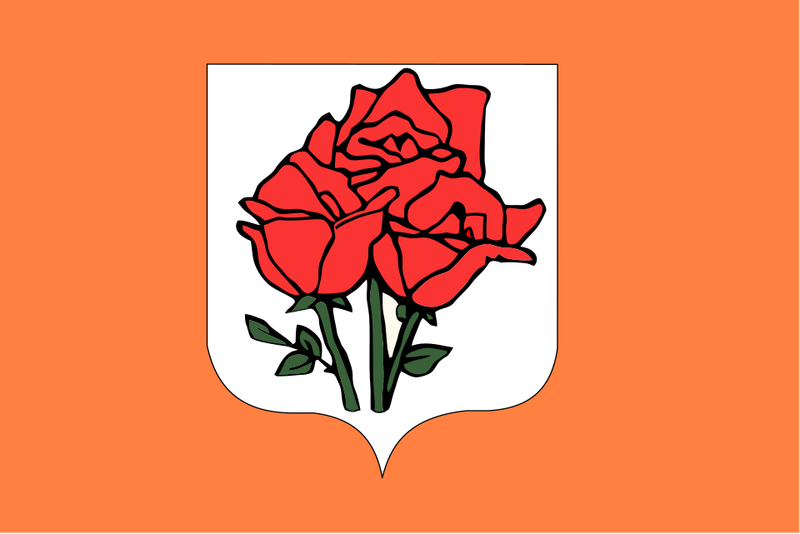
Giorgio Rosa was an Italian engineer with a libertarian streak and a very ambitious construction project. In 1967, he built an artificial platform on steel stilts in the Adriatic Sea, just outside Italian territorial waters.
He declared it the independent Republic of Rose Island in 1968.
The platform was surprisingly well-equipped. It had a restaurant, a bar, a souvenir shop, and a post office.
Rosa even created his own stamps and declared Esperanto the official language. Tourists visited by boat, and the republic briefly issued its own currency.
Italy was not amused. The government viewed Rose Island as a scheme to avoid Italian taxes and jurisdiction.
Italian naval forces boarded the platform in February 1969, removed Rosa and his staff, and then demolished the structure with explosives a few months later. The whole story was adapted into a popular Netflix film in 2020, bringing renewed international attention to Rosa’s quirky experiment.
10. Republic of Minerva (1972)
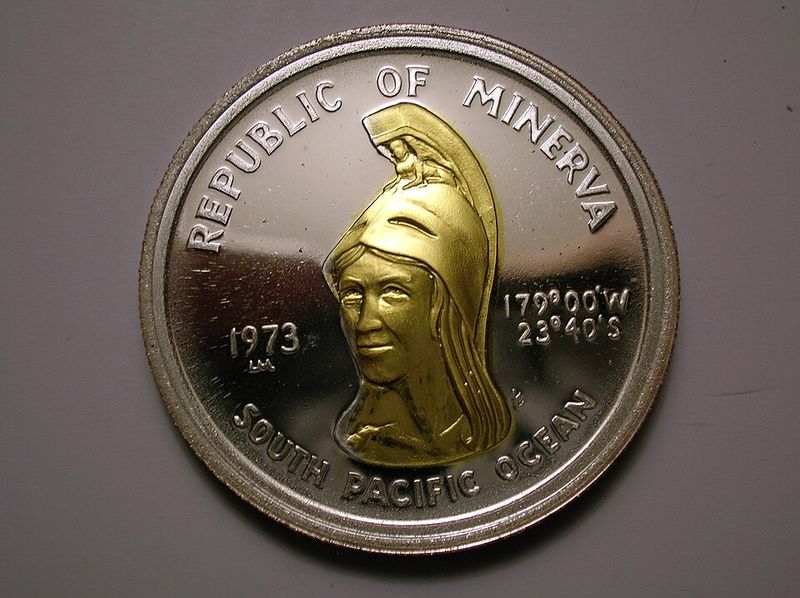
The idea sounded appealing to a group of American libertarians in the early 1970s: find an unclaimed piece of land, build a country from scratch with no taxes and minimal government, and start fresh. They chose Minerva Reefs, a pair of submerged atolls in the South Pacific near Tonga.
In January 1972, the group dredged enough sand and coral to create a small artificial island, planted a flag, and declared the Republic of Minerva independent. They envisioned a haven for free enterprise and individual liberty.
Coins were minted, and a provisional government was announced.
Tonga’s King Taufa’ahau Tupou IV moved quickly. He sailed to the reef personally in June 1972, claimed it for Tonga, and that was essentially the end of Minerva.
Tonga formally annexed the reefs, and the libertarian dream dissolved into the Pacific waves. The reefs remain a disputed area to this day.
11. Kingdom of Araucania and Patagonia (1860-1862)
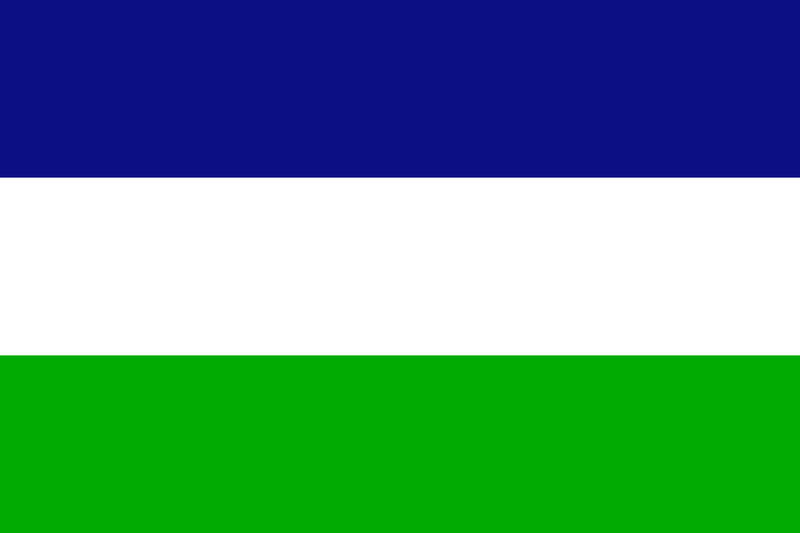
Orlie-Antoine de Tounens was a French lawyer with an extraordinary imagination and a remarkable talent for persuasion. In 1860, he traveled to southern Chile and Argentina, made contact with the indigenous Mapuche people, and somehow convinced their leaders to accept him as their king.
He declared the Kingdom of Araucania and Patagonia, drafted a constitution, and began issuing official documents in his new royal name, Antoine I. The kingdom covered an enormous claimed territory across what is now southern Chile and Argentina.
For a brief moment, it seemed like a real experiment in cross-cultural governance.
Chilean authorities were far less impressed. They arrested de Tounens, declared him insane, and deported him back to France in 1862.
He returned to South America twice more to reclaim his throne, failing both times. Back in France, he continued to claim his royal title until his death in 1878, passing the claim to a line of successors.
12. Kingdom of Sedang (1888-1890)
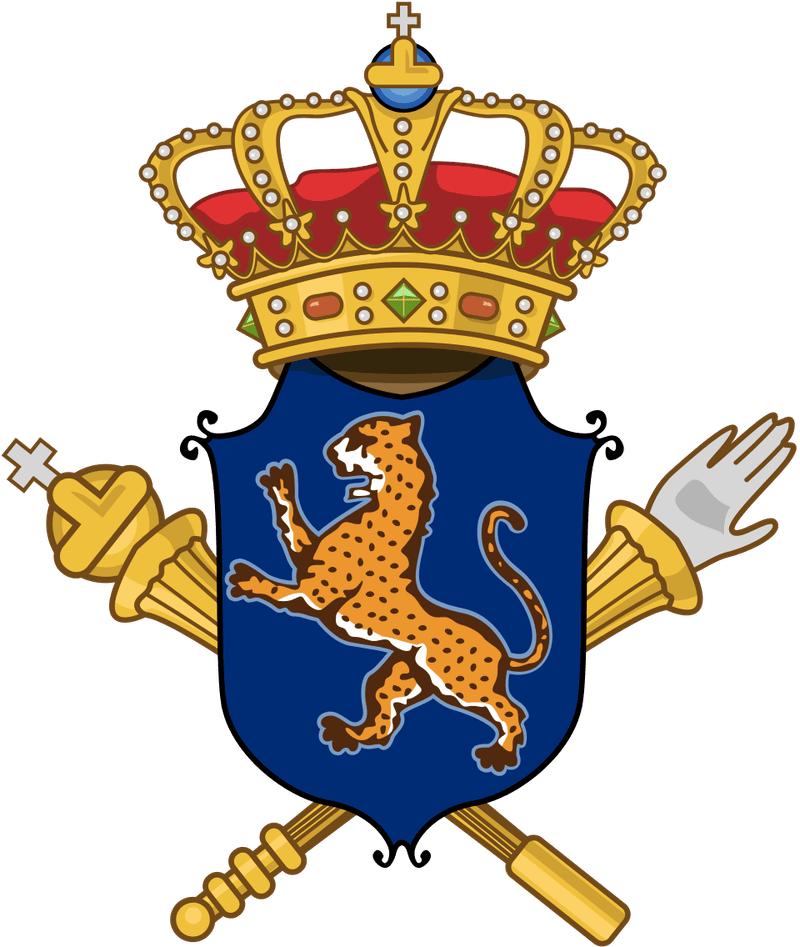
Marie-Charles David de Mayréna was the kind of person who made history just by showing up. A French adventurer with a flair for drama, he arrived in the Central Highlands of present-day Vietnam in 1888 on a vague mission from French colonial authorities.
What happened next surprised everyone, including France.
De Mayréna negotiated with the Sedang and other tribal groups, and through a combination of charm, gifts, and sheer audacity, he persuaded local leaders to crown him Marie I, King of Sedang. He wrote a constitution, created medals and decorations, and traveled to Europe trying to get his kingdom officially recognized.
European governments found him entertaining but not credible. France, which was consolidating control over Indochina, had no interest in a rogue kingdom inside its territory.
De Mayréna was pressured to abdicate and eventually exiled to a small island, where he died in 1890 under mysterious circumstances.
13. Republic of Counani (1886-1912)
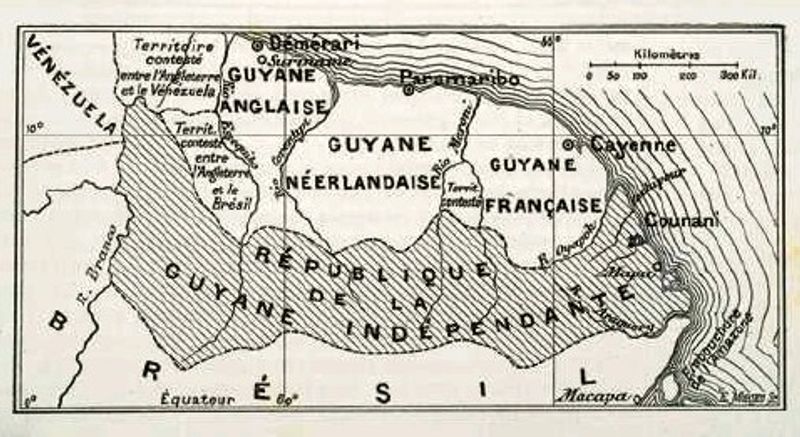
Wedged between Brazil and French Guiana lay a stretch of contested jungle that neither country firmly controlled. Into this legal vacuum stepped several opportunists over the years, but the most persistent was a French adventurer named Adolphe Brezet, who declared the Republic of Counani in the late 19th century.
The republic issued its own postage stamps, appointed presidents, and claimed sovereignty over the disputed territory. It attracted a small cast of adventurers, gold seekers, and political idealists.
At least two different men claimed the presidency at various points, which gives a sense of how organized the operation was.
Brazil and France eventually settled their border dispute in 1900, dividing the territory between them and leaving no room for Counani. Even so, scattered claims to the republic’s existence continued into the early 1900s.
The stamps it issued are now collector’s items, serving as the most tangible proof that this strange little republic ever existed.
14. Kingdom of Tavolara (1836-1962)
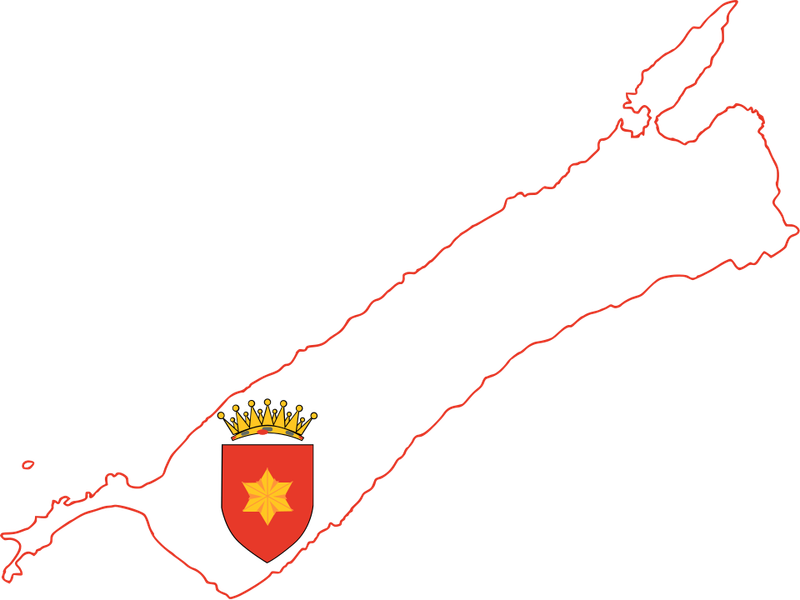
Tavolara is a dramatic spike of limestone rising from the sea off the northeastern coast of Sardinia. It is only about five kilometers long.
In the 1830s, a fisherman named Paolo Bertoleoni settled there with his family and, by some accounts, was recognized as king by King Carlo Alberto of Sardinia himself.
The story goes that Carlo Alberto visited the island on a hunting trip, was impressed by Bertoleoni’s wild goats, and granted him royal status as a gesture of goodwill. Whether fully official or largely ceremonial, the Bertoleoni family embraced the title enthusiastically and passed it down through generations.
The kingdom supposedly continued in some form until 1962, when the last claimant died without an heir. Today, Tavolara is mostly a protected marine area and a popular tourist destination.
A small cemetery on the island still holds the graves of its self-proclaimed royal family, and locals take the story seriously enough to keep it alive.
15. Newfoundland Dominion (1907-1949)
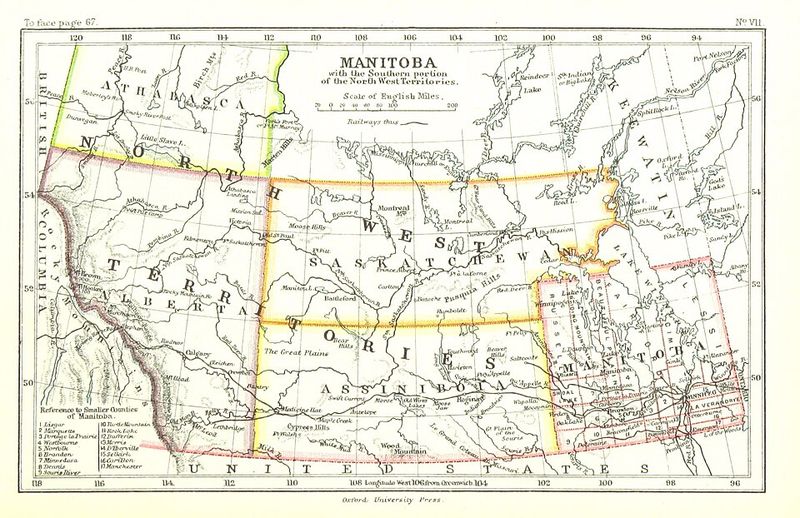
Before it became a Canadian province, Newfoundland had its own remarkable run as a self-governing dominion of the British Empire. Granted dominion status in 1907, it stood alongside Canada, Australia, and New Zealand as one of Britain’s most independent territories, issuing its own stamps, currency, and passports.
Newfoundland even had its own military forces during World War I, and the Newfoundland Regiment suffered devastating losses at the Battle of Beaumont-Hamel in 1916. The economic toll of the war, combined with the Great Depression, left Newfoundland bankrupt by the 1930s.
Britain suspended its self-governing status in 1934 and placed it under a commission government.
After World War II, Newfoundlanders voted in a closely contested referendum on their future. The margin was narrow, but in 1949, Newfoundland joined Canada as its tenth province.
Many older residents still remember a time when Newfoundland was, for all practical purposes, its very own country.
Share this story