Most museums stick to art, history, or science. But scattered across the world are places dedicated to things like broken hearts, toilet history, and underwater sculptures.
These spots sound bizarre, but they often teach you more than you expected.
I visited a few of these on a road trip once, and I walked out every single time thinking, “Why did I not know about this sooner?”
The Icelandic Phallological Museum – Reykjavik, Iceland
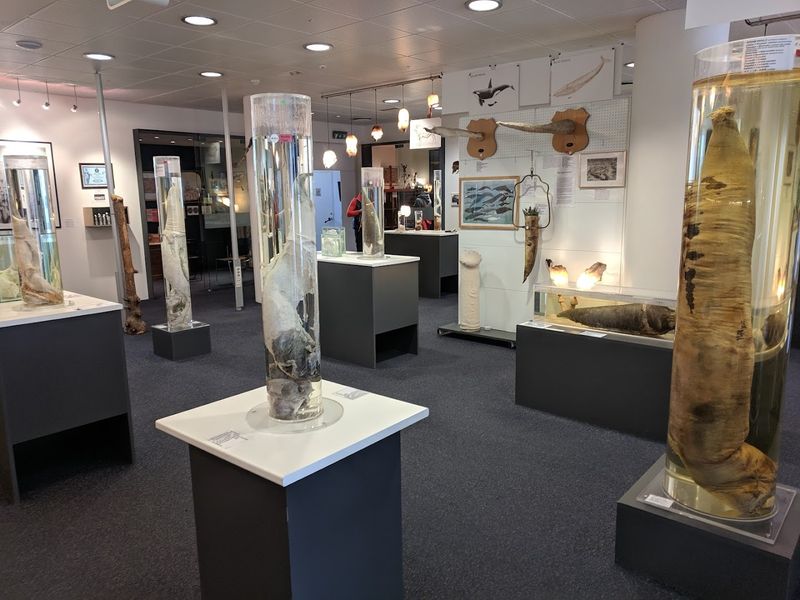
Only in Iceland would a museum about anatomy become a beloved tourist attraction, and honestly, fair enough. The Icelandic Phallological Museum in Reykjavik is dedicated to phallology, the scientific study of the male reproductive organ across the animal kingdom.
The collection includes specimens from over 200 mammals, many of them native to Iceland. Whales, seals, polar bears, and even a human specimen are all part of the display.
Visitors expecting shock value usually leave surprised by how genuinely educational the whole thing is.
The museum treats its subject with real scientific seriousness, which makes the experience oddly respectful. Informational panels explain biology, habitat, and zoological context.
It sounds like a punchline, but the Phallological Museum is a legitimate natural history collection. If you visit Reykjavik and skip this one, you are missing out on one of the most unexpectedly thoughtful museums in all of Europe.
Museum of Broken Relationships – Zagreb, Croatia
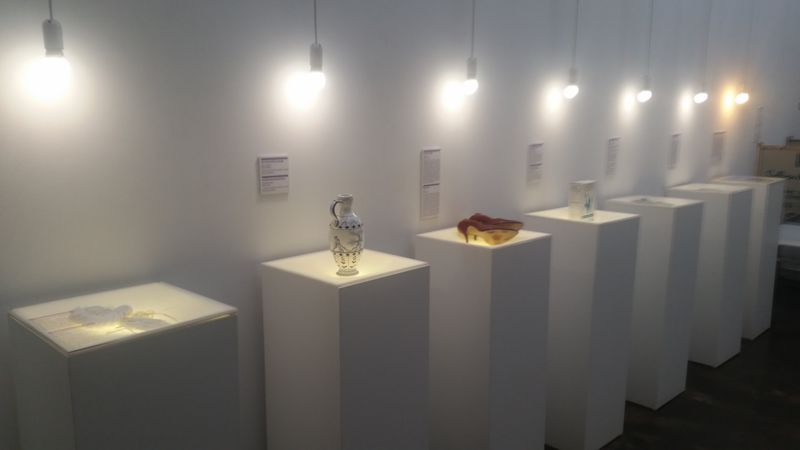
A toaster. A wedding dress.
A garden gnome. These are not typical museum artifacts, but at the Museum of Broken Relationships in Zagreb, they are the whole point.
Every object in this collection was donated by someone after a relationship ended.
Each item comes with a short handwritten story from the person who left it behind. Some stories are funny.
Some are gut-wrenching. A few are so strange they almost feel made up, but they are all completely real.
The museum opened in 2006 and has since grown into an internationally touring exhibition.
What makes it work is that ordinary objects carry extraordinary emotional weight when you know the story behind them. A broken umbrella becomes a whole relationship in two paragraphs.
I read one story about a rubber duck and somehow teared up. This museum proves that love, loss, and heartbreak are universal, and sometimes all it takes is a donated toaster to remind you.
MUSA Underwater Museum of Art – Cancun and Isla Mujeres, Mexico
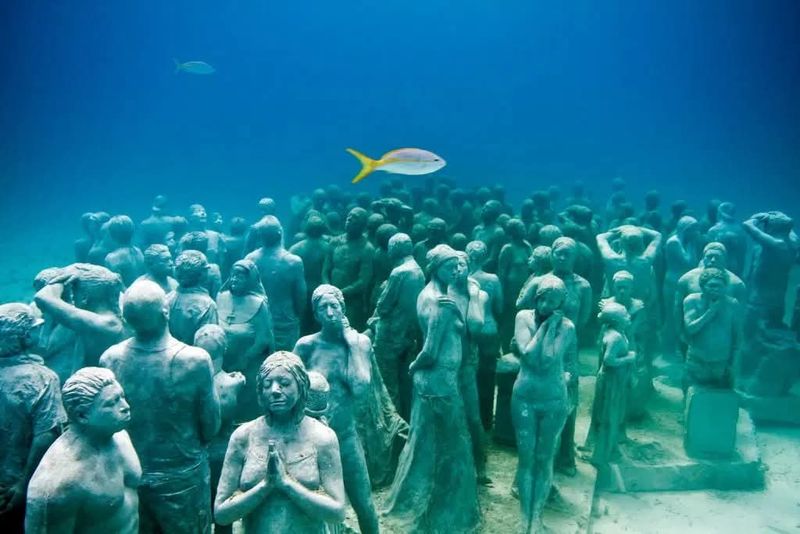
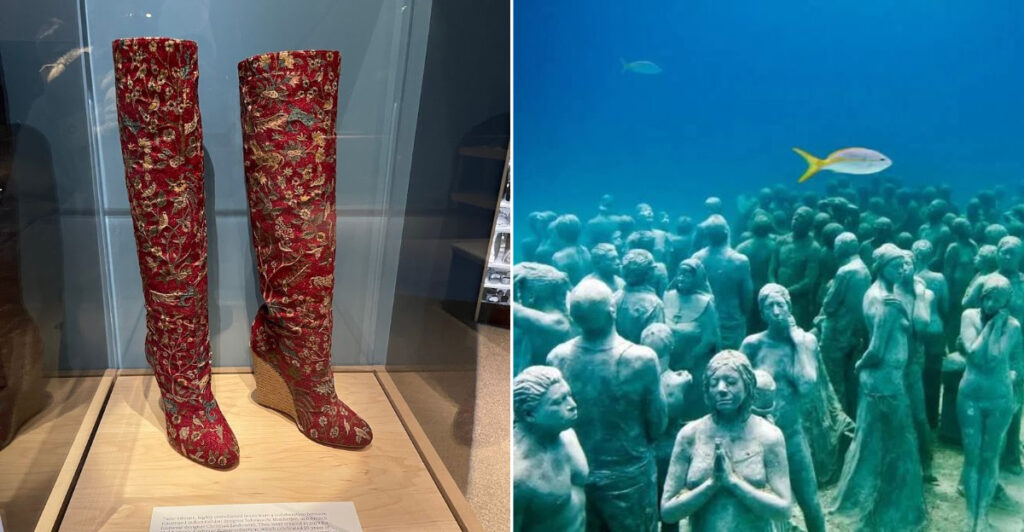
Most museums hang art on walls. MUSA sinks it to the ocean floor.
Located in the waters between Cancun and Isla Mujeres, this museum features over 500 life-size sculptures placed beneath the Caribbean Sea, making it one of the largest underwater art installations on the planet.
Created by sculptor Jason deCaires Taylor, the figures depict everyday people frozen in ordinary moments. Over time, coral has grown across their surfaces, turning each sculpture into a living reef habitat.
The art literally becomes part of the ecosystem.
You can visit by snorkeling, scuba diving, or taking a glass-bottom boat tour. The sculptures look surreal through any lens.
What started as an art project has become a serious conservation effort, drawing marine life away from fragile natural reefs. MUSA is proof that creativity and environmental responsibility can share the same space, even if that space happens to be 28 feet underwater.
CUPNOODLES Museum – Yokohama, Japan
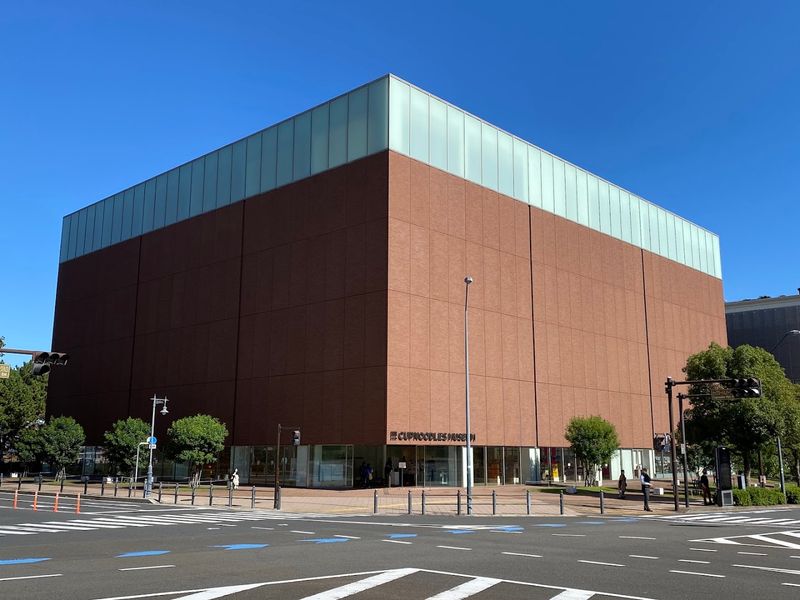
Instant noodles saved my college budget more times than I can count, so learning there is an entire museum dedicated to them felt deeply personal. The CUPNOODLES Museum in Yokohama celebrates the invention of instant ramen by Momofuku Ando, who created Chicken Ramen in 1958 and changed how millions of people eat.
The museum is colorful, interactive, and packed with creative exhibits. One highlight is the My CUPNOODLES Factory, where visitors design their own cup packaging and choose their own soup and toppings.
There is also a Chicken Ramen Factory where you can make noodles from scratch by hand.
The deeper story here is not just about noodles. It is about the power of one stubborn idea.
Ando invented instant ramen in a small shed behind his house after failing at several businesses. The museum turns that scrappy origin story into an inspiring lesson about curiosity, persistence, and why great ideas often come from the most humble places.
SPAM Museum – Austin, Minnesota, USA
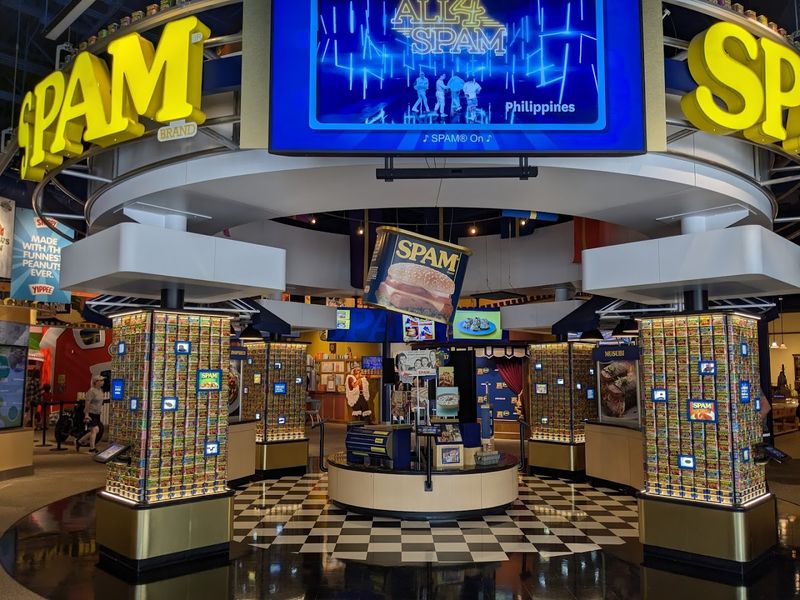
Free admission, zero pretension, and a surprisingly deep history lesson about canned meat. The SPAM Museum in Austin, Minnesota is exactly the kind of place that sounds like a joke until you are actually standing inside it, genuinely entertained.
SPAM was introduced in 1937 by Hormel Foods and became a wartime staple, feeding soldiers across multiple continents during World War II. The museum covers that history with real detail, including how SPAM became a cultural icon in Hawaii, South Korea, and the Philippines, places where it is still celebrated today.
The exhibits are bright and playful, with interactive stations, advertising archives, and a timeline showing SPAM’s global reach. There is even a gift shop stocked with SPAM merchandise that you absolutely did not know you needed.
Whether you are a loyal fan or a skeptic, the museum makes a strong case that this humble canned product earned its place in food history, one salty slice at a time.
Vent Haven Museum – Fort Mitchell, Kentucky, USA

Walking into a room where hundreds of painted faces are staring back at you is not something you forget quickly. Vent Haven Museum in Fort Mitchell, Kentucky is the only museum in the world dedicated entirely to ventriloquism, and it holds over 900 ventriloquist figures along with photographs, scripts, and memorabilia.
The collection was started by William Shakespeare Berger, a Cincinnati businessman who had a passion for the craft. After his death, his home and collection became the museum.
Visits are by appointment only during the touring season, which makes it feel like a secret worth seeking out.
The atmosphere is genuinely eerie in the best possible way. Some figures date back over a century and still wear their original costumes.
But underneath the creepy surface is a serious archive of entertainment history. Ventriloquism was once a major stage art form, and Vent Haven is one of the few places keeping that tradition carefully preserved and properly respected.
International Cryptozoology Museum – Bangor, Maine, USA
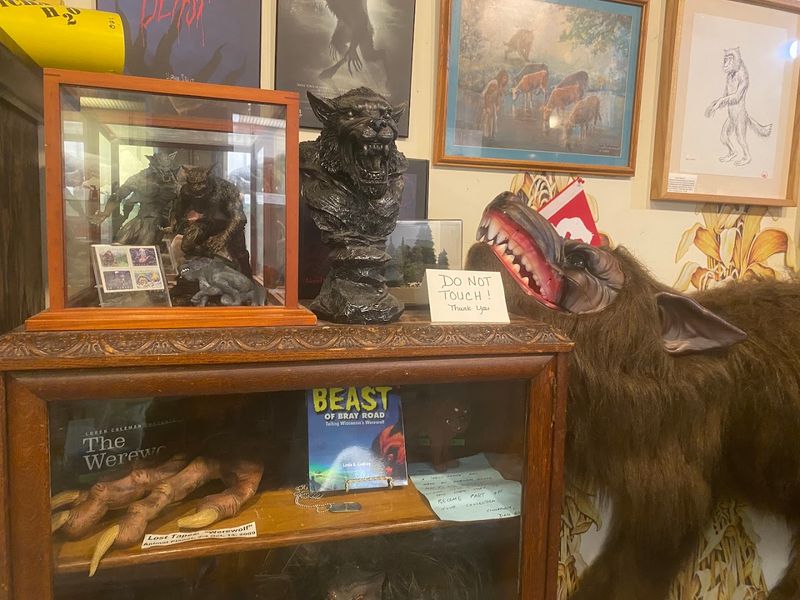
Bigfoot footprint casts, Loch Ness Monster memorabilia, and a life-size model of a giant sloth that may have inspired legends of the Mapinguari. The International Cryptozoology Museum in Bangor, Maine is a one-of-a-kind collection dedicated to creatures that may or may not actually exist.
Founded by author and researcher Loren Coleman, the museum blends folklore, zoology, anthropology, and pop culture into one genuinely thought-provoking space. The goal is not to convince you that Bigfoot is real.
It is to explore why humans across every culture have always told stories about hidden creatures.
That question turns out to be surprisingly interesting. New animal species are still being discovered every year, which means the line between legend and science is thinner than most people assume.
The museum handles that idea with real intellectual curiosity. Skeptics enjoy it as much as believers do.
Either way, you leave asking questions you did not walk in with, which is exactly what a good museum should do.
Mutter Museum – Philadelphia, Pennsylvania, USA
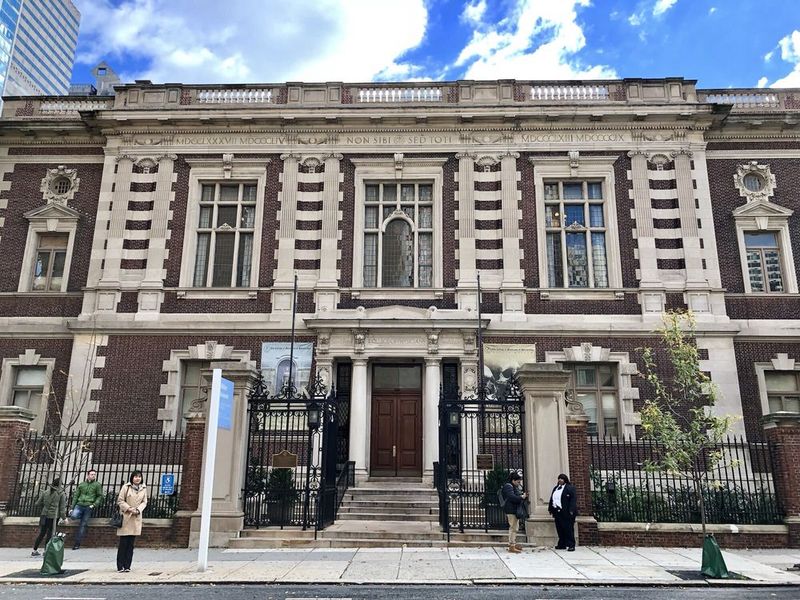
The Mutter Museum is not for everyone, and it will tell you that itself. Located inside the College of Physicians of Philadelphia, this medical museum houses one of the most unusual and genuinely important collections of anatomical specimens, antique instruments, and medical oddities in the world.
The exhibits include a preserved slice of Albert Einstein’s brain, a collection of objects swallowed and removed from patients, a skeleton showing the effects of corset use, and the famous Soap Lady, a woman whose body naturally transformed into a soap-like substance after burial. It is strange, yes, but every exhibit serves an educational purpose.
The museum was founded in 1858 to help doctors understand disease and anatomy before modern imaging existed. That historical weight makes the whole experience feel significant rather than gratuitous.
You leave with a real appreciation for how far medicine has come and a deeper respect for the human body. Weird?
Very. Worth visiting?
Absolutely, yes.
Paris Sewer Museum – Paris, France
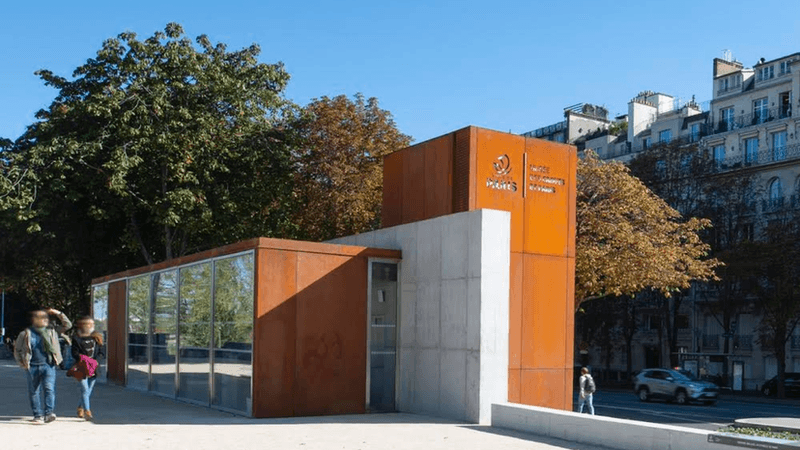
Paris gets a lot of credit for its above-ground beauty, but the city’s most underrated attraction is literally underground. The Paris Sewer Museum, known as Les Egouts de Paris, takes visitors beneath the streets to explore the 19th-century engineering marvel that is the city’s sewer system.
Baron Haussmann commissioned the modern sewer network during Napoleon III’s massive rebuilding of Paris in the 1850s. The system stretches over 2,400 kilometers and was considered revolutionary for its time.
The museum walks visitors through real sewer tunnels, showing equipment, historical photographs, and explanations of how the system works.
It smells a little. That is just honest.
But the experience is genuinely fascinating for anyone interested in urban history or engineering. Clean water and sanitation systems transformed public health in cities worldwide, and Paris was one of the pioneers.
This museum gives that invisible infrastructure the recognition it deserves, even if most tourists walk right past the entrance without a second glance.
Museum of Witchcraft and Magic – Boscastle, England
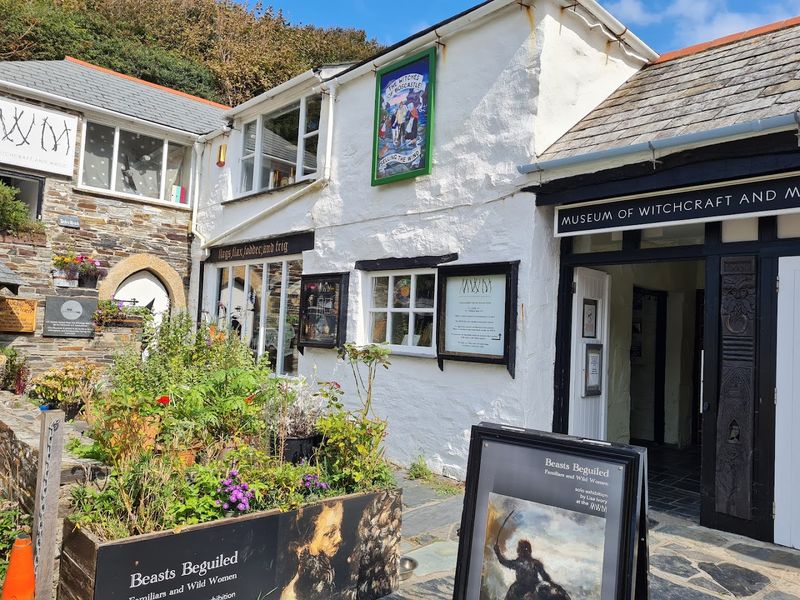
Tucked into the village of Boscastle on the rugged Cornish coast, the Museum of Witchcraft and Magic holds the largest collection of witchcraft-related artifacts in the world. It opened in 1960 and has been drawing curious visitors ever since, each one leaving with a slightly different idea of what magic actually means.
The collection includes ritual tools, amulets, spell bottles, wax figures, and objects connected to cunning folk, hedge witches, and ceremonial traditions. The museum does not treat its subject as a Halloween theme.
It approaches witchcraft as a serious area of cultural and historical study.
The atmosphere inside is genuinely atmospheric without being theatrical. Low lighting, old wood floors, and carefully arranged cases make the whole place feel like stepping into a different era.
The museum also survived a devastating flood in 2004 that destroyed much of Boscastle, which somehow adds to its mystique. Some locals say the museum brought the flood.
The museum says the drainage system failed. You decide.
The Neon Museum – Las Vegas, Nevada, USA
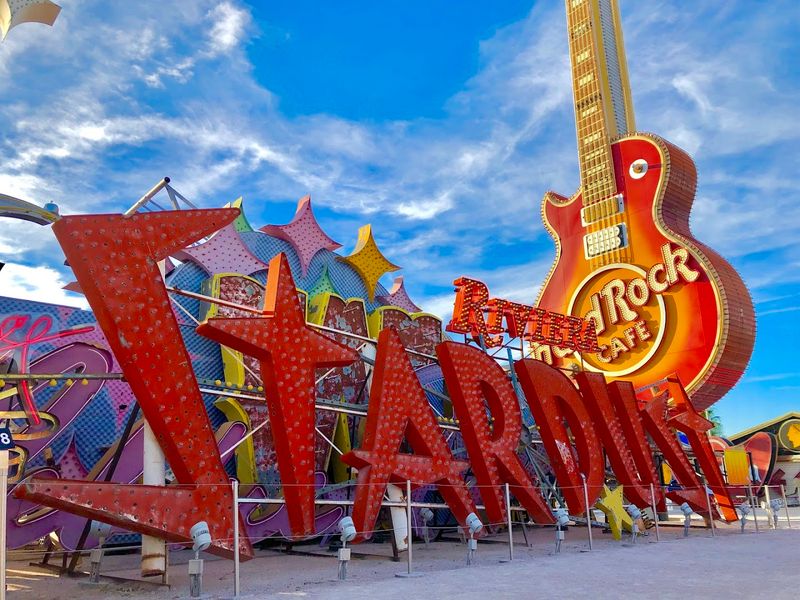
Las Vegas reinvents itself constantly, tearing down old casinos and replacing them with shinier ones. The Neon Museum exists to make sure the signs from those vanished places are not just dumped in a landfill.
Its famous Neon Boneyard is an outdoor collection of over 200 iconic signs rescued from the city’s past.
Signs from the Stardust, the Moulin Rouge, and Binion’s Horseshoe stand alongside neon relics from motels, restaurants, and wedding chapels that no longer exist. Each one is a piece of graphic design history, representing the bold visual language of mid-century Las Vegas.
The museum offers both daytime and nighttime tours, and the nighttime experience is particularly striking when restored signs light up against the desert sky. It is a museum about nostalgia, design, and the strange beauty of things that were never meant to last forever.
For a city built on spectacle and forgetting, the Neon Museum is a surprisingly sentimental place.
Bata Shoe Museum – Toronto, Canada
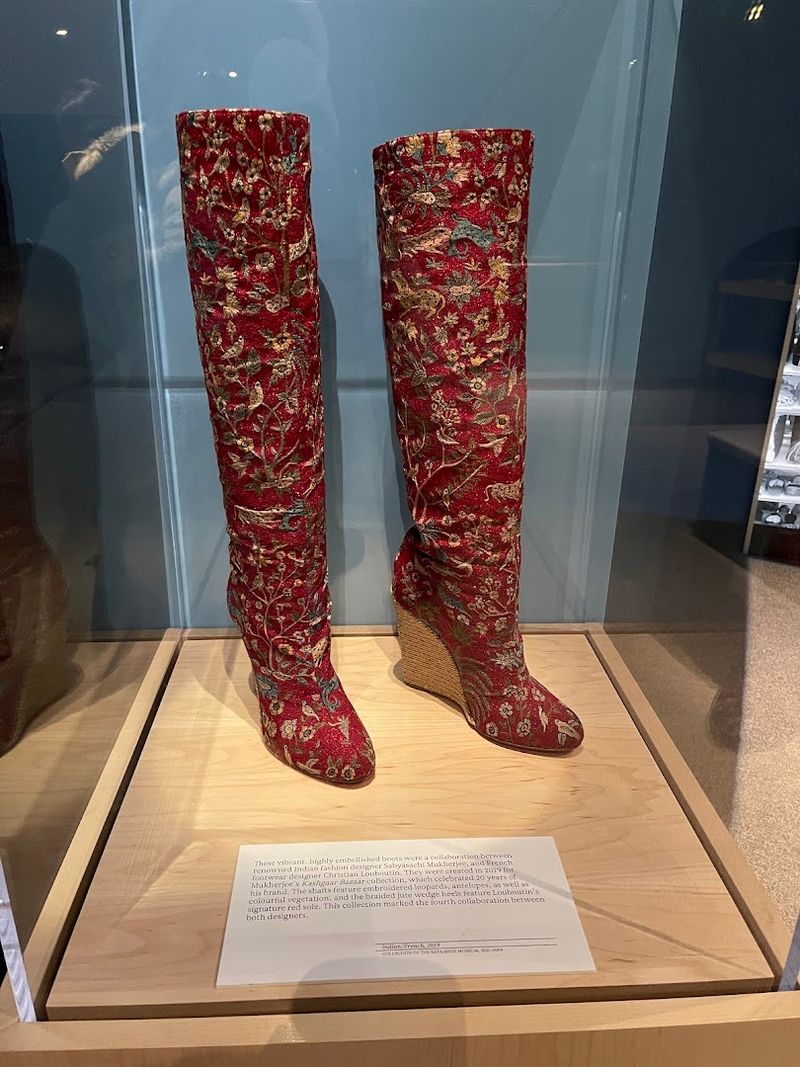
Four floors dedicated entirely to shoes sounds like it should be boring. The Bata Shoe Museum in Toronto proves that assumption completely wrong within the first five minutes.
Founded by Sonja Bata, the museum holds over 15,000 shoes and shoe-related artifacts spanning 4,500 years of human history.
The collection includes ancient Egyptian sandals, Chinese lotus shoes, Arctic boots made from seal skin, and platform heels worn by Elton John. Each shoe tells a story about the culture, economy, and values of the person who wore it.
Shoes reveal class, religion, gender roles, and geography in ways that are easy to overlook.
One exhibit I found particularly striking showed how foot binding in China reflected centuries of social control over women’s bodies. The shoes themselves are small enough to fit in your palm.
That contrast between size and historical weight is exactly what makes this museum so effective. It takes something ordinary and turns it into a lens for understanding people across time.
Sulabh International Museum of Toilets – New Delhi, India
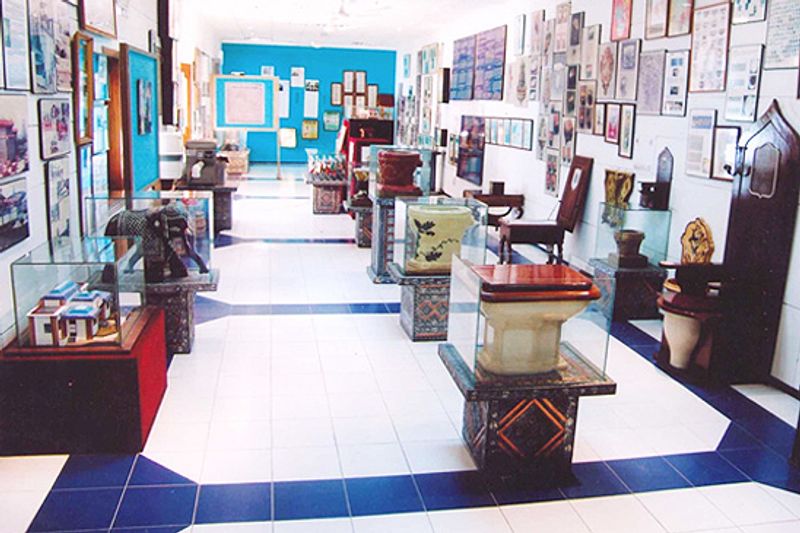
Before you laugh, consider this: lack of proper sanitation kills more people every year than war. The Sulabh International Museum of Toilets in New Delhi is built on that serious reality, even if its subject matter earns a few giggles at the entrance.
The museum traces the history of toilets and sanitation from 2500 BCE to the present day. Exhibits include chamber pots from medieval Europe, ornate Victorian water closets, commodes disguised as stacks of books used by 18th-century French nobility, and traditional Indian sanitation methods.
The timeline is genuinely surprising.
Founded by sanitation activist Dr. Bindeshwar Pathak, the museum is part of a larger movement to promote hygiene and dignity for communities without access to basic facilities. The Sulabh organization has built thousands of public toilets across India as part of that mission.
So yes, it is a museum about toilets, but it is really a museum about public health, human rights, and one person’s commitment to making things better.
Meguro Parasitological Museum – Tokyo, Japan
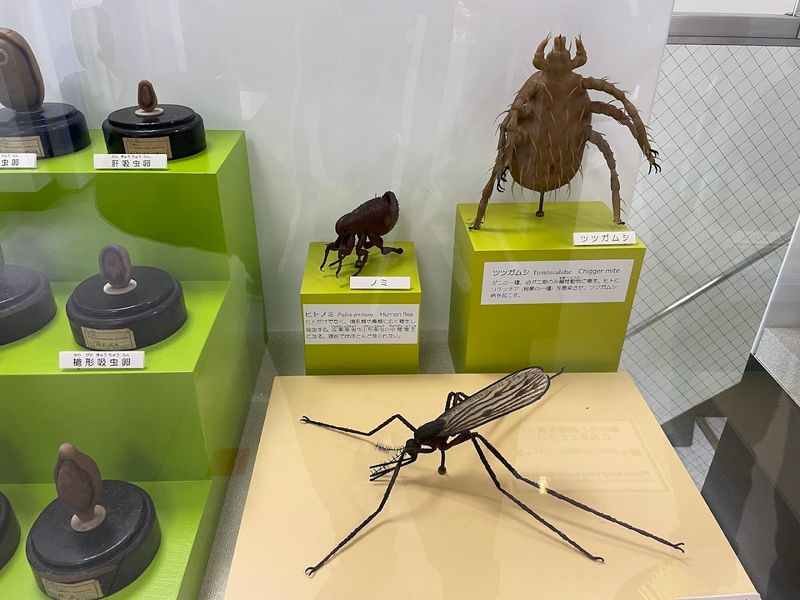
There is a tapeworm in this museum that measures 8.8 meters long, and it was removed from a single human host. That fact alone tells you everything you need to know about whether the Meguro Parasitological Museum in Tokyo will leave an impression.
Founded in 1953 by Dr. Satoru Kamegai, this small private museum in Tokyo’s Meguro district is the only museum in the world dedicated exclusively to parasitology. It holds over 300 specimens, detailed life-cycle diagrams, and research materials covering parasites that affect humans, fish, and animals.
The museum is free to enter and surprisingly popular with couples, which says something interesting about Tokyo’s dating culture. Gift shop items include tapeworm-themed scarves and keychains, which are either charming or deeply unsettling depending on your perspective.
The science here is serious and well-presented. Parasitology is a genuinely important field of medicine, and this museum makes a dense subject accessible, memorable, and just uncomfortable enough to stick with you.
ARTIS-Micropia – Amsterdam, Netherlands
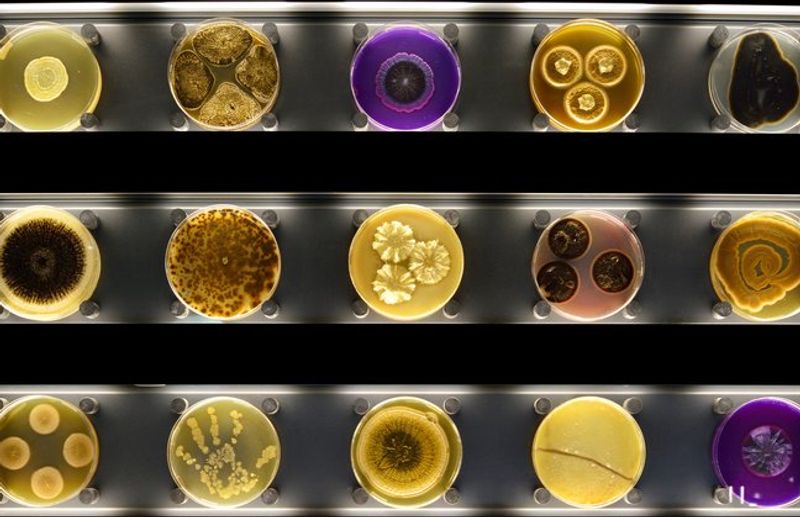
Right now, trillions of microorganisms are living on your skin, in your gut, and on every surface you have touched today. ARTIS-Micropia in Amsterdam is the only museum in the world dedicated entirely to this invisible universe, and it opened in 2014 to genuinely enthusiastic crowds.
The museum is connected to the historic Artis Royal Zoo and uses interactive exhibits, high-powered microscopes, and large-screen visualizations to make microbiology accessible to everyone. One exhibit lets you see the microbes living on your own hand in real time.
Another shows how microbes affect everything from cheese production to climate change.
What makes Micropia stand out is how it reframes the relationship between humans and microbes. Instead of presenting bacteria and viruses as threats, it shows how most microorganisms are essential to life on Earth.
The exhibits are hands-on and genuinely fun for all ages. You walk out realizing that the most fascinating creatures on the planet are the ones you have never actually seen.
Share this story