 Unearth The Voyage
Disney movies are full of magic, adventure, and hidden secrets that fans love to uncover. Over the years, devoted viewers have come up with some seriously creative theories connecting their favorite princess stories in surprising ways.
Some of these ideas are so well thought out that even Disney creators have acknowledged them. Get ready to look at your favorite films in a whole new light.
1. Tarzan Is Elsa and Anna’s Brother
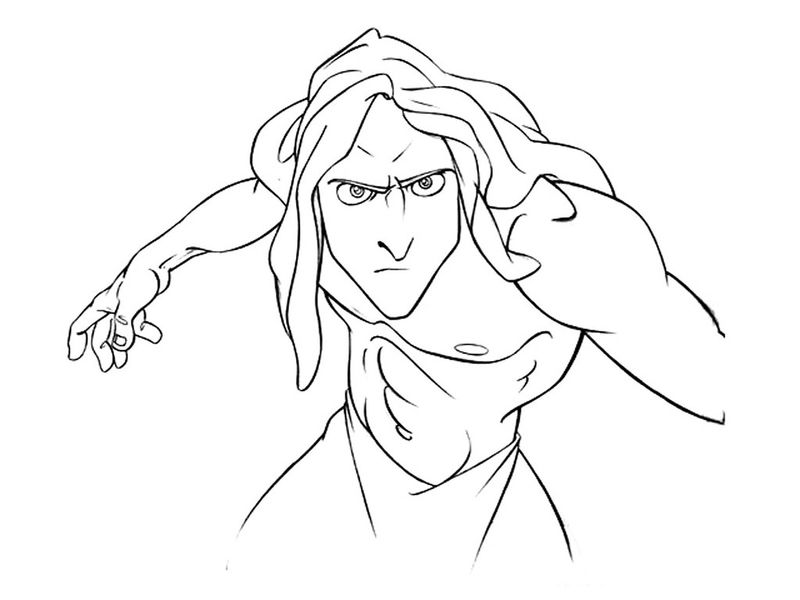
What if Elsa and Anna’s parents never actually drowned at sea? One of the most talked-about Disney fan theories suggests their ship didn’t sink but instead crashed near a jungle, where the king and queen survived and later had a baby boy named Tarzan.
It sounds wild, but Frozen director Chris Buck actually backed this up in an interview, saying he personally imagines it to be true.
The timing lines up surprisingly well. The parents leave during Frozen and the jungle setting in Tarzan fits a similar era.
Both families also share a warm, loving dynamic that feels consistent across the two films.
While Disney has never made this official canon, the director’s comment gave fans serious fuel. It remains one of the most widely shared theories in Disney history and continues to spark debate among fans of all ages.
2. Belle’s Mother Was the Enchantress
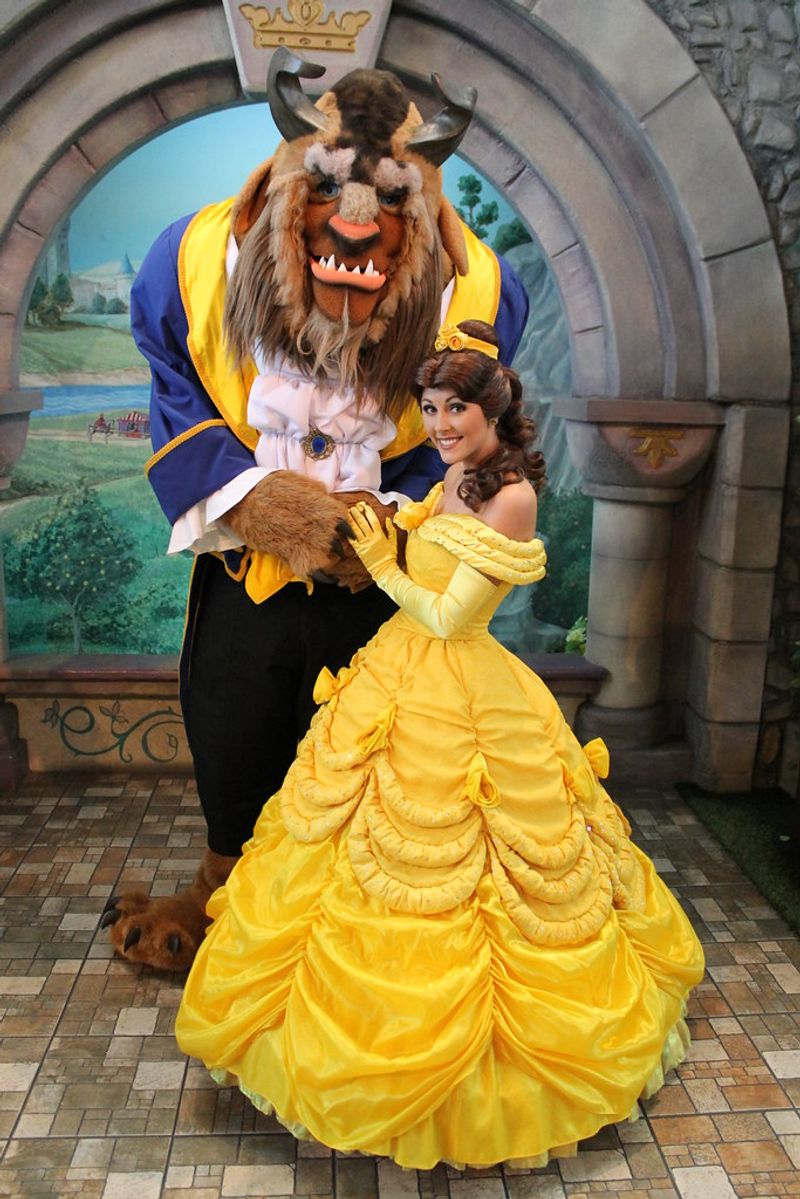
In the 2017 live-action Beauty and the Beast, a new backstory was added showing Belle’s mother dying from the plague in Paris. But some sharp-eyed fans noticed something curious: the magical rose, the enchantment style, and the timing all point toward the Enchantress who cursed the Beast being connected to Belle’s family.
The theory goes that the Enchantress felt guilt over Belle losing her mother and arranged for Belle to eventually find her way to the Beast’s castle. It would explain why Belle seemed almost destined to break the curse.
No official confirmation exists, but the 2017 film added enough new details to make this idea feel surprisingly believable. The themes of loss, magic, and redemption woven throughout the story make this one of the more emotionally resonant fan theories connected to a Disney princess film.
3. Rapunzel and Elsa Are Cousins
Eagle-eyed fans spotted Rapunzel and Flynn Rider walking through the crowd during Elsa’s coronation in Frozen. Disney confirmed this was an intentional cameo, but fans took it much further.
Since both characters are royals from neighboring European kingdoms, the theory suggests they share a family bloodline, making Rapunzel and Elsa cousins.
The geography supports the idea. Arendelle, where Elsa lives, and the kingdom of Corona from Tangled appear to be located near each other based on the visual style and cultural details in both films.
Royal families in that era frequently intermarried.
While Disney has not officially confirmed a family connection beyond the fun cameo, the theory has become incredibly popular. It adds a sweet layer to both stories, imagining that these two beloved characters might have grown up knowing each other behind the scenes of their own adventures.
4. Ariel and Hercules Are Related
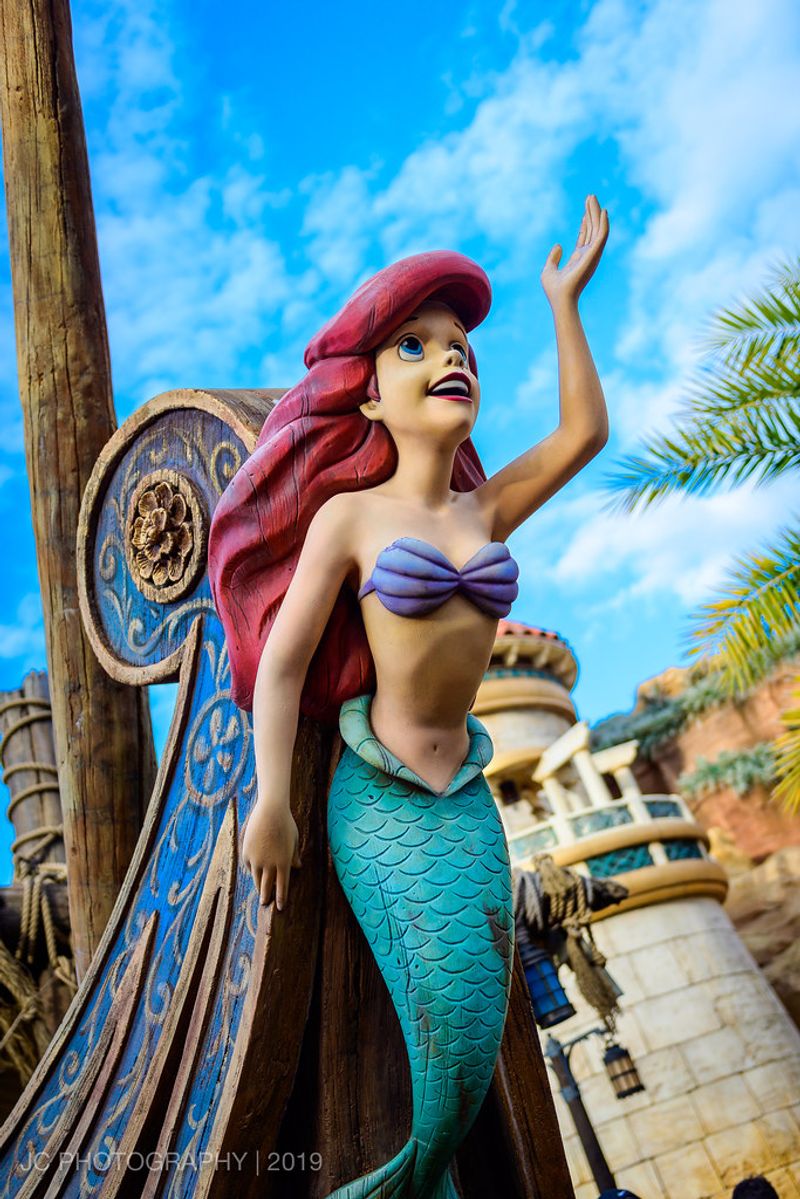
Greek mythology is full of family drama, and Disney leaned into that with both The Little Mermaid and Hercules. In The Little Mermaid, Ariel is the daughter of King Triton, who in mythology is the son of Poseidon.
In Hercules, the hero is the son of Zeus, who is Poseidon’s brother in Greek myth.
That means Triton and Zeus would be cousins, making Ariel and Hercules second cousins by mythological standards. Fans love pointing this out because it essentially makes the theory true without Disney even trying.
Both films draw heavily from Greek mythology, so the connection was always there hiding in plain sight. While the two characters never meet on screen, the idea that they share a divine family tree makes rewatching both movies a lot more fun.
It is one of those theories that feels less like speculation and more like a fun fact.
5. Snow White Is Set During the Great Depression
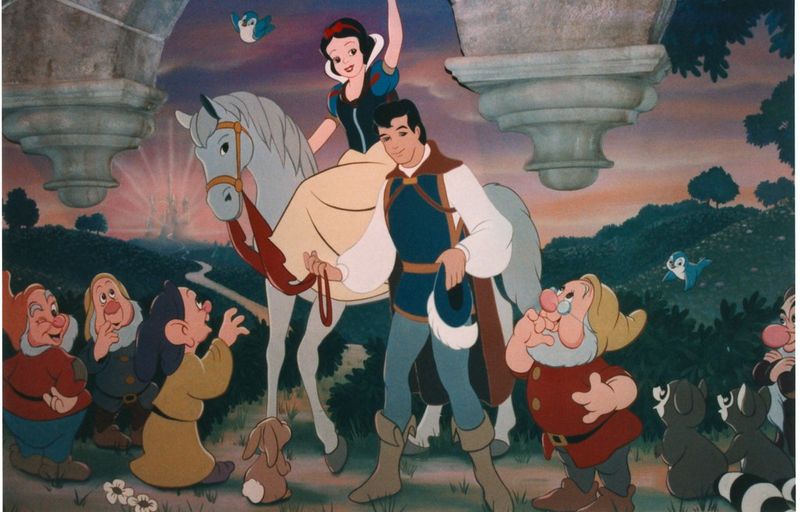
Snow White and the Seven Dwarfs was released in 1937, right in the middle of the Great Depression. Some fans believe the film is not just a fairy tale but a subtle reflection of that difficult era in American history.
Snow White wears torn, patched clothing before her transformation, and she relies entirely on the kindness of strangers to survive.
The dwarfs themselves work long hours in a mine, which mirrors the labor-heavy lives many Americans lived during economic hardship. The modest cottage, the shared resources, and the community spirit all feel very much in line with Depression-era values.
Disney has never confirmed this reading, but the historical timing is hard to ignore. When Snow White was made, audiences were living through real scarcity and struggle.
Seeing a story about resilience, kindness, and hope likely resonated deeply with viewers in ways that went beyond simple fairy tale entertainment.
6. Aladdin Is Set in the Far Future
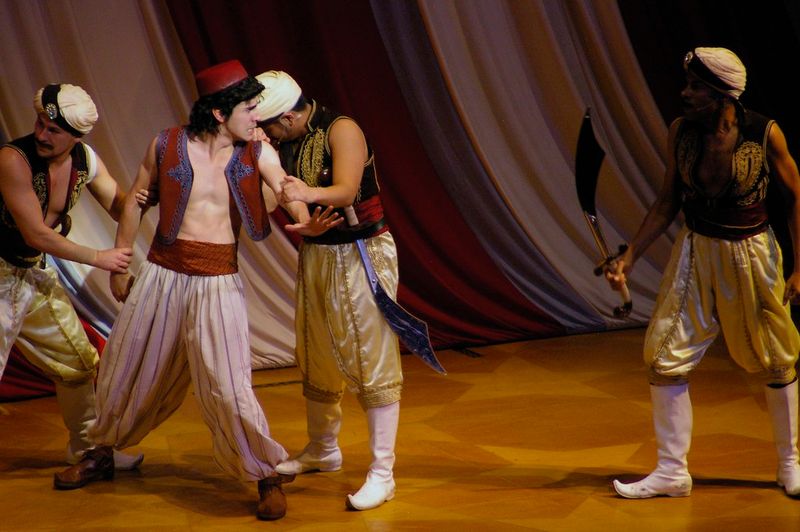
Genie in Aladdin makes references to Jack Nicholson, Caesar salad, and other very modern concepts. Since Genie was trapped in his lamp for 10,000 years, he should only know things from before that time.
So how does he know about 20th-century celebrities and food?
One fan theory argues that Aladdin is actually set thousands of years in the future, after a civilization collapse returned the world to a desert-era lifestyle. Agrabah, in this reading, is built on the ruins of our modern world, which would explain Genie’s pop culture knowledge.
The filmmakers confirmed that Genie is aware of modern pop culture as a joke and creative choice, not a plot point. Still, the post-apocalyptic timeline idea remains a fascinating lens through which to view the film.
It turns a fun musical adventure into something unexpectedly layered and thought-provoking for older audiences.
7. Mother Gothel and the Evil Queen Are the Same Person
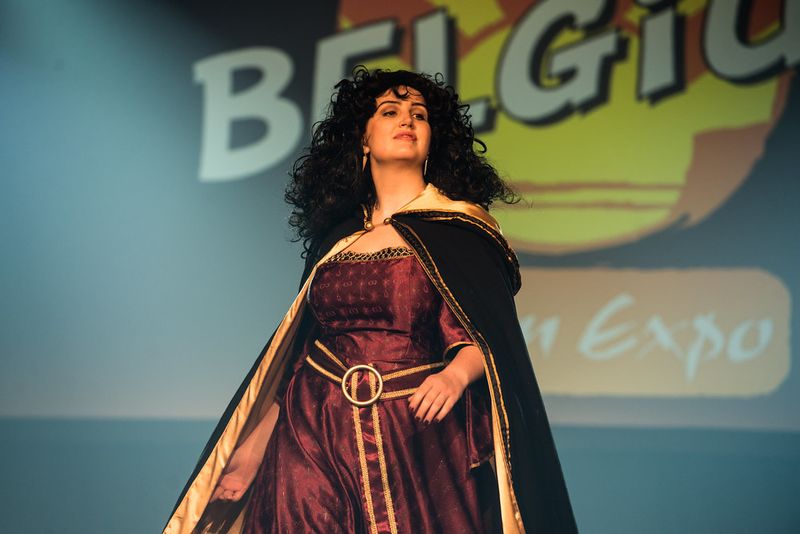
Both Mother Gothel from Tangled and the Evil Queen from Snow White share an almost identical obsession: staying young and beautiful at any cost. Gothel uses Rapunzel’s magical hair, while the Evil Queen uses dark magic and a poisoned apple.
Fans have pointed out that their motivations, personalities, and even fashion choices are remarkably similar.
The theory suggests they could be the same woman across different time periods, or at the very least, connected through a shared magical source. Both women also manipulate young girls and use beauty as a weapon.
Disney has not confirmed any link, but the parallel storytelling is striking enough that it feels intentional on some level. Whether it was a deliberate creative choice or a coincidence, the comparison reveals a lot about how Disney builds its classic villains.
Both characters remain among the most psychologically complex antagonists in the Disney princess universe.
8. Cinderella’s Fairy Godmother Is Her Guardian Angel
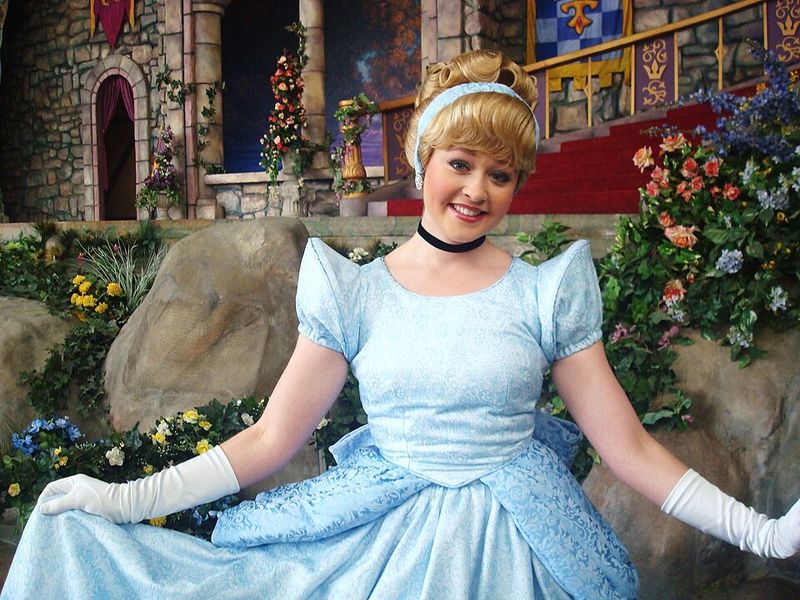
Cinderella’s Fairy Godmother shows up at exactly the right moment, seems to know everything about Cinderella’s wishes, and disappears without explanation once her work is done. That pattern has led fans to believe she is not just a magical helper but actually Cinderella’s deceased mother watching over her from the afterlife.
The theory points out that the Fairy Godmother calls Cinderella “my child” with a warmth that feels deeply personal. She also seems emotionally invested in Cinderella’s happiness in a way that goes beyond a standard magical task.
While Disney has never confirmed this interpretation, it fits beautifully within the film’s themes of love, loss, and hope. Many fans find this reading adds an emotional depth to the story that makes it even more moving.
Believing that a mother’s love transcends death and finds a way to help her daughter is a powerful and timeless idea.
9. Moana Becomes a Demigod After Her Journey
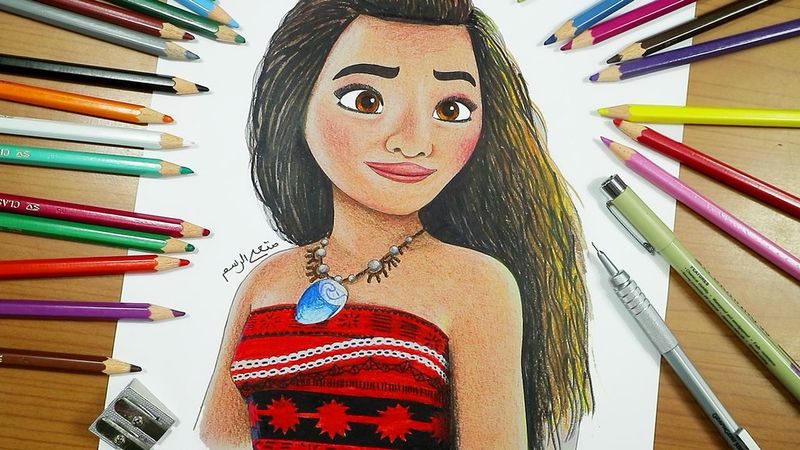
Moana survives encounters with a giant crab, a volcanic demon, and the open ocean, all while being guided and protected by the sea itself. Fans have argued that by the end of her journey, Moana has essentially become something more than human, a demigod in her own right, chosen and empowered by the ocean.
Polynesian mythology is rich with stories of humans gaining divine favor or abilities through extraordinary deeds. Moana’s connection to the ocean goes far beyond what any ordinary person could experience, and the water consistently acts as though it recognizes her as special.
Disney has not officially given Moana demigod status, but the film’s spiritual themes strongly support this reading. Maui himself acknowledges her bravery and strength in a way that suggests she has crossed into legendary territory.
For fans of Polynesian mythology, this theory feels less like a stretch and more like a natural conclusion to her story.
10. Ariel’s Mother Was Killed by Humans
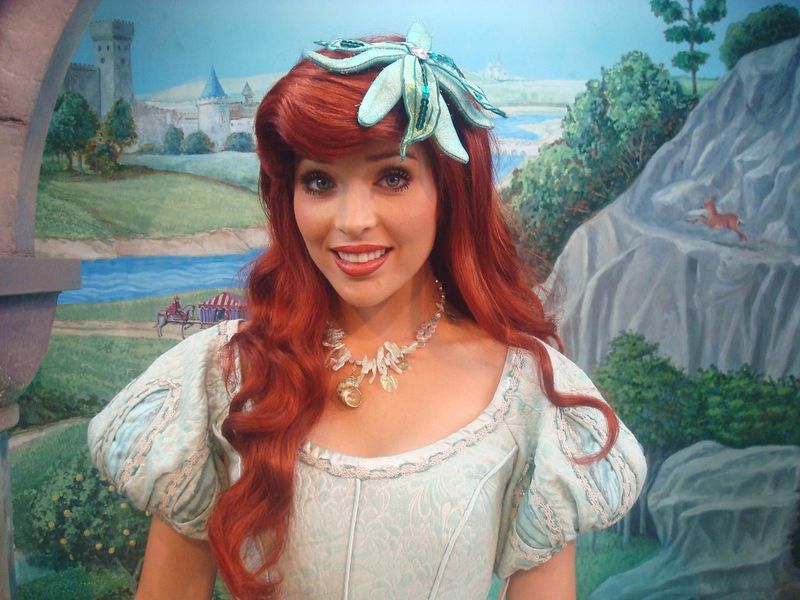
King Triton’s intense hatred of humans in The Little Mermaid always seemed extreme, even for an overprotective father. Fans have long wondered where that deep-seated anger really came from.
The Little Mermaid 2: Return to the Sea revealed that Ariel’s mother, Queen Athena, was killed when a pirate ship crushed her.
That detail reframes everything about Triton’s behavior in the original film. His fear of humans is not just protectiveness; it is grief and trauma.
Ariel’s fascination with the human world takes on a bittersweet quality when you realize she is drawn to the very world that took her mother away.
While this backstory comes from a direct-to-video sequel rather than the original film, it is considered part of the expanded Disney universe. Many fans feel it actually strengthens the original story by giving Triton’s emotions a heartbreaking and completely understandable origin that changes how you watch the first film.
11. Jane from Tarzan Is Belle’s Descendant
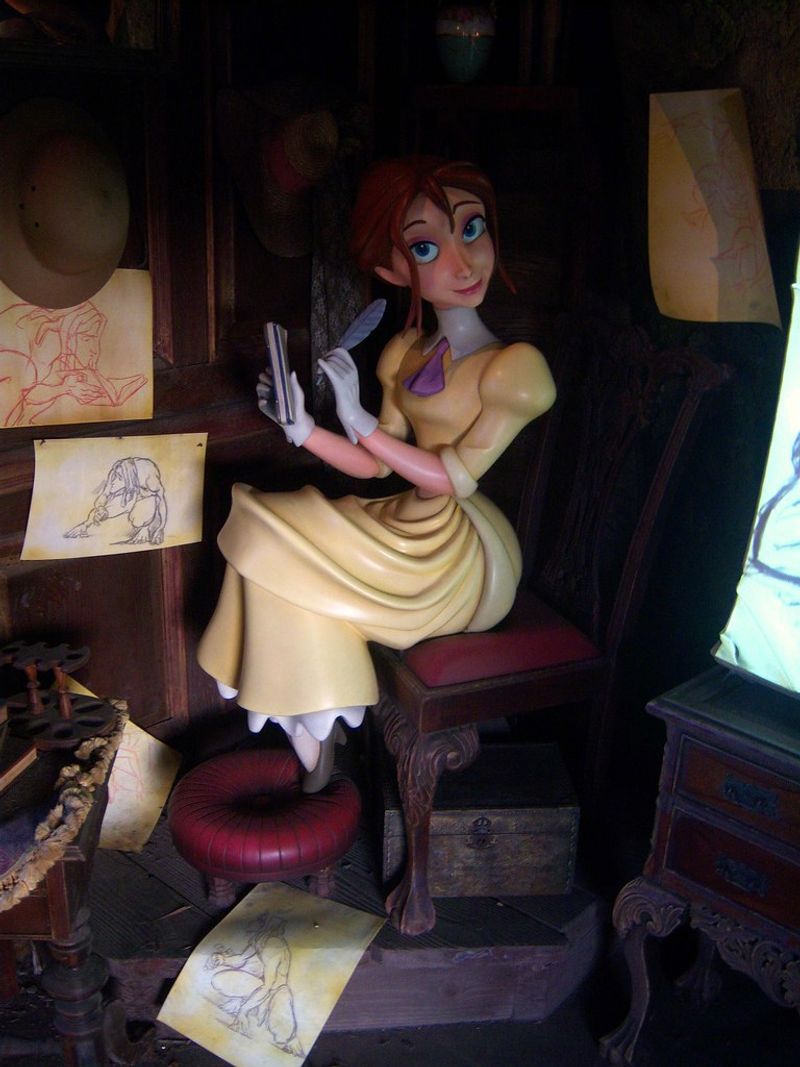
Jane Porter and Belle share a lot more than their love of reading. Both have brown hair pulled back neatly, both are curious and intellectual in worlds that do not always appreciate that about them, and both fall in love with someone society considers wild or unusual.
Fans noticed the similarities and started connecting the dots.
The theory suggests that Belle and the Beast’s descendants eventually became the Porter family, with Jane inheriting Belle’s bookish personality and adventurous spirit generations later. The visual resemblance between the two characters is strong enough that many viewers assumed it was intentional.
Disney animator Glen Keane, who worked on both films, has not confirmed this link, but the similarities feel too consistent to be purely accidental. Whether it was a deliberate creative nod or a happy coincidence, the idea that Jane carries Belle’s legacy into a new era is one of the most charming multigenerational theories Disney fans have ever dreamed up.
12. Brave’s Witch Is Actually Boo from Monsters, Inc.

Pixar is famous for hiding connections between its films, but this theory takes it to another level entirely. In Brave, Merida visits a witch who carves wooden bears and disappears through magical doors.
Fans noticed the witch’s cottage contains a carving that looks like Sully from Monsters, Inc., which sparked a wild idea.
The theory goes that Boo, the little girl from Monsters, Inc., grew up obsessed with finding Sully again. She learned to travel through magical doors across time, eventually becoming the old witch in Brave.
The wooden bear carvings are her attempt to find Sully using magic from different eras.
Pixar director Lee Unkrich has acknowledged the theory online, calling it compelling. While it is not confirmed canon, the attention to detail in Brave’s witch scenes is hard to dismiss.
For Pixar fans, this theory transforms both films into something much bigger and more emotionally connected than either appears on its own.
13. Pocahontas Has Real Spiritual Powers
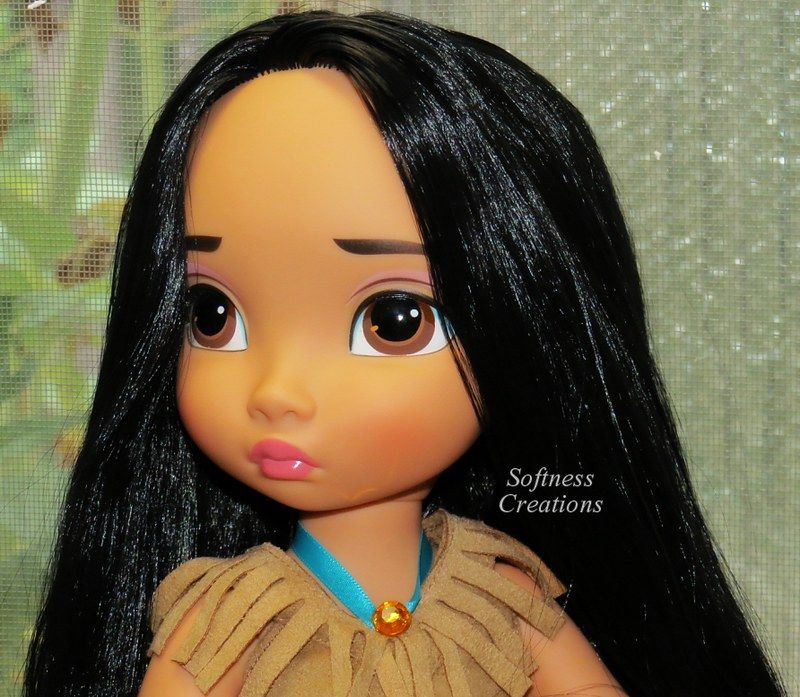
Most Disney films use magical elements as metaphors, but Pocahontas seems different. When Pocahontas speaks with Grandmother Willow, the tree responds, offers wisdom, and even reacts to danger.
Fans argue that this is not symbolic storytelling but evidence that Pocahontas genuinely has the ability to communicate with nature and spiritual forces.
She also sees visions, hears the wind as a voice, and understands animals in ways that go beyond normal human experience. The film presents these moments as real events, not dreams or imagination.
Many viewers and cultural scholars have pointed out that the film draws from Indigenous spiritual traditions where humans and nature exist in genuine communication. From that perspective, Pocahontas’s abilities are not fantasy elements added for drama but a respectful nod to a real worldview.
The film strongly implies her connection to the natural world is literal, making this one of the most culturally grounded theories on this list.
14. Tiana and Charlotte Stay Best Friends Forever
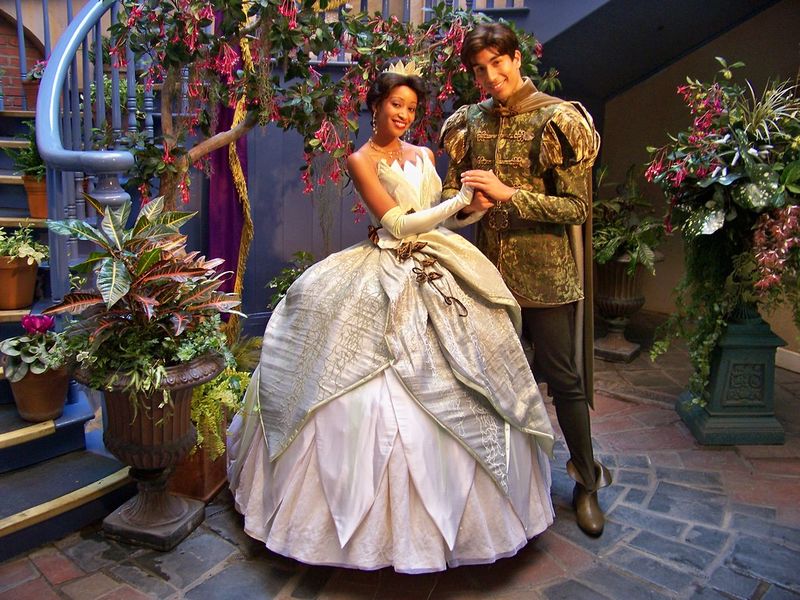
Princess and the Frog does something rare among Disney princess stories: it keeps the friendship between Tiana and Charlotte front and center even after the romantic storyline wraps up. Charlotte genuinely cheers for Tiana’s happiness, gives up her own chance at a prince without resentment, and remains warm and supportive throughout the entire film.
Fans have noted that their bond does not fade the way many Disney friendships do once a princess finds her prince. Charlotte even shows up at Tiana’s restaurant opening, suggesting life goes on together after the credits roll.
This theory is less wild speculation and more an observation about what the film is quietly saying about female friendship. Unlike stories where the best friend disappears into the background after the wedding, Tiana and Charlotte feel like a lifelong duo.
It is one of the most grounded and feel-good ideas on this list, and the film basically confirms it.
15. Elsa’s Powers Represent Emotional Control
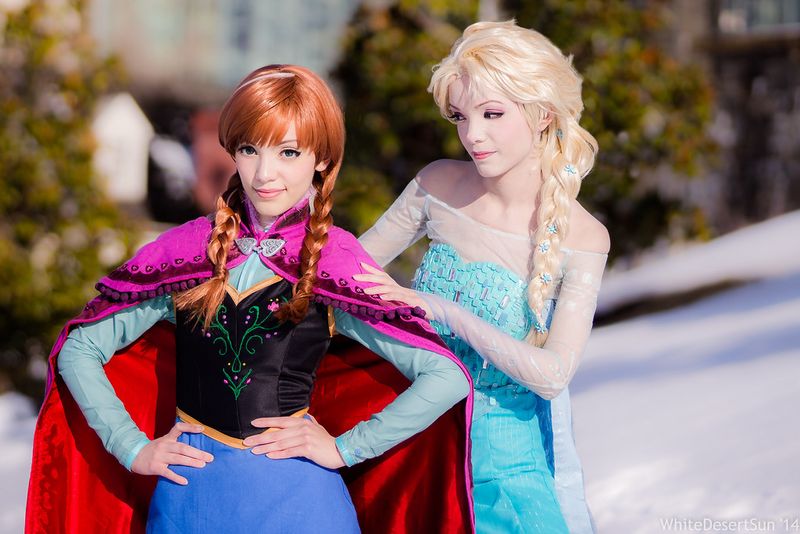
Elsa’s ice powers grow stronger and more destructive when she feels fear, panic, or shame. When she finally embraces love and lets go of her anxiety, the ice melts and she finds control.
Fans noticed early on that her magic seems directly tied to her emotional state, and it turns out this was completely intentional.
The filmmakers confirmed in interviews that Elsa’s powers were designed as a metaphor for anxiety and emotional repression. The famous song “Let It Go” was written to capture the moment she stops trying to suppress who she is and accepts herself fully.
This makes Elsa one of the most psychologically layered Disney princesses ever created. Her story resonates with anyone who has ever felt pressure to hide their true feelings or abilities.
Knowing the creators built this connection deliberately makes rewatching Frozen feel like a much richer emotional experience from the very first scene.



