Great wine regions offer more than exceptional bottles. They combine history, landscapes, local cuisine, and unforgettable tasting experiences into one journey.
From legendary French vineyards to rising destinations in South America and New Zealand, these wine regions prove that some trips are truly worth planning around a single glass of wine.
Bordeaux, France
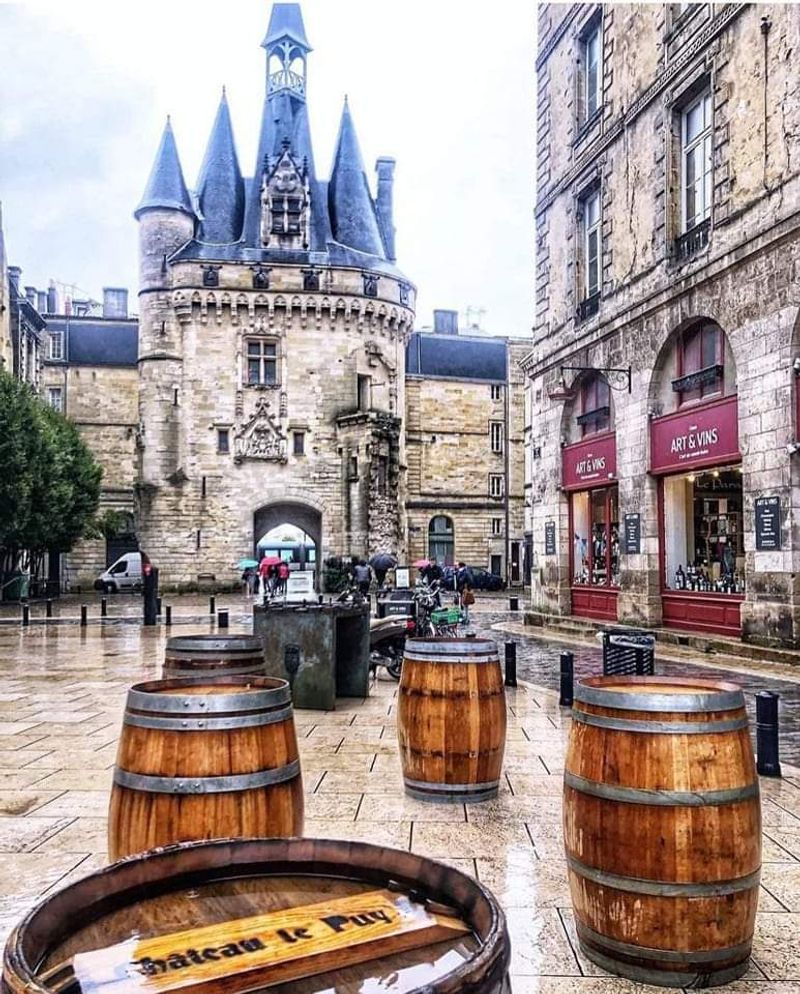
Few places on Earth carry the same weight as Bordeaux when someone mentions fine wine at a dinner table. This legendary French region has been crafting world-class Cabernet Sauvignon and Merlot blends for centuries, earning a reputation that makes collectors worldwide reach for their wallets.
The area contains over 7,000 wineries, many housed inside stunning historic châteaux.
Scenic countryside drives through Bordeaux feel like flipping through a travel magazine in real life. Villages like Saint-Émilion offer cobblestone streets, underground wine caves, and tasting rooms that pour some of the most collectible bottles ever produced.
The food scene matches the wine quality, with rich sauces and duck dishes designed to complement bold reds.
First-time visitors are often surprised by how accessible Bordeaux actually feels. Many smaller estates welcome walk-in visitors without fancy reservations.
Whether you spend a weekend or a full week exploring, Bordeaux consistently rewards curious wine lovers with experiences that feel both educational and genuinely joyful.
Tuscany, Italy
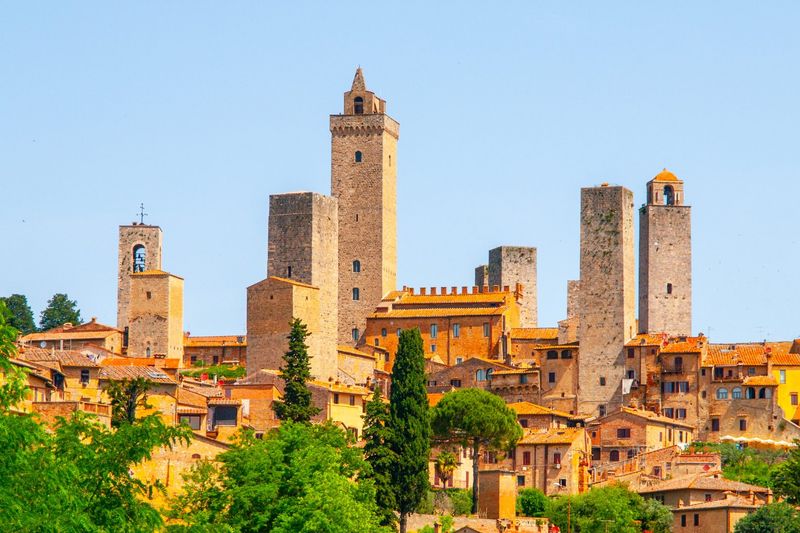
Rolling hills, cypress-lined roads, and medieval towers make Tuscany look like a painting that somehow became a real place. Beyond the scenery, this Italian region delivers some of Europe’s most beloved wines, including Chianti Classico, Brunello di Montalcino, and the boldly named Super Tuscans.
Sangiovese grapes grown in this ancient soil carry a character no other region quite duplicates.
Towns like Montalcino and Greve in Chianti are small enough to explore on foot but packed with enotecas where locals pour generous glasses alongside platters of cured meats and aged cheeses. The pace of life here encourages slowing down, sipping carefully, and actually tasting what is in your glass rather than rushing through a checklist.
Harvest season in autumn turns the entire region golden, drawing photographers and food lovers alongside the usual wine crowd. Cooking classes at vineyard estates teach visitors how Tuscan cuisine and local wine evolved together over hundreds of years.
Tuscany does not just show you wine culture; it wraps you completely inside it from the moment you arrive.
Napa Valley, California
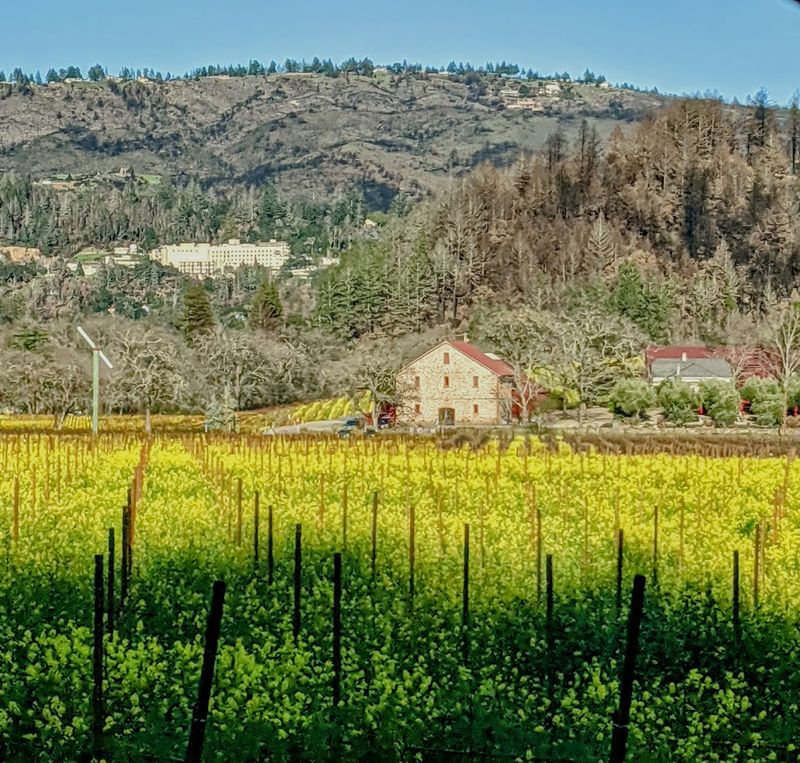
Back in 1976, a blind tasting in Paris shocked the wine world when California wines beat French legends. That moment, now called the Judgment of Paris, put Napa Valley on the global map permanently.
Today, the region draws millions of visitors annually with Cabernet Sauvignon and Chardonnay that consistently rank among the finest produced anywhere.
Napa is not shy about doing things in a big, California way. Hot-air balloon rides over the vineyards at sunrise, Michelin-starred restaurants tucked between barrel rooms, and wine trains rolling through the valley floor all compete for a visitor’s attention.
Luxury estates sit beside boutique family wineries, giving the region a surprisingly wide range of experiences and price points.
What keeps Napa fresh is its constant push toward innovation without abandoning tradition. Winemakers experiment with sustainable farming, new grape varieties, and modern aging techniques while still honoring the Cabernet-forward identity that made the region famous.
Spending a few days here feels less like a wine trip and more like a full sensory education wrapped inside one gorgeous valley.
Douro Valley, Portugal
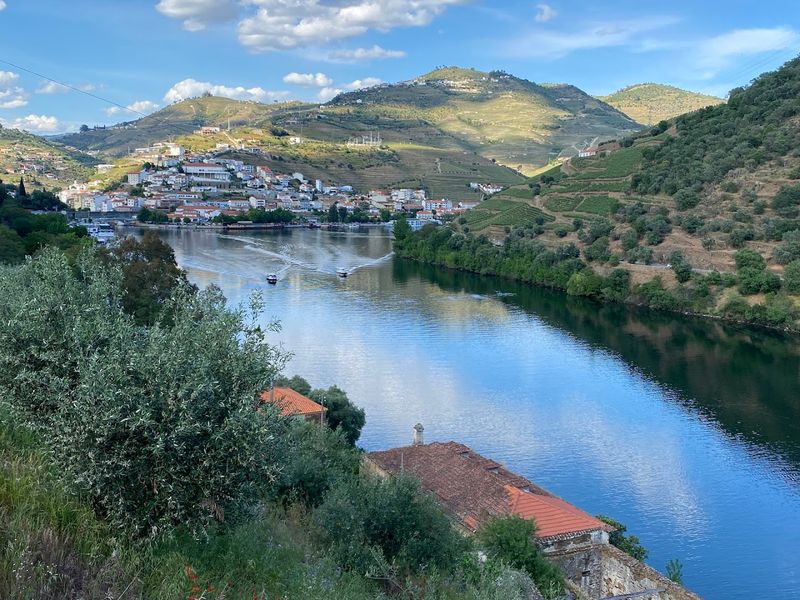
Carved by centuries of human labor, the terraced vineyards of the Douro Valley cling to steep hillsides in a way that makes every photograph look almost unbelievably dramatic. Portugal officially recognized this region back in 1756, making it one of the oldest protected wine regions anywhere on Earth.
That long history shows up in every bottle of Port wine poured here.
Cruising along the Douro River is one of the smartest ways to experience the region without rushing. Boats glide past quintas, the local word for wine estates, where families have grown Touriga Nacional and other native grapes for generations.
The river reflects the terraced hills above, creating scenery that stays in your memory long after the trip ends.
Port wine gets most of the attention, but dry Douro table wines have been quietly building a strong international reputation over the past two decades. Many quintas now offer both styles during tastings, letting visitors compare the region’s sweet fortified classics against its increasingly impressive unfortified reds and whites.
The Douro rewards travelers who pay close attention with flavors that feel completely unlike anything else in the wine world.
Mendoza, Argentina
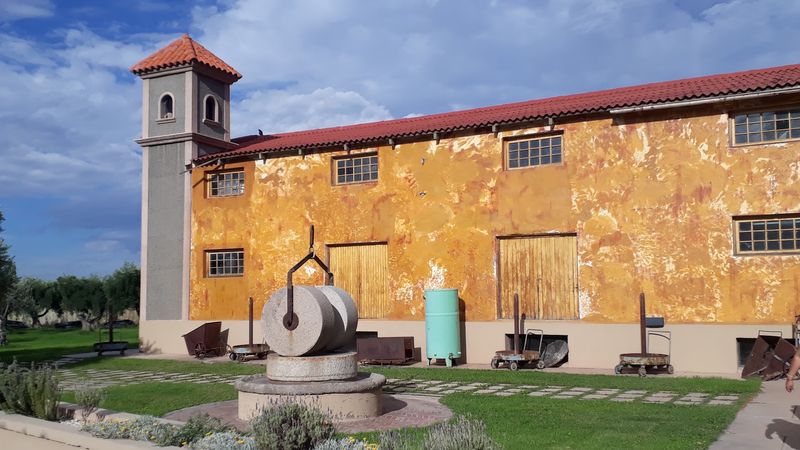
Standing in a Mendoza vineyard with the snow-capped Andes filling the horizon behind you is the kind of moment that makes people book return flights before they even leave. Argentina’s most celebrated wine region sits at high altitude, where intense sunshine and cool nights create the perfect conditions for growing Malbec grapes with extraordinary depth and rich dark fruit character.
Malbec arrived in Argentina from France in the 1800s and found a home here that suited it far better than its origins. The wines produced in Mendoza are fuller, bolder, and more fruit-forward than their French counterparts, and they pair beautifully with traditional Argentine asado, which is essentially a masterclass in grilled meat.
Many estates offer outdoor lunch experiences where wine and food are served together against that unforgettable mountain backdrop.
Horseback vineyard tours rank among the most popular activities in the region, letting visitors cover more ground while genuinely enjoying the landscape. Cycling between wineries is another favorite option for those who prefer two wheels.
Mendoza also offers excellent value compared to European wine destinations, delivering world-class quality at prices that rarely cause sticker shock.
Burgundy, France
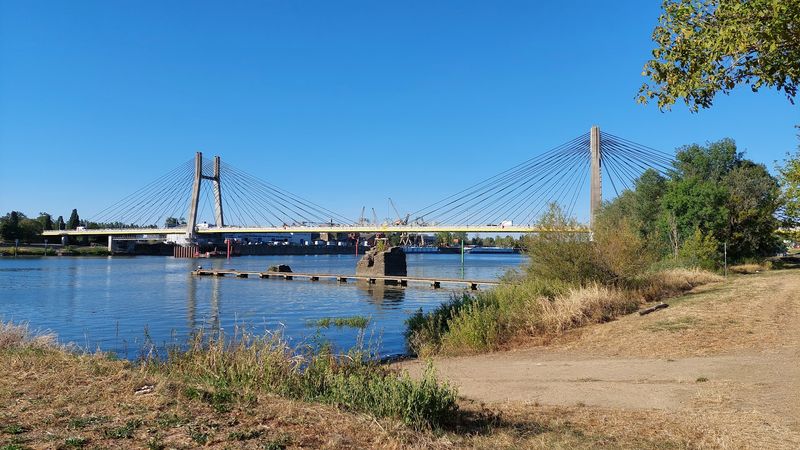
Burgundy is where wine collectors lose sleep and sommeliers speak in hushed, reverent tones. This French region produces Pinot Noir and Chardonnay so precise and layered that a single plot of land, called a climat, can produce wine that tastes completely different from the vineyard sitting directly beside it.
That hyper-specific attention to place is called terroir, and nowhere practices it more seriously than Burgundy.
Villages like Beaune, Gevrey-Chambertin, and Vosne-Romanée line the famous Route des Grands Crus, a road that passes through the most valuable agricultural land on the planet. Small family domaines open their cellars to visitors willing to make appointments and ask thoughtful questions.
The conversations you have in these ancient stone cellars often teach more about wine than any book ever could.
Burgundy is not the easiest region to navigate for beginners, and the wine classification system requires some homework before you visit. That learning curve, though, is part of the charm.
Every glass here feels earned, and the wines themselves reward patience with complexity that unfolds slowly over hours. Burgundy asks for your full attention, and it gives back everything in return.
Barossa Valley, Australia
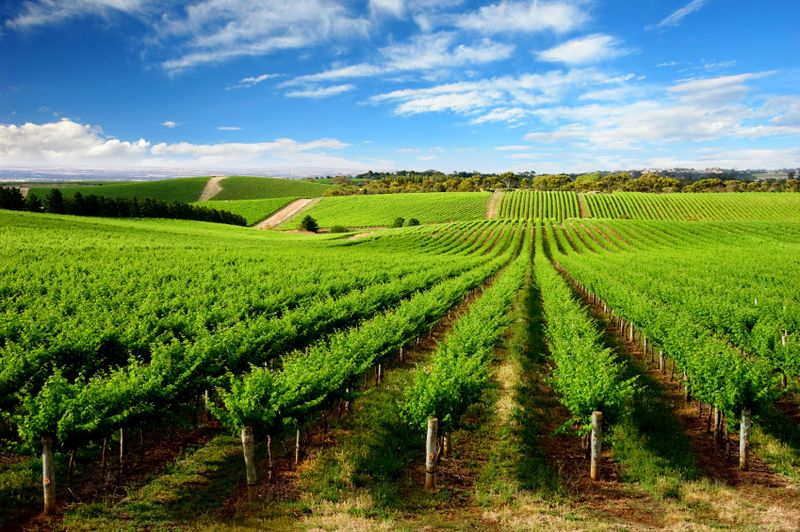
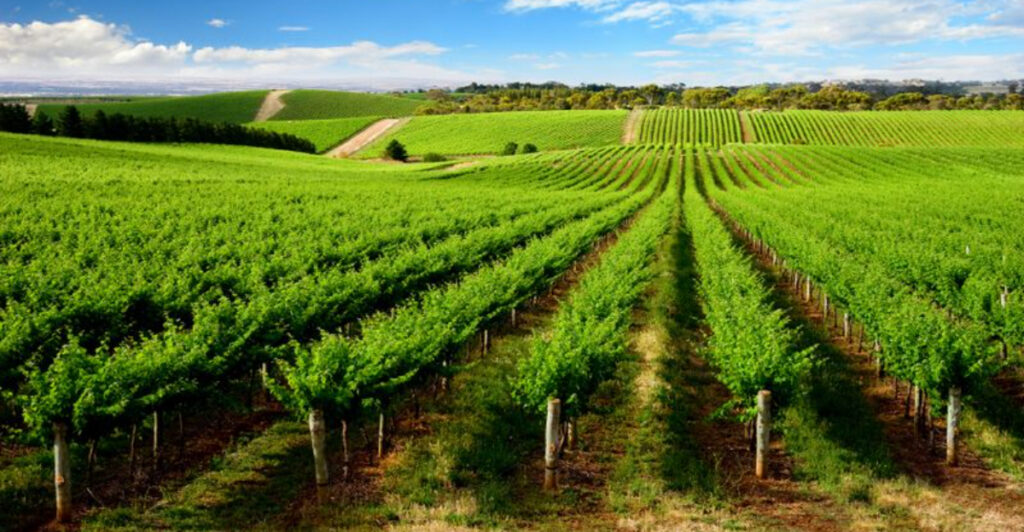
Some of the oldest Shiraz vines still producing wine anywhere in the world grow right here in South Australia’s Barossa Valley, and a few of those ancient, gnarled plants date back over 150 years. Age matters enormously in winemaking because older vines produce smaller crops of intensely concentrated fruit that translates directly into richer, more complex wine.
Barossa Shiraz built Australia’s international wine reputation one bold, peppery bottle at a time.
German settlers arrived in the Barossa during the 1800s, bringing winemaking skills and a cultural identity that still flavors the region today. Local bakeries serve traditional German breads alongside wine-country brunches, and heritage buildings give towns like Tanunda and Angaston a distinct character you will not find in any other Australian wine region.
That cultural layering makes Barossa feel genuinely unique rather than just another pretty vineyard destination.
Harvest festivals bring the entire region to life each autumn, filling the calendar with events that mix live music, outdoor feasts, and barrel tastings. Vineyard dining experiences have become increasingly popular, where chefs cook seasonal menus directly among the vines.
Barossa welcomes visitors with the kind of relaxed, generous hospitality that makes you feel like a guest rather than just another tourist passing through.
Rioja, Spain
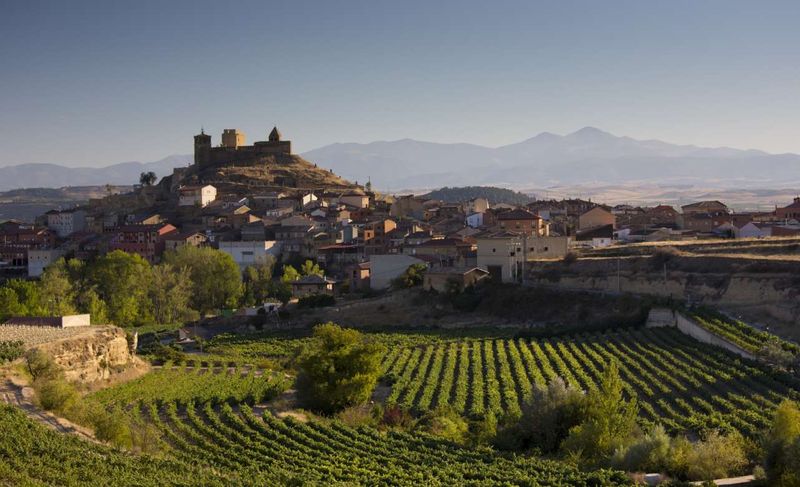
Oak barrels are practically a religion in Rioja, where winemakers age Tempranillo-based reds with a devotion to wood and time that sets the region apart from almost every other wine destination in Spain. The result is wines with warm vanilla notes, dried fruit complexity, and a smooth structure that pairs effortlessly with the region’s famous lamb dishes and aged Manchego cheese.
Rioja has cleverly balanced its deep traditions with a striking modern edge. Architectural showpieces designed by famous architects, including Frank Gehry’s titanium-clad Marques de Riscal hotel, sit alongside 19th-century stone bodegas without feeling out of place.
Walking through the town of Haro during its famous Wine Battle festival, where participants drench each other with wine from buckets and hoses, reveals a playful spirit hiding beneath all that serious aging.
The region’s classification system divides wines by aging time into Joven, Crianza, Reserva, and Gran Reserva categories, giving visitors a clear roadmap for exploring different styles. Budget-friendly bottles sit on shelves beside collector-worthy Gran Reservas that have spent years developing in barrel and bottle.
Rioja offers extraordinary value and genuine character, making it one of Spain’s most rewarding destinations for both new and experienced wine travelers.
Stellenbosch, South Africa
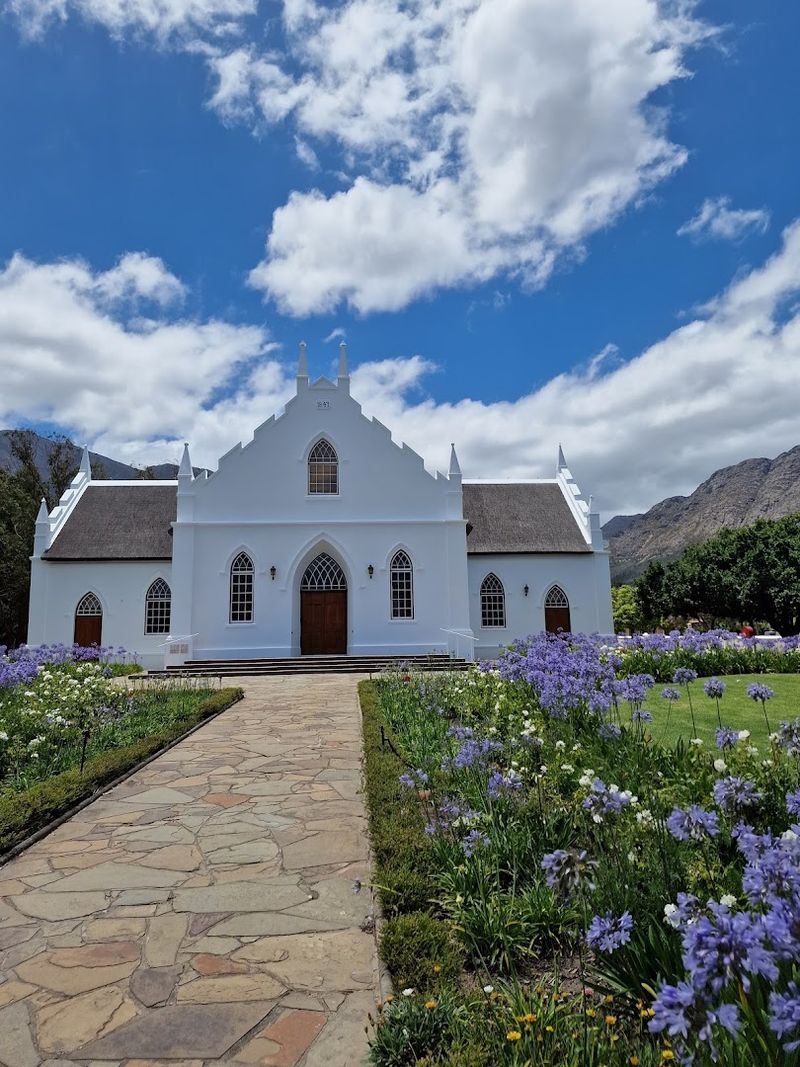
Whitewashed Cape Dutch gables, dramatic mountain backdrops, and wine that keeps winning international awards have turned Stellenbosch into one of the Southern Hemisphere’s most talked-about wine destinations. Located just 30 minutes from Cape Town, this South African region produces impressive Cabernet Sauvignon, Chenin Blanc, and Pinotage, a grape variety that was actually created in South Africa and exists nowhere else as a true original.
The estates here tend to be architecturally spectacular, combining historic manor houses with modern tasting rooms that open onto views of the Stellenbosch and Helderberg mountains. Many properties double as boutique hotels and gourmet restaurants, making it easy to spend several days without ever needing to leave a single estate.
That combination of scenery, food, and wine creates a hospitality experience that genuinely competes with Europe’s finest destinations.
Wine Road trails connect dozens of estates through scenic mountain passes and valley floors, offering self-guided tours that let visitors set their own pace. Spring brings wildflowers across the Cape Winelands, adding another visual layer to an already beautiful landscape.
Stellenbosch proves that world-class wine country does not require a European passport or a European budget to experience fully.
Mosel, Germany
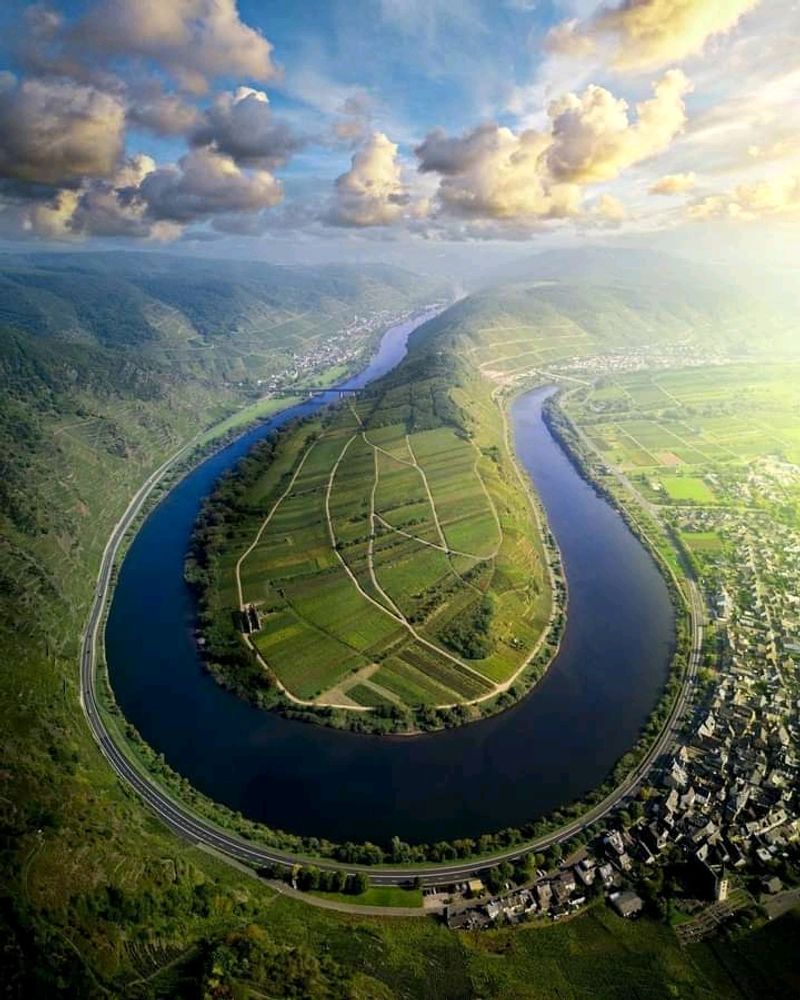
Imagine carrying a basket of grapes up a slope so steep that vineyard workers use special winches and cable systems just to get equipment to the vines. That is everyday life in the Mosel Valley, where slate hillsides drop almost vertically toward one of Germany’s most scenic rivers.
The effort is completely worth it because Riesling grown on these slopes produces wines with a crystalline clarity and mineral precision found nowhere else on Earth.
Mosel Rieslings span a fascinating range from bone-dry to lusciously sweet, all while maintaining the bright acidity that makes them age beautifully for decades. Wine lovers who think they dislike sweet wines often change their minds entirely after tasting a properly balanced Mosel Spatlese alongside a savory dish.
The interplay of sweetness, acidity, and that signature slate minerality creates a complexity that keeps serious collectors obsessed.
Small riverside villages like Bernkastel-Kues and Cochem look like they were designed specifically to appear on postcards. Half-timbered buildings, flower-filled window boxes, and castle ruins perched on hillsides above the vineyards create a storybook atmosphere.
River cruises between villages let visitors absorb the scenery at a relaxed pace before stopping to taste wines poured by producers who have worked the same steep slopes for generations.
Willamette Valley, Oregon
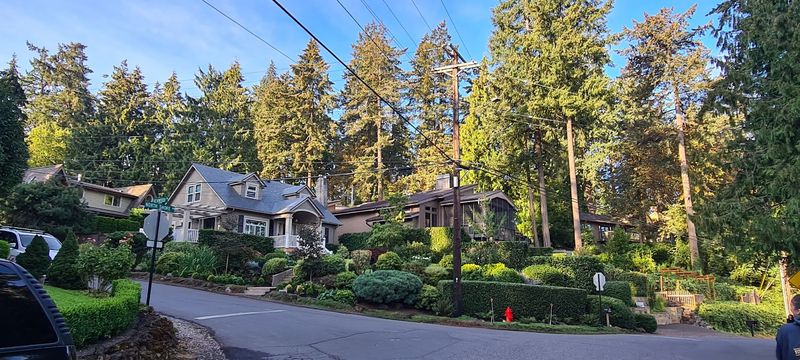
Oregon’s wine industry grew from a bold bet made by a handful of farmers in the 1960s who believed the cool, rainy Willamette Valley could produce Pinot Noir as good as Burgundy. Most experts laughed at the idea.
The laughter stopped in 1979 when Willamette Pinot Noir beat several French Burgundies in a blind tasting, announcing to the world that Oregon had arrived as a serious wine country.
The valley’s cool climate creates wines known for elegant structure, earthy complexity, and bright red fruit flavors that feel refined rather than heavy. Over 700 wineries now operate across the region, ranging from large commercial estates to tiny family operations where the winemaker pours your tasting and then asks what you thought of it.
That personal, unhurried approach makes Willamette Valley feel refreshingly unpretentious compared to flashier wine destinations.
Farm-to-table dining culture runs deep here, with many restaurants sourcing ingredients directly from neighboring farms and pairing seasonal menus with local wines. Cyclists love the region because bike-friendly roads connect many wineries through beautiful farmland and forest scenery.
The Pacific Northwest’s outdoor spirit blends naturally with wine culture, creating a destination that appeals equally to hikers, foodies, and dedicated Pinot Noir enthusiasts.
Santorini, Greece
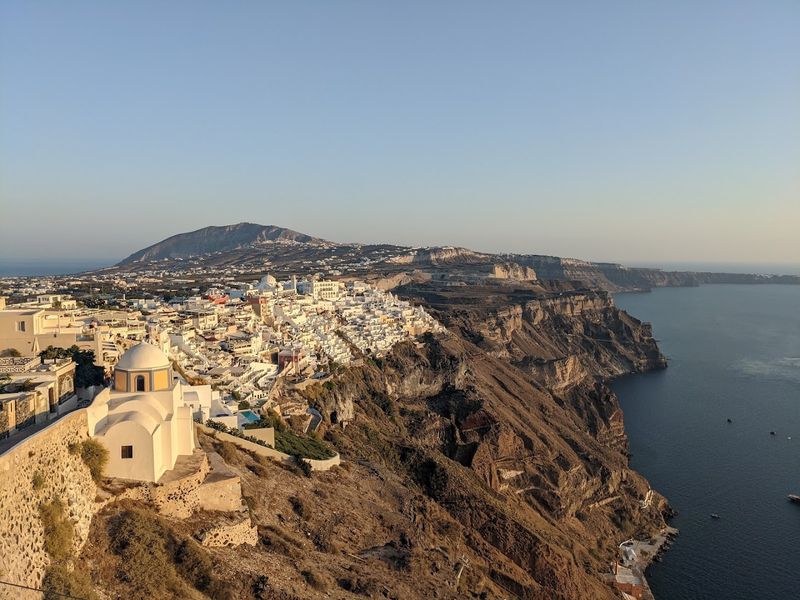
Santorini’s vines grow in a shape unlike anything you will see in any other wine region on Earth. Farmers train them into low, circular basket formations called kouloura, protecting the grapes from the island’s fierce Aegean winds while allowing them to collect morning dew since rainfall is extremely scarce here.
This ancient technique has survived for thousands of years on volcanic soil that would challenge most other grape varieties to their breaking point.
Assyrtiko thrives in these harsh conditions, producing wines with intense mineral character, high natural acidity, and citrus-driven flavors that taste almost electric when chilled properly and poured alongside fresh grilled octopus. The volcanic geology gives the wines a smoky, saline quality that wine lovers describe as uniquely Santorinian and impossible to replicate elsewhere.
Small production volumes mean bottles often sell out quickly, adding a certain excitement to tracking down your favorite producer.
Beyond the wine, Santorini delivers one of the most visually dramatic settings in all of European wine tourism. Tasting rooms perch on caldera cliffs with views of the volcanic crater below and the Aegean stretching to the horizon.
Sunsets here have their own international reputation, and watching one while holding a glass of cold Assyrtiko feels like an entirely reasonable way to spend an evening.
Marlborough, New Zealand
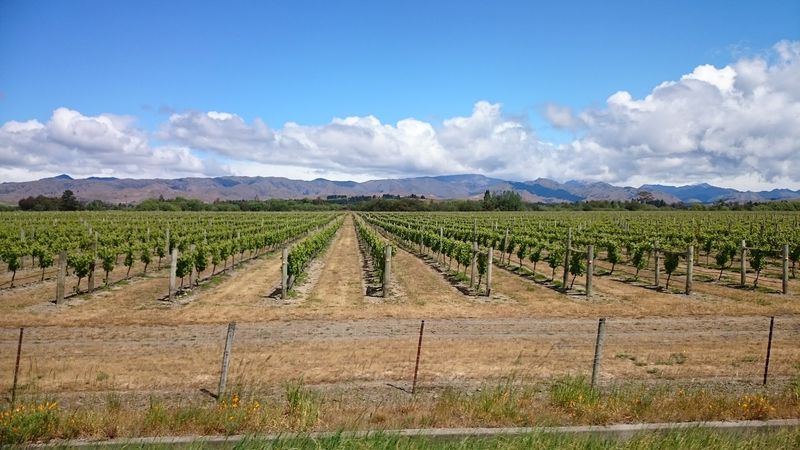
Before Marlborough came along, New Zealand barely registered on the global wine map. Then, in the 1970s and 1980s, winemakers planted Sauvignon Blanc in this sun-drenched corner of the South Island and changed everything.
The wines that emerged were so intensely aromatic, so vividly fruity, and so completely unlike anything produced in the traditional wine world that buyers around the globe could not get enough of them.
Marlborough Sauvignon Blanc carries a signature profile of passionfruit, grapefruit, fresh-cut grass, and a crisp, mouthwatering acidity that makes it one of the most instantly recognizable wine styles anywhere. The region produces over 75 percent of all New Zealand wine, yet quality has remained remarkably consistent thanks to a combination of sunny days, cool nights, and well-drained stony soils that stress the vines just enough to concentrate flavor.
Cycling between wineries is practically a regional sport here, with flat roads winding through endless vine rows under reliably blue skies. Fresh Marlborough Sounds seafood, especially green-lipped mussels and Cloudy Bay scallops, pairs so naturally with local Sauvignon Blanc that restaurants barely need to try with their wine lists.
The whole region feels effortlessly cool, like it stumbled into greatness and decided to enjoy every moment of it.
Kakheti, Georgia
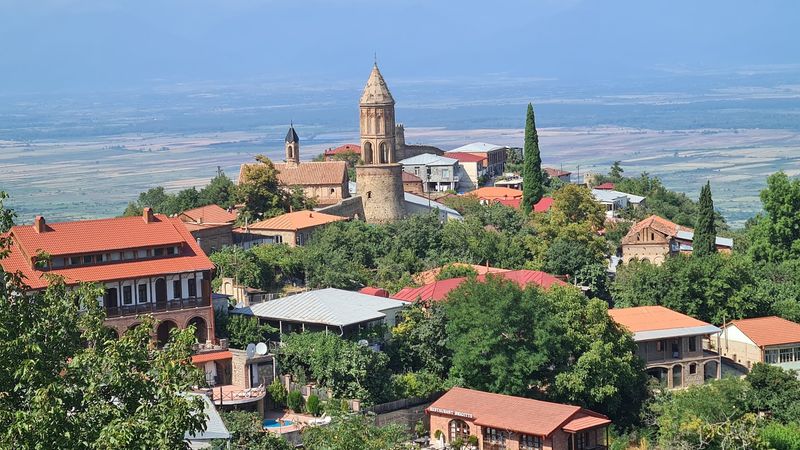
Wine was not invented in France or Italy. Archaeological evidence suggests that humans were fermenting grapes in what is now the country of Georgia over 8,000 years ago, making Kakheti one of the oldest wine-producing regions on the entire planet.
That extraordinary timeline gives every glass poured here a weight of history that feels genuinely different from anywhere else you might visit on a wine trip.
The most fascinating thing about traditional Georgian winemaking is the qvevri, large clay vessels shaped like eggs that are buried underground and used to ferment and age wine naturally. This ancient method produces amber-colored wines from white grapes that have spent extended time in contact with grape skins, creating flavors that are nutty, tannic, and completely unlike conventional white wine.
Tasting them for the first time is a genuinely surprising experience.
Georgian hospitality, called supra, involves long feasts with dozens of dishes, toasts led by a designated table host called a tamada, and wine flowing freely throughout. Visitors who accept an invitation to a proper supra leave with a full stomach, a warm feeling, and a much deeper appreciation for why wine culture here is not just an industry but a living, breathing part of daily life.
Kakheti does not just offer wine tourism; it offers a genuine connection to where wine actually began.
Colchagua Valley, Chile
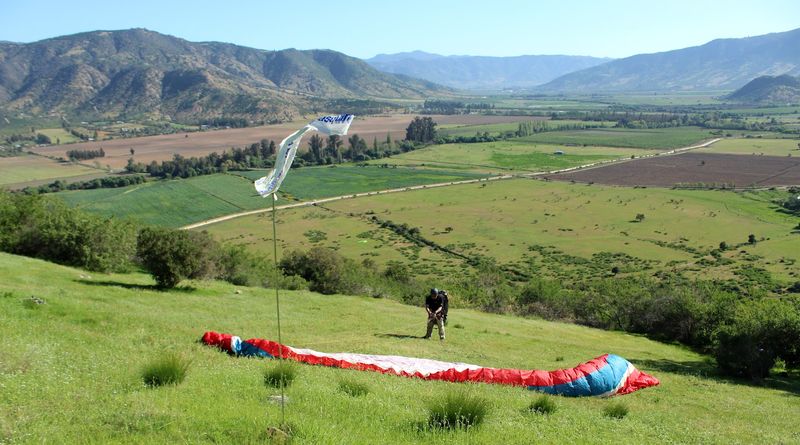
Carmenere was believed to be extinct until Chilean winemakers discovered in the 1990s that the grape they had been growing for decades, thinking it was Merlot, was actually this long-lost French variety that had survived the 19th-century phylloxera plague only in Chilean soil. That accidental rediscovery gave Colchagua Valley a grape variety it could call entirely its own, and winemakers here have spent the years since learning how to make the most of it.
Colchagua sits about two hours south of Santiago, tucked between the Andes and the coastal mountain range in a natural bowl that traps warmth and protects vines from Pacific weather systems. The climate produces ripe, full-bodied reds with smooth tannins and generous fruit character that appeal to a wide range of wine drinkers.
Cabernet Sauvignon and Syrah also thrive here, giving visitors plenty of styles to explore across a single visit.
Boutique hacienda-style hotels scattered throughout the valley make Colchagua an excellent overnight destination rather than just a day trip from Santiago. Horseback riding through the vineyards, traditional Chilean barbecue lunches, and winery tours that combine history with hands-on tastings fill the days comfortably.
Best of all, the wines here consistently deliver quality that punches well above their price tags, making Colchagua one of the smartest value destinations in all of wine travel.
Share this story