Some places do more than look good in a photo. They get under your skin, shift the way you see the world, and stay with you long after your luggage is unpacked.
The destinations on this list are the kind that travelers talk about for decades, not because they checked a box, but because something there genuinely changed them. Whether it is a spiritual ceremony, a silent desert, or a centuries-old city carved from stone, these are places built for lasting memories.
Kyoto, Japan
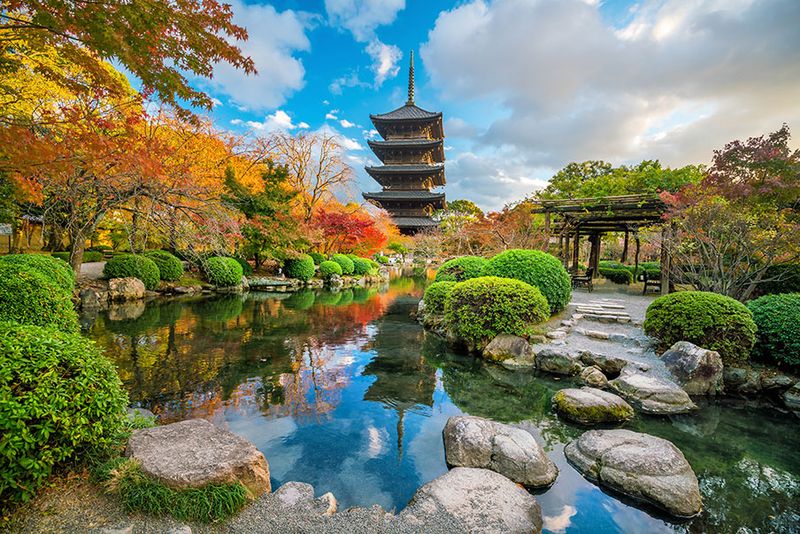
There is a particular kind of quiet in Kyoto that you simply cannot find anywhere else on Earth. Walk through the bamboo groves of Arashiyama at dawn and you will understand why travelers return here again and again.
The city has a rhythm that slows you down in the best possible way.
Kyoto is home to over 1,600 Buddhist temples and 400 Shinto shrines, yet it never feels like a museum. Neighborhoods like Gion still host geiko and maiko, preserving a performing arts tradition that stretches back centuries.
Watching a tea ceremony here is not a tourist activity; it is a genuine cultural exchange.
Food lovers will find themselves equally rewarded. Kaiseki dining, Nishiki Market street snacks, and matcha everything make every meal feel intentional.
The city rewards slow travelers who wander without a strict agenda. Kyoto does not just show you Japan; it helps you understand it from the inside out, one quiet moment at a time.
Patagonia, Chile and Argentina
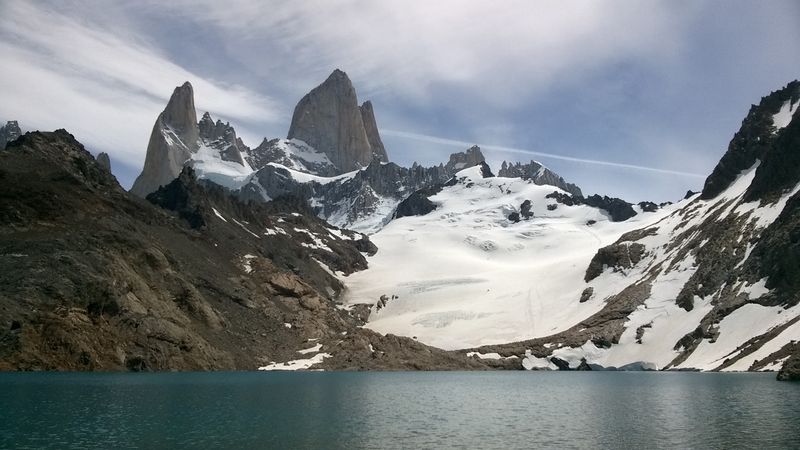
Standing at the base of the Torres del Paine peaks, many hikers report an unexpected wave of emotion they never saw coming. There is something about Patagonia’s scale that rewires your brain.
The landscape is so enormous and so untamed that it puts every daily worry into sharp perspective.
Stretching across the southern tips of both Chile and Argentina, this region offers everything from trekking the famous W Circuit to kayaking beside calving glaciers. The weather changes without warning, which somehow makes every clear-sky moment feel like a gift.
Serious hikers should book campsites months in advance, especially for the peak summer season from November to February.
Wildlife sightings here are genuinely thrilling. Guanacos graze near the trail, condors circle overhead, and pink flamingos wade in shallow lakes that look almost painted.
The remoteness of Patagonia strips away distraction and replaces it with pure presence. Travelers consistently rank it among the most emotionally powerful landscapes they have ever experienced, and after one visit, it is very easy to understand why.
Angkor Wat, Cambodia
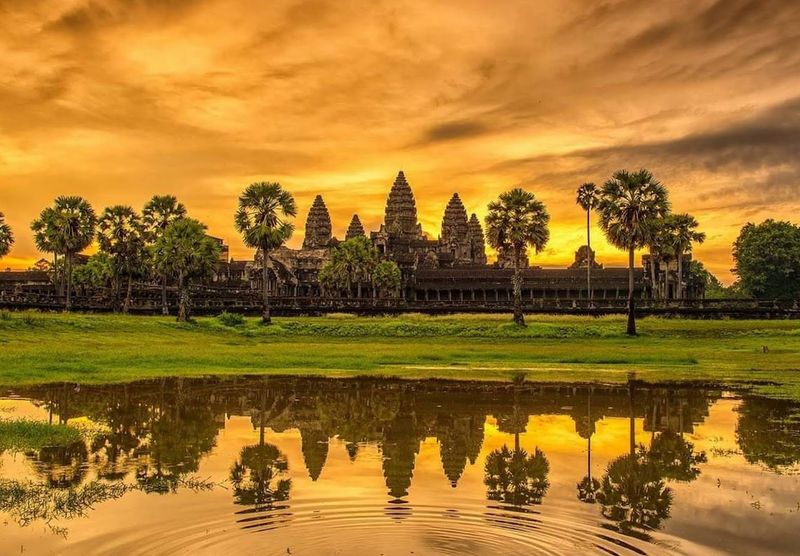
Nothing quite prepares you for the moment the sun rises over Angkor Wat and the entire temple complex turns gold. Crowds gather before dawn, and yet when the light hits the stone spires, everyone goes noticeably silent.
That shared hush is the whole experience in a single moment.
Built in the 12th century by the Khmer Empire, Angkor Wat is the largest religious monument on Earth, covering over 400 acres. Beyond the main temple, the wider Angkor Archaeological Park contains hundreds of additional sites, including the mysterious Bayon temple with its giant carved stone faces.
Hiring a knowledgeable local guide transforms a sightseeing trip into a genuine history lesson.
The best strategy is to arrive very early, spend the cooler morning hours at the major temples, and retreat during the midday heat. Nearby Siem Reap offers excellent food, lively markets, and affordable accommodation.
Cambodia’s warmth as a host country adds another layer to the experience. Visitors often leave feeling they have witnessed something rare, something that photography can hint at but never fully recreate.
Salar de Uyuni, Bolivia
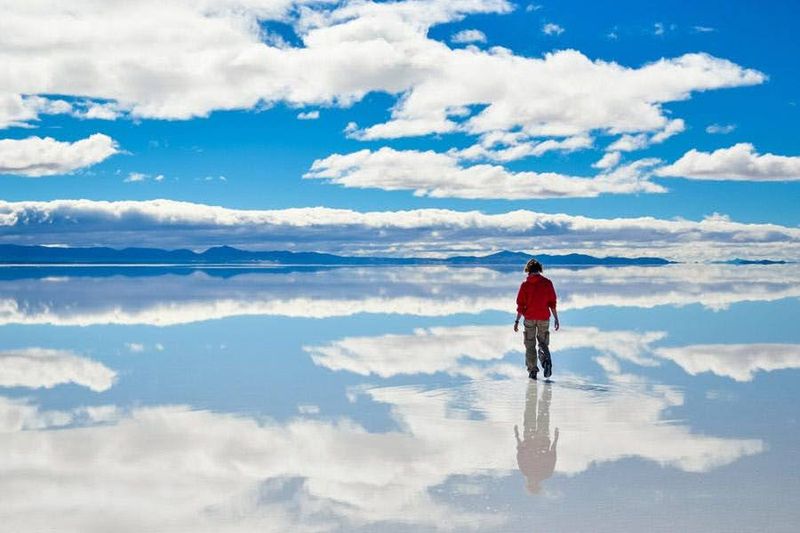
Somewhere in southwestern Bolivia, the ground turns completely white and stretches so far in every direction that the horizon disappears. Salar de Uyuni, the world’s largest salt flat at over 4,000 square miles, is one of those places that makes the word “surreal” feel genuinely accurate.
It is not a trick of the light; the place actually looks like this.
During the rainy season from November to April, a thin layer of water transforms the surface into a flawless mirror reflecting the sky above. Standing on it feels like floating between two identical worlds.
The effect is so disorienting and so beautiful that many visitors describe it as one of the most visually stunning experiences of their lives.
At night, the altitude and absence of light pollution create some of the clearest stargazing conditions on the planet. Tour operators run multi-day trips from the nearby town of Uyuni, combining the salt flat with colorful lagoons, geysers, and high-altitude desert landscapes.
Budget travelers will find Bolivia one of South America’s most affordable countries, making this extraordinary destination surprisingly accessible to a wide range of adventurers.
Varanasi, India
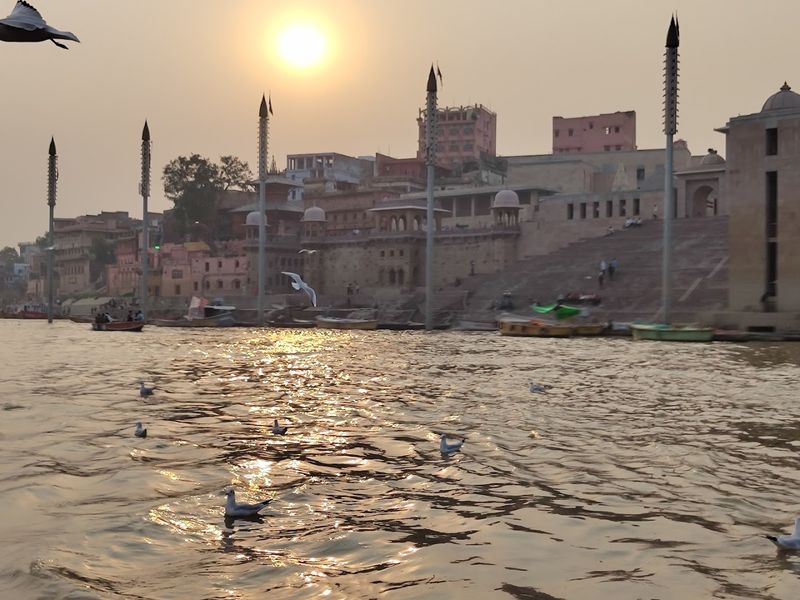
Varanasi hits you all at once: the smell of incense, the sound of bells, the sight of hundreds of people performing rituals along the riverbank before sunrise. It is one of the oldest continuously inhabited cities on Earth, and walking its narrow lanes feels like stepping through layers of human history stacked on top of each other.
Nothing about this city is subtle.
Hindus believe that dying in Varanasi brings spiritual liberation, which is why the city serves as one of the most important pilgrimage sites in India. The evening Ganga Aarti ceremony, where priests perform elaborate fire rituals on the ghats, is a spectacle of devotion that draws thousands of worshippers and visitors every single night.
Watching it from a boat on the Ganges offers a perspective that no riverbank photo can replicate.
First-time visitors should expect sensory overload and embrace it rather than resist. Early morning boat rides on the river reveal a city waking up through prayer and ritual.
Varanasi is not always easy to process, but that difficulty is precisely what makes it meaningful. Travelers leave with a deeper, more complex understanding of faith, life, and the human experience.
Great Bear Rainforest, British Columbia, Canada
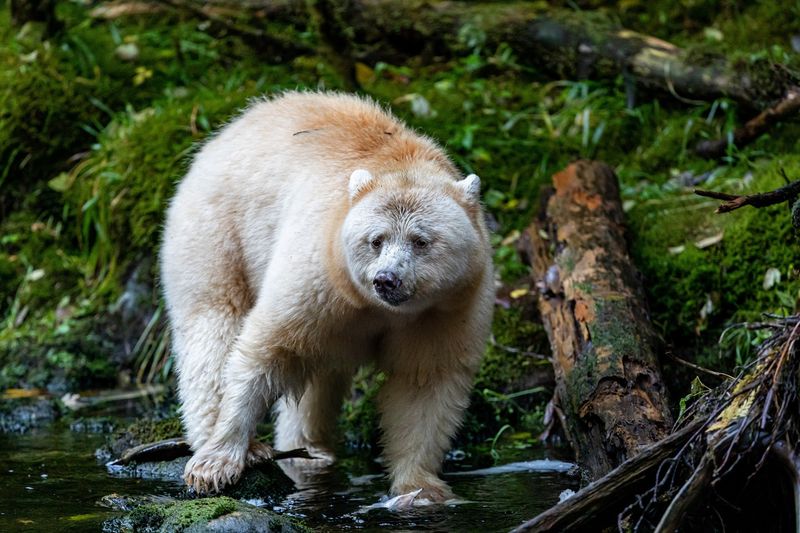
Covering roughly 6.4 million hectares along British Columbia’s northern coast, the Great Bear Rainforest is one of the largest intact temperate rainforests left on the planet. It is the kind of place where trees are older than most countries, and the silence is so complete that you can hear your own heartbeat.
Conservation advocates fought for decades to protect it, and standing inside it, you immediately understand why.
The forest is home to the rare Kermode bear, also known as the spirit bear, a black bear with a genetic trait that gives it white or cream-colored fur. Spotting one in the wild is considered among the most magical wildlife encounters available anywhere in North America.
Grizzly bears, wolves, humpback whales, and orcas also share this ecosystem in remarkable numbers.
Indigenous communities, particularly the Gitga’at and Heiltsuk peoples, serve as the primary stewards of this landscape. Many eco-tour operators work directly with these communities, offering experiences that combine wildlife watching with genuine cultural exchange.
Reaching the region typically requires small planes or ferries, which only adds to the sense of entering somewhere truly wild and profoundly worth protecting.
Petra, Jordan
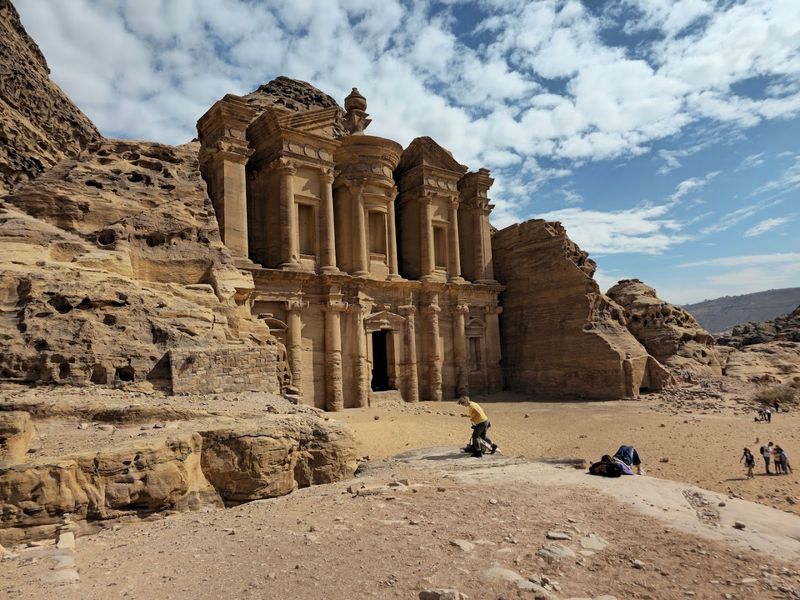
You walk through a narrow crack in the sandstone for about a mile, the walls rising so high above you that the sky becomes a thin ribbon of blue, and then the canyon opens up and there it is: the Treasury, carved directly into a cliff face the color of a desert sunset. The reveal is so dramatic that even seasoned travelers go speechless.
Petra engineers that moment with architectural precision.
Built by the Nabataean people around the 4th century BC, the ancient city once served as a major trading hub connecting Arabia, Egypt, and the Mediterranean. The Treasury is the most photographed structure, but the site extends far beyond it.
The Royal Tombs, the Colonnaded Street, and the Monastery, reached by climbing 800 rock-cut steps, all reward visitors who push deeper into the complex.
Visiting Petra by Night, when candles illuminate the Siq and the Treasury, is an entirely different and deeply atmospheric experience. Jordan’s food and hospitality also deserve recognition, with Bedouin tea and mansaf making every meal memorable.
Combine Petra with a night in the Wadi Rum desert and you have the makings of a trip that stays with you permanently.
Mongolia’s Altai Mountains
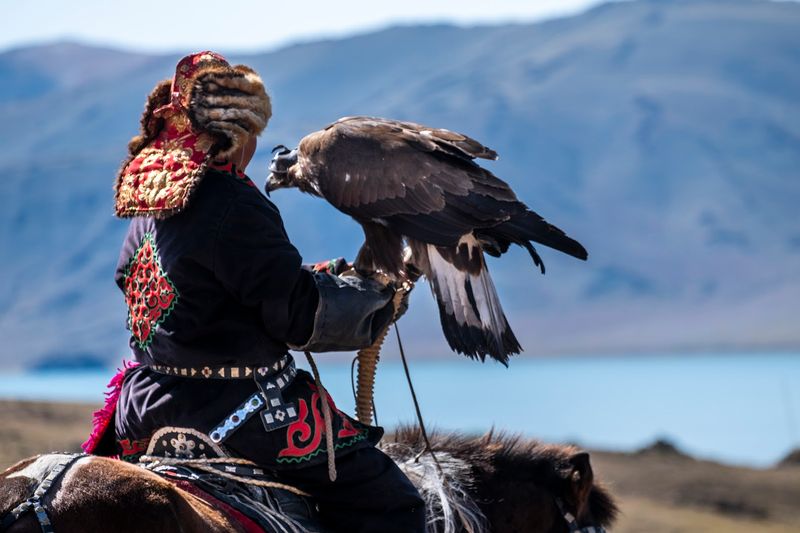
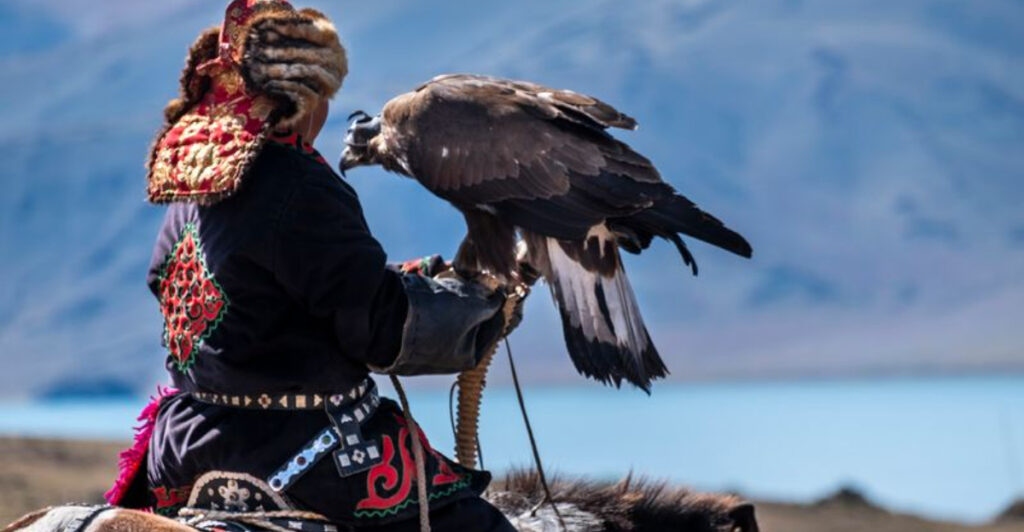
Every October, Kazakh eagle hunters in western Mongolia gather for the Golden Eagle Festival, riding horses across the steppe with trained golden eagles perched on their arms. It is one of the most visually striking cultural traditions still actively practiced anywhere in the world.
And unlike many heritage events, this one is genuinely alive, not performed for tourism.
The Mongolian Altai region sits in the far western corner of the country, bordering Russia, China, and Kazakhstan. Its landscapes shift from alpine meadows to rocky desert, threaded together by rivers and dotted with ger camps where nomadic families still live by the seasons.
Travelers who stay with local herding families often describe the experience as a complete reset from modern life.
Getting here takes effort. Long overland drives or domestic flights from Ulaanbaatar are standard, and infrastructure is intentionally minimal.
That remoteness, however, is entirely the point. The Altai rewards travelers who are genuinely curious about a way of life that prioritizes community, nature, and tradition over convenience.
Few regions on Earth offer this level of authentic human connection alongside such breathtaking mountain scenery.
Matera, Italy
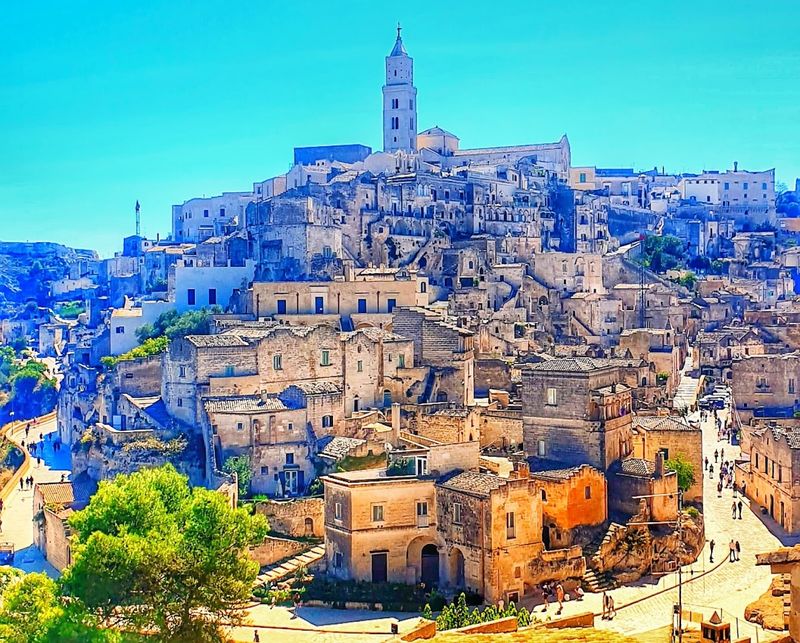
People have been living in Matera’s cave dwellings, called sassi, for at least 9,000 years, making this one of the oldest continuously inhabited settlements in the world. That is not a number that is easy to wrap your head around, but walking through the city’s ancient stone streets, carved into a dramatic ravine in southern Italy, makes it feel entirely real.
History here is not behind glass; you walk through it.
For most of the 20th century, Matera was considered a source of national shame. Italian authorities forcibly relocated residents in the 1950s because the cave homes lacked running water and electricity.
Today, those same caves have been transformed into boutique hotels, restaurants, and cultural spaces. Spending a night in a renovated sasso is one of the most unique accommodation experiences available anywhere in Europe.
The city was designated a European Capital of Culture in 2019, bringing significant international attention. Yet Matera retains a quietly proud, unhurried personality that sets it apart from more tourist-heavy Italian destinations.
The food in the Basilicata region, including handmade pasta and local cheeses, is deeply underrated. Matera is proof that the most extraordinary places are sometimes the ones most people overlook.
Iceland’s Highlands
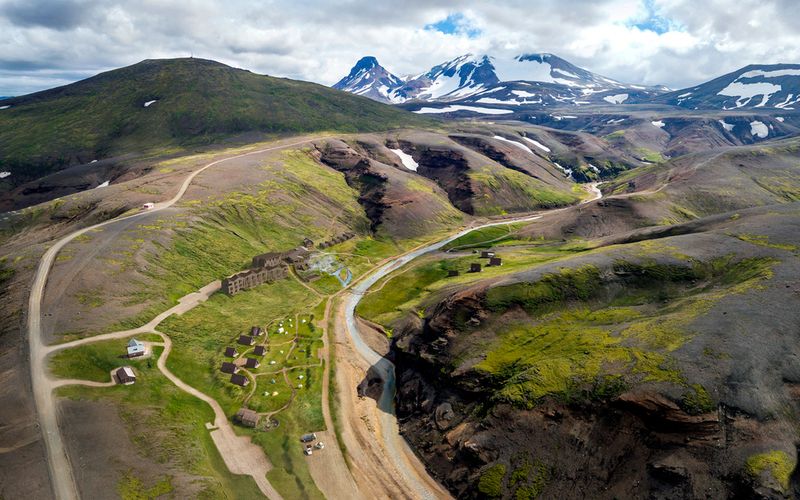
Most visitors to Iceland stick to the Ring Road, which is perfectly understandable since it is spectacular. But the country’s true wild heart sits in the interior Highlands, an enormous volcanic plateau that is closed to vehicles for most of the year and still feels genuinely unexplored.
Roads here are numbered F-roads for a reason: they require four-wheel-drive vehicles and a healthy respect for unpredictable conditions.
The Landmannalaugar area offers some of the most visually surreal hiking in the world, with mountains striped in green, red, yellow, and purple rhyolite. Natural hot springs bubble up beside the hiking trails, making it entirely normal to soak in geothermal water while surrounded by lava fields and snow-dusted peaks.
The Laugavegur Trail, a multi-day trek through the Highlands, consistently ranks among Europe’s best long-distance hikes.
The Kjolur Highland route and the remote Askja caldera are equally rewarding for adventurous travelers. Facilities are minimal, which means preparation matters.
Camping under the midnight sun in July or catching the northern lights from a Highland hut in September are experiences that feel genuinely removed from ordinary life. Iceland’s interior is raw, strange, and absolutely unforgettable.
Raja Ampat, Indonesia
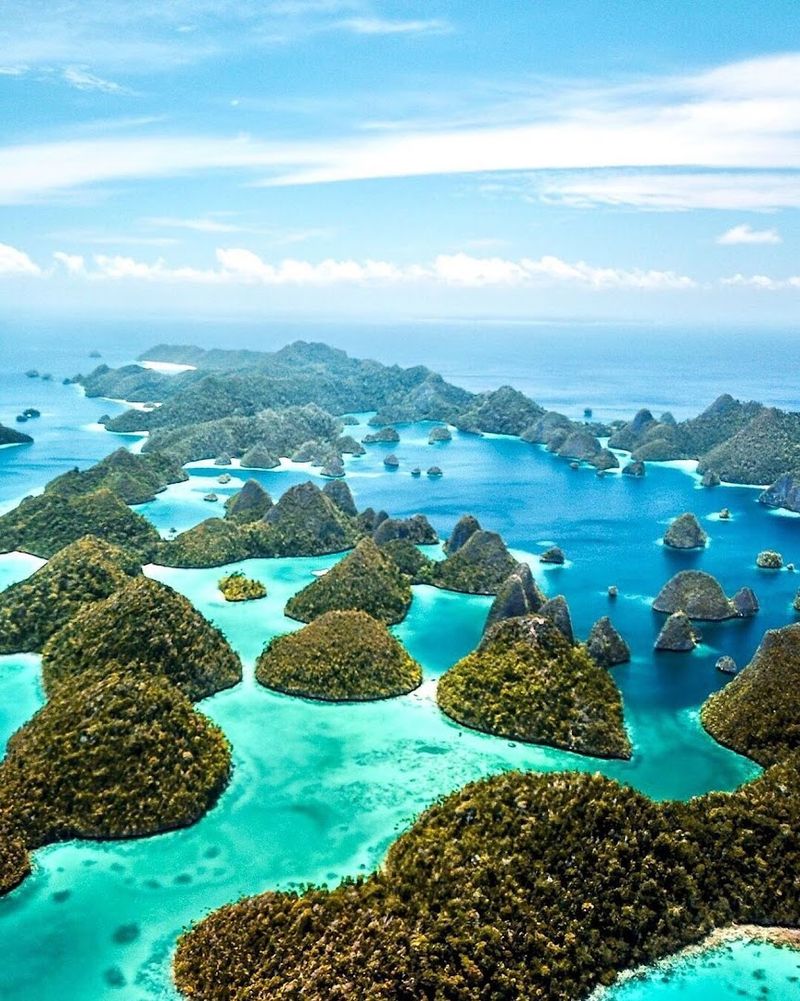
Scientists have recorded more species of fish and coral in Raja Ampat than anywhere else on Earth, which is a statement that becomes very easy to believe the moment you put your snorkel mask on. The water here is so clear and so full of life that first-time visitors often surface mid-snorkel just to make sure what they are seeing is actually real.
It is real, and it is extraordinary.
Located in West Papua, Indonesia, Raja Ampat consists of over 1,500 small islands scattered across the Coral Triangle, the global center of marine biodiversity. Manta rays, pygmy seahorses, walking sharks, and schools of fish so dense they block the light are all standard sightings.
The topside scenery of mushroom-shaped karst islands rising from turquoise water is equally stunning.
Tourism here is deliberately managed to protect the ecosystem. A conservation fee is charged to all visitors, and many resorts actively support local marine protection programs.
Staying in locally owned eco-lodges and choosing responsible dive operators makes a real difference. Raja Ampat is not the easiest destination to reach, but the combination of world-class diving, island scenery, and genuine conservation success makes every logistical challenge completely worthwhile.
Marrakech, Morocco
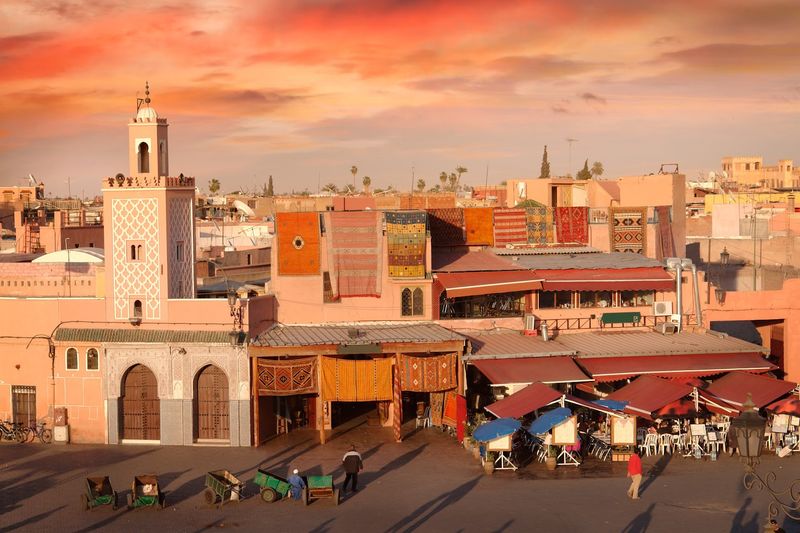
The moment you step off a plane in Marrakech, your senses begin working overtime in the best possible way. The smell of cumin and rose water drifts through the medina, drummers perform in the main square, and the call to prayer echoes across terracotta rooftops as the sun goes down.
This city does not ease you in gently; it welcomes you loudly and with tremendous enthusiasm.
Djemaa el-Fna, the main square, is a UNESCO-recognized cultural space that transforms completely from day to night. Snake charmers and henna artists populate the daytime scene, while after dark the square fills with food stalls, musicians, and storytellers continuing a tradition that stretches back over a thousand years.
Getting lost in the surrounding souks is genuinely encouraged, as the best discoveries happen when you stop following a map.
Beyond the medina, the Majorelle Garden offers a calm, cobalt-blue retreat that once belonged to fashion designer Yves Saint Laurent. Day trips to the Atlas Mountains or the Sahara Desert are both feasible and highly recommended.
Moroccan hospitality, expressed through endless glasses of mint tea and generous home-cooked meals, leaves a warmth that no guidebook can fully describe. Marrakech stays with you.
Namib Desert, Namibia
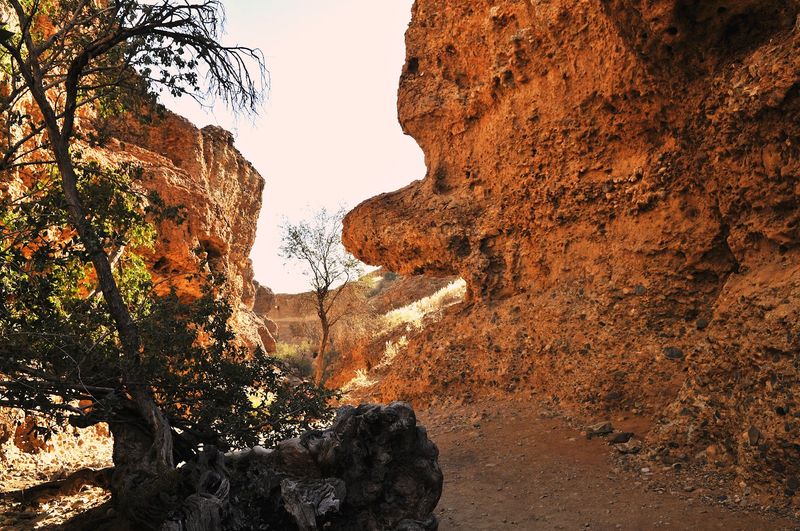
The sand dunes at Sossusvlei in Namibia glow red-orange at sunrise, and climbing one before the heat sets in is both a physical challenge and a quietly meditative experience. From the top, the landscape extends in every direction without a single sign of human development.
That level of visual silence is increasingly rare and unexpectedly powerful.
The Namib is considered the oldest desert on Earth, estimated to be between 55 and 80 million years old. Its dunes, some of the tallest in the world reaching over 300 meters, are shaped by winds that have been blowing in the same patterns for millennia.
Deadvlei, a white clay pan studded with ancient dead camel thorn trees, looks so otherworldly that it has appeared in countless films and advertisements.
Namibia as a whole is one of Africa’s most rewarding destinations for independent travelers. Roads are well-maintained, wildlife is abundant, and the country has some of the continent’s most progressive conservation policies.
Stargazing from the desert is extraordinary, thanks to some of the lowest light pollution levels on Earth. The Namib does not need to compete with louder destinations.
Its power lies entirely in its stillness.
Mount Koya, Japan
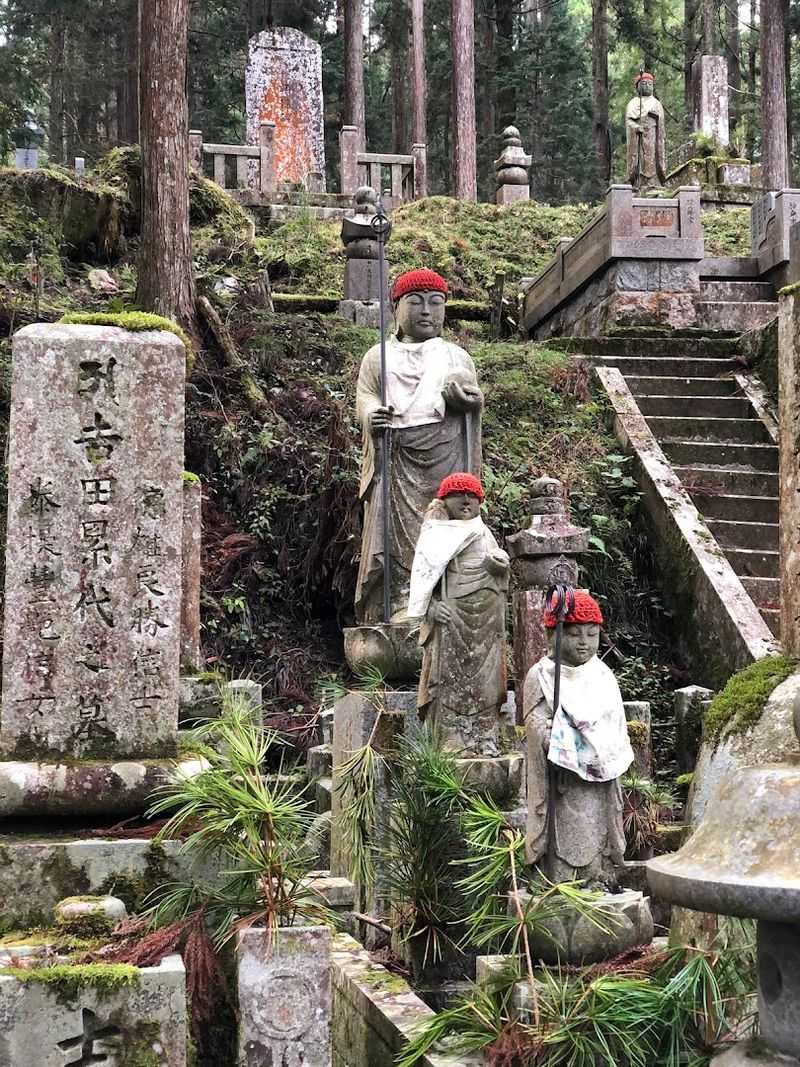
Spending a night at a shukubo, a Buddhist temple lodging on Mount Koya, is the kind of travel experience that quietly rearranges your priorities. You wake before dawn, join monks for morning prayer in a candlelit hall filled with incense smoke, eat shojin ryori vegetarian cuisine prepared according to centuries-old principles, and spend the rest of the day walking through one of Japan’s most sacred forests.
It is profoundly grounding.
Koyasan was founded in 816 AD by the Buddhist monk Kukai, and the entire mountain community has been a center of Shingon Buddhism ever since. The Okunoin cemetery, where over 200,000 stone grave markers line a two-kilometer forest path leading to Kukai’s mausoleum, is considered one of the most atmospheric walks in all of Japan.
Lanterns burn along the path day and night without interruption.
The town of Koya sits at about 900 meters elevation, giving it a noticeably cooler and mistier climate than the surrounding valleys. Autumn foliage here is spectacular, and winter snowfall transforms the cedar forest into something from a traditional Japanese woodblock print.
Mount Koya is only two hours from Osaka by train and cable car, making it very achievable as part of a broader Japan itinerary.
Easter Island (Rapa Nui), Chile
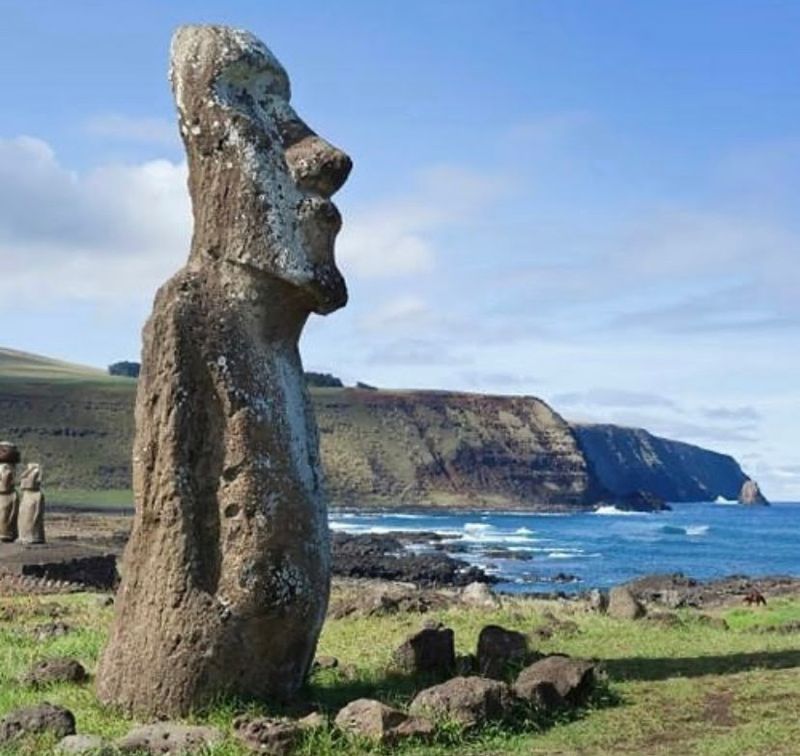
Easter Island sits in the middle of the South Pacific, roughly 3,700 kilometers from the nearest populated land, which makes it one of the most remote inhabited places on the planet. Getting there requires a five-hour flight from Santiago, Chile.
And yet, every year, thousands of travelers make that journey specifically to stand in front of stone statues that no one fully understands. That mystery is the whole point.
The moai, nearly 1,000 of them carved from volcanic rock between roughly 1100 and 1500 AD, were created by the Rapa Nui people to honor their ancestors. How exactly a pre-technological civilization moved multi-ton statues across the island remains a subject of genuine academic debate.
Walking among them, especially at Ahu Tongariki where fifteen moai stand in a row facing inland, is a deeply humbling experience.
Rapa Nui culture is vibrant and actively maintained by the island’s Indigenous community. The annual Tapati festival in February celebrates Polynesian heritage through music, dance, and traditional competitions.
The island’s volcanic landscape, including the Rano Kau crater and the Orongo ceremonial village perched on its rim, adds another layer of geological wonder. Easter Island does not give up its secrets easily, and that is exactly why travelers love it.
Share this story