Some places earn their fame honestly. These 15 landmarks have been photographed millions of times, plastered on postcards, and mentioned in every travel bucket list since forever, yet somehow they still manage to surprise the people who actually show up.
I went into several of these thinking the hype had ruined them, and walked away quietly admitting I was wrong. Whether you are a seasoned traveler or planning your first big trip, this list is your permission slip to stop scrolling and start going.
Eiffel Tower, Paris, France
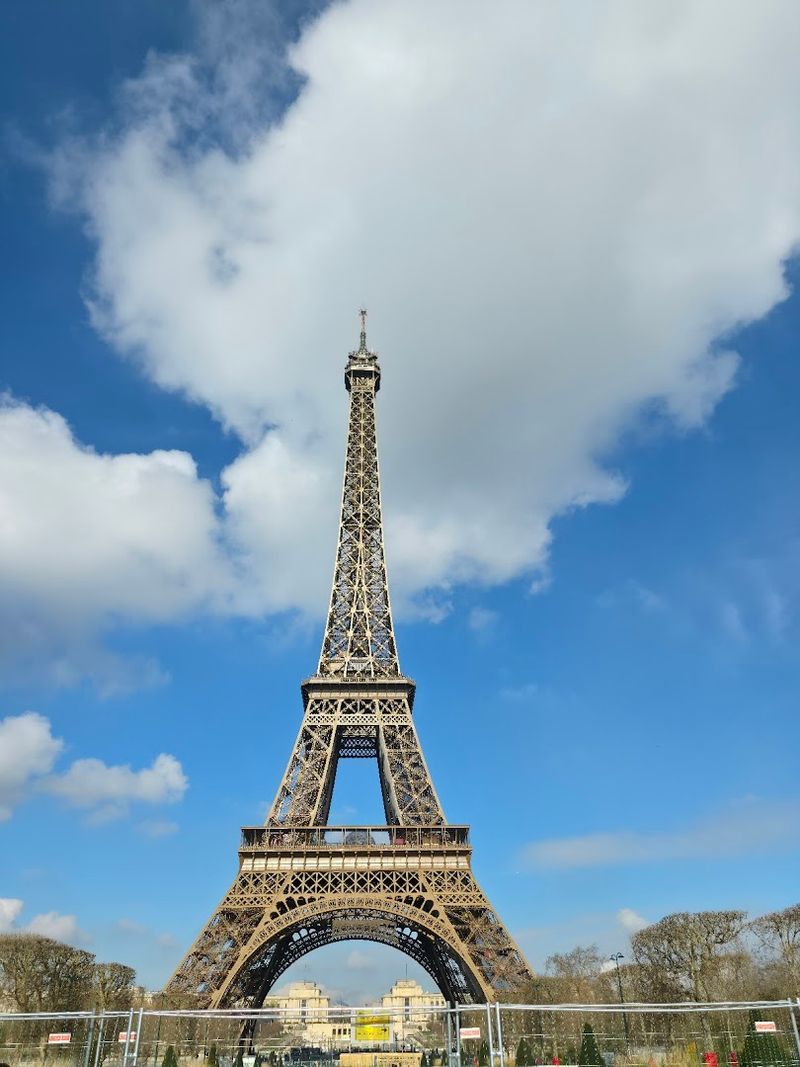
Nobody warns you that the Eiffel Tower is actually kind of beautiful up close. In photos it looks like a chunky metal triangle, but the iron lacework is surprisingly delicate, almost like someone crocheted an entire skyscraper.
Standing beneath it and looking straight up is genuinely disorienting in the best way.
The upper levels offer a view of Paris that feels completely unreal. Everything snaps into place: the Seine, the rooftops, the geometry of the boulevards.
I kept thinking it looked like a movie set, except it was just Tuesday afternoon in the real world.
Tickets are sold through the official Eiffel Tower website, so book early and skip the long queues. The tower is more than a skyline decoration.
It is the kind of place that earns its legendary status the moment you stop treating it like a background and start actually paying attention to it.
Machu Picchu, Peru
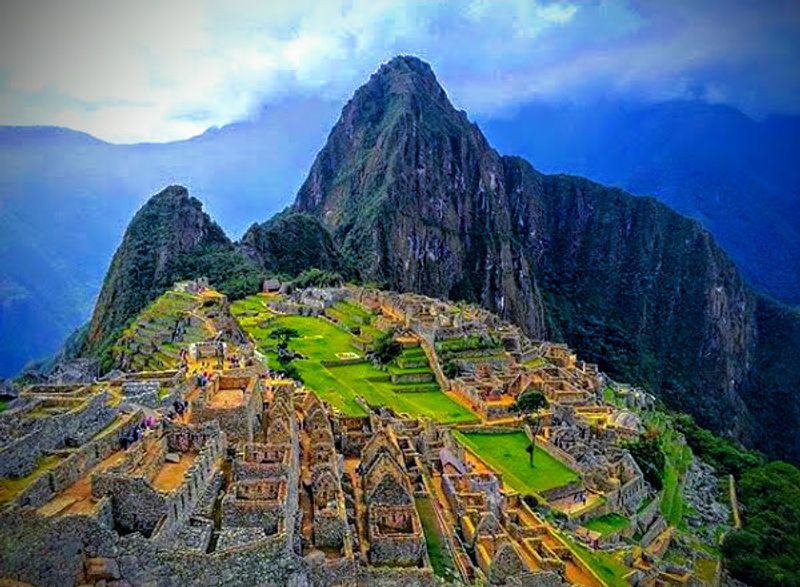
Machu Picchu sits at roughly 2,430 meters above sea level, which means the altitude will humble you before the ruins even get a chance. Getting here requires planning, tickets, and a bit of patience with the logistics, but that effort is exactly what keeps the experience from feeling like a theme park.
Entry is managed through Peru’s official Ministry of Culture ticketing system, with visitor circuits and time slots that control crowd flow. It sounds bureaucratic, but the result is that the site still feels like a place rather than a parade route.
The terraces, temples, and mountain backdrop remain genuinely extraordinary.
First-timers often underestimate how large the site is. Wear comfortable shoes, carry water, and give yourself a full day rather than a rushed two-hour sprint.
The misty mornings are popular for good reason, but even midday visits reveal details that photos completely fail to capture.
Taj Mahal, Agra, India
Built as a tomb, the Taj Mahal somehow ended up being one of the most romantic buildings on earth. That is quite a career arc for a mausoleum.
Emperor Shah Jahan commissioned it in the 17th century for his wife Mumtaz Mahal, and the result is a marble masterpiece that still stops people cold.
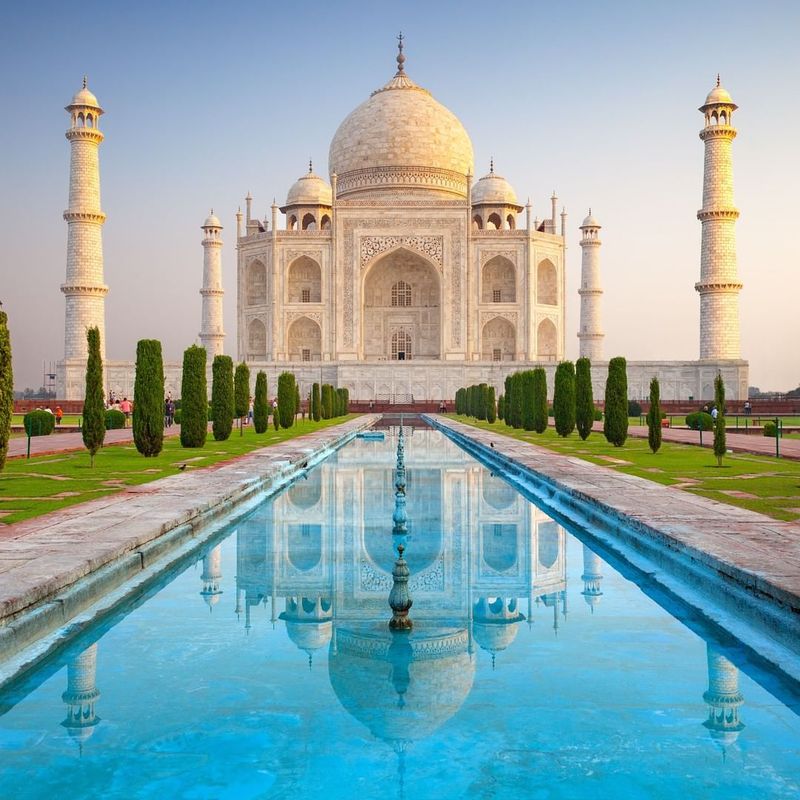
The symmetry here is obsessive in the best way. The gardens, the minarets, the calligraphy panels, and the main dome are all perfectly balanced.
What photos miss is how the color shifts throughout the day, from pale gold at sunrise to almost blue-white at midday.
The official Taj Mahal site is open every day except Fridays, from 30 minutes before sunrise until 30 minutes before sunset. Arriving early gets you softer light and thinner crowds.
Go slow, look at the stone inlay work up close, and resist the urge to spend the whole visit taking photos instead of just looking.
Colosseum, Rome, Italy
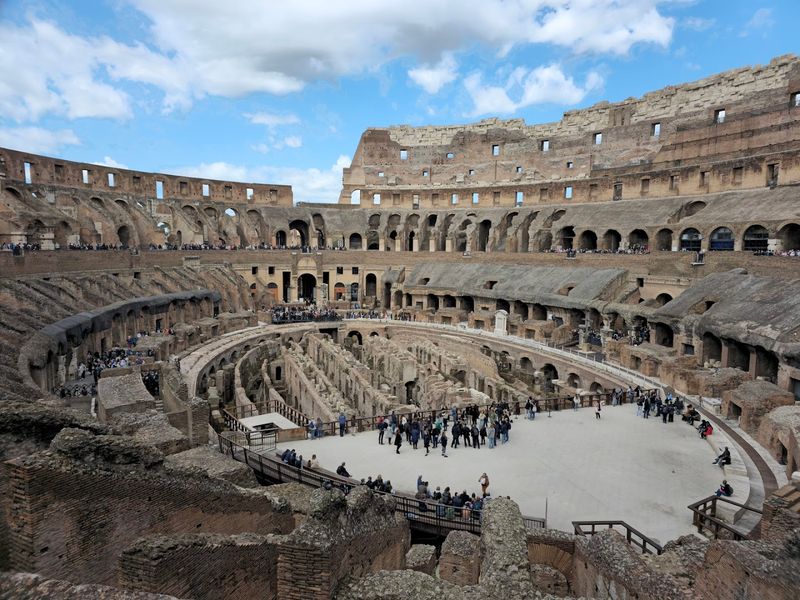
The Colosseum is roughly 2,000 years old and still standing in the middle of a major city, which is honestly more impressive than anything that happened inside it. Rome just built its entertainment venues to last, apparently.
Walking through the arched entrances, called vomitoria, gives you a very real sense of how enormous the crowds once were.
This is not a quiet ruin. It is a physical, tangible piece of ancient engineering that makes history feel less like a textbook and more like something that actually happened to real people.
The underground hypogeum, where animals and gladiators waited before entering the arena, is especially worth seeing.
Tickets are available through the official Parco archeologico del Colosseo site, and the MyColosseum app provides useful visitor tools. Book ahead, because walk-up tickets sell out fast.
Combine your visit with the nearby Roman Forum and Palatine Hill, since the combined ticket covers all three and adds serious context to the Colosseum experience.
The Great Wall at Mutianyu, China
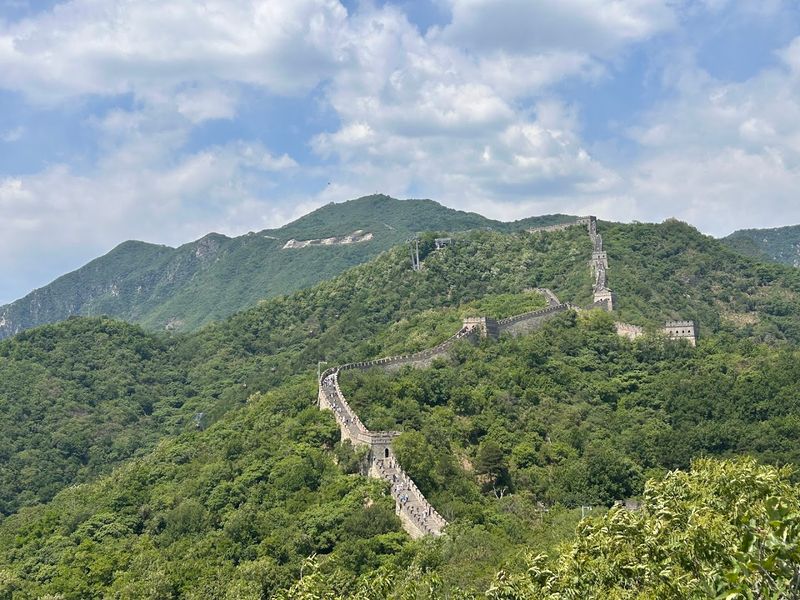
The Great Wall is not one place. It is thousands of kilometers of wall spread across northern China, and the section you visit makes a massive difference in your experience.
Mutianyu wins for most visitors because it is well-restored, genuinely dramatic, and accessible from Beijing without a full-day expedition.
The wall here snakes over steep, forested ridges, and the watchtowers give you a front-row seat to some spectacular scenery. There is even a toboggan slide down from the wall, which sounds ridiculous until you are actually riding it and laughing like a ten-year-old.
Highly recommended.
The official Mutianyu Great Wall website lists current visitor information and confirms it as one of Beijing’s top tourist attractions. Spring and autumn offer the best conditions: cooler temperatures and either blossoms or fiery foliage depending on the season.
Avoid national holidays if crowds are not your thing, because the wall gets very, very busy during Golden Week.
Petra, Jordan
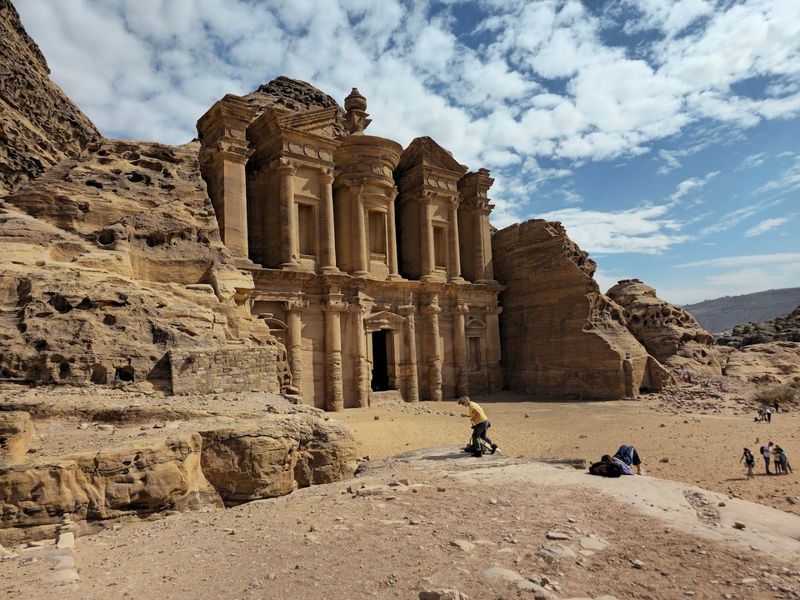
There is a specific moment in Petra that travel writers have been trying to describe for decades and still cannot quite nail. You walk through the Siq, a narrow slot canyon about 1.2 kilometers long, with towering sandstone walls pressing in on both sides.
Then the walls part, and the Treasury appears. That first sight genuinely earns the word breathtaking.
Petra was the capital of the Nabataean Kingdom, carved directly into rose-red sandstone cliffs around the 4th century BC. The Treasury is just the opening act.
Further inside the site you find a Roman-style street, a monastery reached by 800 steps, royal tombs, and a whole carved city that most visitors never fully explore.
Jordan’s official tourism site promotes Petra as one of the country’s major wonders, and the Petra Visitor Center in Wadi Musa is your starting point for the site. Start early, wear good shoes, bring more water than you think you need, and budget a full day minimum.
Angkor Wat, Cambodia
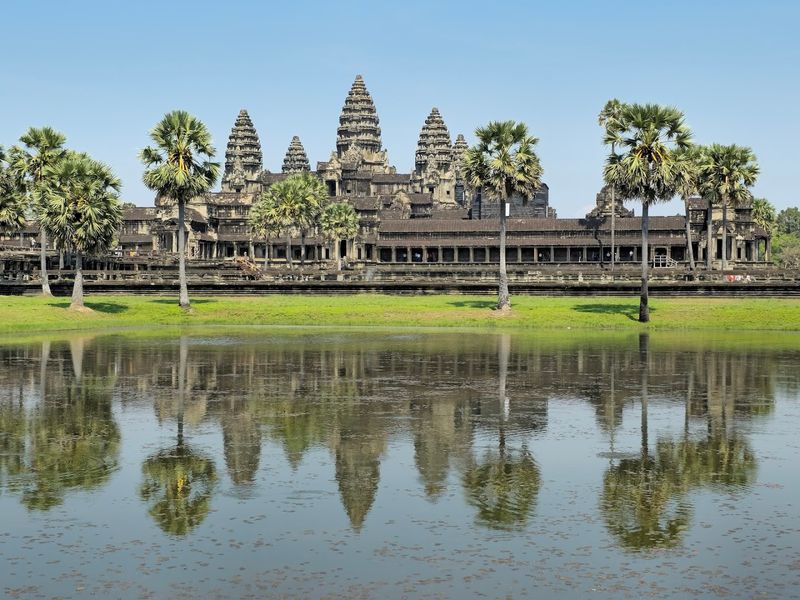
Angkor Wat is the largest religious monument on earth. That fact alone should get your attention, but the real draw is how the scale keeps revealing itself the longer you stay.
What looks like one temple from a distance turns out to be an entire city built in stone across the Cambodian jungle.
The famous sunrise view is genuinely beautiful, though you will share it with a crowd. The smarter move is to return in the late afternoon when the light goes golden and most of the tour groups have left.
The bas-relief galleries inside the main temple deserve a slow, unhurried look: they tell stories stretching hundreds of meters across carved stone walls.
Tickets are sold through the official Angkor Enterprise site as Angkor Passes, which cover multiple temples over one, three, or seven days. The surrounding complex includes dozens of temples worth visiting, and Angkor Thom and Ta Prohm are just as impressive as the main attraction.
Give yourself more than one day if you possibly can.
Statue of Liberty, New York, USA
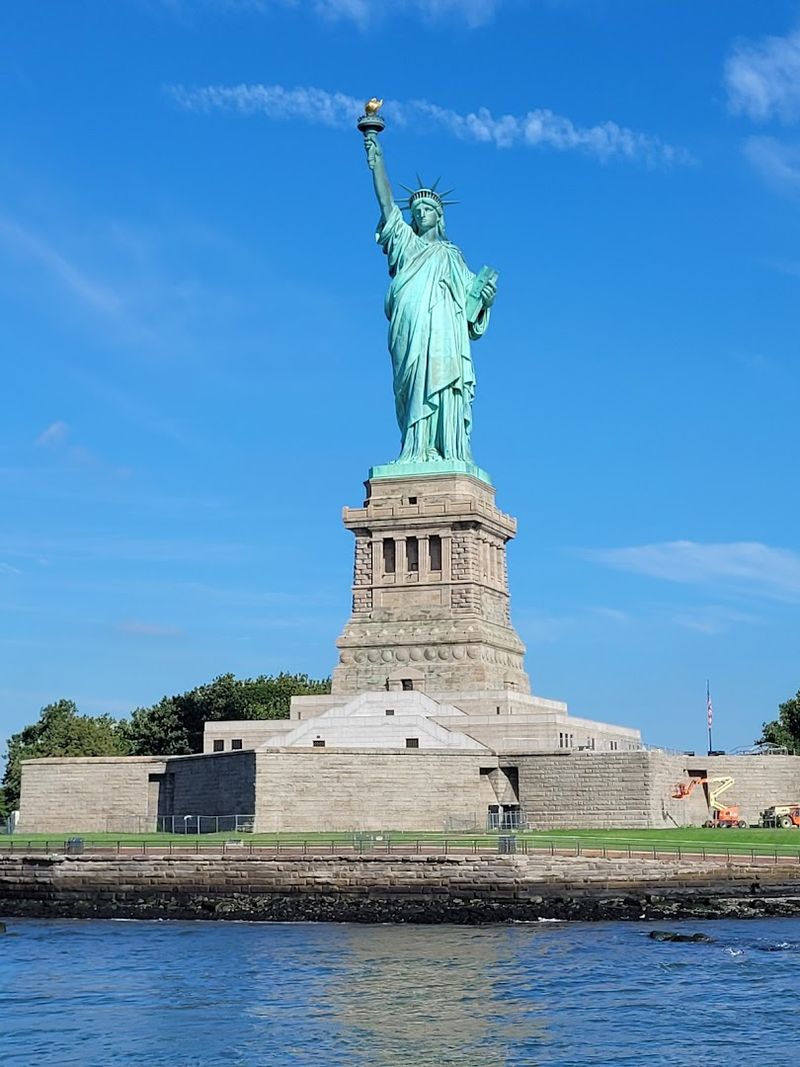
Most people who live near New York have never actually visited the Statue of Liberty, which is a very relatable form of taking things for granted. For first-time visitors, though, the ferry ride across the harbor offers one of the best views in American travel, with the statue growing larger and more imposing as you approach.
Lady Liberty stands 93 meters tall from ground to torch, and she has been welcoming arrivals to New York Harbor since 1886. The pedestal and crown require separate timed tickets that book up weeks in advance, but even the grounds-level visit on Liberty Island is worth the trip.
Ellis Island is included in the same ferry route and adds powerful historical depth to the visit.
The National Park Service manages the site, and Statue City Cruises is the only authorized ferry provider. Book both your ferry tickets and any interior access well ahead of your visit date.
The combination of history, harbor views, and sheer scale makes this one worth the planning.
Sydney Opera House, Sydney, Australia
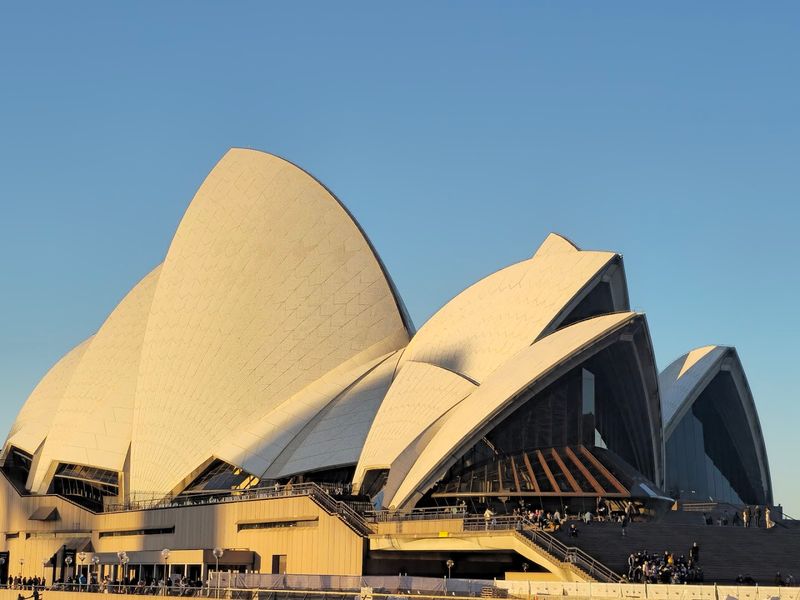
The Sydney Opera House is one of those buildings that architects still argue about, and that is a compliment. Designed by Danish architect Jorn Utzon, it opened in 1973 after a notoriously chaotic construction process, cost overruns, and enough drama to fill its own opera.
The result, however, is genuinely one of the most distinctive buildings ever constructed.
Up close, the famous shell-shaped roofs reveal something photos never show: they are covered in over a million ceramic tiles arranged in a subtle chevron pattern. The texture and detail are completely lost in wide-angle shots.
A guided tour is the best way to understand both the architecture and the engineering problem-solving that went into building it.
The official Sydney Opera House site currently offers guided tours covering the building’s history, architecture, and performance spaces. Catching a live performance inside adds another layer to the visit entirely.
Even a walk around the outside on the Bennelong Point promenade, with the harbor bridge framing the view, is worth the trip on its own.
Sagrada Familia, Barcelona, Spain
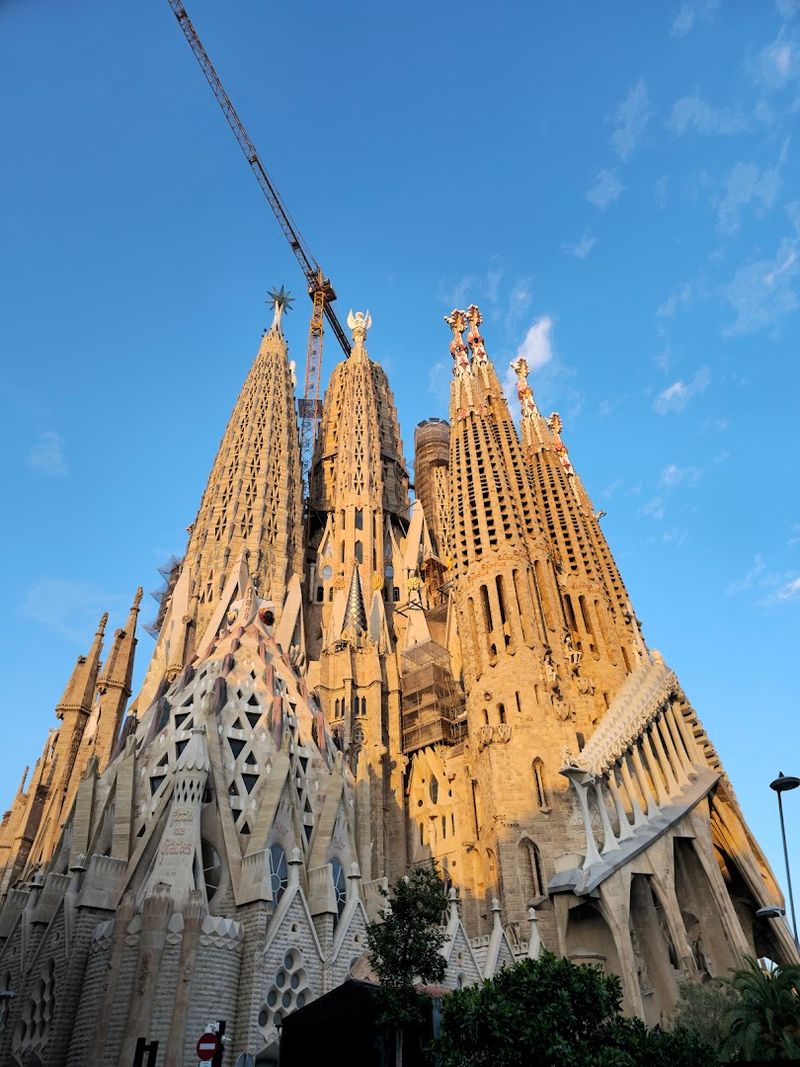
Antoni Gaudi started building the Sagrada Familia in 1882 and died in 1926 with the project nowhere near finished. Construction has continued ever since, funded entirely by visitor tickets and donations, with a target completion date of 2026.
That means right now is a genuinely unique window to visit: the building is closer to complete than it has ever been, but still mid-story.
The interior is unlike any other cathedral on earth. Gaudi designed the columns to branch like trees, flooding the nave with filtered colored light from the stained glass windows.
The effect is somewhere between a forest and a kaleidoscope, and it works completely on its own terms.
Tickets are sold through the official Sagrada Familia website, and timed entry is required. Book weeks in advance, especially during summer.
The tower elevators offer spectacular views over Barcelona, and the different facades, Nativity on the east, Passion on the west, tell completely different visual stories. This is one landmark where the details reward slow, careful looking.
Acropolis of Athens, Greece
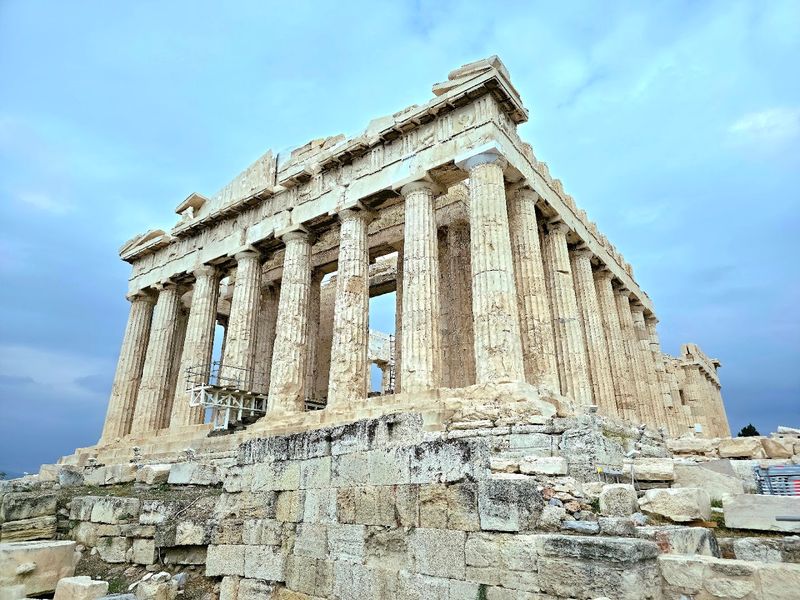
The Acropolis has been sitting on its limestone hill above Athens for about 2,500 years, watching empires come and go with what can only be described as impressive patience. The Parthenon, dedicated to the goddess Athena, is the centerpiece, and even in its partially restored state it communicates something that newer monuments simply cannot manufacture.
Recent conservation work removed scaffolding from the western facade, giving visitors a more unobstructed view than has been possible for years. Restoration continues in a lighter form, so what you see depends slightly on timing, but the hilltop setting and the surrounding temples remain extraordinary regardless.
The views from the top over Athens and toward the sea are genuinely spectacular. Go early in the morning to avoid peak heat and the largest crowds.
The Acropolis Museum at the base of the hill is equally worth visiting and provides important context for the sculptures and architectural fragments that have been moved there for preservation. Do not skip it.
Chichen Itza, Yucatan, Mexico
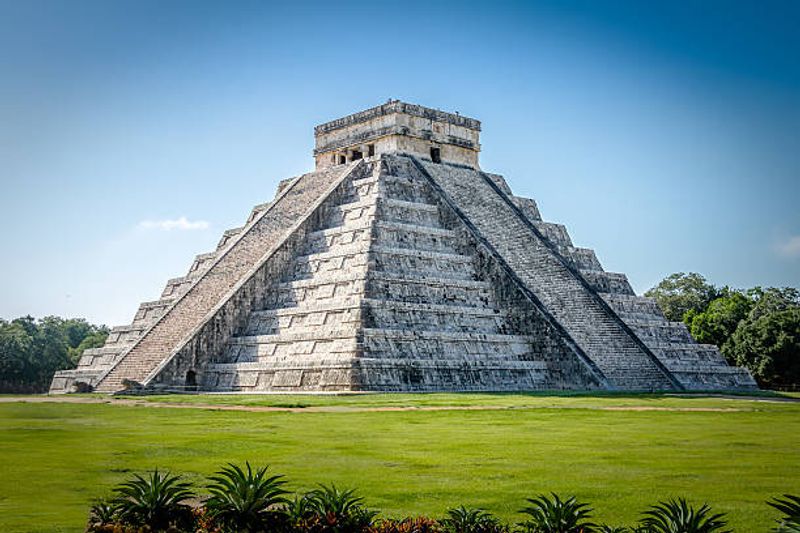
El Castillo is so perfectly proportioned that it looks almost computer-generated in photos, which is impressive for a pyramid built around 1,000 years ago without a single digital tool. Chichen Itza was a major Maya city, and the stepped pyramid served as a calendar in stone: 365 steps total, one for each day of the year.
That level of astronomical precision never gets old.
The site covers a large area beyond just the main pyramid. The Great Ball Court is the largest in all of Mesoamerica, and the Temple of the Warriors and the columns surrounding it give the site a genuinely epic sense of scale.
Visitors cannot climb El Castillo anymore, but walking the full site still takes a solid two to three hours.
Mexico’s INAH lists Chichen Itza as open Monday through Sunday, 8:00 to 16:00, with last access at 15:00. Arrive when the gates open.
The afternoon heat and tour bus crowds arrive together, and neither is particularly enjoyable. Combine the visit with a nearby cenote swim for a perfect full day in the Yucatan.
Pyramids of Giza, Egypt
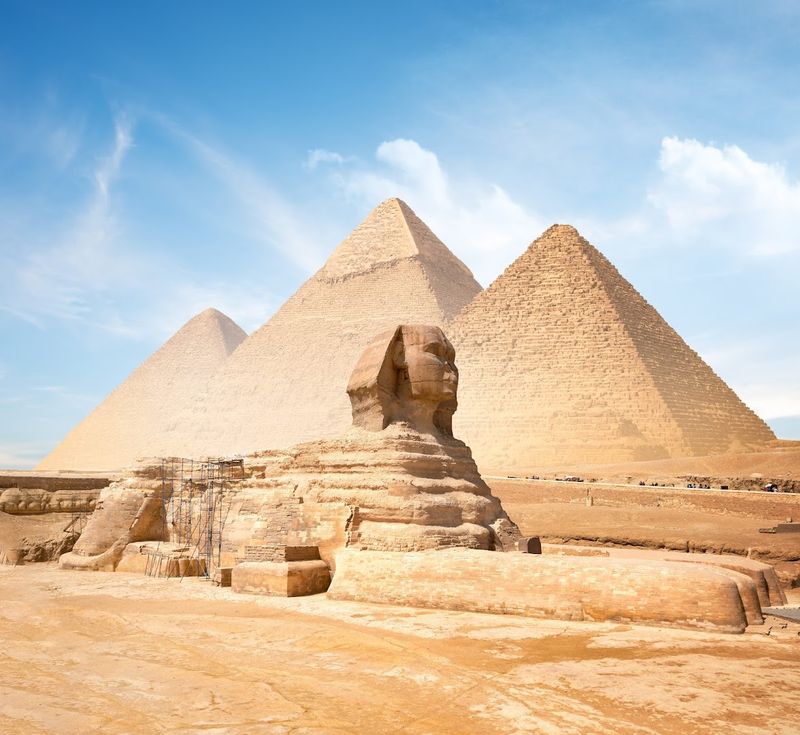
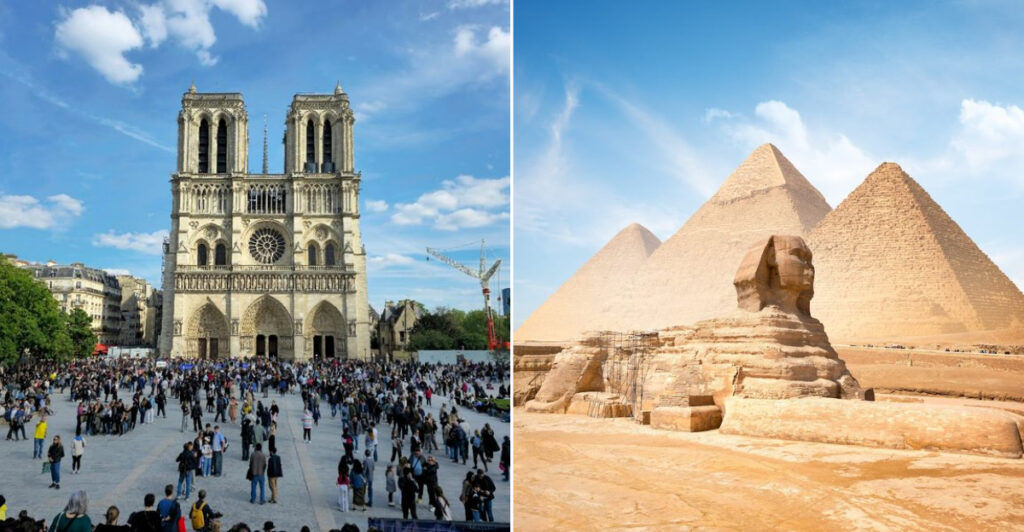
The Great Pyramid of Giza is the oldest of the Seven Wonders of the Ancient World and the only one still standing. It was built around 2560 BC, which means it was already ancient history when ancient Rome was young.
That timeline is genuinely hard to process while standing in front of it, and that is part of the point.
The sheer scale catches first-time visitors off guard. The base covers about 5.3 hectares, and the stones used to build it average 2.5 tons each.
Standing at the base and looking up, you understand why people have been making the trip for thousands of years. The Sphinx, crouching nearby with the quiet dignity of something that has seen everything, adds to the effect considerably.
Egypt’s Ministry of Tourism and Antiquities manages the Giza Plateau, and the official monuments ticketing site lists visitor regulations. Hiring a licensed local guide is genuinely worthwhile here.
The history is layered and complicated, and a good guide turns a confusing plateau of stone into something with real human weight behind it.
Stonehenge, England
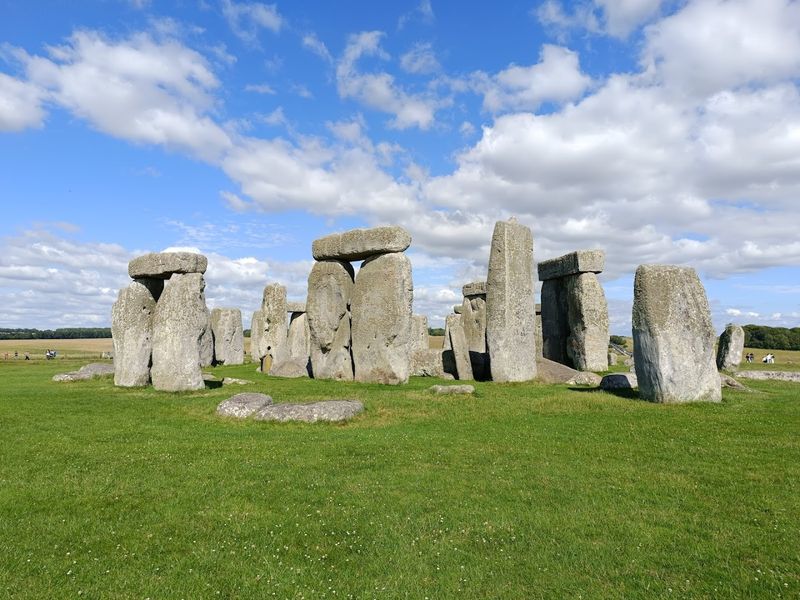
Stonehenge is smaller than most people expect, and that surprise is almost universal among first-time visitors. The stones average about 4 meters tall, which is impressive but not towering.
What the photos never convey is the setting: a wide, flat, windswept plain with no visual competition, which gives the stones a presence that their actual height does not fully explain.
Nobody knows exactly why it was built. Theories involve astronomy, burial rituals, healing ceremonies, and at least one very persistent legend involving Merlin.
What is confirmed is that construction began around 3000 BC, the stones were transported from Wales over 200 kilometers away, and the whole structure aligns with the midsummer sunrise. That is a lot of effort for something unexplained.
English Heritage manages the site and provides full visitor information. They have announced free managed access for the 2026 Summer Solstice, which is a genuinely special way to experience the alignment the monument was built around.
The standard visitor path keeps you at a respectful distance from the stones, but the audio guide fills in the gaps well.
Notre-Dame de Paris, France
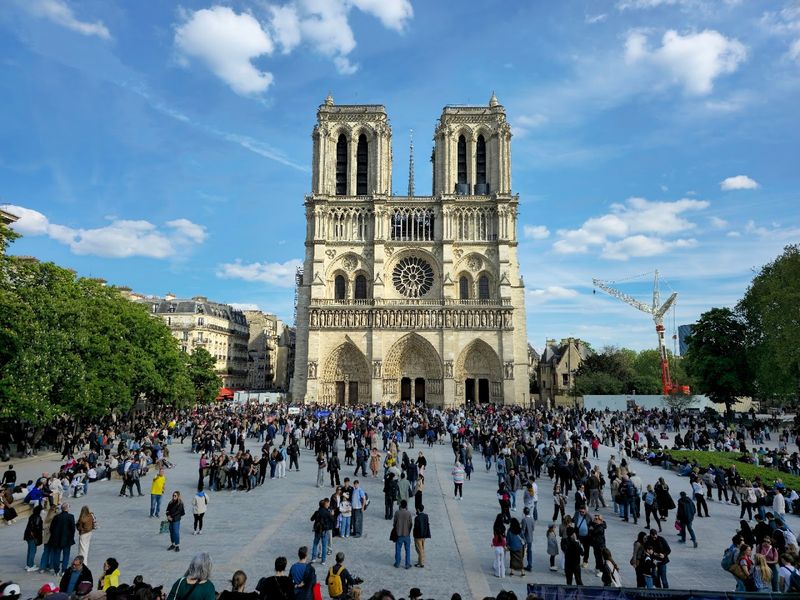
Notre-Dame reopened in December 2024, five years after the fire that sent its spire crashing through the roof on live television. Watching it burn felt like losing something permanent, which made the reopening feel like something genuinely worth celebrating.
Visiting now carries a different emotional weight than a pre-fire trip ever could have.
The cathedral was originally completed in the 14th century and spent the following 700 years accumulating history, damage, restoration, and legend. Victor Hugo basically wrote a whole novel to save it from demolition in the 1800s, and it worked.
The Gothic architecture, rose windows, flying buttresses, and sheer vertical ambition of the building remain as striking as ever after the restoration.
The official Notre-Dame de Paris website provides current visitor information covering tours, prayer services, and the latest updates on the ongoing restoration. Free entry is available for the main nave, with timed tickets recommended for tower access.
Going inside now, knowing what happened and what it took to bring it back, makes the visit feel newly meaningful in a way that surprises you.
Share this story