
Excellent healthcare can mean different things to different people. Some countries stand out for affordability, others for cutting-edge technology, short wait times, or universal coverage.
Drawing from recent global healthcare rankings and health system studies, these countries consistently earn praise for delivering high-quality medical care. Typical checkup costs are approximate out-of-pocket prices for a standard primary-care visit for uninsured visitors or private-pay patients and can vary by city, provider, and coverage.
Taiwan

Ask any medical tourist where their money goes furthest, and Taiwan will come up fast. The island nation runs one of the most efficient single-payer healthcare systems on the planet, covering nearly every resident under one streamlined National Health Insurance program launched in 1995.
That kind of consistency is hard to beat.
Patients can walk into a clinic, see a specialist, and walk out without breaking the bank. Digital health records are widely used, meaning doctors have instant access to your history without a pile of paperwork.
The system is so well-organized that wait times are often measured in minutes, not weeks.
Foreigners visiting Taiwan are sometimes stunned by how smooth the experience feels compared to back home. A routine doctor visit costs roughly $10 to $30 out of pocket for private-pay patients.
Taiwan consistently tops global healthcare indices, and once you experience the system firsthand, it is easy to understand why so many health policy experts point to it as a model worth studying.
South Korea

South Korea has quietly built one of the most technologically advanced healthcare systems in the world, and the numbers back it up. The country boasts some of the highest cancer survival rates globally, fueled by aggressive screening programs and early detection tools that other nations are still catching up to.
Getting checked early is practically a national habit here.
Hospitals in Seoul and beyond feature robotic surgical suites, AI-assisted diagnostics, and internationally trained specialists who often speak English. Medical tourism is a booming industry partly because South Koreans have made quality care both accessible and affordable.
The infrastructure is genuinely impressive by any global standard.
For private-pay visitors, a standard clinic consultation typically runs between $15 and $40, which is remarkably reasonable given the level of care provided. The country also invests heavily in preventive health programs, encouraging regular checkups before small problems become big ones.
South Korea proves that high-tech and affordable do not have to be opposites when the system is built right from the ground up.
Australia

Sun, surf, and surprisingly solid healthcare make Australia a standout destination for health-conscious travelers and expats. The publicly funded Medicare system provides universal access to essential medical services for residents, while a robust private sector adds extra options for those who want them.
It is a well-balanced setup that most Australians genuinely appreciate.
General practitioners serve as the backbone of the system, handling everything from annual checkups to chronic disease management with a level of thoroughness that earns consistent praise. Preventive care is taken seriously, with national screening programs for breast cancer, bowel cancer, and cervical cancer reaching millions of Australians each year.
That proactive mindset pays off in strong population health statistics.
Visitors paying out of pocket for a GP visit can expect to spend roughly $40 to $80 before any insurance reimbursements kick in. Costs can vary depending on whether the clinic bulk-bills or charges a gap fee.
Rural areas can sometimes present access challenges, but urban healthcare in Sydney, Melbourne, and Brisbane consistently ranks among the best available anywhere in the Asia-Pacific region.
Sweden

Sweden takes the phrase “an ounce of prevention” seriously, building its entire healthcare philosophy around catching problems before they escalate. The publicly funded system covers virtually all residents, and the government spends generously to make sure hospitals are well-staffed and well-equipped.
Swedes tend to live long, healthy lives, and that is not a coincidence.
Medical professionals in Sweden undergo rigorous training, and the country consistently produces world-class research in fields ranging from oncology to cardiology. Patient records are fully digitized, making coordination between specialists and primary-care doctors remarkably smooth.
The emphasis on continuity of care means patients rarely feel like they are starting from scratch each visit.
For residents, a typical primary-care visit costs around $20 to $40 after the publicly subsidized fee structure kicks in. Visitors and non-residents may pay more, but the quality of care remains consistent regardless.
One charming quirk of the Swedish system is the annual out-of-pocket cap, after which care becomes essentially free for the rest of the year, a feature that removes a lot of financial anxiety from managing ongoing health conditions.
Netherlands
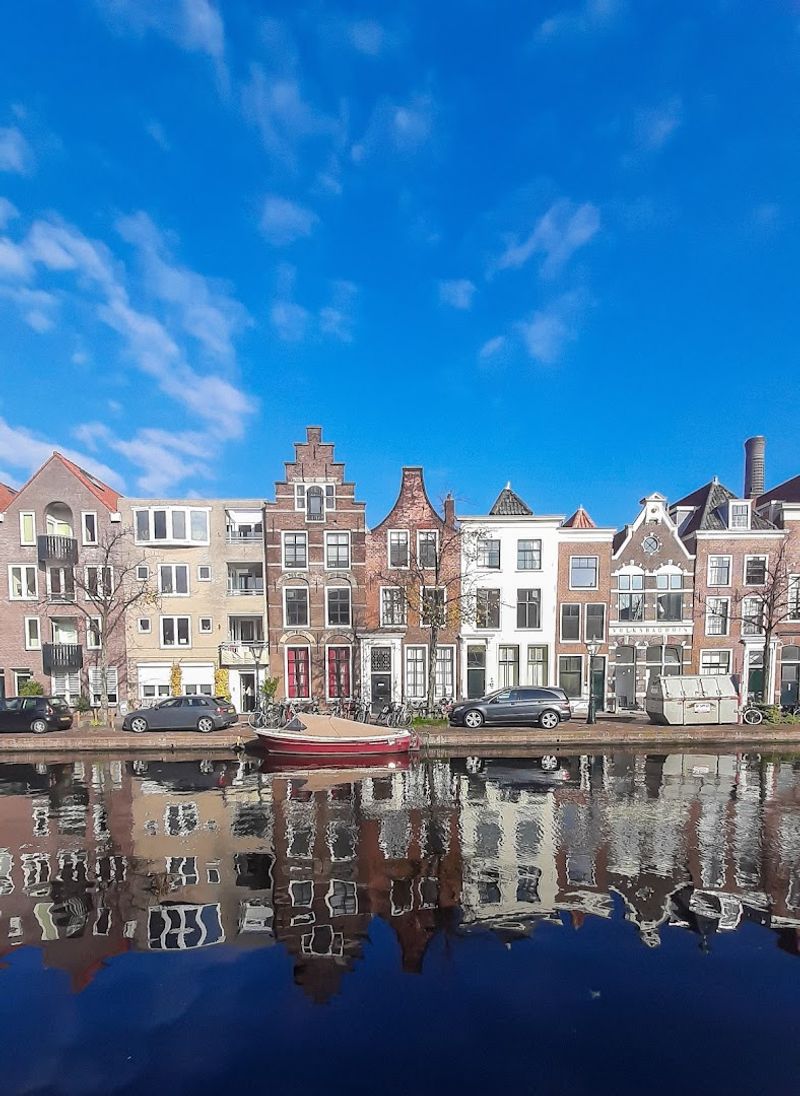
The Dutch have a talent for designing systems that actually work, and healthcare is no exception. The Netherlands operates a mandatory private health insurance model regulated tightly by the government, striking a clever balance between market competition and universal coverage.
Everyone is in, which keeps the risk pool large and costs manageable across the board.
Primary care physicians, known locally as huisartsen, act as gatekeepers to the broader system, coordinating specialist referrals and managing long-term conditions with impressive efficiency. This layered approach prevents unnecessary hospital visits and keeps overall spending in check without sacrificing quality.
Patients consistently report high satisfaction with both access and outcomes.
A routine private consultation in the Netherlands typically falls between $40 and $90 for those paying out of pocket. Health insurance is mandatory for residents, so most Dutch people pay very little at the point of care.
The country also performs exceptionally well in international comparisons of chronic disease management, mental health services, and maternity care. For a small country, the Netherlands punches well above its weight in delivering healthcare that is both thoughtful and effective.
Germany

Germany has been refining its healthcare system for over 140 years, and that head start shows. Chancellor Bismarck introduced the world’s first statutory health insurance program back in 1883, and the country has been building on that foundation ever since.
History aside, today’s system is genuinely impressive by every measurable standard.
Patients in Germany choose from a wide network of licensed providers, and both public and private insurers cover a broad range of services. Hospitals are well-funded, specialists are plentiful, and the research institutions attached to major medical centers are among the most respected in the world.
Cutting-edge treatments reach German patients faster than almost anywhere else in Europe.
For private-pay visitors, a standard doctor’s appointment typically costs around $40 to $80, though specialist visits can run higher. Statutory insurance covers roughly 90 percent of the population, while the remaining 10 percent opt for private plans offering additional perks.
Germany consistently ranks near the top in healthcare quality indices, particularly in areas like cardiac care, orthopedics, and complex surgical procedures. It is a system built on discipline, investment, and a deep cultural respect for medical expertise.
Switzerland
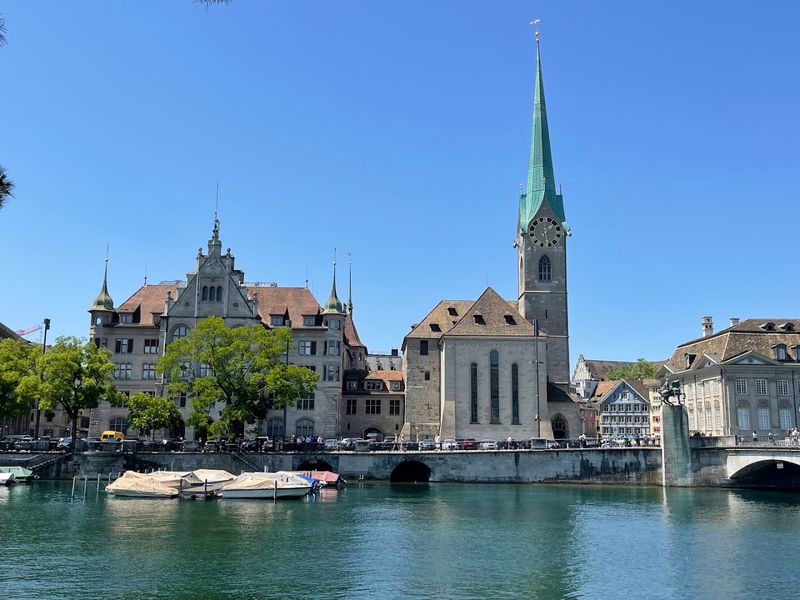
Switzerland does not do things halfway, and healthcare is no different. The country consistently ranks among the top three healthcare systems globally, offering a combination of world-class hospitals, cutting-edge technology, and some of the shortest wait times you will find anywhere in Europe.
The trade-off is that none of this comes cheap.
Health insurance is mandatory for all Swiss residents, and premiums are famously high, though the government subsidizes costs for lower-income households. The system is built on choice, competition, and quality, encouraging providers to continually improve to attract patients.
That competitive dynamic has produced hospitals that genuinely compete on reputation, not just proximity.
For private-pay visitors, a basic consultation can cost between $100 and $200, making Switzerland one of the pricier entries on this list. But the experience often justifies the expense.
Multilingual staff, immaculately clean facilities, and access to specialists without months of waiting make the Swiss system feel almost effortlessly superior. Medical tourists from the Middle East, Asia, and North America regularly choose Switzerland for complex procedures, knowing they will receive care that is as precise and reliable as the country’s famous watchmaking tradition.
Japan

Japan holds a record most countries can only dream about: one of the highest life expectancies on Earth, consistently hovering above 84 years. That figure does not happen by accident.
A combination of universal health insurance, deeply ingrained preventive care habits, and a cultural emphasis on regular checkups keeps the population remarkably healthy well into old age.
The Japanese healthcare system covers virtually all residents through employment-based or community-based insurance plans. Patients pay a percentage of costs, typically around 30 percent, while insurance covers the rest.
This cost-sharing model encourages responsible use without creating barriers to necessary care. Clinics are everywhere, from urban skyscrapers to rural towns, making access genuinely convenient.
A routine doctor visit commonly costs about $20 to $60 for private-pay patients, depending on the type of facility. Hospitals in Japan are known for exceptional cleanliness, polite and attentive staff, and thorough diagnostic processes.
Annual health checkups called kenko shindan are practically a social norm, especially for working adults. The result is a population that tends to catch health issues early, treat them efficiently, and move on with minimal disruption to daily life.
Singapore

Tiny in size but enormous in ambition, Singapore has engineered a healthcare system that regularly outperforms countries many times its size. The city-state blends public funding, personal savings accounts called Medisave, and private insurance into a layered model that keeps quality high and costs somewhat controlled.
It is a system designed by people who clearly thought hard about every detail.
Public hospitals in Singapore are highly regarded for clinical outcomes, and private hospitals attract medical tourists from across Southeast Asia and beyond. The government regulates fees carefully to prevent price gouging, and transparency in medical costs is unusually high compared to many other countries.
Patients generally know what they will pay before treatment begins, which reduces financial anxiety considerably.
A standard consultation in Singapore typically ranges from $30 to $80 depending on whether you visit a public polyclinic or a private general practitioner. The country is particularly strong in areas like cardiology, oncology, and organ transplantation.
Singapore also invests heavily in health research and biotechnology, positioning itself as a regional hub for medical innovation. For a nation without vast natural resources, its greatest investment has clearly been in the health of its people.
Norway

Oil wealth has given Norway the resources to build something genuinely worth having: a healthcare system that covers everyone without sending anyone into financial ruin. The country funds its public services generously, and healthcare is no exception, with hospitals that are modern, well-staffed, and spread across even the most remote corners of the country.
Geography is not an excuse Norway accepts.
Preventive care sits at the heart of the Norwegian approach. Regular screenings, vaccination programs, and public health campaigns are well-funded and widely participated in.
The result is a population with excellent health outcomes, particularly in cardiovascular disease and maternal health. Norwegians also benefit from one of the most generous sick-leave policies in the world, allowing people to actually recover before returning to work.
A primary-care appointment typically costs around $20 to $50 for residents before the annual out-of-pocket cap is reached. Once that cap is hit, further care is free for the rest of the calendar year.
Visitors pay more, but the quality remains consistent. Norway may not always grab headlines for medical breakthroughs, but it quietly delivers reliable, compassionate, and comprehensive care to everyone who needs it, every single time.
Denmark

Denmark runs a fully tax-funded healthcare system where the vast majority of services are free at the point of use for residents. That sounds simple, but pulling it off at a high quality level takes serious organizational skill, and Denmark has it in abundance.
The country consistently scores well in patient satisfaction surveys, which says a lot about day-to-day experience.
One of Denmark’s smartest investments has been in digital health infrastructure. Electronic health records are used nationwide, allowing any authorized provider to access a patient’s full medical history instantly.
This coordination reduces duplicate testing, speeds up diagnoses, and makes specialist referrals far smoother than in countries still wrestling with paper files and fax machines.
A private consultation in Denmark typically costs around $50 to $100 for those not covered by the public system. Residents pay nothing for most services, though dental care and some specialist visits carry partial costs.
Denmark also performs well in mental health services, an area where many wealthy nations still struggle. The country’s willingness to treat psychological wellbeing as seriously as physical health makes it a genuinely forward-thinking place to receive care at any stage of life.
Canada

Canada’s publicly funded Medicare system is practically a point of national pride, offering universal access to medically necessary hospital and physician services without direct charges at the point of care. For residents, the idea of receiving a hospital bill after surgery feels almost foreign.
That protection from financial catastrophe is something Canadians genuinely value.
Provinces and territories each administer their own health plans within a national framework, which means quality and wait times can vary depending on where you live. Urban centers like Toronto and Vancouver offer exceptional specialist care and research hospitals, while rural areas sometimes face access challenges.
It is an honest limitation worth acknowledging alongside the genuine strengths.
Visitors paying privately can expect a routine consultation to cost roughly $50 to $120, depending on the province and clinic type. Canada performs strongly in cancer care, cardiac surgery, and neonatal medicine.
The country also places significant emphasis on family medicine, with general practitioners serving as the primary point of contact for most health concerns. While wait times for elective procedures can stretch longer than ideal, emergency and urgent care services are generally fast and competent across the country.
Ireland

Ireland has invested significantly in its healthcare system over the past decade, and the results are starting to show in the rankings. A combination of public hospitals run by the Health Service Executive and a thriving private sector gives patients meaningful choices about where and how they receive care.
The country has come a long way from its historically underfunded past.
Irish hospitals have earned strong reputations in areas like cardiac care, orthopedics, and oncology. The country also benefits from close ties with leading medical research institutions in Europe and North America, helping cutting-edge treatments reach patients faster.
Training standards for Irish doctors and nurses are internationally recognized, and many professionals rotate through hospitals in the UK, US, and Australia, bringing global experience home.
A standard general practitioner visit in Ireland typically costs between $50 and $80 for private-pay patients. Medical card holders, which include lower-income residents, access GP services for free.
Ireland’s growing population and urban expansion have put pressure on hospital capacity in recent years, but ongoing infrastructure investment is addressing those gaps steadily. For travelers, private clinics in Dublin and Cork offer fast, professional consultations at reasonable prices compared to other Western European capitals.
Finland

Finland wraps up this list with the quiet confidence of a country that has simply figured things out. The Finnish healthcare system is built on strong public services, municipal-level delivery, and a deep cultural belief that healthy citizens make for a healthy society.
It is not flashy, but it works remarkably well across a wide range of health measures.
Preventive care is embedded in Finnish culture from childhood. School health services, occupational health programs, and regular national screenings catch problems early and keep treatment costs lower over a lifetime.
Finland also leads in electronic health record adoption, with nearly all patient data stored digitally and accessible to authorized providers across the country. That kind of infrastructure makes coordinated care genuinely possible.
A standard clinic visit in Finland typically costs around $20 to $50 for residents, with municipal health centers charging subsidized fees. Private clinics are available for those who prefer shorter wait times and are willing to pay a premium.
Finland consistently performs well in global health outcome studies, particularly in areas like child health, mental health services, and chronic disease prevention. For a country that spends much of the year in darkness, Finland has built one of the brightest healthcare systems on Earth.
Share this story