Maryland is one of those states that surprises you every time you think you already know it. From wild horses on a barrier island to fossils buried in ancient cliffs, the options for a genuinely refreshing day out are almost ridiculous.
You do not need a big budget or a long drive to feel like you actually got away for a while. Whether you are looking for a quiet trail, a free museum, a wildlife refuge, or a stretch of sandy beach, this list covers 16 real destinations across the state that deliver that rare feeling of a true escape without draining your wallet.
Each one is open, accessible, and worth blocking off a Saturday for.
Assateague Island National Seashore, Berlin, Maryland
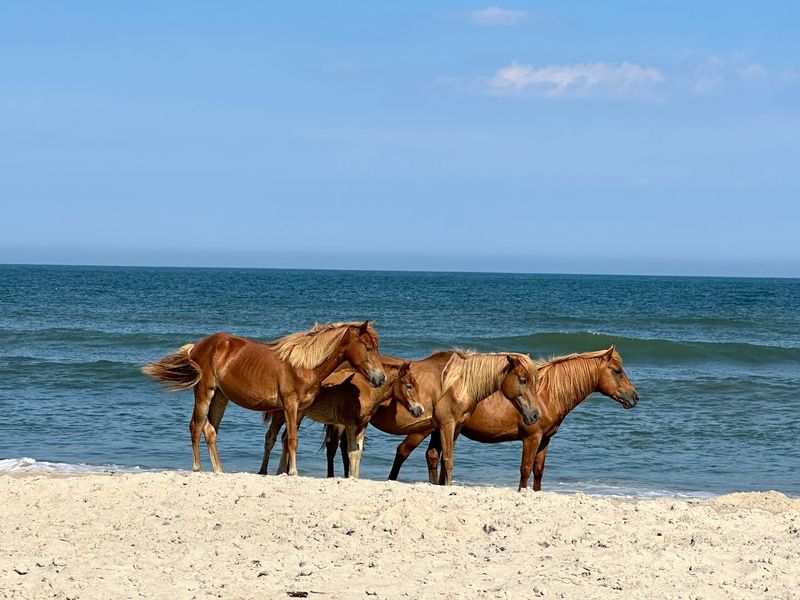
Wild horses roam freely along the shoreline here, and that alone makes Assateague Island one of the most genuinely unexpected day trips in the Mid-Atlantic. The barrier island stretches across the Maryland and Virginia border, offering miles of undeveloped Atlantic beach with no boardwalk crowds and no resort noise.
The Assateague ponies are a feral herd that has lived on the island for centuries, and spotting them near the dunes or campground loop is a common experience rather than a lucky one. Visitors come for swimming, surf fishing, kayaking, and wildlife watching all in the same trip.
Parking requires a vehicle pass, which costs around $25 per week or is free with an America the Beautiful annual pass. The visitor center near the entrance has exhibits on the island ecology and pony history.
Restrooms, outdoor showers, and a camp store are available during peak season.
Fort McHenry National Monument and Historic Shrine, Baltimore, Maryland
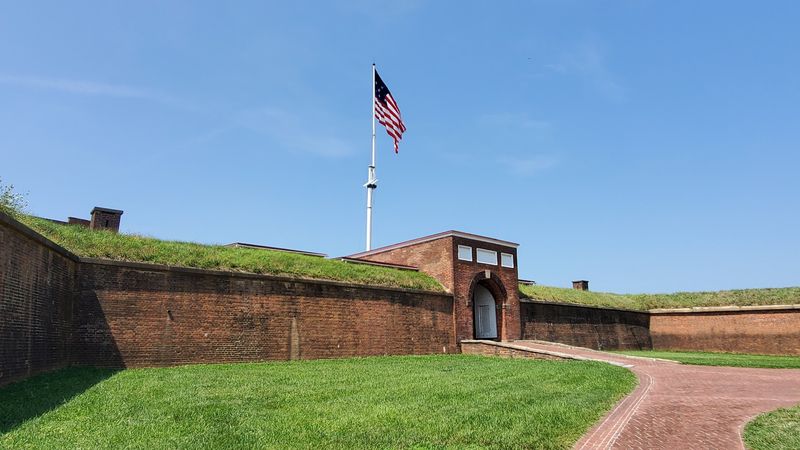
Fort McHenry is the place that gave the United States its national anthem. After the British bombardment in September 1814, Francis Scott Key watched the American flag still flying over the fort at dawn and wrote the poem that became The Star-Spangled Banner.
That single moment in American history is the entire reason this site exists.
The fort is a five-pointed star shape built in the late 1700s, and walking the grounds gives you a clear sense of how the fortification was designed to protect Baltimore Harbor. The visitor center film is worth watching before you tour the buildings.
Admission is $15 per adult and free for children 15 and under. The grounds are open daily, and the waterfront location makes the walk around the outer walls genuinely scenic.
Parking is free on site. The fort is easy to reach from downtown Baltimore in under 15 minutes by car.
Baltimore Museum of Art, Baltimore, Maryland
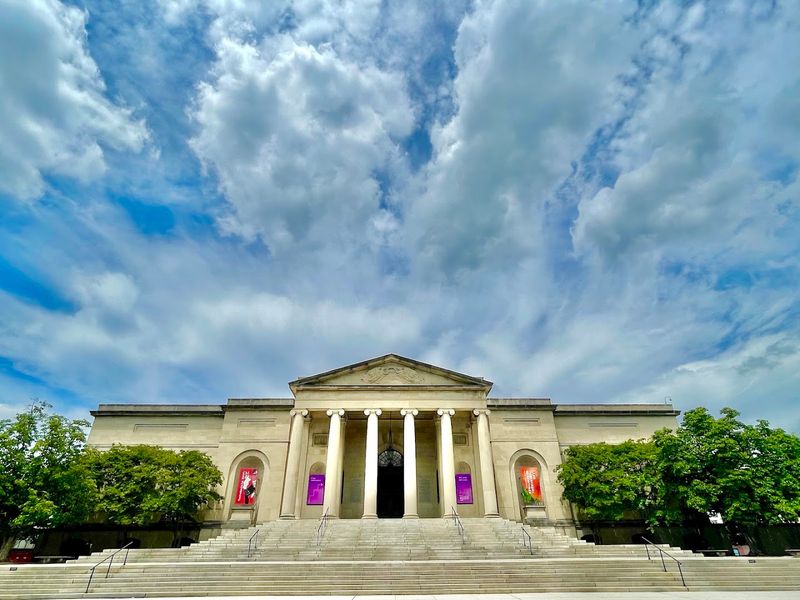
General admission to the Baltimore Museum of Art is completely free, which makes it one of the best cultural deals in the entire state. The collection holds more than 95,000 works, and the Cone Collection alone draws art lovers from across the country.
Claribel and Etta Cone were Baltimore sisters who collected an extraordinary number of works by Henri Matisse, and the museum holds the largest Matisse collection in the Americas.
Beyond Matisse, the BMA has strong holdings in contemporary art, African art, and American decorative arts. The outdoor sculpture garden is a relaxed and pleasant space to walk through between galleries.
The museum is located in the Charles Village neighborhood near Johns Hopkins University and has free parking in its own lot. It is open Wednesday through Sunday.
Special exhibitions occasionally carry a separate ticket fee, but the permanent galleries are always free. This is a day trip that rewards multiple visits over time.
Walters Art Museum, Baltimore, Maryland
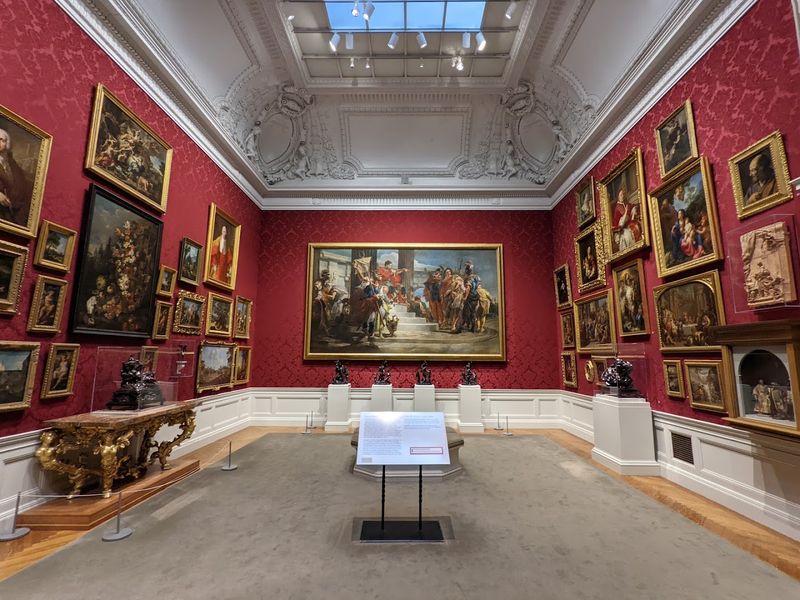
Few museums in the country offer the depth and range of the Walters Art Museum, and the fact that admission is free makes it even more remarkable. The collection spans 55 centuries of art, from ancient Egyptian artifacts and medieval manuscripts to Renaissance paintings and Faberge objects.
Henry Walters donated the entire collection and the building to the city of Baltimore in 1931.
The building itself is worth visiting. The original palazzo-style structure was modeled after Italian Renaissance architecture, and later additions expanded the space considerably.
The medieval armor collection is a particular standout, and the illuminated manuscripts are among the finest in North America.
Located in the Mount Vernon neighborhood, the Walters sits close to other walkable landmarks including the Washington Monument in Baltimore and several notable restaurants. The museum is open Thursday through Sunday.
Parking nearby is available in paid garages, but the area is also accessible by public transit from most parts of the city.
Brookside Gardens, Wheaton, Maryland
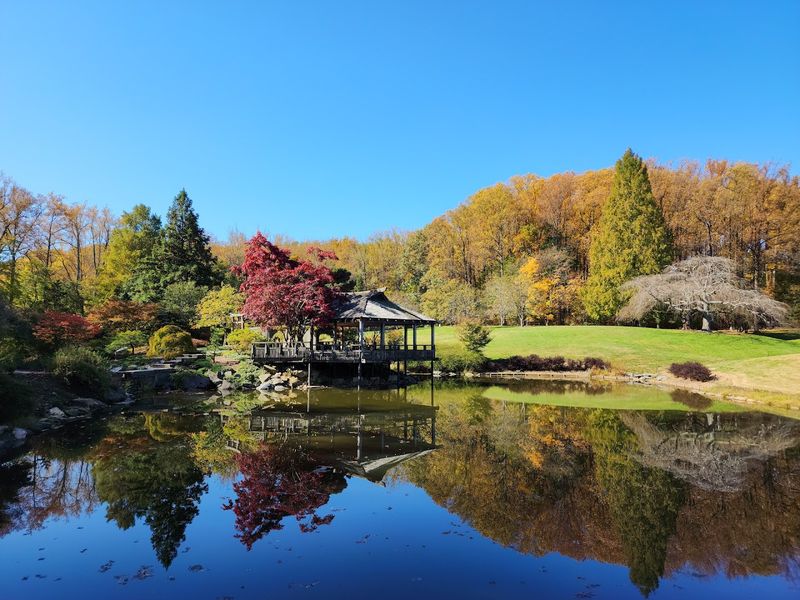
Brookside Gardens sits inside Wheaton Regional Park and admission is free year-round, which makes it a consistently popular stop for families, photographers, and anyone who needs a few hours of green space. The gardens cover about 50 acres and include formal display gardens, a rose garden, a Japanese-style garden, and two conservatories.
The conservatories are open daily and stay climate-controlled, making Brookside a genuinely useful destination even in winter. The Wings of Fancy butterfly show runs each summer inside one of the conservatories and draws visitors of all ages.
That event does carry a small ticket fee, but the rest of the property remains free.
Spring is especially popular when thousands of tulips and cherry blossoms fill the formal beds. The grounds are stroller-friendly and well-maintained throughout the year.
Brookside is located about 12 miles north of Washington D.C., making it an easy crossover destination for Maryland residents in the DC suburbs looking for a low-key half-day outing.
Cunningham Falls State Park, Thurmont, Maryland
At 78 feet wide, Cunningham Falls is the largest cascading waterfall in Maryland, and hiking to it is far less strenuous than the dramatic payoff suggests. The falls are located in the Catoctin Mountain region near Thurmont, about 65 miles northwest of Baltimore and roughly 70 miles from Washington D.C.
Two main trails lead to the falls from different trailheads. The Lower Trail is about 0.4 miles and mostly flat, making it accessible for families with young children.
The Upper Trail from the William Houck Area is a bit longer and passes through more forested terrain before reaching the viewing area at the base of the falls.
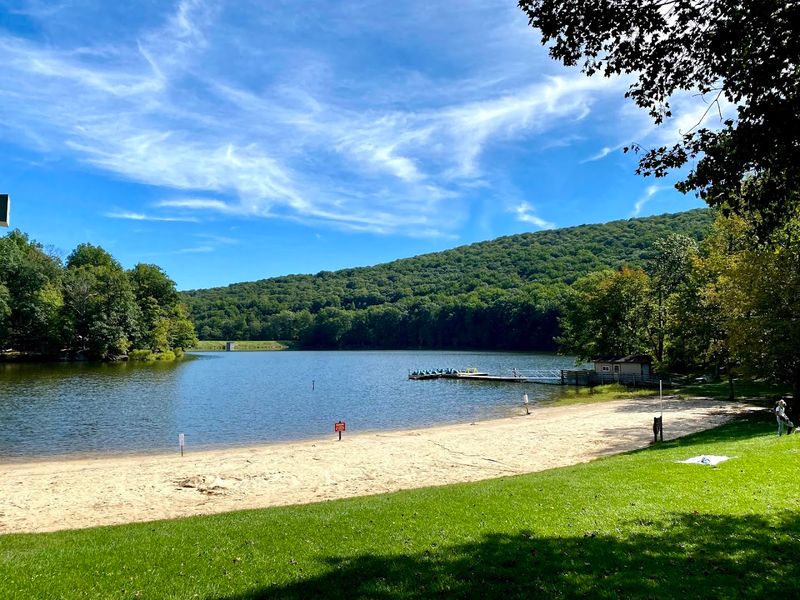
The park also includes Hunting Creek Lake, which is open for swimming during summer months. Day use fees apply and vary by season.
Cunningham Falls sits adjacent to Catoctin Mountain Park, a National Park Service site, so combining both into one visit is a natural and practical choice for the drive out.
Rocks State Park, Jarrettsville, Maryland
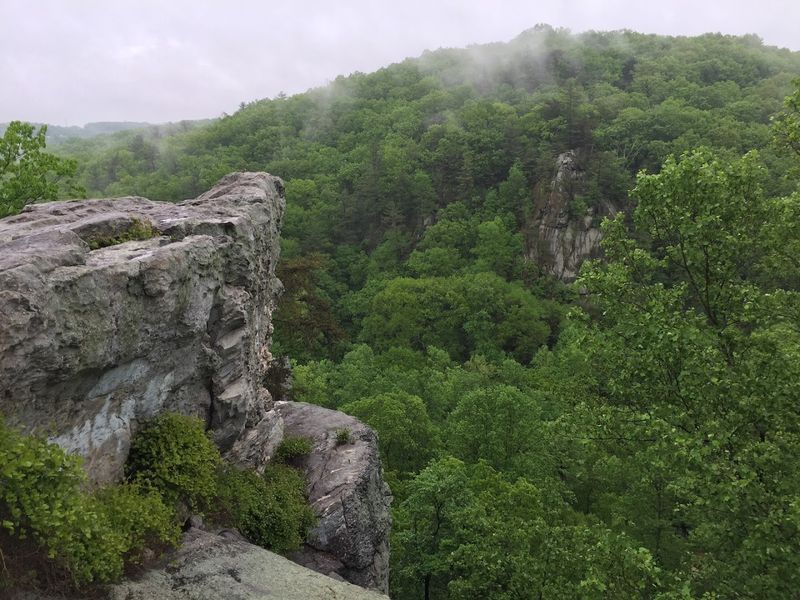
Rocks State Park is named for its most striking feature: a series of massive exposed rock outcroppings that rise dramatically above Deer Creek and the surrounding forest. The most well-known formation is King and Queen Seat, a large flat-topped rock that sits about 190 feet above the valley floor and offers a sweeping view of the Harford County landscape.
The park covers roughly 855 acres and includes several trails of varying difficulty. Deer Creek runs through the lower section of the park and is a popular spot for wading, tubing, and freshwater fishing during the warmer months.
The creek corridor is shaded and relatively cool in summer.
Rocks State Park is about 30 miles northeast of Baltimore, making it a quick and easy day trip from the city. There is no general admission fee to enter the park, though some areas like the swimming area may charge a seasonal fee.
The King and Queen Seat area has a small parking lot that fills up on weekends.
Swallow Falls State Park, Oakland, Maryland
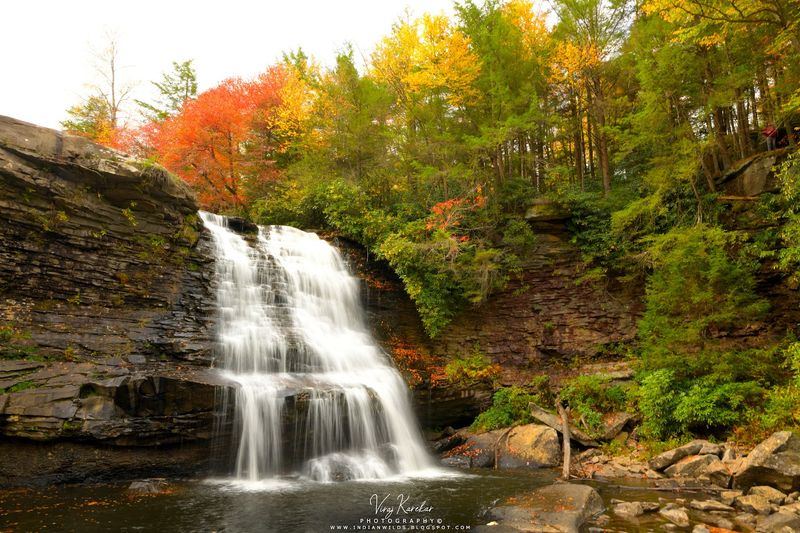
Swallow Falls State Park in Garrett County contains Muddy Creek Falls, which drops 53 feet and holds the title of Maryland’s highest single-drop waterfall. The surrounding old-growth hemlock forest gives the area a feel that is noticeably different from most parks in the state, with towering trees and a cool, shaded canyon environment even in midsummer.
The main trail loop is about 1.4 miles and passes multiple waterfalls along the Youghiogheny River and Muddy Creek. The combination of falls, forest, and river access makes this one of the most scenic short hikes in all of Western Maryland.
Henry Ford and Thomas Edison reportedly camped here in the early 1900s, which adds a small historical footnote to an already interesting destination.
The park is located near Deep Creek Lake, so combining both into a day trip is reasonable. A day use fee applies for entry.
Oakland is about 170 miles from Baltimore, making this more of a full-day commitment but absolutely worthwhile for the scenery.
Calvert Cliffs State Park, Lusby, Maryland
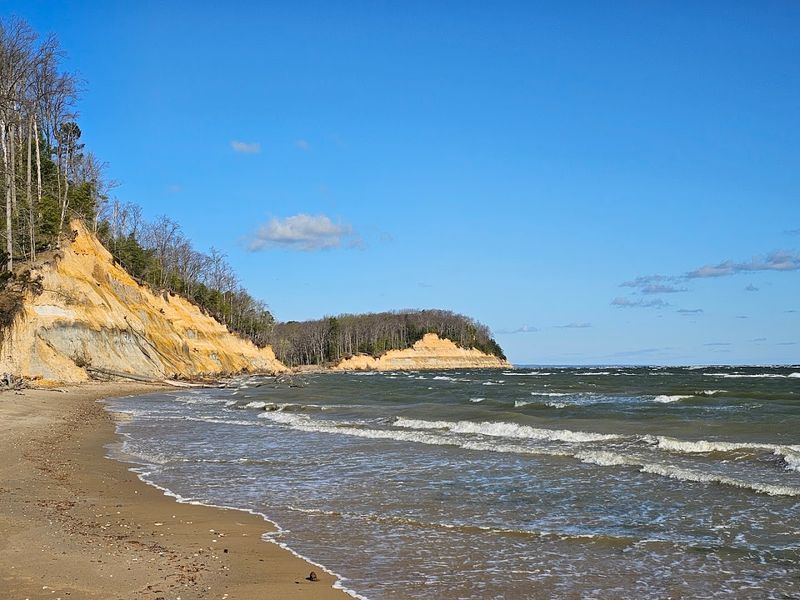
Calvert Cliffs State Park is one of the few places in the eastern United States where visitors can legally collect fossilized shark teeth right on the beach. The cliffs along the Chesapeake Bay are composed of Miocene-era sediments that are roughly 10 to 20 million years old, and fossils erode out of the cliffs regularly and wash onto the shoreline.
The hike to the beach is about 1.8 miles one way through a forested trail, so the total round trip is close to 3.6 miles. The trail is mostly flat with some uneven terrain.
Visitors are allowed to keep up to a small quantity of fossils for personal use, and finding shark teeth is genuinely common rather than a long-shot activity.
The park is located in Calvert County on the western shore of the Chesapeake, about 65 miles south of Annapolis. A day use fee applies.
The beach area is not a swimming beach, but the fossil hunting and cliffside scenery make the hike more than worthwhile on their own.
Patapsco Valley State Park, Ellicott City, Maryland
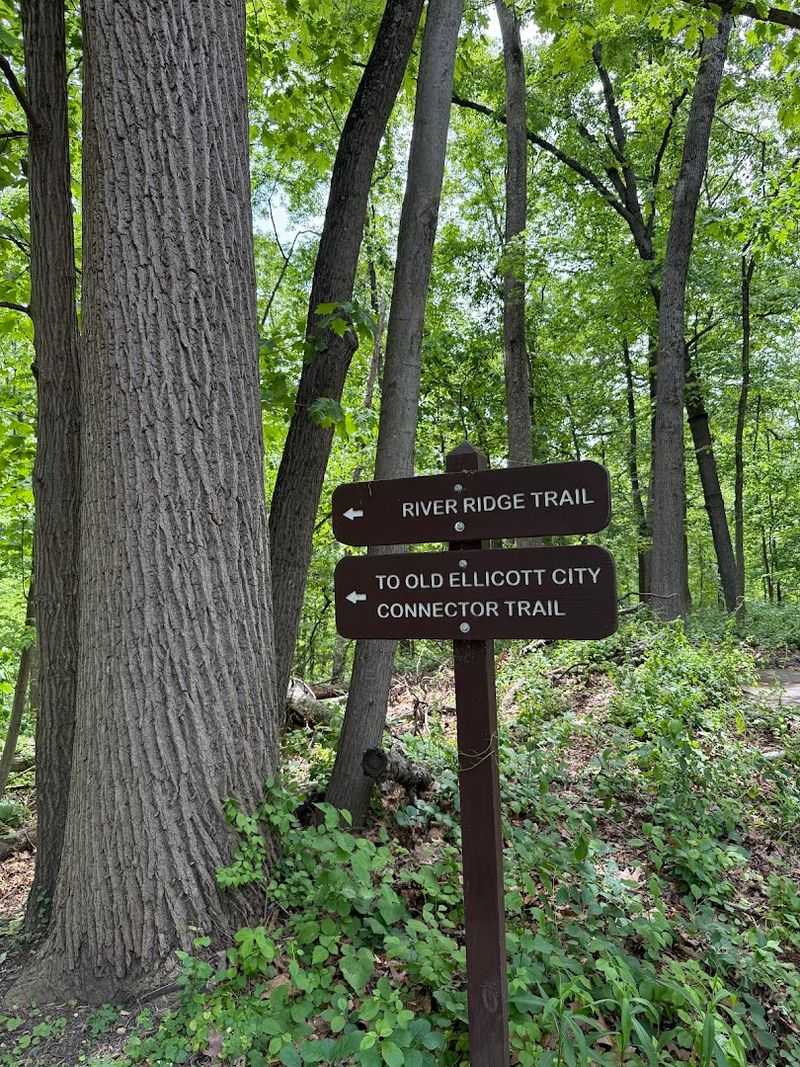
Patapsco Valley State Park stretches along nearly 32 miles of the Patapsco River and covers more than 16,000 acres across multiple use areas, making it one of the largest and most varied state parks in Maryland. The park runs through several communities including Ellicott City, Catonsville, and Elkridge, so access points are spread across a wide area.
Trails range from easy riverside walks to more challenging ridge climbs. The Grist Mill Trail near the Avalon area is a popular paved path that follows the river and is accessible for bikes and strollers.
Historic ruins, old mill foundations, and railroad infrastructure are visible throughout the park, giving the trails an exploratory quality beyond simple scenery.
The park is particularly popular in fall when the foliage along the river valley turns. A day use fee applies at most entrance areas.
Historic Ellicott City’s Main Street is directly adjacent to the park’s eastern edge, making a trail walk and a visit to the old mill town a natural combination for the day.
Sandy Point State Park, Annapolis, Maryland
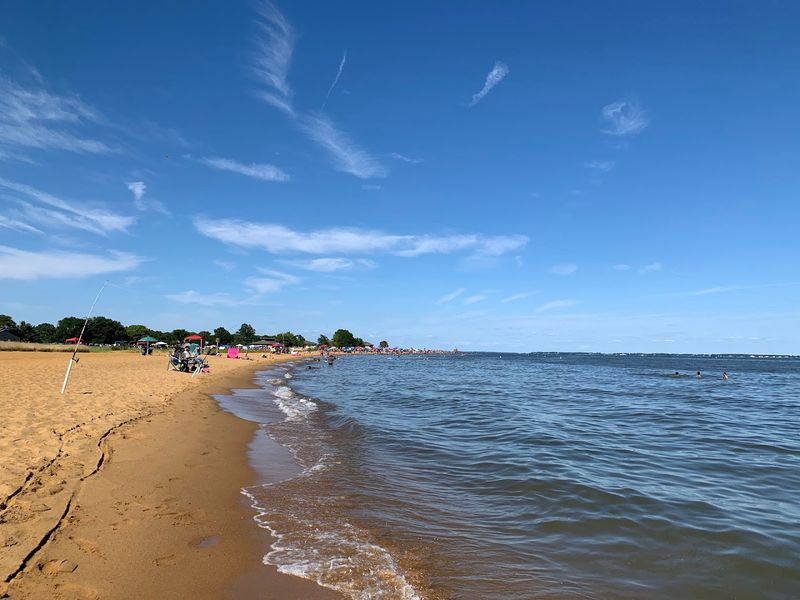
Sandy Point State Park sits right at the western terminus of the Chesapeake Bay Bridge, and the view from the beach includes one of the most recognizable bridge spans on the East Coast. The park covers about 786 acres and offers one of the only designated swimming beaches on the Chesapeake Bay that is easily accessible from the Baltimore-Annapolis corridor.
Beyond swimming, the park has boat launch ramps, a fishing pier, picnic areas, and a concession stand open during summer. Crabbing from the pier is a popular activity, and the shallow water near the shore makes the swimming area calm and manageable for families with younger children.
Day use fees apply and vary by season and residency. The park is open year-round, though lifeguards and the concession stand are only present during summer months.
Sandy Point is about 30 miles from Baltimore and roughly 5 miles from downtown Annapolis, making it one of the most convenient beach options in the region without crossing the bridge.
Greenbrier State Park, Boonsboro, Maryland
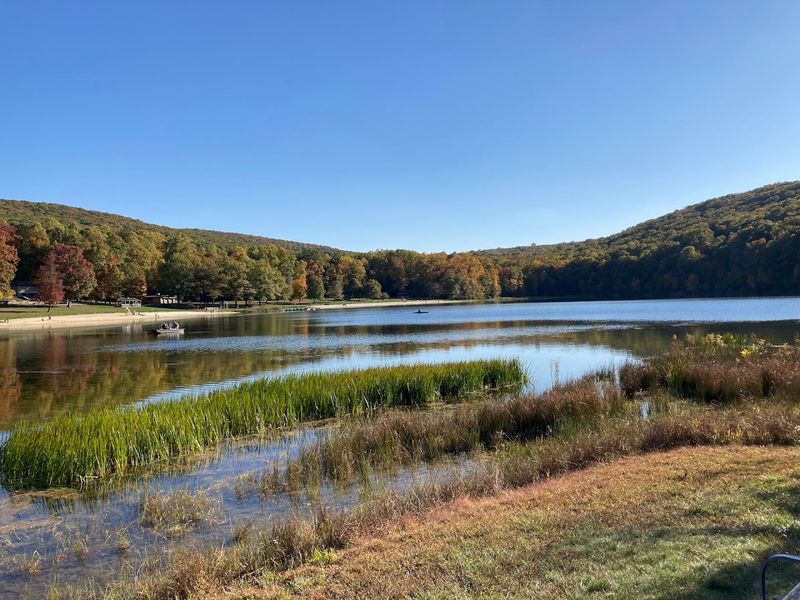
Greenbrier State Park is built around a 42-acre man-made lake in the Blue Ridge Mountains near Boonsboro, and the combination of mountain scenery and a sandy swimming beach makes it feel like more of a destination than the drive time from the DC suburbs suggests. The park is about 70 miles from Washington D.C. and roughly 80 miles from Baltimore.
Swimming is the main draw during summer, and a lifeguarded beach area operates from Memorial Day through Labor Day. The lake also allows fishing for bass, catfish, and bluegill.
Several hiking trails branch out from the lake into the surrounding ridgeline, including a section of the Appalachian Trail that passes near the park boundary.
Day use fees apply. Picnic shelters, a boat rental concession, and restroom facilities are available during the warmer months.
The park sits near South Mountain State Battlefield and the town of Boonsboro, which has a few small shops and a well-known independent bookstore for those looking to extend the outing.
Harriet Tubman Underground Railroad State Park and Visitor Center, Church Creek, Maryland
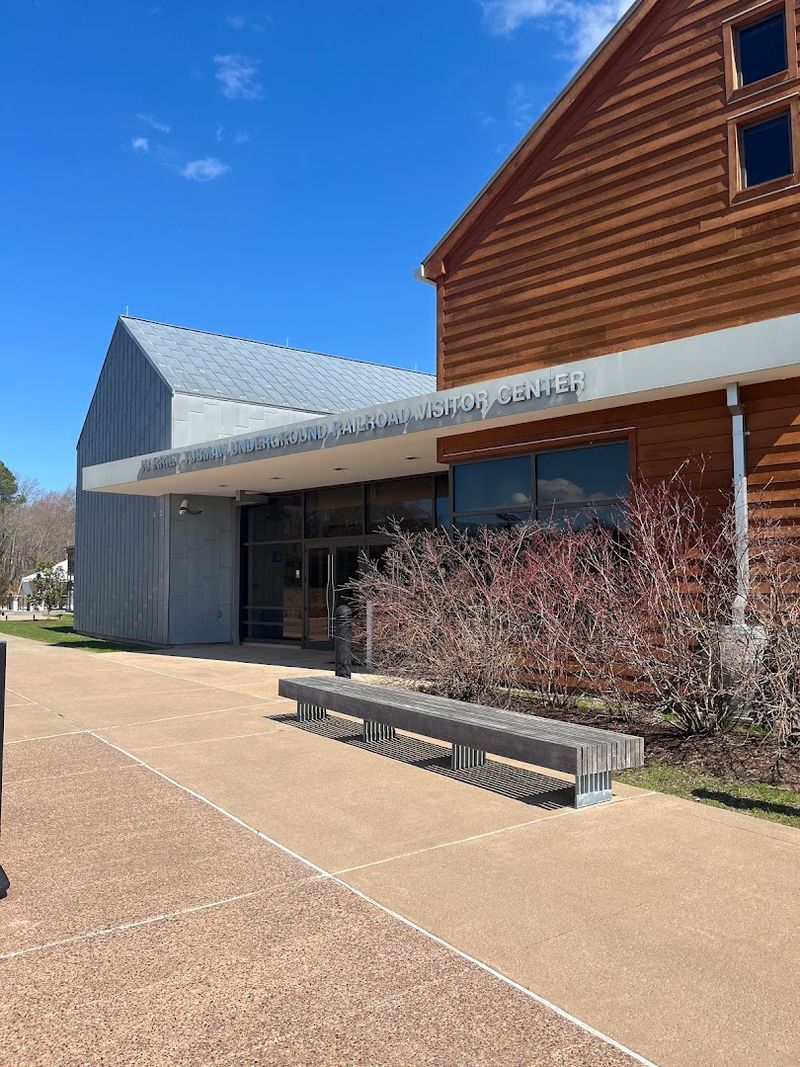
Harriet Tubman was born into slavery on Maryland’s Eastern Shore around 1822, and the landscape she navigated to freedom is still remarkably intact. The state park and visitor center in Church Creek serve as the interpretive hub for a much larger collection of historic sites spread across Dorchester and Caroline counties that are connected by the Harriet Tubman Byway.
The visitor center opened in 2017 and features exhibits on Tubman’s early life, her escapes, her work as a Union spy during the Civil War, and her decades of activism afterward. Admission to the visitor center is free.
The building was designed to reflect the flat, open landscape of the Eastern Shore, with large windows facing the marsh.
The surrounding park grounds include trails through tidal wetlands and natural landscapes that Tubman would have known. The nearby Blackwater National Wildlife Refuge adds additional context to the terrain.
This is one of the most historically significant and thoughtfully presented sites in the entire state of Maryland.
Blackwater National Wildlife Refuge, Cambridge, Maryland
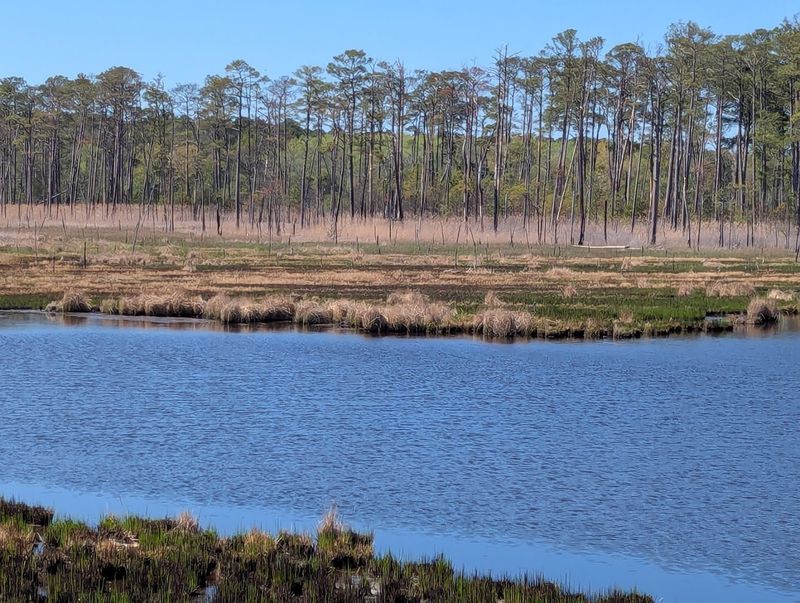
Blackwater National Wildlife Refuge covers more than 28,000 acres of tidal marsh, forest, and shallow water habitat on Maryland’s Eastern Shore, and it supports one of the largest concentrations of bald eagles on the East Coast north of Florida. Driving the Wildlife Drive loop in fall or winter gives you a reasonable chance of spotting eagles, great blue herons, Canada geese, and tundra swans all in a single outing.
The 4-mile Wildlife Drive is the most popular way to experience the refuge, and it can be done by car, bike, or on foot. A small fee applies for the drive.
The Marsh Edge Trail and Woods Trail offer short walking options for those who want to get out of the vehicle.
The visitor center has natural history exhibits and is a good first stop for maps and seasonal wildlife information. Blackwater is located about 12 miles south of Cambridge and roughly 90 miles from Baltimore.
The Eastern Shore landscape here is flat, quiet, and genuinely unlike anything in the western part of the state.
NASA Goddard Visitor Center, Greenbelt, Maryland
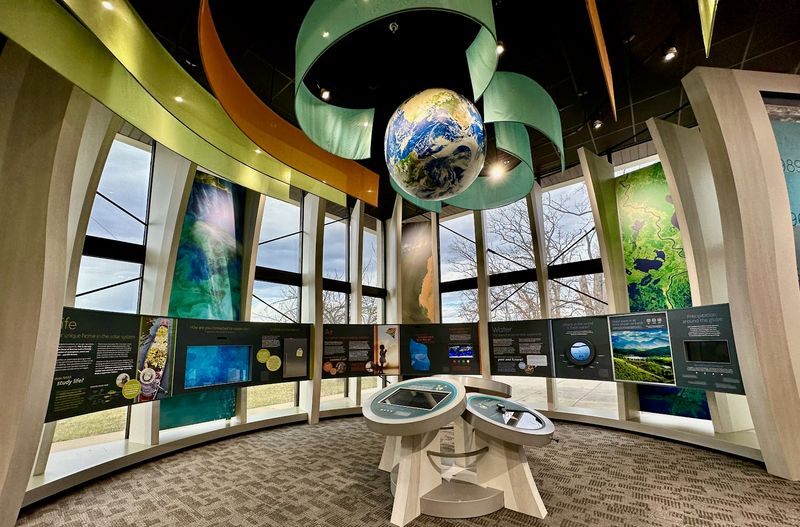
NASA’s Goddard Space Flight Center in Greenbelt is one of the agency’s largest facilities, and the on-site visitor center offers a free look at real spacecraft, satellite models, and space science exhibits that are more substantial than most people expect. The center is open to the public without requiring advance registration for general visits, though some programs and tours do require scheduling ahead.
Exhibits cover topics ranging from the Hubble Space Telescope and the James Webb Space Telescope to Earth observation satellites and rocket propulsion history. Actual flight hardware and engineering models are on display.
The outdoor rocket garden features several historic launch vehicles that visitors can examine up close.
The visitor center is open Wednesday through Friday and on select Saturdays. Admission is free.
Goddard is located in Prince George’s County about 10 miles northeast of Washington D.C. and is accessible by car with free parking on site. For families with kids interested in science and space, this stop delivers a level of hands-on context that no museum replica can fully replicate.
Glen Echo Park, Glen Echo, Maryland
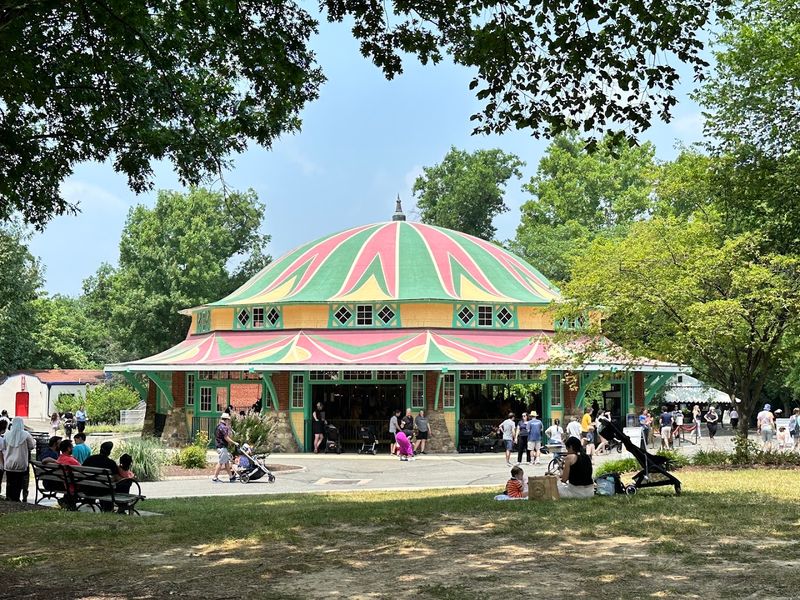
Glen Echo Park has one of the most interesting histories of any public space in the DC region. It operated as an amusement park from 1899 until 1968, and after closing it was taken over by the National Park Service and transformed into an arts and cultural center.
Today it functions as a working arts campus with studios, galleries, theater performances, and dance programs spread across the original park grounds.
The 1921 Dentzel carousel is still operating and is one of the best-preserved examples of its kind in the country. It runs on weekends from May through September, and rides cost just a small fee per person.
The hand-carved animals on the carousel are a genuine piece of American folk art history.
Glen Echo is located along the Maryland side of the Potomac River, about 8 miles from downtown Washington D.C. Admission to the park grounds is free.
The combination of public art, working artists, historic architecture, and the carousel makes this a genuinely layered stop that rewards a slow, unhurried visit.
Share this story