 Unearth The Voyage
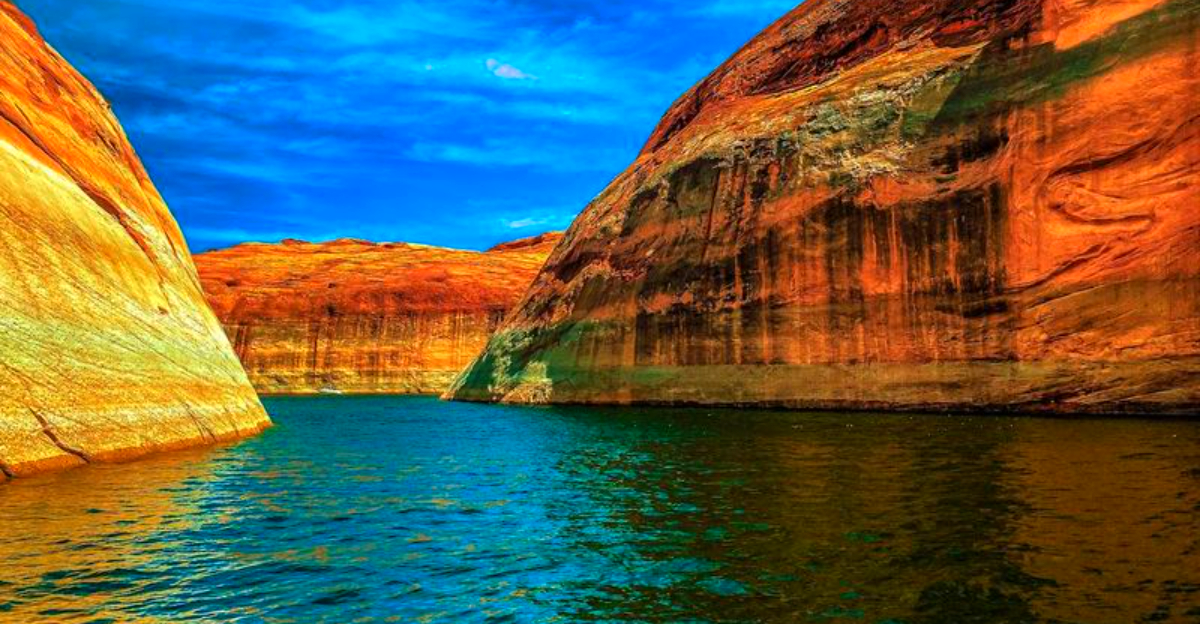
Some lakes get all the postcards, the parking headaches, and the lines at every scenic pullout. The real fun starts at the places locals mention a little quieter: wide blue water under mountain ridges, long public shorelines with room to stretch out, boat launches that do not feel like a competitive sport, and coves where your biggest decision is swim now or after the picnic.
This list rounds up sixteen American lakes that stay oddly overlooked because a national park, a famous resort town, or a better known neighbor steals the spotlight, and that is excellent news for anyone who likes beautiful views without a crowd schedule. Keep reading and you will find clear-water favorites, island-dotted classics, high-country escapes, and secret corners of famous names that still reward a bit of curiosity.
1. Lake Jocassee, South Carolina
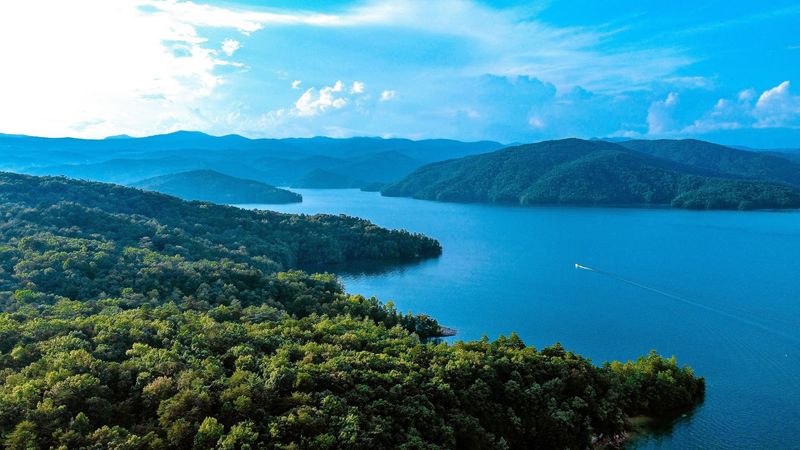
This lake opens with a plot twist: South Carolina suddenly looks almost tropical. Lake Jocassee sits in the Blue Ridge foothills, and its unusually clear water makes swimming, paddling, and boat rides feel far removed from the usual crowded summer circuit.
You can reach waterfalls by boat or kayak, which gives the whole place an explorers-club appeal without requiring a heroic expedition. Devils Fork State Park provides the easiest access, but the lake still keeps a low profile because there are few built-up shoreline distractions.
That is exactly the charm. You come here for steep green slopes, quiet coves, and water so clear it practically handles the invitation for you.
Locals know that once you visit, keeping this one secret becomes very difficult.
2. Flathead Lake, Montana
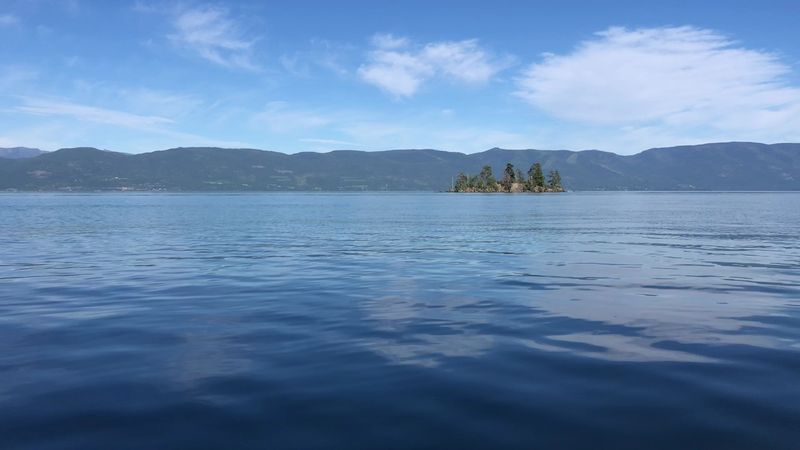
Montana likes to show off, yet this enormous lake still slips past plenty of travelers. Flathead Lake is one of the largest natural freshwater lakes in the western United States, and its size gives you options far beyond a quick scenic stop.
The shoreline mixes small towns, state parks, boat launches, and orchard country, so a day here can shift easily between paddling, beach time, and a slow drive with multiple pullovers. Wild Horse Island adds extra interest, especially for visitors who want hiking with fewer people than nearby headline attractions.
Because Glacier National Park grabs the big applause, Flathead often becomes the quieter alternative. Locals seem perfectly happy with that arrangement, especially when the water stays clean, the views stay broad, and the crowds stay manageable.
3. Lake Chelan, Washington
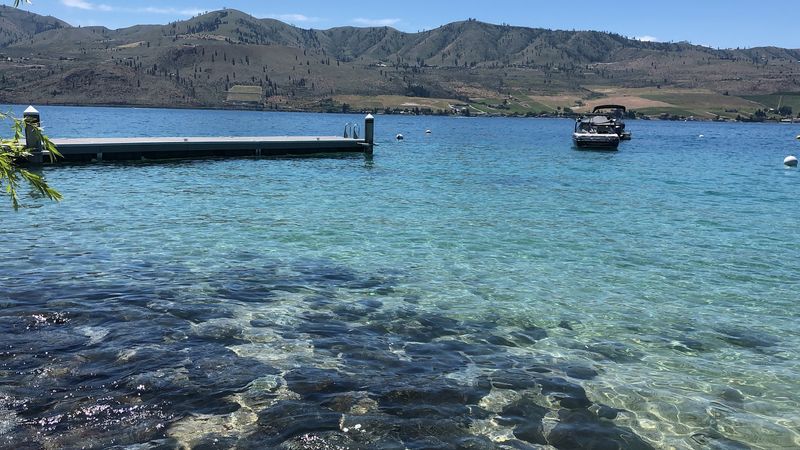
Fifty miles of lake tends to make a strong first impression. Lake Chelan stretches deep into Washington mountain country, pairing a lively small-town waterfront with long reaches of water that feel calmer the farther you go.
The southern end offers marinas, beaches, and easy access for families, while the upper lake heads toward remote country near Stehekin, where roads disappear and the pace changes completely. That split personality is part of the appeal, because you can keep things easy or make them wonderfully inconvenient.
Locals appreciate that Chelan still feels personal despite its size. There are hiking trails, lookout points, and plenty of shoreline spots to claim for an afternoon, plus enough room that even on a busy weekend you can still find your own version of quiet.
4. Torch Lake, Michigan
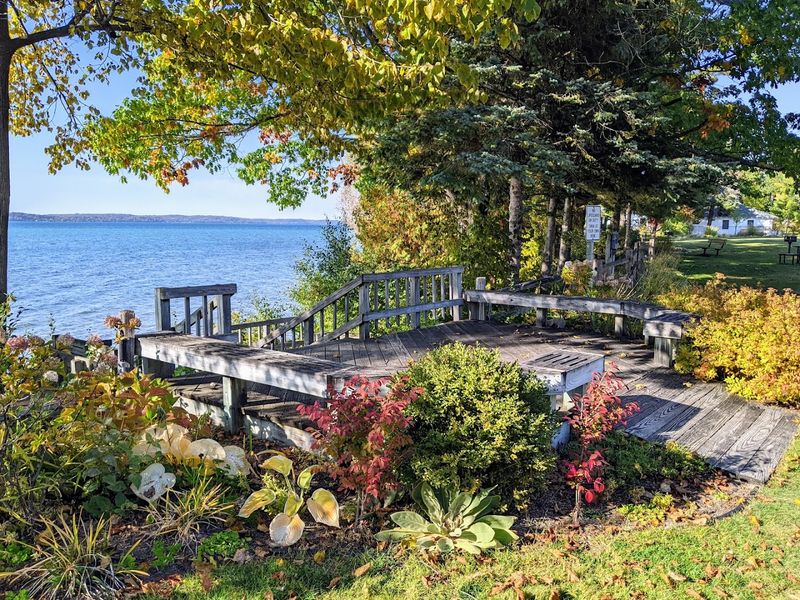
Michigan keeps a Caribbean-looking secret, and it comes with fewer passport requirements. Torch Lake is famous among insiders for its striking turquoise water, a color so vivid that first-time visitors usually double-check the map.
The lake is long, deep, and exceptionally clear, with a sandy bottom in many areas that makes wading and swimming especially appealing. Sandbars draw boaters in summer, but the shoreline is broad enough that quieter sections still exist if you move beyond the most talked-about access points.
Part of Torch Lake’s under-the-radar status comes from geography. Northern Michigan has no shortage of attractive lakes, and outsiders often stop at the Great Lakes instead.
Locals know better, and they return for calm mornings, clean water, and that almost unfair shade of blue.
5. Lake Ouachita, Arkansas
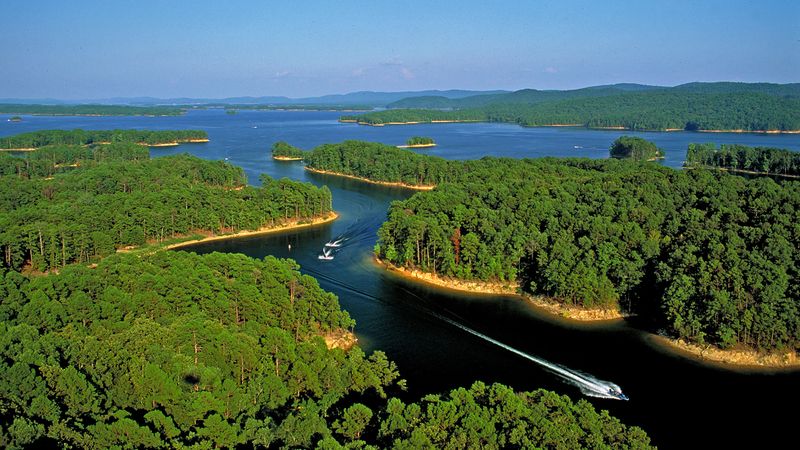
Arkansas enters the conversation with a clear-water overachiever. Lake Ouachita is widely praised for water quality, and its forested surroundings help it keep a more secluded personality than many large southern reservoirs.
More than two hundred islands scatter across the lake, which means boating here can feel pleasantly choose-your-own-adventure. Divers, anglers, paddlers, and casual swimmers all find room to spread out, and the undeveloped stretches give the shoreline a welcome break from nonstop construction.
That balance is what makes locals protective. The lake is big enough for serious recreation yet still calm enough to reward a map, a little patience, and a willingness to bypass the first obvious stop.
Once you settle into a quiet cove, it becomes very clear why regulars are not eager to overpublicize it.
6. Moosehead Lake, Maine
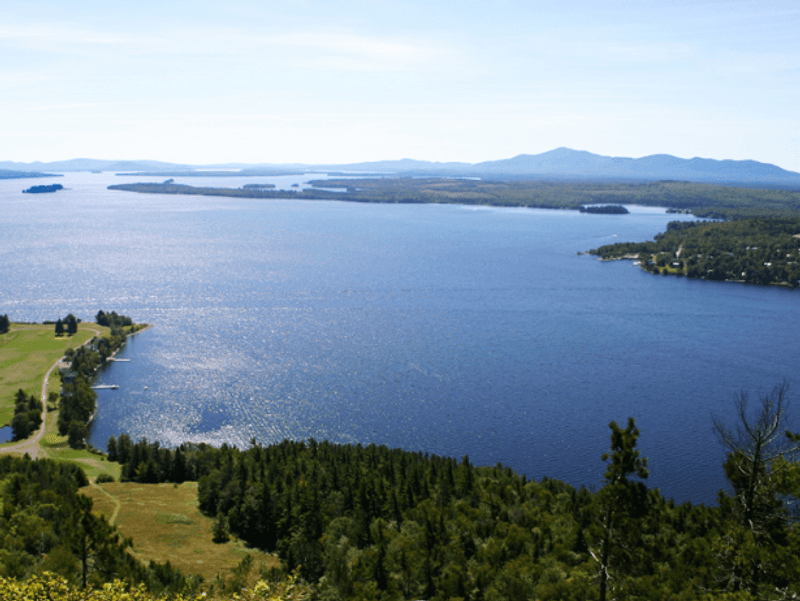
Maine has bigger tourist names, but this lake plays a different game. Moosehead Lake feels expansive and rugged, with broad water, working-town roots, and enough surrounding wilderness to make the whole trip seem refreshingly less polished.
Greenville serves as the main jumping-off point, yet the lake never feels overly staged. Visitors come for boating, fishing, hiking, and wildlife watching, but the biggest draw may be the sense of scale, since the coves, inlets, and distant ridgelines keep the landscape interesting from morning through late afternoon.
Locals love that Moosehead asks for a little effort. It is not a quick add-on to some other attraction, and that distance helps preserve its quieter rhythm.
Show up expecting flashy resort energy and the lake will politely suggest you slow down and pay attention instead.
7. Lake Powell (Hidden Coves), Utah/Arizona
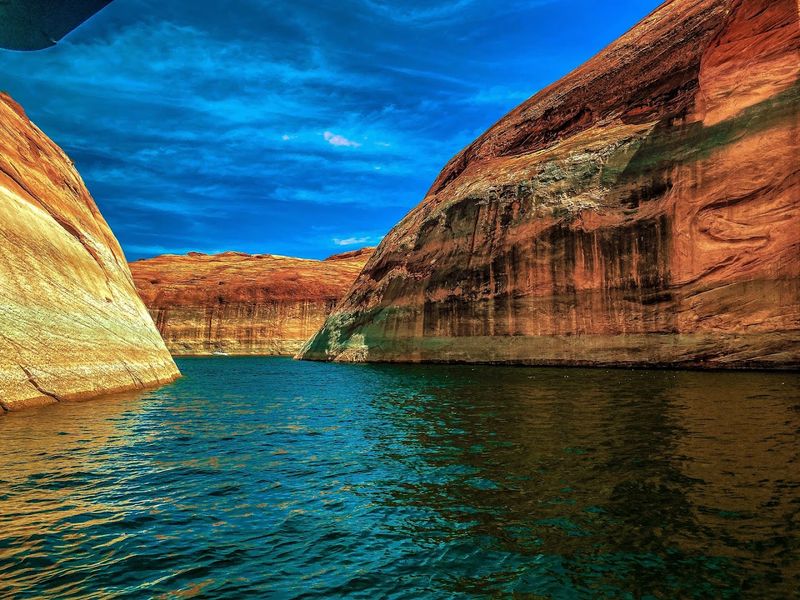
This famous lake still hides like a pro once you leave the obvious spots behind. Lake Powell’s maze of canyons, side inlets, and tucked-away coves creates countless chances to escape the busier marinas and find a stretch of water that feels surprisingly private.
A boat helps most, though even a shorter outing can reveal sheltered beaches and narrow sandstone passages that casual visitors miss. The contrast between blue water and towering canyon walls is the headline, but the layout is what really matters, because it constantly rewards curiosity and route changes.
Locals who know the quieter sections treat them like treasured notes in a pocket. Powell is hardly unknown, yet its hidden corners remain easy to overlook, especially for travelers who stick to the most photographed routes and call it a day.
8. Lake Winnipesaukee (Quiet Corners), New Hampshire
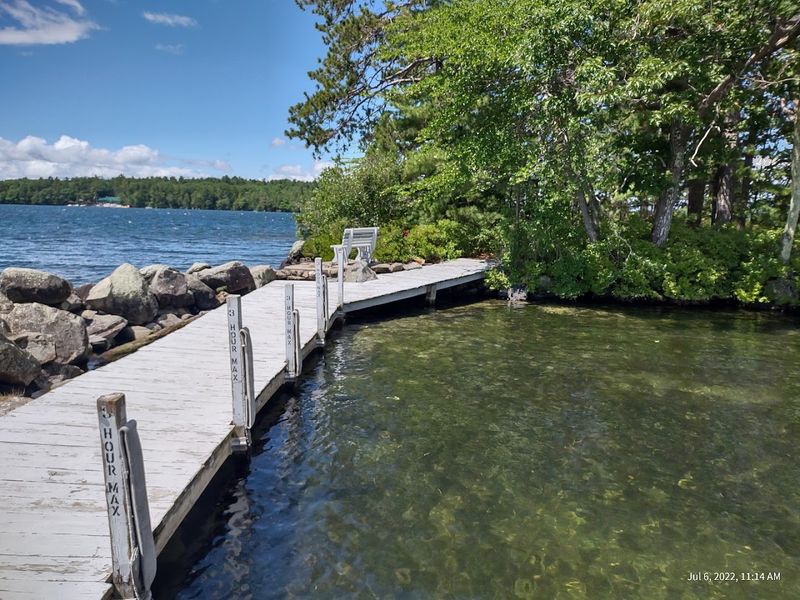
The trick here is not finding the lake. The trick is ignoring the busiest parts and heading for the quieter edges that locals prefer, where Lake Winnipesaukee trades its high-season bustle for calmer coves, smaller docks, and a far more relaxed pace.
Because the lake is large and irregular, with islands and branching bays, crowd levels can change fast from one area to the next. That makes route planning surprisingly useful, especially if you want paddling, a shoreline picnic, or a swim without sharing the moment with half the region.
New Hampshire regulars understand the assignment. They skip the most obvious village activity, aim for less publicized access points, and enjoy the same broad lake views with fewer interruptions.
It is a simple strategy, and it works beautifully.
9. Crater Lake (Off-Trail Views), Oregon
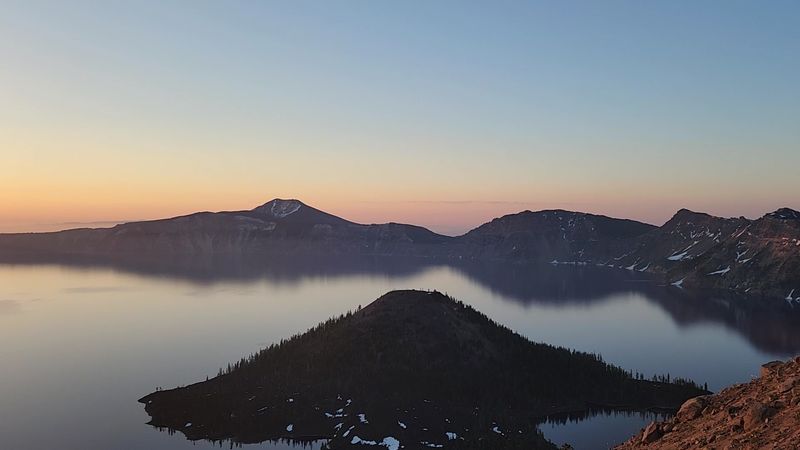
Everybody knows the postcard angle, which is exactly why the quieter viewpoints matter. Crater Lake draws plenty of attention, but most visitors stick to the main overlooks, snap the required deep-blue photo, and move along on a tight schedule.
Locals and repeat visitors know that different trail segments and less obvious pullouts change the experience completely. With a bit more walking and better timing, the lake shifts from crowded icon to something far more personal, with broader rim perspectives and longer stretches of uninterrupted scenery.
The appeal here is not secrecy in an absolute sense. It is strategic solitude.
Crater Lake remains one of the country’s most remarkable bodies of water, and the reward for going slightly beyond the standard circuit is simple: fewer people in your frame and a much stronger memory when you leave.
10. Lake George (Beyond the Village), New York
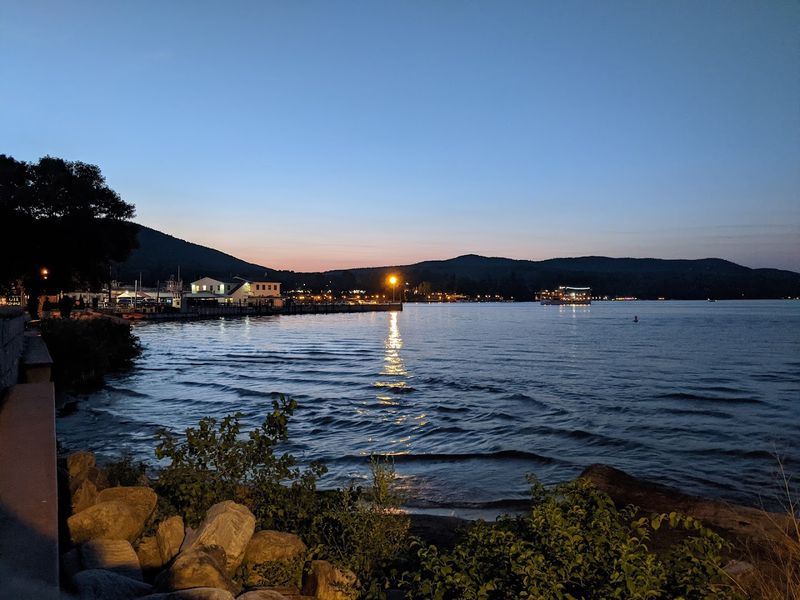
Lake George has two personalities, and the quieter one lives farther north. Past the village activity, the lake opens into calmer stretches with scenic islands, Adirondack views, and a more relaxed setup that feels designed for people who value space.
This section rewards boaters, paddlers, and drivers willing to keep going instead of stopping at the first cluster of shops and attractions. Public access, island camping opportunities, and scenic pullovers make it easy to shape a day that is active without becoming hectic.
That contrast is why locals quietly redirect their plans away from the busiest southern end. The same long lake remains, but the mood changes, the traffic thins, and the shoreline starts doing more of the talking.
For visitors, that is a very useful shift and a very good trade.
11. Lake Martin, Alabama
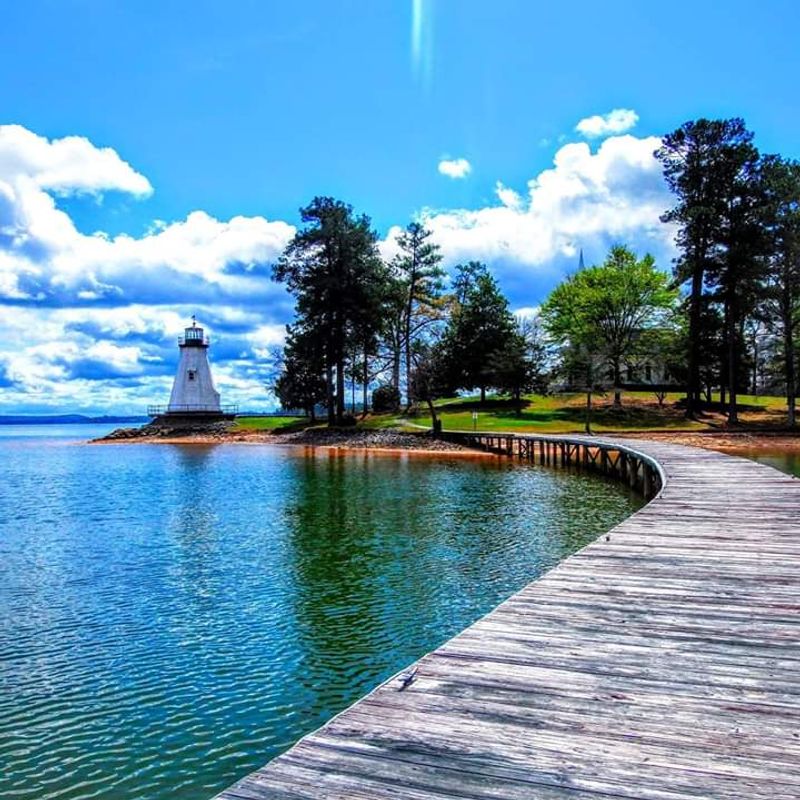
Alabama keeps this one surprisingly low-key on the national stage. Lake Martin is large, scenic, and flexible, with enough shoreline, coves, and recreation options to satisfy people who want an active day and those who simply want a floating chair and fewer plans.
Its many arms and inlets help spread visitors out, so the lake rarely feels locked into one single vibe. Some sections are lively, others are laid-back, and that variety gives regulars a good reason to return to familiar corners instead of treating the whole place as one big interchangeable reservoir.
The setting also helps. Forested banks and open water views keep the experience focused on the lake itself, not constant commercial distractions.
Locals know Lake Martin delivers a very easy kind of summer, and they are right.
12. Bear Lake, Utah/Idaho
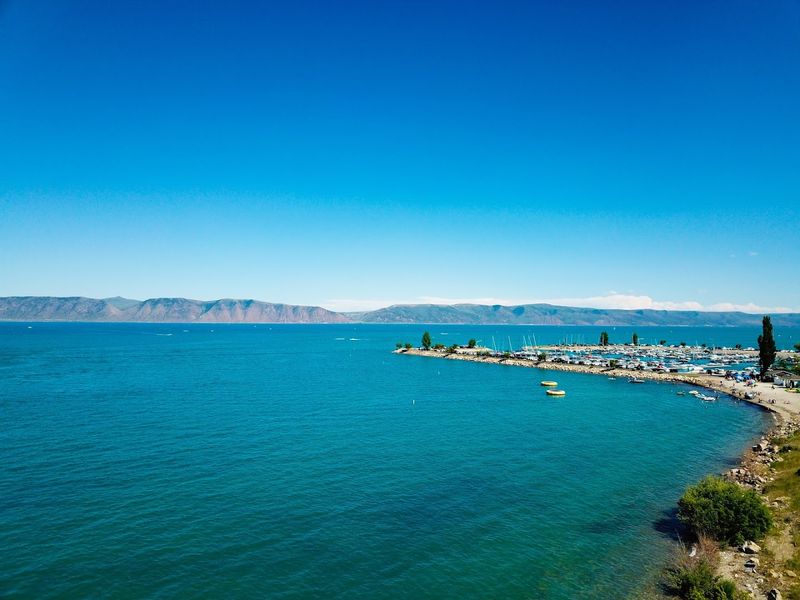
The color is the first thing that starts the conversation. Bear Lake’s remarkable blue water has earned plenty of comparisons, but the better story is how this large lake still feels less hectic than its looks suggest.
Straddling the Utah-Idaho line, Bear Lake offers beaches, boating, paddling, and scenic drives, with mountain views adding shape to the horizon without stealing attention from the water. Popular weekends do happen, yet many visitors are still surprised by how much room they can find, especially outside the most central access areas.
Locals have long appreciated that balance. The lake is visually memorable, easy to enjoy, and big enough that a little planning pays off fast.
Arrive early, pick a quieter section, and you get the postcard view without spending the whole day negotiating for elbow room.
13. Lake Crescent, Washington
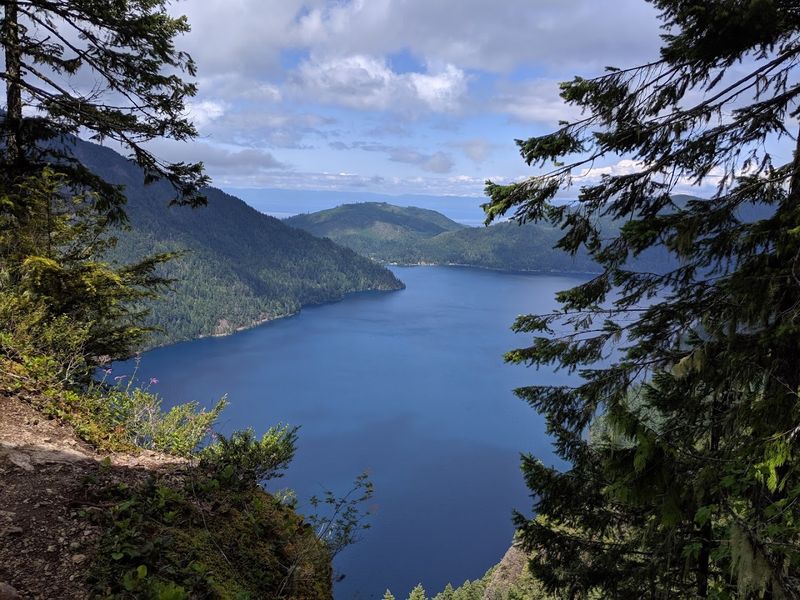
Olympic National Park has no shortage of distractions, which helps this lake stay quieter than it deserves. Lake Crescent stands out for deep blue water, mountain-backed scenery, and a long shoreline that gives visitors more than one way to enjoy it.
Some people stop for a quick viewpoint, but the better plan includes time for the nearby trails, a paddle, or at least a slower shoreline pause. The lake’s shape and setting make it feel substantial without becoming hard to access, which is a rare and useful combination.
Locals understand that Crescent often gets overshadowed by beaches, rain forests, and headline hikes elsewhere in the park. That works nicely for anyone who values easy beauty with less fuss.
It is polished by nature, not by overpromotion, and that restraint suits it perfectly.
14. Grand Lake, Colorado
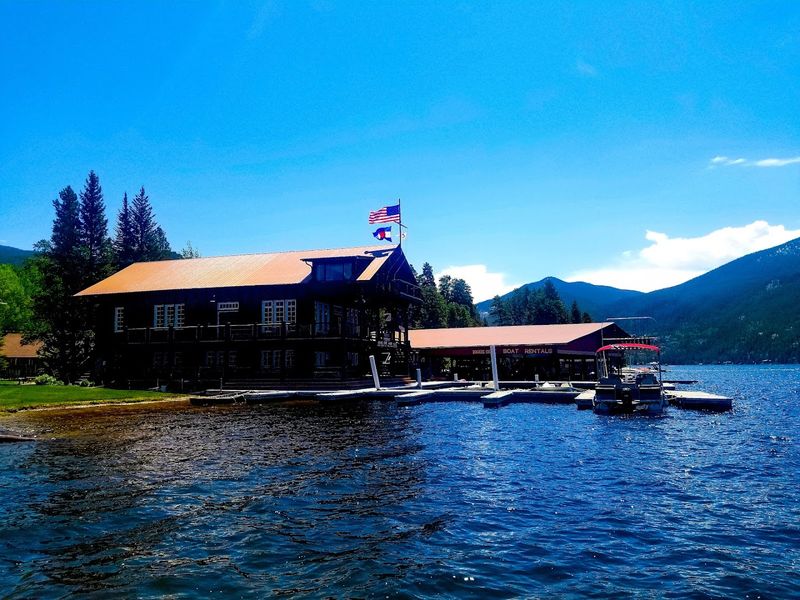
Here is the smart detour many Colorado visitors overlook. Grand Lake sits just outside Rocky Mountain National Park, offering alpine scenery and a charming town base without requiring you to spend every waking minute in the park’s busiest corridors.
The lake supports boating, paddleboarding, fishing, and easy shoreline downtime, while nearby roads and trails open the door to bigger mountain plans. That mix makes it especially appealing for travelers who want flexibility instead of a rigid schedule built around one marquee attraction.
Locals value Grand Lake because it delivers the high-country look people travel for, only with a more relaxed rhythm once you step away from peak choke points. The water, boardwalk, and surrounding peaks do plenty of the work.
You just have to notice the opportunity and take the turn.
15. Smith Mountain Lake, Virginia
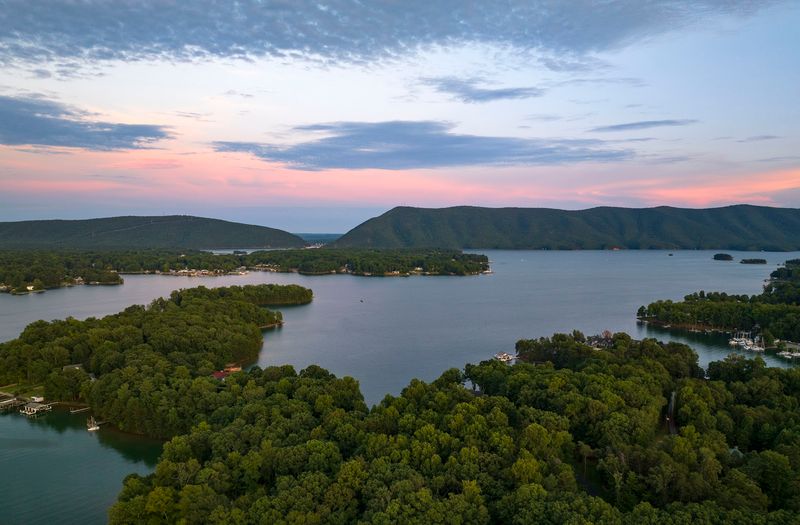
Virginia’s lake regulars have been onto this place for years. Smith Mountain Lake blends water sports, fishing, and relaxed shoreline living in a way that feels accessible rather than overly polished, which is part of why it wins people over so quickly.
The lake is large enough to support active days on the water, yet its many coves and residential stretches create calmer pockets where things slow down. State park access helps, and scenic overlooks add another layer for visitors who want more than a dock and a cooler.
Nationally, it still does not command the same attention as bigger-name mountain or coastal destinations. Locals are fine with that.
They get long weekends with attractive views, decent room to move, and a setting that can be energetic or peaceful depending on which turn you take.
16. Lake Tahoe (Secret Beaches), California/Nevada
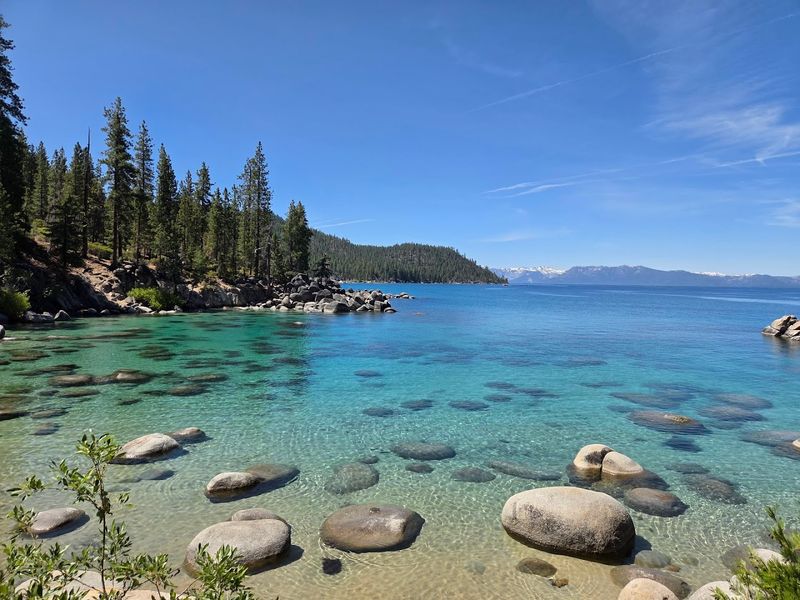
Tahoe is famous, yet some of its best moments hide in plain sight. Venture beyond the most publicized beaches and you can still find smaller coves and shoreline pockets where the lake feels calmer, cleaner, and far less tied to the crowds.
That usually means a bit of extra walking, smarter timing, or local knowledge about access points that do not dominate every visitor guide. The payoff is considerable: the same extraordinary water color, the same mountain backdrop, and a much better chance of actually claiming a patch of shore.
Locals tend to protect these spots with good reason. Tahoe’s beauty needs no marketing boost, and its quieter beaches are one of the few ways to experience the lake without the full production around it.
Put in a little effort, and the place changes character fast.



