Some people run toward danger when everyone else runs away. Throughout American history, certain soldiers have shown a level of bravery so extraordinary that the entire nation had to stop and say, “Wow.” The Medal of Honor, the Congressional Medal of Honor, and other top military awards exist precisely for moments like theirs.
Get ready to meet 16 remarkable warriors whose stories will leave you genuinely speechless.
Audie Murphy
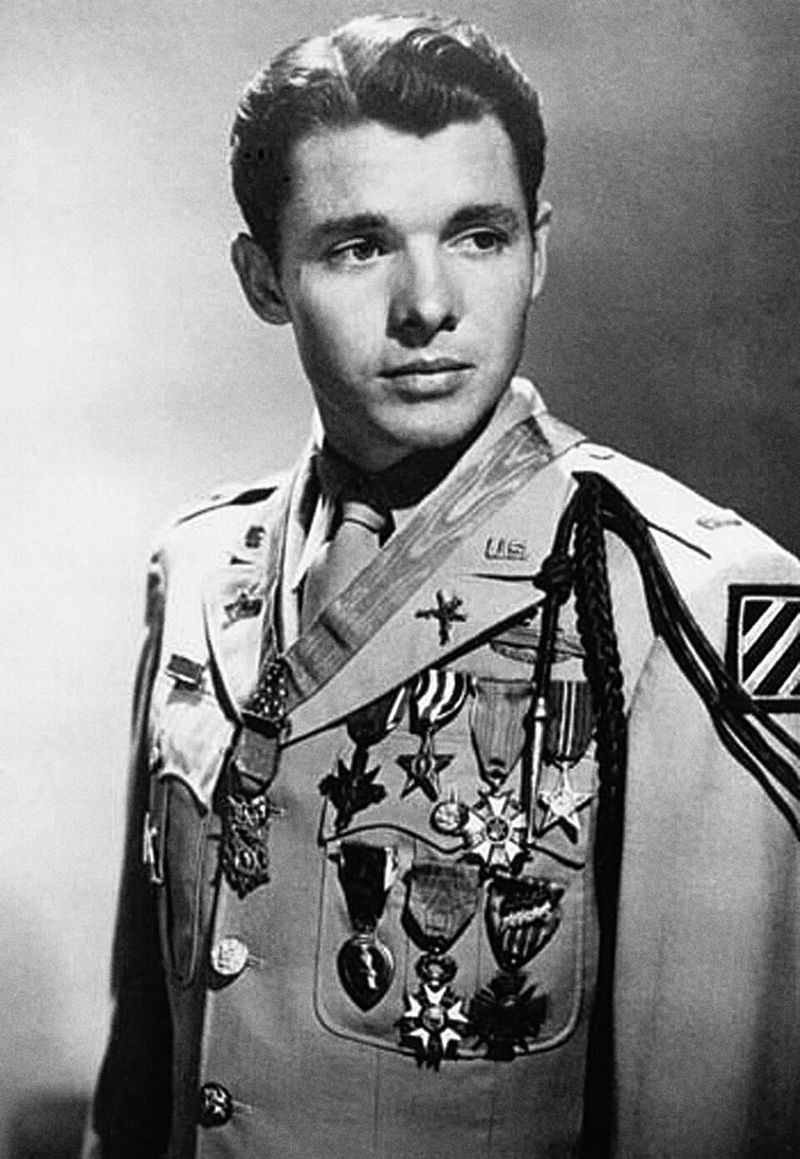
The most decorated U.S. combat soldier of World War II started out as a baby-faced Texas farm boy the Army almost turned away for being too small. Audie Murphy proved every recruiter wrong in the most spectacular fashion possible.
During the Battle of Colmar Pocket in France, Murphy single-handedly held off an entire company of German soldiers. He climbed onto a burning tank destroyer and used its machine gun, despite being wounded, keeping enemy troops at bay for over an hour.
He earned 33 medals, including the Medal of Honor, three Purple Hearts, and decorations from France and Belgium. After the war, Murphy became a Hollywood actor, starring in over 40 films.
His autobiography, “To Hell and Back,” became a bestseller. He openly discussed his PTSD, which was unheard of at the time, helping future veterans feel less alone in their struggles.
Smedley D. Butler
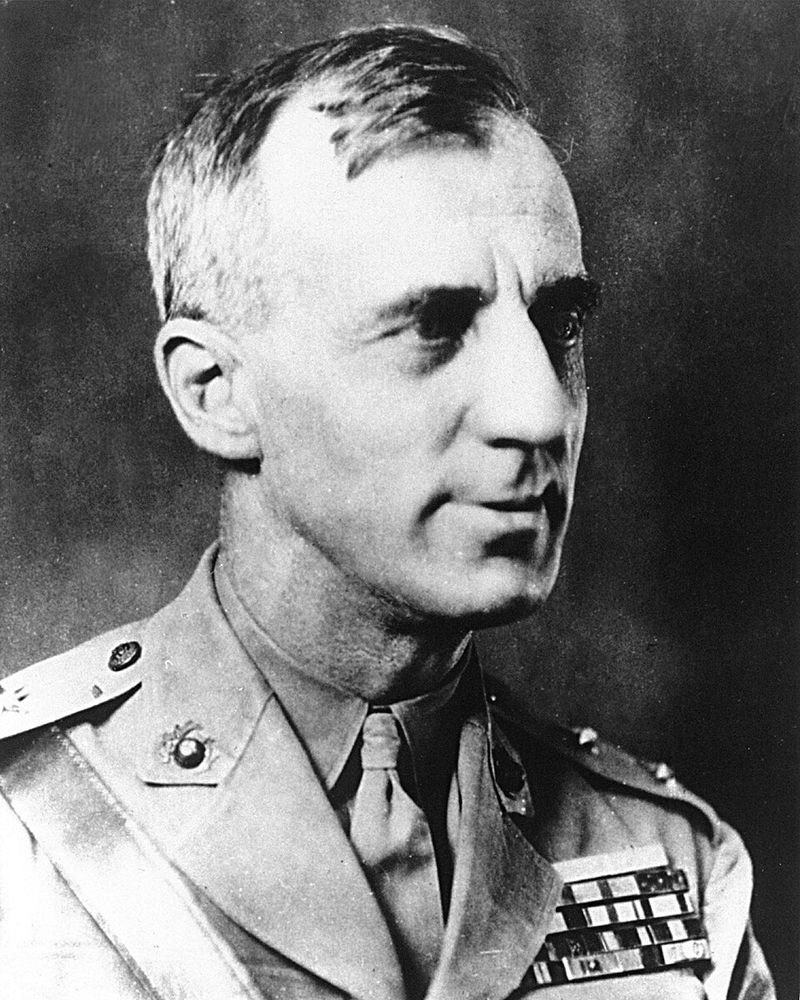
Only one person in American military history ever won the Medal of Honor twice, and his name was Smedley D. Butler.
That is not a typo. Twice.
Butler earned his first Medal of Honor during the 1914 Battle of Veracruz in Mexico, where he led a dangerous assault under heavy fire. His second came just two years later during the Battle of Fort Riviere in Haiti, where he and a small group of Marines stormed a fortress.
Bold does not even begin to cover it.
What makes Butler even more fascinating is what he did after his military career. He became one of the loudest critics of American military intervention overseas, writing a famous book called “War Is a Racket.” A two-time Medal of Honor winner calling out war profiteering?
That took a completely different kind of courage. Butler remains one of the most decorated and complicated figures in Marine Corps history.
Alvin C. York
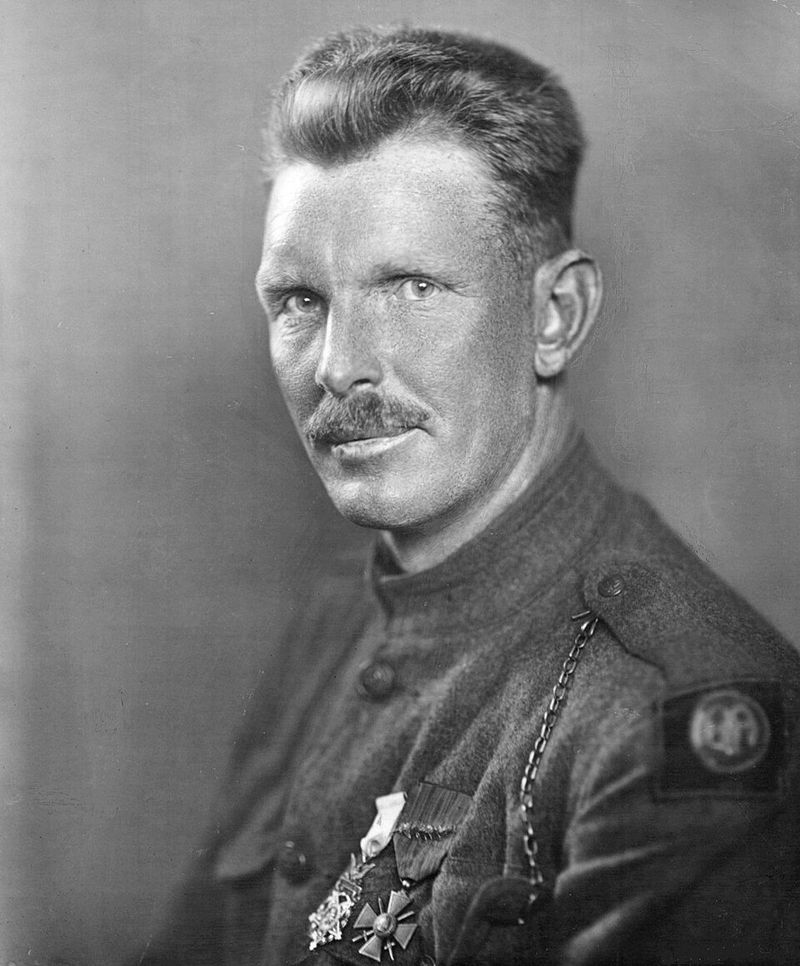
A backwoods Tennessee sharpshooter who originally tried to avoid the war on religious grounds ended up becoming one of World War I’s greatest heroes. Life has a funny way of rewriting your plans.
On October 8, 1918, Sergeant Alvin York led a small patrol into the Argonne Forest in France. When German machine guns opened fire and killed several of his fellow soldiers, York fought back with stunning precision.
Using his skills from years of turkey shooting back home, he silenced machine gun after machine gun.
By the end of the engagement, York had killed 28 German soldiers and personally captured 132 prisoners, almost single-handedly. His commanding officer reportedly said it was the greatest thing accomplished by any private soldier in the entire Allied armies.
York received the Medal of Honor and became an instant celebrity. He later used his fame to help build schools in his home state of Tennessee.
John Basilone
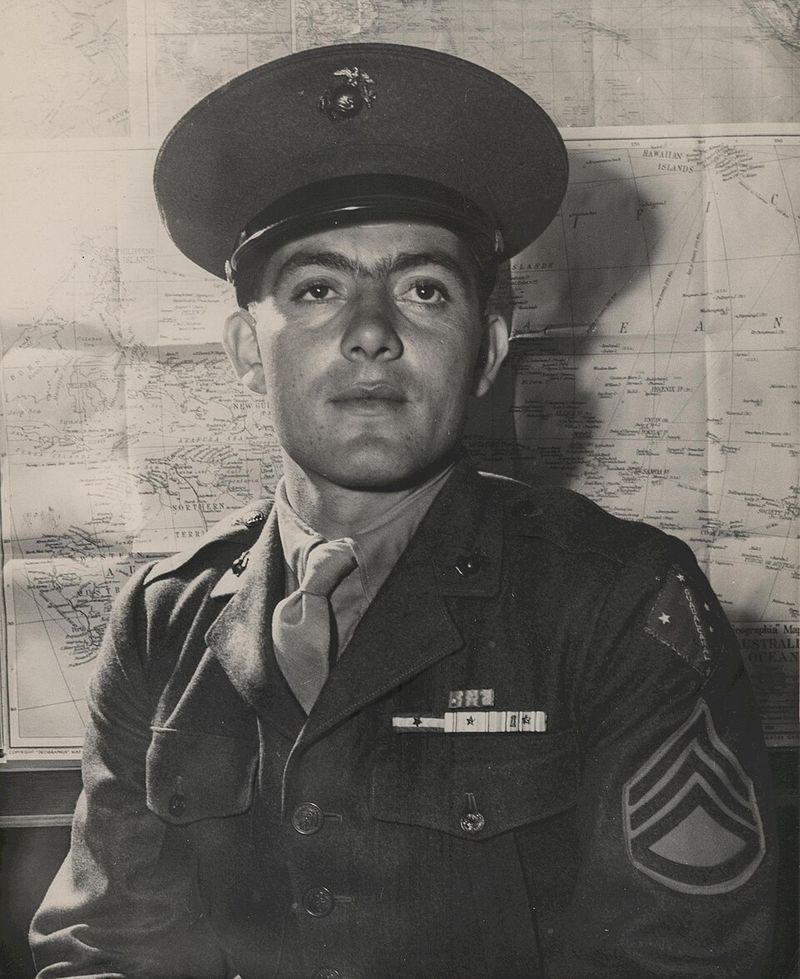
John Basilone was so beloved that the entire town of Raritan, New Jersey threw him a parade after he won the Medal of Honor. He was their guy, and they wanted the world to know it.
During the Battle of Guadalcanal in 1942, Basilone manned his machine gun position for hours against a massive Japanese assault, keeping his guns firing even when ammunition ran dangerously low. He personally carried ammunition through enemy fire to keep his crew supplied.
His stand helped save the entire Marine battalion that night.
After returning home as a war hero, Basilone could have stayed safe and sold war bonds forever. Instead, he volunteered to go back into combat.
He was killed on the first day of the Battle of Iwo Jima in 1945. The Marines named a destroyer after him, and his hometown still celebrates “Basilone Day” every year.
That loyalty goes both ways.
Desmond Doss
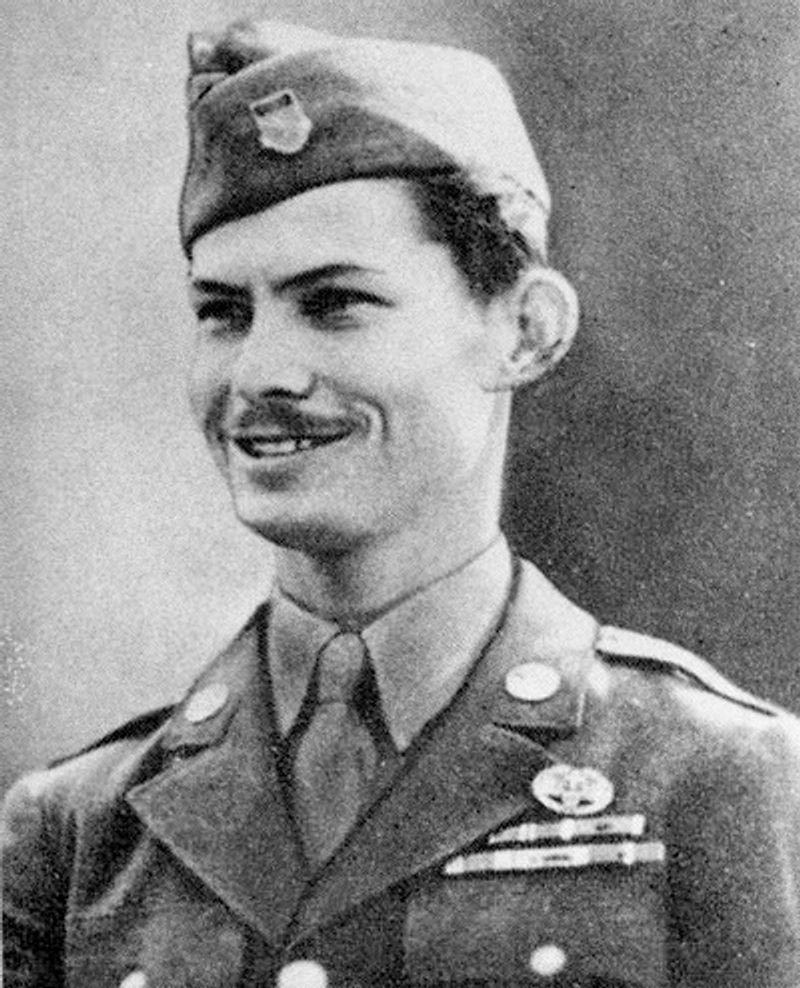
Desmond Doss never fired a single bullet during World War II, and he still won the Medal of Honor. That is the kind of plot twist history loves to serve up.
Doss was a devout Seventh-day Adventist who refused to carry a weapon on religious grounds. His fellow soldiers mocked him and even tried to have him discharged.
Nobody was laughing after the Battle of Okinawa in 1945.
At Hacksaw Ridge, Doss single-handedly rescued 75 wounded soldiers from a cliff under heavy fire, lowering each one down on a rope while praying, “Lord, let me get just one more.” He did this repeatedly through an entire night of brutal fighting. Doss was later wounded himself but refused evacuation until other soldiers were treated first.
His story was turned into the 2016 film “Hacksaw Ridge” by director Mel Gibson. It is one of the most jaw-dropping true stories ever put on screen.
Roy Benavidez
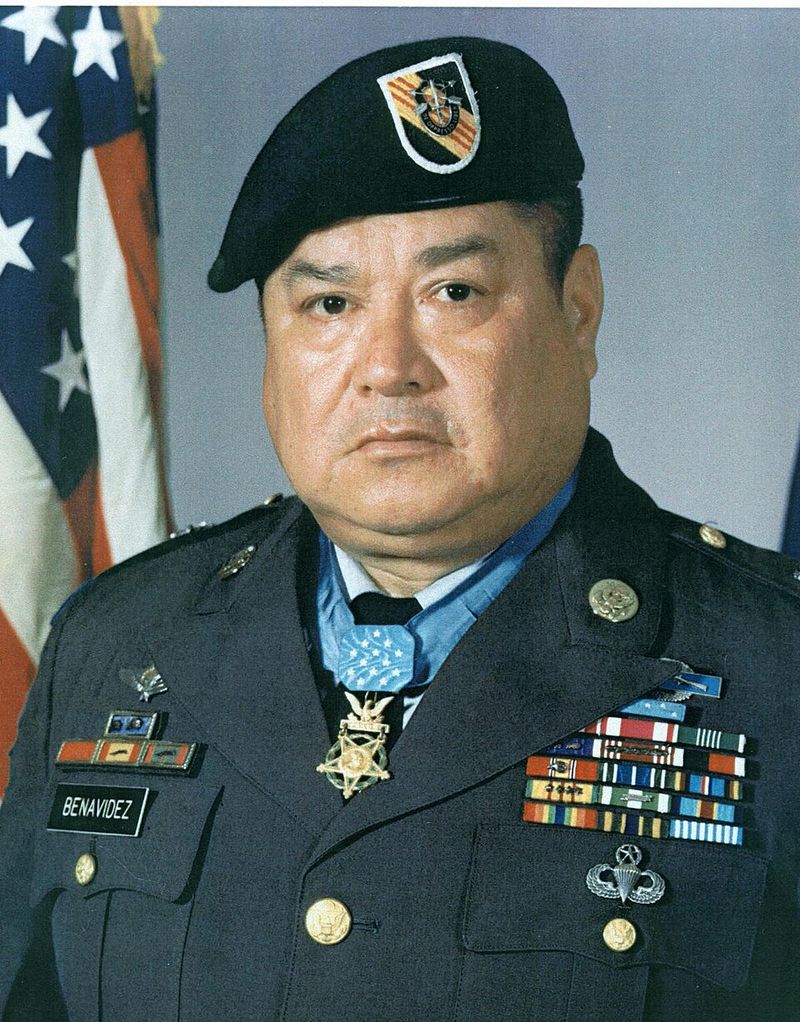
Roy Benavidez was shot, stabbed, clubbed, and left for dead. A doctor pronounced him dead on a stretcher.
Then Benavidez spat in the doctor’s face to prove he was still alive. That is a man who refuses to quit.
On May 2, 1968, in Vietnam, Benavidez voluntarily jumped from a helicopter into a firefight to help a trapped 12-man Special Forces team. Unarmed at first, he ran through enemy fire to reach his comrades.
Over the next six hours, he was wounded 37 times by bullets, bayonets, and grenade fragments.
Despite his injuries, Benavidez helped evacuate eight survivors, recovered classified documents, and directed air support. President Ronald Reagan presented him the Medal of Honor in 1981, calling his actions a miracle.
Reagan reportedly told reporters afterward that if the story had been in a movie script, nobody would have believed it. Benavidez simply smiled.
He had lived it.
Dakota Meyer
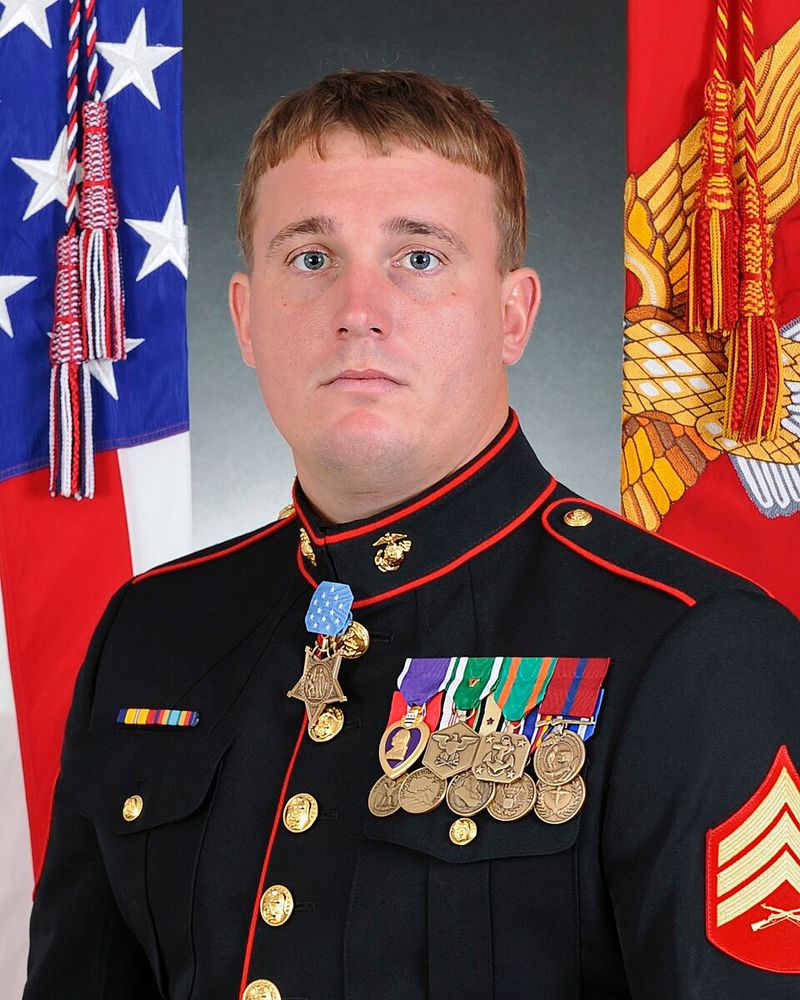
Dakota Meyer was only 23 years old when he drove into a kill zone four separate times to rescue his fellow Marines. His superiors had ordered him to stay back.
He went anyway.
On September 8, 2009, in the Kunar Province of Afghanistan, Meyer’s patrol was ambushed by Taliban fighters on all sides. Against direct orders, Meyer jumped into a gun truck and charged into the firefight.
Each time he drove in, he pulled out more wounded and dead soldiers, returning fire the entire time.
By the end, Meyer had saved 36 lives and recovered the bodies of four fallen comrades, including his close friend. He received the Medal of Honor in 2011, becoming the first living Marine to receive it since the Vietnam War.
Meyer has since spoken publicly about survivor’s guilt and mental health challenges, proving that real strength also means being honest about your wounds.
Randy Shughart
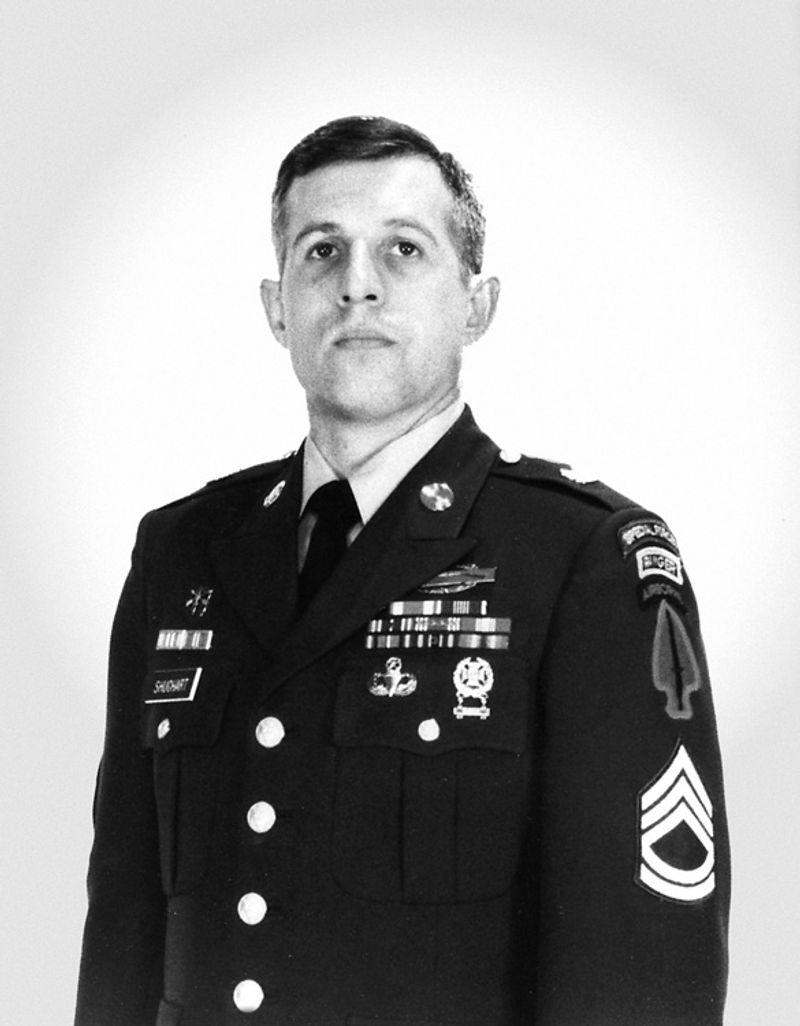
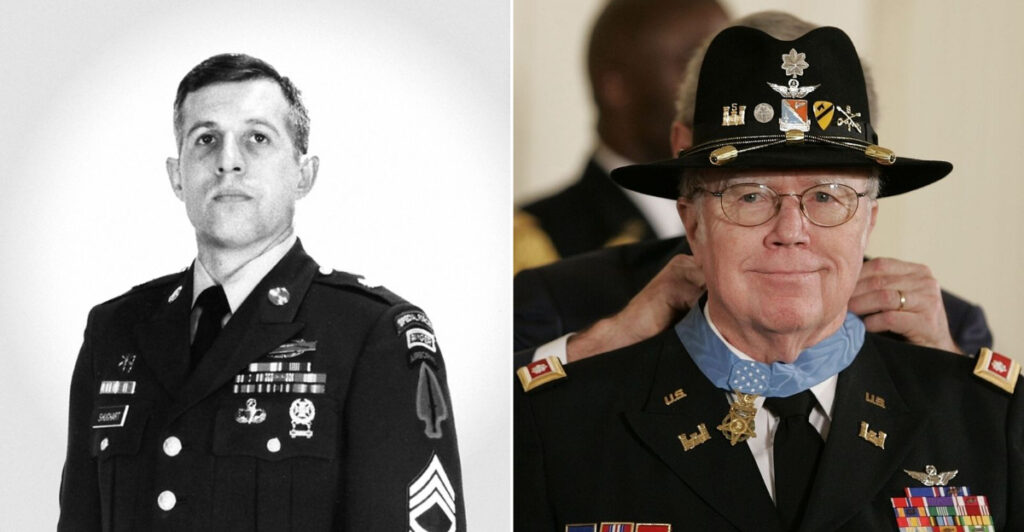
Randy Shughart asked twice to be inserted into a crash site in Mogadishu, Somalia, knowing full well the odds were nearly impossible. When permission was finally granted, he went in without hesitation.
On October 3, 1993, during the Battle of Mogadishu made famous by the book and film “Black Hawk Down,” two American helicopters were shot down. Shughart and fellow Delta operator Gary Gordon volunteered to protect the crew of the second crash site.
They were vastly outnumbered from the moment they landed.
Both men fought until they were killed, giving pilot Chief Warrant Officer Michael Durant a fighting chance at survival. Durant was the only survivor of that crash site.
Shughart and Gordon were both awarded the Medal of Honor posthumously, the first recipients since the Vietnam War era. Shughart’s father accepted the medal and told the Secretary of Defense he was not worthy to give it.
The room went silent.
Michael P. Murphy
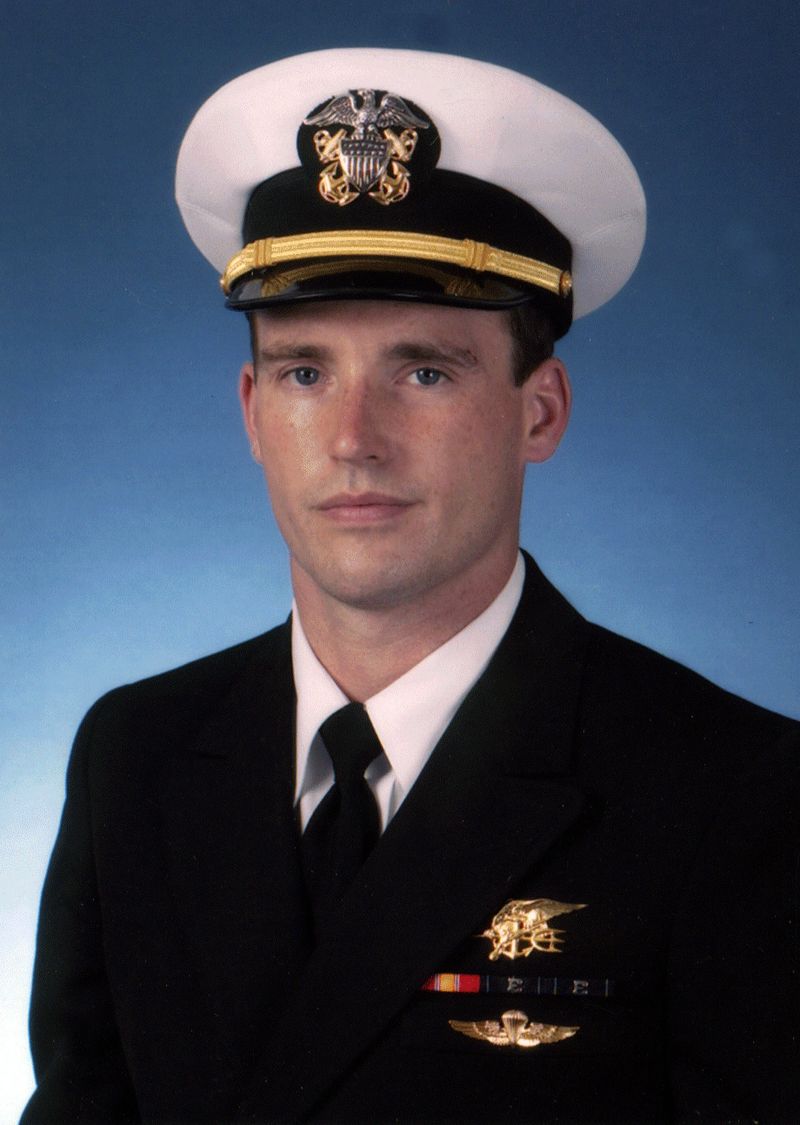
Michael Murphy stepped into the open, in full view of enemy fighters, to make a satellite phone call. He knew exactly what would happen.
He made the call anyway.
On June 28, 2005, Lieutenant Murphy led a four-man SEAL reconnaissance team in the mountains of Afghanistan as part of Operation Red Wings. The team was discovered by Taliban fighters and quickly surrounded by a much larger enemy force.
Three of the four SEALs were killed, along with 16 special operations troops on a rescue helicopter shot down that same day.
Murphy exposed himself to enemy fire to reach a clearing with a signal, successfully calling for help before being shot and killed. His actions saved the one surviving SEAL, Marcus Luttrell, whose story became the book and film “Lone Survivor.” Murphy received the Medal of Honor posthumously in 2007.
The Navy named a destroyer after him: the USS Michael Murphy.
Paul Ray Smith
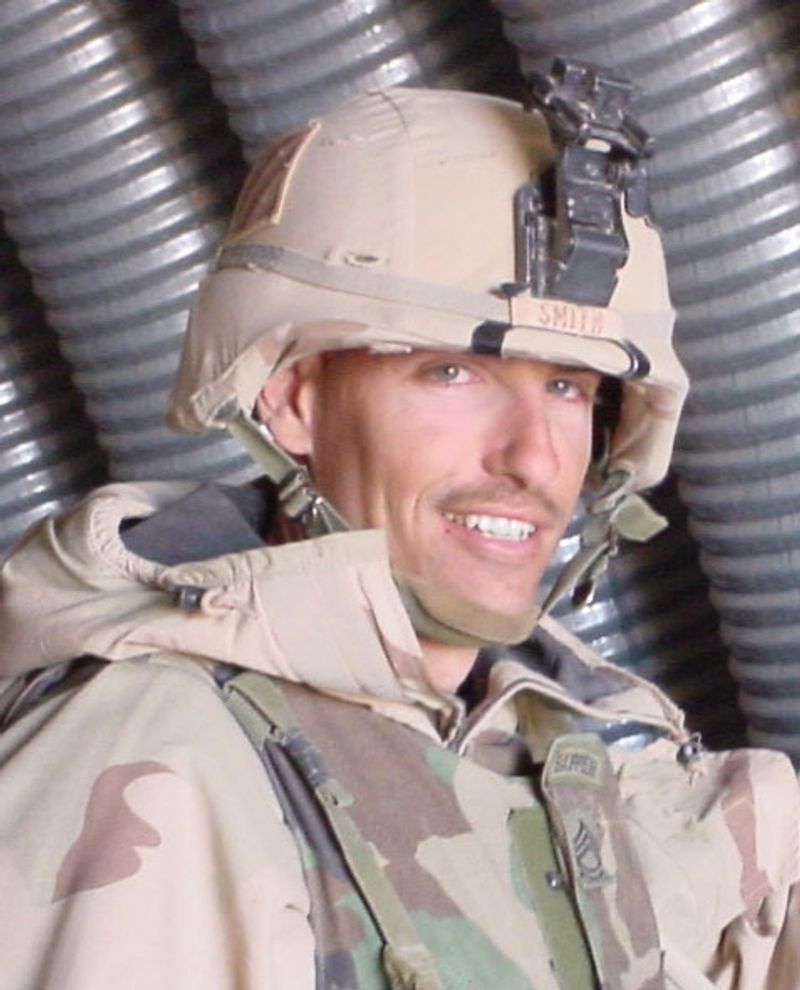
Paul Ray Smith built a wall, grabbed a .50-caliber machine gun, and stood his ground against more than 100 enemy fighters. He was one man.
He did not back down.
On April 4, 2003, during the push toward Baghdad, Staff Sergeant Smith’s engineering unit came under heavy attack at a Republican Guard compound near the Baghdad airport. Smith organized his small group to defend a courtyard where dozens of wounded American soldiers were being treated.
He climbed onto an armored vehicle and manned the exposed gun position, taking heavy fire while protecting his men. Smith was killed in action, but his stand allowed the wounded to be evacuated and the enemy assault to be repelled.
He was posthumously awarded the Medal of Honor in 2005, the first recipient of the Iraq War. Smith’s son accepted the medal on his behalf.
His unit still carries forward his legacy every single day.
Daniel Inouye
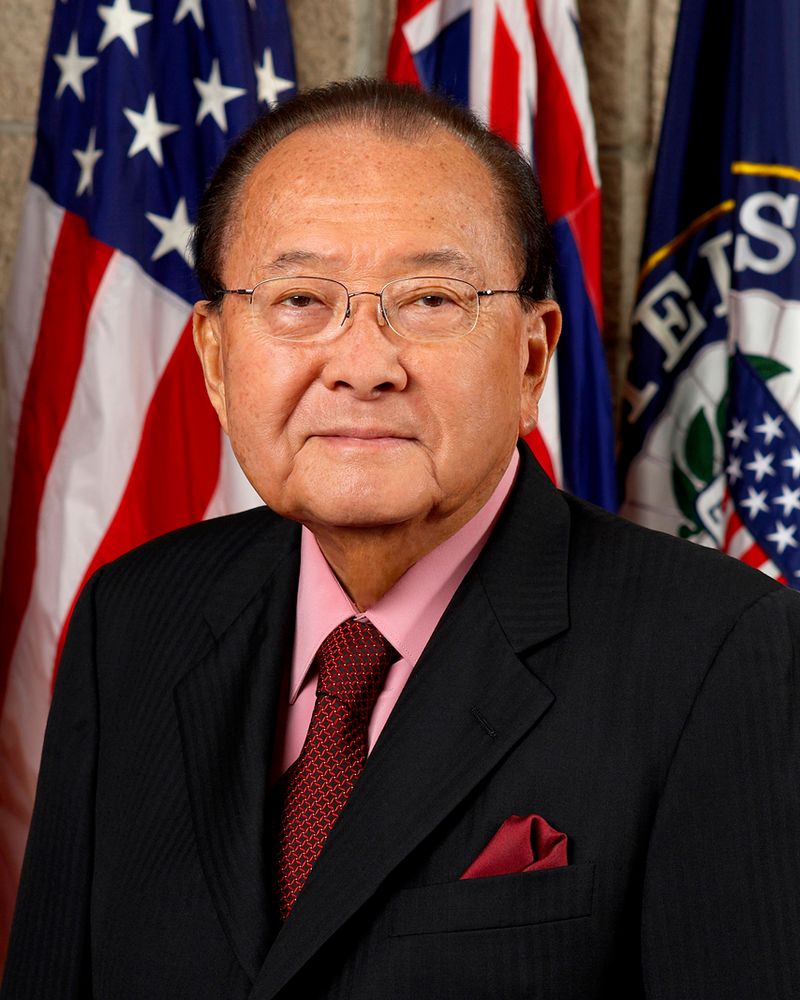
Daniel Inouye lost his right arm in combat in Italy. Before medics could reach him, he used his left hand to pry a live grenade from his severed right arm and throw it at the enemy.
That is not fiction. That actually happened.
Inouye served with the 442nd Regimental Combat Team, the most decorated unit in U.S. Army history, made up almost entirely of Japanese-American soldiers.
This was happening while the U.S. government had placed many of their own families in internment camps back home.
Despite that injustice, Inouye and his fellow soldiers fought with extraordinary honor. He received the Medal of Honor in 2000, more than 50 years after his actions.
Inouye went on to serve as a U.S. Senator from Hawaii for nearly 50 years, becoming one of the longest-serving senators in American history.
He proved that patriotism does not require the country to be perfect, just worth fighting to improve.
Gary Gordon
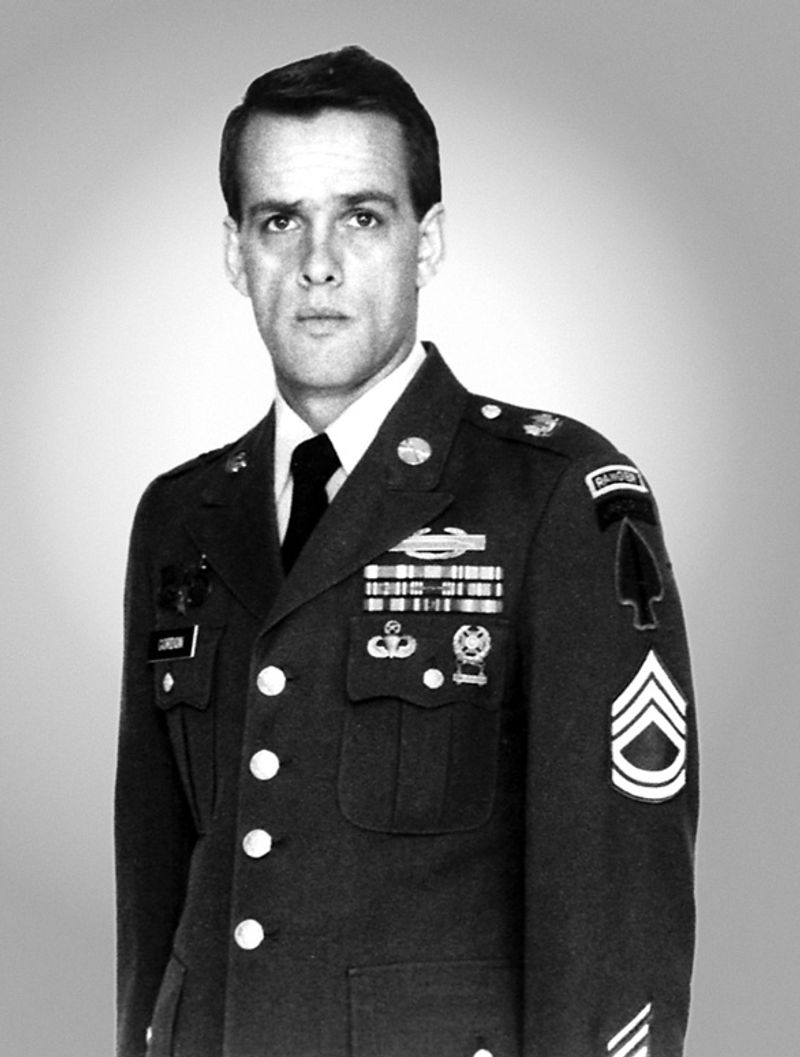
Gary Gordon and Randy Shughart made the same choice together: go into the chaos, protect the fallen, and give someone else a chance to live. Neither man expected to come back out.
On October 3, 1993, Gordon volunteered alongside Shughart to be inserted by helicopter into the second crash site during the Battle of Mogadishu. They both knew the area was surrounded by hostile fighters.
Command denied the request twice before finally approving it on the third ask.
Gordon and Shughart fought off wave after wave of attackers with their personal weapons, keeping the enemy at bay long enough for pilot Mike Durant to survive. Both men were killed in action.
Gordon was posthumously awarded the Medal of Honor, along with Shughart, in 1994. Gordon’s wife accepted the medal at the White House.
Their story stands as one of the most selfless acts of brotherhood in modern American military history.
Francis S. Currey
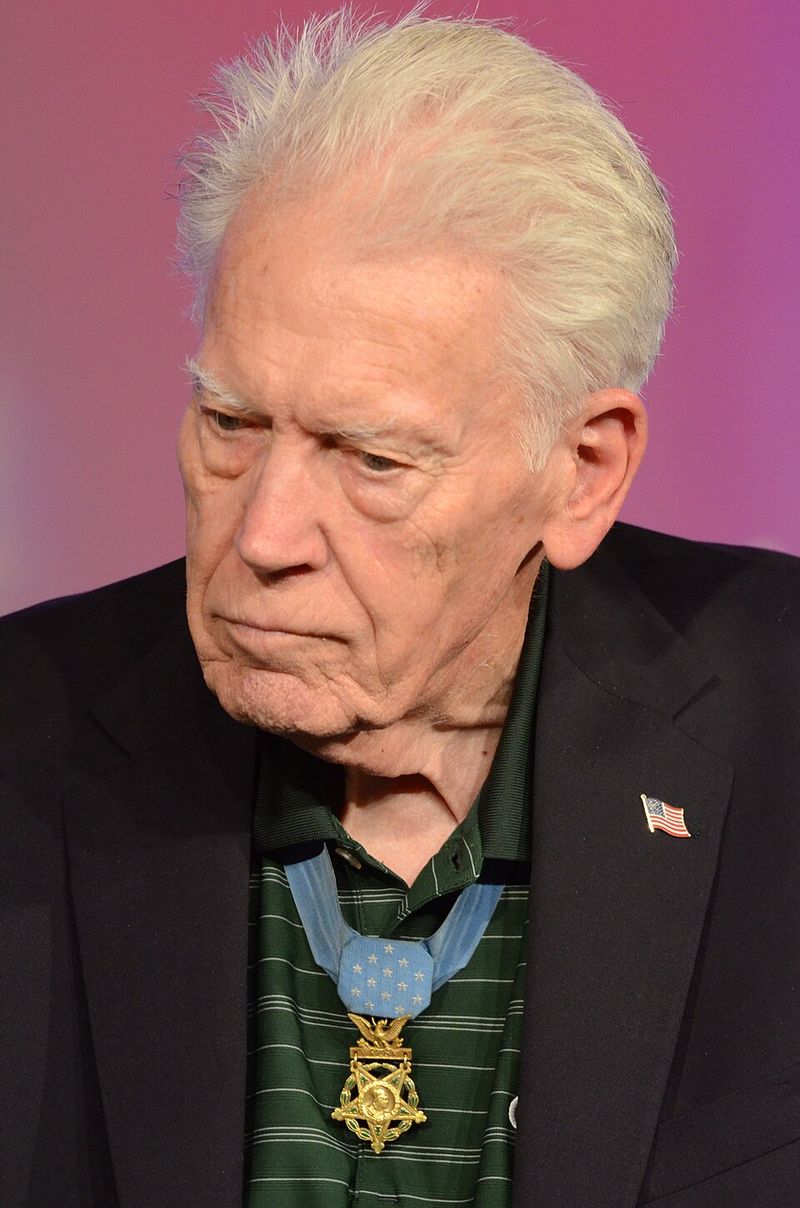
Francis Currey was just 19 years old during the Battle of the Bulge, and he spent one December day in Belgium destroying tanks with a bazooka while single-handedly keeping German forces from overrunning his unit. Teenagers, man.
On December 21, 1944, near Malmedy, Belgium, Currey’s platoon was hit hard by a German armored attack. Rather than retreating, Currey grabbed an anti-tank rocket launcher, moved from position to position under fire, and knocked out multiple enemy vehicles.
He also rescued several American soldiers who were pinned down and unable to move.
His actions helped stop a German breakthrough that could have been catastrophic. Currey received the Medal of Honor in 1945 and later said he never considered himself a hero.
He was just doing what needed doing. That kind of quiet humility is almost as impressive as the tank-busting.
He lived to the age of 82 and remained modest about his incredible wartime actions.
Hugh Thompson Jr.
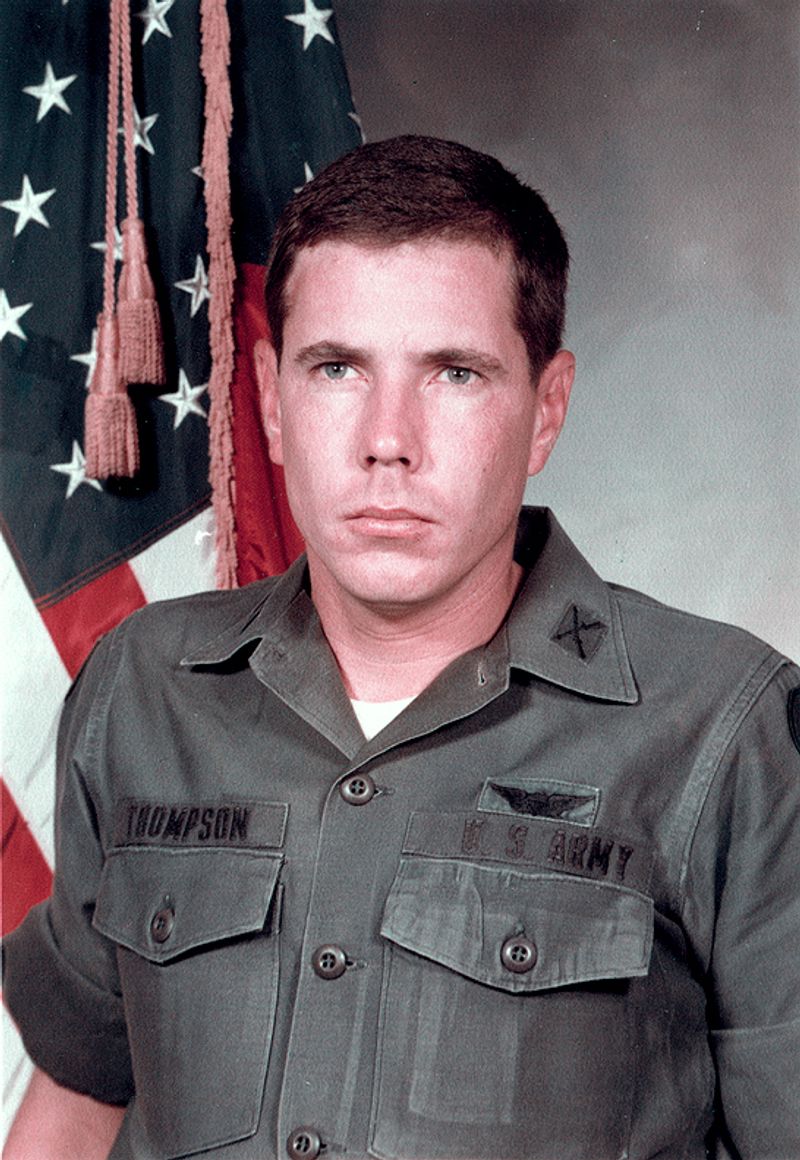
Hugh Thompson did not win his medals for killing enemies. He won them for protecting civilians from his own side, which took a completely different kind of bravery that is hard to fully appreciate.
On March 16, 1968, Thompson was piloting a reconnaissance helicopter over My Lai, Vietnam, when he witnessed American soldiers massacring unarmed Vietnamese civilians. He landed his helicopter between the soldiers and the villagers, ordered his crew to open fire on any American who continued shooting civilians, and called in support to evacuate survivors.
Thompson reported the massacre to his superiors, an act that initially got him labeled a troublemaker. It took nearly 30 years for the military to officially recognize his courage.
In 1998, Thompson and his crew received the Soldier’s Medal. His willingness to stand up against wrongdoing, at enormous personal and professional risk, remains one of the most morally courageous acts in American military history.
Edward A. Carter Jr.
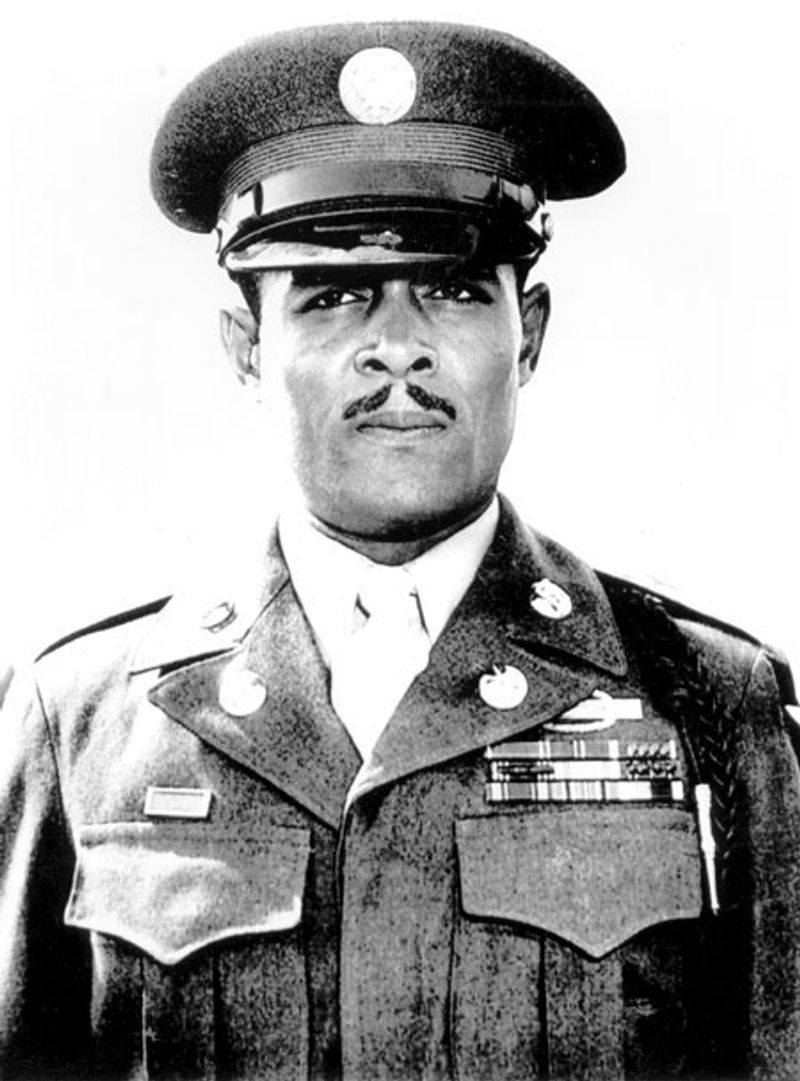
Edward Carter had already fought in three different wars before World War II even started. The man was practically a professional at impossible situations.
On March 23, 1945, near Speyer, Germany, Carter volunteered to lead a tank-infantry patrol against a heavily defended building. When his squad was pinned down, he advanced alone across 150 yards of open ground under intense fire.
He was wounded five times and kept moving.
When eight German soldiers tried to capture him, Carter killed six and took the other two prisoner, using them as cover to return to American lines. Despite his extraordinary valor, Carter was denied the Medal of Honor at the time, largely due to racial discrimination.
It was finally awarded posthumously in 1997 by President Bill Clinton, more than 50 years later. His son accepted the medal.
Carter’s story is a powerful reminder that heroism and justice do not always arrive at the same time.
Bruce Crandall
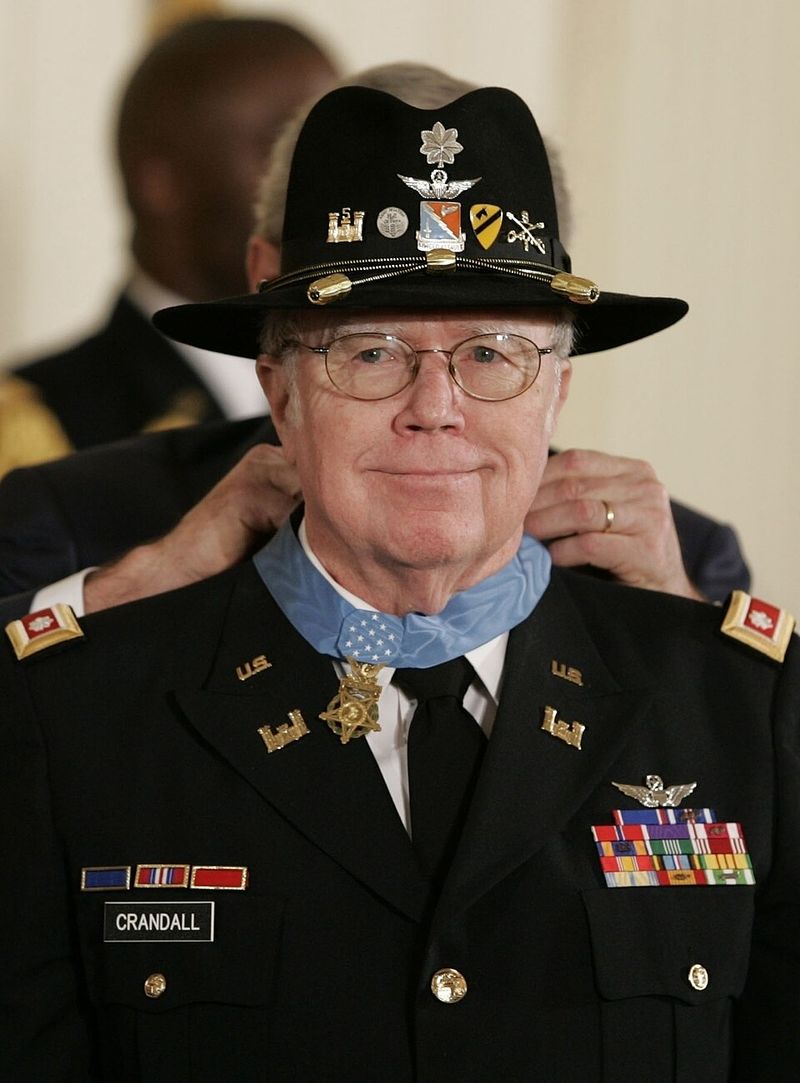
Bruce Crandall flew his unarmed Huey helicopter into one of the bloodiest landing zones of the Vietnam War, not once, not twice, but 22 times in a single day. On purpose.
Voluntarily.
On November 14, 1965, during the Battle of Ia Drang Valley, Crandall’s job was to deliver supplies and evacuate wounded soldiers from Landing Zone X-Ray. The problem was that LZ X-Ray was surrounded by North Vietnamese forces and under constant fire.
Crandall kept flying in anyway, bringing ammunition and carrying out the wounded on every trip.
His flights kept the besieged battalion supplied and saved dozens of lives when the situation looked completely hopeless. Crandall received the Medal of Honor in 2007, more than 40 years after his actions.
The delay was frustrating but the recognition was long overdue. The Battle of Ia Drang was later dramatized in the film “We Were Soldiers,” giving Crandall’s courage the audience it always deserved.
Share this story