Some travel experiences are so extraordinary that they stay with you long after you have returned home. Not every trip makes the list, but there are certain moments in certain places that genuinely change the way you see the world.
From watching natural light shows paint the night sky to floating above ancient landscapes in a wicker basket, these are the kinds of adventures that make people say, “I cannot believe I waited this long.” This article covers 16 remarkable travel experiences that belong on every serious traveler’s radar. Each one has been chosen because it offers something genuinely rare, whether that is a view, a feeling, or a piece of history you simply cannot find anywhere else.
Read on, because your next great adventure might be closer than you think.
1. Watch the Northern Lights in Iceland
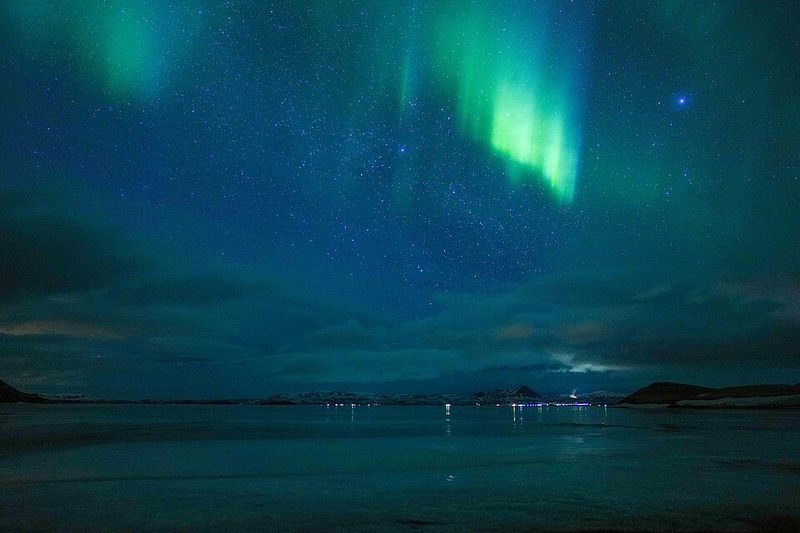
Iceland holds a rare card up its sleeve: on a clear winter night, the entire sky can transform into a swirling canvas of green, purple, and white light that no photograph fully captures.
The Northern Lights, also called the Aurora Borealis, are caused by charged particles from the sun colliding with gases in Earth’s atmosphere. Iceland sits directly under the auroral oval, making it one of the best places on the planet to witness this phenomenon.
The best viewing season runs from September through March, when nights are long and dark enough for the lights to appear. Head away from city lights for the clearest views.
Many tour operators offer guided aurora-hunting trips that take the guesswork out of finding the perfect spot.
2. Take a Hot Air Balloon Ride Over Cappadocia, Turkey
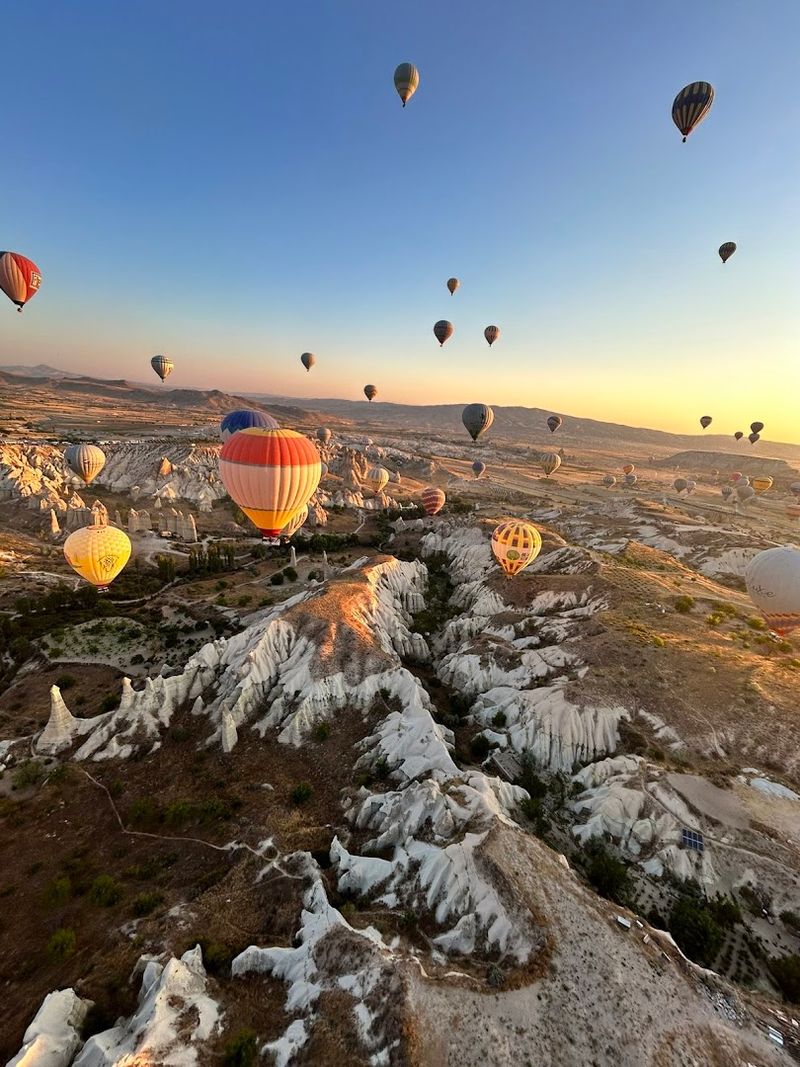
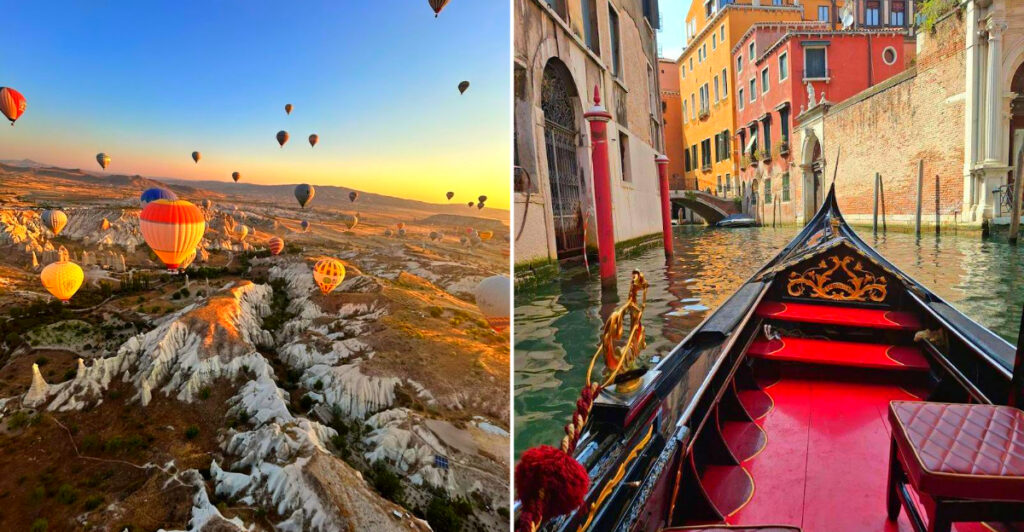
Nowhere else on Earth do hot air balloons feel quite as at home as they do above Cappadocia’s otherworldly terrain of cone-shaped rock formations called fairy chimneys.
At sunrise, up to 150 balloons rise simultaneously from the Goreme valley, creating one of the most photographed skylines in the world. The rides typically last about an hour and reach heights of around 300 meters, giving passengers a sweeping view of the ancient landscape below.
Cappadocia’s balloon industry is well-established, with dozens of licensed operators offering flights year-round. The region itself has been inhabited since the Hittite era, and the underground cities carved into the soft volcanic rock date back thousands of years.
Booking in advance is strongly recommended, especially during spring and autumn.
3. Walk the Great Wall of China
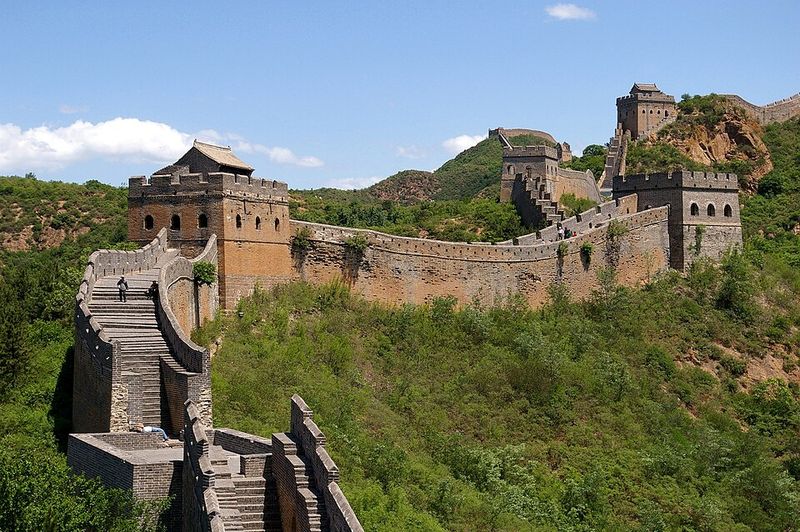
Stretching over 13,000 miles across northern China, the Great Wall is less a single structure and more a sprawling network of walls, trenches, and fortifications built across multiple dynasties over nearly 2,000 years.
The most visited section, Badaling, sits about 80 kilometers from Beijing and offers well-restored pathways and clear mountain views. For a less crowded experience, the Jinshanling or Mutianyu sections provide equally dramatic scenery with fewer tour groups.
Walking the wall means climbing steep staircases, passing through ancient watchtowers, and looking out over valleys that have barely changed in centuries. Comfortable shoes are essential, as the surface is uneven and the inclines can be surprisingly steep.
Most visitors spend between two and four hours exploring their chosen section.
4. Go on a Safari in Kenya or Tanzania
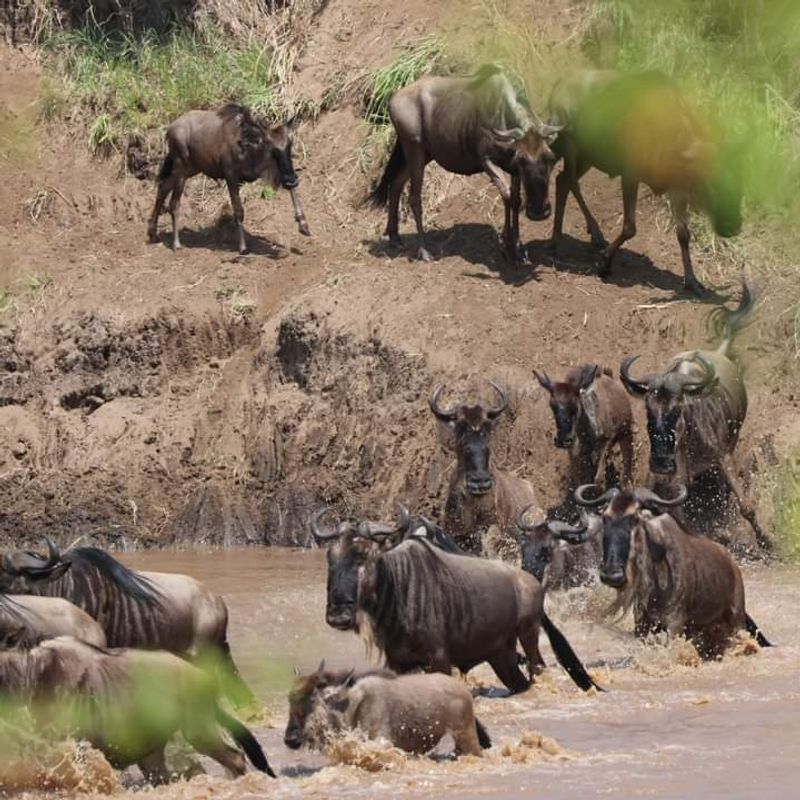
There is something genuinely humbling about watching a pride of lions rest in the shade while a herd of zebras grazes just a few hundred meters away, all from the open roof of a safari vehicle.
Kenya’s Masai Mara and Tanzania’s Serengeti are two of the most celebrated wildlife reserves on Earth, together hosting the Great Migration, during which over 1.5 million wildebeest travel across the plains each year. Both countries also offer opportunities to spot the “Big Five”: lions, leopards, elephants, rhinos, and Cape buffalo.
Game drives typically happen at dawn and dusk when animals are most active. Many safari camps are set up inside or near the reserves, putting guests within minutes of the action.
Conservation fees included in park permits help fund ongoing wildlife protection efforts.
5. Cruise Through Norway’s Fjords
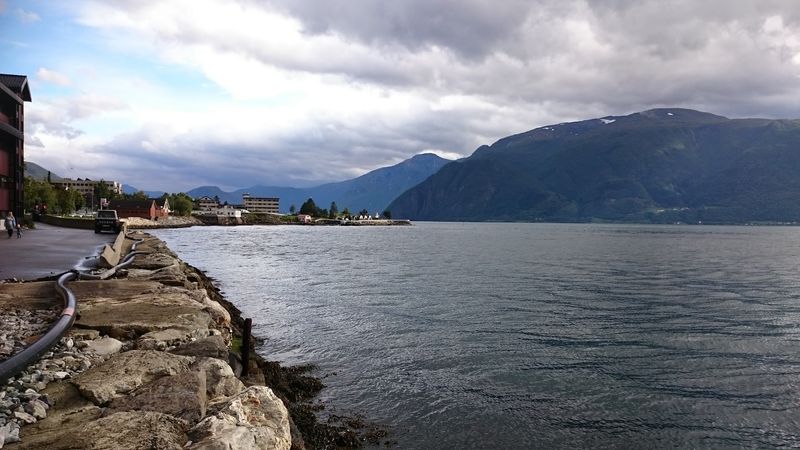
Norway’s fjords were carved by glaciers over millions of years, and the result is a coastline so dramatic that it looks like a geography textbook illustration brought to life.
The Geirangerfjord and Nærøyfjord are both UNESCO World Heritage Sites, known for their near-vertical cliff walls and the thin ribbons of waterfall that drop hundreds of meters into the water below. Cruises range from large ocean liners to intimate small-ship expeditions that can navigate narrower inlets.
The Hurtigruten coastal route, which travels the full length of Norway’s coast, is a classic choice for those who want to experience multiple fjords over several days. Summer offers long daylight hours and green landscapes, while winter cruises provide the rare bonus of potential Northern Lights sightings above the fjord walls.
6. Visit Machu Picchu, Peru
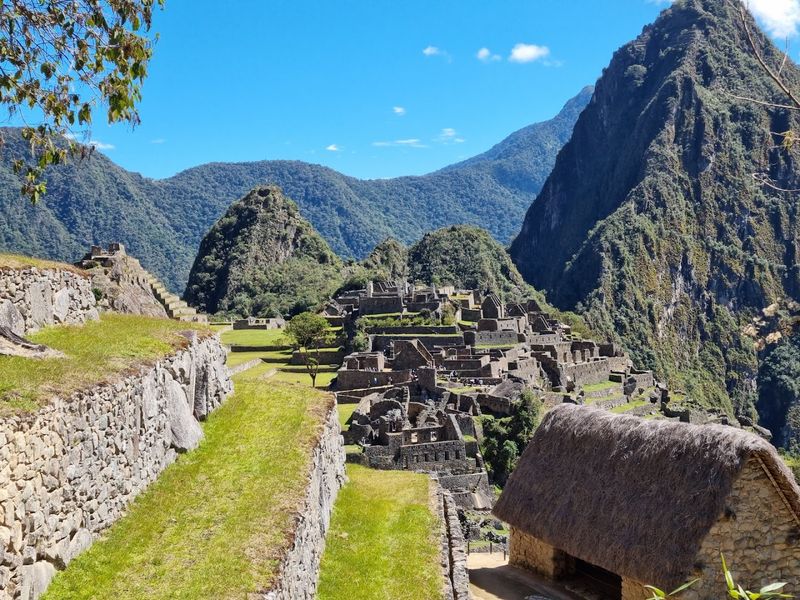
Built in the 15th century and abandoned less than a hundred years later, Machu Picchu sat hidden from the outside world until Hiram Bingham brought it to international attention in 1911.
The citadel sits at 2,430 meters above sea level in the Andes Mountains, and its stone temples, terraces, and plazas are remarkably well-preserved considering they have been there for over 500 years. Peru limits daily visitor numbers to protect the site, so booking tickets and permits well in advance is not optional but necessary.
Travelers can reach Machu Picchu by train from Cusco to the town of Aguas Calientes, followed by a bus up the mountain. Those who prefer an active approach can hike the classic four-day Inca Trail, which passes through cloud forest and other Incan ruins along the way.
7. Snorkel or Dive the Great Barrier Reef, Australia
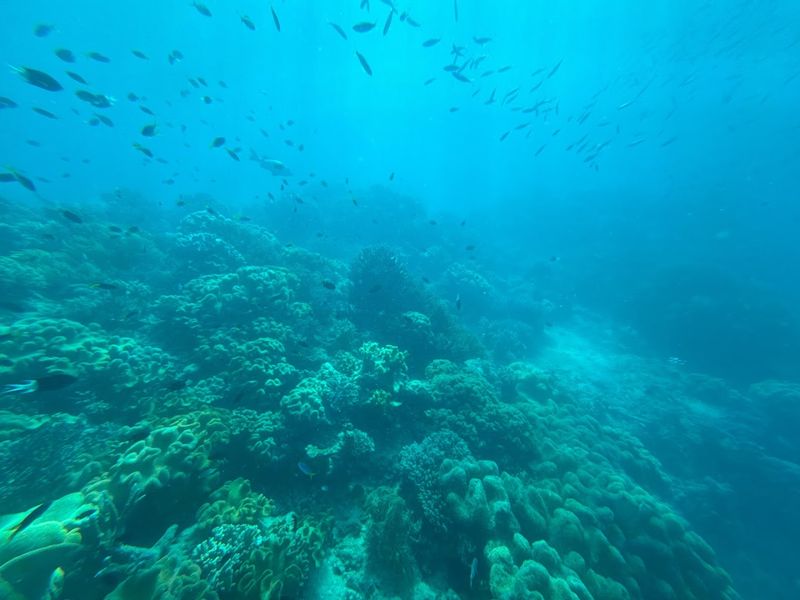
The Great Barrier Reef is the largest coral reef system on the planet, stretching over 2,300 kilometers along the northeastern coast of Australia and comprising more than 3,000 individual reef systems.
It is the only living structure on Earth visible from space, and it is home to over 1,500 species of fish, 4,000 types of mollusk, and six of the world’s seven sea turtle species. The main jumping-off points for reef trips are Cairns and the Whitsunday Islands, both offering day trips and multi-day liveaboard dive expeditions.
No prior diving certification is required for snorkeling or introductory scuba dives, making this accessible to most visitors. Marine biologists occasionally join trips to educate guests about coral health and ongoing reef conservation efforts, which adds genuine depth to the experience.
8. Experience Cherry Blossom Season in Japan
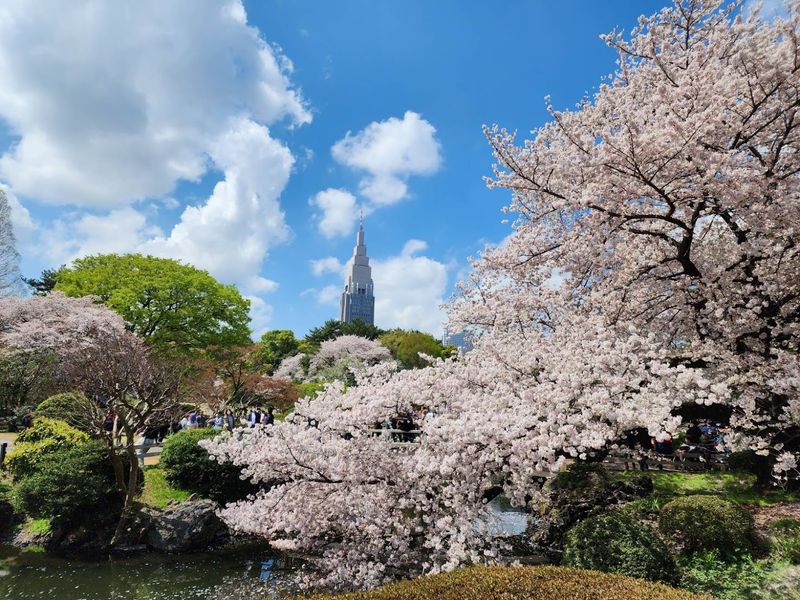
Japan tracks cherry blossom blooms the way other countries track weather forecasts, with official “sakura front” reports updated daily as the blossoms move northward across the country each spring.
Peak bloom typically lasts only about one to two weeks, usually between late March and mid-April depending on the region. Kyoto’s Maruyama Park and Tokyo’s Ueno Park are among the most popular viewing spots, drawing locals and tourists who set up picnic mats beneath the trees for hanami, the tradition of flower viewing.
Trains and accommodations book out fast during peak season, so planning three to six months ahead is wise. Less crowded alternatives include Hirosaki Castle in Aomori, which blooms slightly later and offers a quieter, equally spectacular experience surrounded by a moat full of fallen pink petals.
9. Ride a Gondola in Venice, Italy
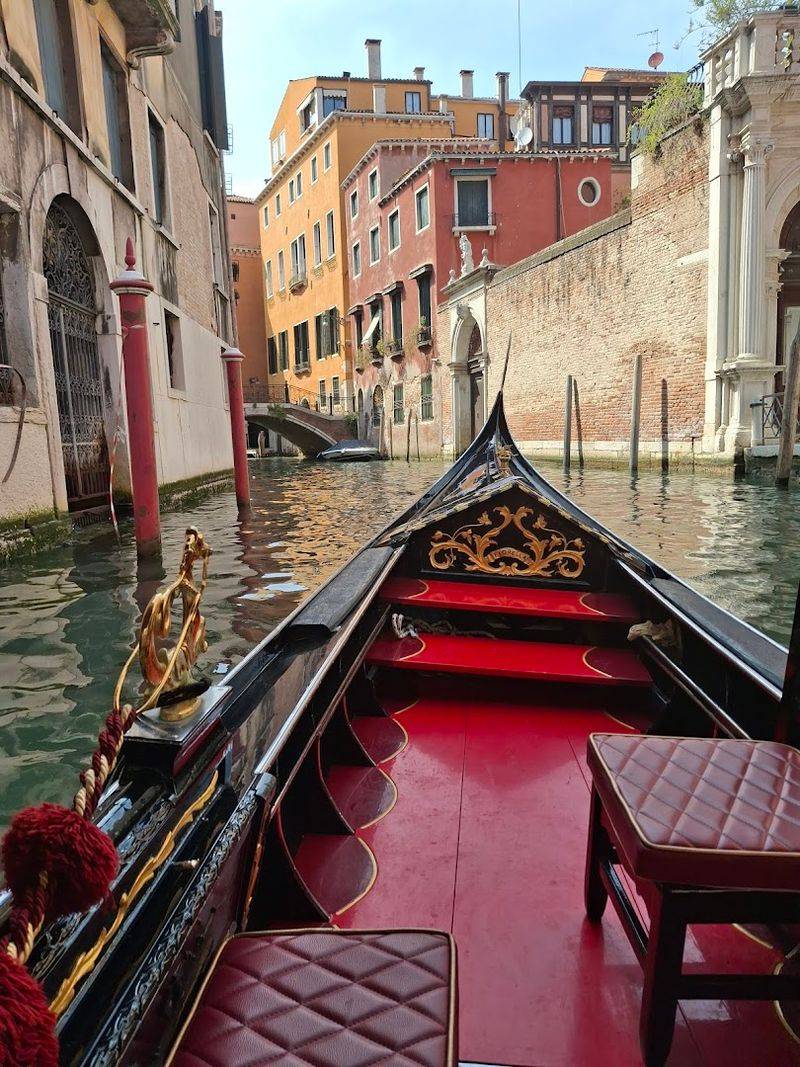
Venice is one of the few cities in the world where the streets are made of water, and the gondola is its most iconic mode of transport, with a history stretching back over a thousand years.
Today, around 400 licensed gondoliers operate on the city’s 150 canals, each completing a rigorous training program before earning the right to row. A standard gondola ride lasts approximately 30 to 40 minutes and covers a route through smaller side canals, away from the busier Grand Canal traffic.
Prices are regulated by the city, with standard rates set for daytime and evening rides. The experience is most rewarding when taken through the quieter neighborhoods of Cannaregio or Dorsoduro rather than the tourist-heavy areas near St. Mark’s Square.
Sharing a gondola with another couple or small group is a common and cost-effective option.
10. See the Pyramids of Giza, Egypt
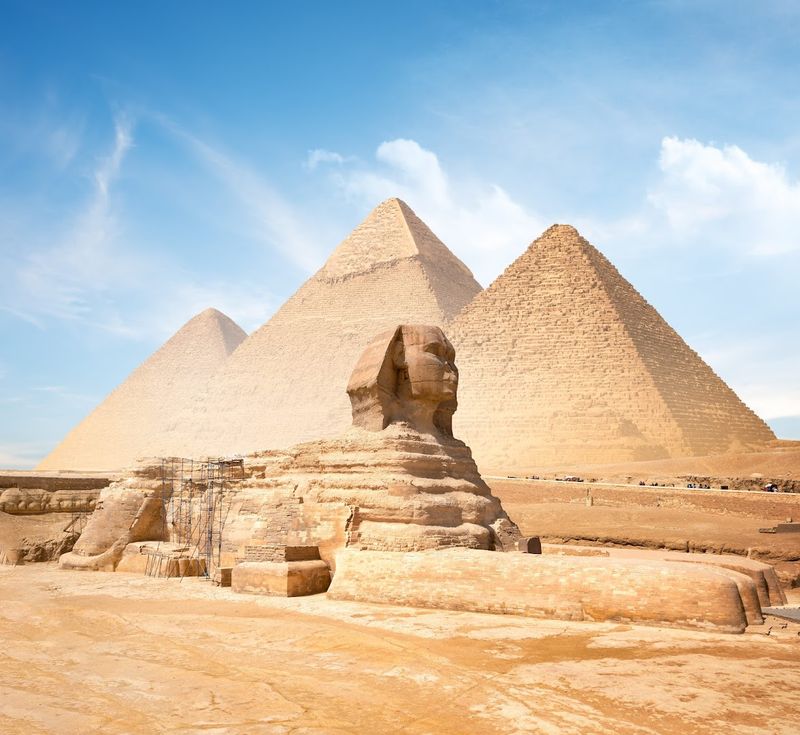
The Great Pyramid of Khufu held the title of the tallest man-made structure on Earth for over 3,800 years, a record that was not broken until the construction of Lincoln Cathedral in England in 1311.
The Giza complex includes three major pyramids, the Great Sphinx, and a series of smaller queens’ pyramids and temples, all built during the Fourth Dynasty of the Old Kingdom period around 2500 BC. The site sits on the outskirts of Cairo, making it one of the rare ancient wonders accessible from a major modern city.
Visitors can enter the interior chambers of the Great Pyramid for an additional fee, though the passages are narrow and require crouching. Camel rides around the plateau are popular but entirely optional.
Early morning visits avoid the largest crowds and the midday heat.
11. Take a Road Trip Along California’s Pacific Coast Highway
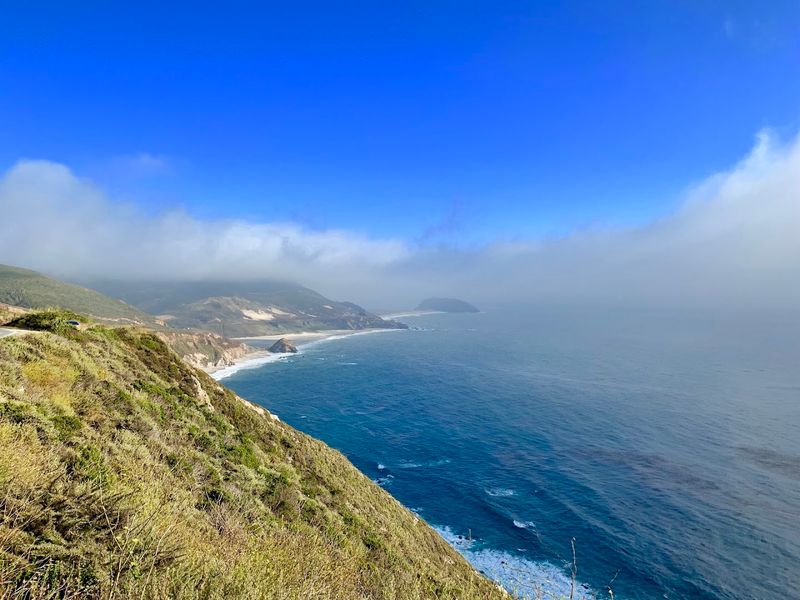
California’s Highway 1 runs along the edge of the continent for about 655 miles, offering one of the most celebrated road trip routes in the United States with ocean views around nearly every bend.
The Big Sur stretch, between Carmel and San Simeon, is considered the crown of the route, featuring the iconic Bixby Creek Bridge and access to state parks like Julia Pfeiffer Burns, where a waterfall drops directly onto a small cove below. The drive can be completed in a day if you push it, but most travelers spread it over three to five days to enjoy stops properly.
Elephant seal viewing at Piedras Blancas, the historic Hearst Castle, and the laid-back beach towns of Santa Barbara and Malibu are among the most popular detours along the way. A reliable car and a flexible schedule are the two most important things to bring.
12. Explore the Temples of Angkor Wat, Cambodia
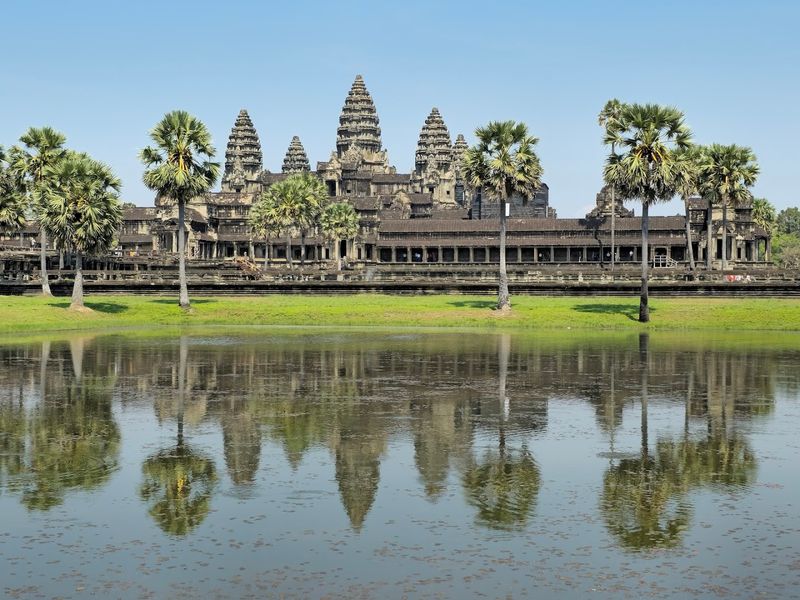
Angkor Wat is the largest religious monument on Earth, covering an area of about 400 acres and representing a full-scale architectural model of the Hindu universe as understood in the 12th century.
Built by King Suryavarman II between 1113 and 1150 AD, the complex was originally dedicated to the Hindu god Vishnu before gradually transitioning to Buddhism. The outer wall alone stretches over three miles, and the main temple towers rise to 65 meters at the center.
Most visitors base themselves in the nearby city of Siem Reap and purchase multi-day passes to explore not just Angkor Wat but the broader Angkor Archaeological Park, which contains dozens of other temple ruins including Bayon and Ta Prohm. Early morning entry to the main temple is the most popular time slot, so arriving before the gates open is worth the effort.
13. Stay in an Overwater Bungalow in the Maldives
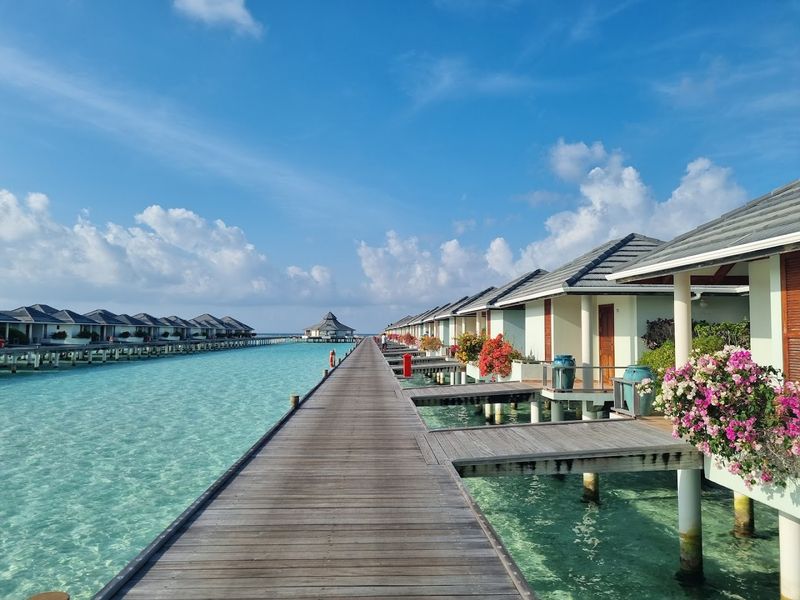
The Maldives consists of 26 atolls and over 1,000 coral islands spread across the Indian Ocean, and the overwater bungalow concept, now copied around the world, was largely popularized here.
These standalone rooms sit on stilts above the lagoon, with glass-floor panels built into the floor of some units so guests can observe marine life without leaving their room. Most resorts are located on private islands, meaning the beach, the restaurant, and the water activities are all within walking distance of your front door.
The Maldives operates on a one-island, one-resort model for most properties, which keeps each location exclusive and crowd-free. Flights from Male, the capital, to individual resort islands are taken by seaplane or speedboat.
The best visibility for snorkeling and diving occurs between November and April during the dry season.
14. Visit the Grand Canyon, Arizona
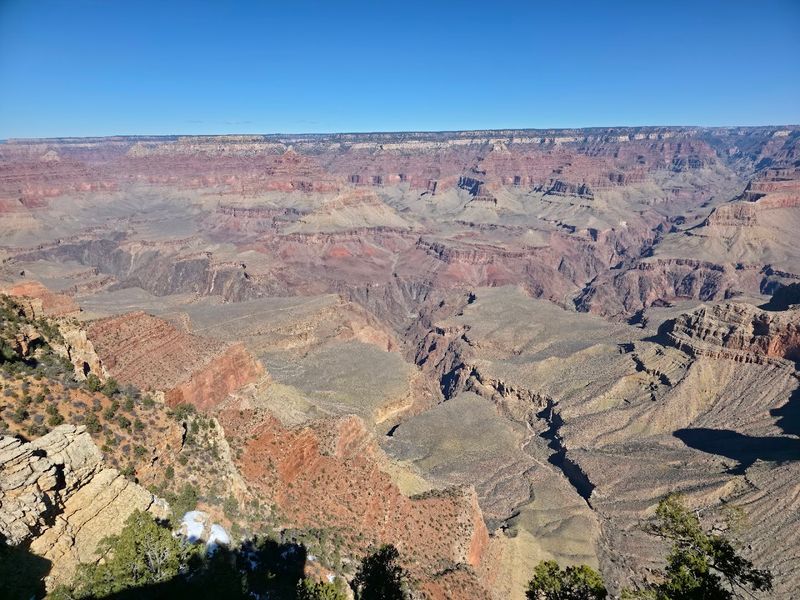
The Grand Canyon is 277 miles long, up to 18 miles wide, and over a mile deep, and yet none of those numbers prepare you for the actual scale of it when you see it for the first time.
The South Rim is the most accessible section and stays open year-round, offering popular trails like Bright Angel and South Kaibab that descend into the canyon. The North Rim is quieter, sits about 1,000 feet higher, and is only open from mid-May through mid-October due to snowfall.
Rafting the Colorado River through the canyon floor is one of the most sought-after adventure experiences in the country, with multi-day trips booking out months in advance. Helicopter tours, mule rides, and rim-to-rim hiking are other well-established ways to experience the canyon beyond simply standing at the edge and staring down.
15. Go Dog Sledding in Alaska
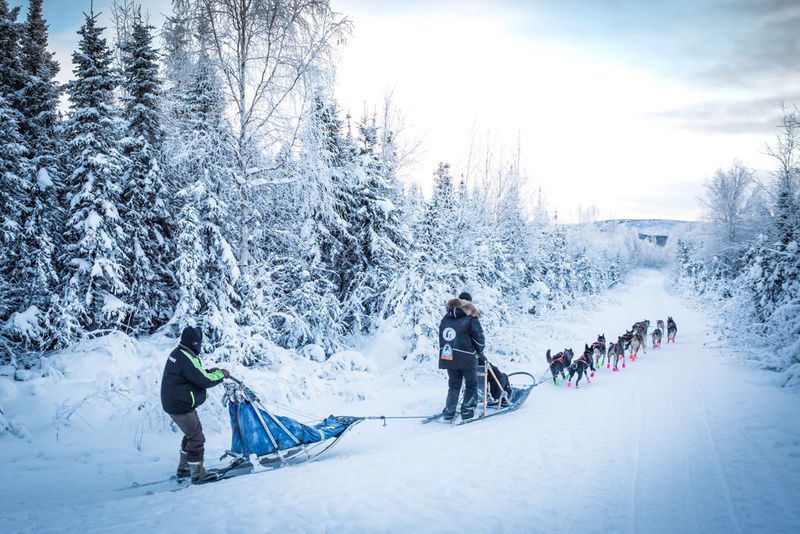
Alaska is the birthplace of competitive dog sledding, home to the Iditarod Trail Sled Dog Race, which covers over 1,000 miles from Anchorage to Nome and has been run every year since 1973.
Recreational dog sledding tours are available across the state, with Fairbanks, Talkeetna, and Denali among the most popular departure points. Participants can ride as a passenger in the sled or, on some tours, learn to control the team themselves under the guidance of an experienced musher.
Huskies used for sledding are working dogs bred specifically for endurance in cold conditions, and reputable tour operators take their welfare seriously. Tours typically run from November through March when snow cover is reliable.
Many operators combine dog sledding with other winter activities like snowshoeing or aurora viewing to make a full day of it.
16. Celebrate Carnival in Rio de Janeiro, Brazil
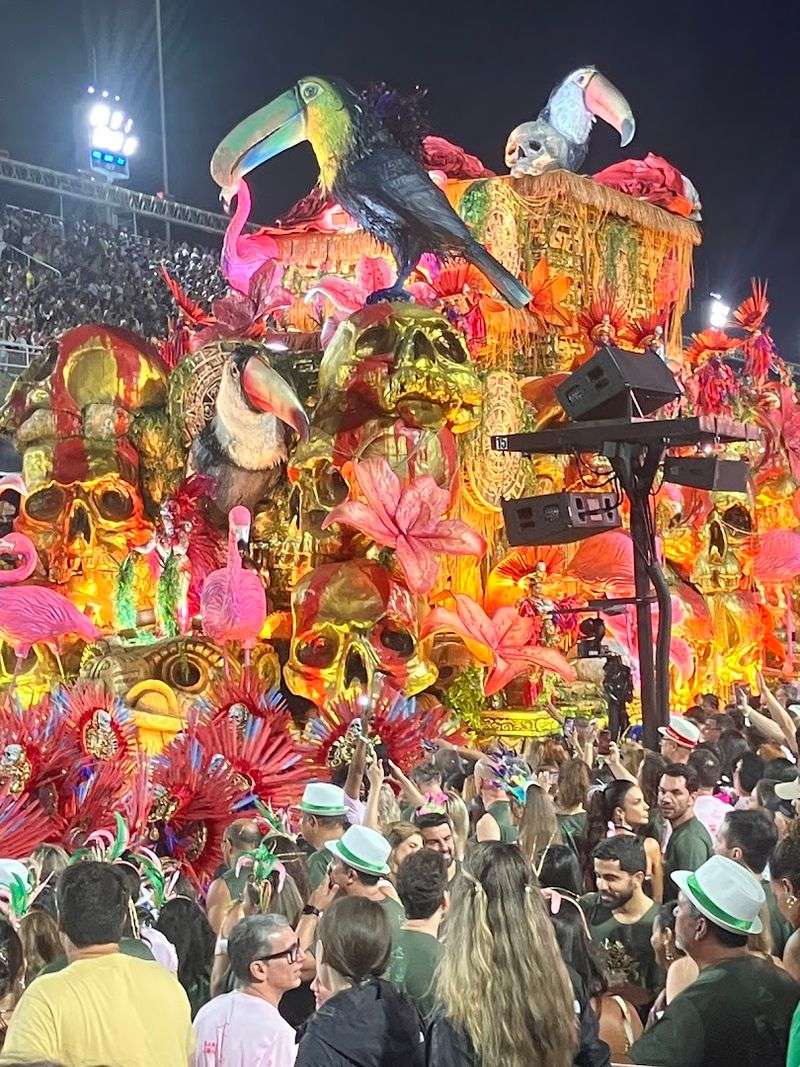
Rio’s Carnival is the largest carnival celebration on Earth, drawing over two million people into the streets each day during its peak and attracting visitors from more than 180 countries annually.
The main event takes place at the Sambadrome Marquês de Sapucaí, a purpose-built parade venue designed by Oscar Niemeyer that stretches 700 meters and seats over 70,000 spectators. Samba schools, which are community-based organizations that spend the entire year preparing, compete in highly judged parades with massive floats, thousands of costumed performers, and original music compositions.
Carnival falls between late February and early March, depending on the calendar year. Tickets to the Sambadrome sell quickly, and grandstand seats offer the best overall view of the parade.
Street parties called blocos happen throughout the city simultaneously, offering a free and open alternative for those who prefer a less structured celebration.
Share this story