Tennessee is packed with waterfalls, caves, battlefields, and scenic roads that most people drive right past. Whether you’re a history buff, an outdoor lover, or just someone who needs a break from Netflix, this state has something for you.
I took my first Tennessee road trip on a shoestring budget and came back completely hooked. These 16 day trips prove you don’t need to spend big to have an unforgettable adventure.
Fall Creek Falls State Park, Spencer, Tennessee
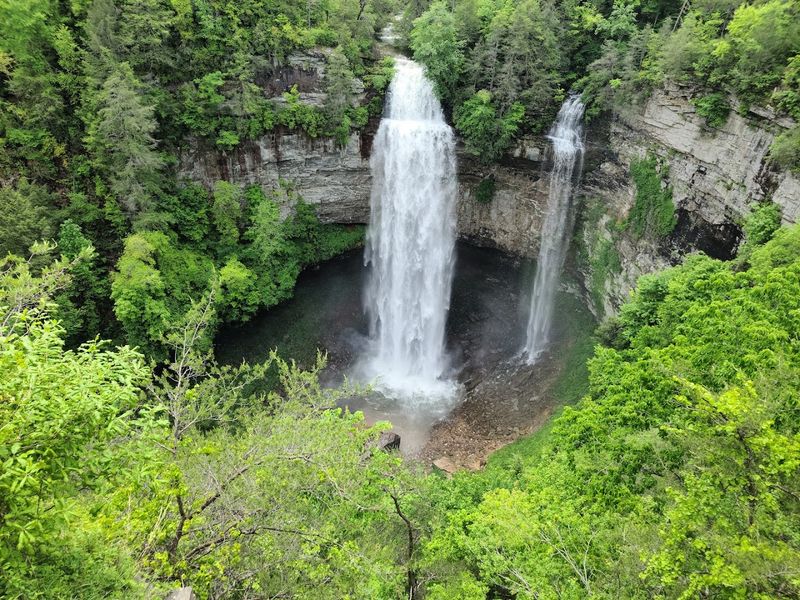
At 256 feet tall, Fall Creek Falls is the highest waterfall east of the Rocky Mountains, and yes, it’s every bit as jaw-dropping as that sounds. The park covers over 26,000 acres of gorges, streams, and hardwood forests.
You could spend a full day here and still not see everything.
Hiking trails range from easy strolls to challenging gorge climbs. The Gorge Overlook Trail gives you a stunning bird’s-eye view without breaking a sweat.
Pack a lunch and hit the picnic area near the base of the falls.
Admission to the park is free, making this one of the best deals in the state. Fishing, swimming, and mountain biking are all on the table too.
I once spent six hours here and barely scratched the surface. This park is the kind of place that makes you rethink expensive vacations entirely.
Cummins Falls State Park, Cookeville, Tennessee
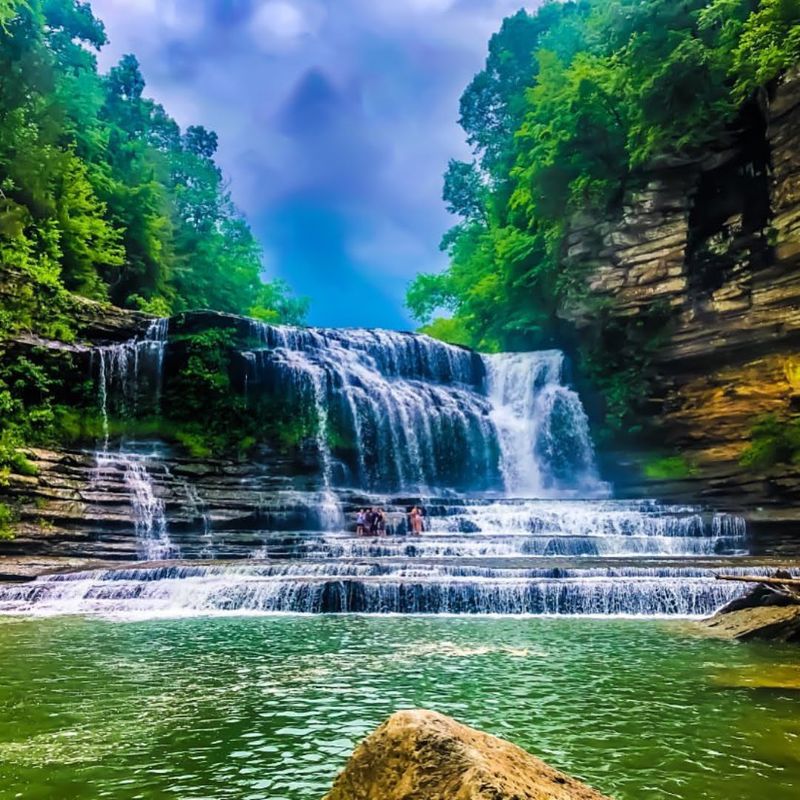
Cummins Falls is Tennessee’s eighth largest waterfall, and it sits inside one of the most accessible yet adventurous state parks in the region. The hike to the falls is about 1.5 miles round trip, but don’t let that fool you.
There are creek crossings and scrambles over boulders that make it feel like a real expedition.
The natural swimming hole at the base is a summer favorite. The water is cold, clear, and completely free to splash around in.
Kids absolutely lose their minds over it, and honestly, so do adults.
Permits are required for the gorge area and can be snagged online for just a few dollars. The park fills up fast on weekends, so arriving early is the smartest move you’ll make all day.
Budget tip: bring your own snacks and water. The hike works up an appetite and there’s no food vendor on site.
Burgess Falls State Park, Sparta, Tennessee
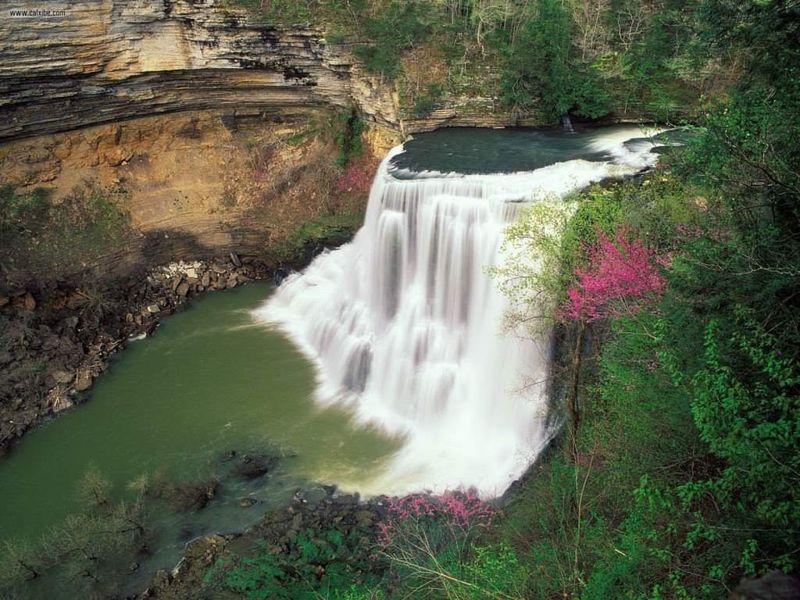
Four waterfalls in one hike? Burgess Falls delivers exactly that, and the grand finale is a 136-foot plunge into a stunning gorge.
The trail is about 3.5 miles round trip and winds through one of the prettiest river corridors in Middle Tennessee. It’s the kind of hike that makes you feel like you earned something.
The Falling Water River carves through limestone bluffs the entire way, so the scenery never gets boring. Each waterfall along the trail is unique in size and character.
The final falls are genuinely breathtaking up close.
Entry is free, parking is free, and the trail is well-maintained. Wear shoes with good grip because the rocks near the falls get slippery.
I made the mistake of wearing flip flops once. Once.
Go early on weekends to avoid the crowds, especially in fall when the foliage turns the whole trail into a color explosion worth every step.
Rock Island State Park, Rock Island, Tennessee
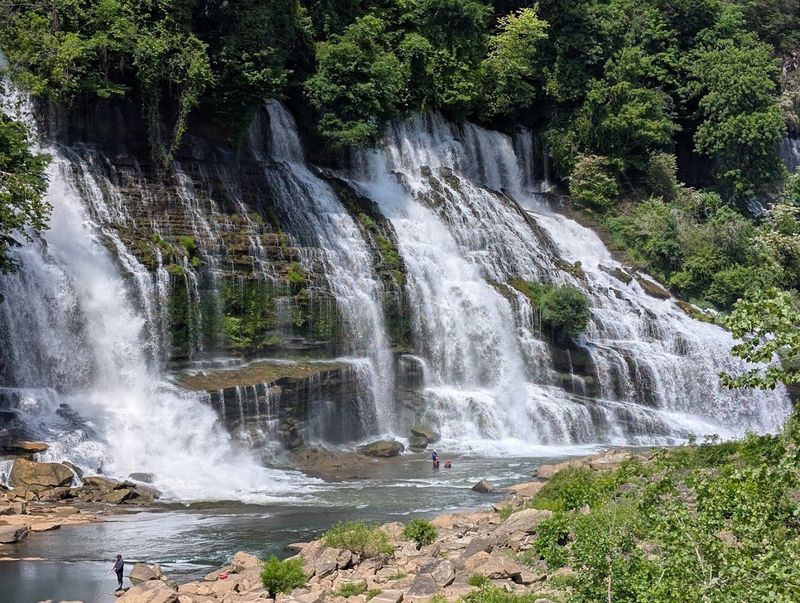
Rock Island State Park is what happens when a river decides to show off. The Great Falls of the Caney Fork River drops through a series of dramatic cascades before opening into a gorgeous emerald pool.
Locals call it one of Tennessee’s hidden gems, and they’re absolutely right.
The park has a small sandy beach that’s perfect for swimming when water levels cooperate. There are also kayaking and fishing opportunities for anyone who wants to get on the water.
The scenery here rivals anything you’d find in a travel magazine.
Trails wind through cedar glades and along the river’s edge, offering views that keep changing around every bend. The entrance fee is minimal, and the park rarely gets as crowded as bigger spots.
Pack a cooler, bring your fishing gear, and plan to stay all day. Rock Island is the kind of place you discover on a whim and then talk about for years afterward.
Ruby Falls, Chattanooga, Tennessee
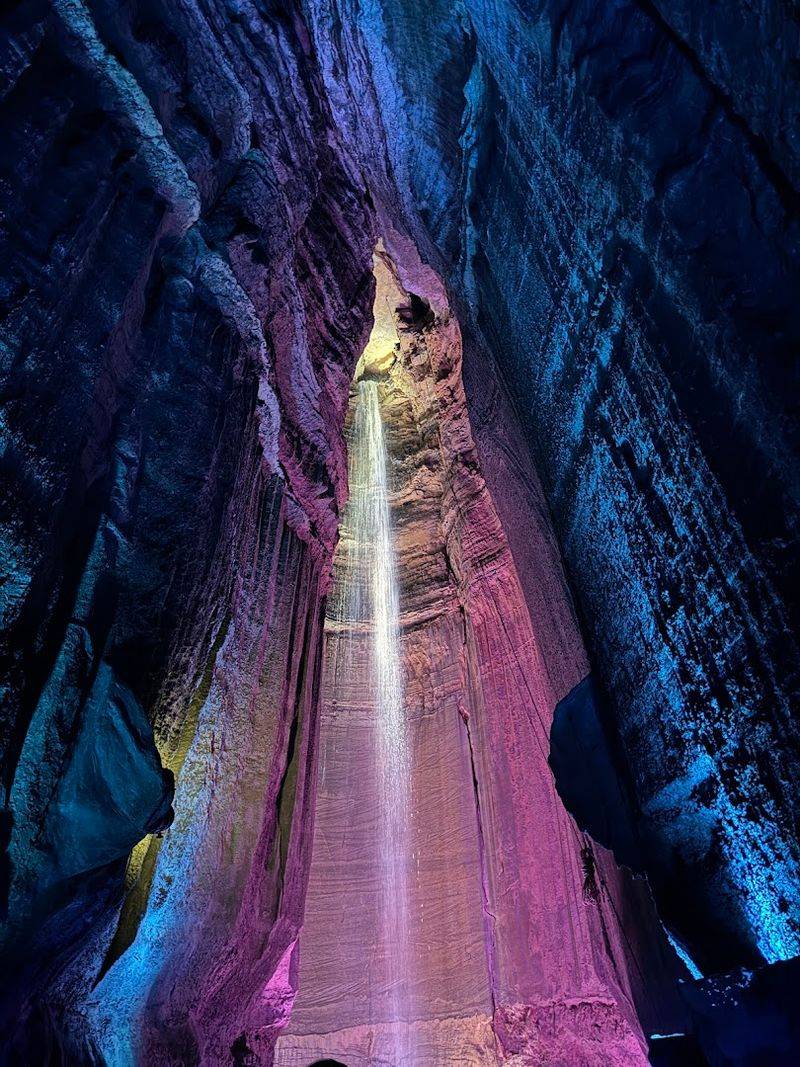
Deep inside Lookout Mountain, 1,120 feet underground, there’s a 145-foot waterfall that glows under colorful lights. Ruby Falls is one of the most unusual attractions in the entire Southeast.
It was discovered in 1928 by Leo Lambert, who named it after his wife Ruby. That’s either romantic or incredibly nerdy, depending on who you ask.
The guided tour takes you through stunning limestone formations before revealing the waterfall at the end. The whole experience feels like walking through a fantasy novel.
Kids are completely mesmerized, and adults aren’t far behind.
Tickets run around $25 to $30 per adult, which is reasonable for how genuinely spectacular the experience is. Book online in advance to snag discounted rates and skip the line.
The cave stays at a cool 60 degrees year-round, so bring a light jacket even in summer. Ruby Falls is worth every penny and makes for a showstopper day trip from anywhere in the region.
Lookout Mountain Incline Railway, Chattanooga, Tennessee
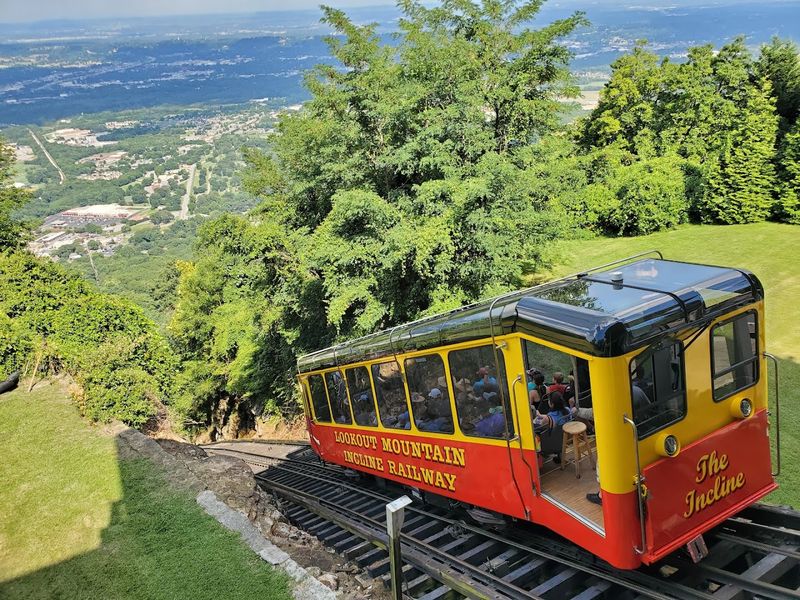
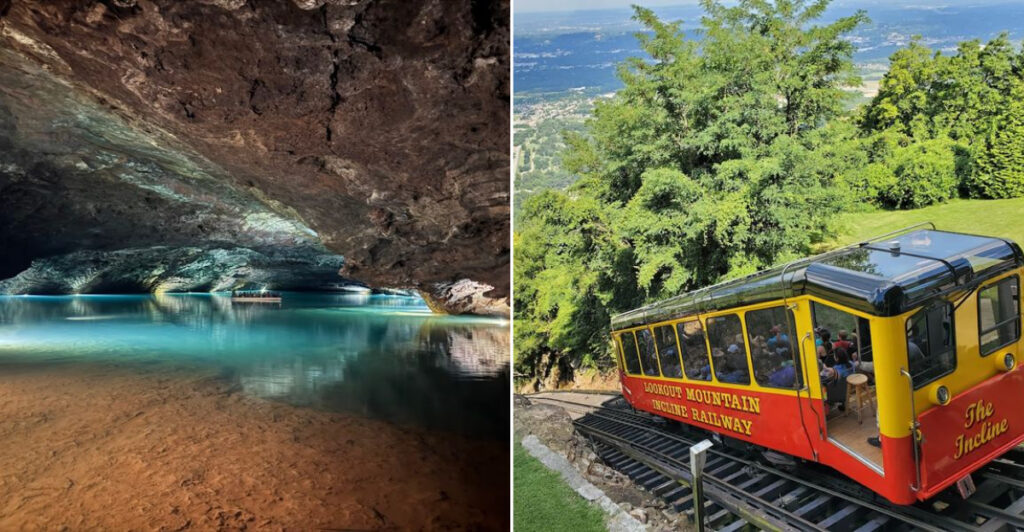
Billed as America’s most amazing mile, the Lookout Mountain Incline Railway climbs a 72.7 percent grade near the top, making it one of the steepest passenger railways in the world. Your stomach will have opinions about this.
The views from the top are absolutely worth every nervous laugh on the way up.
The railway has been running since 1895, which means it’s been thrilling people for over a century. At the summit, Point Park offers sweeping panoramic views of seven states on a clear day.
The history up there is just as compelling as the scenery.
Round-trip tickets cost around $15 per adult, making this one of the most affordable wow-factor experiences in Chattanooga. Combine it with a visit to Ruby Falls or Rock City for a full mountain day.
Parking at the lower station is easy and affordable. Pro tip: grab a window seat on the uphill side for the best views during the climb.
The Lost Sea Adventure, Sweetwater, Tennessee
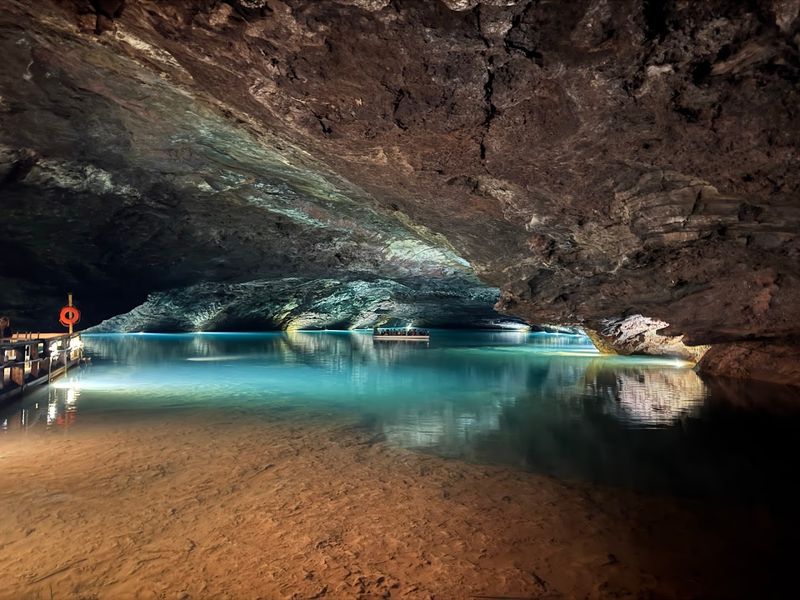
The Lost Sea holds a world record that sounds completely made up but isn’t. It’s officially the largest underground lake in the United States, and you can tour it by boat.
The cave itself is listed on the National Register of Historic Places and has been used by Cherokee people, Civil War soldiers, and even a 1930s speakeasy. Quite the resume.
Guided tours last about an hour and take you through tunnels filled with rare cave flowers called anthodites before reaching the lake. The glass-bottomed boat ride over the crystal-clear water is genuinely surreal.
Rainbow trout swim in the depths below you.
Tickets are around $20 per adult, which feels like a steal for something this unique. The cave temperature hovers around 58 degrees, so pack that jacket again.
This is a great rainy day option since the weather underground is always perfect. Kids and adults both leave talking about this one for weeks.
Cumberland Caverns, McMinnville, Tennessee
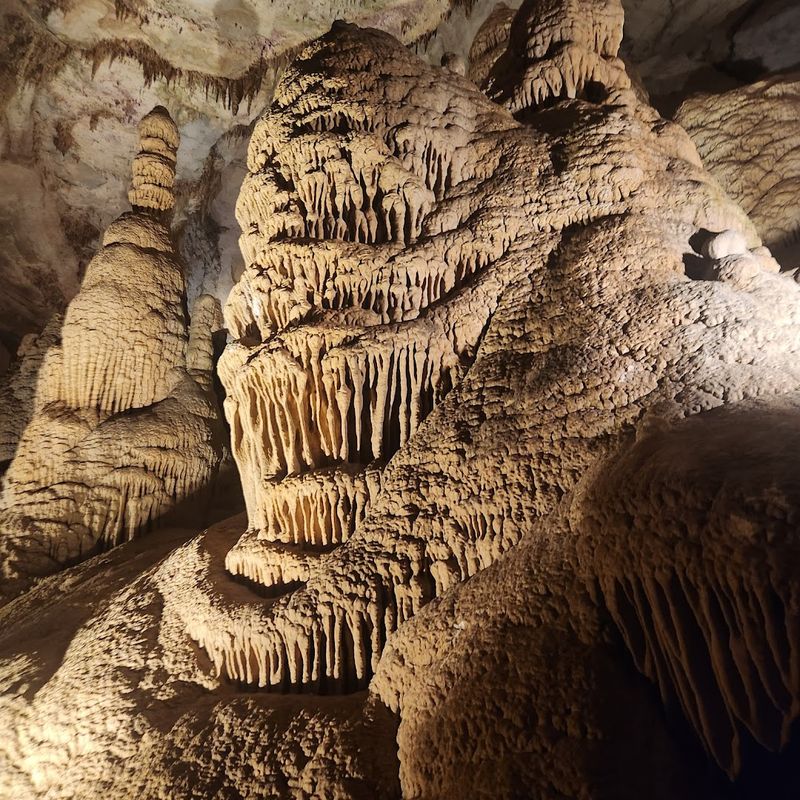
Cumberland Caverns is the second longest cave system in the eastern United States, stretching over 32 miles of explored passages. The guided tours here are some of the most theatrical cave experiences you’ll find anywhere in the country.
They even host underground concerts in a massive cavern called the Volcano Room, which seats 500 people. Rock and roll takes on a whole new meaning down there.
The standard tour covers jaw-dropping formations and a room so large it has its own weather system. The cave was used as a saltpeter mine during the Civil War, adding a layer of gritty history to the whole trip.
Every turn reveals something new and genuinely impressive.
Tours start around $20 per person and run year-round. The cave sits at a constant 56 degrees, so dress in layers.
McMinnville itself is charming and worth a quick stroll before or after. Cumberland Caverns consistently surprises visitors who expected a standard cave tour and got something far more memorable.
Jack Daniel Distillery, Lynchburg, Tennessee
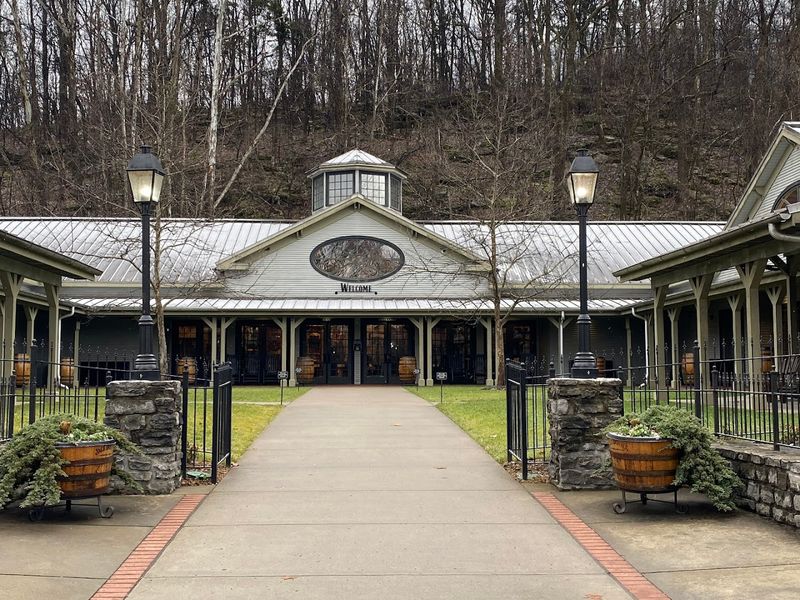
Fun fact: Lynchburg, Tennessee, the home of Jack Daniel’s, is a dry county. You literally cannot buy a full drink there.
The irony is so thick you could barrel-age it. The distillery tour, however, is one of the most fascinating and free-to-explore attractions in the state.
Tours walk you through the entire whiskey-making process, from the iron-free cave spring water to the charcoal mellowing that makes Tennessee whiskey distinct from bourbon. The rickyard where they burn maple wood is a highlight.
The smell alone is worth the drive.
Basic tours start around $15, with premium tastings available for more. The surrounding Lynchburg town square is genuinely charming and walkable.
Grab lunch at Miss Mary Bobo’s Boarding House for a Southern meal that feels like eating at grandma’s, if grandma also made legendary fried chicken. Budget the whole day for this one.
It’s history, culture, and a little whiskey education all in one trip.
Dunbar Cave State Park, Clarksville, Tennessee
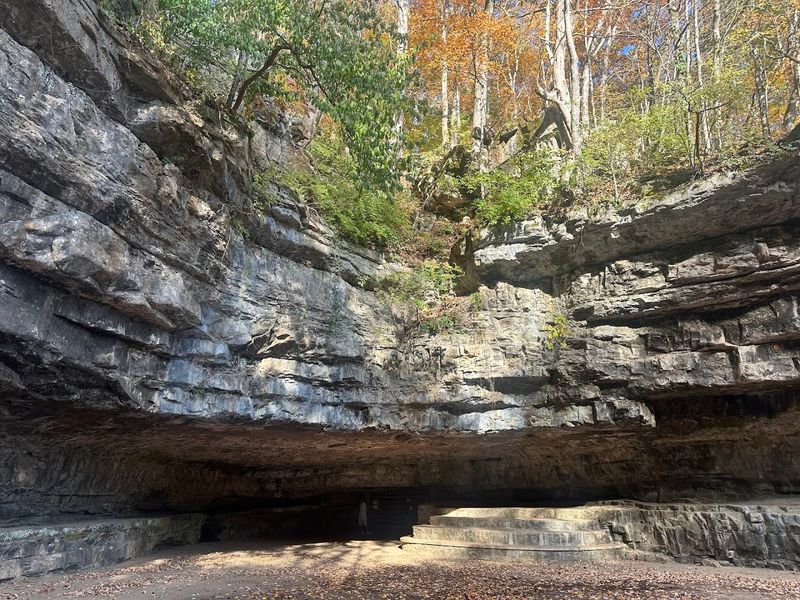
Dunbar Cave has been entertaining visitors since the 1930s, when it operated as a resort complete with a dance hall and radio broadcasts right inside the cave entrance. Roy Acuff and other country legends performed here.
That backstory alone makes this place worth visiting before you even step inside.
Today, the cave is a state natural area with free guided tours available on weekends. The cave tour covers impressive formations and shares the full quirky history of the site.
The lake outside the cave entrance is peaceful and great for a picnic before or after.
The surrounding trails are short but scenic, winding through cedar glades that bloom with wildflowers in spring. Admission to the park is free, and cave tours are low-cost.
Clarksville itself is a vibrant city with good food options nearby. Dunbar Cave is the kind of spot that rewards curious visitors who like their history served with a side of genuine weirdness.
Old Stone Fort State Archaeological Park, Manchester, Tennessee
Old Stone Fort isn’t actually a fort. It’s a 2,000-year-old Native American ceremonial enclosure built by the Middle Woodland people over a span of about 500 years.
The name stuck, but the real story is far more fascinating than any military structure. Archaeologists are still piecing together exactly how and why it was built.
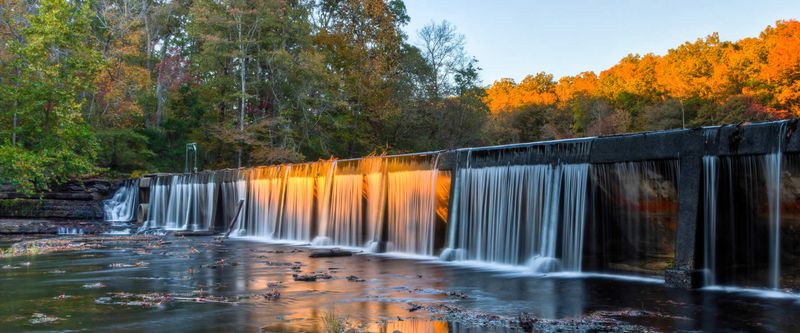
The site sits on a dramatic peninsula formed by two rivers that merge below a series of small waterfalls. The walking trail around the enclosure is about 1.5 miles and passes through beautiful forest.
It’s equal parts history lesson and nature hike, which is a rare and wonderful combination.
Admission is free, and the small museum on site does an excellent job of explaining the site’s significance. Manchester is a short drive from Nashville or Chattanooga, making this an easy add-on to any Middle Tennessee road trip.
Bring your curiosity. This place has a way of making ancient history feel surprisingly alive and relevant.
Natchez Trace Parkway, Hohenwald, Tennessee
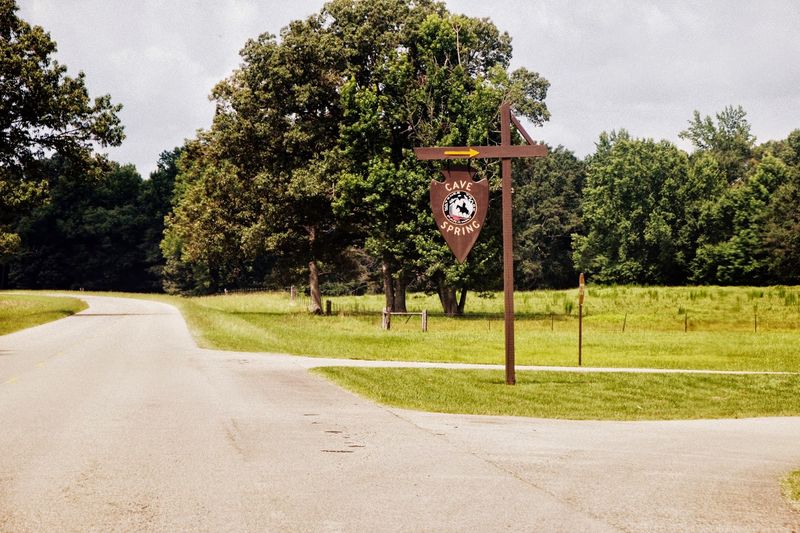
The Natchez Trace Parkway stretches 444 miles from Natchez, Mississippi to Nashville, Tennessee, and the stretch near Hohenwald is some of the most beautiful driving in the entire country. No billboards, no commercial trucks, no fast food signs.
Just road, trees, and silence. It’s basically the antidote to highway driving.
The parkway passes ancient Native American mounds, Civil War sites, waterfalls, and wildlife overlooks. The Meriwether Lewis Monument near Hohenwald marks the site where the famous explorer died under mysterious circumstances in 1809.
History nerds will lose track of time here.
Driving the Trace is completely free. Bring a bike for an even more immersive experience on the dedicated cycling lanes.
Fall and spring are the peak seasons for color and wildflowers respectively. Pack snacks and a full tank of gas because services along the Trace are intentionally limited.
That’s the whole point. Slow down, look around, and remember what road trips felt like before GPS ruined everything.
Reelfoot Lake State Park, Tiptonville, Tennessee
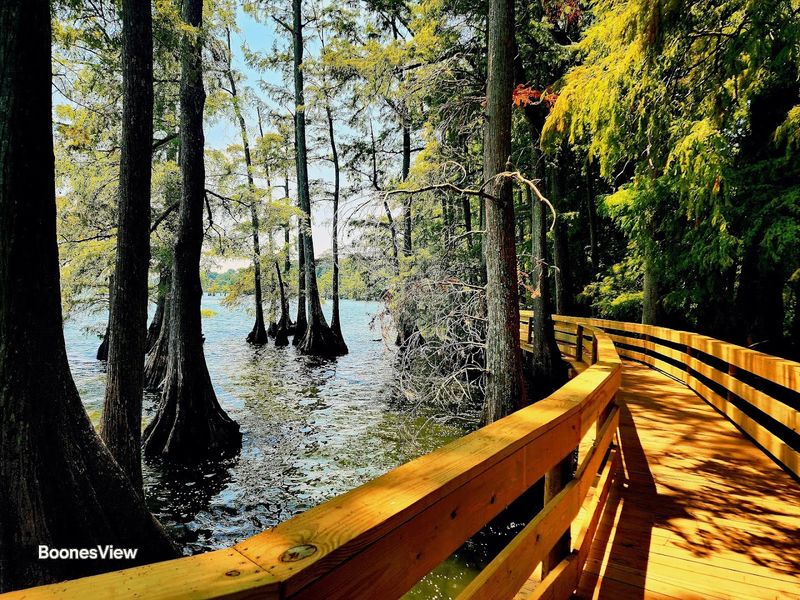
Reelfoot Lake was created by a series of massive earthquakes in 1811 and 1812 that were so powerful they temporarily reversed the flow of the Mississippi River. The lake that formed is unlike anything else in Tennessee, a shallow cypress swamp teeming with wildlife and draped in a moody, atmospheric beauty.
Nature built this one with drama in mind.
The lake is a birder’s paradise, especially in winter when bald eagles gather here in impressive numbers. Guided eagle tours run from December through February and are genuinely thrilling.
Even outside eagle season, the fishing and wildlife watching are exceptional.
Boat tours and cabin rentals are available at very reasonable prices. The park itself is free to enter, and the visitor center provides great context for the lake’s wild geological origins.
Tiptonville is remote by Tennessee standards, which is exactly what makes a trip here feel like a real escape. Reelfoot rewards the drive every single time.
South Cumberland State Park, Monteagle, Tennessee
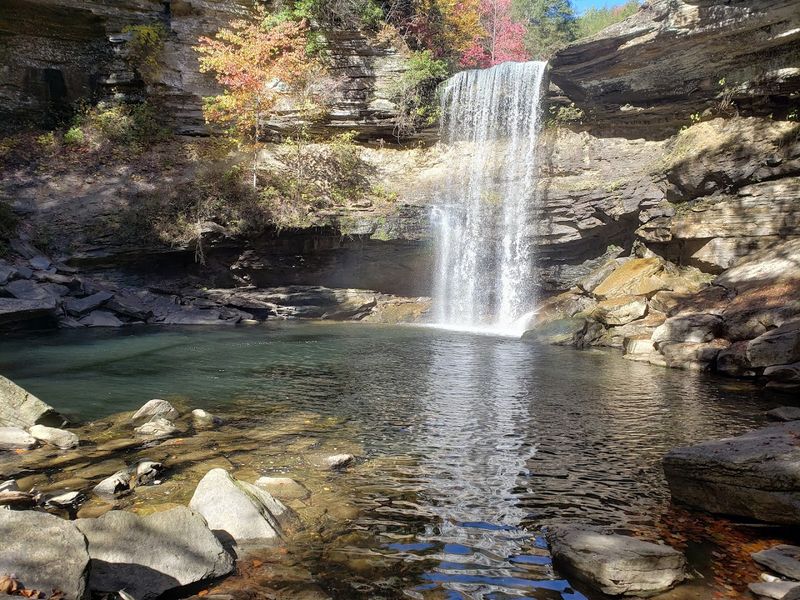
South Cumberland State Park is actually a collection of eleven different natural areas spread across the Cumberland Plateau, covering over 25,000 acres of some of the most rugged terrain in the Southeast. Picking which section to visit first is genuinely the hardest part of planning this trip.
That’s a good problem to have.
Fiery Gizzard Trail is the crown jewel here, consistently ranked among the best day hikes in Tennessee. The trail passes waterfalls, slot canyons, and overlooks that stop you cold in your tracks.
Serious hikers come from across the region just for this trail.
Entry to all sections is free, which borders on absurd given the quality of the scenery. The visitor center in Monteagle is a great starting point and has helpful staff who know every trail personally.
Monteagle itself has charming restaurants and shops worth exploring afterward. South Cumberland is the kind of park that earns a permanent spot on your repeat-visit list after just one trip.
Norris Dam State Park, Lake City, Tennessee
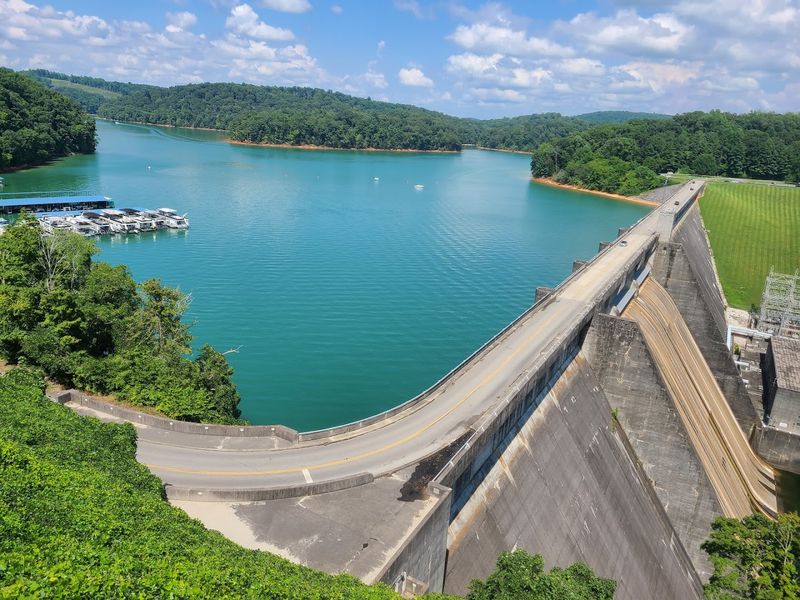
Built in the 1930s as the first dam constructed by the Tennessee Valley Authority, Norris Dam is a piece of living American history. The park surrounding it sits on the shores of Norris Lake, one of the clearest and cleanest lakes in the entire state.
Coming here feels like stepping into a postcard that somehow also has excellent fishing.
The park has cabins, campgrounds, hiking trails, and a museum dedicated to the TVA’s history and the communities that were displaced to build the dam. That history is sobering and important.
The Lenoir Museum on site is free and packed with fascinating Appalachian artifacts.
Swimming, boating, and kayaking on Norris Lake are all affordable and wildly fun in warmer months. The trails offer quiet forest walks that are great for all fitness levels.
Norris is only about 25 miles north of Knoxville, making it an incredibly easy half-day or full-day escape. Few parks in Tennessee offer this much variety for this little money.
Stones River National Battlefield, Murfreesboro, Tennessee
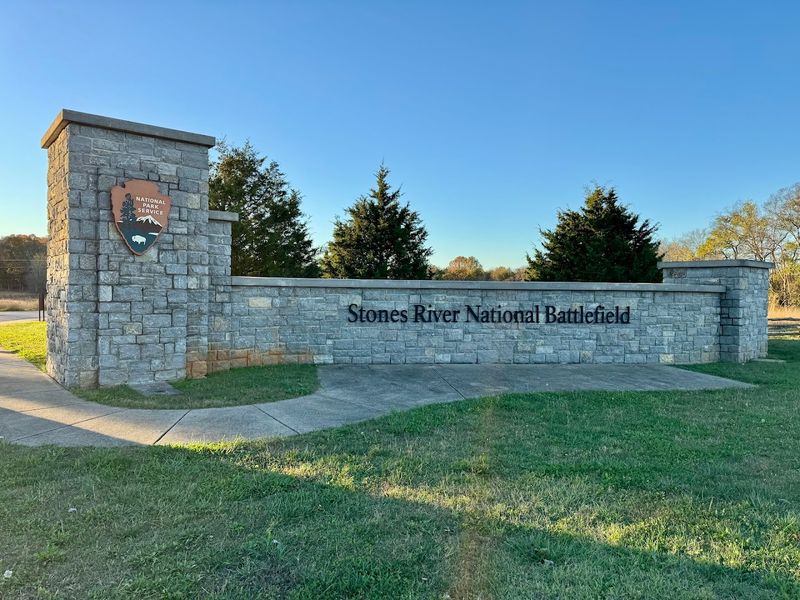
The Battle of Stones River in late 1862 and early 1863 was one of the bloodiest engagements of the Civil War, with nearly 24,000 casualties over just a few days of fighting. Standing on that ground today is a genuinely powerful experience.
The park does an exceptional job of honoring that history without sanitizing it.
The visitor center has excellent exhibits, and the self-guided auto tour covers all the major battle positions across the park. Walking the artillery positions and reading the markers gives you a real sense of the scale of what happened here.
History comes through clearly and respectfully.
Admission is completely free, which makes this one of the best value day trips in Middle Tennessee. The national cemetery on site is beautifully maintained and quietly moving.
Murfreesboro has great restaurants and a lively downtown just minutes from the park. Stones River is a must for anyone who wants to understand Tennessee’s role in shaping American history, and it never disappoints.
Share this story