 Unearth The Voyage
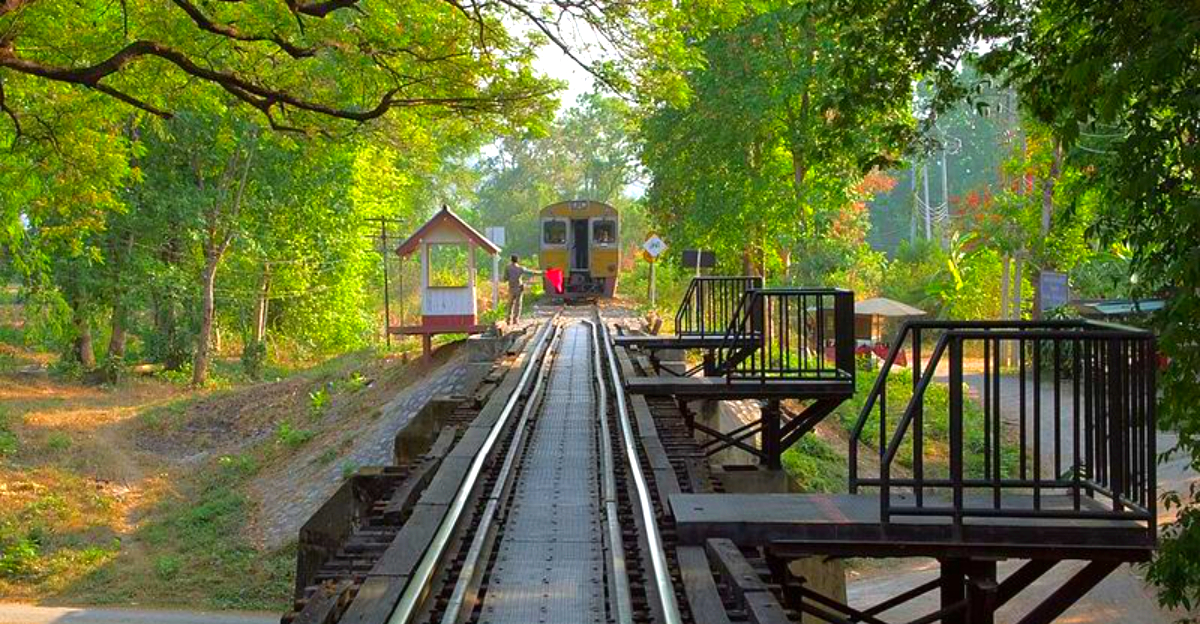
Long before airport terminals and six-lane interstates started dictating travel plans, entire communities rose beside the tracks and built their identities around timetables, depots, and the steady arrival of people with somewhere to be. Some of those places never traded away their old station charm, and that is very good news for the rest of us, because they still offer main streets with character, rail yards with stories, and train rides that make modern travel seem a little too rushed.
In the list ahead, you will find mountain resorts, storybook European stops, frontier outposts, and polished towns where the station is still part of daily life instead of a faded postcard. Expect practical details, bits of history, and plenty of reasons to start plotting a trip where the journey still gets top billing.
1. Durango, Colorado, USA
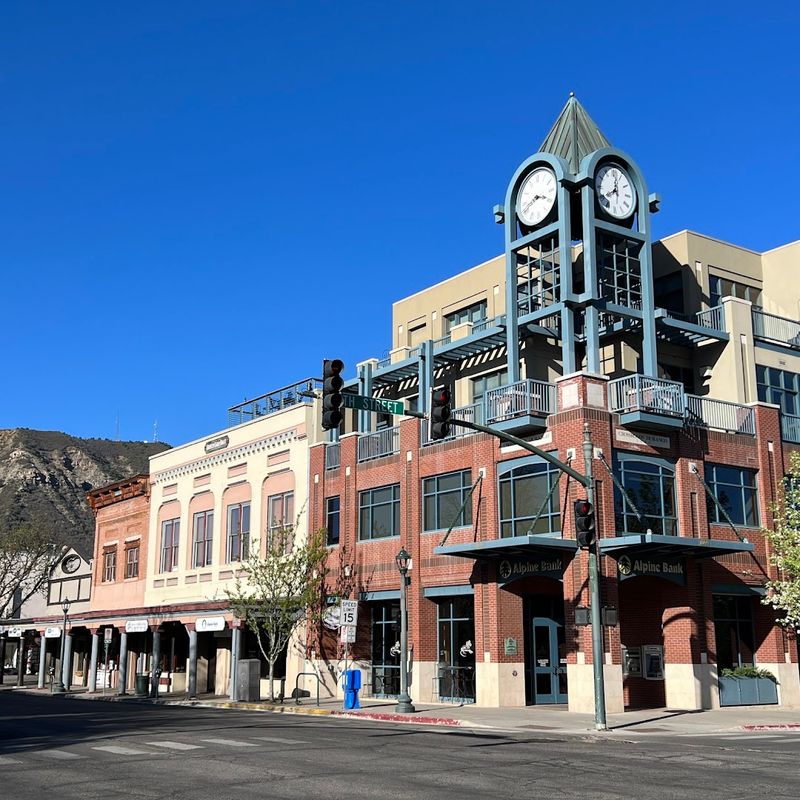
Few towns know how to make an entrance like Durango. The downtown core still looks wonderfully tied to its railroading roots, with historic brick buildings, old hotels, and a station that remains the star of the show.
The Durango and Silverton Narrow Gauge Railroad is not a museum piece parked for display. You can actually board it, settle in, and roll into dramatic mountain country on one of the most famous rail journeys in the United States.
Beyond the tracks, Durango keeps things easy for visitors. You can browse independent shops, walk between restaurants and galleries, and pair railroad history with hiking, river activities, or nearby Mesa Verde.
It is the kind of place that makes a train whistle feel less like nostalgia and more like very smart trip planning.
2. Banff, Alberta, Canada
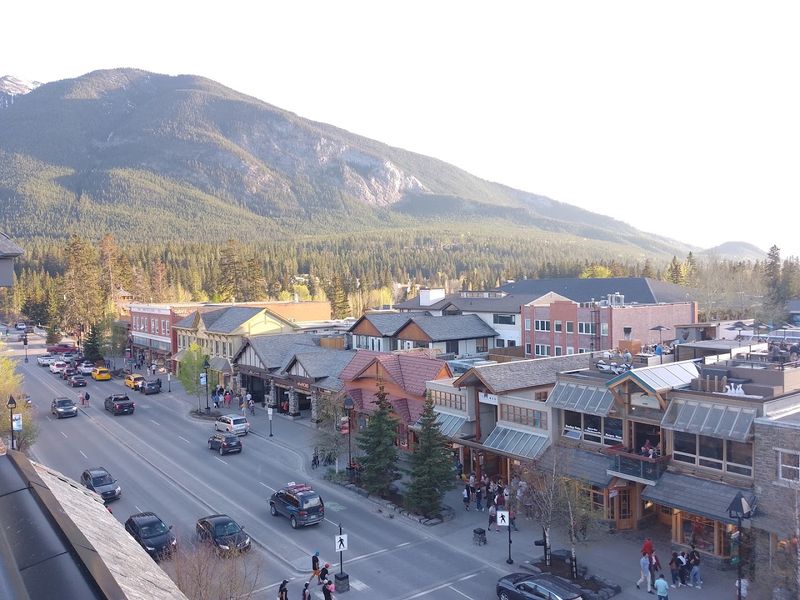
Banff has the unfair advantage of looking impressive before you even unpack. Built up during the Canadian Pacific Railway era, it still carries the polished mountain-resort identity that rail travel helped create in the late nineteenth century.
The station remains a meaningful part of the town story, even in a place now famous for parks, peaks, and postcard-level scenery. Historic hotels, broad streets, and preserved architecture reveal how carefully Banff was shaped to welcome travelers arriving with trunks, plans, and excellent timing.
You can spend your day without turning the visit into a logistics puzzle. Downtown is easy to navigate on foot, major sights are well organized, and the rail heritage gives the town a sense of structure that fits the surrounding landscape.
Banff feels grand, but it also feels remarkably readable, which is a lovely trick.
3. Strasbourg, France
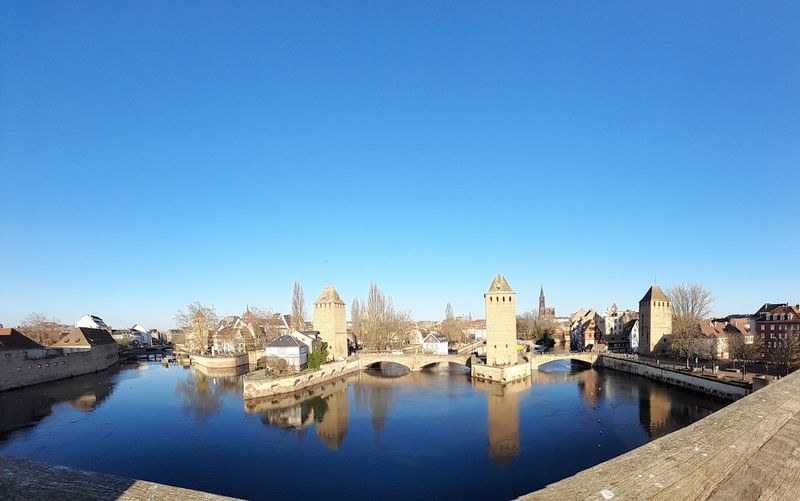
Strasbourg plays a clever double game, and it does it beautifully. It is an important modern rail hub, yet the city still wears its older layers proudly, with half-timbered buildings, canals, and a station area that connects eras instead of replacing them.
The railway station itself makes the point clearly. Behind its striking modern glass frontage sits a nineteenth-century structure, a neat reminder that Strasbourg has long been a place where movement, trade, and urban life intersected in practical ways.
Once you step into the city, rail convenience becomes part of the pleasure. You can move from the station to the historic center quickly, then spend hours exploring streets that feel established rather than staged.
Strasbourg proves that a railroad town does not need to be frozen in time to keep its personality. It just needs to know what is worth keeping.
4. Český Krumlov, Czech Republic
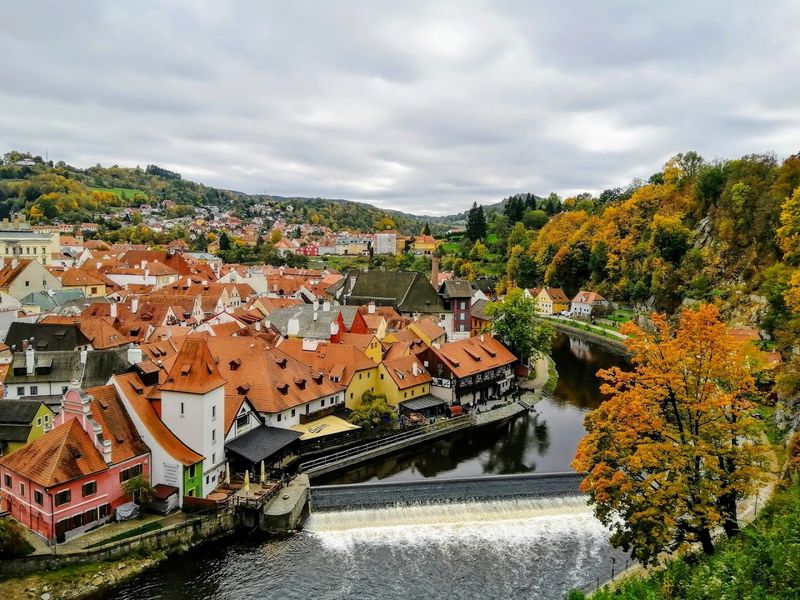
This one looks like a place a set designer would pitch too confidently. Český Krumlov grew with regional rail links, yet it still feels intimate, compact, and pleasantly unconcerned with modern hurry.
The train station is modest, which somehow suits the town perfectly. Arriving by rail adds a little ceremony to a visit built around winding streets, a sweeping castle complex, and an old center that rewards slow wandering rather than aggressive scheduling.
What makes Český Krumlov especially charming is that the railroad connection helps you reach a destination that still behaves on a human scale. You can walk almost everywhere, pause at viewpoints over the river bends, and explore museums, courtyards, and narrow lanes without needing a grand strategy.
It is a place where the rail journey sets the tone nicely: steady, scenic, and refreshingly free of unnecessary fuss.
5. Skagway, Alaska, USA
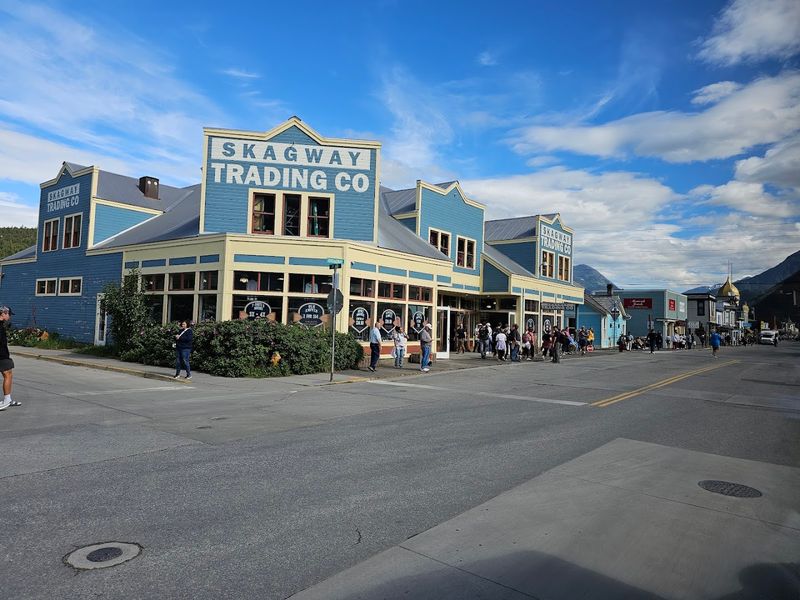
Skagway wastes no time reminding you that rail history here came with ambition. Once a frontier boomtown tied to the Klondike rush, it still holds onto wooden boardwalks, colorful historic buildings, and a streetscape that feels unusually intact.
The White Pass and Yukon Route is the headline act, and for good reason. This narrow-gauge railway climbs steep grades into striking mountain terrain, turning a short trip into a lesson in engineering, persistence, and excellent scenic timing.
Back in town, the railroad legacy is easy to trace without much effort. The depot, preserved business district, and national historical park sites give you context for the town layout and its fast early growth.
Skagway does not merely tell you it was important. It shows you, block by block, with enough detail to keep history interesting and enough personality to keep the visit fun.
6. Zermatt, Switzerland
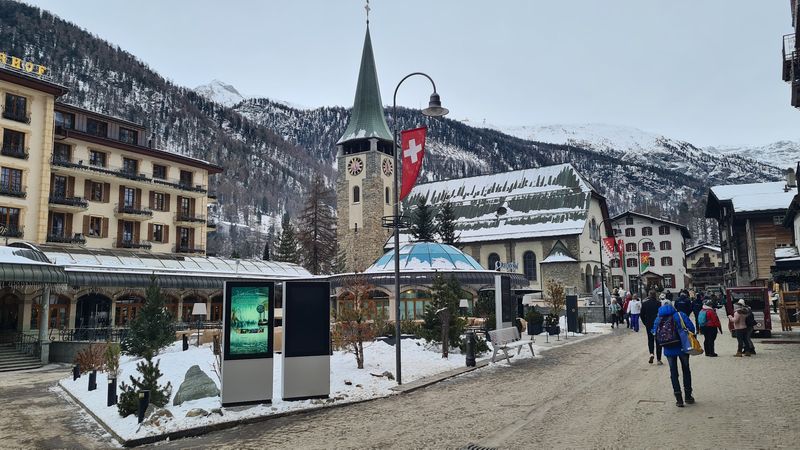
Zermatt has a simple trick that many places would love to borrow: cars stay out, trains bring people in, and the whole town benefits. Its identity is tightly linked to rail travel, which helps preserve a tidy, walkable layout beneath the Matterhorn.
Most visitors arrive by train, so the station is not an afterthought tucked off to the side. It is part of the daily rhythm, connecting mountain rail lines, village streets, and excursions that branch out toward high alpine viewpoints with impressive Swiss efficiency.
That setup keeps Zermatt unusually easy to enjoy. You can roll in, drop your bags, and start exploring almost immediately, with shops, hotels, restaurants, and lift access all arranged for people rather than traffic.
The town feels polished without becoming stiff, and its railroad backbone is a big reason the experience remains so organized, scenic, and pleasantly low on chaos.
7. Oamaru, New Zealand
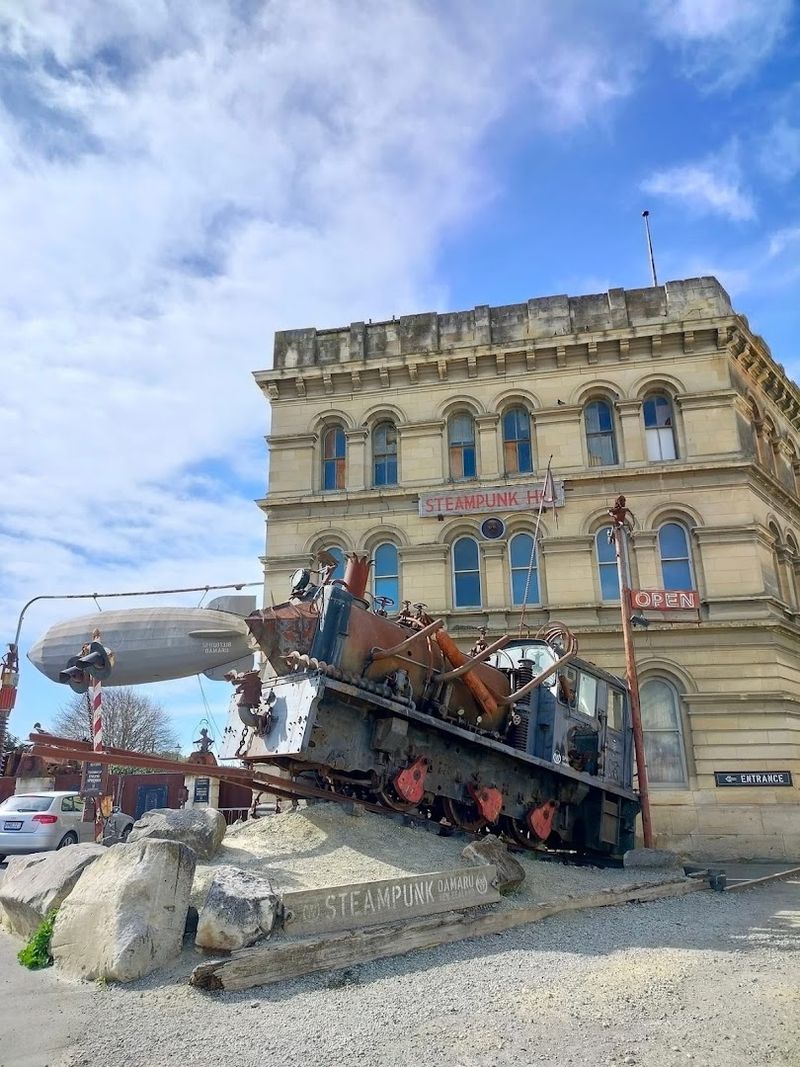
Oamaru arrives with Victorian confidence and keeps the performance going. Shaped by rail and port trade, this South Island town has done an admirable job preserving its handsome limestone buildings and old commercial district.
Its railway history is not tucked into a dusty corner. Heritage train experiences, station buildings, and restored streets help explain how Oamaru connected goods, travelers, and regional growth during its most active years.
The town also knows how to keep history from becoming homework. You can wander the Victorian precinct, browse workshops and galleries, then shift easily into cafes, public gardens, and coastal viewpoints without feeling like you are trapped in a themed reconstruction.
Oamaru has enough structure to satisfy history fans and enough personality to keep casual visitors engaged. It feels organized, distinctive, and slightly mischievous, which is exactly what a memorable railroad town should aim for.
8. York, England
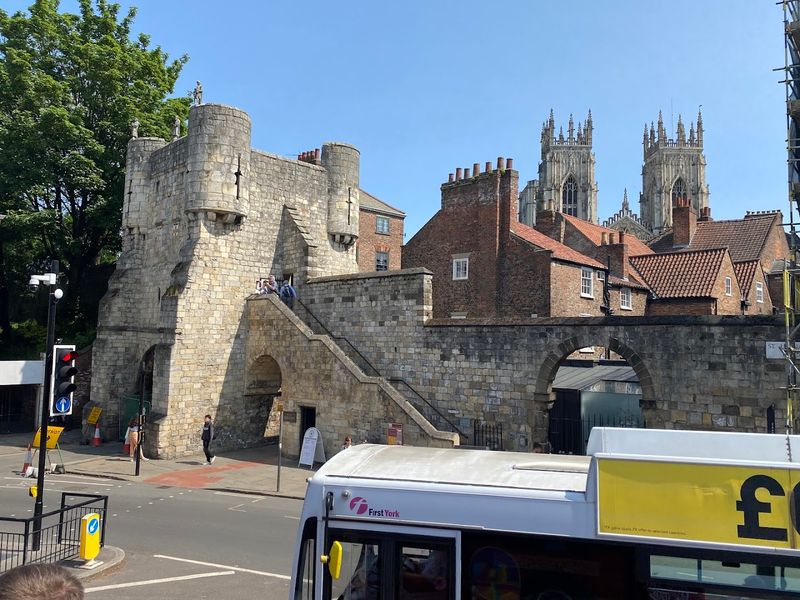
York treats railway history as a major chapter, not a side note. Long known as an important rail center, the city combines that legacy with Roman walls, medieval streets, and enough architectural variety to keep your camera busy.
The station is grand, busy, and central to the experience. Just as important, the National Railway Museum gives York real depth, with iconic locomotives and exhibits that turn transport history into something lively, specific, and genuinely useful for understanding the city.
Outside the rail world, York remains wonderfully walkable. You can go from station to museum to old streets and major landmarks without spending half the day deciphering transit plans.
That blend of practical access and layered history makes York unusually satisfying. It is polished but not smug, historic but not stuck, and deeply railroaded in a way that still shapes how visitors move through the city today.
9. Seward, Alaska, USA
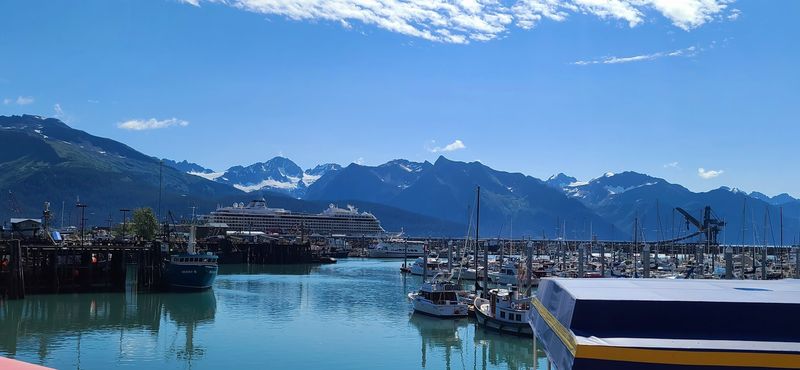
Seward proves that a rail terminus can still feel inviting instead of purely functional. As the southern end of the Alaska Railroad, it has long served as a gateway town, linking visitors to larger landscapes without losing its own identity.
The railroad connection matters here because it shapes how people arrive and what they do next. Trains carry passengers through impressive scenery, and the town provides a compact base for exploring Kenai Fjords National Park, coastal trails, and local museums.
Seward is easy to read once you are there. The waterfront, small downtown, and transportation links sit close enough together that you can spend less time organizing and more time actually seeing things.
Its rail heritage adds useful context rather than decorative nostalgia. This is a working connection point that still offers charm, history, and the pleasant sense that your trip has started properly the moment the train rolls in.
10. Aguas Calientes, Peru
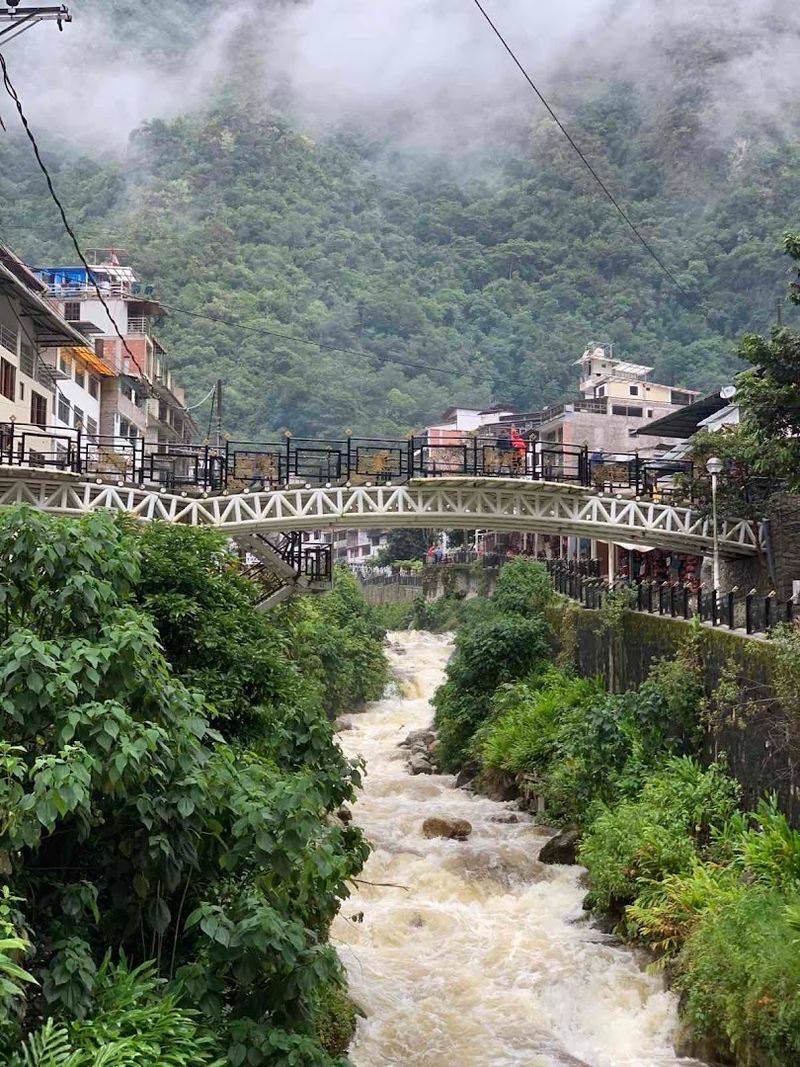
Almost everyone arrives here the same way, and that is part of the appeal. Aguas Calientes exists as the rail gateway to Machu Picchu, giving the town a clear purpose and a distinctive travel rhythm.
Because road access is limited, the train remains central rather than ceremonial. Stations, ticket offices, and arrival patterns shape daily life, while the compact town layout makes it easy to move between hotels, restaurants, shuttle departures, and the paths along the river.
The result is a place that feels built around real traveler needs, not just souvenir-friendly images. You come here with a destination in mind, but the railroad identity gives the town character of its own.
It is busy, practical, and framed by steep green slopes that keep the setting dramatic without making navigation difficult. In railroad terms, Aguas Calientes knows its job and performs it very well, which is more charming than it sounds.
11. Gstaad, Switzerland
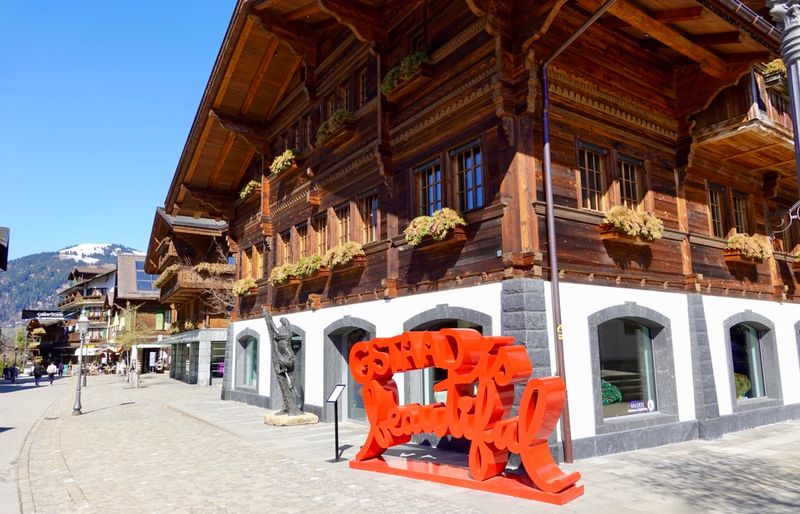
Gstaad manages to be elegant without losing the point of being a town. Its reputation for luxury often gets top billing, yet rail access remains a crucial part of how visitors reach and experience this polished Swiss destination.
The scenic train routes serving Gstaad are not just practical links through the Alps. They help preserve a relaxed arrival style that suits the village scale, where handsome chalets, careful streetscapes, and a compact center keep everything looking composed rather than sprawling.
That organization makes Gstaad surprisingly approachable. You can arrive by train, walk into town, and find shops, hotels, and mountain transport arranged with the kind of efficiency Switzerland treats as basic courtesy.
The railroad connection also keeps the journey itself firmly in the experience, which matters in a place surrounded by notable scenery. Gstaad feels refined, yes, but it still understands the charm of simply arriving well.
12. Williams, Arizona, USA
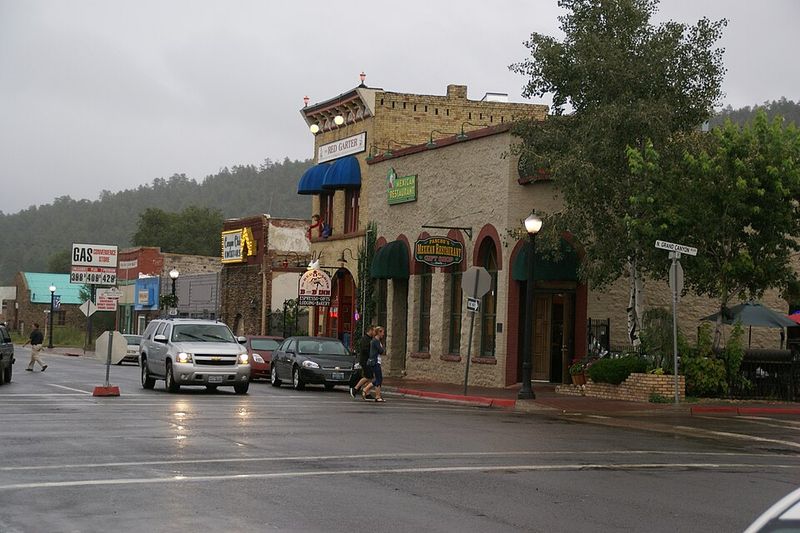
Williams wears two famous travel identities at once and somehow avoids showing off. It is a noted Route 66 stop, but railroad fans know it just as well for the Grand Canyon Railway, which still carries passengers north in memorable style.
The town leans into that heritage with confidence. Historic storefronts, preserved signage, and the station area create a strong sense of continuity, while the operating railway keeps the place from feeling like a display assembled for photos.
Williams is especially appealing because the practical and the nostalgic work together. You can stay in town, browse shops, eat well, and then board a train to one of the country’s most famous landscapes without dealing with much complication.
That makes the railroad history feel active rather than decorative. It is cheerful, organized, and just self-aware enough to know that a little vintage flair still goes a very long way.
13. Kuranda, Australia
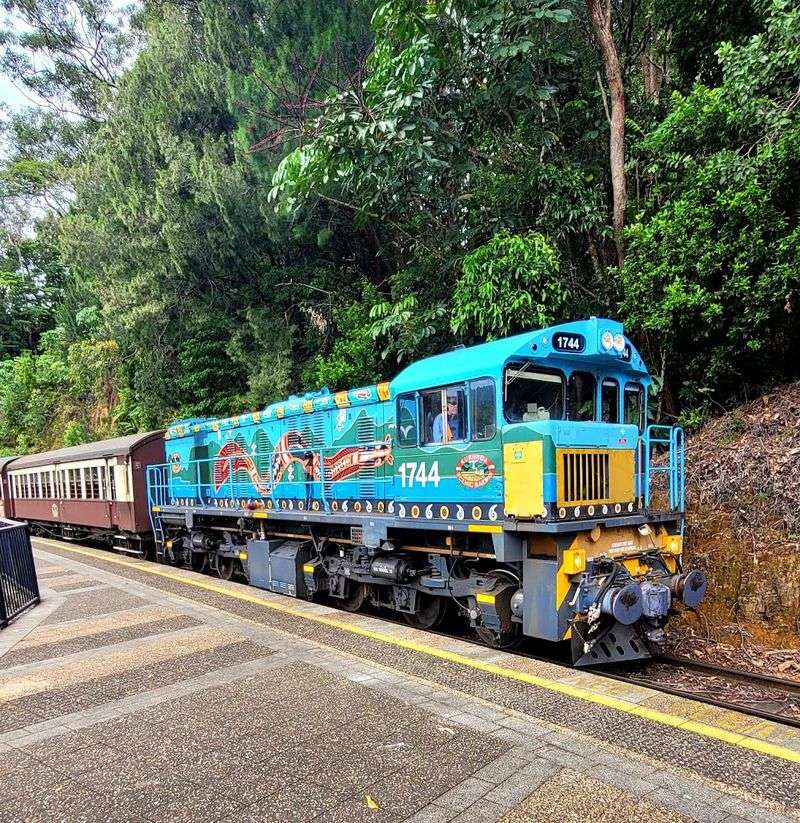
Some towns know the trip in is half the story, and Kuranda is firmly in that club. Reached by the famous Kuranda Scenic Railway, this village in Queensland has a railroad identity tied directly to dramatic engineering and lush surroundings.
The route itself is a major attraction, carrying passengers over bridges and through steep terrain before depositing them in a compact destination with markets, walking paths, and a heritage-minded station area. That arrival gives Kuranda a sense of occasion without making the visit feel overly formal.
Once there, the town stays manageable. You can explore at an easy pace, mix the railway with the Skyrail, and focus on the village layout rather than spending the day sorting out transport details.
Kuranda works because the rail journey adds context, not clutter. It is memorable, practical, and just theatrical enough to keep you grinning like someone who made an excellent planning decision.
14. Colmar, France
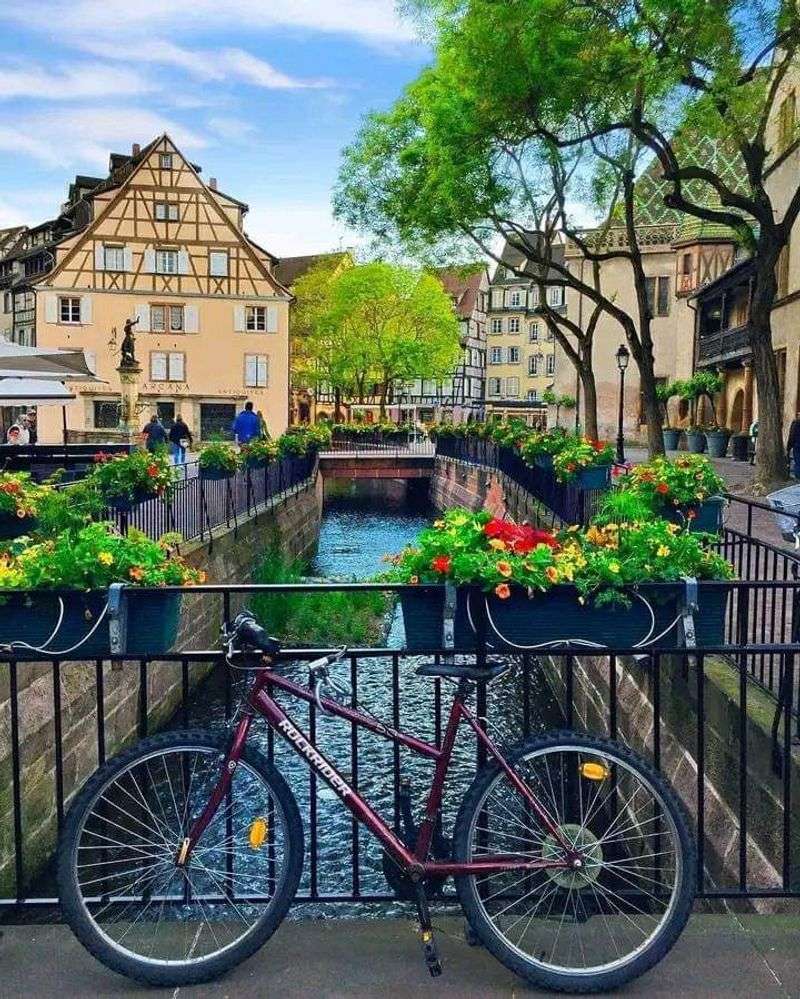
Colmar looks almost suspiciously well composed, but the rail connection keeps it grounded. This Alsatian favorite pairs colorful historic streets with easy train access, which is a very effective combination for anyone who appreciates beauty and convenience in equal measure.
The station links Colmar neatly to larger cities, yet the old center quickly takes over once you arrive. Half-timbered houses, canals, public squares, and well-preserved civic buildings make the town feel carefully maintained rather than frozen behind velvet ropes.
That balance is what makes Colmar such a satisfying railroad town. You can step off a train and into a place that is walkable, coherent, and full of specific visual details without needing complicated local transport.
It is easy to spend a day here, and just as easy to stay longer once the streets start winning the argument. Colmar does not oversell itself.
It simply delivers.
15. Kanchanaburi, Thailand
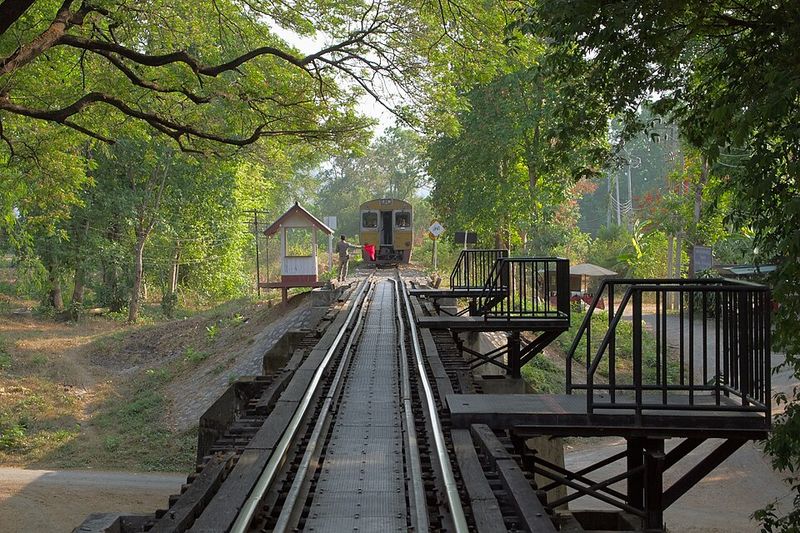
Kanchanaburi carries railroad history that feels especially weighty, yet the town itself remains approachable and rewarding to explore. Best known for the Bridge on the River Kwai, it offers a clear link between major historical events and present-day travel.
The railway is not just a background detail here. Visitors can see the bridge, ride sections of the line, and visit museums and memorial sites that explain why this route still matters in regional memory and global history.
What stands out most is how accessible the story becomes once you arrive. The town provides riverfront areas, markets, guesthouses, and transportation options that make it practical to explore at your own pace while staying mindful of the past.
Kanchanaburi succeeds because it does not reduce railroad heritage to a single photo stop. It gives you context, movement, and enough space to reflect without losing the shape of an enjoyable trip.
16. Chur, Switzerland
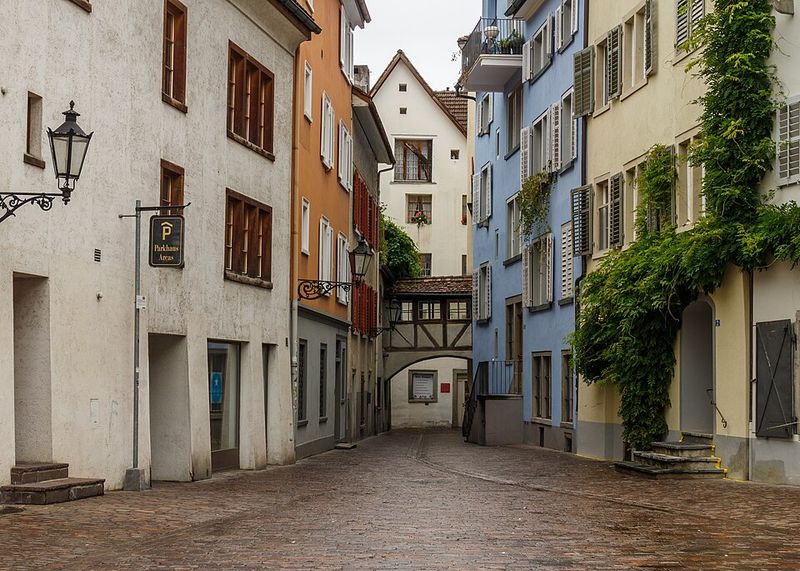
Chur begins with a useful brag: it is one of Switzerland’s oldest towns, and it still happens to be a major rail hub. That combination gives it a rare advantage, mixing deep history with some of the country’s most celebrated train connections.
The station is a launching point for famous routes such as the Glacier Express and the Bernina line, so rail travel is woven directly into the town’s modern identity. Yet a short walk brings you into an old center filled with lanes, squares, and historic buildings that keep the place grounded.
Chur works beautifully for travelers because it is more than a transfer point. You can spend time in the old town, use mountain transport nearby, and then continue by rail without disrupting the flow of your trip.
It feels efficient, welcoming, and pleasantly self-assured, which may be the most Swiss sentence ever written.



