 Unearth The Voyage
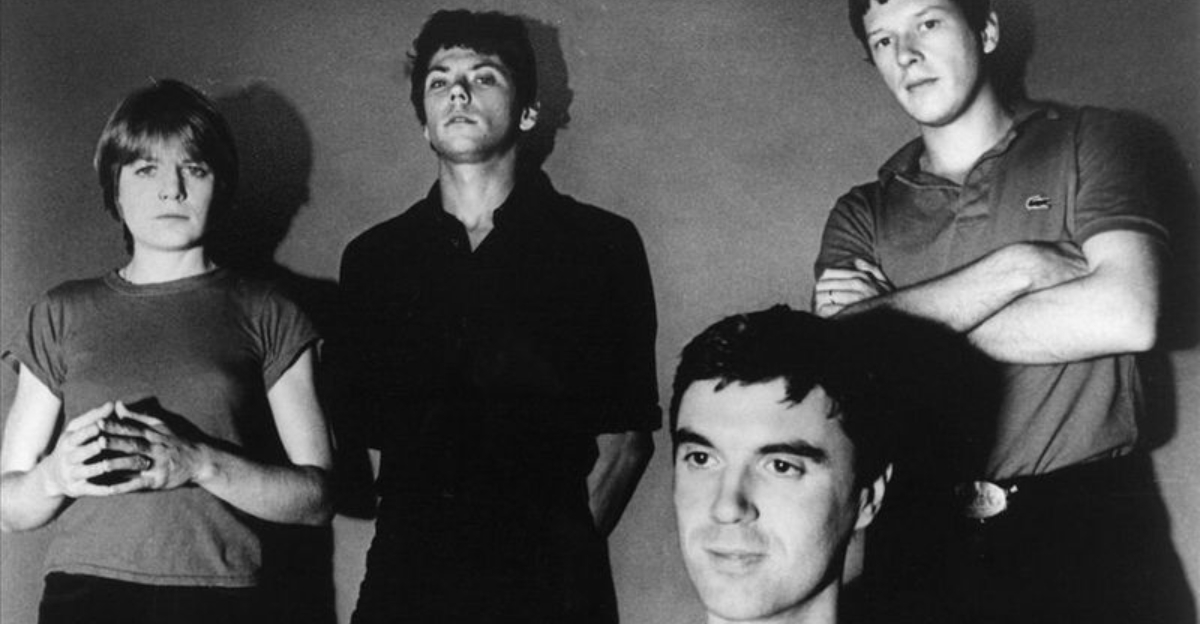
If you only know the 1970s by its giant singles, you are missing the more revealing half of the story. Album tracks, long versions, and oddball detours often showed artists taking risks that radio never fully rewarded.
That is where the decade gets interesting, because the 1970s were full of bands adjusting to punk, disco, arena rock, and new studio habits all at once. Stick with this list and you will get a sharper picture of how the 1970s really sounded to fans who stayed for side two.
1. “Down Payment Blues” – AC/DC
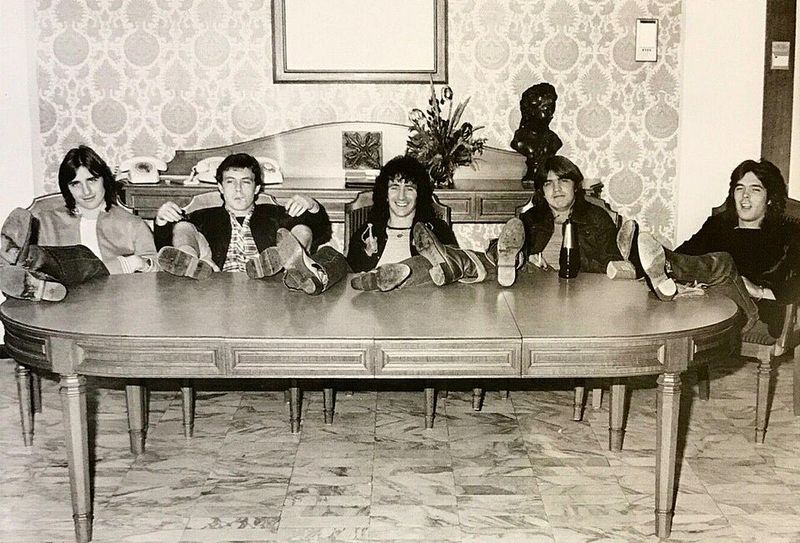
Money worries rarely sounded this tough. Tucked into Powerage, this track showed AC/DC leaning harder into blues structure and working‑class frustration than many casual listeners expected from the band.
You can hear how the Young brothers keep the riff direct while Bon Scott threads in humor, irritation, and swagger without turning the song into a cartoon. Fans who stayed beyond the bigger anthems often point here because it captures the group’s bar‑band discipline before arena shorthand took over.
Powerage has long had a reputation as the connoisseur’s AC/DC album, and this song is a major reason why. It was never the obvious gateway track, yet it rewards repeat listens with sharp phrasing, patient build, and a rhythm section that knows exactly when not to overplay.
2. “Snowbound” – Genesis
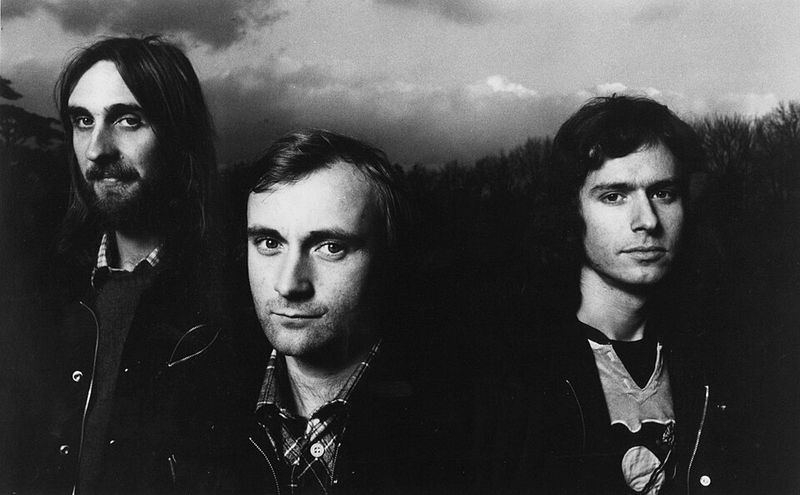
Here is the curveball that catches people off guard. On …And Then There Were Three…, Genesis was recalibrating after Steve Hackett’s departure, and “Snowbound” offered a gentle instrumental pause within that transition.
Instead of chasing the elaborate architecture of earlier records, the band used keyboards, melody, and restraint to prove they could still create atmosphere without stacking every available idea into one track. That matters in the late 1970s, when Genesis was moving toward a leaner identity that would eventually broaden its audience.
If you revisit the album now, this piece feels less like filler and more like evidence of the group’s changing priorities. It lets Tony Banks shape the mood, gives the record breathing room, and reminds you that evolution in rock often arrives quietly before anyone writes a think piece about it.
3. “Stones” – Aerosmith
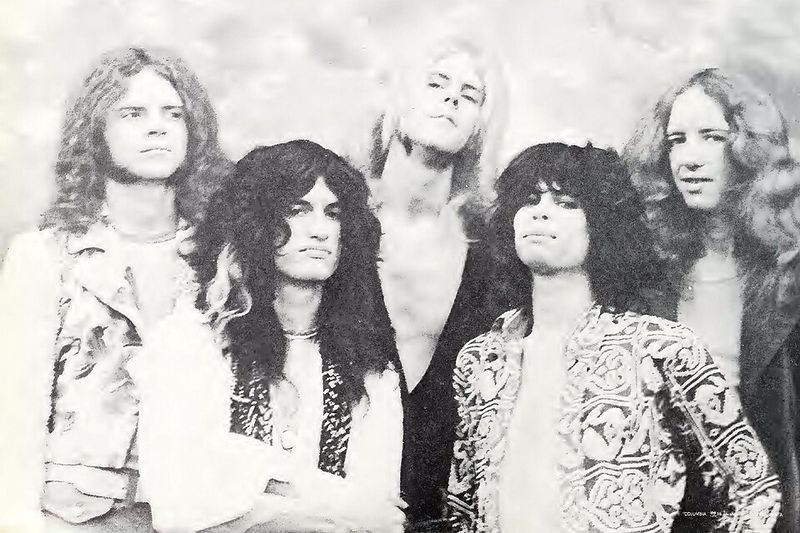
Not every Aerosmith deep cut arrives with a swaggering grin. “Stones,” from Draw the Line, slows the pace and lets the band explore a more reflective lane than the rowdier reputation suggests. The song matters because it sits inside a messy period for the group, when excess, pressure, and inconsistency were becoming part of the story.
Yet the track itself is focused, with Steven Tyler delivering a restrained vocal that gives the material more weight than a louder arrangement would have. For fans digging past the standard playlist, this is where Aerosmith becomes more interesting than the cartoon version of itself.
It shows they could shape a patient ballad without sanding off personality, and it helps explain why even uneven late‑1970s albums still attracted loyal listeners who knew the album cuts held the real clues.
4. “Girl Don’t Stop” – Thin Lizzy
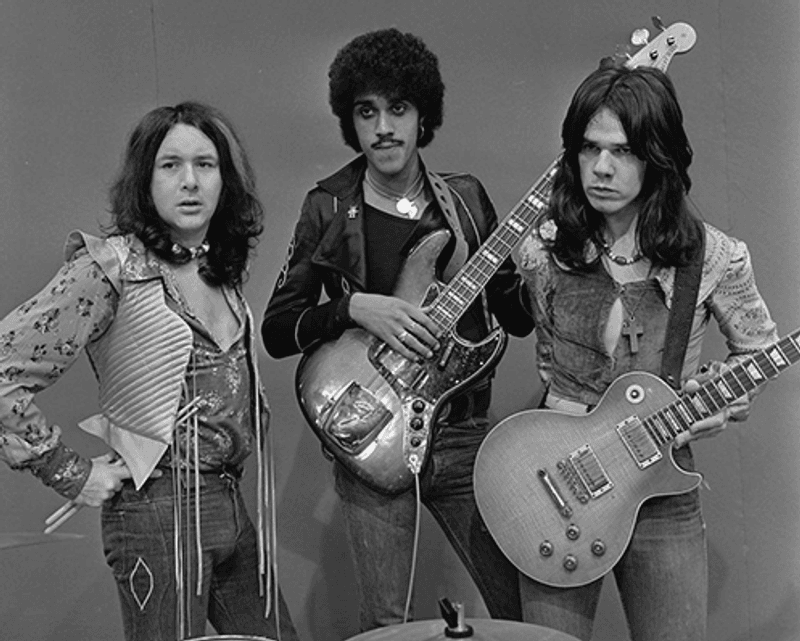
This one moves like it knows the set list cannot sag. Thin Lizzy packed “Girl Don’t Stop” with the kind of tight twin‑guitar charge that made the band beloved by musicians and devoted fans alike.
Appearing on Live and Dangerous, the song benefited from the group’s reputation as a formidable live act, where Phil Lynott’s charisma tied the whole machine together. Even among bigger titles, this track stands out because it captures Lizzy’s gift for combining precision, momentum, and melody without sounding polished into blandness.
If you came to the band through the most famous singles, this is the sort of deeper album‑era material that broadens the picture. It shows how Thin Lizzy could sound streetwise and carefully arranged at the same time, a balance many contemporaries wanted but did not always reach.
5. “Caroline” – Status Quo
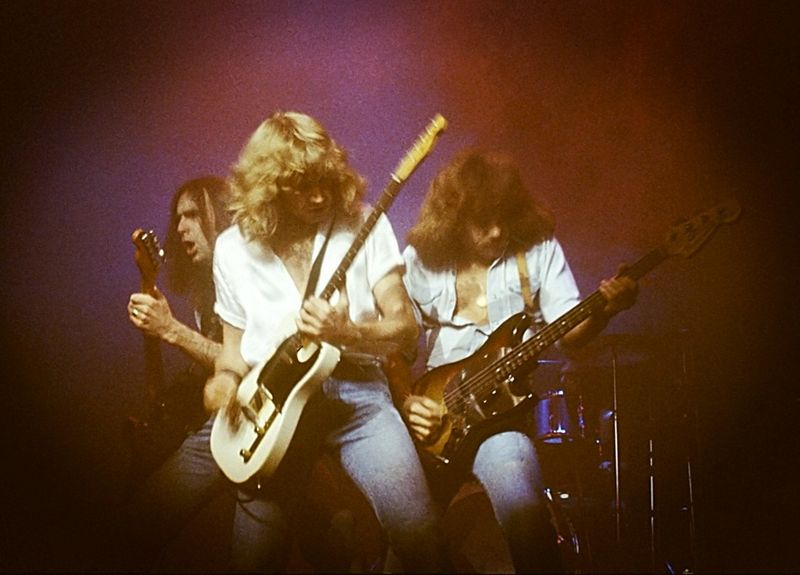
Some songs get by on pure forward motion, and this is one of them. By the late 1970s, “Caroline” already had a firm place in Status Quo’s live identity, even though its original release dated earlier in the decade.
That matters because Quo in the 1970s represented a kind of unpretentious continuity inside a changing rock landscape. While punk, disco, and art rock redrew the map, the band kept delivering dependable boogie rhythms that crowds recognized immediately and critics often underestimated.
For true fans, “Caroline” is less about novelty than about durability. It is the kind of track that explains why Status Quo remained a concert force, especially in Britain, where straightforward guitar rock still had a very real constituency.
Put it on, and you can hear a band choosing consistency over reinvention with zero embarrassment.
6. “New Mama” – Neil Young

Short songs can leave oversized questions behind. “New Mama,” from the 1975 album Tonight’s the Night, lasts barely over two minutes, yet it says a lot about Neil Young’s 1970s instinct for direct, unvarnished writing. The album itself leaned country‑folk rather than ragged electric attack, and this track fits that quieter frame while still feeling slightly off‑center in the way only Young can manage.
Its brevity is part of the appeal. He does not circle the idea repeatedly or dress it up with decorative production.
That economy helped the song stick with listeners who appreciated his less‑obvious catalog corners. In a decade when many major rock acts were wrestling with scale, trends, and bigger commercial expectations, Young could still make a compact piece feel personal and complete.
Sometimes the deep cut earns its place by refusing to overstate anything.
7. “In the Lap of the Gods… Revisited” – Queen
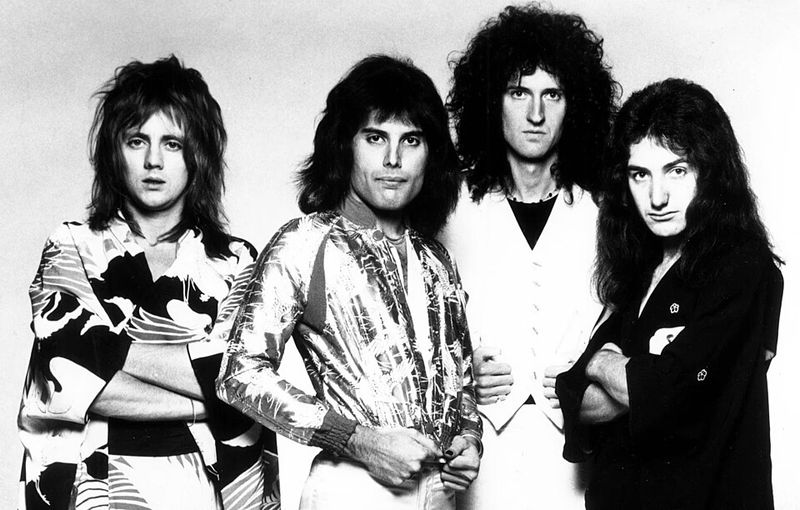
Few bands understood collective participation better than Queen. Although “In the Lap of the Gods… Revisited” first appeared in the mid‑1970s, its power became even clearer in the band’s late‑1970s live dominance.
By then, Queen was turning concerts into large‑scale call‑and‑response events, and this track functioned almost like a blueprint for that approach. Freddie Mercury drives it with command rather than sheer vocal display, while the arrangement builds toward communal momentum instead of intricate studio trickery.
That is why dedicated listeners keep bringing it up. Overshadowed by the blockbuster titles, it still reveals an essential part of Queen’s identity: they knew how to write songs that were not merely heard but joined.
In an era when spectacle could become empty, this track worked because the structure itself invited the audience into the performance.
8. “Shattered” – The Rolling Stones
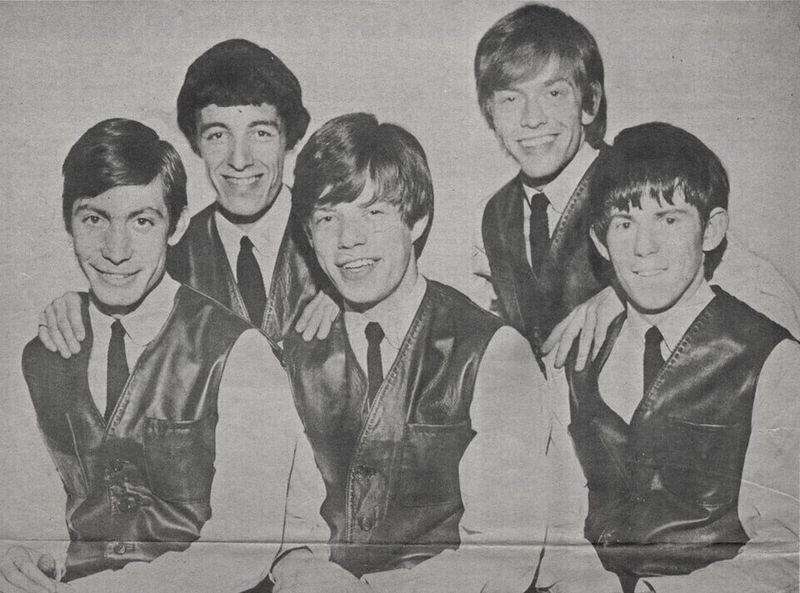
New York gets the last word all over this track. “Shattered,” from Some Girls, gave the Rolling Stones a wiry, contemporary edge in the late 1970s without sounding like they were merely chasing younger trends. The song matters because Some Girls was the record that answered a growing question about relevance.
Punk had altered rock’s posture, disco was reshaping rhythm, and legacy acts had to decide whether they would adapt, resist, or drift. The Stones did a little of everything here, and somehow made the contradiction work.
Jagger’s delivery is clipped and restless, the band sounds leaner than on much of its mid‑1970s output, and the lyric sketches urban culture with amused skepticism. Fans who love the album know this was not just a hit‑single era.
It was also a moment when the Stones proved they could still absorb the present tense.
9. “So Lonely” – The Police
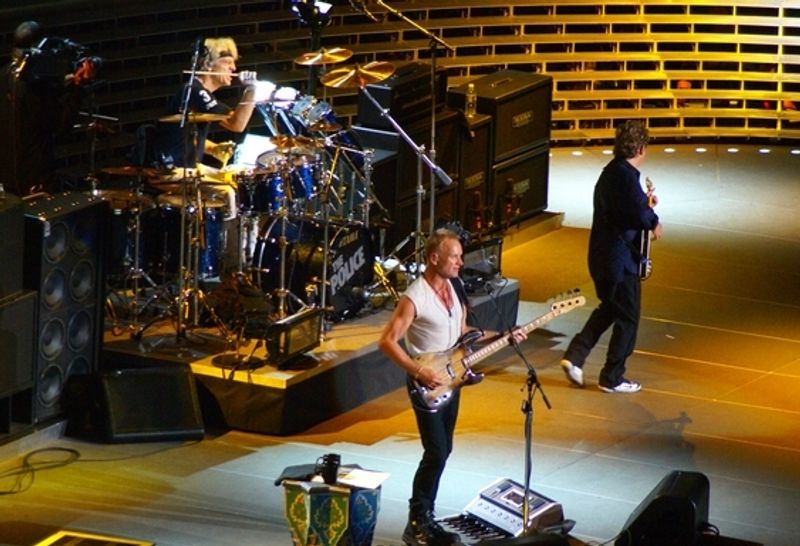
Before the stadium years, there was this restless hybrid. “So Lonely” appeared on Outlandos d’Amour and made The Police sound like a band building its identity in public. You can hear punk energy, reggae rhythm, and pop instinct all trying to share the same room, which is exactly what makes the track so useful as a time capsule.
British rock was increasingly porous by then, and The Police were smart enough to turn those cross‑currents into a signature rather than a compromise. Sting’s writing already had the emotional directness that would later power huge singles, but here it feels scrappier and less settled.
That is the charm. If you only know the polished early‑1980s version of the group, this song shows the rough edges that made them interesting first.
It is the sound of a formula not yet locked shut.
10. “Four Little Diamonds” – Electric Light Orchestra
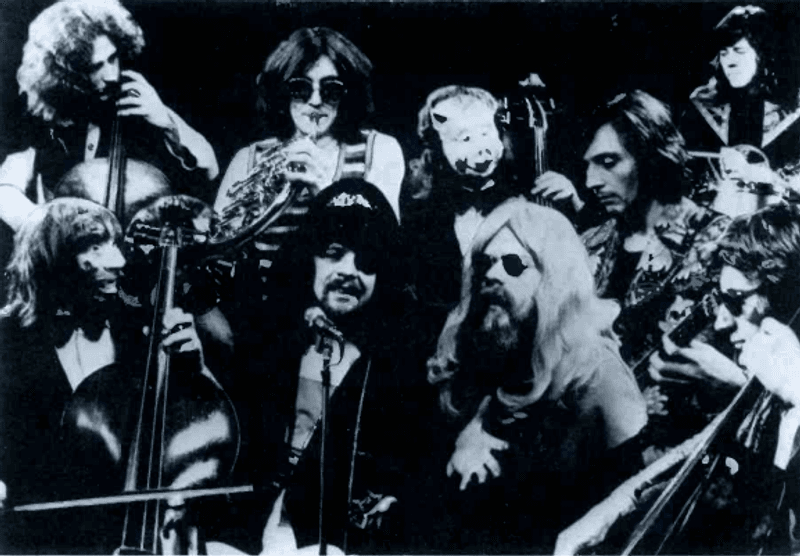
ELO never had trouble making ambition sound catchy. “Four Little Diamonds” is a later‑era track, appearing on the 1983 album Secret Messages, yet it still fits the band’s 1970s‑forged formula: polished hooks, layered vocals, strings used as structure rather than decoration, and arrangements that keep moving before any single idea overstays its welcome. That is why devoted fans keep returning to it.
On an album packed with attention‑grabbing material, a song like this can slip past casual listeners even while doing nearly everything the band did well. It is dramatic without becoming clumsy, tuneful without becoming lightweight, and unmistakably tied to ELO’s long‑running, 1970s‑shaped identity.
11. “Miss You” (Long Version) – The Rolling Stones
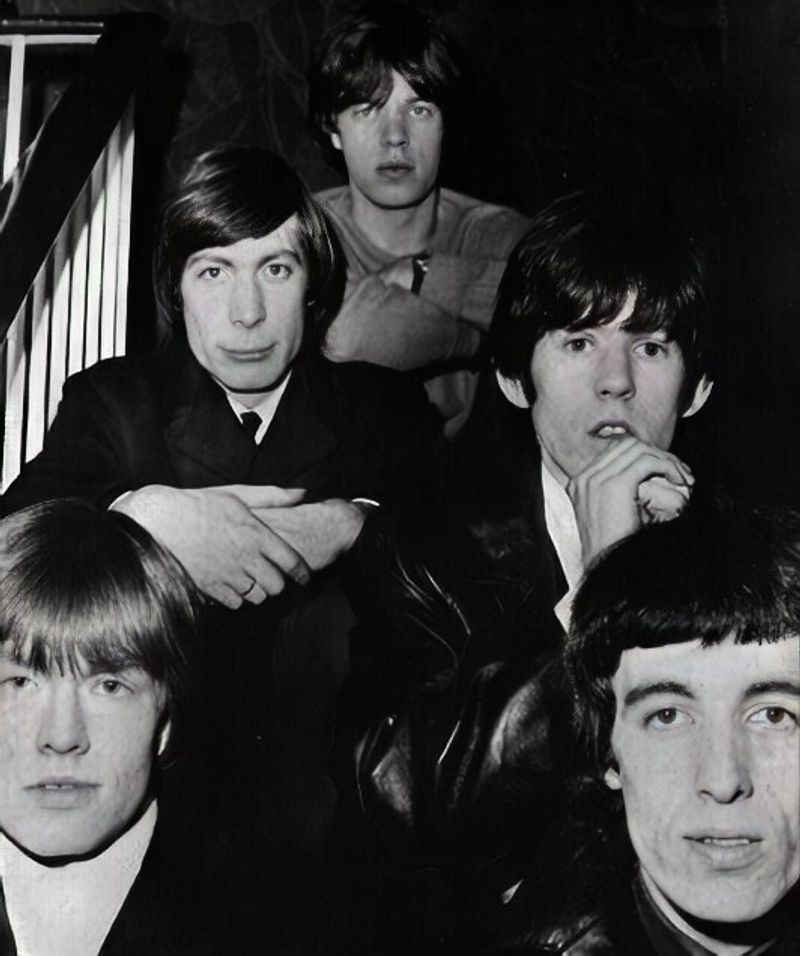
Sometimes the longer version tells you what the hit was really trying to do. The extended “Miss You” pushes deeper into the groove and makes the Rolling Stones’ dance‑floor pivot feel less like a stunt.
In the late 1970s, format mattered. Radio edits had one job, club mixes had another, and artists were learning that arrangement could change audience perception as much as melody or lyric.
Stretching the track lets Charlie Watts and Bill Wyman establish a more hypnotic foundation, while Jagger’s phrasing sits more naturally inside the beat. For fans who treat Some Girls as more than a greatest‑hits checkpoint, this version is essential evidence of how adaptable the band could be.
It shows them engaging with disco’s rhythmic logic without surrendering their personality. Put differently, the long version is not extra padding.
It is the clearer statement of intent.
12. “Running on Empty” – Jackson Browne (Live Version)
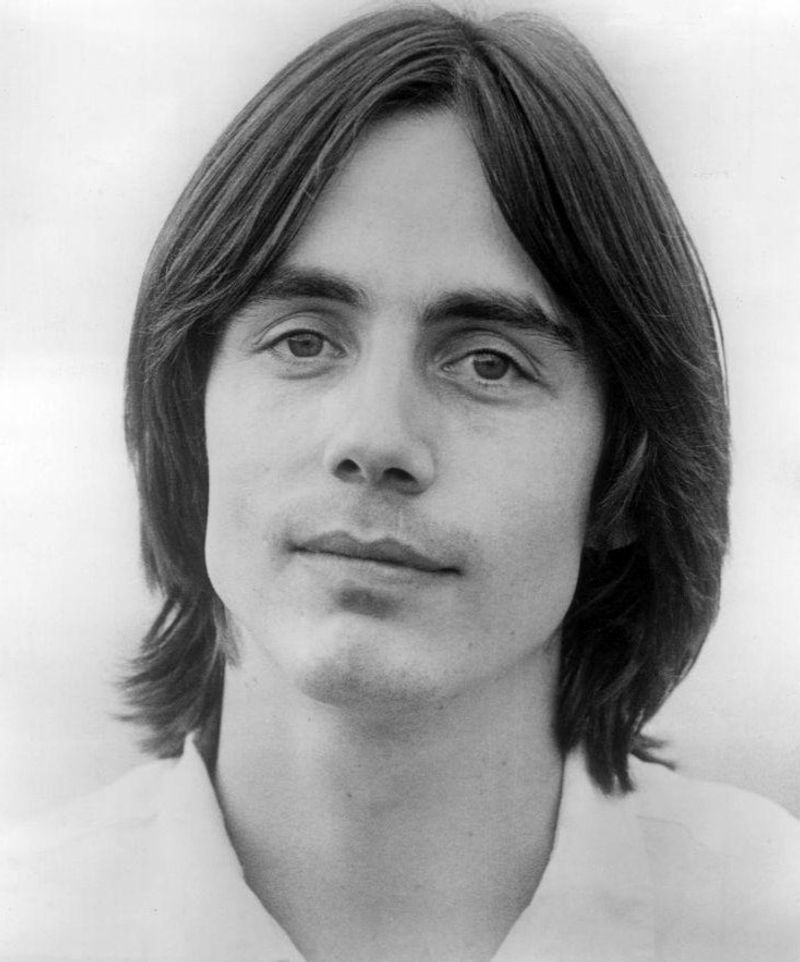
Road songs are common, but few are this specific about the wear and motion of touring life. Jackson Browne’s “Running on Empty,” released in the late 1970s, gained much of its character from being recorded in live and on‑the‑road settings.
That production choice was not a gimmick. The album blurred the line between concert recording, hotel‑room writing, and travelogue, giving listeners a more grounded picture of professional musicianship than the polished studio norm usually allowed.
The title track carries that idea best, balancing momentum with fatigue and professionalism with uncertainty. It became one of Browne’s signature songs, yet it still feels like a deep cut in spirit because it belongs to a conceptually unusual album rather than a standard studio campaign.
If you value records that document process as much as performance, this song remains a smart, durable piece of 1970s singer‑songwriter craft.
13. “Street Hassle” – Lou Reed
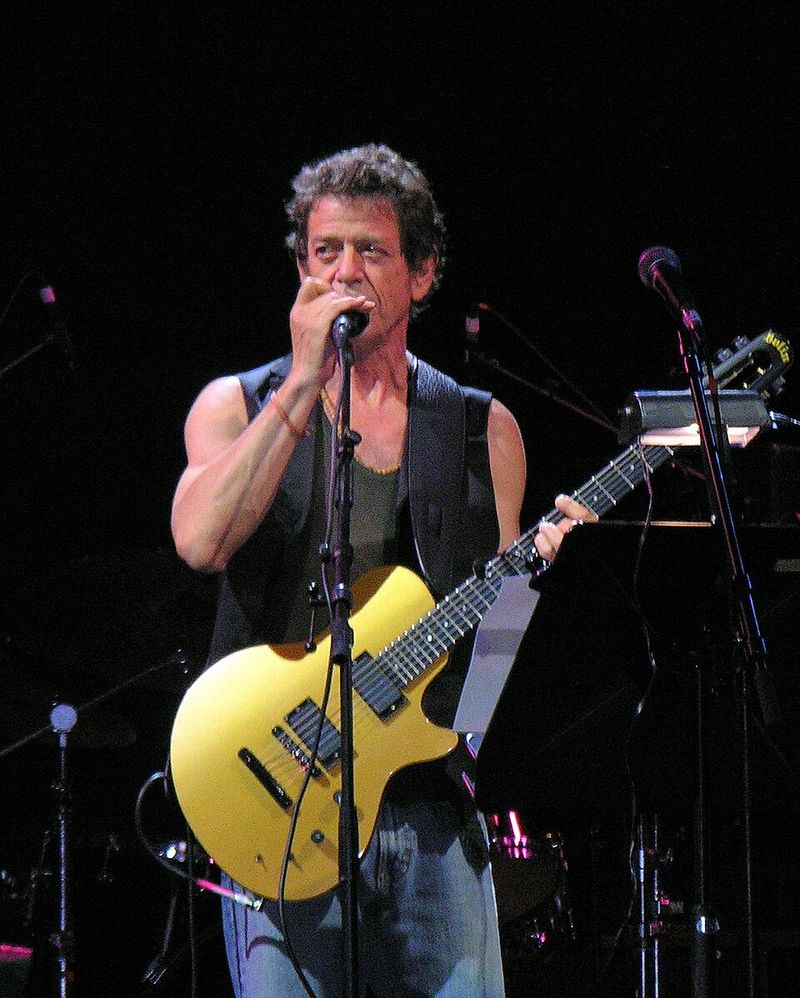
This is the kind of track that refuses to sit politely in the background. Lou Reed’s “Street Hassle,” released in 1978, stretched beyond standard rock structure and landed somewhere between song, monologue, and urban report.
Its reputation comes partly from that refusal to simplify. Reed had long been interested in plainspoken detail and difficult social realities, and here he builds a multipart piece that feels literary without becoming academic.
The arrangement stays spare enough to keep attention on the words, which is exactly where he wants you. For casual listeners, it can be an intimidating entry point.
For committed fans, it is central evidence of why Reed remained such a singular figure in the late 1970s. He was not trying to compete on slickness or accessibility.
He was making adult, observational work in a field that often preferred quick payoff, and that still stands out.
14. “Take Me to the River” – Talking Heads
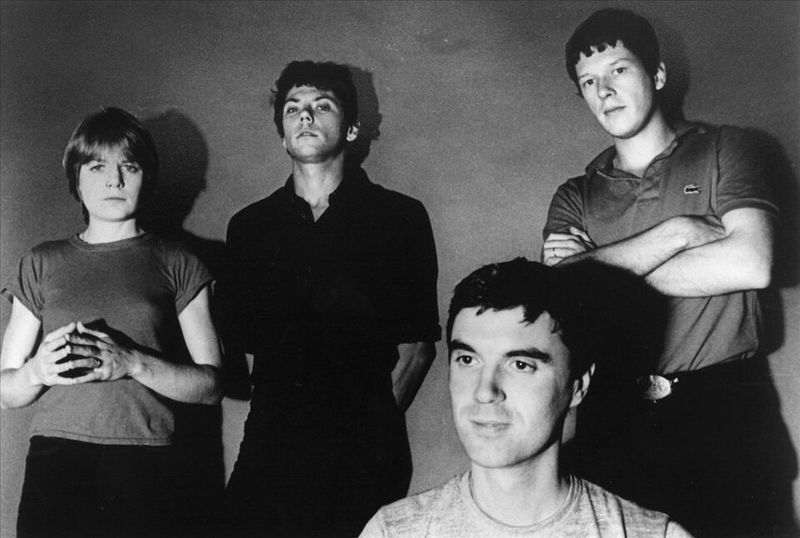
Cover songs can expose a band’s character faster than originals sometimes do. Talking Heads’ version of “Take Me to the River,” from More Songs About Buildings and Food, turned an Al Green classic into something lean, nervy, and unmistakably theirs.
The late‑1970s context is crucial. Working with Brian Eno, the band was refining its art‑rock instincts while opening the door to deeper rhythmic ideas that would become even more important later.
This track sits right at that hinge point. It is controlled, funny in a dry way, and far more danceable than the group’s early image suggested.
Fans remember it because it was one of the first moments when a broader audience could hear how unusual Talking Heads really were. They respected the source material without treating it like museum glass, and the result helped push new wave away from narrow definitions and toward a bigger, stranger mainstream presence.
15. “The Fez” – Steely Dan
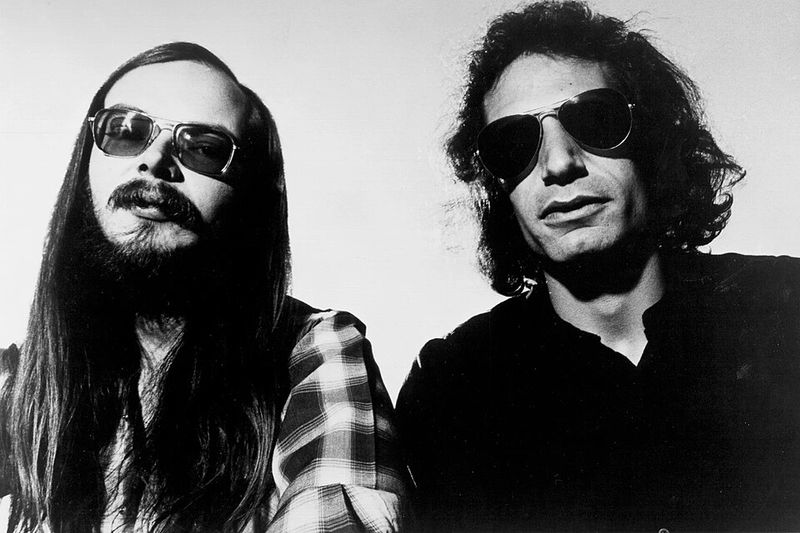
Steely Dan could make eccentricity sound immaculately organized. “The Fez,” from 1976’s The Royal Scam, quickly became a cult favorite among 1970s fans who prized the band’s sharper, stranger corners. By the late 1970s, Walter Becker and Donald Fagen already represented a very specific idea of studio craft: exacting players, dry wit, immaculate arrangements, and lyrics that trusted listeners to keep up.
This song fits that template with unusual precision. The groove is relaxed but tightly controlled, and the repeated hook gives the joke just enough room to become addictive.
Part of its staying power comes from how little it resembles ordinary rock radio material, even in a decade full of experiments. It is playful without being broad, polished without being sterile, and sly enough that fans often adopt it as a password track.
If you get why it works, you probably already understand Steely Dan.
16. “Wavelength” – Van Morrison
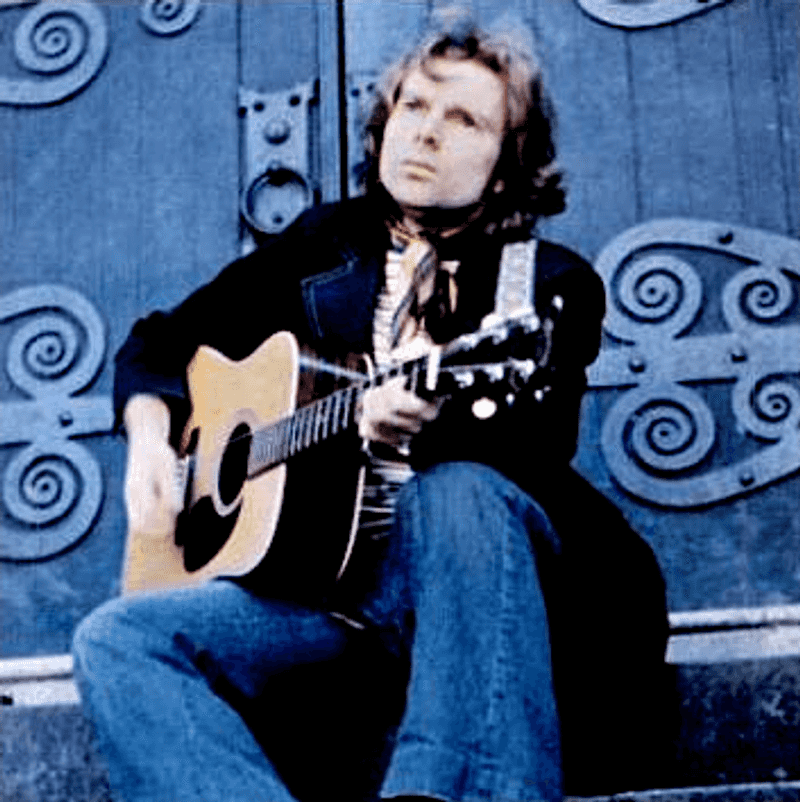
By the late 1970s, Van Morrison was writing about connection with less mystique and more contemporary framing. “Wavelength,” the title track from his 1978 album, wrapped that shift inside a clean groove and a direct melodic line. The song is interesting because it nods to radio culture and emotional transmission while avoiding trendy production tricks that quickly date many records from the period.
Morrison sounds engaged rather than grand, and the band gives him supportive momentum instead of pushing toward unnecessary dramatics. That balance keeps the song approachable without flattening his personality.
For longtime listeners, it often feels like an overlooked bridge between earlier spiritual searching and later adult‑contemporary assumptions about his catalog. It is neither as mythologized as the classics nor as dismissed as some late‑1970s work can be.
Spend time with it, and you hear a durable artist adjusting without chasing fashion.



