 Unearth The Voyage
1969 delivered a wave of hit songs that shaped radio, culture, and memory, yet some have quietly slipped from everyday playlists. This list revisits tracks you likely know by heart but have not heard in years.
You will get quick context, chart notes, and what still makes each song stand out today. Use it to rediscover favorites and queue up a smarter throwback session.
1. Aquarius/Let the Sunshine In – The 5th Dimension
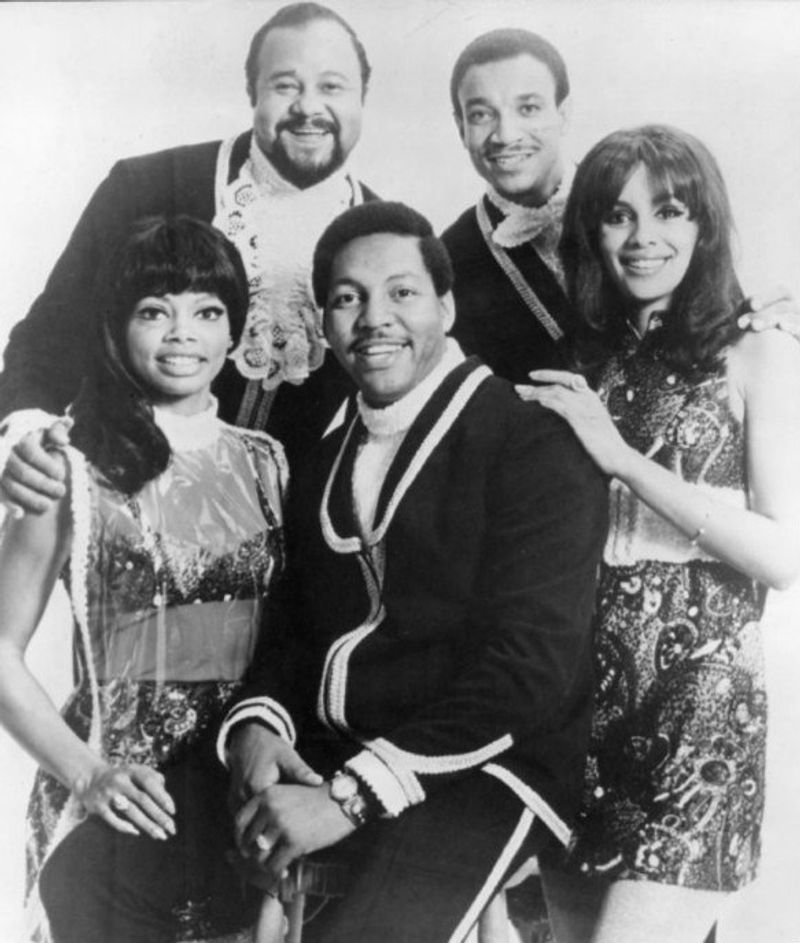
The 5th Dimension turned Broadway inspiration into a pop-soul anthem with Aquarius/Let the Sunshine In, adapted from the musical Hair. The medley’s lush harmonies, brass accents, and shifting grooves mirror 1969’s blend of optimism and uncertainty.
Its hopeful refrain invited listeners to imagine a new cultural dawn.
Produced by Bones Howe, the track showcased studio polish without losing its theatrical spark. It topped the Billboard Hot 100 and won multiple Grammys, cementing the group’s crossover appeal.
You can still hear its sunny chorus in commercials, film syncs, and retro playlists that want instant color.
Return to it today and the arrangement stands out: bright percussion, buoyant bass, and layered vocals that feel both stage-ready and radio-friendly. The song compresses the era’s countercultural language into digestible pop.
Even if you have not played it lately, its singalong energy lands fast.
Why it fades from memory now is simple: later soul and disco often stole the spotlight. Yet this single bridged Broadway and Top 40 with unusual ease.
Cue it up and that closing Let the Sunshine In still beams with persuasive warmth.
2. Sugar, Sugar – The Archies
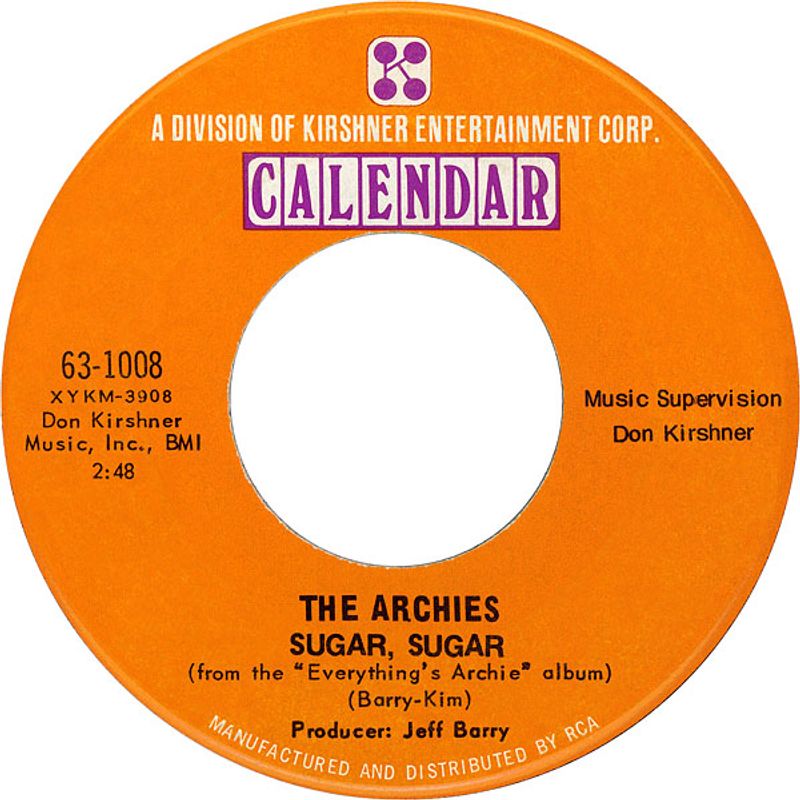
Sugar, Sugar is bubblegum pop perfected, credited to the fictional Archies yet powered by real studio pros. Written by Jeff Barry and Andy Kim, it pairs a sticky melody with handclaps, tambourine, and a caramel-smooth chorus.
You might brush it off as novelty, but the craftsmanship is airtight.
In 1969 it dominated the Billboard Hot 100 and was a global success. The simplicity is strategic: every hook lands within seconds.
It became a model for radio-friendly charm, often resurfacing in films and ads that want instant sweetness without irony.
Listen closely and you will catch clever details: bass movement that keeps the groove buoyant, backing vocals that cushion each refrain, and a lightly syncopated feel that prevents saccharine overload. The record’s restraint is its secret strength.
Nothing overstays its welcome.
It sometimes slips from memory because cartoon branding makes people underestimate it. But pop historians often cite Sugar, Sugar as a high watermark for the bubblegum era.
When you want uncomplicated joy in under three minutes, this one still delivers exactly as intended.
3. Honky Tonk Women – The Rolling Stones
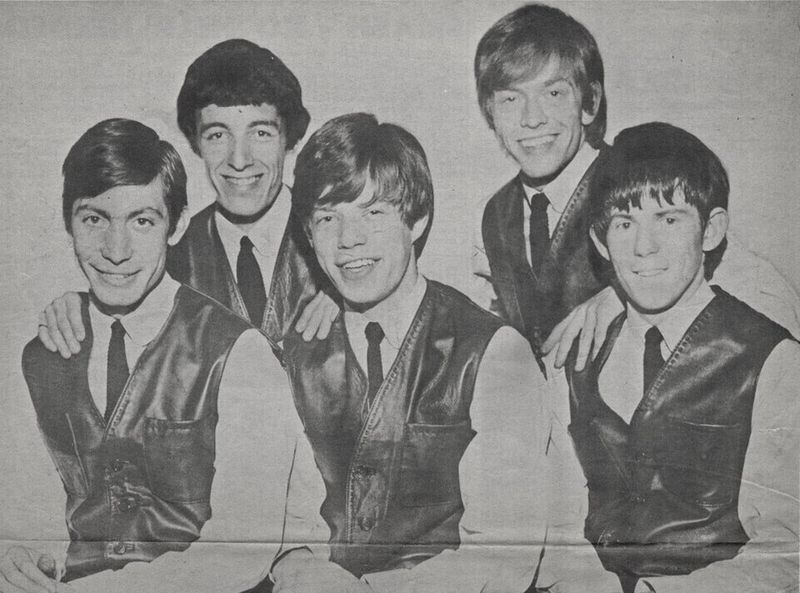
Honky Tonk Women captured the Rolling Stones at a swaggering peak, built on that unmistakable cowbell count-in and a slinky Keith Richards riff. Mick Jagger’s vocal strut meets a horn-flecked arrangement that nods to country bars and urban clubs alike.
It is lean, loud, and instantly recognizable.
Released in 1969, it hit number one in several countries and became a staple of the band’s live sets. The single version feels tighter than many album cuts from the period.
You get grit without bloat, and every instrument earns its space in the mix.
The lineage is blues to barroom to stadium, crystallized in three punchy minutes. Charlie Watts’s crisp pocket anchors the track while guitar licks weave around him.
Lyrically, it deals in wry scenes rather than heavy narrative, which keeps replay value high.
If it slipped from your rotation, blame the Stones’ deep catalog overshadowing it. But press play and the opening seconds do the heavy lifting.
Few records deliver such immediate attitude while staying radio neat and club tough.
4. Everyday People – Sly & the Family Stone
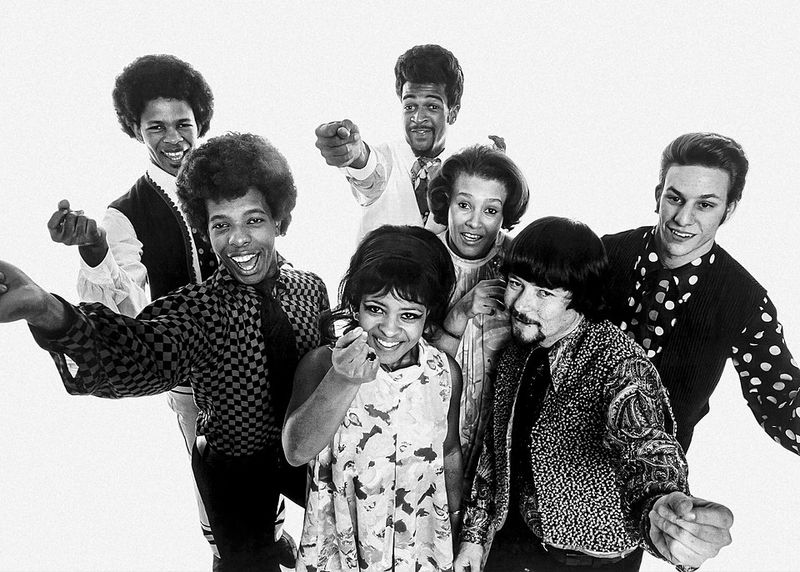
Everyday People pairs Sly Stone’s inclusive message with an effortlessly catchy groove. Its core line, different strokes for different folks, distilled a social ideal into radio slang.
The band’s integrated lineup gave the lyrics lived credibility, turning a pop hit into a public statement.
Released in late 1968 and peaking in early 1969, it topped the Billboard Hot 100. The arrangement is economical: rubbery bass, crisp drums, and call-and-response vocals that feel like a block party.
Horn stabs and organ sprinkles add color without clutter.
What keeps it fresh is balance. The tune stays breezy while delivering a clear plea for tolerance and shared humanity.
It sounds like Sunday afternoon sunshine, not a lecture, which helped it travel across audiences and formats.
If it has drifted from your queue, it is only because Sly’s later, darker work often grabs attention. Return and you will hear nuanced optimism that still reads modern.
Everyday People proves pop can be both kind and unforgettable.
5. Get Back – The Beatles (with Billy Preston)
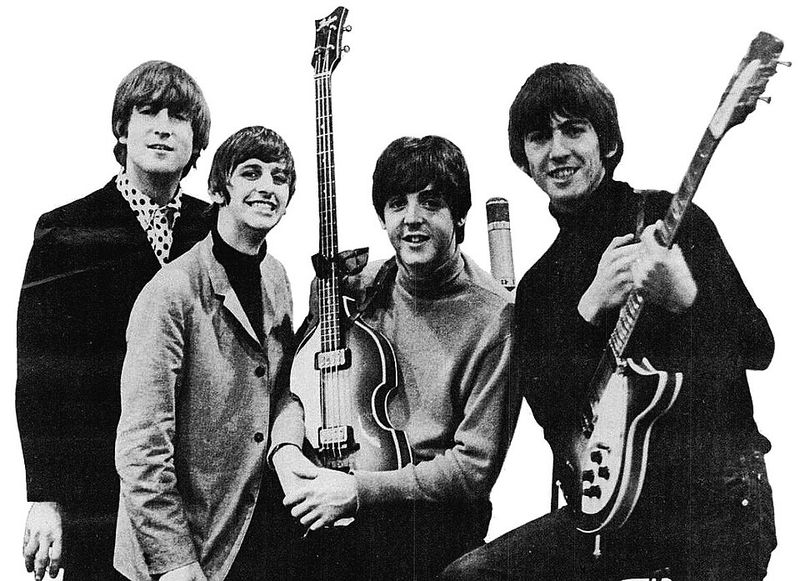
Get Back is the Beatles at their most direct, cut live with Billy Preston’s electric piano driving the groove. The lyric’s mock-documentary tone and clipped phrasing match the band’s back-to-basics aim.
It sounds like friends locking into a riff and refusing to overthink it.
Issued in 1969, the single hit number one in multiple countries. Preston’s playing adds gospel sparkle and rhythmic bounce, giving the track a buoyant engine.
Ringo’s pocket and McCartney’s bass keep it tight while guitars jab like a late-night rehearsal gone right.
Context matters: this period saw tension and transition, yet the record radiates ease. The rooftop performance later cemented its legacy as a no-frills showcase.
You are hearing chemistry saved to tape rather than a studio puzzle meticulously solved.
If it falls off your radar, the Beatles’ deeper album cuts often steal focus. But Get Back remains a masterclass in momentum.
One chordal idea, shaped by feel, becomes a radio classic that still moves rooms.
6. Come Together – The Beatles
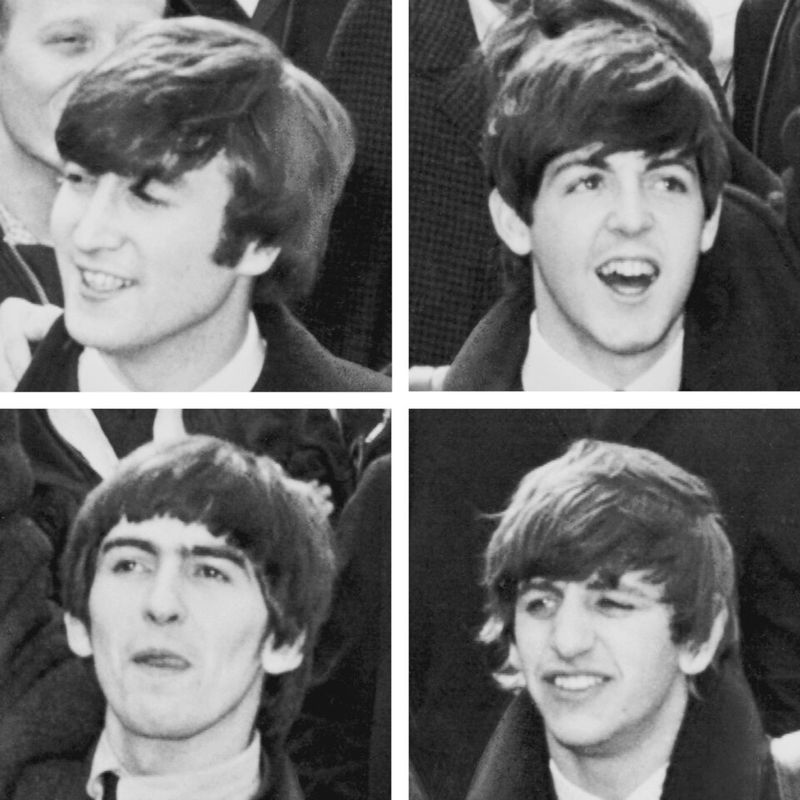
Come Together opens with a creeping bass line and a hushed vocal that turns syllables into percussion. The Beatles lean into negative space here, letting Ringo’s tom-heavy groove and Lennon’s murmured cadence do the talking.
Each element snaps into place with cinematic restraint.
Released in 1969 on Abbey Road, it became a chart hit and an enduring set opener for countless bands. The lyric blends wordplay and character sketches, more texture than plot.
Guitar and electric piano add smears of color rather than big blocks of sound.
What you feel is mood: sly, slightly psychedelic, and deeply rhythmic. The chorus release arrives like a door opening, then slips back into the shadows.
It invites close listening on headphones and still lands on big speakers.
If you have not revisited it, the familiarity can hide the craft. That bass-drum glue is a masterclass in pocket.
Come Together remains a cool-blooded groove that never needs to shout to be unforgettable.
7. Suspicious Minds – Elvis Presley
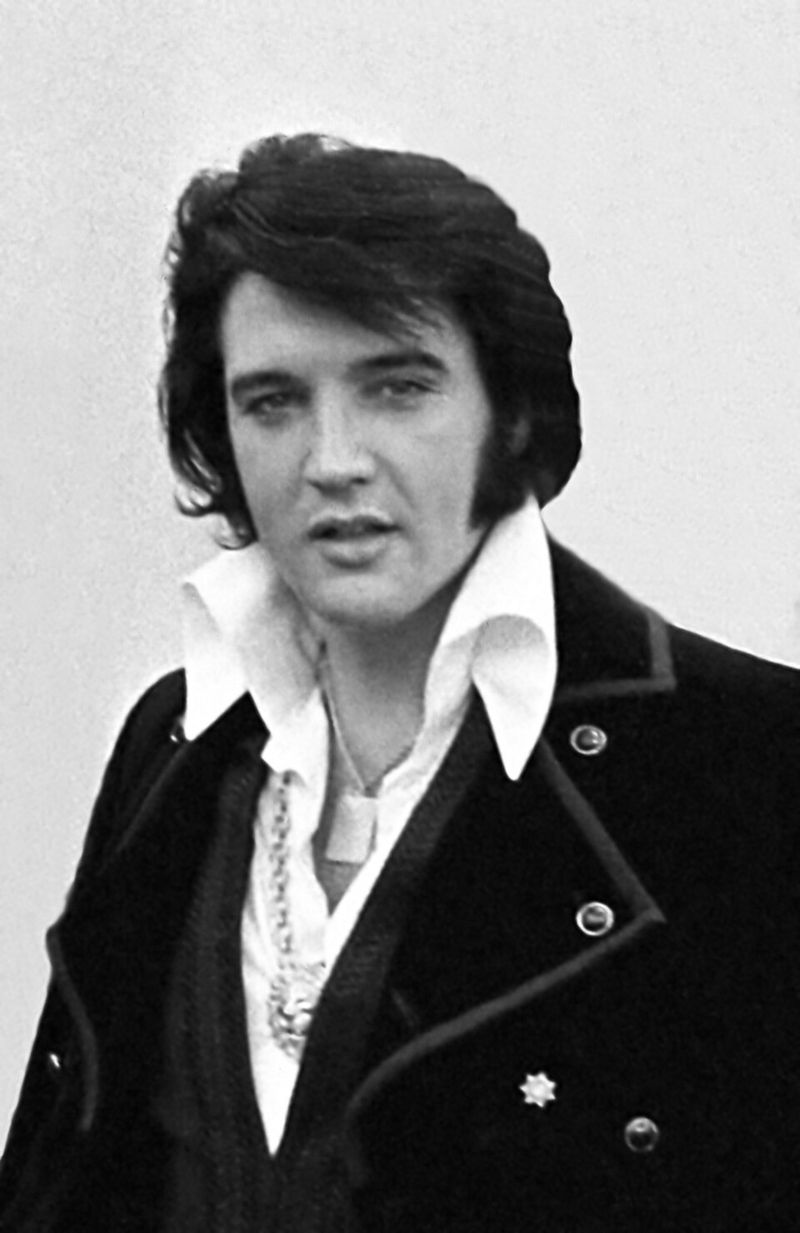
Suspicious Minds marked Elvis Presley’s late-60s resurgence, blending Memphis soul with pop drama. Chips Moman’s production frames the vocal with swirling organ, tight horns, and a stop-start arrangement that heightens tension.
The lyric of love eroded by doubt gave Elvis room to emote without excess.
Released in 1969, it reached number one on the Billboard Hot 100. The fade-out and sudden return still surprise first-time listeners, a playful structural twist for radio.
Backing singers and rhythm section move like a single organism, pushing the chorus higher each pass.
What stands out now is control. Elvis rides dynamics carefully, from conversational lines to full-throated pleas.
The band never crowds him, yet the track feels full and cinematic, polished but not stiff.
If it slipped your mind, it is only because his 50s hits dominate cultural memory. This one deserves equal rotation as a definitive adult pop performance.
Press play and you get a graceful, undeniable case for his staying power.
8. Bad Moon Rising – Creedence Clearwater Revival
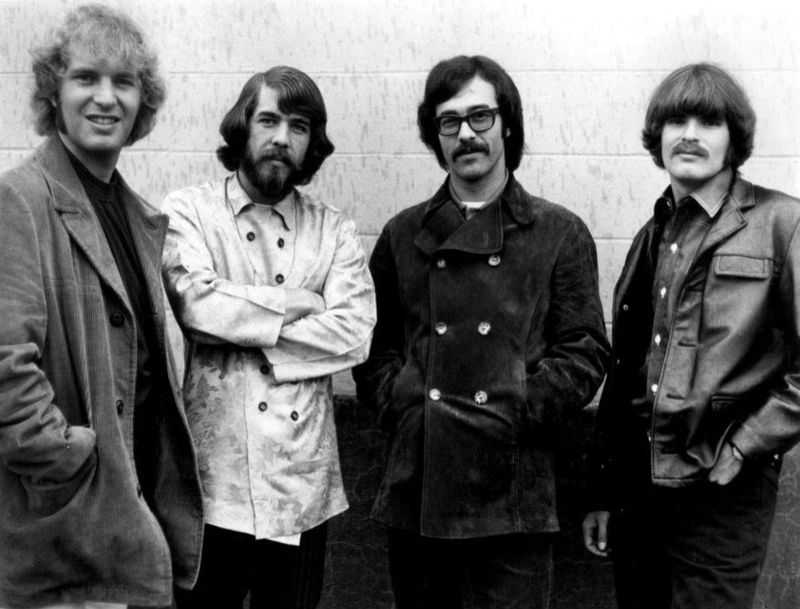
Bad Moon Rising compresses apocalyptic imagery into a brisk, country-rock shuffle. John Fogerty’s bright guitar and sunny melody mask lyrics about trouble on the way, a contrast that keeps replay value high.
At under three minutes, it is economical storytelling with a toe-tap.
Released in 1969, the single charted strongly worldwide and became a classic rock staple. The rhythm is straight-ahead but insistent, with tight strumming and crisp drumming that feel road-tested.
You can sing along on first listen, then notice darker lines later.
CCR’s hallmark was clarity: no wasted notes, no indulgence, just sharp hooks and evocative scenes. Here that approach meets folk warnings and rock momentum.
It is equally at home on bar jukeboxes and festival stages.
If it fades from memory, it is because Proud Mary often grabs the spotlight. Revisit Bad Moon Rising and you will hear a masterclass in contrast.
Bright sonics, ominous message, and a chorus that never wears out.
9. Proud Mary – Creedence Clearwater Revival
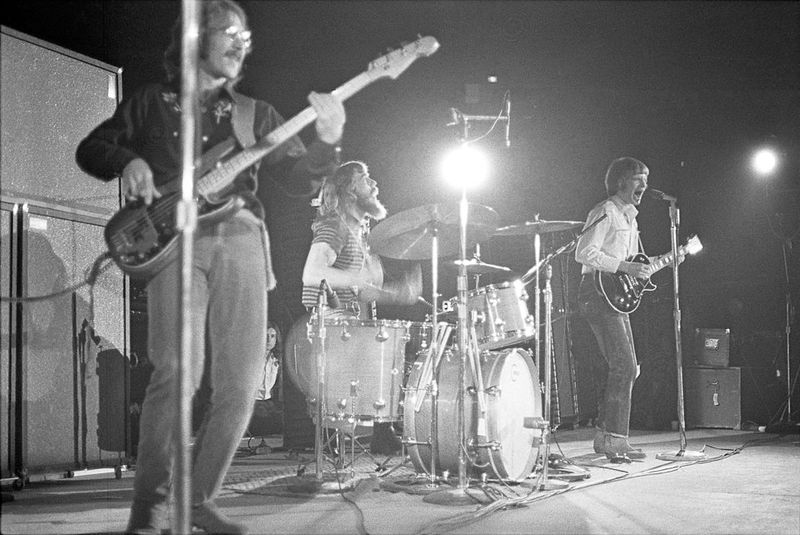
Proud Mary rolls with a riverboat metaphor and a guitar riff that feels like forward motion. John Fogerty’s vocal cuts clean, supported by CCR’s tight rhythm section and unadorned production.
It is concise storytelling that sounds bigger than its parts.
Issued in early 1969, the single climbed the charts and later inspired a famed, higher-octane version by Ike and Tina Turner. The original thrives on restraint: crisp strums, steady drums, and a chorus that lands like an old saying.
You can picture the water moving even with eyes closed.
Its endurance comes from imagery that reads plain yet deep. Leaving the city, finding simpler work, and trusting the river’s pace become universal themes.
The band’s efficiency makes the narrative feel lived-in rather than posed.
If you have sidelined it, that might be because the cover versions loom large. Return to CCR’s cut for its easy sway and modesty.
The groove does not shout, but it carries you clean downstream.
10. In the Year 2525 – Zager and Evans
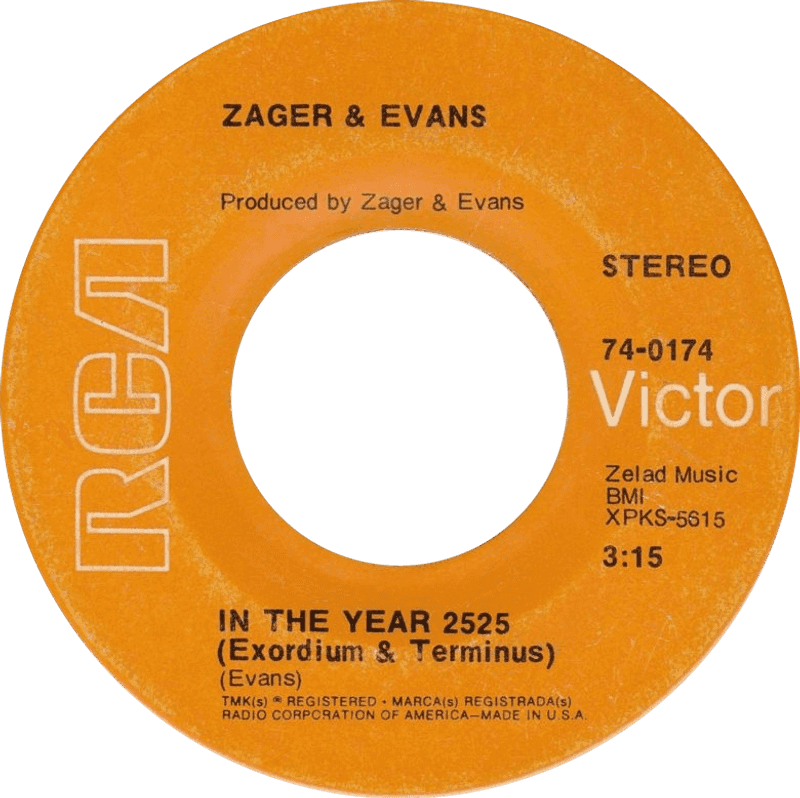
In the Year 2525 is a dystopian folk-pop hit that climbed to number one in 1969. With only voice and minimal backing, it sketches a time-lapse of human decline, leaping centuries per verse.
The stark delivery amplifies the lyric’s bleak prophecy.
Its appeal lies in structure: a simple chord pattern supports a cascade of imagined futures. Each milestone line feels like a headline from a grim almanac.
The record’s austerity separates it from lush late-60s productions and keeps attention on the words.
Critics debate its science and tone, but the song’s impact is clear. It became a cultural reference point for armchair futurism and Cold War anxieties.
You will recognize phrases that resurface whenever technology headlines tilt dark.
If it has slipped from your memory, it is because its creators did not build a long chart legacy. Yet this single stands alone convincingly.
Replaying it today reveals how a bare arrangement can make big ideas feel immediate.
11. Crimson and Clover – Tommy James & the Shondells
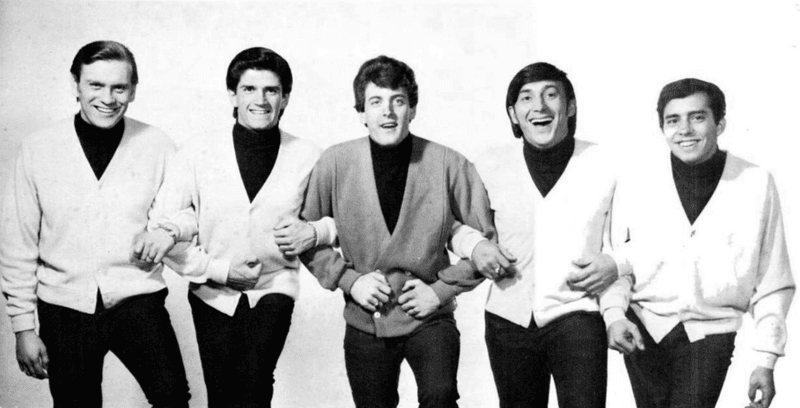
Crimson and Clover drifts on a tremolo-soaked guitar and a vocal that seems to float through colored light. Tommy James leans into dreamy repetition, building a mood more than a narrative.
The production’s tape effects and phased textures became a signature sound.
Released late 1968 and big through 1969, it marked a shift from garage pop to gentler psychedelia. The tempo sits in a midrange sway that suits slow dancing and solitary listening alike.
You get sweetness without syrup, thanks to clean melodies and space.
The title phrase functions like a mantra. It invites you to project feelings onto the color imagery rather than decode strict meaning.
That openness helps the track age well, as listeners bring their own context.
If you have not heard it recently, the subtle sonics are worth fresh headphones. Small details, like the fade’s vocal treatment, reward attention.
It remains a soft-focus classic that still shimmers without fuss.
12. These Eyes – The Guess Who
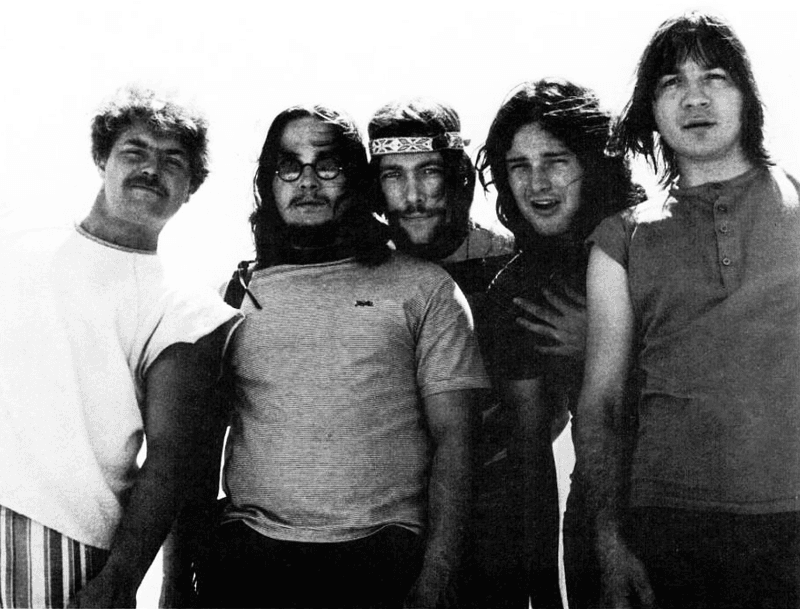
These Eyes is a polished ballad that helped introduce the Guess Who beyond Canada. Burton Cummings’s vocal carries a pleading edge, while piano and strings frame the melody with measured restraint.
The hook arrives gently, then lodges firmly.
Released in 1969 in the U.S., it became the group’s first major American hit. The arrangement balances pop smoothness with soul undertones, keeping emotion grounded.
Guitar and rhythm section avoid showiness, giving the vocal room to rise and fall naturally.
The lyric centers on loss and lingering devotion, familiar territory handled with clarity. There is no melodramatic flourish, just tidy craftsmanship and strong phrasing.
It plays equally well on quiet speakers and car radios.
If it feels half-remembered, later Guess Who rockers often overshadow it. Return and you will find a template for mainstream pop-soul ballads that followed.
These Eyes wears its heart plainly and still connects without strain.
13. Spinning Wheel – Blood, Sweat & Tears
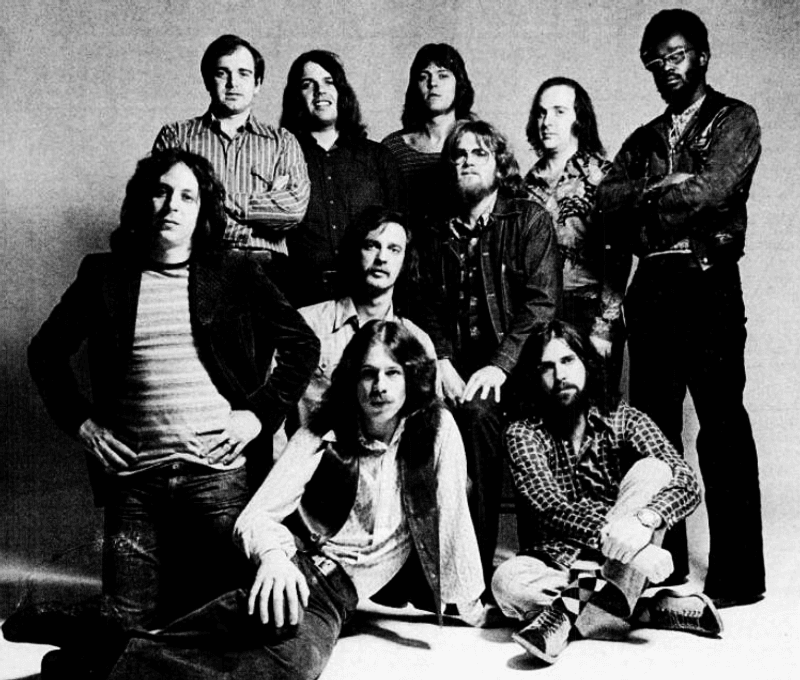
Spinning Wheel packages jazz-rock polish for mainstream radio, with horns that punch like a tight brass section and a rhythm that struts. David Clayton-Thomas delivers the lyric’s circular wisdom with crisp phrasing.
The arrangement moves confidently from verse to bright, brassy chorus.
In 1969 it became a top-10 hit and a calling card for Blood, Sweat & Tears. Studio details pop: crisp cymbals, nimble bass, and horn voicings that feel both arranged and alive.
A brief instrumental excursion adds color without turning indulgent.
The metaphor is tidy: what goes up must come down, but the band makes the lesson feel festive. You can dance to it or parse the chord changes and get rewarded either way.
It is classroom smart and club ready simultaneously.
If you have lost track of it, that is likely due to genre lines shifting over time. Cue it again and you will hear how accessible jazz-rock could be in skilled hands.
Spinning Wheel still spins clean and bright.
14. One – Three Dog Night
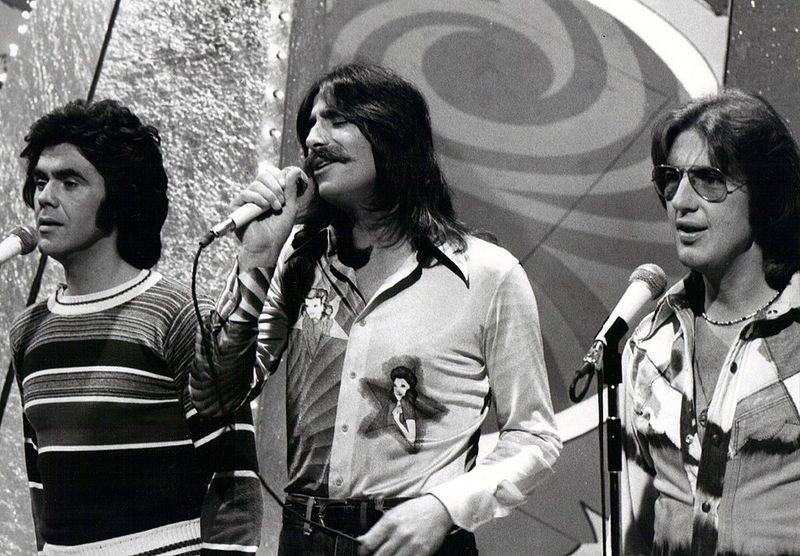
One distills loneliness into a stark, memorable hook: one is the loneliest number. Written by Harry Nilsson and popularized by Three Dog Night, it pairs a minor-key pull with crisp percussion and steady piano.
The vocal blend gives bite without clutter.
Released in 1969, it became an early signature for the group. The arrangement builds deliberately, adding texture as the lyric tightens its grip.
You get a satisfying lift into the chorus, then a measured return to the verse’s cool restraint.
The song works because it is direct. No tangled metaphors, just plain language and a melody that lands fast.
It sits comfortably between pop ballad and rock single, which broadened its radio life.
If it has faded for you, that might be because later arena moments overshadow earlier hits. Replaying One reveals a masterclass in concise mood-setting.
The message is clear, the hook unforgettable, and the production tasteful.
15. Wedding Bell Blues – The 5th Dimension
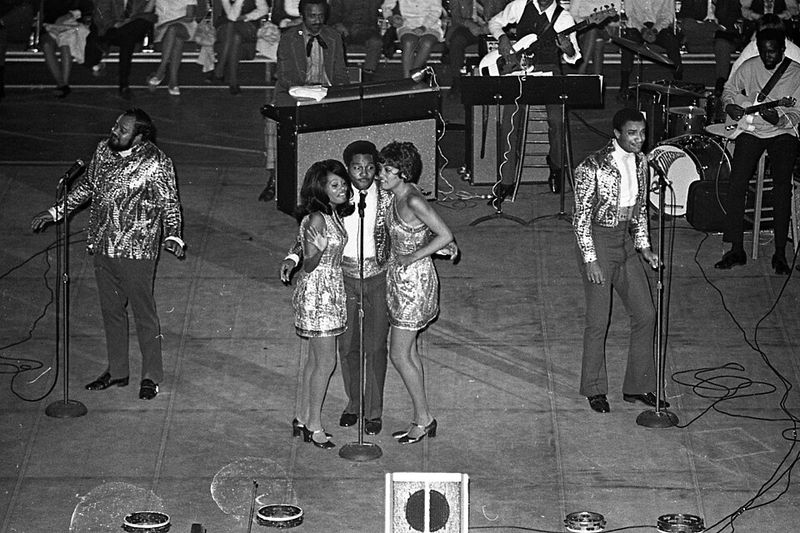
Wedding Bell Blues gave the 5th Dimension another major hit, written by Laura Nyro and delivered with crisp, soulful sparkle. The lyric’s playful impatience about commitment lands with charm rather than pressure.
Layered vocals and a brisk rhythm section keep everything buoyant.
Released in 1969, it reached number one on the Billboard Hot 100. The production favors clarity: strings and brass are supportive but never heavy.
You can hear each voice slide into harmonies that feel effortless and exact.
Its strength is tone management. The narrator sounds urgent yet likable, which broadens appeal across listeners.
The arrangement mirrors that balance by staying bright while leaving emotional room.
If you have not spun it lately, its radio economy stands out. The song says exactly what it needs to, then bows gracefully.
It remains a model of pop brevity matched to a clean, memorable hook.
16. Lay Lady Lay – Bob Dylan
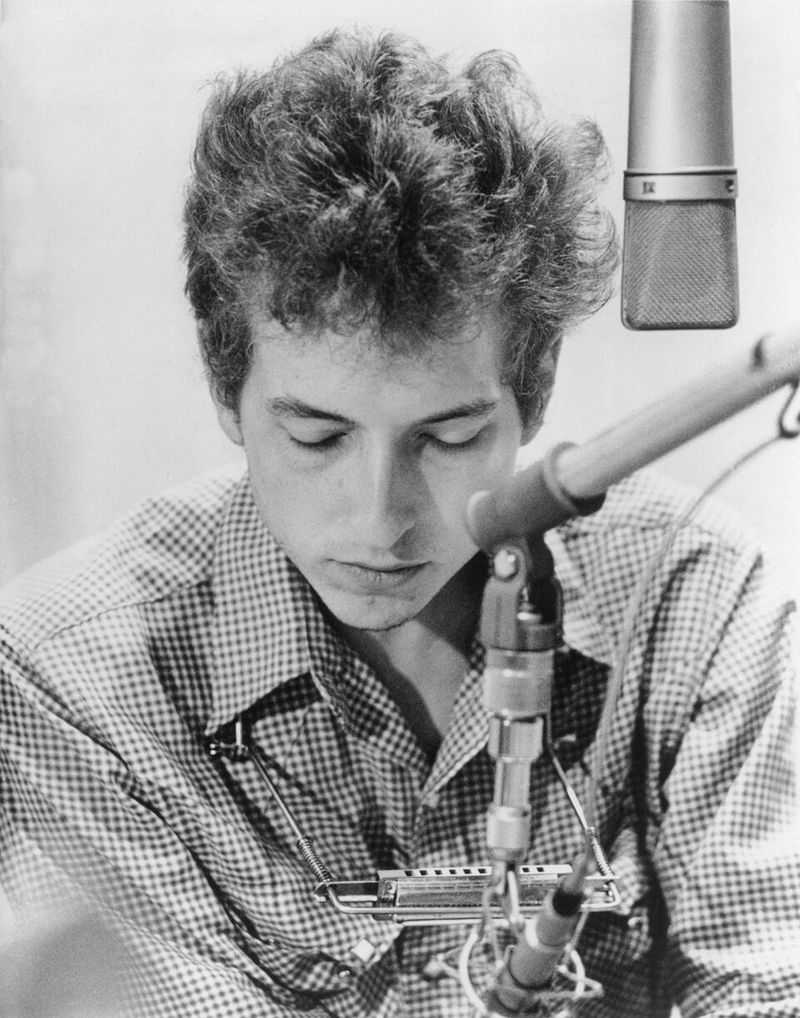
Lay Lady Lay showcases Bob Dylan’s gentler register over a relaxed country-rock bed. The distinctive pedal steel, steady percussion, and organ pads create a late-night glow.
Dylan’s phrasing turns simple lines into invitations without theatrics.
Released in 1969 on Nashville Skyline, it became one of his most approachable singles. The song’s warmth surprised listeners familiar with his earlier rasp and barbed lyrics.
Short, tidy, and hospitable, it fits nearly any mellow playlist.
The arrangement rewards close listening: delicate fills, restrained dynamics, and a mix that lets each part breathe. You can feel the room in the recording, a hallmark of the Nashville sessions.
It is hospitality in musical form.
If you have not returned to it, the contrast with Dylan’s biting mid-60s work is refreshing. This track proves he could pivot without losing identity.
Lay Lady Lay remains a soft-spoken highlight that still carries weight.



