The Roman Empire left behind roads, arenas, temples, baths, and entire cities that still influence architecture and culture today. Across Europe, remarkably preserved ruins reveal how Rome transformed politics, engineering, and urban life for centuries.
From volcanic ash-buried streets to towering amphitheaters still hosting live events, these ancient sites are among the most jaw-dropping windows into classical civilization on the planet. Buckle up for a tour through history that proves some things really do last forever.
Colosseum, Rome, Italy
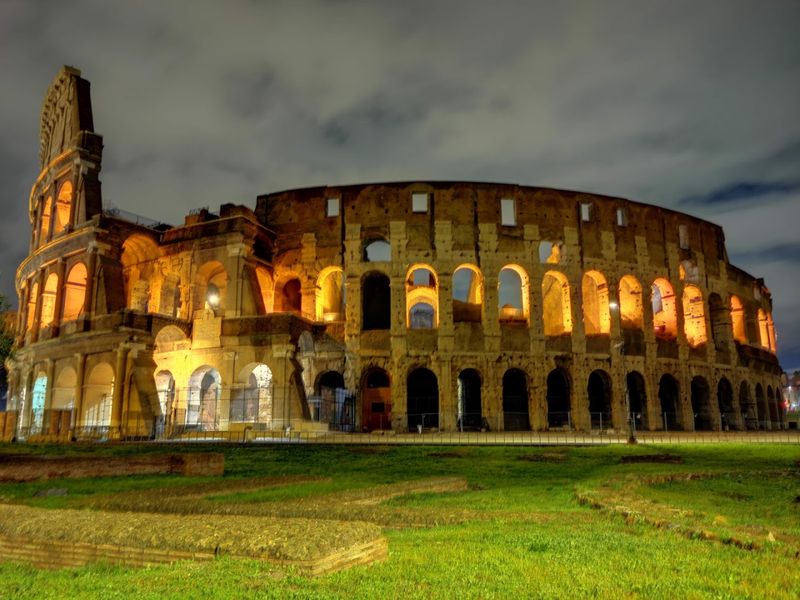
Standing at the heart of Rome, the Colosseum is so massive that modern architects still study its design for clues on crowd management. Completed around AD 80, this amphitheater could hold up to 80,000 roaring spectators.
Gladiators, wild animals, and elaborate stage sets all performed within its walls.
What makes the Colosseum truly mind-blowing is its engineering. Romans used a system of vaults and corridors to move thousands of people in and out quickly.
Sound familiar? Modern sports stadiums still borrow from that exact same idea.
Earthquakes and stone robbers damaged much of the original structure over the centuries. Yet roughly two-thirds of the original building still stands.
Visiting today means walking the same corridors where fighters once waited nervously before stepping into the arena. Free entry is available for EU citizens under 18, making it accessible for young history fans everywhere.
Pompeii, Italy
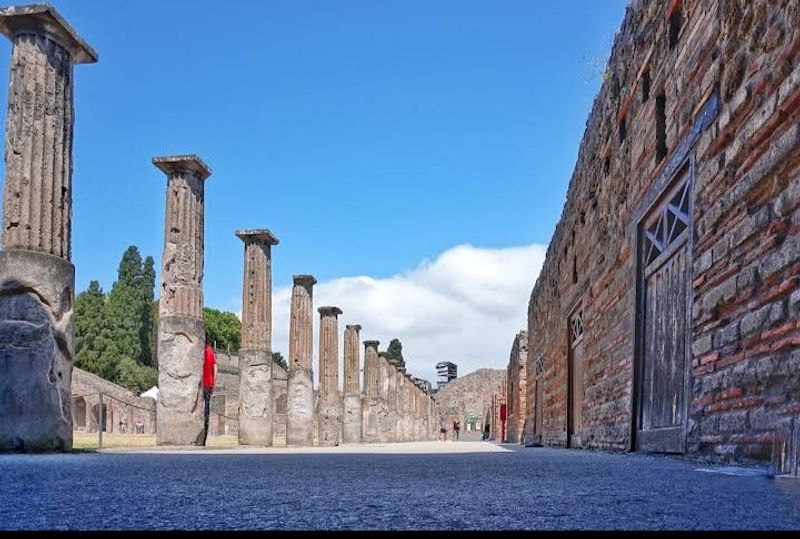
Nowhere else on Earth can you walk down a 2,000-year-old street and see the ruts left by Roman cart wheels still carved into the stone. Pompeii was frozen in time when Mount Vesuvius erupted violently in AD 79, burying the city under meters of volcanic ash.
The preservation is almost eerie in its detail.
Archaeologists have uncovered bakeries still stocked with loaves of bread, political campaign graffiti on walls, and even the outlines of people caught mid-stride. The city reveals that Romans had fast food joints, running water, and surprisingly advanced plumbing.
Daily life here was rich, messy, and very human.
Pompeii is a UNESCO World Heritage Site and draws millions of visitors every year. New excavations keep producing surprises, including a recently discovered ceremonial banquet room discovered in 2023.
Wear comfortable shoes because the ancient cobblestones are uneven and the site covers over 160 acres. Arriving early in the morning helps beat the crowds and the Italian summer heat.
Roman Forum, Rome, Italy
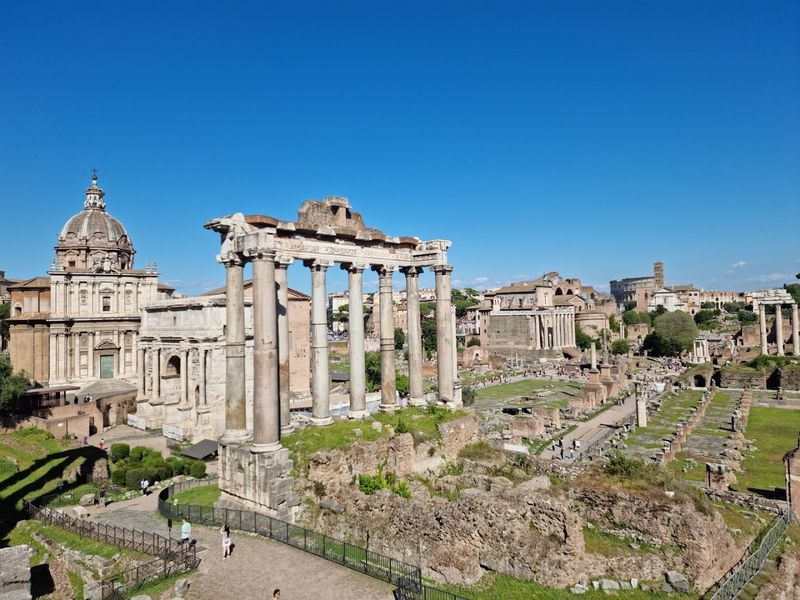
Picture the busiest intersection in the ancient world and you have a rough idea of what the Roman Forum once looked like. For centuries, this sprawling open space served as Rome’s political, religious, and commercial center.
Senators debated laws here, priests performed sacrifices, and merchants haggled over goods daily.
Today the Forum looks like a dramatic field of broken columns and crumbling arches, but each fragment tells a story. The Temple of Saturn, the Arch of Titus, and the Rostra speaking platform are among the highlights still visible.
Standing on the same ground where Julius Caesar was cremated after his assassination in 44 BC is a genuinely spine-tingling experience.
The Forum sits between the Palatine Hill and the Capitoline Hill, right next to the Colosseum. A combined ticket covers entry to both sites, making it a smart and affordable way to explore ancient Rome.
Early evening visits offer dramatic lighting as the sun hits the ruins from a low angle. History teachers around the world consider this spot the ultimate classroom without walls.
Aqueduct of Segovia, Spain
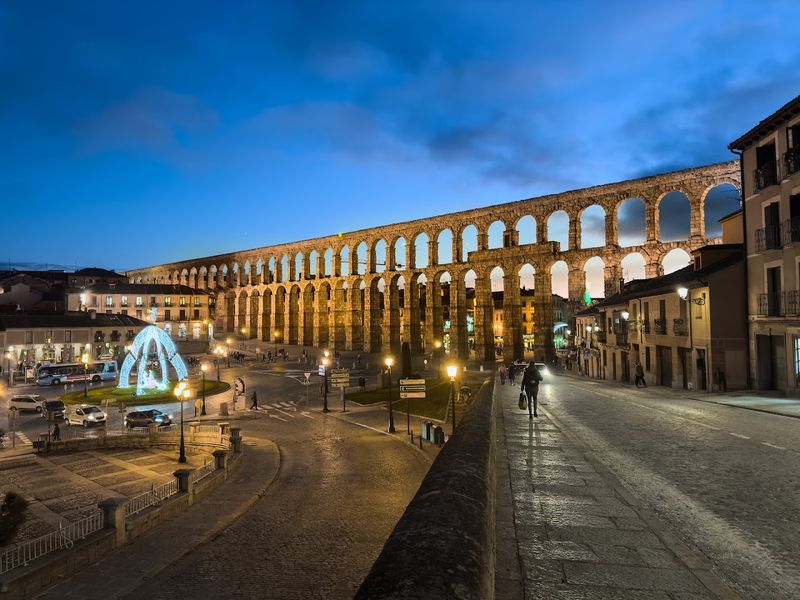
Here is a fun engineering puzzle: how do you build a structure using massive granite blocks and zero mortar, and have it still standing nearly 2,000 years later? The Romans figured it out at Segovia.
The aqueduct stretches over 800 meters across the city and soars up to 28 meters at its tallest point.
Built during the first century AD, the structure transported fresh water from the Fuenfria River to the hilltop city. The precision of the stonework is remarkable because each block was cut and placed so perfectly that gravity alone holds the entire thing together.
No glue, no cement, just incredible skill.
The aqueduct dominated Segovia’s skyline so completely that the city essentially grew up around it. Today, it cuts right through the old town, with cars and pedestrians passing beneath its ancient arches daily.
It was declared a UNESCO World Heritage Site in 1985 along with Segovia’s old city. Visiting at dusk is especially recommended because the warm Spanish light turns the granite arches a deep amber color that photographs beautifully.
Hadrian’s Wall, United Kingdom
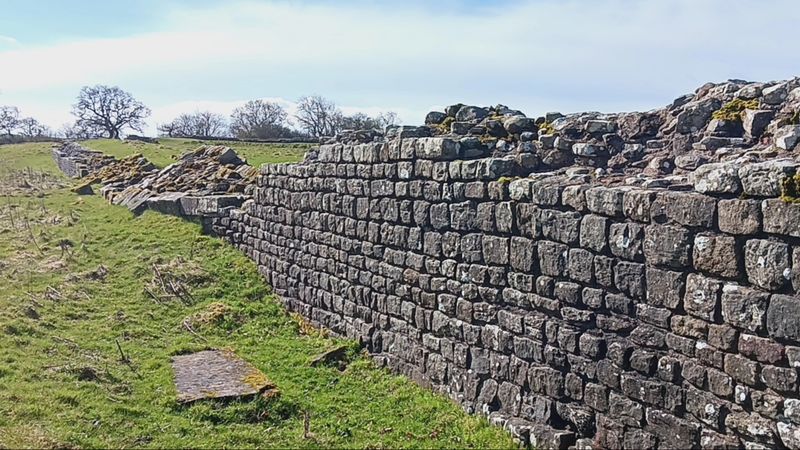
Built not to keep out zombies but something Romans arguably feared just as much, northern tribal warriors, Hadrian’s Wall once marked the very edge of the known Roman world. Emperor Hadrian ordered its construction around AD 122, and it stretched roughly 73 miles from the North Sea to the Irish Sea across northern England.
The wall was not just a simple barrier. It included forts, watchtowers, small gates called milecastles, and a deep ditch on the northern side.
Thousands of Roman soldiers were stationed along it, living in garrison towns that had their own temples, bathhouses, and taverns. Life on the frontier was surprisingly organized.
Today Hadrian’s Wall is a UNESCO World Heritage Site and a popular hiking destination. The Hadrian’s Wall Path National Trail runs the full length of the wall, offering walkers a scenic and historically rich journey.
Some of the best-preserved sections are near Housesteads Fort and Steel Rigg. Spring and early autumn are the best seasons to visit because the crowds are smaller and the moorland scenery is at its most dramatic and colorful.
Arena of Nimes, France
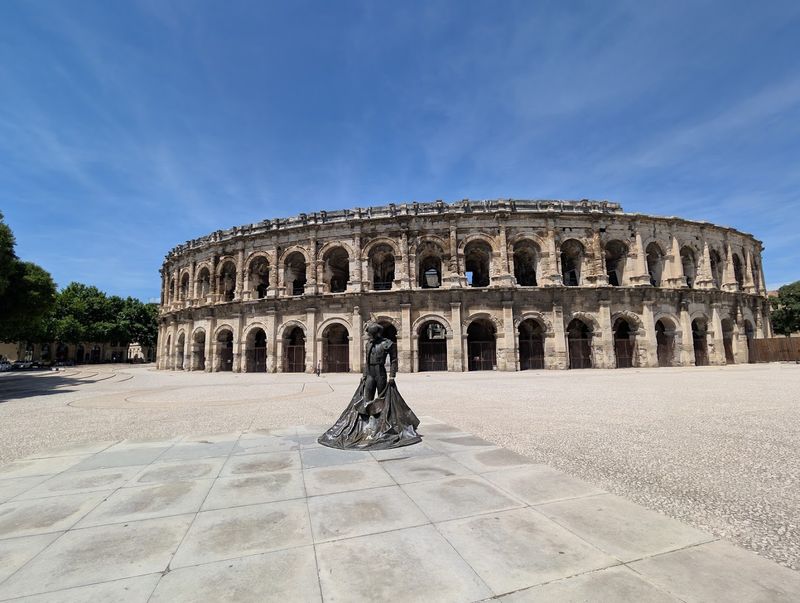
Most ancient arenas are impressive crumbling ruins, but the Arena of Nimes actually still hosts bullfights and rock concerts inside its 2,000-year-old walls. That alone earns it a spot on this list.
Built around AD 70, this remarkably intact amphitheater once seated around 24,000 spectators for gladiatorial combat.
The structure is so well preserved that archaeologists believe it was used almost continuously throughout history, which ironically helped protect it from decay. During the Middle Ages, the arena was converted into a fortified town complete with houses, a chapel, and a small population living inside its walls.
Medieval residents basically turned a Roman stadium into an apartment complex.
Located in Nimes in southern France, the arena sits right in the city center and is easy to reach by train from Marseille or Montpellier. Guided tours are available in multiple languages and include fascinating details about gladiatorial culture.
The nearby Maison Carree, a beautifully preserved Roman temple just a short walk away, makes Nimes one of the richest Roman heritage destinations in all of France.
Diocletian’s Palace, Split, Croatia
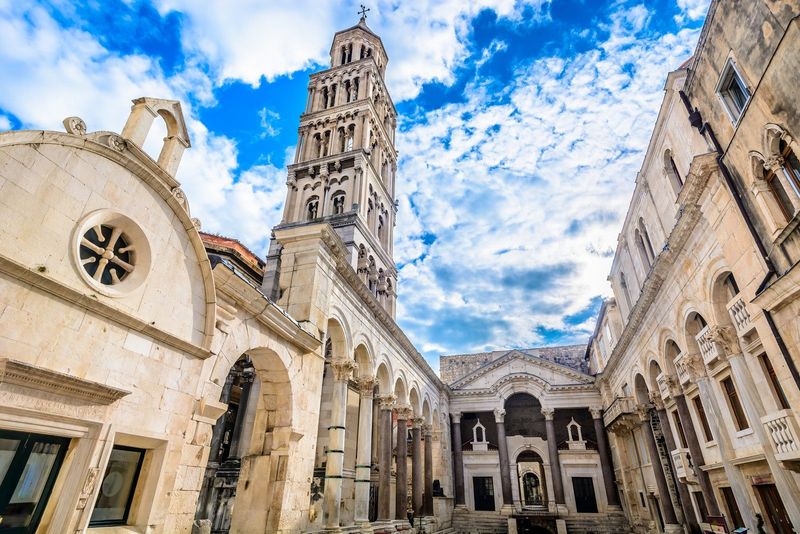
Most retired emperors write memoirs or tend gardens, but Diocletian went ahead and built himself a palace so enormous that an entire modern city grew up inside it. Constructed between AD 295 and 305 on the Adriatic coast, the palace complex covered about seven acres and included apartments, temples, mausoleums, and military barracks.
After the empire fell, local people moved into the palace and transformed it into a living neighborhood. Today the old Roman walls, gates, and columns are literally part of Split’s old town, with restaurants, apartments, and shops tucked into ancient Roman rooms.
The Cathedral of Saint Domnius was once Diocletian’s mausoleum, which is a pretty dramatic career change for a building.
Walking through Diocletian’s Palace feels like stepping directly into a history textbook, except the coffee is excellent and the Adriatic Sea sparkles just beyond the southern walls. The site is a UNESCO World Heritage Site and one of Croatia’s top tourist attractions.
Evening walks through the Peristyle courtyard, where outdoor concerts sometimes take place, are especially atmospheric. The blend of ancient Roman architecture and modern Croatian life here is genuinely unlike anything else in Europe.
Baths of Caracalla, Rome, Italy
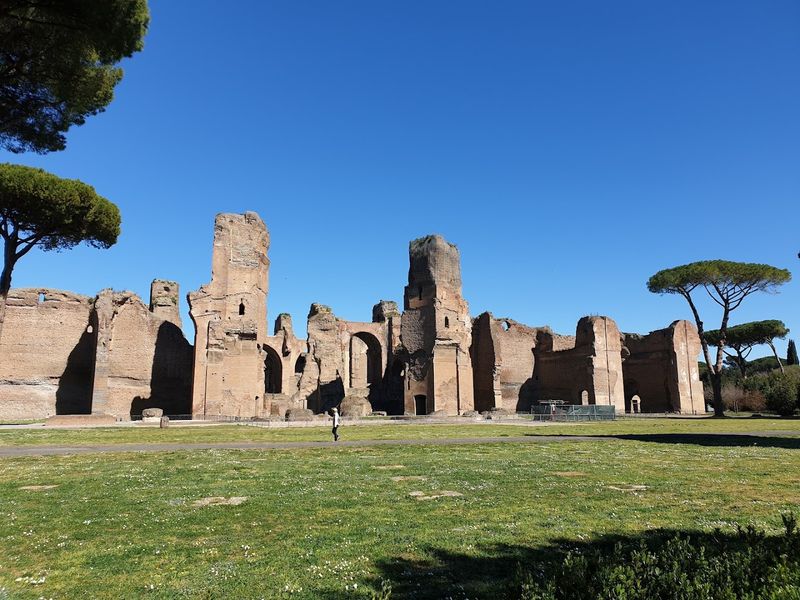
Forget your local gym because the Baths of Caracalla made modern fitness centers look modest. Opened in AD 216 under Emperor Caracalla, this enormous complex could serve up to 8,000 visitors per day.
It included hot pools, cold pools, steam rooms, exercise yards, libraries, and gardens all under one enormous roof.
The sheer scale of the ruins is overwhelming even today. Brick walls soar to heights of over 30 meters in some sections, and the footprint of the complex covers around 11 hectares.
Fragments of colored marble and stunning floor mosaics still survive, hinting at the jaw-dropping luxury Romans expected from a public bathhouse.
The baths were not just about cleanliness but also about socializing, networking, and relaxing after a long day. Romans of all social classes mixed here, which was quite unusual for ancient societies.
Today the site hosts outdoor opera performances during summer, making it one of Rome’s most dramatic cultural venues. Visiting on a weekday morning allows more space to wander and absorb the extraordinary scale of what the Roman state once built for its citizens.
Trier Imperial Baths, Germany
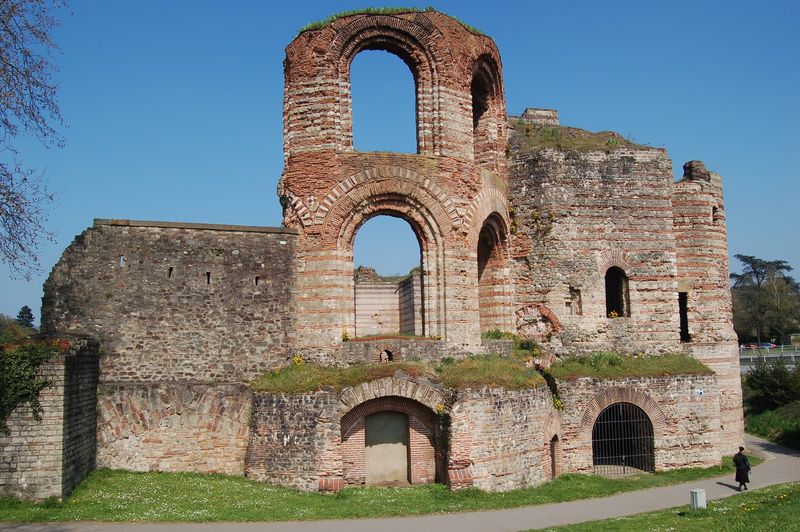
Germany is not the first place most people think of when Roman ruins come to mind, but Trier has been quietly holding some of Europe’s finest ancient monuments for nearly 2,000 years. The city was once called Augusta Treverorum and served as one of the most important imperial capitals in the Western Roman Empire during the fourth century AD.
The Imperial Baths, or Kaiserthermen, were planned on a colossal scale but were never actually completed. Construction began under Emperor Constantine in the early 300s AD, but the project was abandoned before the bathing halls could open.
Instead, the complex was repurposed as a military garrison and later as a medieval palace.
What visitors see today are dramatic red brick ruins with an impressive underground tunnel network that originally housed the heating and plumbing systems. Walking through those underground corridors gives a real sense of Roman engineering ambition.
Trier also contains other remarkable Roman monuments including the Porta Nigra gate, the Trier Amphitheater, and the Basilica of Constantine. The city is compact and walkable, making it possible to explore all its Roman highlights comfortably in a single day.
Temple of Diana, Merida, Spain
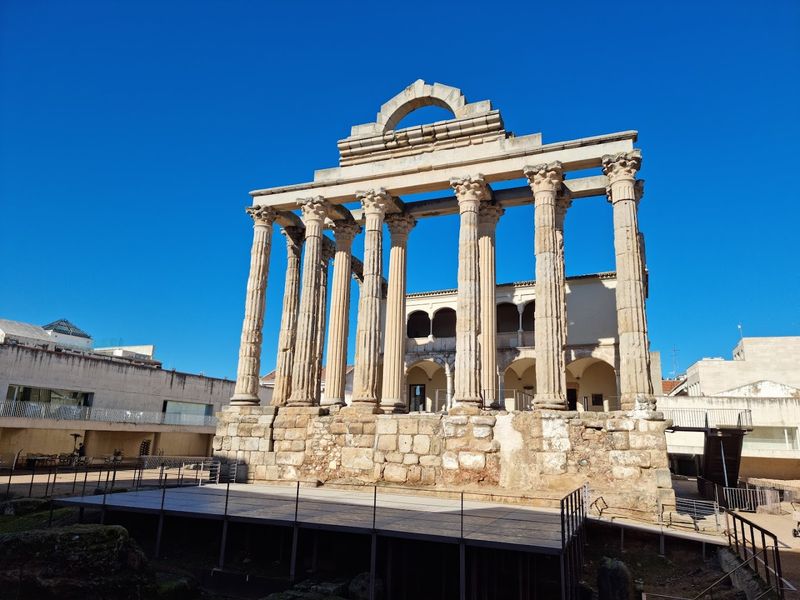
Despite its glamorous name, the Temple of Diana in Merida was never actually dedicated to the goddess of the hunt. Historians believe it was built during the first century AD for the worship of the imperial cult, meaning Roman emperors were honored here rather than mythological deities.
The name stuck anyway, probably because it sounded better than Temple of Emperor Augustus.
Located in the heart of modern Merida, the temple’s tall Corinthian columns rise dramatically above the surrounding city streets. The ancient Roman city of Emerita Augusta was founded in 25 BC and became the capital of the Roman province of Lusitania, covering much of modern Portugal and western Spain.
Merida was essentially the Roman powerhouse of the Iberian Peninsula.
Today Merida is a UNESCO World Heritage Site and home to one of the most concentrated collections of Roman monuments outside Italy. The nearby Roman Theatre and Amphitheatre of Merida are equally spectacular and still host an annual classical theater festival every summer.
Combining a visit to the temple with the theater complex makes for an outstanding full day of Roman history. The local archaeological museum is also considered one of Spain’s finest.
Pula Arena, Croatia
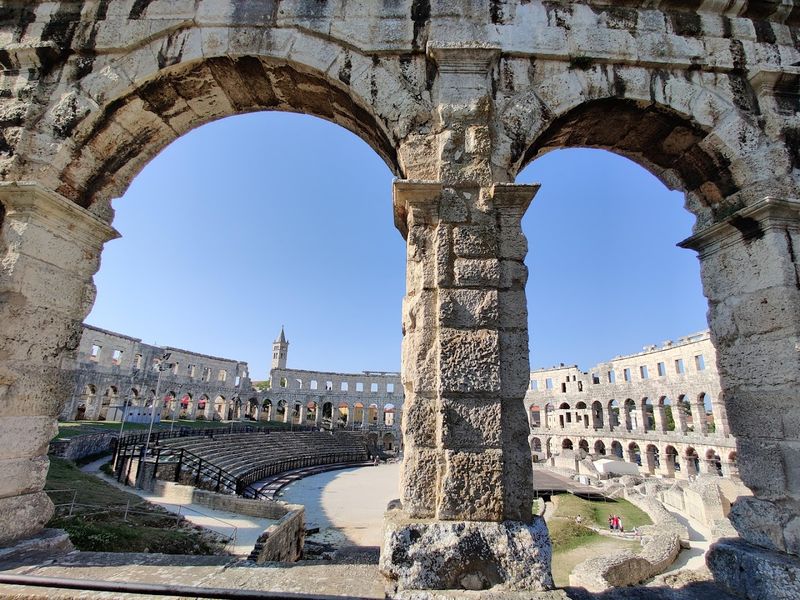
Ranked among the six largest Roman amphitheaters ever built, the Pula Arena has been making jaws drop since the first century AD. Located at the tip of the Istrian Peninsula near the Adriatic coast, it was constructed during the reign of Emperor Augustus and could hold approximately 20,000 spectators.
The outer walls stand almost completely intact, which is nothing short of miraculous.
Unlike many Roman arenas that lost their stone to medieval builders, Pula’s arena survived largely because the city itself shrank after the empire collapsed, reducing the demand for building materials. The four intact external towers are a unique feature not found on other surviving Roman amphitheaters.
Every stone arch feels like a postcard waiting to happen.
Today the arena hosts concerts, film festivals, and cultural events throughout the summer. The annual Pula Film Festival, held inside the ancient amphitheater under the stars, is one of Croatia’s most beloved cultural traditions.
Visitors can also explore an underground museum beneath the arena floor that displays ancient olive oil production equipment and Roman artifacts. Pula itself is a charming coastal city with excellent seafood restaurants just a short walk from the monument.
Ostia Antica, Italy
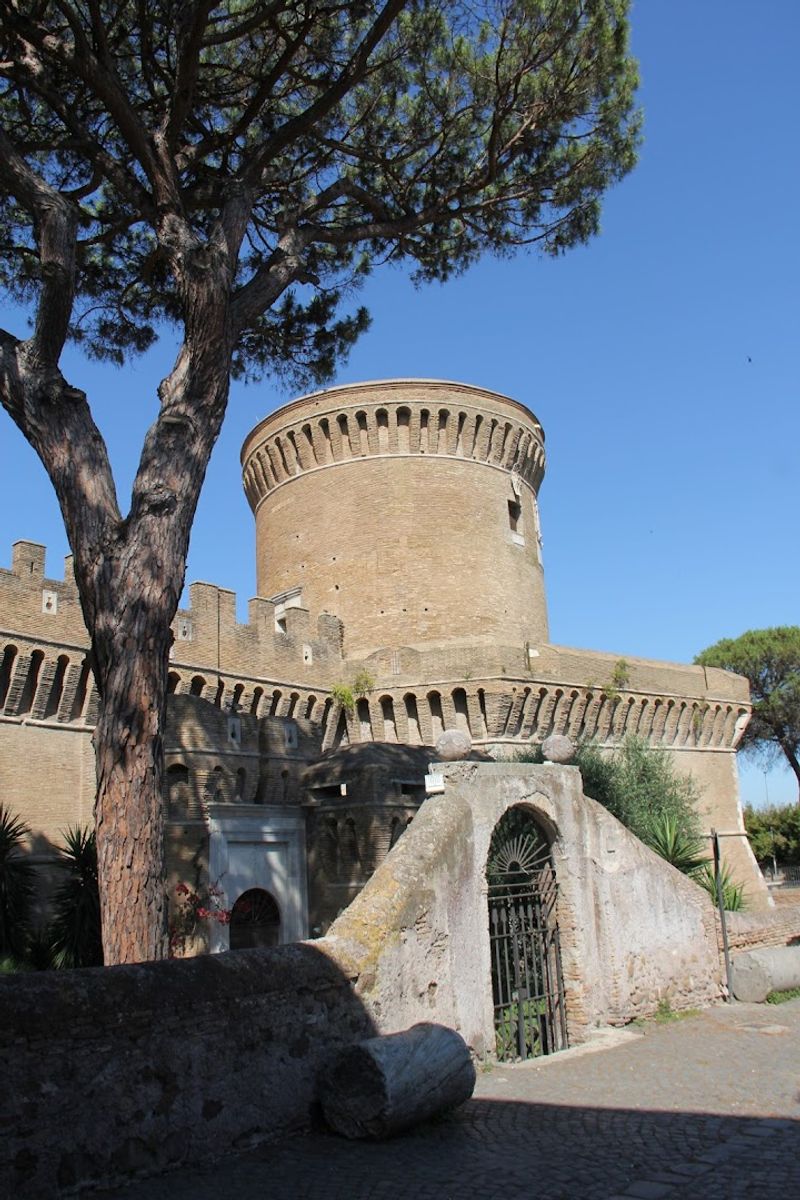
Just 30 kilometers from Rome sits one of Italy’s most underrated archaeological treasures, a place where you can walk through ancient apartment blocks, peer into old taverns, and read the mosaic advertisements left by Roman merchants. Ostia Antica was Rome’s main port city for centuries, handling the enormous flow of grain, wine, and goods that kept the empire running.
At its peak around the second century AD, Ostia had a population of around 100,000 people. The city contains multi-story apartment buildings called insulae, public baths, a theater, warehouses, and dozens of temples.
The level of preservation rivals Pompeii but without the same volcanic drama behind the story.
Ostia declined gradually as the harbor silted up and trade routes shifted, and the city was eventually abandoned. That slow decline, rather than a sudden catastrophe, actually helped preserve the buildings because they were left standing rather than demolished.
Today the site receives far fewer tourists than Pompeii or the Colosseum, meaning visitors often have entire streets to themselves. Combined with a short train ride from central Rome, Ostia Antica offers one of the best value history experiences in all of Italy.
Roman Theatre of Orange, France
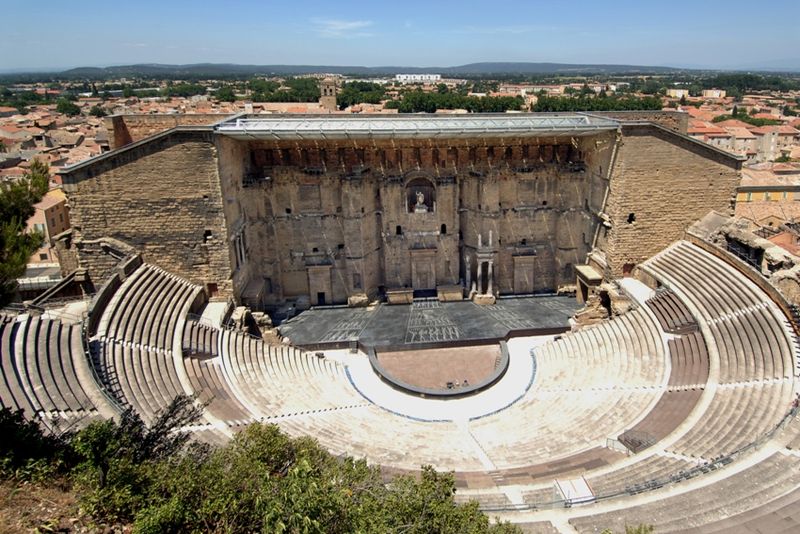
When Roman engineers designed the Theatre of Orange in southern France, they built the stage wall so solidly that it has outlasted virtually every other Roman theater stage wall on the planet. At 37 meters high and 103 meters wide, the wall is so imposing that Louis XIV of France reportedly called it the finest wall in his kingdom.
High praise from a man who built Versailles.
Constructed during the reign of Emperor Augustus in the first century BC, the theater seated around 10,000 spectators for theatrical performances, political speeches, and public ceremonies. The original statue of Augustus still stands in its central niche on the stage wall, making it one of the few Roman monuments where the intended decoration remains in its original position.
The theatre was designated a UNESCO World Heritage Site in 1981 and continues hosting the prestigious Choregies d’Orange opera festival every summer. Sitting in the ancient stone seats and watching a live performance as dusk falls over the Provencal countryside is an experience few other historical sites can match.
The nearby Roman arch at Orange is another worthwhile stop just a short walk from the theater and adds further context to the city’s remarkable Roman heritage.
Jerash, Jordan
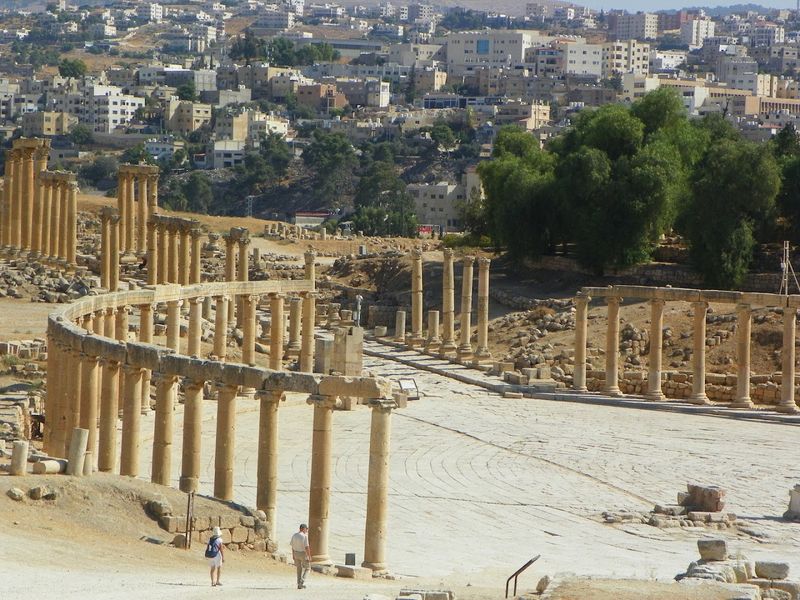
Technically located in the Middle East, Jerash is so deeply connected to Roman Mediterranean civilization that leaving it off this list would be a serious historical injustice. Known in Roman times as Gerasa, it was one of the most prosperous cities of the Decapolis, a league of ten Roman cities in the eastern empire.
Its ruins are extraordinarily well preserved.
The colonnaded main street, called the Cardo Maximus, still has its original paving stones and the grooves worn by ancient cart wheels. The city also contains two Roman theaters, a massive oval plaza called the Forum, several temples, triumphal arches, and public baths.
Walking through Jerash gives a clearer picture of Roman urban planning than almost any site in Europe itself.
Jerash sits about 48 kilometers north of Amman and is easily reachable by bus or taxi. The site is large enough to occupy a full day of exploration comfortably.
Every July, the Jerash Festival of Culture and Arts brings music and theater performances back to the ancient theaters. Historians consistently rank Jerash among the top five best-preserved Roman provincial cities in the entire world, a reputation that is absolutely justified by what visitors find there.
Porta Nigra, Trier, Germany
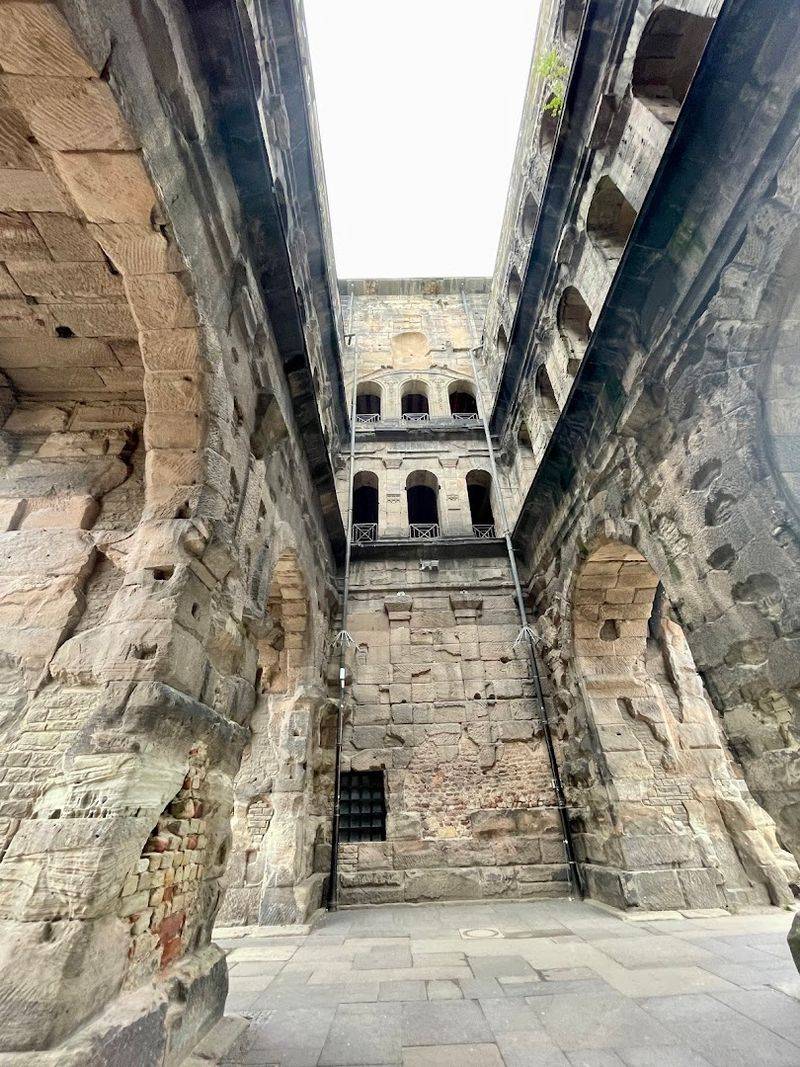
Nobody builds a city gate like the Romans, and the Porta Nigra in Trier is the ultimate proof. Translated as the Black Gate, this four-story sandstone structure is the largest surviving Roman city gate north of the Alps.
Built during the second century AD, it used over 7,200 blocks of sandstone, some weighing up to six tons, held together with iron clamps rather than mortar.
The dark color that inspired its medieval nickname came from centuries of weathering and pollution staining the stone. The gate was never actually completed to its original design, but what stands today is still enormously impressive.
During the Middle Ages, a Greek monk named Simeon lived inside the gate as a hermit, and after his death it was converted into a church dedicated to him. That church was later demolished on Napoleon’s orders to restore the Roman appearance.
Today the Porta Nigra is Trier’s most recognizable landmark and a UNESCO World Heritage Site. The upper floors are open to visitors and offer excellent views over the city’s old town.
Combined with Trier’s other Roman monuments, the gate anchors one of Germany’s richest and most rewarding ancient history experiences. Entrance fees are reasonable and the site is well signposted from the train station.
Volubilis, Morocco
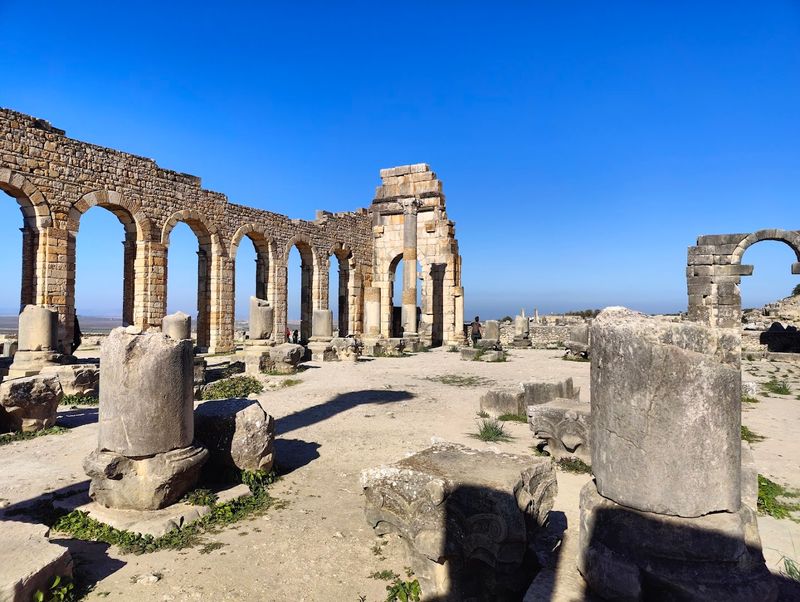
Morocco might not be the first destination that springs to mind for a Roman history trip, but Volubilis will change that assumption fast. Perched on a fertile plain near modern Meknes, this ancient city was one of Rome’s most remote outposts, sitting at the very southwestern edge of the empire.
At its height it had a population of around 20,000 people and was a major producer of olive oil and grain.
The ruins cover a large area and include a spectacular triumphal arch dedicated to Emperor Caracalla, a basilica, a capitol temple, and dozens of houses with stunning mosaic floors still visible in their original positions. The mosaics depicting mythological scenes and hunting imagery are among the finest surviving examples of Roman floor art anywhere in the world.
Volubilis was declared a UNESCO World Heritage Site in 1997 and sits about 33 kilometers from Meknes, making it accessible as a day trip. The site is large and partially shaded, but bringing water and sunscreen is strongly advised during summer months when temperatures rise sharply.
Combining a visit with nearby Meknes and the medieval town of Moulay Idriss creates an extraordinary journey through layers of North African and Roman history in a single unforgettable day.
Share this story