The FIFA World Cup 2026 is coming to North America, and millions of fans will travel to cities across the USA, Canada, and Mexico to catch the action. But beyond the roaring stadiums and packed fan zones, each host city holds a quieter, more personal side worth discovering.
From underground art spaces to ancient farming traditions, these hidden gems offer something the highlight reels never show. Whether you have a few spare hours between matches or a full day to explore, these spots are worth every step.
1. Evergreen Brick Works (Toronto, Canada)
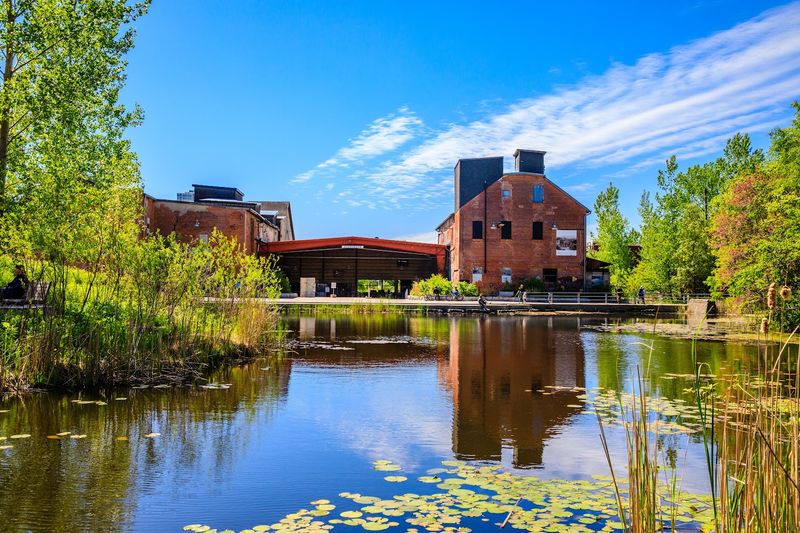
Few places in Toronto tell a story quite like Evergreen Brick Works. What was once a bustling industrial quarry and brick factory has been completely reimagined as a gathering place for nature lovers, artists, and local food fans.
The transformation is remarkable, and you can still see the original kilns and brick structures standing proudly alongside modern green spaces.
On weekends, the Farmers Market draws locals selling fresh produce, handmade crafts, and hot food that smells absolutely incredible. Nature trails wind through the Don Valley ravine, offering a quiet escape that feels miles away from the city buzz.
Art installations pop up throughout the grounds, making every visit feel a little different.
If you are heading to Toronto for the World Cup, carve out at least a half-day here. Bring comfortable shoes, grab a coffee from one of the local vendors, and enjoy a side of Toronto most tourists never find.
2. Dr. Sun Yat-Sen Classical Chinese Garden (Vancouver, Canada)
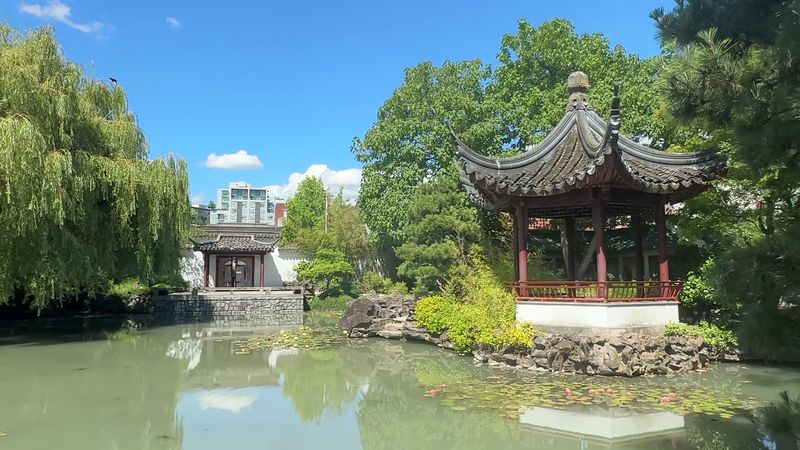
Tucked behind a wooden gate in Vancouver’s historic Chinatown, this garden is one of the most peaceful spots in the entire city. Built in 1986 as the first full-scale classical Chinese garden outside of China, every detail here was carefully designed according to Ming Dynasty principles.
Artisans from Suzhou, China, brought over more than 950 crates of materials to make it authentic.
Koi fish drift lazily through jade-green ponds while twisted pine trees lean over limestone rockeries. The balance of hard and soft, light and shadow, open and enclosed spaces is intentional, creating a sense of calm that sneaks up on you.
Admission is affordable, and guided tours are available if you want the full story behind each design choice. After a loud and electric match day at BC Place, this garden feels like pressing a reset button.
Quiet, beautiful, and completely worth the short walk from downtown.
3. Bosque Los Colomos (Guadalajara, Mexico)
Right in the middle of one of Mexico’s largest cities, Bosque Los Colomos offers something surprisingly rare: real silence. This sprawling urban forest covers more than 90 hectares and has been a beloved local retreat for decades.
Guadalajara residents come here to jog, picnic, birdwatch, and simply breathe.
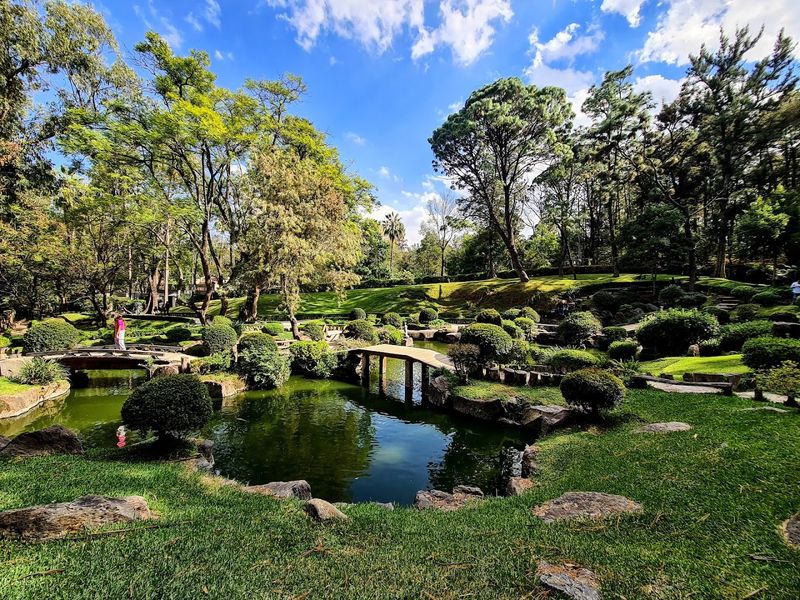
One of the most charming corners of the park is the Japanese Garden, a serene enclave with stone lanterns, a wooden bridge, and carefully trimmed shrubs. It feels almost out of place in a Mexican city, which makes it even more memorable.
Peacocks wander freely through parts of the park, occasionally stopping traffic on the walking paths.
Unlike the city’s more famous attractions, Los Colomos rarely feels overcrowded. Pack a snack, wear sunscreen, and plan to spend a relaxed morning or afternoon here.
It is the kind of place where you sit down for five minutes and end up staying two hours.
4. Xochimilco Ecological Reserve (Mexico City, Mexico)
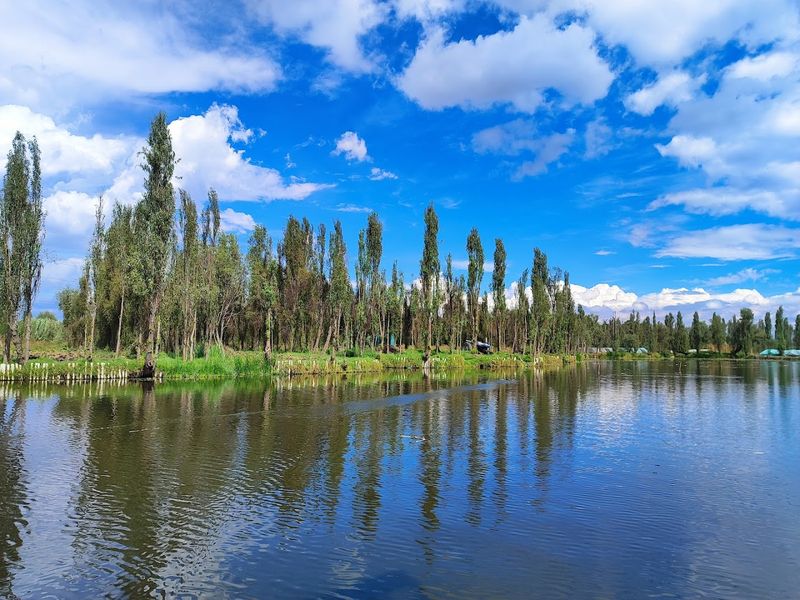
Most visitors to Xochimilco hop on a colorful trajinera boat and spend the afternoon floating past mariachi bands and food vendors, which is genuinely fun. But just beyond the festive canals lies the ecological reserve, a quieter and far more fascinating corner of this UNESCO World Heritage Site.
Here, ancient chinampa farming, a method dating back to the Aztec era, is still practiced by local families.
Chinampas are essentially floating garden islands built up from layers of aquatic vegetation and mud. Walking alongside these plots and watching farmers tend their crops using centuries-old techniques is a humbling experience.
The reserve also supports dozens of native bird species and serves as a critical wetland ecosystem for the region.
Guided eco-tours are available and highly recommended. They provide context that transforms a simple walk into a genuinely educational adventure.
For World Cup visitors who want depth beyond the match day excitement, this is exactly the kind of stop that stays with you.
5. Chipinque Ecological Park (Monterrey, Mexico)
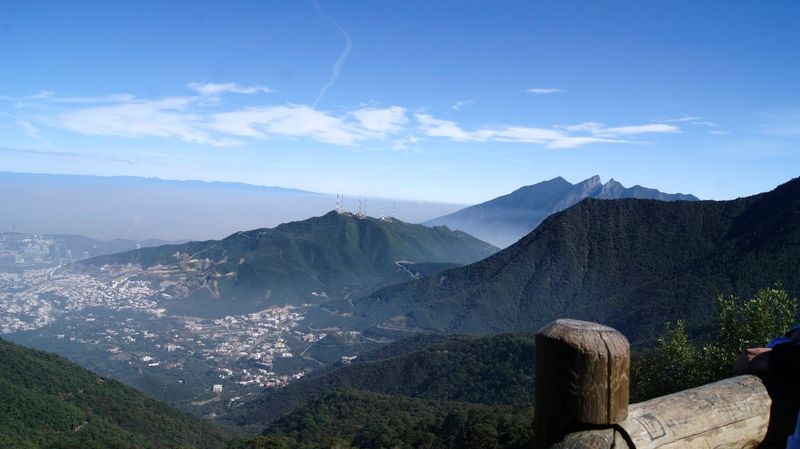
Just a short drive from central Monterrey, Chipinque feels like a completely different world. Sitting inside the Sierra Madre Oriental mountain range, this ecological park is home to white-tailed deer, mountain lions, and over 200 bird species.
The air is noticeably cooler and cleaner up here, which makes the climb absolutely worth it.
Trails range from easy paved paths to challenging rocky ascents, so both casual walkers and serious hikers will find something that suits them. The panoramic views over Monterrey from the higher points are genuinely jaw-dropping, especially at golden hour when the city lights begin to flicker below.
Chipinque is well managed and has a visitor center, parking, and basic food options. Entry fees are reasonable, and the park is open early enough to catch a morning hike before match day activities begin.
Monterrey is known for being a tough, passionate football city, and this park matches that energy with raw, rugged beauty.
6. Oakland Cemetery (Atlanta, USA)
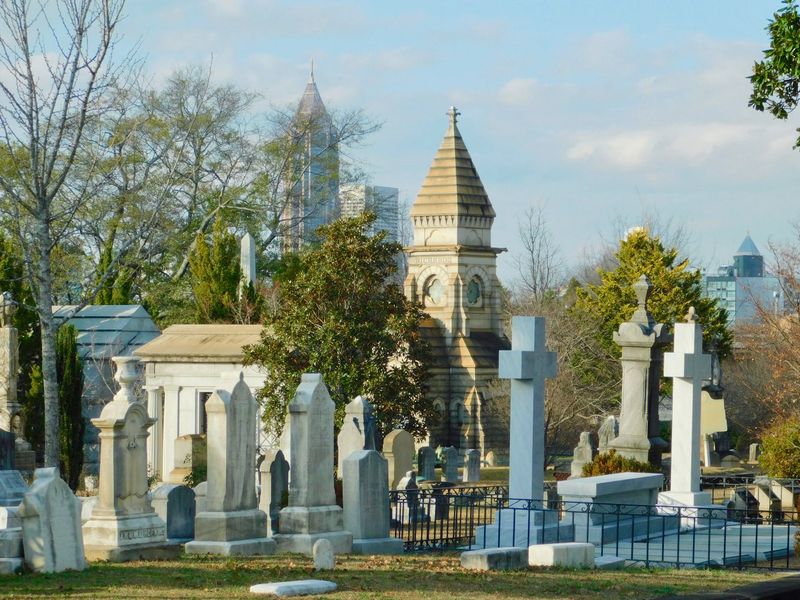
Oakland Cemetery is one of those rare places that manages to be both historically rich and genuinely beautiful. Founded in 1850, it is Atlanta’s oldest public park and serves as the final resting place for more than 70,000 people, including Confederate and Union soldiers, six Georgia governors, and author Margaret Mitchell.
The mix of Gothic Revival architecture and classic Southern landscaping gives it a strangely peaceful atmosphere.
Garden trails wind past Victorian-era sculptures, mossy headstones, and magnolia trees, and the skyline views of downtown Atlanta from the hill are among the best in the city. The cemetery hosts regular tours, including popular lantern-lit evening walks that bring the history to life in a memorable way.
For World Cup fans spending time in Atlanta, this is a spot that offers genuine perspective on the city’s layered past. It is free to visit, easy to reach from Mercedes-Benz Stadium, and unlike anything else on a typical tourist itinerary.
7. Borderland State Park (Foxborough, USA)
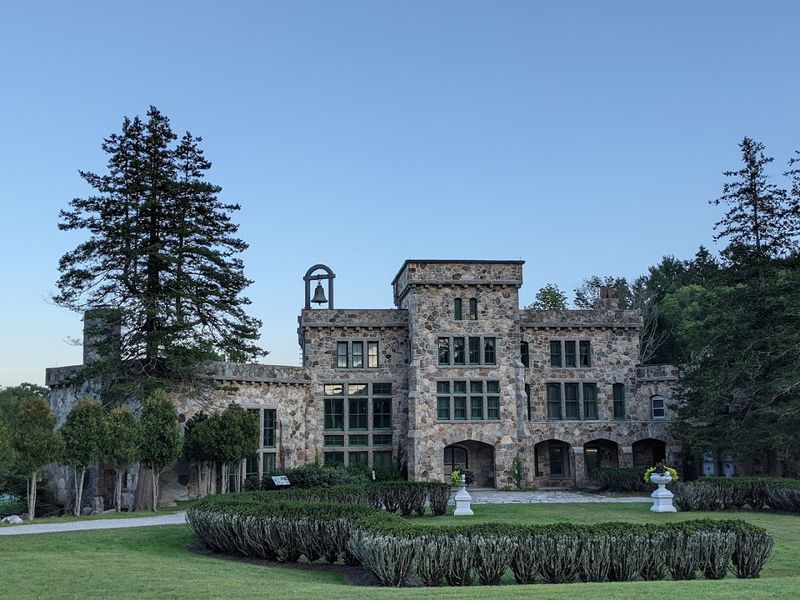
About 15 minutes from Gillette Stadium, Borderland State Park is the kind of place that feels like a well-kept secret even though it has been a Massachusetts treasure for decades. The park spans over 1,800 acres of forests, ponds, and wetlands, all wrapped around the stunning Ames Mansion, a historic country estate built in the early 1900s.
The trails here are peaceful and well-marked, ranging from flat lakeside strolls to hillier woodland paths. Fishing, birdwatching, and horseback riding are all popular activities, and the ponds are beautiful in every season.
Fall visits are especially magical when the tree canopy turns gold, orange, and deep red.
Boston’s more famous spots like the Freedom Trail or Fenway Park attract enormous crowds, but Borderland rarely feels that way. If you are in the area for a World Cup match and want fresh air without the fuss, this park delivers exactly that.
Admission is low, and the payoff is high.
8. Bishop Arts District (Dallas, USA)
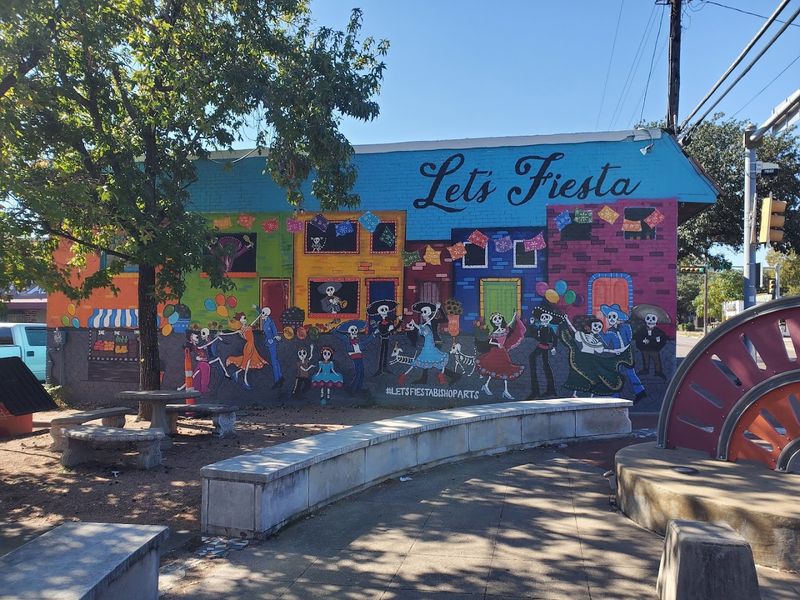
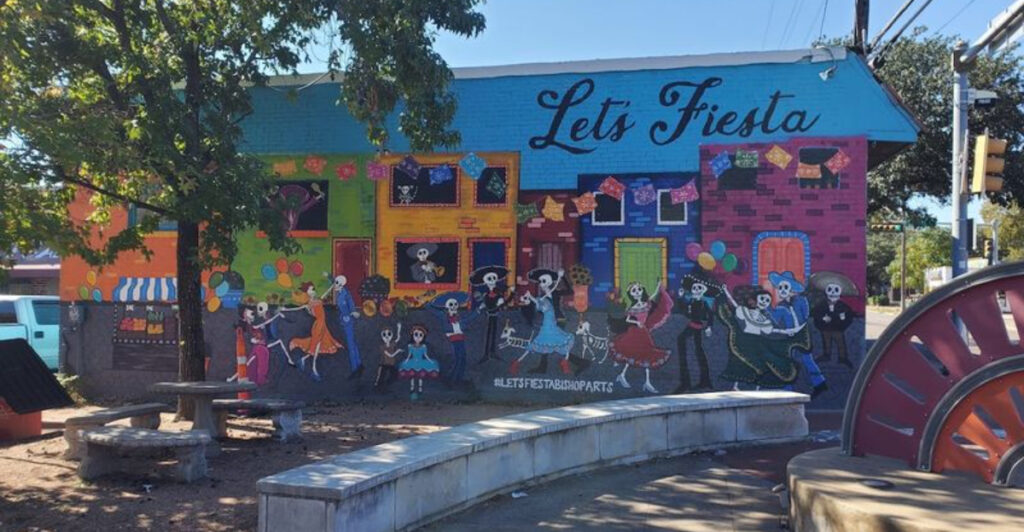
There is a version of Dallas that the big stadiums and chain restaurants do not show you, and Bishop Arts District is exactly that version. Located in the Oak Cliff neighborhood, this walkable stretch of streets is packed with independent bookshops, locally owned restaurants, vintage clothing stores, and some of the most vibrant street murals in Texas.
The energy here feels creative and community-driven rather than polished for tourists.
Food options span everything from handmade tacos and Neapolitan pizza to craft cocktails and Vietnamese banh mi. The dining scene is genuinely excellent and surprisingly affordable compared to downtown Dallas spots.
Evenings bring out live music, sidewalk seating, and a neighborhood warmth that is hard to replicate.
Bishop Arts is only about 20 minutes from AT&T Stadium in Arlington, making it a perfect pre or post-match destination. Skip the chain restaurants near the stadium and head here instead.
Your taste buds and your Instagram feed will both thank you.
9. Buffalo Bayou Park Cistern (Houston, USA)
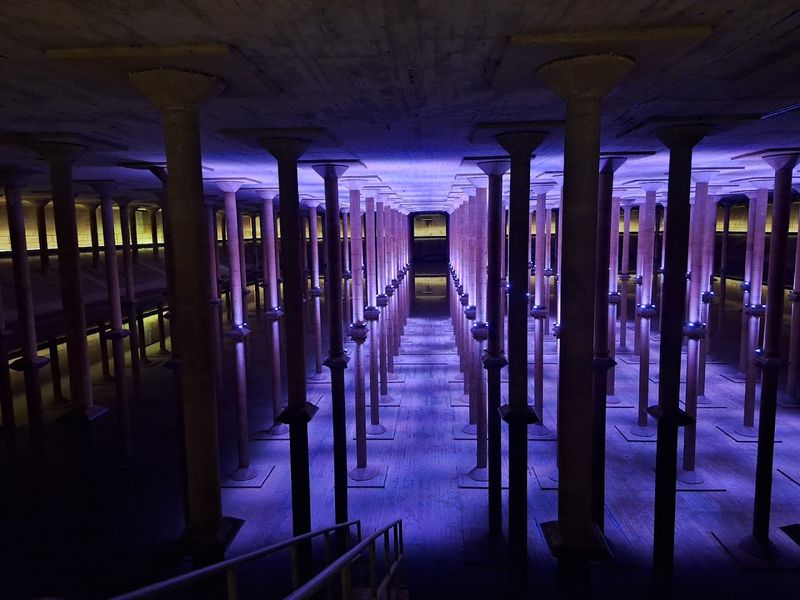
Underneath Buffalo Bayou Park in Houston lies one of the most unexpected public spaces in America. The Buffalo Bayou Park Cistern is a former underground drinking water reservoir built in 1926, capable of holding 15 million gallons of water.
Today it has been transformed into a hauntingly beautiful venue for art installations, guided tours, and acoustic performances.
Walking into the cistern feels cinematic. Two hundred and twenty-one slender concrete columns stretch into the darkness, their reflections shimmering in the thin layer of water that remains on the floor.
The acoustics are extraordinary, with sounds echoing for up to 17 seconds. Artists from around the world have used this space to create immersive installations that feel truly one-of-a-kind.
Tours are ticketed and fill up quickly, so book ahead if you can. For Houston visitors who think they have seen everything the city has to offer, the cistern will genuinely surprise them.
It is dark, dramatic, and completely unlike anything above ground.
10. West Bottoms (Kansas City, USA)
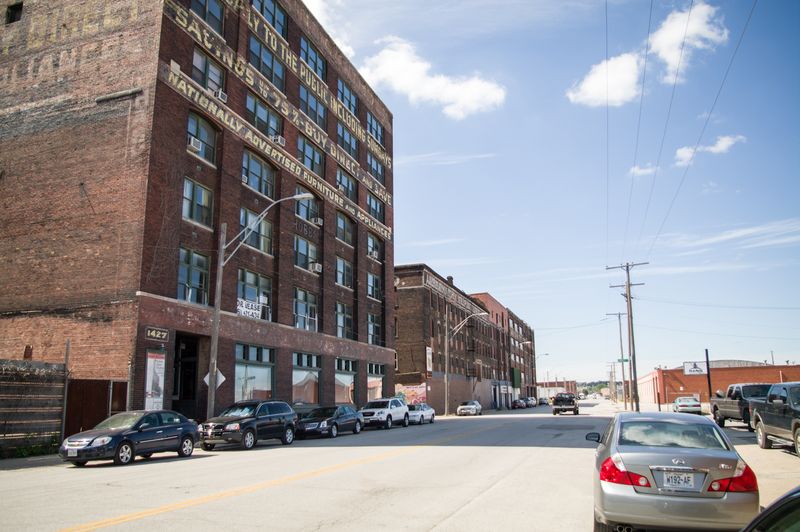
Kansas City has no shortage of barbecue joints and jazz bars, but West Bottoms offers something older and grittier in the best possible way. Sitting at the confluence of the Kansas and Missouri rivers, this former meatpacking and warehouse district is one of the city’s most historically significant neighborhoods.
The heavy brick architecture dates back to the late 1800s, and walking its streets feels like stepping into a forgotten chapter of American industrial history.
Today the district has been revived by antique dealers, small galleries, and quirky local businesses that lean into the raw, unpolished aesthetic. The first weekend of every month brings a massive antique market that draws collectors from across the region.
Halloween season transforms West Bottoms into a haunted attraction destination that locals genuinely love.
It sits just a short drive from Arrowhead Stadium, making it an easy detour before or after a match. The vibe is relaxed, the prices are fair, and the sense of history is real.
11. Kenneth Hahn State Recreation Area (Los Angeles, USA)
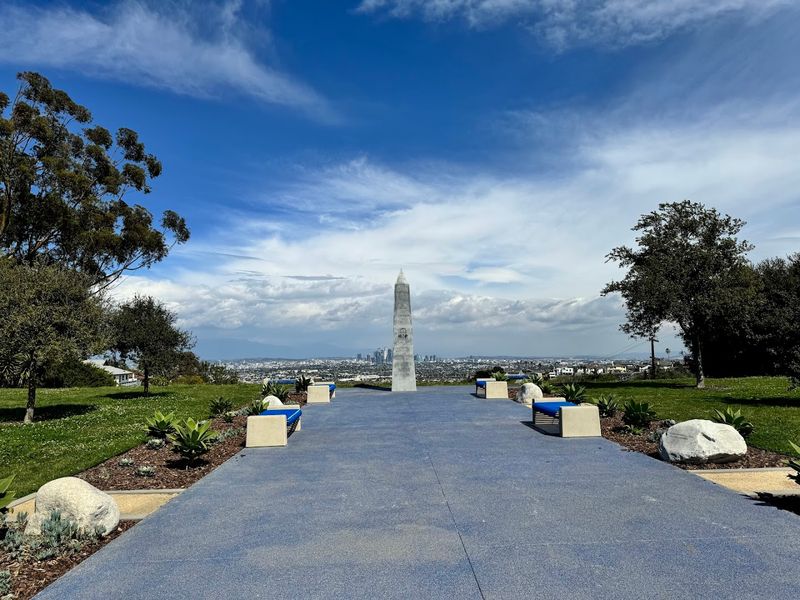
Inglewood sits right next to one of the most underappreciated parks in all of Los Angeles. Kenneth Hahn State Recreation Area is a 401-acre green space that offers something the city desperately needs: room to breathe.
Named after a longtime LA County Supervisor, the park has been a community anchor since the 1980s and features fishing lakes, picnic areas, and walking trails that wind through native California landscape.
The views from the upper trails are genuinely stunning. On a clear day, you can see downtown Los Angeles, the Hollywood Hills, and on the best days, the Pacific Ocean glittering in the distance.
Few parks in the region offer that kind of visual reward for such a modest hike.
SoFi Stadium is literally minutes away, which makes this an ideal spot to relax before the match-day crowds arrive. Parking is available and affordable, and the park is family-friendly from start to finish.
It is the LA experience without the traffic, lines, or price tag.
12. Oleta River State Park (Miami, USA)
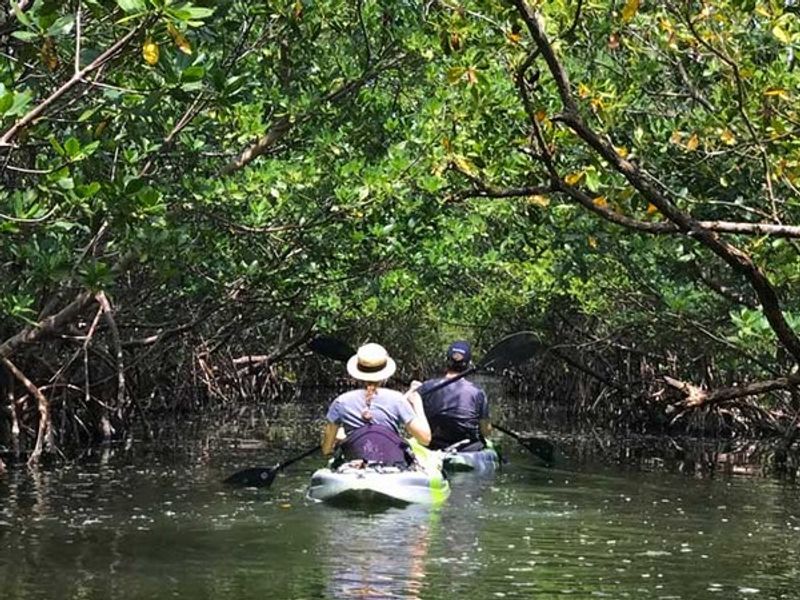
Miami is known for its beaches, nightlife, and luxury hotels, but Oleta River State Park plays a completely different tune. As Florida’s largest urban park, Oleta covers over 1,000 acres of mangrove forest, tidal flats, and river waterways right in the middle of the Miami metro area.
It is the kind of place that makes you forget you are in one of America’s most densely populated cities.
Kayaking through the mangrove tunnels is the park’s most popular activity, and for good reason. Paddling under a canopy of tangled roots with herons and manatees nearby is a sensory experience unlike anything else in South Florida.
Mountain biking trails wind through the park’s interior for those who prefer land-based adventure.
Hard Rock Stadium in Miami Gardens is just a short drive away. After the noise and intensity of a World Cup match, Oleta offers the perfect counterbalance.
Rentals are available on-site, so you do not need to bring any equipment to enjoy a full afternoon here.
13. The Cloisters (New York/New Jersey, USA)
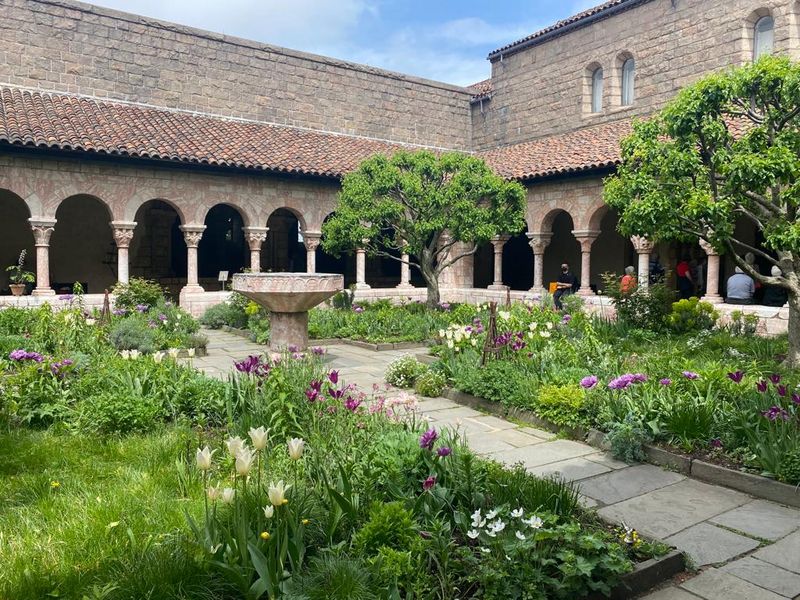
Way up in the northern tip of Manhattan, far from the Times Square crowds and packed subway platforms, sits one of New York’s most quietly magnificent places. The Cloisters is a branch of the Metropolitan Museum of Art dedicated entirely to medieval European art and architecture.
The building itself was constructed using actual architectural elements from five French medieval monasteries, reassembled stone by stone in New York during the 1930s.
Inside, you will find unicorn tapestries, illuminated manuscripts, stained glass windows, and carved ivory artifacts spanning over 1,000 years of history. The surrounding Fort Tryon Park adds to the magic, with terraced gardens and sweeping views over the Hudson River that feel more like the French countryside than New York City.
MetLife Stadium in East Rutherford is less than an hour away by transit. If you are making the trip to New York for the World Cup final, this museum is the kind of cultural experience that genuinely enriches the whole journey.
Admission is included with a standard Met ticket.
14. Fairmount Park Horticulture Center (Philadelphia, USA)
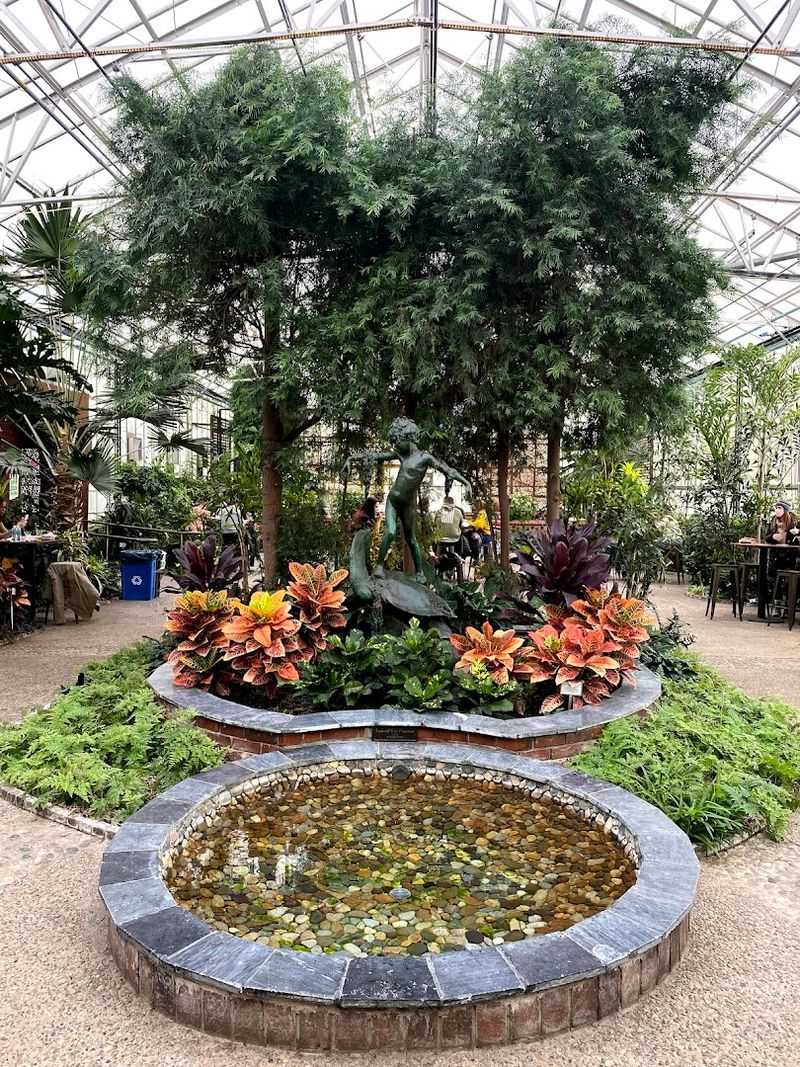
Philadelphia’s Fairmount Park is one of the largest urban park systems in the United States, and tucked within it is a gem that most visitors walk right past. The Horticulture Center is a sprawling complex of greenhouse facilities, display gardens, and open green spaces that has been part of the park since the 1876 Centennial Exposition.
The history alone makes it worth a visit.
Rotating seasonal displays mean the gardens look different every time you come back. Spring brings tulips and cherry blossoms, summer fills the beds with tropical plants and bold perennials, and autumn arrives with dramatic foliage and harvest-themed arrangements.
The greenhouse interiors are warm and fragrant year-round, offering a peaceful retreat on cooler days.
Lincoln Financial Field is just a few miles away, making this an easy addition to any Philadelphia match-day itinerary. Entry is free, the grounds are well-maintained, and the overall atmosphere is calm and welcoming.
It is an honest, unhurried kind of beautiful that Philadelphia does very well.
15. Ulistac Natural Area (Santa Clara, USA)
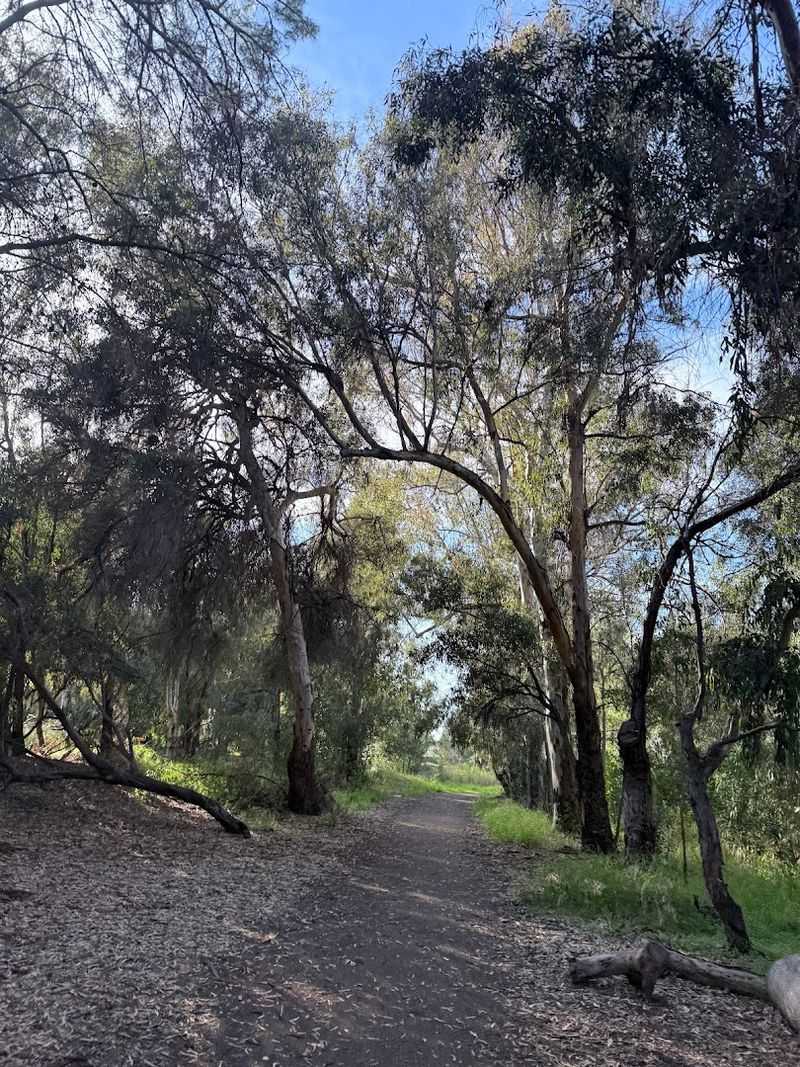
Silicon Valley is not exactly famous for wide-open natural spaces, which is exactly what makes Ulistac Natural Area such a find. This 40-acre preserve sits along the Guadalupe River in Santa Clara, just minutes from Levi’s Stadium, and represents one of the last remaining examples of natural California habitat in the entire Bay Area.
The land has cultural significance to the Ohlone people, who lived here for thousands of years before European settlement.
Restoration volunteers have worked for years to remove invasive plants and replant native grasses, wildflowers, and willows. The result is a surprisingly rich ecosystem where hawks, egrets, and foxes can be spotted on a regular basis.
The trails are unpaved and uncrowded, giving the area a genuinely wild feel despite being surrounded by tech campuses.
There is no entry fee, no visitor center, and no crowds. Just a quiet, meaningful stretch of California as it used to be.
For World Cup fans who appreciate natural beauty, this small preserve punches well above its weight.
16. Gas Works Park (Seattle, USA)
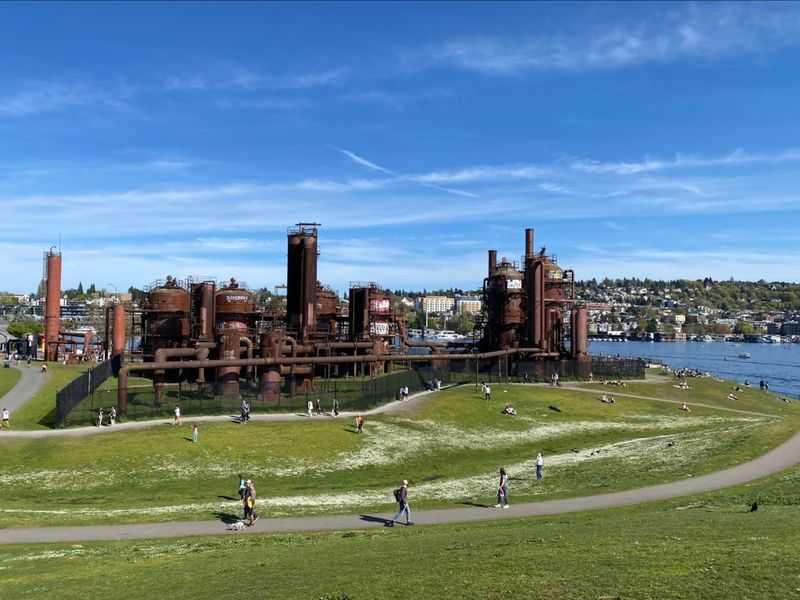
Seattle has plenty of well-known parks, but Gas Works earns a special place on this list for sheer originality. Built on the former Seattle Gas Light Company plant site on the north shore of Lake Union, this park opened in 1975 and kept the old industrial machinery rather than tearing it down.
The massive rusted towers and pipes now stand as sculptures against the Seattle skyline, creating one of the most visually striking park landscapes anywhere in the country.
The Great Mound at the center of the park is a popular spot for kite flying and offers panoramic views of downtown Seattle, the Space Needle, and the water below. Picnickers spread out across the wide lawns, and kayakers launch from nearby docks.
The park has a genuinely communal, lived-in energy that feels authentically Seattle.
Lumen Field is a short drive or rideshare away. Gas Works Park is the kind of place that rewards curiosity, the more you look at the old machinery and the surrounding landscape together, the more interesting it becomes.
Share this story