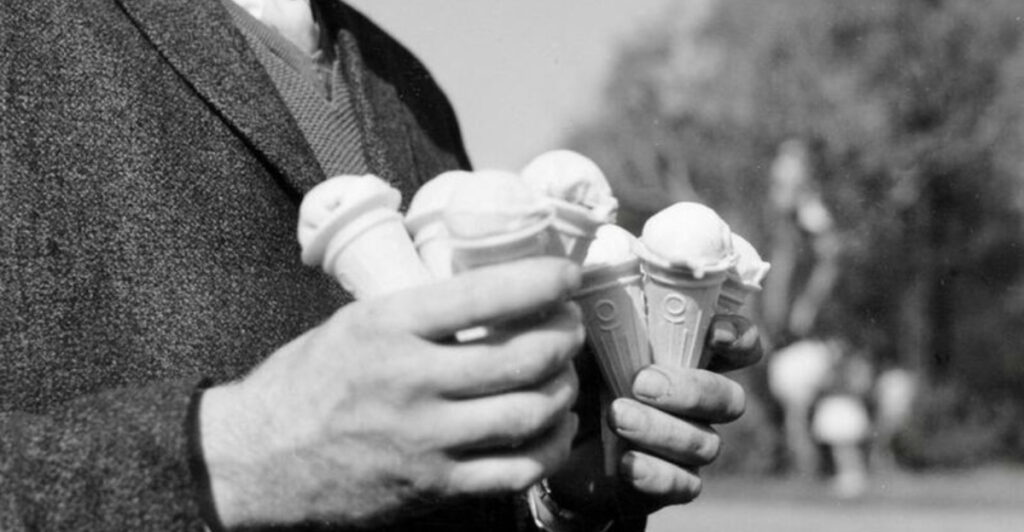
Ice cream counters did not always stick to the basics. Midcentury shops regularly introduced regional flavors, seasonal specials, and soda fountain creations alongside the standard lineup.
As national brands expanded and grocery shelves became more uniform, many of these distinctive options disappeared. What was once a rotating mix of local favorites and experimental scoops gave way to safer, more predictable choices.
Here is a look at sixteen forgotten flavors that once had dedicated followings and stories you probably have not heard.
1. Lemon Custard

Sharpness had a place in older dessert cases, and Lemon Custard proved it. This flavor balanced creamy egg-rich custard with clear lemon flavor, giving diners and ice cream buyers something brighter and more structured than standard fruit ice cream.
Custard-based frozen desserts were once a stronger presence in American eating, especially in soda fountains and restaurants that valued richer formulations. Lemon added freshness while keeping the result grounded in classic pastry traditions, which made the flavor feel refined without being obscure.
Its decline came as supermarket ice cream shifted toward broader sweetness and more immediately familiar flavors. Tart desserts can be divisive, and Lemon Custard occupied a middle ground that was easy for retailers to cut when freezer space tightened.
It also faced competition from sherbet, frozen yogurt, and lemon pie themed products that were easier to market through texture or mix-ins. Even so, the flavor deserves more credit than it gets.
It belonged to a period when dessert menus assumed adults might want contrast, not just sugar, and that a little citrus bite could be part of the appeal rather than a warning label.
2. Teaberry
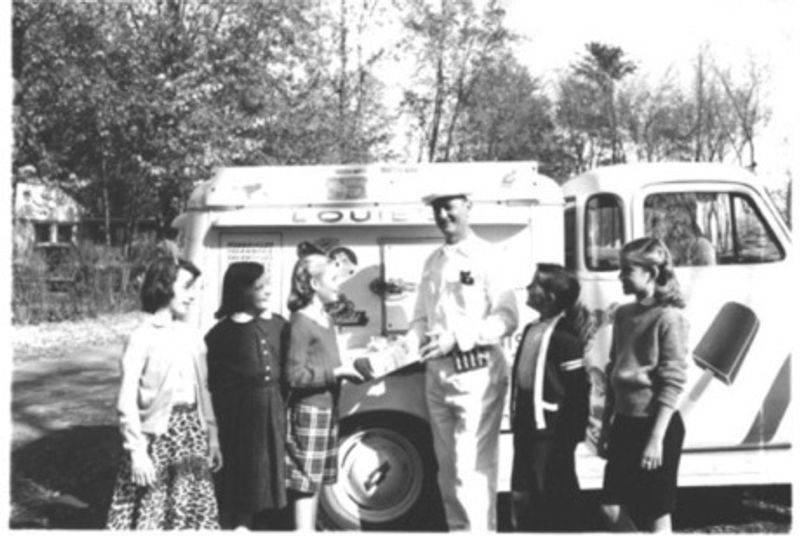
One spoonful could confuse anyone expecting plain strawberry. Teaberry ice cream carried a pink color but delivered a wintergreen style flavor drawn from the teaberry plant, especially familiar in parts of Pennsylvania and the Appalachian region.
For decades, it showed up in local dairies, roadside stands, and small town ice cream shops where regional tastes still mattered. Its popularity leaned heavily on local memory, much like teaberry gum, which helped keep the flavor recognizable even as national brands ignored it.
The problem was scale. Wintergreen profiles never became a broad supermarket favorite, and companies chasing safer choices gave more freezer space to cookie dough, chocolate chip, and fruit flavors with wider appeal.
Today, teaberry survives mostly as a regional specialty, which is fitting in a way. It was never trying to be universal.
It was the kind of flavor that made a place feel specific, and that is exactly why people still talk about it.
3. Tutti Frutti
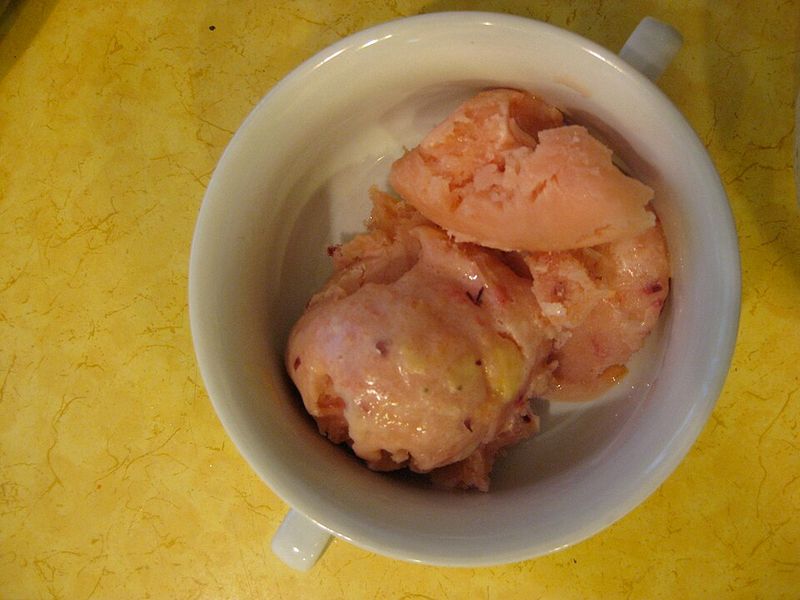
This was the flavor equivalent of a packed variety show. Tutti Frutti blended candied fruits, and sometimes nuts, into a cheerful, busy ice cream that reflected an older dessert tradition when abundance on the spoon counted as a selling point.
The name comes from Italian for all fruits, and the flavor appeared in American parlors well before modern premium brands simplified the category. It fit neatly into a time when fruitcake, molded desserts, and colorful mix-ins were common parts of celebrations rather than punch lines.
As grocery culture shifted, Tutti Frutti started to look fussy beside clean labels and familiar standards. Candied fruit also lost status with many shoppers, who increasingly preferred fresh fruit swirls or cookie pieces.
That change pushed the flavor out of mainstream tubs and into specialty shops, where it now feels almost defiant. If you find it today, you are tasting a version of dessert history that once treated excess as charm and saw no reason to apologize for it.
4. Butter Brickle
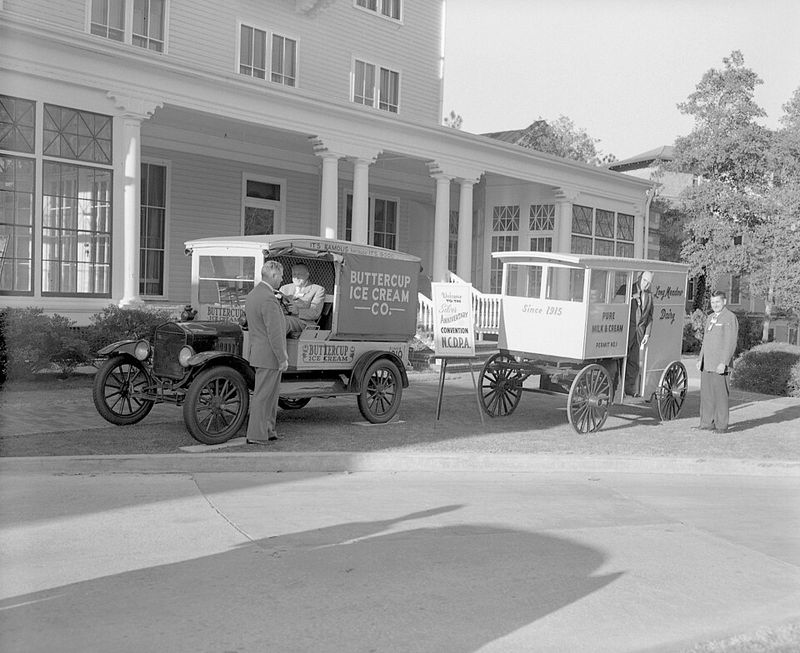
A little crunch once gave this freezer staple real star power. Butter Brickle combined rich butter toffee flavor with crisp candy shards, and it became widely known in the early twentieth century as Americans embraced sweeter, more elaborate commercial desserts.
The flavor was tied to the Butter Brickle candy bar, introduced by the Fenn Bros. company in the 1920s, and it spread through ice cream counters, packaged desserts, and recipe booklets. For a while, it represented the kind of polished indulgence that soda fountains and family restaurants loved to sell.
Its decline was not dramatic. It just got crowded out by newer mix-in favorites, especially once brands leaned into chocolate chunks, caramel ribbons, and branded candy partnerships with bigger marketing budgets.
Butter Brickle still appears now and then, usually as a nostalgic revival, but it no longer anchors the case the way it once did. That is a shame, because it offered something many modern flavors chase constantly: contrast, simplicity, and a name that sounded confident enough to wear a cardigan.
5. Black Walnut
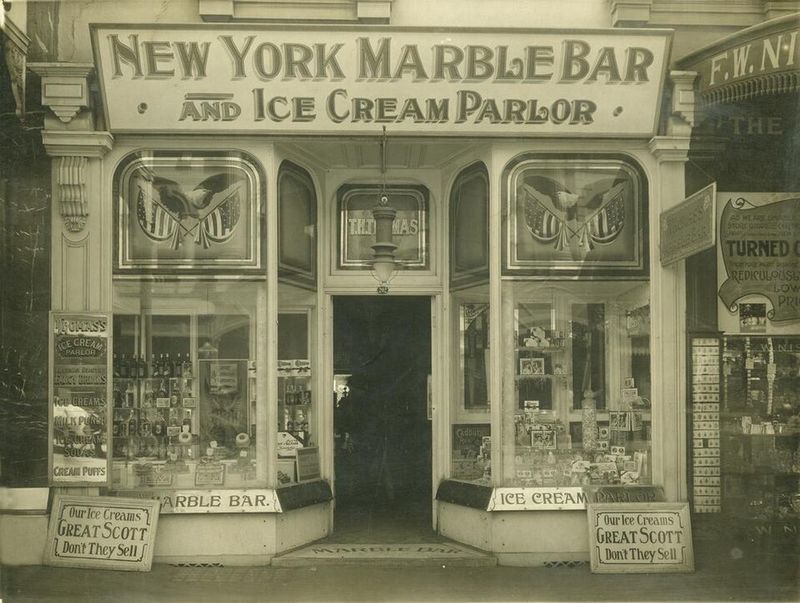
Nothing about this flavor tried to win over the indecisive. Black Walnut ice cream used the strong, earthy character of black walnuts, which differ noticeably from the milder English walnuts found in many baked goods and supermarket snacks.
That sharper flavor gave it loyal fans across parts of the Midwest and South, where black walnut trees were familiar and home cooking often made room for assertive regional ingredients. Ice cream makers used it because it felt connected to local harvests and to an era when bitter or tannic notes were not automatically seen as flaws.
Over time, mass market tastes moved toward sweeter and more uniform profiles. Black Walnut asked people to meet it halfway, and freezer aisles are not famous for rewarding that kind of effort.
As national brands trimmed slower sellers, the flavor became harder to find outside small dairies and heritage-minded shops. Yet among people who grew up with it, Black Walnut still inspires unusually firm opinions.
You either understood it immediately, or you kept walking toward vanilla without apology.
6. Maple Walnut
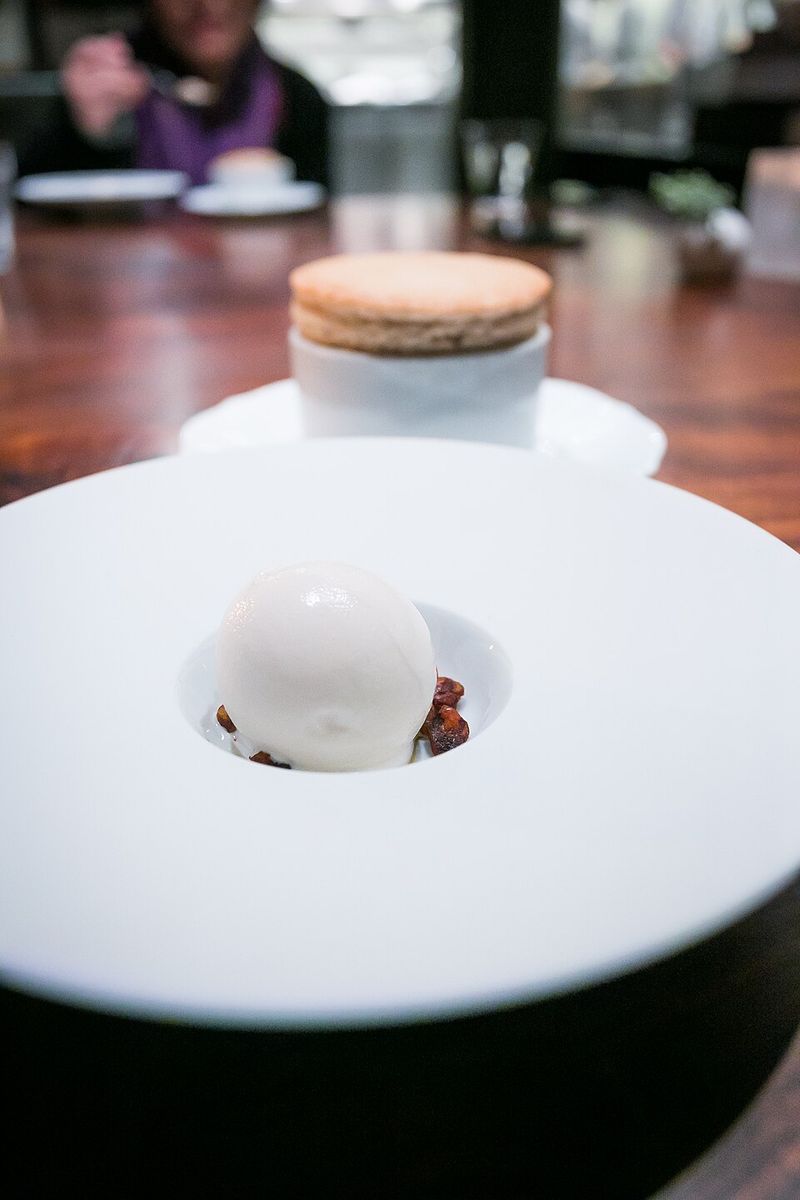
Before maple became a boutique coffeehouse keyword, it was already doing serious work in ice cream. Maple Walnut paired sweet maple flavor with chopped walnuts, creating a combination that felt traditional, filling, and especially at home in northern states.
It thrived in an era when regional ingredients still shaped mainstream desserts. Maple syrup production in places like Vermont and New York gave the flavor a built-in identity, while walnuts added texture and made the scoop feel slightly more grown up than plain vanilla or strawberry.
Its fall from prominence came gradually, helped along by changing retail habits. Maple became more seasonal in the minds of consumers, and nut-based flavors started losing ground to chocolate-heavy combinations that looked flashier in cartons and ads.
Maple Walnut never fully disappeared, but it shifted from staple to occasional appearance, often returning around autumn as if it were only allowed out with sweaters and pie. That is a narrow fate for a flavor once common enough to sit confidently beside the classics and ask for no special introduction.
7. Eggnog Ice Cream
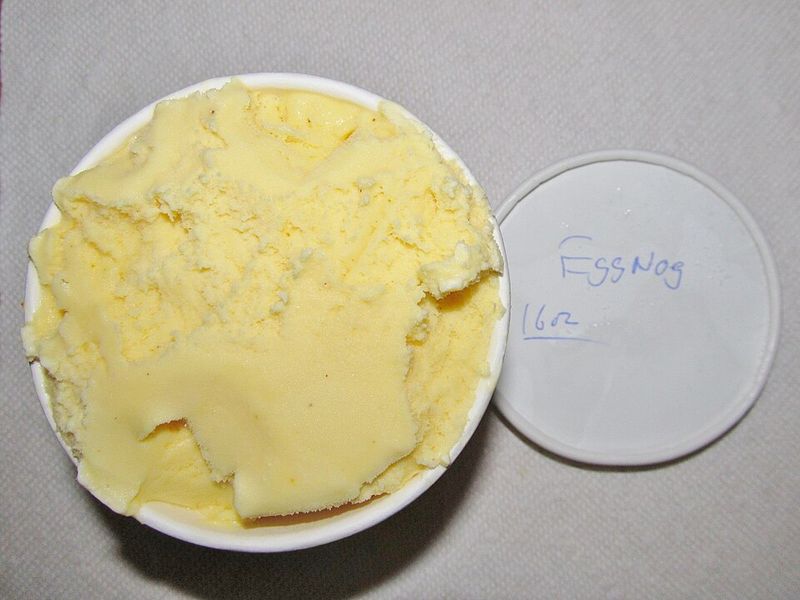
Holiday flavors used to arrive with more confidence and less branding jargon. Eggnog ice cream turned a familiar seasonal drink into a rich frozen dessert, usually blending custard notes, nutmeg, and a dense texture that felt designed for December tables.
It benefited from a time when limited seasonal foods carried built-in anticipation. Grocery stores and dairies could release Eggnog for the holidays and count on shoppers who already connected the flavor to family gatherings, winter parties, and old recipe traditions centered on eggs, cream, and spice.
Today it still appears, but mostly as a short-run novelty rather than a widely expected standard. Part of that change comes from narrower holiday assortments and the rise of flavors that promise more visual drama, like peppermint bark or overloaded cookie combinations.
Eggnog looks restrained beside those options, even though its history is much older. Its reduced visibility says a lot about how seasonal food marketing changed.
Once, familiarity was enough. Now a holiday pint often has to perform like an event, and Eggnog, dependable and old-fashioned, does not always bother auditioning for the role.
8. Pineapple Ice Cream
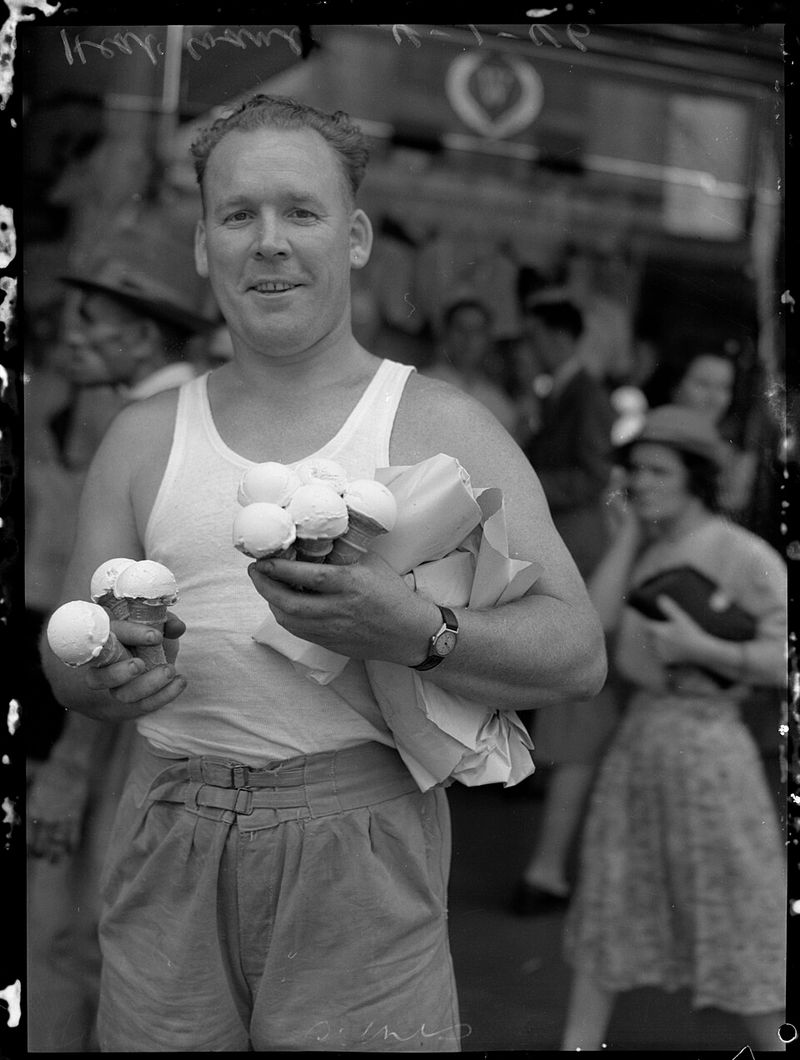
A tropical fruit once made a much bolder case for itself in the freezer aisle. Pineapple ice cream delivered bright fruit flavor without the heaviness of chocolate or the predictability of vanilla, and it showed up in parlors, church cookbook recipes, and regional brands for decades.
It made sense during the twentieth century, when canned pineapple became a household staple and recipes featuring it multiplied across American kitchens. Ice cream makers could offer something lively and familiar at the same time, especially in warm-weather markets where fruit flavors carried extra appeal.
What pushed it aside was not failure so much as competition. As grocery shelves filled with broader tropical blends, sherbets, frozen yogurt, and fruit bars, single-fruit pineapple began to look limited.
National brands also favored combinations that could be marketed as exotic while staying mild enough for everyone. That left plain pineapple ice cream in an awkward spot, remembered fondly but stocked less often.
When you do find it now, usually at local creameries, it feels like evidence that older American dessert tastes were more adventurous than modern supermarket lineups suggest.
9. Peach Ice Cream (Old-Fashioned Style)
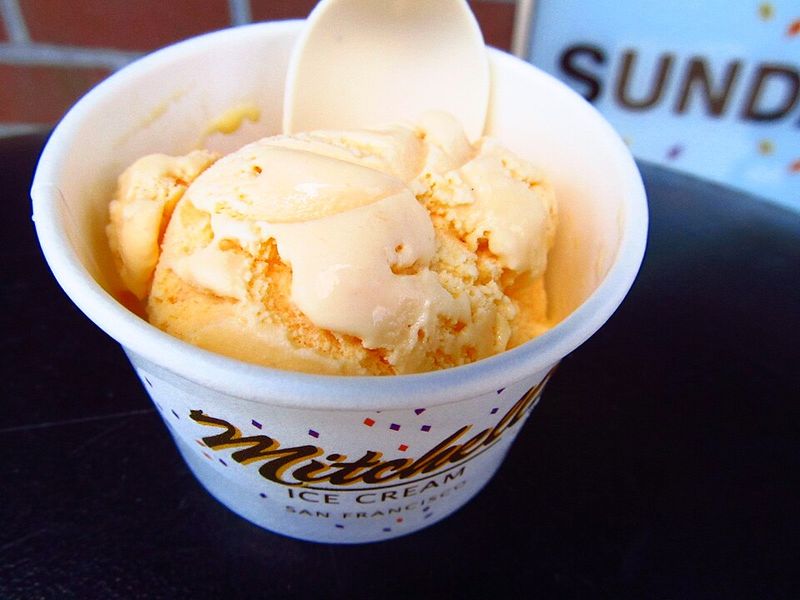
Summer had its own freezer language, and this flavor spoke it clearly. Old-fashioned Peach ice cream usually meant a custard-style base or rich cream packed with real peach pieces, often sold seasonally when fresh fruit was easiest to source.
In many towns, peach ice cream was tied to local harvests, community socials, and homemade recipes turned by hand in wooden freezers. It carried more texture and variation than modern peach products, because the fruit itself could be uneven, juicy, and slightly different from batch to batch.
That handmade quality became harder to preserve once national distribution took over. Big brands favored consistency, smoother textures, and formulations that could survive transport and long freezer storage, which often meant dialing back the fruit presence.
As a result, old-fashioned Peach shifted from common summer standard to specialty item, kept alive mostly by small creameries, orchards, and regional festivals. People still look for it because it feels specific rather than generic.
It reminds you that seasonal food once depended less on branding strategy and more on what nearby growers had ready that week.
10. Brown Bread Ice Cream
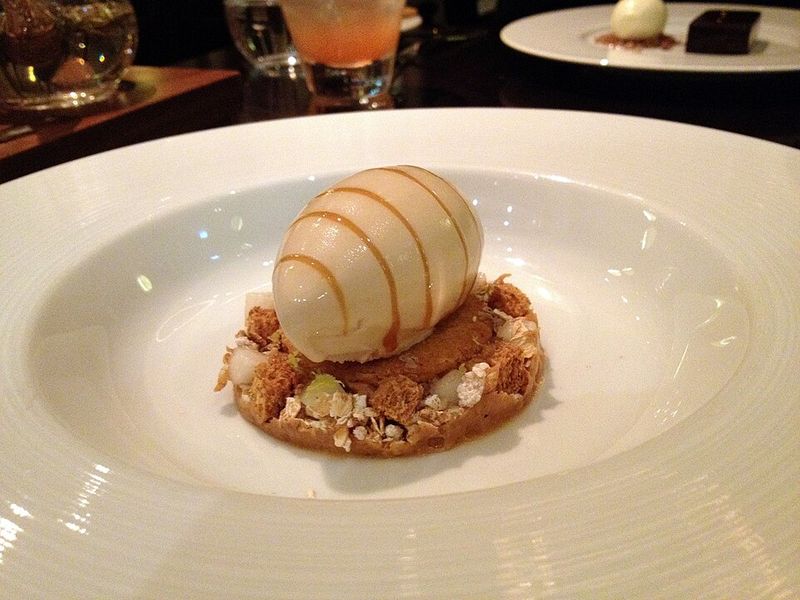
The name alone sounds like someone lost a bet, yet it was real and respected. Brown Bread ice cream drew inspiration from the malty, slightly sweet flavor associated with brown bread desserts, particularly those linked to older British and New England food traditions.
Versions appeared in historical cookbooks and restaurant menus when savory-adjacent sweets were less unusual than they seem now. The flavor worked because it sat between dessert and comfort food, offering toasted grain notes without trying to act like cake batter or a candy bar in disguise.
Its disappearance makes sense once you consider postwar marketing. Mass brands increasingly sold ice cream through immediate recognition and child-friendly names, and Brown Bread asked shoppers to understand a culinary reference first.
That is a tough assignment in front of a supermarket freezer. As tastes standardized, the flavor slid into obscurity, surviving mostly in specialty shops or historically minded kitchens.
Still, its old popularity tells you something useful: earlier dessert culture had a wider definition of pleasure, and not every scoop needed rainbow sprinkles or a cartoon mascot to justify its place.
11. Grape Ice Cream
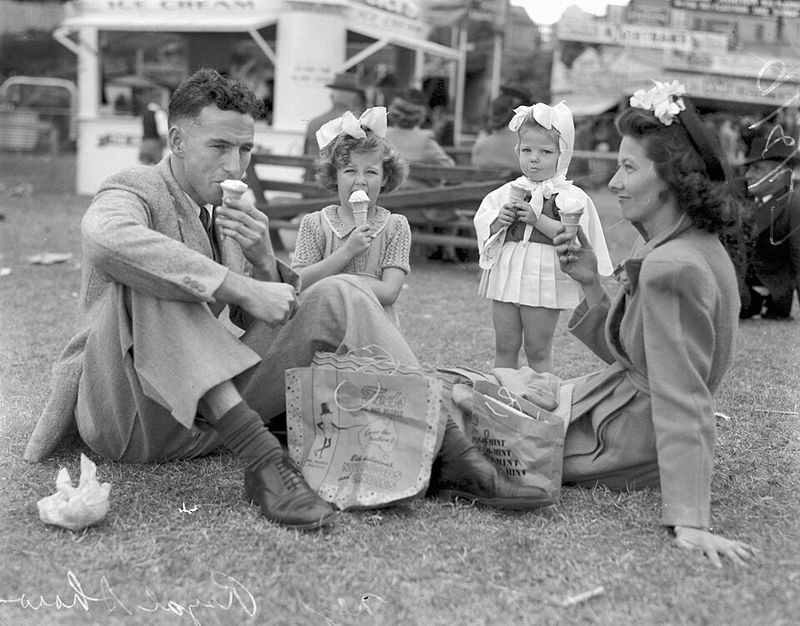
Purple once had a brief but memorable career in the ice cream cabinet. Grape ice cream stood out immediately, often leaning toward a candy-like or soda-adjacent profile that matched the popularity of grape drinks, gelatin desserts, and novelty sweets in midcentury America.
That made it a natural fit for an era that enjoyed bright colors and artificial fruit flavors without much apology. Ice cream did not always need to mimic fresh produce closely.
Sometimes it simply needed to be fun, recognizable, and a little unusual compared with the standard chocolate-vanilla-strawberry trio.
Its disappearance reflects broader changes in how consumers judged fruit flavors. As premium brands emphasized natural ingredients and realistic fruit notes, grape became an awkward fit, partly because many people already associated it with candy rather than dairy.
Retailers also gave precious space to safer choices, leaving little room for flavors that sparked curiosity more than consensus. Grape ice cream still pops up occasionally in local shops, usually prompting immediate opinions.
That feels appropriate. It was never a neutral flavor.
It was a bright, specific idea from a time when playful food coloring still had a powerful lobby.
12. Spumoni
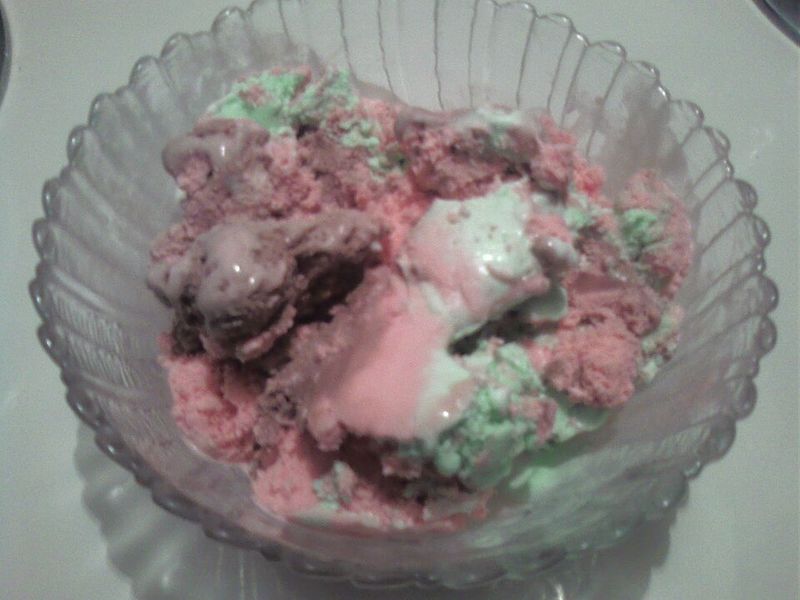
Three flavors walked into one mold, and somehow it worked beautifully. Spumoni, usually a layered combination of pistachio, cherry, and chocolate with candied fruit or nuts, came to American popularity through Italian culinary traditions and Italian American restaurants.
It was especially common in the mid twentieth century, when restaurant desserts often carried a little ceremony and regional immigrant foodways had stronger visibility in family dining. Ordering Spumoni felt slightly more special than asking for a single scoop, which helped it become a staple in many banquet rooms and old-school menus.
Its reduced presence today has a lot to do with standardization. Layered flavors are more complicated to produce and stock, and modern ice cream marketing tends to favor self-contained pints with easy, instant identities.
Spumoni asks you to appreciate a composition rather than a single headline flavor. That is a bigger ask in a quick retail setting.
Still, it never vanished completely, because too many families remember it from restaurant endings and holiday meals. Spumoni remains a survivor, just a quieter one, waiting patiently while flashier freezer trends take their turn at center stage.
13. Burnt Sugar
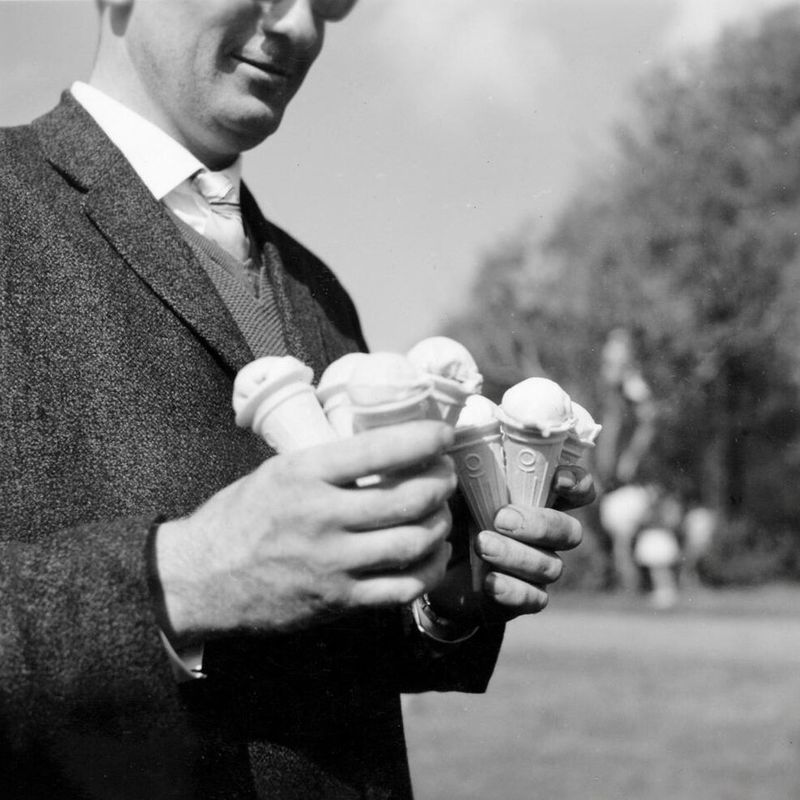
Caramel had a sterner ancestor, and it wore the name proudly. Burnt Sugar ice cream relied on sugar cooked past the pale caramel stage to develop deeper flavor, producing a scoop that tasted older and more deliberate than many mainstream sweet options.
It appeared in older American cookbooks and home entertaining traditions, especially when making dessert from scratch still implied a certain amount of technique. The flavor sat close to caramel but carried more edge, which made it feel sophisticated long before upscale ice cream brands began promoting salted or browned sugar profiles as novel.
Its fade from popularity says a lot about how dessert language changed. Burnt Sugar sounds severe to modern ears, even if the actual flavor is pleasant and balanced.
Mass marketers generally prefer names that promise comfort without explanation, and this one almost dares you to ask questions first. As a result, it slipped out of the mainstream while newer caramel variations took over the same territory with friendlier labels.
That is a marketing lesson disguised as dessert history. Sometimes a flavor does not lose because it tastes worse.
It loses because another name sounds easier to sell from a freezer door.
14. Licorice Ice Cream

Some flavors ask for love; this one demanded allegiance. Licorice ice cream brought the unmistakable taste of black licorice or anise into frozen form, creating a dessert that could inspire devotion in one customer and complete refusal in the next.
That strong divide did not stop it from thriving for stretches of the twentieth century, especially in regions and communities where licorice candy already had a following. Soda fountains and independent shops were better suited to such flavors because they could serve local tastes without needing universal approval from national distribution teams.
The modern freezer case is not built for that kind of polarization. Brands increasingly optimize for broad appeal, and Licorice simply refuses to behave like a compromise flavor.
Even when adventurous products became trendy again, companies usually chose safer forms of novelty such as cereal milk, birthday cake, or exotic fruit blends. Licorice stayed too specific, too old-world, and too committed to its own personality.
That is exactly why its fans continue to defend it with unusual intensity. They are not just asking for a scoop.
They are asking for the return of a time when ice cream could take a side and keep it.
15. Sassafras Ice Cream
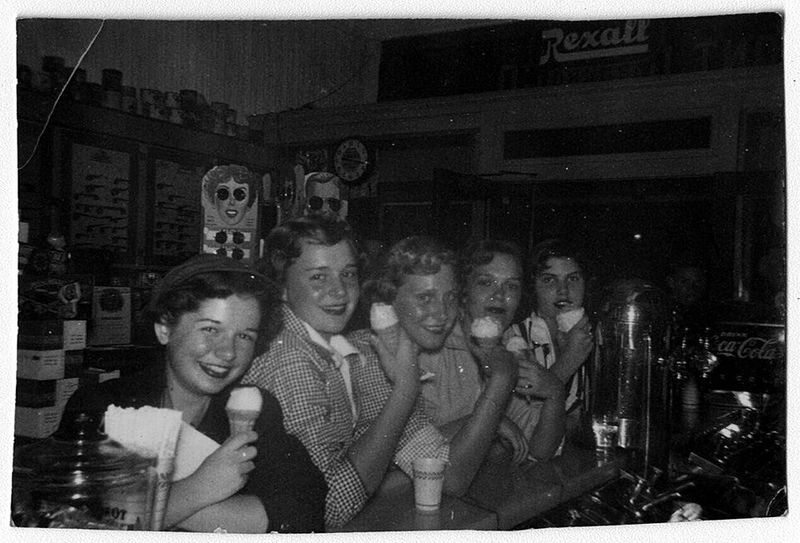
One flavor carried the entire soda fountain era in its name. Sassafras ice cream drew on the taste long associated with traditional root beer, linking frozen dessert to the botanical flavors that once defined pharmacy counters and old fashioned refreshment culture.
Before mass soft drinks became completely standardized, sassafras had a stronger place in American food memory. That made the transition into ice cream fairly logical, especially in shops where fountain drinks, sundaes, and hand-mixed specialties were all part of the same menu universe.
Its decline followed the fading of that broader culture. As soda fountains disappeared, regional recipes narrowed, and concerns about sassafras ingredients complicated its public image, the flavor lost the everyday context that once made sense of it.
New generations still recognized root beer, but not necessarily sassafras as a standalone identity worth seeking in dairy form. Without that cultural support, the ice cream became a curiosity rather than a staple.
Yet it remains a revealing artifact of American dessert history. It shows how closely flavors once traveled between drinks and frozen treats, and how much of that crossover vanished when local counters gave way to standardized national menus.
16. Jell-O Ice Cream

Few desserts capture twentieth century kitchen optimism quite like this one. Jell-O Ice Cream mixed or swirled flavored gelatin into ice cream, creating a product that felt colorful, playful, and perfectly aligned with the era when packaged convenience foods promised creativity in a box.
Its appeal was cultural as much as culinary. Gelatin branded desserts dominated midcentury recipe pamphlets, dinner tables, and advertising campaigns, so using Jell-O in frozen treats seemed less odd than it sounds now.
It fit the postwar fascination with novelty, cheerful presentation, and foods that looked engineered for family fun.
What ended its run was a change in taste and image. By the late twentieth century, gelatin-based desserts started to read as old-fashioned rather than modern, and ice cream brands shifted toward mix-ins perceived as richer or more indulgent.
Cookie dough and candy pieces had better staying power than wobbly fruit flavors from a boxed powder identity. Jell-O Ice Cream became a period piece almost overnight.
That may be why it is so memorable now. It represents a very specific chapter when convenience, color, and branded invention could still pass as the future.
Share this story