 Unearth The Voyage
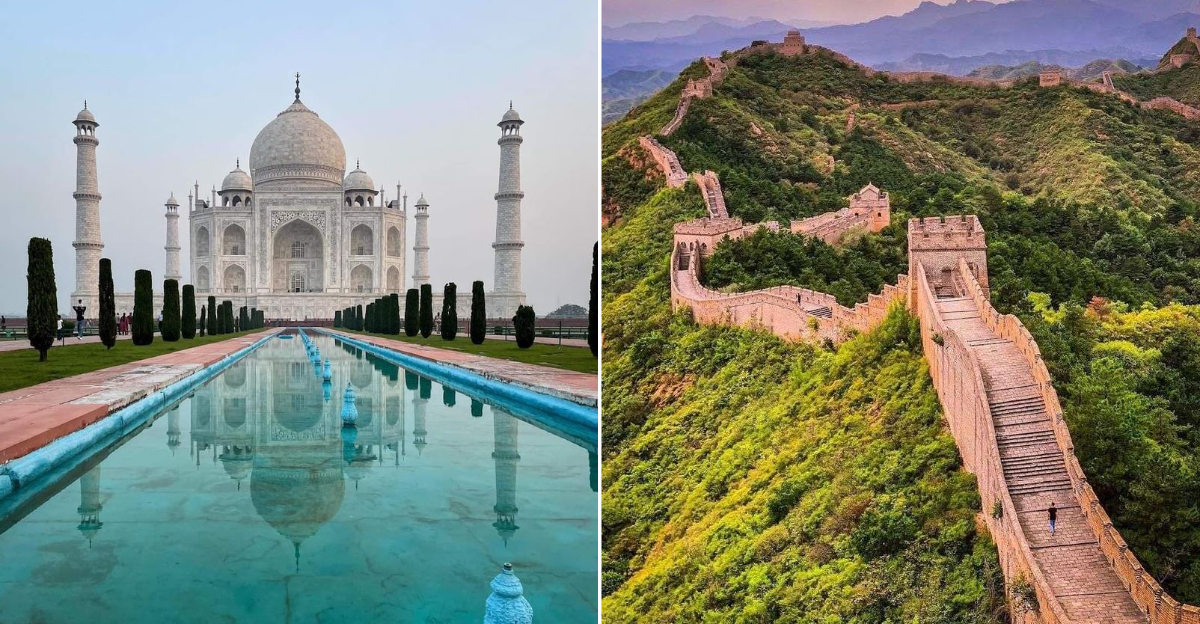
Some landmarks get so much attention that you almost expect to be disappointed when you finally see them in person. But here’s the thing: a handful of them genuinely blow your mind, no filters needed.
From ancient ruins to modern marvels, these 16 iconic spots around the world have earned every bit of their fame. Pack your bags, because this list might just rewrite your travel bucket list.
Eiffel Tower, Paris: Why This Global Icon Still Delivers
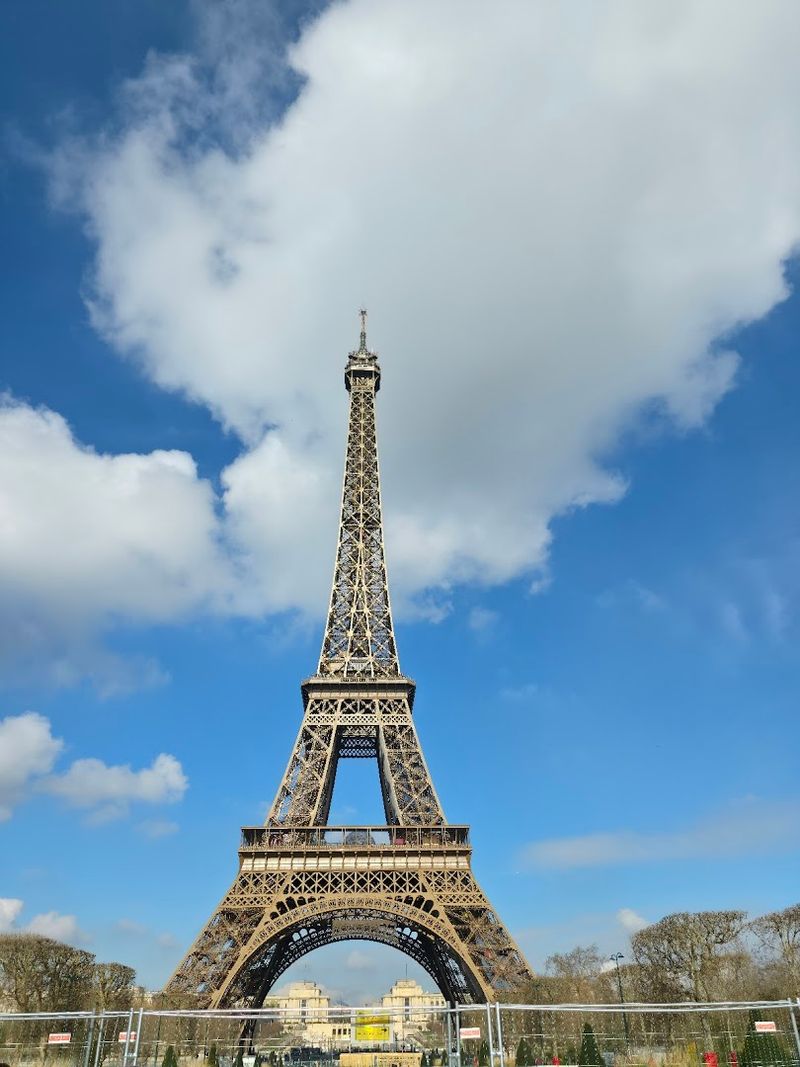
Seven million visitors a year can’t be wrong. The Eiffel Tower is one of those landmarks that somehow looks better in person than in every single photo you’ve ever scrolled past.
Built in 1889 as a temporary exhibit, it was almost torn down. Paris had other plans.
Standing beneath it and looking straight up is a genuinely dizzying experience. The ironwork is incredibly detailed up close, and the sheer scale of it catches you off guard every time.
I had seen hundreds of photos before my visit, and still nothing prepared me for that first look.
Book your tickets online well in advance to skip the notoriously long queues. The second floor offers the best views without the wind chaos of the summit.
Go at sunset for the golden hour glow, then stay for the hourly light show after dark. It sparkles on the hour, every hour, and yes, it absolutely delivers.
The Colosseum, Rome: Ancient History That Feels Bigger in Person
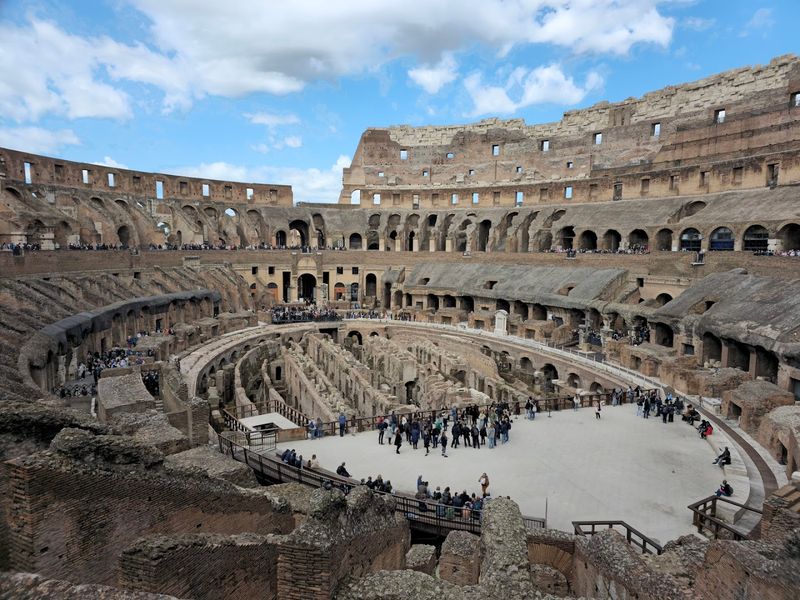
Nothing in a history textbook prepares you for standing in front of the Colosseum. This 2,000-year-old arena held up to 80,000 spectators, and walking through its arched corridors still gives you a very real sense of the roaring crowds that once filled it.
The sheer size of the structure is jaw-dropping. Even with centuries of damage, earthquakes, and stone thieves, roughly two-thirds of the original building still stands.
That’s remarkable engineering by any standard.
Arrive early in the morning to beat the crowds and the Roman heat. The underground level tour is worth every extra euro.
You walk where gladiators once waited before entering the arena floor, and that detail alone makes the whole trip feel surreal. Skip the costumed gladiators outside who charge for photos.
Buy a combo ticket that includes the Roman Forum and Palatine Hill next door. You’ll want the full day for this one.
Statue of Liberty, New York: The Landmark That Still Gives You Chills
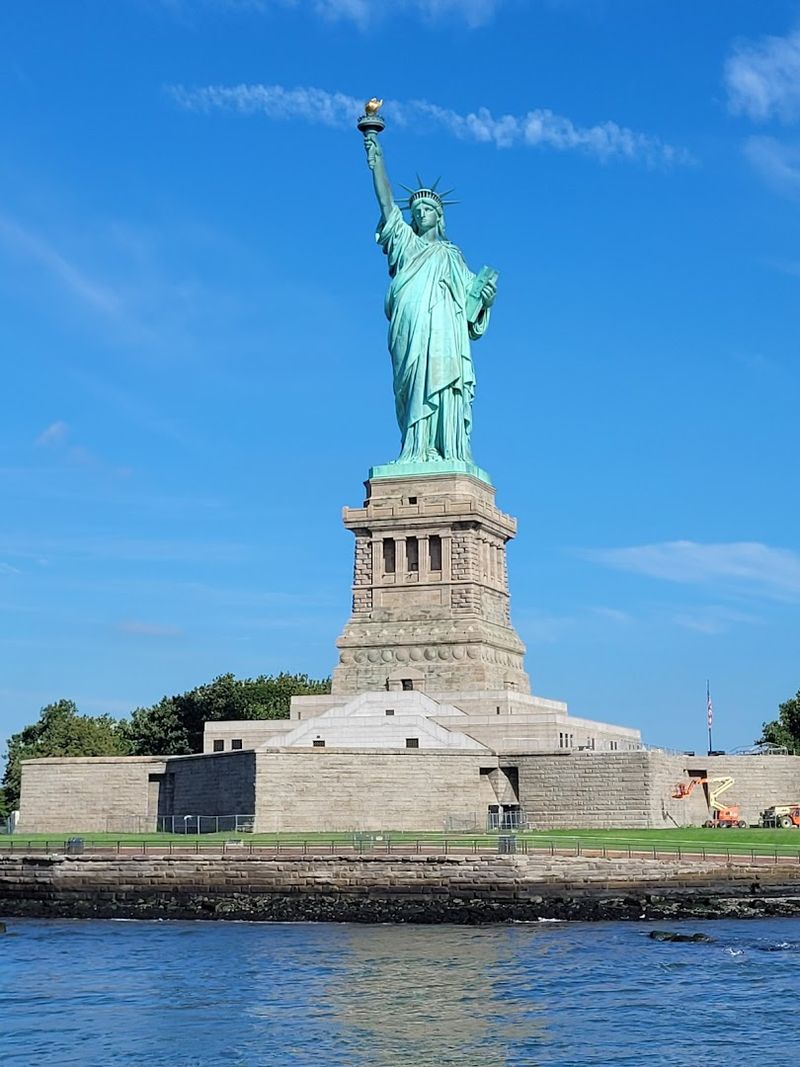
She’s been standing in New York Harbor since 1886, and she still commands your full attention the moment the ferry rounds the bend. The Statue of Liberty is one of those rare landmarks where the emotional weight hits you before you even step off the boat.
Up close, the green patina of the copper is stunning. The statue stands 305 feet tall from base to torch tip.
Most visitors don’t realize the face was modeled after the sculptor’s own mother, which somehow makes the whole thing more interesting.
Book crown access months ahead since only 240 people per day are allowed up there. The pedestal view is still spectacular and much easier to secure.
The audio tour included with admission is genuinely good and not the boring kind. Ellis Island is included in the same ferry ticket, so plan to spend the full day.
Bring layers because the harbor wind is no joke regardless of the season.
Sagrada Família, Barcelona: The Basilica That Somehow Exceeds Expectations
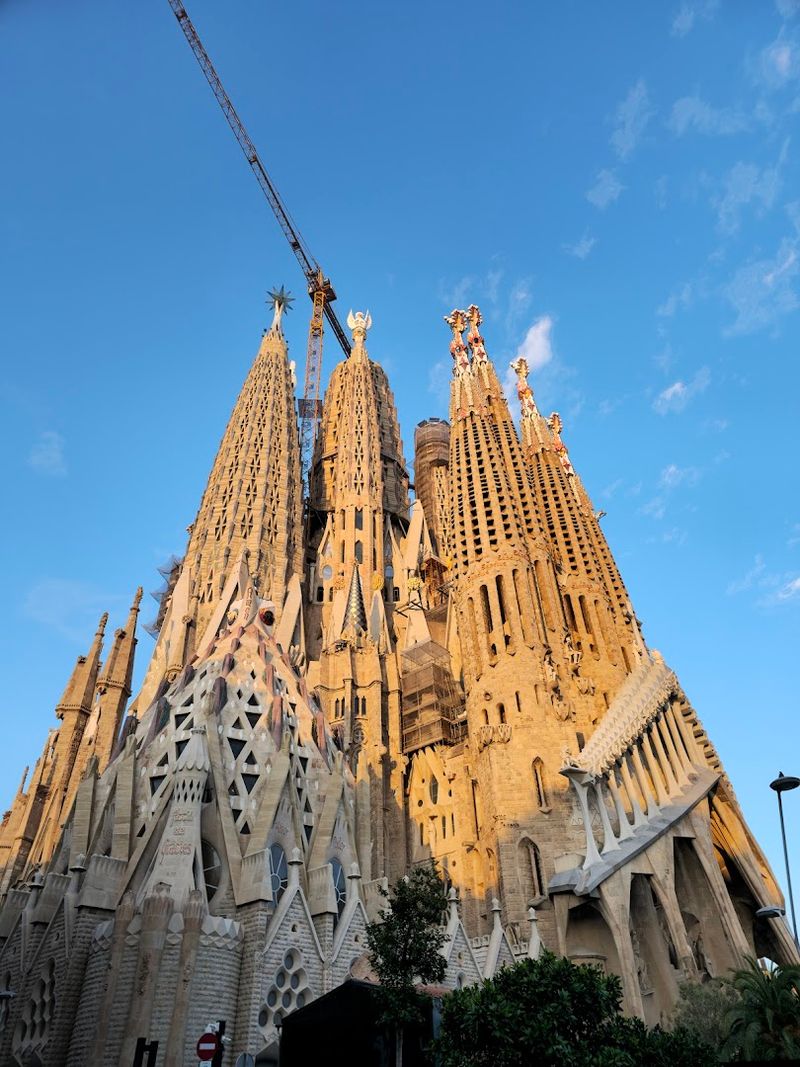
Still under construction after 140-plus years, the Sagrada Familia is the only building site in the world that attracts four million tourists annually. Antoni Gaudi’s unfinished masterpiece is so gloriously weird and ambitious that no single photo captures the full effect.
The exterior alone could keep you busy for hours. Every surface tells a different story, from the Nativity facade dripping with organic shapes to the sharper, more modern Passion facade.
Step inside and prepare for the stained glass to rearrange your brain entirely.
Buy tickets online at least two weeks in advance, especially in summer. The tower elevator is worth the extra cost for views over Barcelona’s rooftops.
Visit in the morning when light pours through the eastern windows in oranges and reds. The afternoon light shifts to blues and greens on the western side.
Gaudi himself is buried in the crypt below, which you can visit as part of your ticket. Completion is expected around 2026.
Machu Picchu, Peru: The Bucket-List Wonder That Lives Up to Every Photo
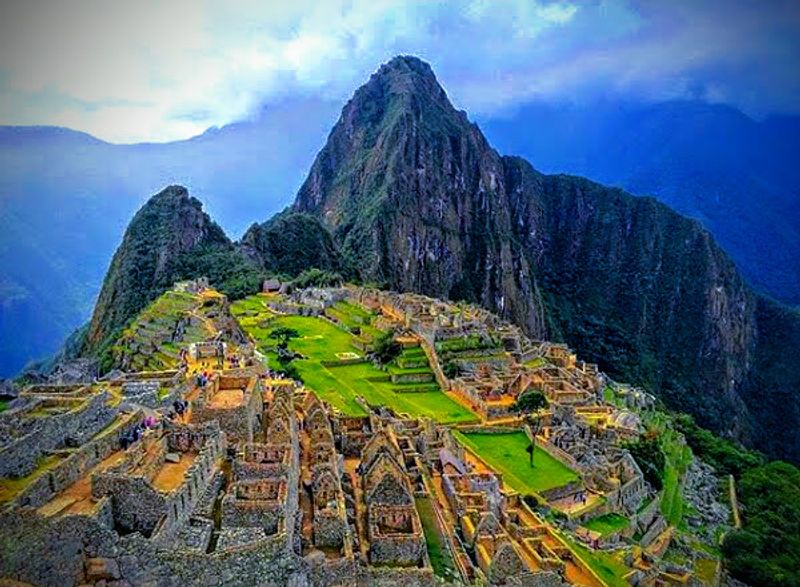
Perched at 7,970 feet above sea level, Machu Picchu is one of those places that makes you genuinely wonder how humans built it without modern tools. The Inca citadel was constructed in the 15th century and somehow stayed hidden from Spanish conquistadors for centuries.
The classic postcard viewpoint, the Sun Gate, requires a short hike but rewards you with the full panoramic layout of the ruins spread below. Llamas wander freely through the site and are completely unbothered by tourists, which is both charming and hilarious.
Altitude sickness is real, so spend a day acclimatizing in Cusco before heading up. Entry is now timed and capped at 4,500 visitors per day, so booking ahead is non-negotiable.
The train from Cusco to Aguas Calientes is the most scenic part of the journey. Morning visits offer cooler temperatures and better photo lighting before the afternoon clouds roll in.
Wear layers and solid walking shoes.
Petra, Jordan: The Rose-Red City That Feels Straight Out of a Movie
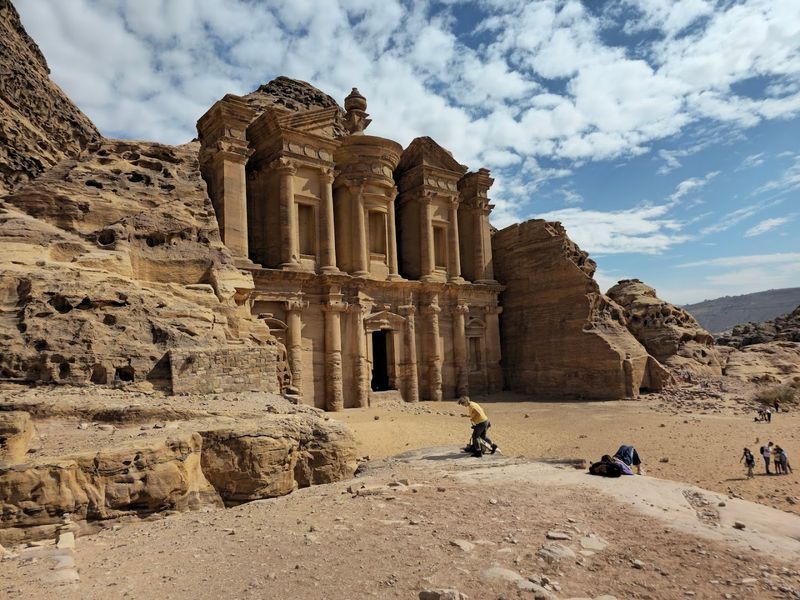
Walking through the narrow Siq canyon for over a mile and then suddenly seeing the Treasury carved into a rose-red cliff face is one of the great travel moments on earth. Petra has been described as a movie set so many times because it genuinely looks like one.
The Treasury is just the beginning. Beyond it lies an entire ancient city carved into sandstone, including a monastery requiring 850 steps to reach.
The colors of the rock shift throughout the day from pink to orange to deep red.
Start early, ideally by 6am, to beat tour groups and the desert heat. Comfortable walking shoes are essential because the main trail alone is several miles round trip.
Petra by Night runs three times a week and fills the Siq with candlelight, which is atmospheric in the best possible way. The two-day ticket offers far better value than a single day.
Donkey rides are offered but walking gives a much richer experience of the site.
The Acropolis, Athens: The Ruins That Make History Feel Immediate
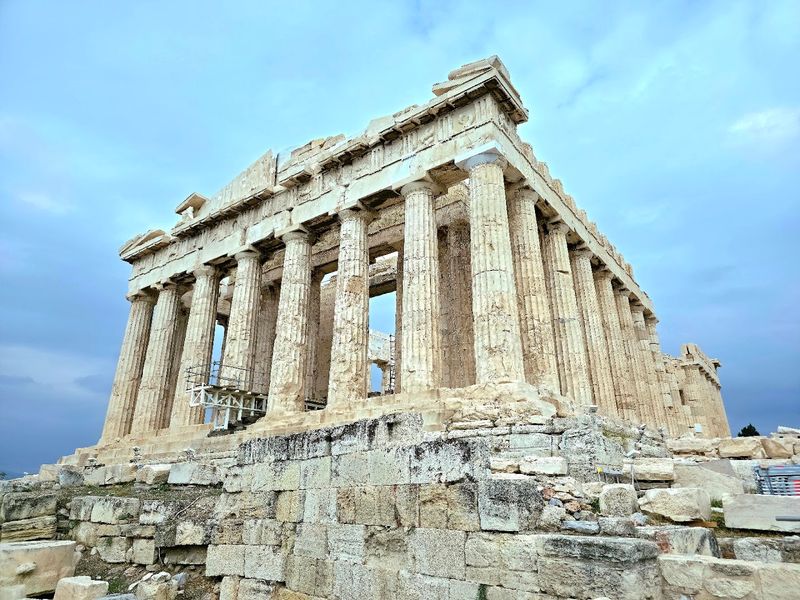
The Parthenon has been sitting on top of Athens for 2,500 years, and it still dominates the skyline in a way that feels completely unapologetic. The Acropolis is not subtle, and that’s exactly the point.
The marble columns of the Parthenon are enormous in person and far more detailed than photos suggest. The site also includes the Erechtheion with its famous Caryatid porch, where six sculpted female figures serve as architectural columns.
That’s one of the most quietly remarkable things I’ve ever seen.
Visit in the early morning before the heat and crowds arrive. Comfortable, non-slip shoes are critical because the marble pathways are polished smooth and surprisingly slippery.
The new Acropolis Museum at the base of the hill is world-class and should not be skipped. It houses original friezes and gives proper context to everything you’ve just seen.
The combo ticket covering multiple Athens archaeological sites is outstanding value for history fans.
Taj Mahal, Agra: The Monument That Really Is as Stunning as People Say
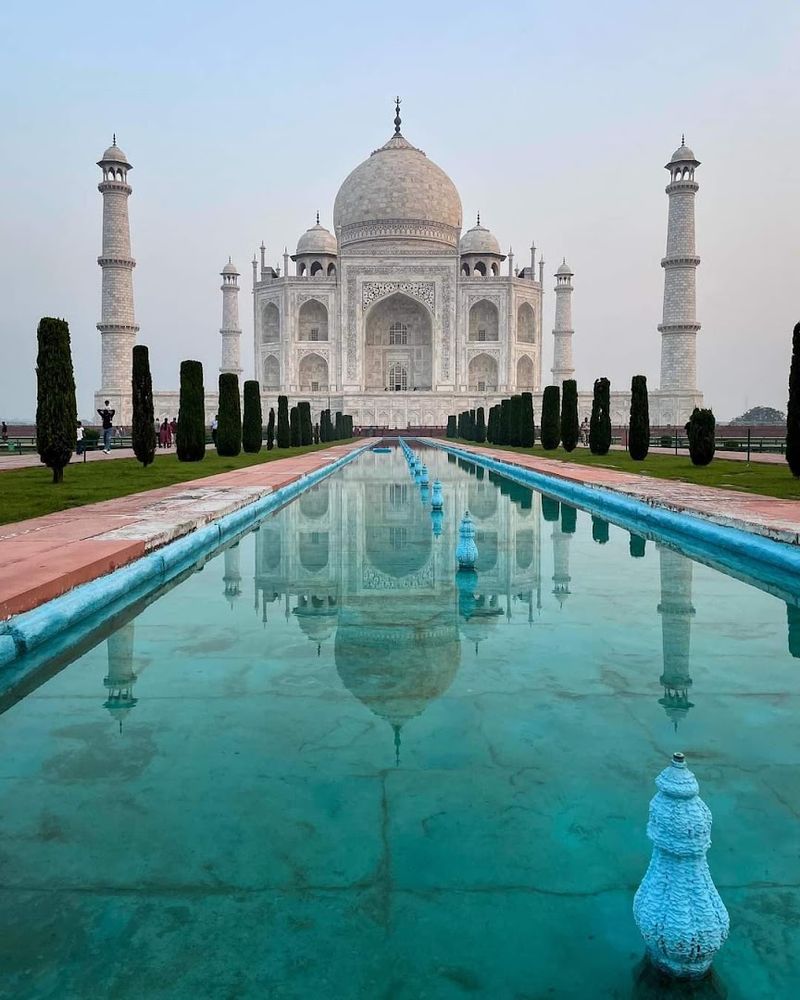
Built by Emperor Shah Jahan as a tomb for his beloved wife Mumtaz Mahal, the Taj Mahal is one of the few landmarks that genuinely silences people upon first sight. Even the most seasoned travelers tend to stop talking when it comes into view.
The white marble changes color throughout the day, shifting from pale pink at sunrise to bright white at noon and a warm golden hue at sunset. Up close, the surface is covered in intricate inlaid gemstone work that takes your breath away all over again.
Sunrise is the best time to visit. The light is soft, the crowds are thinner, and the reflection in the central pool is at its clearest.
Fridays are closed to non-worshippers. Remove your shoes or wear the provided shoe covers before entering the main mausoleum.
Photography inside the tomb chamber is prohibited. Hire a licensed guide because the history and craftsmanship details genuinely enhance the experience significantly.
Sydney Opera House, Sydney: The Famous Landmark That’s Even Better Up Close
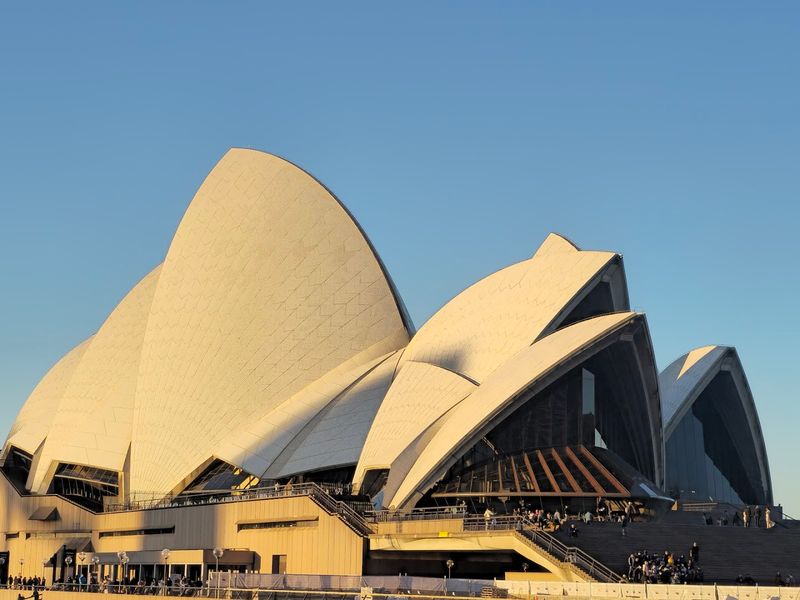
The Sydney Opera House is one of those buildings that looks good from every angle, which is an architectural achievement that should not be taken for granted. Danish architect Jorn Utzon designed the sail-like shells, and the story of how they were engineered is almost as fascinating as the building itself.
Up close, the roof tiles are made of over one million glazed ceramic pieces arranged in a chevron pattern. The detail is extraordinary and completely invisible in wide-angle photos.
Walking around the full perimeter gives you entirely different perspectives of the structure.
Book a performance inside if you can, even a short one. The acoustics and interior design are spectacular in a completely different way from the exterior.
The guided architectural tour is one of the best in the world and runs daily. The Opera Bar terrace below the steps is a brilliant spot for a drink with a harbor view.
Ferries from Circular Quay give the best approach angle.
Notre-Dame de Paris: The Reborn Masterpiece Worth Seeing for Yourself
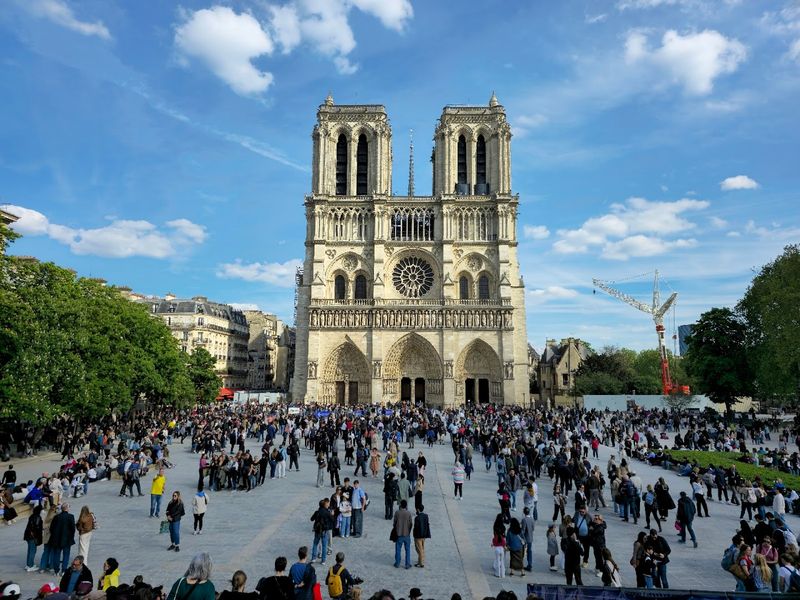
Notre-Dame de Paris reopened in December 2024 after five years of painstaking restoration following the devastating 2019 fire. The cathedral is arguably more beautiful now than it has been in decades, with cleaned stonework and a restored interior that glows with renewed purpose.
The Gothic architecture is extraordinary. Flying buttresses, gargoyles, and the famous rose windows make the exterior a full lesson in medieval craftsmanship.
The new spire, rebuilt to match Viollet-le-Duc’s 19th-century design, rises above the Paris skyline once again.
Free entry is available but timed entry reservations are recommended, especially on weekends. The towers require a separate ticket and involve a steep climb, but the view over central Paris is genuinely one of the best in the city.
The treasury inside holds centuries of religious art and artifacts. Allow at least two hours to do the cathedral justice.
Visiting early morning gives you the best light through the rose windows and the calmest atmosphere inside.
Empire State Building, New York: The Classic Skyline View That Never Gets Old
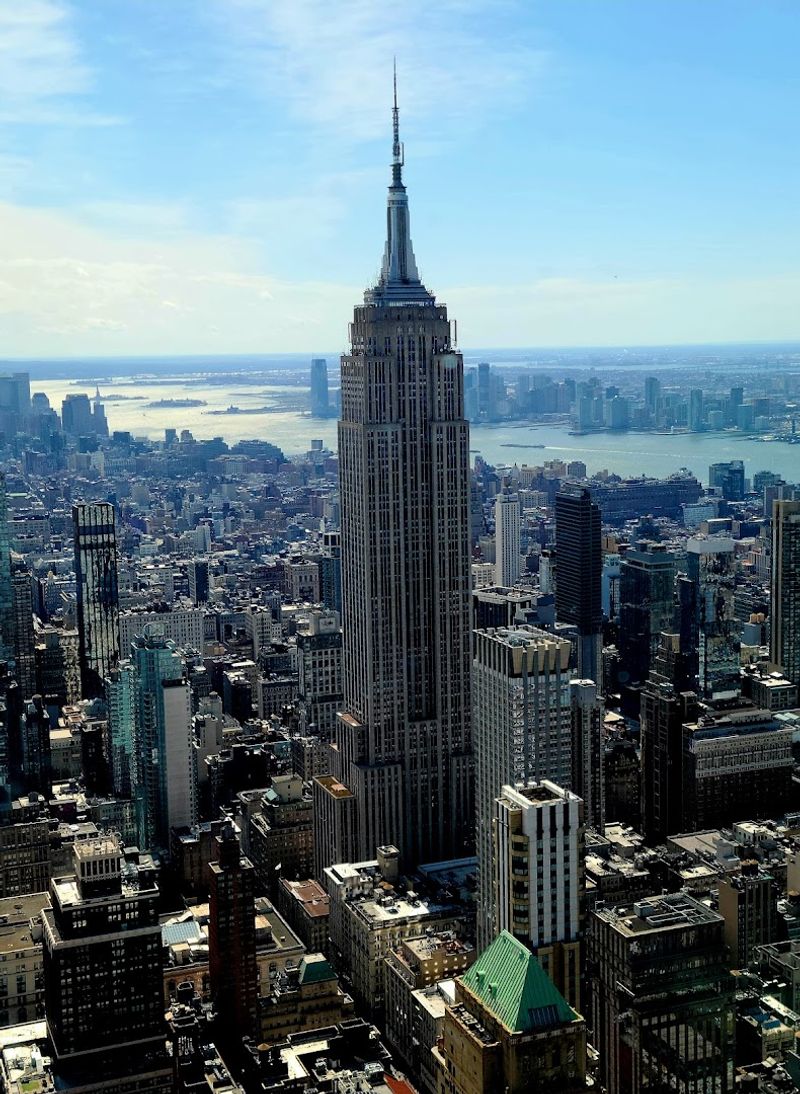
The Empire State Building has been New York’s most recognizable skyscraper since 1931, and it still holds its own in a skyline that has changed dramatically around it. There is something deeply satisfying about a building that has been iconic for nearly a century and shows no signs of stepping aside.
The 86th floor open-air observation deck is the one to prioritize. Wind, city noise, and the full 360-degree panorama of Manhattan create an experience that the enclosed decks simply cannot replicate.
On a clear day, you can see five states.
Buy tickets online in advance to skip the lengthy lobby queues. The Express Pass is worth it during peak tourist season.
Visit at sunset and stay through dusk to watch the city light up below you in real time. The building itself changes its tower lighting for holidays and events, so check the schedule before you visit.
The Art Deco lobby alone deserves five minutes of your attention on the way up.
Burj Khalifa, Dubai: The Super-Tall Attraction That Actually Earns Its Fame
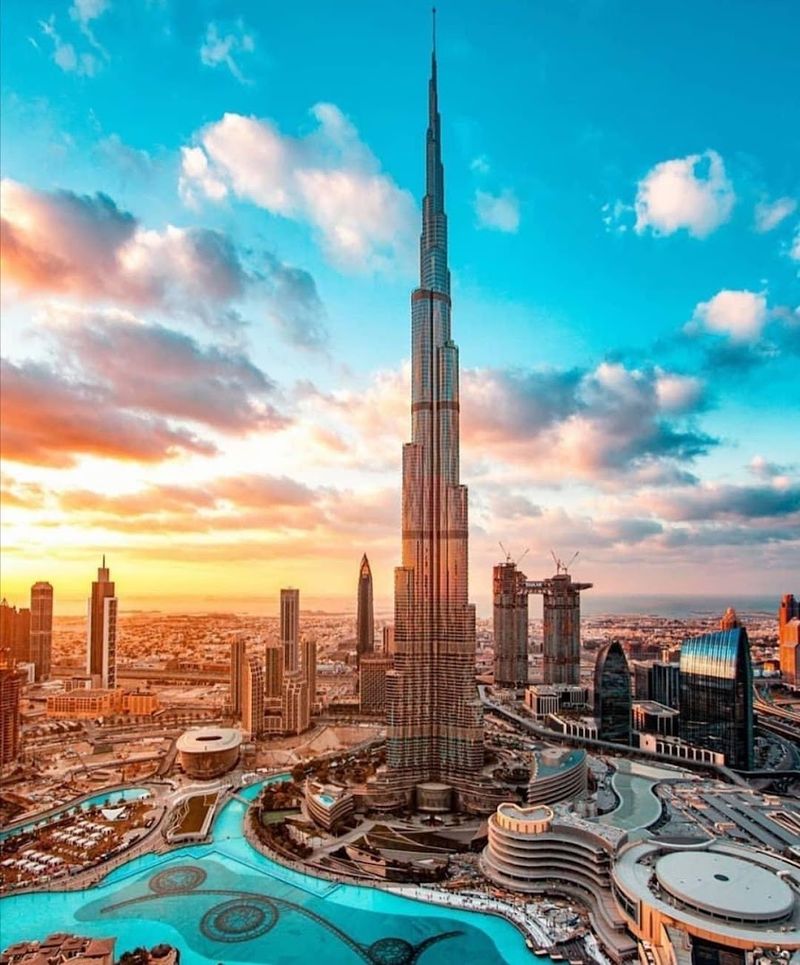
At 2,717 feet tall, the Burj Khalifa is the tallest building on earth, and standing at its base and tilting your head back is one of those genuinely disorienting experiences that no photo replicates. Dubai went all-in on ambition with this one, and honestly, it paid off.
The At the Top observation deck on floor 124 gives you views across the desert, the coastline, and the entire city grid below. On exceptionally clear days, you can see the curve of the earth.
The At the Top Sky experience on floor 148 goes even higher and feels almost absurdly elevated.
Book tickets well in advance because popular time slots sell out fast. Sunset slots are the most coveted and priciest.
The Dubai Fountain show runs below the tower every evening and is completely free to watch from the waterfront promenade. The Burj Khalifa is surrounded by the Dubai Mall, one of the world’s largest, which makes it easy to build a full day around the visit.
Great Wall of China: The World Wonder That Feels Surreal in Real Life
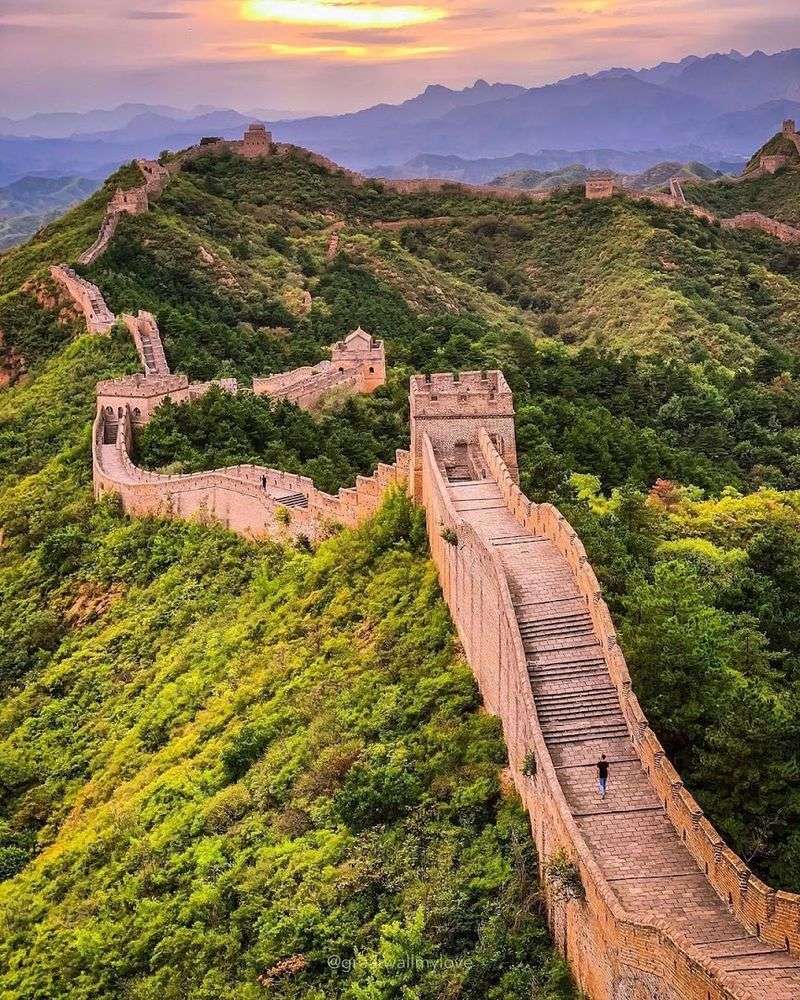
The Great Wall stretches over 13,000 miles across northern China, and even seeing a small section of it in person is enough to make your brain short-circuit trying to comprehend the scale of the thing. It was built over centuries by millions of workers, and the human effort behind it is staggering.
The Mutianyu section is the best choice for most visitors. It’s well-restored, less crowded than Badaling, and offers a cable car up and a toboggan slide back down, which is objectively the best way to descend a UNESCO World Heritage Site.
Visit on a weekday to avoid weekend crowds from Beijing. Morning visits offer clearer skies and better photo conditions.
Wear sturdy shoes because the steps are uneven and steep in sections. The wall runs over hilly terrain, so expect a real workout.
Autumn is the best season when the surrounding foliage turns gold and red. A day trip from Beijing is easily organized through reputable local tour operators.
Angkor Wat, Cambodia: The Temple Complex That Deserves Every Bit of Praise
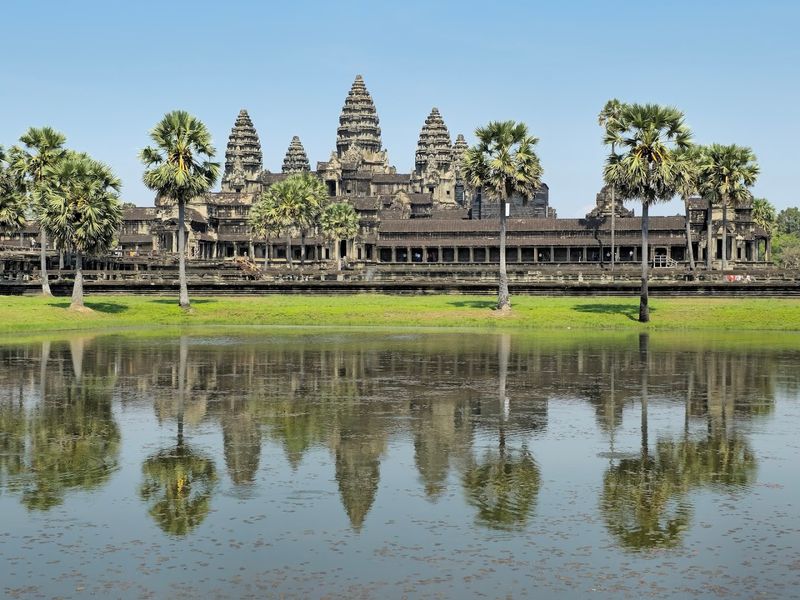
Angkor Wat is the largest religious monument ever built, covering over 400 acres of northwestern Cambodia. It was constructed in the 12th century as a Hindu temple and later converted to Buddhism, and the architectural ambition of the whole site is almost hard to process.
The central temple’s five towers are breathtaking at sunrise when they reflect perfectly in the rectangular moat. The bas-relief galleries inside stretch for nearly half a mile and depict Hindu mythology in extraordinary carved detail.
Ta Prohm, the temple where giant tree roots swallow the stone walls, is equally unforgettable.
A three-day pass gives you the best access across the full Angkor Archaeological Park. Rent a bicycle or hire a tuk-tuk driver for the day to cover the distances comfortably.
Start at the main temple for sunrise, then move to the outer temples before crowds arrive. Bring plenty of water because the Cambodian heat is serious business.
Modest clothing covering shoulders and knees is required at all temple sites.
Christ the Redeemer, Rio de Janeiro: The Monument with a View Worth the Trip
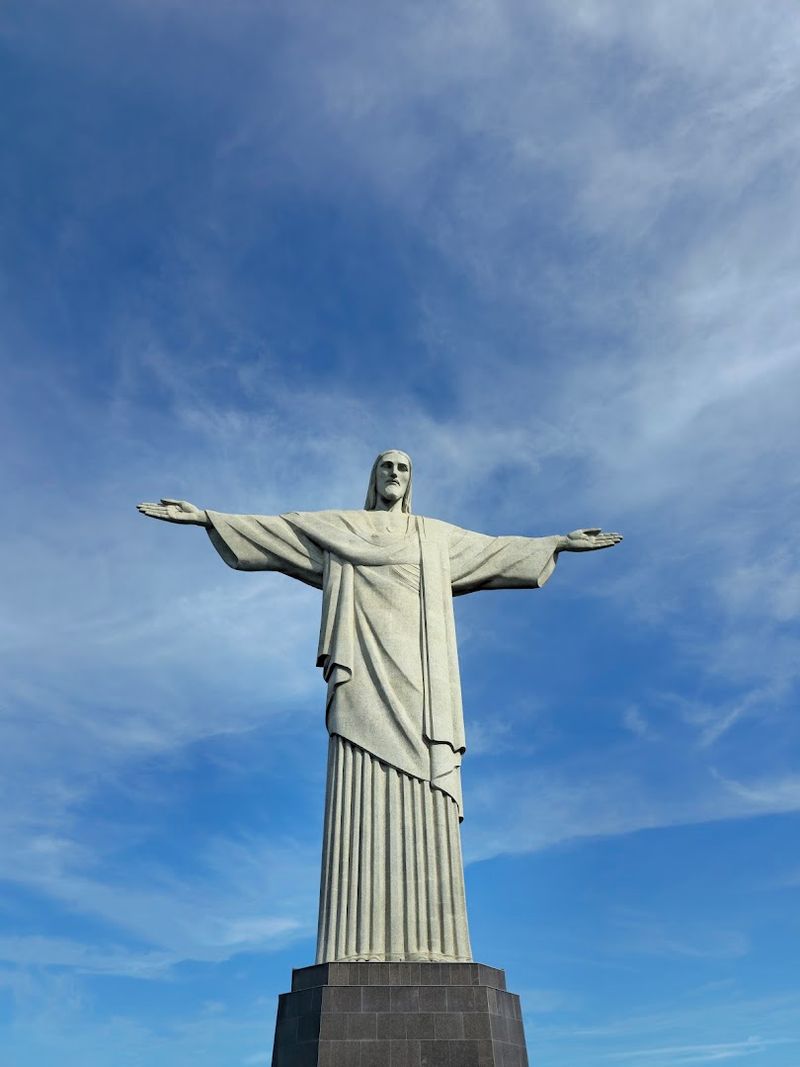
Christ the Redeemer stands 98 feet tall on the peak of Corcovado mountain, arms spread wide over one of the most dramatically beautiful cities on the planet. The statue was completed in 1931 and has been watching over Rio ever since with what can only be described as very impressive posture.
The panoramic view from the base of the statue is the real reward. Copacabana Beach, Sugarloaf Mountain, Guanabara Bay, and the entire Rio skyline spread out below you in every direction.
The view is so good it almost upstages the statue itself.
Take the official Corcovado train from Cosme Velho for the most reliable access. Taxis and vans also run to the summit but check current road conditions.
Go on a clear day because clouds frequently roll in and obscure the views entirely. Weekday morning visits are significantly less crowded.
The statue is floodlit beautifully at night, and the view of the city lights from the summit after dark is a completely different kind of spectacular.
Big Ben and the Houses of Parliament, London: The Landmark That Still Stops You in Your Tracks
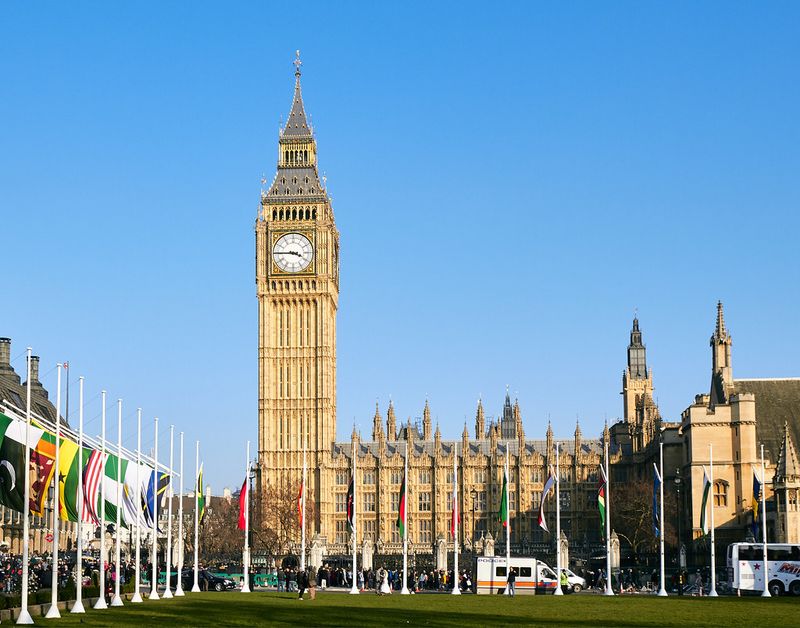
Big Ben is technically the name of the bell inside the Elizabeth Tower, not the clock itself, but telling people that fun fact is a great way to make friends at parties. The tower and the Houses of Parliament together form one of the most recognizable political buildings on earth.
Standing on Westminster Bridge with the Thames in the foreground and the Gothic Revival facade stretching along the riverbank is one of London’s finest free experiences. The stonework is extraordinarily detailed and the whole complex is bigger than most first-time visitors expect.
Free Parliamentary tours run on Saturdays and during parliamentary recesses. Booking ahead is strongly recommended.
The tower itself is only open to UK residents, but the exterior is fully satisfying. Crossing Westminster Bridge at different times of day gives you completely different lighting conditions for photos.
The nearby Churchill War Rooms and Westminster Abbey are within easy walking distance. Allow a full morning to properly explore this corner of central London without rushing.



