 Unearth The Voyage
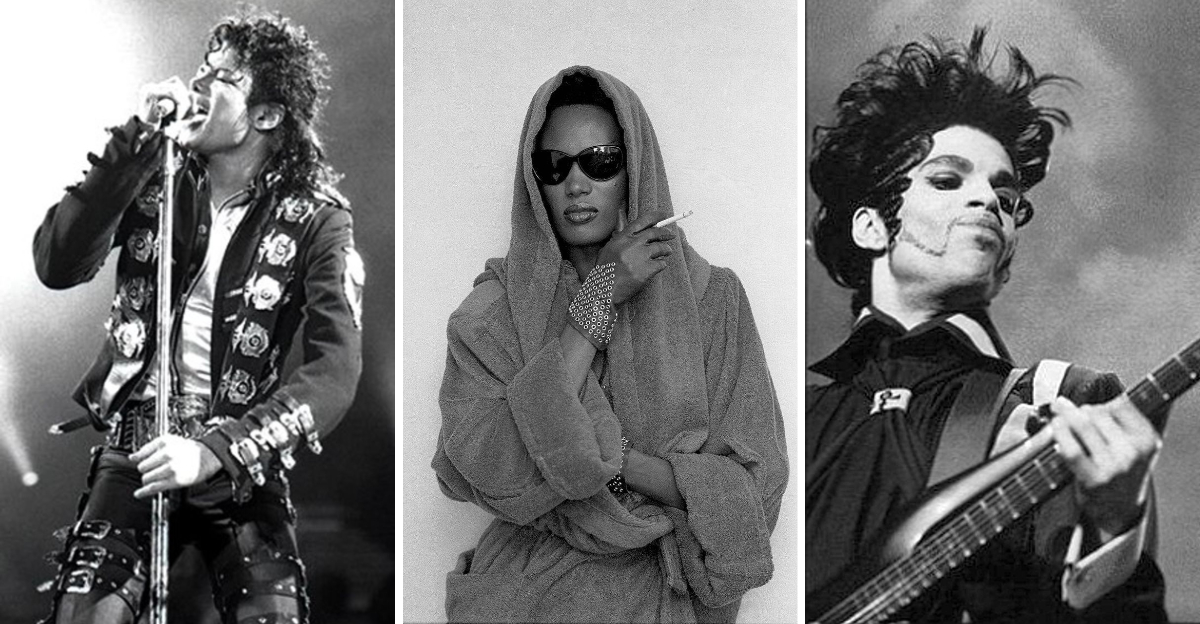
The 1980s produced a rare league of trailblazers who reshaped music, film, sports, and culture in real time. You still feel their impact today in the sounds you stream, the styles you wear, and the stories you love.
This lineup revisits the bold ideas, blockbuster breakthroughs, and unforgettable personalities that made the decade roar. Dive in and rediscover how these icons turned ambition into legacy.
Michael Jackson — The King of Pop
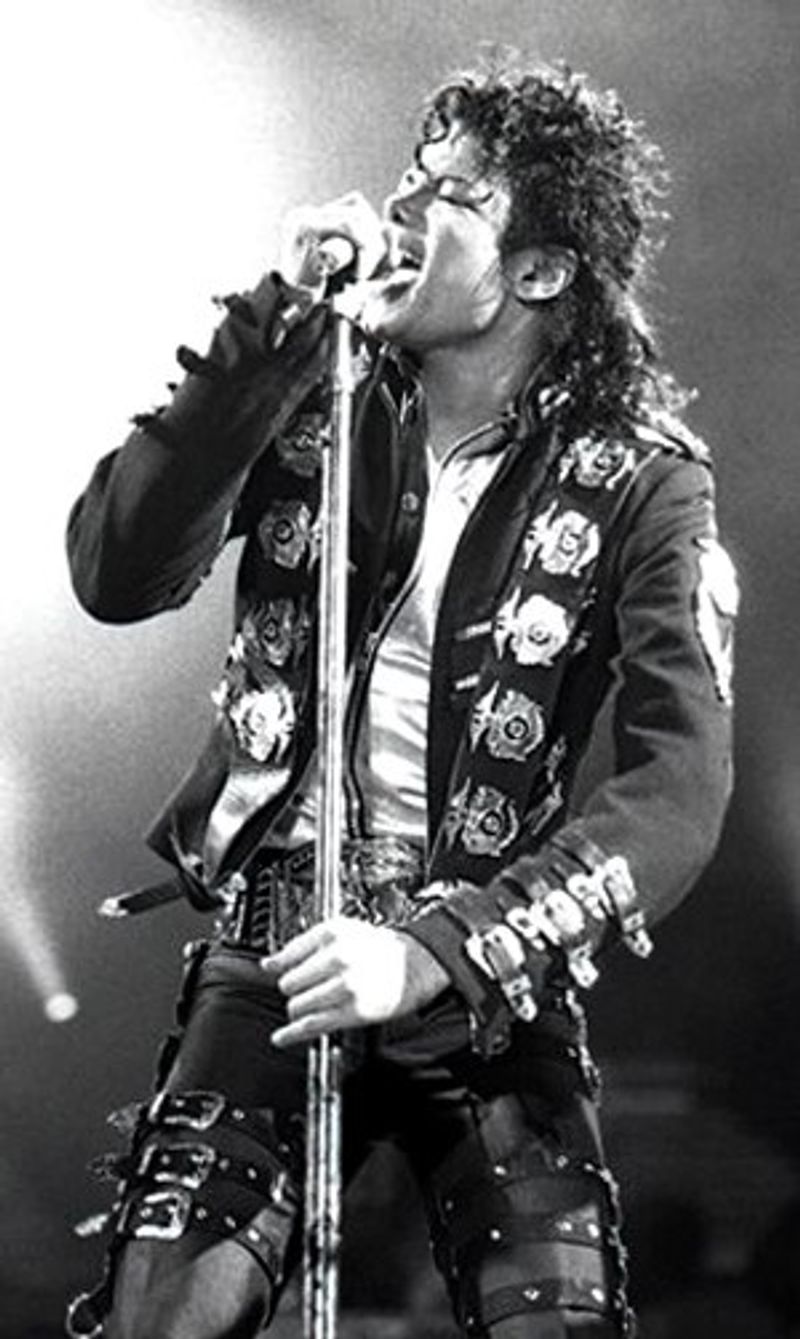
Michael Jackson defined the 1980s by turning pop into a breathtaking spectacle you could see, hear, and feel. Thriller did more than dominate charts.
It rewired music videos into short films, with choreography and storytelling that set a global bar for ambition and polish.
Watching Billie Jean felt like entering a stylish noir dream, while Thriller pivoted into cinematic horror playfulness that kids and critics both devoured. You could not escape the moonwalk, a move that became shorthand for possibility.
Fashion followed too – the red jacket, single glove, and precise fedora became universal shorthand for cool.
Beyond image, the craft was meticulous. Layered harmonies, rhythm-driven arrangements, and stagecraft turned concerts into immersive events long before arena pop was routine.
Collaborations bridged genres, bringing rock guitar heat into glossy R&B frameworks.
What truly lasts is how Jackson made performance feel elemental, like a shared cultural electricity you could step into. Artists still chase that blend of precision and wonder.
You do not just remember the songs. You remember where you were when the floor first slid under his feet.
Madonna — The Queen of Reinvention
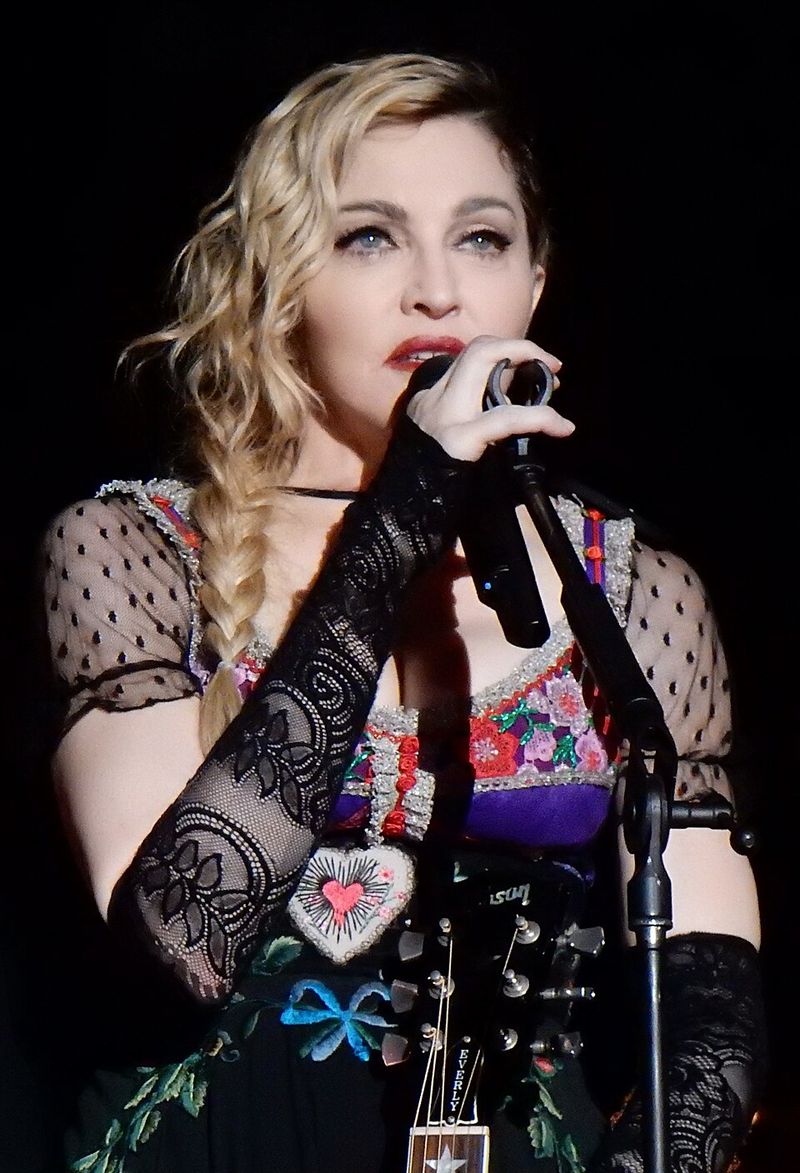
Madonna captured the decade by treating pop like a living canvas and reinvention as a daily craft. You heard it in Like a Virgin, Material Girl, and Vogue rising later as a blueprint for image play.
Every hook felt engineered for radio while daring television to keep up.
Her style spilled into streets and school halls – fingerless lace, stacked bracelets, teased hair, and irreverent charm. The confidence invited fans to try on power.
MTV watched the transformation unfold, and so did millions who discovered that a pop idol could be a director of their own myth.
Provocation was not empty shock. It asked questions about desire, faith, and autonomy, pushing culture to debate what a woman could say onstage.
She made controversy a tool for conversation, not just headlines.
The business instincts were equally sharp, mastering tours, branding, and video storytelling. You can trace today’s pop rollouts to her strategic pivots.
Madonna showed that evolution is not a phase, it is the job. The courage to change became the point.
Prince — Genre-Blending Musical Genius
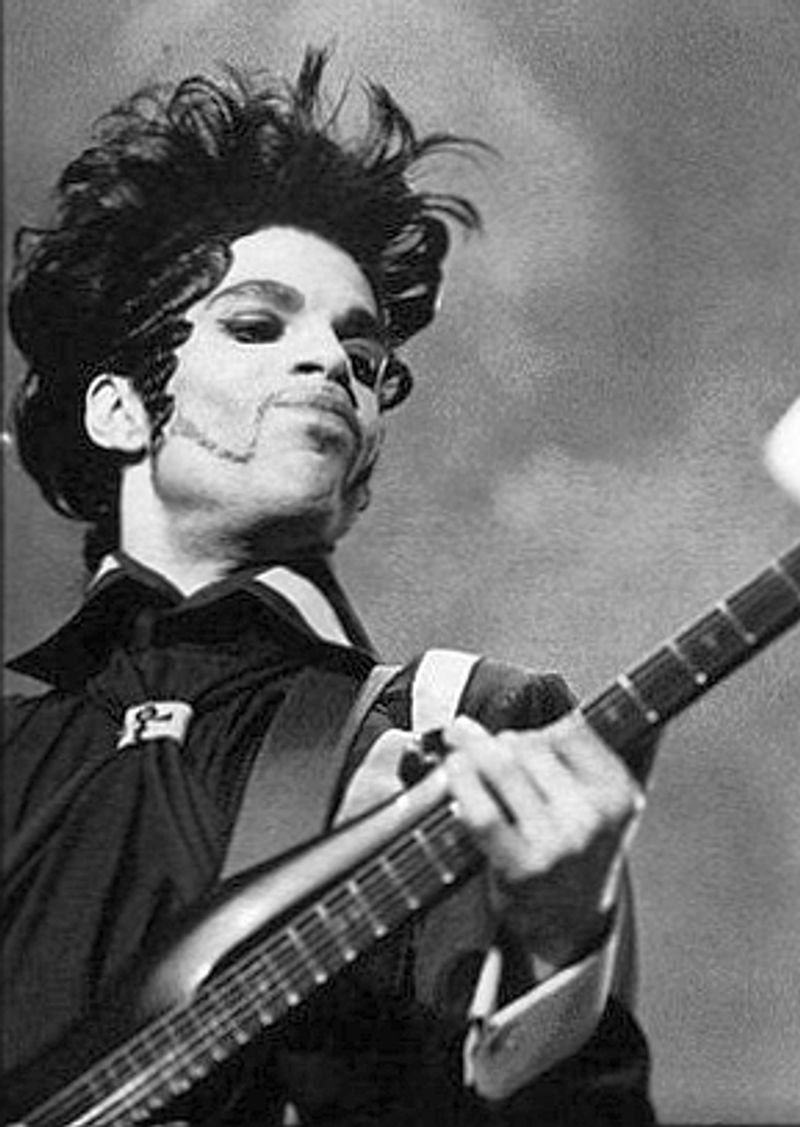
Prince fused funk, rock, pop, and R&B into something you could not file neatly. Purple Rain gave the decade a guitar hero and a cinematic romance at once.
He performed like a studio wizard who could still melt a stadium with a solo.
His sound prized slinky grooves, elastic bass, and sudden volcanic choruses. You felt permission to be weird, sensual, and precise all at once.
Clothes, heels, and silhouette turned androgyny into swagger, setting a visual bar that defied the binary codes of mainstream pop.
Prince’s independence became legend – writing, producing, and playing across his records with relentless control. Minneapolis funk became a map other artists studied.
Live, he exploded arrangements into improvisational conversations that felt like secret revelations.
The aftershocks remain in genre-bending playlists and artists who refuse to choose one lane. You hear him whenever a hook gets dirtier and smarter at the same time.
Prince did not just blur categories. He made new ones, then raced ahead.
Whitney Houston — A Voice for the Ages
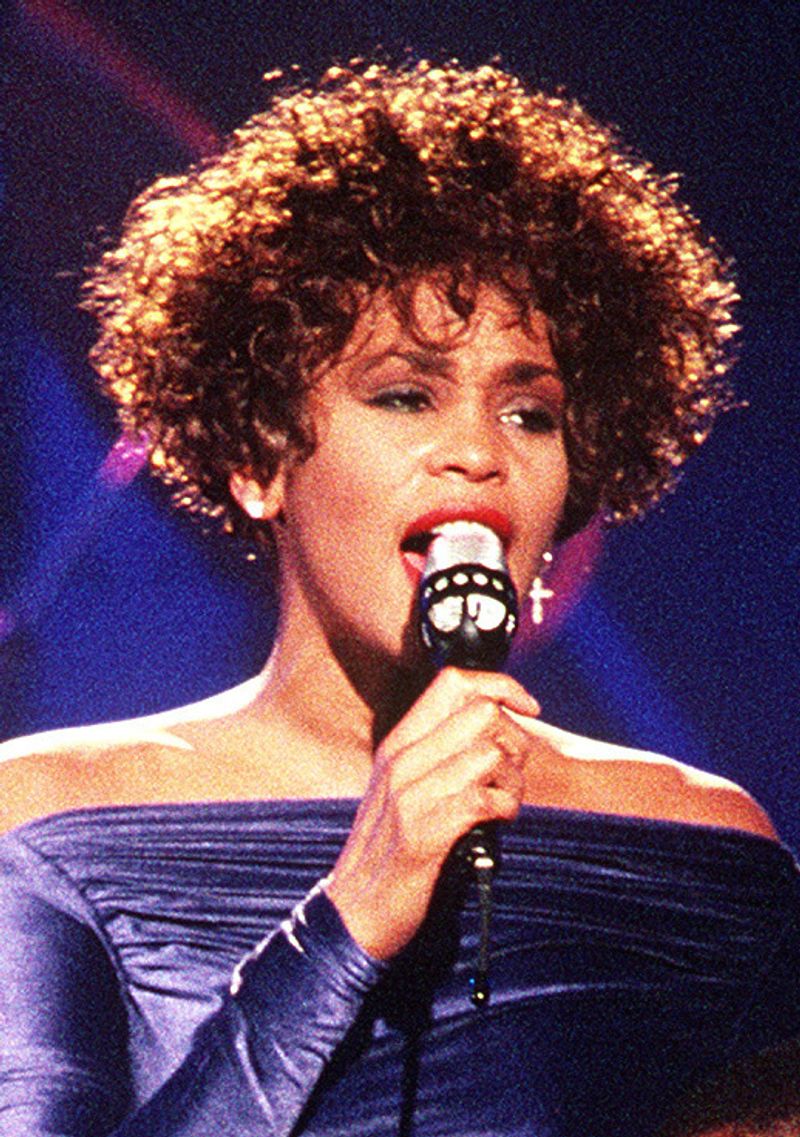
Whitney Houston’s voice was a cathedral that welcomed everyone. You heard it soar on I Wanna Dance with Somebody and How Will I Know, then pivot to tender grandeur on ballads that held breathless notes like promises.
Radio across pop, R&B, and adult contemporary made her voice a daily ritual.
Her tone combined clarity with power, turning high notes into clean architecture. The runs felt effortless, the phrasing conversational but regal.
Television and awards stages amplified the aura, proving technical mastery could be emotionally intimate.
Whitney’s crossover success widened the borders for Black female vocalists on mainstream charts. She brought church-rooted intensity into sparkling pop rooms without losing authenticity.
Music videos framed her charisma, but the microphone always led.
You still measure singers by her standard – resonance, control, and that unmistakable lift into the chorus. The voice became an instrument anyone could recognize in a second.
In an era of spectacle, she kept the spotlight honest. The song always won.
David Bowie — Constant Reinventor and Cultural Chameleon
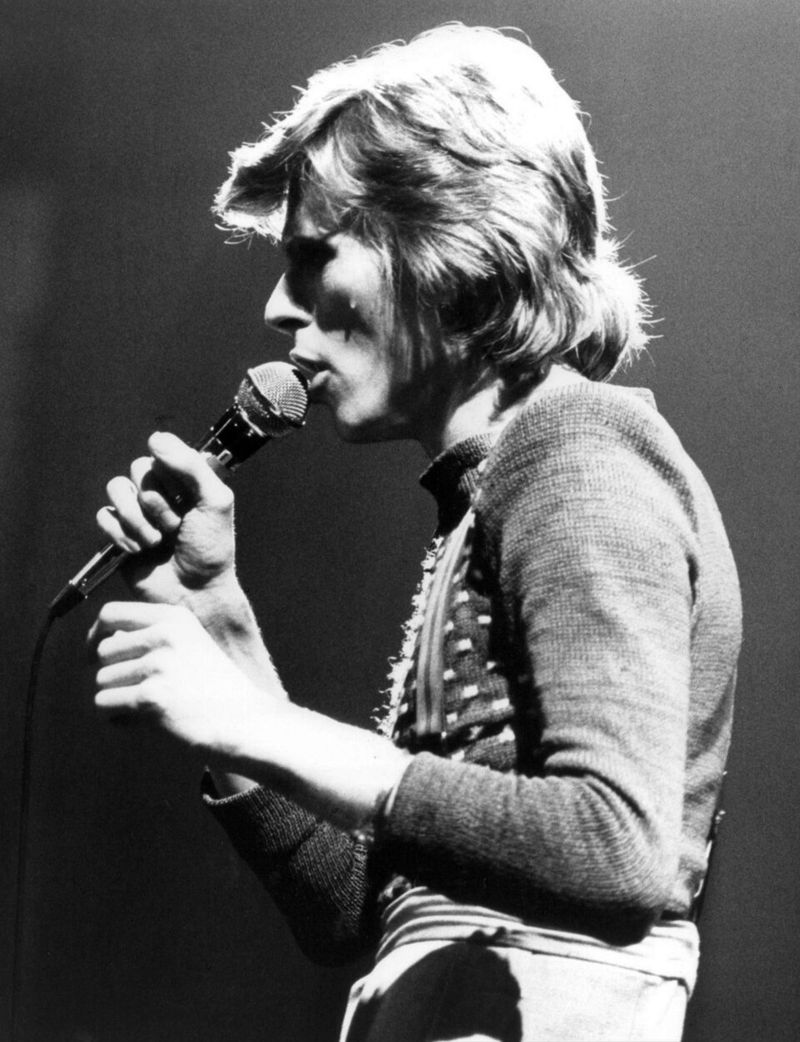
David Bowie entered the 1980s already mythic, then recalibrated for the mainstream with Let’s Dance. Nile Rodgers’ sleek production tightened the groove while Bowie’s presence remained otherworldly.
You could dance to it and still feel like you were stepping into an art gallery.
His genius lived in shapeshifting without dilution. Glam specter to dance rock crooner, he curated collaborators and aesthetics like a restless curator.
Fashion followed his lead – suits cut like angles, hair sculpted into statements, videos that treated MTV like an installation.
Across the decade, Bowie treated pop as a laboratory for identity. He balanced accessibility with subversion, letting singles sparkle while the worldview stayed complex.
Audiences learned that evolution could be elegant, not chaotic.
His influence is a permission slip for artists to take left turns. You can trace dozens of modern pivots back to his map.
Bowie’s gift was confidence in motion. The future kept catching up to him.
Tom Cruise — Hollywood’s New Leading Man
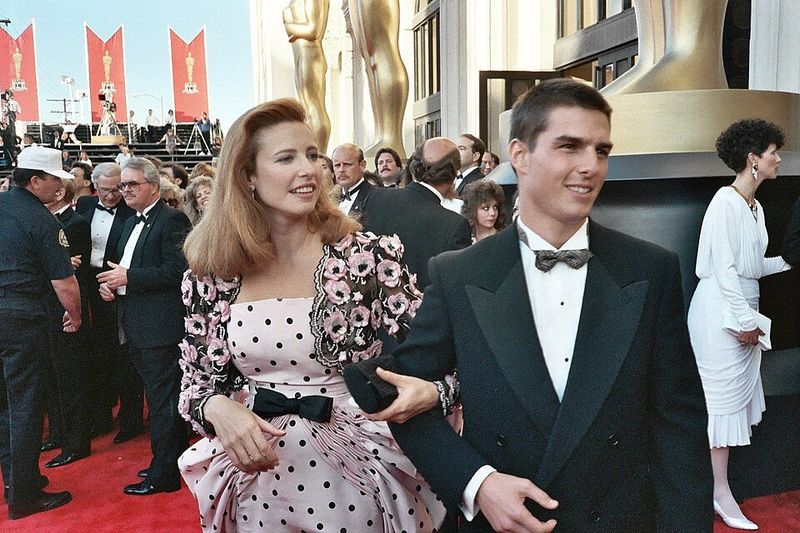
Tom Cruise became the face of blockbuster confidence. Risky Business slid across living rooms and into legend, then Top Gun conquered the sky with velocity and swagger.
You watched a star crystallize in real time as studios leaned into high-concept spectacle.
His charisma fused intensity with boyish drive. Action sequences felt personal because the eyes behind them were fearless.
He anchored 1980s moviegoing to a promise – big thrills, clean arcs, and a hero whose commitment felt athletic.
Top Gun codified the summer event film, pairing propulsion with anthemic soundtracks and poster-ready iconography. The formula seeded decades of releases built on adrenaline and archetype.
Cruise refined stardom as a craft: training, choreography, and discipline onscreen.
The influence endures in how audiences chase experience, not just stories. You expect scale, stunts, and a face delivering them.
The 1980s minted Cruise as a guarantee that the theater would feel larger than truth. It worked.
Eddie Murphy — Stand-Up Sensation to Movie Star
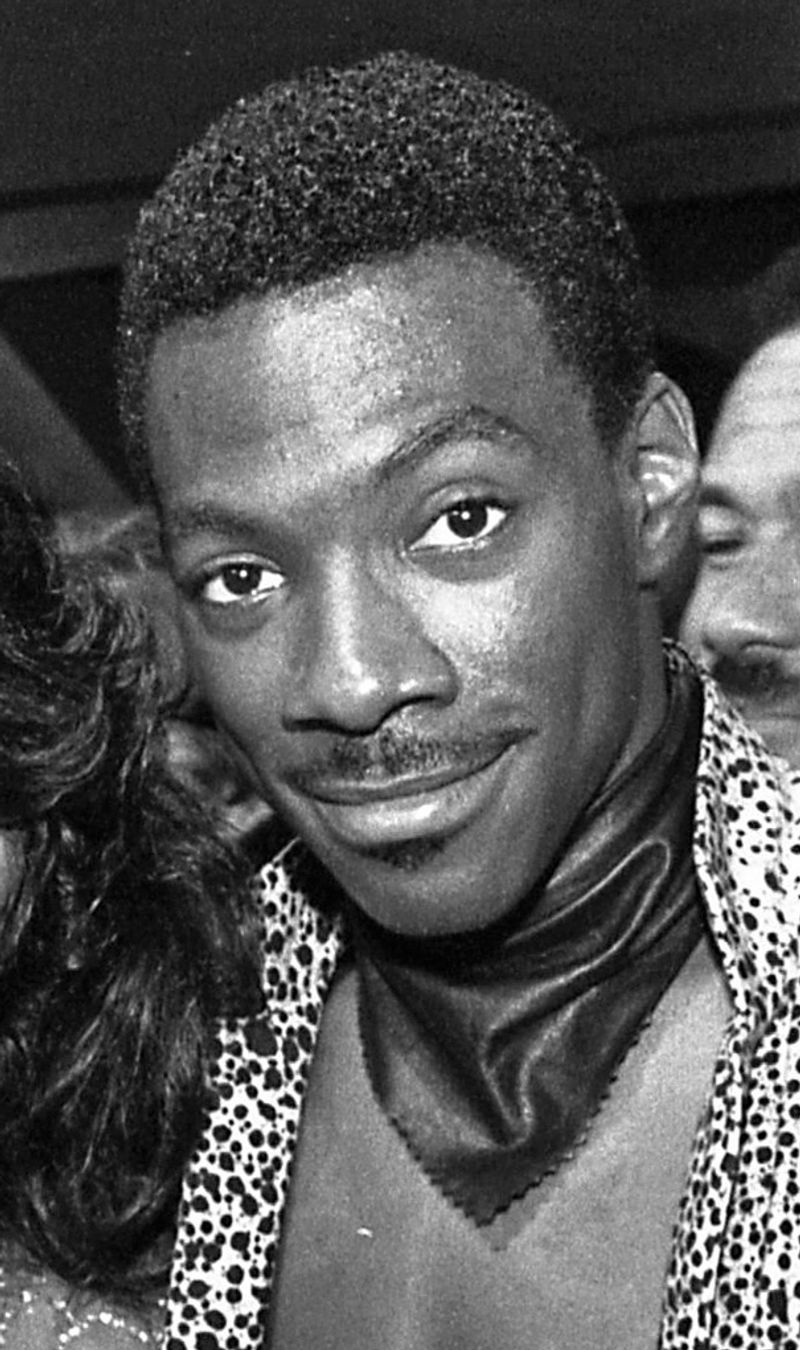
Eddie Murphy turned quicksilver wit into a full cultural takeover. Saturday Night Live sketches made him appointment viewing, while Delirious and Raw showed stand-up with stadium swagger.
Then Beverly Hills Cop fused comedy with action, rewriting box office expectations for a comedic lead.
His characters felt alive the instant he spoke – voices, attitudes, and timing snapping into shape mid-sentence. He pushed boundaries and invited debate, steering humor toward places polite TV avoided.
Audiences followed because the confidence was contagious.
Murphy’s crossover power bridged television, stand-up, and film with rare fluency. He owned talk shows, dominated weekends, and inspired a wave of comedians to aim cinematic.
The soundtrack of the decade included his laugh.
The template he set still guides studio comedies: charisma forward, pace relentless, set pieces punctuated by personality. You could watch him turn dialogue into fireworks.
He made stardom look like a reflex. The craft was sharper than it seemed.
Princess Diana — A Global Humanitarian Icon
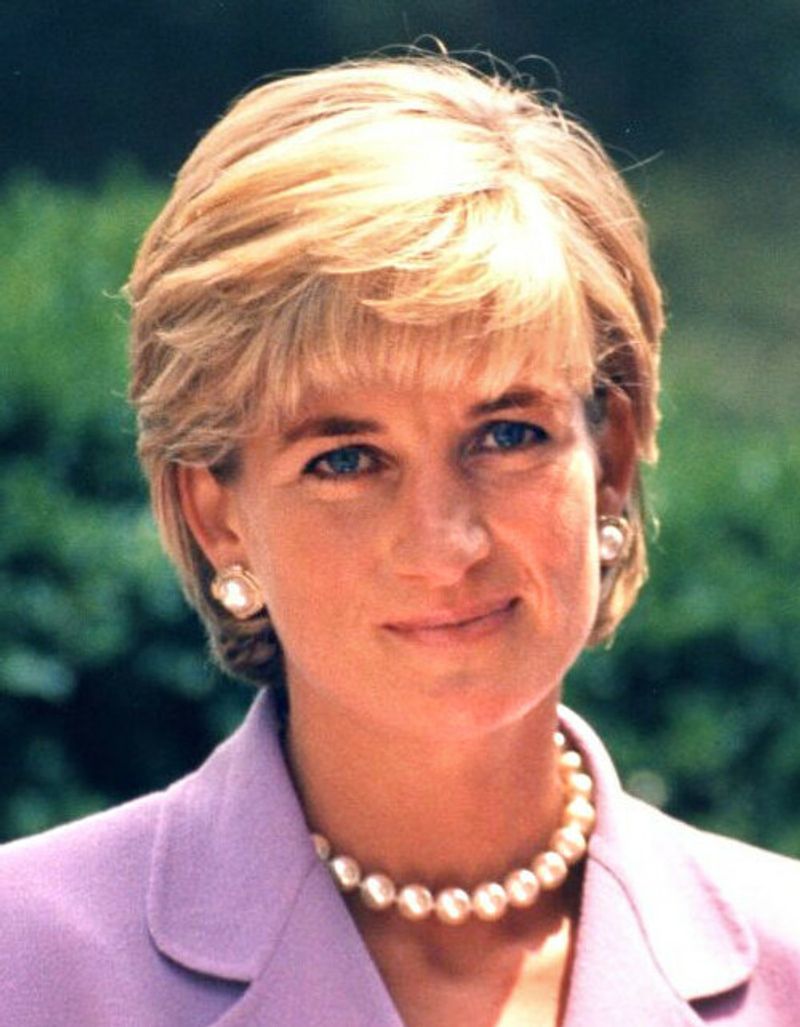
Princess Diana redefined royal visibility with human warmth and fearless empathy. You saw it in hospital visits, handshakes with HIV patients, and the sense that titles mattered less than contact.
Her image blended glamour with sincerity, making public life feel intimate.
Media fascination followed everywhere, but she redirected attention toward causes. Photographs turned into platforms for stigma-busting, from AIDS awareness to landmine advocacy that gathered momentum into the next decade.
Fashion became messaging – thoughtful, approachable, and iconic.
Her charisma altered expectations for modern public figures. She modeled vulnerability in a rigid institution and made compassion look like strength, not softness.
Crowds showed up for style and stayed for substance.
The legacy lingers in the way humanitarian work demands visibility and care. You recognize her blueprint whenever a celebrity chooses proximity over distance.
Diana did not just symbolize kindness. She practiced it in front of cameras, and that changed them.
Hulk Hogan — Wrestling’s Mainstream Superstar
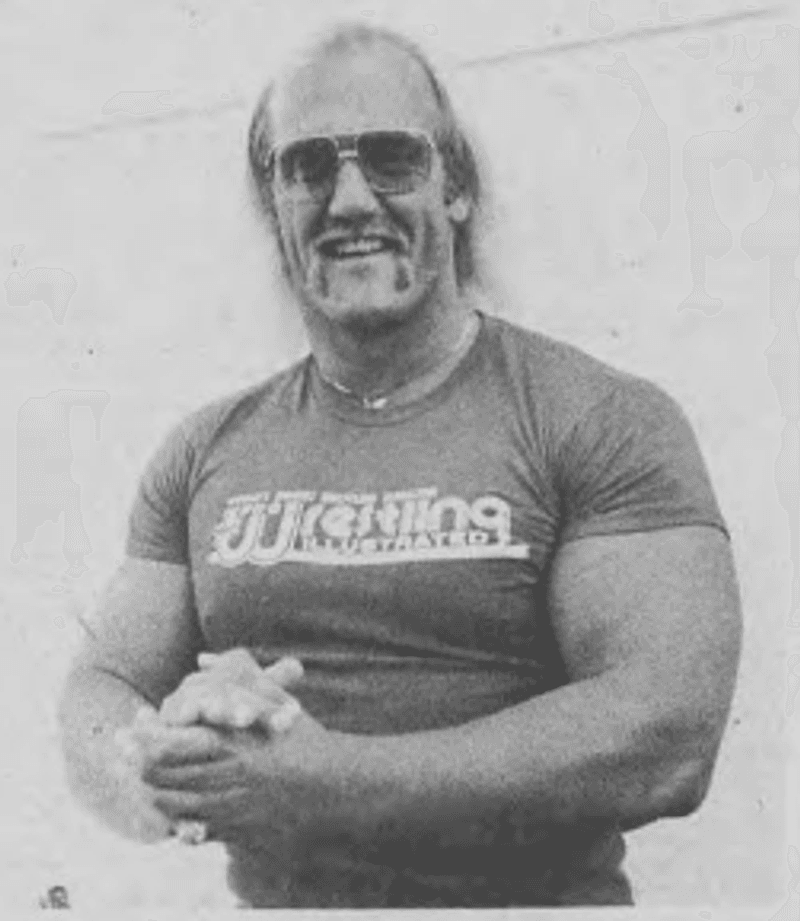
Hulk Hogan turned pro wrestling into a living-room tradition. The colors were bright, the charisma louder, and the catchphrases instantly repeatable.
With WrestleMania, cable television, and toys, he helped transform a niche circuit into a global spectacle families watched together.
His persona sold mythic simplicity – good versus bad, strength versus doubt. You knew when the comeback was coming, and that predictability felt joyful.
The entrance, the leg drop, the posed victory became ritual for millions of kids.
Marketing synergy made Hogan inescapable, from cartoons to lunchboxes. The character fit the 1980s appetite for heroism with polish and neon.
Promoters built seasons around his arcs, proving wrestling could program culture like any network.
The impact is visible in today’s sports entertainment model: bigger than sport, calibrated for storytelling, and engineered for mass memory. Whether you believed or just played along, the spectacle worked.
Hogan was the handshake between athletic theater and mainstream fame.
Cyndi Lauper — Pop Rebel With a Cause
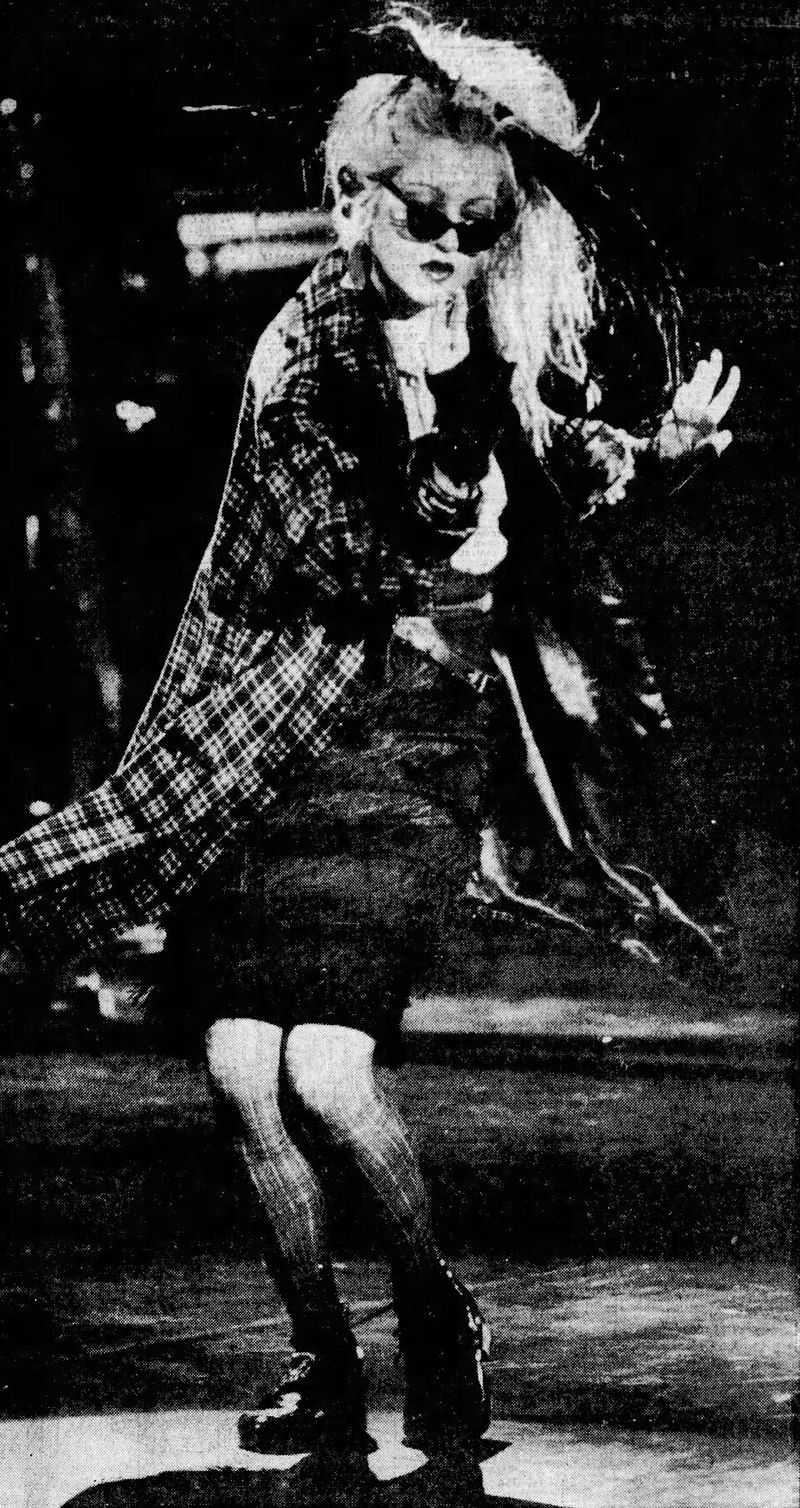
Cyndi Lauper brought a kaleidoscope of color and feeling to pop. Girls Just Want to Have Fun shouted liberation with a smile, while Time After Time held delicate honesty.
You could dance and reflect in the same album, guided by a voice that bent melodies into confessions.
Her look sparked imitation – layered skirts, neon accents, and playful anarchy. MTV adored the visuals because they celebrated individuality without apology.
You felt permission to be strange and joyful in public.
Lauper carried a quiet steel beneath the sparkle, advocating for equality and lending platform to causes long before it was expected. The songs stayed catchy while the message stayed clear.
Pop could entertain and uplift simultaneously.
Her influence reached designers, alt kids, and chart rivals. When artists blend whimsy with heart, you hear her precedent.
The 1980s needed her color wheel. It still spins.
Bruce Springsteen — Voice of Working-Class America
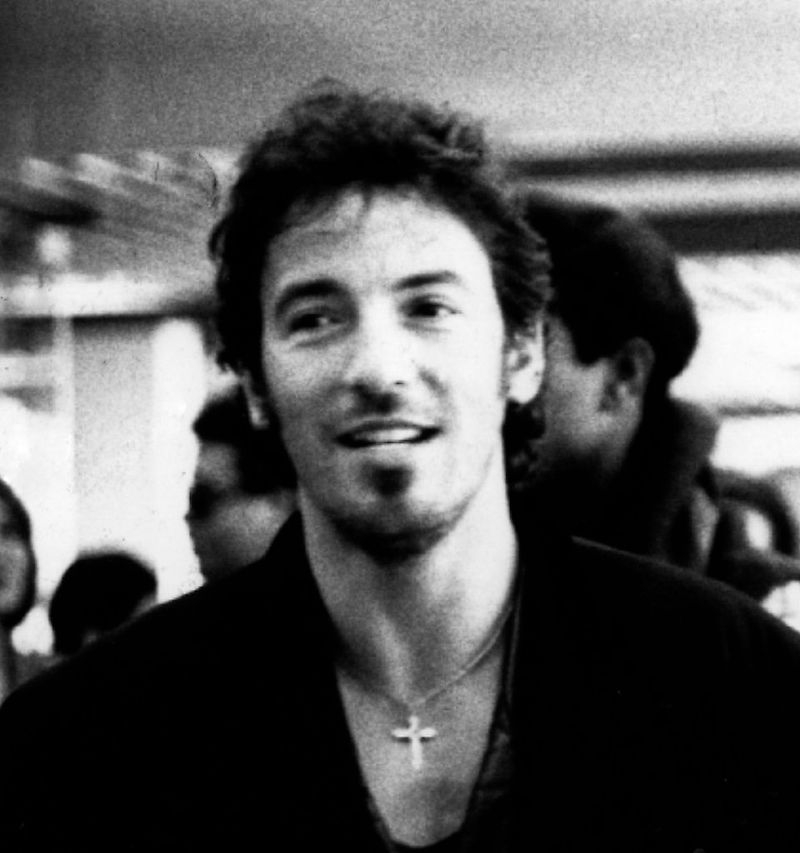
Bruce Springsteen carried the decade’s heartbeat onto stadium stages. Born in the U.S.A. blasted hooks that felt patriotic and questioning at once, often misunderstood but always undeniable.
You heard factories, highways, and late shifts condensed into choruses built for communal release.
His shows were marathons of sweat and testimony. Stories threaded songs into a shared diary of hope and grind.
The E Street Band powered arrangements with muscle and grace, making big rooms feel like neighborhood bars.
Springsteen’s writing honored dignity amid struggle, giving blue-collar life the narrative center. Videos and photography framed him as an everyman poet, sleeves rolled, eyes honest.
Pop success never erased the reporter’s notebook in his lyrics.
The template influenced wave after wave of heartland rock and modern Americana. You still turn to his records for clarity when the headlines blur.
He kept the romance of work alive without pretending it was easy. That honesty lasted.
George Michael — Pop Sophisticate and Hitmaker
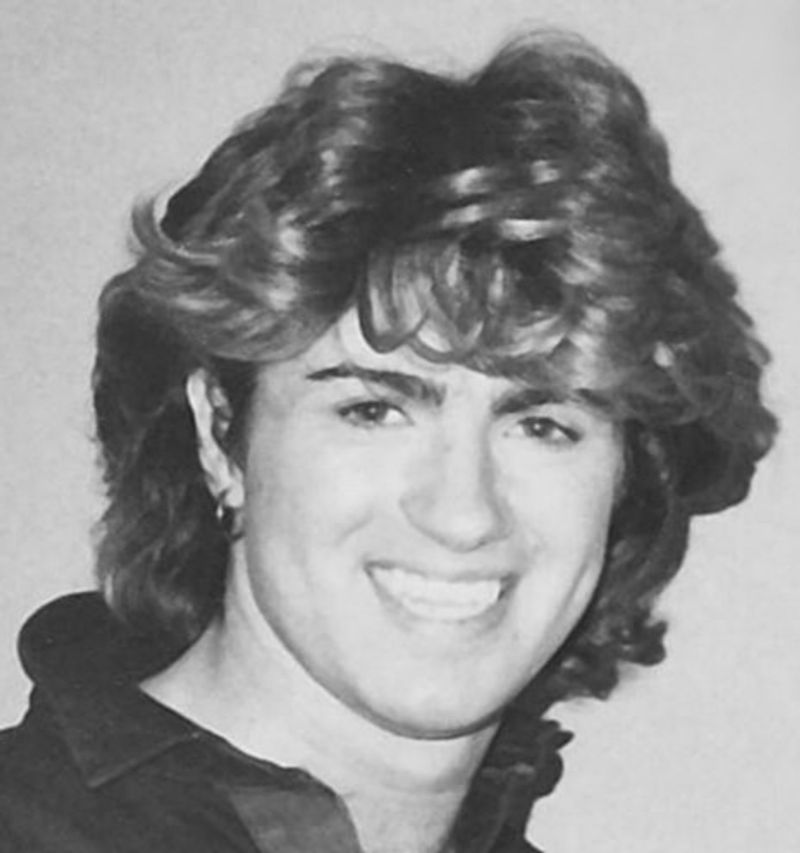
George Michael graduated from Wham! into solo stardom with Faith, where pop hooks flirted with soul finesse. You could hear churchy harmonies slide against sharp beats, making radio feel plush and intimate.
He wrote, produced, and sculpted tracks that felt both polished and confessional.
Image mattered, but the craft held. Careful vocal stacks, rhythmic precision, and sly lyrics gave the songs replay strength.
Music videos framed charisma without drowning it, letting the voice carry the weight.
Michael’s ballads offered vulnerability that broadened what male pop could admit in the 1980s. He invited tenderness into swagger’s house.
The result was a catalog that aged with quiet confidence.
His influence appears wherever pop leans into sleek production and emotional candor. You hear echoes in modern R&B hybrids and chart ballads that keep their polish.
George Michael proved sophistication could still be massive. The radio agreed.
Janet Jackson — Rhythm Nation Architect
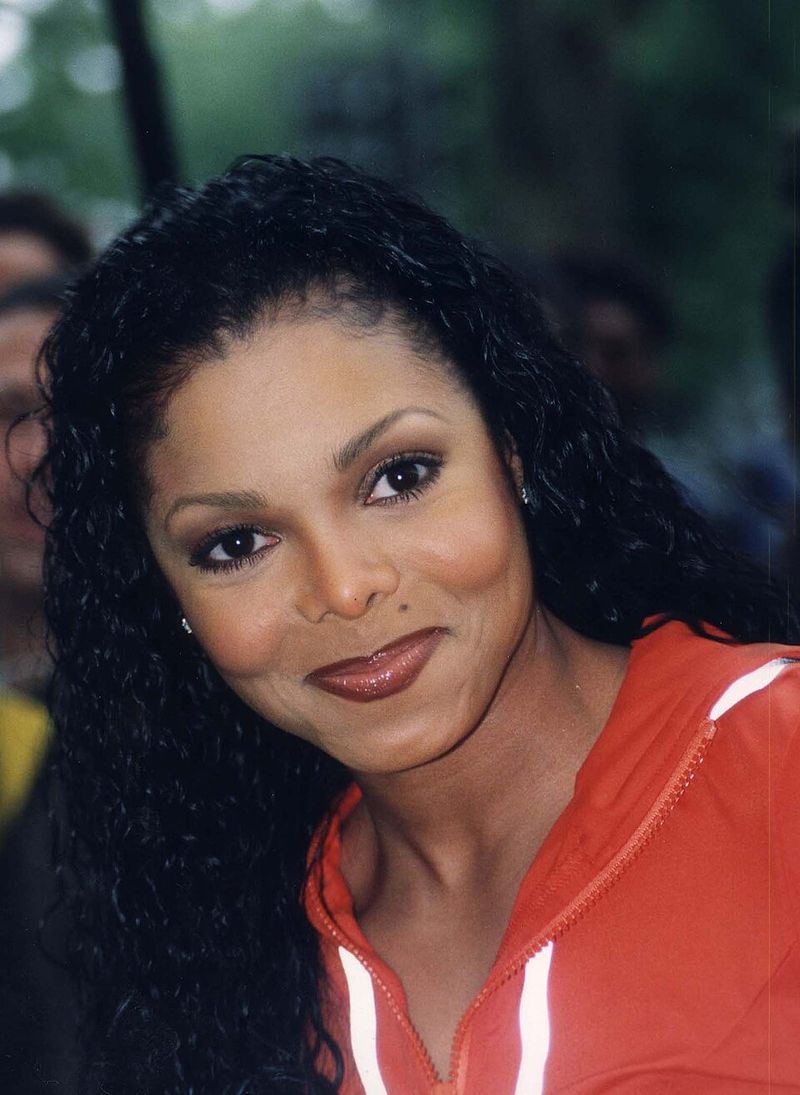
Janet Jackson arrived with control and then built an empire of rhythm. Working with Jam and Lewis, she turned pop and R&B into sleek architecture, each beat locked with choreography.
You felt the discipline in every cut, from Nasty to Rhythm Nation’s steel-plated optimism.
Her videos treated dance like policy, uniting precision with social commentary. The look was minimal and militant, inviting you to move with purpose.
Hooks snapped, drums punched, and the message traveled across MTV with clarity.
Janet’s presence reframed the idea of a pop star as a creative director. She designed eras, not just singles, and toured with near-military focus.
Empowerment themes gave fans language to claim their space.
Modern pop staging, coordinated visuals, and concept albums trace back to her blueprints. You see her fingerprints in dance troupes and world-building rollouts.
Janet made discipline sound like freedom. The beat led the way.
Brooke Shields — Teen Idol and Cultural Fixture
Brooke Shields became a touchstone of 1980s media saturation. Film roles, commercials, and fashion campaigns placed her face on billboards and bedroom posters alike.
You saw an era learn how to turn a young star into a full-scale brand.
Her image sparked conversations about youth, beauty, and boundaries in advertising. The Calvin Klein campaign, in particular, defined a glossy tension that magazines could not stop discussing.
She carried poise through scrutiny and kept working with a steady professionalism.
Television appearances and interviews revealed intelligence that complicated the public’s projections. Shields navigated early fame’s storm with a balance of candor and restraint.
The result was longevity beyond a teen moment.
Her impact sits at the crossroads of celebrity culture, fashion marketing, and evolving standards of representation. You can trace modern influencer dynamics to the blueprint she helped draw.
The 1980s learned how to look at stardom. She taught the camera to listen, too.
Magic Johnson — Sports and Style Icon
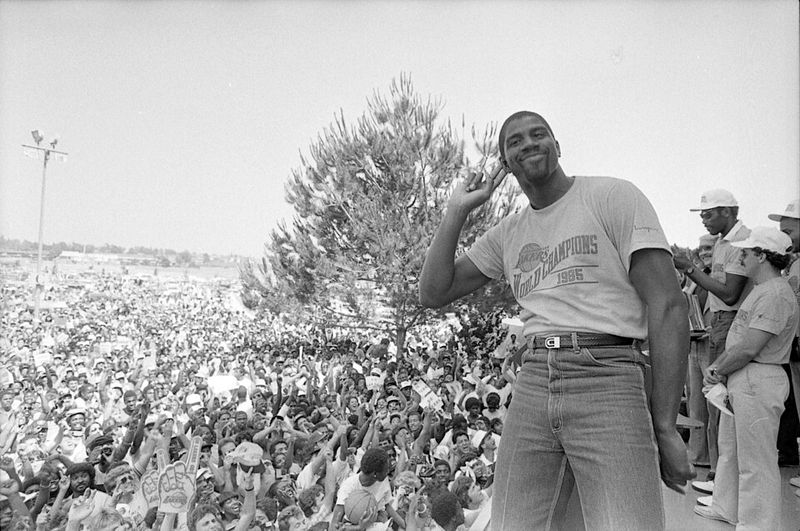
Magic Johnson turned basketball into Showtime, where passing glittered and joy felt tactical. The Lakers ran like a jazz band, each fast break a melody.
You watched leadership expressed as vision, smiling and slicing through defenses with precision.
His rivalry with Larry Bird elevated the NBA into prime-time theater. Finals became national rituals, and highlight culture exploded.
Sneakers, jackets, and courtside flash carried the game’s style into streetwear language.
Magic’s charisma translated beyond the court into endorsements and community presence. He made success look generous, mentoring teammates and building businesses with long-term impact.
The smile was strategy and invitation.
Today’s NBA tempo and branding owe a debt to his blueprint. You expect spectacle and smart teamwork as compatible values.
Magic Johnson proved that entertainment and excellence could be the same play. The lane stayed open.
Grace Jones — Avant-Garde Provocateur
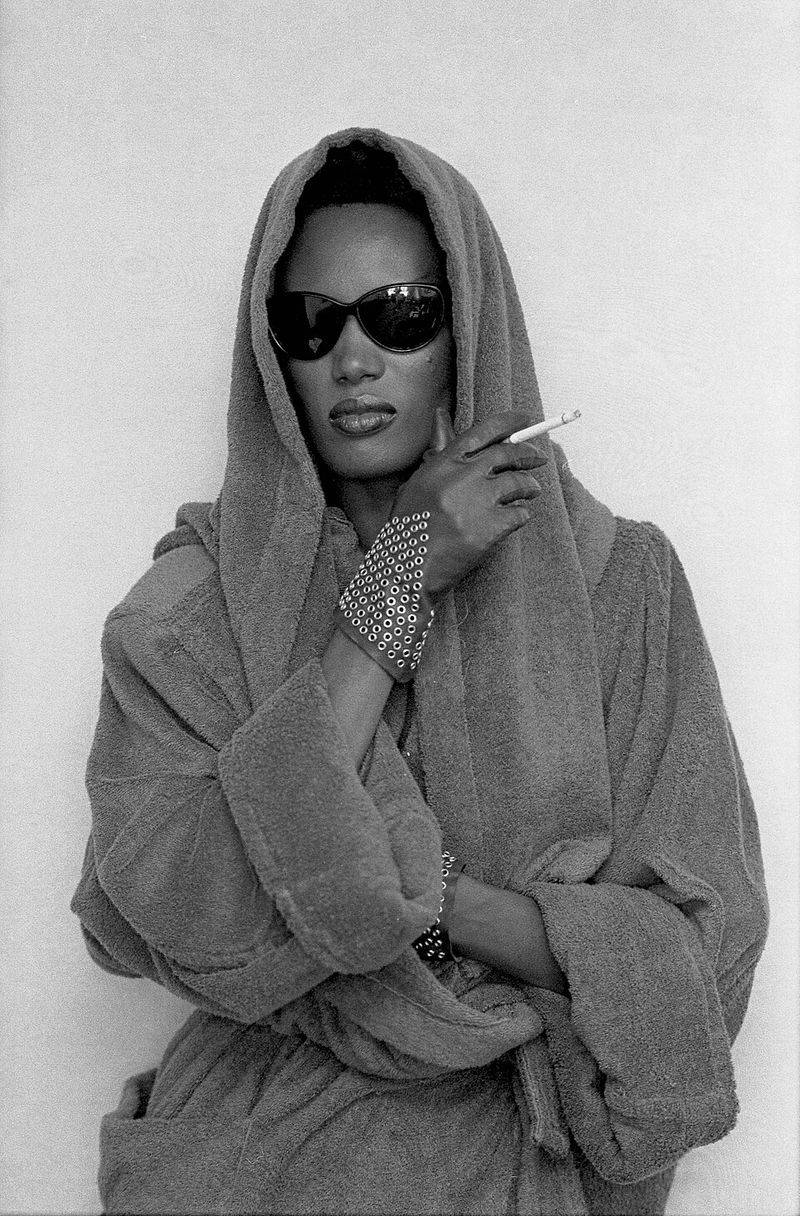
Grace Jones arrived like a living sculpture, slicing the 1980s with fearless visuals and a voice that snapped rhythms into place. Nightclubbing and Slave to the Rhythm fused dub, art pop, and club sheen.
You felt fashion, music, and performance merging into one shock of presence.
Her collaborations with Jean-Paul Goude engineered images you cannot forget – androgynous angles, athletic poses, and geometry made flesh. She treated each appearance like a gallery opening.
The stage became a runway for audacity.
Jones’s influence reverberates in pop’s appetite for bold silhouettes and conceptual videos. Artists learned that visual identity could be armor and invitation.
Club culture followed her lead into high-concept territory.
Beyond style, the records still throb with inventive production. Basslines flex, percussion pops, and her phrasing commands attention.
Grace Jones did not ask for the frame. She designed it, then broke it clean.



