 Unearth The Voyage
Some beliefs stick around long after the evidence has moved on. You hear them in classrooms, conversations, and casual advice, even as new research reshapes the picture. Science rarely shouts when it changes its mind, but it does leave a trail of better tools, cleaner data, and sharper explanations. Here are 16 assumptions you probably heard growing up that science has quietly rewritten.
1. Neanderthals Were Less Intelligent Than Humans
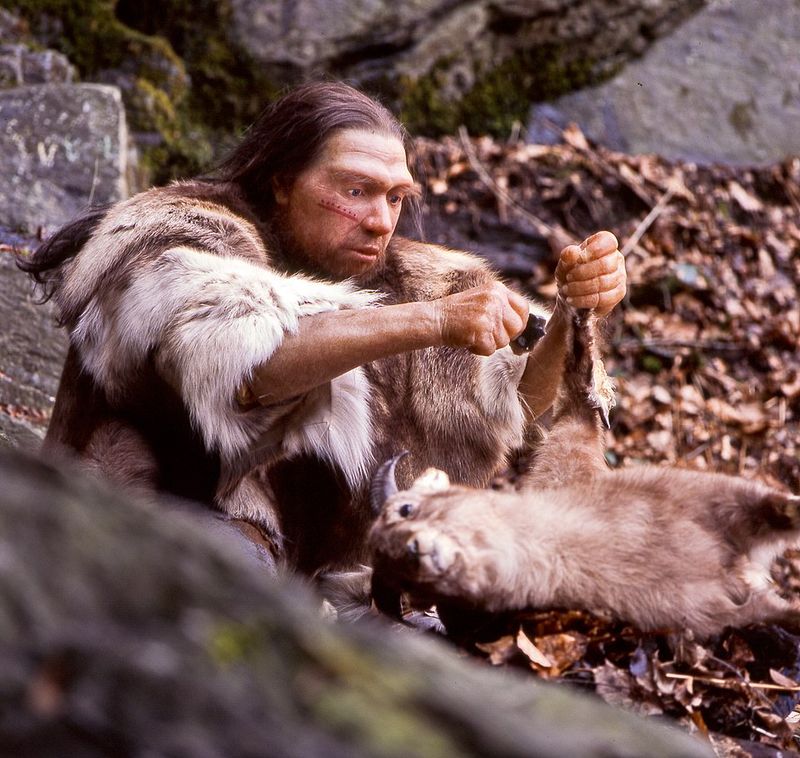
The old caveman caricature missed the evidence. Neanderthals crafted complex tools, controlled fire, used pigments, and likely adorned themselves. They buried their dead and cared for injured group members, showing planning and compassion.
Genetic studies reveal they interbred with modern humans, leaving traces in your DNA that influence immunity and skin traits. Archaeology keeps finding sophistication rather than simplicity. Instead of primitive foils, Neanderthals look like close cousins adapting smartly to harsh Ice Age realities.
2. Memory Works Like a Video Recorder
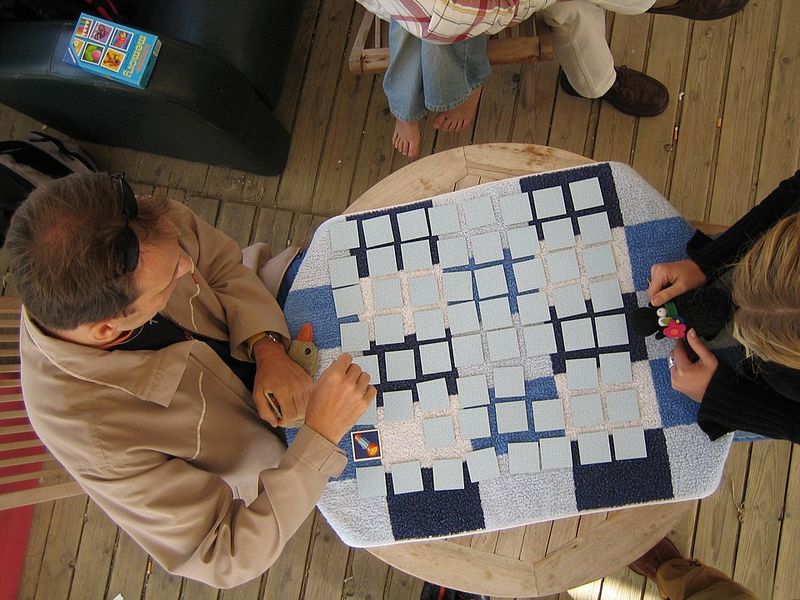
Memory feels like playback, but it behaves like storytelling. Each recall is a reconstruction, mixing sensory fragments with emotions, beliefs, and later knowledge. That is why two people remember the same moment differently, both convinced they are accurate.
Neuroscience shows reconsolidation updates memories whenever you revisit them. Stress, suggestion, and expectations nudge details. Eyewitness testimony can be sincere and still wrong, not because people lie, but because memory edits itself as living minds make meaning.
3. Humans Have a Fixed Number of Brain Cells
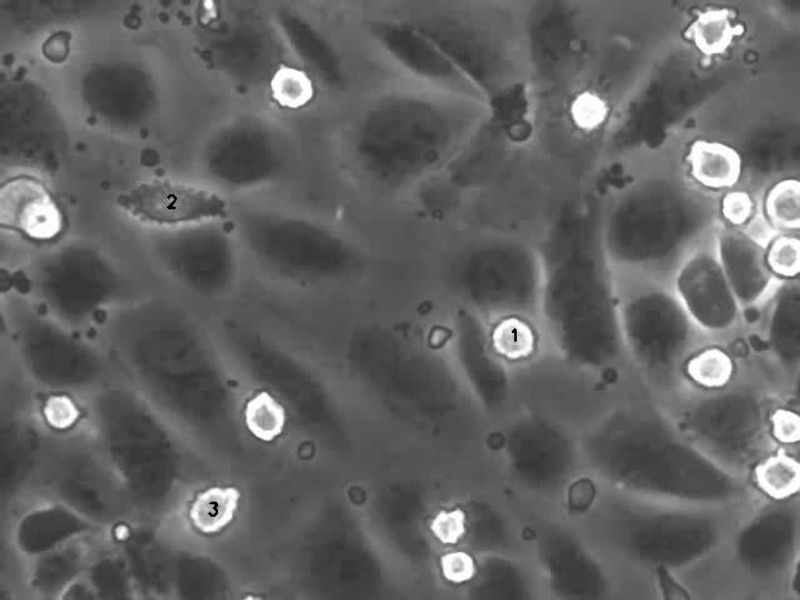
For years, you were told neurons never return. Then researchers spotted adult neurogenesis in brain regions tied to learning and memory, especially the hippocampus. New neurons integrate into circuits, subtly reshaping how you learn.
Rates vary with stress, sleep, exercise, and environment. Running, enriched spaces, and healthy sleep tend to help; chronic stress and inflammation do not. While neurogenesis is not a magical reset, it means your brain is more dynamic than the grim old rule allowed.
4. Stress Is Always Harmful

Stress is not one thing. Short bursts can sharpen attention, mobilize energy, and improve memory consolidation. That uptick is eustress, the kind that helps you rise to a challenge and then settle down.
Chronic, unrelenting stress is the problem, taxing sleep, mood, and metabolism. Reframing a stress response as helpful can reduce physiological wear. Practices like movement, social support, and boundaries shift your stress profile from damaging to adaptive.
5. The Appendix Is Useless
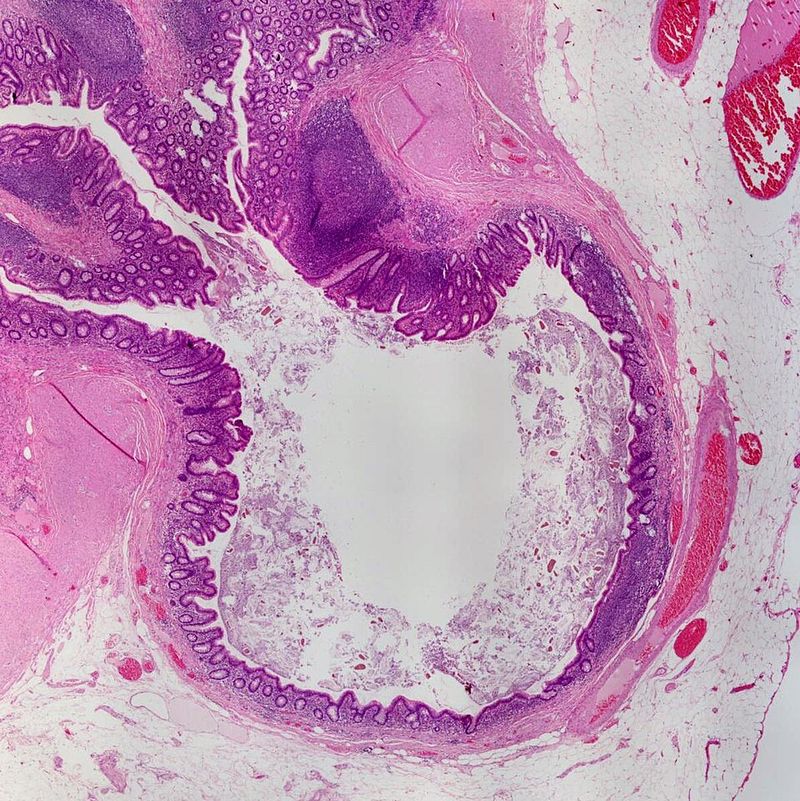
Useless was the headline, but the appendix looks more like a quiet helper. It seems to serve as a safe house for beneficial gut bacteria that can repopulate your intestines after illness. That reservoir matters when infection or antibiotics clear the neighborhood.
Evolutionary patterns show the appendix appearing independently across mammals, suggesting a function worth keeping. You can live without it, yes. Still, calling it vestigial misses its likely role in microbial resilience and immune coordination.
6. All Bacteria Are Dangerous

Germs once meant enemies, full stop. Now trillions of microbes are recognized as partners that aid digestion, train immunity, and even influence mood through gut-brain pathways. Wipe them all out and you would be in worse shape.
Problems arise when balance breaks or pathogens invade. Fermented foods, fiber, and prudent antibiotic use support microbial diversity. You are an ecosystem, not a sterile machine, and health emerges from cooperation as much as defense.
7. Humans Have Only Five Senses

You grew up reciting five senses, but your body is running many more in the background. Balance, proprioception, temperature, pain, and interoception help you move, stay upright, and notice internal signals like thirst. That quiet hum of awareness is a whole sensory orchestra.
Scientists parse senses by receptors and pathways, revealing a dozen plus ways you detect the world. The inner ear tracks rotation, skin receptors map pressure, and stretch sensors report muscle length. Understanding this bigger lineup reframes everyday experiences.
8. The Heart Is the Sole Driver of Circulation
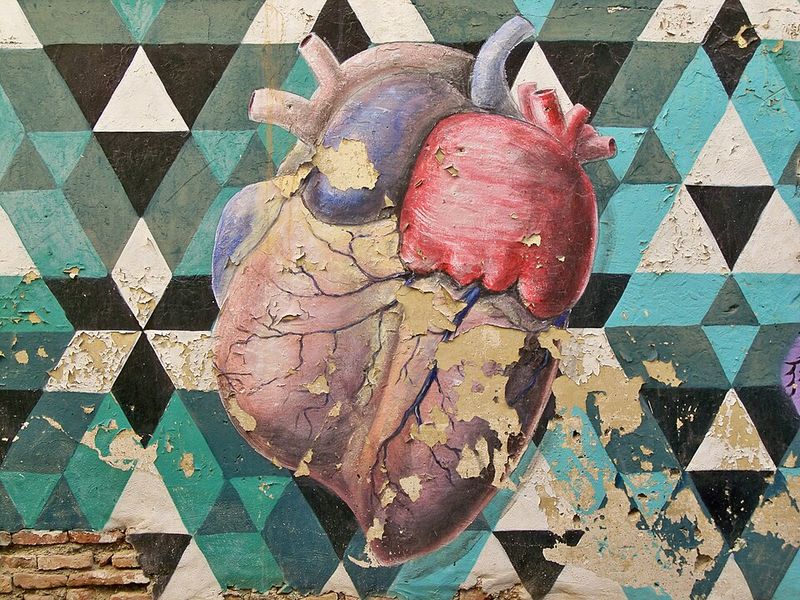
Your heart is a marvel, but it does not work alone. Skeletal muscles squeeze veins as you move, venous valves prevent backflow, and breathing shifts pressures that draw blood toward the chest. Arteries and arterioles modulate resistance to steer flow.
Circulation is a system, not a solo. That is why walking reduces swelling and deep breaths can change heart filling. Thinking in networks clarifies why movement matters for cardiovascular health.
9. Time Passes the Same for Everyone
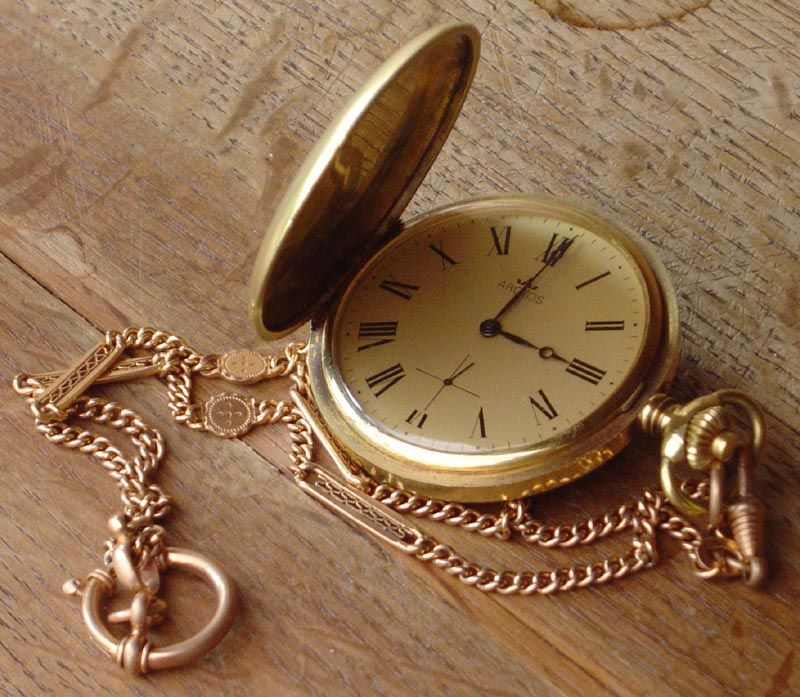
Time feels universal, but physics says otherwise. Motion and gravity warp it, slowing clocks depending on speed and elevation. GPS satellites run slightly fast relative to Earth and must be corrected daily.
Einstein’s relativity moved time from a stage to a participant in the action. Your phone’s navigation quietly proves it, reconciling tiny differences so directions stay accurate. Uniform time is a useful illusion, not a rule of the universe.
10. Humans Are Naturally Selfish

Self-interest is real, but it is not the whole story. Cooperation, reciprocity, and fairness appear early in development and across cultures. People punish cheaters even at personal cost, a pattern that supports group survival.
Anthropology and psychology link altruism to our evolutionary past and present social incentives. You are wired for both competition and care, and context pulls the levers. The myth of pure selfishness leaves out half the human playbook.
11. Plants Are Passive Life Forms

Plants do not think like you, but they are not idle. They sense light, touch, gravity, water, and attack, then respond with growth patterns and chemical defenses. Some prime future responses, a memory-like behavior without neurons.
Signals travel through hormones, electrical changes, and underground fungal networks. Leaves release warning volatiles that help neighbors prep defenses. It is an active conversation, just in a different language and tempo.
12. Vision Works Like a Camera
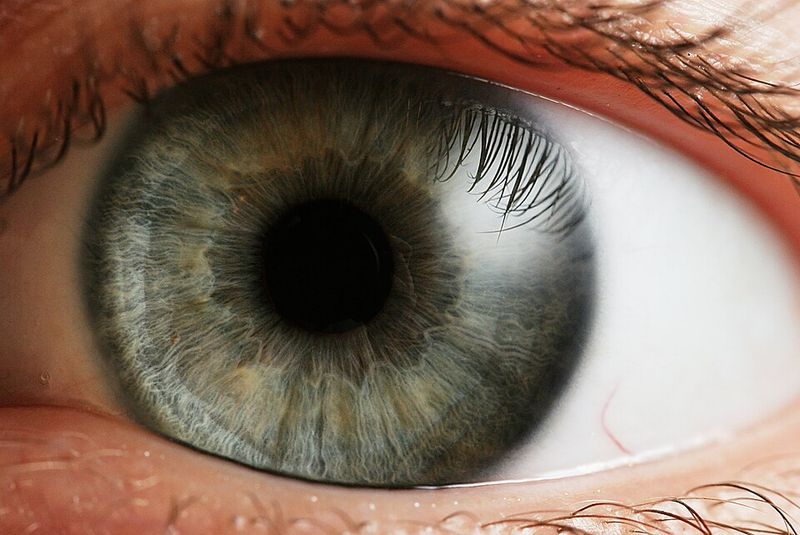
Eyes gather light, but your brain creates the image you experience. It fills blind spots, smooths motion, and boosts edges while discarding most input. Optical illusions expose the shortcuts, revealing perception as an informed guess.
Predictive processing models explain how expectations sculpt what you see. That shortcut saves energy and speeds reactions, but it also means you miss changes right in front of you. Seeing is believing, yet also interpreting.
13. Left Brain Logical, Right Brain Creative
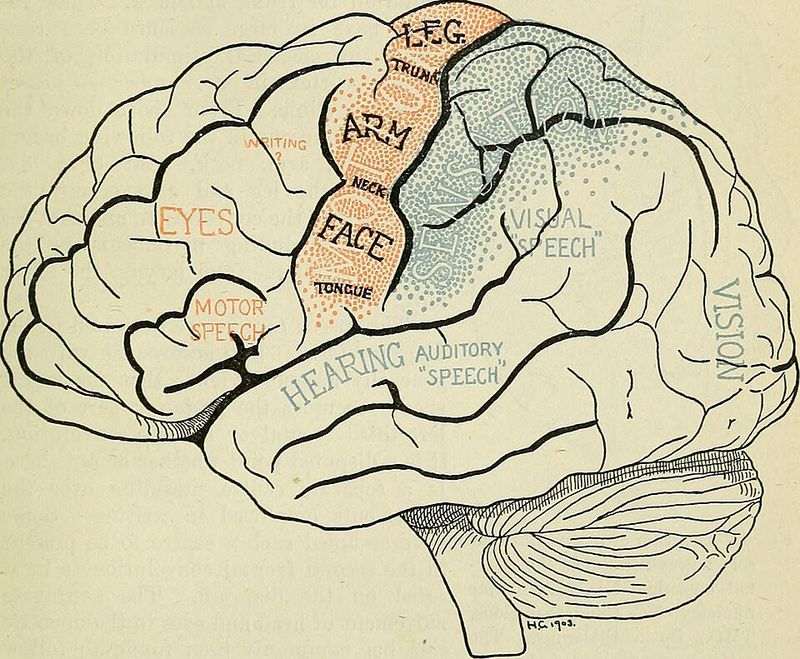
The hemisphere stereotype is tidy but wrong. While some functions lean left or right, creativity and logic draw on distributed networks across both sides. Real tasks recruit many regions, talking through thick bundles of connections.
Neuroimaging shows collaboration more than partition. Training changes brain wiring regardless of hemisphere, and damage can rewire function with practice. Your brain works as a team, not two rival departments.
14. Aging Automatically Means Mental Decline

Aging shifts speed and recall, but not all thinking dims. Vocabulary, pattern recognition, and emotional regulation often improve. With movement, sleep, and learning, many abilities remain robust for decades.
Brains keep adapting, building cognitive reserve through engagement and relationships. Decline is not guaranteed; it is shaped by health, habits, and opportunity. The story is more maintenance and remodeling than collapse.
15. The Immune System Only Defends Against Disease
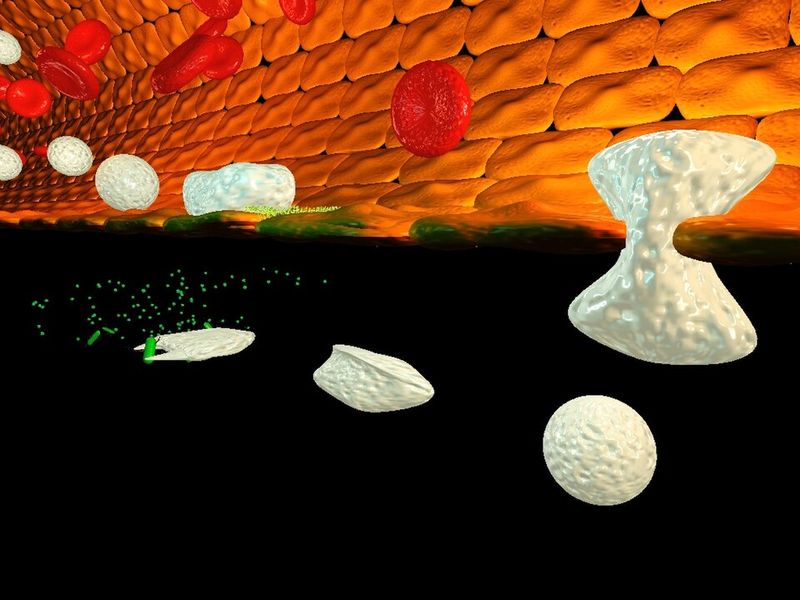
Defense is one immune job, not the only one. Immune molecules guide brain development, prune synapses, repair tissues, and patrol for balance in your microbiome. They help maintain homeostasis as much as repel invaders.
Too little or too much activity disrupts systems from gut to brain. Understanding regulation reframes autoimmunity and chronic inflammation as miscalibrations, not just overreactions. The immune system is a tuner, not merely a shield.
16. Evolution Has a Final Goal

Evolution does not aim upward. It tinkers, testing traits against shifting environments. What works now may fail later, and success means leaving offspring, not reaching perfection.
There is no finish line or ladder. Lineages branch, stall, or vanish depending on conditions. Seeing evolution as problem solving rather than marching progress makes its creativity visible.



