 Unearth The Voyage
Music has a way of grabbing you by the heart before you even realize it. One second you’re scrolling, and the next you’re hearing a voice or a riff that feels like a time machine.
That’s the magic of the 1970s.
This decade didn’t just produce hit songs. It created moments people still chase today.
The best part is how fast it happens. Sometimes it only takes the first line to bring back a car ride, a dance floor, or a late-night radio glow.
In this article, you’ll find classic tracks whose opening words still hit with the same force. No long buildup.
No warm-up.
Just instant recognition and that familiar rush that says, “I know this one.”
1. Imagine – John Lennon (1971)
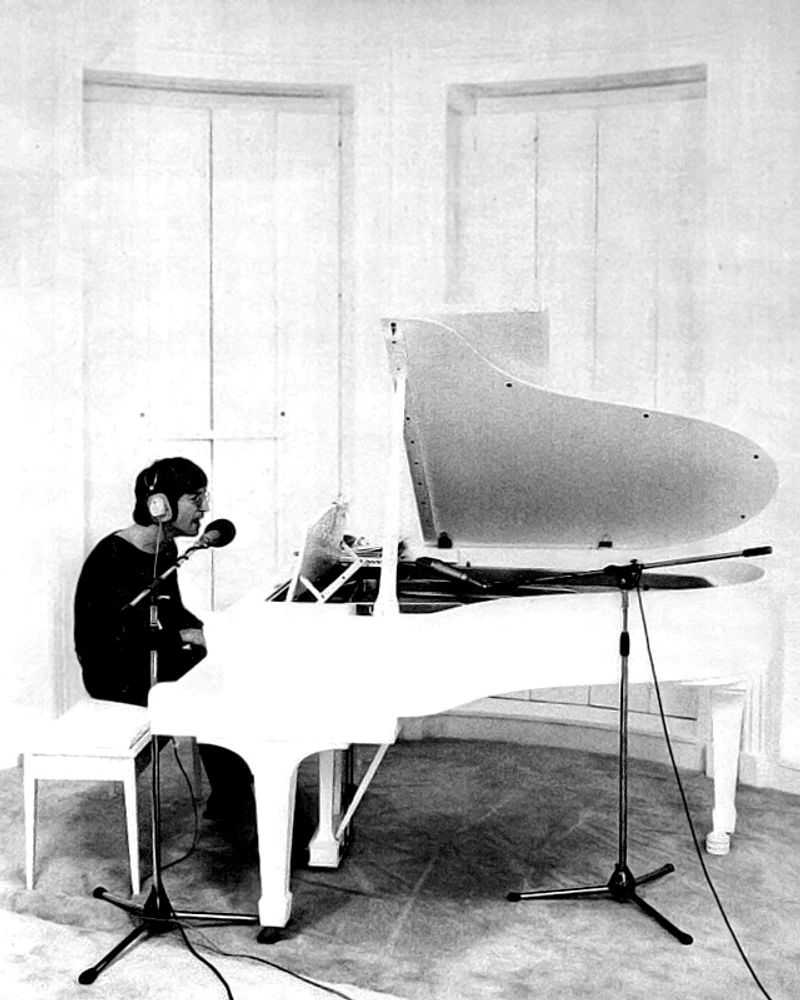
‘Imagine there’s no heaven’ – John Lennon’s voice cuts through decades with just three words. Released after The Beatles split, this song became his signature solo work and a timeless anthem for peace.
The simplicity of that opening line invites listeners into a world of possibility.
What makes this track so powerful is its gentle piano melody paired with revolutionary lyrics. Lennon wasn’t afraid to challenge conventional thinking about religion, politics, and materialism.
He asked us to envision a world without divisions, and people listened.
The song topped charts worldwide and became synonymous with the peace movement. Critics initially called it naive, but its message resonated deeply during turbulent times.
Today, it remains one of the most covered songs in music history.
Lennon recorded this at his home studio in England, with Yoko Ono by his side. The stripped-down production lets the words shine through without distraction.
Every note serves the vision he’s painting.
Whether you hear it at a memorial service or a protest rally, the impact never diminishes. That opening line has become part of our cultural vocabulary, representing hope and unity across generations.
2. American Pie – Don McLean (1971)

‘A long, long time ago…’ – Don McLean starts his epic ballad like a fairytale, but the story he tells is very real. This eight-minute masterpiece chronicles the evolution of rock and roll through coded references and poetic imagery.
Those first four words hook you immediately with their storytelling promise.
The song famously references the plane crash that killed Buddy Holly, Ritchie Valens, and The Big Bopper in 1959. McLean called it “the day the music died,” a phrase now permanently etched in music history.
But the lyrics also weave in cultural touchstones from the 1960s.
Radio stations initially balked at playing such a lengthy track, but listeners demanded it. The song climbed to number one and stayed there for four weeks.
Its popularity proved that audiences craved substance over radio-friendly formulas.
McLean has kept the exact meanings of his verses deliberately mysterious. Fans have spent decades debating interpretations, which only adds to the song’s mystique.
That ambiguity makes it endlessly fascinating.
The melody shifts between melancholy and upbeat, mirroring the emotional journey of the lyrics. It’s a song that rewards repeated listening, revealing new layers each time you hear it.
3. Hotel California – Eagles (1976)
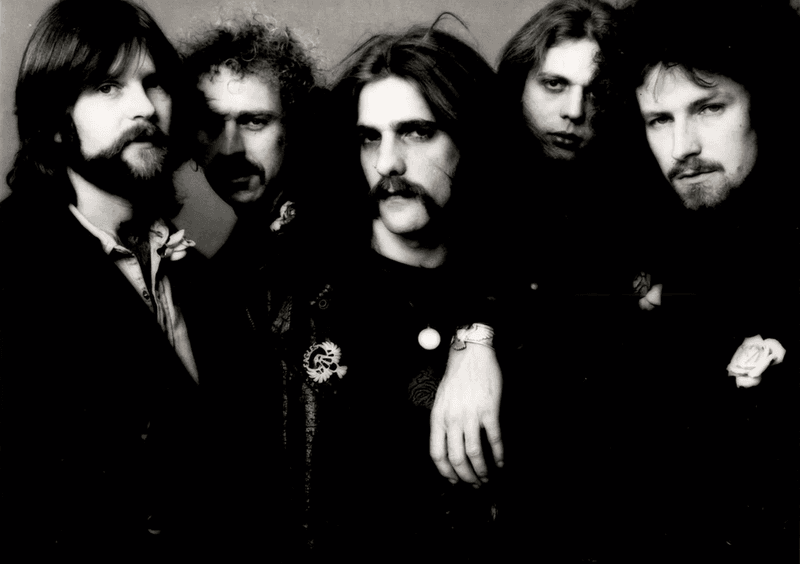
‘On a dark desert highway…’ – The Eagles paint a scene so vivid you can feel the desert heat. This opening line sets the stage for one of rock’s most mysterious and debated songs.
The imagery is cinematic, pulling you into a narrative that feels both real and dreamlike.
That iconic guitar intro precedes the vocals, creating an atmosphere of unease and anticipation. When the words finally arrive, they describe a weary traveler stumbling upon a strange hotel.
The story unfolds with cryptic details that suggest something sinister lurking beneath luxury.
Interpretations range from commentary on the music industry to warnings about excess in California culture. Some fans insist it’s about a specific rehab facility or cult.
The band members have given conflicting explanations over the years, fueling endless speculation.
The guitar solo by Don Felder and Joe Walsh became legendary in its own right. It’s regularly cited as one of the greatest solos ever recorded.
The interplay between the two guitarists creates a conversation that speaks volumes.
This track dominated airwaves and won the Grammy for Record of the Year. Its popularity has never waned, making it a staple of classic rock radio.
You can check out anytime you like, but this song never leaves your mind.
4. Stayin’ Alive – Bee Gees (1977)
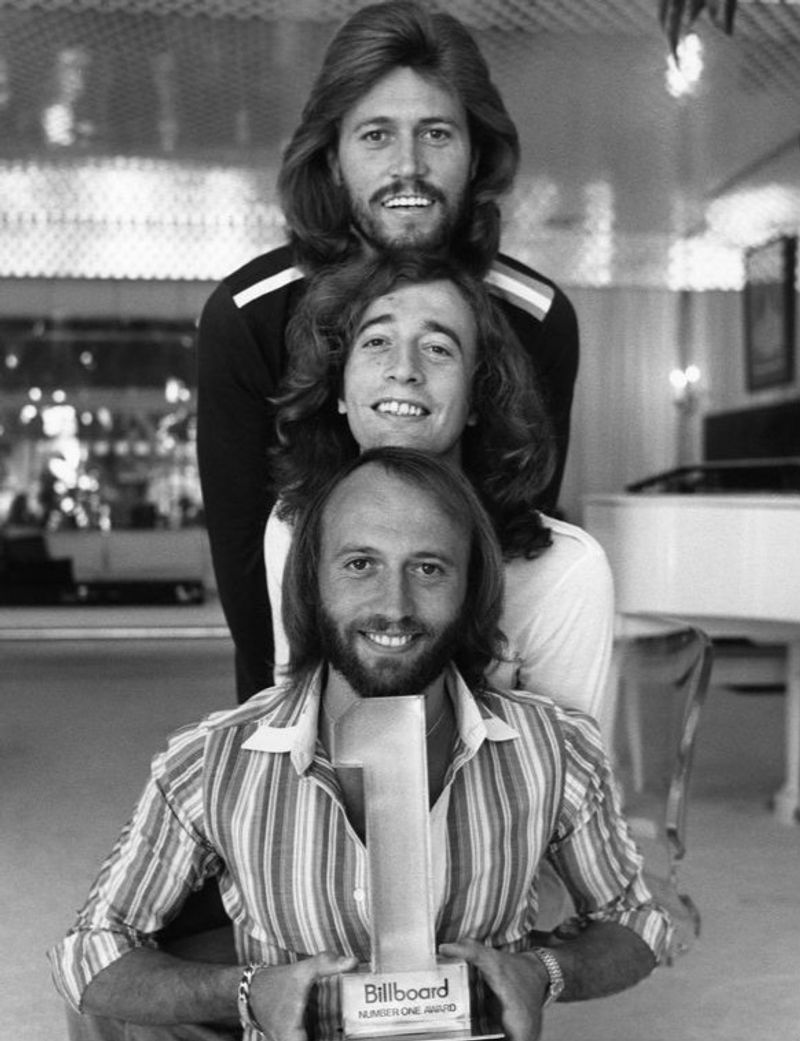
‘Well, you can tell by the way I use my walk…’ – Barry Gibb’s falsetto announces itself with swagger and confidence. This opening line captures the essence of disco’s theatrical bravado while hinting at deeper survival themes.
The Bee Gees transformed from soft rock balladeers into disco kings with this track.
The Saturday Night Fever soundtrack made this song a cultural phenomenon. John Travolta’s strut down that Brooklyn street became instantly iconic, forever linked to these lyrics.
But the song works brilliantly even without the visual context.
That driving bassline and four-on-the-floor beat became the blueprint for countless disco hits. Yet the lyrics actually describe urban struggle and resilience, not just dance floor fun.
The contrast between upbeat music and serious themes creates fascinating tension.
Medical professionals discovered the song’s tempo perfectly matches the rhythm for CPR chest compressions. This unexpected application has literally helped save lives.
Who knew a disco hit could become a medical training tool?
The Bee Gees recorded this in France, crafting a sound that defined an era. Their harmonies were impeccable, their production choices innovative.
This track proved disco could be both commercially successful and musically sophisticated, silencing many critics who dismissed the genre.
5. Dancing Queen – ABBA (1976)
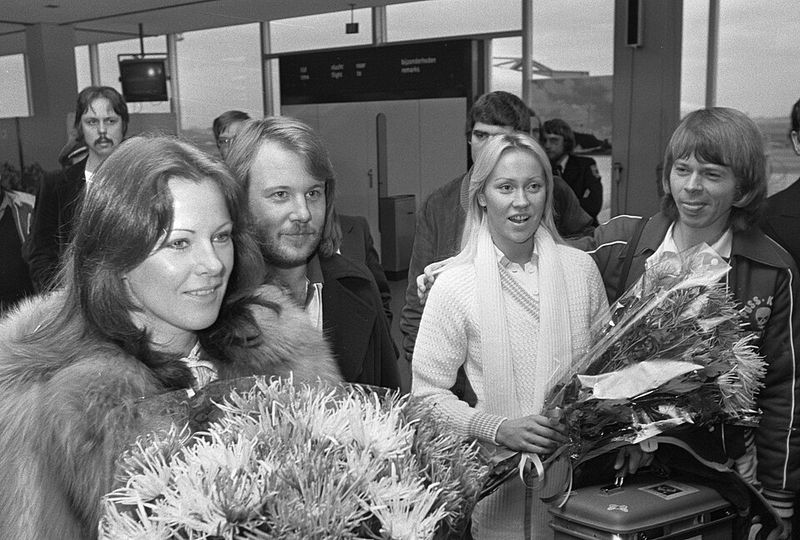
‘Ooh, you can dance, you can jive…’ – ABBA bursts onto the scene with pure joy and celebration. Those opening words invite everyone to join the party, promising a night of carefree dancing.
The Swedish supergroup crafted pop perfection with this track, blending infectious melodies with sophisticated production.
The song celebrates a seventeen-year-old girl experiencing the magic of the disco. It captures that specific moment when you feel unstoppable on the dance floor.
Everyone can relate to that feeling of being young and free, even if just for one night.
Recording this required meticulous attention to detail and numerous takes. ABBA was known for their perfectionism in the studio.
The layered vocals and orchestral elements create a rich, full sound that still sounds fresh decades later.
This became ABBA’s only number-one hit in America, though they had massive success elsewhere. The song has been featured in countless films and shows, most notably the Mamma Mia! franchise.
Its universal appeal transcends generations and musical tastes.
The production techniques ABBA pioneered influenced pop music for years to come. They proved that bubblegum pop could be artistically ambitious.
That opening line remains one of the most recognizable in music history, guaranteed to get people moving.
6. Superstition- Stevie Wonder (1972)
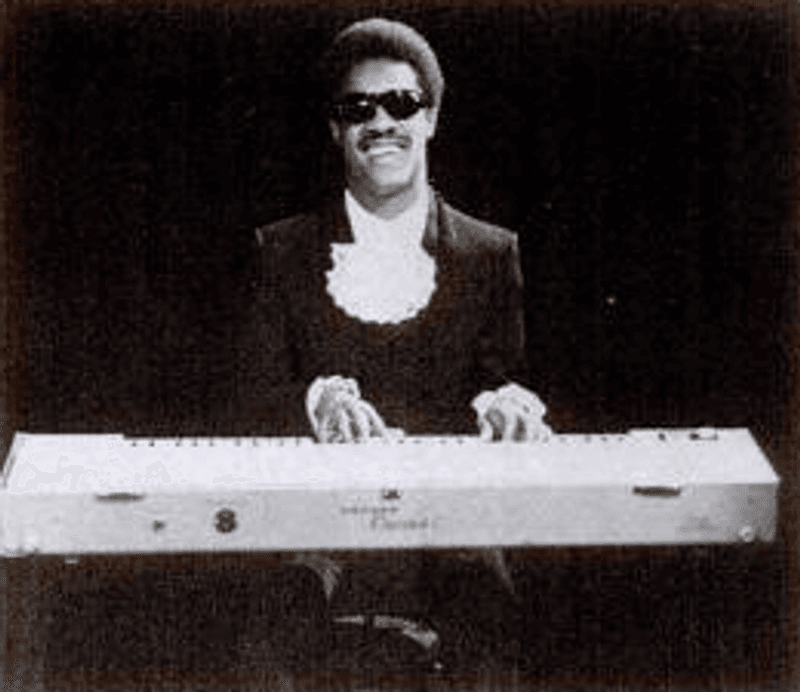
‘Very superstitious, writings on the wall…’ – Stevie Wonder’s funky clavinet riff grabs your attention before the vocals even start. When his voice enters with that warning about superstition, you’re already hooked.
This track showcases Wonder’s genius for blending social commentary with irresistible grooves.
The song warns against blindly following superstitious beliefs and irrational fears. Wonder crafted lyrics that challenge listeners to think critically while their bodies move to the beat.
That combination of substance and funk made him a singular force in music.
He played nearly every instrument on this recording himself, demonstrating his incredible versatility. The clavinet sound became iconic, inspiring countless musicians to incorporate the instrument.
Wonder’s technical skills matched his songwriting brilliance perfectly.
This track topped both pop and R&B charts, proving its crossover appeal. Critics praised its innovation while fans simply couldn’t stop dancing to it.
The song earned Wonder a Grammy and cemented his status as a musical visionary.
Jeff Beck originally inspired Wonder to write this song during a conversation about superstitions. Wonder completed it quickly, channeling his ideas into a tight, focused composition.
The result was a masterclass in funk that remains influential today, with that opening line instantly recognizable worldwide.
7. Stairway to Heaven – Led Zeppelin (1971)
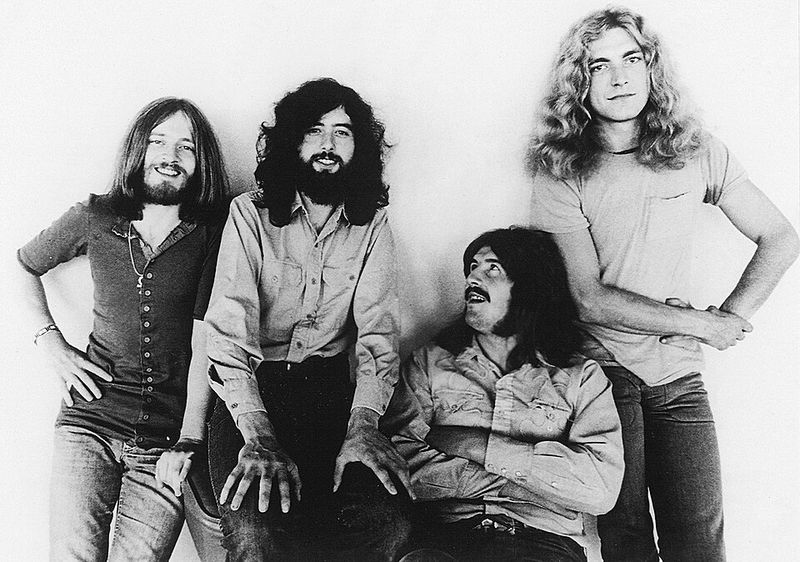
‘There’s a lady who’s sure…’ – Robert Plant’s voice enters softly, almost whispering a mysterious tale. This gentle beginning belies the epic rock journey that follows over eight minutes.
Led Zeppelin created what many consider the greatest rock song ever recorded.
The song builds gradually from acoustic fingerpicking to thunderous electric guitar. Jimmy Page’s composition takes listeners on a dynamic adventure through multiple movements.
That patient build-up creates anticipation that pays off spectacularly in the final minutes.
Plant wrote the lyrics in one sitting, drawing inspiration from Celtic mythology and spiritual imagery. The cryptic words have sparked countless interpretations and debates.
Some hear religious allegory, others see commentary on materialism and spiritual seeking.
Radio stations received constant requests for this song despite its length and lack of release as a single. It became the most-played track in rock radio history.
Guitar stores famously banned customers from playing the iconic solo due to overuse.
The band never performed it the same way twice in concert, treating it as a living composition. Page’s guitar solo remains a rite of passage for aspiring rock guitarists.
This track defined Led Zeppelin’s artistic ambition and secured their legendary status forever.
8. I Will Survive – Gloria Gaynor (1978)
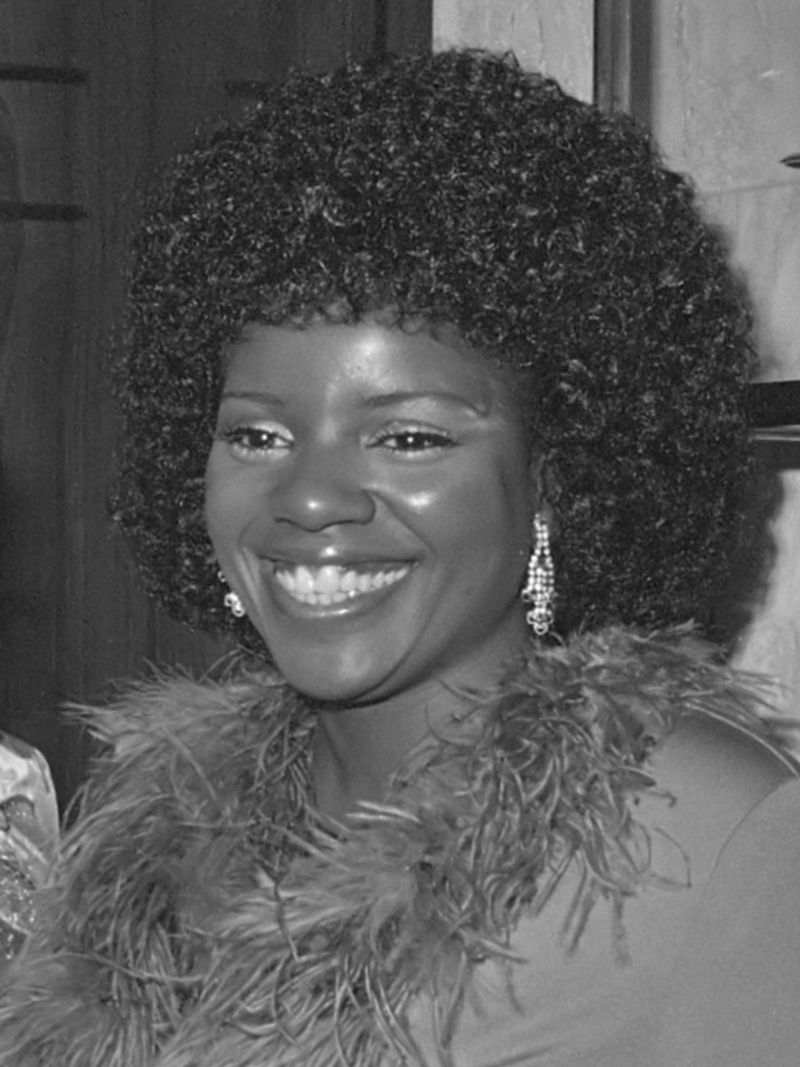
‘At first I was afraid, I was petrified…’ – Gloria Gaynor’s voice trembles with vulnerability before transforming into fierce determination. That opening confession draws listeners into an emotional journey of heartbreak and empowerment.
What starts as weakness becomes unstoppable strength by the chorus.
This song became an anthem for anyone who’s ever overcome adversity. The lyrics chronicle the stages of healing after a devastating breakup.
Gaynor’s delivery makes you believe every word, feeling her pain and celebrating her triumph.
Originally released as a B-side, DJs and listeners demanded more. The song climbed charts and became Gaynor’s signature hit.
It won the Grammy for Best Disco Recording, one of the few times that category existed.
The LGBTQ+ community particularly embraced this track as an empowerment anthem. Its message of resilience resonated deeply during difficult times.
Today it remains a staple at pride celebrations and karaoke nights worldwide.
Gaynor recorded this while recovering from back surgery, channeling her own survival story. The producers crafted a perfect disco arrangement that lets her vocals shine.
That opening line has comforted millions, reminding them they’re stronger than they think and capable of surviving anything life throws their way.
9. Sweet Home Alabama – Lynyrd Skynyrd (1974)
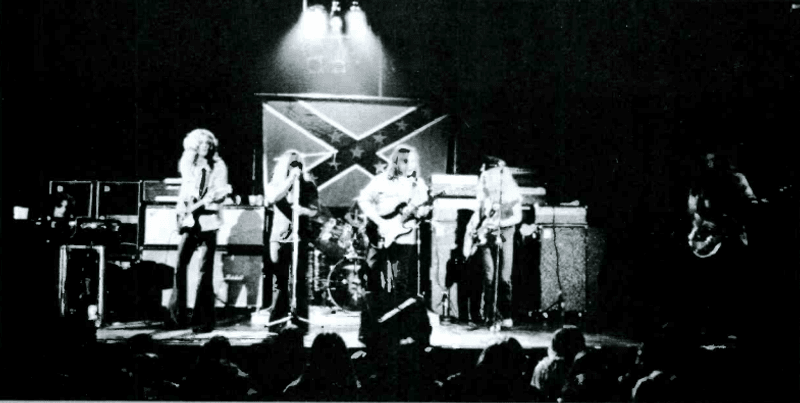
‘Big wheels keep on turning…’ – Lynyrd Skynyrd kicks off their Southern rock anthem with imagery of movement and momentum. That opening line references the mighty river that flows through Alabama, setting a distinctly regional tone.
The song became synonymous with Southern pride and rock and roll attitude.
Written partly in response to Neil Young’s critical songs about the South, this track defends the region. The lyrics name-check Young directly while celebrating Alabama’s culture.
It’s a musical conversation between artists with different perspectives on complex issues.
Those iconic guitar riffs by Gary Rossington and Allen Collins are instantly recognizable. The interplay between the guitars creates a signature sound that defined Southern rock.
Every note feels purposeful, building toward that unforgettable chorus.
The song topped charts and became Lynyrd Skynyrd’s biggest hit. Ironically, several band members weren’t even from Alabama.
Their connection to Southern rock culture transcended geography, speaking to a broader identity and attitude.
Tragic plane crash in 1977 killed three band members, casting a shadow over their legacy. But this song endures, played at sporting events and celebrations across the South.
That opening line still evokes powerful emotions about home, identity, and regional pride for millions of listeners.
10. We Will Rock You – Queen (1977)
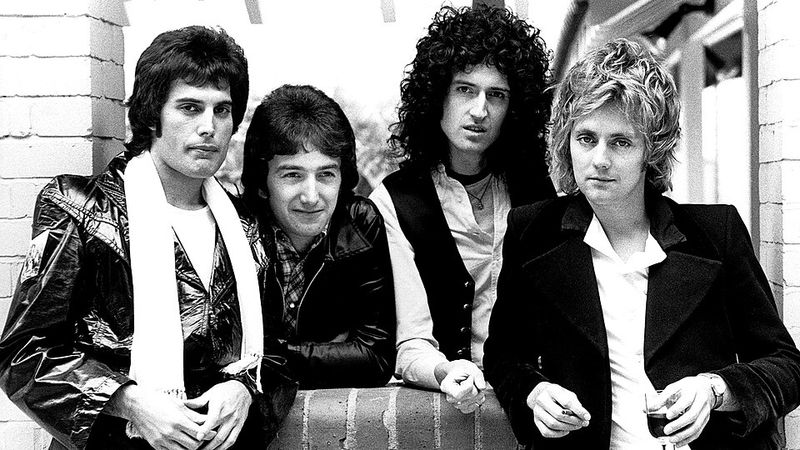
‘Buddy, you’re a boy, make a big noise…’ – Queen created a participatory anthem that demands audience involvement. That stomp-stomp-clap rhythm precedes Brian May’s direct challenge to listeners.
The song breaks down barriers between performer and audience, making everyone part of the show.
Written by May as a response to rowdy crowds, it gave fans a structured way to engage. The minimalist production features almost no instruments, just vocals, stomps, and claps.
This stripped-down approach makes it perfect for stadium singalongs.
The lyrics follow a person through life stages from youth to old age. Each verse addresses a different phase with the same defiant attitude.
May’s guitar solo erupts only at the very end, providing a explosive payoff.
Sports teams worldwide adopted this as their rallying cry. The rhythm is simple enough for massive crowds to replicate perfectly.
It’s become the soundtrack to countless victories and celebrations across all sports.
Recording this required innovative techniques to capture the stomping and clapping sounds. The band wanted it to sound like thousands of people, not just four musicians.
They succeeded brilliantly, creating one of rock’s most enduring and unifying anthems that still fills stadiums with energy today.
11. Piano Man – Billy Joel (1973)
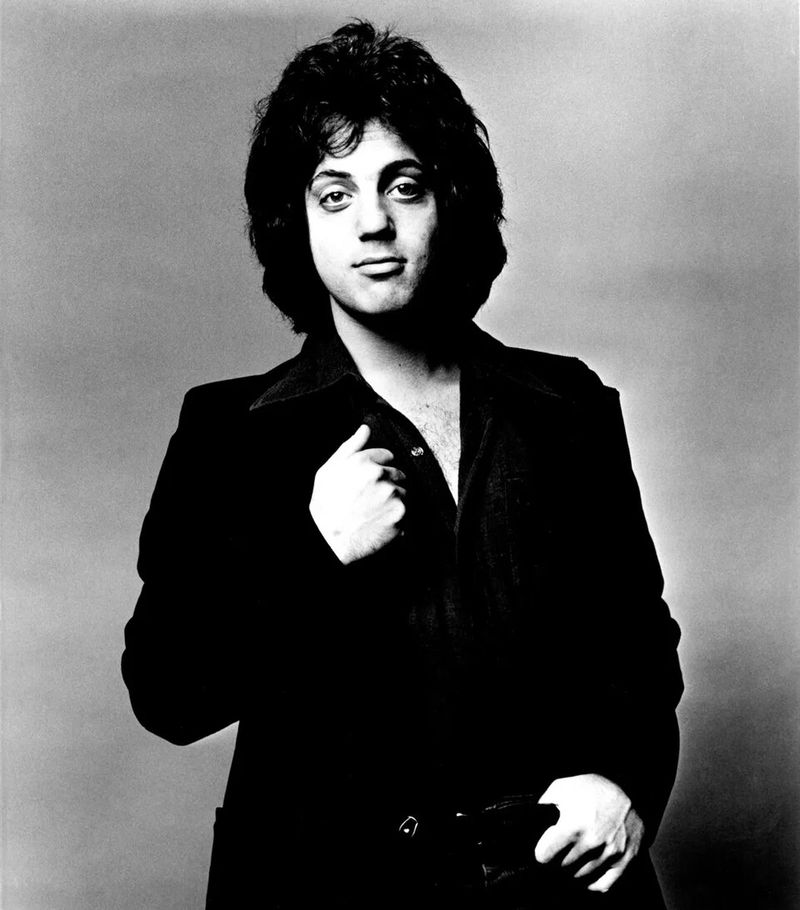
‘It’s nine o’clock on a Saturday…’ – Billy Joel sets the scene with precise detail, establishing time and place immediately. This opening line invites you into a specific moment at a bar where stories unfold.
The specificity makes the song feel like a snapshot of real life.
Joel based this on his own experiences playing piano at a Los Angeles bar. The characters he describes were real people he encountered during those gigs.
That authenticity shines through every verse, making listeners feel like regulars at this establishment.
Each verse introduces a different patron with their own struggles and dreams. The bartender John, the waitress practicing politics, the businessman slowly getting stoned.
Joel captures their humanity with compassion and keen observation.
The harmonica solo became as iconic as the piano melody itself. Joel’s voice carries warmth and understanding, never judging his characters.
He positions himself as both observer and participant in this nightly ritual.
This song became Joel’s signature hit and established his storytelling style. Radio listeners connected deeply with its working-class characters and melancholy mood.
That opening line transports you instantly to that bar, where everyone seeks temporary escape from their troubles through music and community.
12. Dream On – Aerosmith (1973)
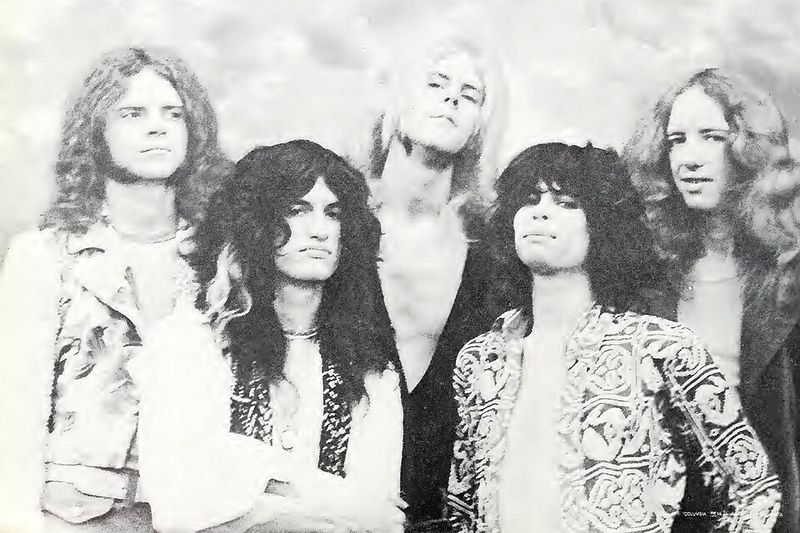
‘Every time when I look in the mirror…’ – Steven Tyler contemplates mortality and aging from the very first line. This introspective beginning sets a philosophical tone unusual for hard rock.
The song balances heavy guitars with vulnerable lyrics about the passage of time.
Tyler wrote this when he was only in his twenties, remarkably mature for someone so young. The lyrics reflect on fleeting youth and the importance of pursuing dreams.
That universal theme resonates regardless of the listener’s age.
The song builds from soft piano to explosive rock, showcasing Aerosmith’s dynamic range. Tyler’s voice climbs to impressive heights during the climactic moments.
That vocal performance demonstrated his incredible range and emotional depth.
Initially, this didn’t chart well upon release. Only after Aerosmith gained fame with later albums did radio rediscover it.
The song then climbed charts, proving its timeless quality and enduring appeal.
The piano melody was actually composed by Tyler’s father, a classically trained musician. This family connection adds another layer to the song’s reflective nature.
Today it remains Aerosmith’s most beloved ballad, with that opening line prompting listeners to examine their own reflections and consider what dreams they’re pursuing before time runs out.
13. September – Earth, Wind & Fire (1978)
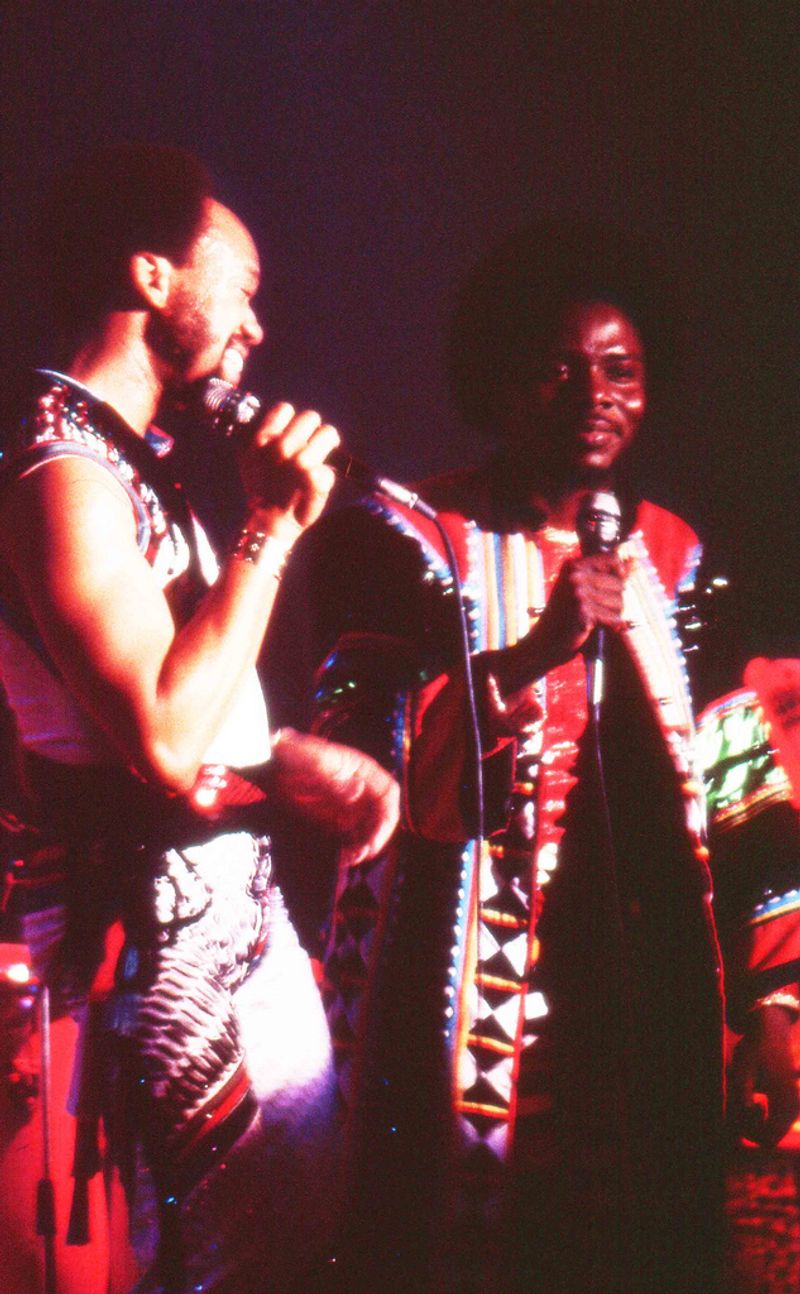
‘Do you remember…’ – Earth, Wind & Fire poses a simple question that opens floodgates of nostalgia. Those three words immediately engage listeners, prompting them to recall their own memories.
The song celebrates love and joyful moments with infectious energy.
Interestingly, the specific date mentioned in the song holds no special significance. Songwriter Allee Willis chose the 21st night of September purely because it sounded good rhythmically.
This creative decision proves that feeling matters more than literal meaning.
The horn section blazes through arrangements that became the gold standard for funk. Every instrument serves the groove, creating layers of rhythm that compel movement.
Producer Maurice White crafted a sound that was both sophisticated and accessible.
This track has become the ultimate feel-good anthem for weddings and celebrations. Its popularity surges every September as people share it on social media.
The song’s joyful spirit transcends its original disco context.
Recording featured some of the best session musicians in the business. The band’s commitment to musical excellence shows in every note.
That opening question invites everyone into a shared experience of happiness, making it impossible not to smile when those horns kick in and the groove takes over completely.
14. Go Your Own Way – Fleetwood Mac (1976)
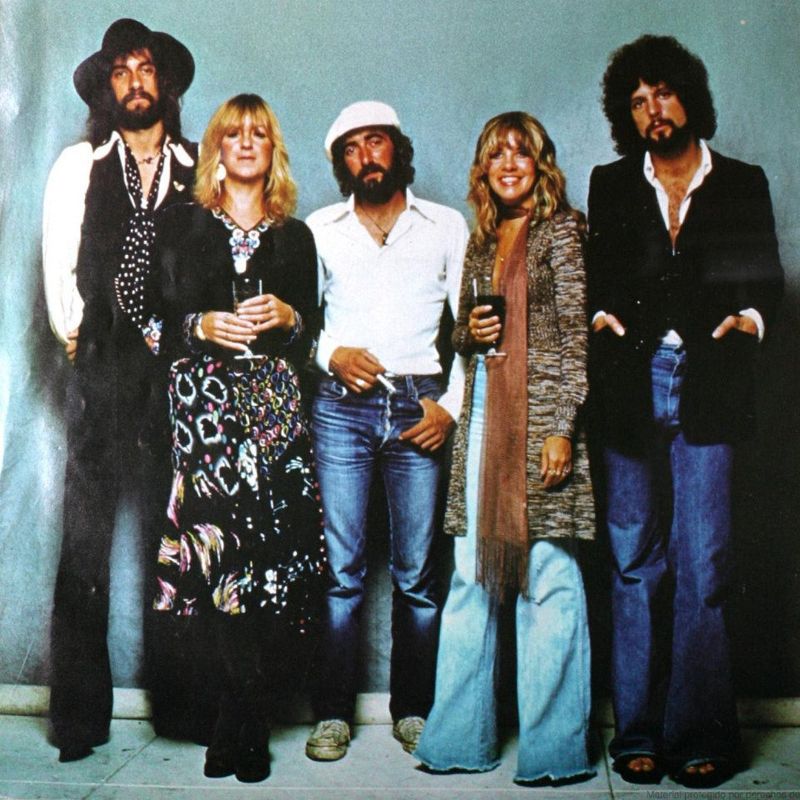
‘Loving you isn’t the right thing to do…’ – Lindsey Buckingham opens with brutal honesty about a failing relationship. That first line doesn’t sugarcoat the pain or confusion of incompatibility.
The song emerged from the real-life breakup between Buckingham and bandmate Stevie Nicks.
Recording this while the couple’s relationship crumbled created palpable tension. Nicks reportedly hated the lyrics, particularly the line about packing up and shacking up.
Yet she sang harmonies professionally, demonstrating remarkable artistic discipline.
The driving rhythm and jangly guitars contrast with the melancholy lyrics. This juxtaposition creates energy that feels both angry and liberating.
Mick Fleetwood’s drumming propels the song forward with relentless momentum.
Rumours, the album featuring this track, chronicled multiple breakups within the band. The personal drama fueled creative brilliance, resulting in one of history’s best-selling albums.
This song became the lead single and a massive hit.
The lyrics acknowledge that sometimes love isn’t enough to sustain a relationship. Buckingham captures the frustration of caring for someone while knowing you need to separate.
That opening line still resonates with anyone who’s faced the difficult decision to walk away from someone they love but can’t be with anymore.
15. Roxanne – The Police (1978)
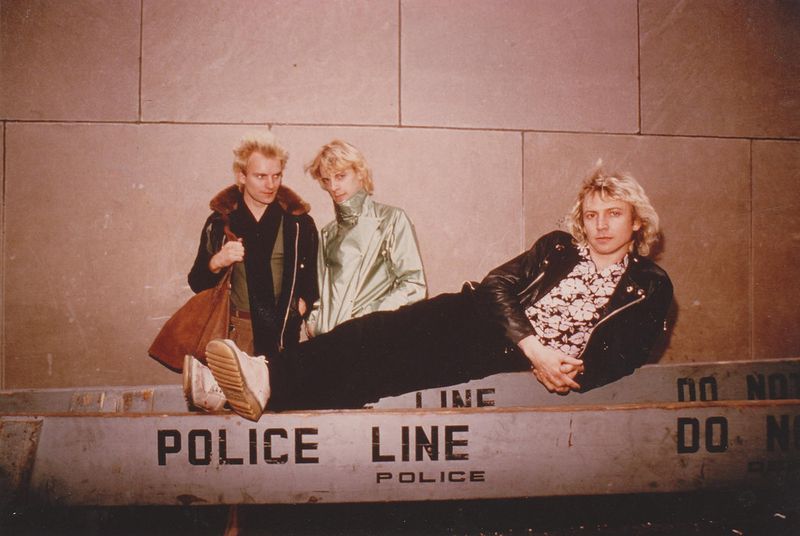
‘Roxanne…’ – Sting sings the name with desperate pleading in his voice. That single word, repeated, carries the weight of the entire story.
The song addresses a woman working as a prostitute, urging her to change her life.
Sting wrote this after visiting a red-light district in Paris. The experience moved him to craft lyrics from an unusual perspective.
Rather than judgment, the song expresses concern and offers an alternative path.
The reggae-influenced rhythm set The Police apart from other punk and new wave bands. Their willingness to blend genres created a distinctive sound.
Stewart Copeland’s hi-hat work drives the song with hypnotic precision.
During recording, Sting accidentally sat on a piano keyboard, creating a discordant crash. The band kept it in the final version, adding character to the track.
These happy accidents contributed to their authentic, raw sound.
Radio stations initially banned the song due to its subject matter. The controversy only increased interest and sales.
Today it’s recognized as a compassionate portrayal rather than exploitation.
That opening name, sung with such emotion, makes Roxanne feel like a real person. Sting humanizes someone society often dismisses.
The song remains powerful because it treats its subject with dignity and genuine care.
16. Another Brick in the Wall, Part 2 – Pink Floyd (1979)
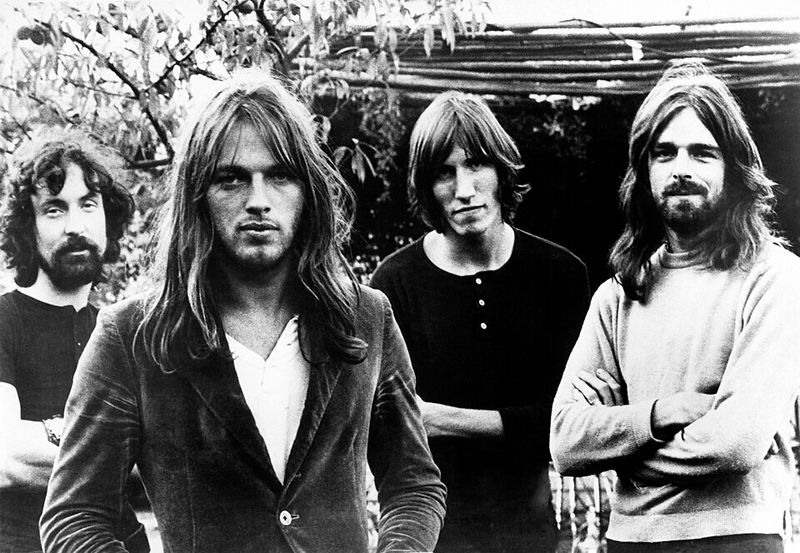
‘We don’t need no education…’ – Pink Floyd’s rebellious anthem starts with grammatically incorrect defiance. That double negative wasn’t a mistake but a deliberate choice reflecting working-class speech.
The song protests rigid, authoritarian educational systems that crush individuality.
Roger Waters wrote this based on his negative school experiences. British education in the 1950s emphasized conformity and harsh discipline.
Those childhood wounds fueled his critique of institutions that treat students like interchangeable parts.
The famous children’s chorus features actual schoolchildren from a London school. Their teacher initially objected to the anti-education message.
The irony of children singing about not needing education wasn’t lost on anyone.
That disco-influenced beat surprised fans expecting typical Pink Floyd experimentation. The band wanted a danceable protest song, proving political music needn’t be somber.
The strategy worked, making it their only number-one single.
The song became part of The Wall concept album and film. Its message resonated globally, particularly in countries with oppressive education systems.
Teachers banned it, students embraced it.
That opening line remains controversial decades later. Some hear it as anti-intellectualism, others as critique of bad teaching methods.
The debate itself proves the song’s enduring relevance in discussions about education’s purpose and methods.



