 Unearth The Voyage
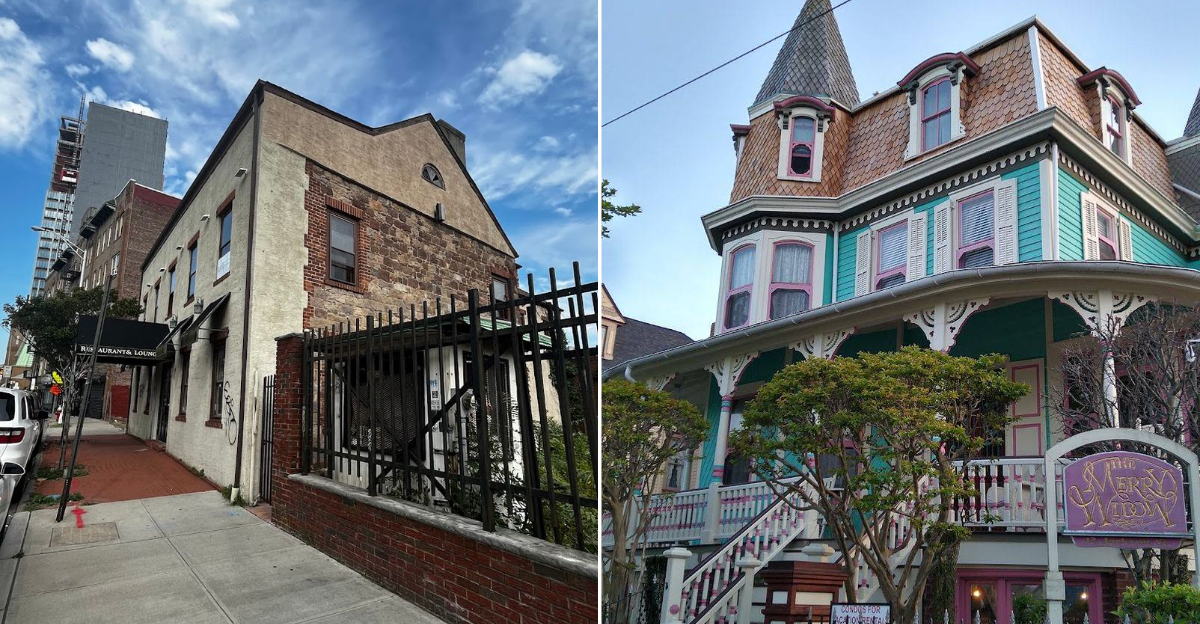
New Jersey might be famous for its turnpikes and diners, but buried beneath the modern hustle is a state packed with jaw-dropping history. From Revolutionary War battlefields to centuries-old log cabins, the Garden State has been quietly holding onto its secrets for over 350 years.
I took a deep look into some of the oldest towns in New Jersey, and what I found genuinely surprised me. Get ready for colonial streets, wild legends, and a few facts that will make you see this state in a completely new light.
Jersey City
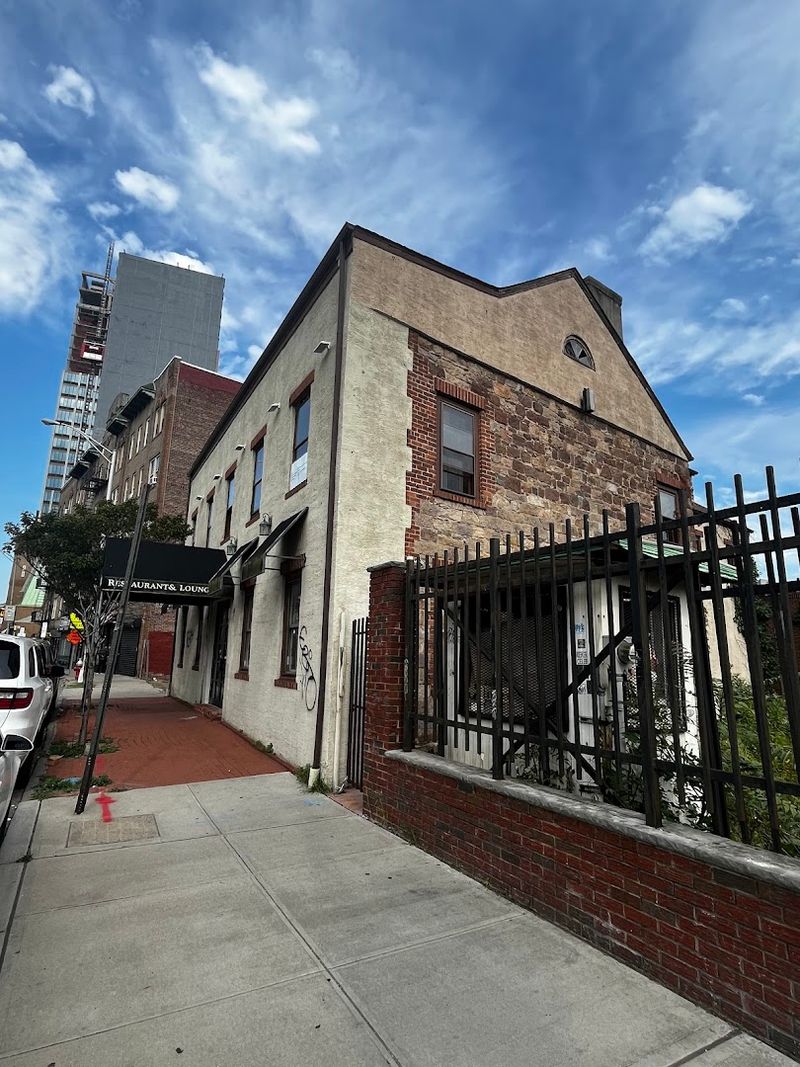
Jersey City has been pulling double duty as a historic gem and a financial powerhouse for centuries. Built in the 1600s by wealthy Dutch businessmen, this city got its foundation long before most American towns were even a thought.
Michael Reyniersz Pauw and Cornelius Van Horst were among its earliest settlers, with Van Horst constructing his home at Harsimus Cove in the 1630s.
The oldest surviving building, the Newkirk House, dates to 1690 and still stands as a quiet reminder of those early days. Today, Jersey City is the second most populated city in New Jersey and has earned the nickname “Wall Street West” thanks to its booming financial district.
That is quite a glow-up from a 17th-century Dutch trading post.
Preserved colonial architecture is scattered throughout the city for those willing to look past the skyscrapers. History and hustle coexist here in a way that is uniquely Jersey City.
Greenwich Township
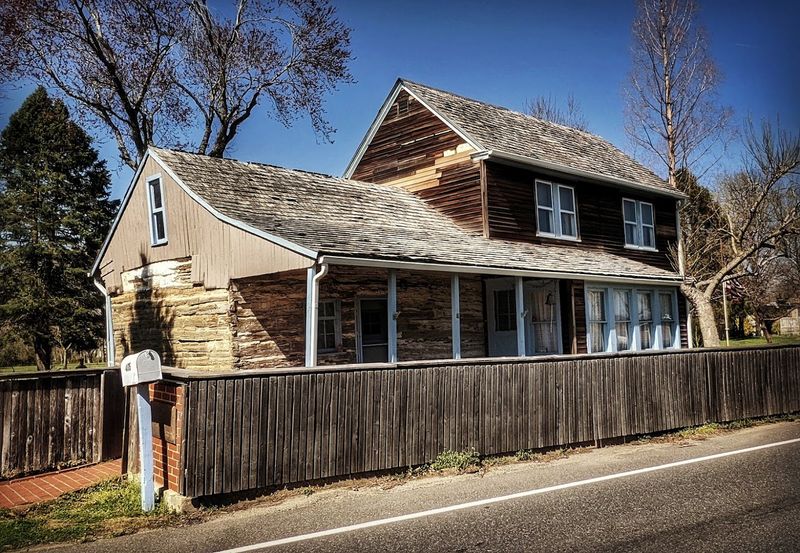
Greenwich Township is sitting on the oldest log cabin in the entire country, and somehow it stays humble about it. The C.A.
Nothnagle Log House, built in 1638 in Gibbstown, predates the township itself by nearly 60 years. That is not just old, that is “older than the United States by almost 140 years” old.
The township was officially formed in 1695 and incorporated in 1798, giving it a layered history that goes well beyond its modest size. With about 5,000 residents today, Greenwich Township is the kind of place where the parks are gorgeous and the history is even better.
Its outdoor recreation spots draw visitors year-round.
Stopping by the Nothnagle Log House is a must for anyone fascinated by early American architecture. It is remarkably well-preserved, and standing next to it feels like a genuine connection to colonial life in a way no museum exhibit can fully replicate.
Burlington
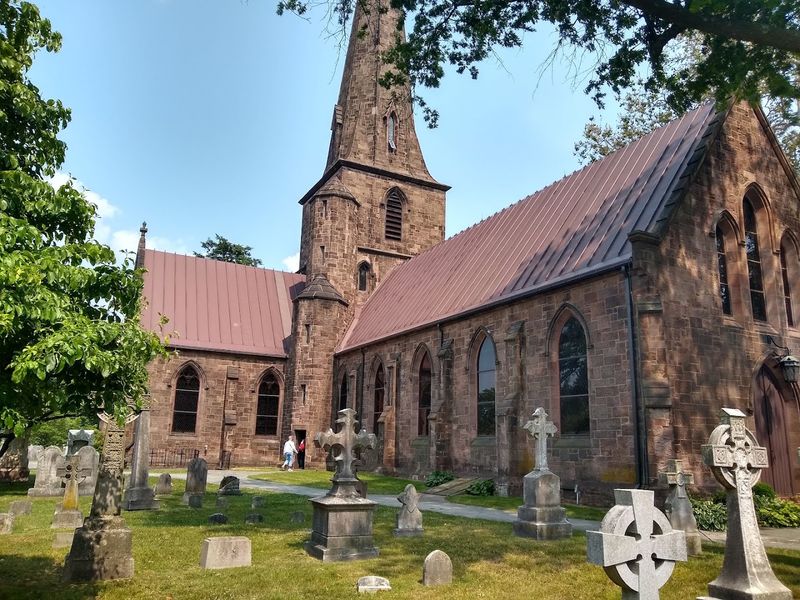
Burlington showed up in 1677 as part of William Penn’s Quaker vision for “West Jersey,” and it has been making history ever since. St. Mary’s Episcopal Church, built in 1703, holds the impressive title of the oldest surviving church in New Jersey.
That building has outlasted empires, wars, and probably a few bad haircuts throughout the centuries.
Burlington was once the county seat of Burlington County, giving it serious political weight in early New Jersey governance. Its library system, organized in 1757, is the oldest continually operating library in the state and the seventh oldest in the entire United States.
Book lovers, take note.
Walking through Burlington today feels like flipping through a very well-organized history textbook. The Quaker roots run deep, and the architecture reflects that quiet, purposeful aesthetic.
Whether you visit for the church, the library, or just the colonial charm, Burlington delivers something genuinely rare: history that still feels alive.
Newark
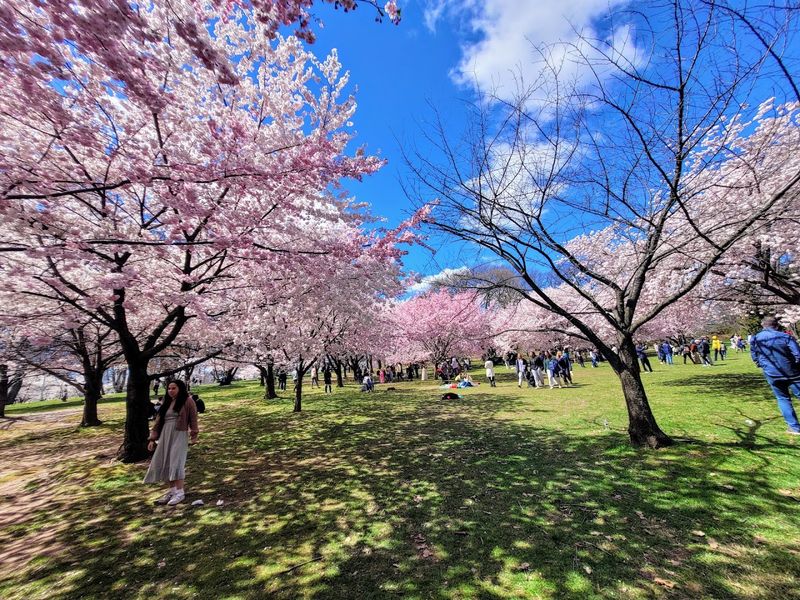
Newark was founded in 1666 by Puritans from Connecticut who clearly had strong opinions about where they wanted to live. The name itself is a fun debate: some say it references Newark-on-Trent in England, while others believe it traces back to the biblical phrase “New Ark of the Covenant.” Either way, the name stuck, and so did the city.
Today, Newark is New Jersey’s most populated city and a major business hub with serious cultural depth. But the real showstopper is Branch Brook Park, described as the oldest county park in the United States.
Every spring, it hosts the country’s largest collection of cherry blossoms, which is an absolutely spectacular sight that draws visitors from across the region.
Newark officially became a town in 1693, building on nearly three decades of Puritan settlement. From its theological origins to its cherry blossom spectacle, Newark has always had a flair for doing things on a grand scale.
Freehold Township
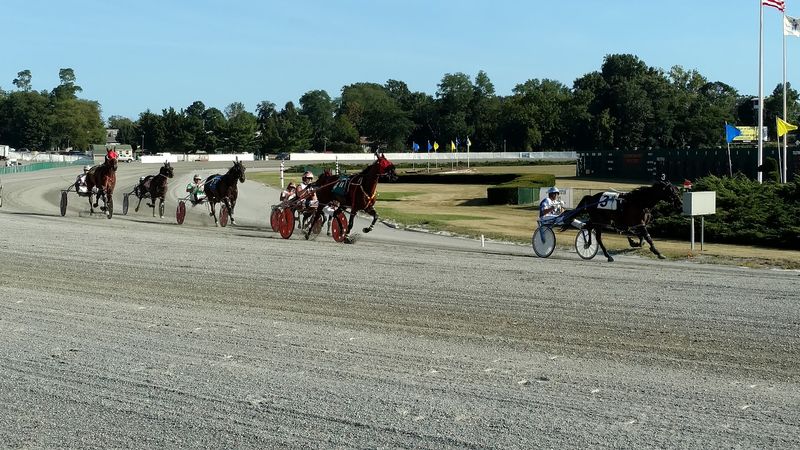
Freehold Township made its grand entrance on All Hallows Eve in 1693, which is honestly a very on-brand origin story for a place full of legends. The Battle of Monmouth, fought here and in neighboring Manalapan in June 1778, is the township’s most celebrated historical moment.
George Washington led the charge, and the battle gave rise to the enduring legend of Molly Pitcher.
Less than a century later, Freehold Raceway opened in 1854 and became the oldest harness racetrack in the United States. Though the track no longer operates, its legacy is woven tightly into the township’s identity.
Speed, strategy, and a little Revolutionary War drama: Freehold Township has always kept things interesting.
The township was officially incorporated by the state in 1798, cementing its place on the New Jersey map. Visiting the Battle of Monmouth site is a surprisingly moving experience, with markers and monuments that bring the chaos of that summer battle back to life.
Chatham Borough
Chatham Borough had a perfectly fine name before 1773, but “John Day’s Bridge” was never going to make it onto a tourism brochure. European settlers first arrived in 1710, and the town was eventually renamed Chatham in honor of William Pitt, Earl of Chatham, who championed the colonists’ cause in British Parliament.
That is a solid reason to get a name change.
By 1779, Chatham was already making its mark on American media history when one of New Jersey’s first printing presses was established here. That is right: Chatham was basically running an early version of a newsroom while the Revolution was still happening.
The borough punched well above its weight for a small colonial town.
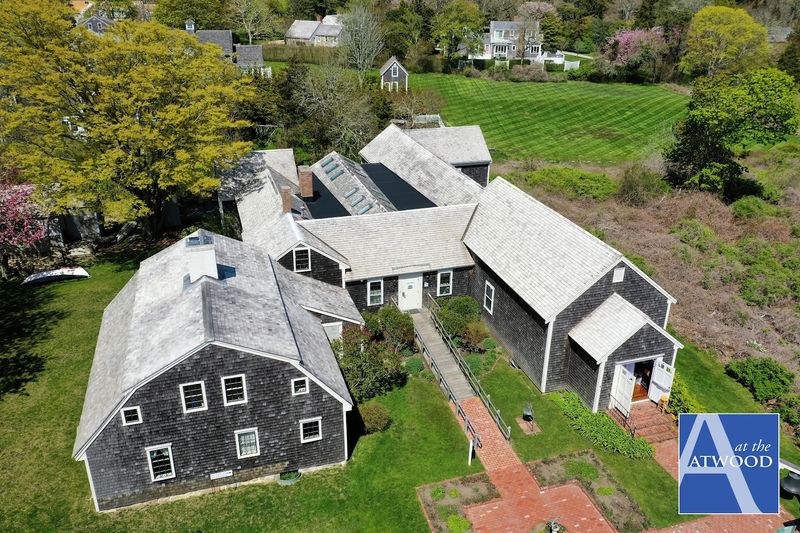
Today, the Atwood Museum keeps Chatham’s early roots alive and accessible for curious visitors. The museum highlights the borough’s colonial heritage with genuine care and detail.
Chatham is the kind of place where every street corner has a story, and the locals are usually happy to tell it.
Ridgewood
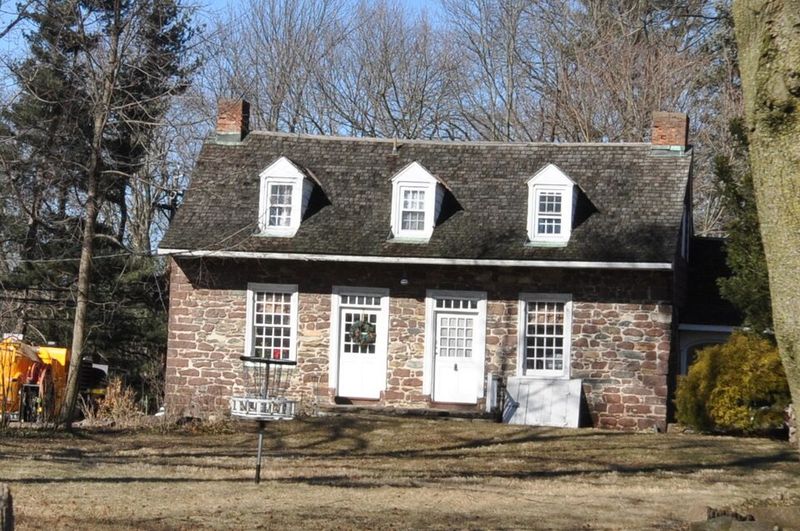
Ridgewood did not officially become a borough until 1894, but its history starts a full 194 years earlier. In 1700, Dr. Johannes Van Emburgh purchased 500 acres of land and helped lay the groundwork for what would eventually become one of New Jersey’s most charming communities.
That is a lot of land for one doctor, even by colonial standards.
The borough is home to several buildings listed on the National Register of Historic Places, including the Ackerman House and the Rathbone-Zabriskie House, both dating to the late 1700s. These are not just old buildings; they are well-preserved snapshots of early American domestic life.
Architecture fans will find plenty to admire here.
The original Paramus Reformed Church earns special mention for its Revolutionary War connection, having served as a base for the Continental Army. Ridgewood manages to blend its deep historical identity with a vibrant modern downtown, making it one of the more underrated historic destinations in the entire state.
Morristown
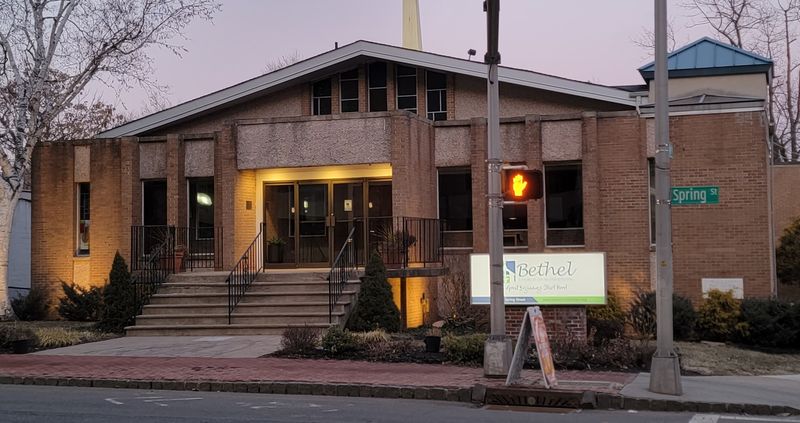
Morristown earned the title “Military Capital of the American Revolution,” and it absolutely earned every word of that. Founded in 1715 by Presbyterian settlers from Long Island and New Haven, the town was named after Royal Governor Lewis Morris.
George Washington arrived in 1773, and by the brutal winter of 1777, he and his troops were camped at Ford Mansion and Jockey Hollow.
The town also played a starring role in technological history. Samuel Morse and Alfred Vail built the first telegraph at Speedwell Ironworks in 1838, which is a pretty significant invention to have on your hometown resume.
Morristown was basically a place where both revolutions, military and technological, came to get started.
The Bethel African Methodist Episcopal Church, incorporated in 1843, stands as one of the first Black congregations in Morris County, adding important social history to Morristown’s already packed legacy. This town has more layers than most history textbooks, and exploring them is genuinely rewarding.
Cape May
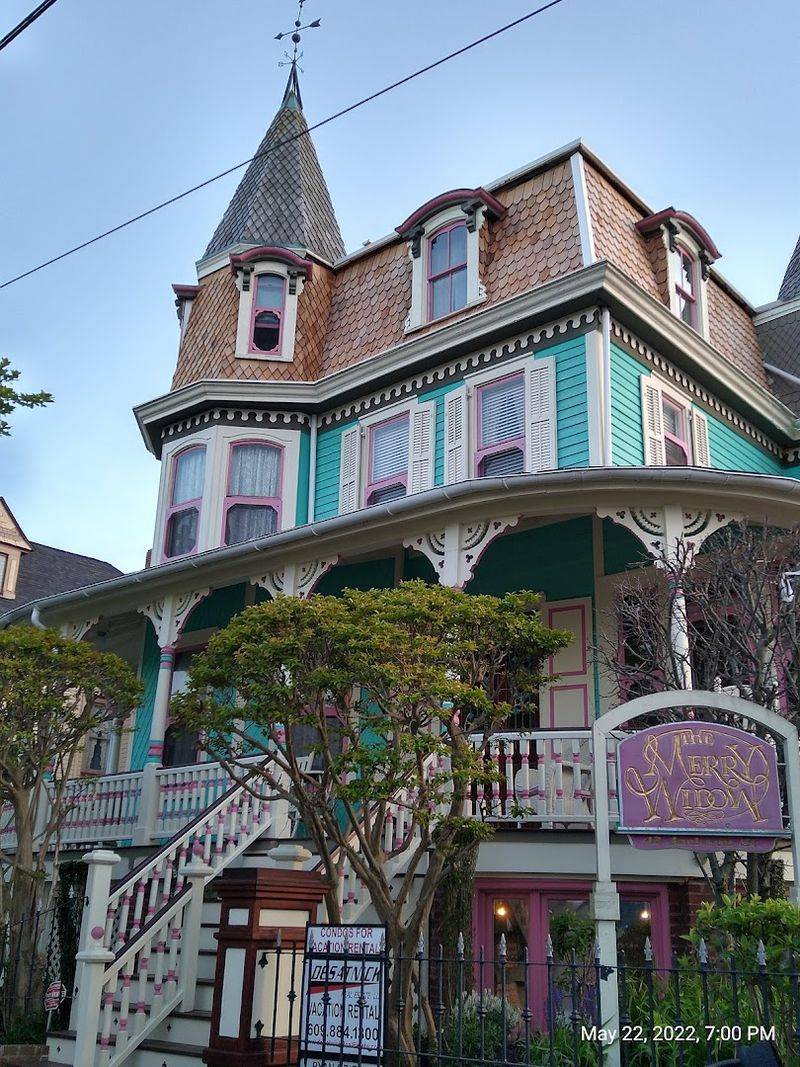
Cape May holds a record that most beach towns can only dream about: it was the nation’s first beach resort. Discovered by explorer Cornelius Jacobsen Mey in 1611 and drawing Philadelphia vacationers by the mid-1700s, Cape May has been in the hospitality business longer than the United States has existed.
Officially established in 1848 as Cape Island, it has reinvented itself many times over.
The Victorian homes here are famous worldwide, turning the entire town into an open-air architectural museum. But Cape May also carries serious military weight.
During World War II, it served as a key coastal defense location and today remains home to the nation’s only Coast Guard Recruit Training Center.
Bird watchers know Cape May as one of the top migration hotspots on the planet, with over 400 species passing through each year. Whether you are chasing birds, Victorian architecture, or military history, Cape May somehow delivers all three without breaking a sweat.
Princeton
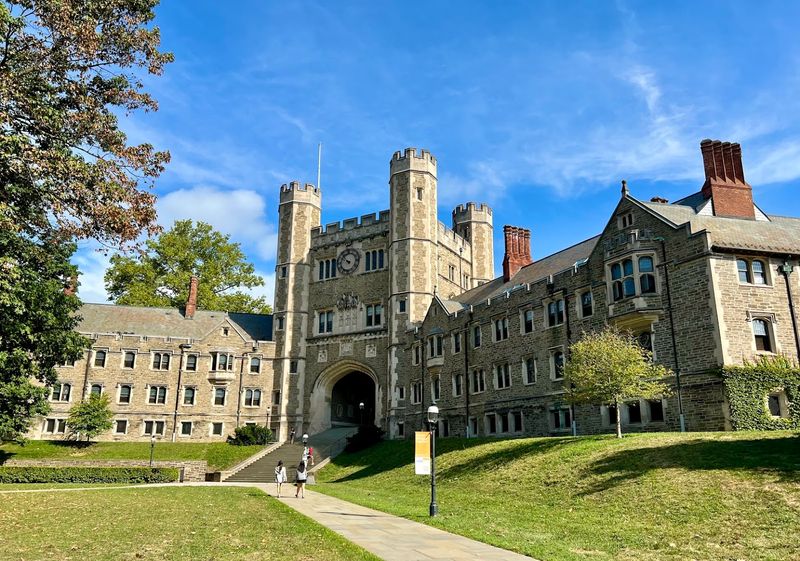
Princeton’s first European resident, Henry Greenland, built a home and tavern there in 1683, which is a very practical combination for a frontier settler. The town grew in 1709 when Quaker landowner Richard Stockton divided his land among his sons, setting the stage for Princeton’s development into one of New Jersey’s most storied communities.
Princeton University, originally founded in Elizabeth in 1746 as The College of New Jersey, relocated to Princeton in 1756. Nassau Hall later served as the meeting place for the New Jersey Legislature and briefly functioned as the U.S.
Capitol Building. That is a remarkable resume for a single building on a college campus.
On the literary side, F. Scott Fitzgerald based his novel “This Side of Paradise” on his student years at Princeton, giving the town a permanent place in American literature.
History, academia, and literature all converge in Princeton, making it one of the most intellectually rich small towns in the country.
Toms River
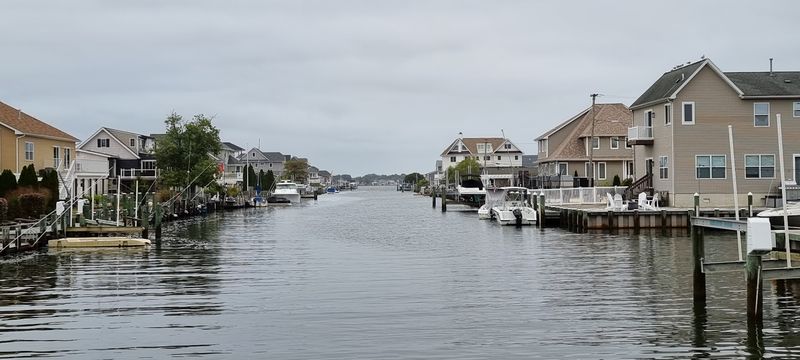
Toms River started its official life as Dover Township back in 1767, granted by Royal Charter during a time when British rule still felt very permanent. The Revolutionary War changed that narrative quickly.
The town’s salt works supplied Colonial troops with a critical resource, and its waters sheltered privateers who made life very difficult for British ships. Toms River was essentially running a colonial support operation right under the Crown’s nose.
Fast forward to 1998, and Toms River pulled off one of the most heartwarming sports stories in American history when its little league team won the Little League World Series. From Revolutionary War grit to Little League glory, this town has a gift for showing up when it counts.
Downtown Toms River still holds historic sites, colorful murals, and a peaceful waterfront that bridges its past and present beautifully. It is the kind of town where history does not feel dusty; it feels genuinely lived-in and proud.
Cranbury
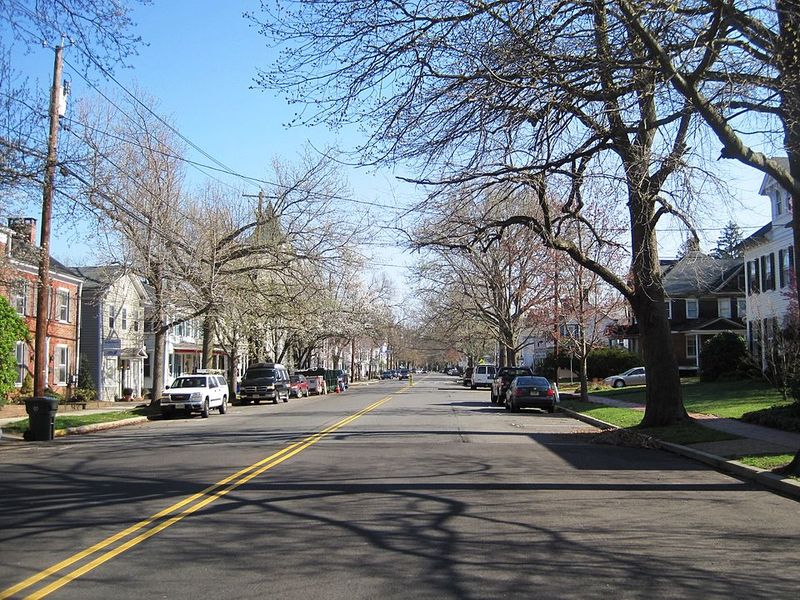
Cranbury has a land deed from 1698 that references existing homes and improvements, proving this small town was thriving long before it was officially incorporated in 1872. That is nearly 175 years of unofficial existence before anyone bothered with the paperwork.
During the Revolutionary War, Alexander Hamilton and Marquis de Lafayette used a home in town as their headquarters, which is not a detail most small towns get to casually mention.
Records from 1778 describe a church, a mill, and more than two dozen buildings already standing in Cranbury. The town was essentially a fully functioning community while the Revolution was still being fought around it.
That kind of continuity is rare and genuinely impressive.
Today, Cranbury’s entire downtown is listed on the National Register of Historic Places, making it a dream destination for lovers of small-town charm and preserved colonial architecture. I visited on a quiet Tuesday, and the whole place felt like stepping into a beautifully maintained time capsule.
Trenton
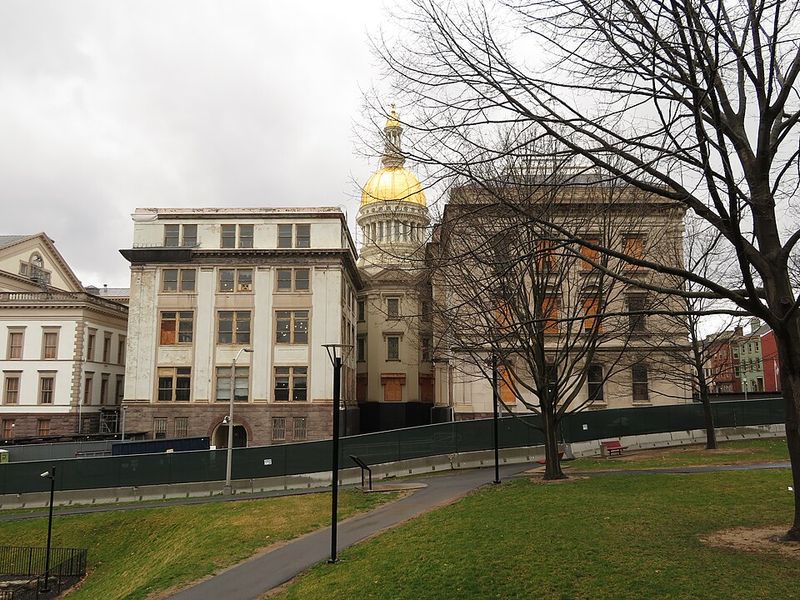
Trenton was founded in 1719 and named after merchant William Trent, who clearly had good lawyers when it came to naming rights. The Battle of Trenton gave George Washington his first major military victory of the Revolutionary War, and that moment alone secured Trenton a permanent place in American history textbooks.
The city has been coasting on that reputation ever since, and honestly, it has earned the right.
During the War of 1812, Trenton once again hosted a strong U.S. Army presence, proving that the city had a knack for being in the middle of important moments.
The Old Barracks, one of its most visited landmarks, still stands as a compelling reminder of that military legacy.
The New Jersey State House and State Museum round out Trenton’s historical attractions, offering visitors a comprehensive look at the state’s political and cultural past. Trenton is not just a capital city; it is a city that shaped the country at its most critical moments.
Elizabeth
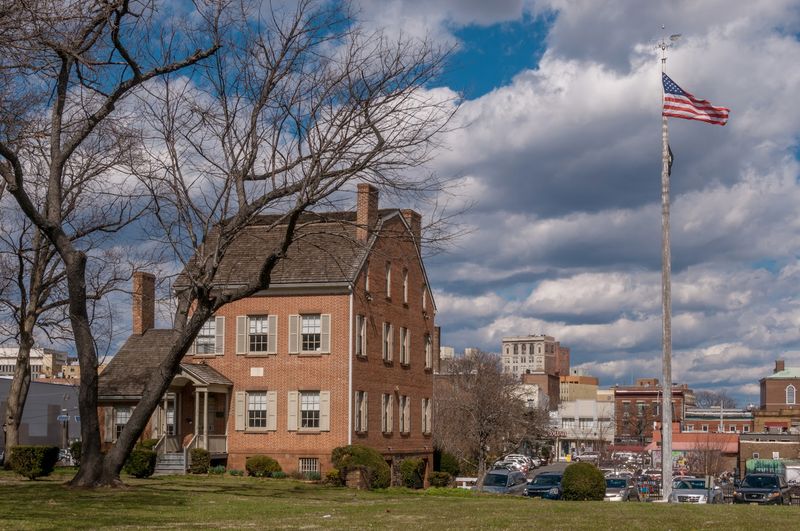
Elizabeth was not named after a queen, which surprises most people who assume otherwise. Founded as Elizabethtown in 1664, the city was actually named for Elizabeth Carteret, wife of Sir George Carteret, one of New Jersey’s original founders.
It served as New Jersey’s first capital, which makes it one of the most politically significant cities in the state’s entire history.
The Revolutionary War left a deep mark on Elizabeth, and so did the Industrial Revolution. Singer Sewing Machines opened its first major factory here in 1872, and the Electric Carriage and Wagon Company also launched in the city, giving Elizabeth serious manufacturing credentials alongside its colonial pedigree.
More recently, Elizabeth earned recognition as one of “America’s 50 Greenest Cities” thanks to its parks and outdoor spaces. From 17th-century political capital to 19th-century industrial powerhouse to modern green city, Elizabeth has reinvented itself multiple times while never losing sight of where it started.
Piscataway
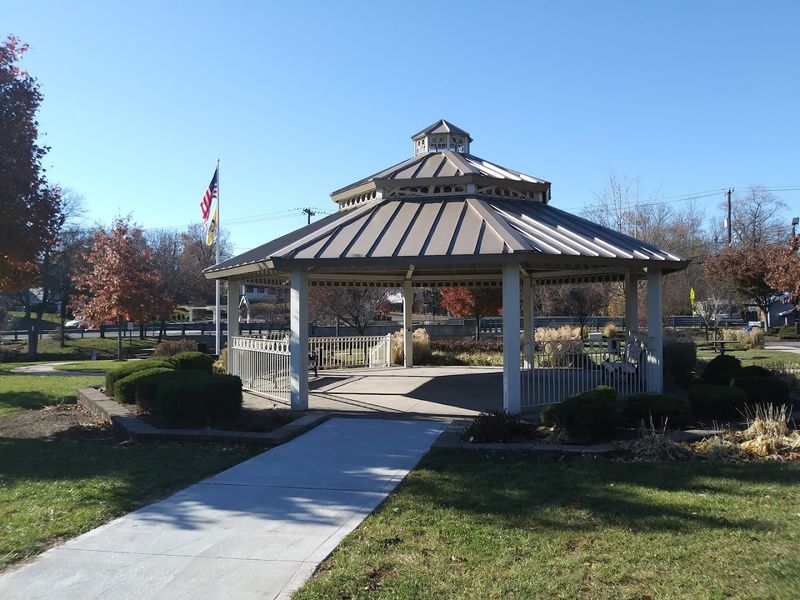
Piscataway has a name that trips people up the first time they read it, but locals say it like second nature. The town traces its roots back to 1666, making it one of the earliest European settlements in New Jersey.
It was named after the Piscataway people, the Indigenous group who called this land home long before colonists arrived.
Rutgers University, one of America’s oldest colleges, grew its roots right here. The area along the Raritan River still holds quiet spots where history feels almost touchable.
Walking through Piscataway, you get the sense that centuries of stories are layered just beneath the surface.
Greenwich
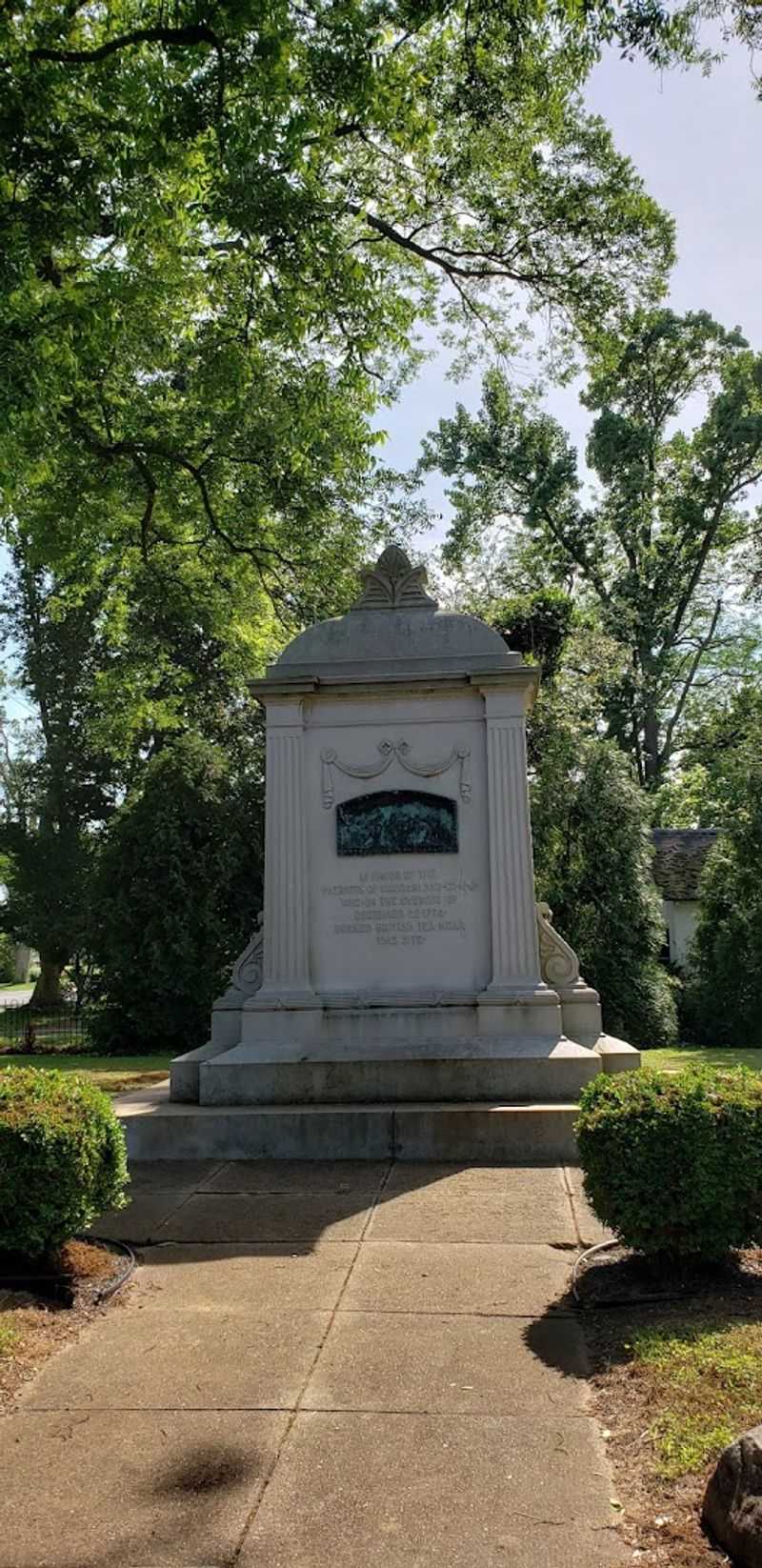
Greenwich, tucked into Cumberland County, is the kind of town that feels frozen in a good way. Founded in 1675, it quietly became one of the most important settlements in southern New Jersey.
The town even had its own tea burning in 1774, a bold act of rebellion that mirrored Boston’s famous Tea Party but rarely gets the same spotlight.
Shippen Manor and rows of well-preserved colonial homes still line Ye Greate Street, a road that has barely changed in centuries. History enthusiasts regularly call Greenwich an underrated treasure.
Visiting feels less like a field trip and more like stepping through a time portal.



