The all-you-can-eat buffet was one of the defining dining formats of 1980s America. At a time when families were looking for affordable, filling meals without the fuss of ordering from a menu, buffet chains popped up in strip malls, shopping centers, and suburban highways from coast to coast.
These restaurants were cultural landmarks in their own right, shaping how millions of Americans ate out for decades. What happened to them is a story about shifting tastes, economic pressures, changing demographics, and the slow evolution of the restaurant industry itself.
Read on to find out which once-beloved chains ruled the buffet scene and why most of them are no longer around.
1. York Steak House
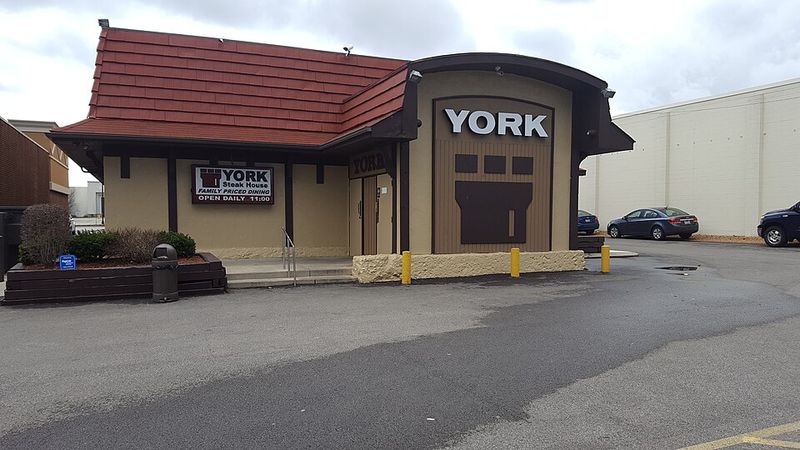
York Steak House was a fixture inside American shopping malls during the 1970s and 1980s, operating on a cafeteria-style model where customers could select a steak dinner, add a salad bar visit, and pay at the end of the line. The format was efficient and appealing to mall shoppers who wanted a proper sit-down meal without making a reservation.
The chain was owned by General Mills for a period, which gave it significant resources to expand across the country. At its height, York Steak House had hundreds of locations embedded in malls from coast to coast.
As mall traffic declined and casual dining chains like Applebee’s grew in popularity during the late 1980s and 1990s, York Steak House lost its competitive edge. The brand was eventually phased out entirely, leaving behind a generation of diners who remember its tray lines and no-frills steak platters with genuine fondness.
2. Old Country Buffet
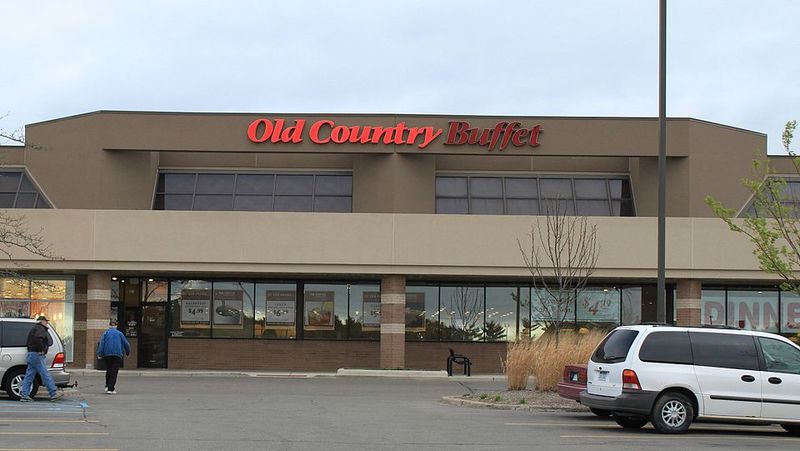
Old Country Buffet opened its first location in Minnesota in 1983 and quickly became the gold standard of American buffet dining. The chain built its identity around broad, reliable spreads of homestyle food including fried chicken, mashed potatoes, macaroni and cheese, and rotating seasonal items.
At its peak, the brand operated over 600 locations across the United States, making it one of the most widespread buffet chains in the country. The format attracted families, seniors, and budget-conscious diners who appreciated both the variety and the fixed pricing structure.
Parent company Buffets LLC filed for Chapter 11 bankruptcy in April 2021, closing most remaining locations. The collapse came after years of declining foot traffic, rising food costs, and a shrinking customer base.
Old Country Buffet had already been struggling before the pandemic accelerated its final decline, ending nearly four decades of all-you-can-eat American dining.
3. Sirloin Stockade
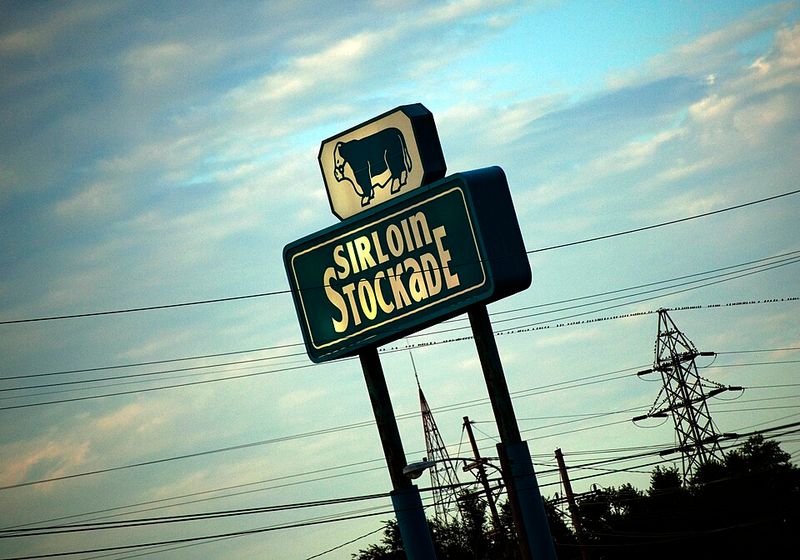
Sirloin Stockade leaned hard into Western Americana from the moment it opened its doors. The chain featured rustic decor, cowboy-themed branding, and an all-you-can-eat buffet loaded with fried chicken, carved beef, and country-style side dishes that appealed to heartland diners throughout the 1970s and 1980s.
The chain was particularly strong in the South and Midwest, where its combination of affordable steaks and unlimited buffet access made it a weekend destination for families. Customers could order a steak cooked to order while also loading up at the buffet bar, which was a hybrid format that set it apart from purely cafeteria-style competitors.
A small number of Sirloin Stockade locations still operate today, primarily in Oklahoma and Kansas, but the chain is a fraction of its former size. Its cultural moment was firmly rooted in the 1980s, when Western-themed dining was genuinely fashionable across middle America.
4. Furr’s Cafeteria / Furr’s Fresh Buffet
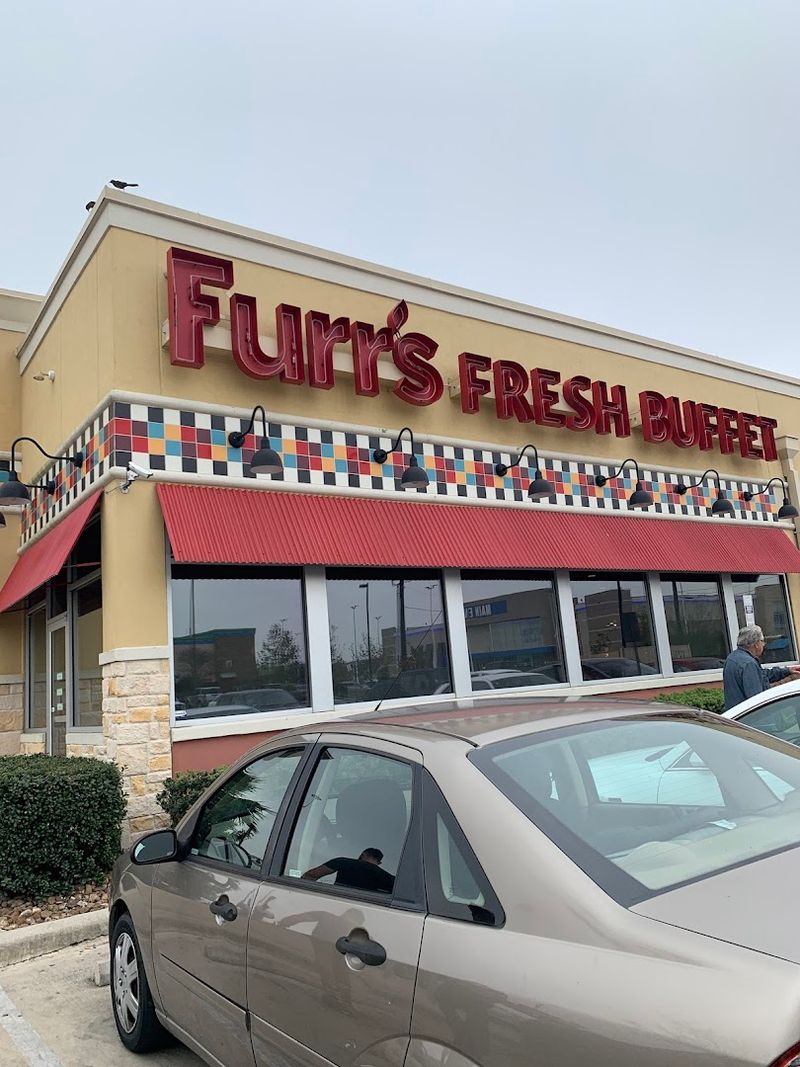
Furr’s has one of the longer histories on this list, tracing its roots back to 1947 when it launched as a traditional cafeteria in the American Southwest. By the 1980s, the chain had shifted toward a full buffet format and was a dominant presence in Texas and New Mexico with over 70 locations.
In 1980, Kmart Corporation acquired Furr’s as part of a broader push into the food service industry. The chain changed ownership several more times over the following decades, each transition bringing new management strategies and varying degrees of success.
Furr’s was eventually absorbed into the Fresh Acquisitions LLC portfolio, the same parent company that owned Old Country Buffet and HomeTown Buffet. When Fresh Acquisitions filed for bankruptcy in 2021, Furr’s was among the casualties.
Its decades of Southwestern comfort food came to a quiet end after more than 70 years of continuous operation.
5. Piccadilly Cafeteria
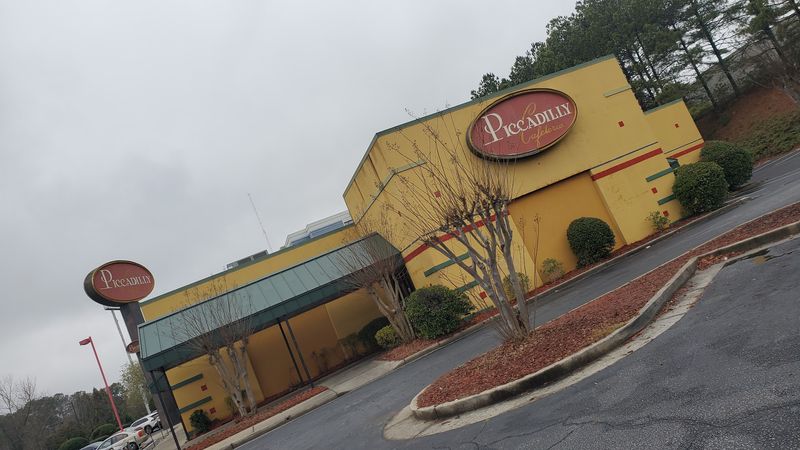
Piccadilly Cafeteria has been a Southern institution since its founding in Baton Rouge, Louisiana, in 1944. Throughout the 1970s and 1980s, the chain expanded significantly across the South and Southeast, serving classic regional dishes including fried catfish, red beans and rice, and pecan pie on a traditional cafeteria tray line.
The format was not a traditional buffet but rather a serve-yourself tray line where customers pointed at what they wanted and a server placed it on the tray. Later iterations incorporated more buffet-style elements to compete with the growing all-you-can-eat market.
Piccadilly filed for bankruptcy in 2003 and was later acquired, continuing to operate in a reduced form. By the 2010s, the chain had shrunk dramatically from its peak of over 100 locations.
A small number of Piccadilly restaurants still operate today, keeping the tray-line tradition alive in a few Southern states.
6. Quincy’s Family Steakhouse
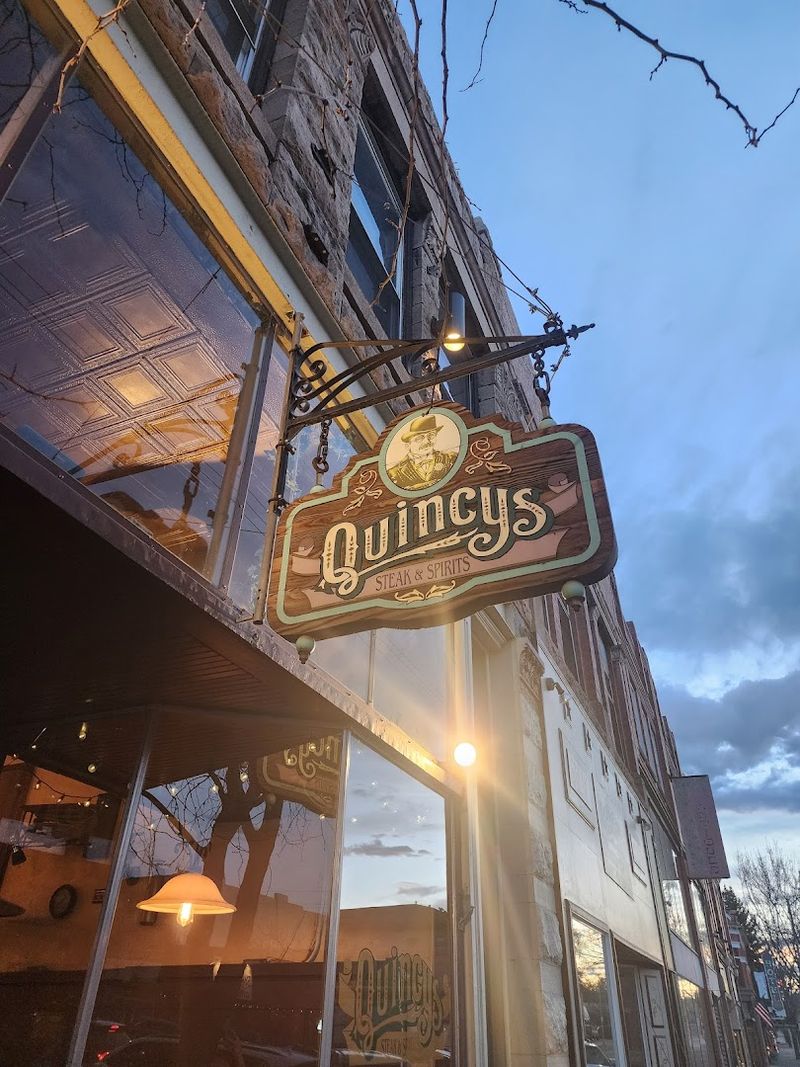
Quincy’s Family Steakhouse built a devoted following across the American Southeast during the 1980s, and its most talked-about menu item was not a steak. The chain’s “Big Fat Yeast Rolls” became genuinely legendary among regular customers, often cited as the main reason people kept returning even when the competition intensified.
The chain combined affordable steak dinners with a well-stocked salad bar and homestyle sides, positioning itself as a step above fast food without the cost of full-service dining. That mid-tier positioning worked well throughout the 1980s when the category was still growing.
Quincy’s was acquired by Flagstar Companies in the 1990s and the brand was gradually converted or closed as the parent company shifted resources. By the early 2000s, Quincy’s had essentially disappeared from the American dining landscape.
The yeast rolls, however, remain a fond memory for anyone who grew up eating at a Southeastern location.
7. Grandy’s
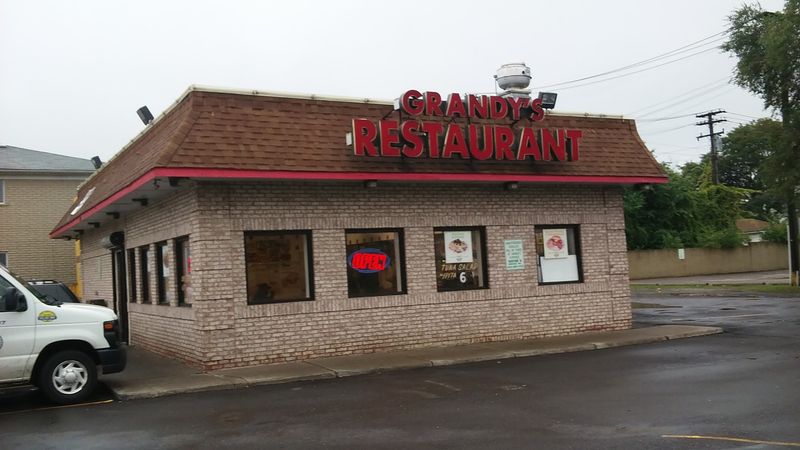
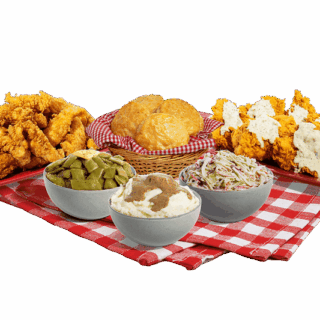
Grandy’s launched in the early 1980s with a focus on Southern homestyle cooking served fast and affordably. Founded in Texas, the chain leaned into biscuits, fried chicken, and country-style sides as its core identity, offering a cafeteria-style experience that felt more like a home-cooked meal than typical fast food.
The chain grew primarily in the South and Midwest, operating several hundred locations at its peak. Some locations incorporated buffet-style setups that allowed customers to serve themselves from rotating selections of hot food throughout the day.
Grandy’s went through ownership changes in the 1990s and began a slow decline as competition from larger fast-casual chains increased. The brand never fully recovered its earlier momentum, and most locations closed over the following decade.
A handful of Grandy’s restaurants still operate in Texas, functioning more as local fixtures than as part of a coordinated national chain.
8. Po’ Folks
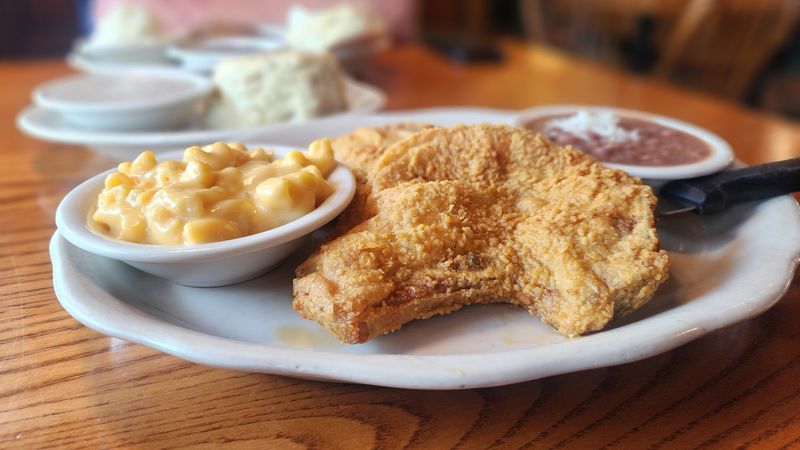
Po’ Folks leaned fully into its Southern identity from the very beginning. The name itself telegraphed the concept: affordable, generous, country-style cooking served in a warm, unpretentious setting that felt accessible to working-class families across the South.
The chain operated throughout the 1970s and 1980s and was known for all-you-can-eat country cooking at some locations, featuring dishes like chicken and dumplings, collard greens, and cornbread. The format varied by location but the core appeal was consistent: a lot of food for a modest price.
Po’ Folks struggled to maintain relevance as the restaurant industry grew more competitive in the 1990s. The brand changed ownership multiple times and eventually contracted to a small number of locations before disappearing almost entirely.
Its story reflects the broader difficulty that regional comfort food chains faced when trying to compete against both national brands and changing consumer preferences.
9. Ponderosa Steakhouse
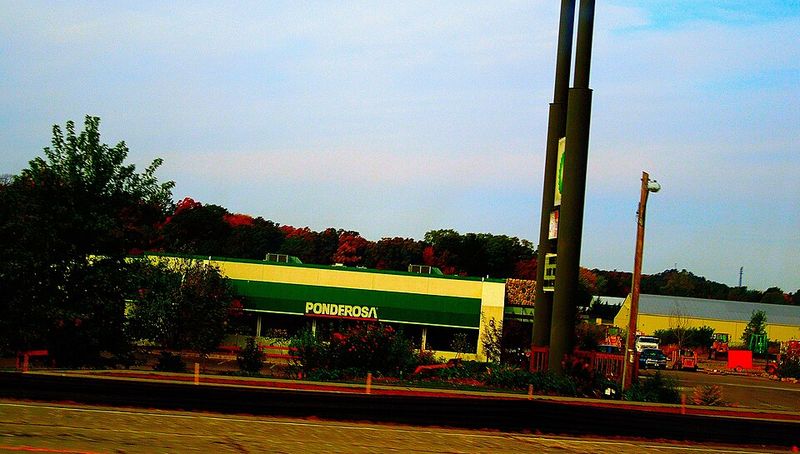
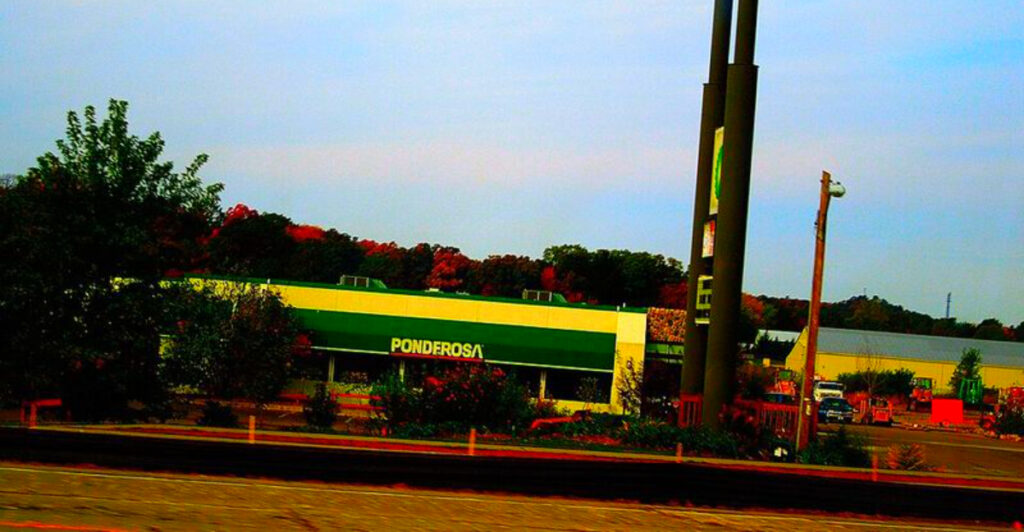
Ponderosa Steakhouse was a genuine giant of American casual dining during the 1970s and 1980s, operating hundreds of locations across the country. The concept blended ordered steaks with an extensive buffet bar that included salads, hot sides, soup, and desserts, giving customers flexibility that purely cafeteria-style restaurants could not offer.
The chain was especially popular in the Northeast and Midwest, where its combination of affordable beef and unlimited buffet access made it a weekly tradition for many families. At its peak, Ponderosa had well over 600 locations operating under its name.
Decades of competition, changing dining habits, and financial pressure gradually reduced the chain to a fraction of its former size. As of the early 2020s, roughly 20 Ponderosa locations remained open, mostly in smaller Midwestern and East Coast markets.
The brand still exists technically, but its cultural prominence belongs firmly to an earlier era of American dining.
10. Bonanza Steakhouse
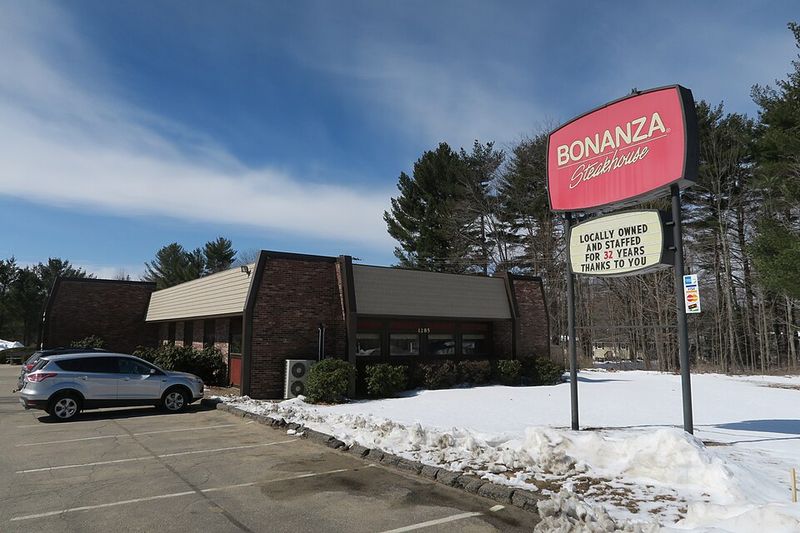
Bonanza Steakhouse and Ponderosa shared the same parent company for much of their history, and the two chains were so similar in format that customers in some regions may not have realized they were distinct brands. Both offered ordered steaks combined with a self-serve buffet bar, and both thrived during the same decade.
Bonanza operated primarily in markets where Ponderosa did not, functioning as a regional complement rather than a direct competitor to its sister chain. The Western-themed branding was consistent across both concepts, with rustic decor and a menu centered on beef and American comfort sides.
As the parent company faced increasing financial difficulties through the 1990s and 2000s, both Bonanza and Ponderosa contracted sharply. Bonanza locations closed at a faster rate than Ponderosa, and today the Bonanza name is essentially retired from active use.
Its peak years were definitively the 1980s, when the steakhouse buffet format was still a dominant force in American dining.
11. Sizzler (Buffet Era Peak)
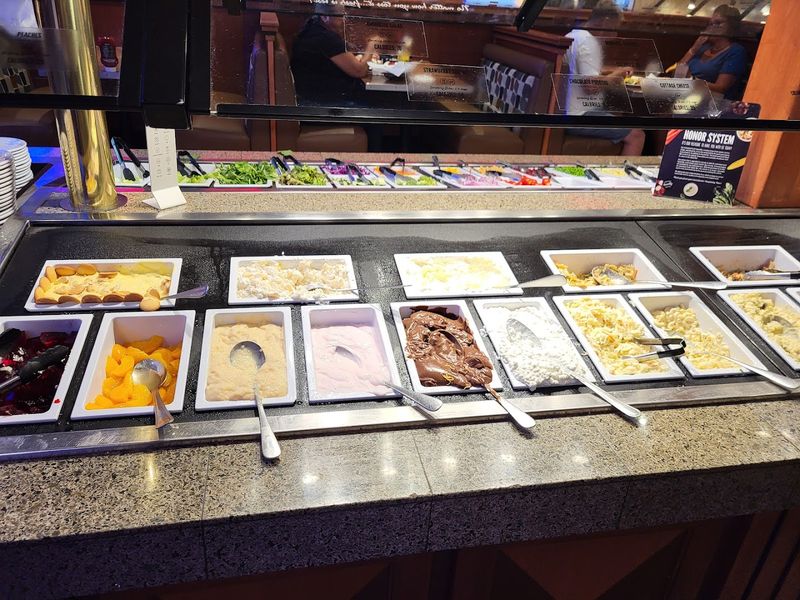
Sizzler had one of the most distinctive identities in the American casual dining market during the 1980s. The chain combined grilled-to-order steaks with an expansive salad and hot food buffet, creating a hybrid format that felt upscale compared to traditional all-you-can-eat operations but remained affordable for middle-income families.
The salad bar at Sizzler was a genuine attraction in its own right, featuring a wide array of toppings, soups, pasta, and desserts that customers could access with a meal purchase. At its peak, the chain operated hundreds of locations across the United States and internationally.
Sizzler filed for Chapter 11 bankruptcy in September 2020, and by 2023 only about 80 locations remained, concentrated primarily in California. The all-you-can-eat buffet format had been scaled back or eliminated at most surviving locations long before the bankruptcy filing, marking the effective end of its defining 1980s era.
12. Pizza Hut Lunch Buffet
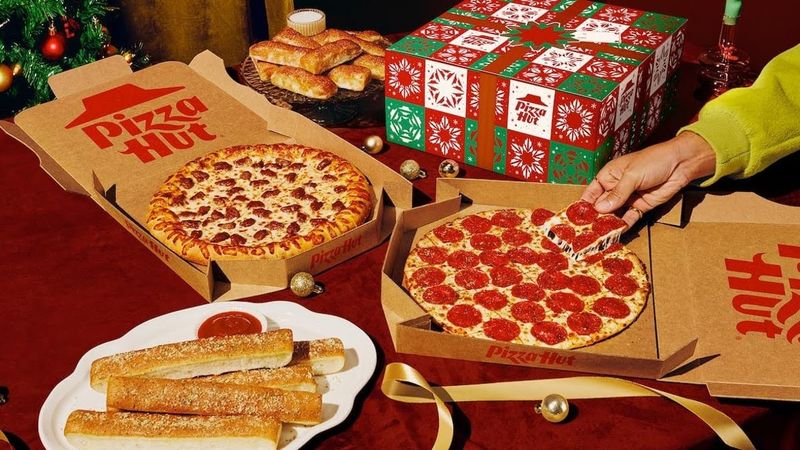
For a significant stretch of American dining history, the Pizza Hut lunch buffet was a weekday institution. Offered at dine-in locations starting in the late 1980s and peaking through the 1990s, the format gave customers unlimited access to rotating pizza varieties, pasta, salad, and dessert pizza for a fixed price.
The buffet was particularly popular with school groups, office workers, and families on tight schedules. The rotating selection kept the experience dynamic, and the low price point made it one of the most accessible lunch options in suburban America for well over a decade.
Pizza Hut began reducing its dine-in footprint significantly in the 2010s as delivery and carry-out orders grew to dominate the business. Many locations converted to smaller delivery-only formats, and the lunch buffet disappeared from most markets.
A limited number of Pizza Hut locations still offer a buffet, but it is no longer a widespread or defining part of the brand.
13. Shakey’s Pizza
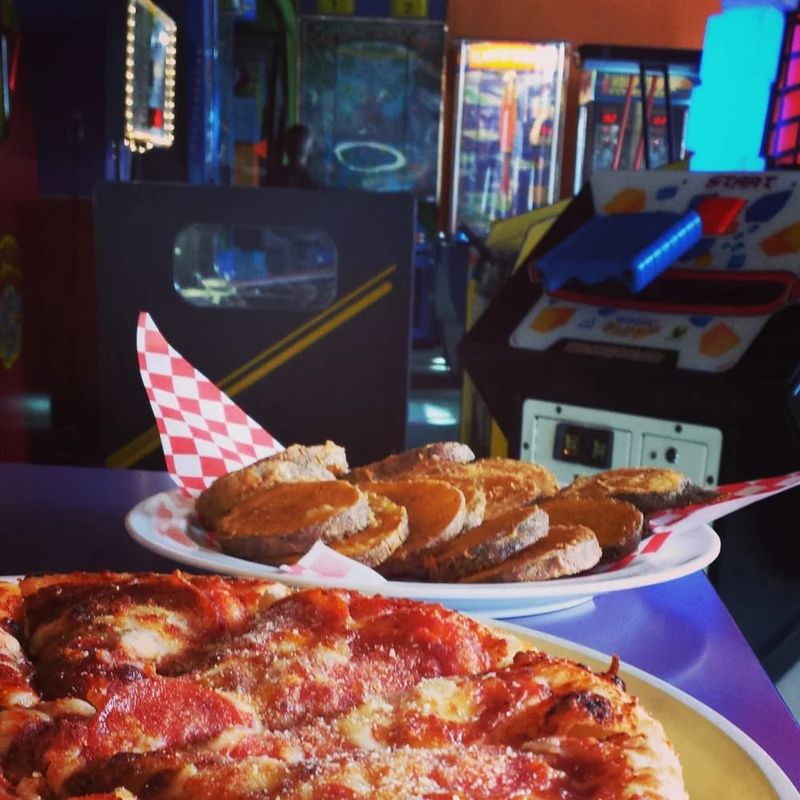
Shakey’s Pizza holds the distinction of being one of the oldest pizza chain restaurants in the United States, founded in Sacramento, California, in 1954. By the 1980s, the chain had evolved into a full buffet-style experience at many locations, offering unlimited pizza, salad, and Mojo potatoes alongside arcade games and a family-friendly atmosphere.
The combination of food and entertainment made Shakey’s a popular destination for birthday parties and weekend family outings throughout the decade. The all-you-can-eat model was central to its identity during this period, and the buffet format helped distinguish it from competitors like Pizza Hut and Domino’s.
Shakey’s contracted significantly in the United States during the 1990s as competition intensified and real estate costs rose. However, the brand maintained a strong international presence, particularly in Asia.
A small number of American locations still operate today, though the chain’s domestic footprint is a modest remnant of its 1980s peak.
14. HomeTown Buffet
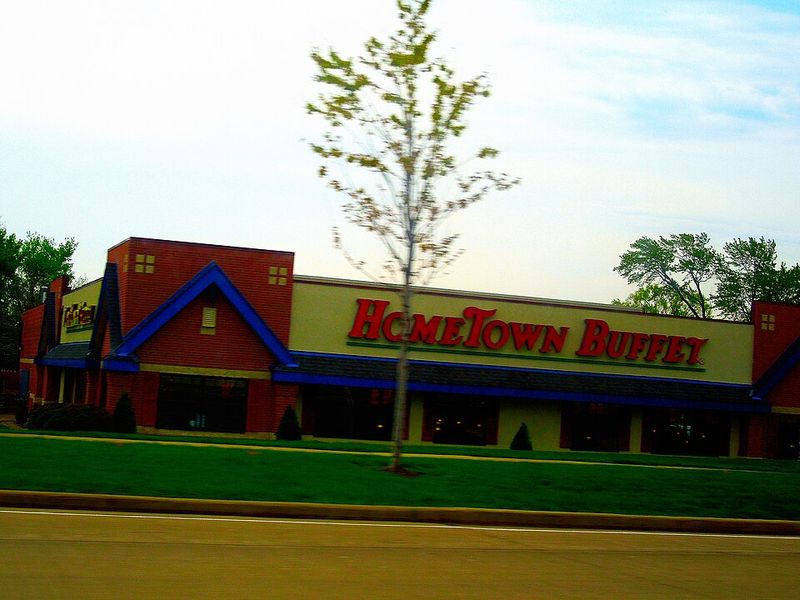
HomeTown Buffet was created in 1989 as a direct spinoff of Old Country Buffet, designed to expand the parent company’s reach into new suburban markets. The two brands operated nearly identical concepts but under different names, allowing the parent company to capture market share in regions where Old Country Buffet had not yet established a presence.
The chain merged operationally with Old Country Buffet in 1996 under the Buffets LLC corporate umbrella. By the late 2000s, HomeTown Buffet had over 300 locations, though that number declined steadily through the 2010s as the buffet dining format lost market share to fast-casual competitors.
When parent company Fresh Acquisitions LLC filed for Chapter 11 bankruptcy in April 2021, HomeTown Buffet was among the brands that did not survive. By that point, fewer than 100 locations remained from a peak of over 300.
The brand’s closure effectively marked the end of an era for suburban all-you-can-eat dining in America.
15. Western Sizzlin’ (Buffet Locations)
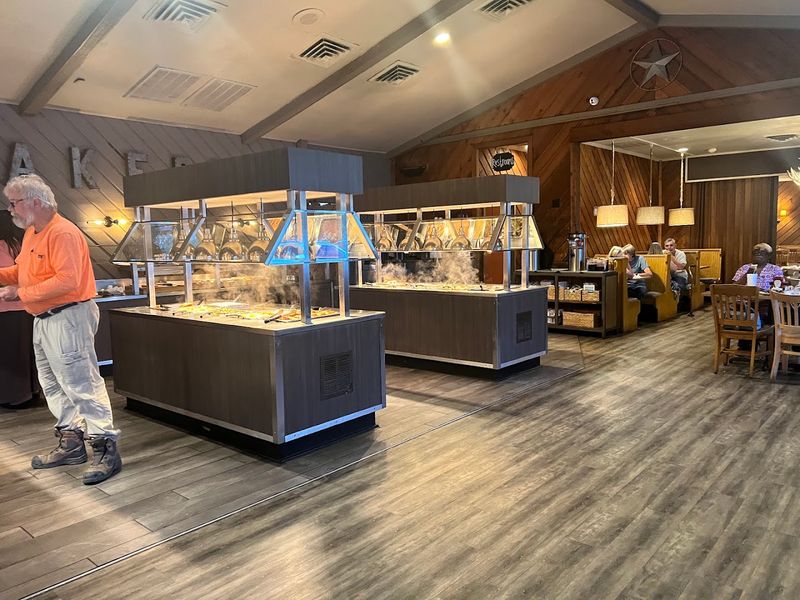
Western Sizzlin’ built its brand on a straightforward promise: affordable steak dinners with generous side options in a no-fuss setting. The chain launched in 1962 and grew steadily through the 1970s and 1980s, operating primarily in the South and Midwest where its Western-themed identity resonated with local tastes.
Many Western Sizzlin’ locations added full buffet bars during the 1980s as the format became increasingly expected by customers visiting steakhouse chains. The buffet component allowed the chain to compete more directly with rivals like Ponderosa and Bonanza without abandoning its core steak-focused identity.
Western Sizzlin’ still exists today but operates only a small number of locations, and the buffet format has been largely retired from its remaining restaurants. The chain’s peak years were clearly tied to the broader 1980s buffet boom, and its current footprint reflects how dramatically that category has contracted over the past four decades.
16. Pancho’s Mexican Buffet
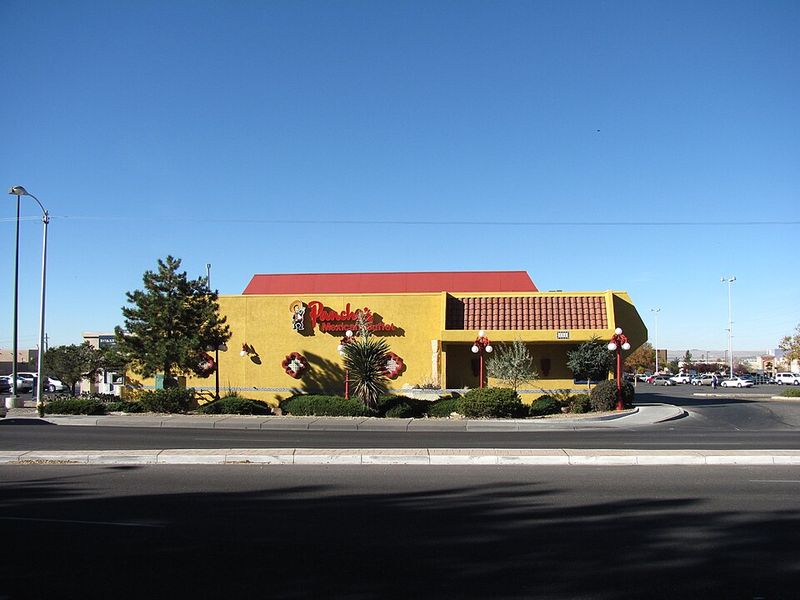
Pancho’s Mexican Buffet had one of the most memorable gimmicks in the entire history of buffet dining. Customers who wanted more food or a fresh batch of a specific item would raise a small flag at their table, signaling staff to bring a refill directly to them.
It was a simple mechanic, but it became the defining feature that separated Pancho’s from every other buffet chain of its era.
Founded in Memphis, Tennessee, in 1956, the chain expanded across the South and Southwest during the 1970s and 1980s, offering Tex-Mex staples like enchiladas, tamales, and sopapillas at a fixed all-you-can-eat price. The format attracted loyal regulars who returned specifically for the interactive flag system and the consistent menu.
Pancho’s declined significantly in the 2000s as competition from fast-casual Mexican chains like Chipotle reshaped consumer expectations. Most locations closed over the following decade, leaving behind a cult following that still talks about the flag system with genuine enthusiasm.
Share this story