Albania is one of Europe’s most underrated destinations, filled with traditional villages, dramatic mountain landscapes, and pristine coastal settlements. From the Albanian Alps to the Ionian Riviera, these villages offer a rare mix of authentic culture, natural beauty, and warm hospitality.
Many of these places remain largely untouched by mass tourism, giving visitors the chance to experience a slower pace of life and centuries-old traditions. Whether you’re hiking through mountain valleys or relaxing by the sea, Albania’s villages deliver unforgettable experiences.
Theth
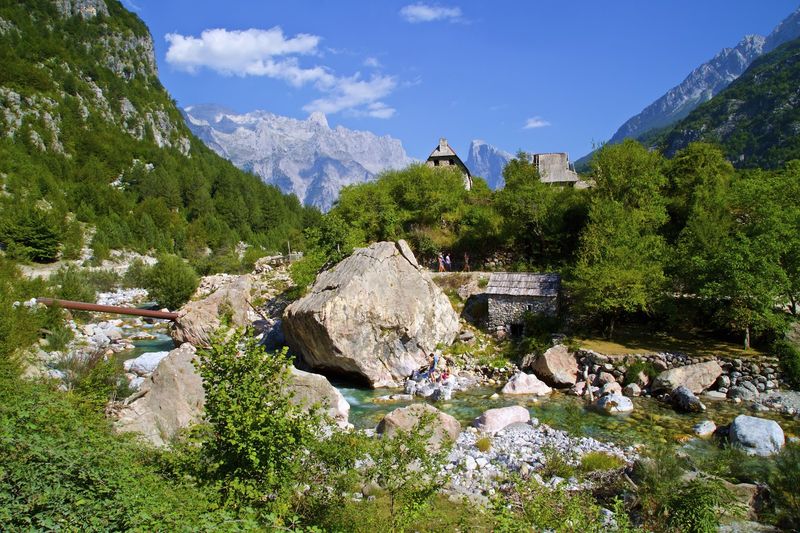
Hidden deep in the Albanian Alps, Theth feels like a secret the mountains have been keeping for centuries. The village sits inside a protected national park where waterfalls crash through forested gorges and stone houses dot the valley floor.
It’s raw, dramatic, and completely breathtaking.
Hikers from across Europe make the trek here specifically for the famous Blue Eye spring and the Grunas Waterfall. The trails are well-marked and range from leisurely walks to serious multi-day hikes.
You don’t need to be an expert mountaineer to enjoy Theth — just bring good shoes.
Accommodation is mostly family-run guesthouses where hosts cook traditional Albanian meals from scratch. Expect slow-roasted lamb, fresh dairy, and homemade raki.
The hospitality here feels genuinely warm, not rehearsed. There’s no mobile signal in many parts of the valley, which honestly feels like a gift.
Theth forces you to slow down, look up, and appreciate what’s around you. Visiting in summer gives you the best trail conditions, but autumn brings spectacular golden foliage that makes the whole valley glow.
Theth is not just a destination — it’s an experience that lingers long after you leave.
Valbona
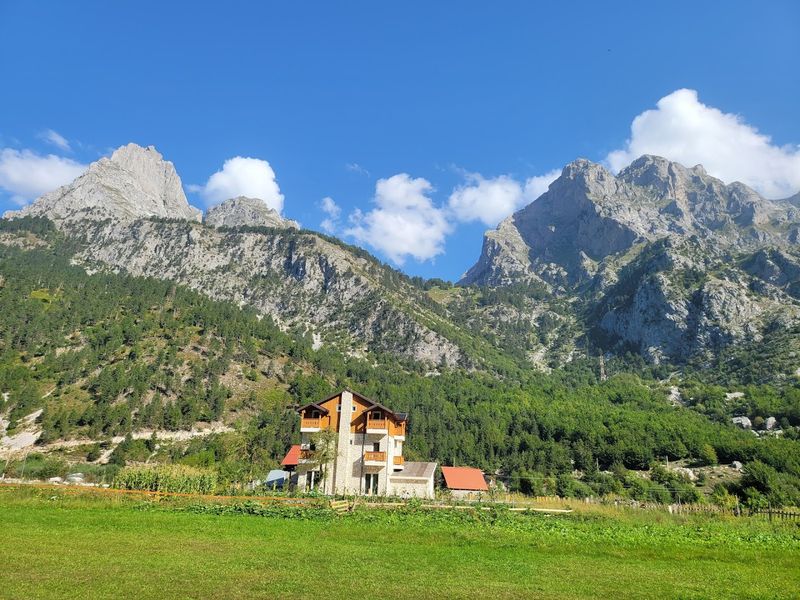
There’s a reason serious hikers put Valbona at the top of their Albanian bucket list — the valley is simply stunning. Flanked by jagged alpine peaks and threaded by a turquoise river, this village offers scenery that rivals anything in the Swiss Alps, at a fraction of the cost.
Valbona is the starting point of the legendary Valbona-to-Theth trail, a full-day hike that crosses a mountain pass and rewards walkers with views that genuinely stop you in your tracks. The trail is challenging but well worth every uphill step.
Most hikers describe it as one of the best single-day walks in the Balkans.
The village itself is small and refreshingly quiet. Guesthouses line the valley road, offering cozy rooms and hearty meals.
Local families grow their own vegetables and raise livestock, so the food on your plate is as fresh as it gets. Spring and early summer are magical here — wildflowers blanket the meadows and the river runs fast and cold.
Wildlife spotters might catch glimpses of eagles circling above the peaks. Valbona is proof that the best places are often the ones that make you work a little harder to reach them.
Berat
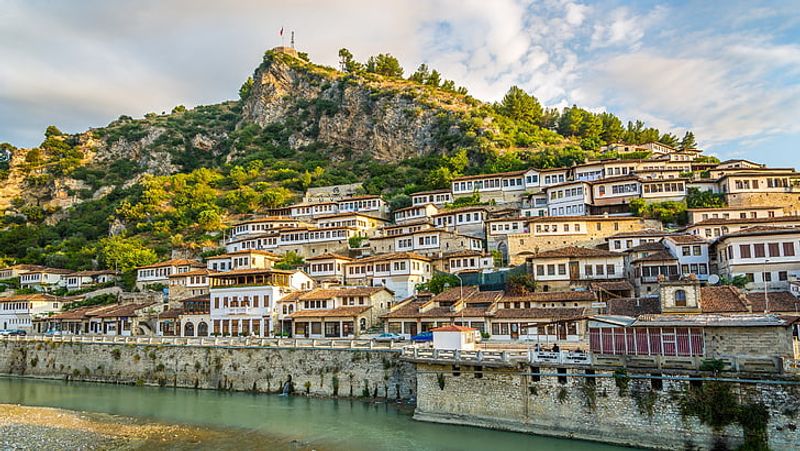
Walk through Berat and you get the immediate sense that the town has been posing for painters for centuries. The famous hillside neighborhood of Mangalem, with its rows of white Ottoman houses stacking up toward the sky, is so visually striking that locals nicknamed it the City of a Thousand Windows.
Every window seems to be watching you.
Berat earned UNESCO World Heritage status in 2008, and it absolutely deserves the recognition. The ancient castle that crowns the hill above is still an inhabited neighborhood — people actually live inside its medieval walls.
That alone makes Berat unlike almost any other historic site in Europe.
Wandering the cobblestone streets of the Gorica quarter across the river gives you a quieter, more local perspective. Small cafes and art galleries are tucked into old stone buildings, and the pace of life here is wonderfully unhurried.
The city also has excellent museums covering Byzantine art and Albanian history. Berat sits in a river valley surrounded by mountains, so even the drive in is scenic.
Visit in the late afternoon when the sunlight turns those white house facades into something almost golden. Few places in Albania reward slow exploration quite like this one.
Gjirokastër
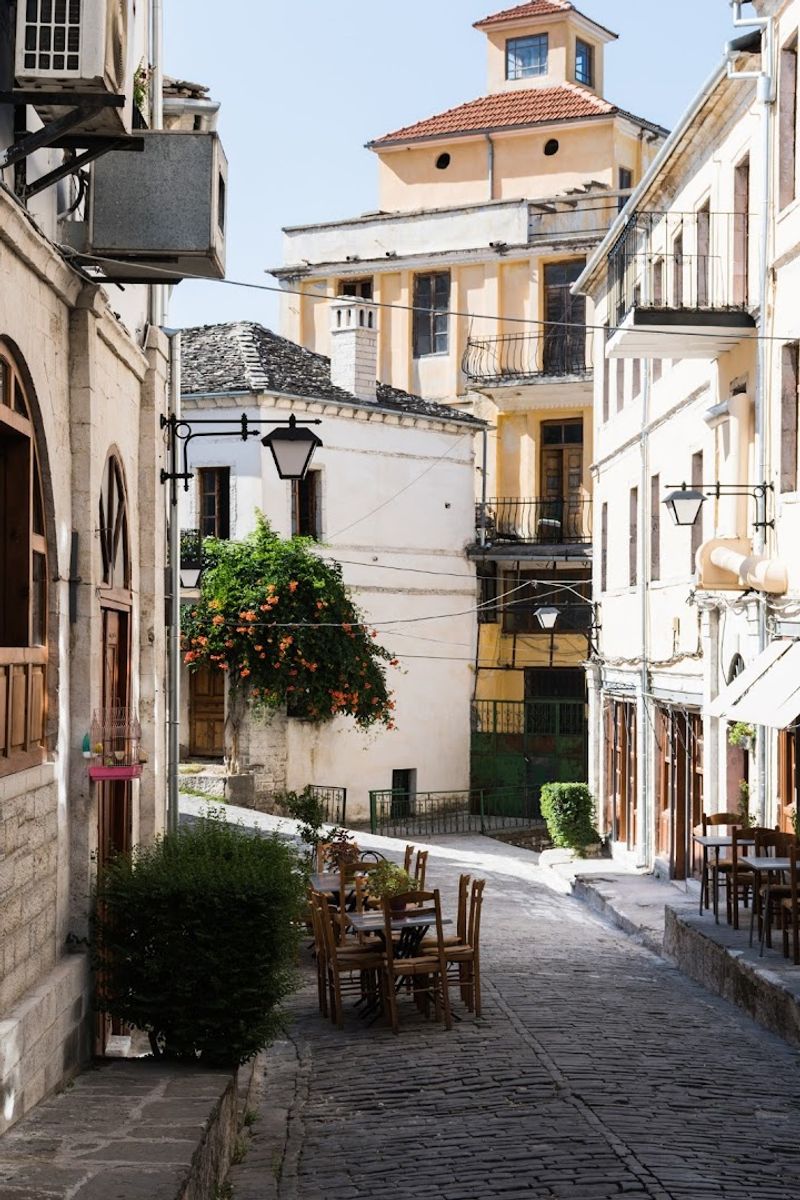
Gjirokastër doesn’t ease you in gently — the city hits you immediately with its weight and presence. Every building seems carved directly from the mountain it sits on, with thick stone walls and heavy slate roofs that have survived centuries of history.
This is one of those rare places where the architecture itself tells a story.
The imposing castle at the top of the hill houses a fascinating military museum and offers sweeping views across the valley. During the Cold War, an American spy plane was actually captured and put on display here — quirky and oddly compelling.
The old bazaar below is full of antique shops, traditional crafts, and strong Turkish coffee.
Gjirokastër is also the birthplace of two major Albanian figures: writer Ismail Kadare and former communist dictator Enver Hoxha. The contrast between those two legacies says a lot about this complex, layered city.
Visiting the Ethnographic Museum, housed in Kadare’s former family home, gives genuine insight into Albanian domestic life from the Ottoman era. The streets are steep and the stones are uneven, so wear comfortable shoes.
Come in spring when the surrounding mountains are lush and the light is soft. Gjirokastër rewards curiosity at every corner.
Dhërmi
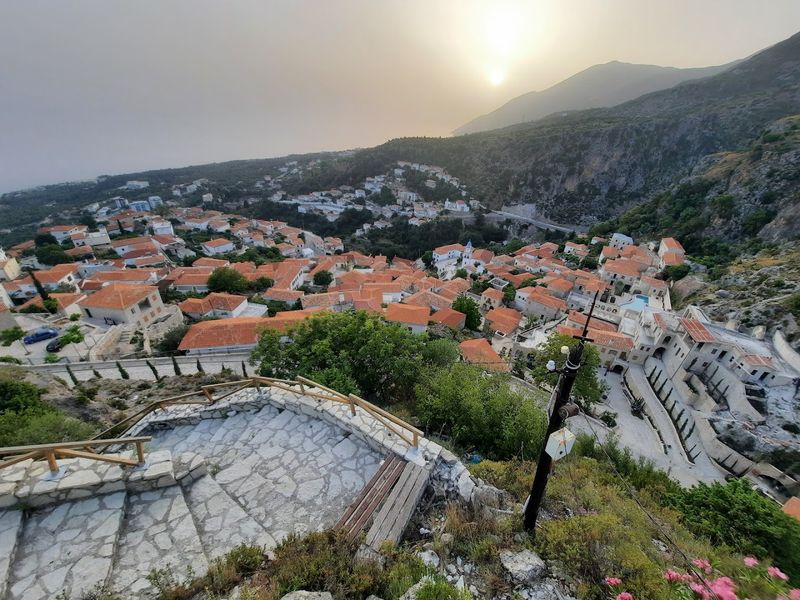
Clinging to a steep hillside above one of the most dazzling beaches on the Albanian Riviera, Dhërmi has a flair for dramatic first impressions. The view from the old village looking down to the Ionian Sea — all turquoise water, white pebble beach, and limestone cliffs — is the kind of thing that makes people cancel their return flights.
The old village itself sits higher up the mountain, a cluster of stone houses shaded by olive trees that have been growing here for generations. It’s quieter and more traditional than the beach strip below, and wandering its narrow lanes feels like stepping back in time.
A few family-run tavernas serve grilled seafood and local wine at prices that feel almost too reasonable.
Dhërmi Beach is famous for its clarity — the water is genuinely transparent, shifting from pale aquamarine at the shore to deep sapphire further out. It gets busy in July and August, but the shoulder seasons of May, June, and September offer the same beauty with far fewer crowds.
The drive along the coastal road to reach Dhërmi is spectacular in itself, with hairpin bends offering panoramic views at every turn. This village ticks every box for a perfect Mediterranean escape.
Himarë
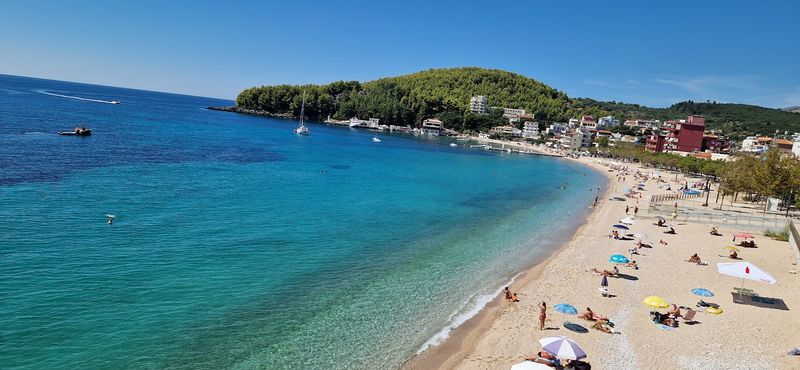
Some coastal towns put on a show for tourists, but Himarë seems genuinely unbothered by the attention — and that’s exactly what makes it special. The village carries a relaxed, lived-in atmosphere that many better-known Mediterranean resorts have long since traded away for souvenir shops and overpriced cocktails.
The old hilltop town is the real heart of Himarë, with Byzantine-era ruins, a small castle, and narrow stone streets that wind between family homes. From up here, the views over the Ionian Sea are extraordinary.
On clear days you can see the Greek island of Corfu floating on the horizon.
Down at sea level, Himarë’s beaches stretch along a generous bay. The water is clean, the pebbles are smooth, and the seafood restaurants that line the shore cook fish that was swimming just hours before.
The local Greek-Albanian community gives Himarë a distinct cultural flavor — you’ll hear both languages spoken and find menus written in both scripts. Summer evenings here are long and golden, with people lingering over meals and music drifting from open-air bars.
Himarë is the kind of place where a planned two-night stay somehow stretches into a full week without any regrets whatsoever.
Qeparo
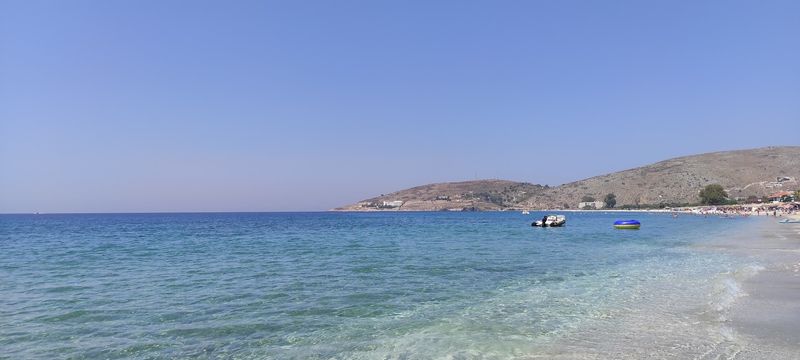
Qeparo is the kind of village that makes you feel like you’ve discovered something most travelers drove straight past. Perched on a hillside above the Ionian coast, it’s split into two parts — the ancient upper village, largely abandoned but deeply atmospheric, and the lower settlement closer to the sea.
The upper village is a fascinating wander through crumbling stone houses, old churches, and overgrown courtyards. It feels like a film set, except it’s completely real and completely free to explore.
Some buildings date back to the Byzantine period, and the sheer age of the place gives it a haunting, beautiful quality.
Below the village, a quiet beach offers calm swimming and a handful of low-key restaurants. The pace here is deliberately slow — no nightclubs, no souvenir stalls, just sea, stone, and olive trees.
Qeparo is excellent for travelers who want the Albanian Riviera experience without the summer crowds that descend on more popular spots. The locals are welcoming and used to the occasional curious visitor wandering through their lanes.
Getting here involves a short drive off the main coastal highway, but that detour is absolutely worth it. Qeparo is quiet, authentic, and quietly magnificent.
Lin
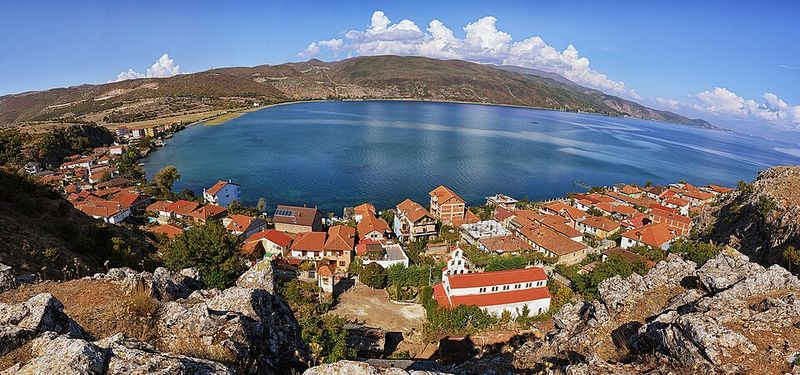
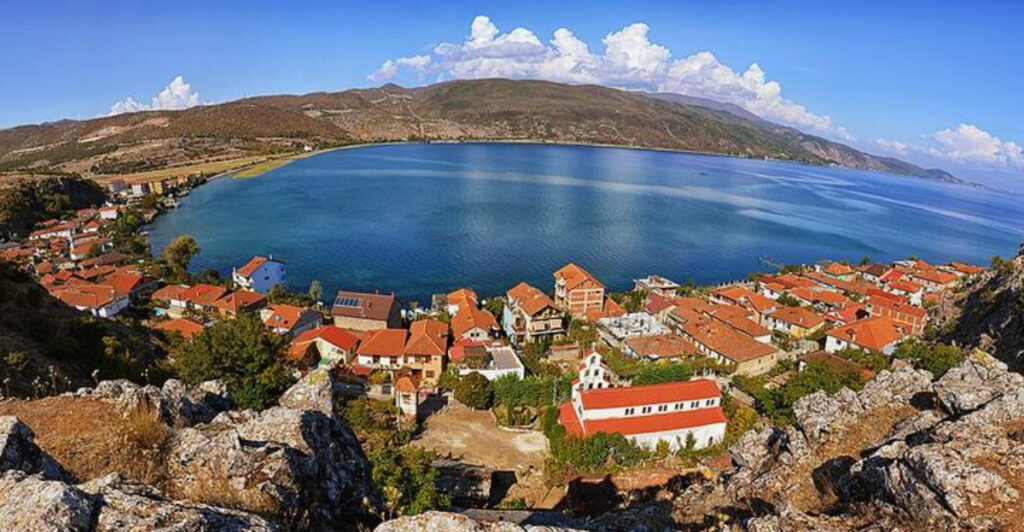
Jutting out into the glassy waters of Lake Ohrid on a small peninsula, Lin is the kind of place that looks almost too picturesque to be real. The lake here is one of the oldest and deepest in Europe, home to unique species found nowhere else on the planet.
Lin sits on its Albanian shore in quiet, unhurried contentment.
The village is small — just a few hundred residents — and its pace of life reflects that scale perfectly. Fishing boats bob gently at the water’s edge, old men play chess in the shade, and the smell of grilled freshwater fish drifts from the lakeside restaurants.
Ohrid trout is the local specialty, and eating it here, steps from the water it came from, is an experience hard to replicate.
Lin also has an early Christian mosaic floor hidden inside a modest church, dating back to the 5th or 6th century. It’s a remarkable find in such a small village, and a reminder that this region has been continuously inhabited for an extraordinary length of time.
The sunsets over Lake Ohrid from Lin are genuinely world-class — soft pinks and oranges reflecting off calm water. This village is a masterclass in understated beauty.
Krujë
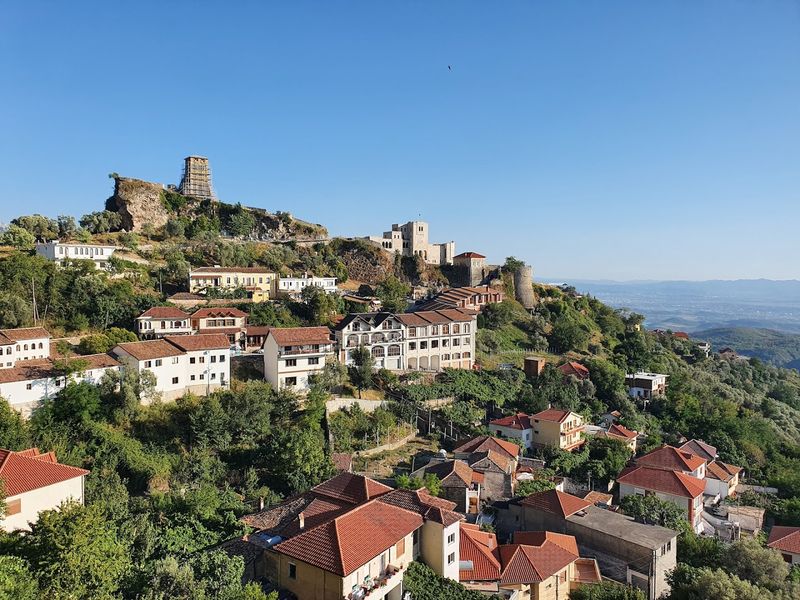
Every Albanian knows the name Skanderbeg, and Krujë is where that legend was forged. This hilltop village was the seat of Albania’s greatest national hero, who held off the Ottoman Empire for decades in the 15th century.
Walking through Krujë, you feel the weight of that history in the stones beneath your feet.
The castle complex at the top of the hill houses the Skanderbeg Museum, designed by the late Albanian architect Pirro Vasa. Even if history isn’t your thing, the building itself is striking, and the views from the ramparts over the surrounding valleys are fantastic.
The castle grounds are free to wander, with old towers and walls offering plenty of atmospheric corners to explore.
Below the castle, the traditional bazaar is one of the best-preserved Ottoman-era markets in the Balkans. Antique dealers, carpet sellers, and craft vendors line the covered walkway.
You can find genuine antiques alongside handmade textiles, silver jewelry, and traditional Albanian embroidery. Unlike many tourist markets, this one feels authentic.
Bargaining is expected and part of the fun. Krujë is only about 30 kilometers from Tirana, making it an easy day trip from the capital.
But the village deserves more than a few rushed hours — stay for the atmosphere.
Voskopoja
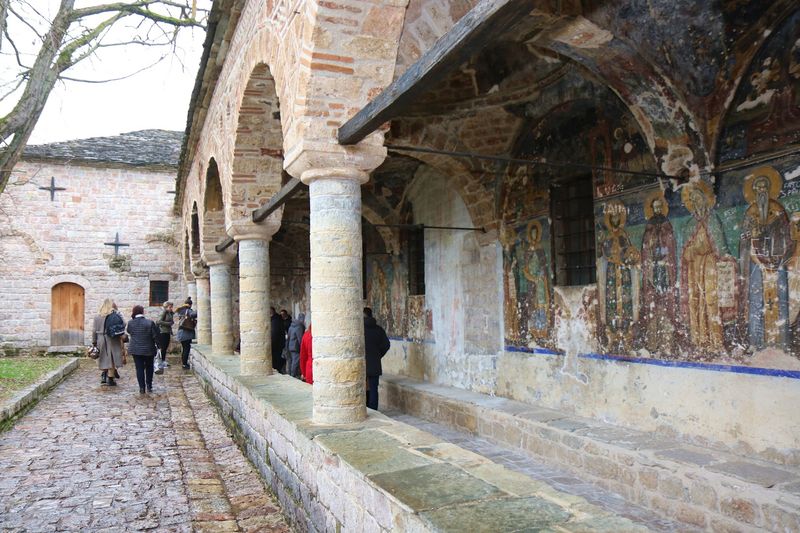
Once upon a time, Voskopoja was one of the most important cities in the entire Balkans — a thriving center of trade, culture, and learning that rivaled cities far larger in size. Today it’s a quiet highland village surrounded by forests, and that contrast between past glory and present calm makes it one of Albania’s most intriguing destinations.
At its 18th-century peak, Voskopoja reportedly had tens of thousands of residents and its own printing press — one of the first in the Balkans. The city was later destroyed and never fully recovered, but what remains is deeply compelling.
Several beautifully frescoed Orthodox churches survive from that golden era, their interiors painted with vivid biblical scenes by skilled Albanian masters.
The village sits at around 1,160 meters above sea level, giving it a cool, fresh climate even in summer. Surrounding forests of beech and fir are perfect for hiking, and the mountain air feels genuinely restorative.
The pace of life here is so slow it almost stops entirely, which is precisely the point. Voskopoja is for travelers who want history without crowds, nature without infrastructure, and the rare pleasure of a place that asks nothing of you except your attention.
It delivers on all fronts.
Lëpushë
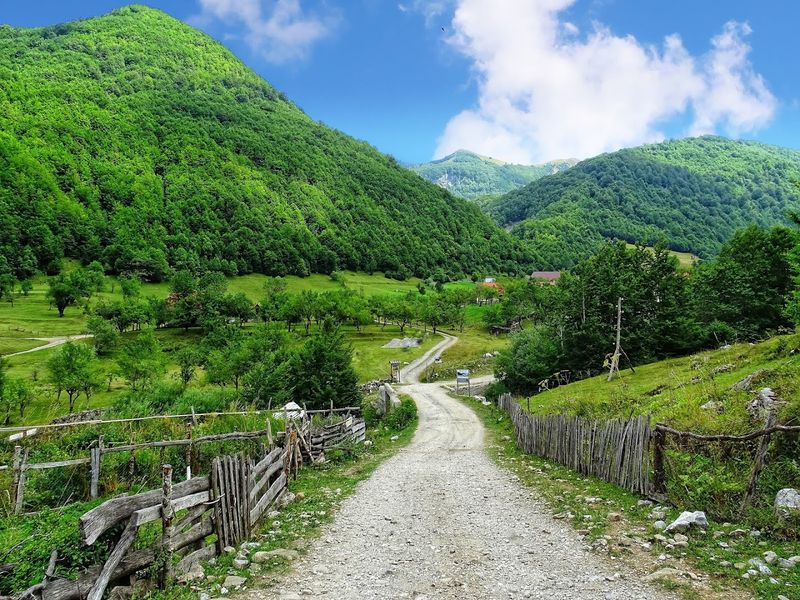
Few places in Albania feel as untouched as Lëpushë. Tucked into a high valley in the Accursed Mountains — yes, that’s actually what they’re called, and yes, they live up to the dramatic name — this remote village offers a window into alpine Albanian life that most travelers never find.
The meadows around Lëpushë are extraordinary in late spring and early summer, blanketed in wildflowers and ringed by jagged limestone peaks. Cows and horses roam freely across the pastures, and the sound of cowbells drifting across the valley is oddly meditative.
It’s the kind of scenery that makes you want to sit down and do absolutely nothing for several hours.
Hiking options here are excellent, with trails leading to mountain lakes, ridgelines, and across the border into Montenegro’s Prokletije National Park. The village is also a base for the Peaks of the Balkans trail, a multi-day hiking route that crosses Albania, Kosovo, and Montenegro.
Accommodation is limited but comfortable, with family guesthouses offering homemade food and local hospitality. Lëpushë doesn’t have fancy amenities or tourist infrastructure, and that’s entirely the appeal.
It rewards travelers who are willing to go a little further off the beaten track for something genuinely special.
Ksamil
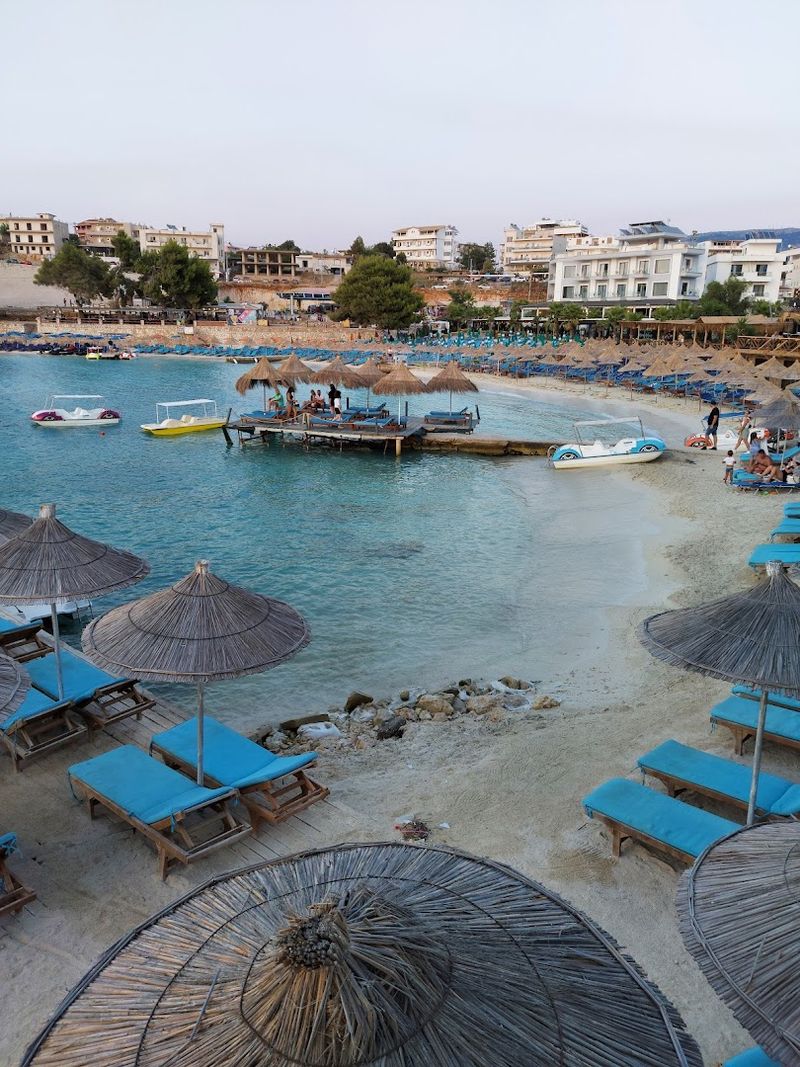
The water around Ksamil is almost offensively beautiful. It shifts from pale jade at the shore to deep sapphire further out, and on a calm day the sea is so clear you can count the pebbles on the bottom from a boat.
The village sits near the southern tip of Albania, tucked inside the protected zone of Butrint National Park.
Three small uninhabited islands sit just offshore, reachable by a short swim or a quick paddle. Each has a tiny beach, and the channels between them have some of the best snorkeling in the Adriatic.
The marine life is surprisingly rich, and the water temperature in summer is perfectly warm without being bathwater flat.
Ksamil itself has grown significantly in recent years and gets very busy in peak season, particularly with visitors from Kosovo and North Macedonia. Arriving in June or September rather than August makes a real difference to your experience.
The surrounding area also offers access to the ancient ruins of Butrint, a UNESCO-listed archaeological site with Greek, Roman, Byzantine, and Venetian layers all stacked on top of each other. Ksamil combines beach perfection with genuine historical depth, which is a combination not many coastal villages anywhere in Europe can honestly claim.
Shishtavec
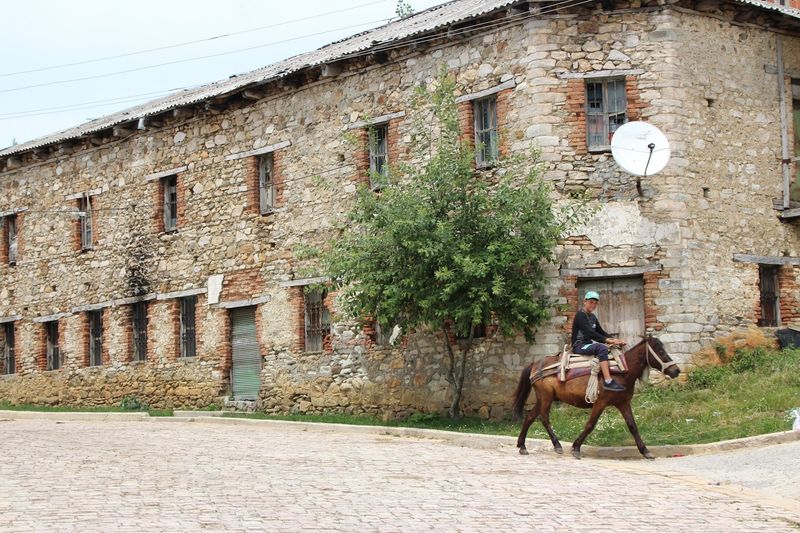
Shishtavec sits up on a high plateau near the Kosovo border and radiates the kind of peaceful energy that city life slowly drains out of you. It’s not on most tourist itineraries, which is exactly why it deserves to be on yours.
This is Albania at its most unhurried and unfiltered.
The village is known for its clean mountain air, traditional architecture, and access to some seriously underexplored hiking territory. The surrounding landscape is a mix of rolling meadows, dense forests, and rocky ridgelines that offer spectacular views with almost no other walkers in sight.
For hikers who prefer solitude over selfie crowds, Shishtavec is close to perfect.
The local community is predominantly Gorani — a South Slavic ethnic group with their own distinct language, music, and culinary traditions. Visiting here offers a genuinely different cultural experience from the rest of Albania, and the food reflects that unique heritage.
Hearty mountain dishes, fresh dairy, and locally foraged ingredients make meals here memorable. Getting to Shishtavec requires some effort — the roads are rough and public transport is minimal — but that journey filters out casual visitors and leaves the village feeling wonderfully undiscovered.
It’s one of those places that feels like a reward just for making the effort to arrive.
Gorica e Vogël
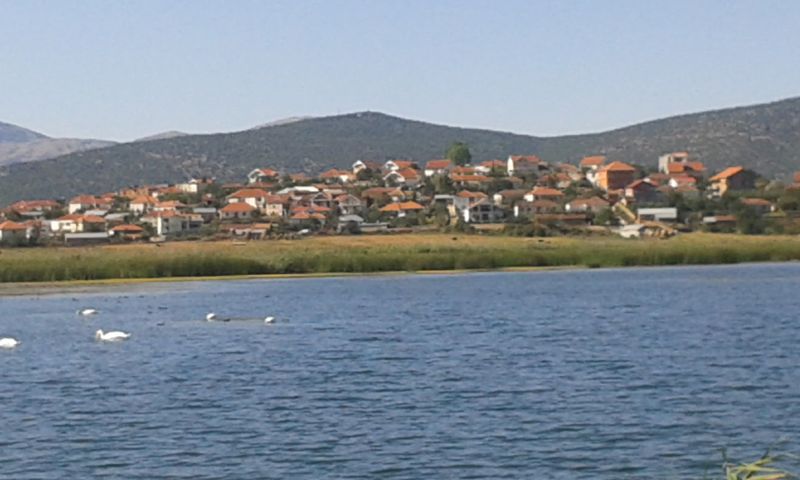
Tucked beside the still waters of Lake Prespa, Gorica e Vogël is the definition of a hidden gem. Most people drive past without stopping, which means those who do stop get the whole place almost entirely to themselves.
That quiet exclusivity feels like a privilege.
Lake Prespa itself is a transboundary lake shared between Albania, North Macedonia, and Greece, and it’s one of the oldest lakes in Europe. The shoreline near Gorica e Vogël is fringed with reeds and dotted with wooden fishing platforms, giving it a wonderfully timeless appearance.
Pelicans and cormorants are regular visitors, making it a rewarding spot for birdwatchers.
The village is small and traditional, with stone houses surrounded by apple and cherry orchards. Local families still practice traditional agriculture, and if you visit during harvest season, you might find yourself invited to help — or at least to eat.
The area around Prespa is also known for its unique bean variety, the Prespa bean, which is celebrated at a local festival each autumn. There are no luxury hotels here and no tourist infrastructure to speak of.
What Gorica e Vogël offers instead is something increasingly rare: genuine rural tranquility, authentic local life, and a lake so calm it mirrors the sky perfectly.
Curraj e Epërm
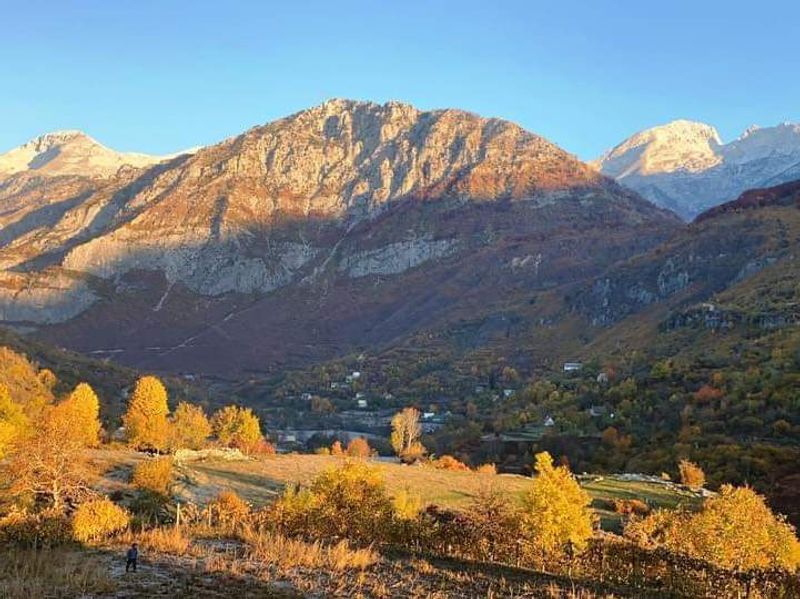
You cannot drive to Curraj e Epërm. There are no roads.
The only way in is on foot, and that single fact tells you everything you need to know about what kind of experience awaits. This is one of the most genuinely remote villages in Albania — and possibly in the whole of Europe.
The hike to reach the village takes several hours through a dramatic river gorge, with the path hugging cliff edges and crossing wooden bridges above rushing water. It’s not technically difficult, but it demands commitment.
That commitment is rewarded with arrival into a valley that feels completely separated from the modern world.
A handful of families still live here year-round, maintaining traditional livestock farming in conditions that most people would find challenging. The hospitality of those families is extraordinary — visitors are welcomed warmly and fed generously.
Staying overnight in a local home is an experience unlike anything a hotel could replicate. The night sky above Curraj e Epërm, with zero light pollution and complete silence, is staggering.
The Milky Way is visible with the naked eye on clear nights. For travelers who feel that modern tourism has made the world too accessible and too comfortable, this village offers a meaningful, humbling, and deeply memorable counterargument.
Rabdisht
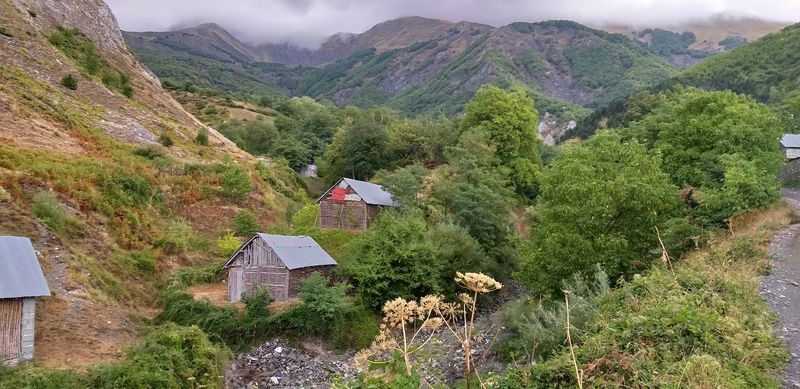
Rabdisht flies well under the radar, even among travelers who consider themselves Albania experts. Sitting near the town of Peshkopi in the Dibra region of eastern Albania, this charming village combines traditional stone architecture with a landscape that rolls through forested hills and river valleys in the most satisfying way.
The surrounding mountains are excellent for hiking, with trails that connect to larger networks in the region. The Drin River valley nearby offers beautiful scenery and the chance to spot local wildlife including eagles and various bird species that thrive in this less-disturbed corner of the country.
The area is genuinely off the tourist circuit, so you’re unlikely to encounter crowds at any point.
Peshkopi, the nearest town, has a modest but appealing old bazaar and serves as a practical base for exploring the wider Dibra region. From Rabdisht, day trips to the Lurë National Park — famous for its glacial lakes and dense pine forests — are very manageable.
The hospitality culture in this part of Albania is strong, rooted in the traditional code of Besa, which places enormous value on welcoming guests. Visitors often describe interactions with locals in the Dibra region as some of the warmest they’ve experienced anywhere in the country.
Rabdisht rewards the curious traveler richly.
Share this story