 Unearth The Voyage
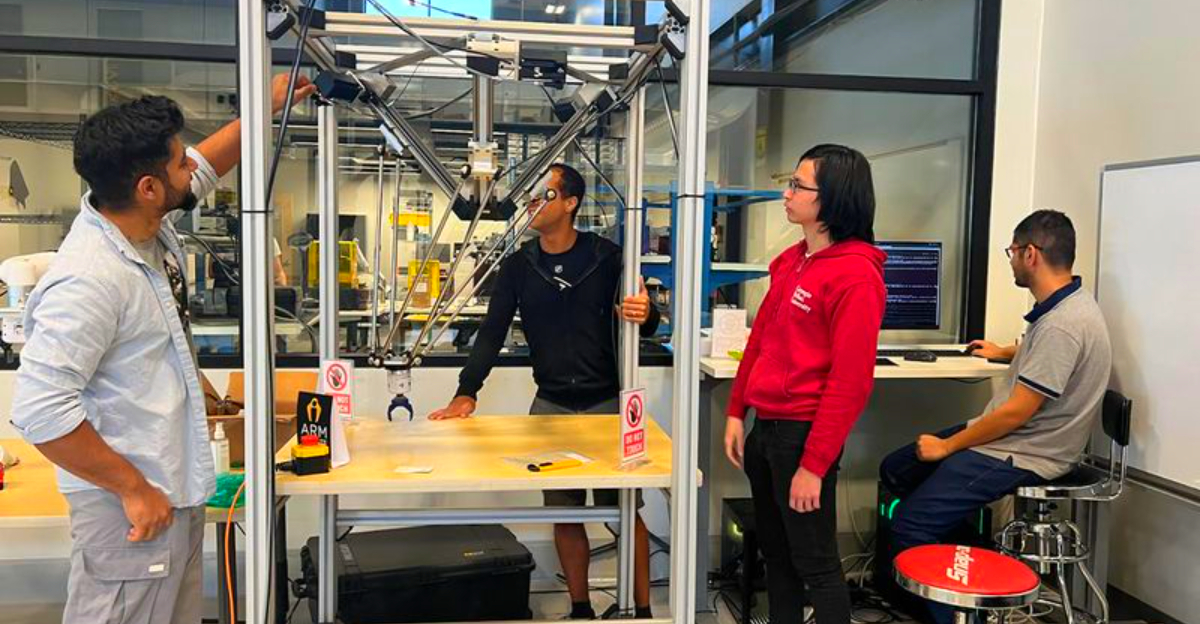
There is a quieter map of American industry that lives between headline cities and household myths. Mid sized places built reputations over decades, shaped by patents, payrolls, quirky local policies, and the habits of entire professions.
Follow the trail of factory floors from the 1910s, research parks from the 1960s, and logistics networks tuned by 1990s barcode culture, and a different picture comes into focus. Keep reading to see how specific cities became the steady hands behind healthcare systems, rocket parts, polymer labs, and the shows you buy tickets for without thinking about where the planning began.
1. Rochester, Minnesota – Healthcare
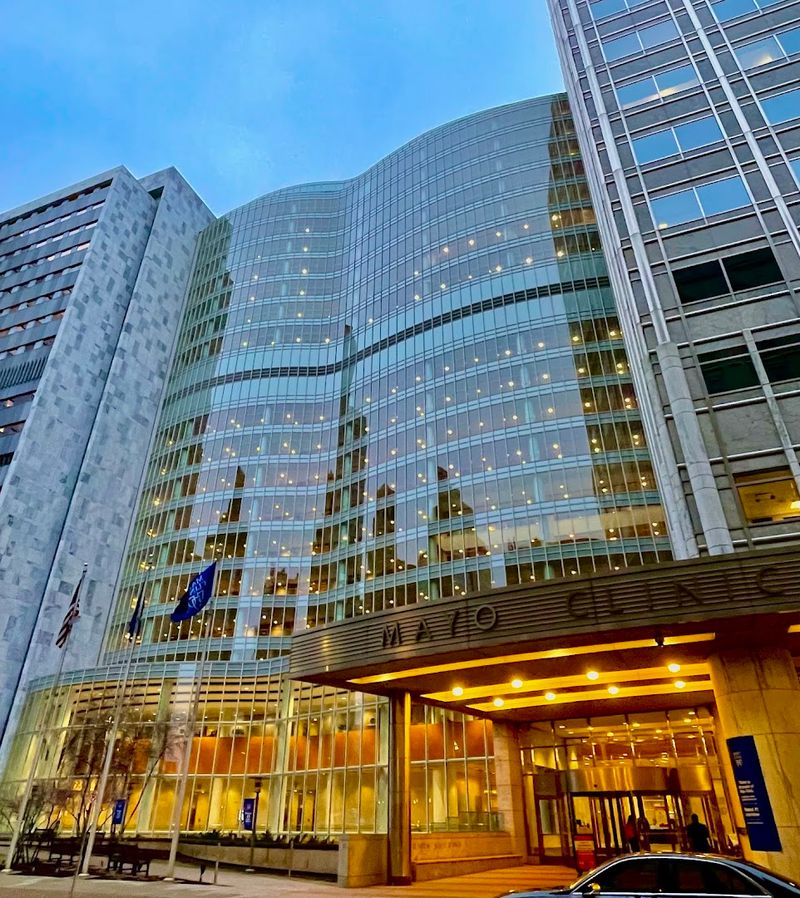
Quiet revolutions in care began here with two brothers and a surgeon who believed standardization could save time and lives. By 1919, the Mayo Clinic formalized the group practice model, turning Rochester into a proving ground for coordinated medicine.
That structure scaled through the mid twentieth century with pathology labs, diagnostic imaging, and a culture of case conferences that trained generations of clinicians.
Federal policy and employer insurance in the 1950s and 1960s accelerated referrals, while jet travel compressed distance for complex cases. The clinic’s integrated records, later digitized, made Rochester a destination for second opinions and clinical trials.
Biomedical engineering partnerships brought proton beam therapy and advanced transplant programs that redefined regional hospitals’ reach.
Economic spillover came through suppliers, device makers, and hospitality built around care itineraries. Destination Medical Center, launched in the 2010s, tied zoning, transit, and research space to long horizon growth.
You see a city planned like a medical campus, where parking design mirrors patient flow and seasonal staffing tracks procedure calendars.
For you as a traveler or patient advocate, Rochester’s story shows how logistics, data discipline, and clinician teams became the product. The brand is not flash.
It is throughput, outcomes, and the routine of excellence.
2. Midland, Texas – Oil & Gas
Power in this town moves on schedules set by geology and rigs. Midland’s rise followed the 1920s discovery of the Permian Basin, then matured with postwar pipelines and refinery networks that linked West Texas to Gulf Coast export terminals.
Service companies clustered here, making tool repair, logistics, and land services a local specialty.
Tax policy and mineral rights created a distinct ownership culture that funded repeated drilling cycles. In the 2000s, horizontal drilling and hydraulic fracturing turned old fields into spreadsheets of recoverable reserves.
That pivot demanded data scientists alongside roughnecks, and Midland obliged with training programs and vendor depots.
Air cargo, sand mines, and water handling expanded as inputs rose. Hotels, diners, and temporary housing matched the pace of crews rotating through leases.
Midland’s city budget, from roads to schools, reads like a ledger of commodity prices, which teaches a lesson about volatility management.
If you follow energy headlines, the decisions shaping supply curves often start here with lease auctions and completions schedules. The story is less wildcat lore and more supply chain homework.
It is how a mid sized city became a control room for an ocean of hydrocarbons.
3. Bentonville, Arkansas – Retail
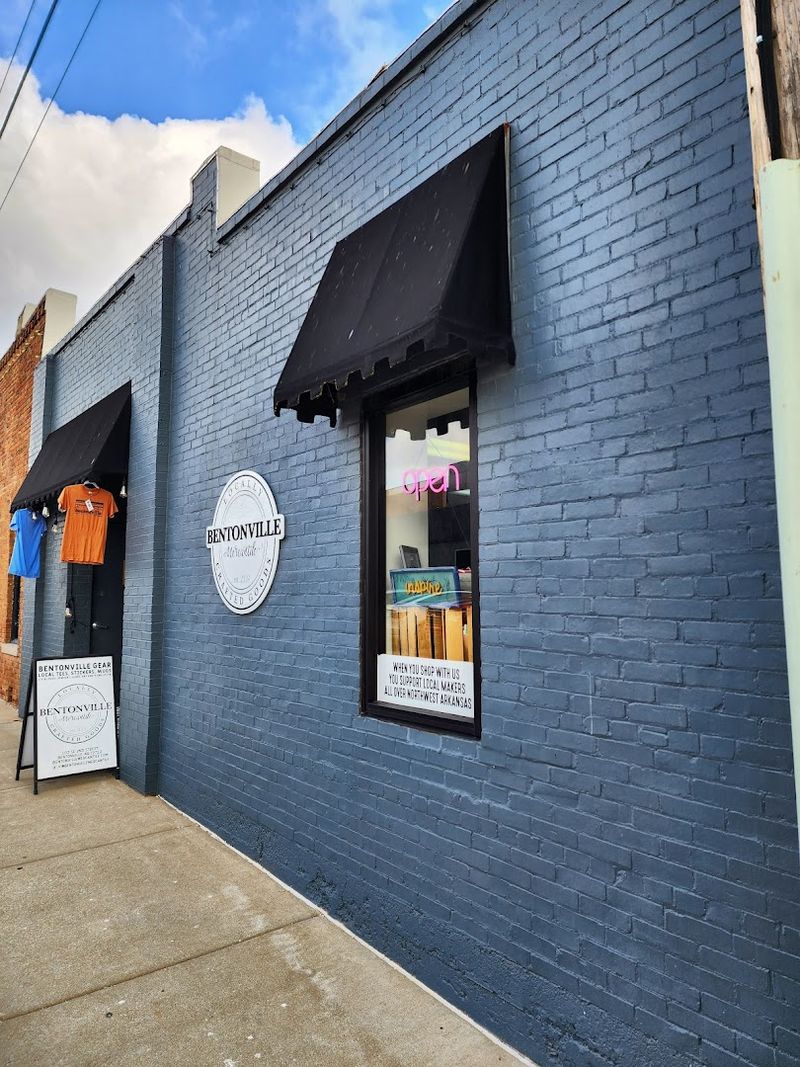
Strategy memos for what lands on your shelves often originate on quiet streets here. Bentonville turned into a retail nerve center after Sam Walton’s experiments with distribution in the 1960s demanded suppliers meet on his terms.
Regional warehouses, cross docking, and barcode discipline created a choreography that vendors needed to learn up close.
By the 1990s, consumer packaged goods teams opened satellite offices to manage shelf space, promotions, and real time inventory. Category management turned into a profession, complete with dashboards and playbooks refined in Bentonville conference rooms.
Transportation analytics, private label planning, and sustainability sourcing all plugged into the same ecosystem.
Downtown redevelopment followed, with trails, co working spaces, and a museum that underlined civic confidence. Flights arrive packed with account managers reviewing modular layouts before buyer meetings.
The retail calendar sets the city’s tempo, from back to school to holiday resets.
For you, the lesson is that dominance can look like vendor training more than skyscrapers. Bentonville exports a method.
It blends logistics math, store operations, and human negotiation into a machine that moves toothpaste, toys, and turnips with startling precision.
4. Huntsville, Alabama – Aerospace & Defense

Rocket parts once sketched on chalkboards here became blueprints for national strategy. Huntsville’s transformation began when Wernher von Braun’s team arrived in the 1950s to develop Redstone and Saturn systems.
NASA’s Marshall Space Flight Center anchored propulsion expertise, with test stands that turned theory into thrust numbers.
Defense contractors followed, clustering around Redstone Arsenal to build guidance, avionics, and missile defense components. University programs aligned with propulsion, materials, and systems engineering, creating a feedback loop between classrooms and test ranges.
The city taught America to treat space work like meticulous project management.
As commercial launch emerged, Huntsville’s vendors adapted to new suppliers and cost targets. Additive manufacturing, small sat components, and software for simulation broadened the base.
Office parks hide quiet labs where qualification reports matter more than slogans.
If you tour the museum, the exhibits look retro. The work behind them is not.
You are seeing a city that learned to schedule risk, write requirements, and turn federal budgets into deliverables that leave Earth.
5. Boise, Idaho – Semiconductors
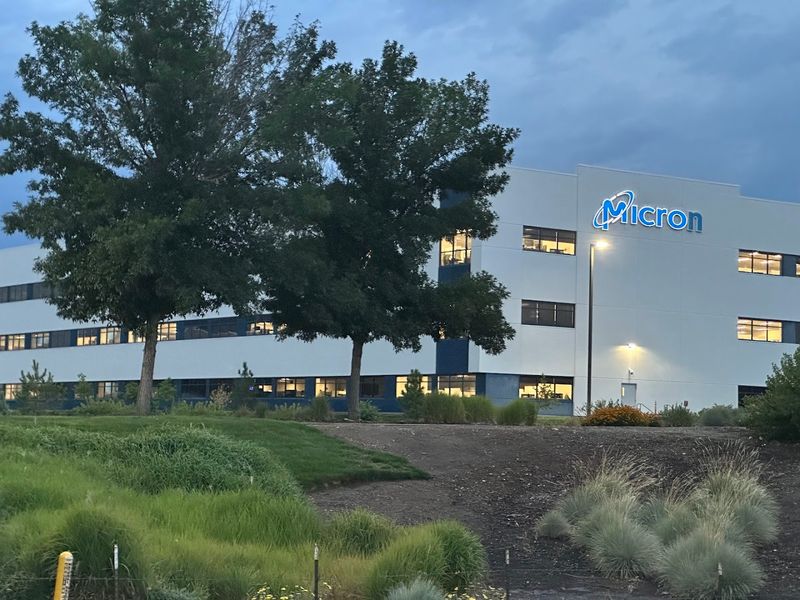
Chips with American zip codes carry a trace of this high desert city. Boise’s semiconductor lineage began with Micron’s founding in 1978, pushing dynamic random access memory into competitive cycles against global giants.
The company’s wafer fabs and R&D shaped a workforce trained in process control, yield improvement, and lithography constraints.
Through the 1990s and 2000s, Boise rode consolidation waves that punished slower players. Micron survived by tightening cost curves and investing in NAND and advanced packaging.
Supplier ecosystems grew around gases, photoresists, and metrology tools, giving the valley a quiet technical fluency.
Public policy sweetened expansion with workforce programs and infrastructure promises. University labs aligned curricula to equipment you would actually find on the floor.
The result is a city conversant in acronyms that decide smartphone storage and data center performance.
When headlines debate reshoring, Boise is a practical case study. Manufacturing here is not a ribbon cutting moment.
It is statistical process control and a culture that treats every defect chart like a crime scene worth solving.
6. Nashville, Tennessee – Healthcare Management
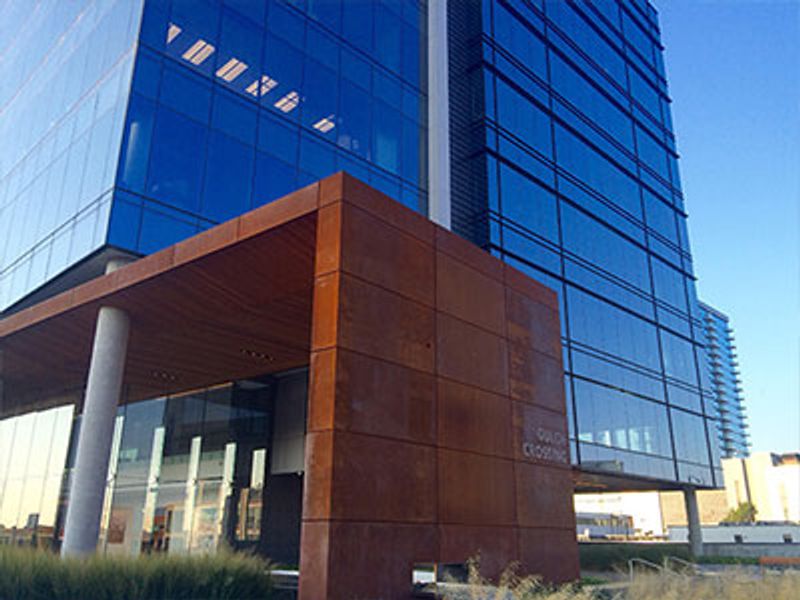
The paperwork behind your hospital stay often runs through meeting rooms here. Nashville’s healthcare management cluster grew from Hospital Corporation of America in the 1960s, which pioneered for profit hospital operations.
Alumni spun out competing firms that standardized billing, staffing, and compliance across sprawling systems.
Private equity found operational playbooks and predictable cash flows, turning the city into a deal room for clinics, surgery centers, and specialty practices. Trade groups, consultancies, and revenue cycle vendors stacked floors of suburban towers.
The city became a backstage for how care is scheduled and priced.
Music City branding hides the number of actuaries and analysts modeling payer mixes. Universities feed management talent skilled in policy shifts from Medicare rule changes to interoperability mandates.
You see a place fluent in acronyms and calendars tied to Centers for Medicare deadlines.
For you, the punchline is that leadership in medicine is not just lab coats. It is spreadsheets, credentialing, and network contracts stitched from here to mid sized towns nationwide.
The sound is quiet, but the influence moves entire balance sheets.
7. Grand Rapids, Michigan – Office Furniture
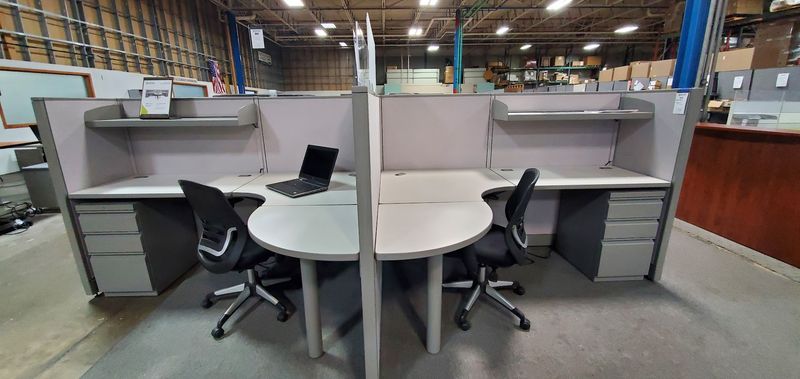
Where office culture learned to sit down properly, this city wrote the script. Grand Rapids earned the Furniture City title with nineteenth century woodcraft that shifted to metal frames and modular systems by the mid twentieth century.
Steelcase, Haworth, and nearby Herman Miller professionalized ergonomics into a design science.
The cubicle era of the 1960s and 1970s turned local showrooms into laboratories for workflow. Patents on adjustable arms, task chairs, and acoustic panels tracked with white collar expansion.
Supply chains here balanced upholstery art with industrial discipline.
As open plan trends cycled, the city pivoted to agile layouts, sit stand desks, and sustainable materials. Designers spoke the dialect of HR policies and IT cabling while pitching well being as productivity.
Grand Rapids taught companies to treat furniture as strategy rather than decor.
When you picture office life’s hardware, you are seeing decades of prototypes refined a few miles apart. It is a city that turned posture into a business model.
The lesson is that details like lumbar support can steer an entire manufacturing identity.
8. Wilmington, Delaware – Corporate Law
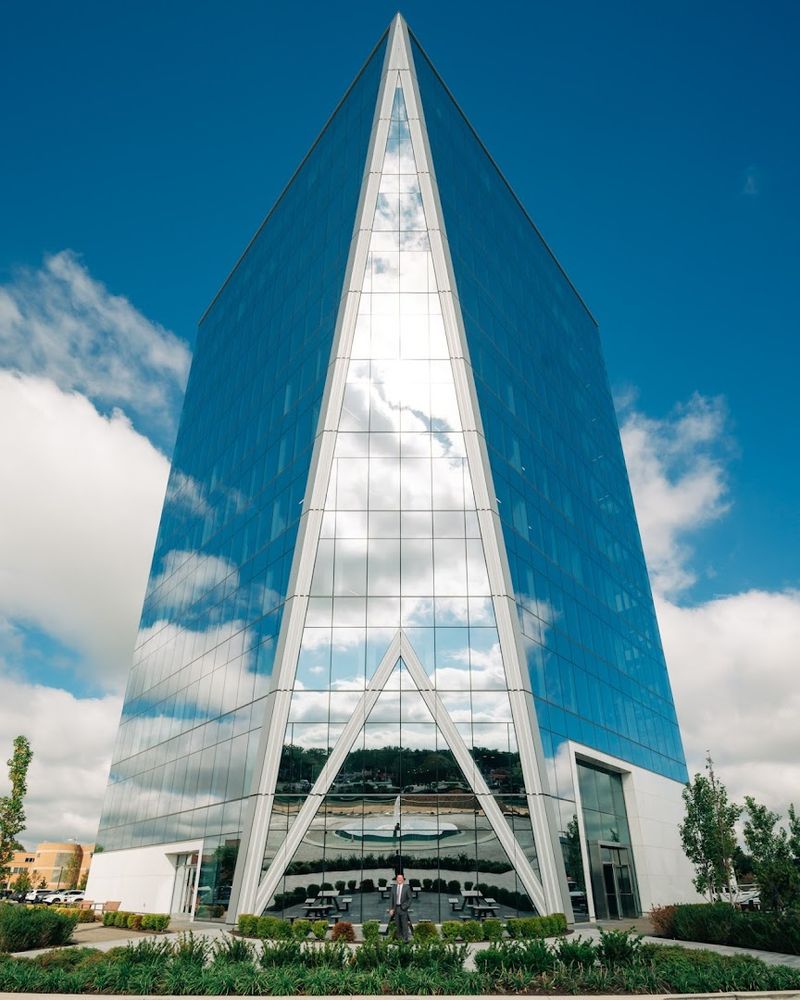
Many corporate dramas begin with a filing here rather than a boardroom speech. Wilmington’s dominance traces to nineteenth century charter reforms and a twentieth century Chancery Court that specialized in business disputes without juries.
Speed, predictability, and a deep case law record drew incorporations by the thousands.
In the 1980s, statutory updates kept pace with mergers, poison pills, and shareholder suits. Law firms and registered agents matured into a service industry that runs like a utility.
Franchise taxes funded state budgets, creating incentives to guard the model.
The city’s legal culture encourages narrow questions answered quickly by judges fluent in finance. Corporate officers appreciate rulings that read like playbooks.
This reputation shaped board habits nationwide, even when companies had few physical ties to Delaware.
For you, the surprising part is how a city can dominate by refereeing rather than manufacturing. Wilmington sells clarity.
In an economy that hates uncertainty, that product keeps winning renewals.
9. Silicon Valley, California – Venture Capital
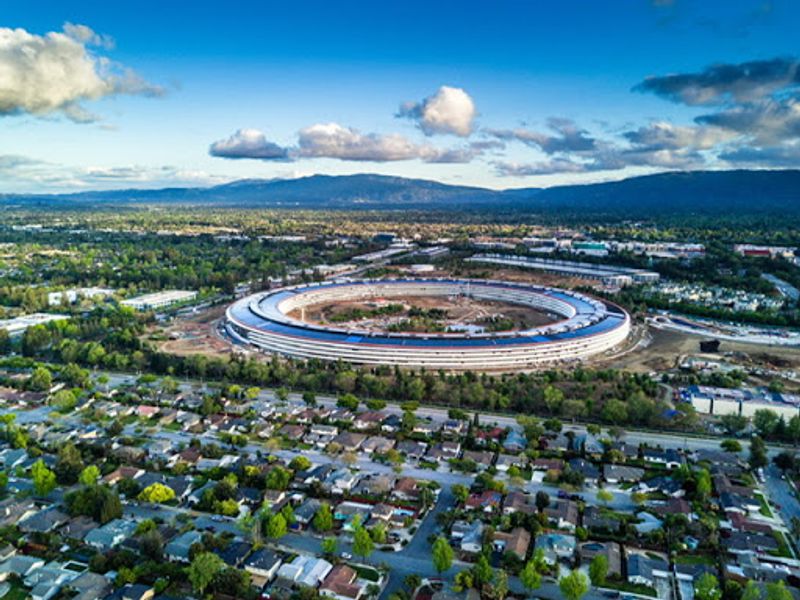
The money behind your favorite apps often started with a handshake on a quiet road. Silicon Valley’s venture capital scene coalesced in the 1970s as semiconductor wealth backed personal computing bets.
By the 1990s, Sand Hill Road institutionalized fund structures, limited partners, and governance norms that scaled risk in repeatable cycles.
Dot com booms and busts refined term sheets, liquidation preferences, and growth stage syndicates. Stanford’s talent flywheel, immigration policy, and defense research links created a pipeline of ambitious founders.
The region made early equity culture feel normal to engineers.
As software ate sectors, Valley investors exported playbooks for blitzscaling, product market fit, and option pools. Global rivals emerged, yet the area still sets pricing for hot rounds and sets expectations for board dynamics.
Deal flow is a habit built across coffee meetings, alumni lists, and demo days.
For you, this dominance reads as norms more than geography. Even when capital wires from elsewhere, language minted here writes the cap tables.
That is quiet power dressed as standard practice.
10. Las Vegas, Nevada – Live Entertainment
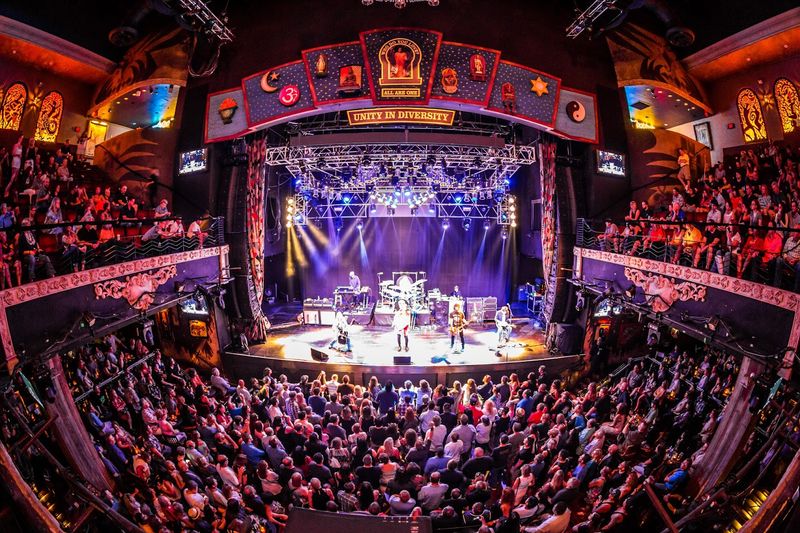
Behind the billboards is an operations city that treats spectacle like a shift schedule. Las Vegas built residency economics in the 1990s that replaced touring risks with stable productions.
Hotels bundled rooms, dining, and tickets into predictable revenue stacks, making creative bets viable.
Staging shops, rigging teams, and costume houses settled in warehouse districts. Unions and hotel operators negotiated calendars that turned performers into long term tenants.
Production values rose as water tanks, lifts, and automation met safety checklists honed over thousands of shows.
Sports and conventions added another layer, filling weekdays with floor plans and breakout rooms. The airport’s throughput matched weekend turnover with precision.
Even the city’s signage industry reads like a manufacturing cluster dedicated to attention.
For you as a fan, the artistry feels front and center. The real engine is capacity planning.
Las Vegas turned entertainment into an algorithm where surprise happens on time.
11. Pittsburgh, Pennsylvania – Robotics
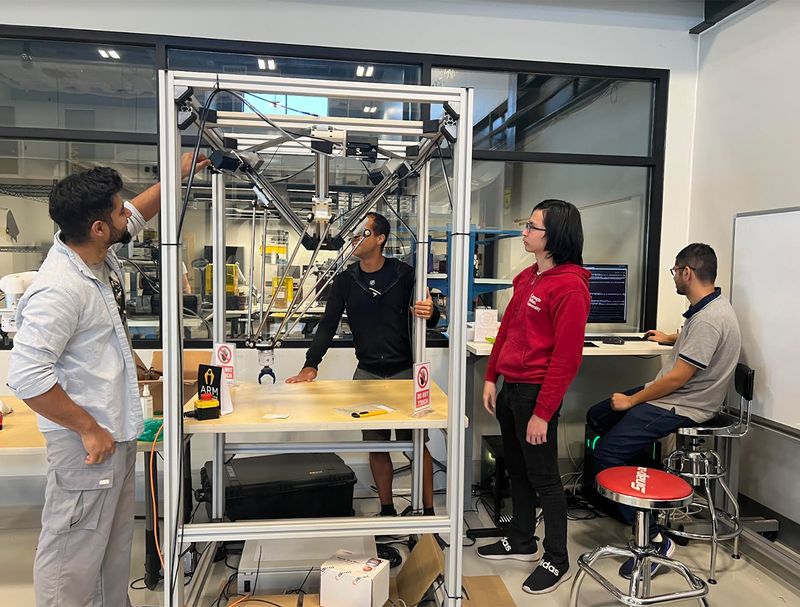
Steel taught this town to respect precision, and robots inherited the standard. Carnegie Mellon’s 1979 Robotics Institute seeded decades of research in manipulation, perception, and autonomy.
Defense grants and industrial partners turned algorithms into field tested machines for mines, farms, and factories.
After 2010, spinouts explored self driving, warehouse automation, and medical devices. Vacant mills became test tracks where lidar met traffic cones.
A talent pipeline linked PhD labs to startups and global firms that opened satellite offices for applied AI.
Public agencies coordinated street pilots and workforce programs so adoption felt practical, not theatrical. The city’s civic conversation focused on safety cases and job design.
That seriousness kept prototypes honest.
For you, the headline is that robotics leadership is a long patience game. Patents and pilots stack until they look like an overnight shift.
Pittsburgh’s quiet edge comes from treating research as an industry, not a hobby.
12. Dalton, Georgia – Carpet Manufacturing
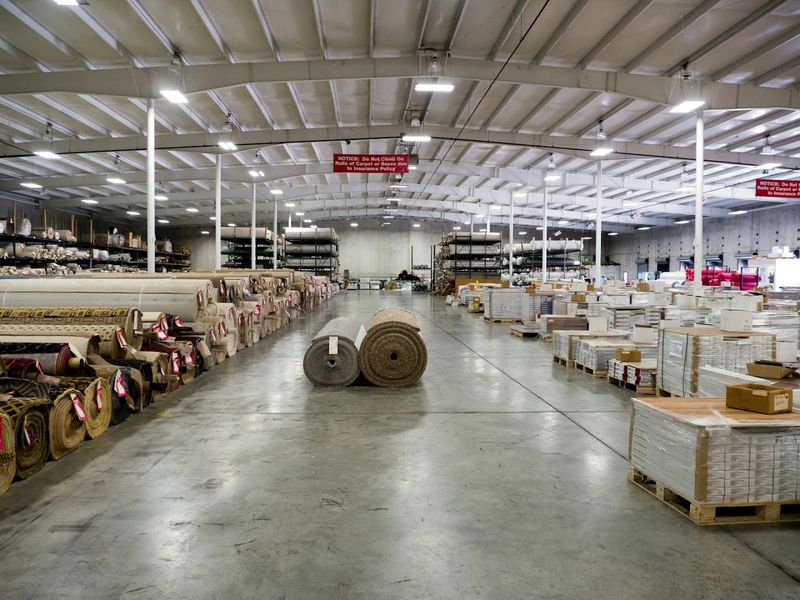
Flooring trends might feel like fashion, but here they look like engineering charts. Dalton became the Carpet Capital through tufting innovations pioneered by local entrepreneurs in the mid twentieth century.
Cheap electricity, highway access, and family networks amplified production into global scale.
By the 1970s, synthetic fibers and backing compounds boosted durability while cutting costs. Mills integrated dyeing, printing, and finishing under one roof.
Consolidation created firms with distribution muscle that supplied builders and retailers nationwide.
As homebuilding cycles rose and fell, Dalton leaned into efficiency and recycling programs for nylon. Technical schools trained operators to handle computerized looms.
Trade shows in nearby cities showcased textures that were really process tweaks made here months earlier.
For you, every hotel hallway and living room tells a bit of this story. The pattern is not only design.
It is a region that mastered repetitive quality at speed and turned yarn into an economic backbone.
13. Memphis, Tennessee – Logistics
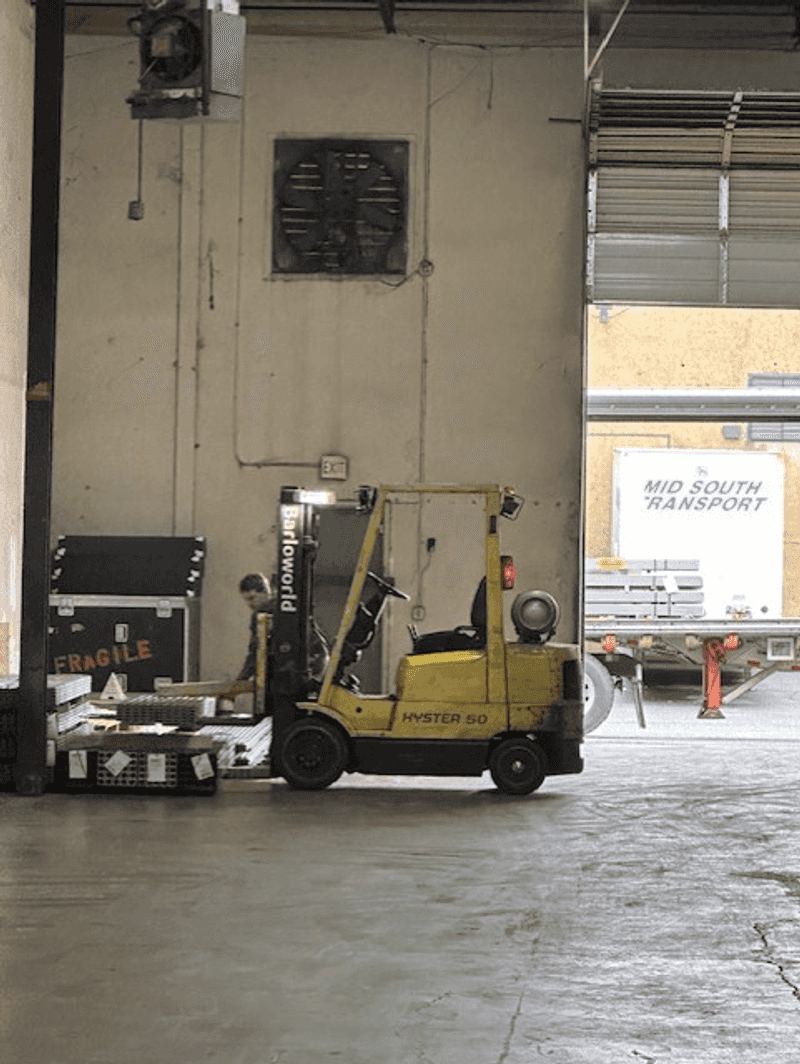
Your overnight delivery likely rode a choreography perfected here. Memphis vaulted into logistics history when FedEx chose it as a hub in the 1970s, drawn by weather patterns, runway layout, and central geography.
The company built an integrated sort that turned midnight into a competitive moat.
Warehouses multiplied as businesses learned to design around late cutoff times and reliable morning arrivals. Barcode scanning and route optimization matured in step with the hub’s scale.
Trucking, rail, and river connections made multimodal options routine.
The city’s workforce learned shift rhythms that map to global time zones. Supplier parks and return centers grew as e commerce changed expectations.
Civic planning followed with road upgrades and security protocols that treat efficiency like infrastructure.
For you, the label on a package hides a small miracle of timing. Memphis made speed feel normal.
It is an operations lesson the rest of the economy keeps studying.
14. Portland, Oregon – Athletic & Outdoor Brands
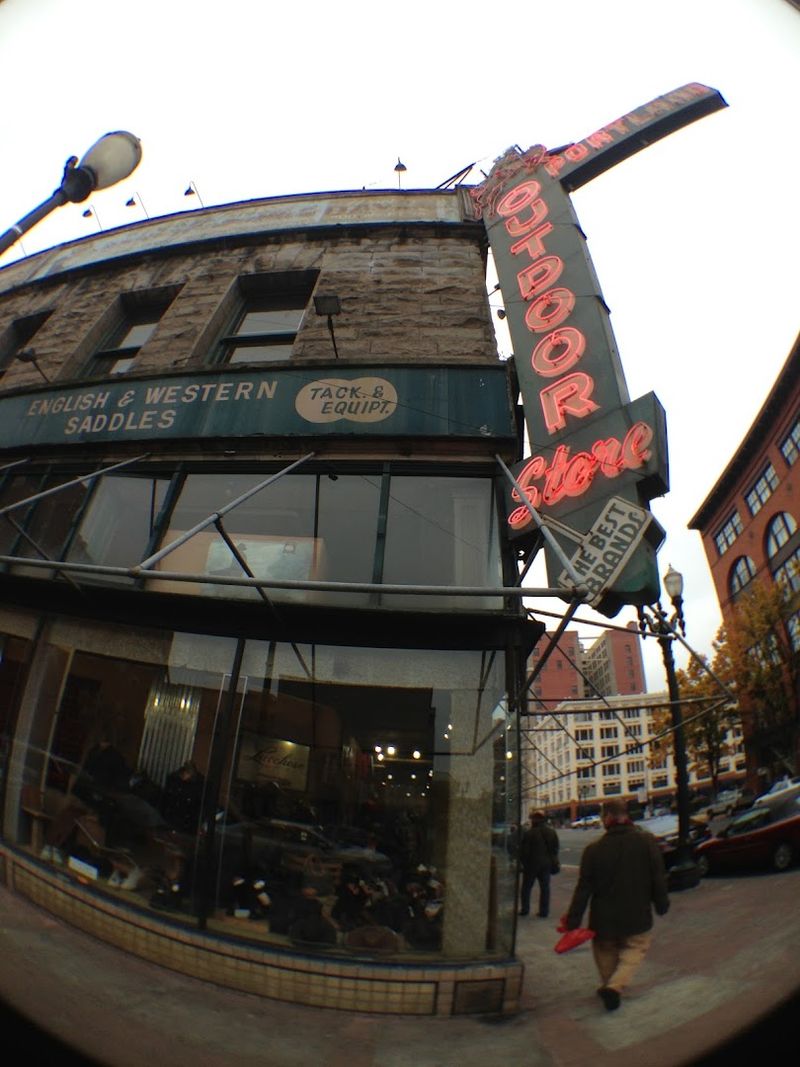
Sneaker culture learned brand fluency in these neighborhoods. Portland’s athletic cluster grew from Nike’s rise in the 1970s and 1980s, which attracted designers, material scientists, and marketers.
Contract factory management overseas paired with local prototypes, making the region a feedback loop for performance and storytelling.
Adidas North America and a host of outdoor brands set up shop, creating a talent market fluent in last shapes, foam chemistry, and athlete endorsements. The city stitched product launches to trail culture and community runs.
Creative agencies nearby turned campaigns into cultural reference points.
Sustainability pushed innovation in recycled materials and supply chain transparency. The growth of direct to consumer channels reshaped retail roles into digital product teams.
Local universities produced designers who speak both CAD and campaign briefs.
For you, every limited drop and trail shoe points to a playbook refined here. The dominance is not a secret handshake.
It is a steady grind of prototypes, wear tests, and marketing calendars aligned to weekend miles.
15. Savannah, Georgia – Port Logistics
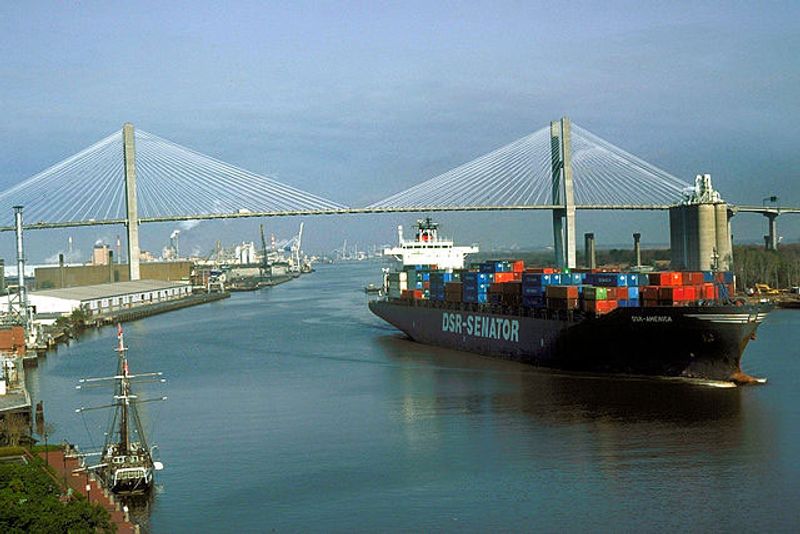
Global trade slips through this bend in the river with remarkable efficiency. Savannah’s container port gained momentum with deepening projects, on dock rail, and room to expand yard space.
The Georgia Ports Authority pursued a single terminal model that simplified operations.
As East Coast routes shifted after canal expansions, carriers embraced Savannah’s velocity. Warehouses sprouted along the I 95 and I 16 corridors, feeding retailers and manufacturers.
Investments in cranes, gate tech, and appointment systems kept trucks moving.
Tourists know the historic district. Shippers know cutoffs that turn into reliable arrival windows inland.
Workforce programs taught crane driving and logistics software as career paths.
For you, it means shelves refill because containers got a predictable welcome here. Savannah’s influence is not loud.
It is measured in turn times, which might be the most persuasive argument in logistics.
16. Orlando, Florida – Theme Park Design

Magic on a ride vehicle starts as spreadsheets and foam core in this city. Orlando’s design engine grew from major parks building in house creative and engineering teams.
Vendors specializing in show control, animatronics, and ride systems set up around them.
Trade schools and universities built programs in mechanical design and scenic arts. Timelines that coordinate thousands of parts turned into a regional specialty.
Budgets and safety codes shaped creativity into disciplined craft.
As international parks multiplied, Orlando firms exported master plans, media, and training. The city plans joy the way others plan highways, with documentation thicker than novels.
Freelancers swap between projects like a repertory company.
For you, that means the next attraction you queue for may trace its DNA to a nondescript warehouse here. The magic is method.
Orlando proves that wonder can be managed without losing its edge.



