 Unearth The Voyage
Most people plan their trips around the same big names: Yellowstone, the Grand Canyon, Yosemite. But the United States is packed with jaw-dropping places that never seem to make the highlight reel.
I stumbled onto one of these hidden gems by accident a few years back, and it completely changed how I travel. These 16 destinations prove that the best adventures are often the ones nobody warned you about.
Great Basin National Park, Nevada
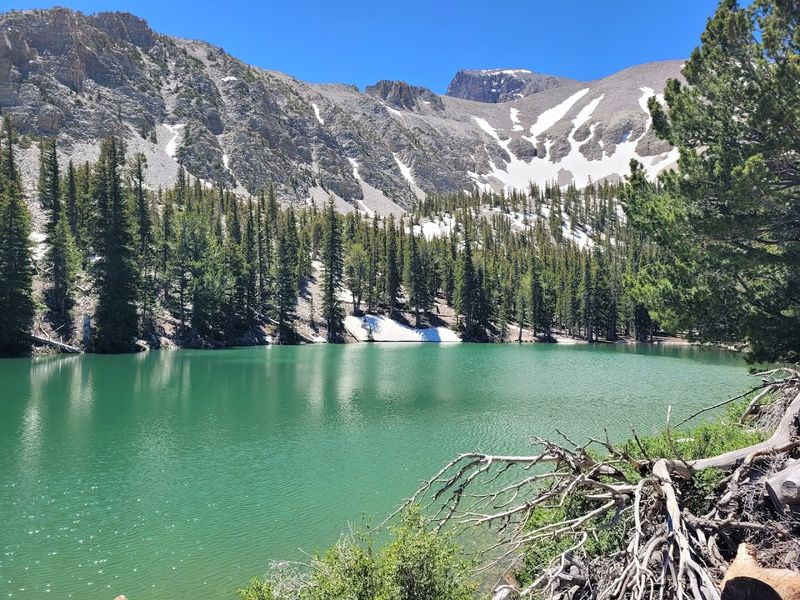
Somewhere between Salt Lake City and nowhere, Great Basin National Park sits quietly, waiting for the few travelers smart enough to find it. Wheeler Peak rises over 13,000 feet, ancient bristlecone pines cling to rocky slopes like they own the place, and underground, Lehman Caves twist through the earth in spectacular fashion.
The night skies here are genuinely legendary. No city glow, no light pollution, just an overwhelming blanket of stars that makes you feel both tiny and lucky at the same time.
Book a ranger-led cave tour during the day, then stay for stargazing after dark.
Fall is a sweet spot for visiting, when aspens turn gold and crowds stay thin. Great Basin is one of the least-visited national parks in the country, which honestly makes zero sense once you see it.
Pack layers, fuel up before arriving, and prepare to be seriously impressed.
North Cascades National Park, Washington
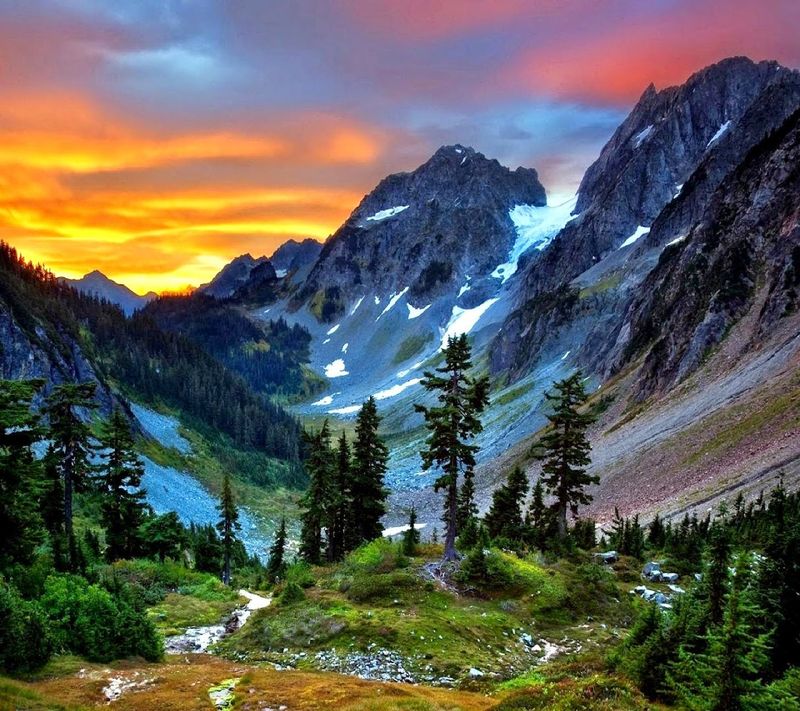
Over 300 glaciers. Let that sink in.
The North Cascades are one of the most heavily glaciated regions in the entire United States outside of Alaska, yet somehow this park stays gloriously uncrowded compared to its Pacific Northwest neighbors.
The North Cascades Highway alone is worth the drive, with scenic pullouts that frame jagged peaks like postcards you actually get to stand inside. Short trailheads off the highway offer big rewards without requiring full mountaineering gear.
Diablo Lake, with its almost unrealistically turquoise water, is a must-see stop.
Visitation has ticked up in 2025, but it still feels refreshingly peaceful. No massive parking lot chaos, no hour-long shuttle waits.
Just mountains, glaciers, and the kind of quiet that reminds you why national parks exist in the first place. If you love the idea of alpine scenery without the crowd anxiety, this is your park.
Voyageurs National Park, Minnesota
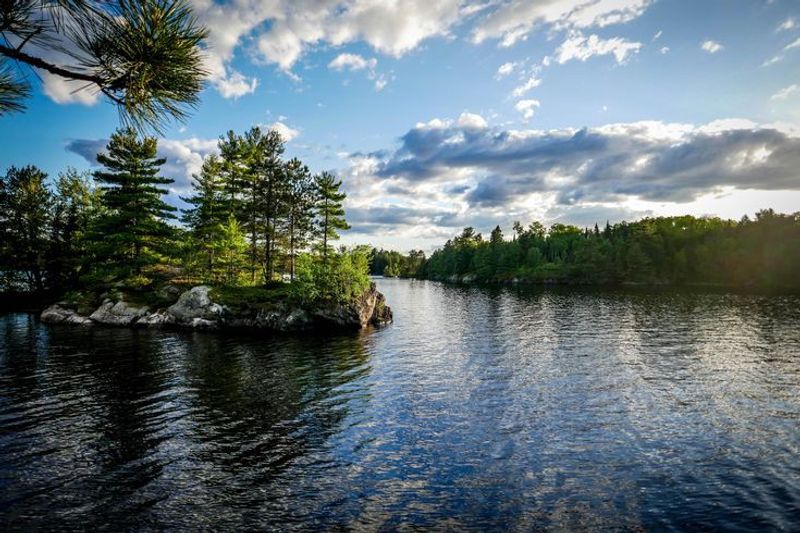
Most national parks reward you for walking. Voyageurs rewards you for paddling.
This water-first wilderness in northern Minnesota covers about 218,000 acres of interconnected lakes, streams, and forested islands that you simply cannot fully explore on foot.
Rent a canoe or kayak, pick a direction, and let the lakes lead you. Island hopping here feels like a genuine adventure, especially when you find a quiet cove to stop for lunch.
Sunsets over the open water are the kind that make you put your phone down voluntarily.
Winter transforms the park completely. Frozen lakes become snowmobile highways and cross-country ski trails, and the northern lights occasionally make an appearance.
Summer and winter both deliver, just in wildly different ways. I once spent an evening drifting across Kabetogama Lake as the sky turned pink and gold, and I still think about it regularly.
Voyageurs earns its place on any bucket list.
Congaree National Park, South Carolina
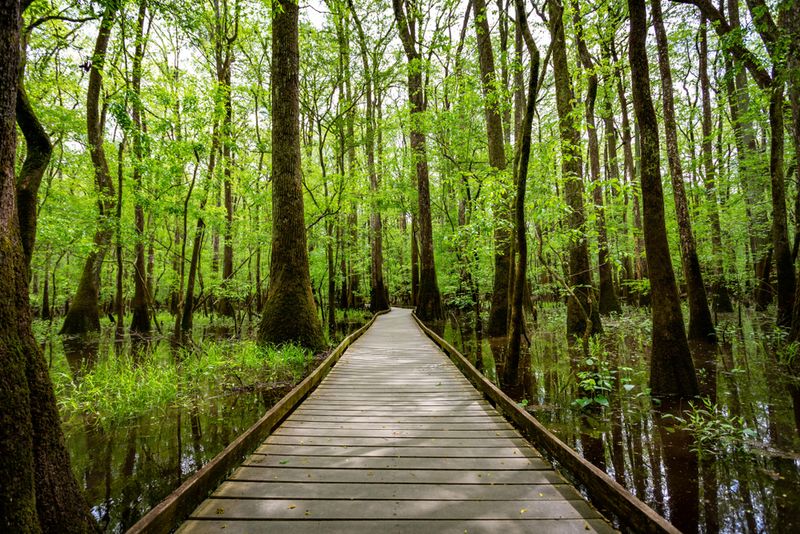
Walking through Congaree feels less like hiking and more like stepping into a cathedral that took nature a few thousand years to build. This South Carolina park protects the largest intact expanse of old-growth bottomland hardwood forest left in the southeastern United States, and it is genuinely unlike anything else on the East Coast.
Champion trees tower overhead, Spanish moss drips from branches, and the whole place has an almost prehistoric atmosphere. The boardwalk loop is the easiest way in, winding through flooded forest terrain that feels totally removed from the modern world.
Golden hour here is something special.
Fair warning: bugs in warm months are enthusiastic. Bring serious repellent and consider long sleeves unless you enjoy being a snack.
Spring and fall visits are noticeably more comfortable. Congaree is quiet, weird in the best possible way, and completely free to enter.
That last detail alone should have more people showing up.
Guadalupe Mountains National Park, Texas
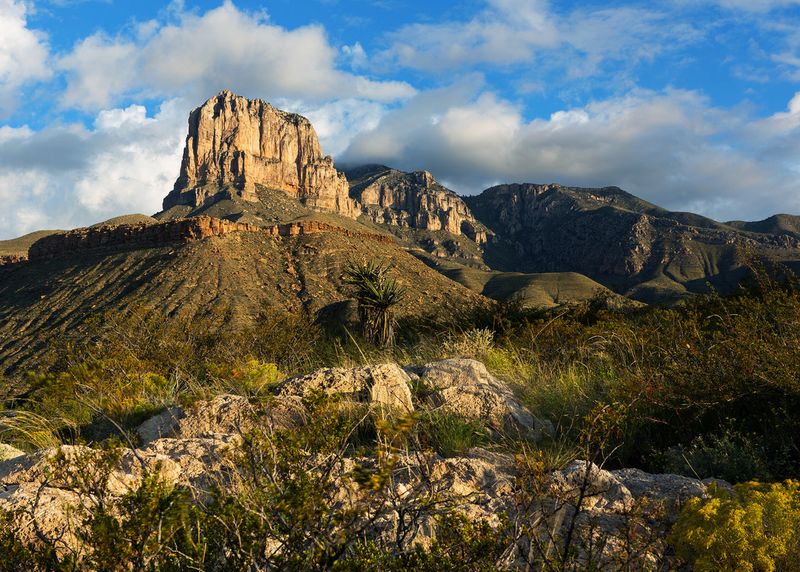
Texas has mountains. Real ones.
Guadalupe Mountains National Park is home to the four highest peaks in the entire state, including Guadalupe Peak, which tops out at 8,749 feet and rewards hikers with a summit register that reads like an adventurers guest book.
The geology here is genuinely wild. The park protects the worlds most extensive Permian fossil reef, meaning the cliffs and ridges you hike through were once an ancient ocean reef.
That is a fact worth pausing on mid-trail. Sunrise and sunset paint the limestone formations in shades of amber and rose that feel almost theatrical.
Night skies rival those of Great Basin, making this a fantastic double destination if you are already road-tripping through the Southwest. The park stays quiet year-round because most Texas visitors head straight to Big Bend.
Their loss, your gain. Pack enough water, wear sturdy shoes, and claim those mountain views for yourself.
Big Bend Ranch State Park, Texas
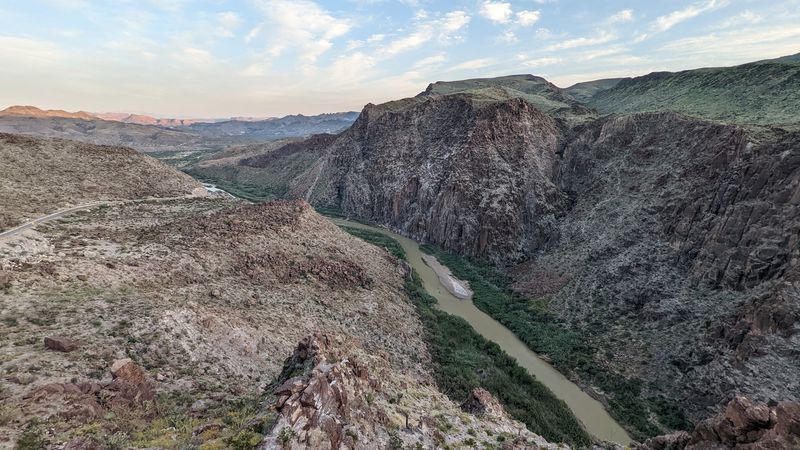
Big Bend National Park gets all the glory, but its neighbor to the west deserves serious credit. Big Bend Ranch State Park is the largest state park in Texas, covering over 311,000 acres of raw Chihuahuan Desert, volcanic mountains, and some of the most dramatic Rio Grande frontage you will find anywhere.
Paddling or rafting the Rio Grande through the lower canyons is the kind of experience that resets your entire perspective on life. The water carves through limestone walls that rise hundreds of feet on both sides, and the silence is absolute except for the river itself.
Conditions vary by season, so check water levels before committing to a float.
The park also has over 200 miles of trails for hikers and mountain bikers, plus primitive camping that puts you genuinely far from civilization. Cell service is essentially nonexistent, which some people consider a feature rather than a flaw.
Big Bend Ranch is Texas at its most untamed.
Caddo Lake State Park, Texas
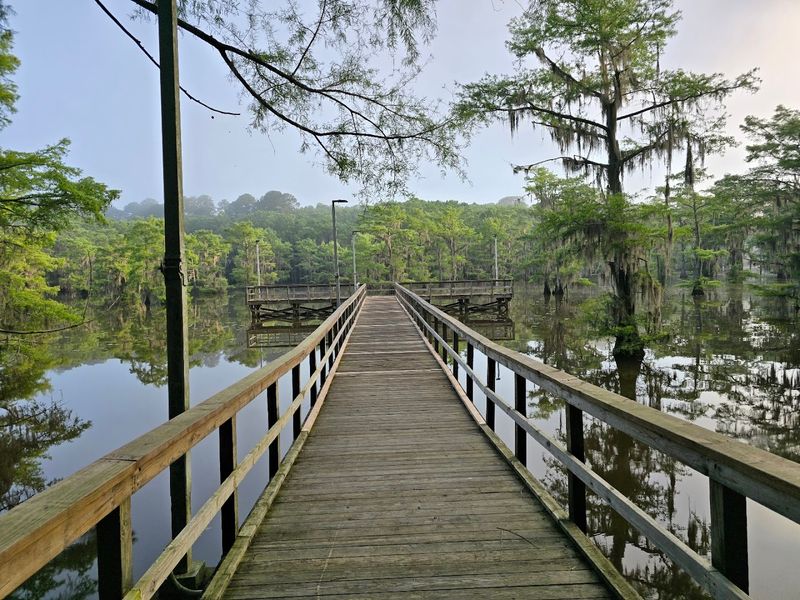
Caddo Lake is the only naturally formed lake in Texas, and it looks like someone dropped a Louisiana bayou smack in the middle of East Texas. Ancient bald cypress trees rise from the water, their knees poking up from the surface, draped in Spanish moss that drifts in the breeze like something out of a Southern Gothic novel.
Early morning paddling here is absolutely unbeatable. The water is glassy before the wind picks up, the light filters through the cypress canopy in golden columns, and the whole lake feels like a secret the rest of the state forgot to mention.
Bring a kayak or rent one locally.
Fishing is serious business at Caddo Lake, with over 70 fish species recorded in the area. Wildlife sightings, including herons, alligators, and wood ducks, are practically guaranteed if you move quietly.
This is one of those places that rewards patience over speed, so slow down and let the lake reveal itself.
Palo Pinto Mountains State Park, Texas
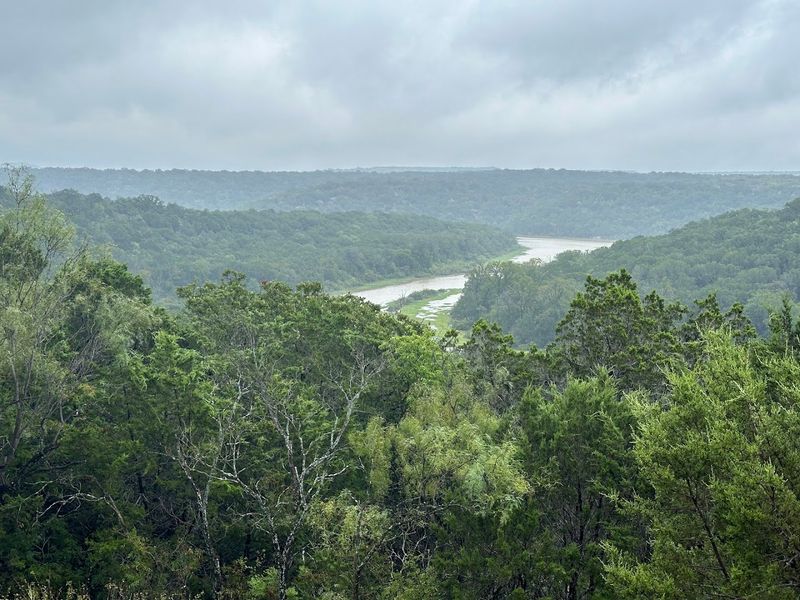
Texas opened Palo Pinto Mountains State Park in 2024, making it one of the newest state parks in the country. Built on nearly 5,000 acres of former ranchland about 70 miles west of Fort Worth, this park is already turning heads among Texas hikers who know where to look.
The terrain mixes rocky limestone ridges, open grasslands, and oak-juniper woodland in a way that feels distinctly West Texas without requiring a 10-hour drive to get there. Views from the higher trails stretch for miles, and wildlife sightings, including white-tailed deer and wild turkey, come standard.
Because the park is so new, trails are still being developed and visitor infrastructure is growing. That means right now is actually a great time to visit, before the crowds figure out what is happening out here.
First-time visitors should do a loop hike to get the lay of the land, then plan a return trip in a different season for a completely different experience.
Apostle Islands National Lakeshore, Wisconsin
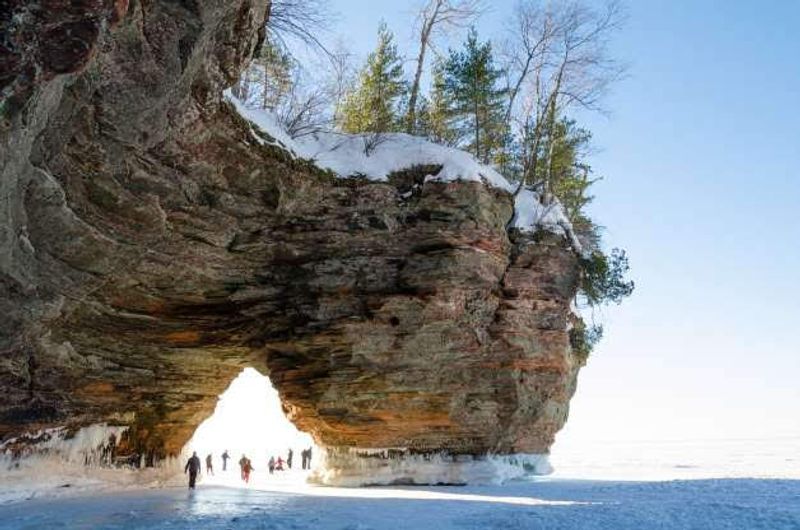
Lake Superior is not messing around. The largest of the Great Lakes by surface area, it carved the Apostle Islands sea caves out of sandstone over thousands of years, and the results are jaw-dropping.
These arched chambers and sculpted rock formations along the Wisconsin shoreline are among the most visually striking natural features in the entire Midwest.
In summer, kayakers and boat tour passengers get close enough to watch waves echo inside the caves. In winter, when conditions allow, the caves freeze into an ice palace that draws visitors willing to hike across the frozen lake for the experience.
Both seasons are worth planning around.
The Apostle Islands chain includes 21 islands, several with historic lighthouses that are absolutely worth exploring. The town of Bayfield is a charming base camp with good food and ferry access.
Cold water swimming is technically possible here, though the lake will remind you immediately that Superior is not the tropics.
Ozark National Scenic Riverways, Missouri
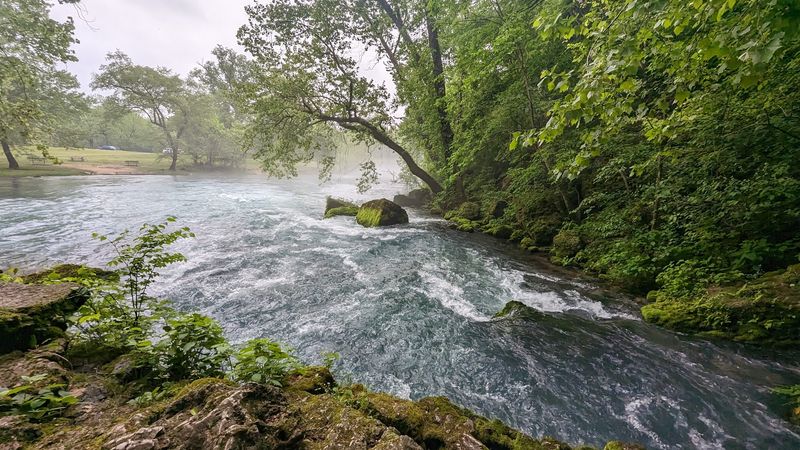
The Current River in Missouri runs so clear you can count the rocks on the bottom from your float tube. The Ozark National Scenic Riverways became the first national park unit created specifically to protect a river system, and after one afternoon on the water, it is obvious why someone thought these rivers deserved federal protection.
Floating the Current or Jacks Fork River is a Missouri summer tradition that more people outside the state should know about. You can go as relaxed or as active as you like, from lazy inner tube floats to multi-day canoe camping trips with cold spring swims built into the itinerary.
Big Spring, one of the largest springs in the United States, pumps millions of gallons of cold, crystal-clear water into the Current River every day. Stopping there for a swim is essentially mandatory.
The Ozarks have a low-key, unhurried vibe that is genuinely hard to find these days, and the riverways deliver it in abundance.
Cumberland Island National Seashore, Georgia
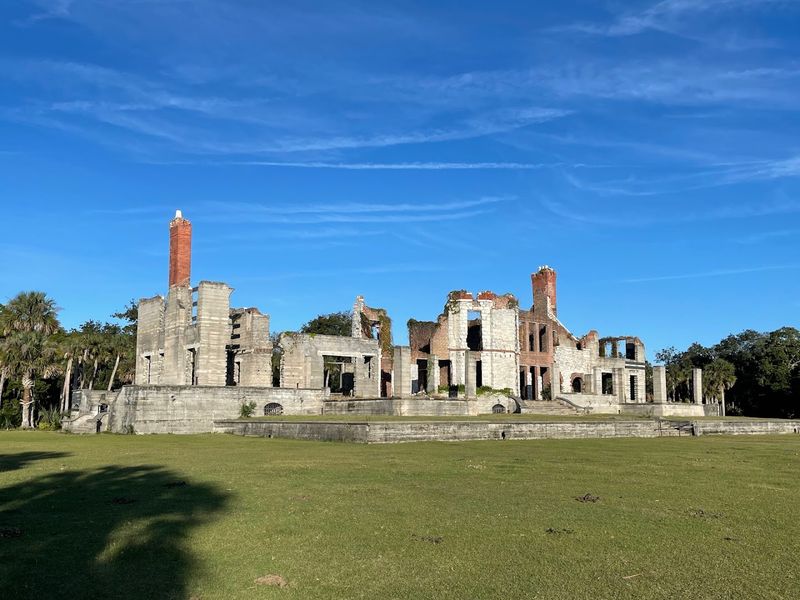
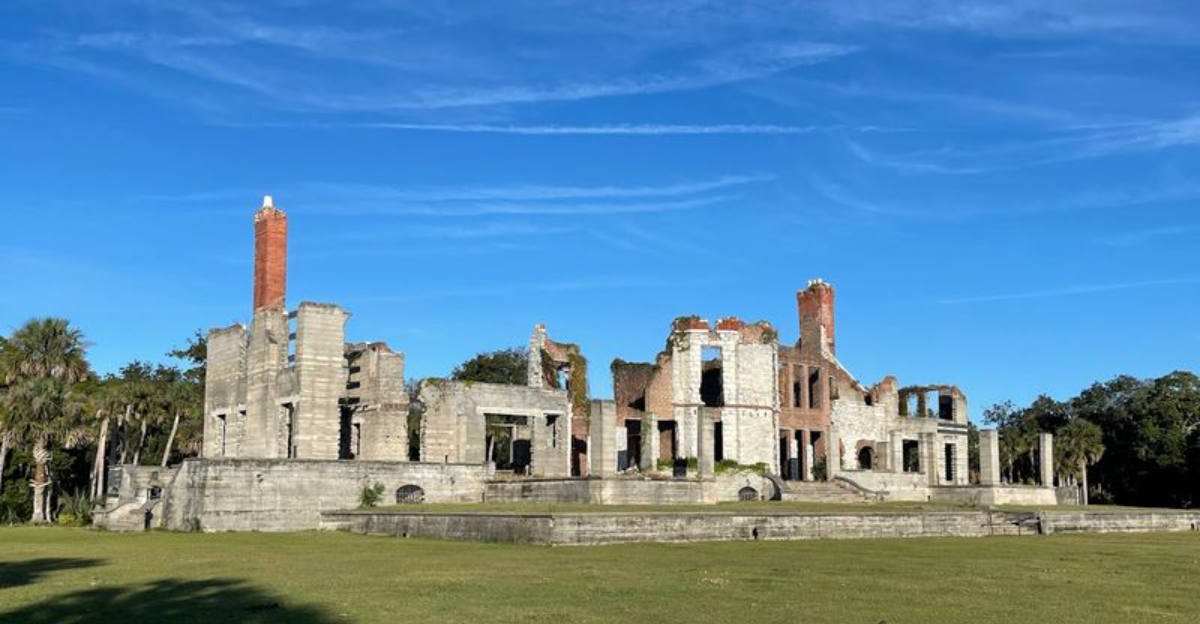
Wild horses roam Cumberland Island freely, wandering through ruins of Gilded Age mansions and across miles of untouched beach without a single souvenir shop in sight. Georgia’s largest barrier island is accessible only by ferry, which keeps the crowds manageable and the atmosphere genuinely wild.
The mix of history and nature here is extraordinary. Dungenness Ruins, the remains of a Carnegie family estate, stand dramatically against the maritime forest backdrop.
Sea turtle nesting season runs through summer, and the beaches stretch for miles with almost no development in view.
Getting there requires planning. The ferry runs on a limited schedule from St. Marys, and camping reservations fill up fast, especially in spring and fall.
Day-trippers get a few hours to explore, but overnight visitors get the real experience, including quiet mornings before the ferry arrives and starry skies after it leaves. Cumberland Island rewards the effort required to reach it tenfold.
Chiricahua National Monument, Arizona
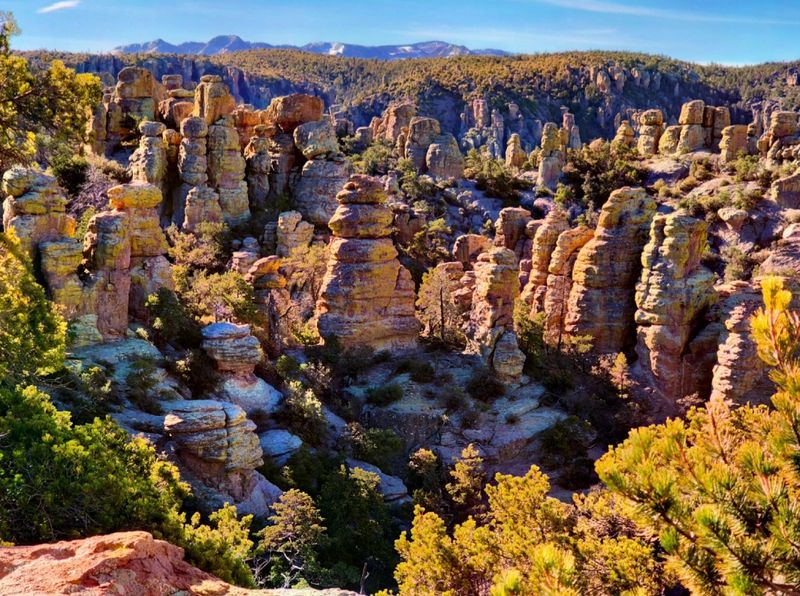
Nobody calls Chiricahua ordinary. The National Park Service itself labeled it a Wonderland of Rocks, and that description holds up the second you see the volcanic pinnacles, balanced boulders, and stacked stone columns rising from the Arizona desert like a geology experiment gone beautifully wrong.
The formations were created by a massive volcanic eruption about 27 million years ago, followed by millions of years of erosion doing its most creative work. Trails wind directly through the rock maze, putting you up close with formations that look structurally impossible but have been standing just fine for millennia.
Chiricahua sits in the southeastern corner of Arizona, tucked into a mountain range that acts as a sky island, supporting an unexpected variety of wildlife including rare bird species that draw serious birders from across the country. The scenic drive through the monument is excellent even if hiking is not on your agenda.
Combine it with a stop at Tombstone for a full southeastern Arizona day.
Organ Pipe Cactus National Monument, Arizona
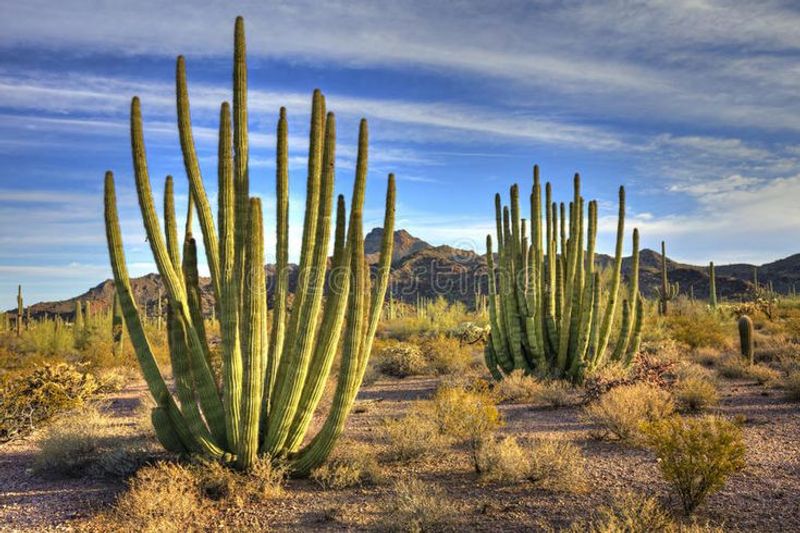
Organ Pipe Cactus National Monument is the only place in the United States where organ pipe cacti grow wild, and these multi-armed giants make the Sonoran Desert look like it was designed by someone with a flair for the dramatic. The UNESCO International Biosphere Reserve designation is not handed out casually, and this place earned it.
The Ajo Mountain Drive, a 21-mile scenic loop through the monument, is one of the best desert drives in the American Southwest. Spring wildflower season, typically March through April, turns the desert floor into a color show that stops hikers mid-stride.
Night skies here are some of the darkest in the lower 48.
Camping inside the monument puts you directly under those skies, which is worth every minute of the drive to get there. The monument sits close to the US-Mexico border, and rangers are helpful with current conditions and access info.
Go in winter or spring to avoid the genuinely brutal summer heat.
Gila Cliff Dwellings National Monument, New Mexico
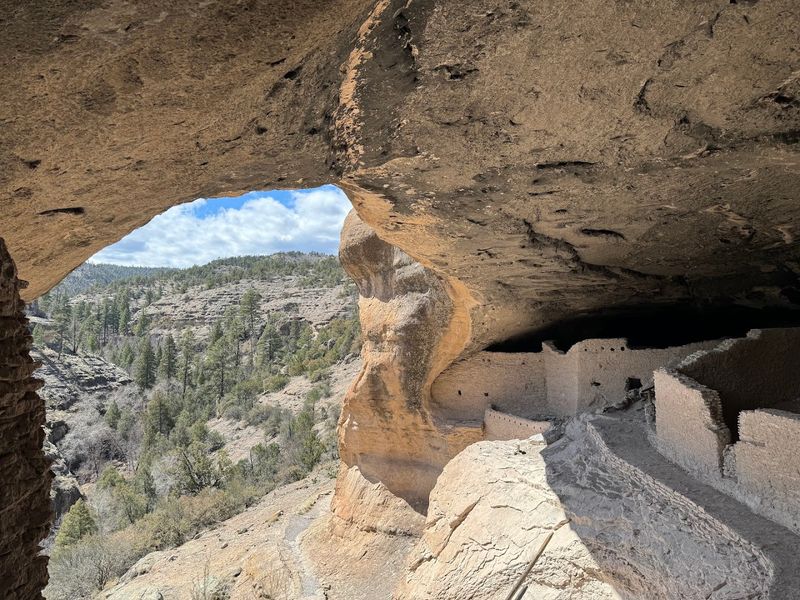
In the late 1200s, the Mogollon people built their homes inside natural caves carved into a canyon wall in what is now southwestern New Mexico. Walking through those rooms today, ducking through doorways and looking out from windows that framed mountain views for centuries, is one of the most quietly powerful experiences in the American Southwest.
The hike to the dwellings is only about a mile, but it climbs into the canyon with enough interest to keep it engaging. Rangers are on-site and happy to share context that transforms the visit from a sightseeing stop into something that actually sticks with you.
Go slow and read the interpretive signs.
The surrounding Gila Wilderness, the first designated wilderness area in the United States, offers days worth of additional hiking and hot spring soaking if you have the time. The Gila is remote, which means the drive is long and the crowds are minimal.
That combination is increasingly rare and worth protecting by keeping your visit respectful and low-impact.
Katahdin Woods and Waters National Monument, Maine
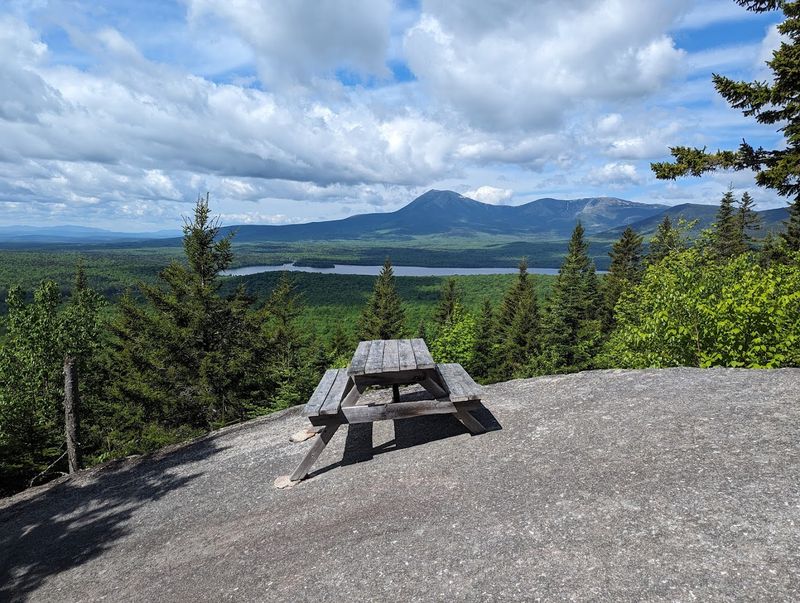
Maine has a habit of being underestimated, and Katahdin Woods and Waters National Monument is proof. Designated in 2016, this relatively new monument sits just east of Baxter State Park and offers spectacular views of Mount Katahdin without the permit-heavy access requirements of the park itself.
The monument is shaped by rivers, boreal forests, and a darkness at night that is genuinely rare in the eastern United States. The NPS specifically highlights the night skies here, and visitors who stay after sunset understand why immediately.
Stars appear in numbers that feel almost absurd this far east.
Wildlife is abundant and varied, including moose, black bear, eagles, and brook trout in the rivers. The road network inside the monument is largely unpaved, which keeps it rugged and keeps casual visitors from wandering too deep.
Bring a detailed map, a full gas tank, and zero agenda. Katahdin Woods and Waters is the kind of place that rewards people who show up without a schedule.
Craters of the Moon National Monument & Preserve, Idaho
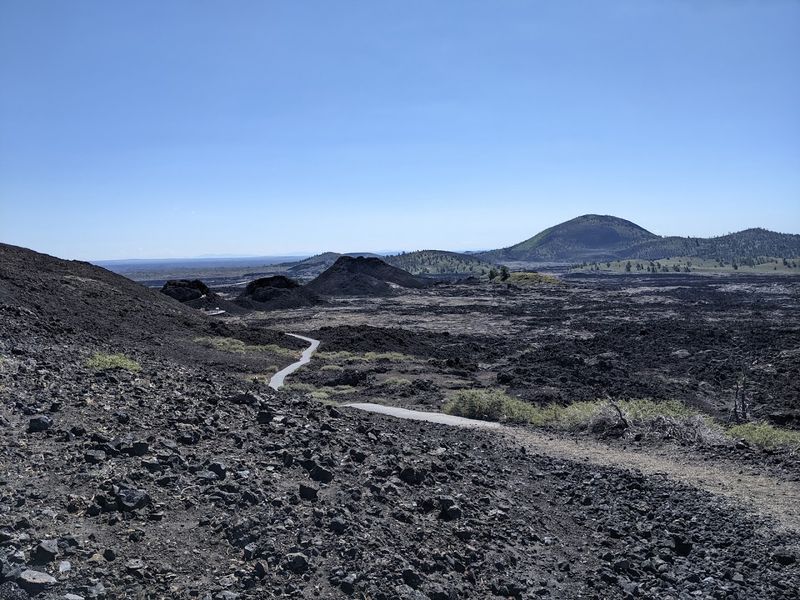
NASA once sent Apollo astronauts to Craters of the Moon to train for lunar missions. That detail tells you pretty much everything you need to know about what this place looks like.
The NPS describes it as a vast ocean of lava flows, and standing in the middle of those black fields, it is genuinely easy to forget you are still on Earth.
Cinder cones, lava tubes, and spatter craters stretch across the southern Idaho landscape in every direction. The lava field loop drive is a great introduction, with short trails branching off to caves and craters that you can actually climb into.
Bring a flashlight for the lava tube hike.
Sun protection is non-negotiable here. Shade is essentially nonexistent, the dark lava absorbs heat aggressively, and the open landscape reflects light from every angle.
Early morning visits are dramatically more comfortable than midday ones. Craters of the Moon is weird, stark, and completely unlike anywhere else in the country, which is exactly why it belongs on your list.



